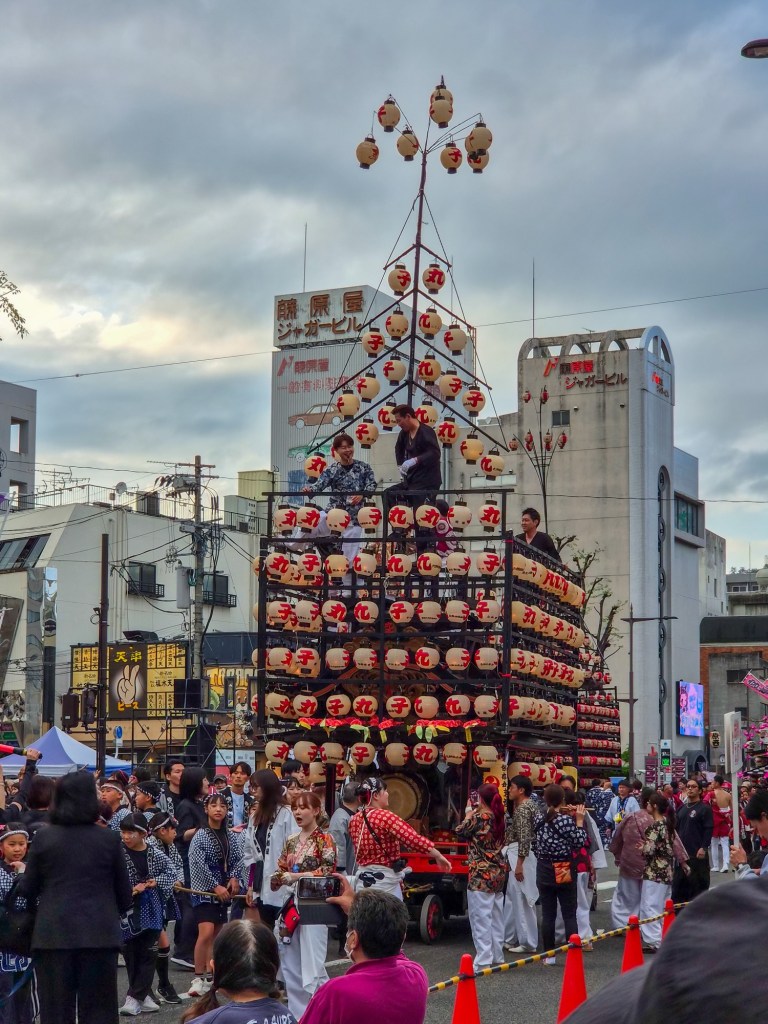
D5 JttE Yeongdeok – Gyeongju

A short flat day by bike. A highlight of travel. From crab to war to steel.

The first main stop was a recent war memorial. It’s near where they discovered the wreckage of Roks Munsan, a South Korean carrier, and the 770 student soldiers who died. Simply and well done it makes you pause and think about two countries (USA and Russia) dividing one country and the continuing fall out. Not to mention the casualties on both sides (840000dead or missing soldiers, estimated 2.5 million civilians. A time to be quiet.

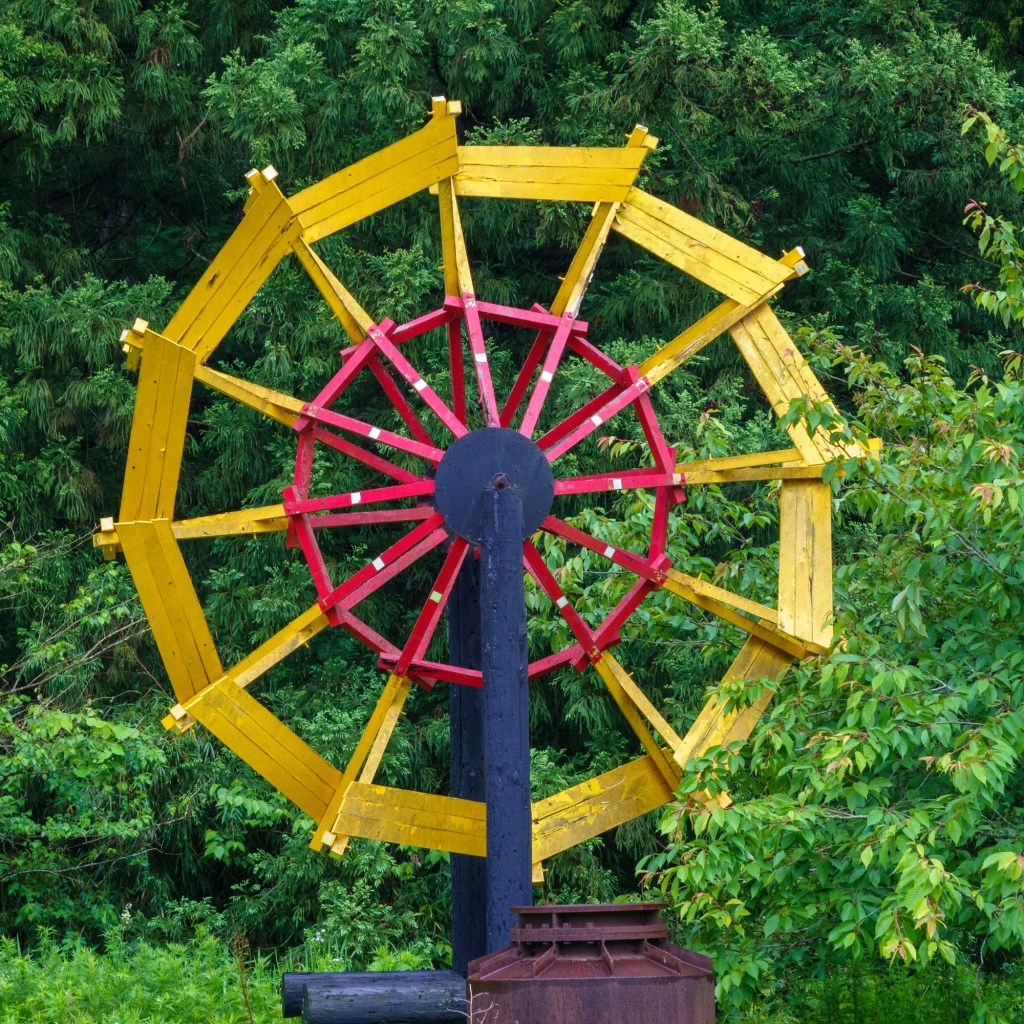
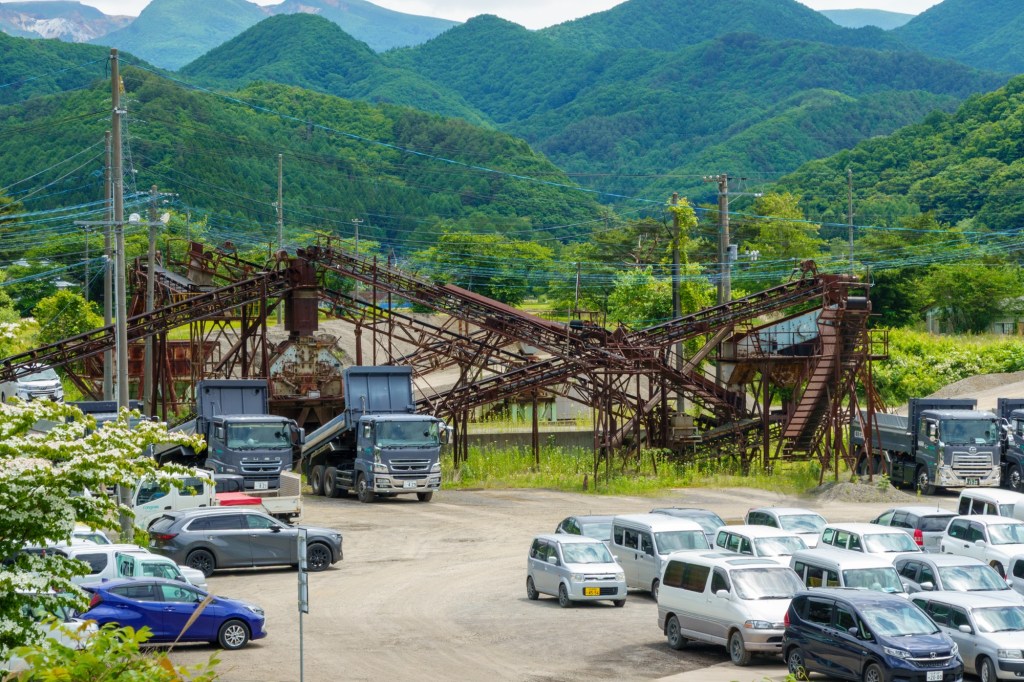
A large manufacturing plant was a reminder some countries still make things at scale. Turning away from the sea, we continued until a steel works appeared on the opposite side of the river. It seemed to go for days. Ponang steel works. Built from 1970 onwards. One of the world’s largest – it’s output is 5-7times greater than Port Talbot in recent history. Makes you cringe why we’ve lost our steel industry and this thrives. It was colourful too.

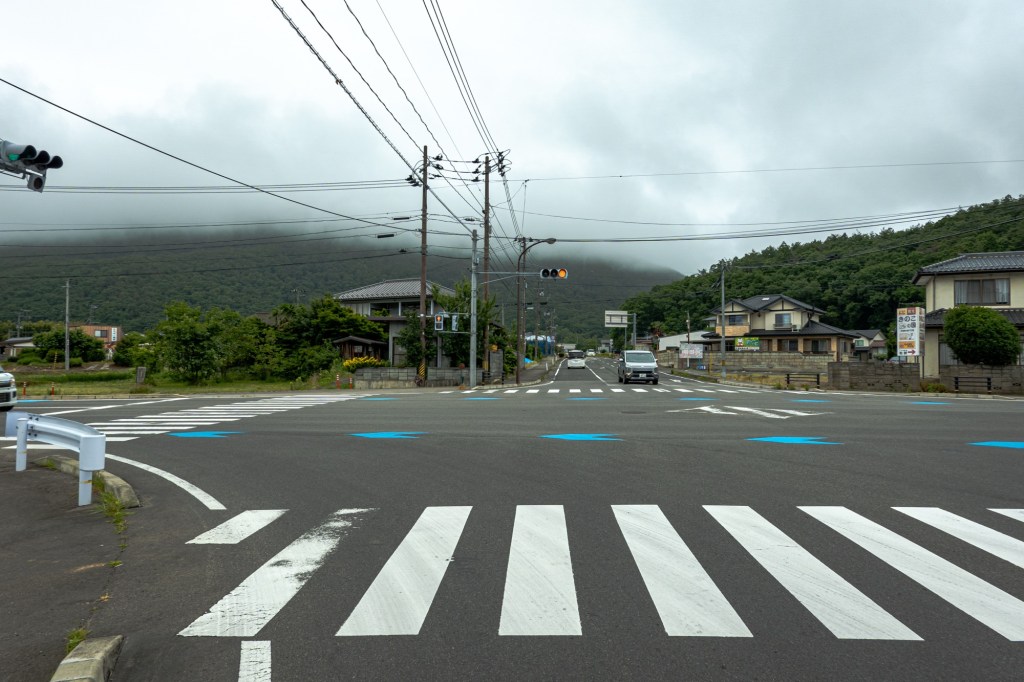
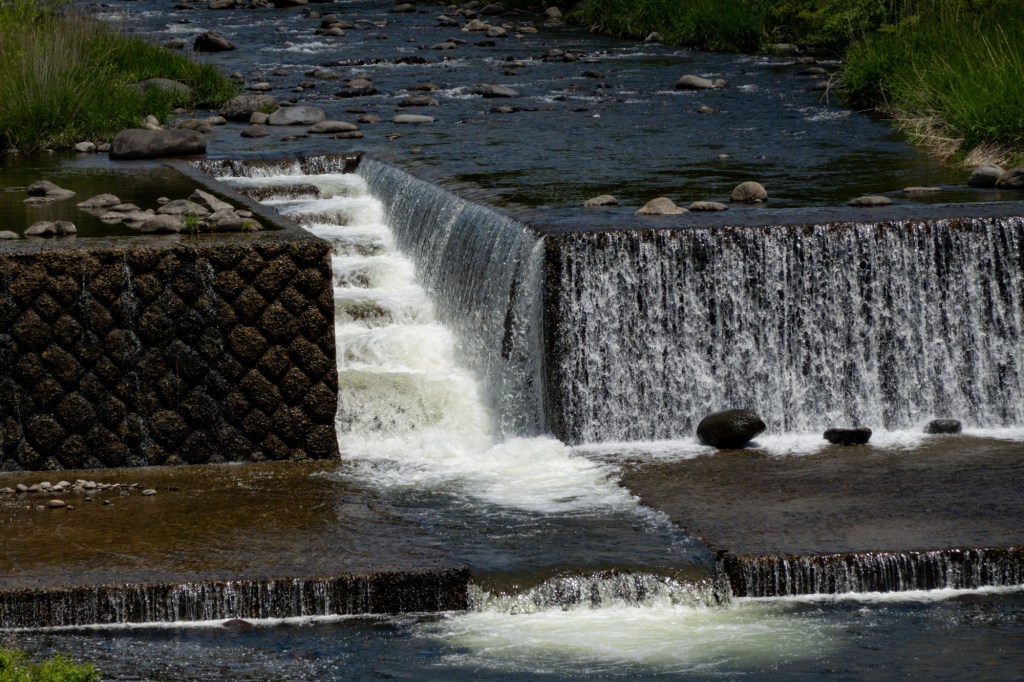
First good bit of rain soon passed and was a nice reminder we’re on the shoulder of the season – heading into the wet spell. By the width of the river banks there’s a lot of rain to come.

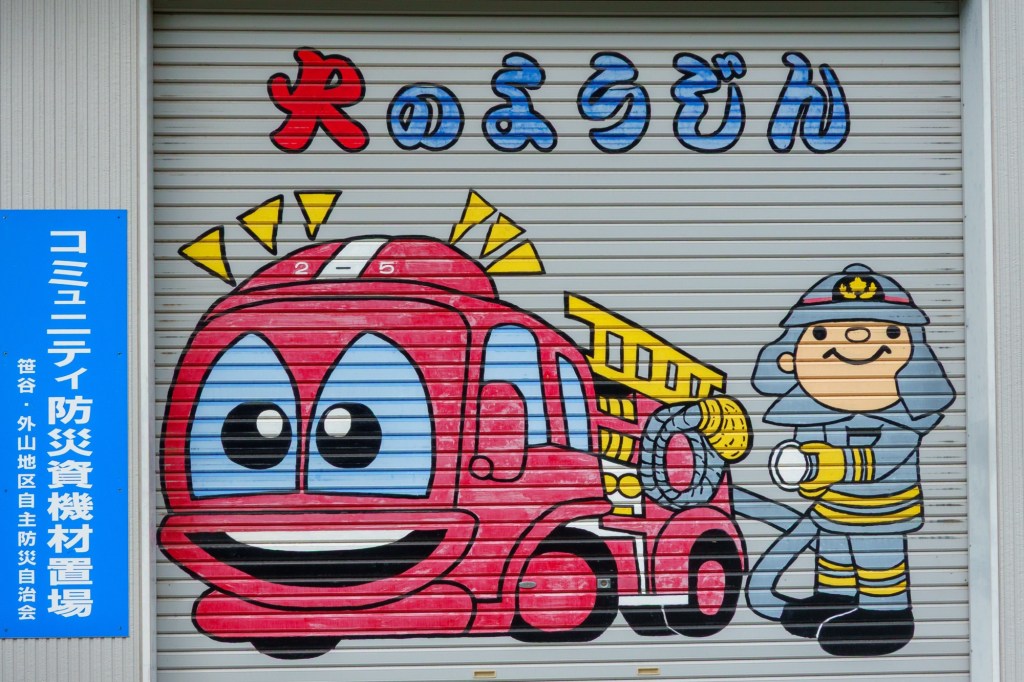
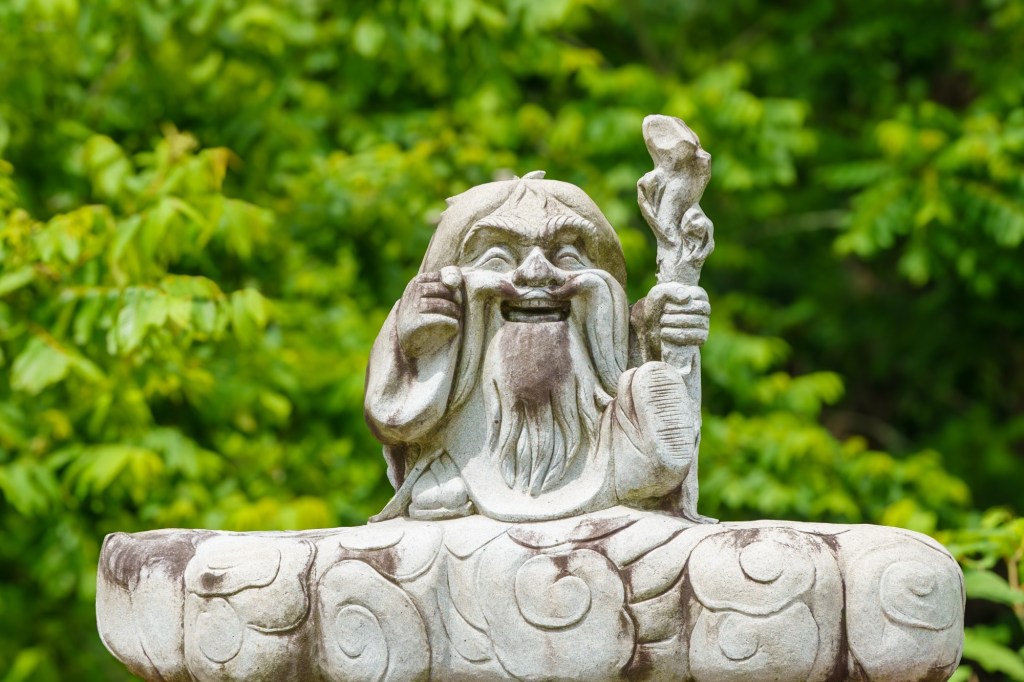
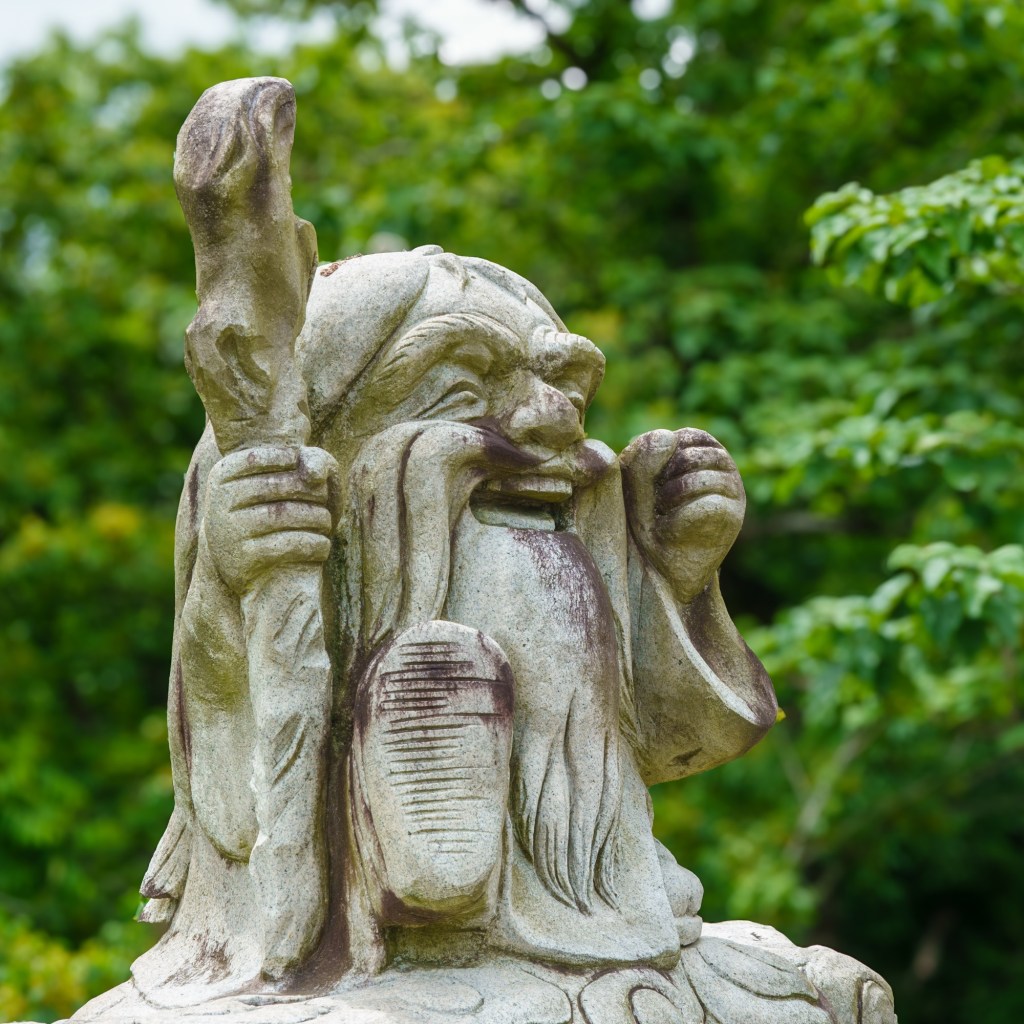
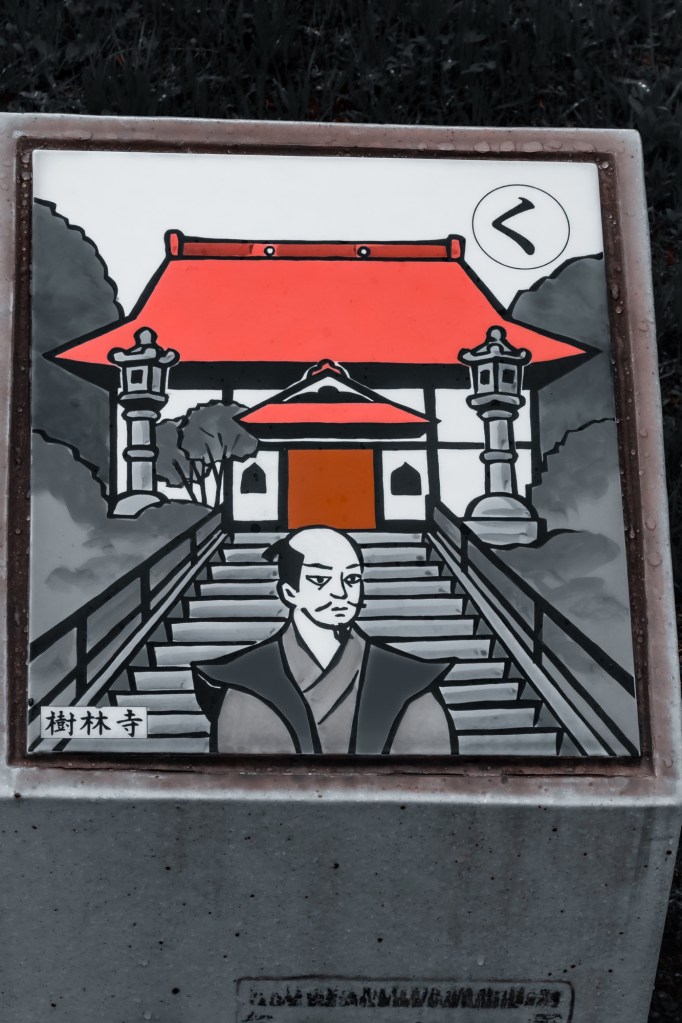
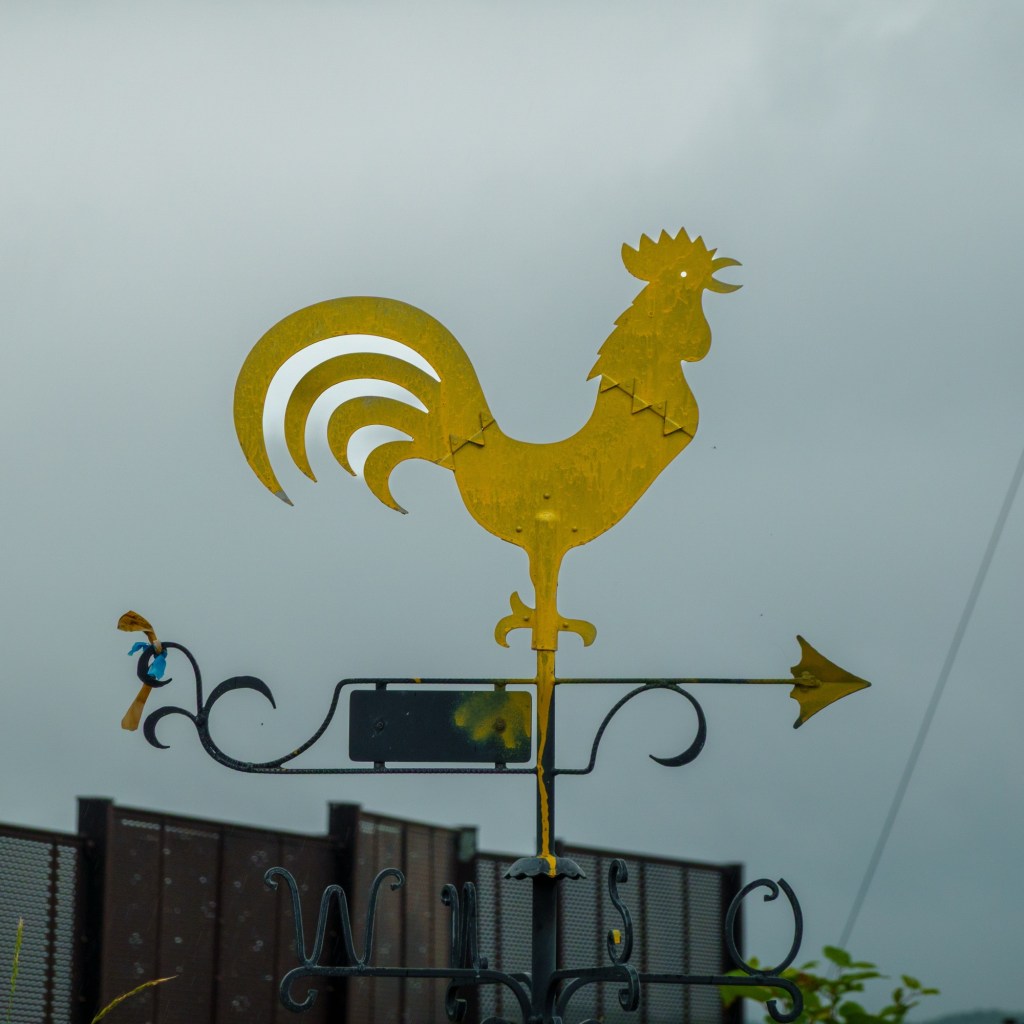
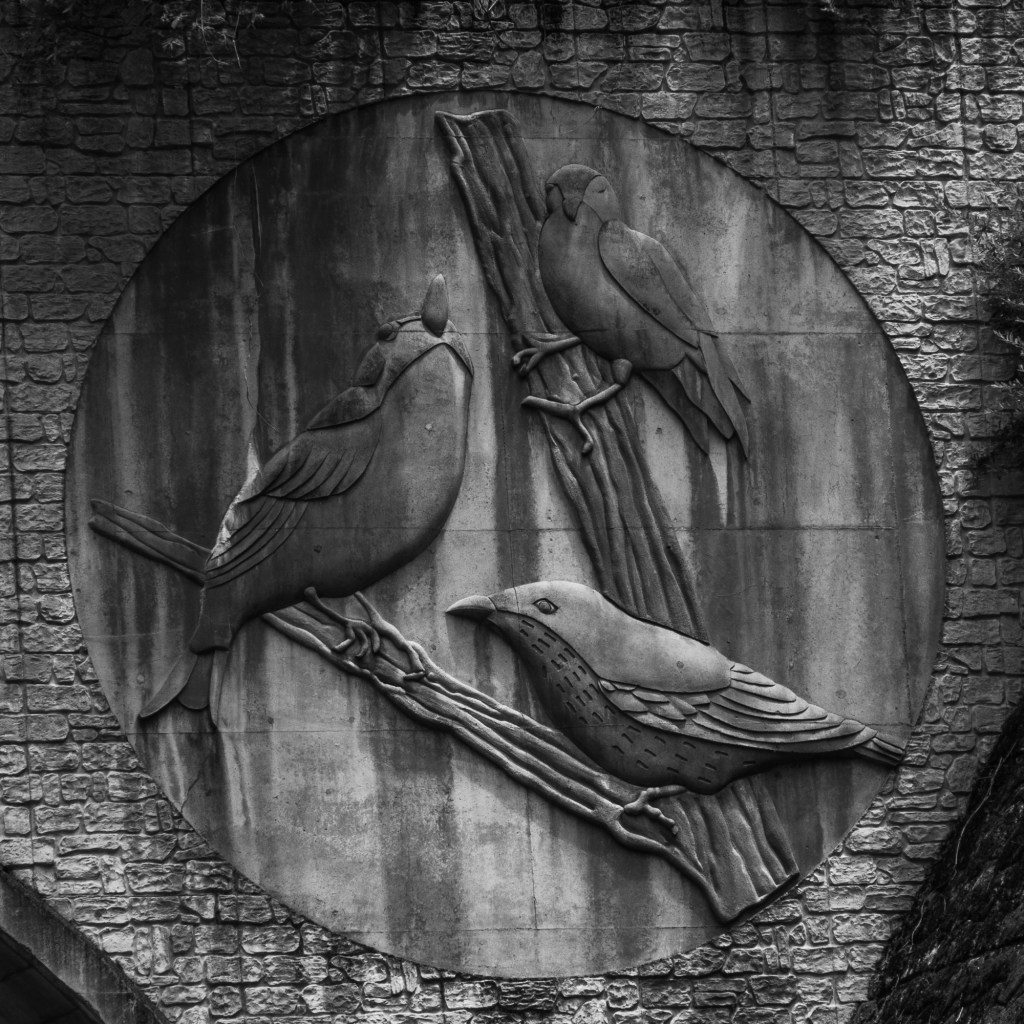
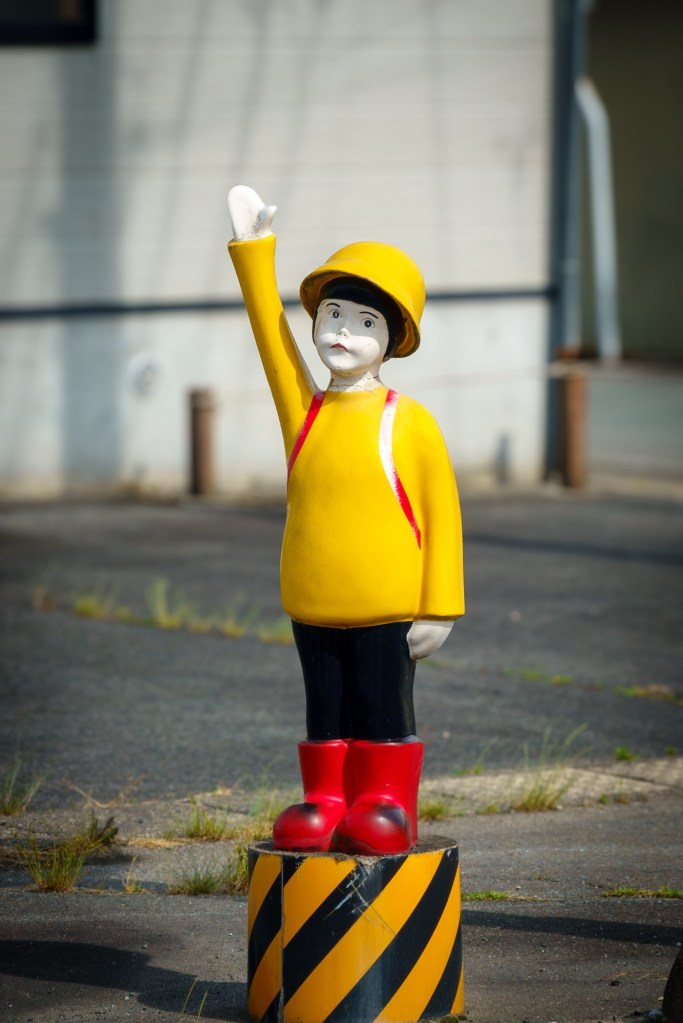
Street art was fun throughout. Amazing what a spot of colour or some quirky statue does to perk a place up.

Gyeongju is our rest day tomorrow, before the final day of cycling in South Korea.

D5 JttE Andong – Yeondeok

The destination’s speciality is crab – snow crab to be more precise, which are in season from November to May. Quite why they are called snow crab I don’t know. Turns out it’s because their meat turns a bright, snowy white when cooked. The name also reflects their habitat in freexing cold northern oceans. Are they lost here? The reason for the detail is we had a lot of it tonight. A lot.

Anyway, back to my birdsong rabbit hole. I started wondering if migratory birds are multilingual? They are! Song is learnt and they can learn to understand other species too. I’ll need to revise my opinion of pigeons – who fly from lofts in places with distinct accents, eg. from Glasgow to deepest Yorkshire.

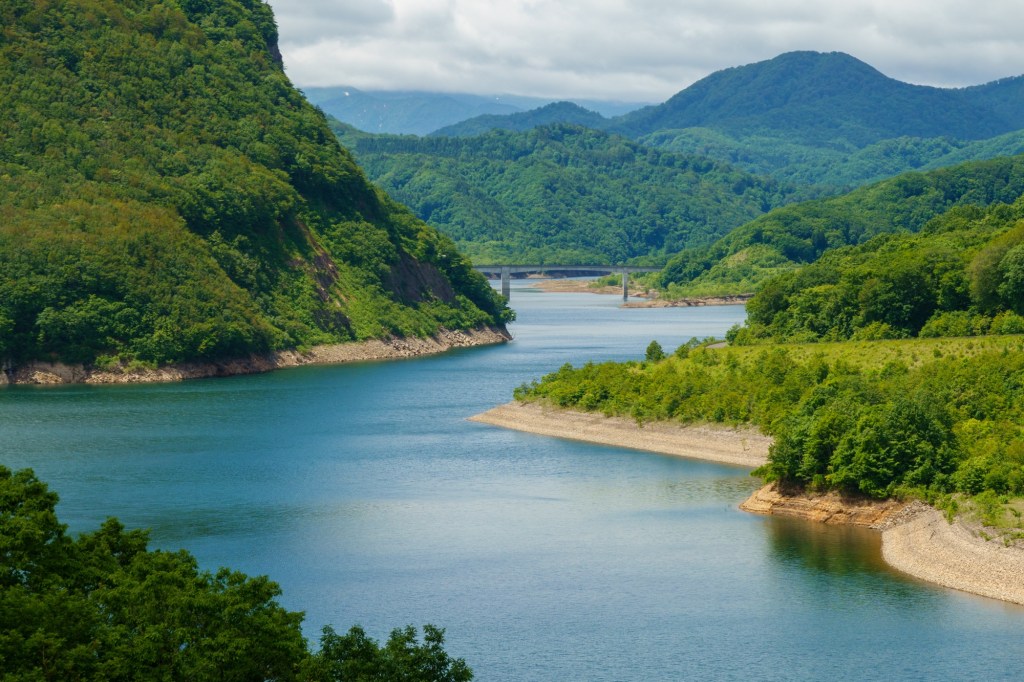
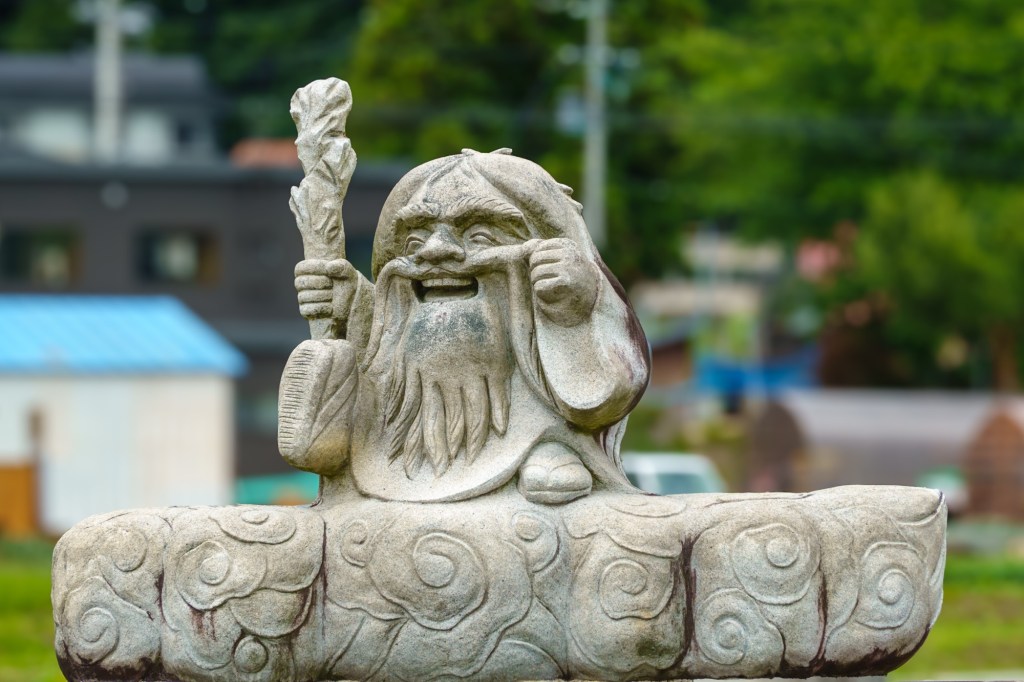
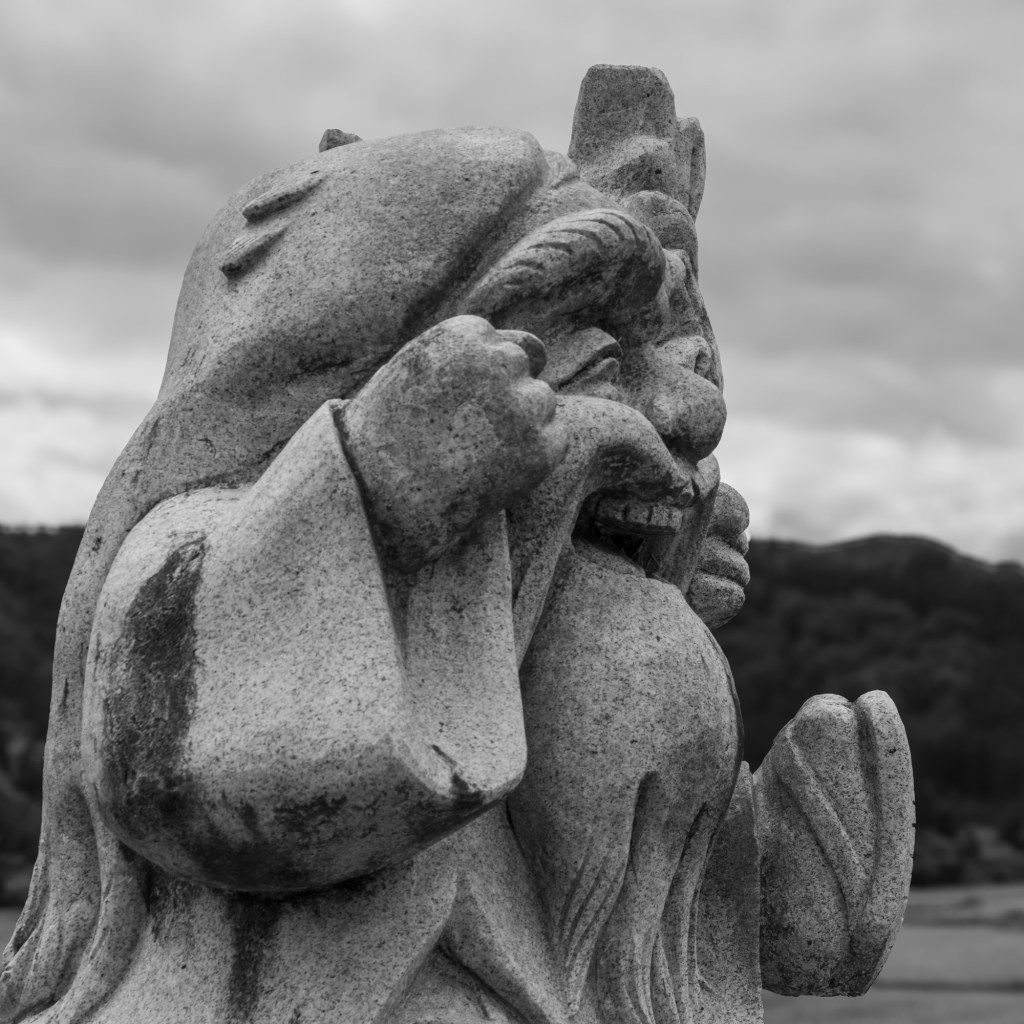
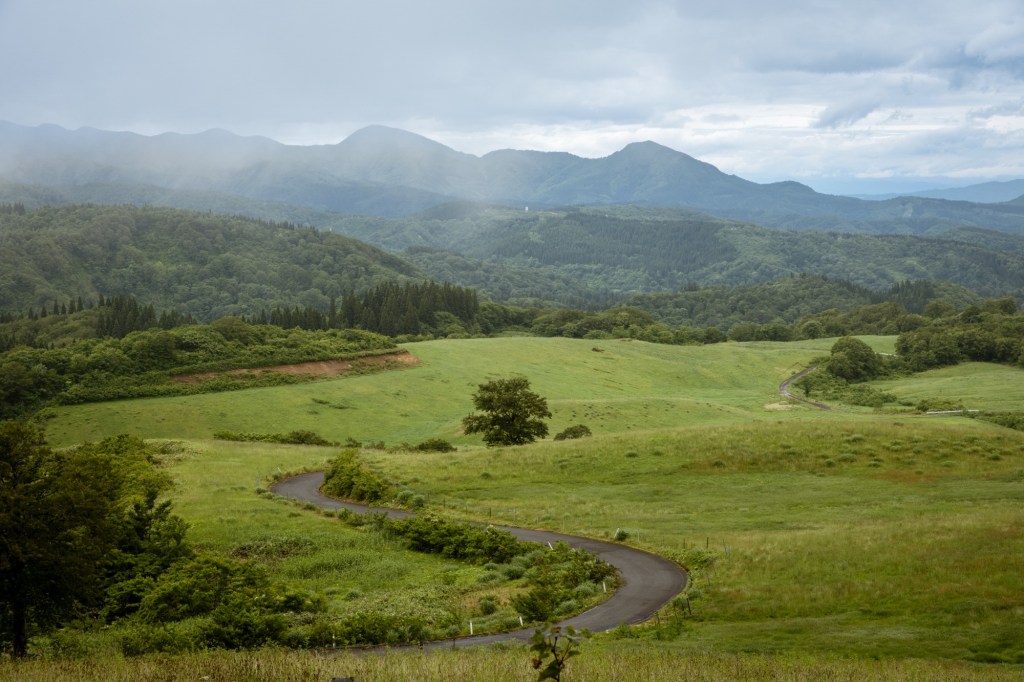
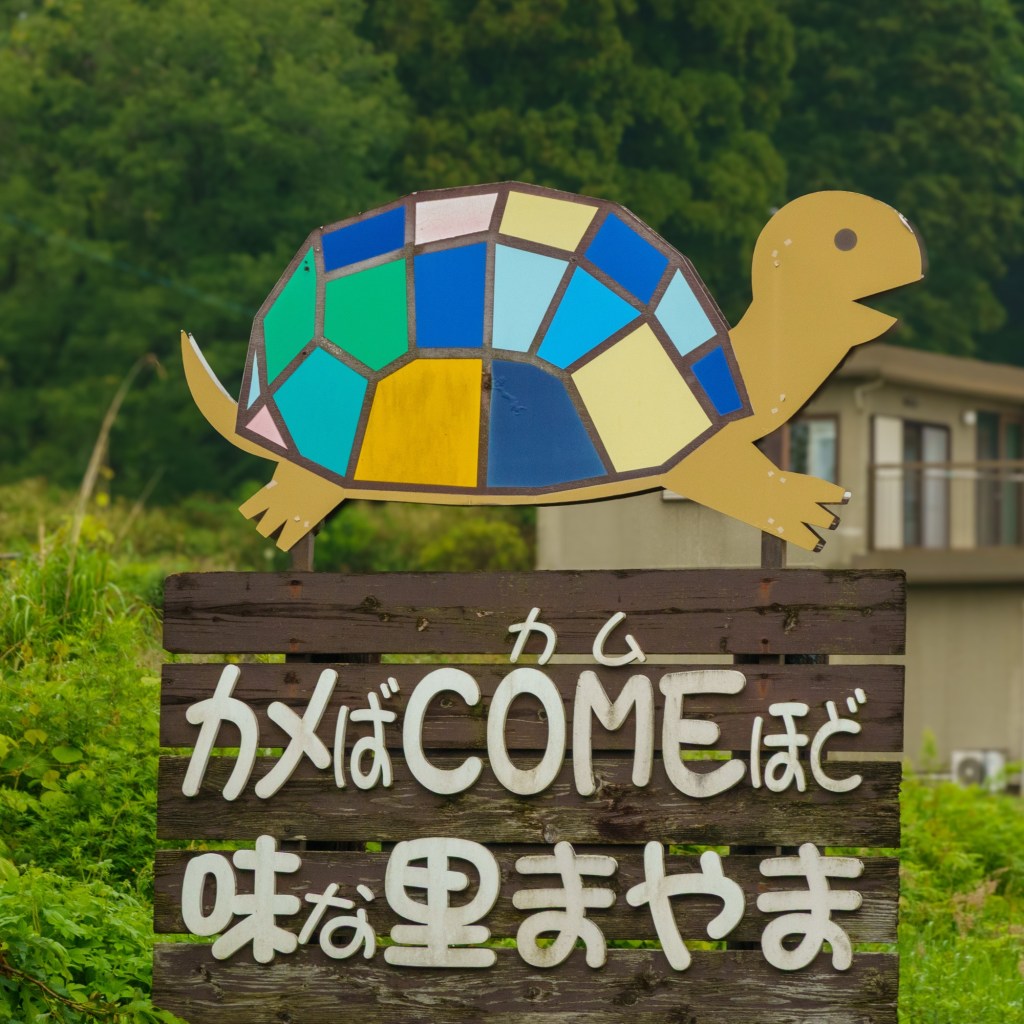
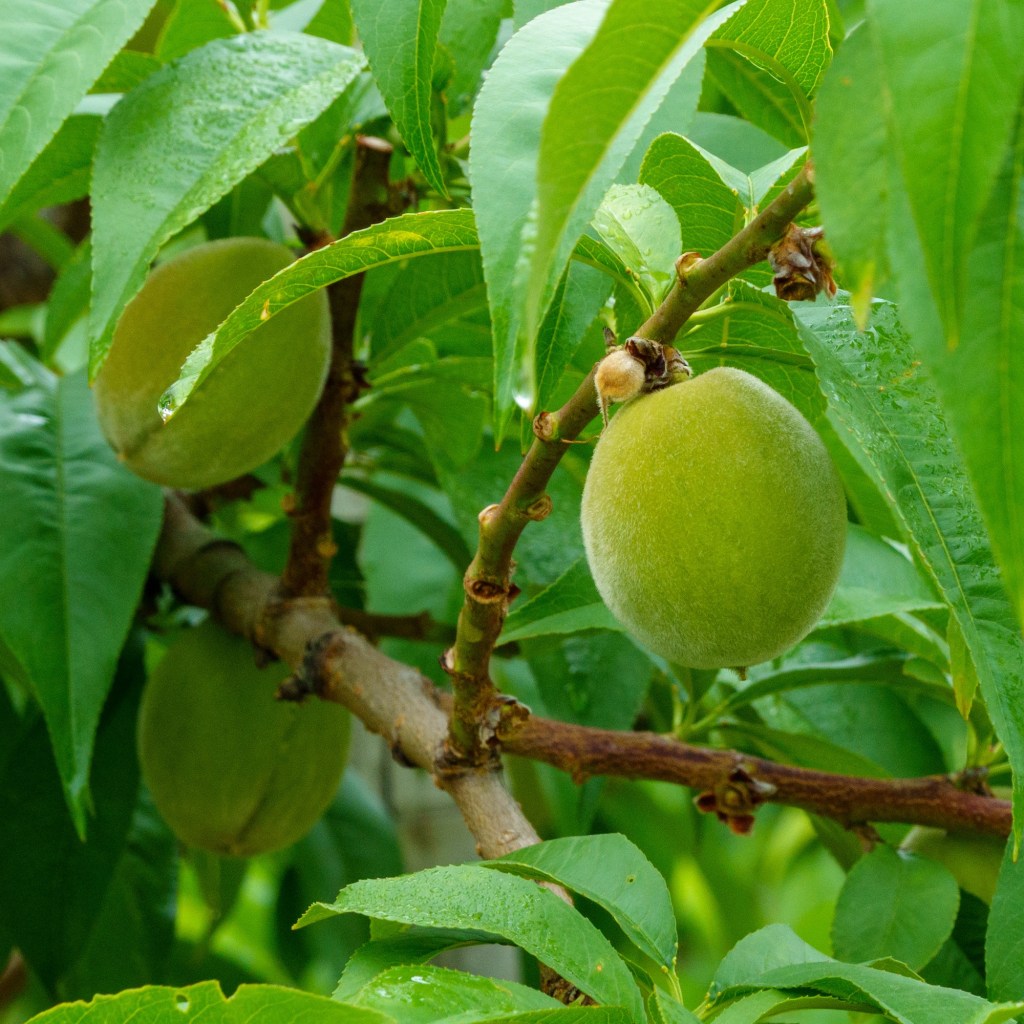
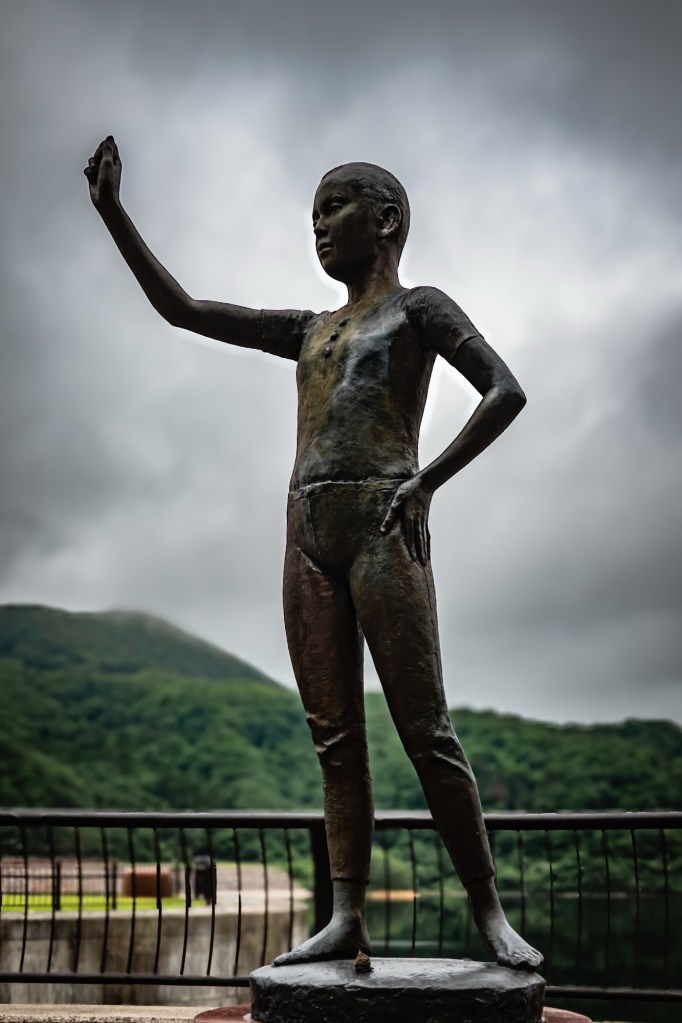
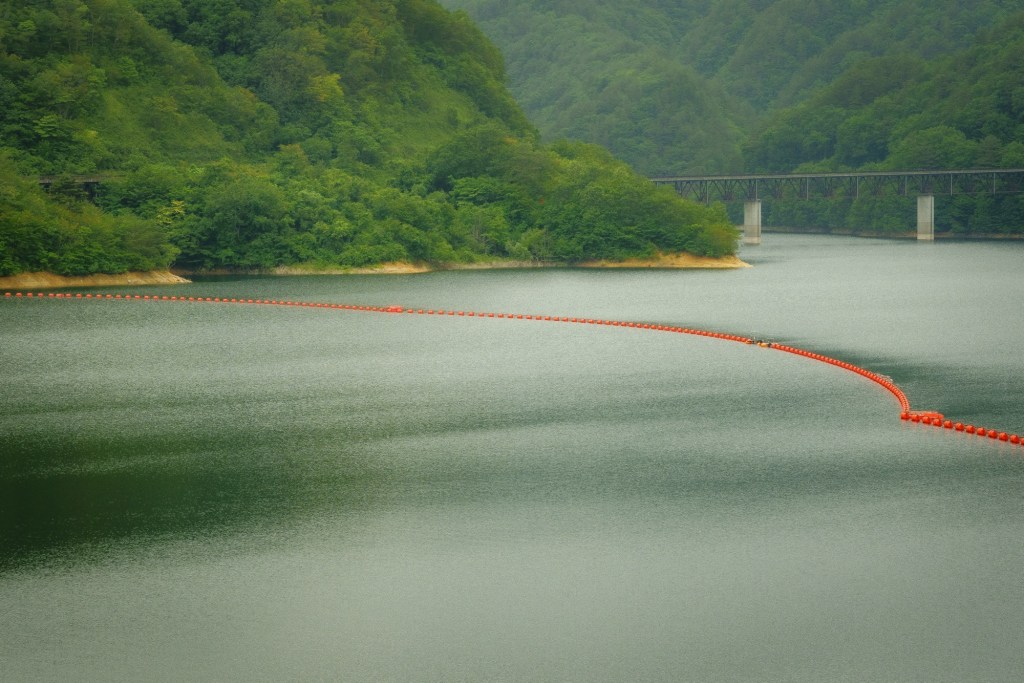
I digress. Today was a hilly day – luckily there were lots of visual distractions. Orchards, acers, resevoirs with solar panels on them. South Korea is expanding its “floativoltaic” projects to save on land use. The turtle statue was a good stop – representing longevity, protection and historical navel strength. We’ve yet to see a live one – they are native to South Korea.

Tomorrow a shorter flat day working off the crab.

JttE Andong

The magpie is the national bird. That said, perhaps the ones we have seen most often are egrets and herons, topped off by the odd cormarant. Hearing the sparrows chirp today raised the thought “does the same species of bird sing in different languages across the world”? A google search gives the answer “yes”. Not a daft question then, I feel chirpy now!

I was starting to compose a limerick about Andong. Soon deteriorated. Suggestions welcome.

Breakfast was a reminder they don’t do a lot of porage oats. As in none. The rawish egg on rice was a highlight. The speciality of the area is Andong jjimdak (steamed chicken) : the locals in the market cafe had fun watching us (though giving encouraging hints) – and tonight in the Korean BBQ. Next time I’m going to just wear black clothes so the splashes don’t show.

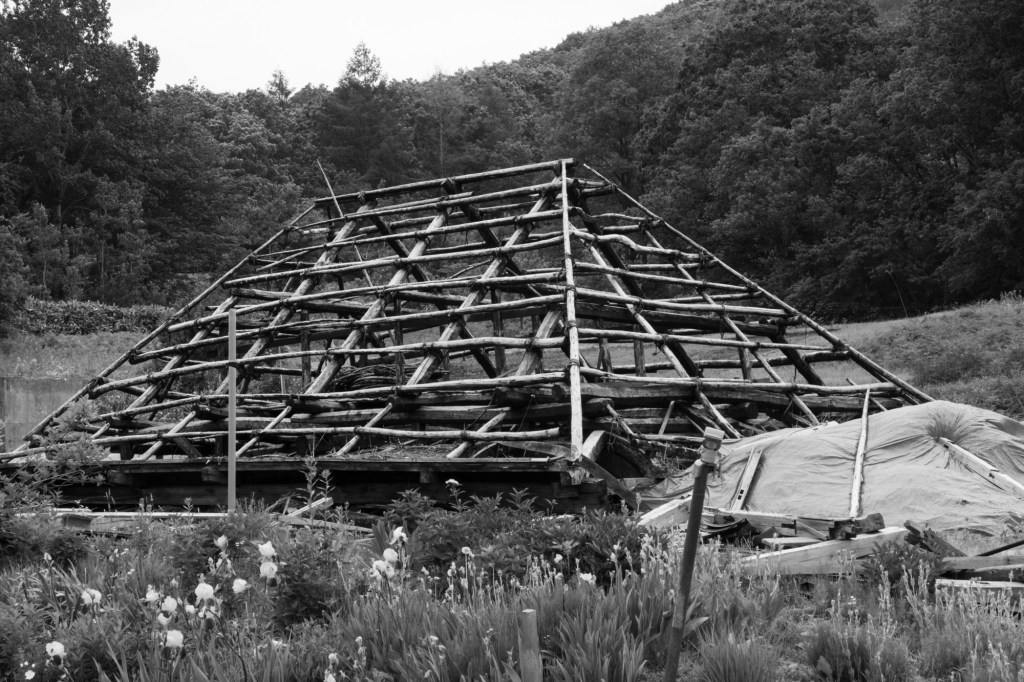
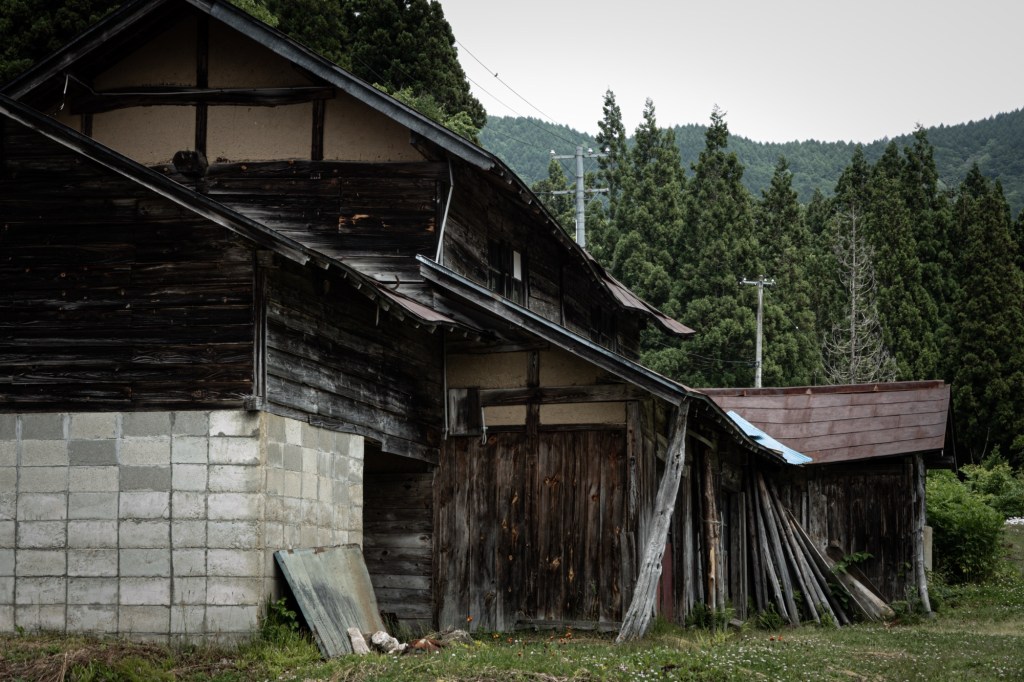
A cultural mootch in the Andong Folk Museum – a mini St Fagans. A lot of the buildings had been moved with the building of the local dam in 1975. An interesting insight into the design principles, though I think they were more for the wealthier families. It was a contrast to the main part of town – everything seems relatively new or renewed – and working.

Fans today – a family took interest and chatted. Turned out to be 3 sisters on an outing with some of their kids. Just my luck it was the older, slightly decrepit, one who was eyeing me up. Though Barbara was on hand to make sure I kept my standards high. I should have asked them if everyone’s hair stays black or do people make a fortune selling dye? Next time.

They are proud of the Woryeonnggyo wooden bridge, the longest such in Korea. Old, no. Constructed in 2003. Fun nevertheless.

Tomorrow back to the road. Good rest day.
D3 JttE Suanbo – Andong

Andong is a major culture centre, according to the blurb. Famous for a chicken dish, no pheasants. Is this culnirary speciality something decided by committee and shared out amongst the cities. Anyway we’ll explore these tomorrow on a rest day.
After mooching along river paths, today’s couple of climbs came as a rude awakening to some muscles. Delicious descents, very pleasant even if I chickened out and used brakes.

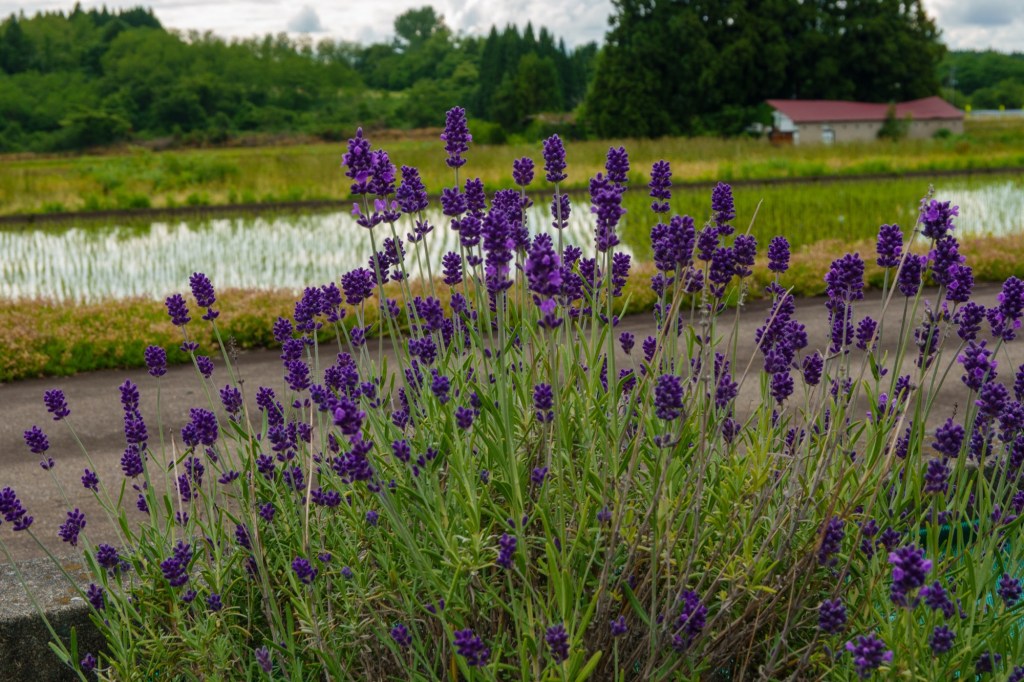
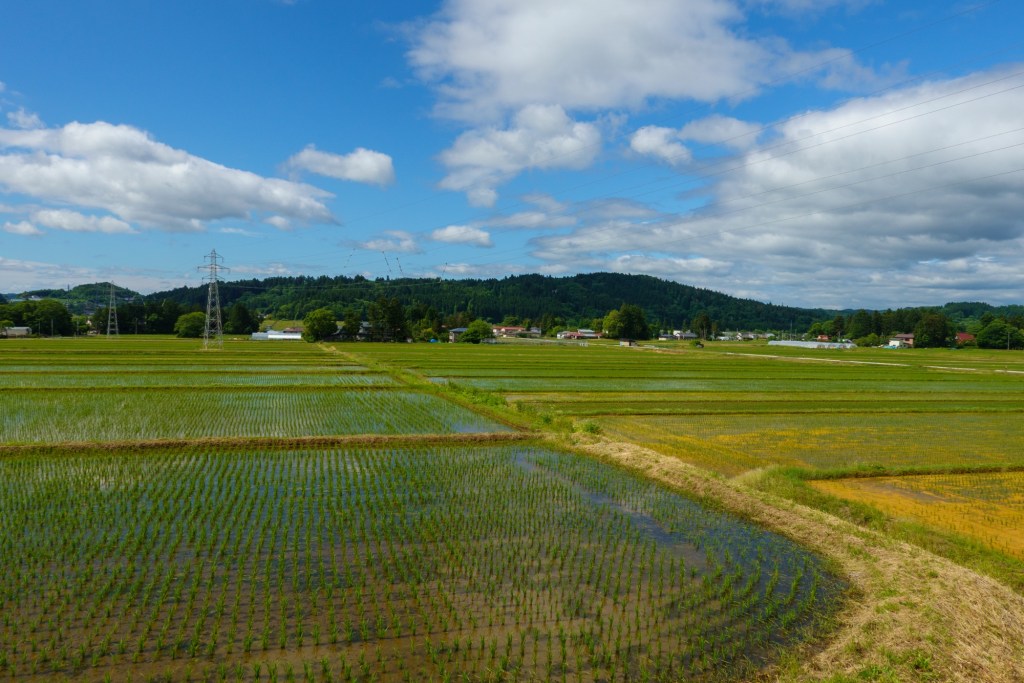
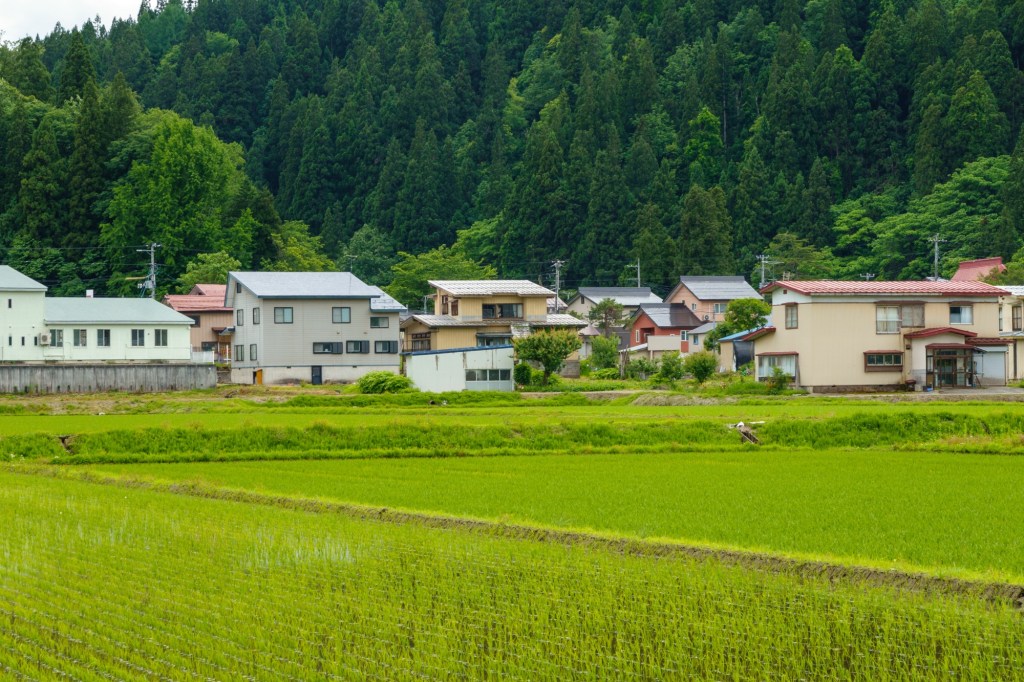
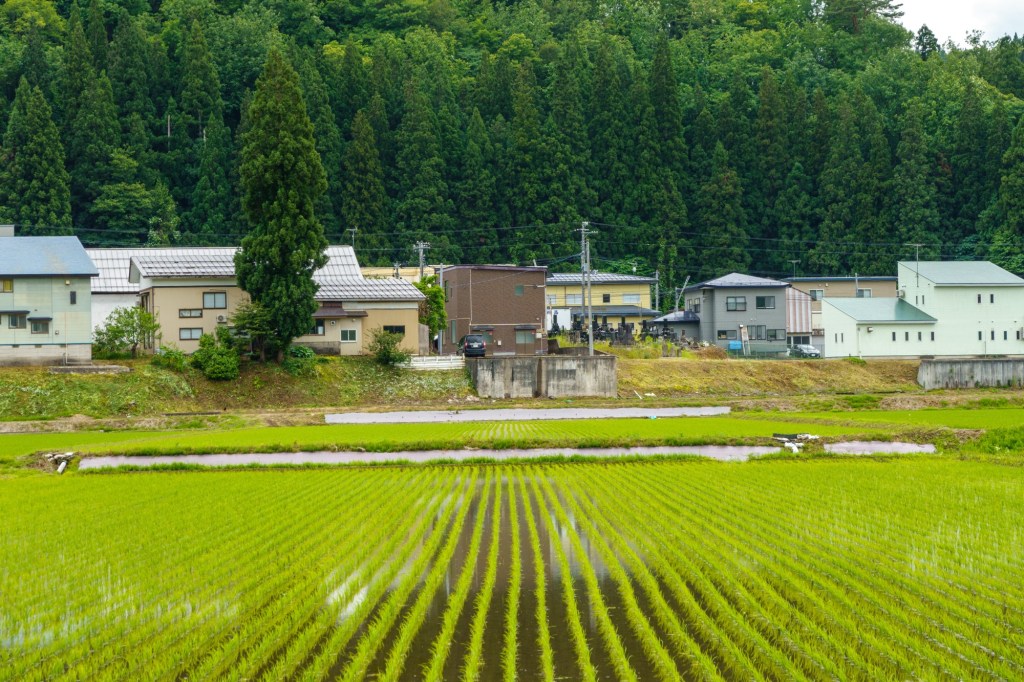
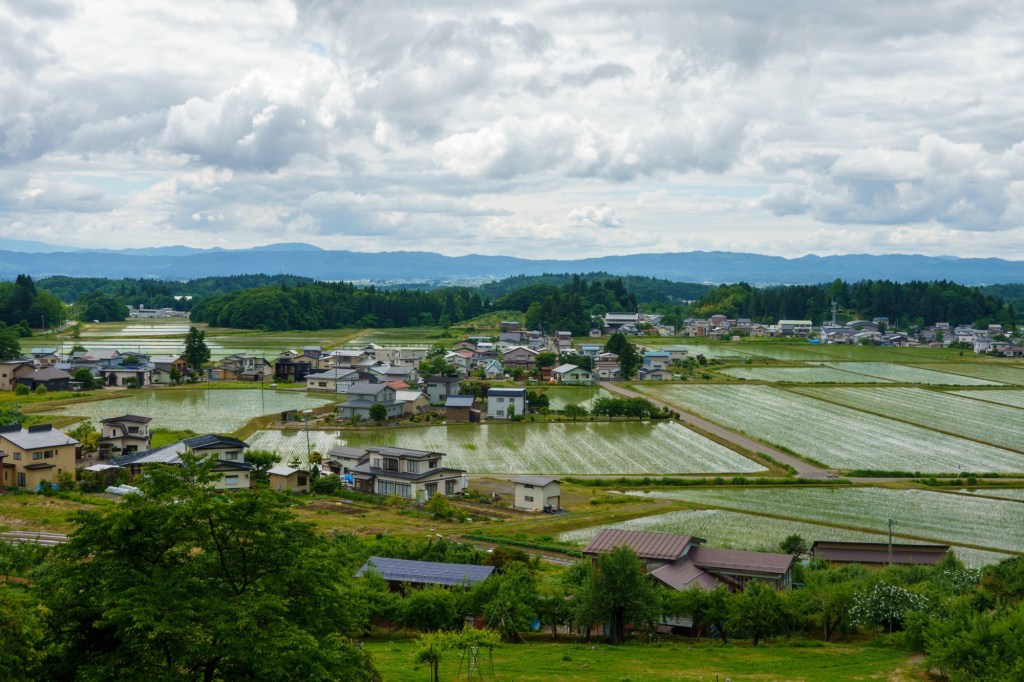
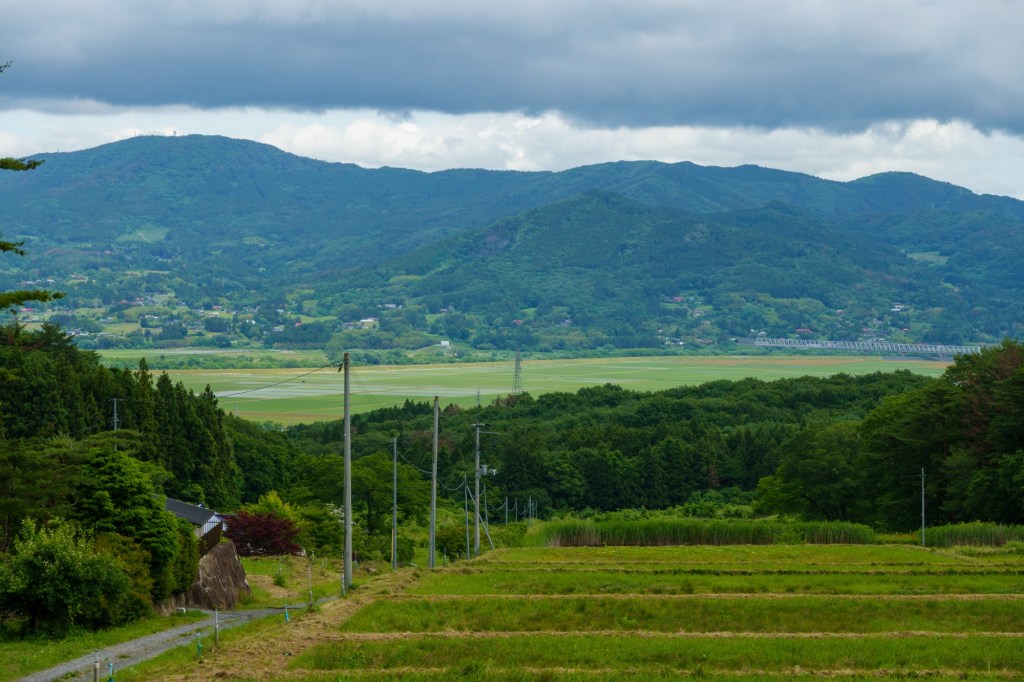
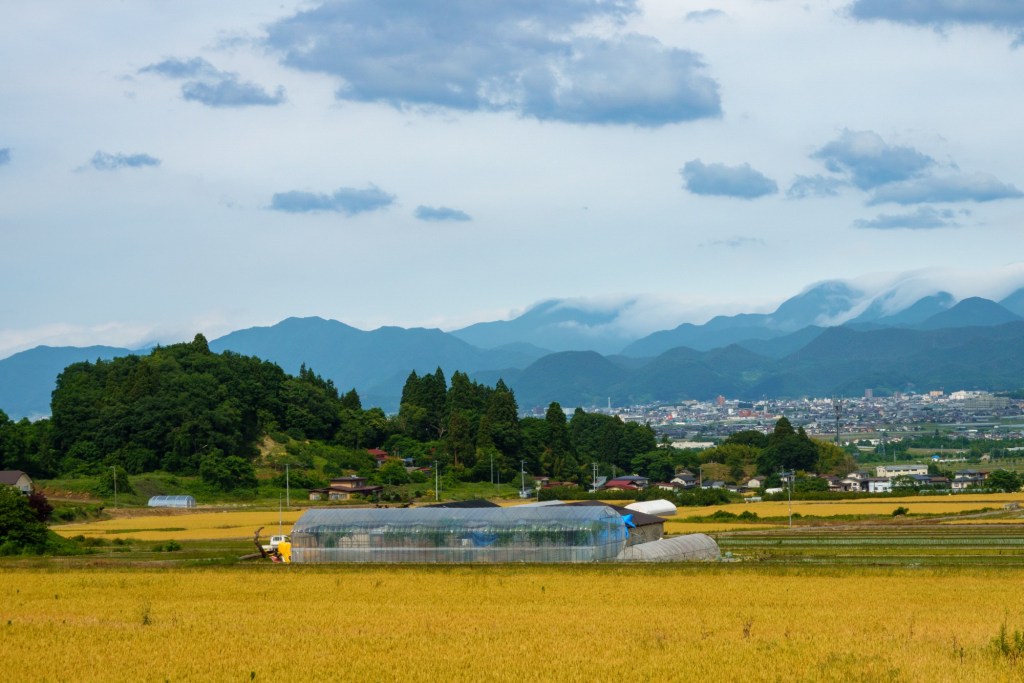
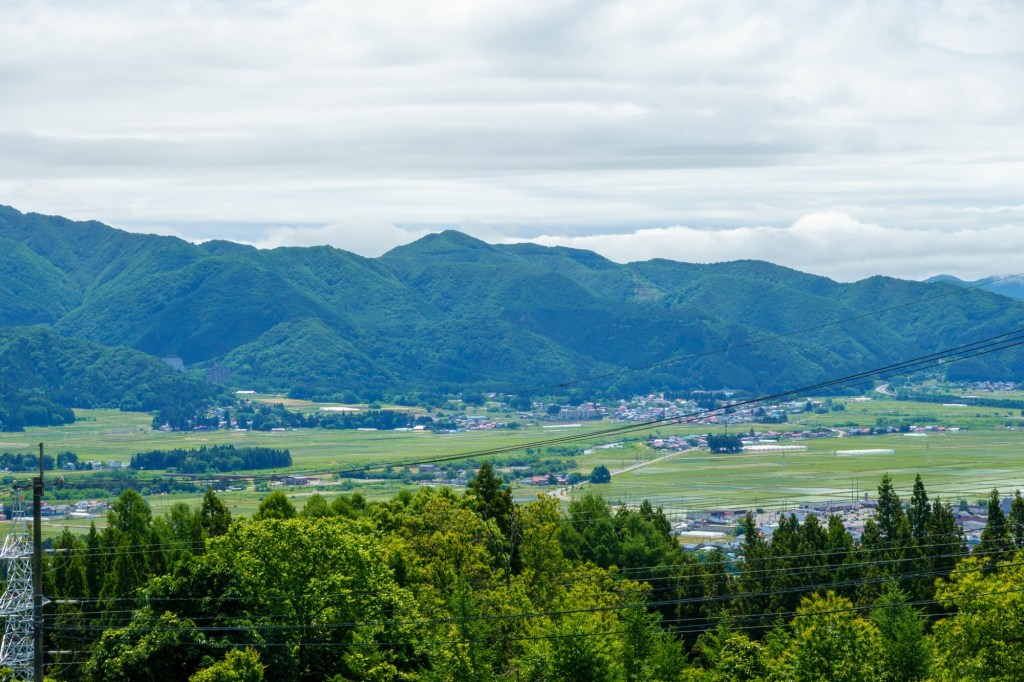
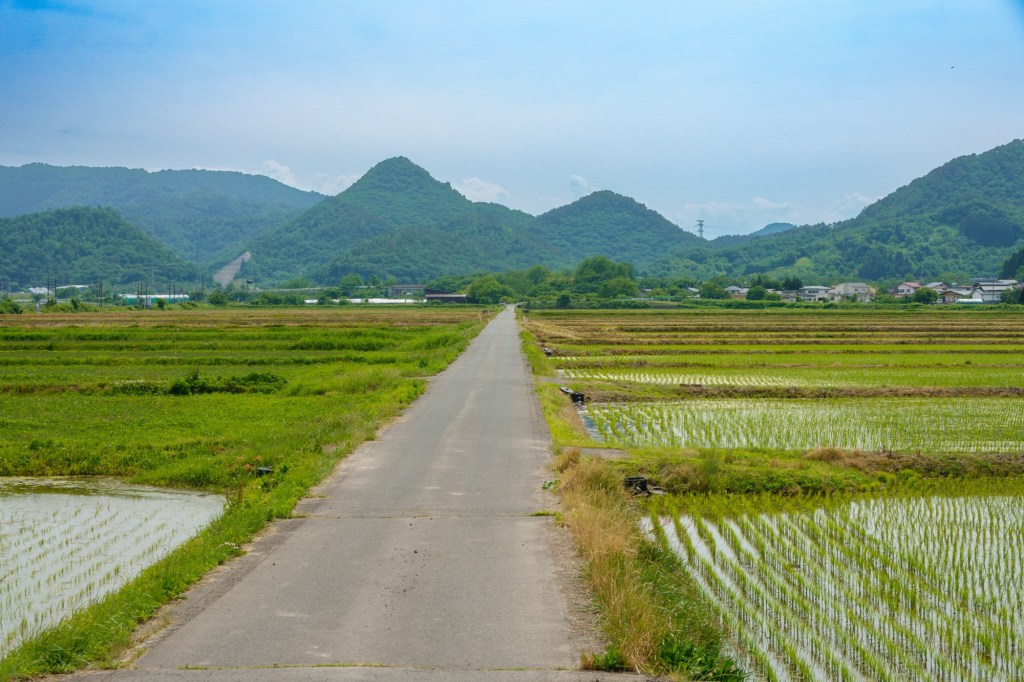
The bulk of the day was amongst incredible irrigation fields, presumably for rice. Looks very labour intensive and back breaking work, though just now is mainly water.

Have I mentioned coffee and coffee shops. In cities the large number is apparently driven by real estate costs..so they are meeting spaces. They serve us well along the route.

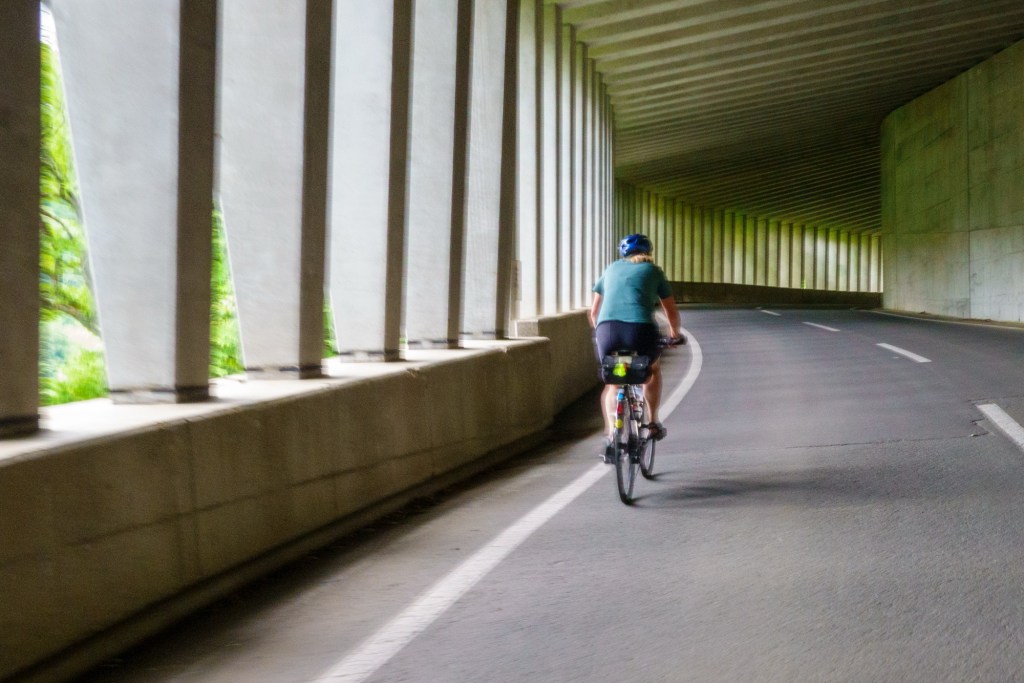
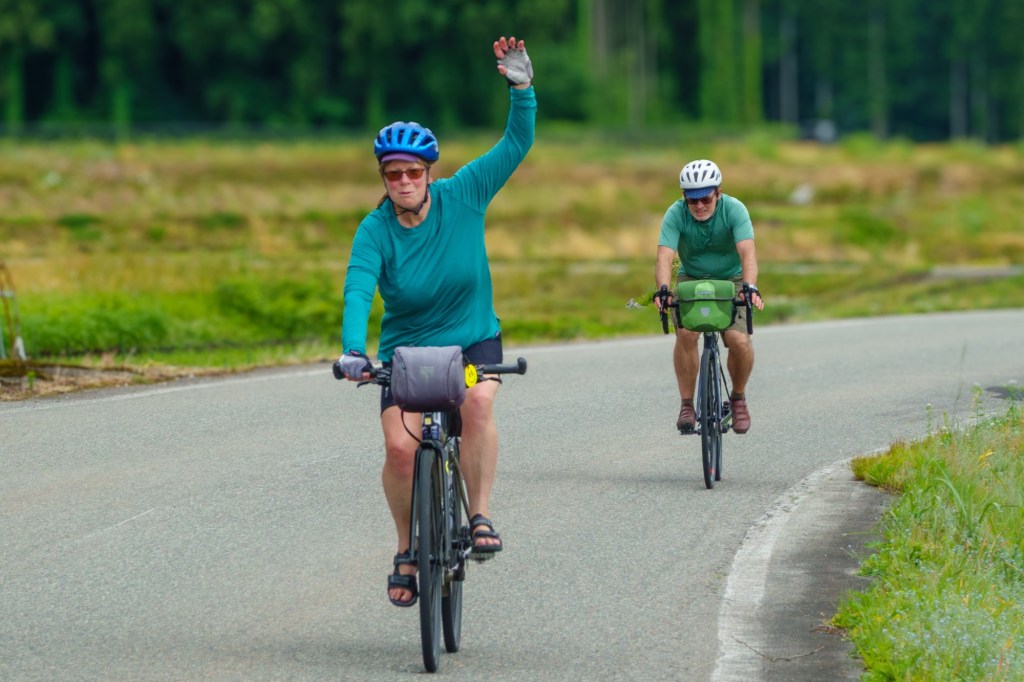
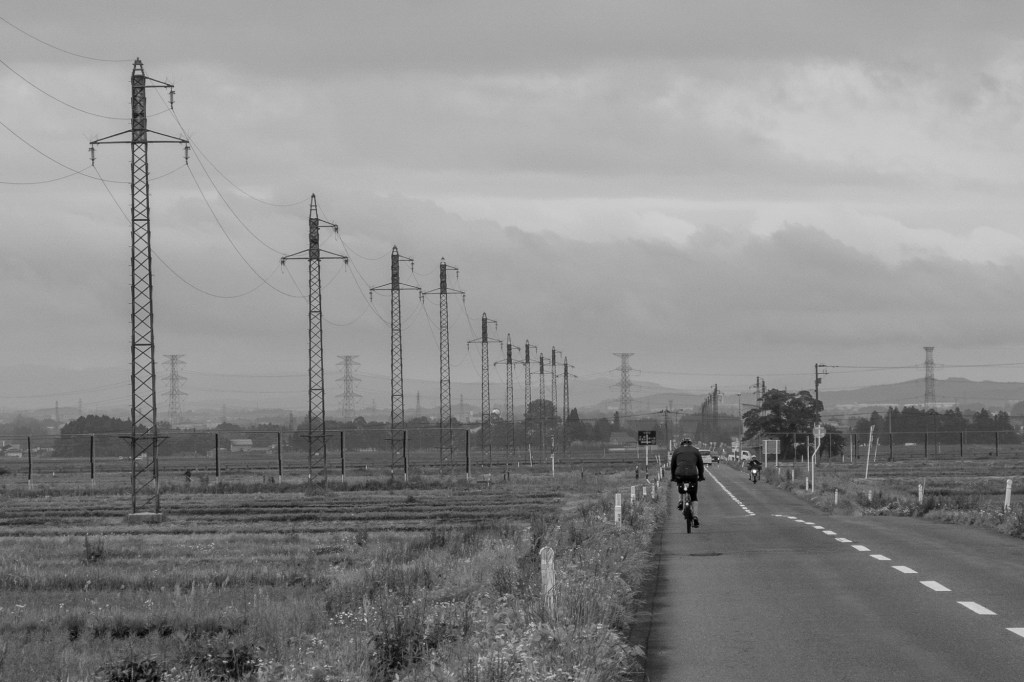
Amazingly, the toilets are still with us. As are the cycle paths or designated bits of the hard shoulder. Drivers are courteous.

So Andong explore tomorrow and to meet a few of its 160000 inhabitants.

D2 JttE Yeoju – Suanbo

Suanbo is a “historic, quiet hot spring town in Chungju, South Korea, known for its natural alkaline water used for centuries”. Taking recycling to extremes. “Located near Woraksan National Park, it serves as a tranquil base for hiking, relaxing in hot springs, and enjoying local specialties like pheasant, offering a rustic, nostalgic getaway. ” Pheasant was good, not sure about the rustic – rusty maybe.
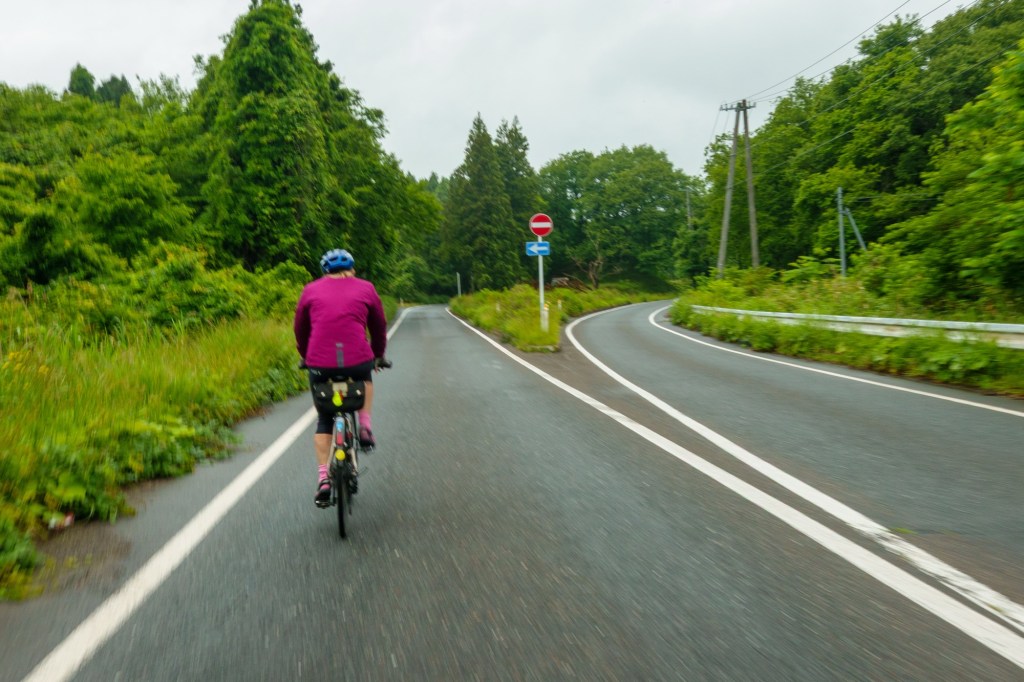
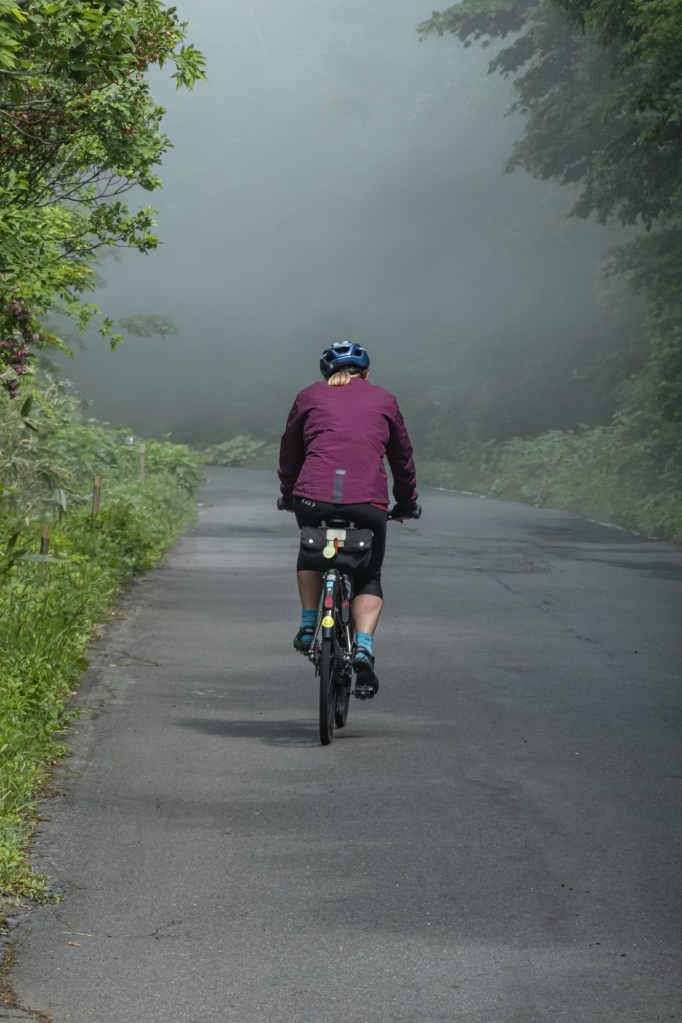
Cycling continued along cycle paths – sometimes segregated, sometimes on side of road – following the river. We’re heading deeper into the rural areas towards the Busan Alps.

A great variety of things to look at. From alpine landscapes to farming and the general paraphernalia of people leading life’s. The K-pop dancing in a field was an early highlight – a bunch of happy kids watched by some older cyclists. Then we left to cross and look at a great selection of bridges of all shapes.

One thing I’ve noticed compared to Europe is the relative paucity of churches: a search followed. For comparison in the UK 46% Christian and 37% no religion.

“South Korea has a religiously diverse, yet largely secular population, with roughly 50% of residents reporting no religious affiliation. Among those with beliefs, Protestantism (approx. 20%) and Buddhism (approx. 17%) are the largest, followed by Catholicism (approx. 11%). Traditional Confucian ethics and Shamanistic practices heavily influence daily life.”

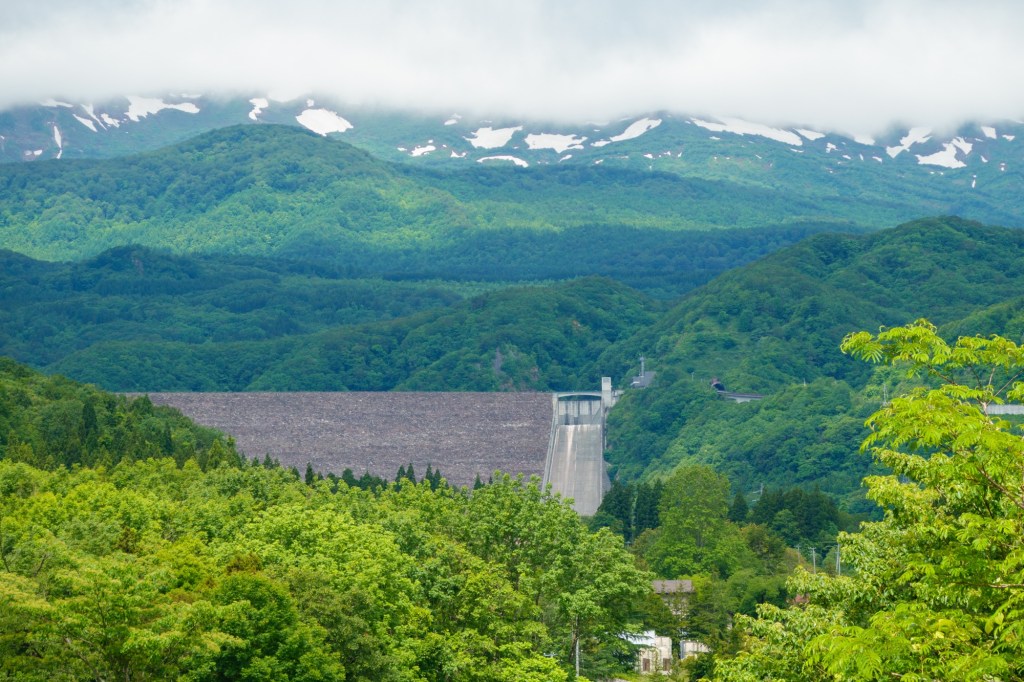
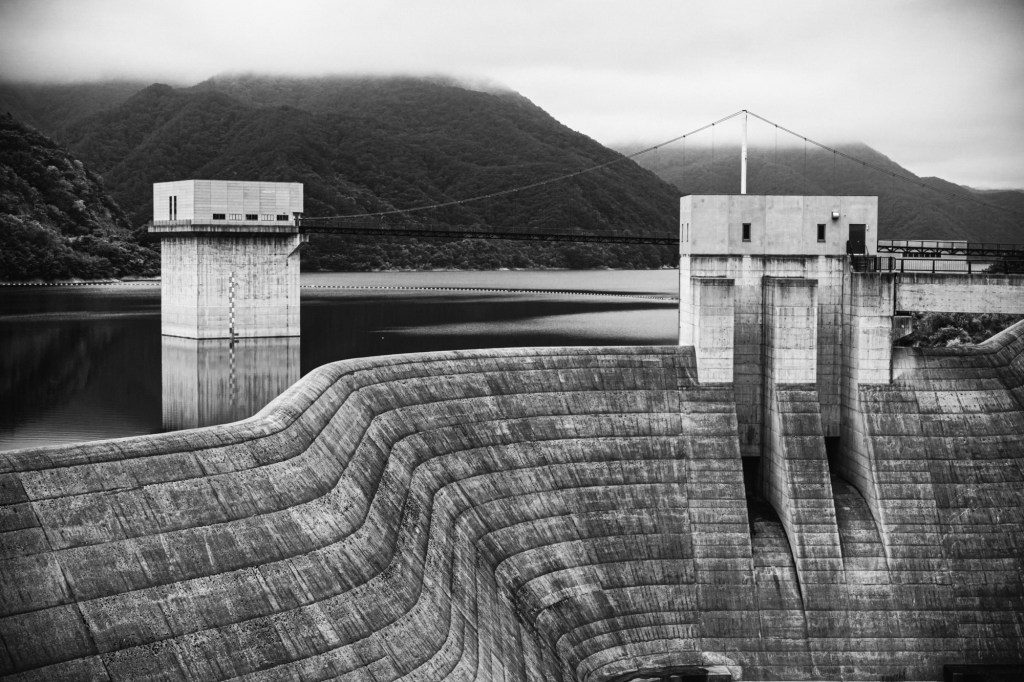
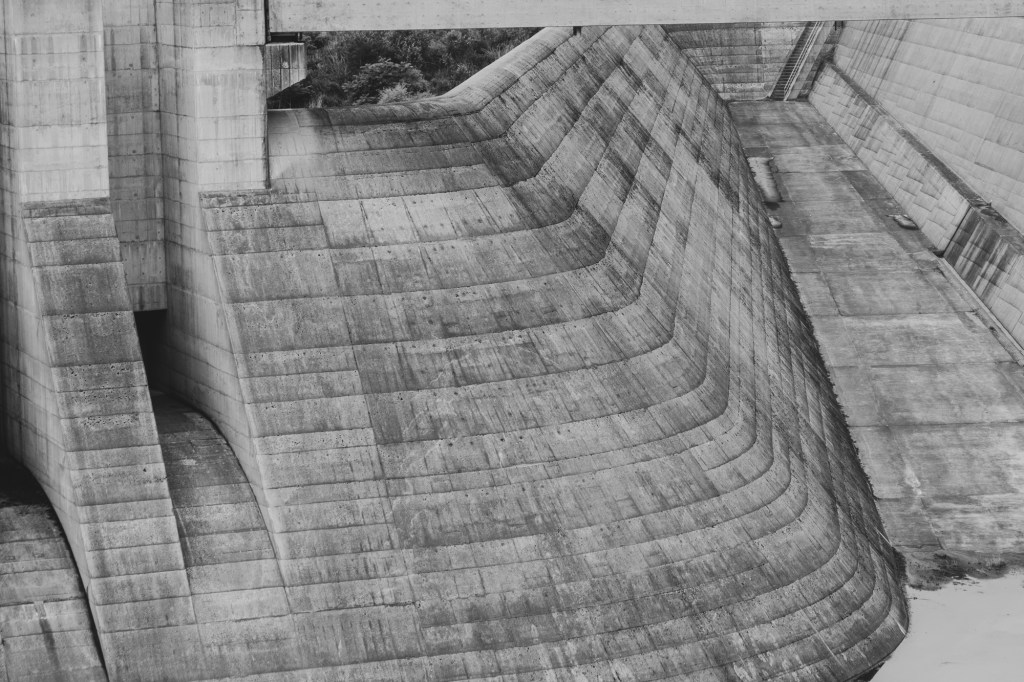
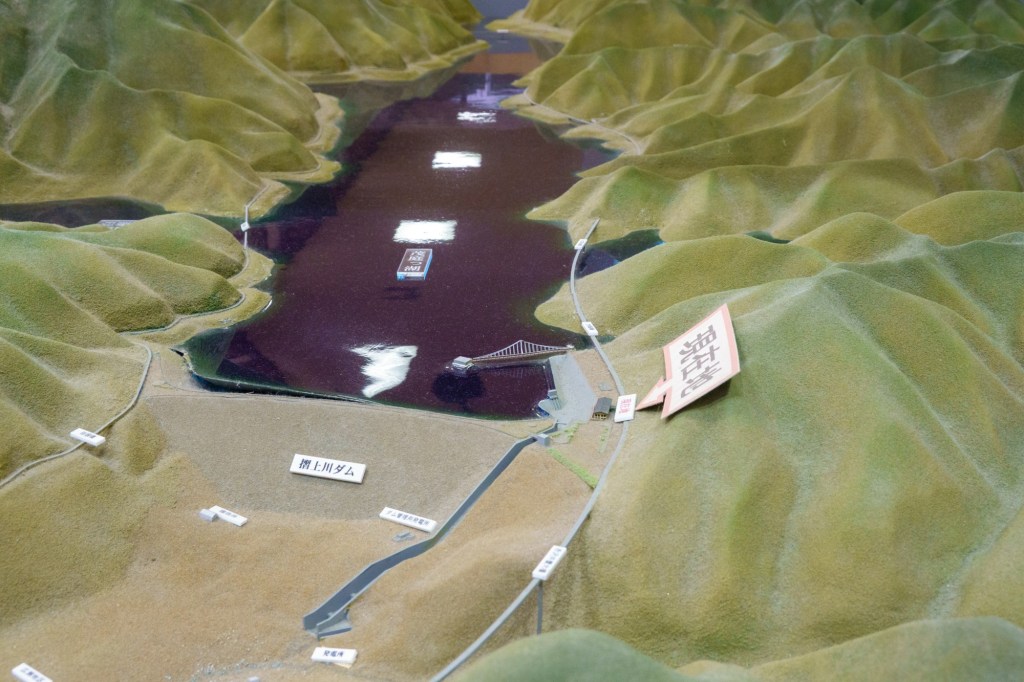
We have crossed quite a few hydroelectric dams, which prompted the question how important an energy source is it. As of 2024–2025, South Korea’s power generation is led by nuclear energy (approx. 31–32%), which overtook coal for the first time in 17 years, followed closely by coal and natural gas. There’s a growing reliance on low-carbon sources, including over 10% from renewables. Surprising – I expected more.

A fine day, fueled by good coffee stops.