D18 JttE Nasu – Aizuwakamatsu

Aizu-Wakamatsu, located in Fukushima Prefecture, is Japan’s premier “Samurai City”. Famous for its pivotal role in the 1868 Boshin War, it offers a deep dive into feudal history, traditional hot springs, award-winning sake, and stunning mountain scenery.

We got to the hotel, got lost in the hotel and relaxed leaving our inner Samurai to focus on refueling.

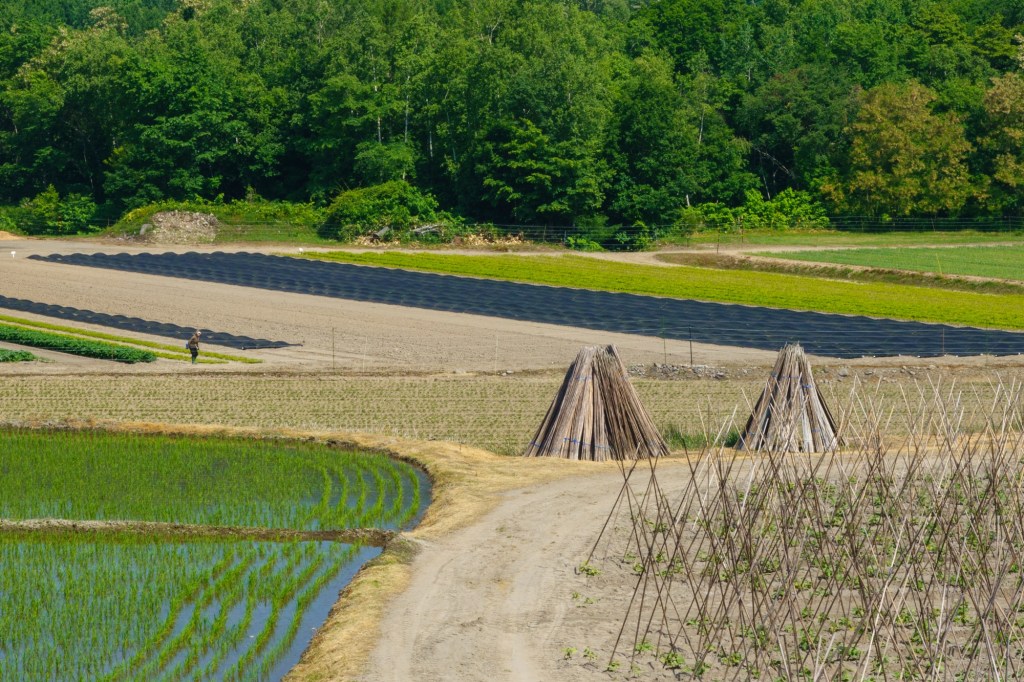
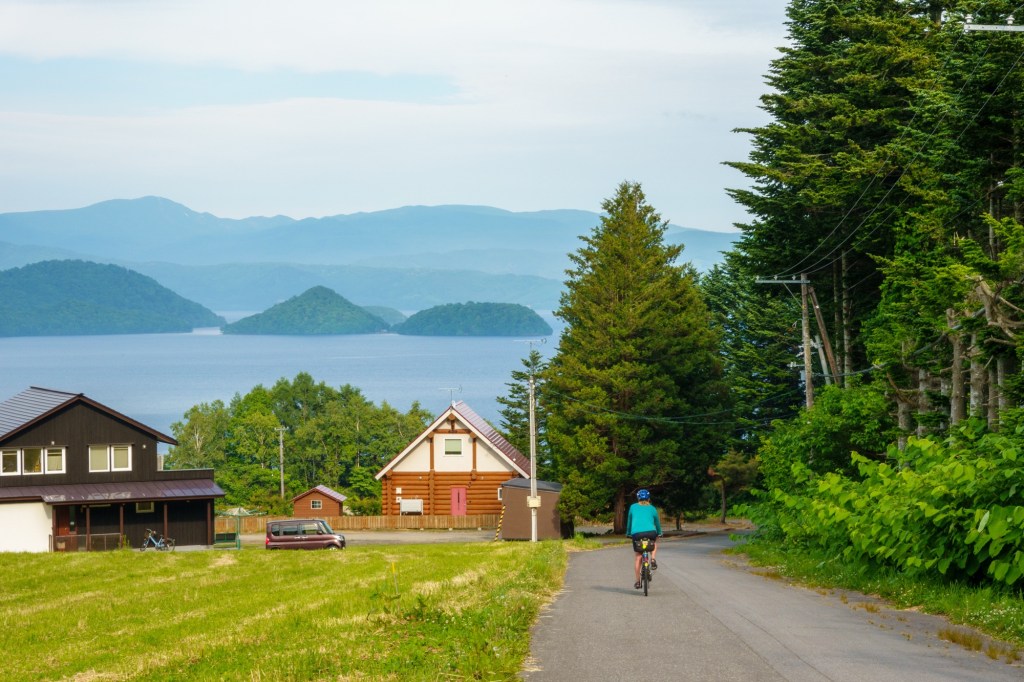
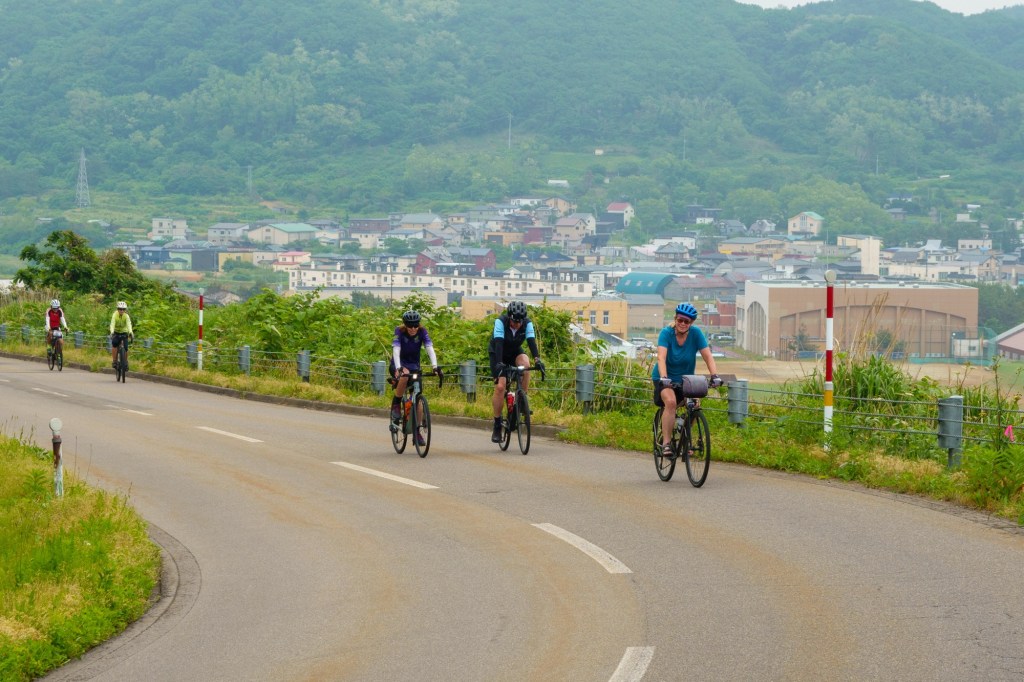
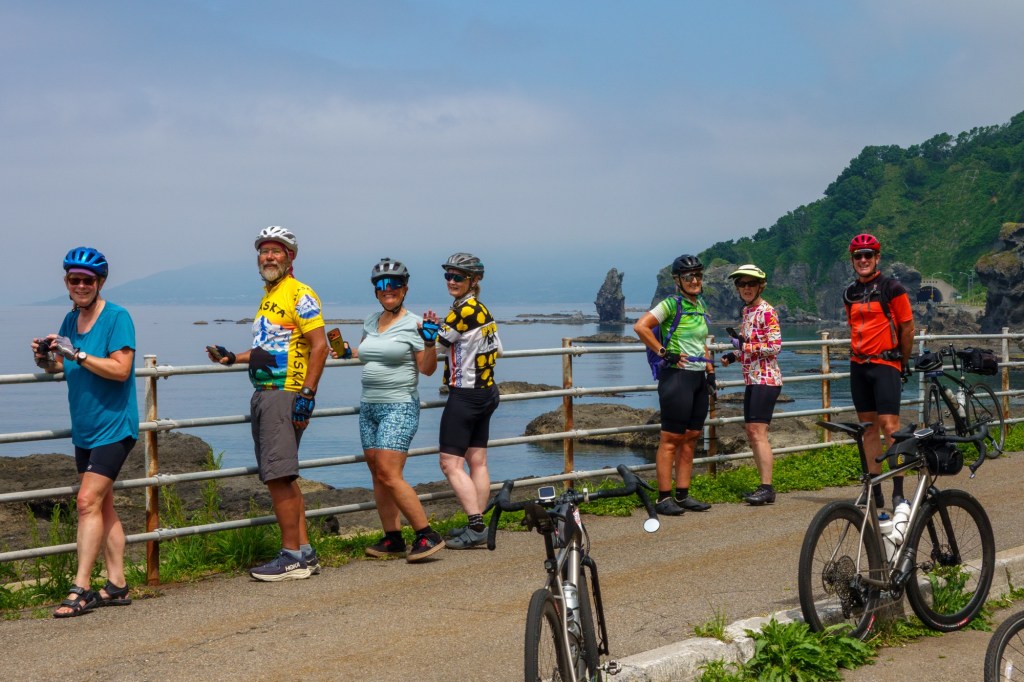
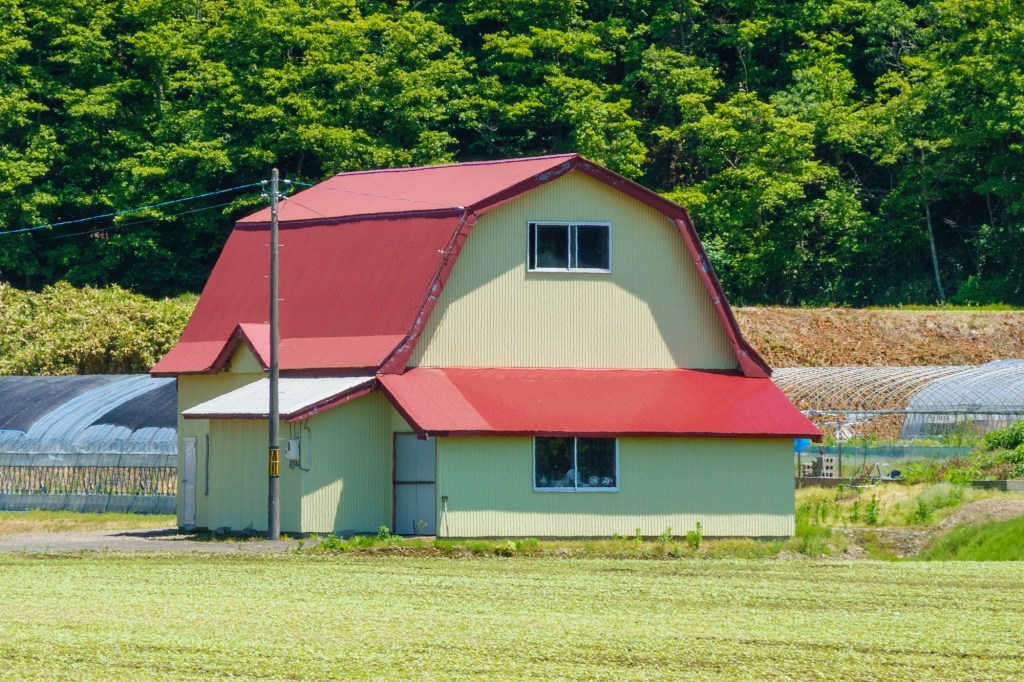
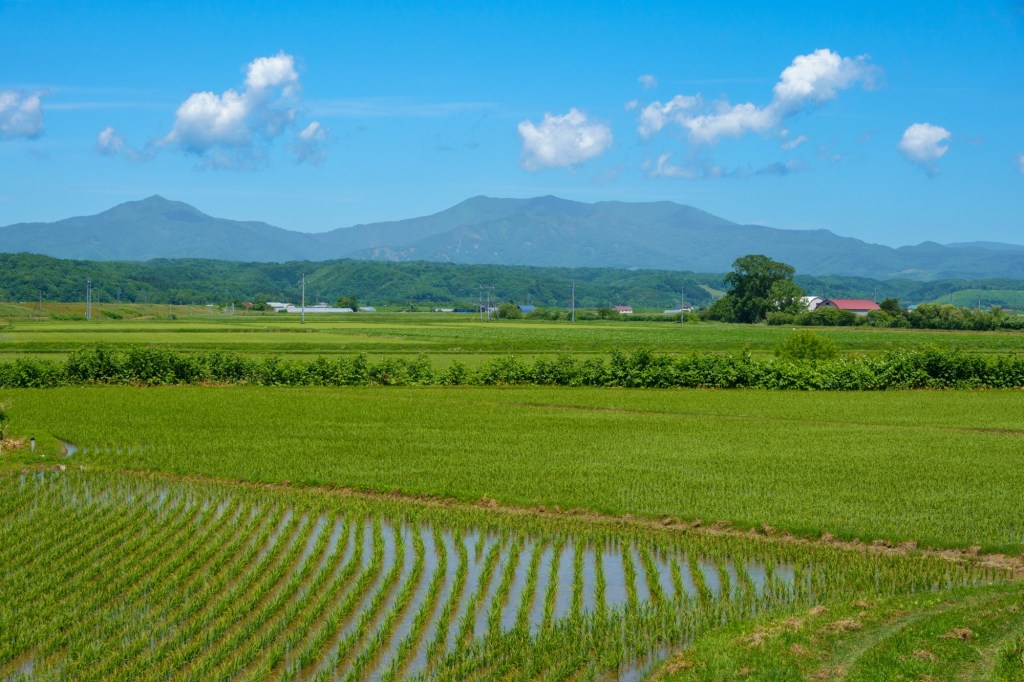
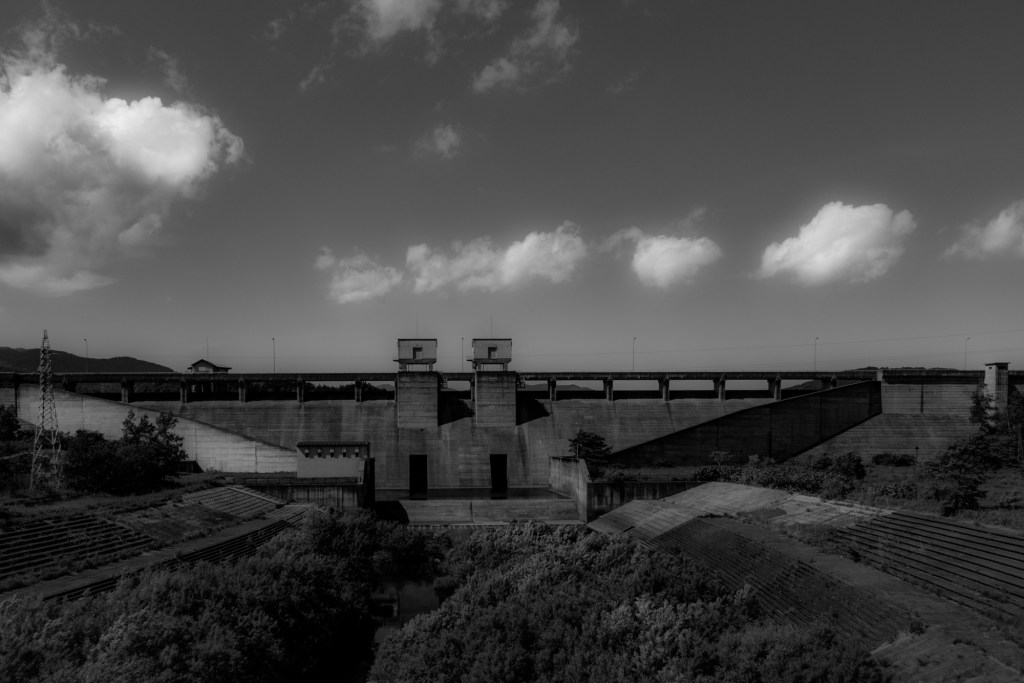
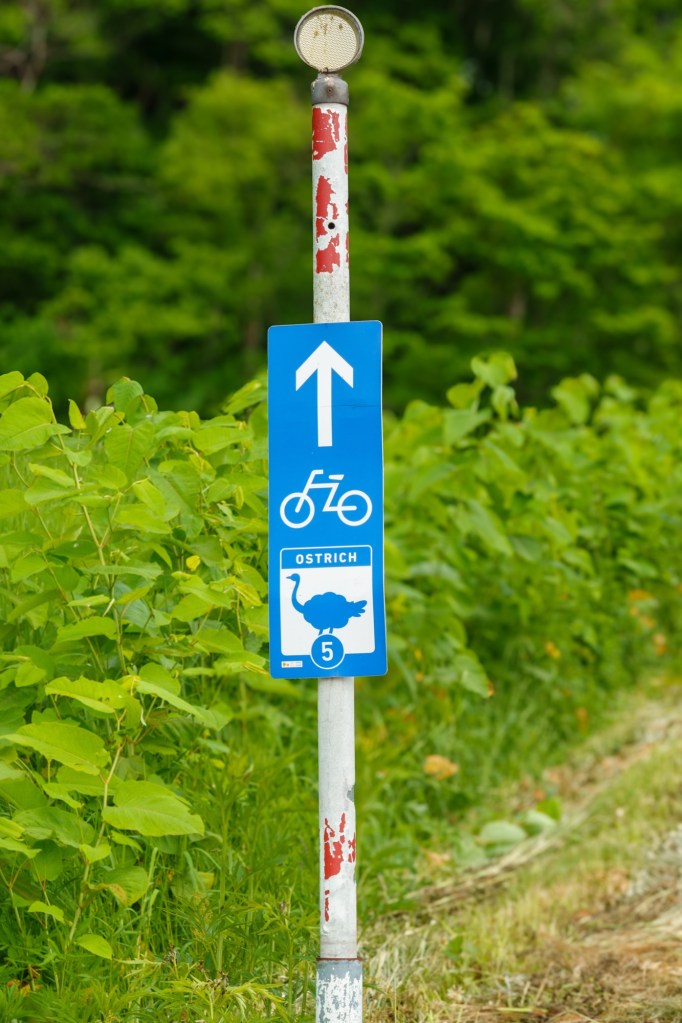
A delightful day cycling on mainly quiet roads, flourishing forests framed with fabulous trees of many types. Good hiding places for the bears we’ve had stern warnings about what to do. Here’s a fun story about Hercules the Bear: https://youtu.be/aOab6D7q06c?si=Jkvo0GNAI6mg08En

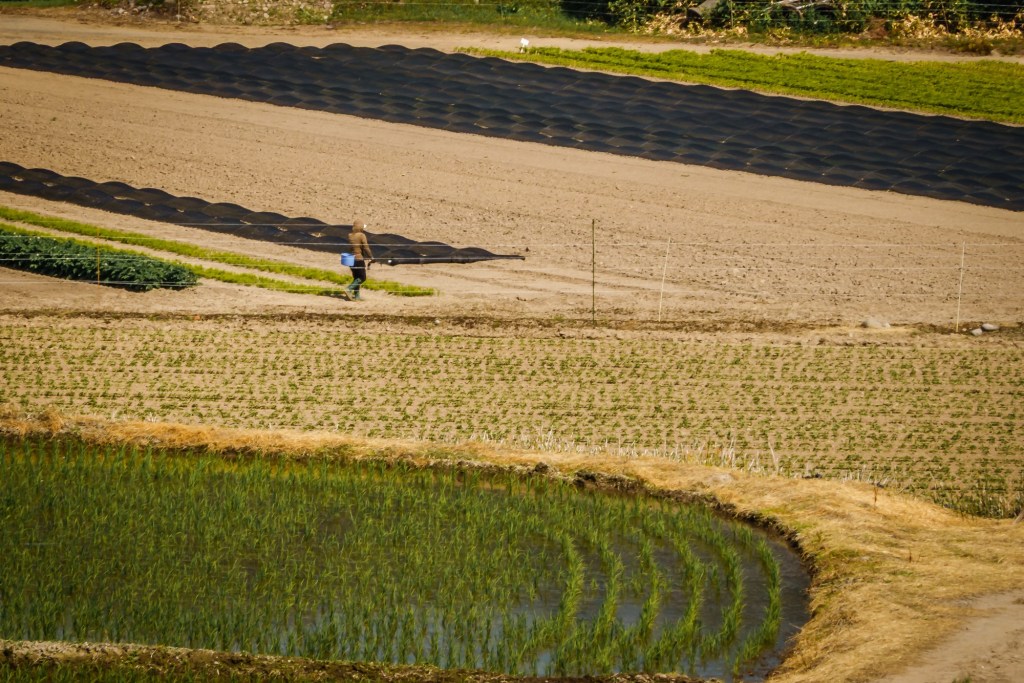
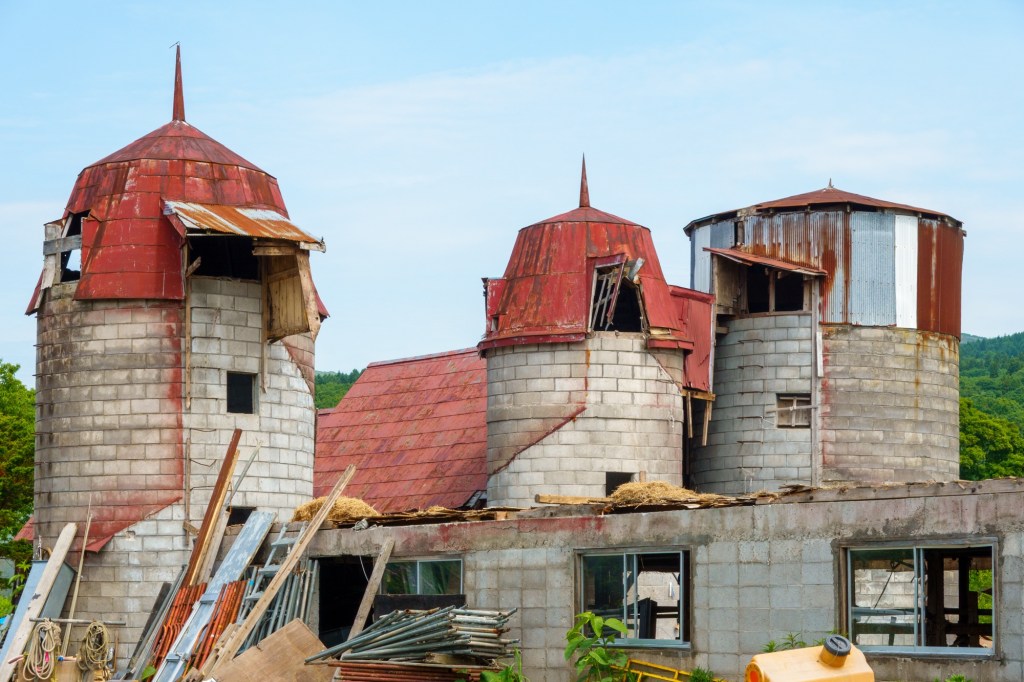
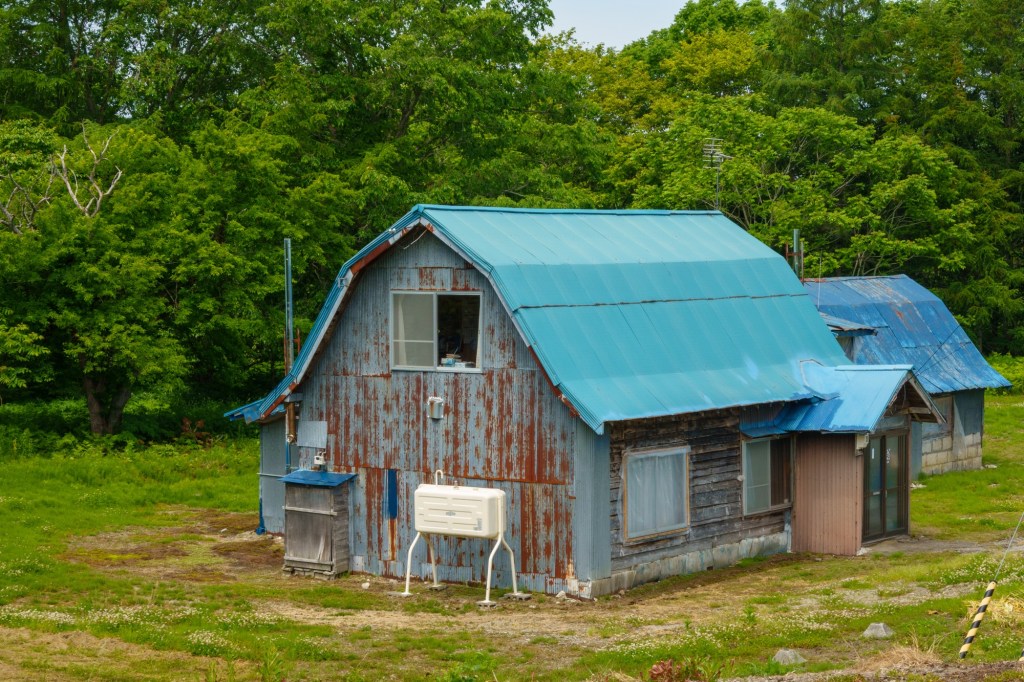
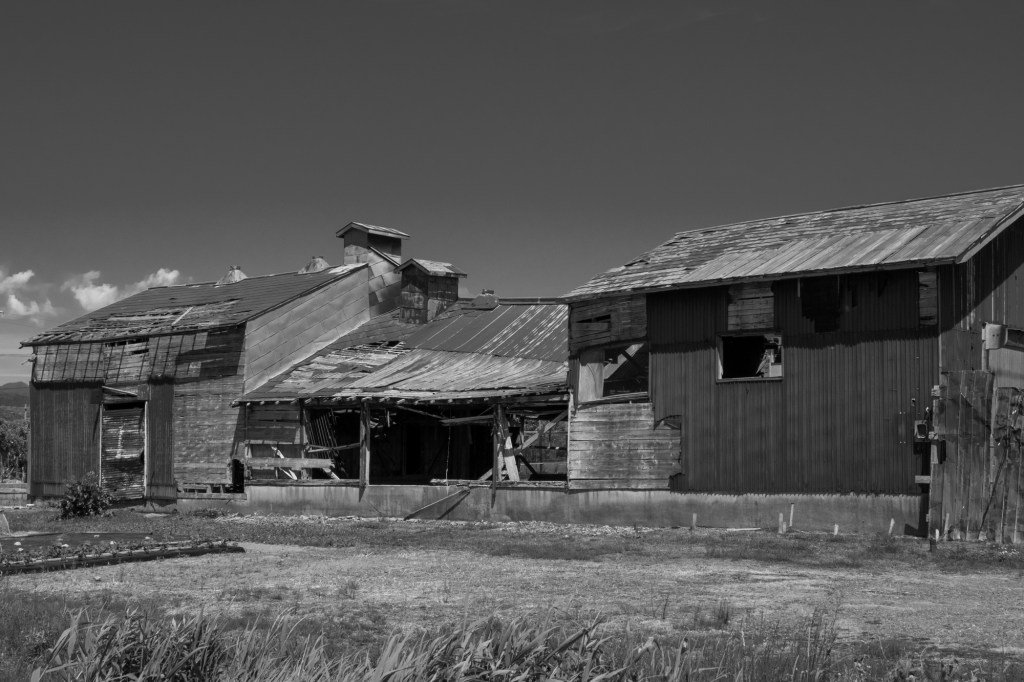
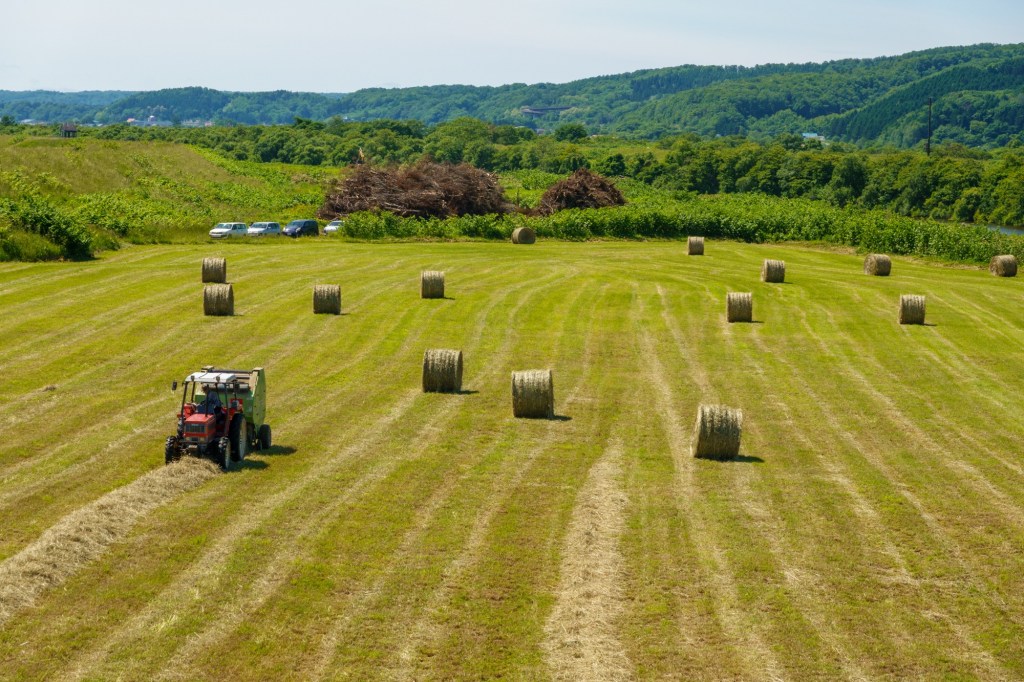
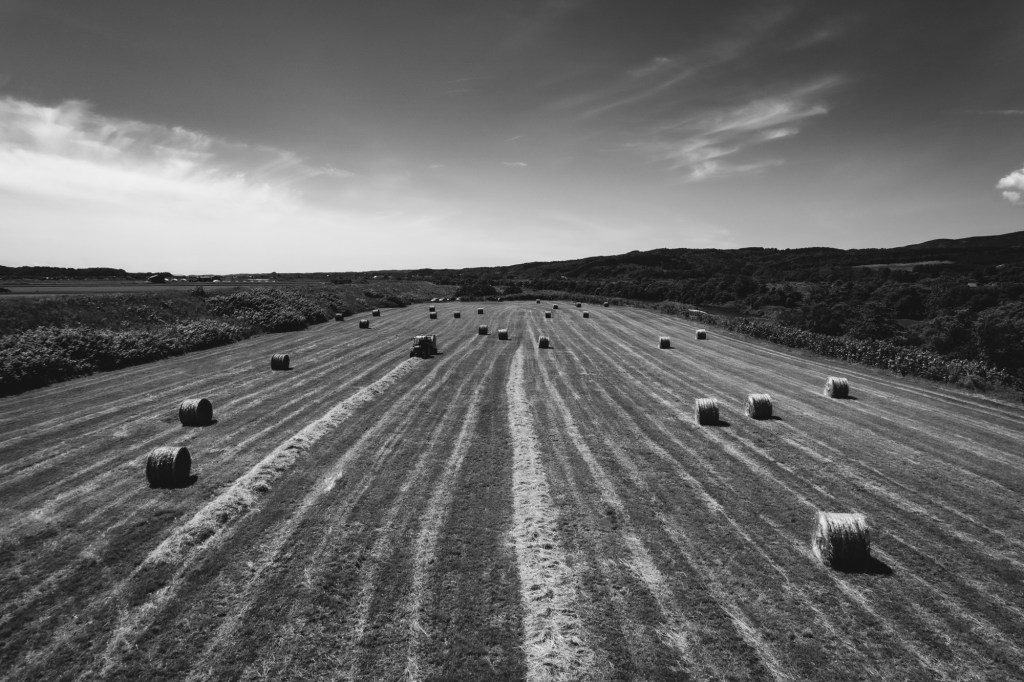
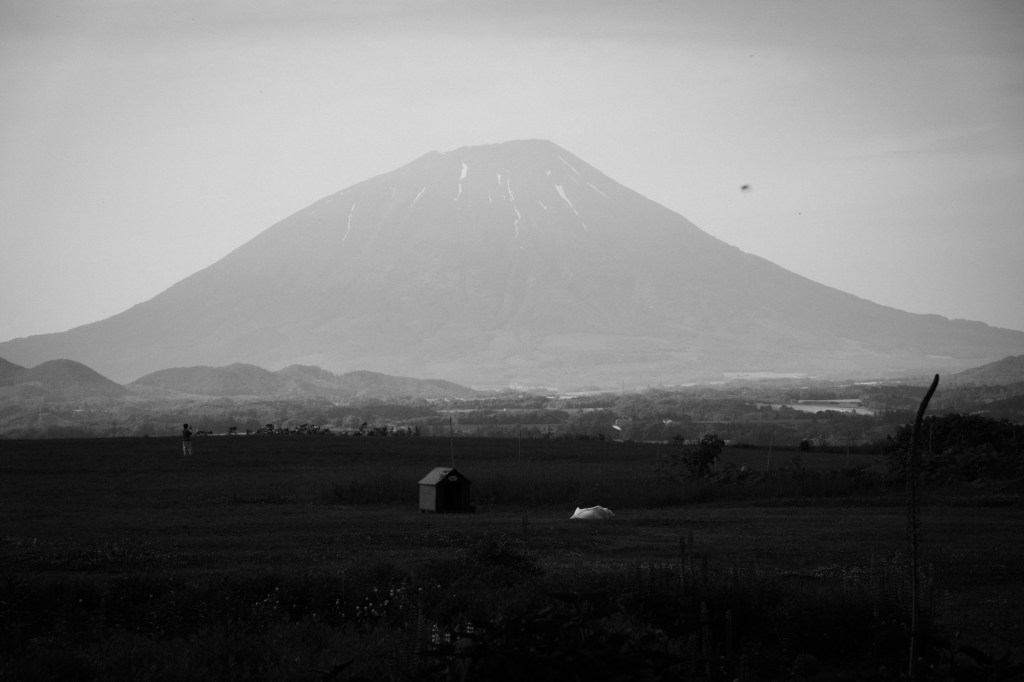
So we need to channel our inner Baloo for the next stretch of “Wild Japan”. If today’s contrast of hills and remote rural farmsteads is anything to go by, it’ll be fun. Temperatures too are getting towards what we’re used to – a balmy 12.4C today.

Tomorrow things may heat up as we get to Fukushima.

JttE Tokyo – Nasu

A bus transfer to Nasushiobara where we start the next leg. A good stop at a Temple/Shrine area – Nikko Toshogu Shrine. Which prompted the memory of the first hotel I stayed in USA, Hotel Nikko – San Francisco 1991. Just in case it comes up in a quiz, you now know.

The Shrine brought home the wealth, status and power of the ruling Shoguns from 1603 – 1868. In the same period in the UK we went from the Union of Crowns through the Stuarts, Cromwell, Hanoverians, Victorians. No democracy in Japan, a huge feudal isolationist state.

It is also the home of the original carving of hear no evil, see no evil, speak no evil monkeys. Not the mantelpiece ornament we have at home then. Sold a pup.

Apart from the Dutch and Chinese. The Dutch donated some artifacts for the development of the Shrine in the 1600s. Wonder what they got in return? Two of the massive laterns are made from Portuguese iron of the same vintage. Mind boggles about the logistics of the procurement process.

It’s also a fusion of Shinto and Buddhism co-existing, until a decree post 1868 they had to separate.

The trees, Japanese cedar and umbrella pine are huge, planted 400 years ago. I wonder what stories they can tell. Like tall pieces of whispering grass.

Tomorrow saddle up and get the show gunning down the road.

JttE Tokyo – 3

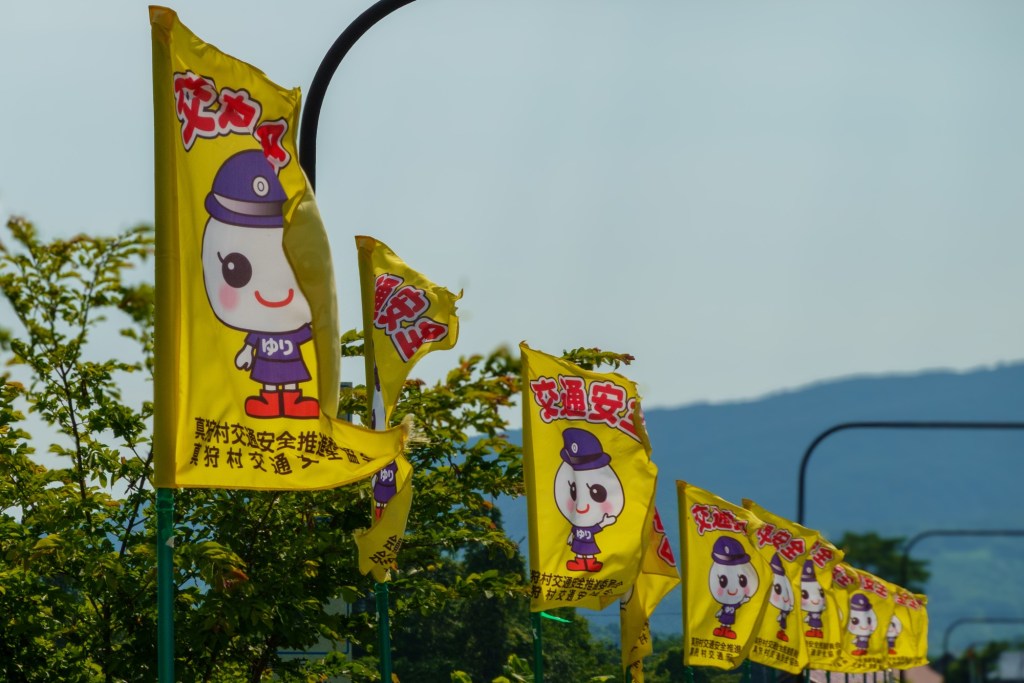
Today we saw Japanese umbrella culture come into its own. All went well until I forgot the code number to release my brolly from its station. Up steps a helpful guard.

The other thing which is great is the sensory ridges in all the pavements. They are also a different colour more easily recognised by people whose sight is failing.

An indoor day apart from the swim to the Edo-Tokyo Museum. Edo pre 1868, Tokyo post. Same place, new rulers. And Western influences allowed in for good or ill. It was good at bringing out the complex hierarchies within the Shogun times, how normal people lived in both eras. And how Tokyo has developed through large scale disasters to emerge as the mega-city it is today.
Then to Sumoland to have fun learning some of the history of this very old ritual, now sport.
Tomorrow a transfer to our next cycling start.
JttE Tokyo-2

The Operation Meetinghouse firebombing of Tokyo on the night of 9 March 1945 was the single deadliest air raid of World War II, causing more destruction than the bombings of Dresden and Hamburg, and even Hiroshima and Nagasaki as single events. Quarter of the city destroyed, up to 100000 killed: it remains the most destructive and deadly raid in history. I only write this from “ignorance” of the event not to infer nor make judgement – history has already been written.

Today the only sign of something happening is on the notice boards giving some local history referring to “rebuilt after the Great Air Raid of 1945.

That included our first tourist trap of the day at Senso – Ji, Japan’s oldest temple. Heaving, with a market included. Somehow the bustle and noise of tourists detract from the sanctity of the religious site. Judgemental and hypocritical of course since we were there!

Before then we popped into the quiet serenity of the Salt and Tobacco Museum. Whilst skirting around the detrimental effects of tobacco, it was a lovely wee gem of a place – Japan is reliant on other countries for the bulk of its salt. And who knew potatoes, tomatoes, chilly peppers are in the same family as the tobacco plant – all from South America? It reminded me of this Bob Newhart sketch https://youtu.be/_XDxAzVEbN4?si=gQv41fgJWn7uZKUq

Then it was off to explore more XL jerseys, left safely on their hooks. Nearby Golden Gai was full of character in it’s afternoon nap – by night it’s a jostling throng of folks heading into quirky and very small bars and food joints.

We either walked (very quiet streets) then started to navigate the Metro like a local: shame the local we were like doesn’t live here!

Tomorrow the tail end of a typhoon arrives. Toyko has a sophisticated flood control system. I found this fascinating clip: https://youtu.be/lvikcj8A1Bw?si=uwAEB1ao5fLNll5R A small investment of 2billion USD. Enough to fill a few pot holes back home then!

JttE Tokyo – 1

Mount Everest is the highest point above sea level, but because the Earth bulges at the equator, the summit of a volcano in Ecuador sits farther from the centre of the planet, making it the closest piece of land on Earth to outer space.

Mount Everest: 8,849metres; Mount Fuji: 3,776m; Ben Nevis: 1,345m

So everything is relative. The Skytree comms tower is only 634m high, built to broadcast signals around the Tokyo area. Which given the size of the city and the height of buildings means going up.

We only reached 450m at the viewing platform. Good to read they slow down the effluent from the toilets, else the fan might get knocked over. The lift wouldn’t be allowed in Wales as it goes at 600m/min, aka 22.3mph.

Tomorrow the first of two full rest days in Tokyo. Given the greater metropolitan area has a population of 38million and the UK population is 68million, we might focus. The third largest city in the world (London is no32), it hosts about 1/3 of the Japanese population.

Which means it has a phenonmenal sewage system…….