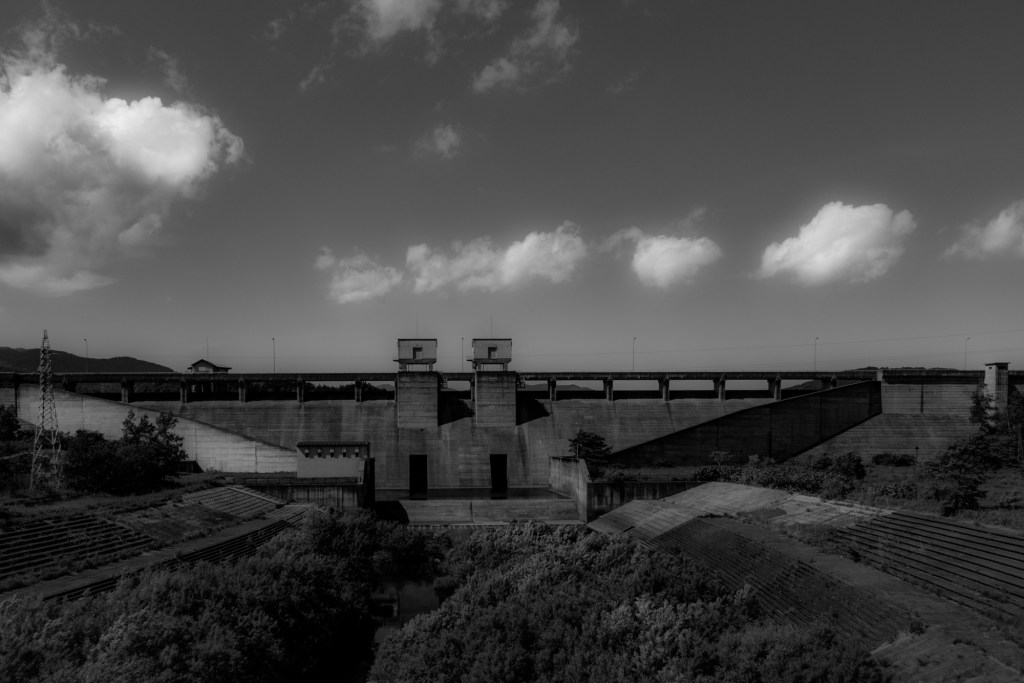
D11 JttE Matsuyama – Kochi

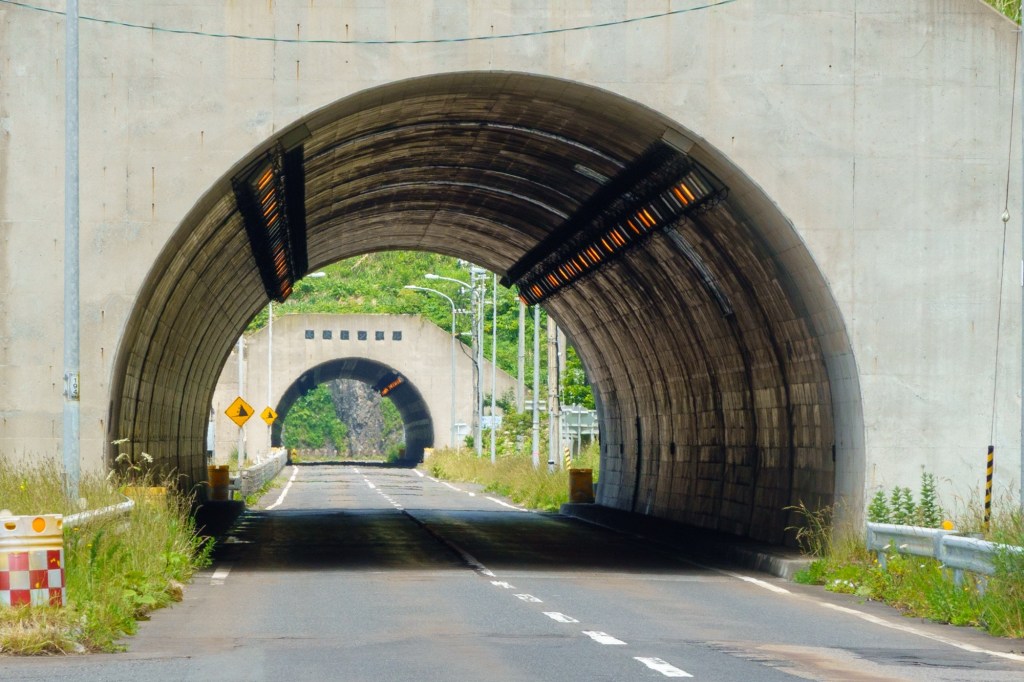
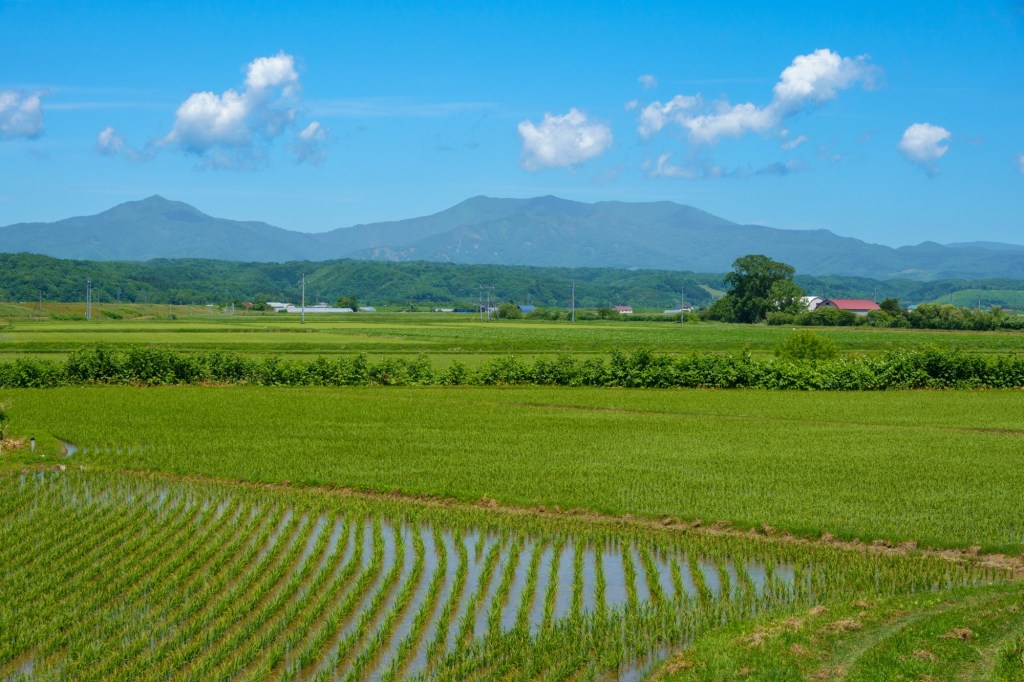
Today’s ride was gorgeous, literally and metaphorically, from Matsuyama to Kochi. An incredibly scenic journey across the rural, mountainous heartland of Shikoku. Stunning rural landscapes as we crossed the mountain spine of the island. The numerous tunnels eased the climbing.

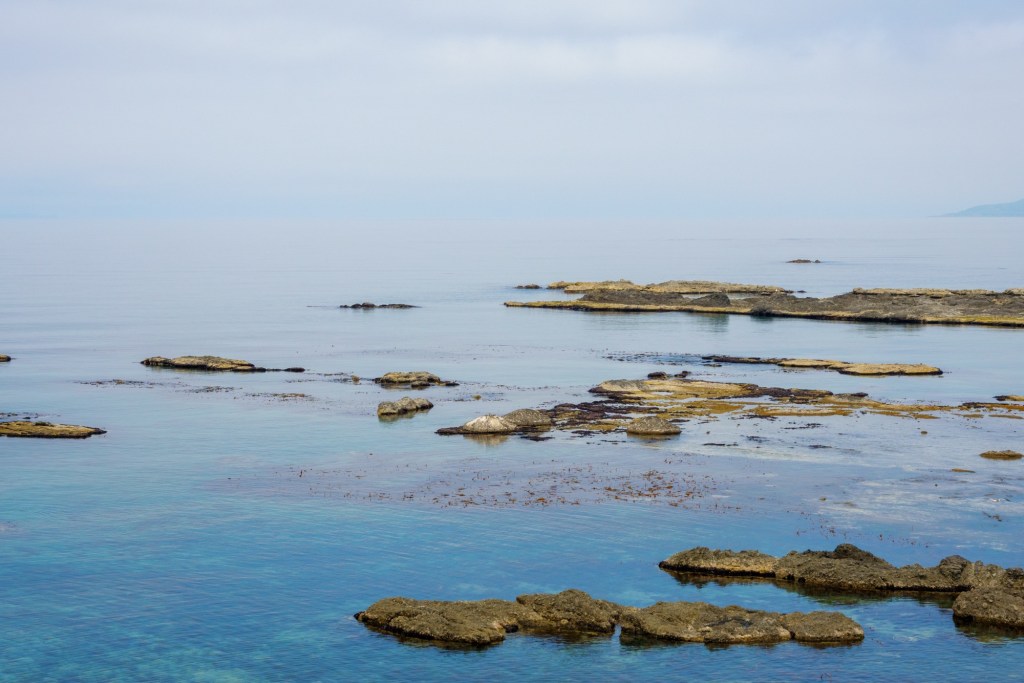
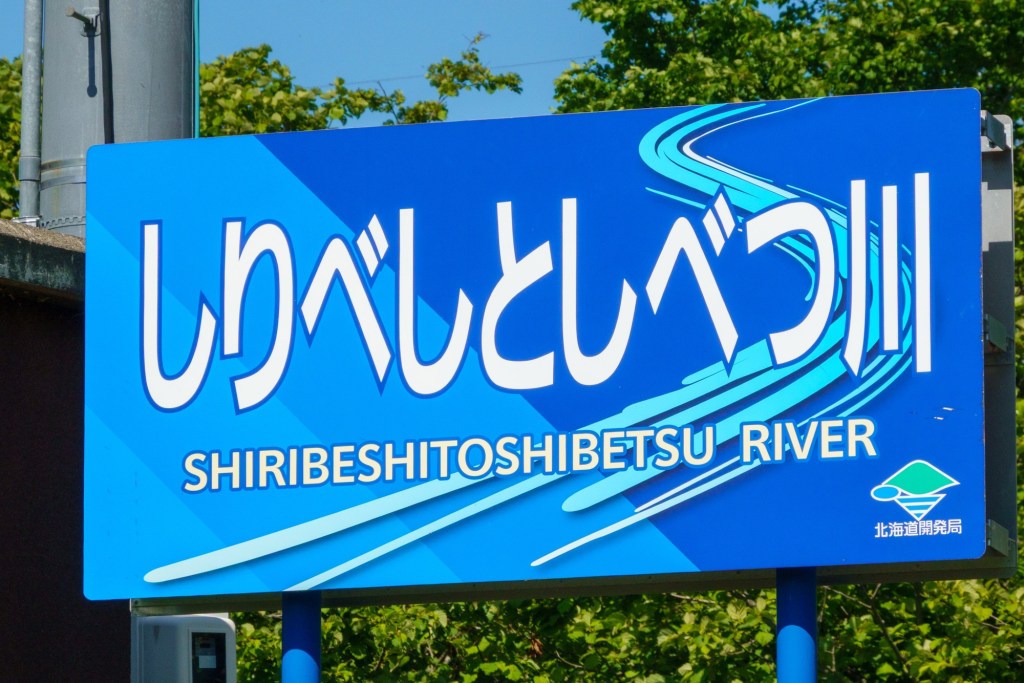
For a large part we rode by the Niyodo River known for its vibrant “Niyodo Blue” water. Narrow twisting back roads amongst mist hanging forest covered gorges. Even the rain conspired to add a warm steamy atmosphere.

The early highlight was one of Shikoku’s 88 temples.

Kaiganzan Iwayaji, the 45th of the 88 temples on the Shikoku Pilgrimage Route, is located in a sacred mountain with rich history. Its temple precinct, surrounded by towering rock cliffs and primeval forests of sawtooth oaks, has been designated as National Scenic Beauty.
Iwayaji is a sacred place located in a 700-meter mountain and is affiliated to the Buzan sect of Shingon Buddhism (the head temple is Hasedera in Nara).
Legend has it that, in 815, Kobo Daishi came across this place while in search of a sacred spot and encountered a female mountain hermit called Hokke, who had been from Tosa (present Kochi Prefecture). Having been awed by the venerability of Kobo Daishi, the mountain hermit embraced his precepts and presented him with the mountain where she had been practising asceticism before dying a natural death. Deeply moved by her benevolent deed, Kobo Daishi carved images of Fudo Myo-o from both wood and stone. The wooden image was installed in a newly-constructed temple hall as its principal deity, while the stone image was enshrined in a cave in order that it was hidden from the public, thus making the entire mountain deified.

We saw numerous pilgrims, akin to the Camino walk. They visit all 88 temples. The explanation awaits tomorrow’s cycle.

Kochi, faces the Pacific Ocean to the South. It has twice as much rainfall as Shikoku’s other main cities and is also the most typhoon prone of Japan’s major cities owing to its location directly exposed to the open Pacific Ocean from which the storms enter the country. It has twice received over 50 cm (20 in) of rainfall in a day from a typhoon. We got off lightly today!

JttE Matsuyama

A rest day, spent resting. Most of it was taking in and appreciating Matsumaya Castle. Built from 1602 onwards, rebuilt after fires in the 1800s, and bombing damage in 1945.

It had its own Capability Brown to divert the main river. Stonemasons to craft the huge chunks of granite. Skilled carpenters to build the massive gates. All high tech including different types of wood to keep the insects down. Not much info on the toilets. I suspect they’d be amazed at the electronic contraptions the Japanese use now. Push the wrong button and you’ve got tears in your eyes.

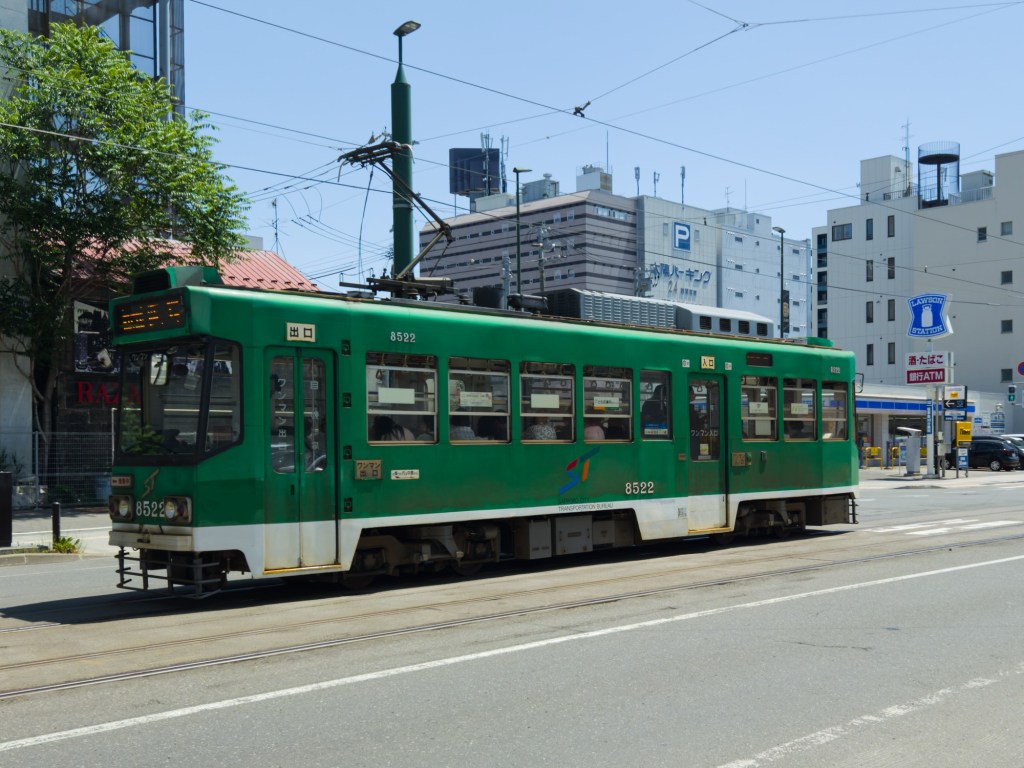
Much like we are taking a peek into the past, I wonder what the then residents would have made of Matsumaya now, with trams, cars, and buildings jostling to fill the space? Compared to today’s 0.5 million it was a new castle town of 5-10000, consisting of sumurai retainers, builders, merchants and their families. Like any medieval castle town really.

It was a refreshing change to go around a non-European castle of this vintage. Still holes for arrows, guns, stones. The armour was a cut above ours in the fashion stakes.

Barbara explored the famous Dogo Onsen (hotspring); I was a happy bike shed fairy.

Tomorrow back to the green hills and temples.

D10 JttE Beppu – Matsuyama

Fastest ever 100k ride. Averaged 32km/h. By a strange coincidence the ferry we were on from Kyushu island to Shikoku island was exactly the same. If only I had ridden my bike whist on the ferry I could have beaten it.

Our introduction on Shikoku took us via a lovely coastal road (constant but fairly quiet main road) and then into Matsuyama. Which was then a bit of a shock coming into a 500000 person city with busy traffic. We’ll explore here tomorrow.

It may well be things will quieten down. This island, compared to Kyushu, is smaller – famous for the sacred 88 temple Buddhist pilgrimage, deep mountain valleys and more rural.

One thing the islands have in common in numerous graveyards. Large and small in abundance. By the roadside, up hillsides, in middle of villages. This is partially due to a cultural tradition of individual family plots being passed down through generations. Geography also plays a roll as cities and towns are concentrated on the coastal and flat areas.

The conundrum of today is why did the slow worm cross the road?

D9 JttE Aso – Beppu

Beppu is famed for it’s hot water springs (2000 of them), heated via the volcanic activity. Akin to a UK Spa town. We know were the water comes from after today.

Rain waters runs down to the sea,

evaporation makes the clouds so free,

then it comes and rains on me.

(From This World goes round and round by Tom Paxton, but you probably knew that).

A lush ride today in what seemed like temperate rain forest. Accompanied by birds singing their lungs out – more tunefully than I.
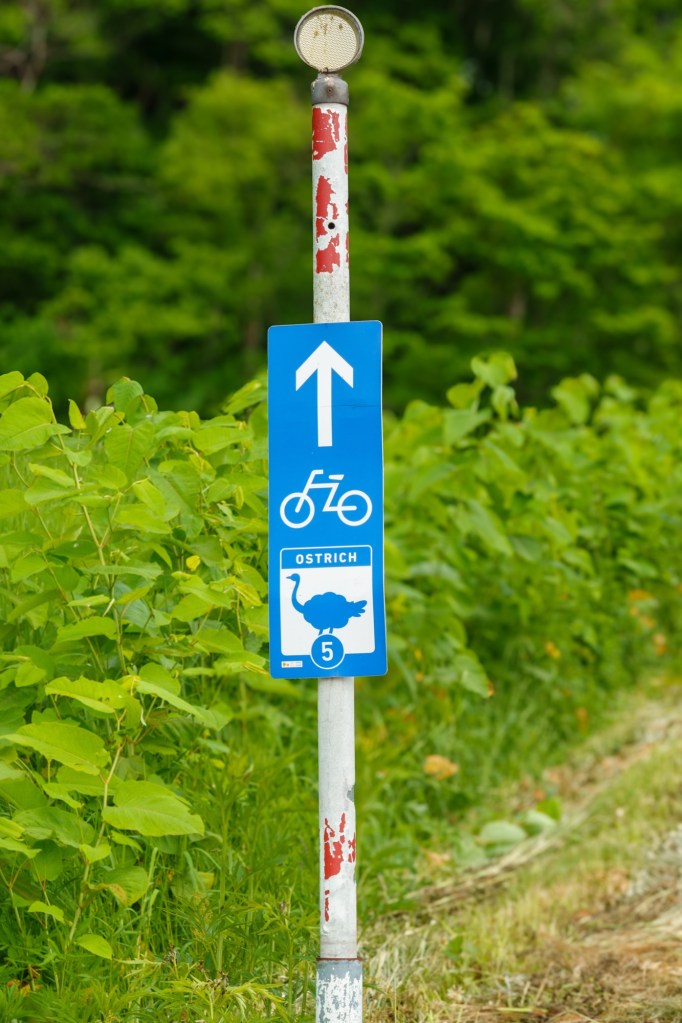
Hilly too, some great gradients to get keep the low gears happy. The brakes worked hard too.

You get the impression of it being a tourist area but out of season – most of the few cafes are shut. Just the one did the ticket.
Tomorrow to another island.

D8 JttE Kumamoto – Aso

Located in Kumamoto Prefecture, Japan, Mount Aso is one of the world’s largest active calderas. “Famous for its dramatic, smoking Nakadake Crater, lush grasslands, and hot springs, the area offers a surreal glimpse into volcanic forces”.

The ancient caldera is massive, measuring roughly 25km x 18km. We got a sense of the scale after we’d cycled up the slope to get to the top. The last eruption was in Oct 2021, sending a plume of ash 3500m into the sky. Respect.

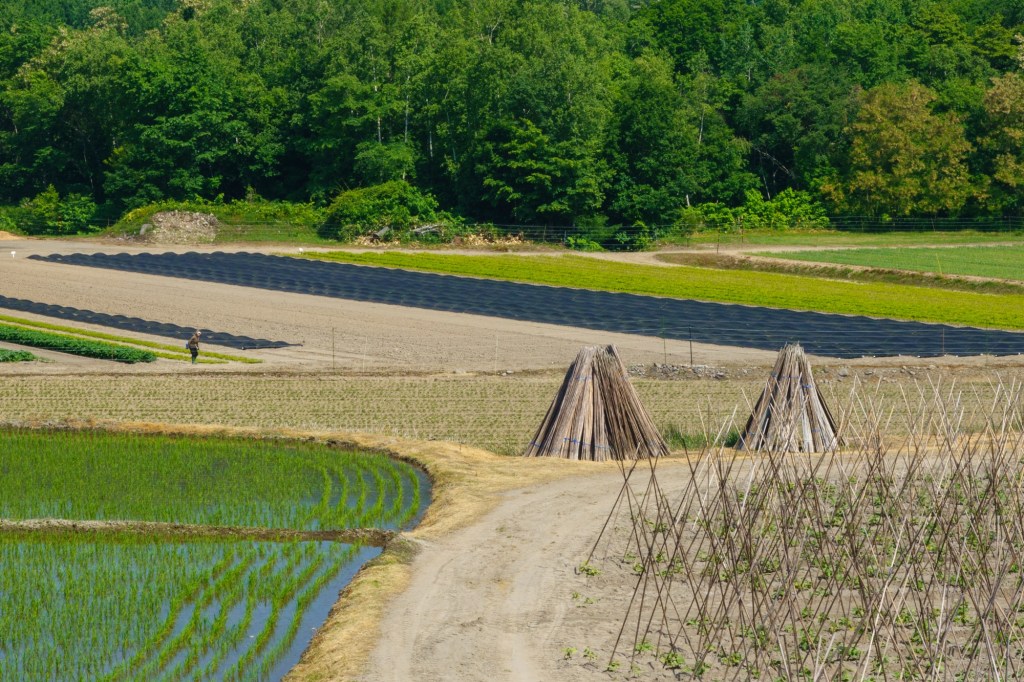
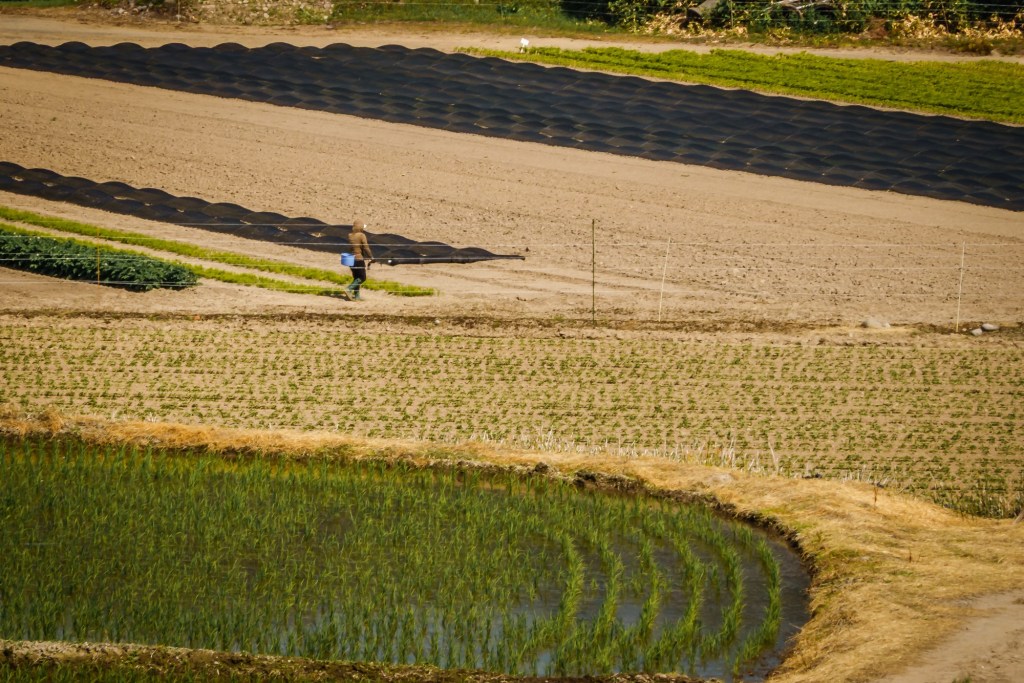
We’re staying in Aso, a town of 24000 people. Two main industries. Tourism and agriculture. The latter was in constant view on a lot of the route. Wheat and carrots in addition to rice.

We were fortunate with the shade offered by the trees on the ascent. Fir interspersed with Japanese chestnut. With the occasional patch of Japanese knotweed, a pernicious weed in UK.

Japanese knotweed (Reynoutria japonica) is not a major problem in Japan. While it occasionally grows as a weed on disturbed ground or volcanic ash, it is kept fully in check by its native ecosystem. 

The reasons Japanese knotweed does not take over in Japan include:

  • Natural Predators: It is eaten and weakened by native insects (like the psyllid Aphalara itadori) and naturally occurring soil fungi.
  • Plant Competition: It is forced to compete with other vigorous native vegetation (such as bamboo and Miscanthus grasses) rather than growing uncontested.
  • Extreme Environments: In its native alpine and volcanic habitats, poor soils and volcanic activity naturally stunt its growth.
  • Cultural Use: For centuries, locals have utilized it as an edible wild plant and traditional herbal medicine. 

In contrast, Japanese knotweed is considered an aggressively invasive pest in places like Europe and North America because it lacks these natural predators and competitors.

Guess what tomorrow brings. Escape from the volcano going back up the caldera wall. Just how fast we go may depend on the forces of nature…..