D5 JttE Andong – Yeondeok

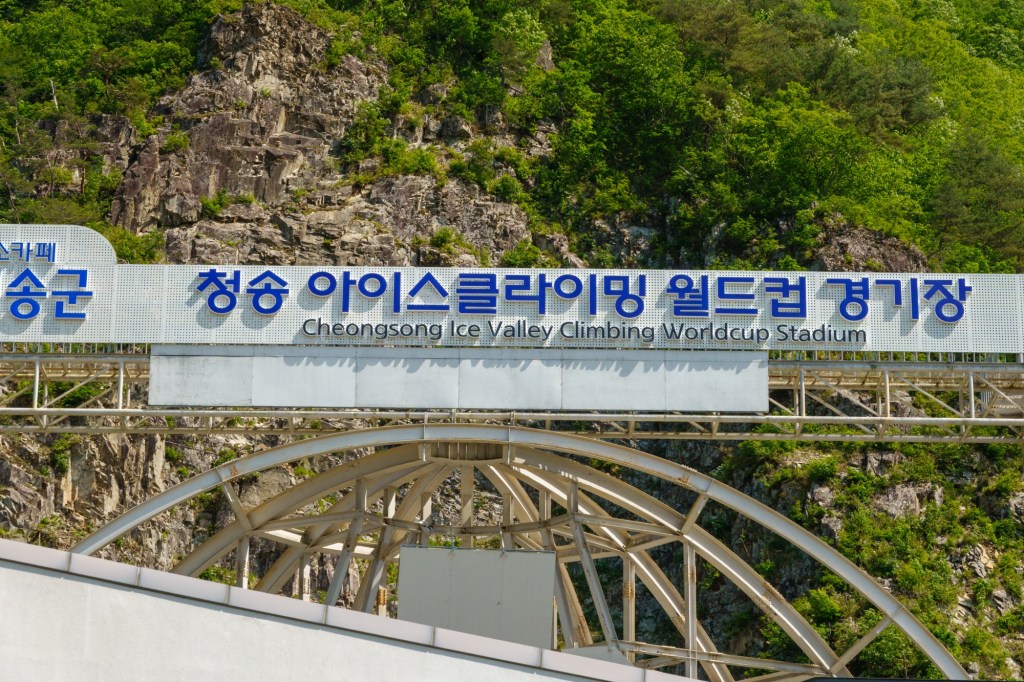
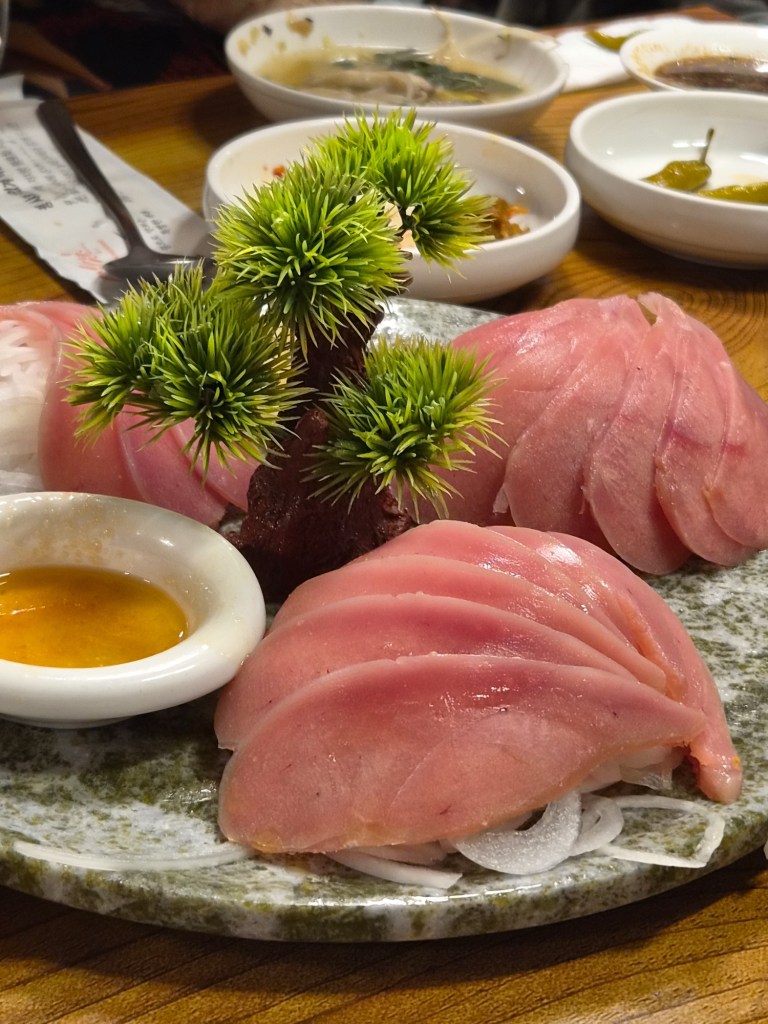
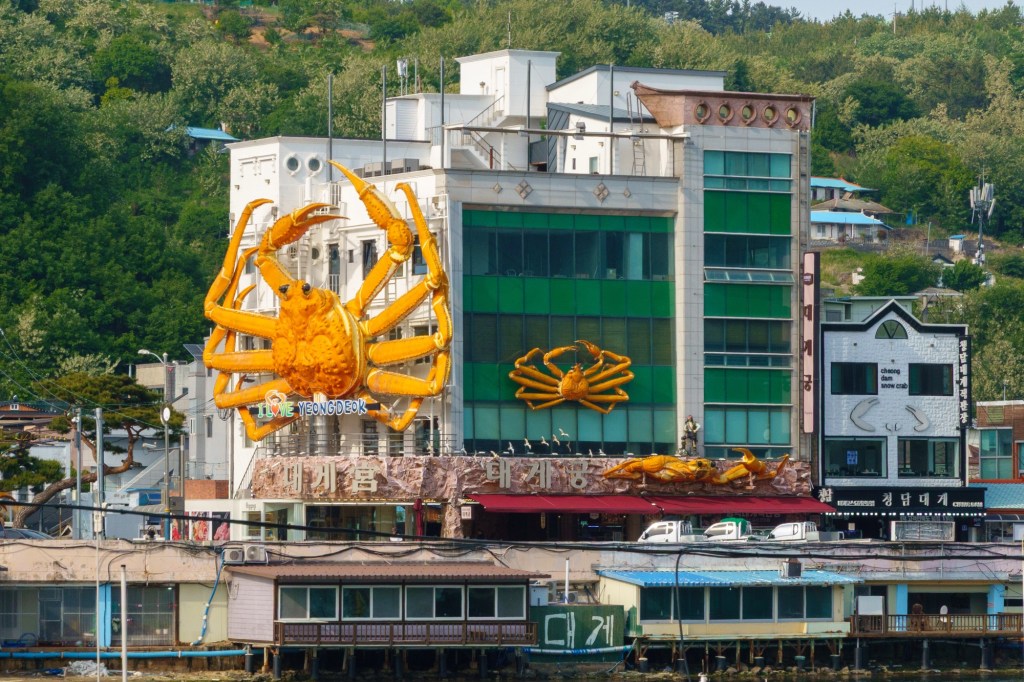
The destination’s speciality is crab – snow crab to be more precise, which are in season from November to May. Quite why they are called snow crab I don’t know. Turns out it’s because their meat turns a bright, snowy white when cooked. The name also reflects their habitat in freexing cold northern oceans. Are they lost here? The reason for the detail is we had a lot of it tonight. A lot.
Anyway, back to my birdsong rabbit hole. I started wondering if migratory birds are multilingual? They are! Song is learnt and they can learn to understand other species too. I’ll need to revise my opinion of pigeons – who fly from lofts in places with distinct accents, eg. from Glasgow to deepest Yorkshire.
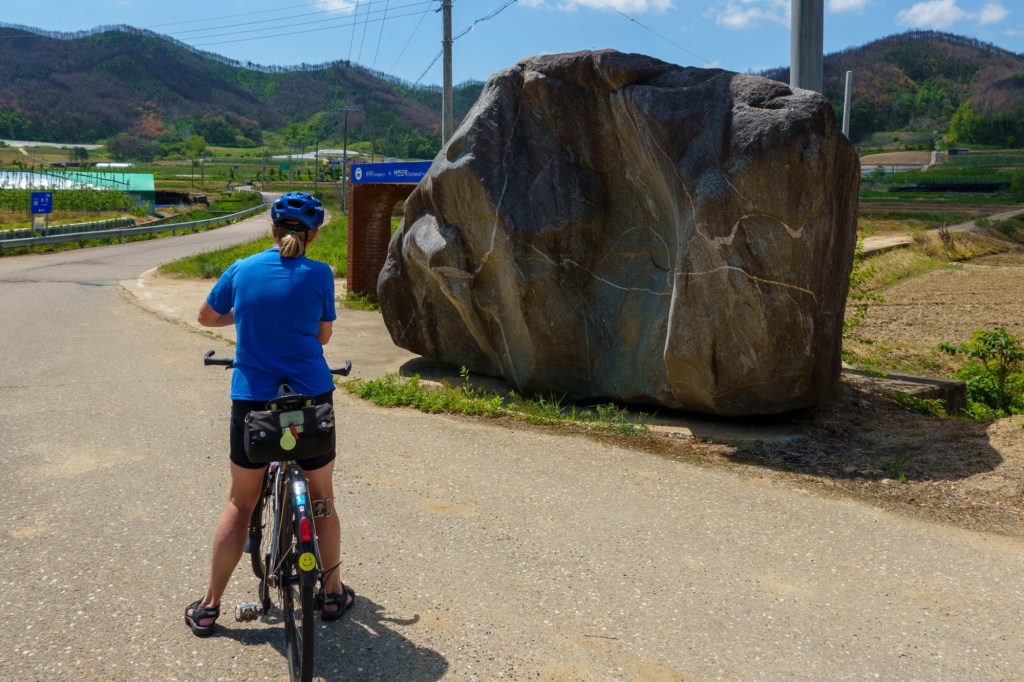
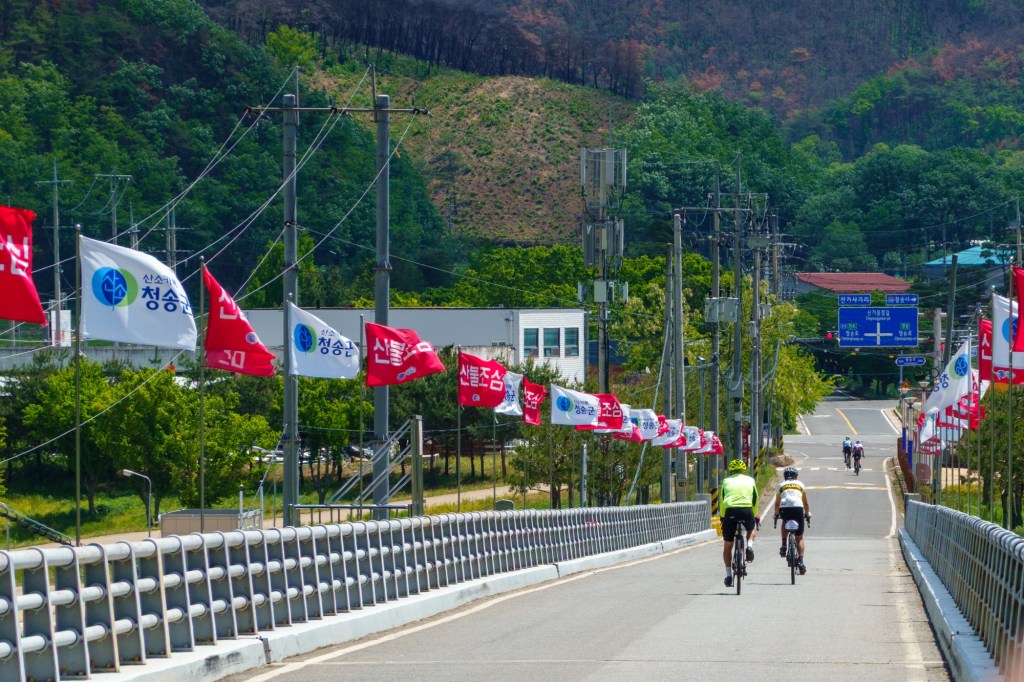
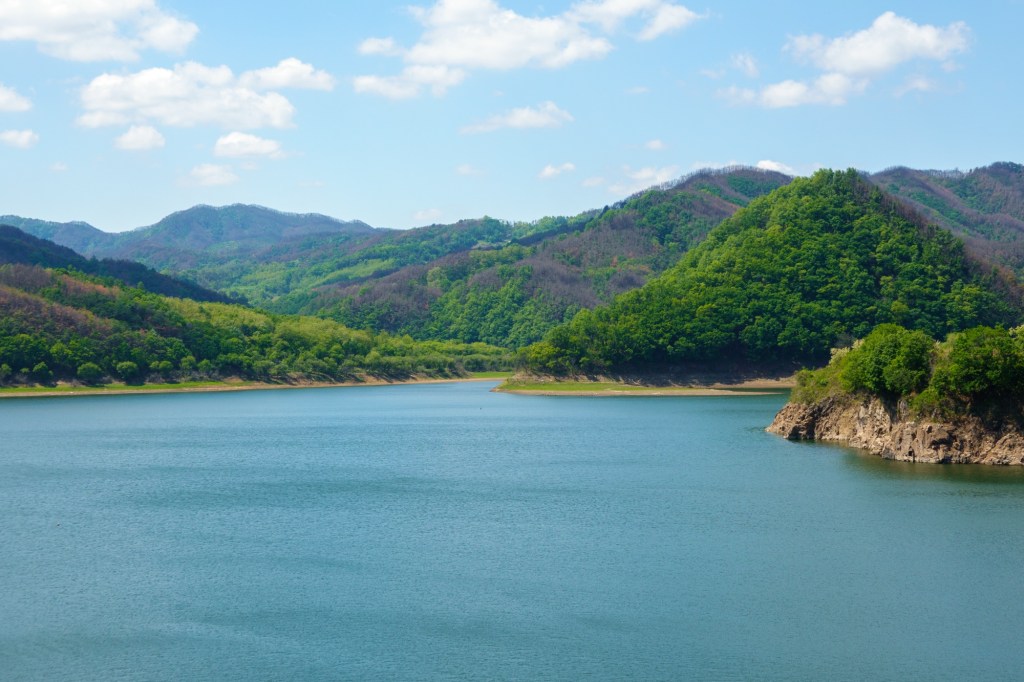
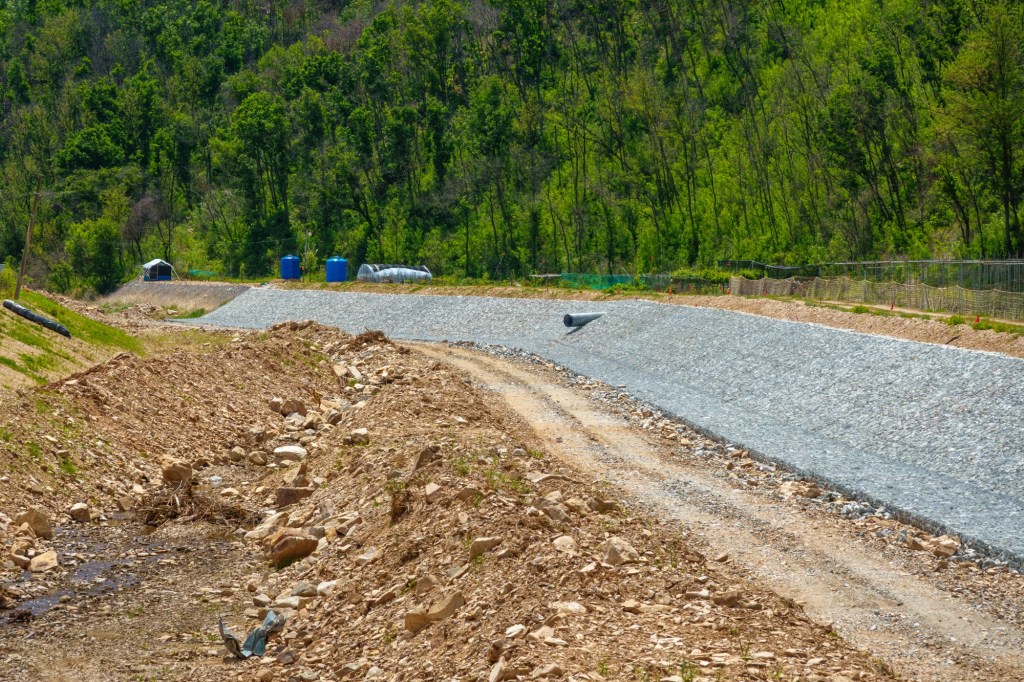
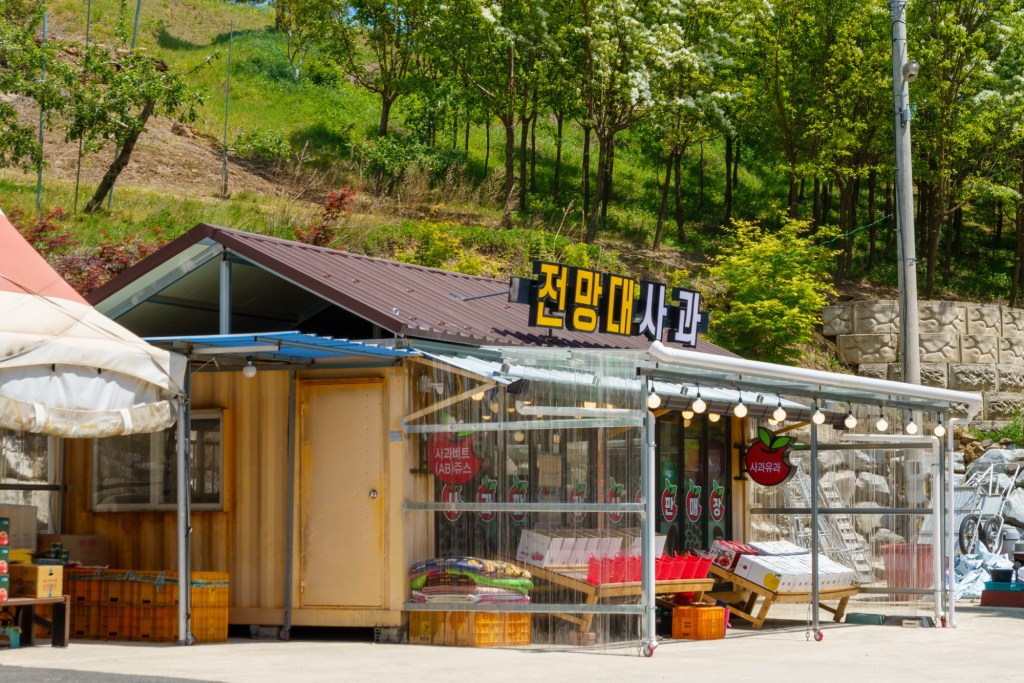
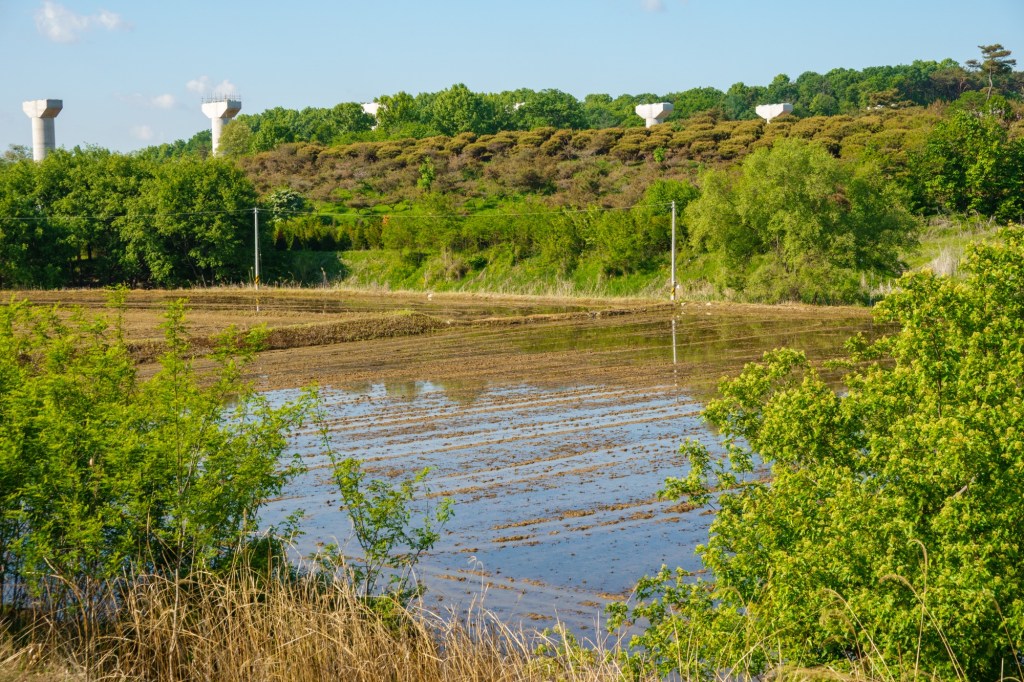
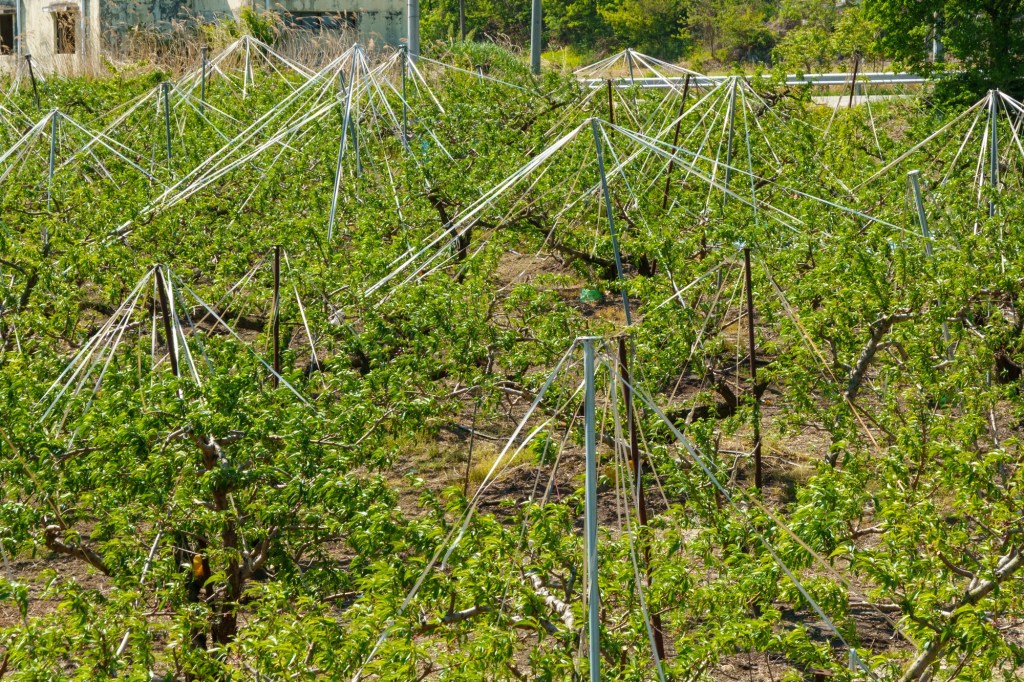
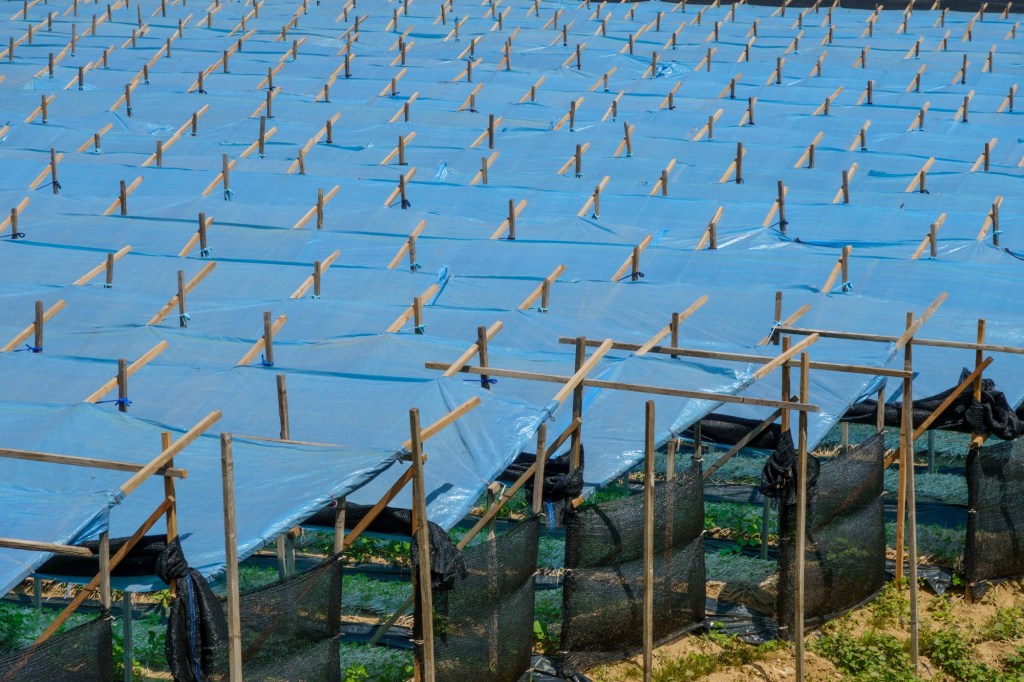
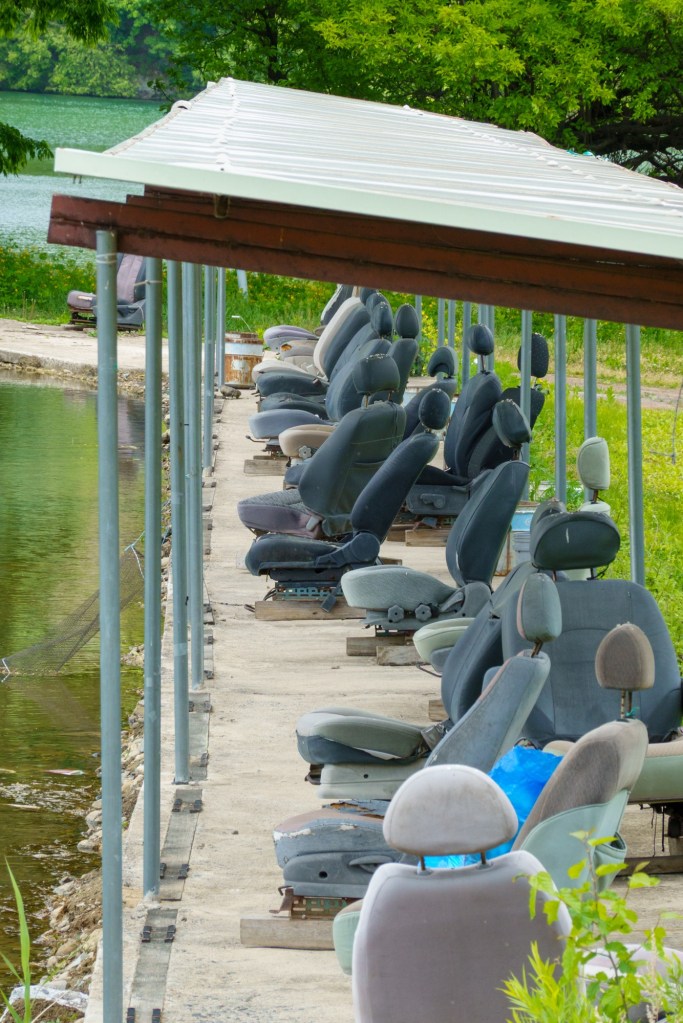
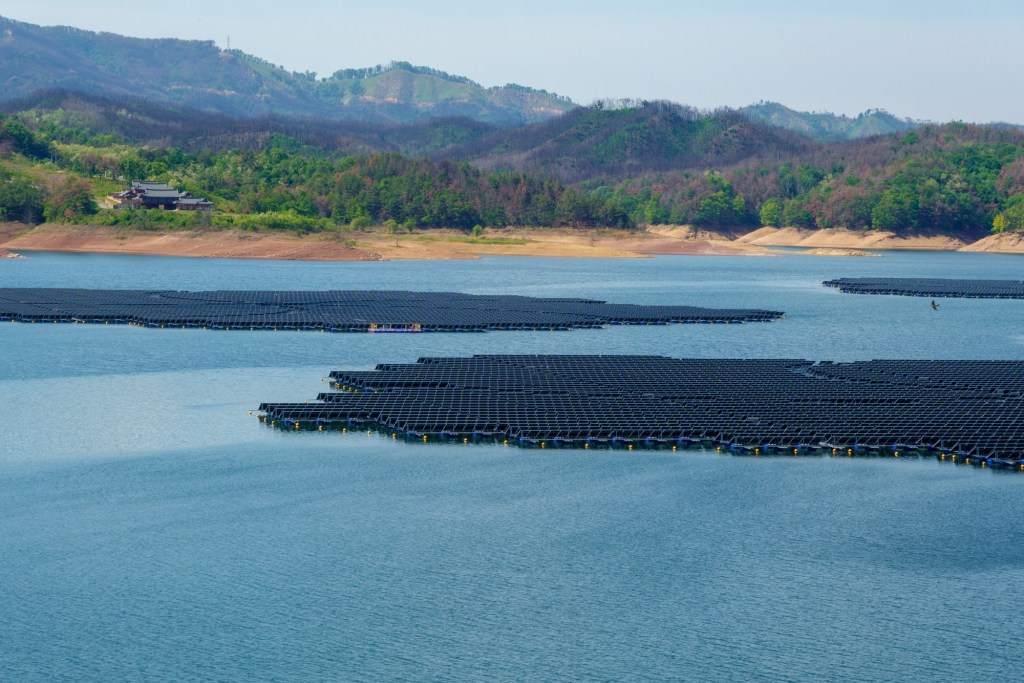
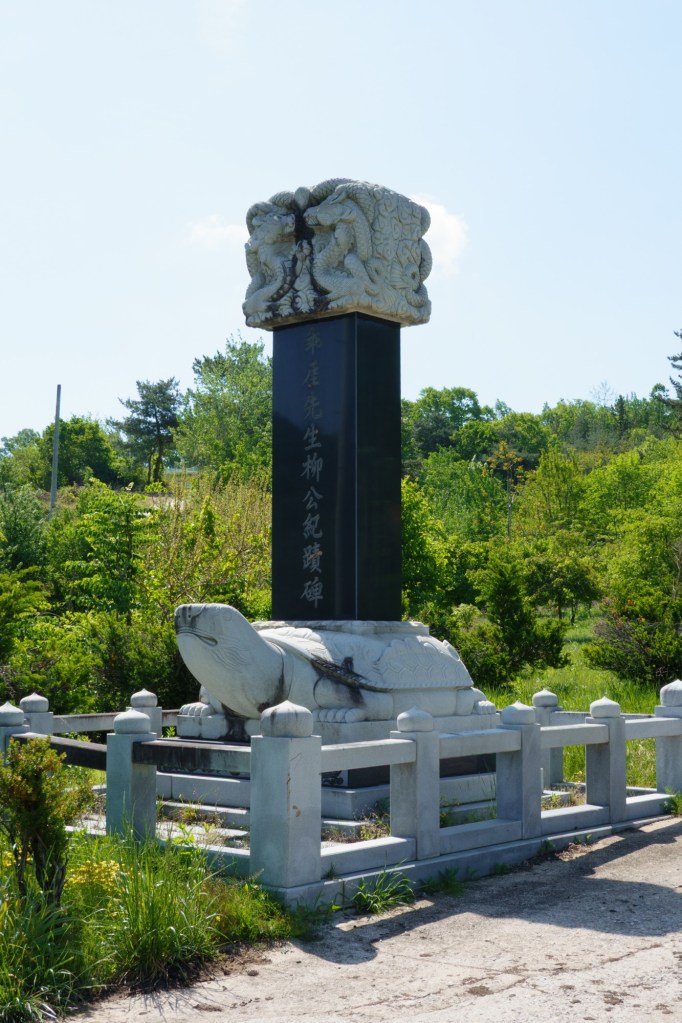
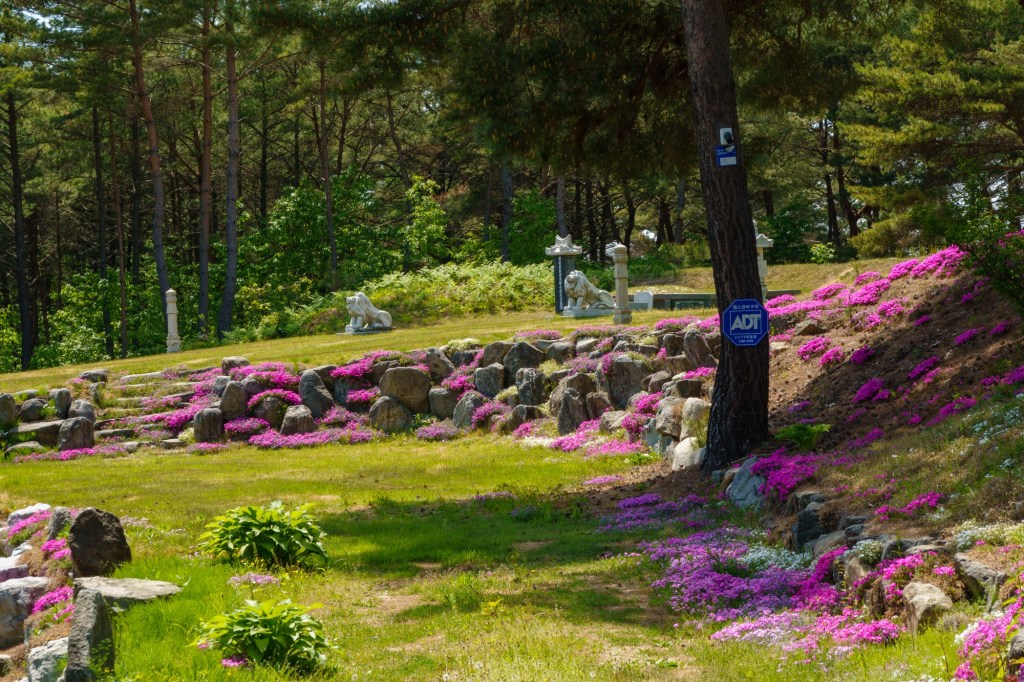
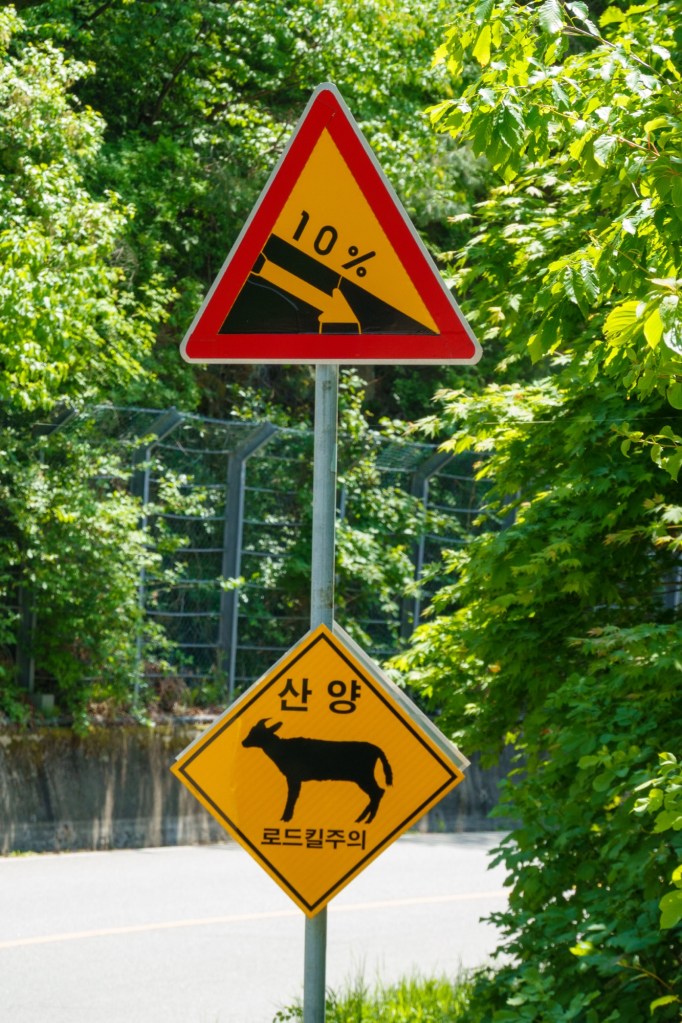
I digress. Today was a hilly day – luckily there were lots of visual distractions. Orchards, acers, resevoirs with solar panels on them. South Korea is expanding its “floativoltaic” projects to save on land use. The turtle statue was a good stop – representing longevity, protection and historical navel strength. We’ve yet to see a live one – they are native to South Korea.
Tomorrow a shorter flat day working off the crab.
D2 JttE Yeoju – Suanbo

Suanbo is a “historic, quiet hot spring town in Chungju, South Korea, known for its natural alkaline water used for centuries”. Taking recycling to extremes. “Located near Woraksan National Park, it serves as a tranquil base for hiking, relaxing in hot springs, and enjoying local specialties like pheasant, offering a rustic, nostalgic getaway. ” Pheasant was good, not sure about the rustic – rusty maybe.
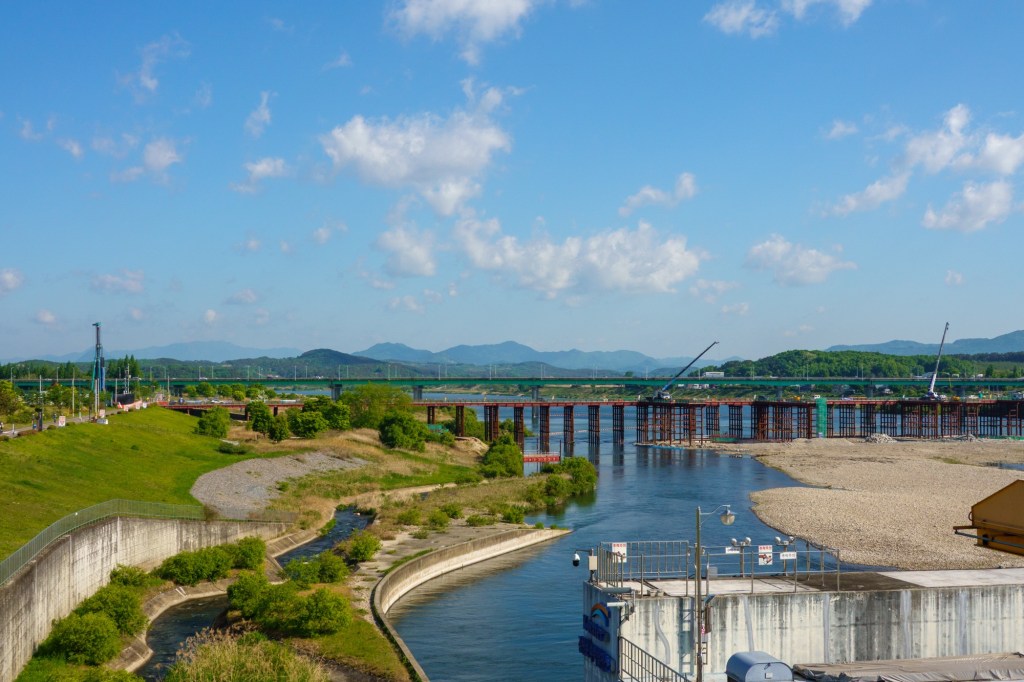
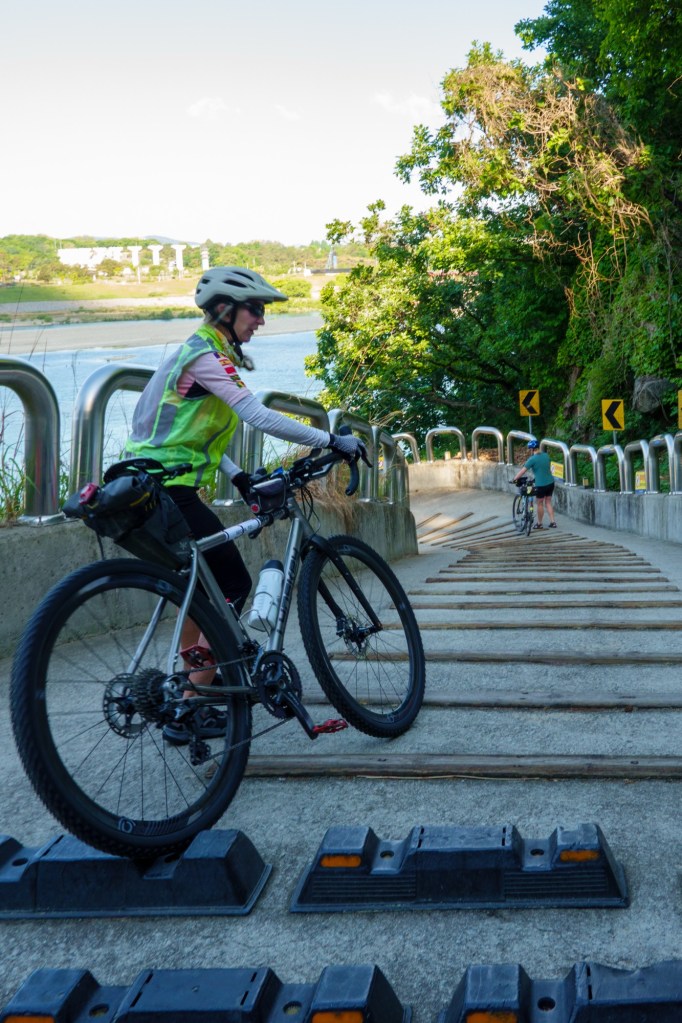
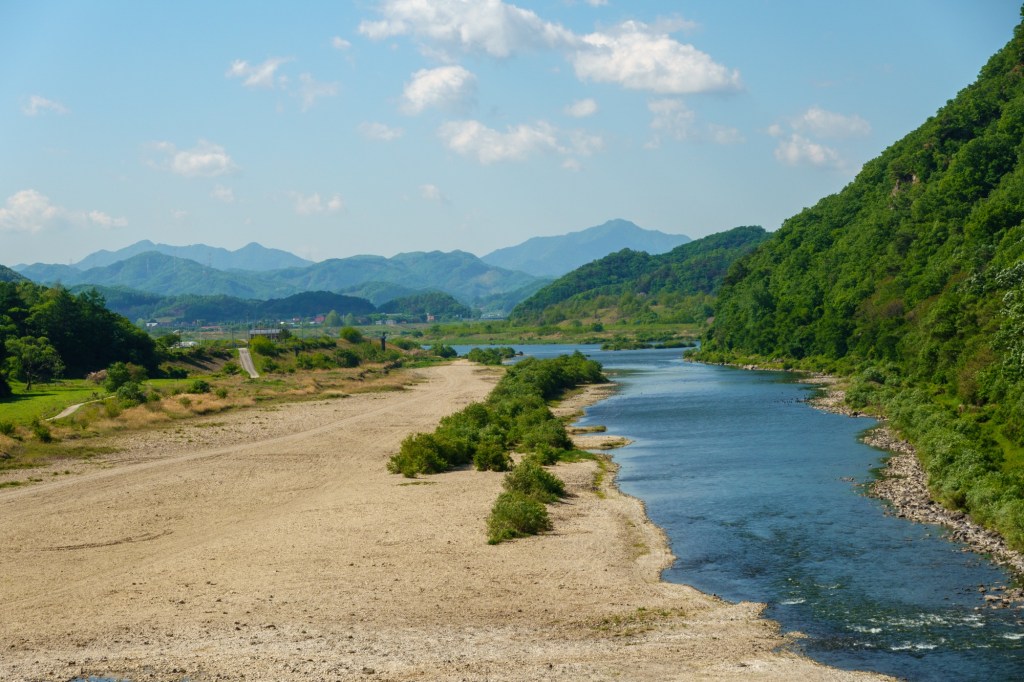
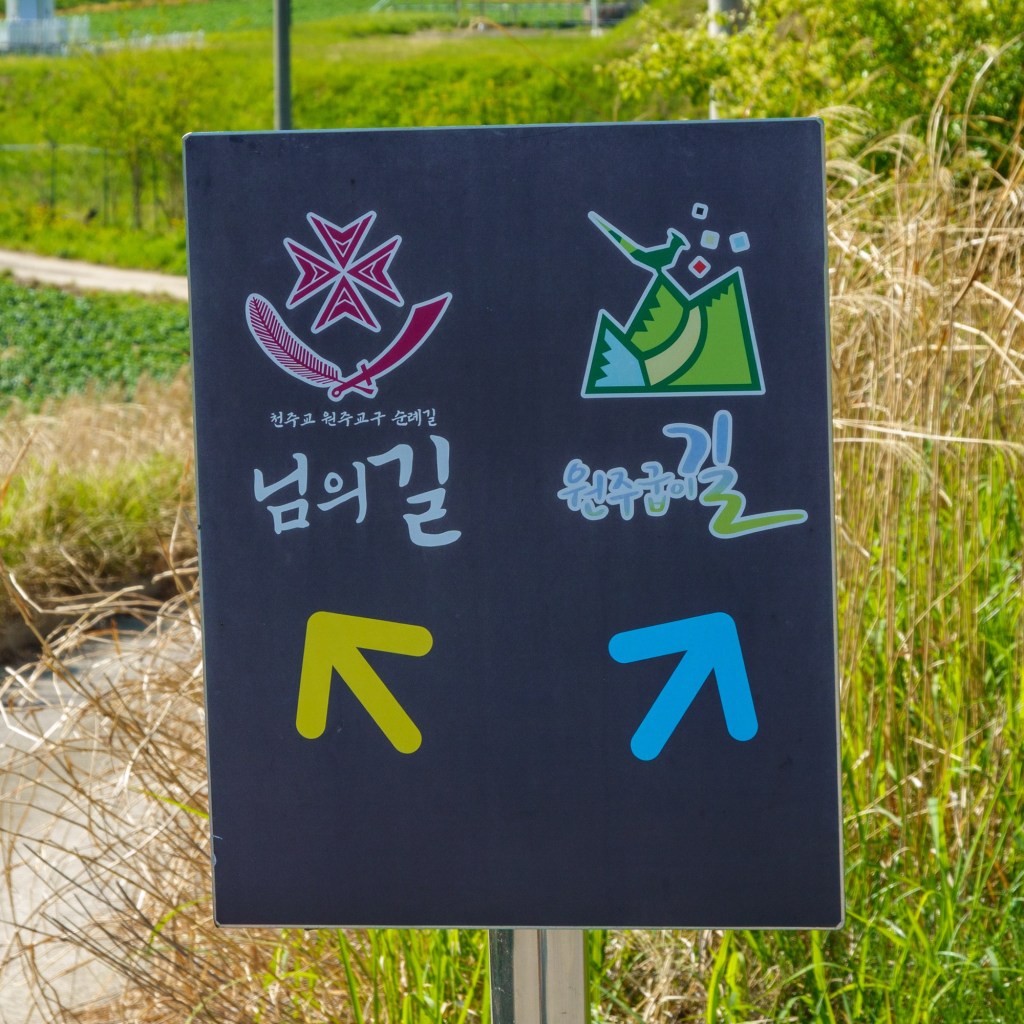
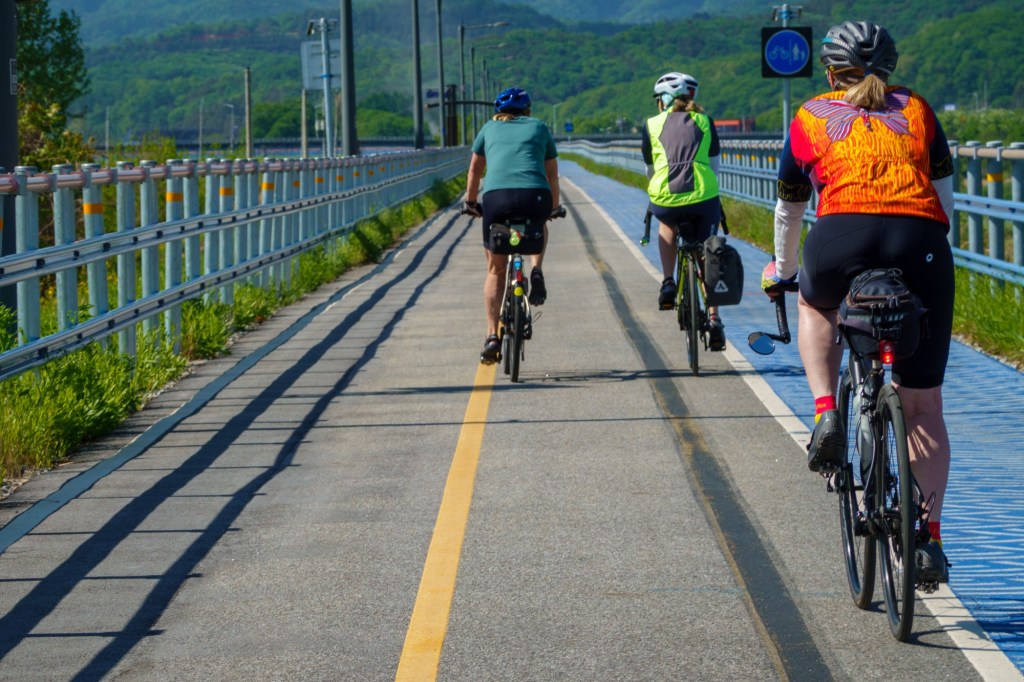
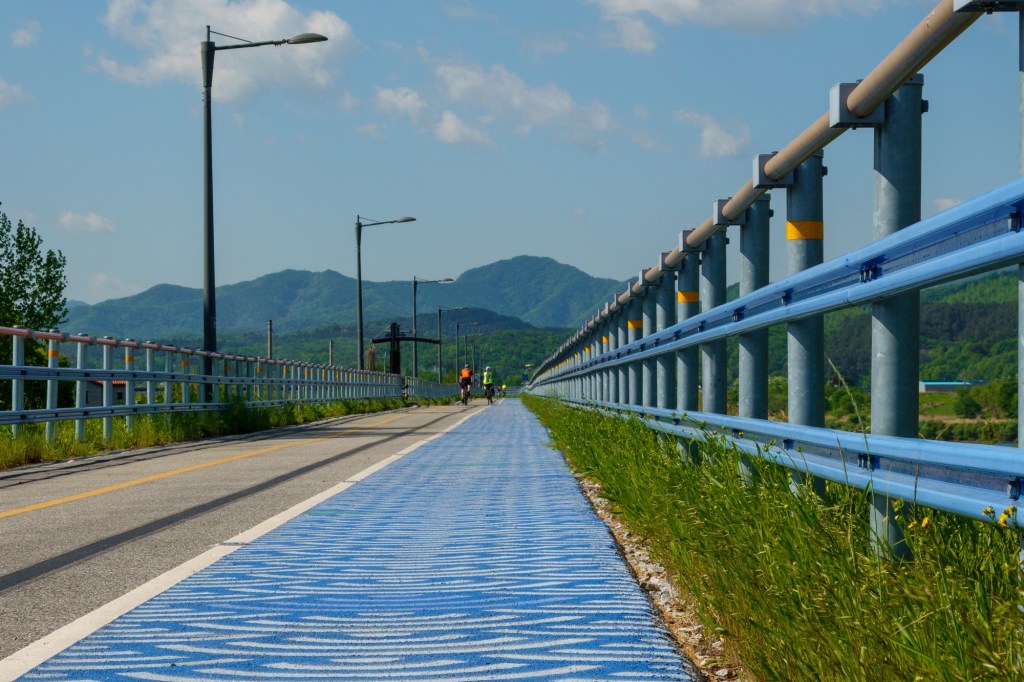
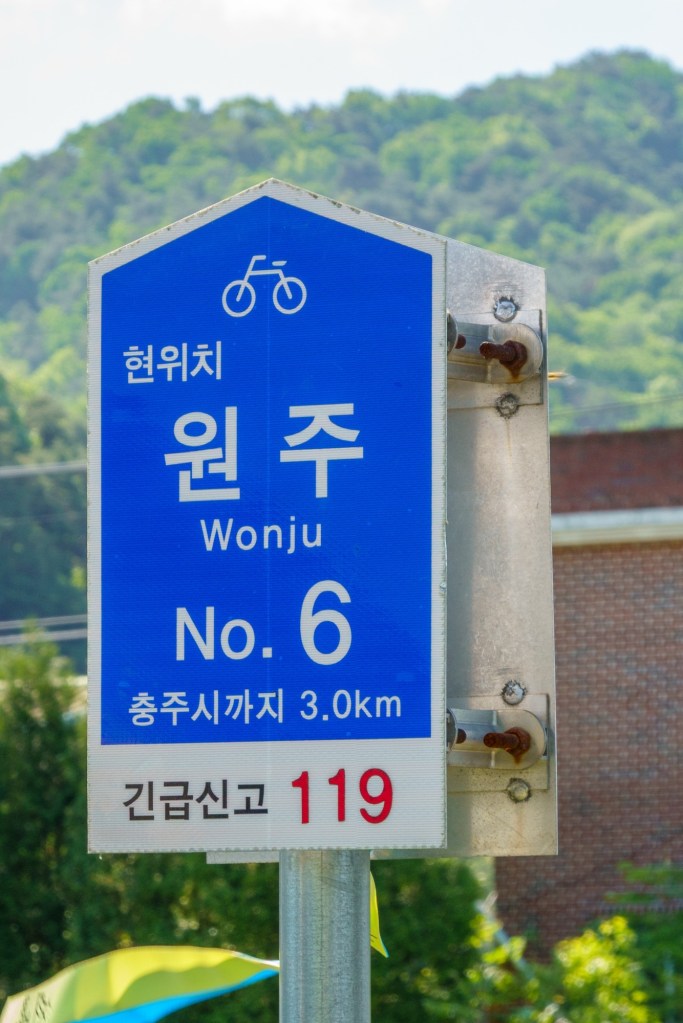
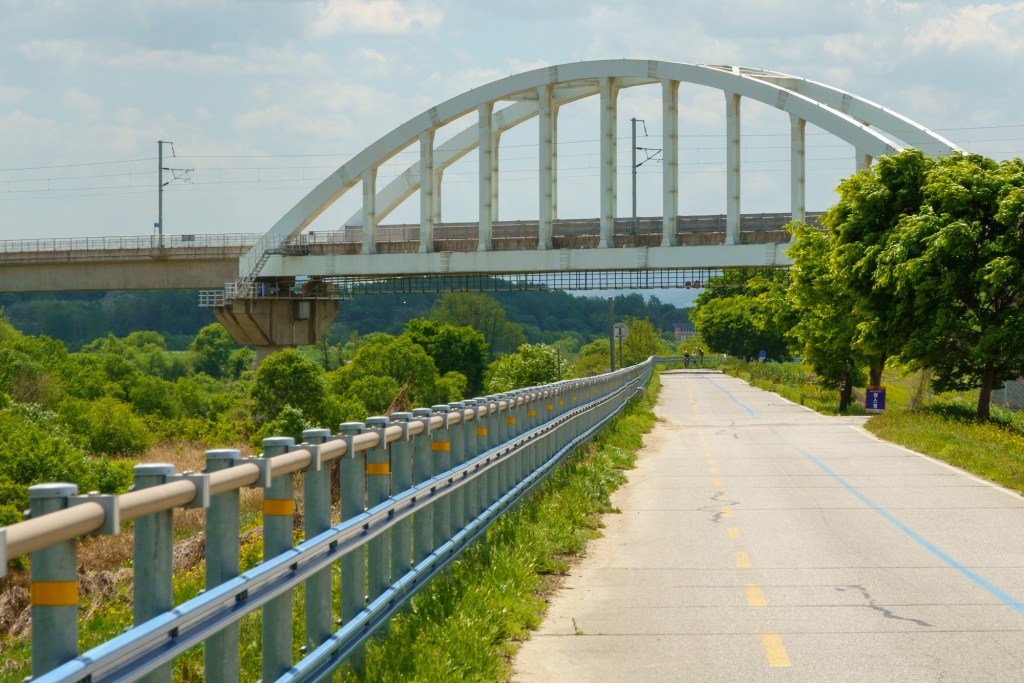
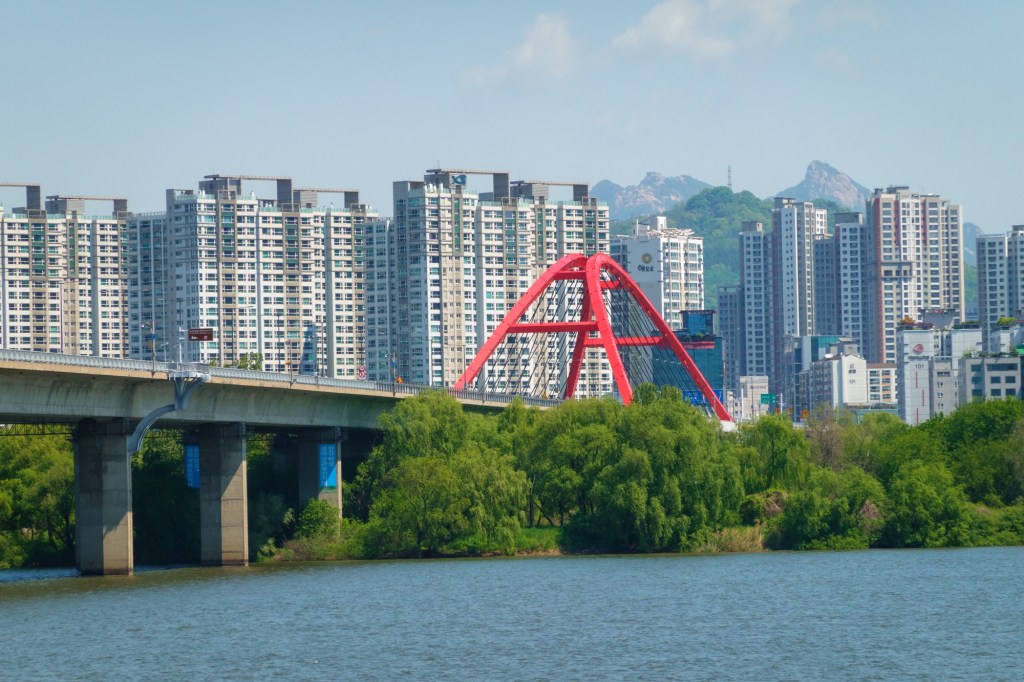
Cycling continued along cycle paths – sometimes segregated, sometimes on side of road – following the river. We’re heading deeper into the rural areas towards the Busan Alps.

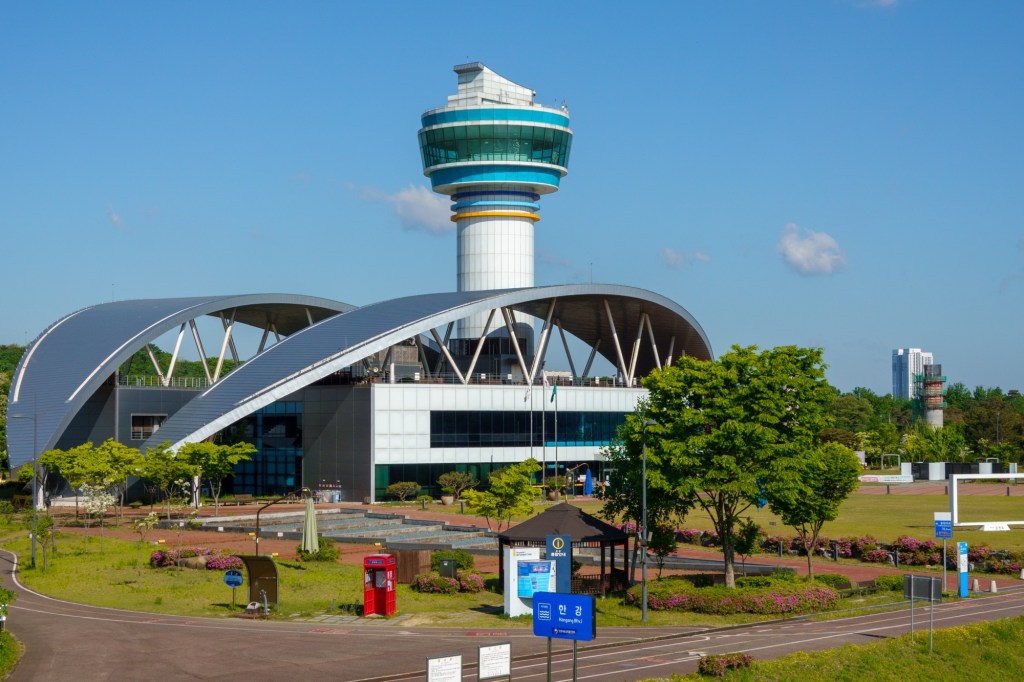
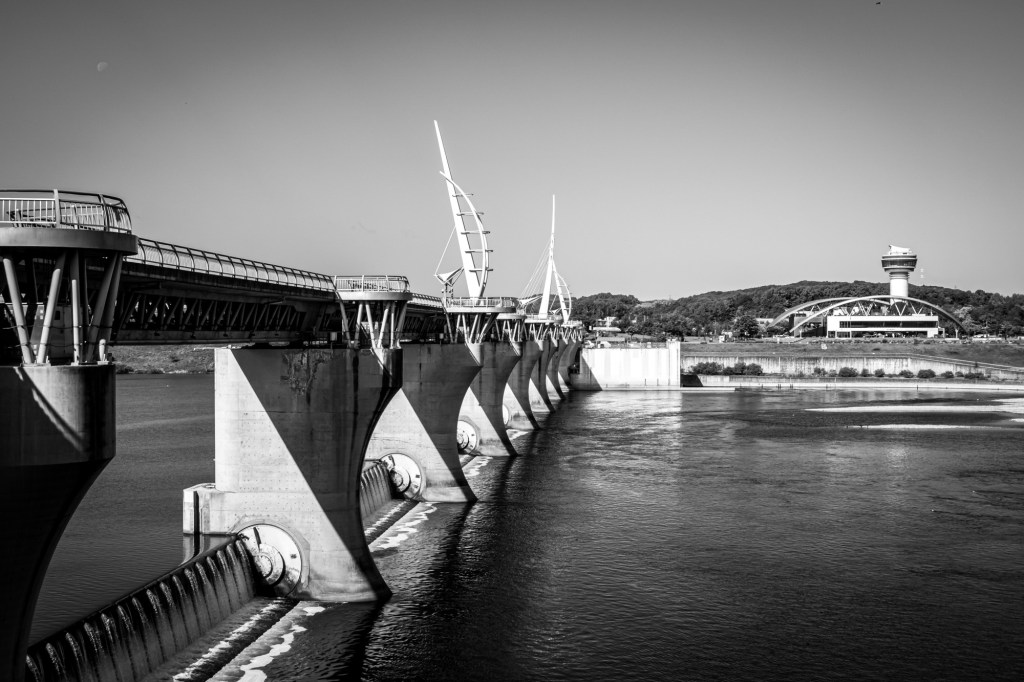
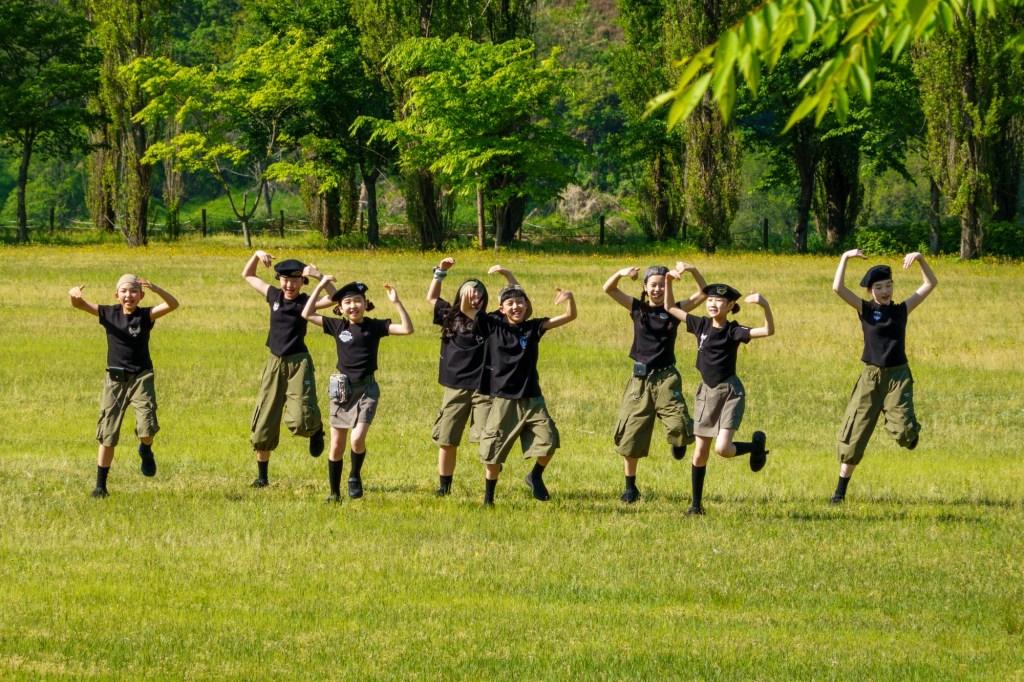
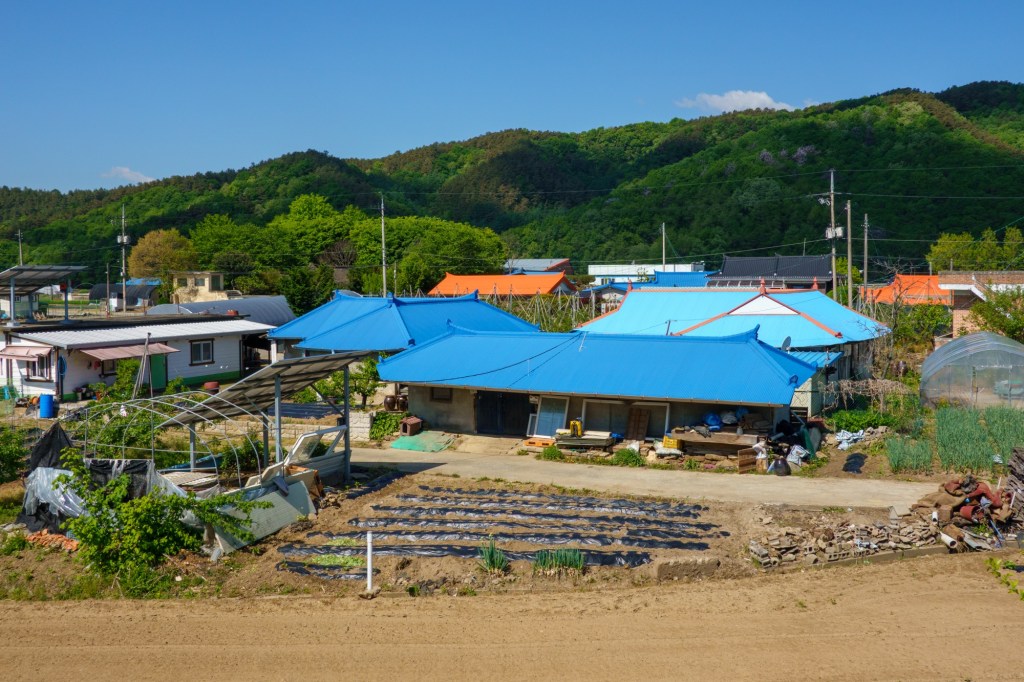
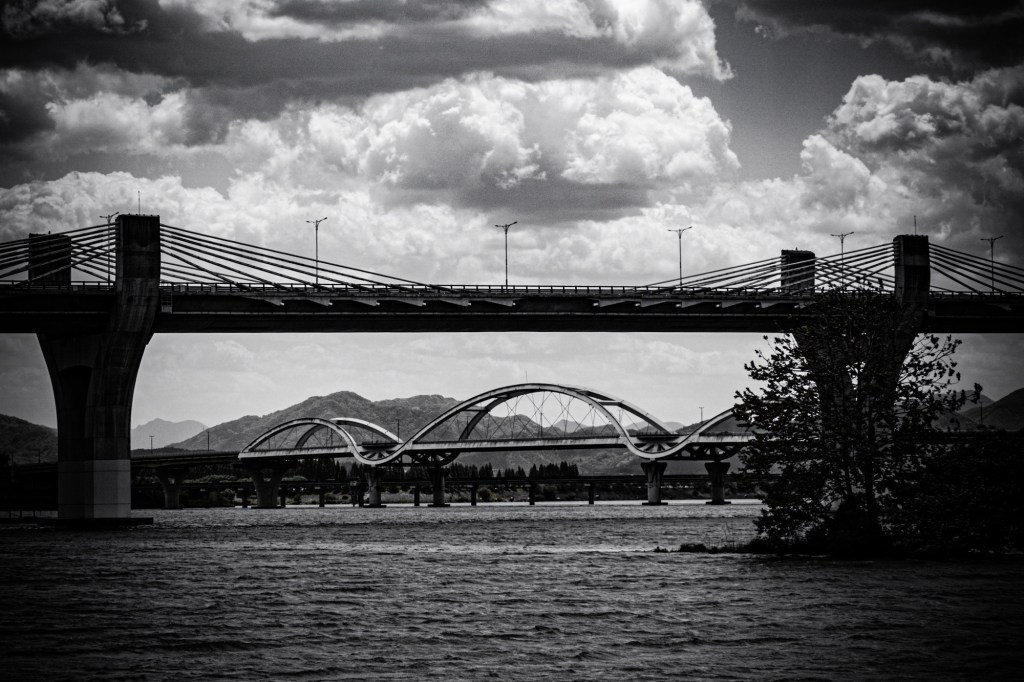
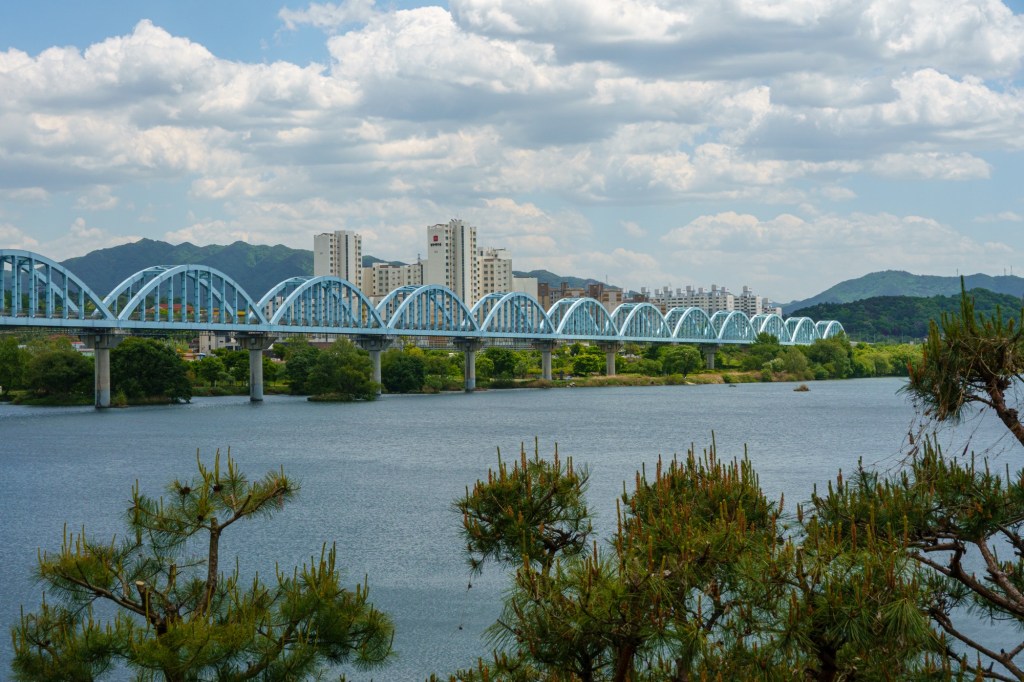
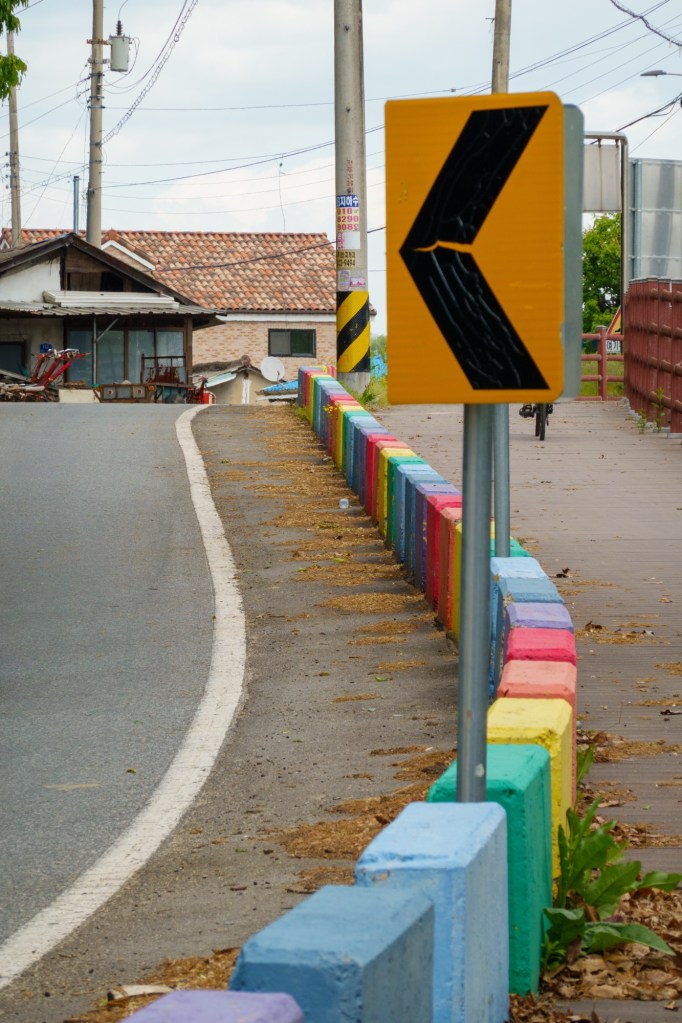
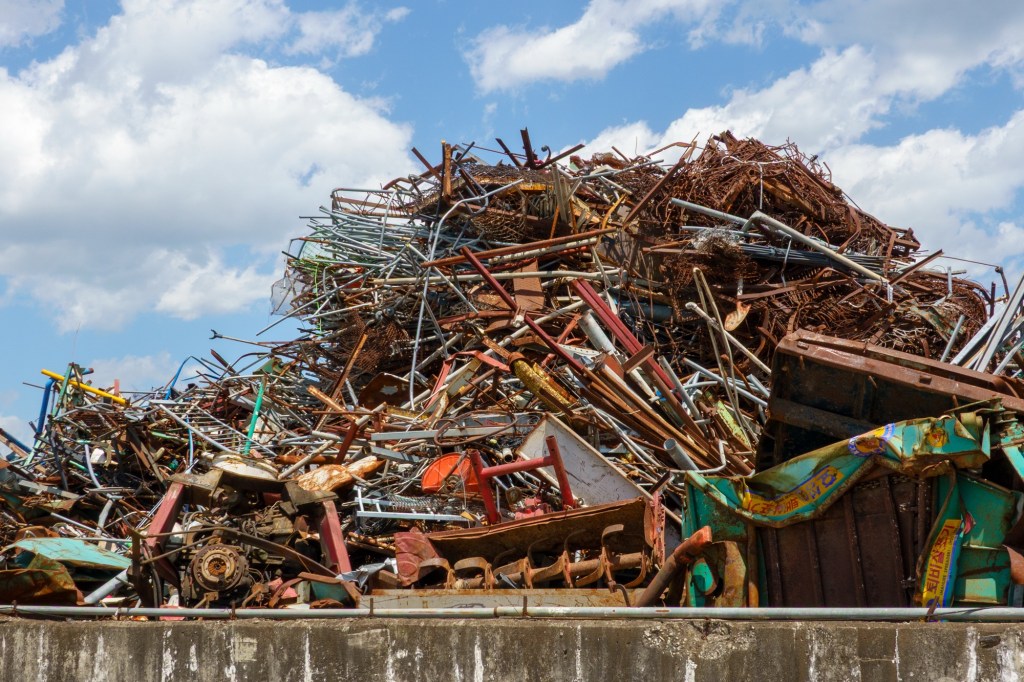
A great variety of things to look at. From alpine landscapes to farming and the general paraphernalia of people leading life’s. The K-pop dancing in a field was an early highlight – a bunch of happy kids watched by some older cyclists. Then we left to cross and look at a great selection of bridges of all shapes.

One thing I’ve noticed compared to Europe is the relative paucity of churches: a search followed. For comparison in the UK 46% Christian and 37% no religion.

“South Korea has a religiously diverse, yet largely secular population, with roughly 50% of residents reporting no religious affiliation. Among those with beliefs, Protestantism (approx. 20%) and Buddhism (approx. 17%) are the largest, followed by Catholicism (approx. 11%). Traditional Confucian ethics and Shamanistic practices heavily influence daily life.”

We have crossed quite a few hydroelectric dams, which prompted the question how important an energy source is it. As of 2024–2025, South Korea’s power generation is led by nuclear energy (approx. 31–32%), which overtook coal for the first time in 17 years, followed closely by coal and natural gas. There’s a growing reliance on low-carbon sources, including over 10% from renewables. Surprising – I expected more.

A fine day, fueled by good coffee stops.

JttE Seoul D2

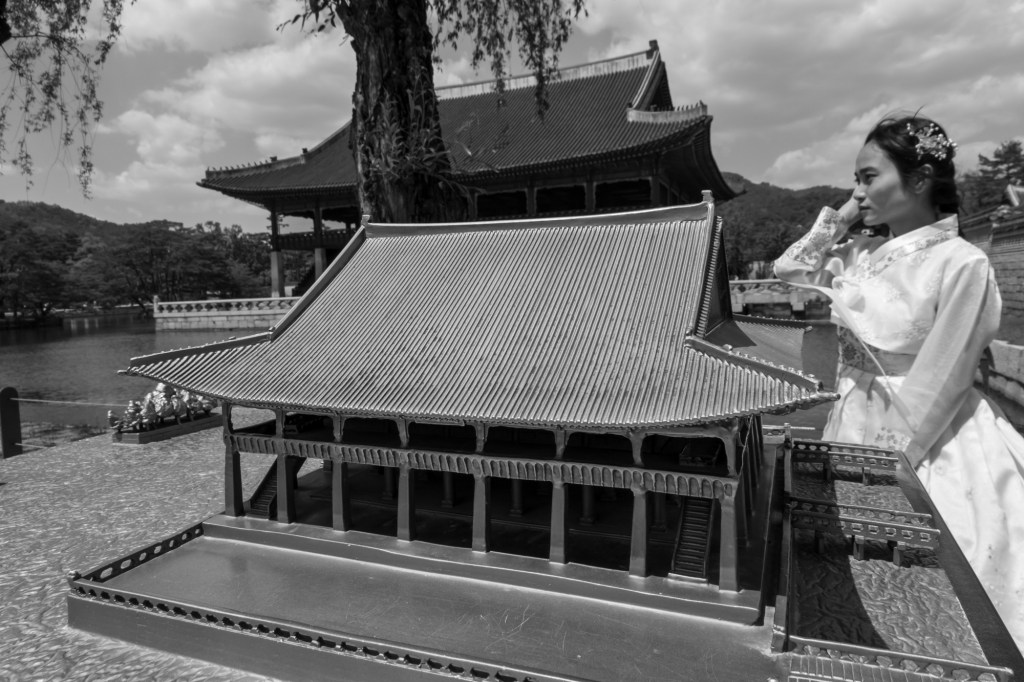
Liking it here. Pale skin is fashionable so I expect to increase my inluencer numbers with my pasty legs now out. Selfie numbers are increasing in hot spots, so looking to learn: trick seems to be to have someone else do it for you and look away into the distance – a selfie two.

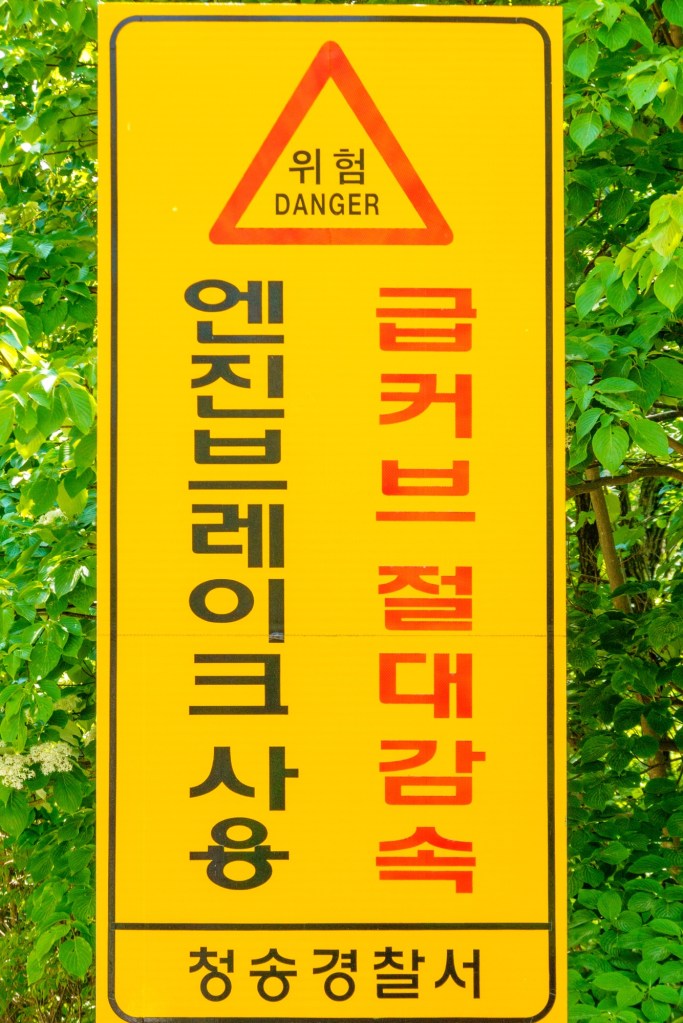
Buses work well – how did we manage before Google Maps or Naver Maps to navigate the complex system (there are 4 colours of buses, 5000 of them on over 400 routes)? Frequent, though we seem the lone westerners frequenting them.

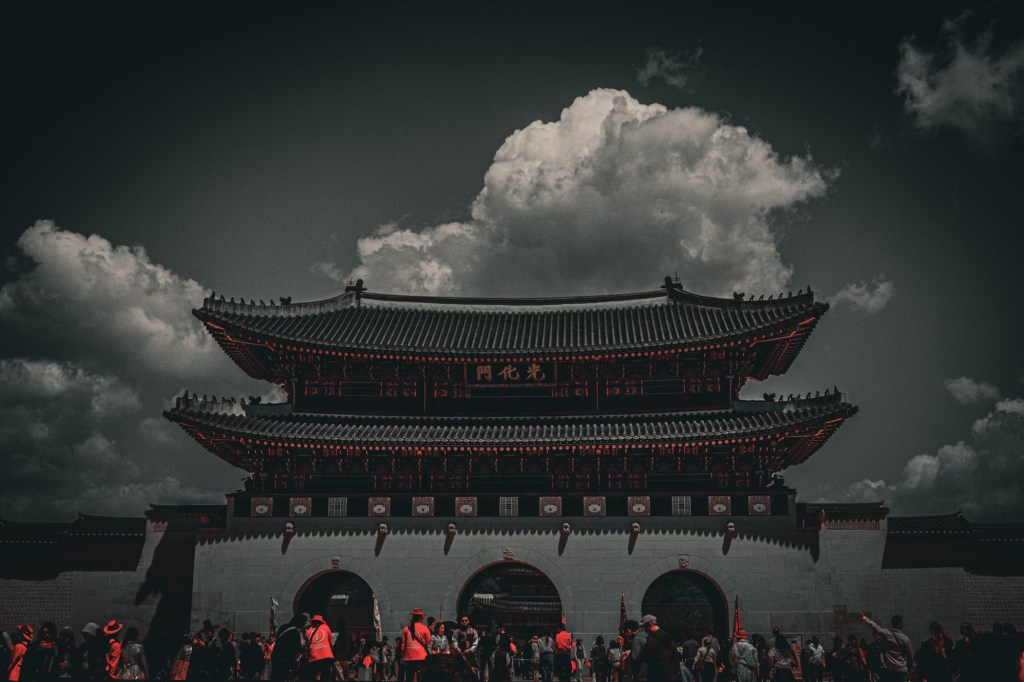
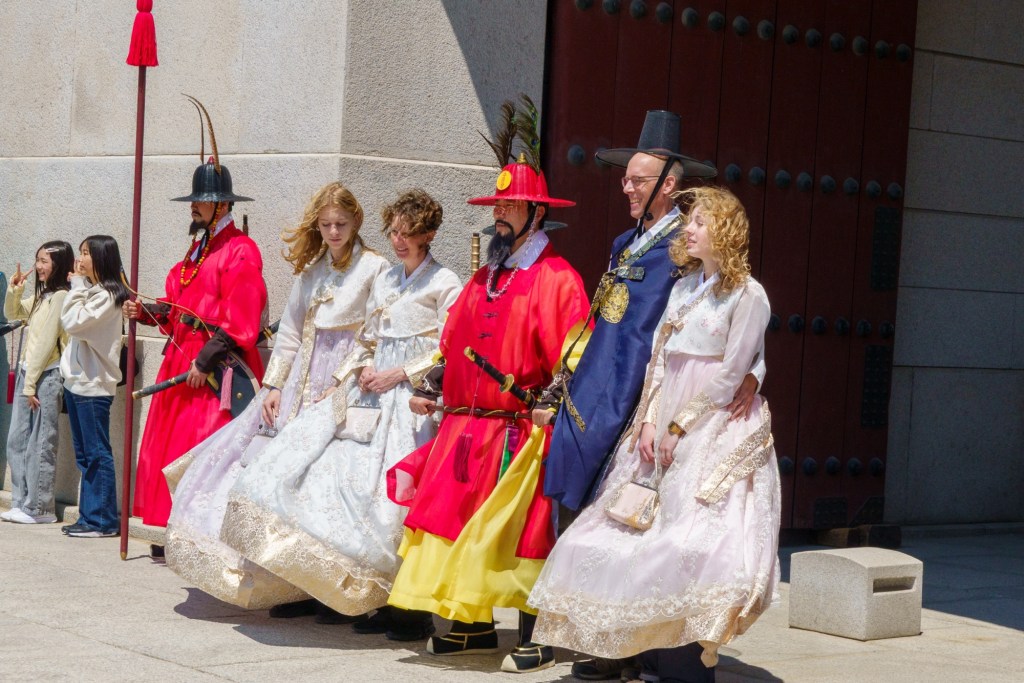
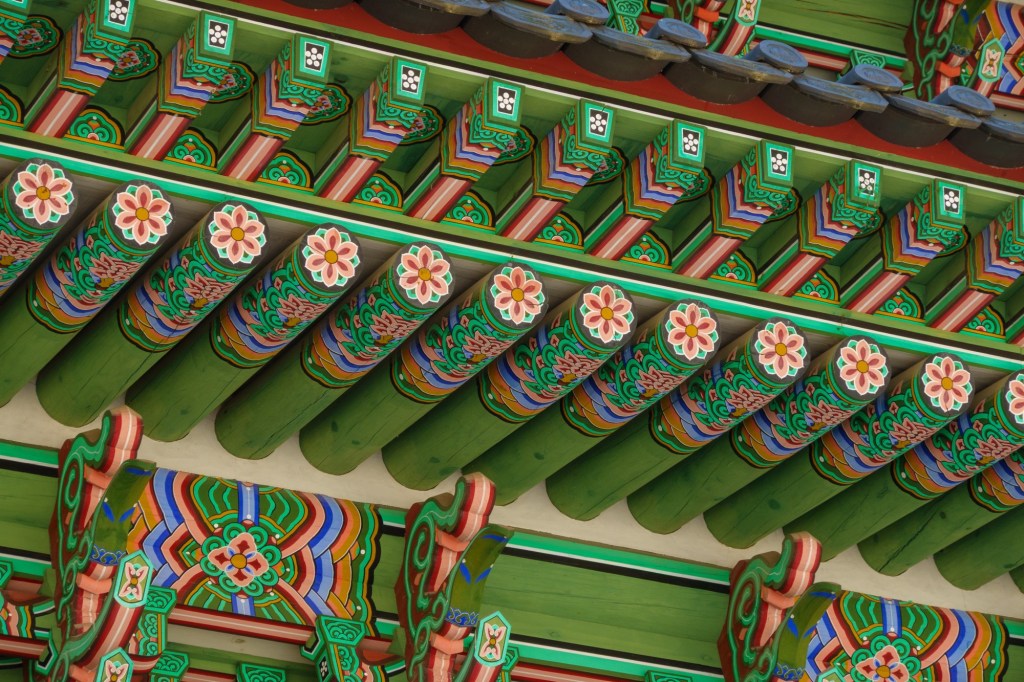
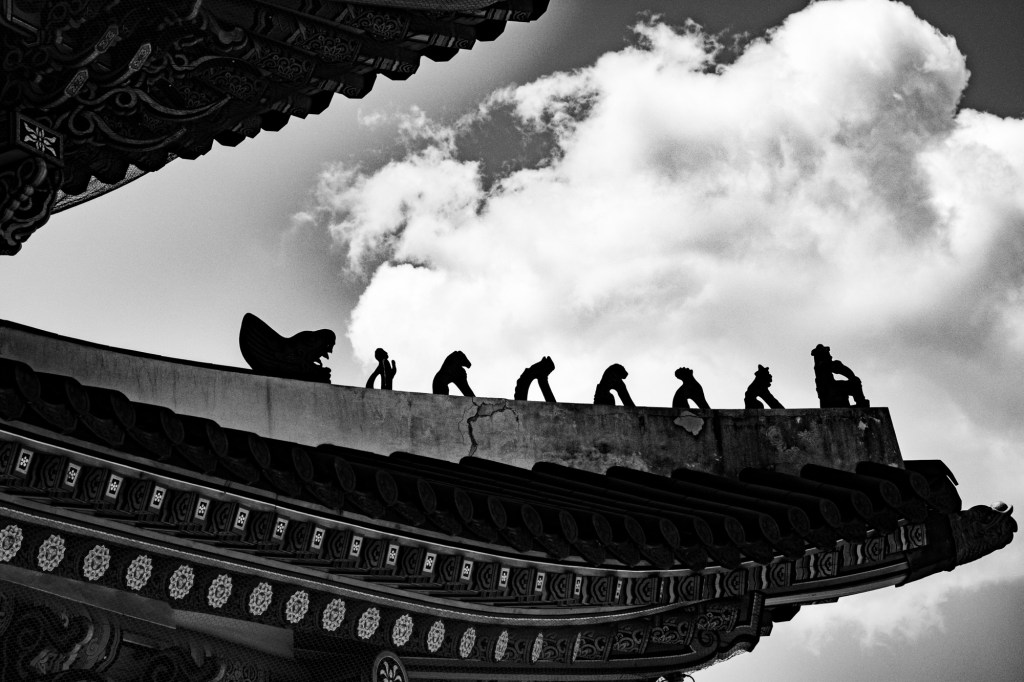
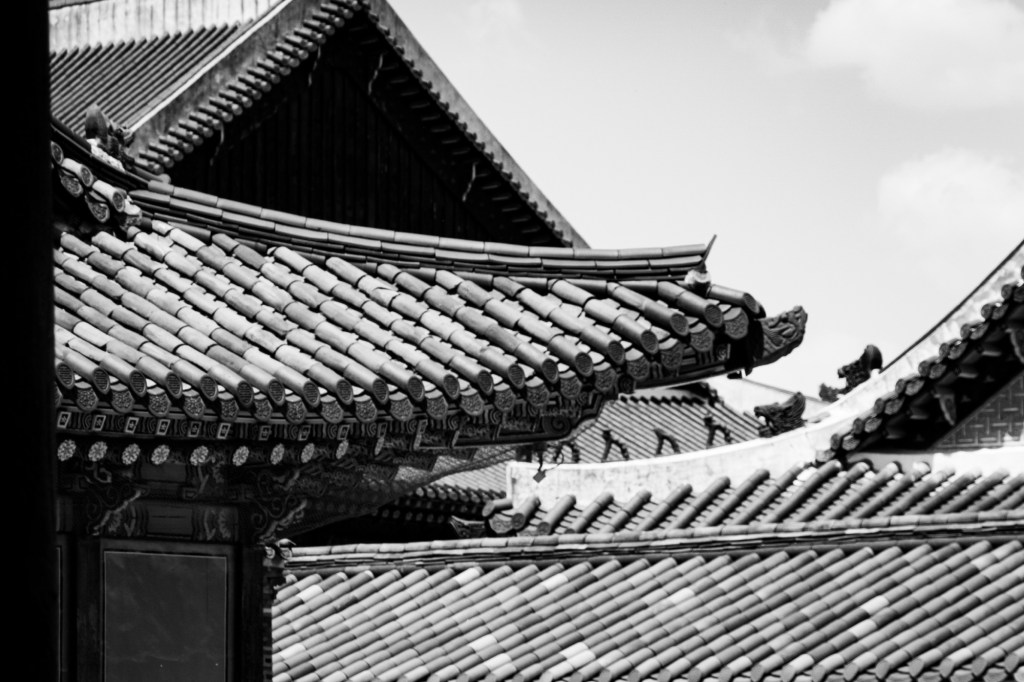
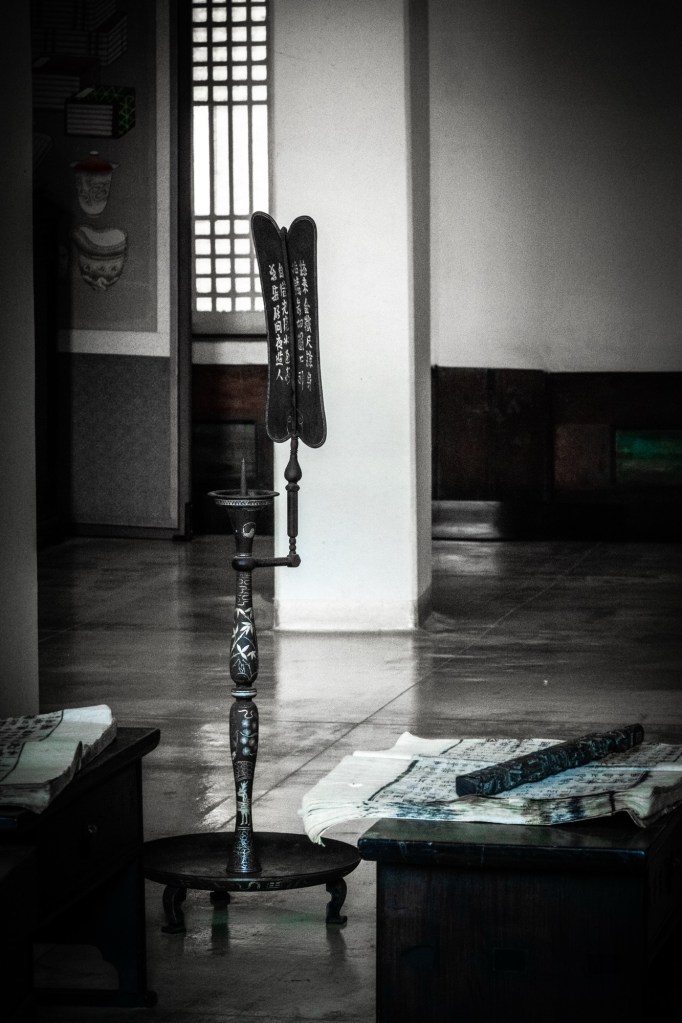
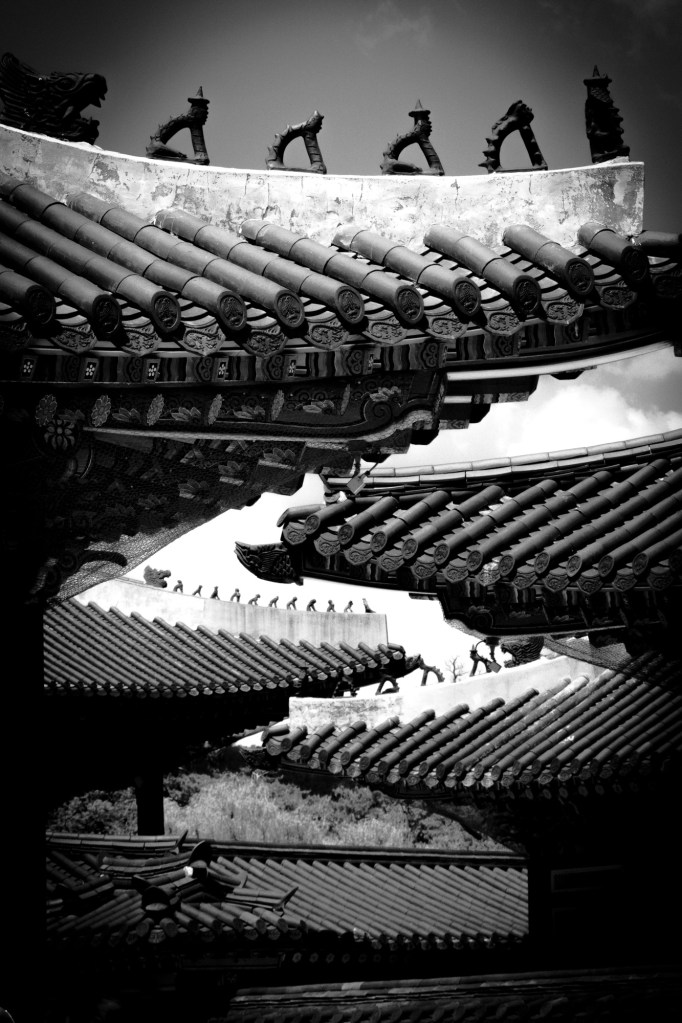
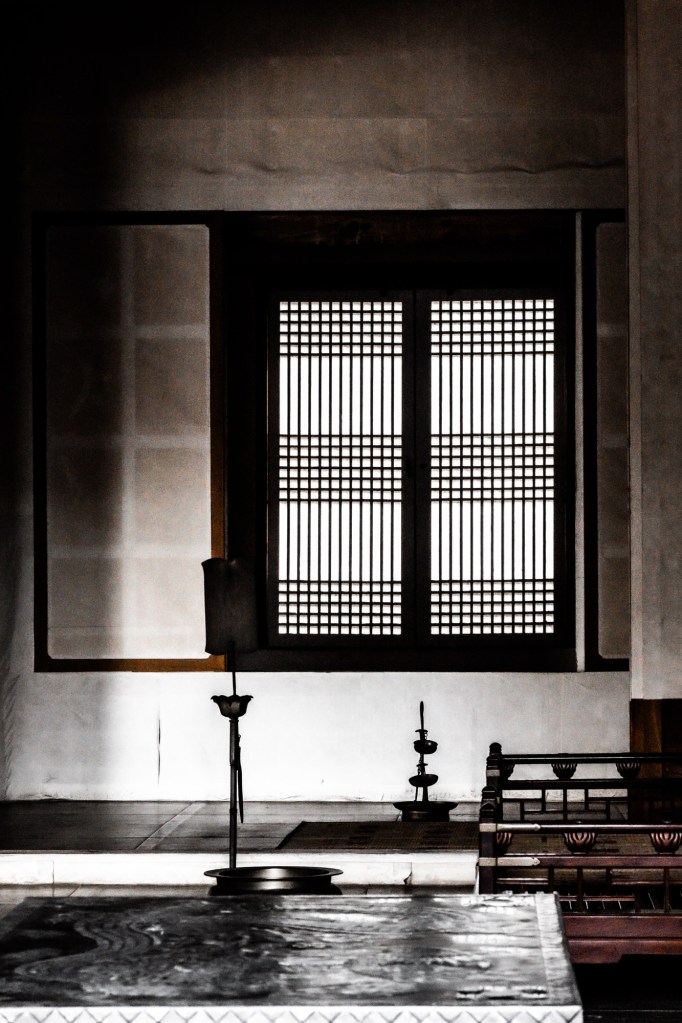
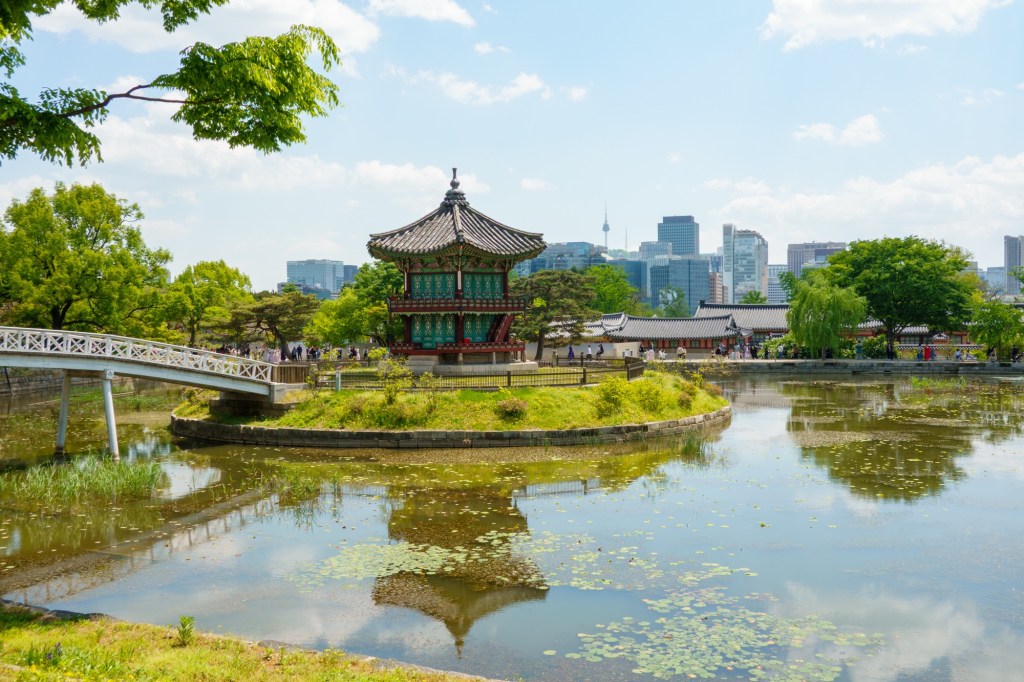
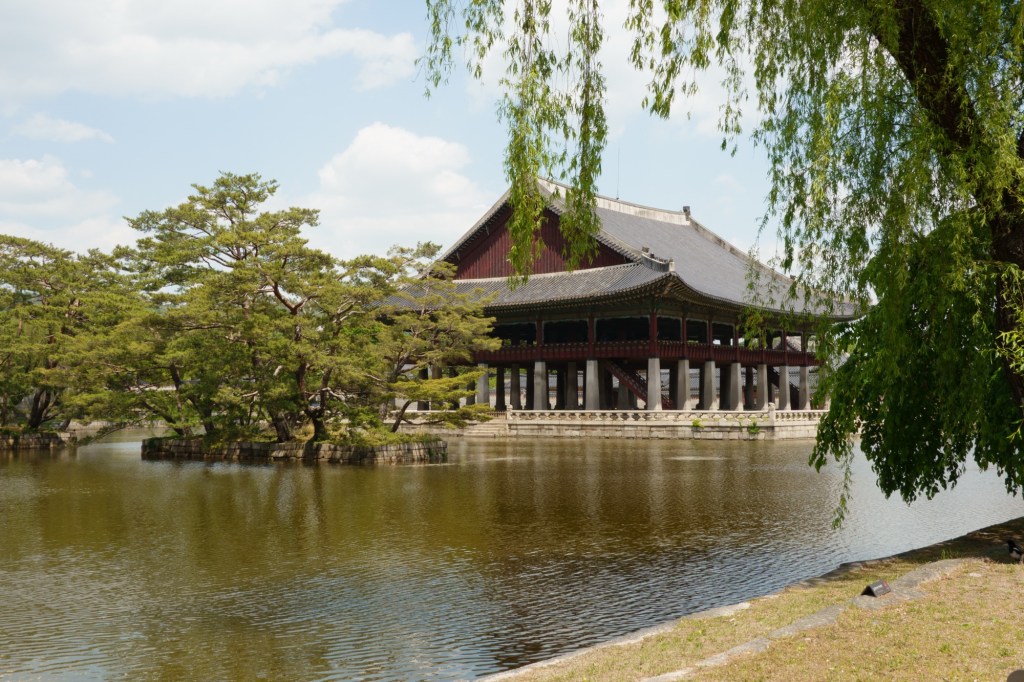
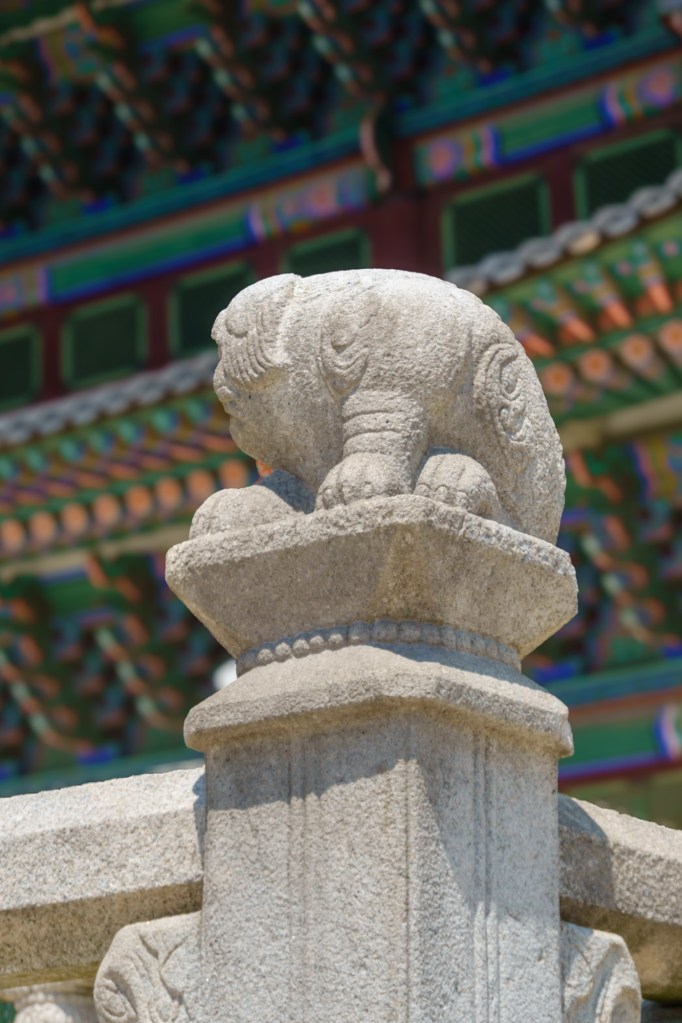
Gyeongbokgung Palace was the first stop. A reconstruction of a massive 14C palace from the royal dynasty that lasted until 1910. Flattened by the Japanese during their 1910-1945 occupation, 25 %has been rebuilt in the last 30 years. Lots of people get in free wearing the local dress (hanbok). We paid.

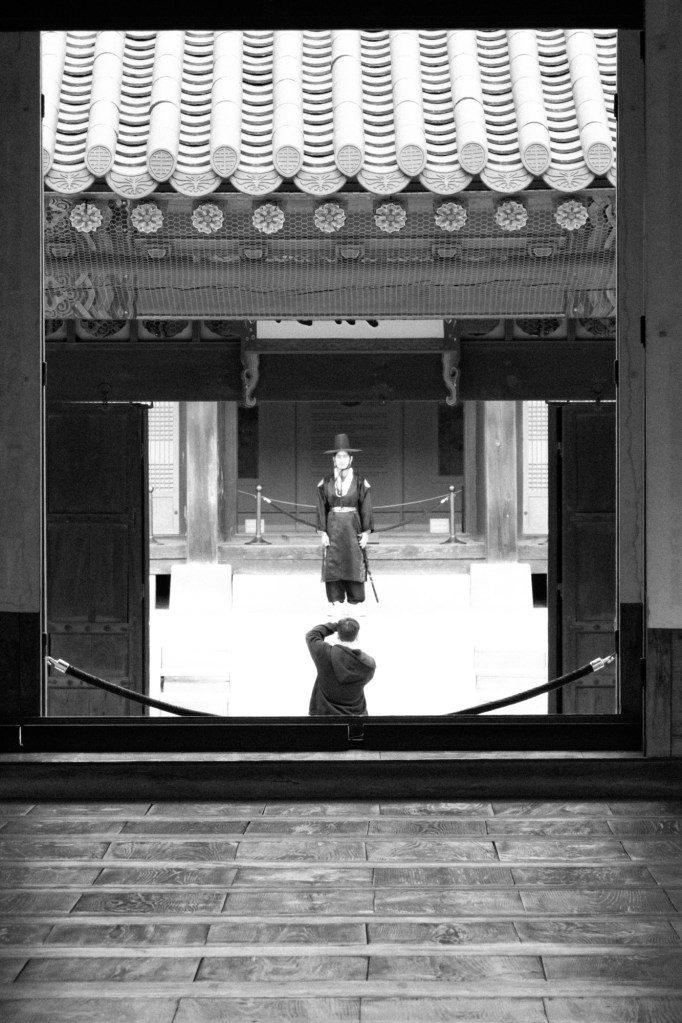
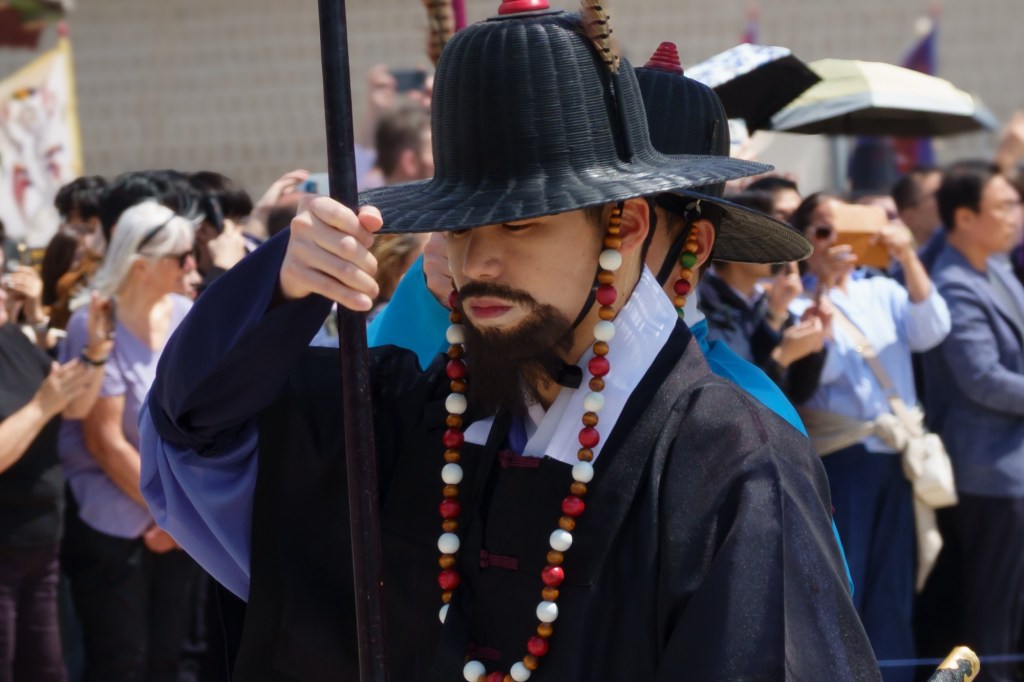
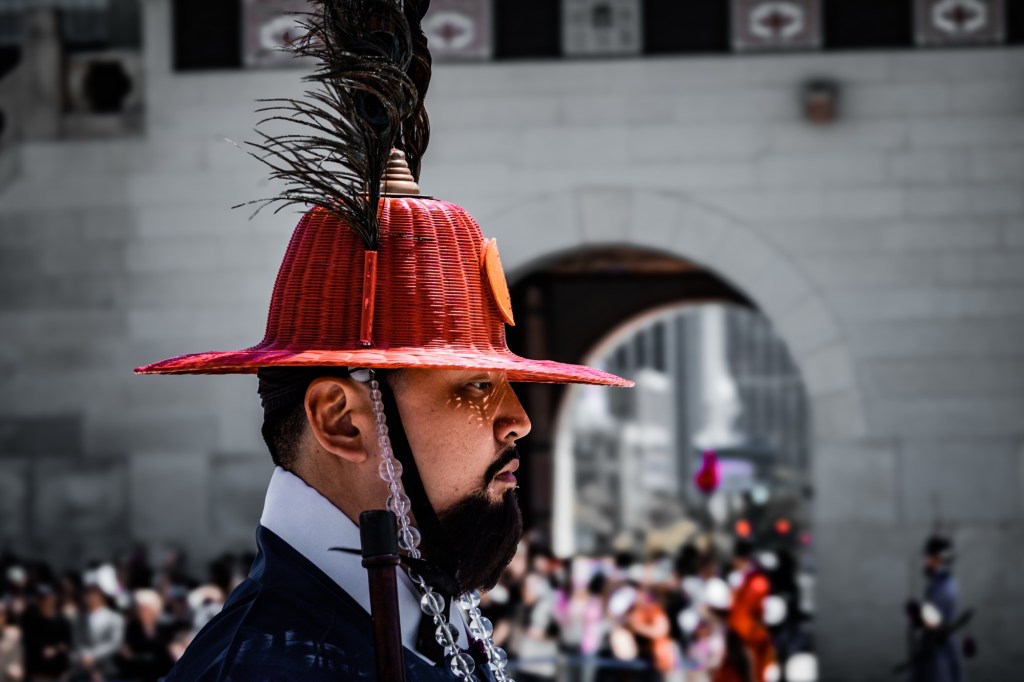
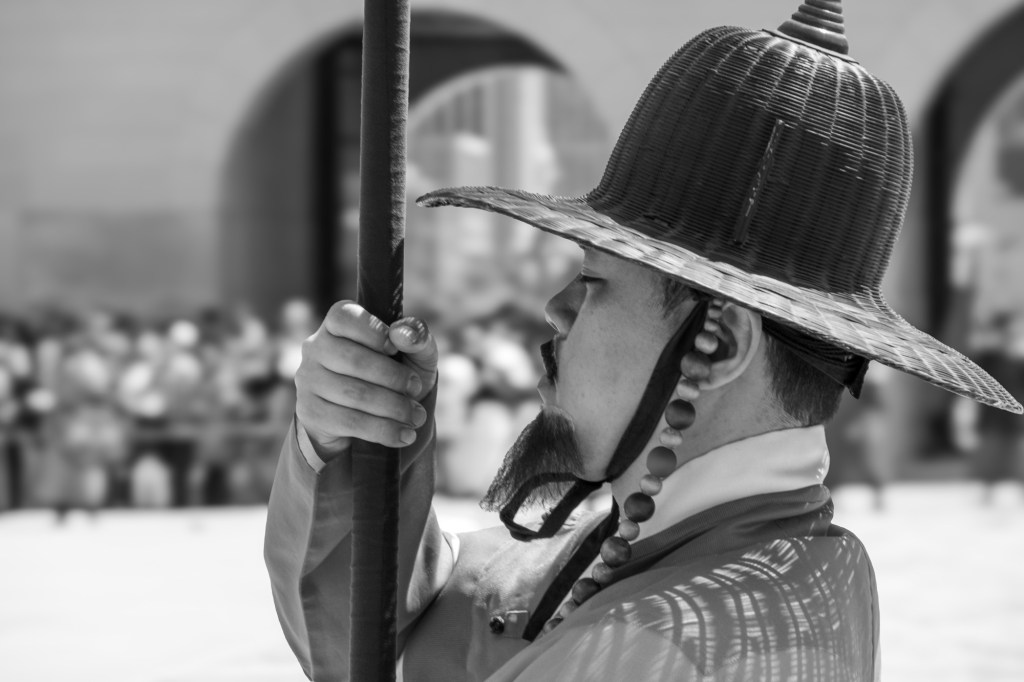
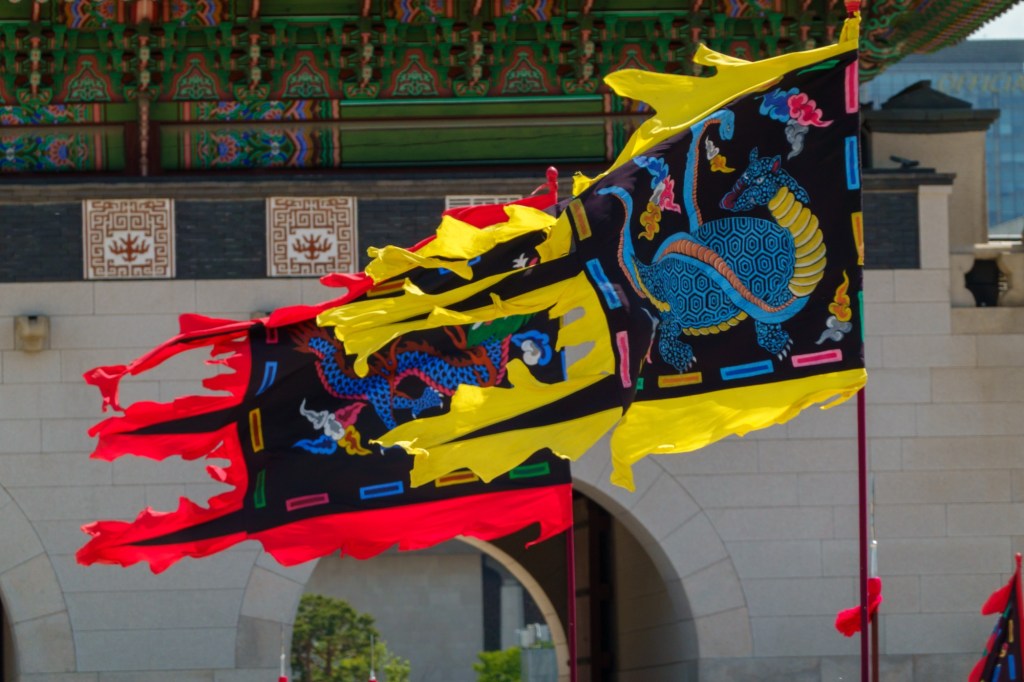
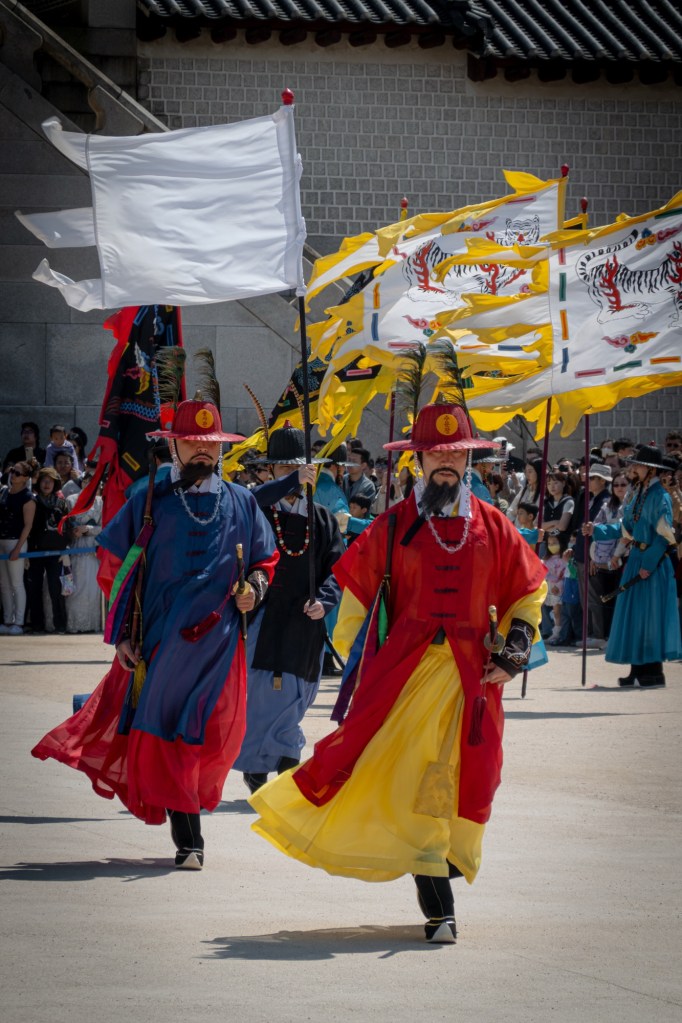
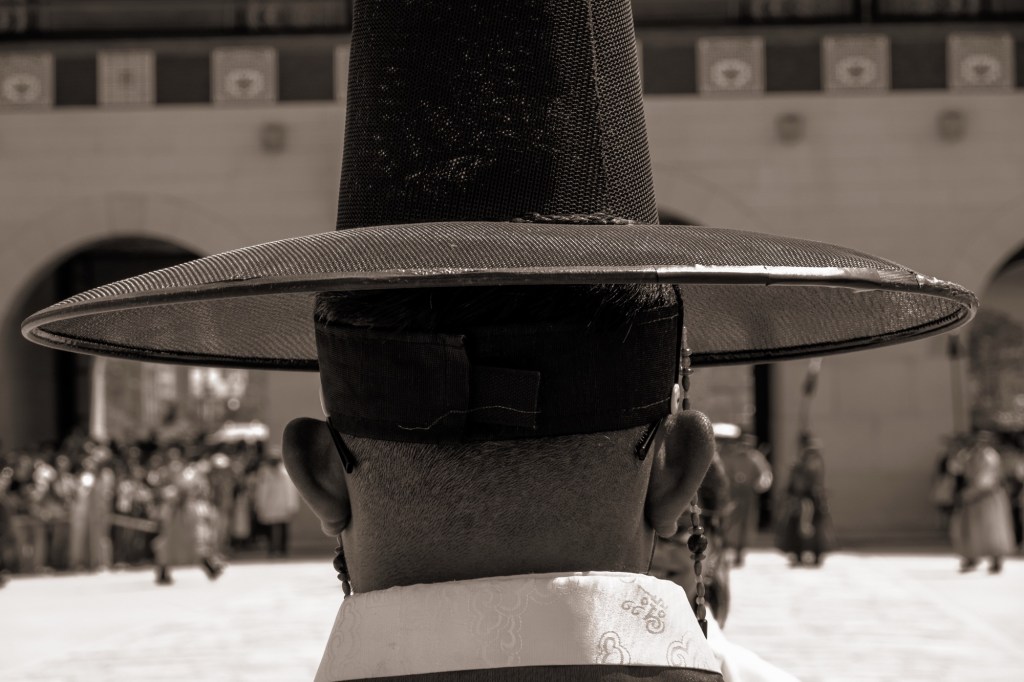
An insight – how to capture a castle. Wait until changing of the guard. They are spending so much time prancing up and down, looking at each other, you can just walk right in. The one we watched recreated a 15C choreography – at one point the lead guards had to check each other’s ID. How did they do that back then?

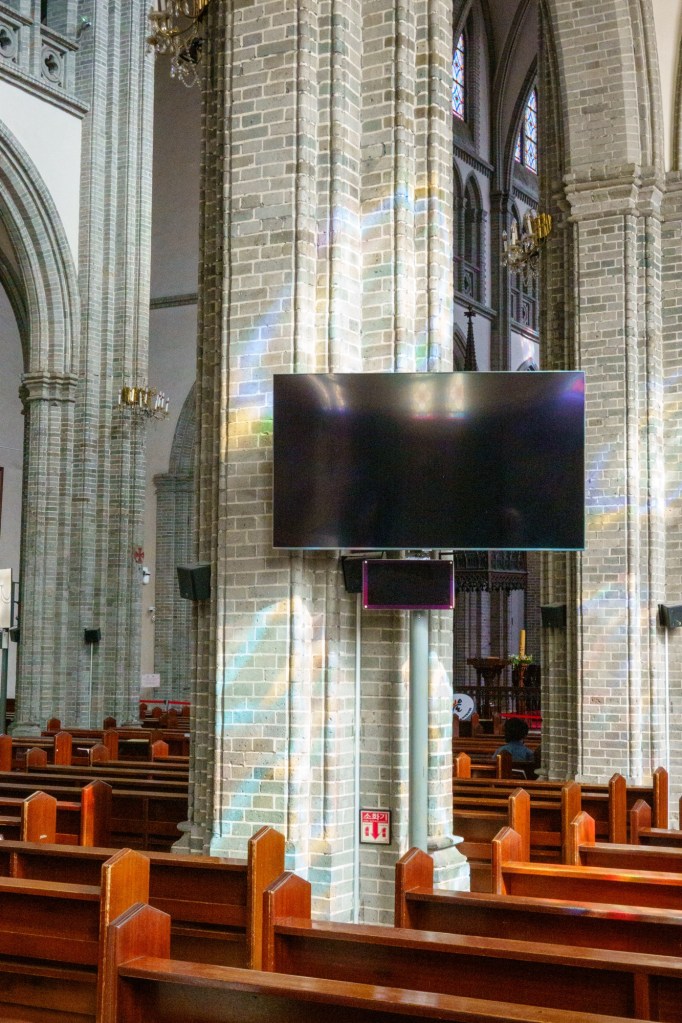
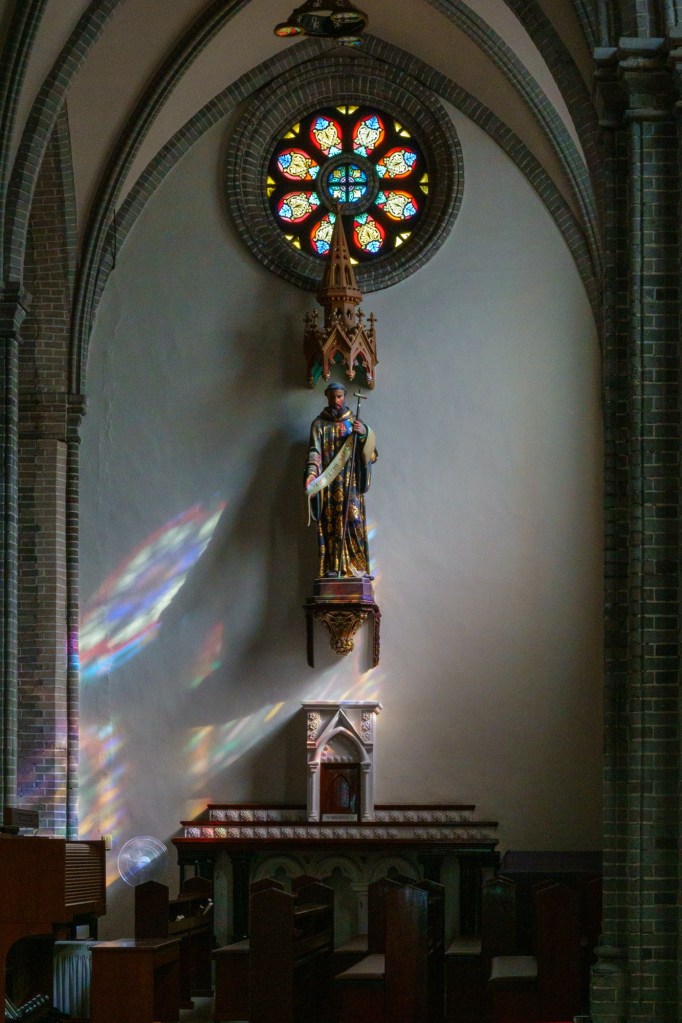
The Catholic Cathedral, from late 19C has gone very modern, TV screens offer diversification opportunities. The snooker final wasn’t on though – we might go back for the racing.

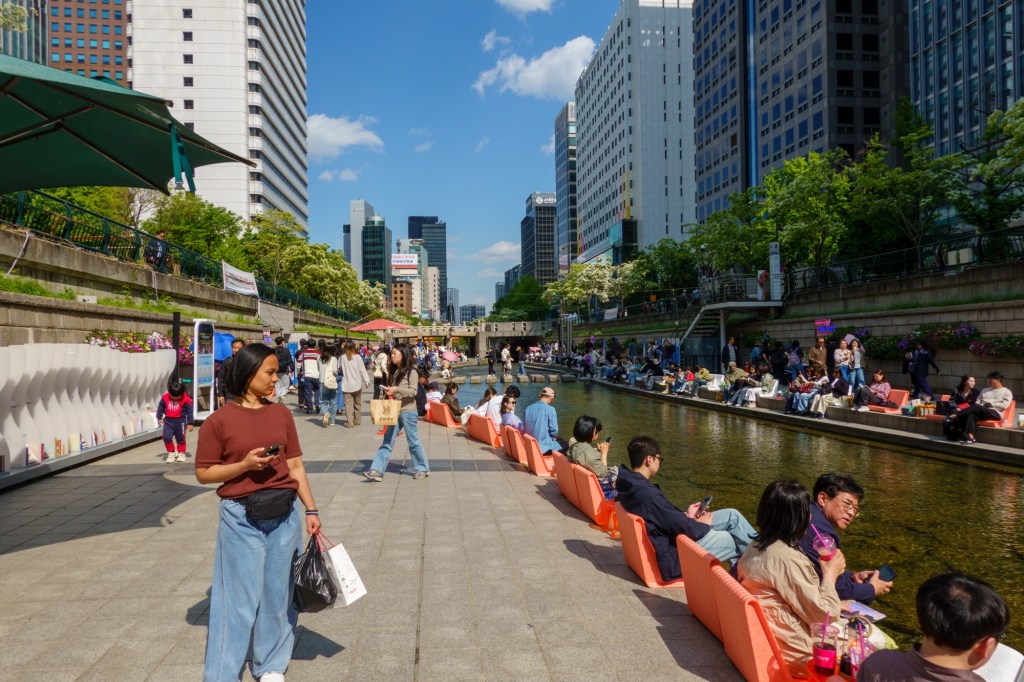
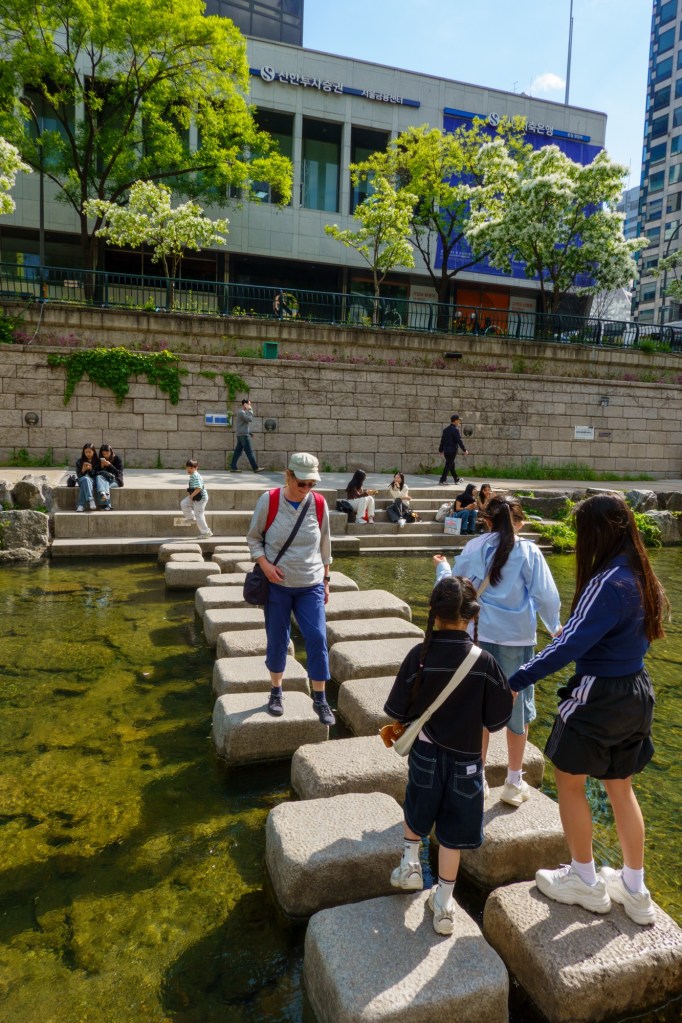
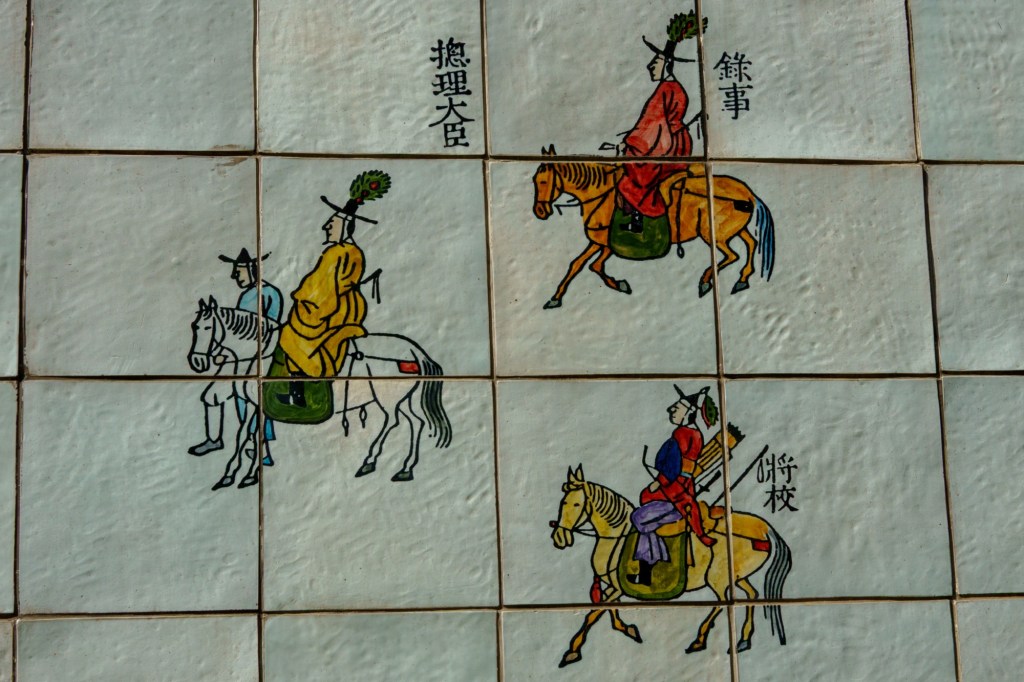
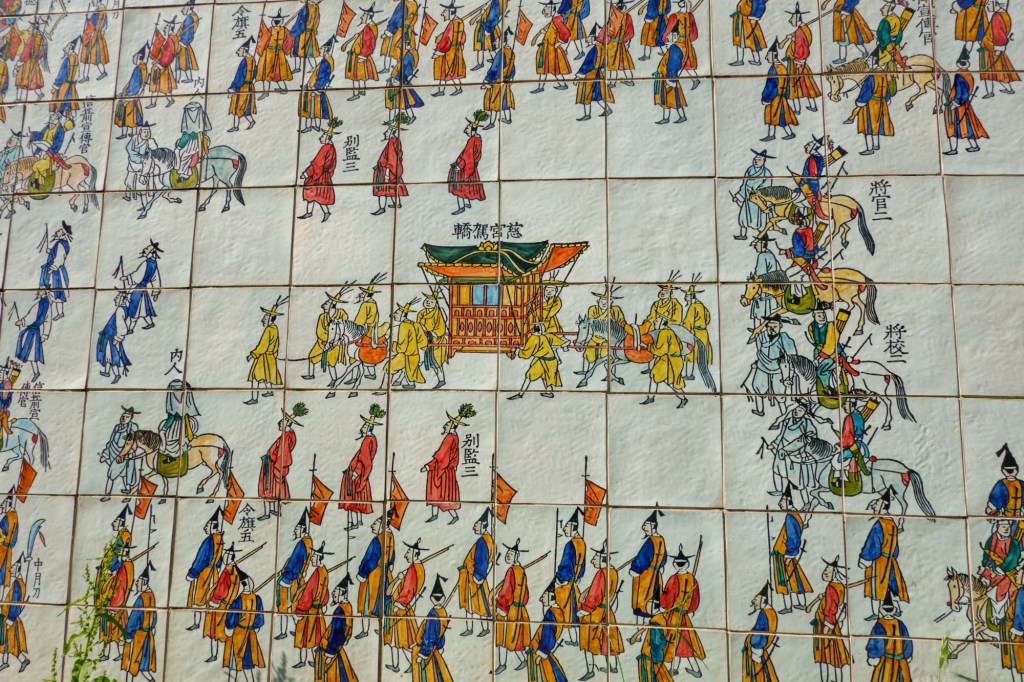
We took a short stroll along an urban river. Cheonggyecheon is an 11-kilometer (6.8-mile) restored, uncovered stream and public recreation space flowing through downtown Seoul. Reopened in 2005 after removing a concrete highway, featuring walkways, waterfalls, and art installations – a mural of a King’s progress showed inequality has a long history.

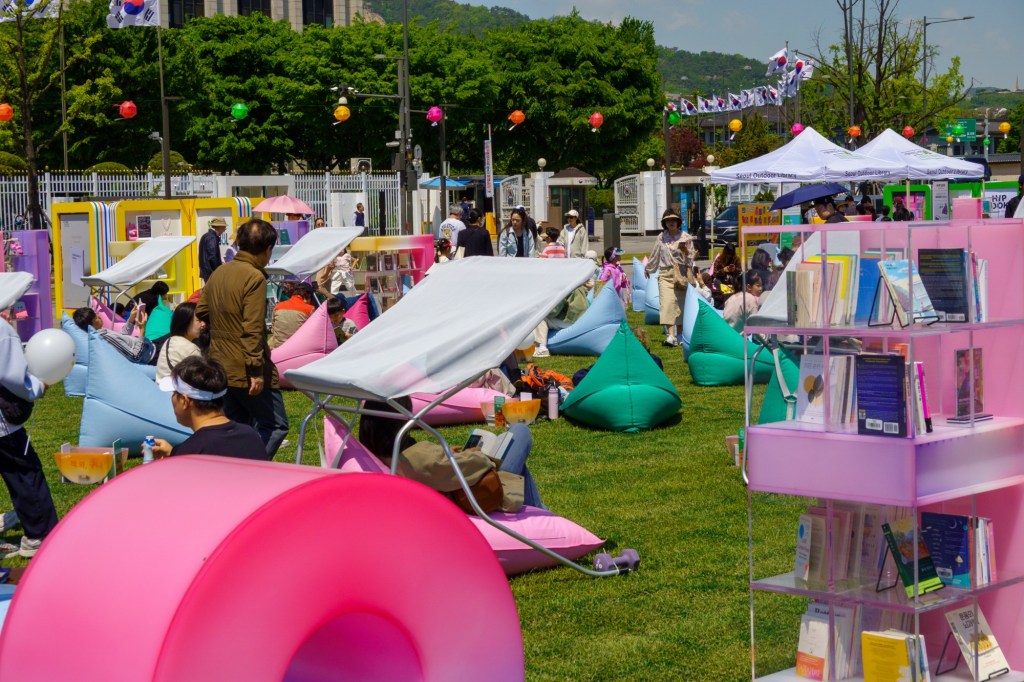
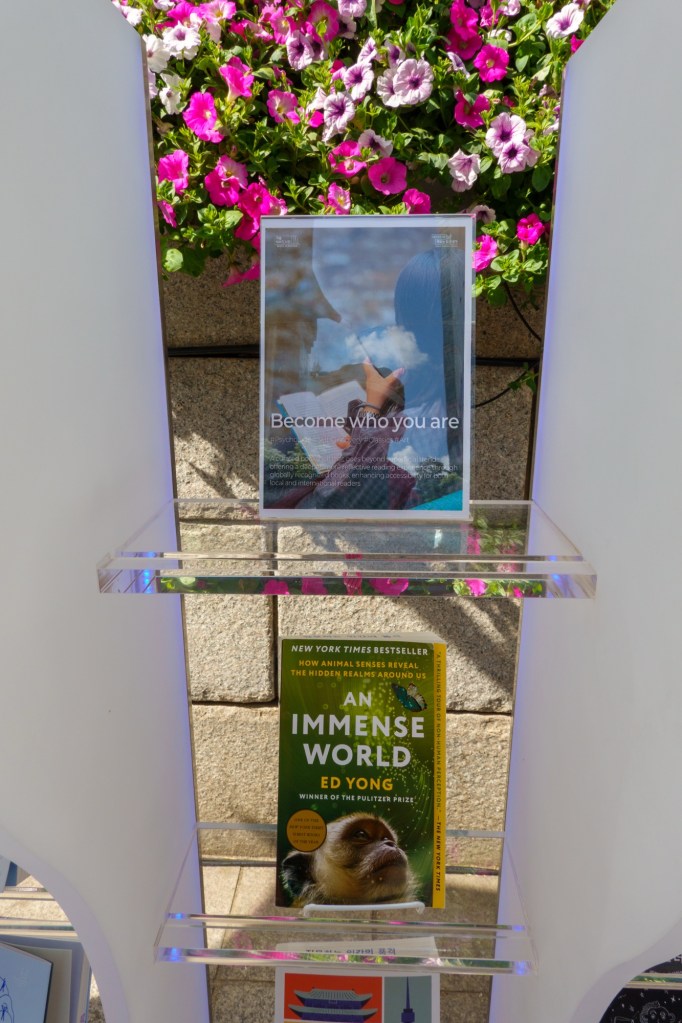
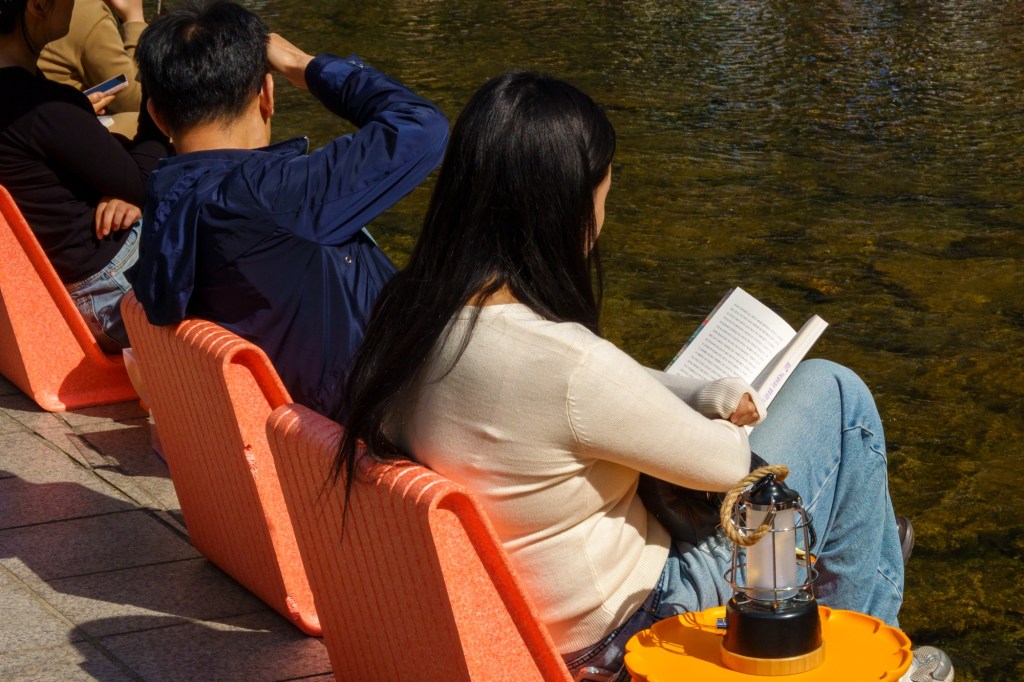
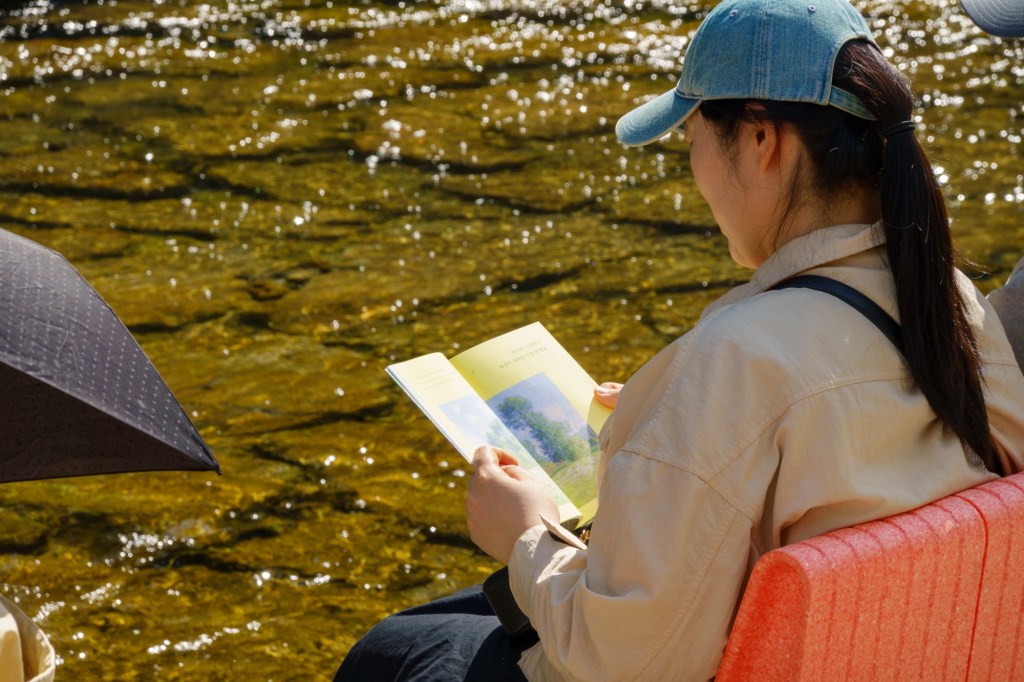
Two outdoor libraries. There’s none near us at home for some reason.

TDA Journey to the East

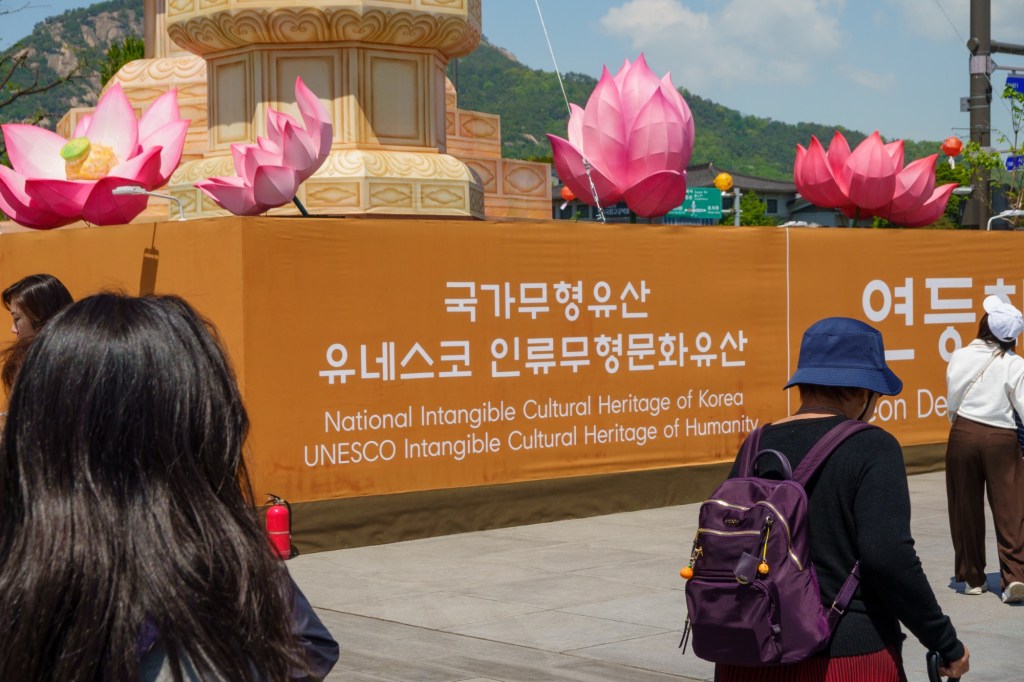
Our long distance cycling trips have, thus far, been in what might be broadly described as “Western” cultures – not withstanding there are great differences to be explored. This time the differences will be, I suspect, somewhat greater. South Korea and Japan. UNESCO of course will remain a common theme of places, TESCO might not.

South Korea drives on the right, which will suit the majority of the 25 or so participants on the trip. Japan drives on the correct side, the left, which suits us. Both in km of course. It’s interesting what you find out when preparing for this trip. Google Maps up until this year does not work well in South Korea – a dispute over what they could show as they are still officially at war. Another app – Naver maps – is in common use. Phone Tap n Go isn’t as common and probably won’t work on our phones – a physical card is needed (where is it? what’s my pin?).

So here’s the blurb, which skirts over the rain to be anticipated at this time of year, and the hills. https://youtu.be/TKEt01DwnAc?si=kzJ9z3GUGrnS473K

“While South Korea and Japan are close neighbours, their lands and cultures are completely unique. Cycling across these countries, one after the other, gives cyclists an opportunity to experience each of them in all their contrasts and similarities. Both countries belong to what has been termed over centuries, the Far East, and our own journey through these regions will allow riders to discover this diverse culture; from Buddhist practices and architecture, to ancient martial arts, to an incredible cuisine, and modern, efficient, bustling cities.

The Journey to the East will lead riders through spectacular landscapes that take in river valleys, winding mountainous roads, extinct and active volcanoes, beautiful coastlines and lush forests. The cyclists will also experience life in the small villages, towns and cities along the way. The route across the Korean peninsula and Japanese islands will provide riders with the chance to explore multiple UNESCO world heritage sites, historic palaces and secluded temples, old Samurai towns and the residences of ancient emperors.”

Google Translate will be hard at work, especially in elevators. 11 on steroids ?

D56 Trans Europa Antequera – Ronda

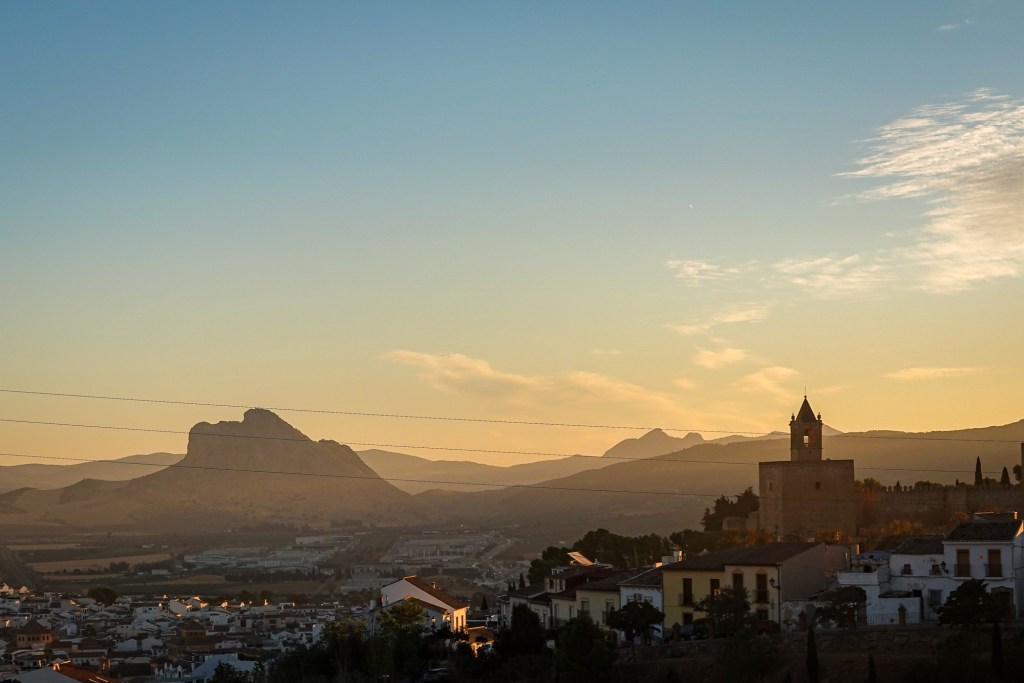
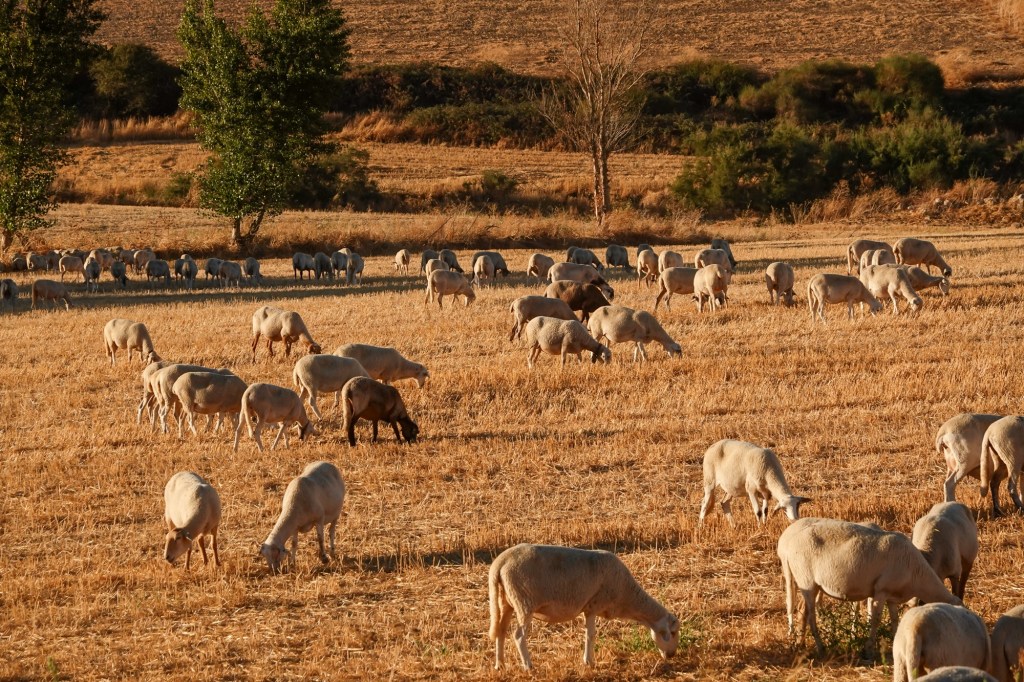
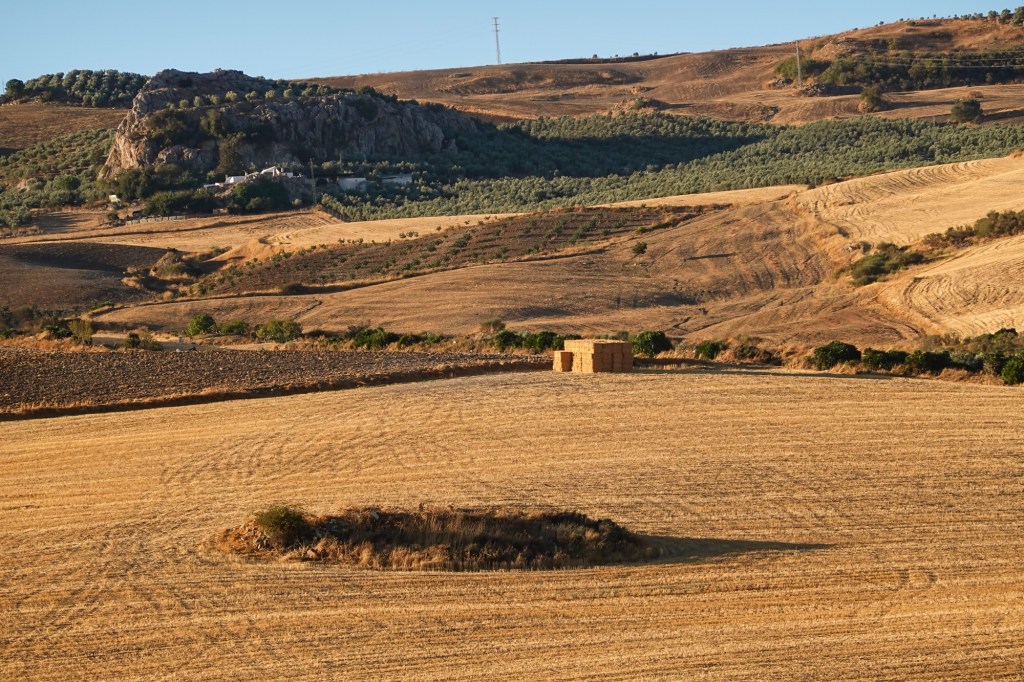
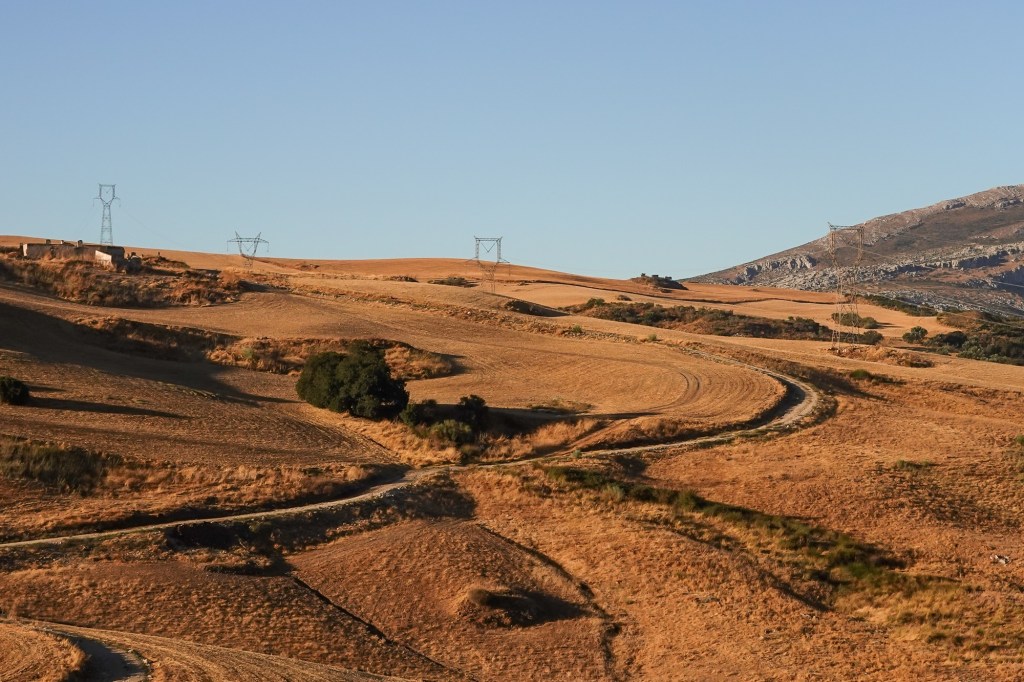
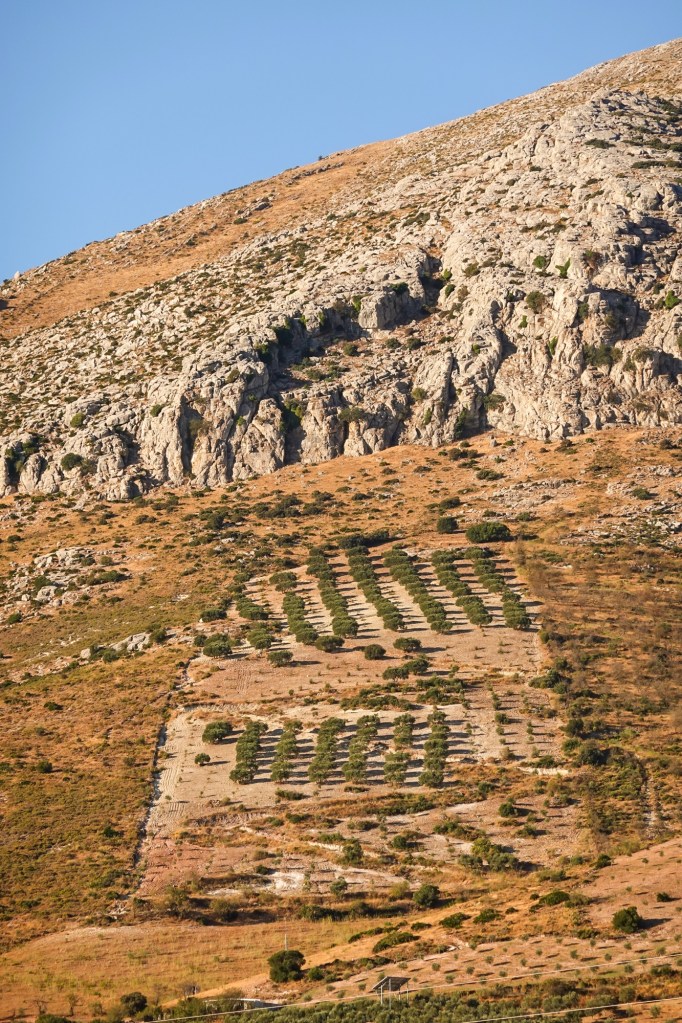
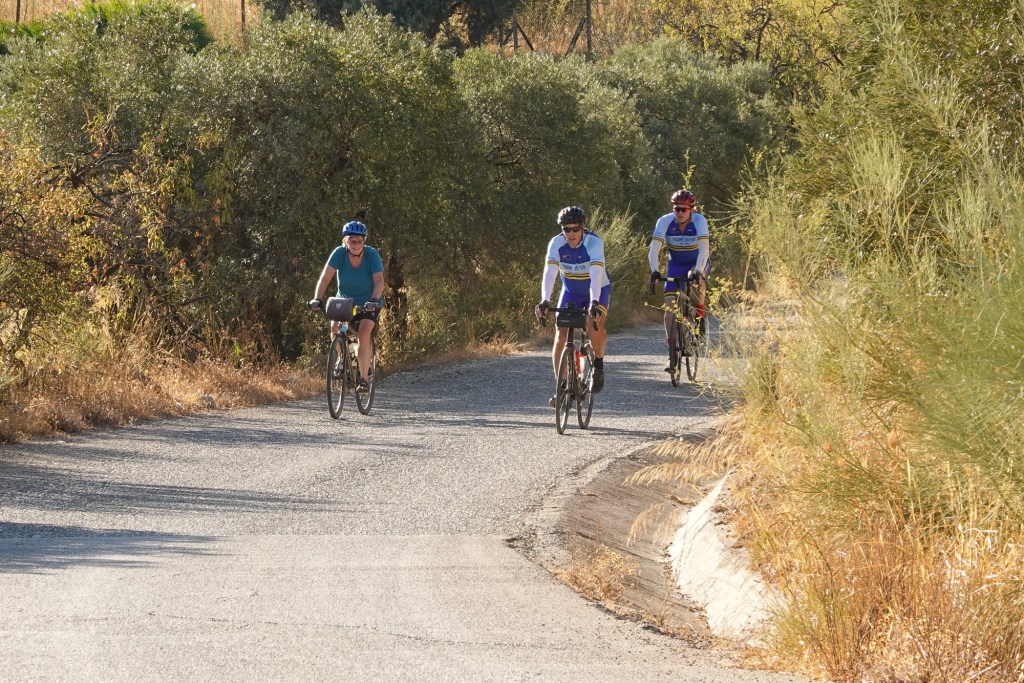
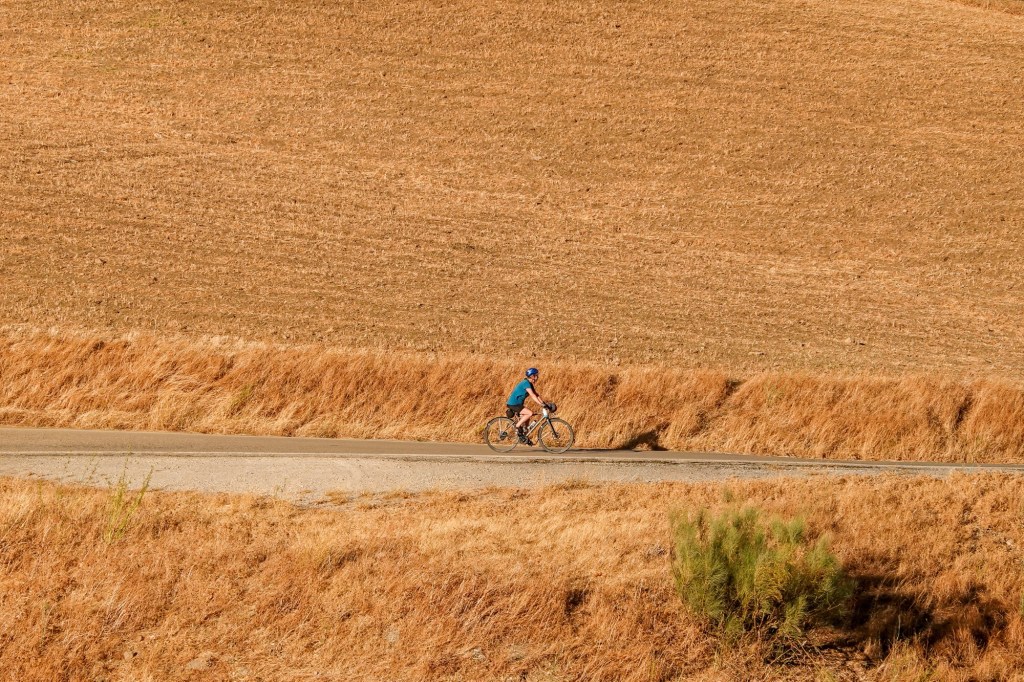
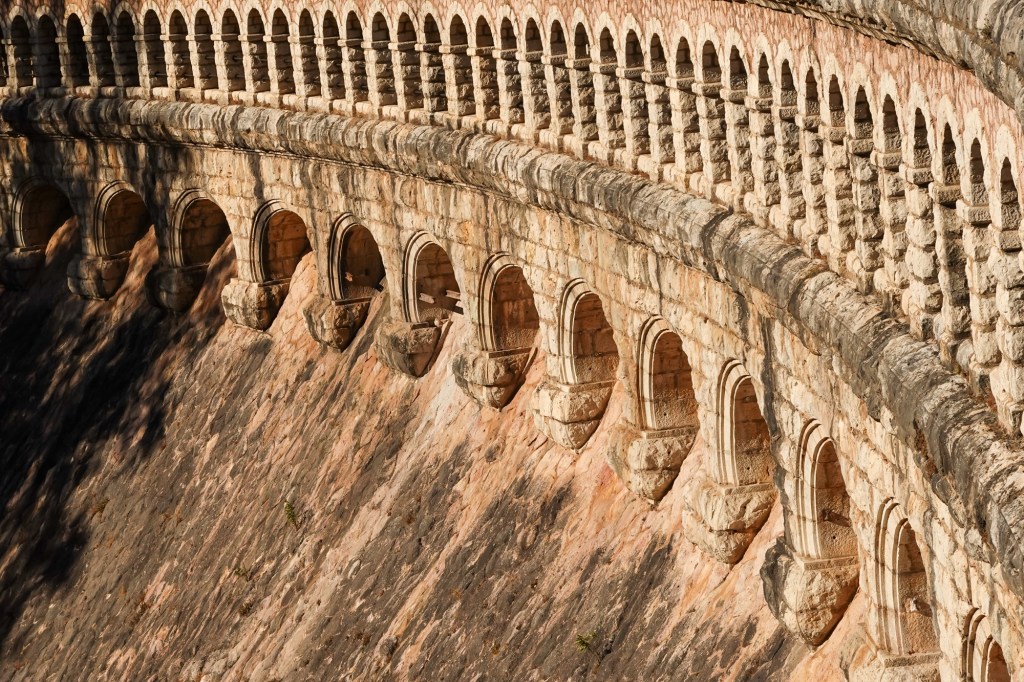
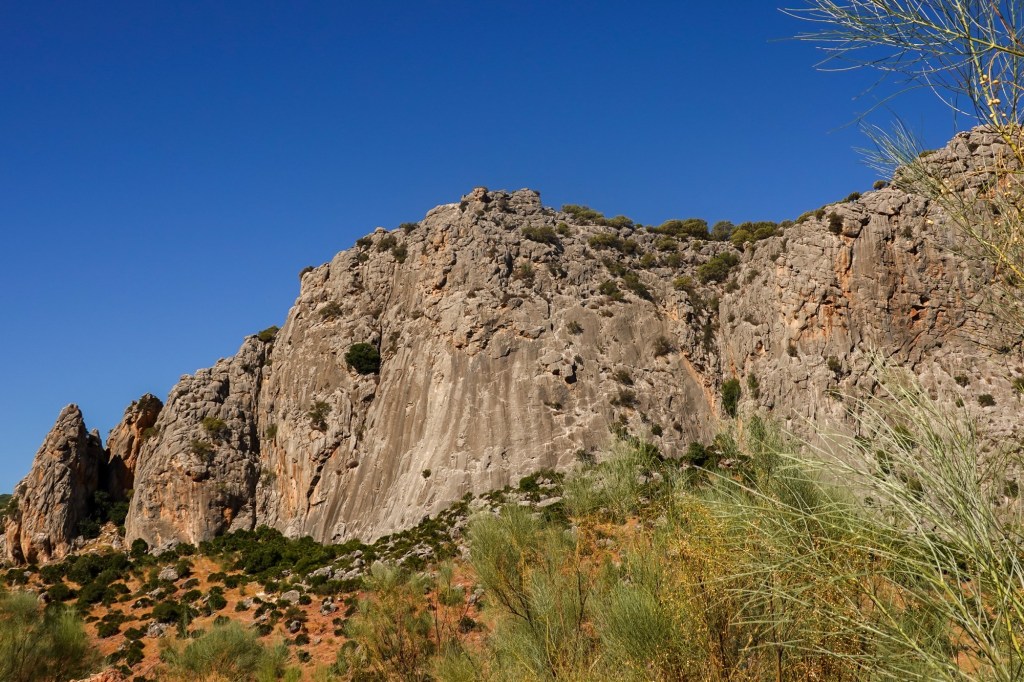
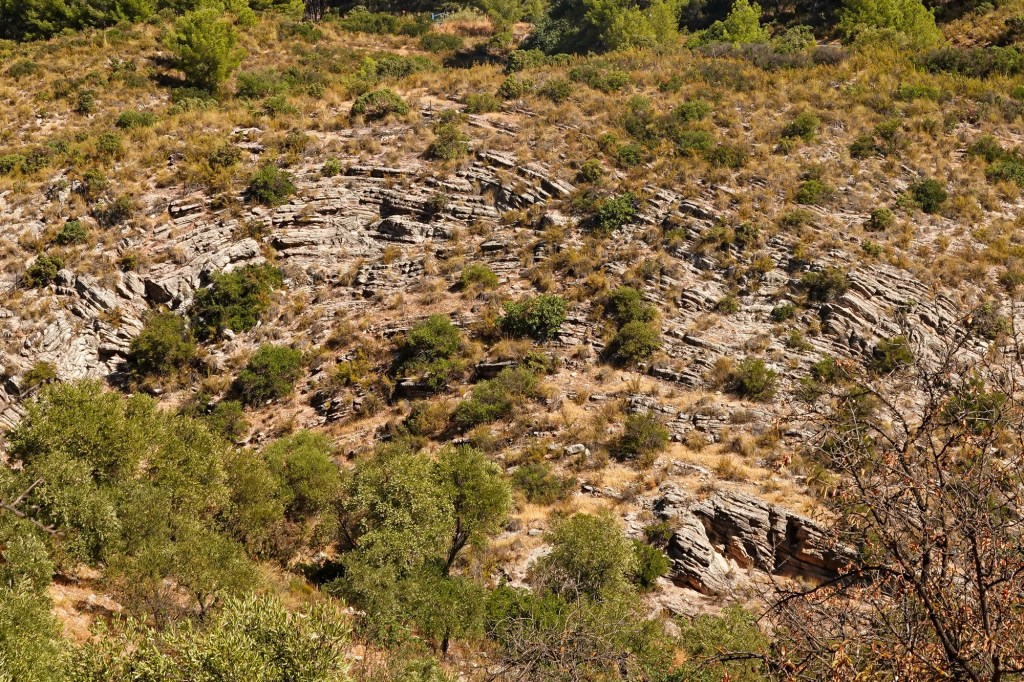
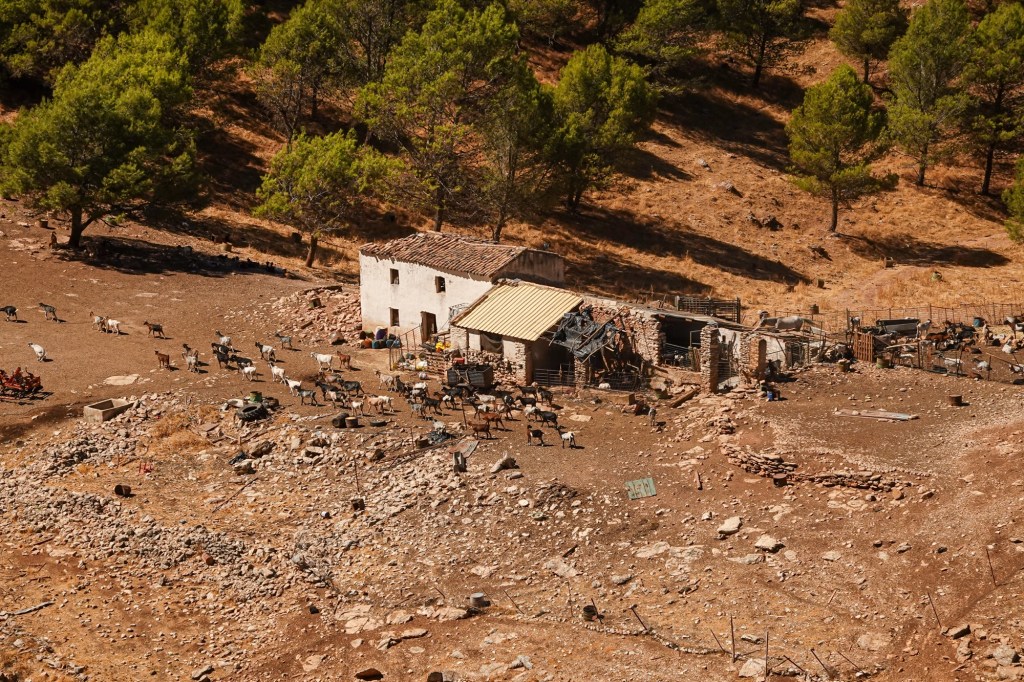
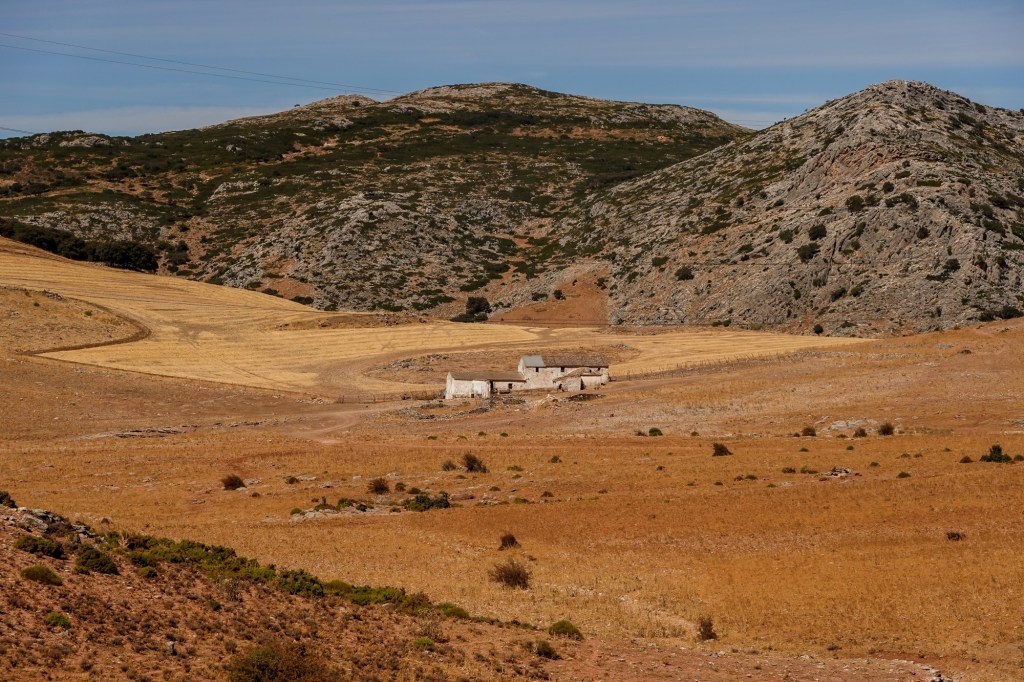
Some of today’s stunning scenery, on the penultimate day, is reminiscent of North West Scotland and Mid Wales. Empty for miles with the occassional farmstead. Sheep and goats (though with bells) and actual shepherds tending their flocks. A dam. National parks, view points. And some lovely ups and downs.

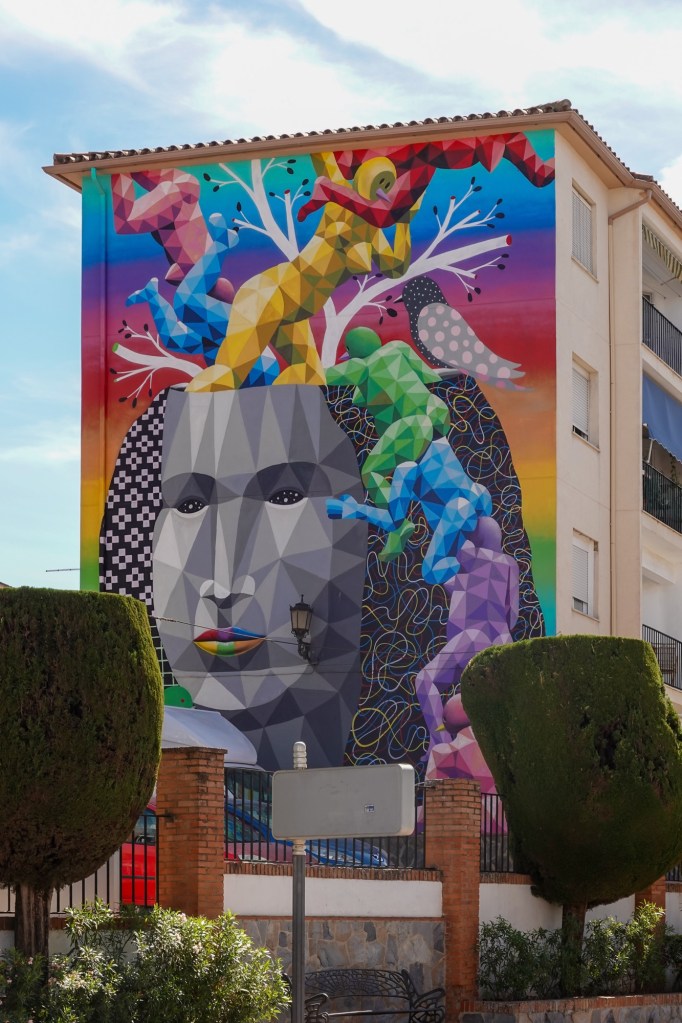
The best of these was in a town, El Burgo (no MacDonalds were seen). It always seems steeper when you are enclosed by buildings. Why don’t they build these places in the plains?

Today felt a landscape to return to in different seasons. Verdant spring for example.

Perhaps predictably we started the first ascent going back up the roads and tracks John drove us yesterday. It’s a lot cooler early morning and the light makes everything glow.

Ronda is not related to Rhondda apart from bells.