D7 JttE Nagasaki – Kumamoto

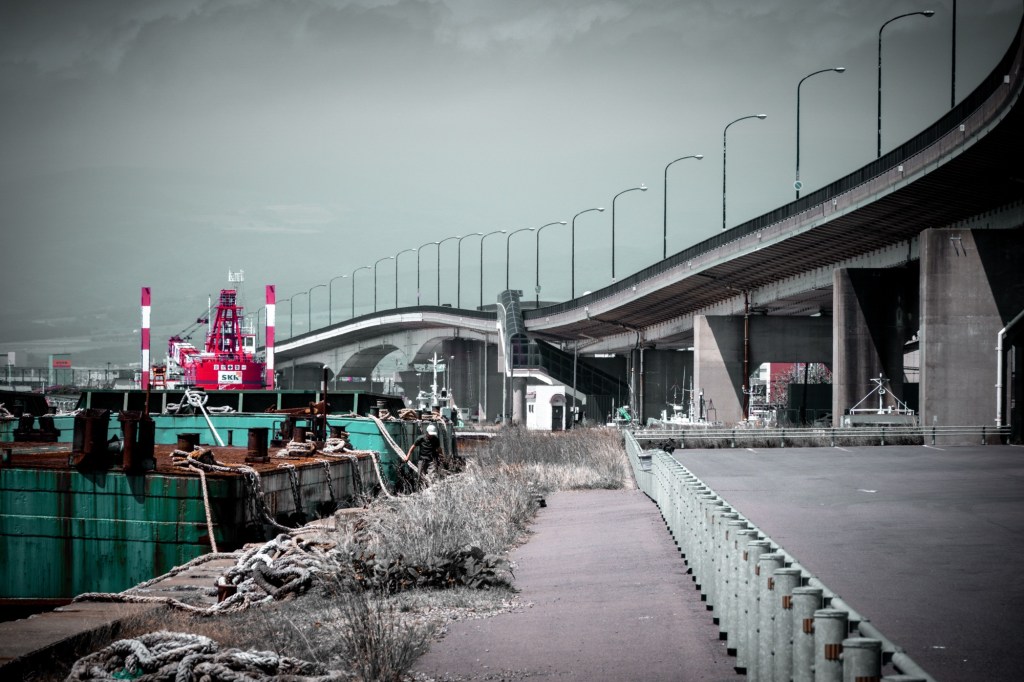
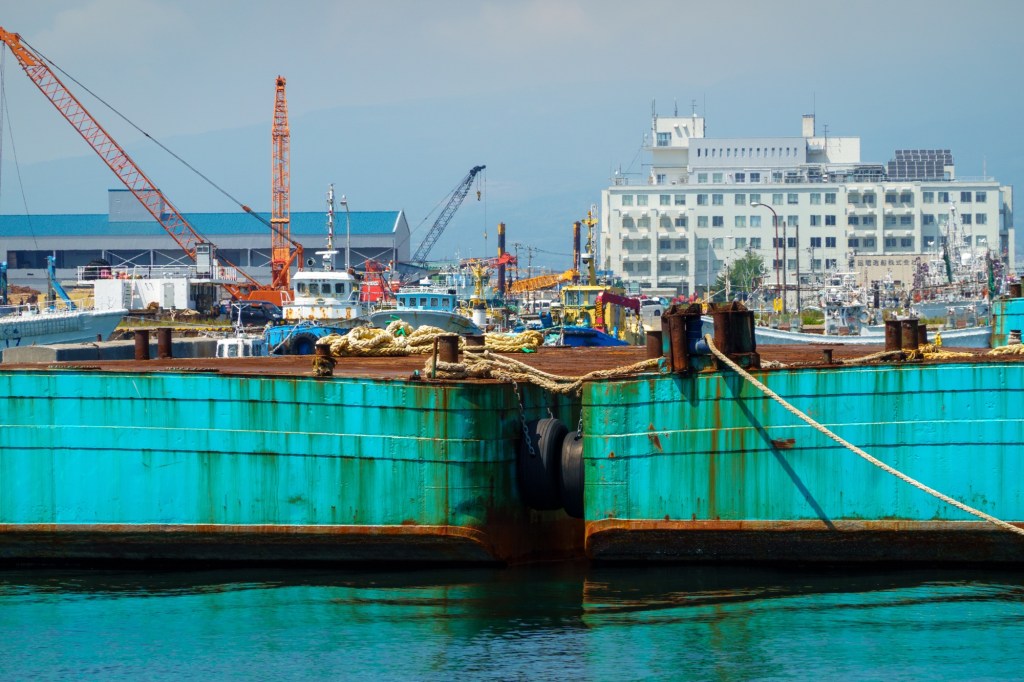
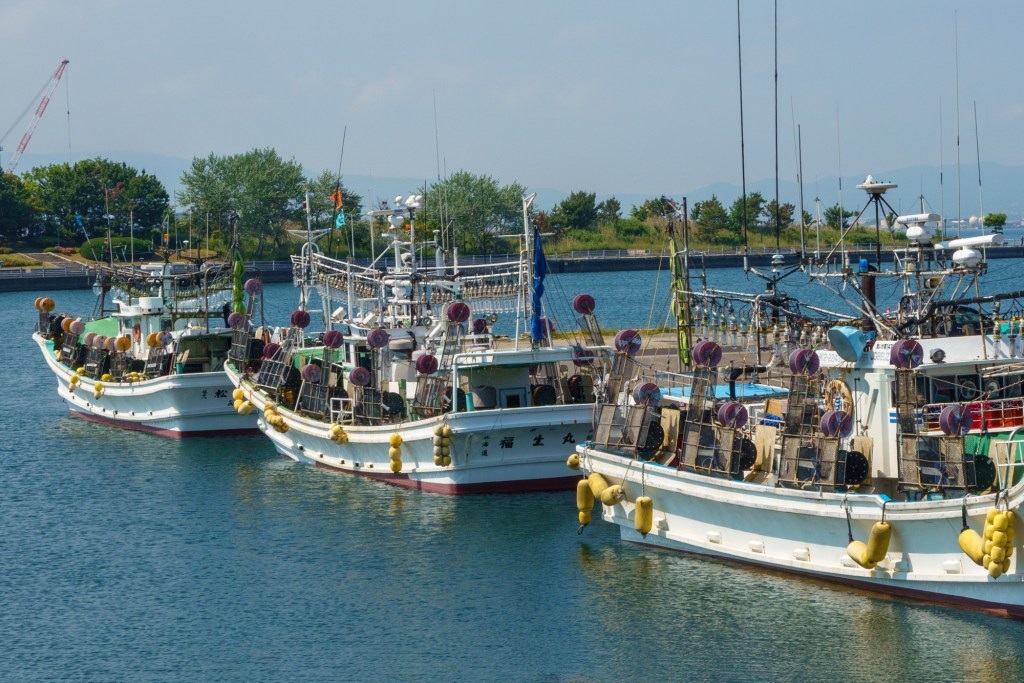
Today was a good introduction to Japanese rule following. A 20km crossing by ferry. No, you cannot get on the boat that’s there. It already has 2 bikes more than the 8 allowed. Wait an hour for the next ones. We got on…lots of space. Some left behind for the next ferry. Yup, we’ve pushed the rules to breaking point with another 10 bikes. All done with great politeness and arm waving.

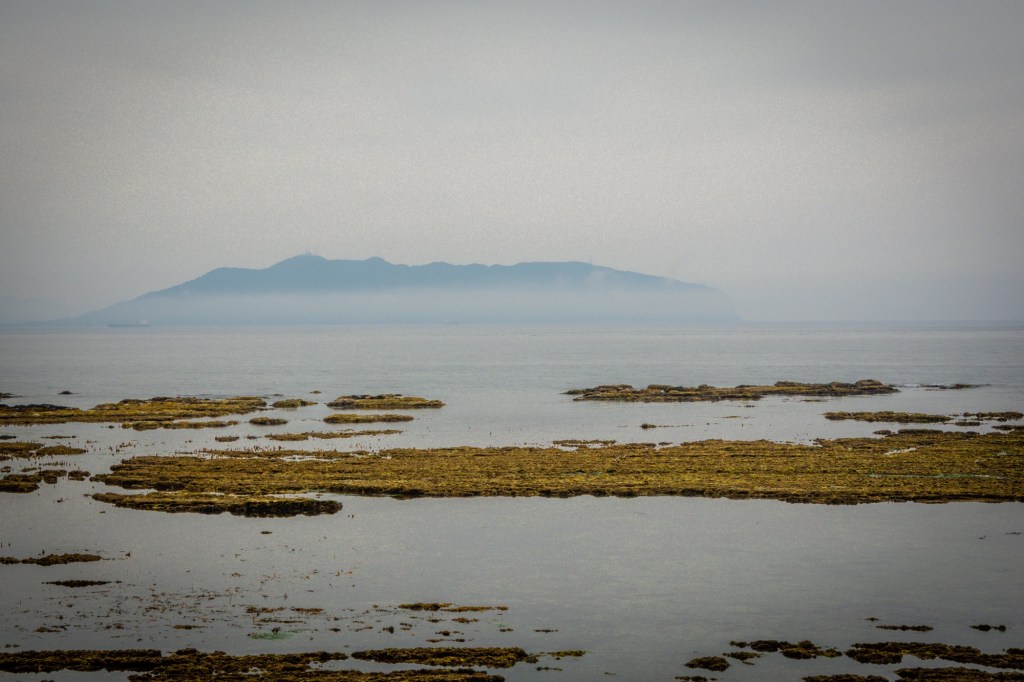
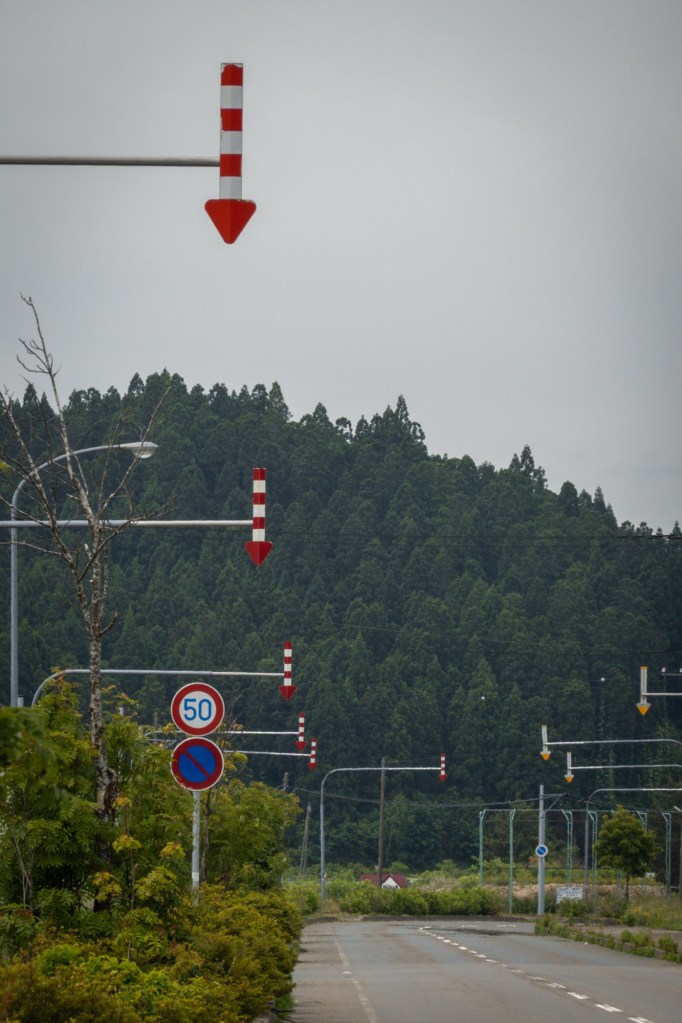
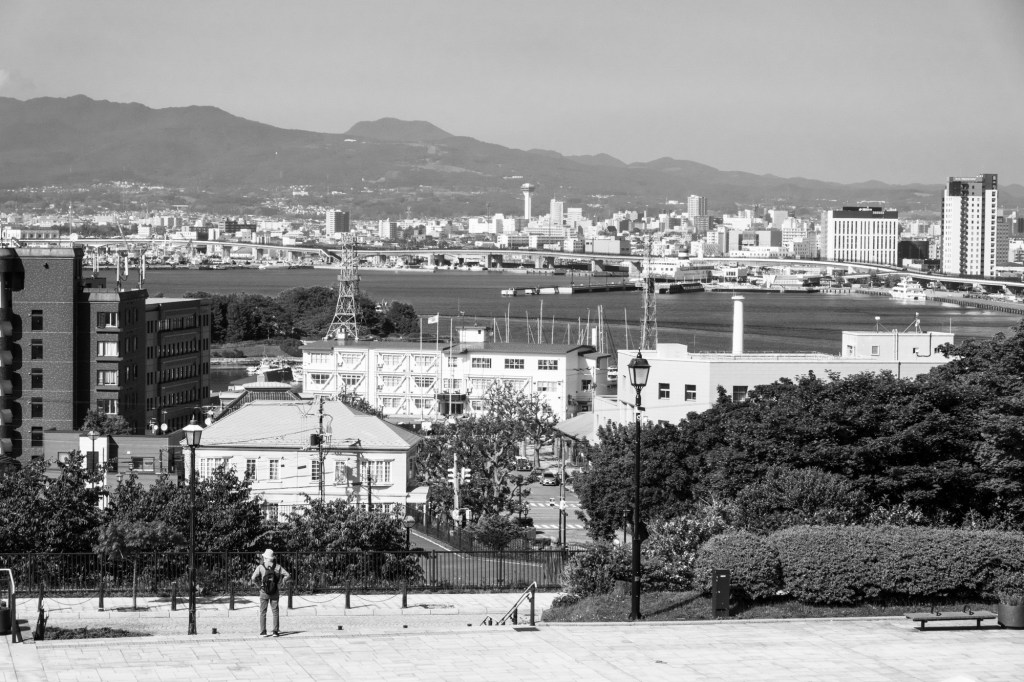
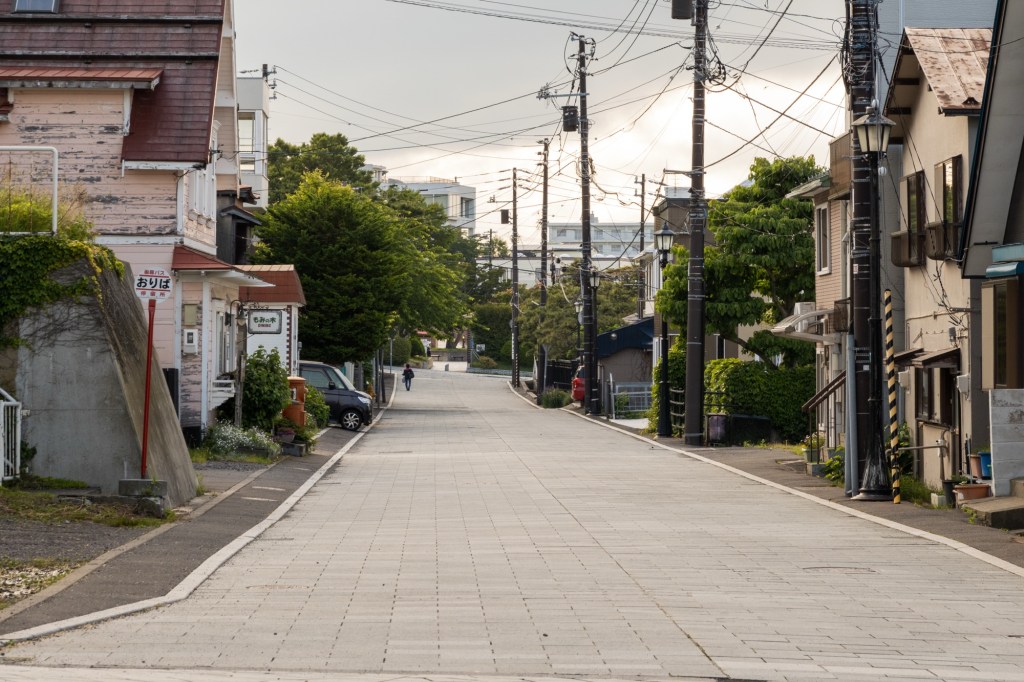
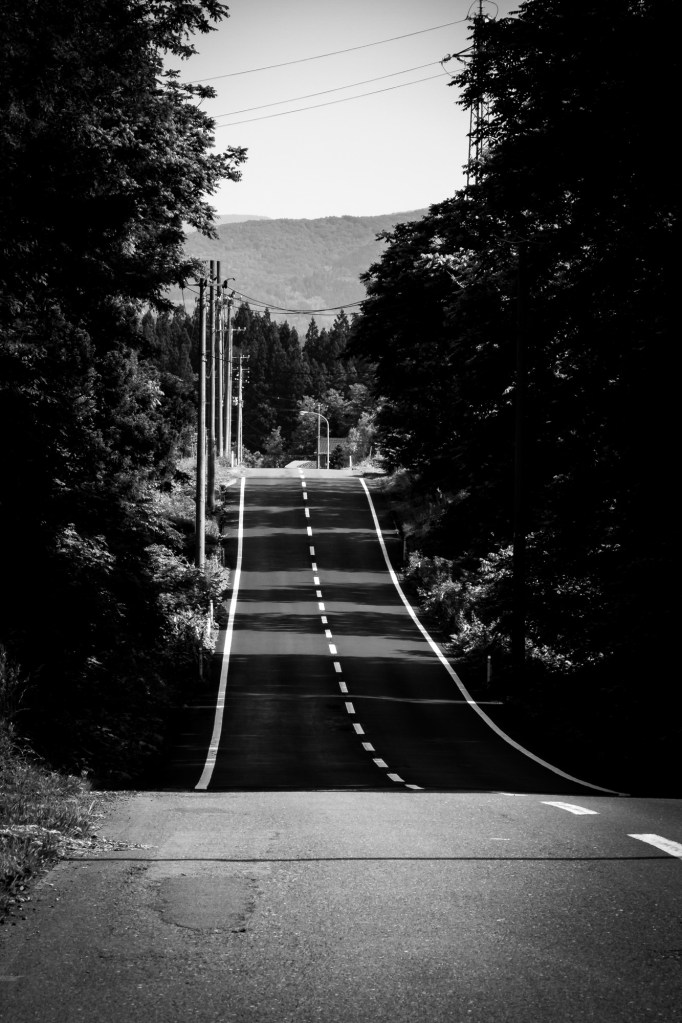
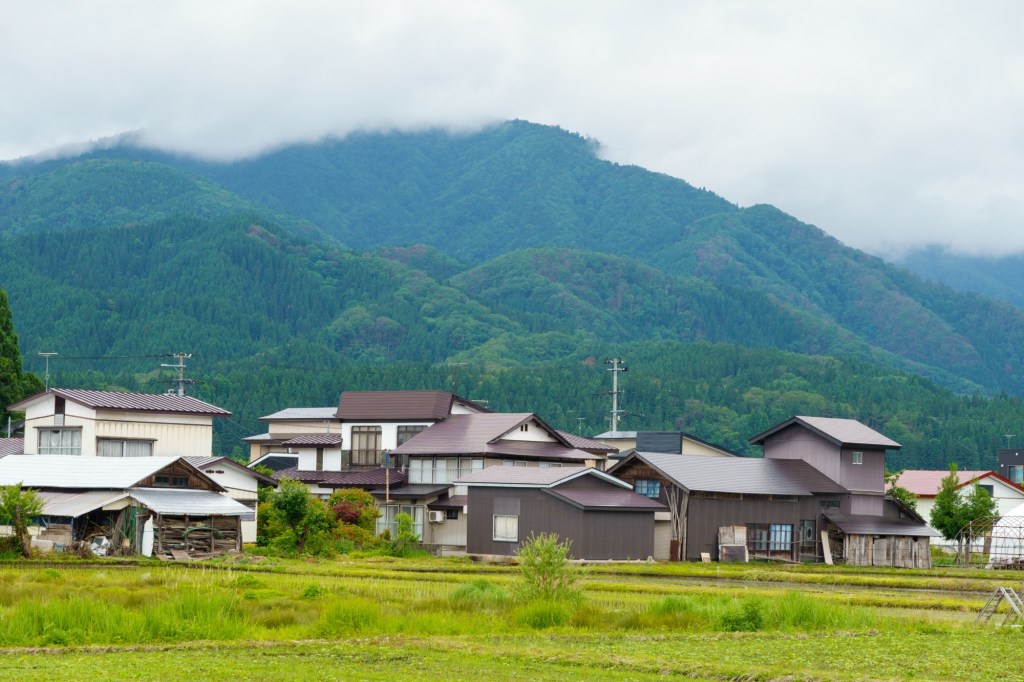
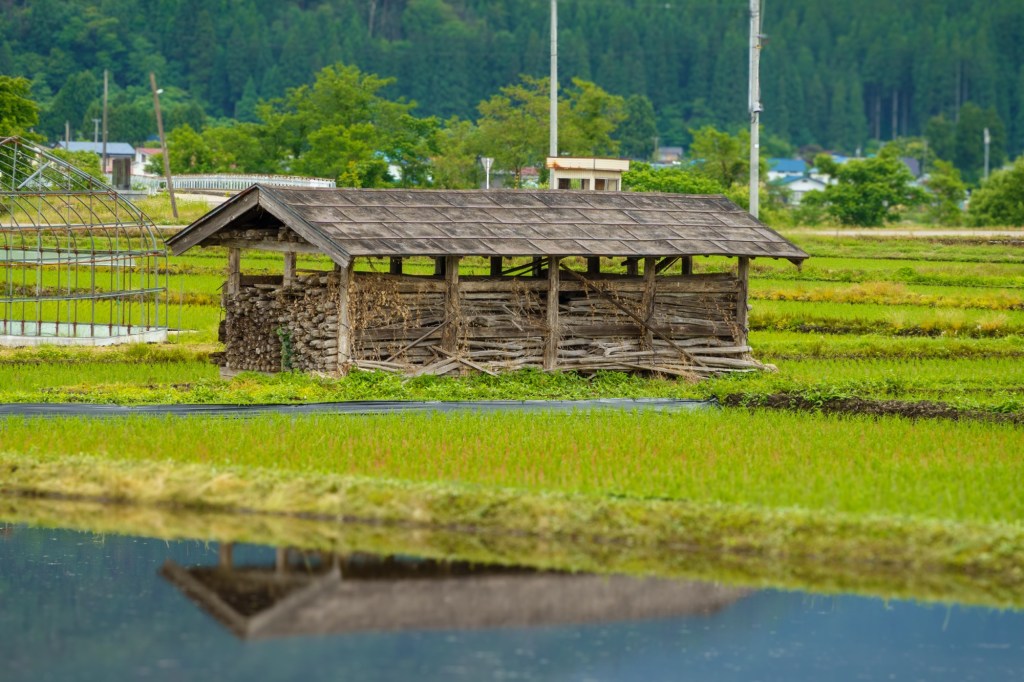
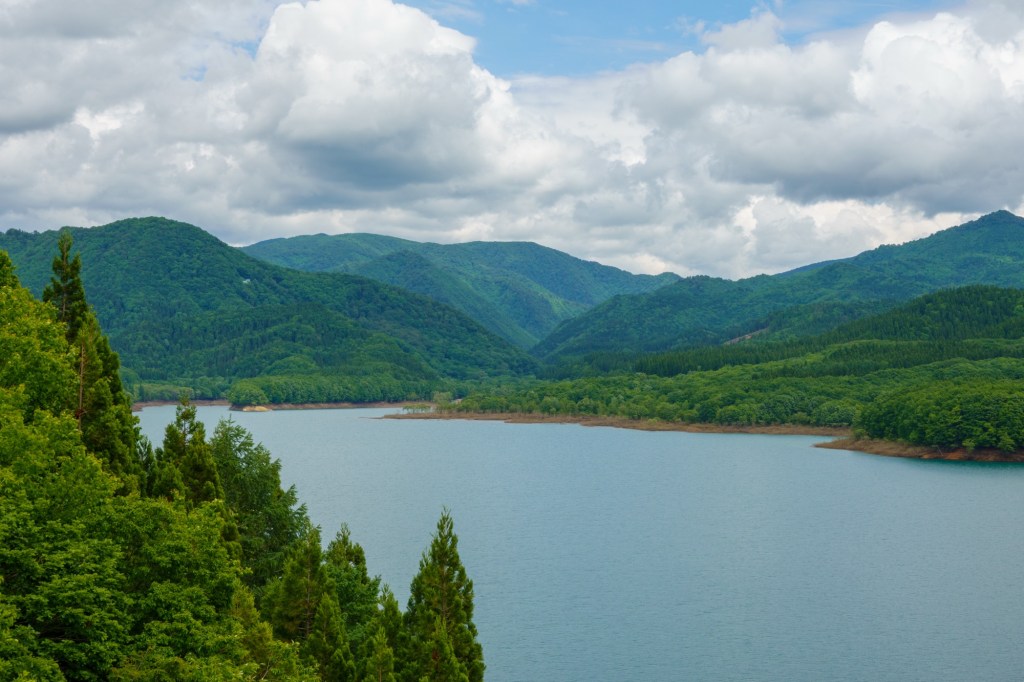
We’re still on the same island of Kyushu as Nagasaki. The flat bit was the ferry ride. The remainder was lumpy – a good volcanic landscape. Maybe that has helped the soil’s fertility. Lots of things being grown everywhere, including potatoes by the chip load and onions.

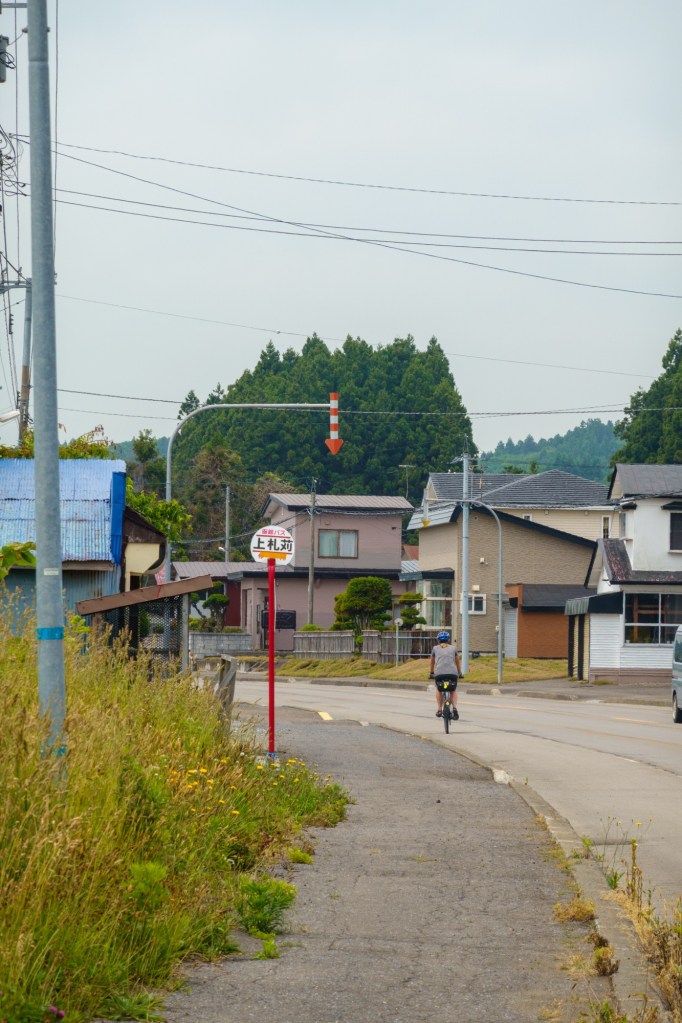
Getting to grips with the coke stops. Vending machines by the road side. Full, working and very reasonably priced.

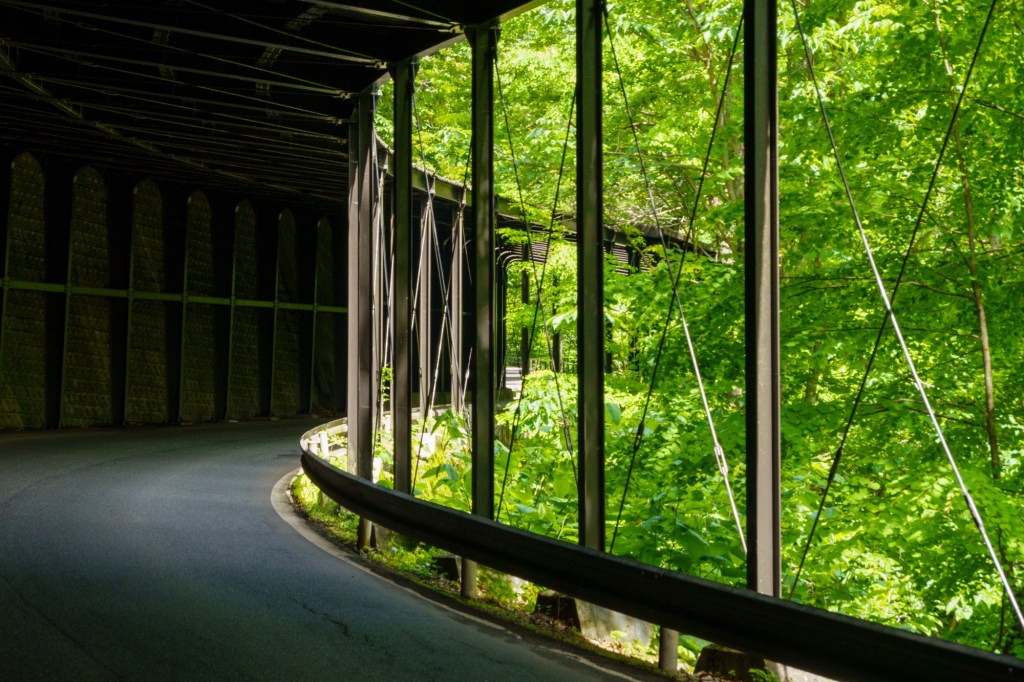
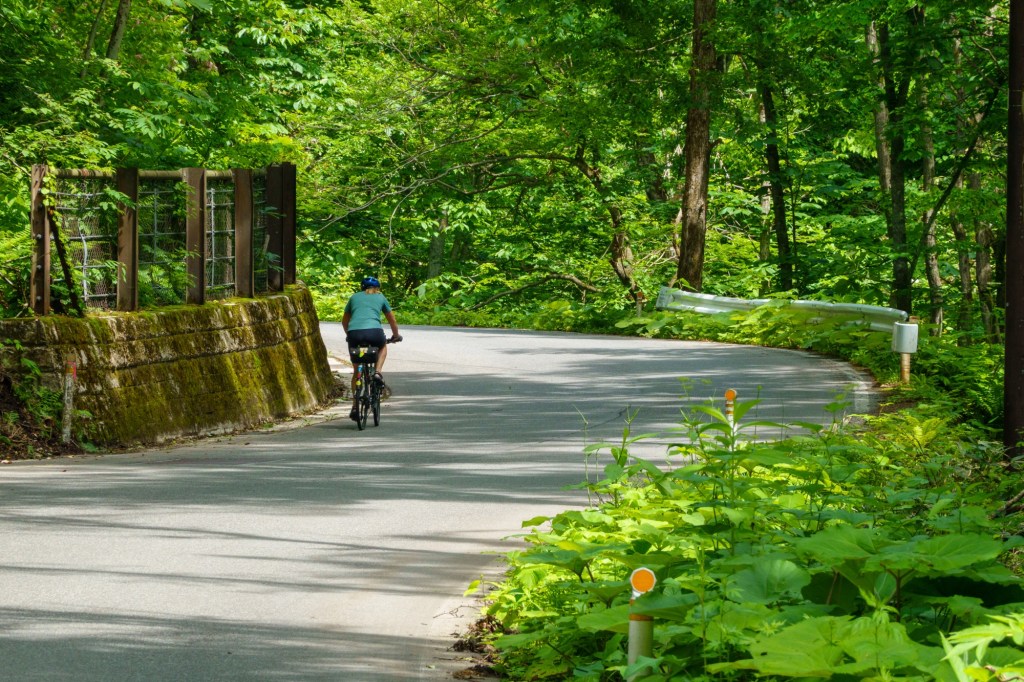
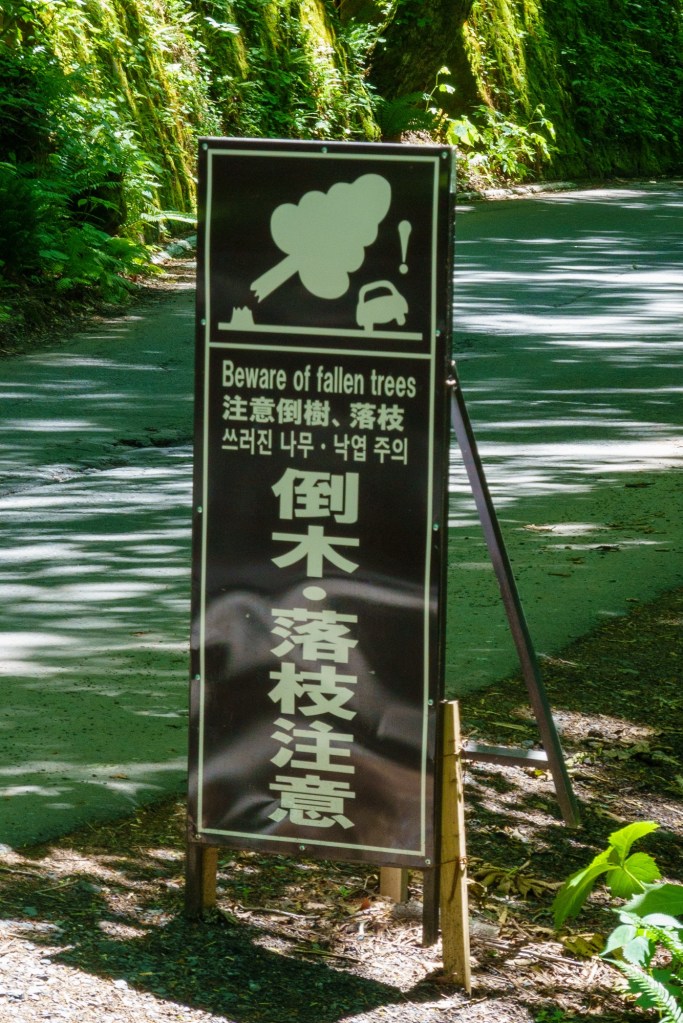
Lots of trees today, thankfully offering shade as the temperature nudged to high 20s. The roads are about UK standard, ie mixed. Drivers are very considerate.

Kumamoto is a city of some 750000 people, with another 750k in the wider metropolitan area.. I read the largest motorcycle production facility in the world is in Kumamoto. Mutsibushi Electronics has a 500million UK Pounds semiconductor factory opening about now. Maybe this explains the number of suits we’ve seen.

Glad we’ve got some good low gears, we’re going to need them!
JttE Nagasaki

Japan’s oldest stone bridge is no place to make a spectacle of yourself unless you want double vision. Built in 1634 and carefully restored using recovered stone after the 1982 floods – 537mm of rain in 3 days flooded the city killing 299 people. The Spectacle Bridge is a good selfie spot and a fine meader along the 10 river crossings.

We got there after a 5am departure from Busan for a 40 minute flight. Immediately Japan is different, even from the road. Small holdings amid low rise housing and small fields. Lots of products on sale from vending machines. And back to a civilised driving on the left.

Why do Japan drive on the left? For old and new reasons. Samurai warriers were right handed so they carried their swords on the left. To avoid conflict of clashing swords when passing on narrow paths, they grew accustomed to walking on the left. Them British engineers consolidated this when invited in to build Japan’s [railway] infrastructure in the 19C. It was passed into law in 1924.

After a 2hour drive we arrive in the centre of Nagasaki. Founded by the Portugese would you believe in the 16C and then grew as a port between then and the 19C, based on sugar amongst other things. The population is some 400000, so like a large Cardiff.

Of course the reason most of us have heard of it was the plutonium bomb (Fat Boy) of 9 August 1945, killing 35000, about 10% of the population. Rebuilt and reconstructed, it remains an important port.

It also has a high density of temples, many dating to the 17C. Buddhism seems to have many sects. Inscrutable.

Tomorrow bike rebuilding and an explore.

JttE Busan

A short stay after packing the bikes for Japan. We/re in Haeundae, a beach area. Very similar to Hyundai phonetically. The former translates to sea and clouds terrace. The latter “modern times”.

It does seem very modern – a bustling tourist area. With a beach with a loud music stage, just the thing to help with a 4:15am get up time. The beach has a magnificent display of sandcastle art. Hope it doesn’t rain.

Our meander took us to the Nurimaru APEC House, built for the 2005 Asis Pacific Economic Conference. Of the all the leaders of the countries who attended (21), only Putin remains, though the Sultan of Bruneo was in power then too and remains in power. Anyway, it’s a fine building on the Dongbaekseom peninsular.

South Korea has been great. A modern country respectful of its culture and history. Polite, clean, good infrastructure. Most of the cars seemed to have dark glass, which seemed spooky.

You see a lot of people wearing masks. “Koreans wear masks for a combination of health, social, and personal reasons, deeply rooted in a culture of collectivism and public etiquette. Key reasons include preventing the spread of illness (cold/flu), protection from high pollution levels (fine dust), and a long-standing cultural acceptance of masks as a courteous gesture in crowded areas.”

CCTV is everywhere. People wait at pedestrian crossing for the green man with a discipline I don’t have. No litter and no bins. People bow from the waist with a straight back. Road workers are helpful when you approach them. Credit cards are more common than phones for paying and often you have to sign a screen – though that works a lot better than our scratching a finger on a screen X.

We’ve not seen any cattle on this trip, though meat is common. Porridge oats is lacking in their diet which is something they need to address. Coffee shops are very common.

“고마워요 한국” 

D6 JttE Gyeongju – Busan

The tour leader laid the marker down. “It’s not a competition; on previous trips not many people have made it up this hill (5.5km at 8% incl 800m at 15% with a 21% pitch).” We don’t live in the Welsh Valleys for nothing, challenge accepted.

Our final day cycling in South Korea was a microcosm of the whole trip. The first part rural and hilly, sparsely populated, green with lots of happy frog and cuckoo sounds. The second was flat, back on the 4 rivers path, entering denser urban area, sharing the path with many other users out exercising – toilets reappear as do multistories.

Busan has some 3,3 million residents. During the Korean War it became the capital for a while – the only major city not to fall to North Koreans. South Korea’s second-largest city and a major global port, it is a “vibrant coastal metropolis, known for its beaches, mountains, and fresh seafood. Located in the southeast, it offers a distinct, gritty, and authentic atmosphere compared to Seoul.

Tomorrow after bike packing, we’ll scratch a tiny bit and see.

In case you wondered: Veni, Vidi, Vici. More challenges to come so onwards with memories of inserting lungs back into correct cavity to keep us grounded. And always fine views.

JttE Gyeongju

South Korea’s no3 tourist destination. Over 1million visitors to swell the 250000 population, though not all at once. The main attraction are the burial humps. Lots of them. Amongst the visitors are the most non Koreans we’ve seen so far.

A longtime ago South Korea was divided into 3 kingdoms. The Silla area had a dynasty lasting from (circa) 70bc to 950ad. For some reason they started burying their kings in large mounds. These lasted unraided for milllenia. The first to escavate – it is said – was by the occupying Japanese. Even then the treasures seemed to be a slow burner until the 1970s when they started to be promoted. One of them is opened up. Most of the treasures are in a museum.

They make for an interesting walk through some old woods. Leading to a fantastic bridge – built using essentially traditional methods about 15 years ago. It’s on the site of the original. Great craftsmanship.

Back to death. All the mounds reminded me I haven’t noticed any graveyards. Cue a search. With pressures on land, 90% of Koreans are cremated after a 3 day traditional ceremony.

The mounds also brought crazy golf for giants to mind, Given the fines and imprisonment threatened for going on them, I decided this will remain only a thought.

A good rest day.