The 88 Temples of Shikoku (known as the Shikoku Henro) form a 1,200-kilometer circular pilgrimage route that is widely considered the spiritual soul of Japan and one of the most culturally significant spiritual paths in the world.Its profound importance stems from a unique mix of religious tradition, psychological transformation, and local cultural heritage.
- The Spiritual Footsteps of Kōbō Daishi The pilgrimage acts as a living monument to Kūkai the 9th-century founder of Shingon Esoteric Buddhism. Every temple on the loop is an ancient site where Kūkai is said to have trained, meditated, or spent time.
- A Physical Metaphor for Enlightenment. The 1,200-kilometer loop spans all four prefectures of Shikoku Island. It is engineered as a physical representation of the four stages of the Buddhist path to enlightenment:
Tokushima (Temples 1–23): Represents Hosshin—Spiritual Awakening.
Kōchi (Temples 24–39): Represents Shugyō—Ascetic Training and Discipline.
Ehime (Temples 40–65): Represents Bodai—Attaining Enlightenment.
Kagawa (Temples 66–88): Represents Nehan—Entering Nirvana.
Completing the final temple (Okuboji) represents Kechigan, the ultimate fulfillment of one’s vows and the letting go of worldly desires.- The Culture of Osettai (Radical Hospitality) The historical importance of the route has shaped the entire culture of Shikoku Island. Because locals historically could not leave their daily lives to walk the trail, they developed the tradition of Osettai—giving free food, drinks, and shelter to passing pilgrims. By supporting the pilgrim, locals believe they are directly serving Kōbō Daishi and earning spiritual merit. It is widely celebrated as an authentic, beautiful example of community kindness untouched by overtourism.
- Complete Inclusivity Unlike many religious trails worldwide, the 88 Temples route welcomes everyone equally. The temples span various Buddhist sects and freely open their doors to people of all religions, nationalities, and life goals. Whether modern travelers walk the traditional 50 days, bike it, or take a tour bus, they are equally embraced as o-henro-san.
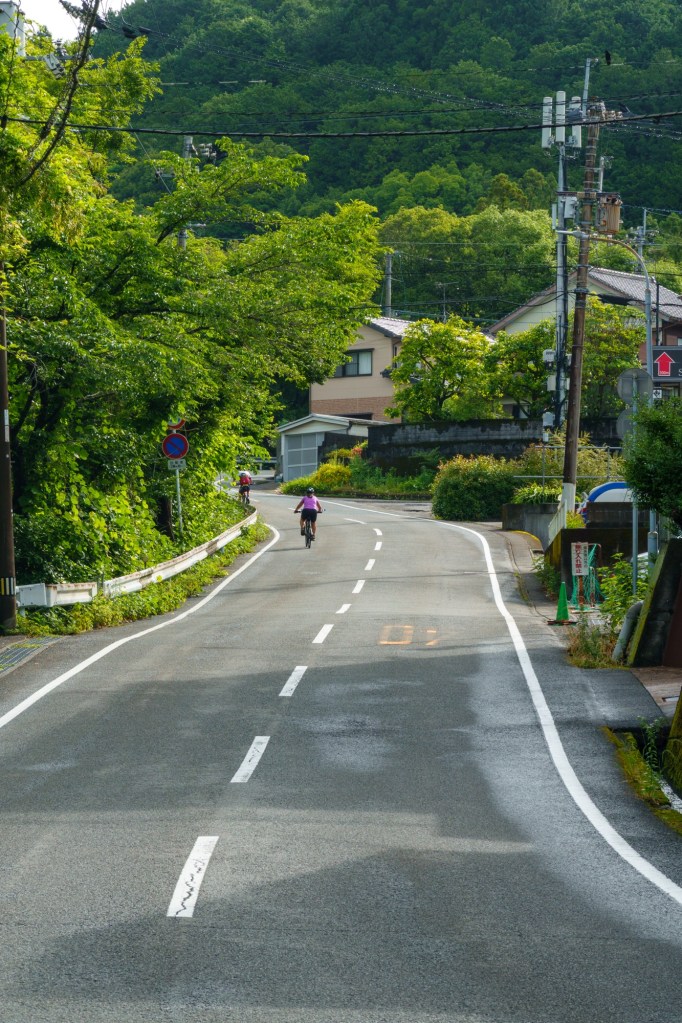
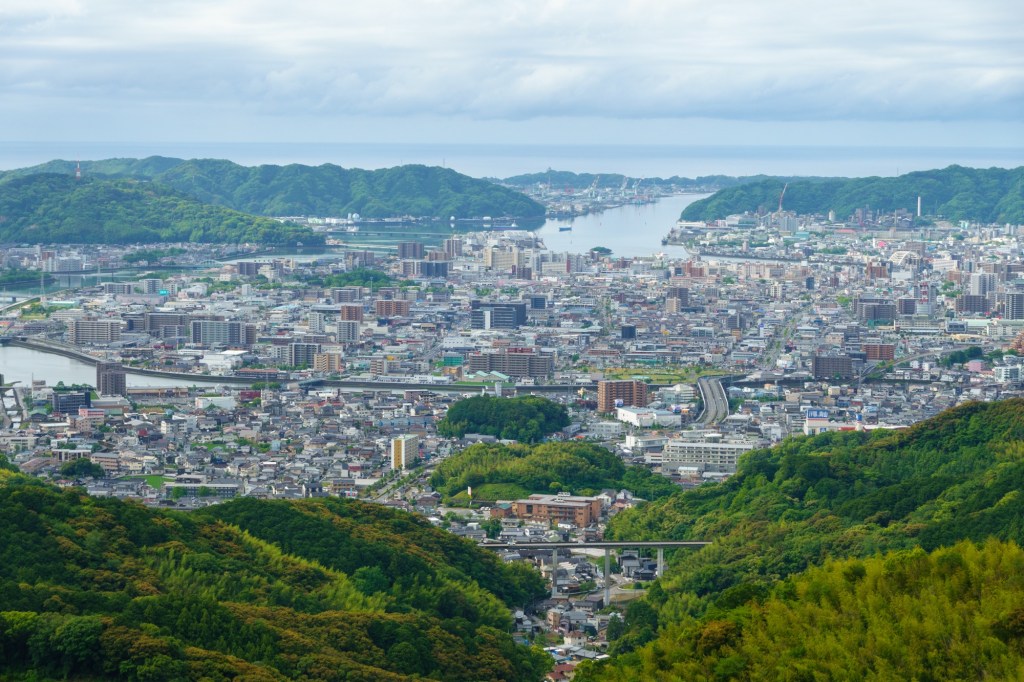
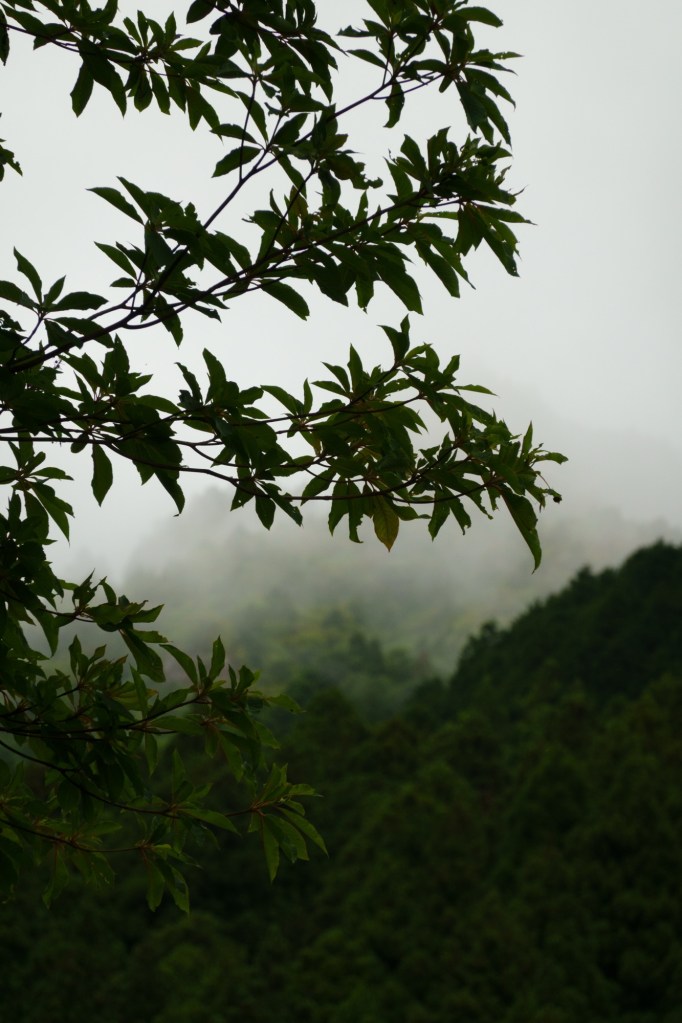
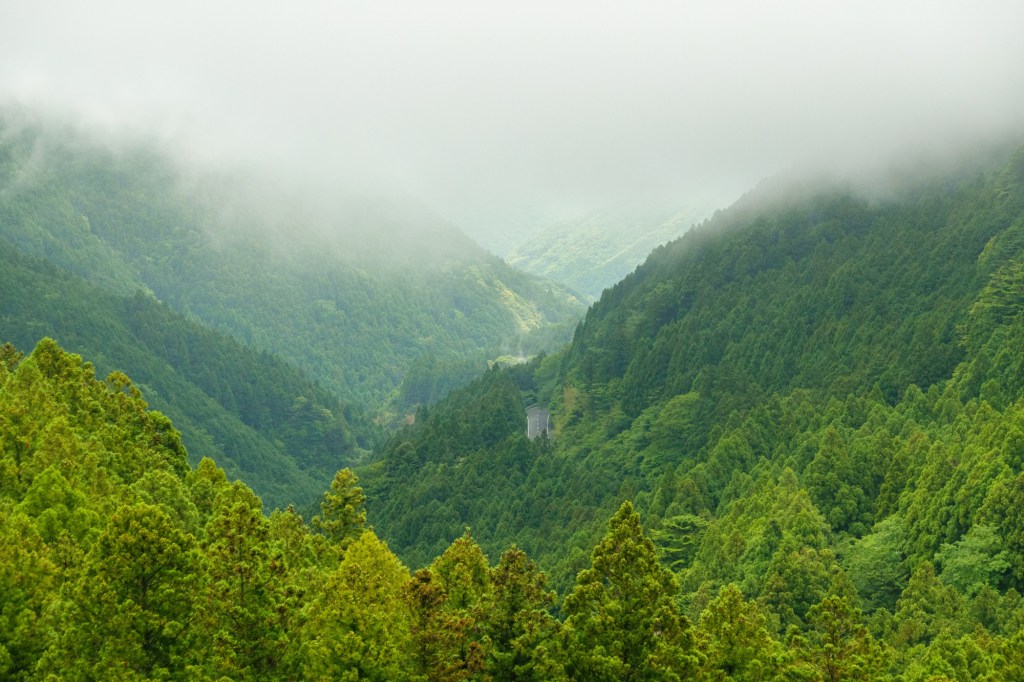
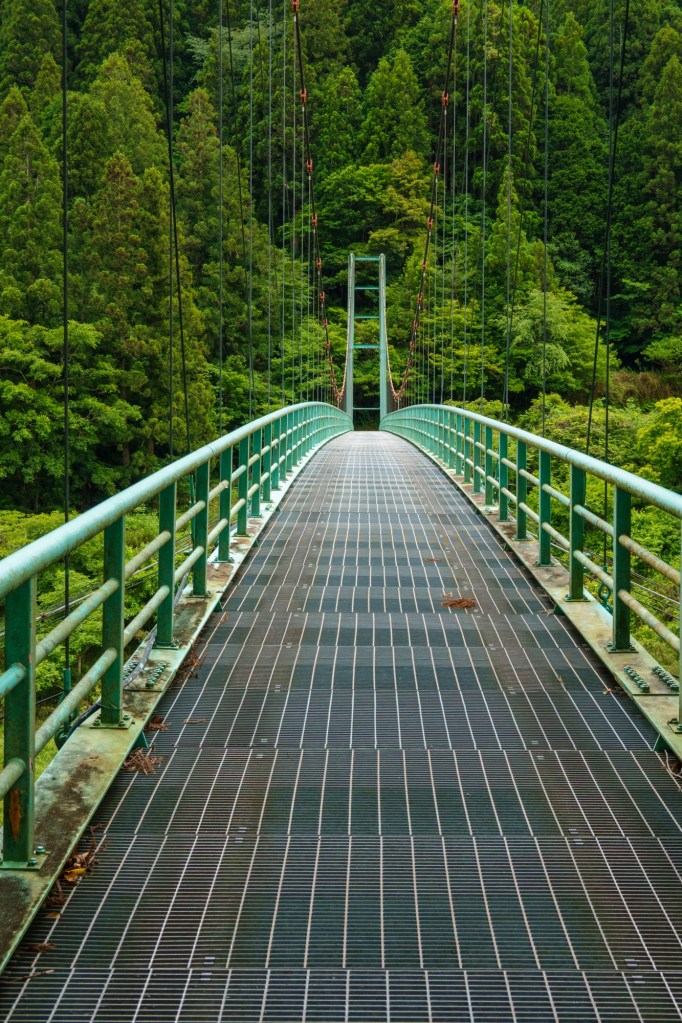
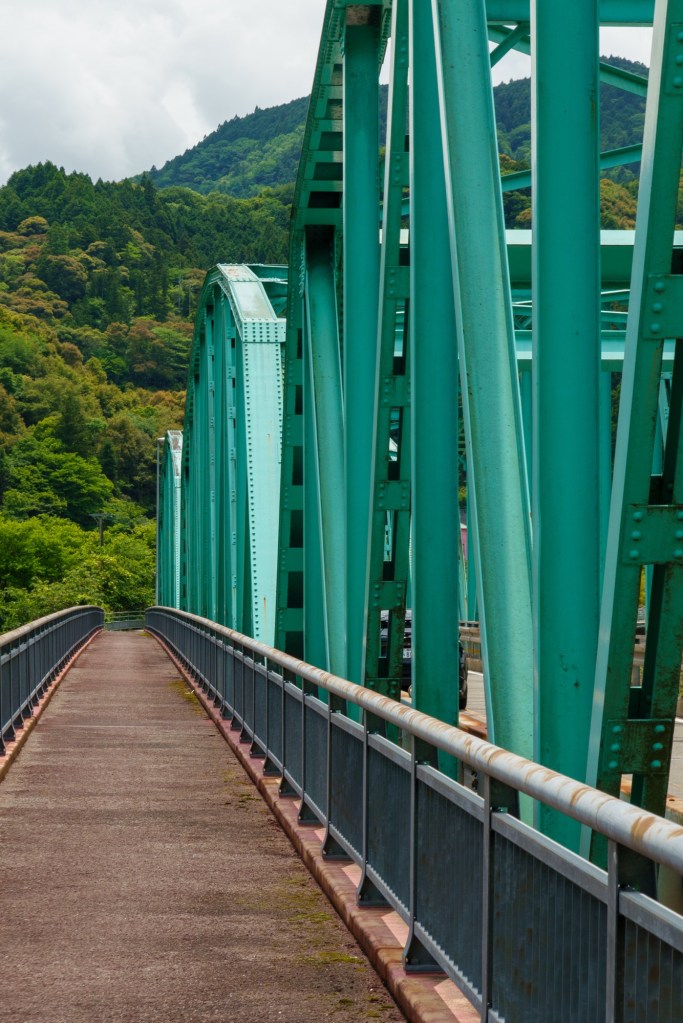
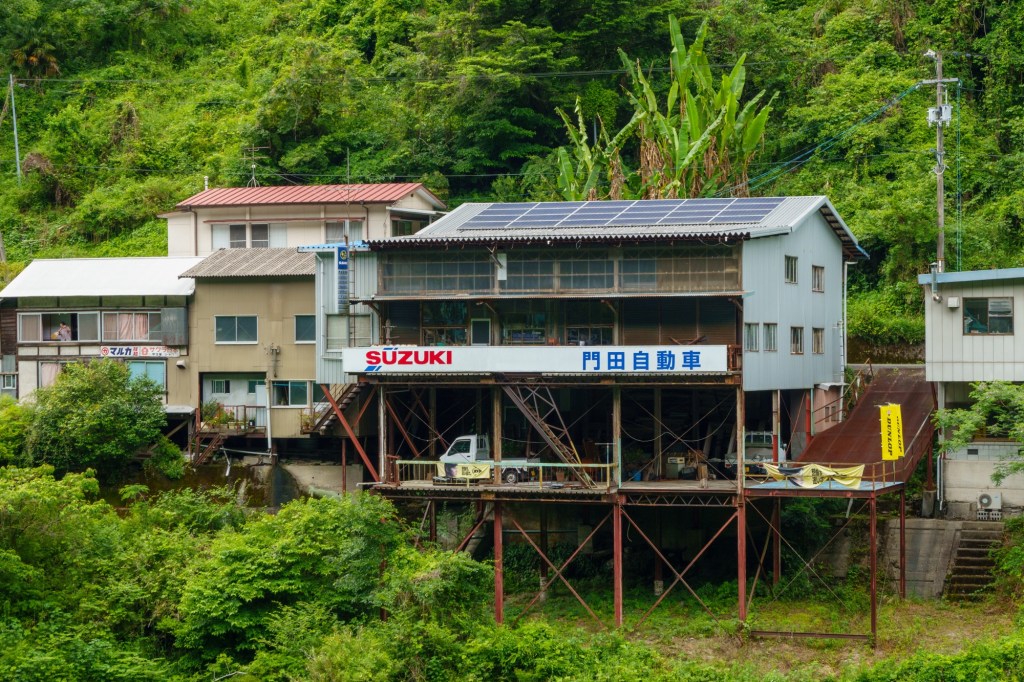
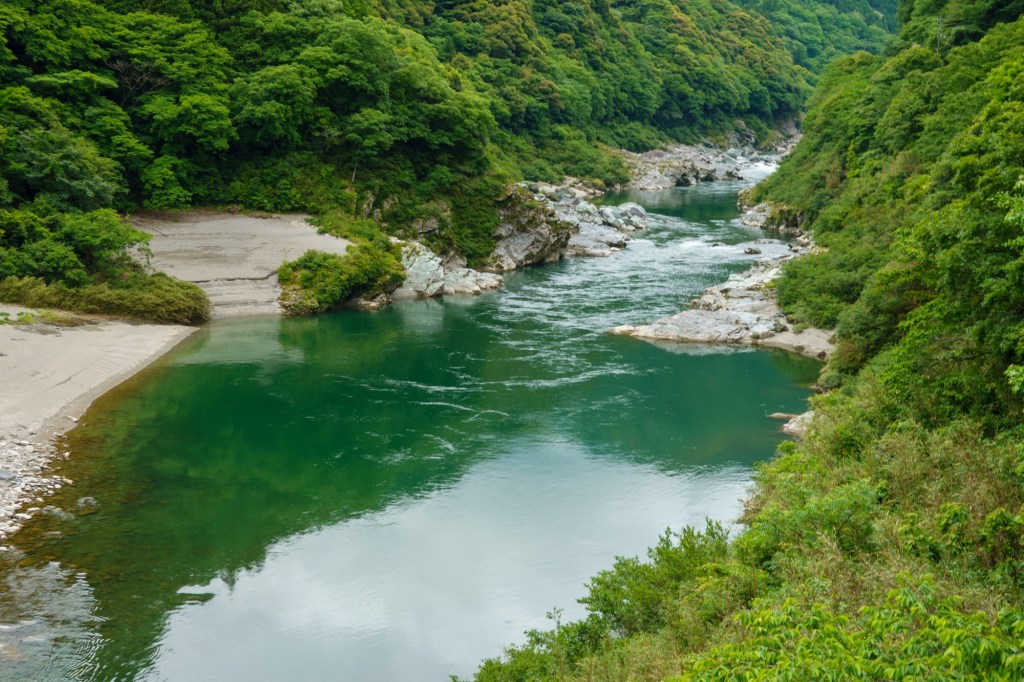
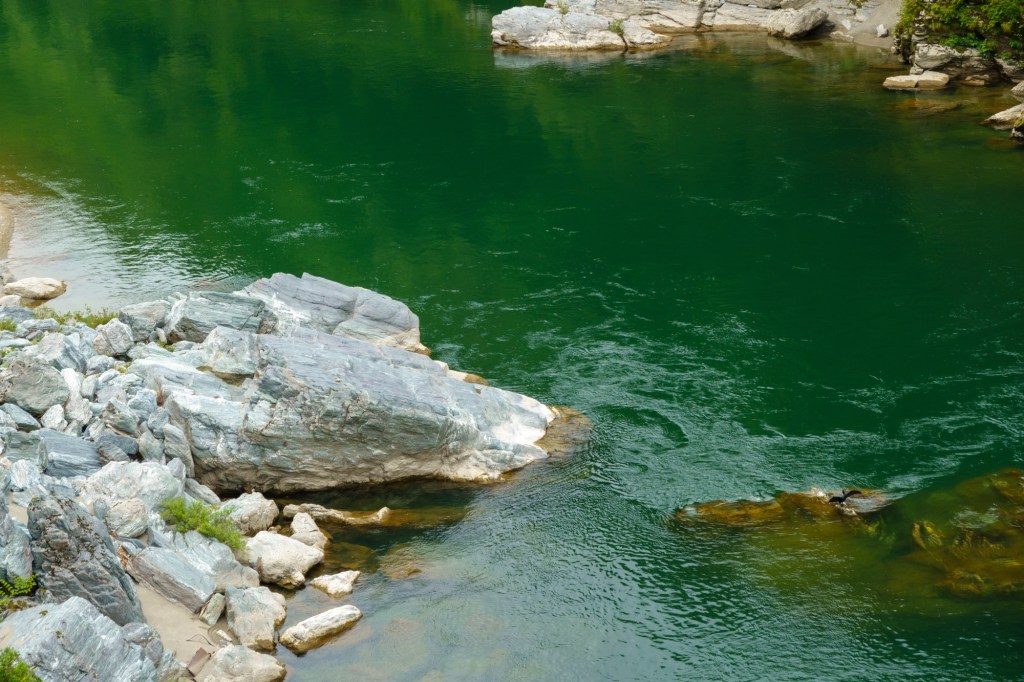
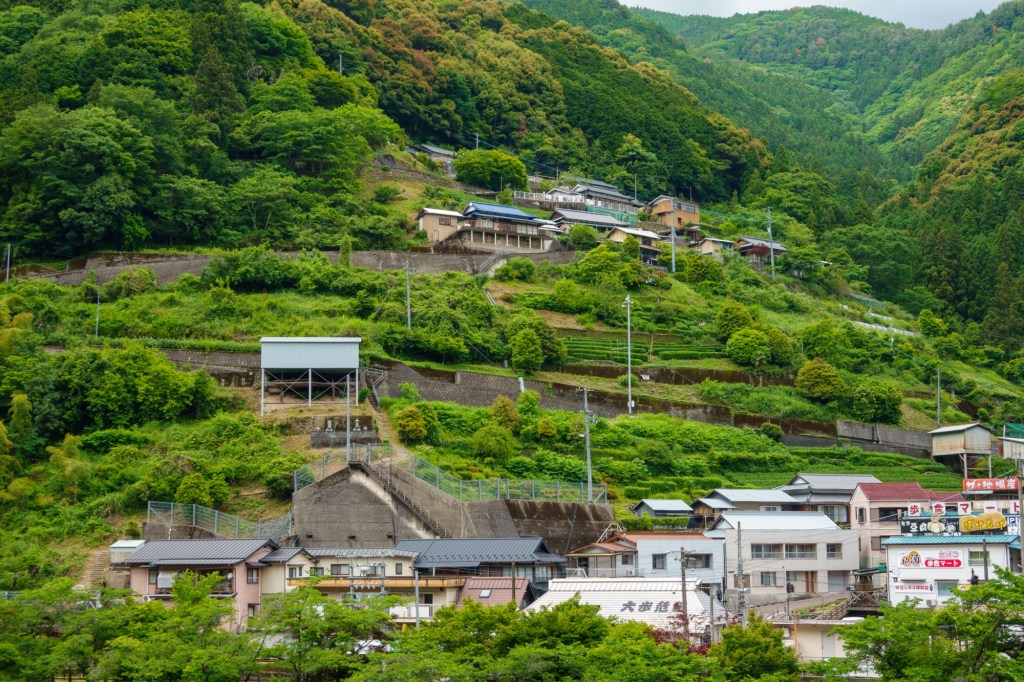
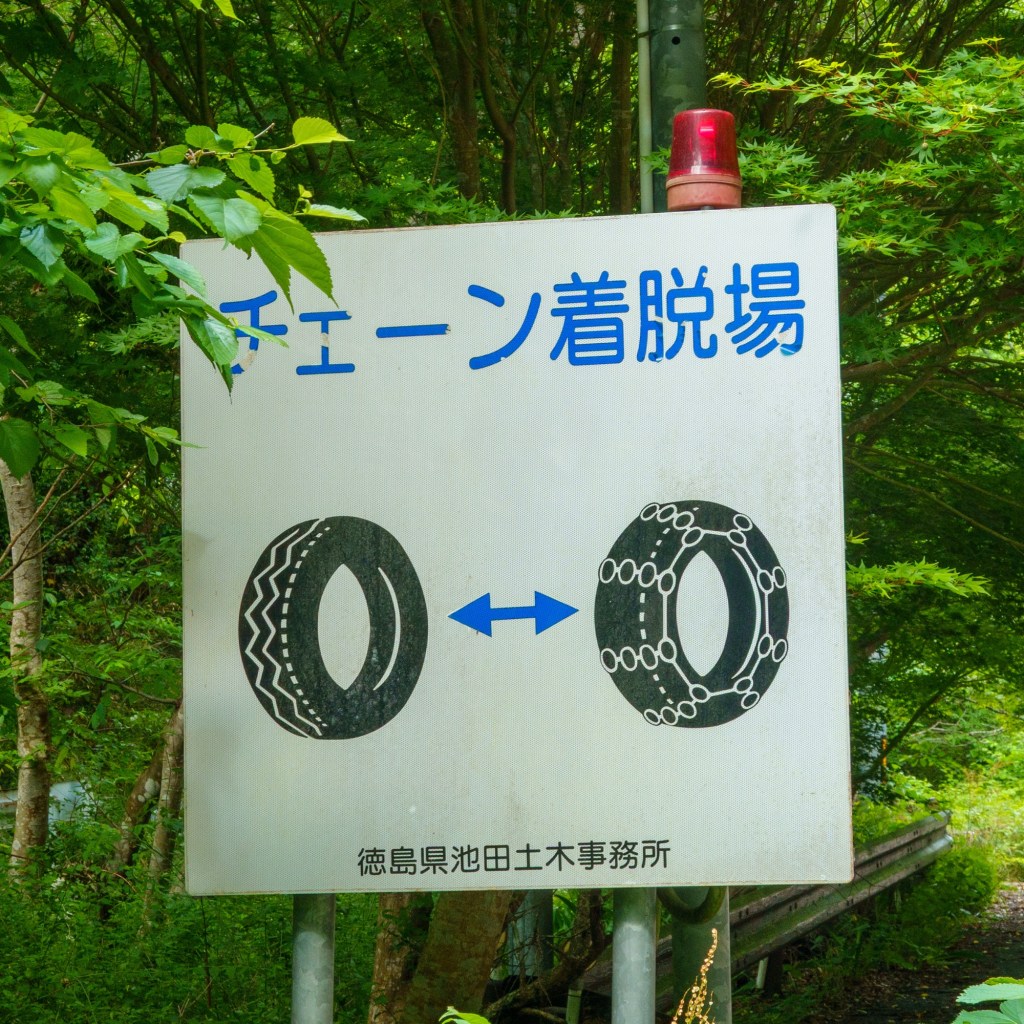
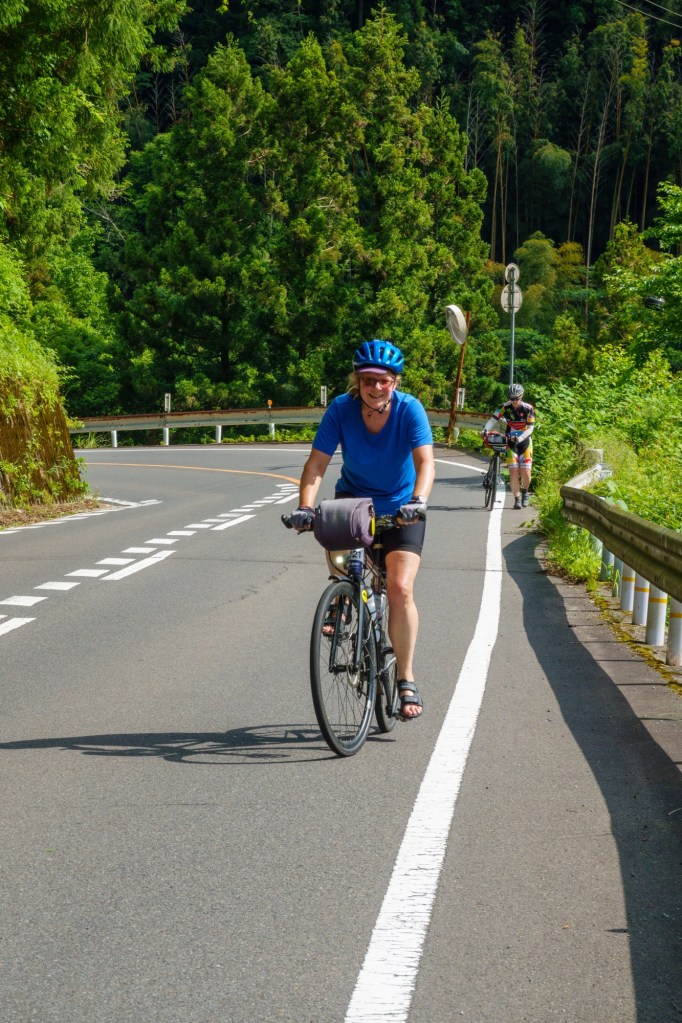
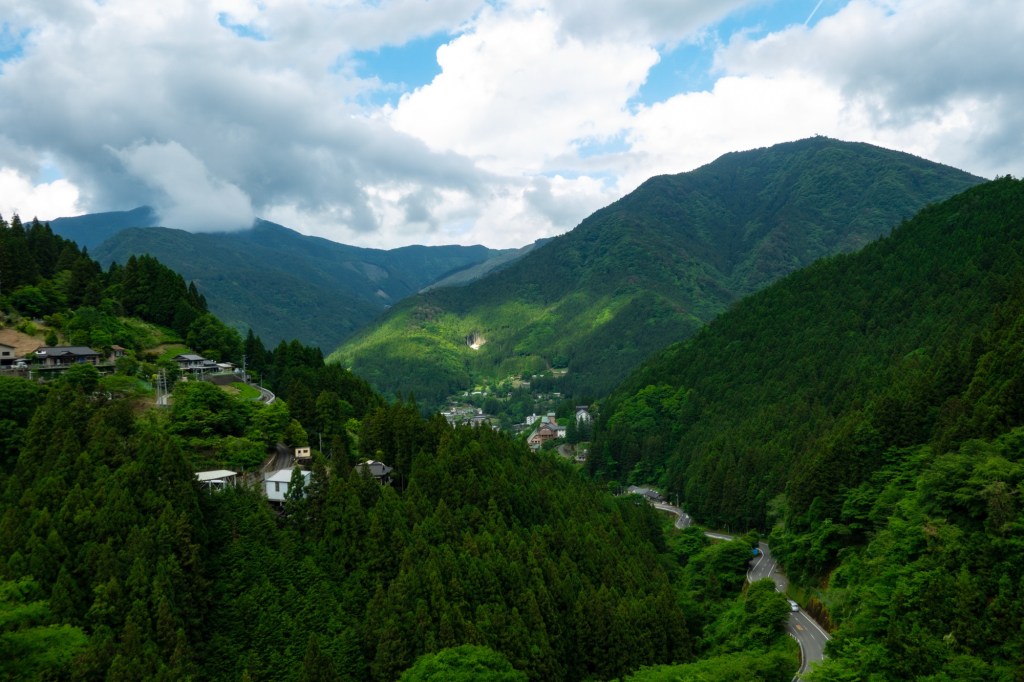
So now you know and can tell your friends. Cycling from Kochi to the Iya Valley takes us through dramatic landscapes, featuring crystal-clear blue rivers, towering gorges, and secluded mountain villages. Which means hilly with decent descents.
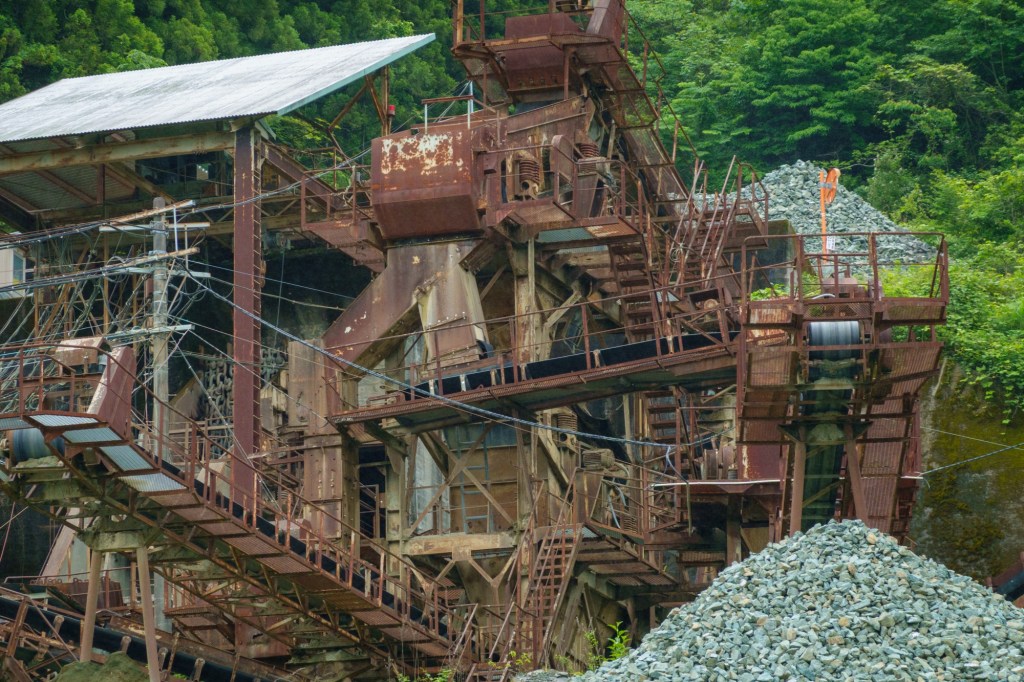
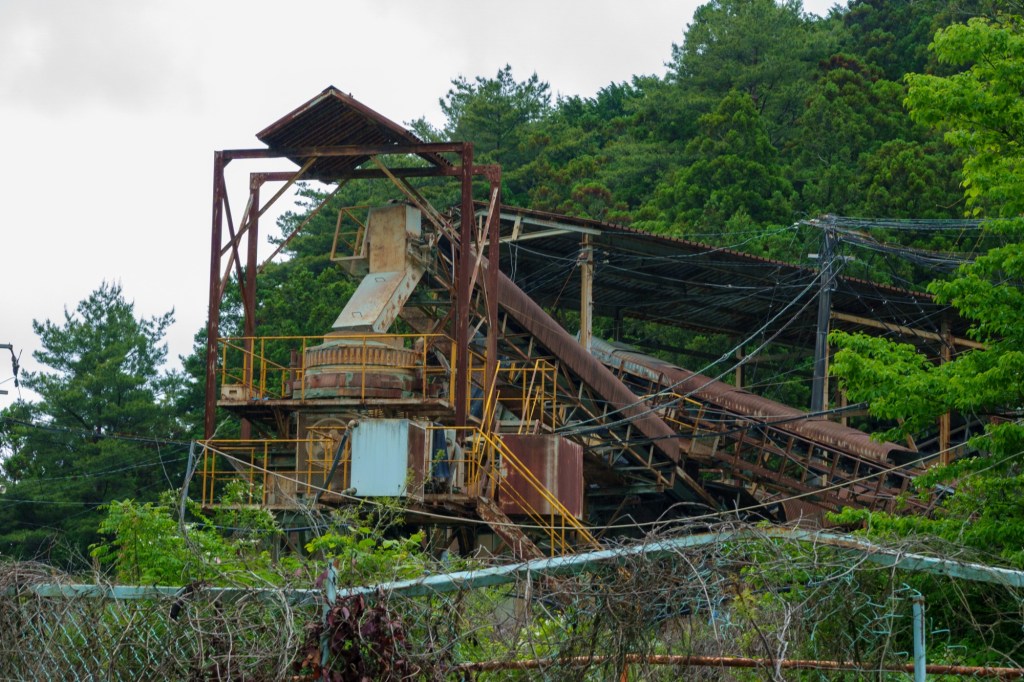
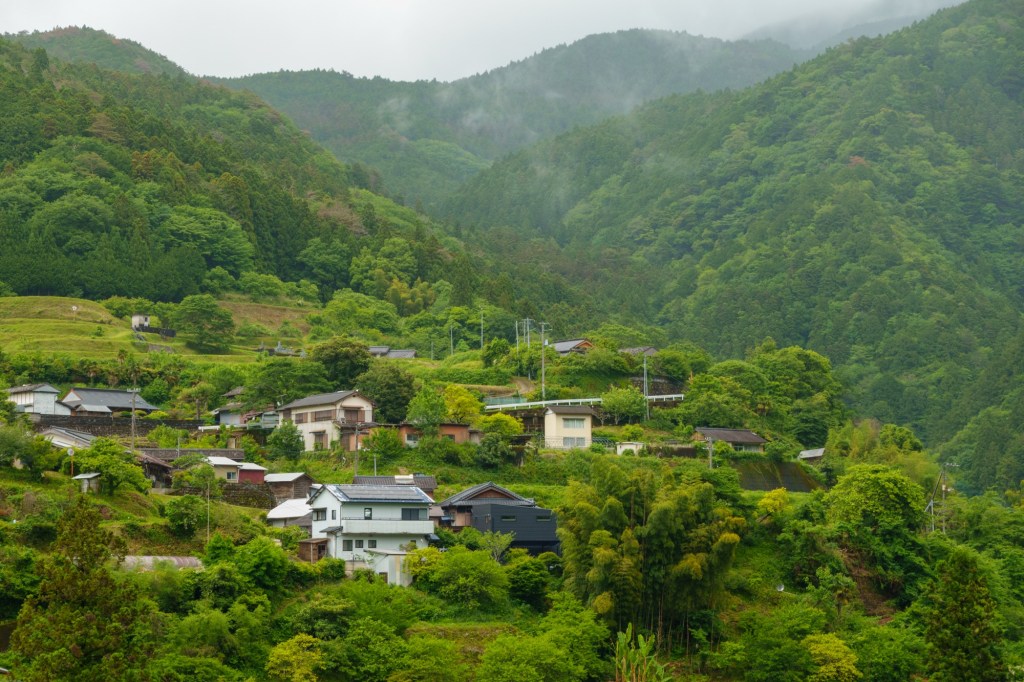
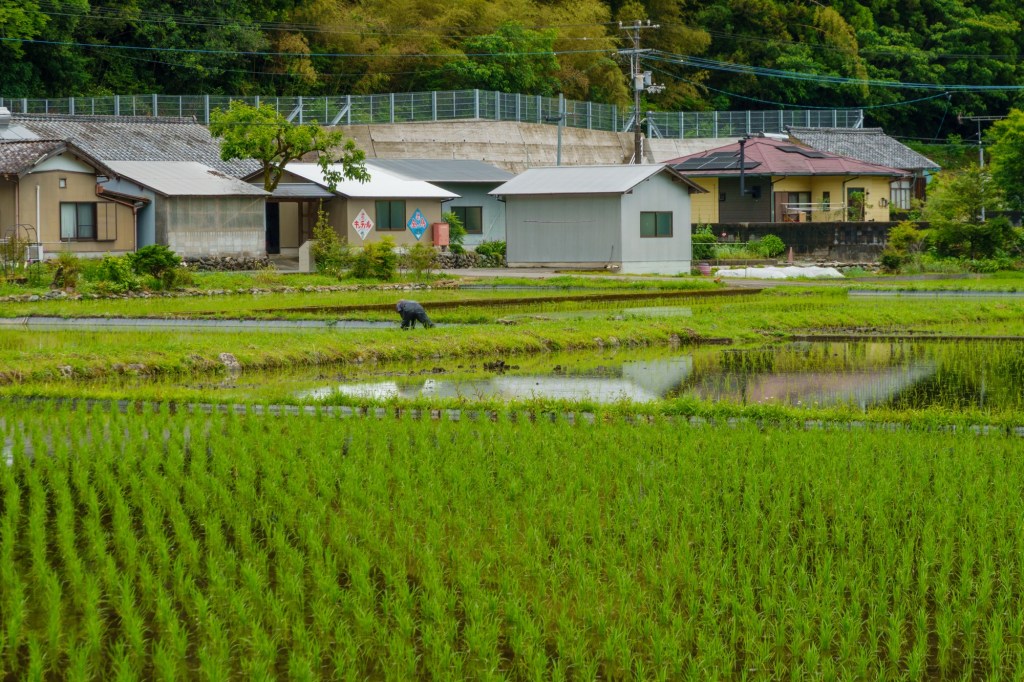


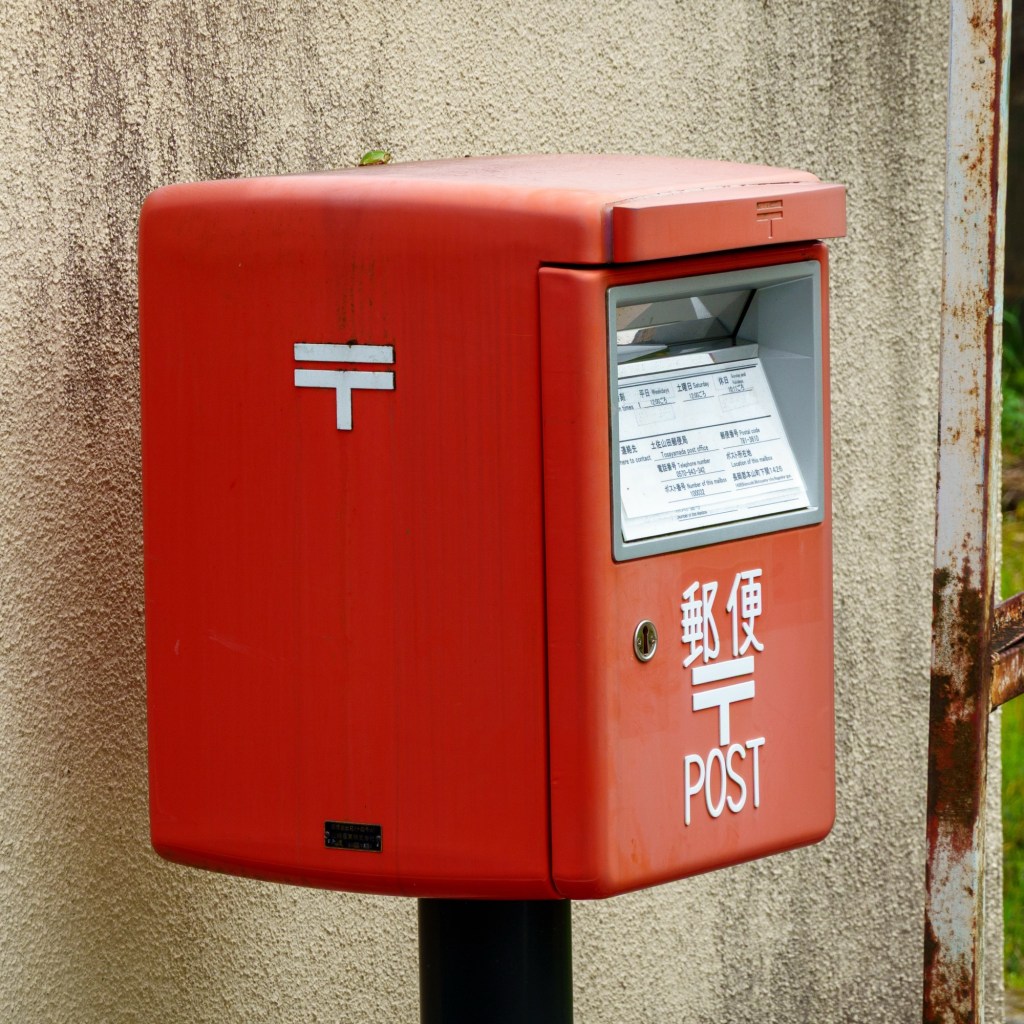
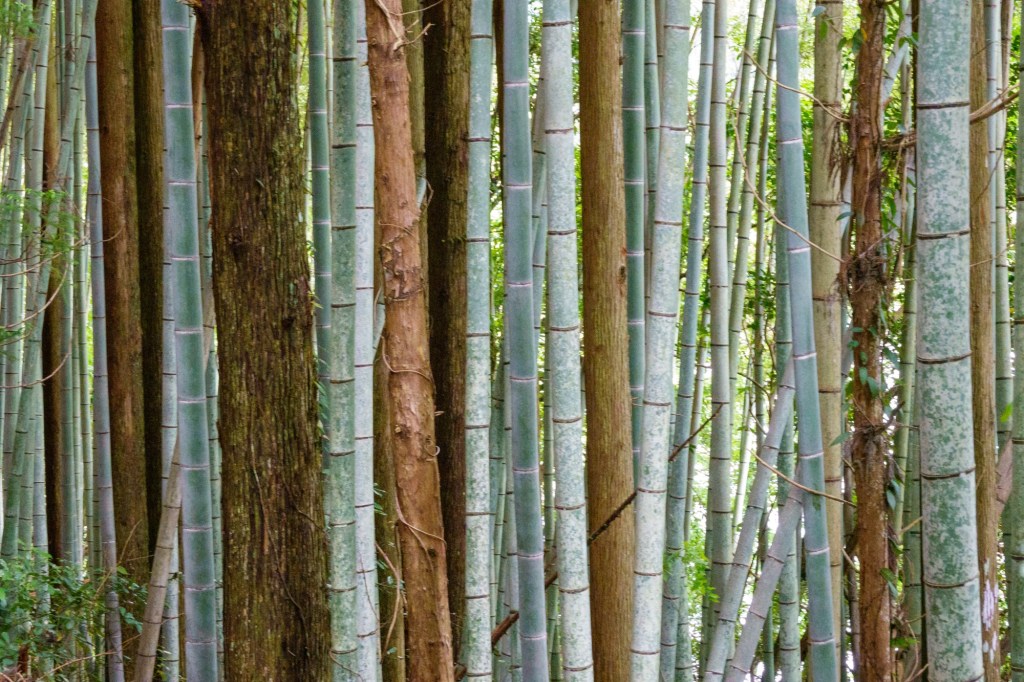
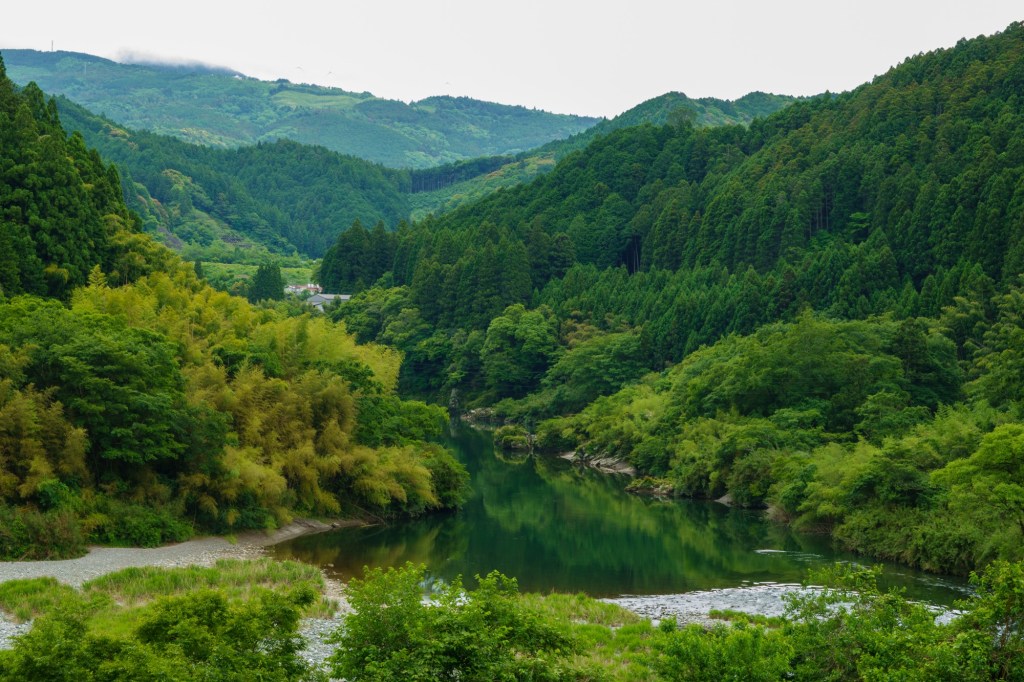
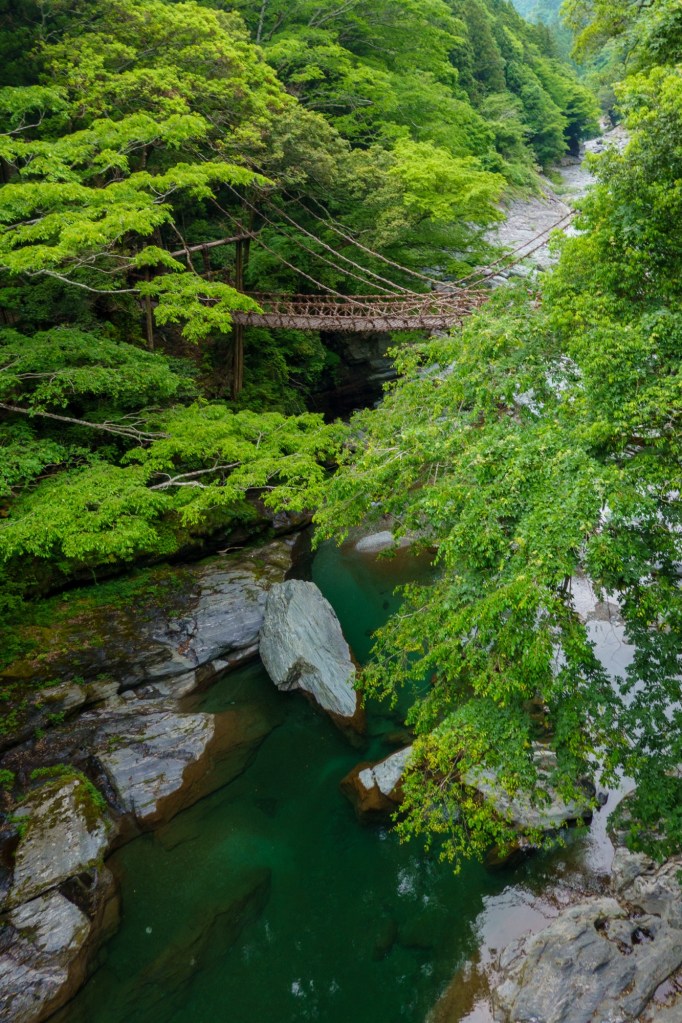
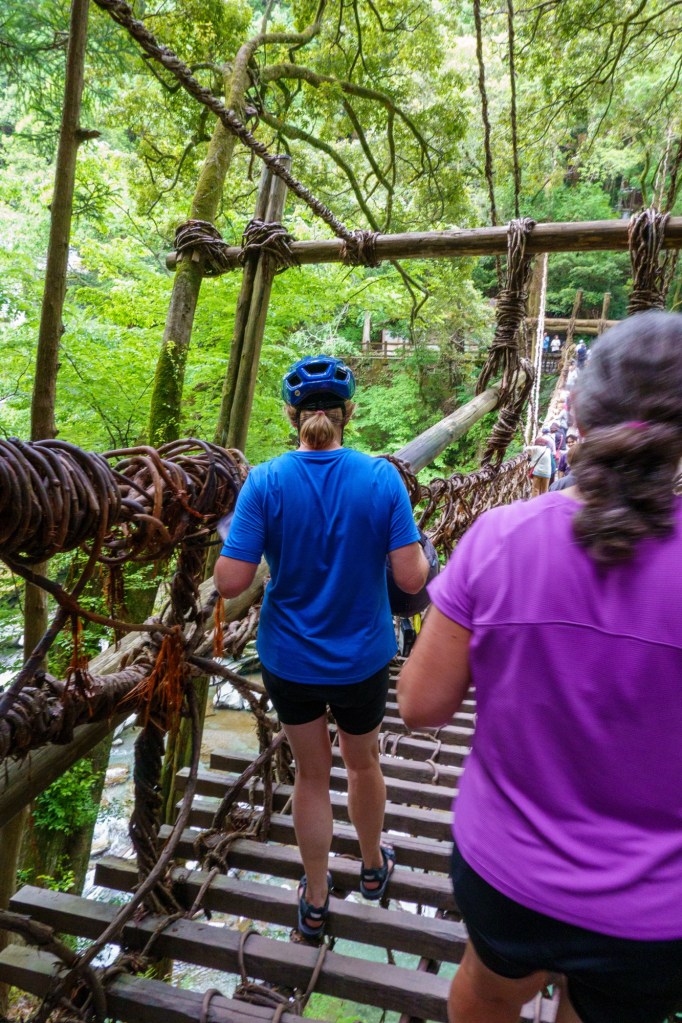
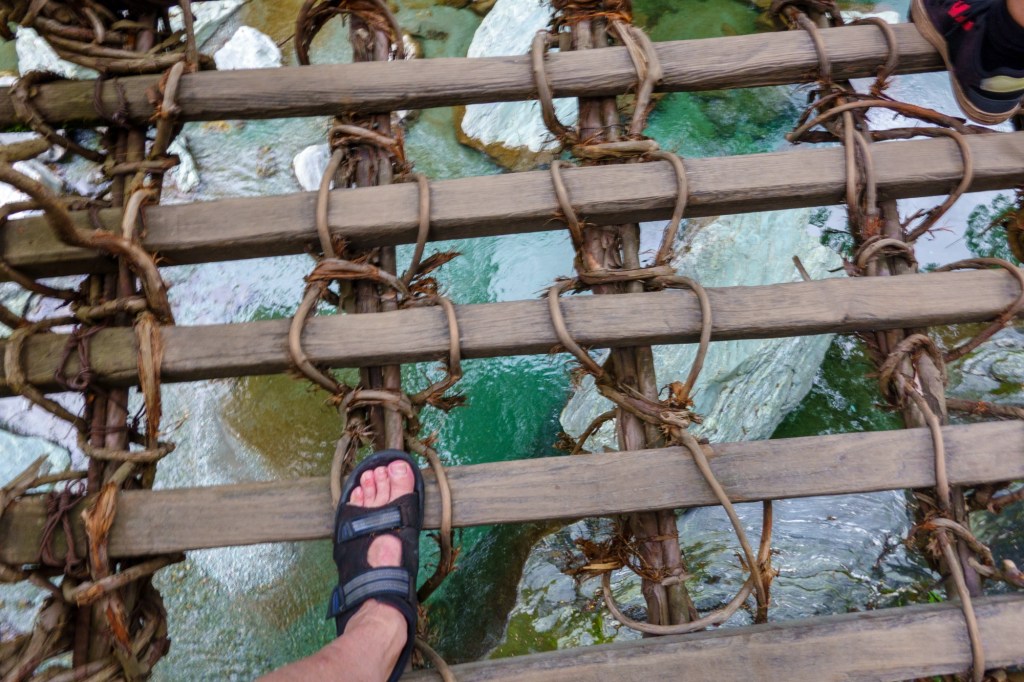
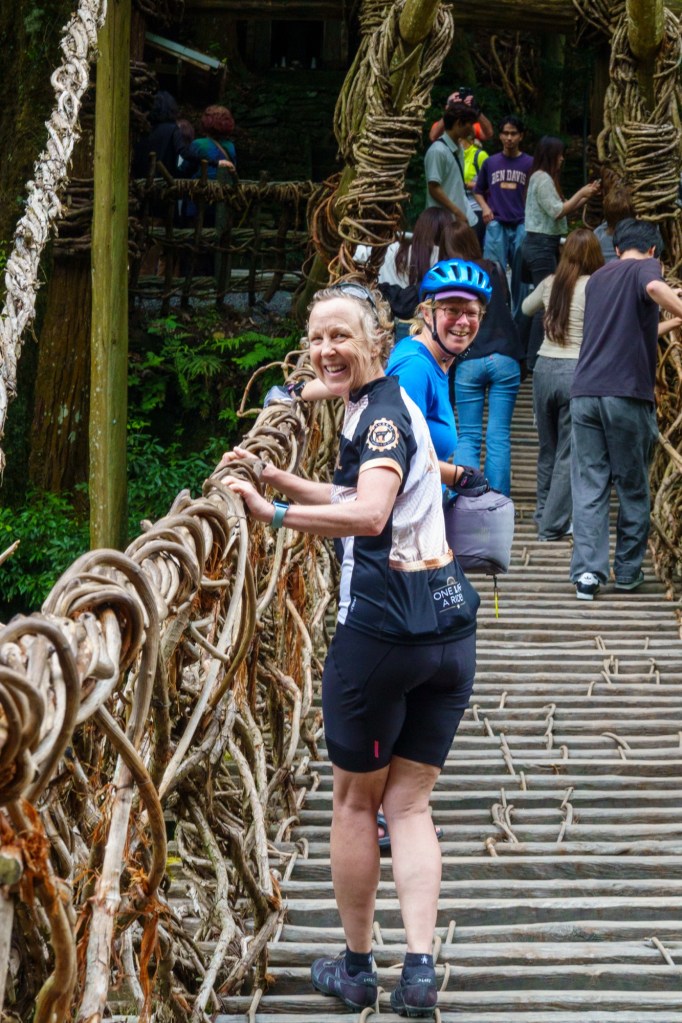
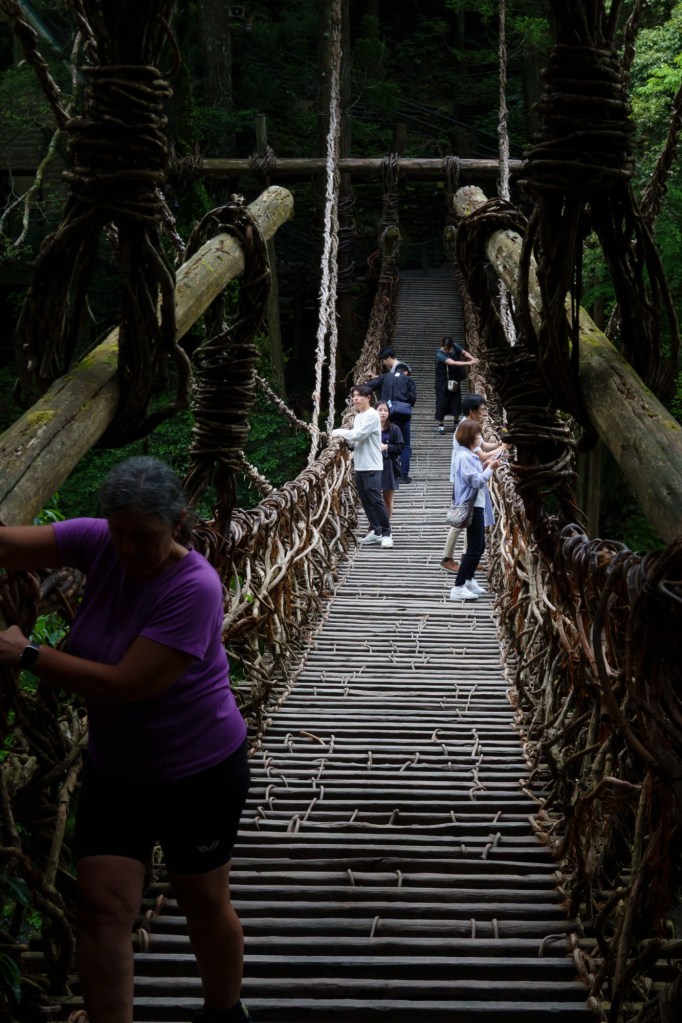
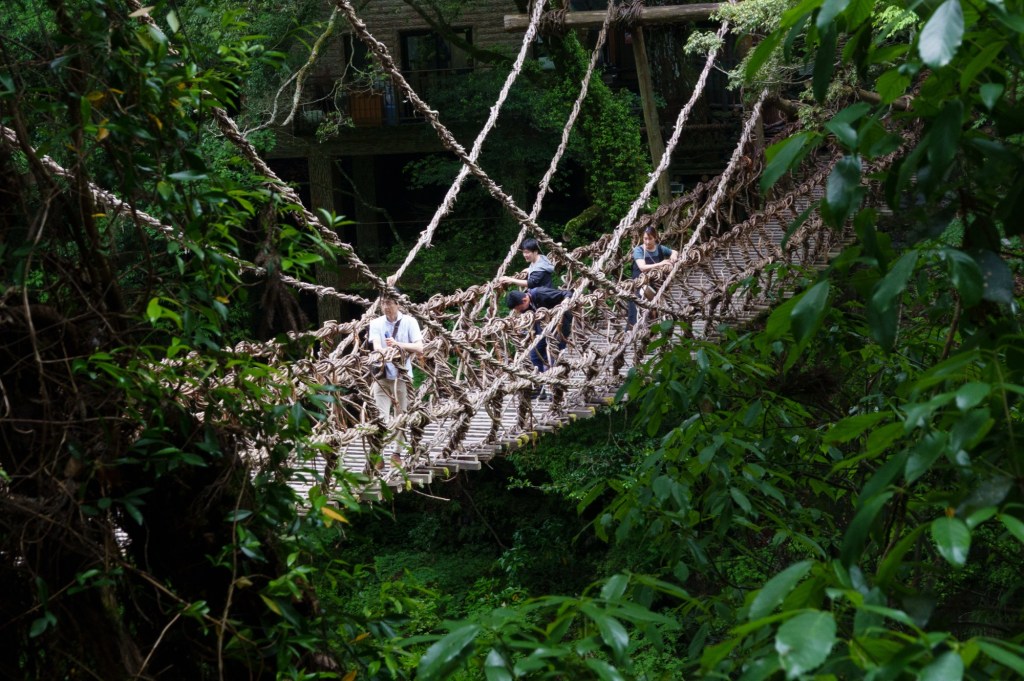
The vine rope bridge was a bit ropy – as in it’s now vine wrapped around steel cable hiddent under brown plastic. Thankfully.