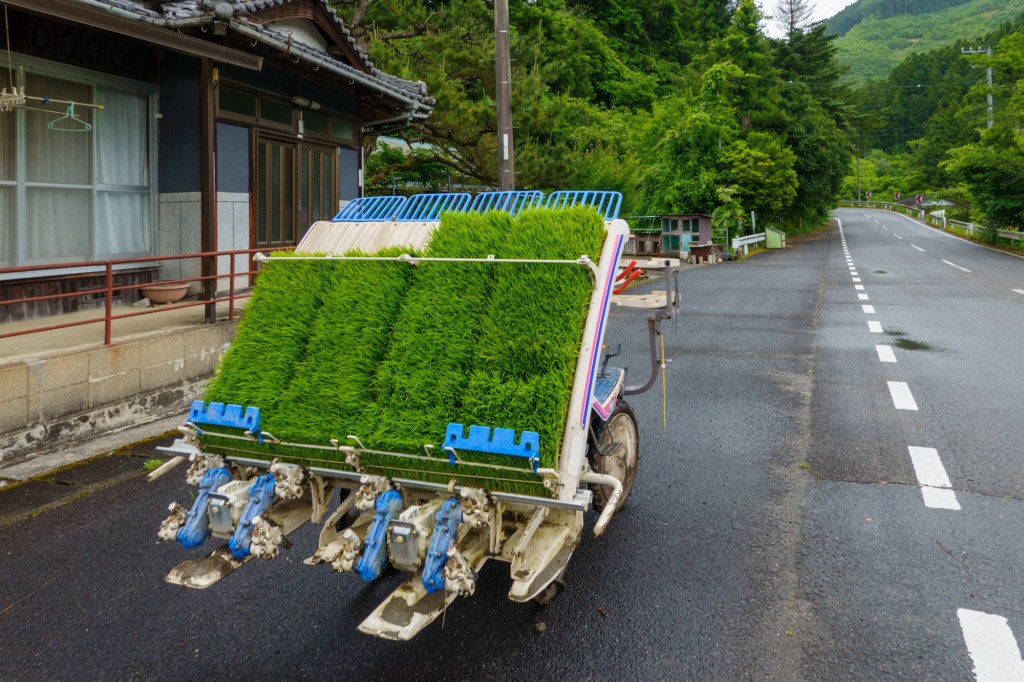
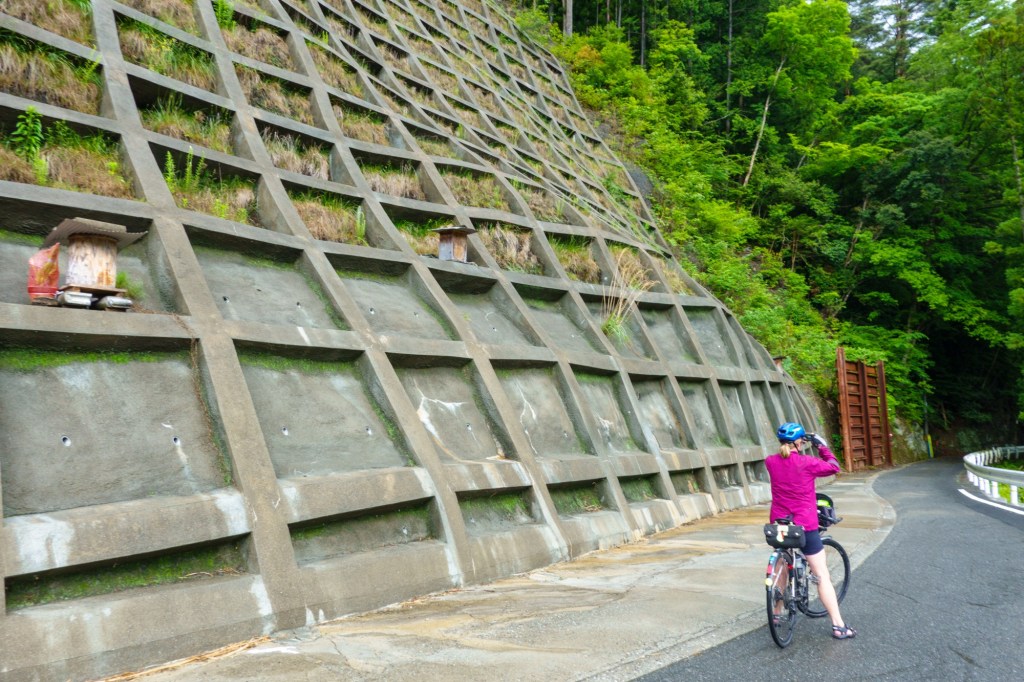
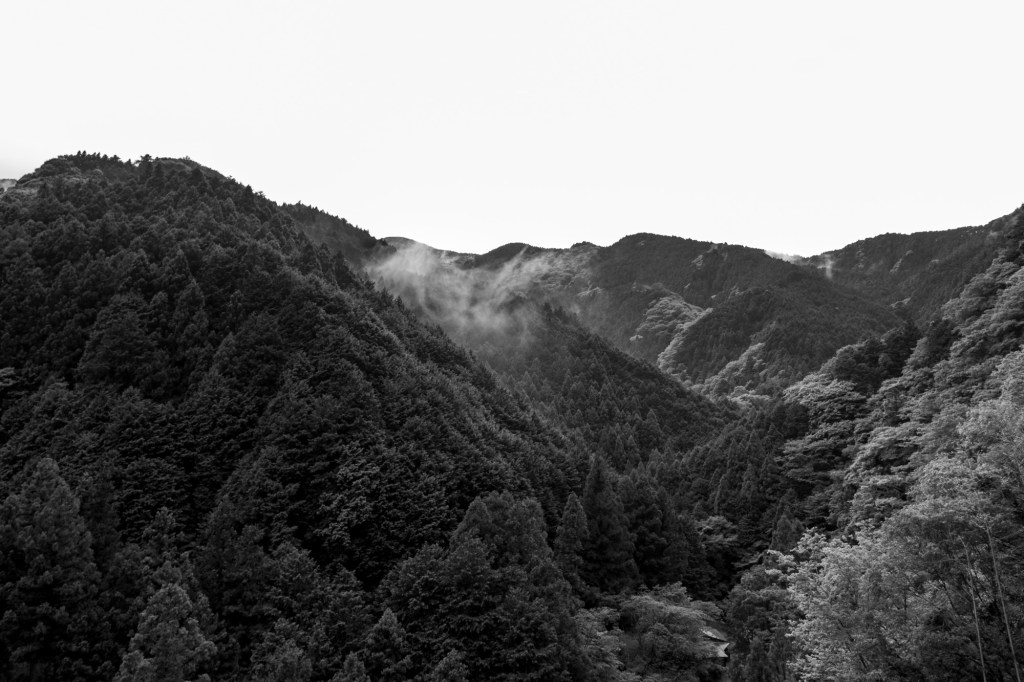
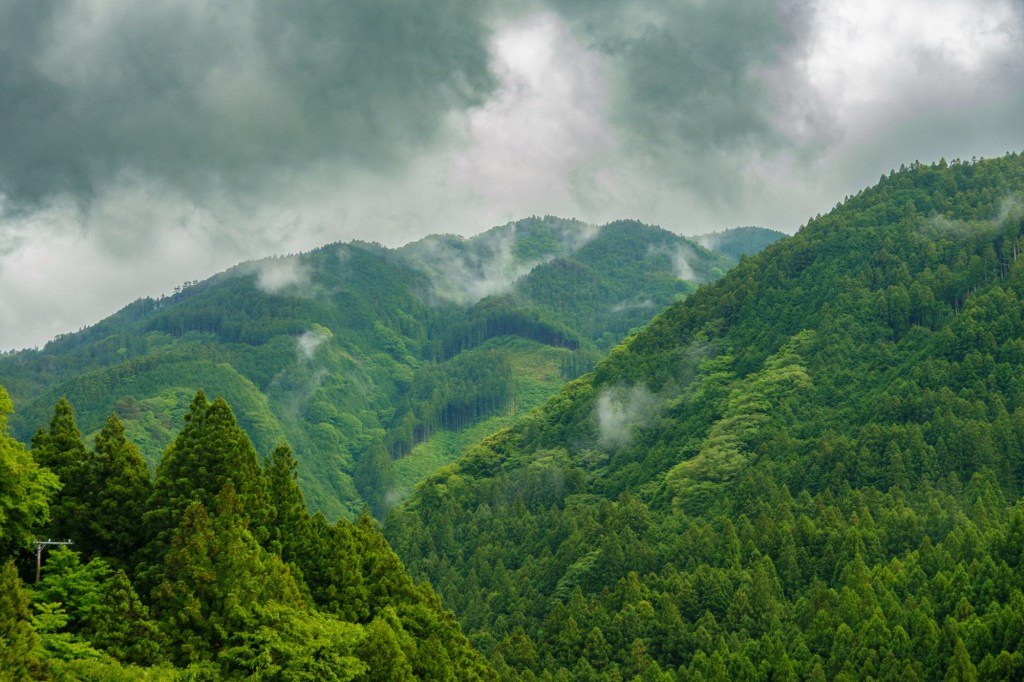
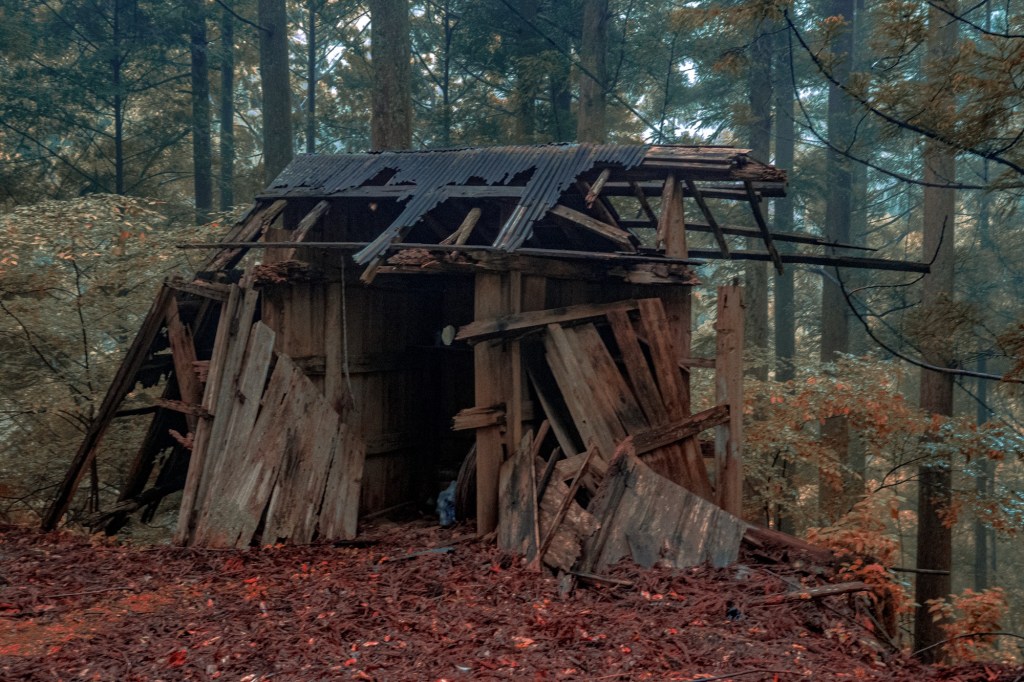
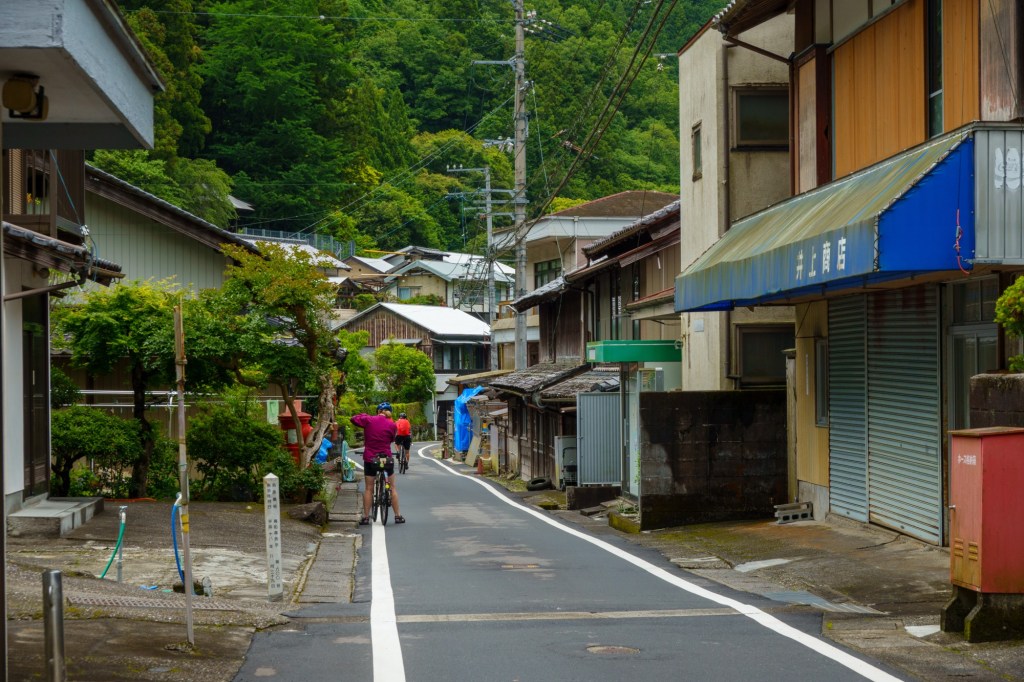
Today’s ride was gorgeous, literally and metaphorically, from Matsuyama to Kochi. An incredibly scenic journey across the rural, mountainous heartland of Shikoku. Stunning rural landscapes as we crossed the mountain spine of the island. The numerous tunnels eased the climbing.
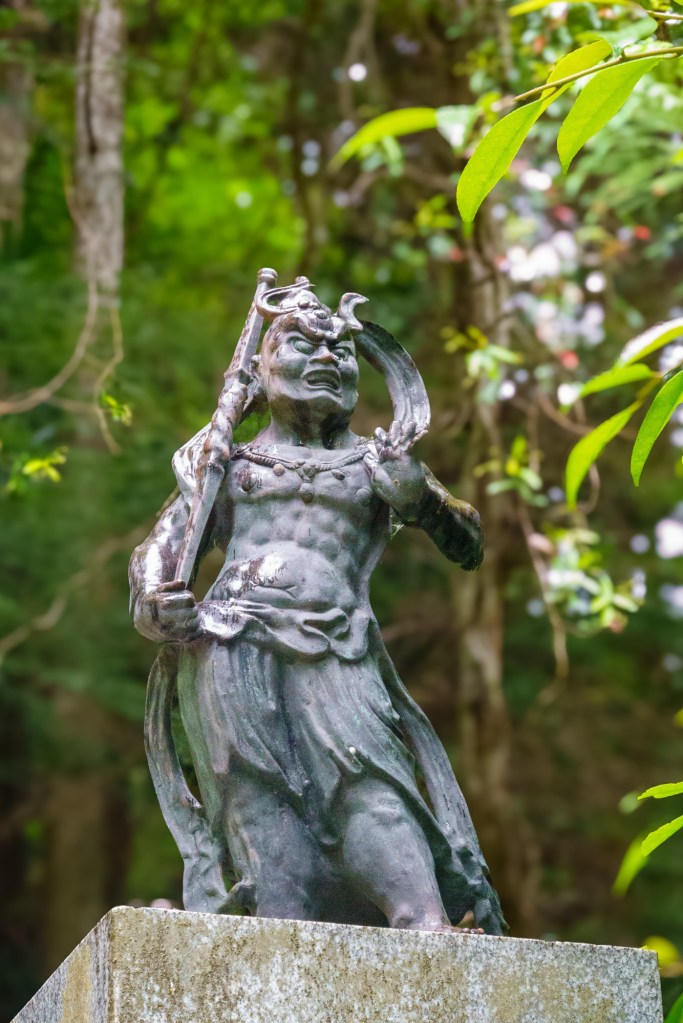
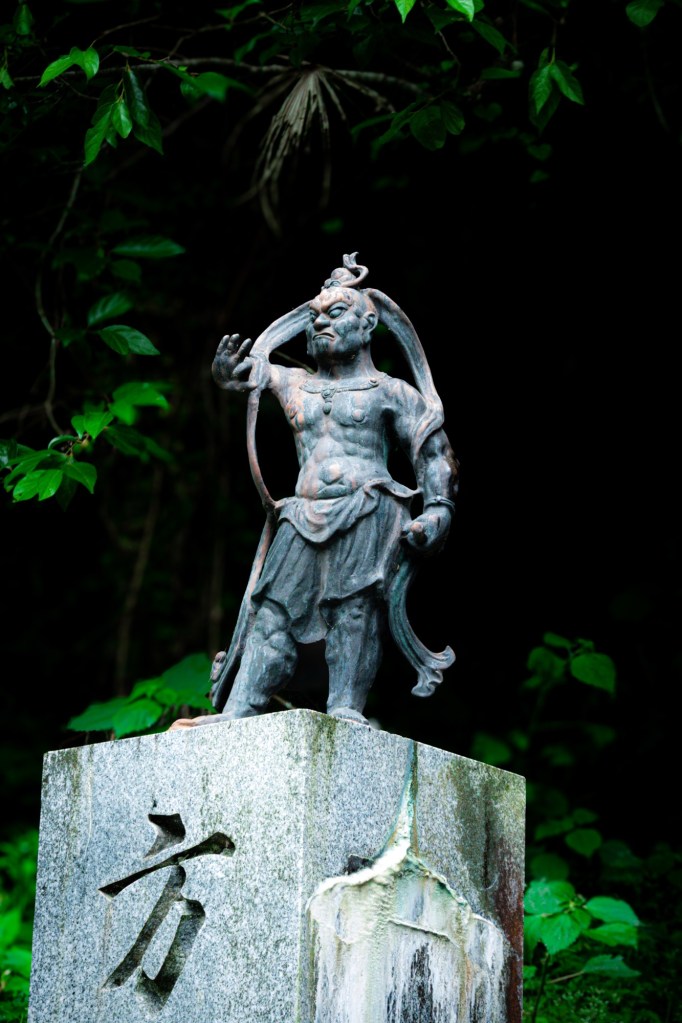
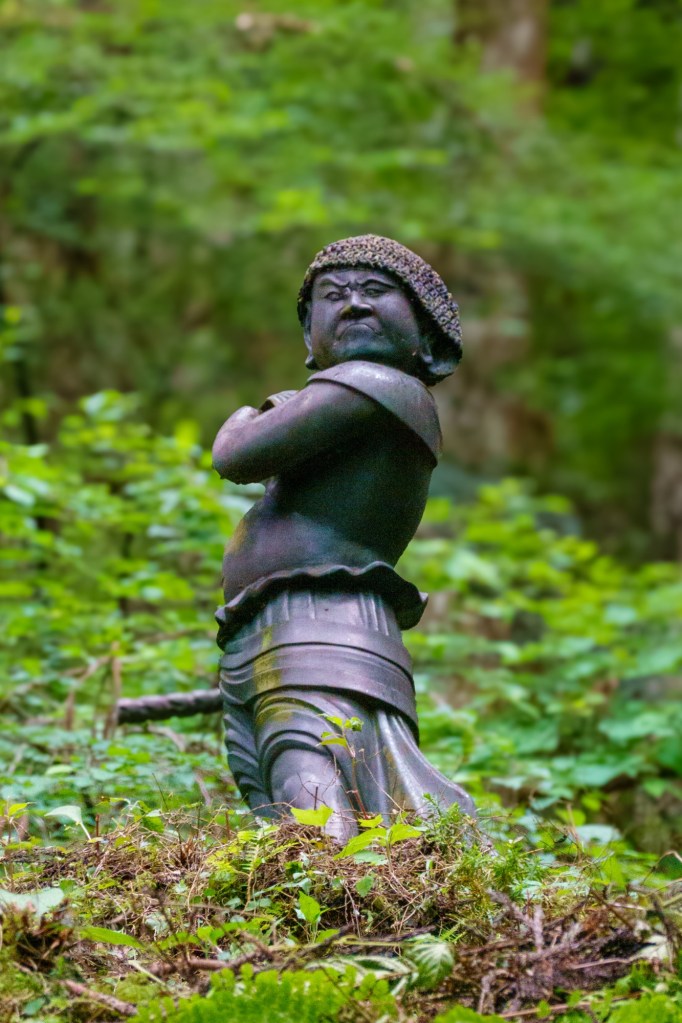
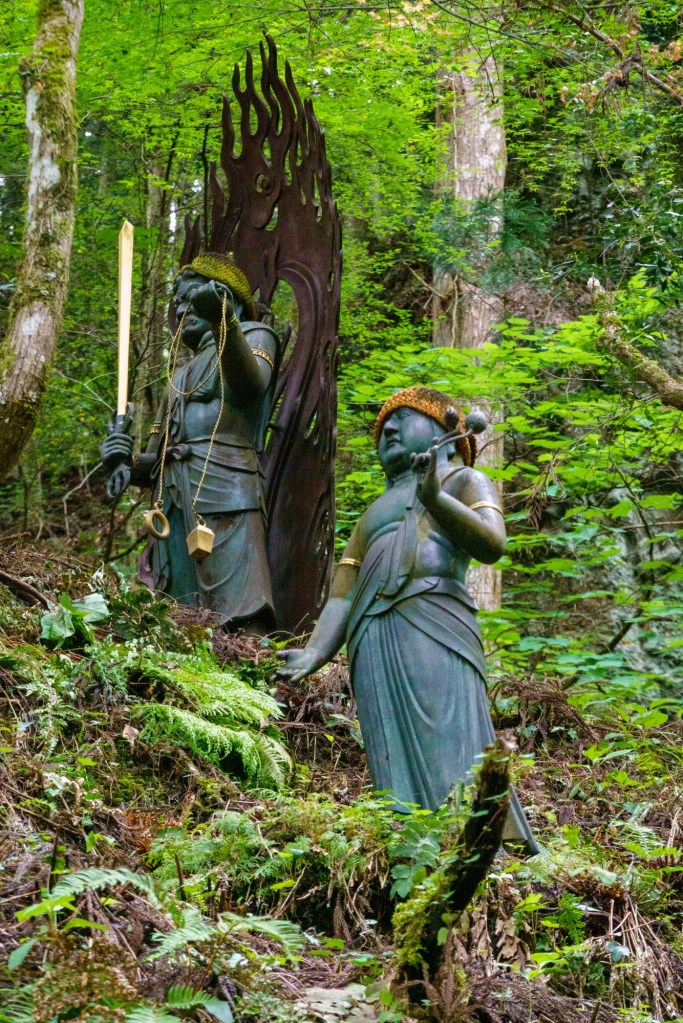
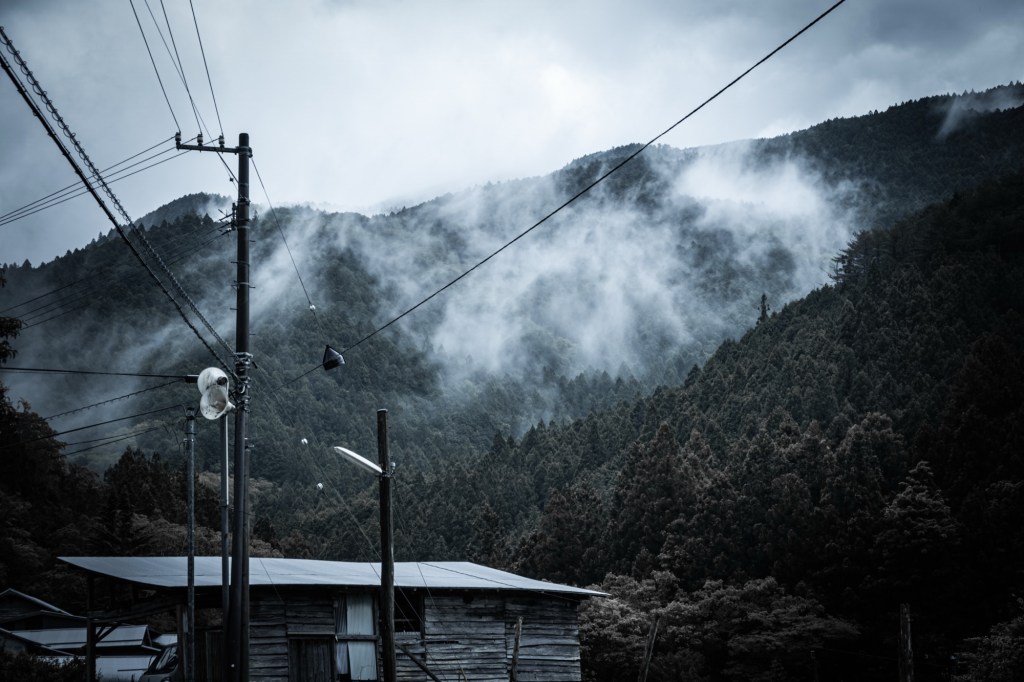
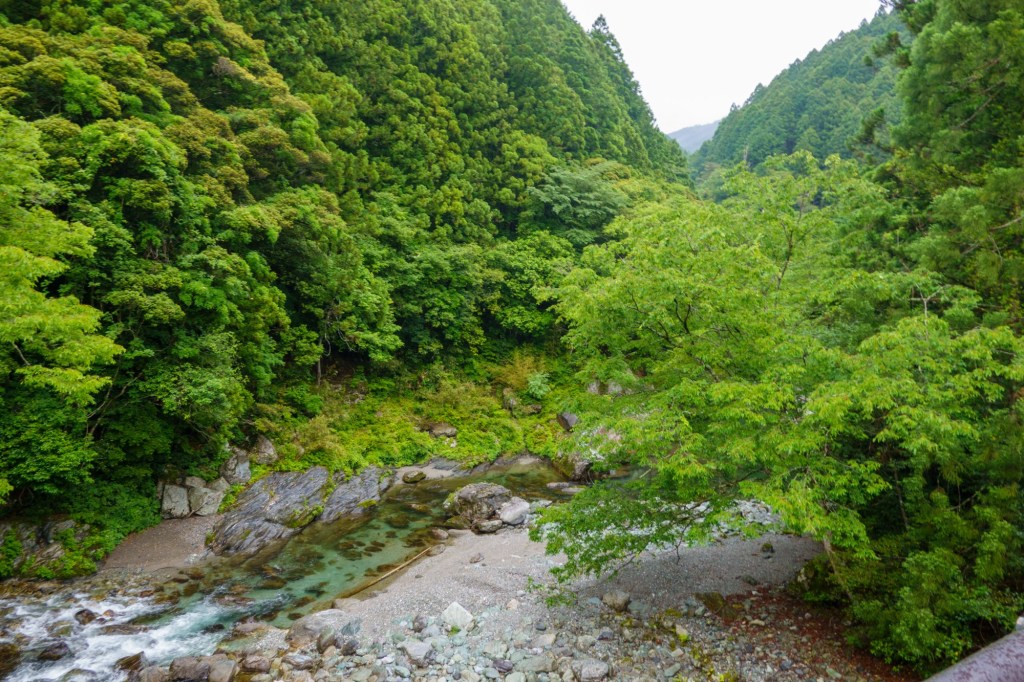
For a large part we rode by the Niyodo River known for its vibrant “Niyodo Blue” water. Narrow twisting back roads amongst mist hanging forest covered gorges. Even the rain conspired to add a warm steamy atmosphere.
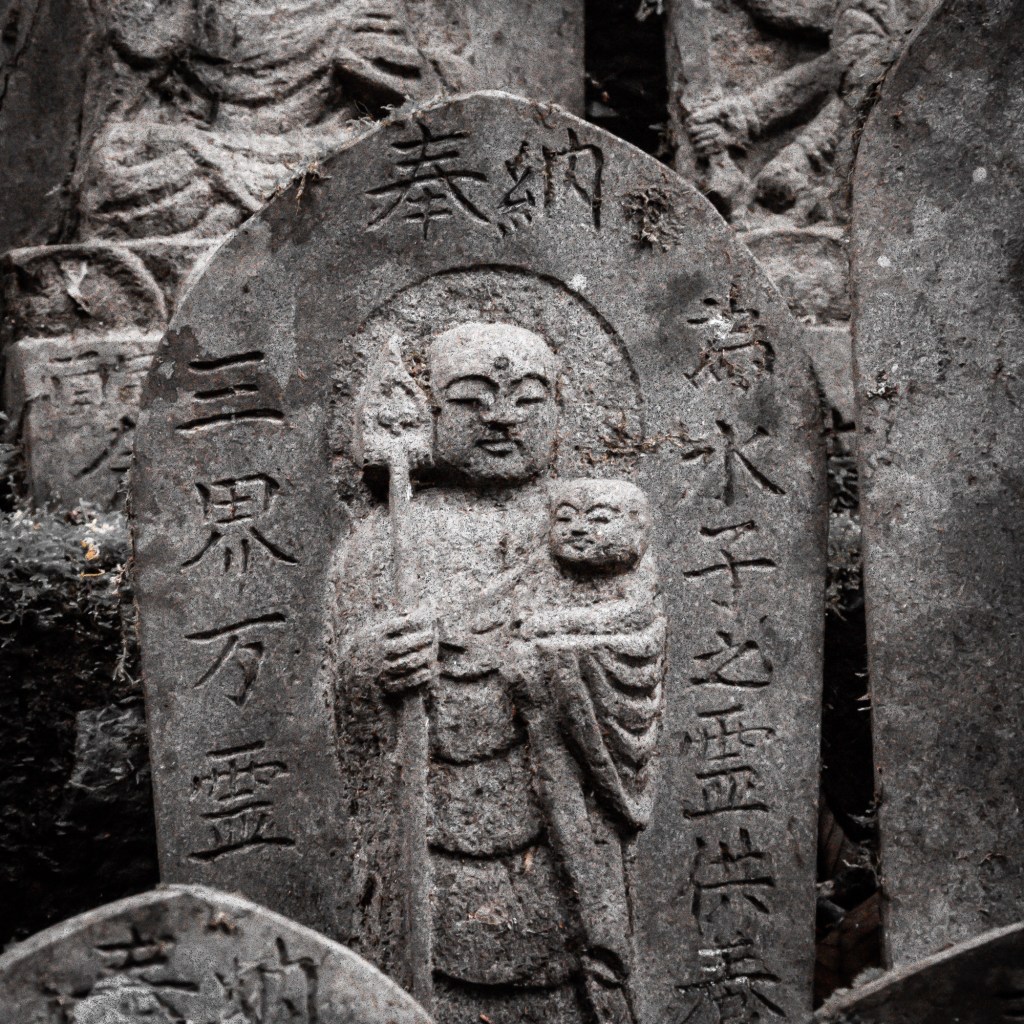
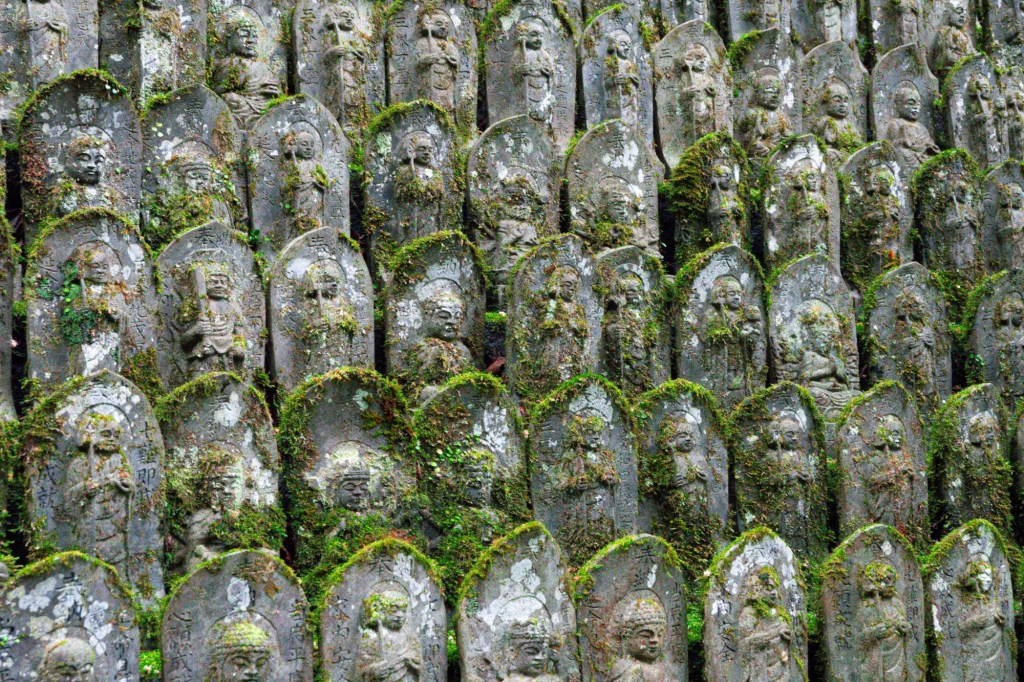
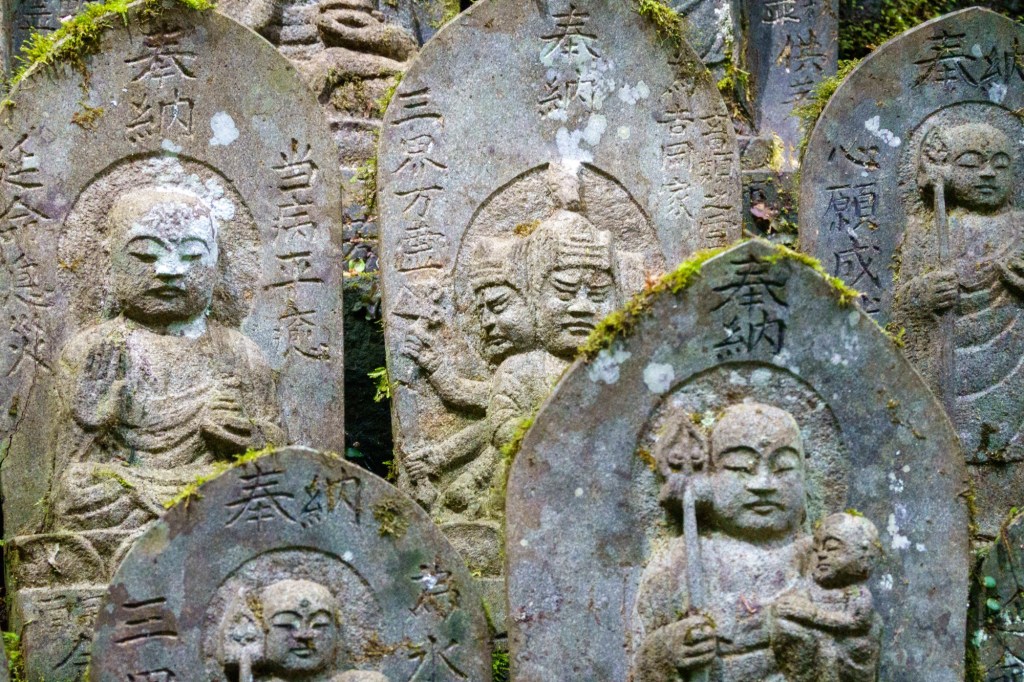
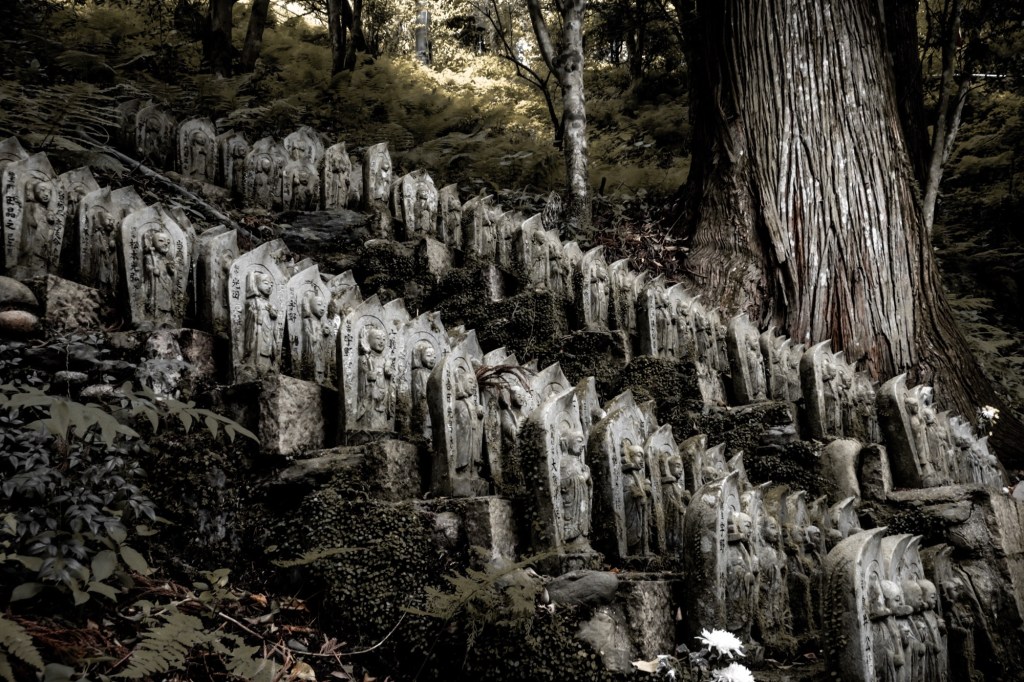
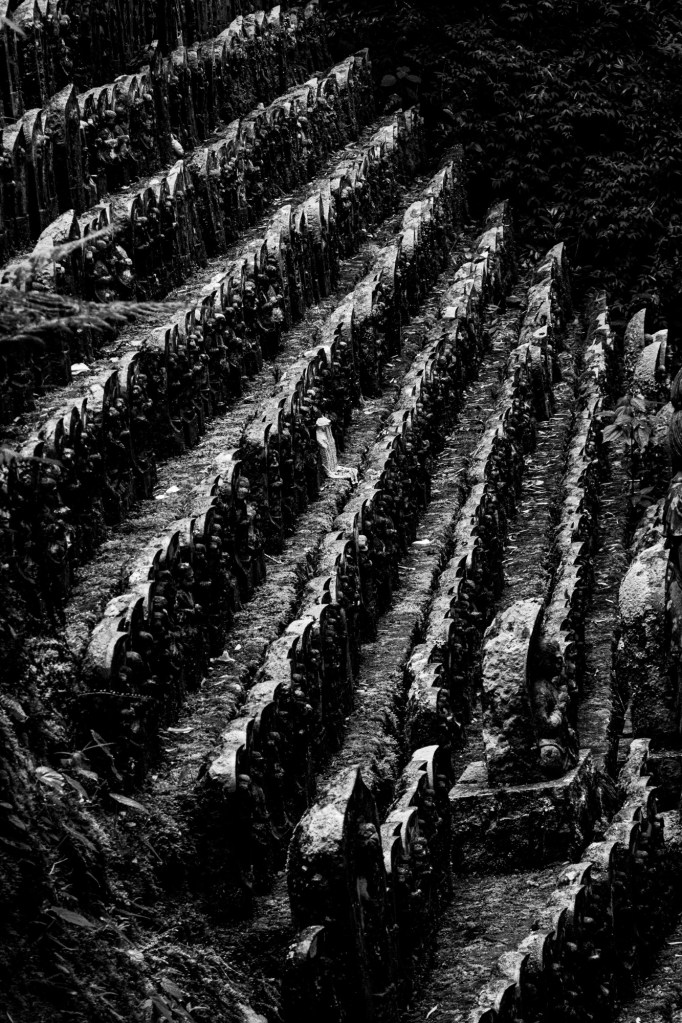
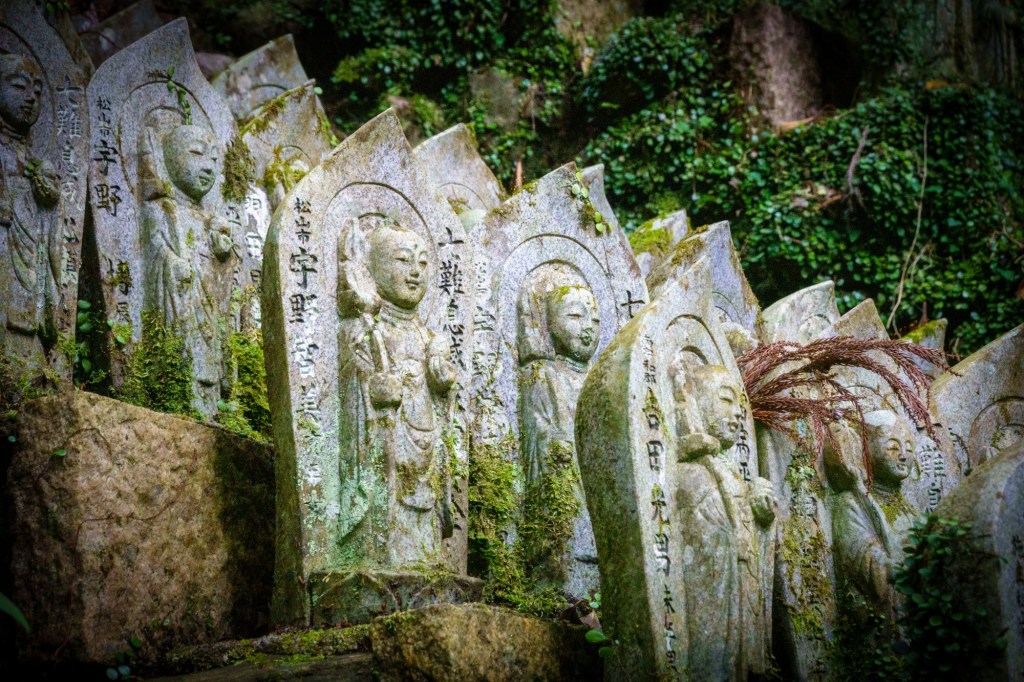
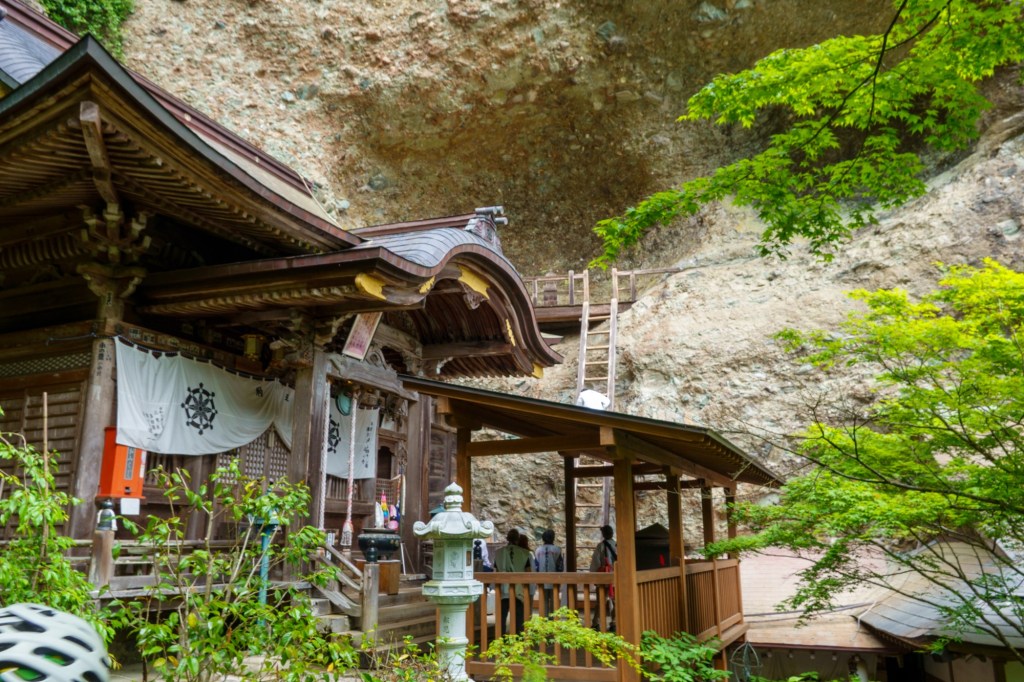
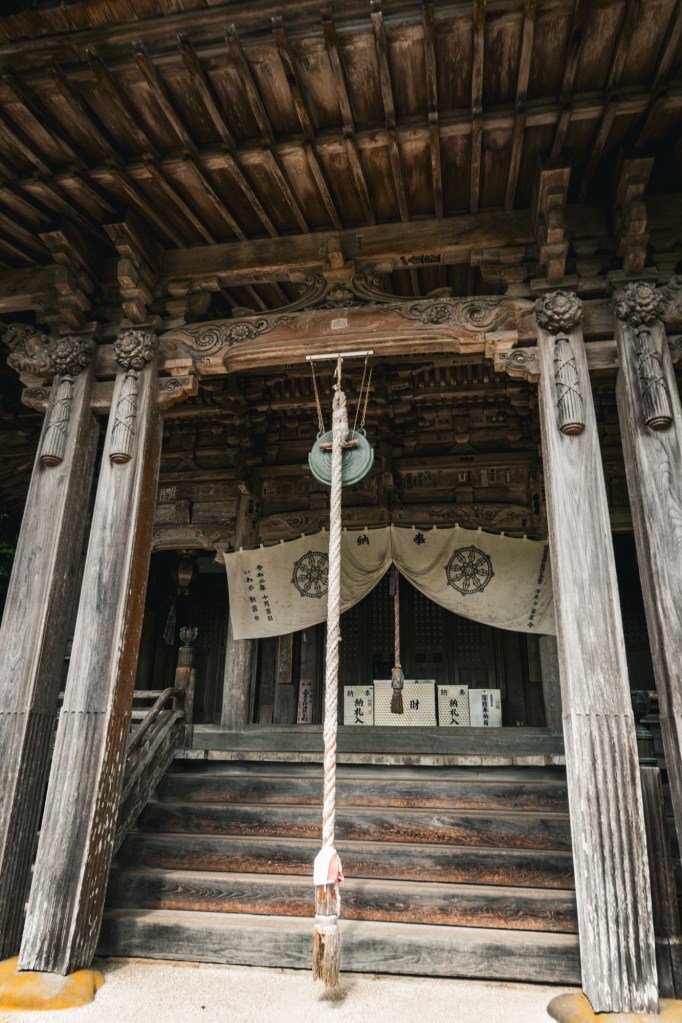
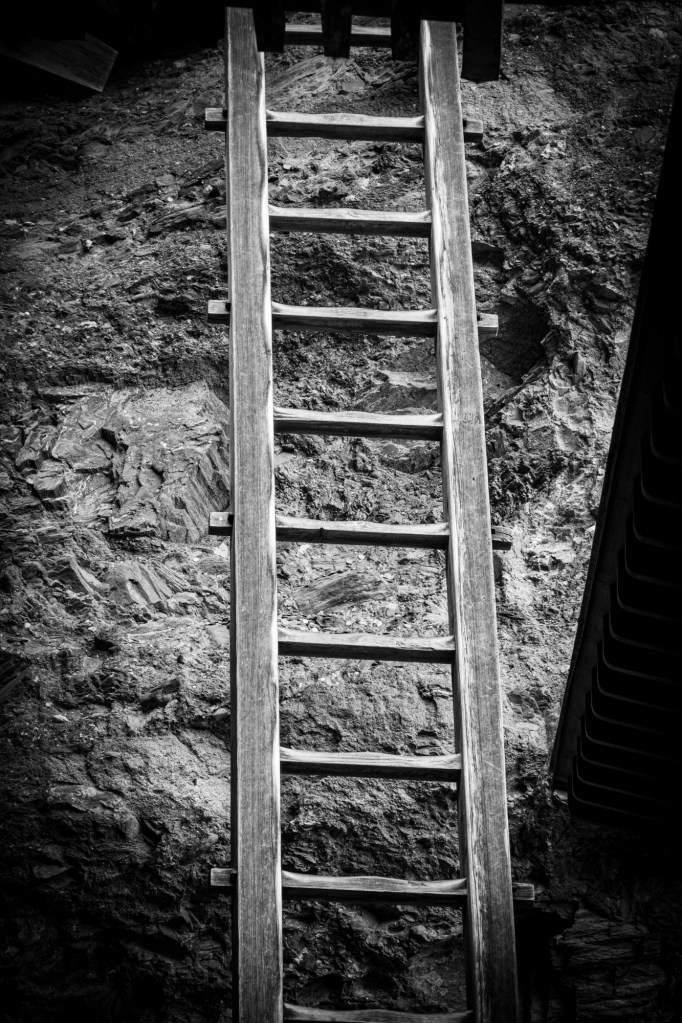
The early highlight was one of Shikoku’s 88 temples.
Kaiganzan Iwayaji, the 45th of the 88 temples on the Shikoku Pilgrimage Route, is located in a sacred mountain with rich history. Its temple precinct, surrounded by towering rock cliffs and primeval forests of sawtooth oaks, has been designated as National Scenic Beauty.
Iwayaji is a sacred place located in a 700-meter mountain and is affiliated to the Buzan sect of Shingon Buddhism (the head temple is Hasedera in Nara).
Legend has it that, in 815, Kobo Daishi came across this place while in search of a sacred spot and encountered a female mountain hermit called Hokke, who had been from Tosa (present Kochi Prefecture). Having been awed by the venerability of Kobo Daishi, the mountain hermit embraced his precepts and presented him with the mountain where she had been practising asceticism before dying a natural death. Deeply moved by her benevolent deed, Kobo Daishi carved images of Fudo Myo-o from both wood and stone. The wooden image was installed in a newly-constructed temple hall as its principal deity, while the stone image was enshrined in a cave in order that it was hidden from the public, thus making the entire mountain deified.
We saw numerous pilgrims, akin to the Camino walk. They visit all 88 temples. The explanation awaits tomorrow’s cycle.





Kochi, faces the Pacific Ocean to the South. It has twice as much rainfall as Shikoku’s other main cities and is also the most typhoon prone of Japan’s major cities owing to its location directly exposed to the open Pacific Ocean from which the storms enter the country. It has twice received over 50 cm (20 in) of rainfall in a day from a typhoon. We got off lightly today!