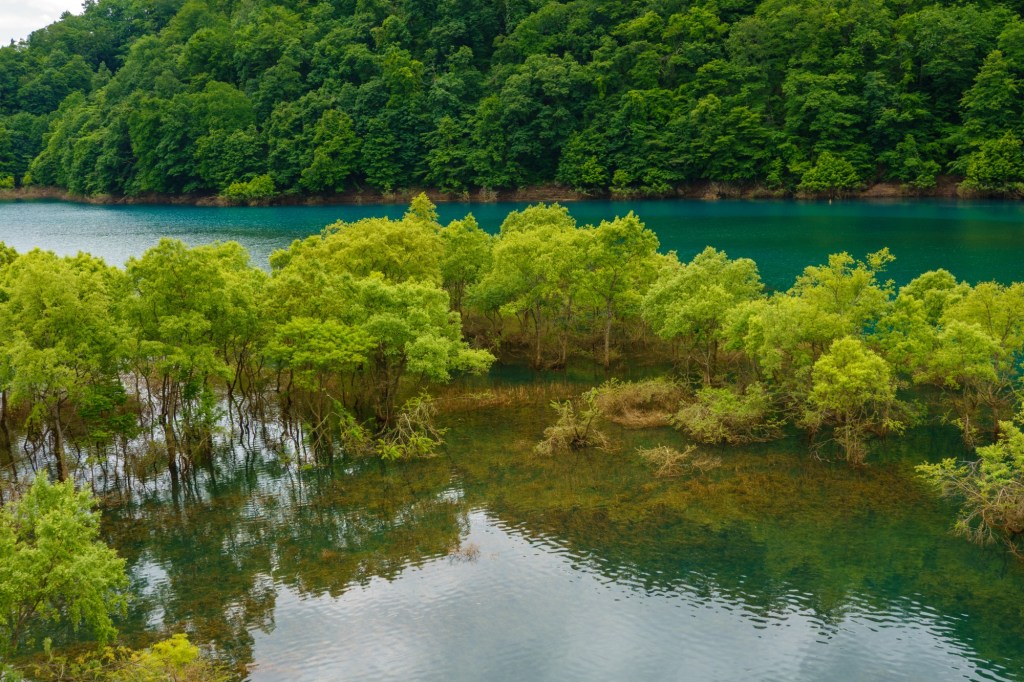
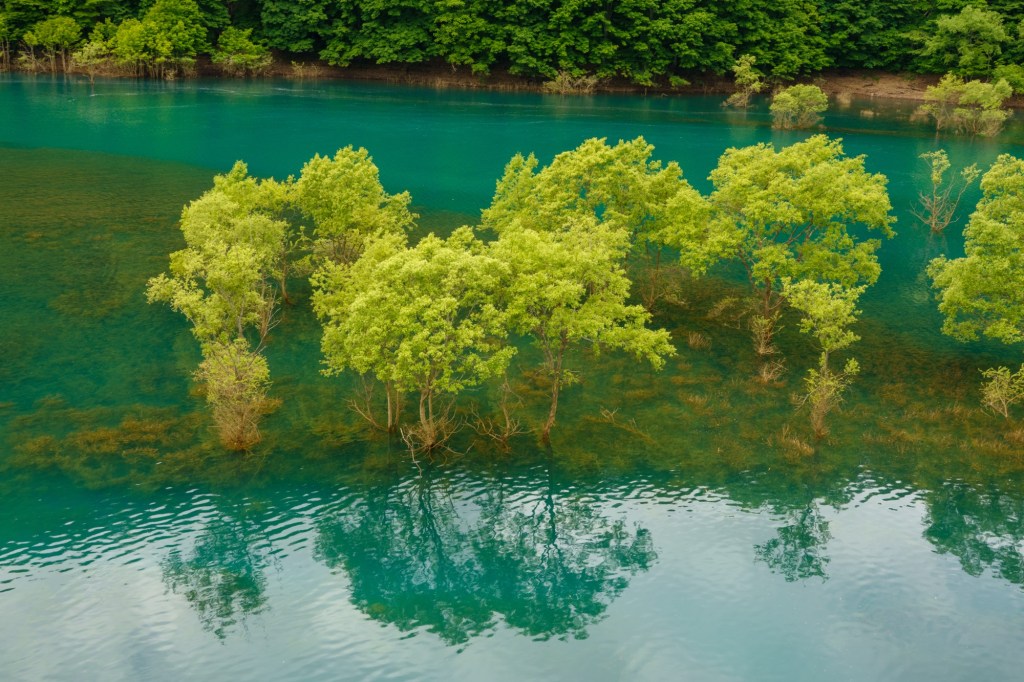
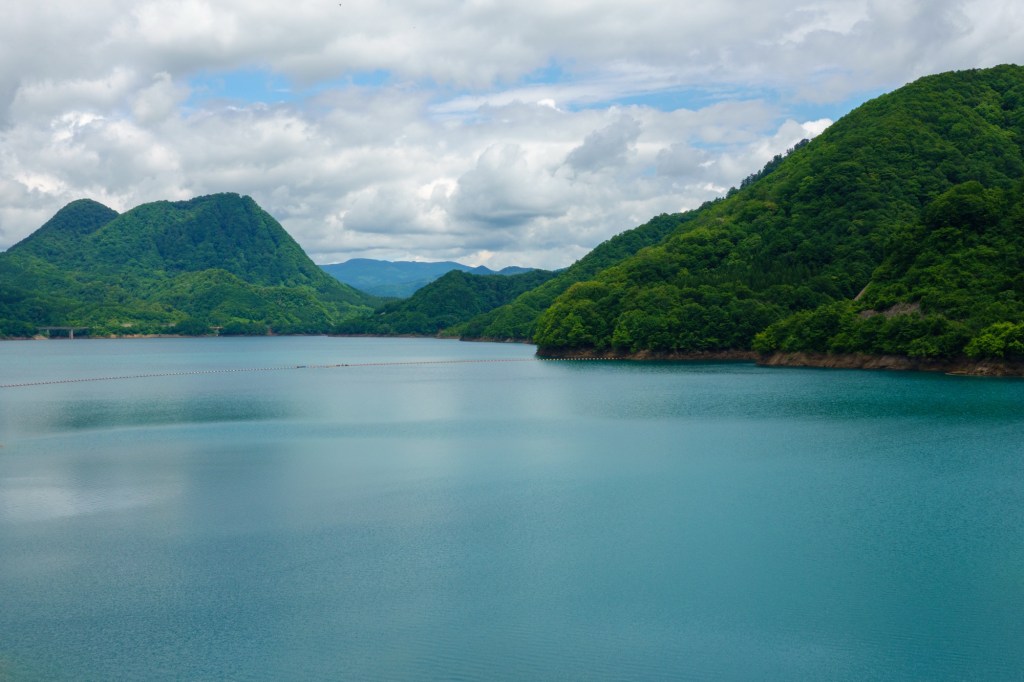
D17 JttE Fujimi – Lake Kawaguchi

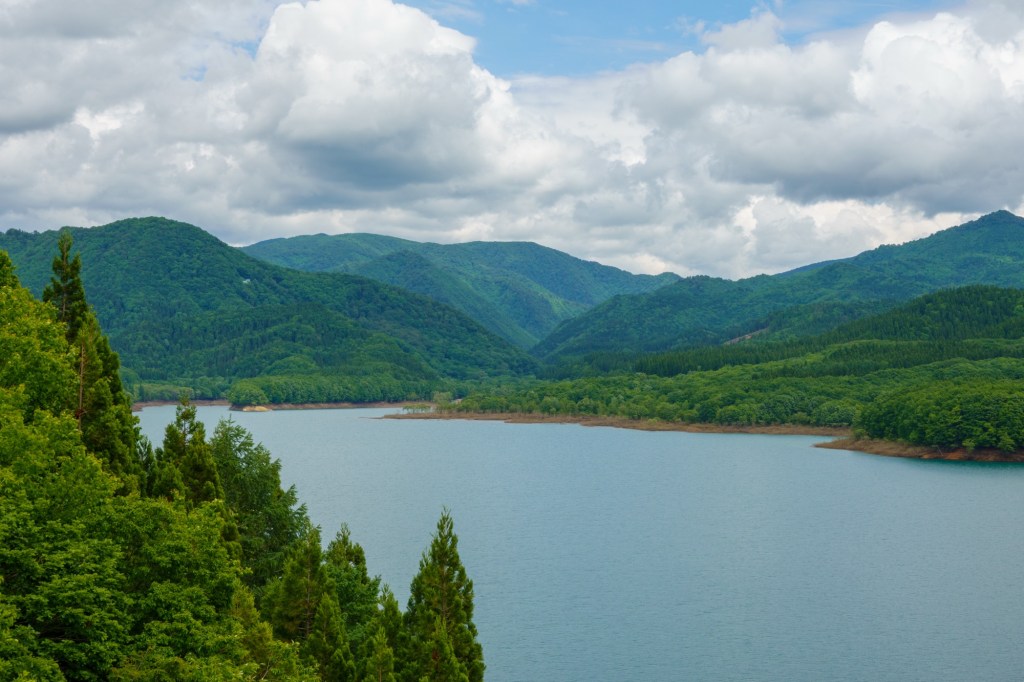
Fujimi means view of Fuji. It hoved into view shortly after we started our descent to the valley floor. It remained in view for a good while, then tucked away behind some closer hills before reappearing at the day’s end.

Quite a beast. Its symmetry is great, created during an eruption some 10000years ago, though of course its a bit older. It sits above three tectonic plates – Eurasion, North American and Phillipine which bump along creating earthquakes and volcanic activity. Last erupting in 1707 it is classified as not being in any rush to vent soon. That’s a forecast by experts who will probably also be happy to explain why they were wrong after an event. Or am I thinking of economists missing the 2007 crash?

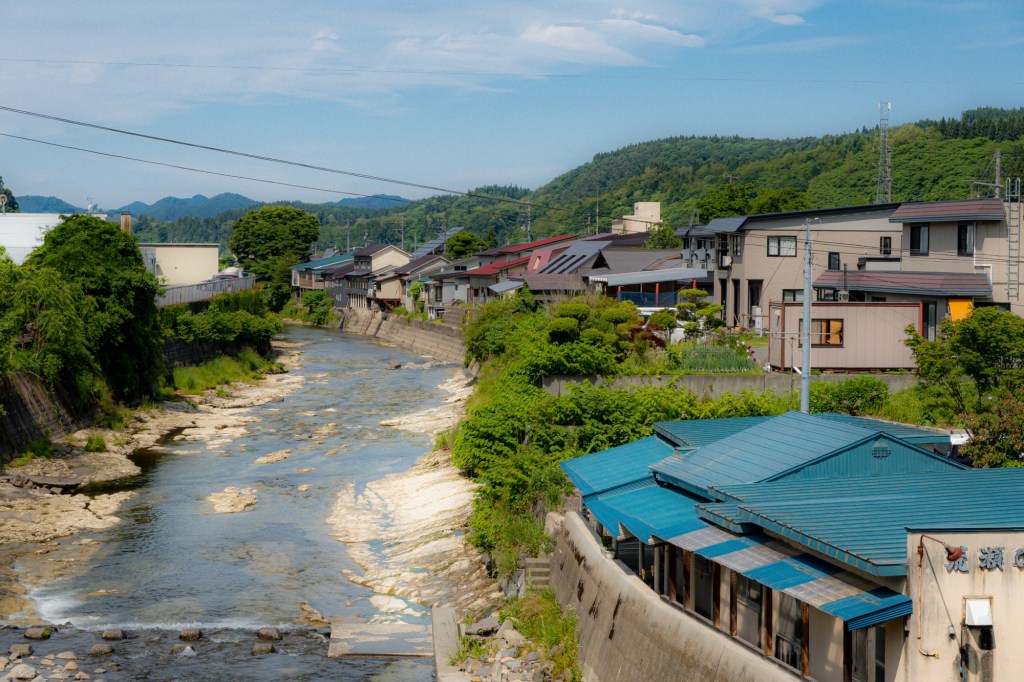
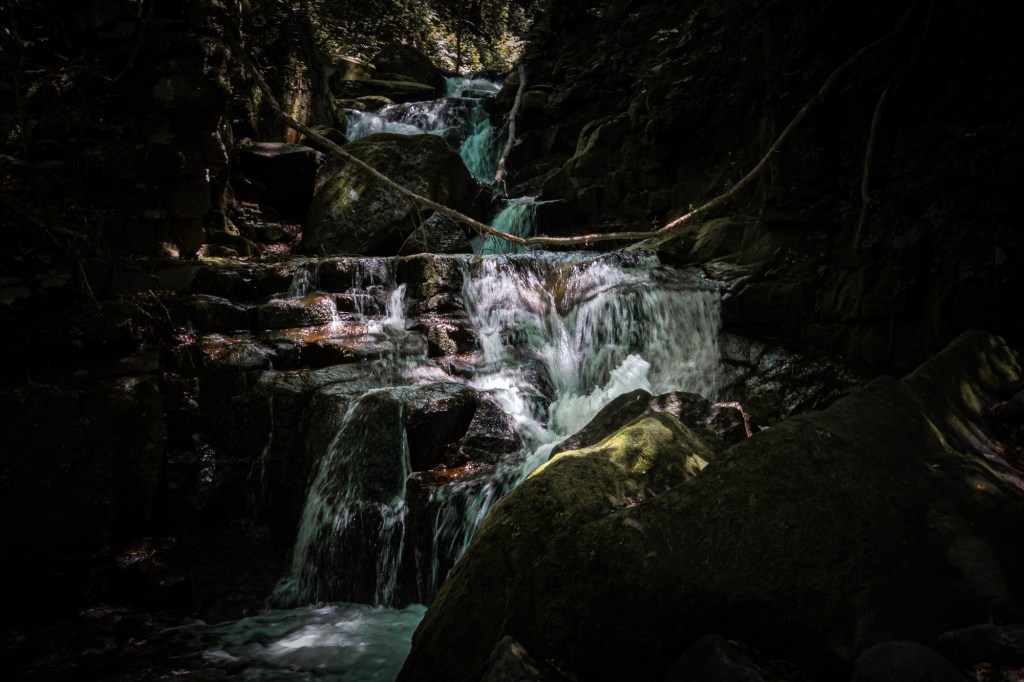
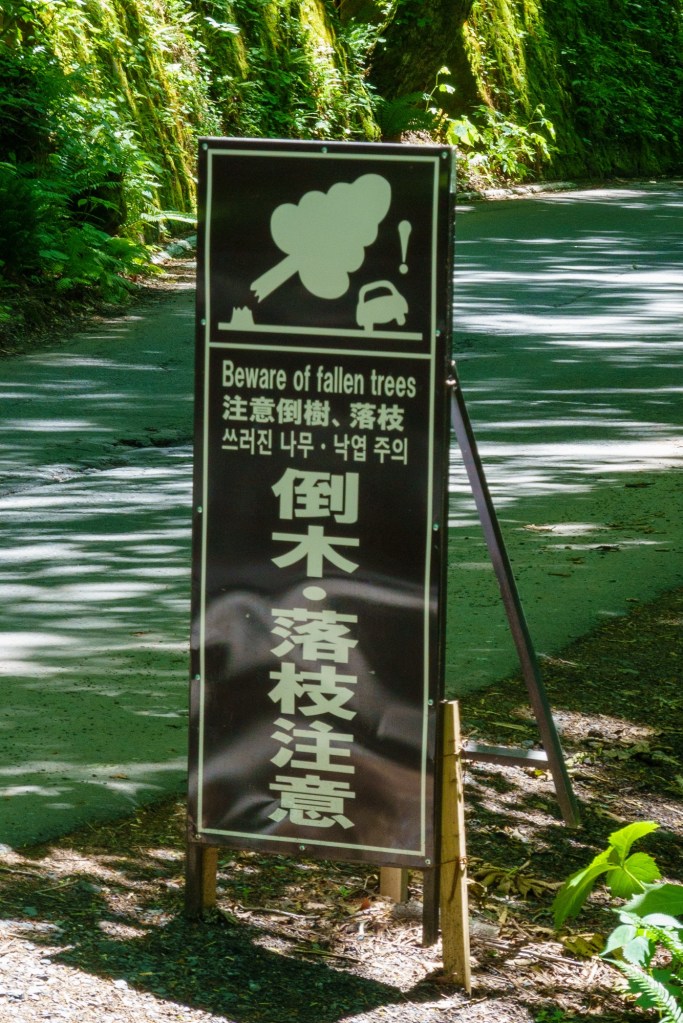
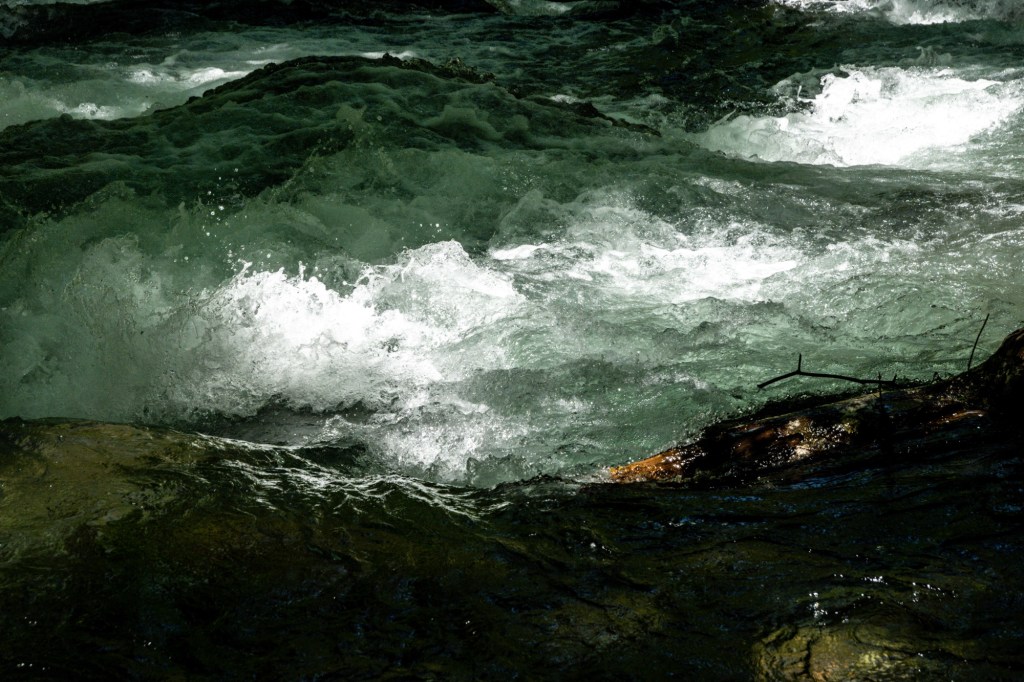
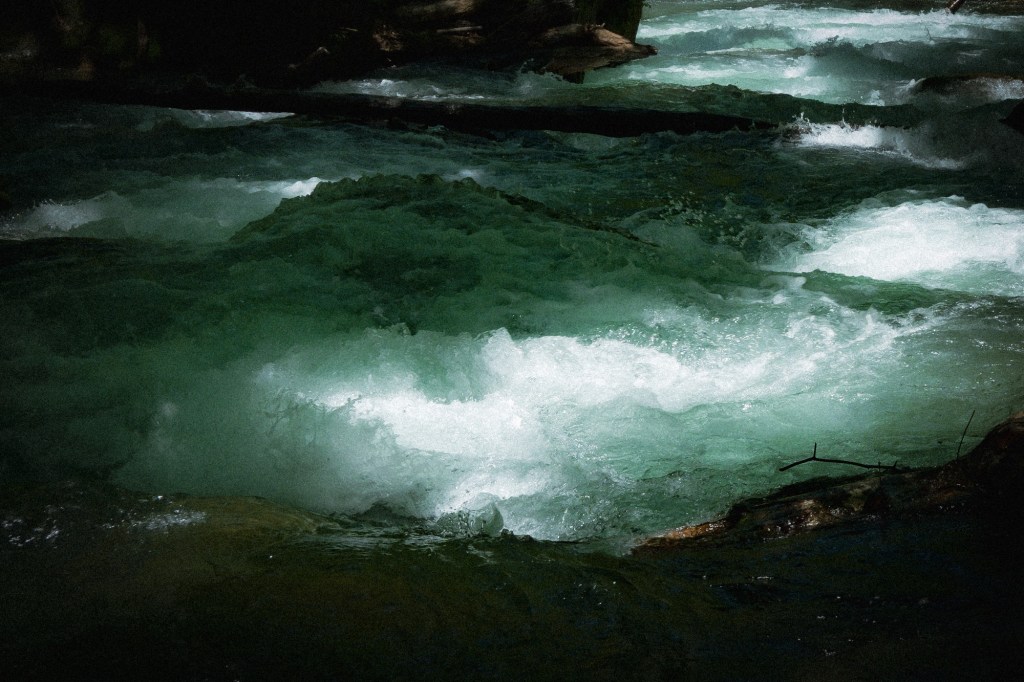
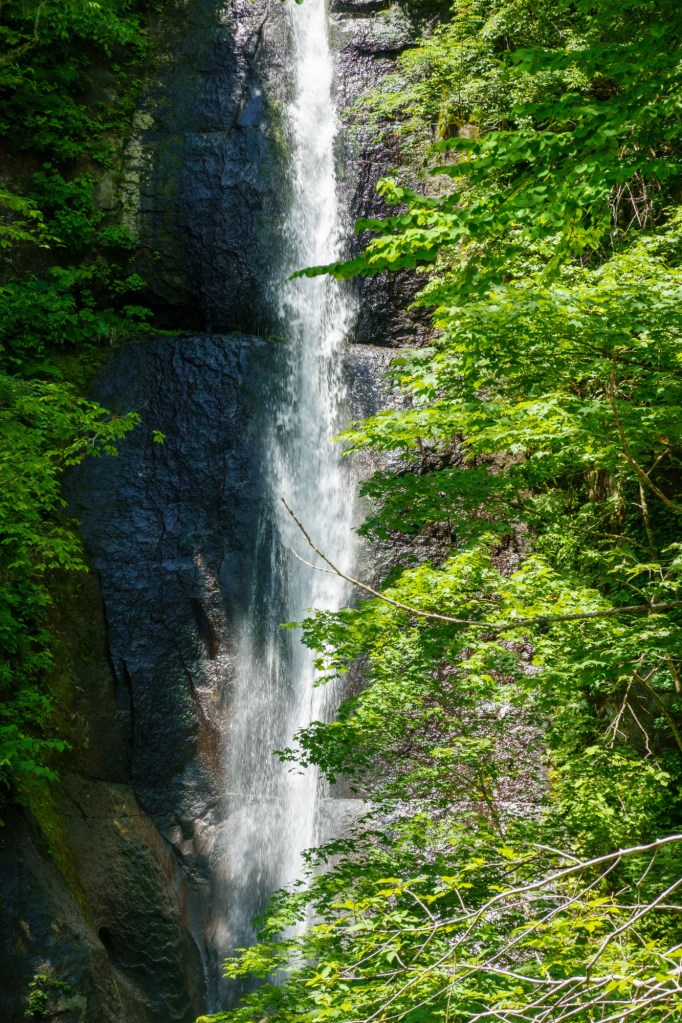
The other great feature today was the huge dryish river beds carving their way down the hillsides. The amount of water which must fill them in the melt season or after heavy rain is barely comprehensible.

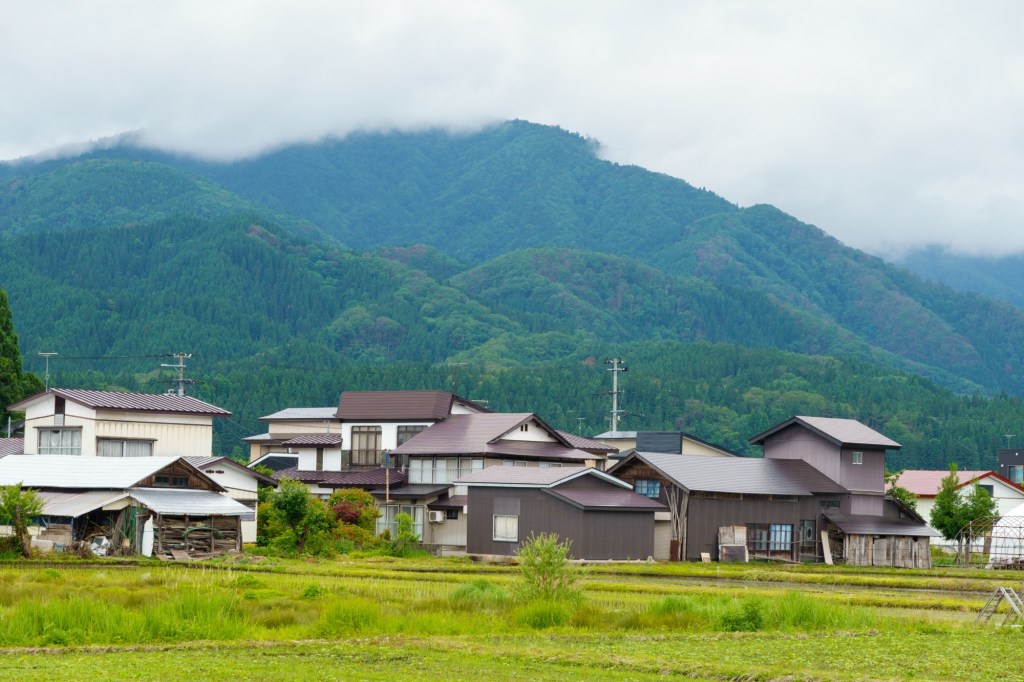
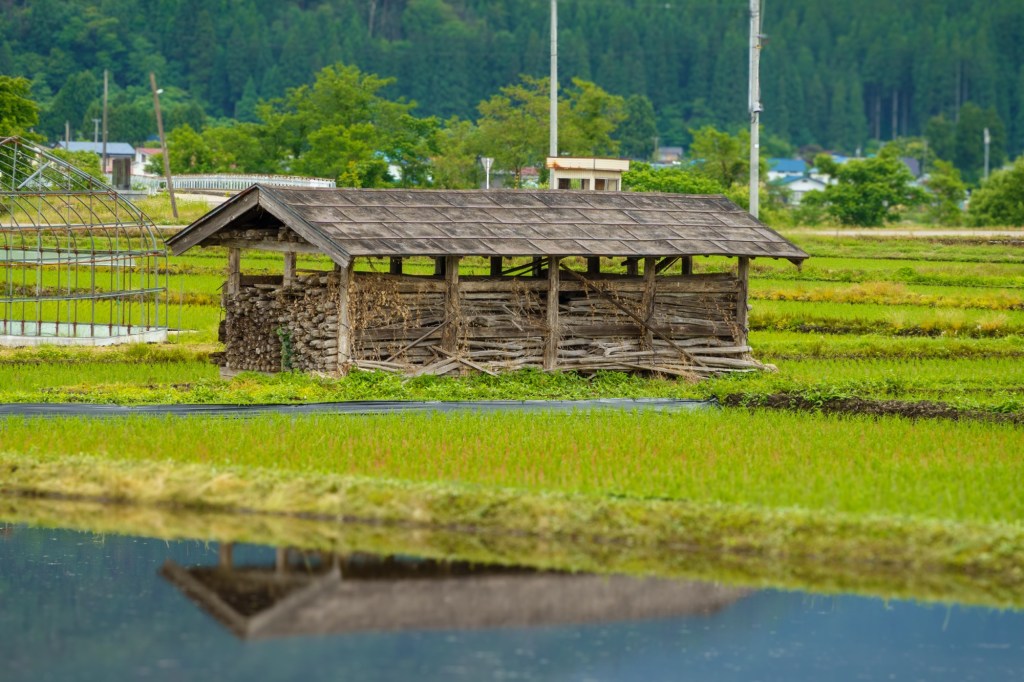
I’m presuming the fertility we saw in the valley floor is related to old volcanic activity and flood waters. Lots of areas of land growing produce – though perhaps not suprising given the water theme, was rice. Japan grows approximately 7.15 to 7.48 million tons of staple rice annually. Nearly 100% self-sufficiency, cultivating the grain across roughly 2.3 million hectares of farmland. It is still the staple diet here. Maybe just a little room for porridge?

D16 JttE Kotagane – Fujimi

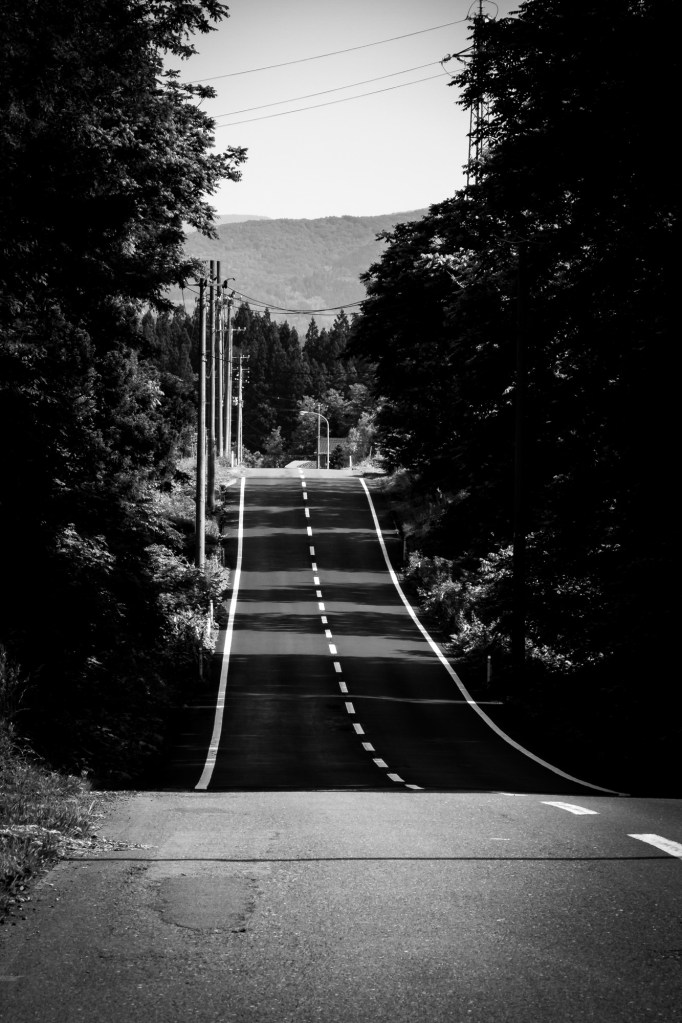
Another lovely day in Alpine Japan. More gentle climbs today, though good heights were gained. The valley floor has Japan’s prettiest villages the sign reads. How judged I wonder? The surrounding ridges have more peaks than you can count.

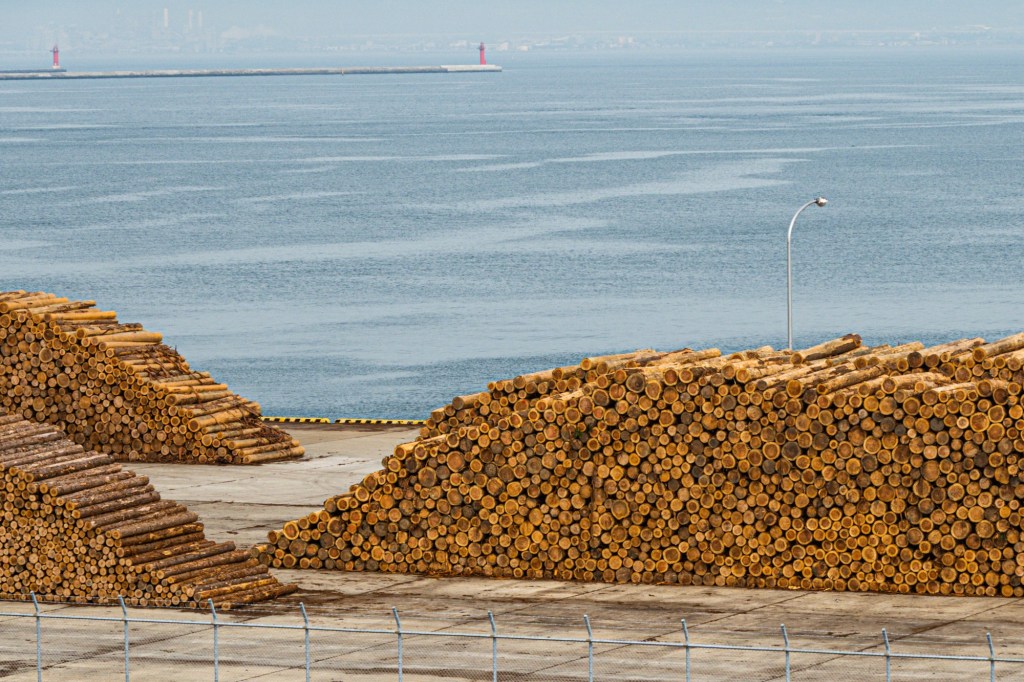
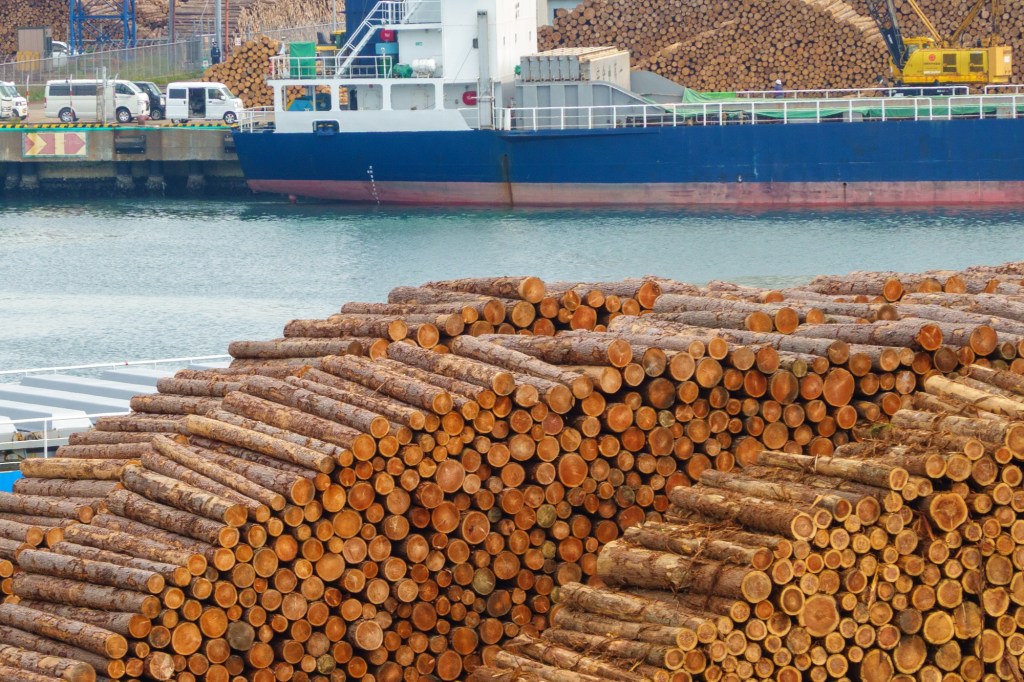
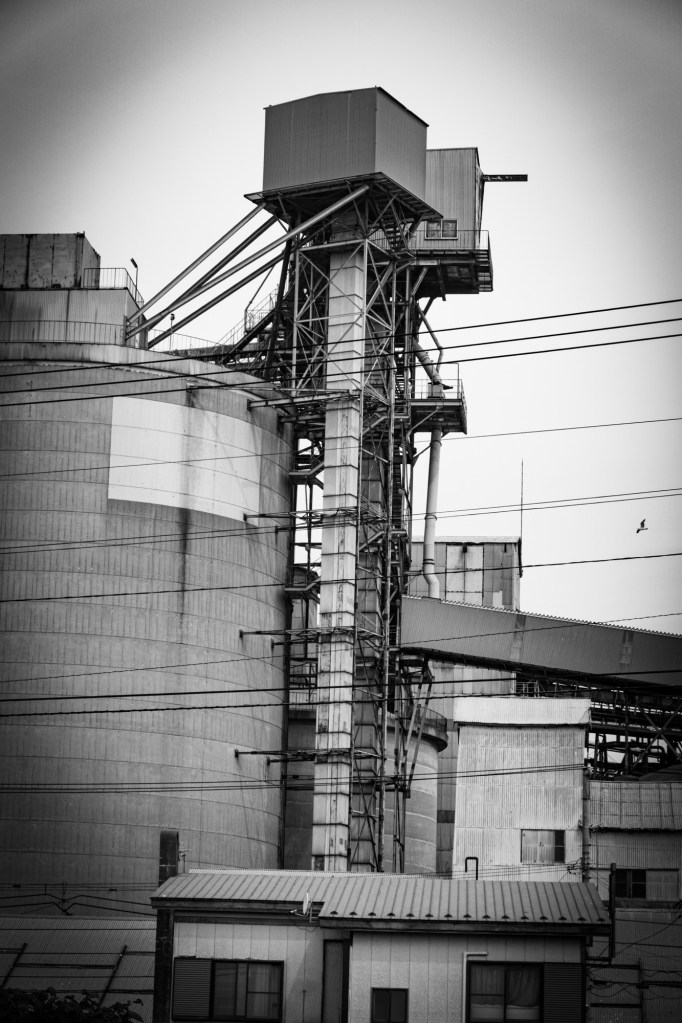
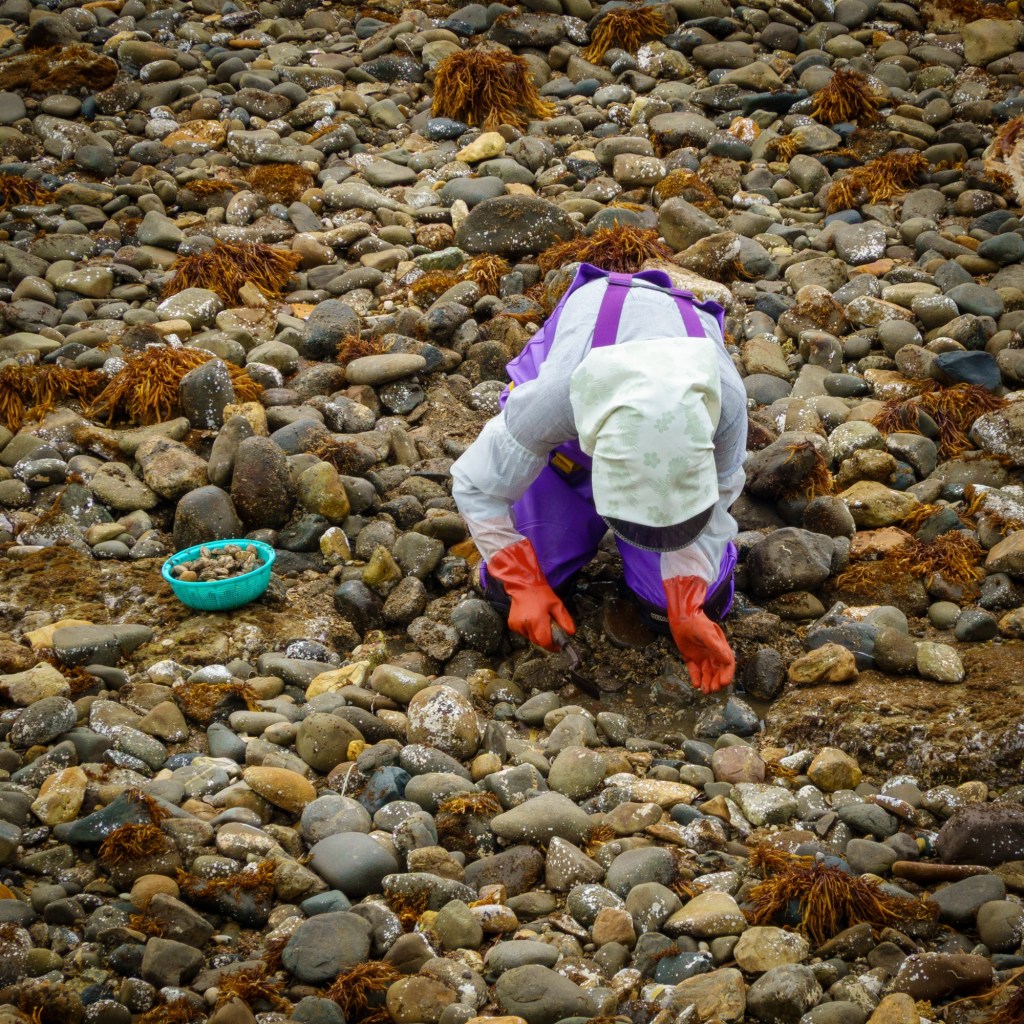
Lots of workers out working their small holdings contrast with logging factories.

Roads are quiet but you can tell we are approaching a more populous area. Motorbikes compete with the chattering of the cicadas as they fire up their tymbal organ.

We also passed a sight of what looked like a large trebuchet. Read later it’s a 1200 year old festival involving large logs at a shrine and going down the hill side. Like cheese rolling I suppose.

As we approach our destination, a small hotel complex, it feels very Western – or maybe we’ve introduced Japanese species.

Nice day, apart from for one rider who had a pothole tumble. All OK and on mend after a check-up. A reminder to us all.

D15 JttE Hikone – Komagane

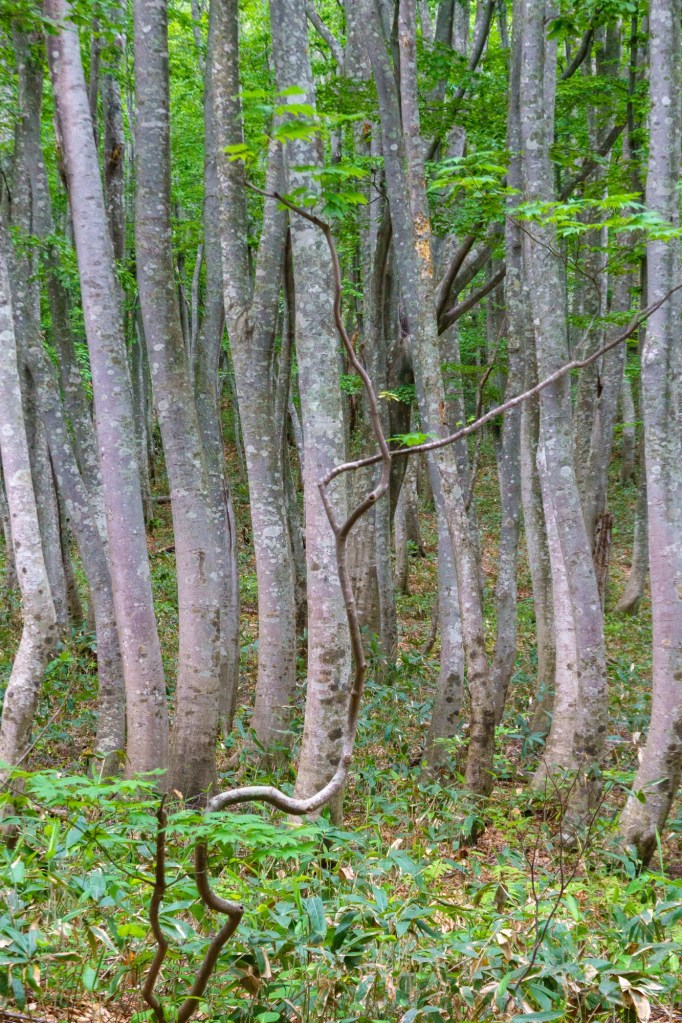
Lots of time for reflection today. Who invented hills? Did the road builders get paid by the metre of road or climb? We were riding through the deep, heavily forested ridges of the Central Alps. This mountainous corridor is known for its incredibly crisp air, dense cedar and cypress forests, and isolated mountain streams. It’s also closed in the winter.

We started at what is said to be one of Japan’s most famous historical treasures. Tsumago-juku was a major post town along the ancient Nakasendo highway connecting Kyoto and Edo (Tokyo). It was the first town in Japan to preserve its Edo-period rows of wooden buildings. Matches are not encouraged. Barbara is busy checking if she went through here when she walked the Nakasendo route 25 years ago.

Once we crested the pass we dropped into the Ina Valley, a region famous for its sprawling agriculture. Nestled between the Central and Southern Alps, the towns are known for their tiered fruit orchards (especially apples, pears). None of which appeared at our dinner.

Lots of monkey poo: another reflection was if they were perched in the trees above playing “poo cyclist”. The noise of the forest was an acoustic treat – I even stopped singing to listen.

Tomorrow we continue upwards.

D14 JttE Kyoto – Hikone

Kyoto and Tokyo are anagrams of each other. Thus the great dyslexic controversy about how the Capital of Japan came to move from one to the other. The old Emperor was (it is said) dyslexic and grandly mistook Tokyo for Kyoto. Like the Emperor’s New Clothes, none of his 9000 entourage had the courage to tell him otherwise. It is so written.

It was quite simple to get out of Kyoto along quiet cycle friendly streets, noting no bike locks were used. We then spent today alongside part of Lake Biwa. Difficult to appreciate and communicate its scale. One of the oldest lakes in the world, around 4million years old (though records weren’t kept then): c.f Loch Ness is 10000yrs old (Nessy spotters will confirm). A surface area of 670sq km: Loch Lomond, Great Britain’s longest is 71sq km. 104m deep: Nessy is deeper at 230m. Lake Biwa contains nearly four times the water volume of Loch Ness at 27.5 billion cubic metres.

A gentle tootle along the banks to Hikone, a small maufacturing town. Tomorrow we gird our loins and head into the hills.

JttE Kyoto – 2

A day exploring train bus taxi feet. First grumpy employee. “This is a train station, you cannot buy a bus ticket here”. Always worth a punt. More Westerner tourists today than we’ve seen hitherto. Maybe that explains the grumpy person.

What to do? Honey pots. Didn’t disappoint. Lots of bees. Fushimi Inari Taisha was up first: a Shinto shrine shining satsuma coloured 1000 gates. Very important place, dating from 711. It led to a chain of shrines which later diversified to small stores to generate income.

Although crowded it was an interesting walk through the gates, dedicated to Inari, the Shinto god of rice. Foxes are thought to be Inari’s messengers, resulting in many fox statues across the shrine grounds. Inari is also the train station.

Kinkaku-ji (golden pavilion) was next. Originally built in 1397 as a retirement villa for Shogun Ashikaga Yoshimitsu, it was converted into a Zen temple after his death in 1408. Though burned down by a fanatic monk in 1950 it was meticulously rebuilt in 1955. It is famous for its top two stories being completely covered in pure gold leaf, so they stop people with ladders from coming in. It would make a unique Airbnb. The gardens are somehow relaxing even with all the bees around.

Nishiki Market rounded the day. Thronging with food stalls and shoe shops absorbing the vapours. Running parallel is a street with upmarket Western labels. Luckily Pearl Izumi is a Japanese company so I had to indulge in a cycling top I don’t need: not often I get to be XL.

Today finished on a stressful note. Ever since I cycled Dover to Durness with Peak Tours, my go-to grazing bag is mixed nuts, raisins and peanut M&Ms. Turns out the latter are difficult to get in Japan for some reasons you can look up. Oh no, an alternative is needed. Here’s hoping Peak Tours stock for my September 2027 Lejog with them…maybe I should check?

Tomorrow we start towards Tokyo.