Otabe was classified as a “second class village” in 1902. At the same time nearby Esashi was a “first class village”. Since then they’ve both become towns, so the 4000 residents are now passified.
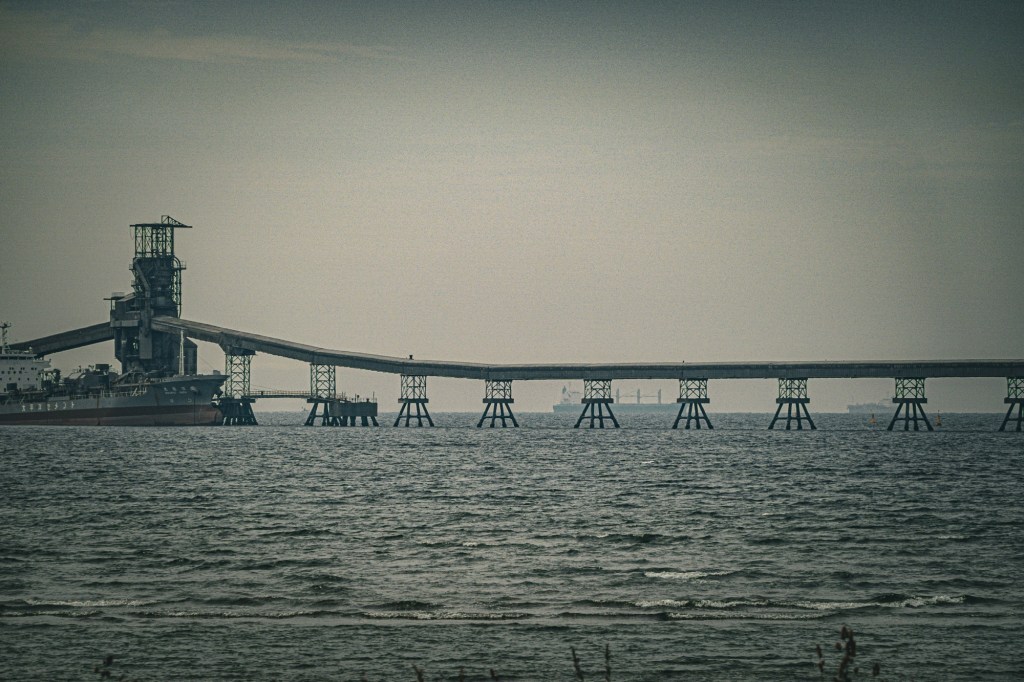
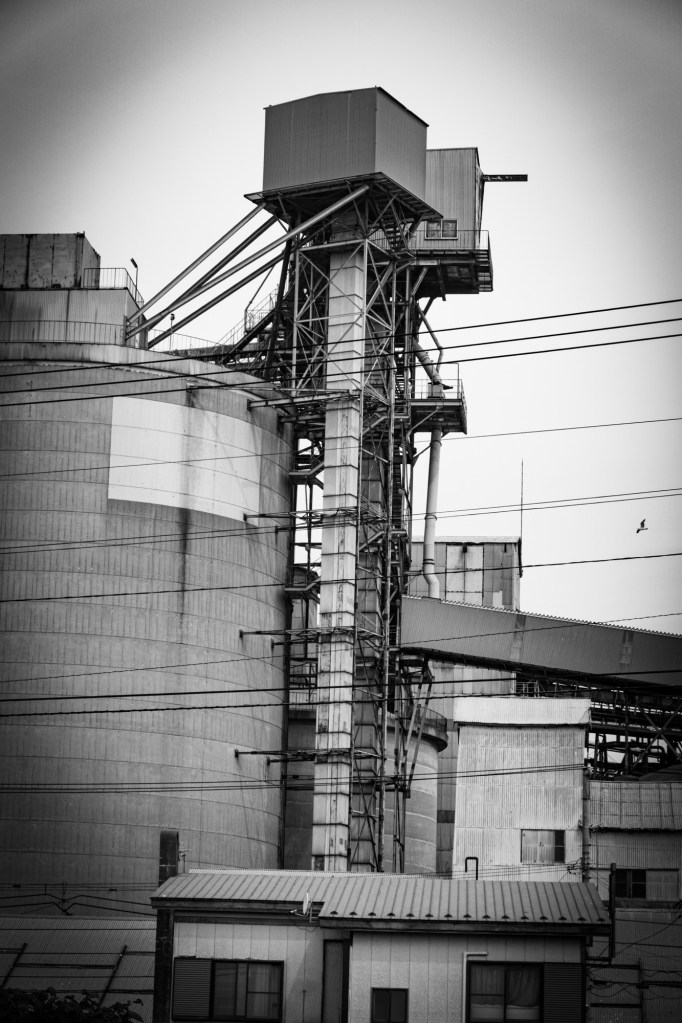
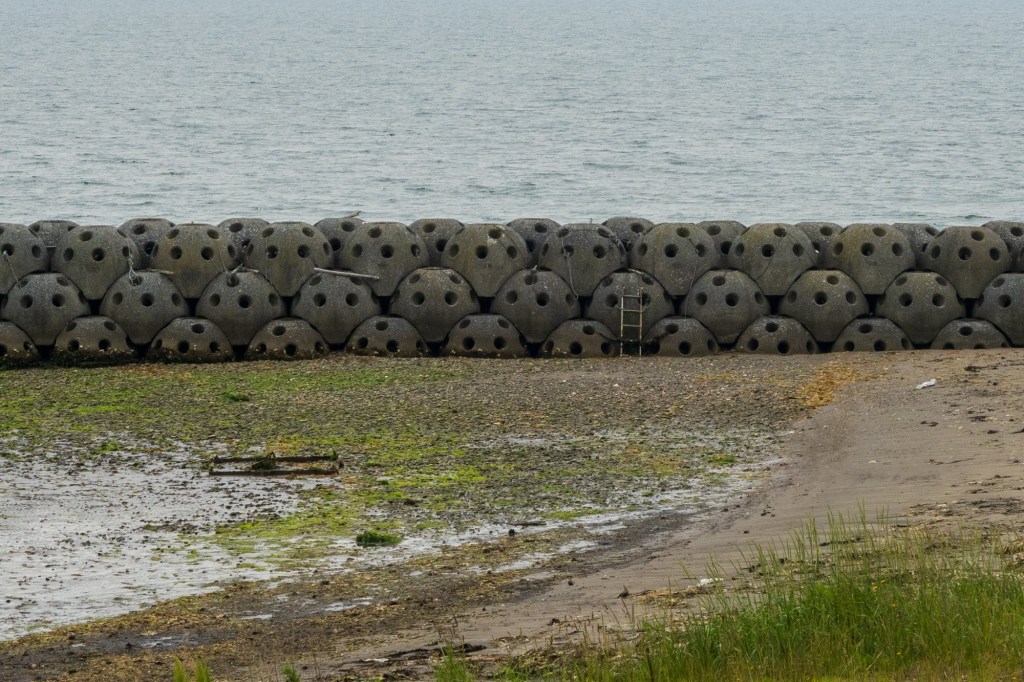
Todays ride was a coastal one, apart from the bit in the middle joining the two bits. Hokadate is about the same size as Swansea, so it was entirely appropriate the first 14km felt like Llansamlet with its trading shops and small industry.
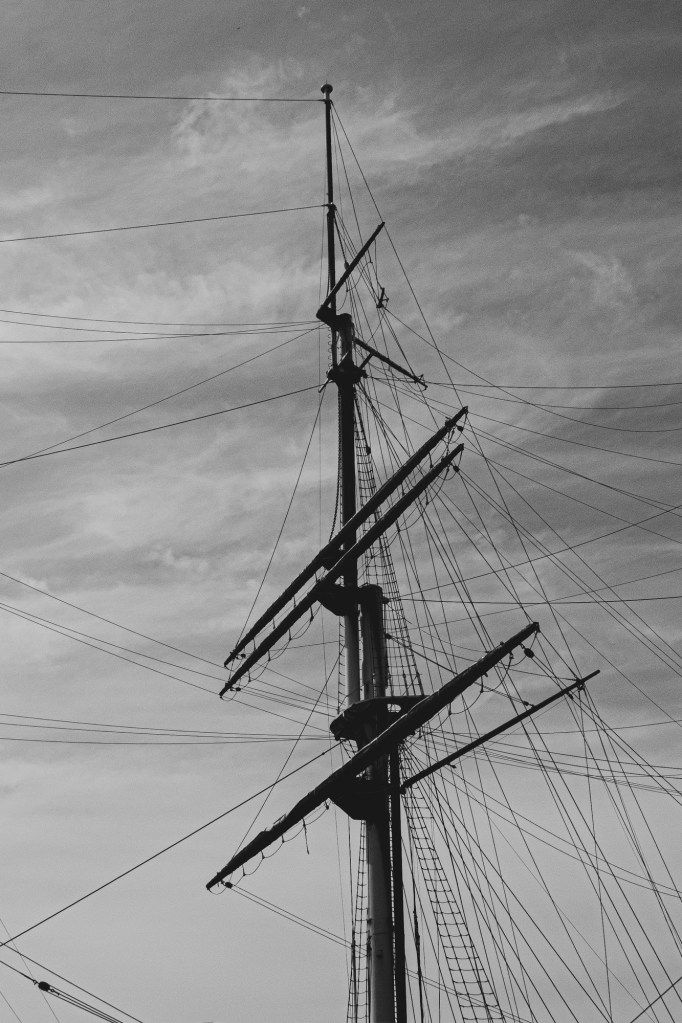
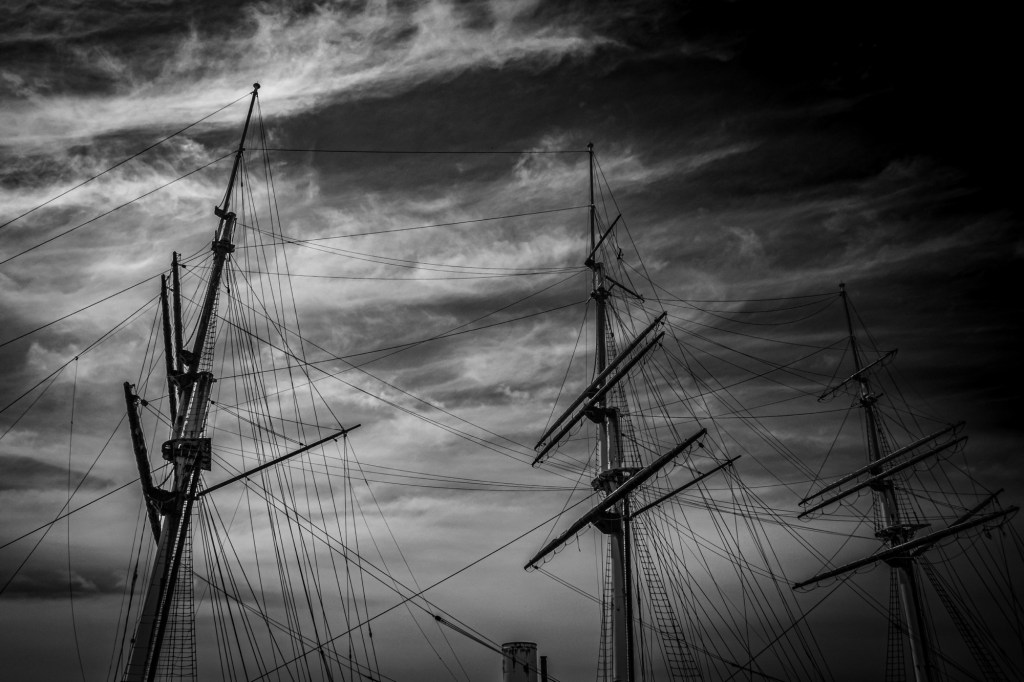
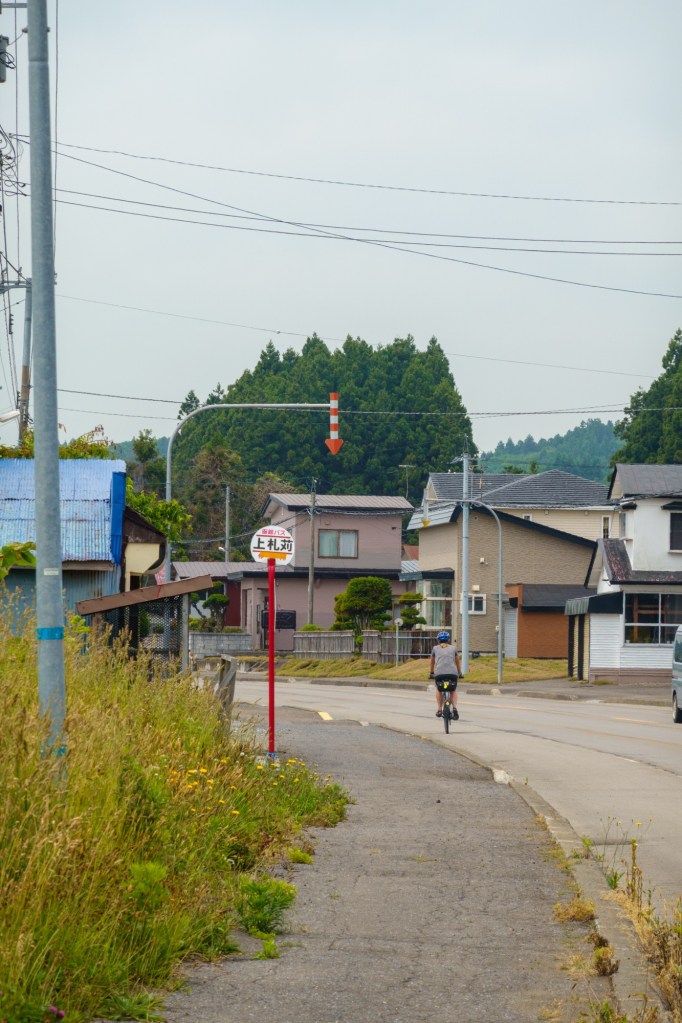
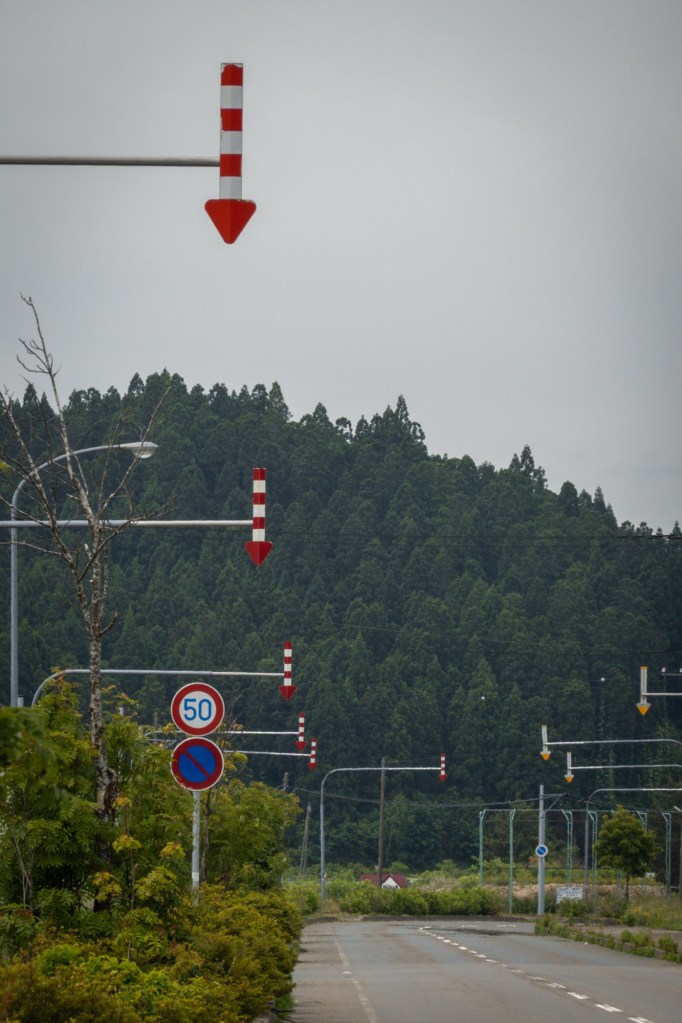
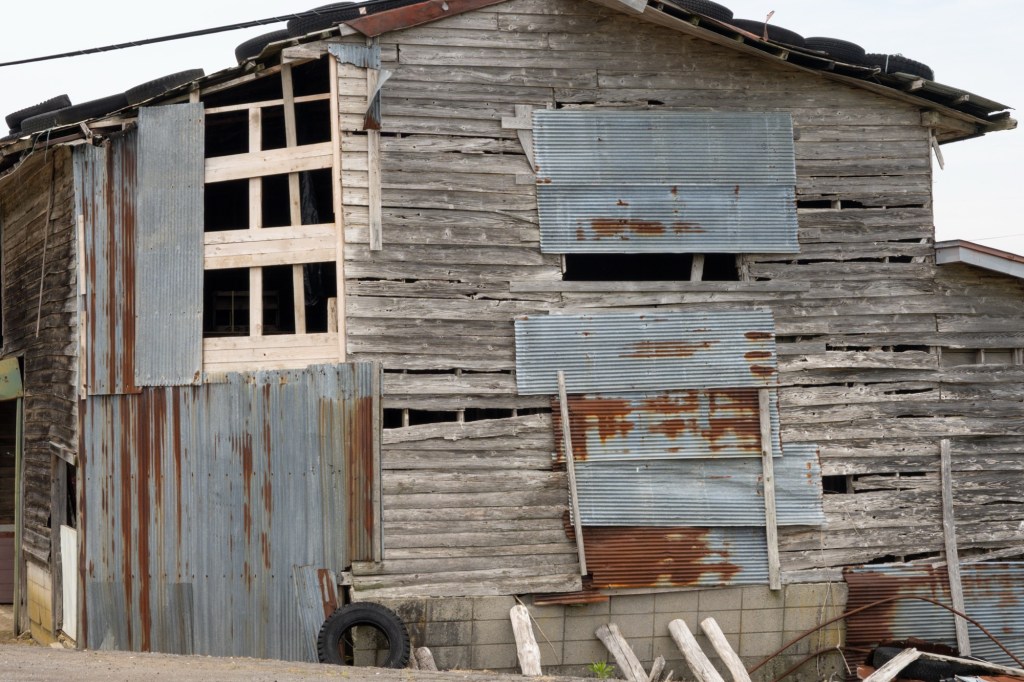
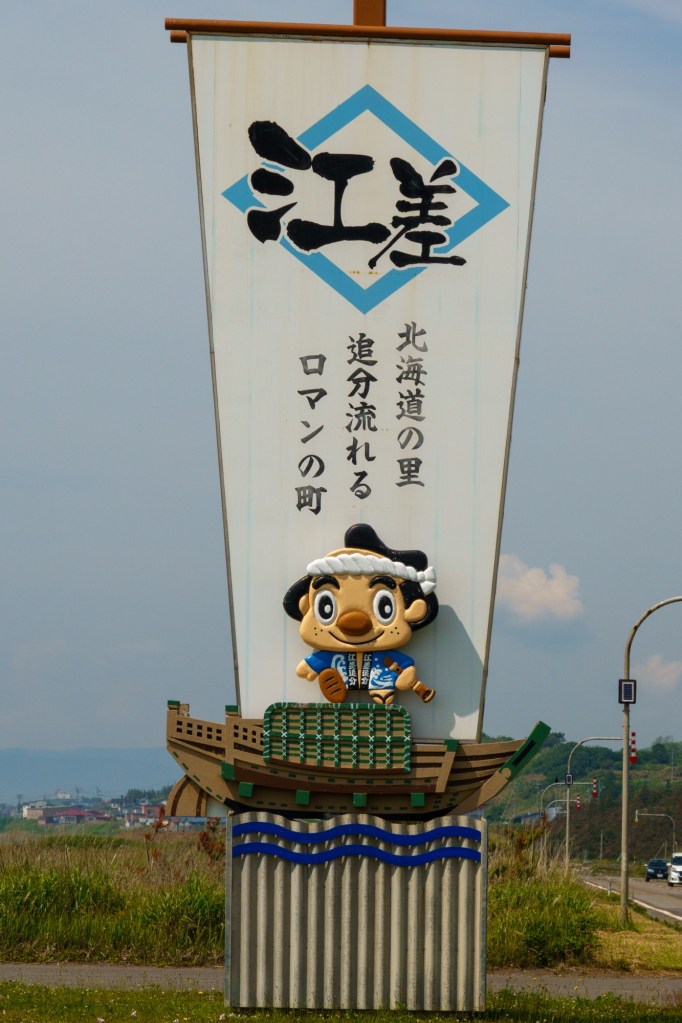
Places seem to feel a little less prosperous, and more run down. Life on the outer fringes – Tokyo must feel a long way away. Yet Esashi has a lifesize replica of the last Shogun’s warship – built in the Netherlands in 1865 of wood, 3 masts and a back up steam engine. It sank in 1868 in a typhoon just before a battle. Today’s replica is iron – a bit rustic.
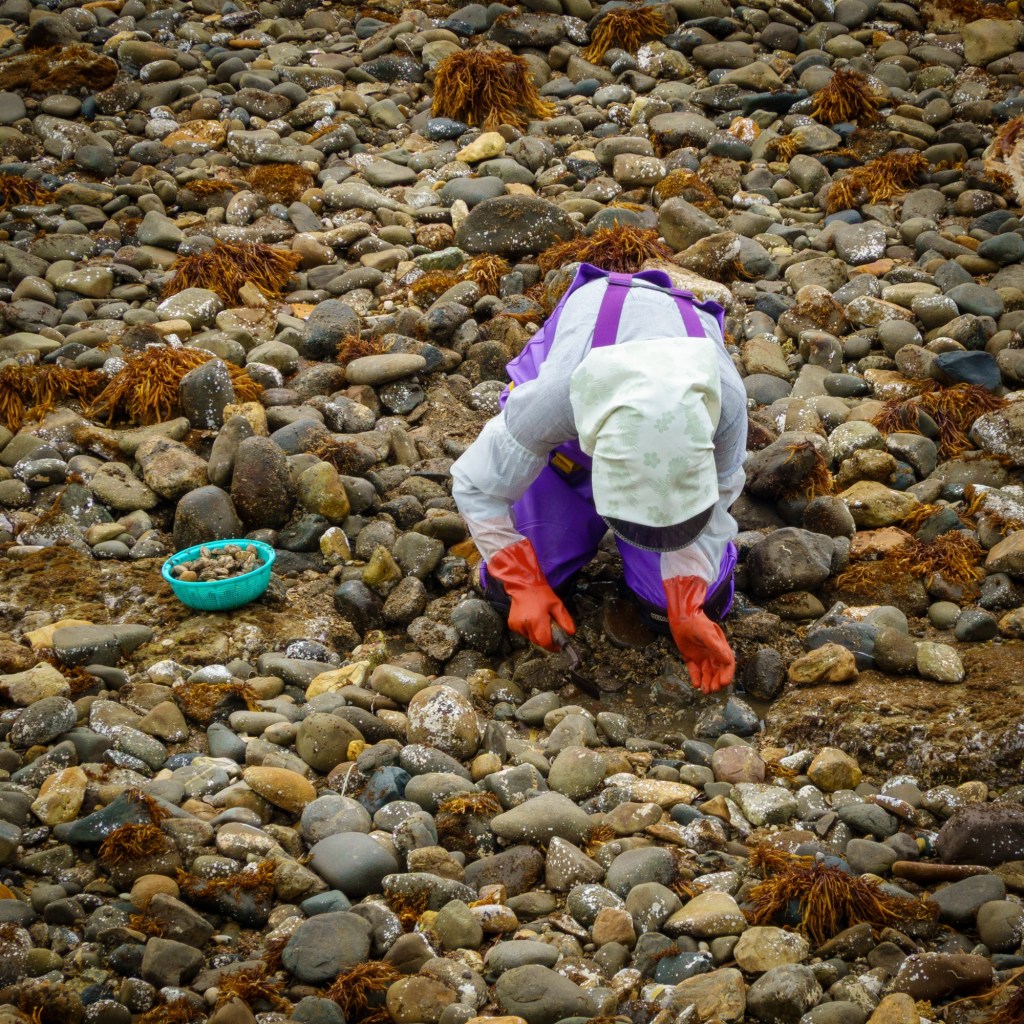
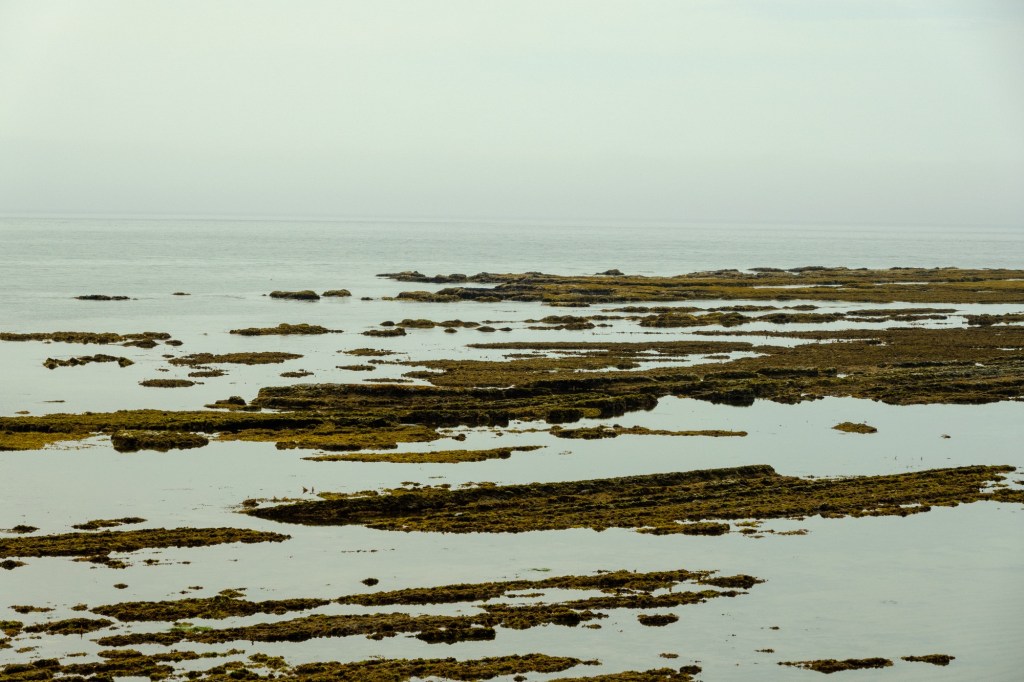
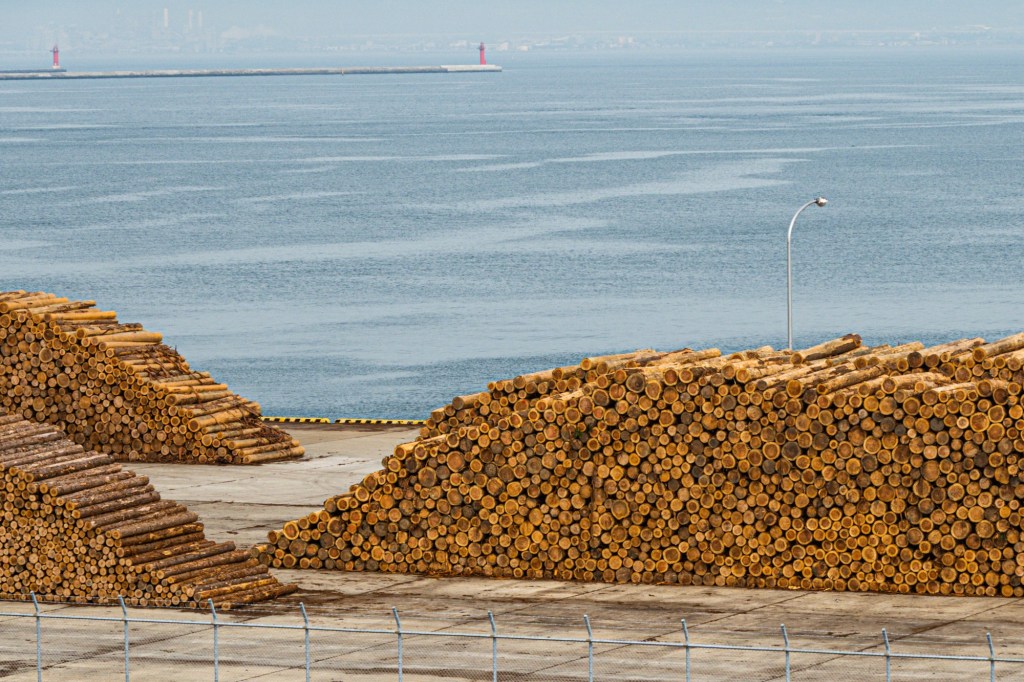
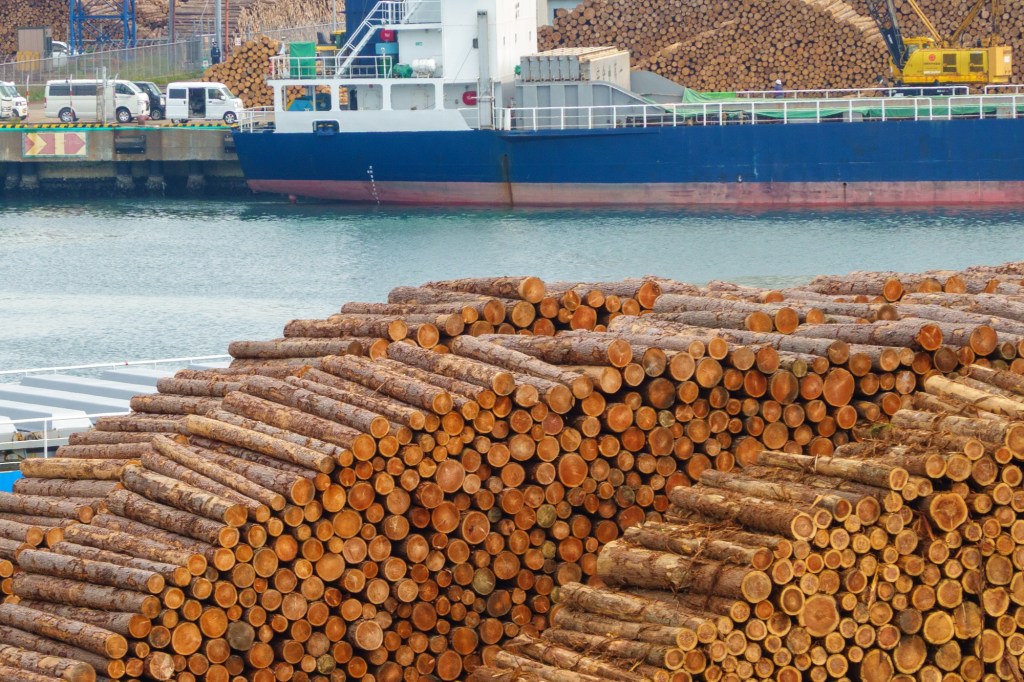
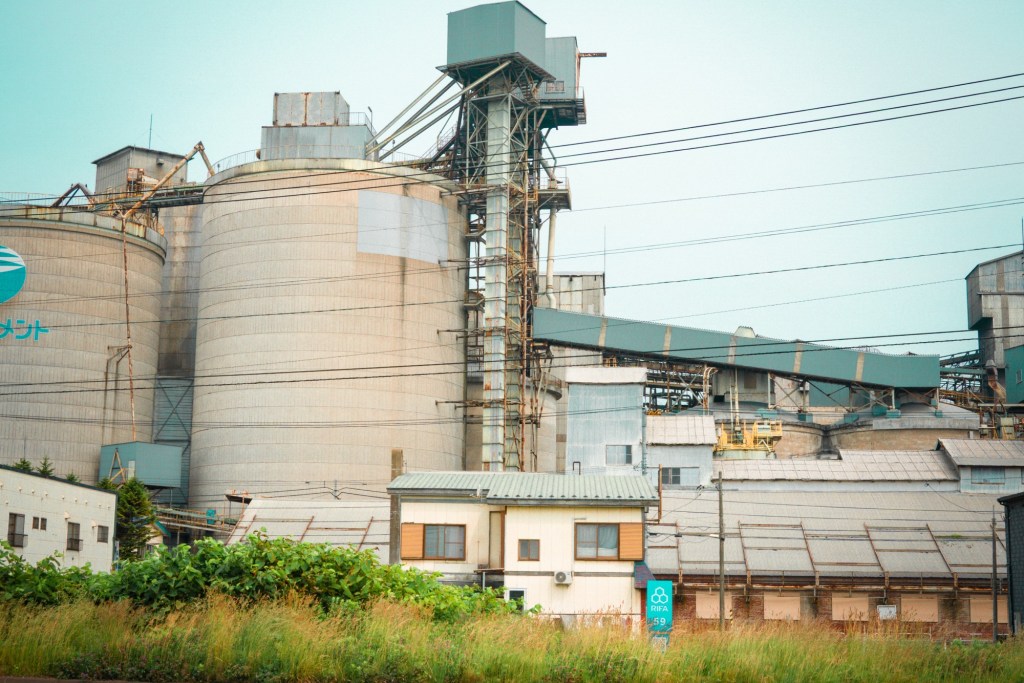
Wood seems to be a local industry, the smell of fresh cut pine is pleasantly pervasive. The large factory we passed turns out to be Japan’s largest operating cement factory.
Hokkaido, the island we are on, was primarily inhabited by the indigenous Ainu people until it was colonised and officially annexed by the Japanese government in 1869. Must have had some strategic value, or maybe to avoid the Russians laying claim to it.
The Ainu people haven’t faired well through forced suppression: some 10000 remain (in Hokkaido) – they were finally formally recognised as an indigeneous people in 2019. You can read more here: https://www.bbc.com/travel/article/20200519-japans-forgotten-indigenous-people
Anyway, back to the cycling and another coastal day tomorrow, grand!