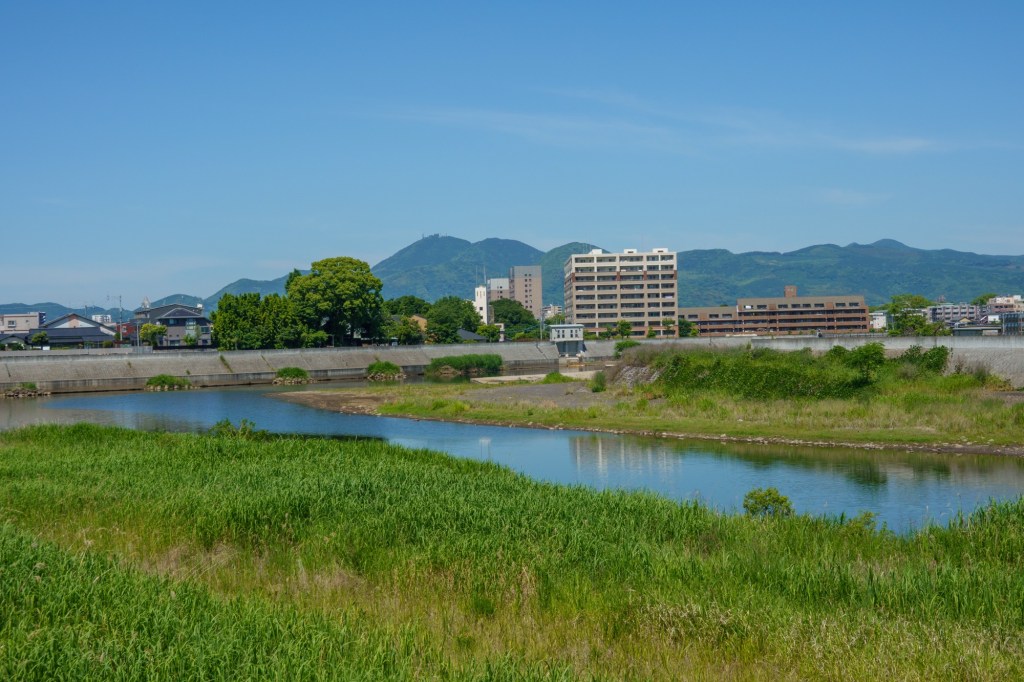
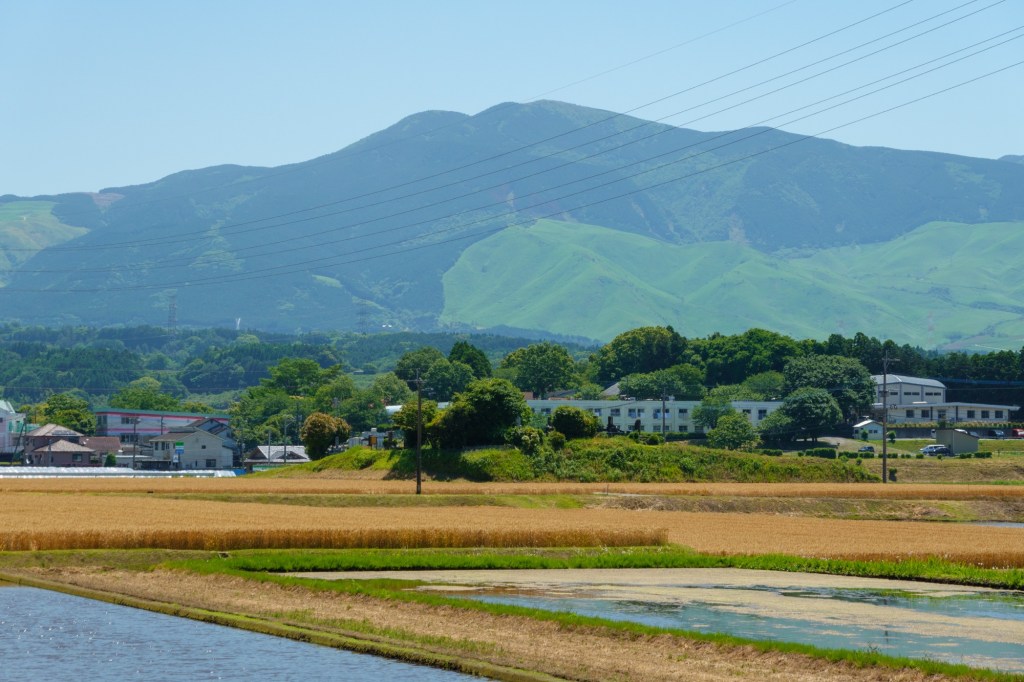
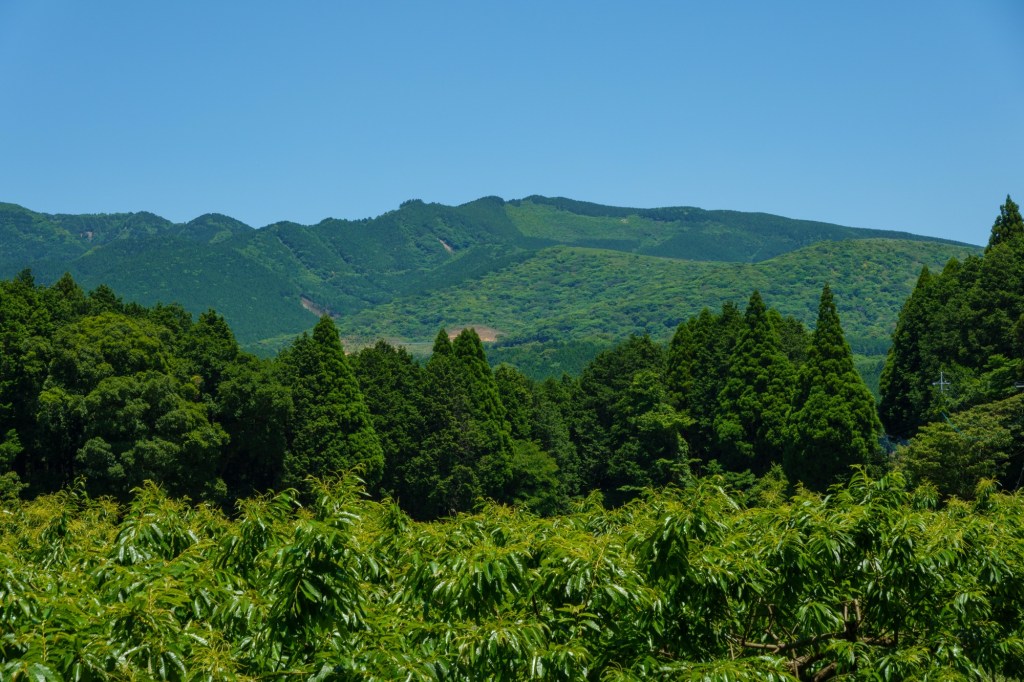
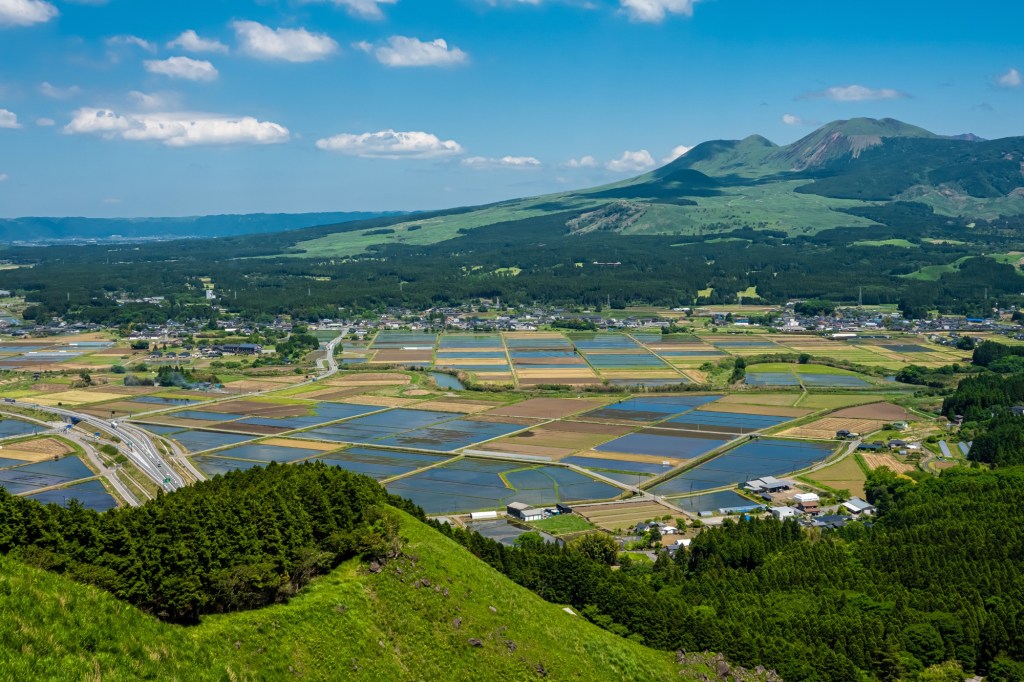
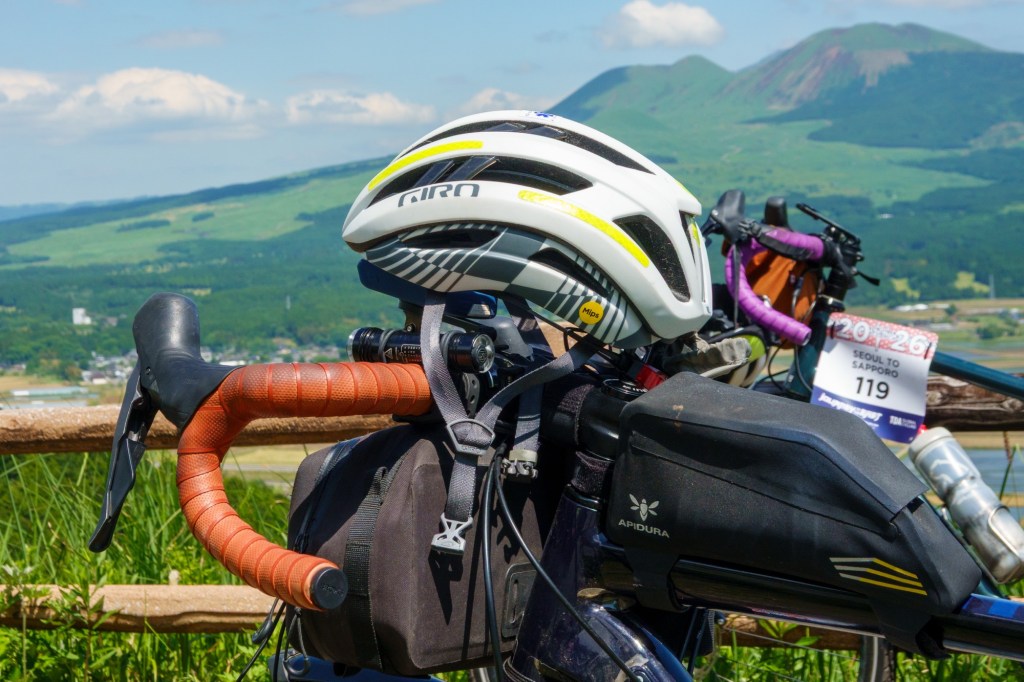
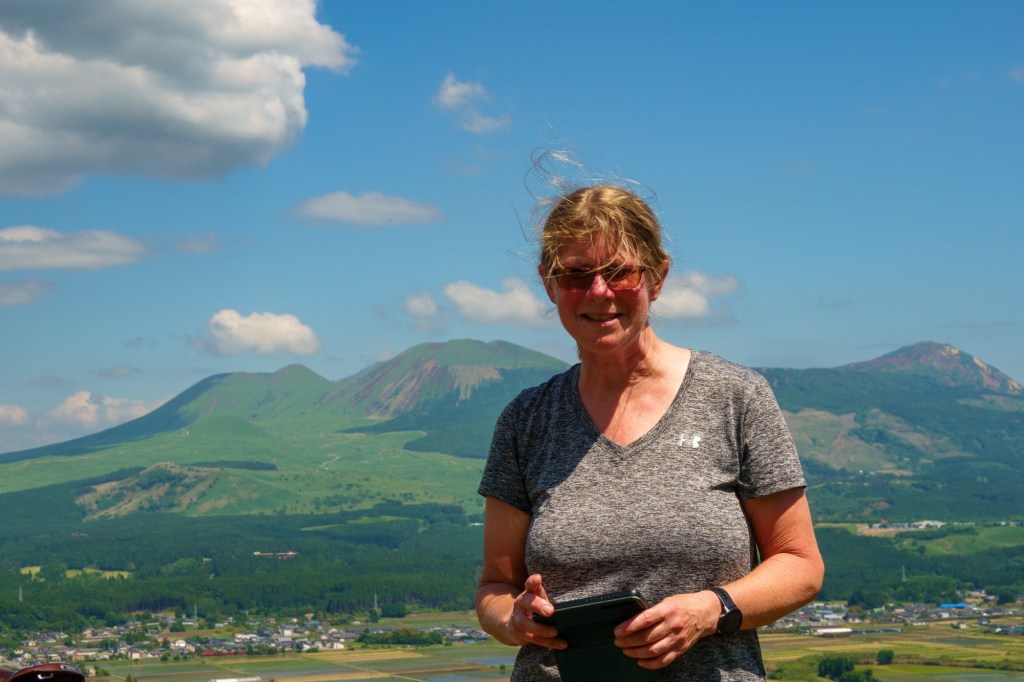
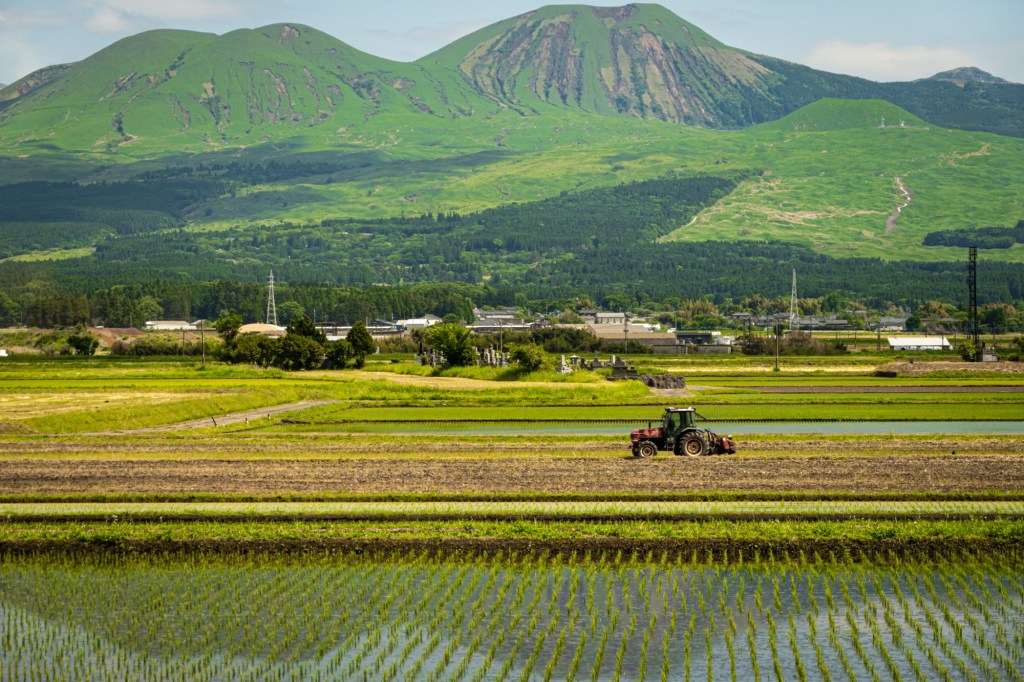
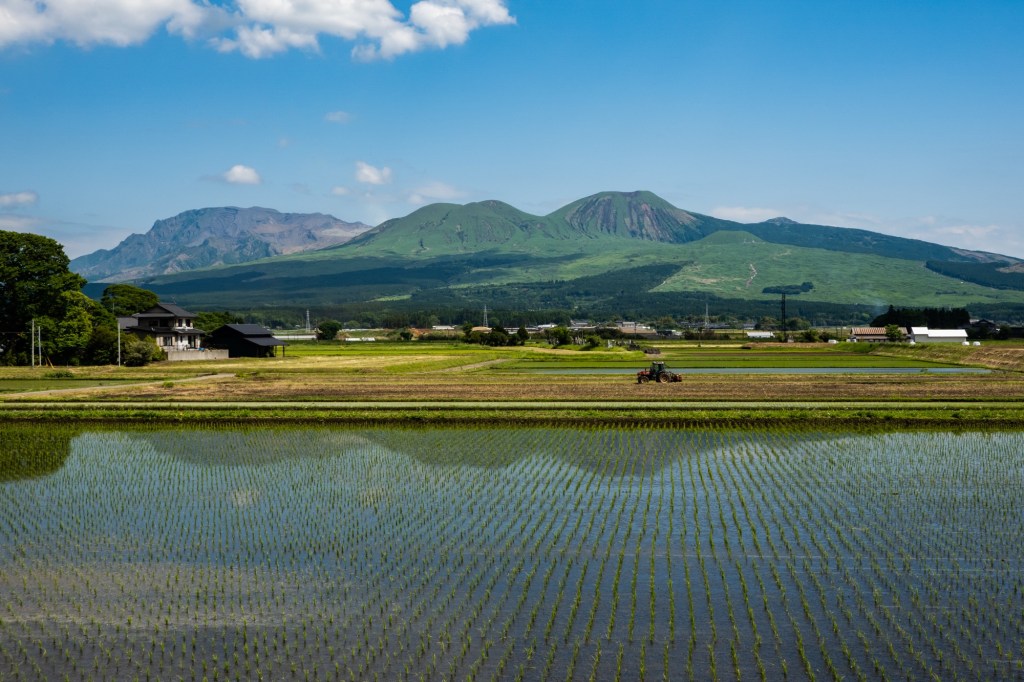
Located in Kumamoto Prefecture, Japan, Mount Aso is one of the world’s largest active calderas. “Famous for its dramatic, smoking Nakadake Crater, lush grasslands, and hot springs, the area offers a surreal glimpse into volcanic forces”.
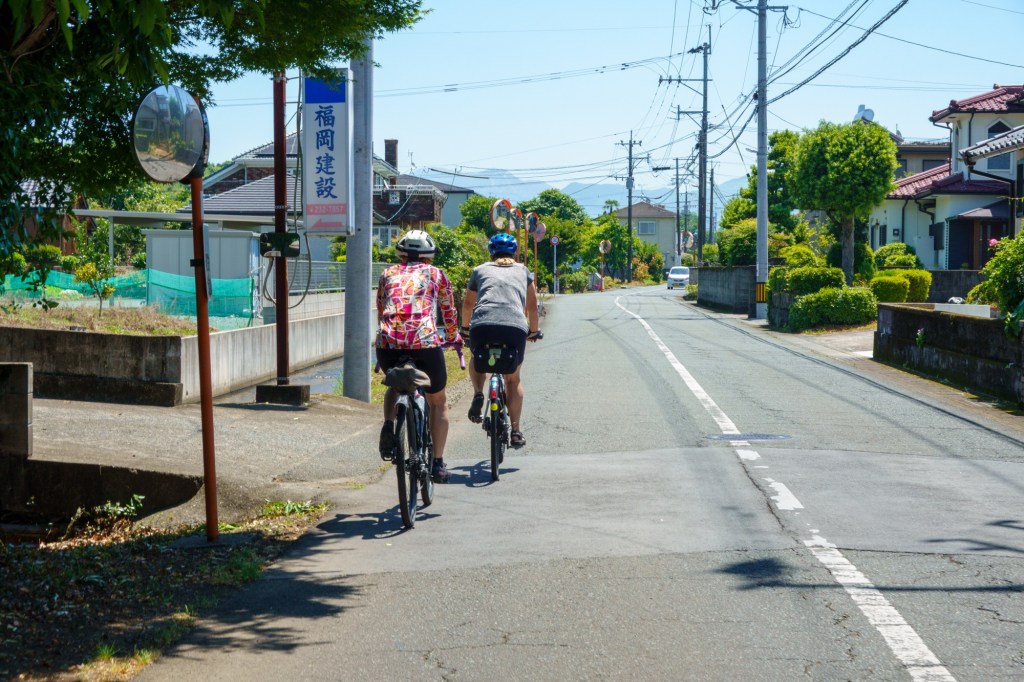
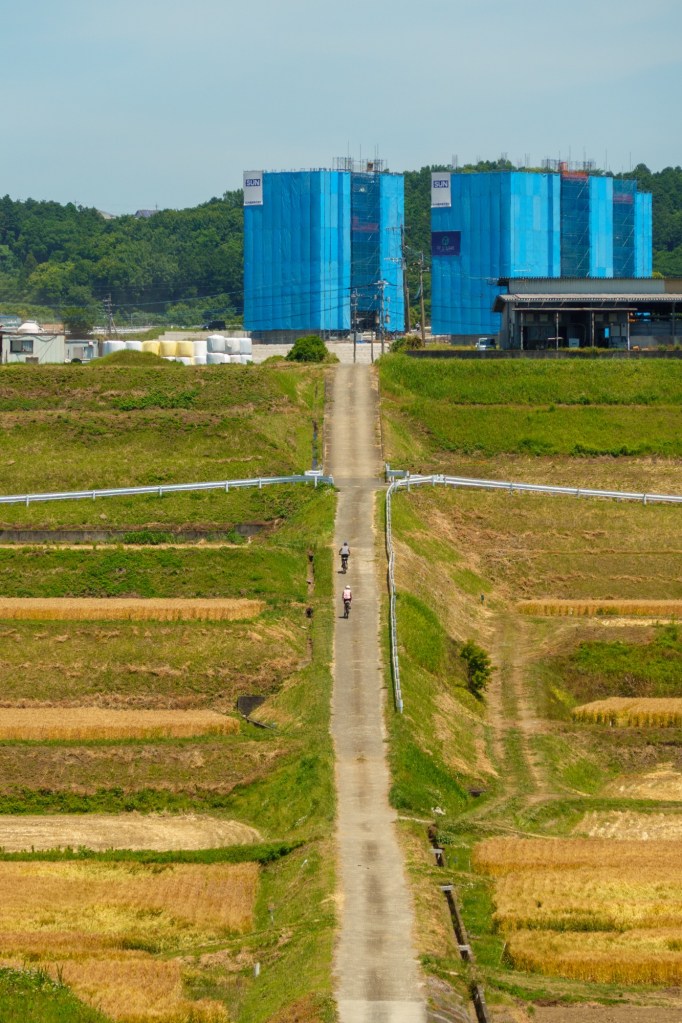
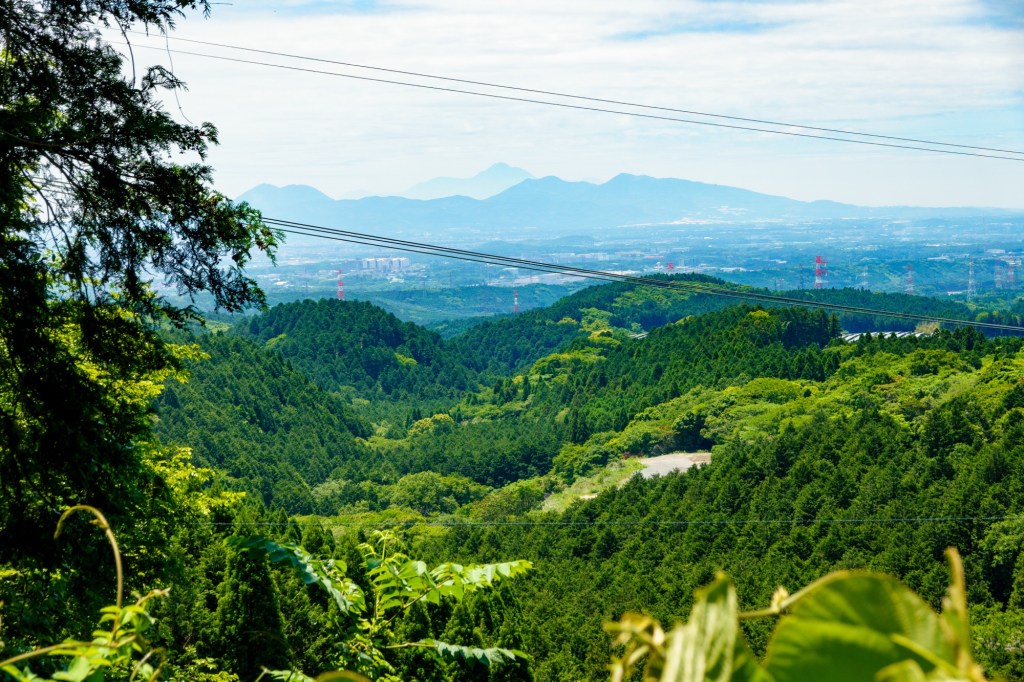
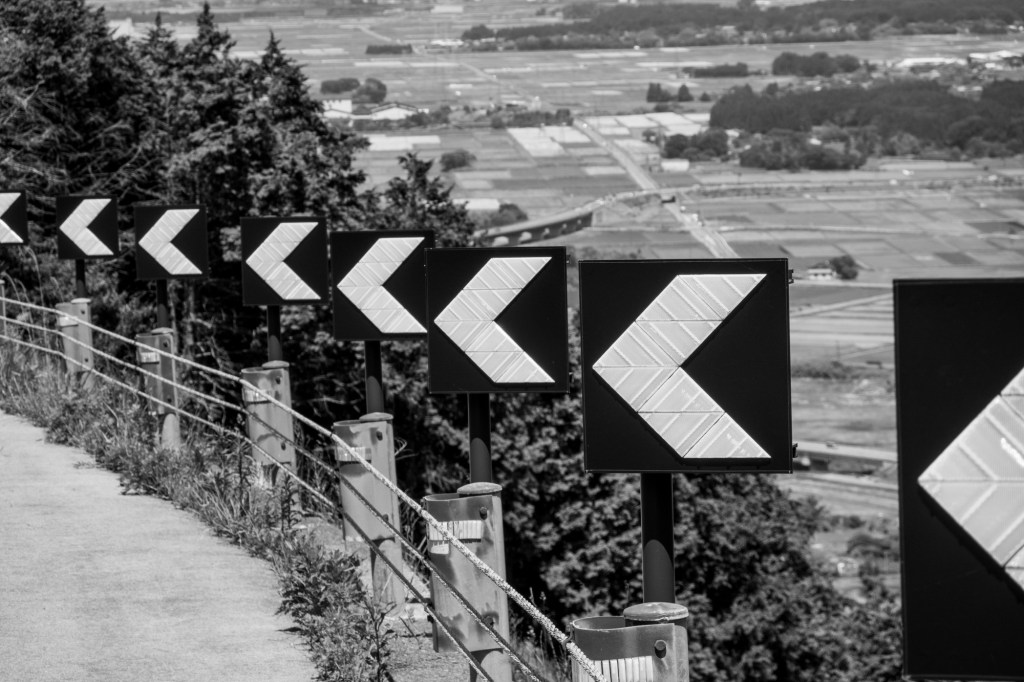
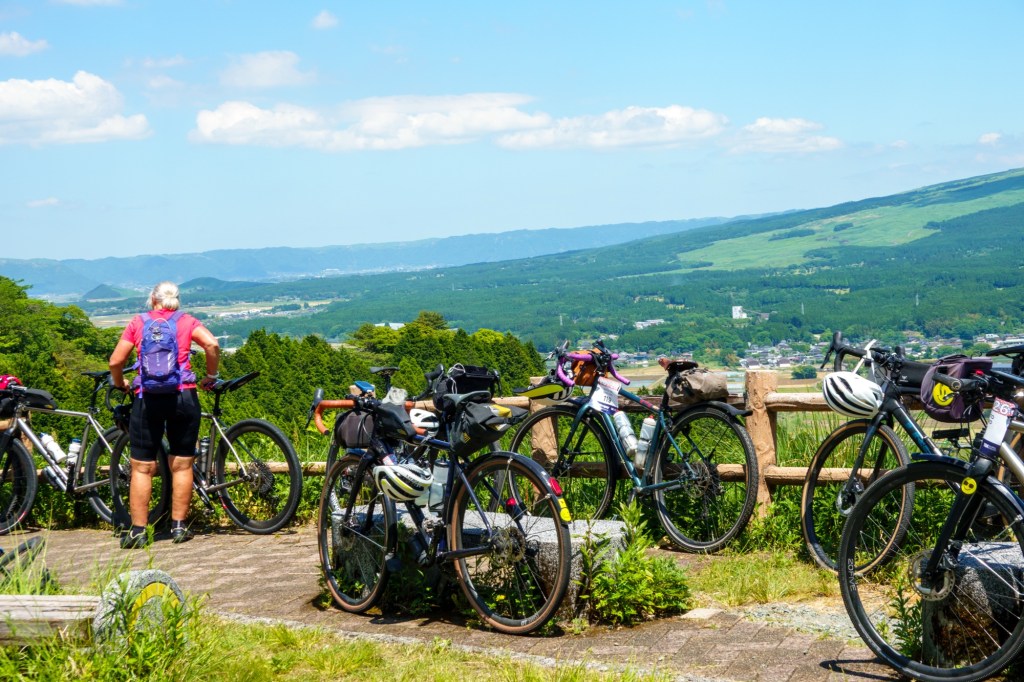
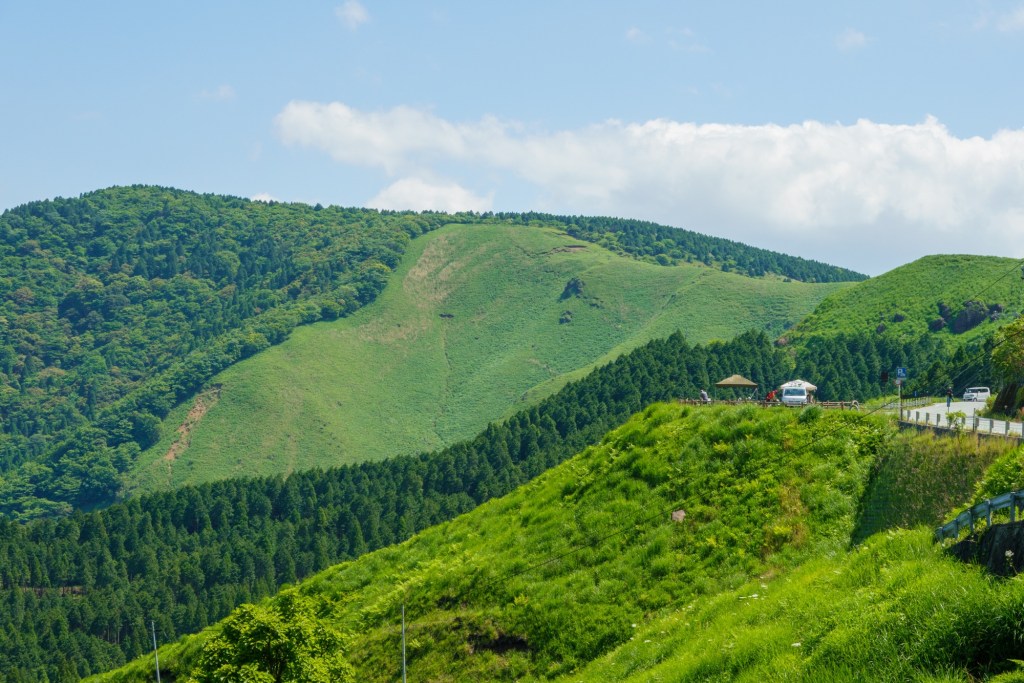
The ancient caldera is massive, measuring roughly 25km x 18km. We got a sense of the scale after we’d cycled up the slope to get to the top. The last eruption was in Oct 2021, sending a plume of ash 3500m into the sky. Respect.
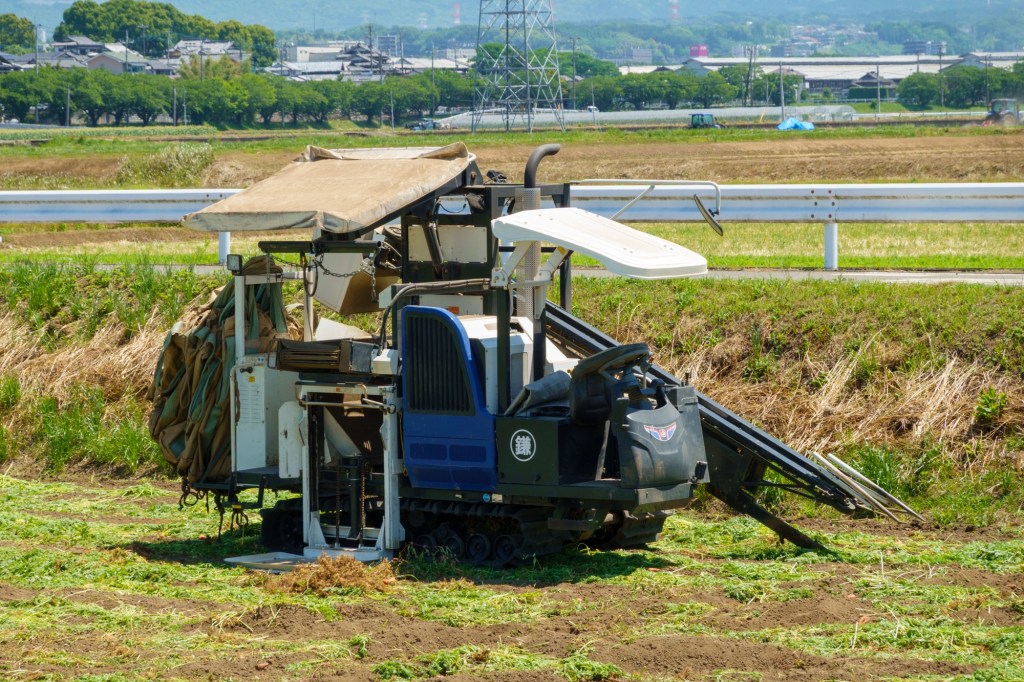
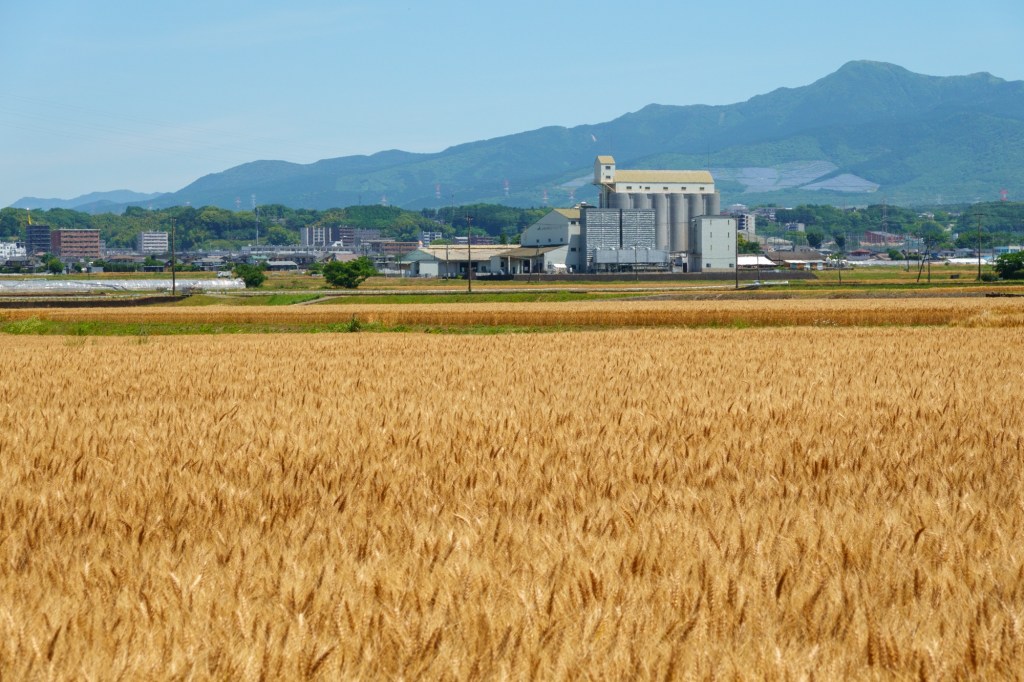
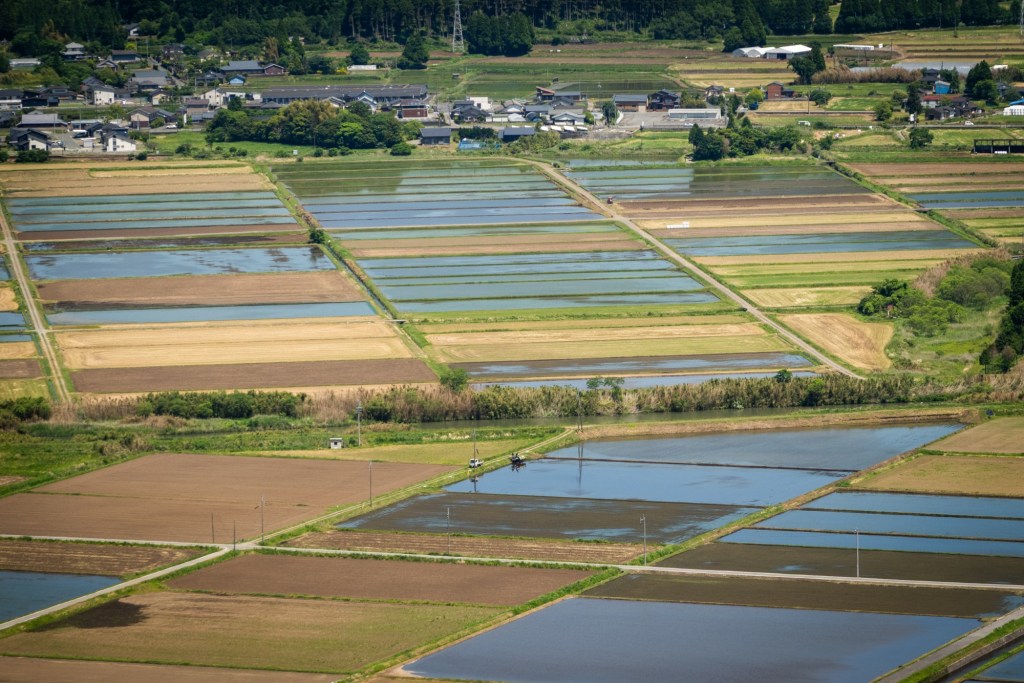
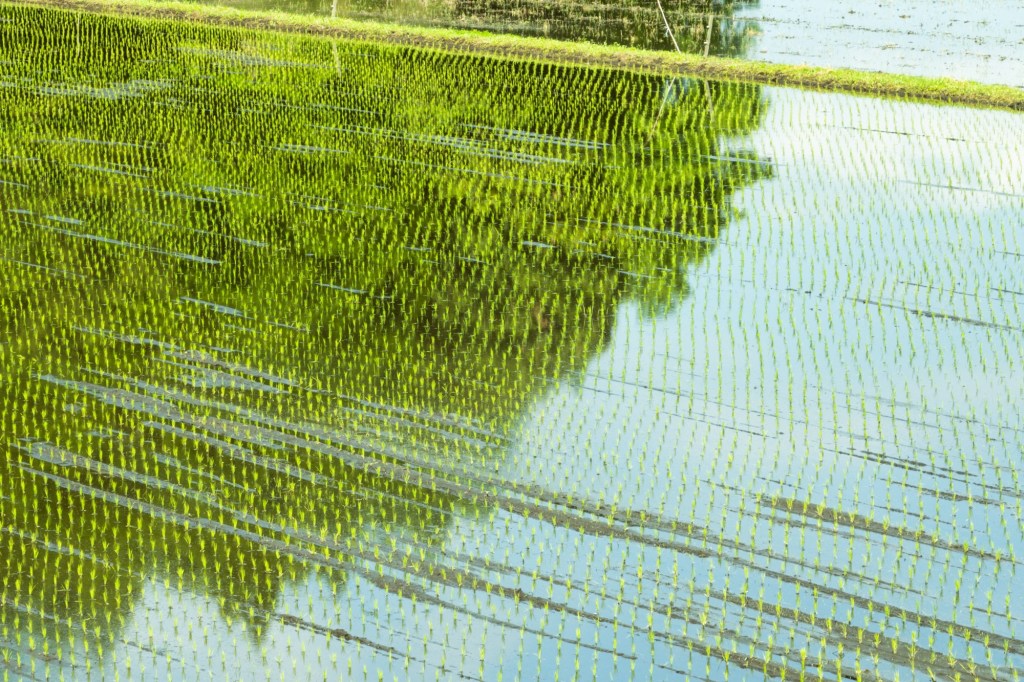
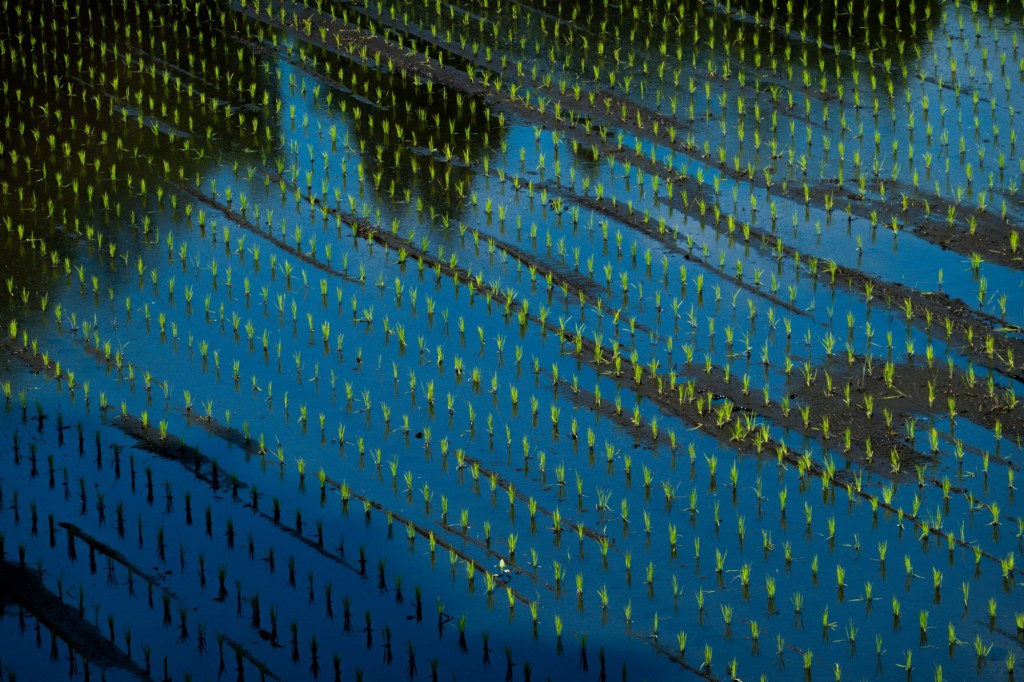
We’re staying in Aso, a town of 24000 people. Two main industries. Tourism and agriculture. The latter was in constant view on a lot of the route. Wheat and carrots in addition to rice.
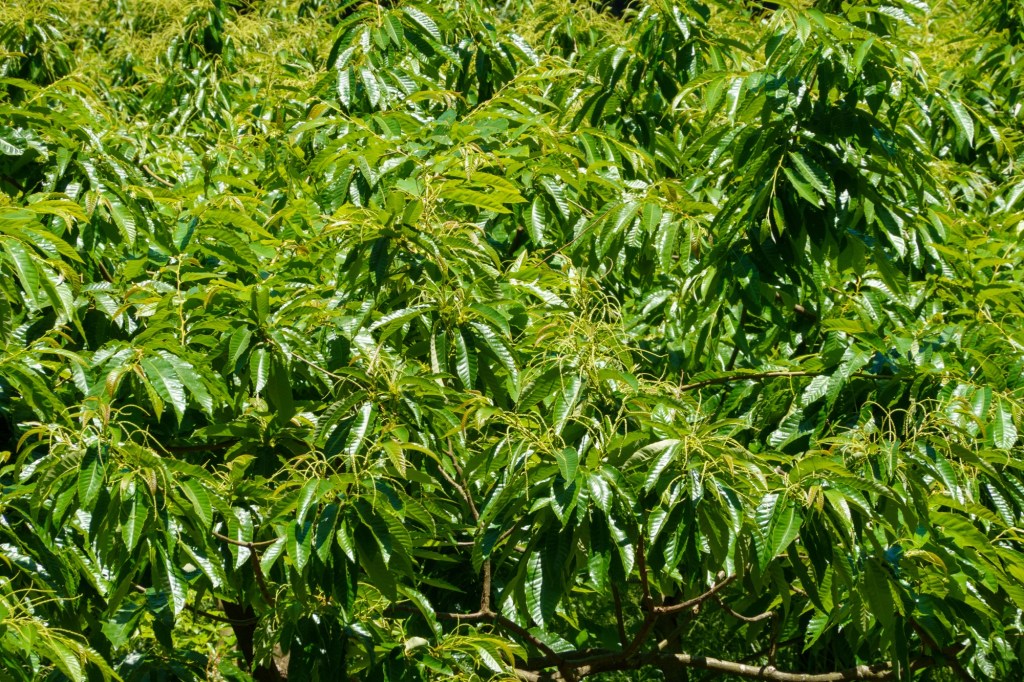
We were fortunate with the shade offered by the trees on the ascent. Fir interspersed with Japanese chestnut. With the occasional patch of Japanese knotweed, a pernicious weed in UK.
Japanese knotweed (Reynoutria japonica) is not a major problem in Japan. While it occasionally grows as a weed on disturbed ground or volcanic ash, it is kept fully in check by its native ecosystem.
The reasons Japanese knotweed does not take over in Japan include:
Natural Predators: It is eaten and weakened by native insects (like the psyllid Aphalara itadori) and naturally occurring soil fungi.
Plant Competition: It is forced to compete with other vigorous native vegetation (such as bamboo and Miscanthus grasses) rather than growing uncontested.
Extreme Environments: In its native alpine and volcanic habitats, poor soils and volcanic activity naturally stunt its growth.
Cultural Use: For centuries, locals have utilized it as an edible wild plant and traditional herbal medicine.
In contrast, Japanese knotweed is considered an aggressively invasive pest in places like Europe and North America because it lacks these natural predators and competitors.
Guess what tomorrow brings. Escape from the volcano going back up the caldera wall. Just how fast we go may depend on the forces of nature…..