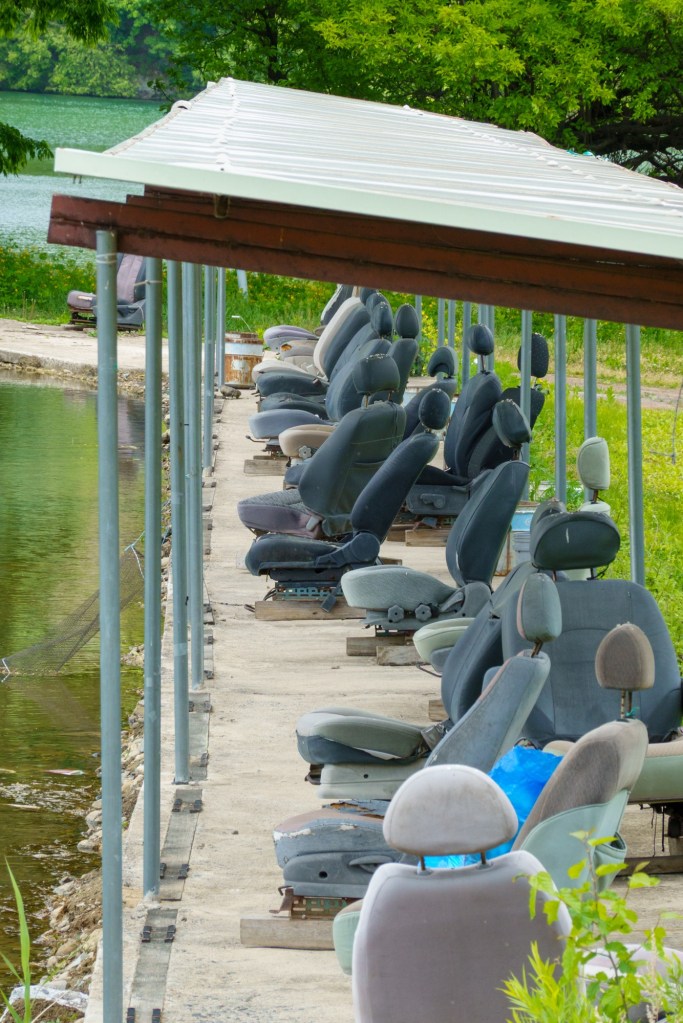
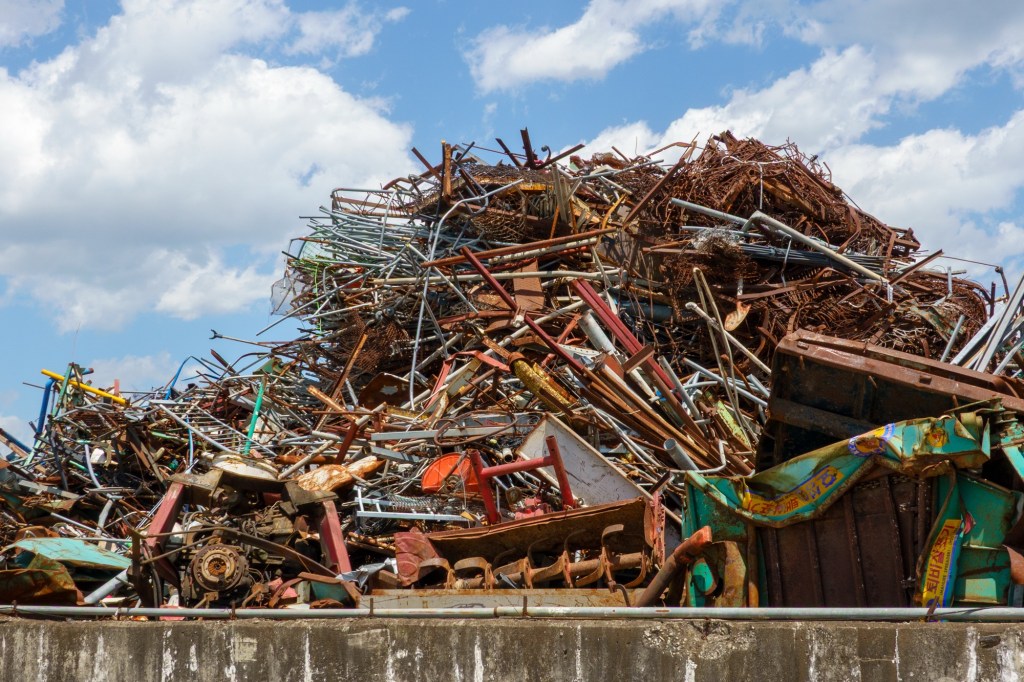
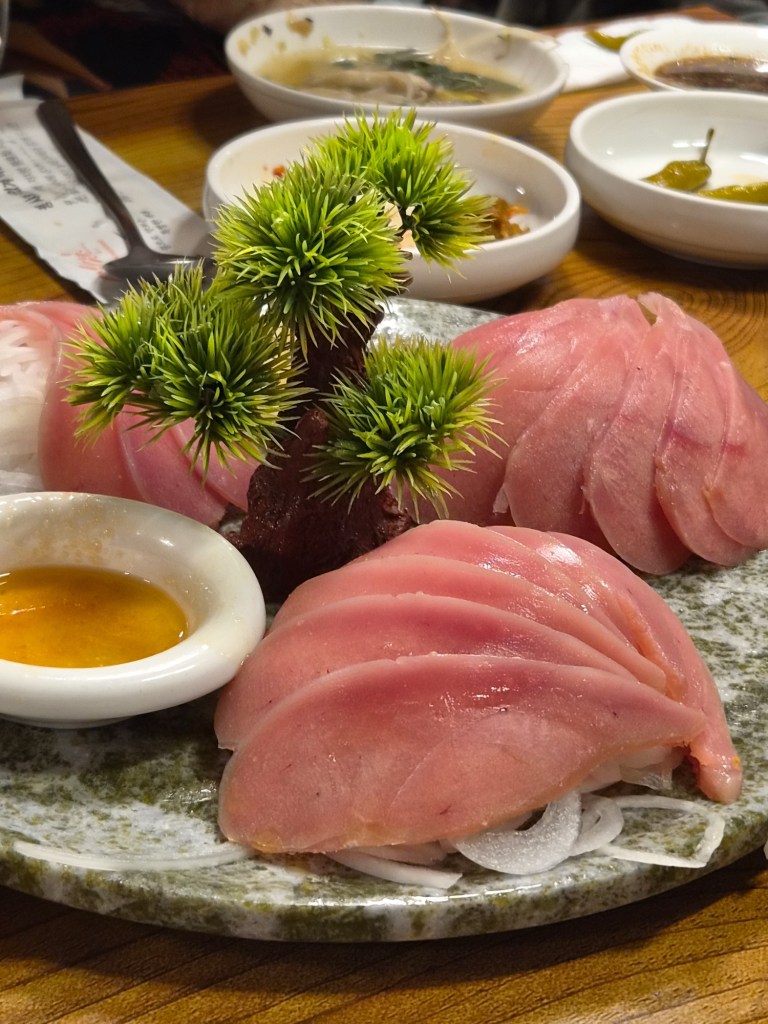
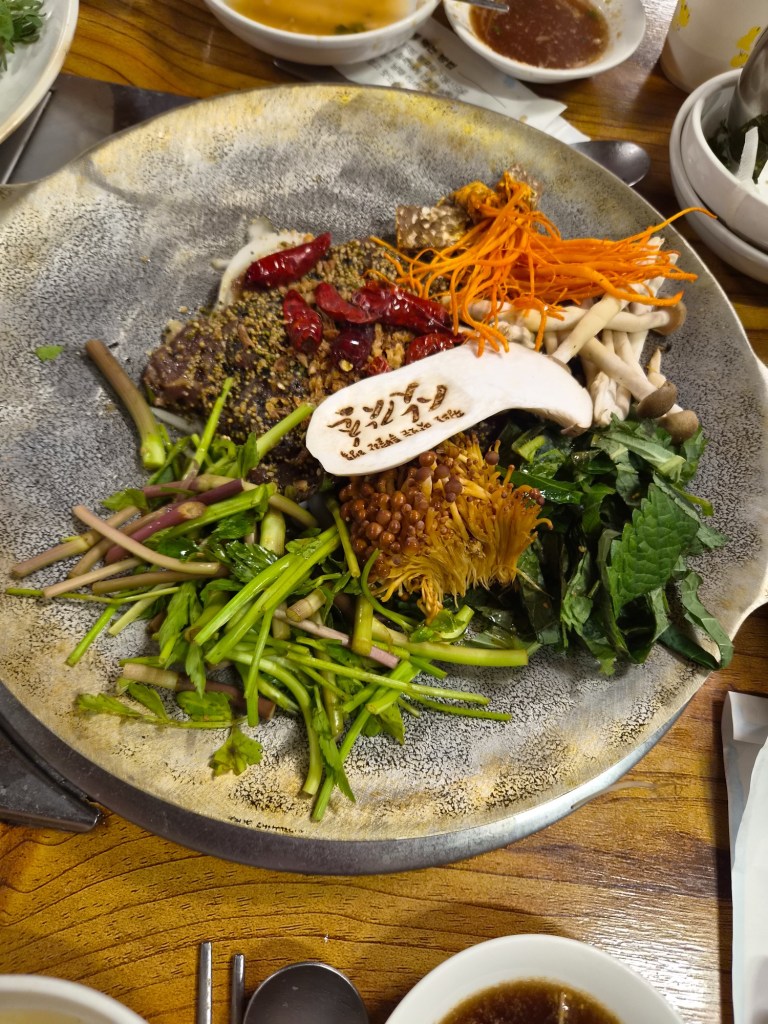
Suanbo is a “historic, quiet hot spring town in Chungju, South Korea, known for its natural alkaline water used for centuries”. Taking recycling to extremes. “Located near Woraksan National Park, it serves as a tranquil base for hiking, relaxing in hot springs, and enjoying local specialties like pheasant, offering a rustic, nostalgic getaway. ” Pheasant was good, not sure about the rustic – rusty maybe.
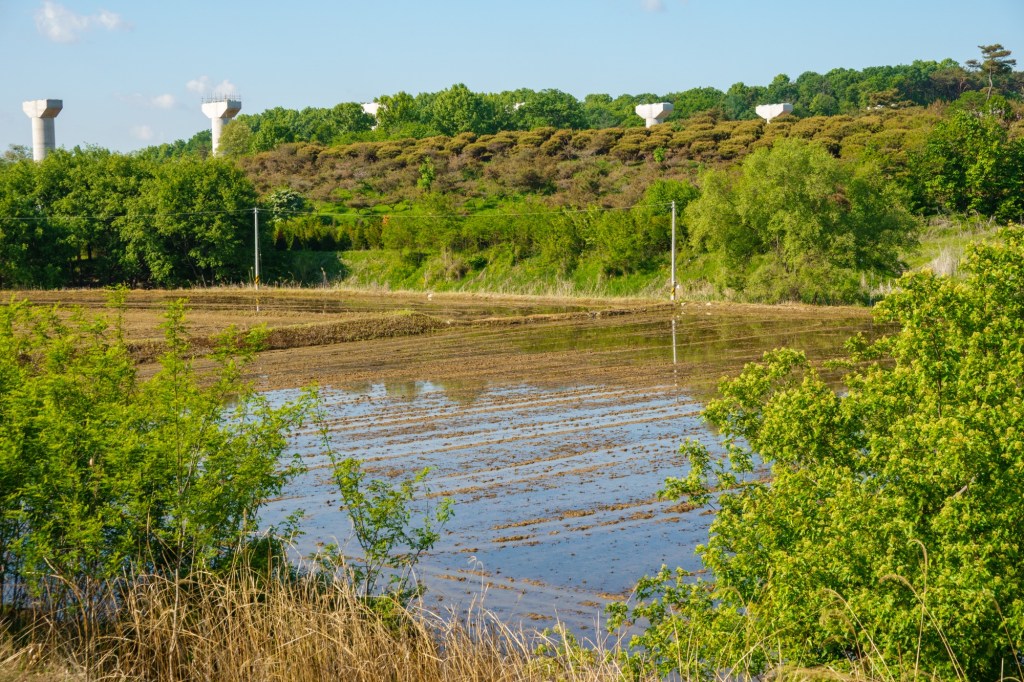
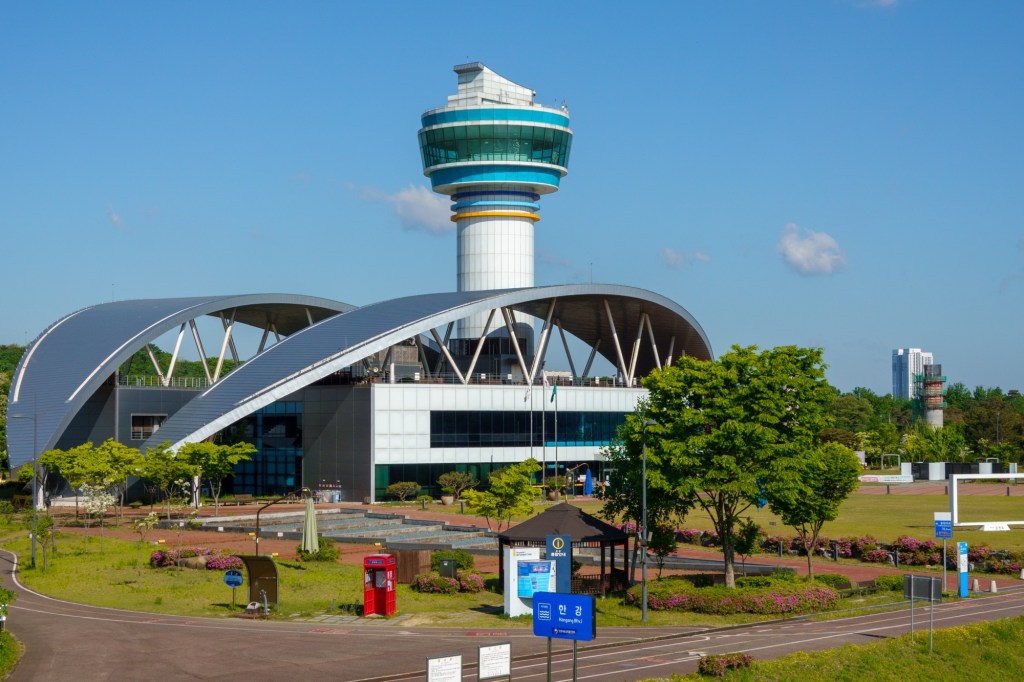
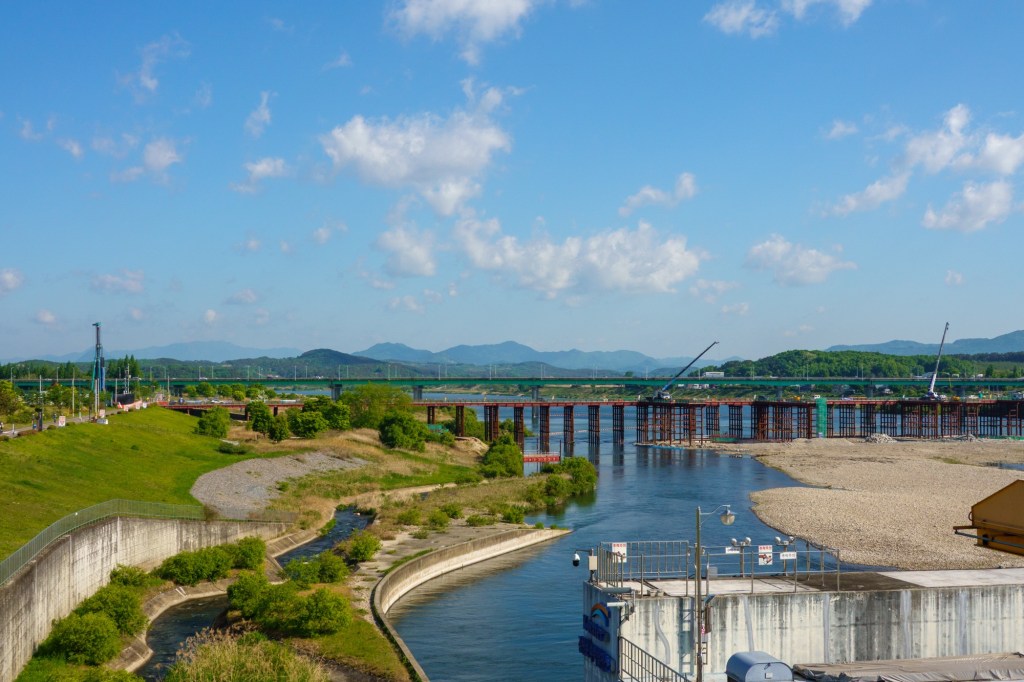
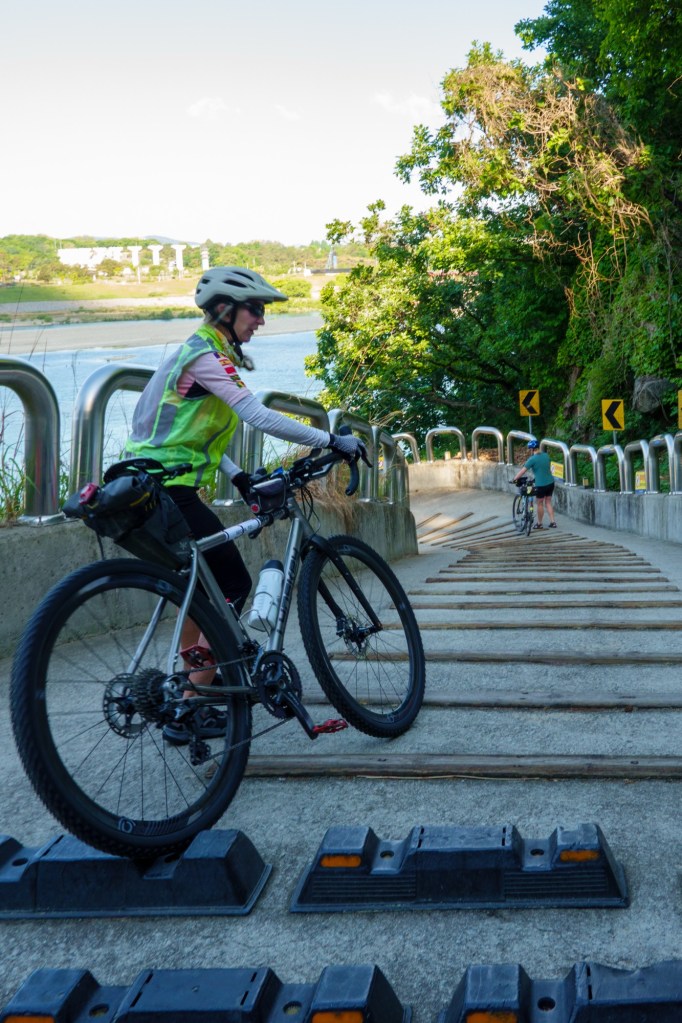
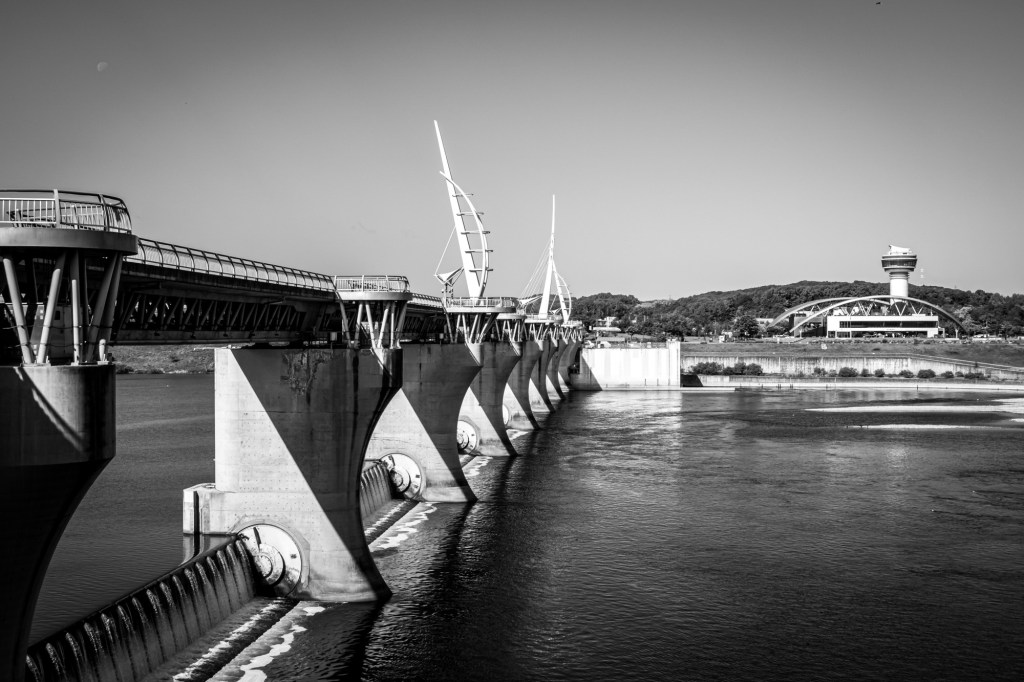
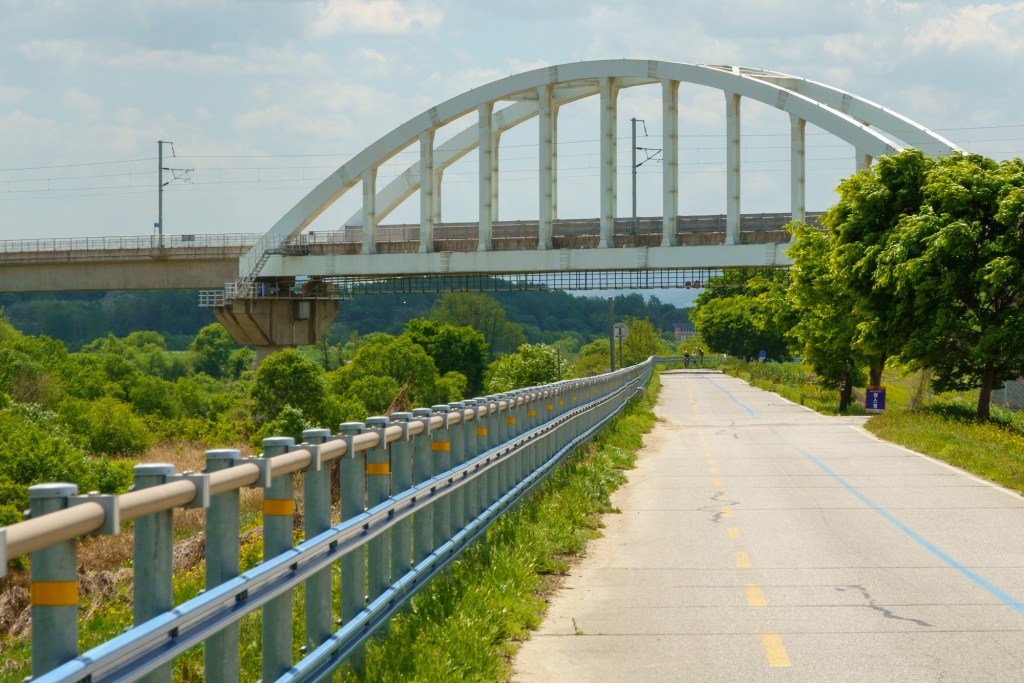
Cycling continued along cycle paths – sometimes segregated, sometimes on side of road – following the river. We’re heading deeper into the rural areas towards the Busan Alps.
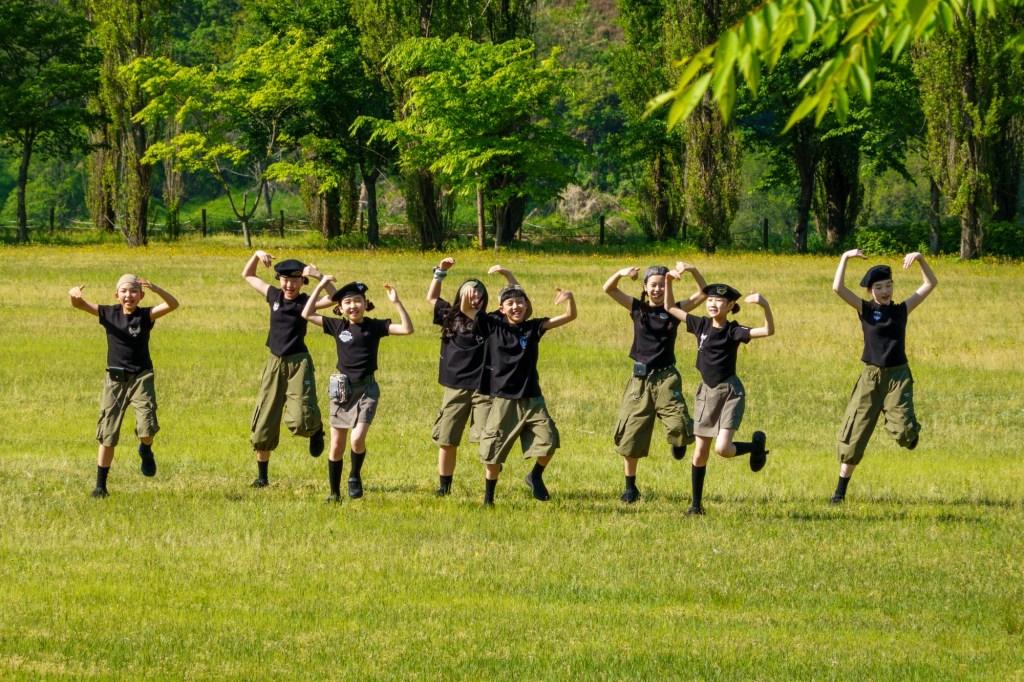
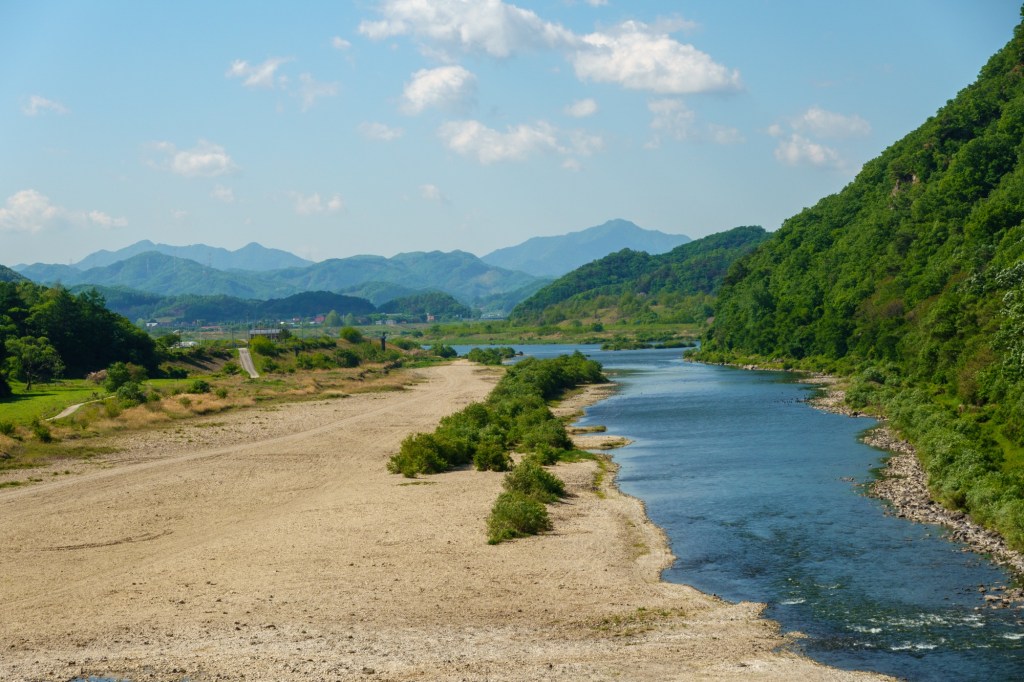
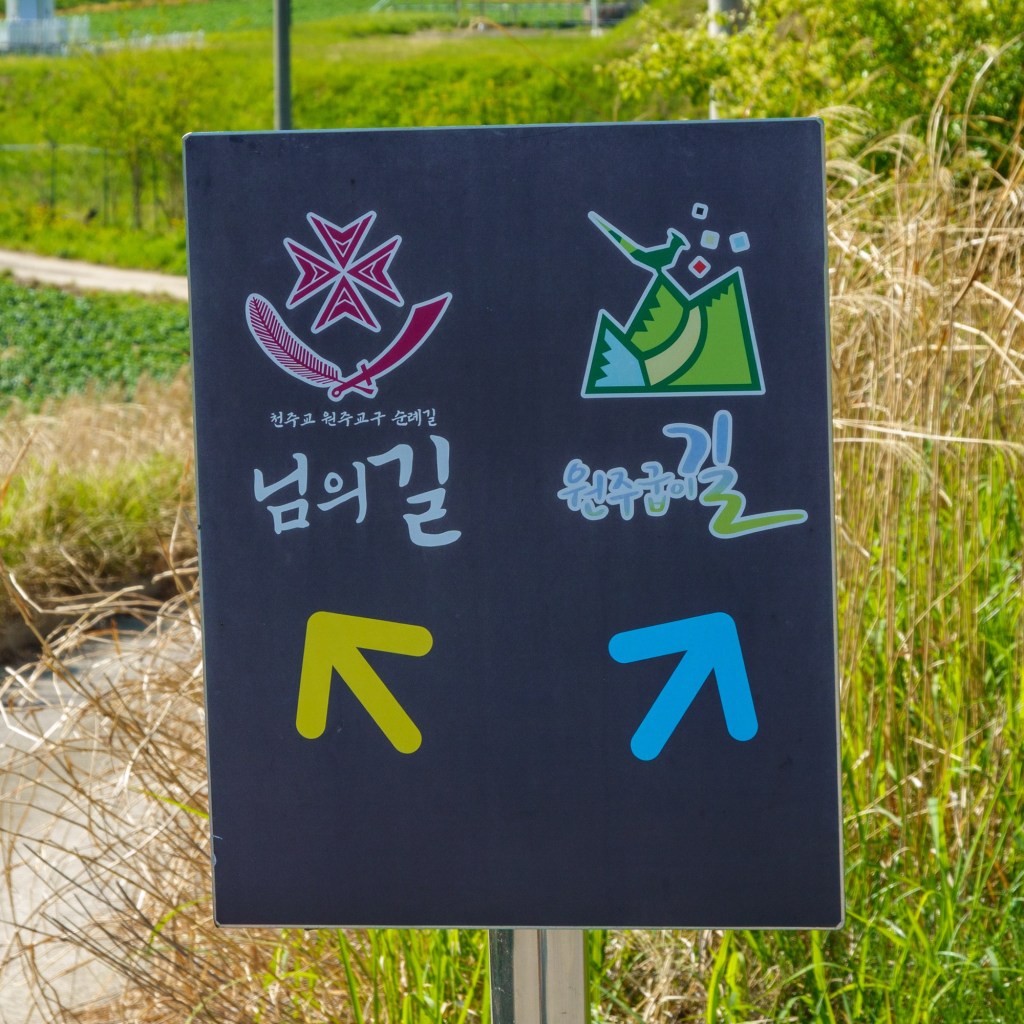
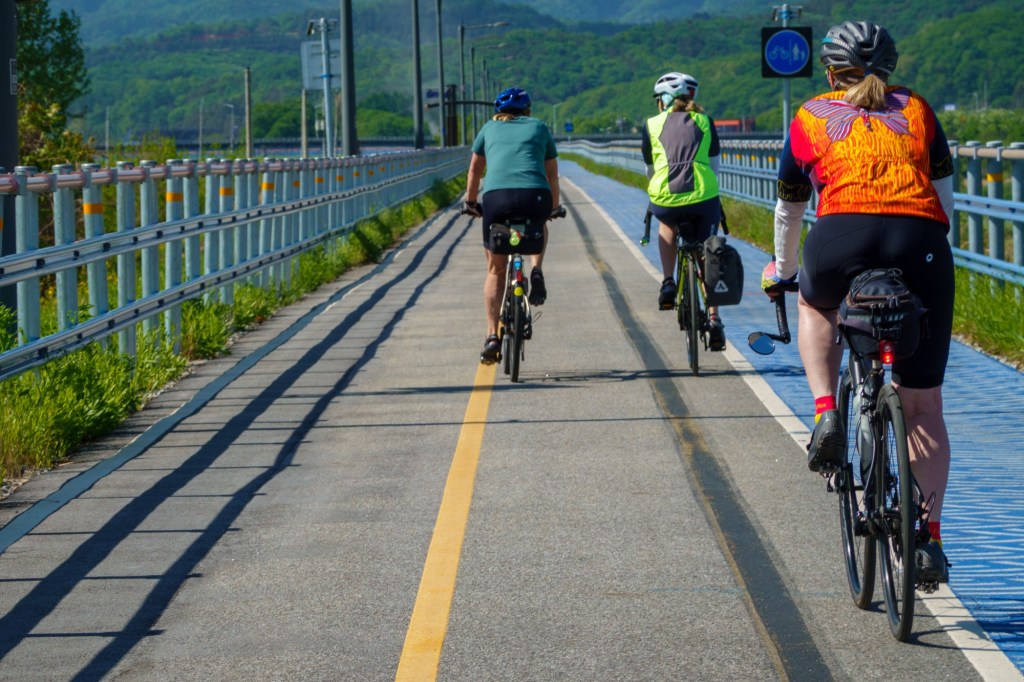
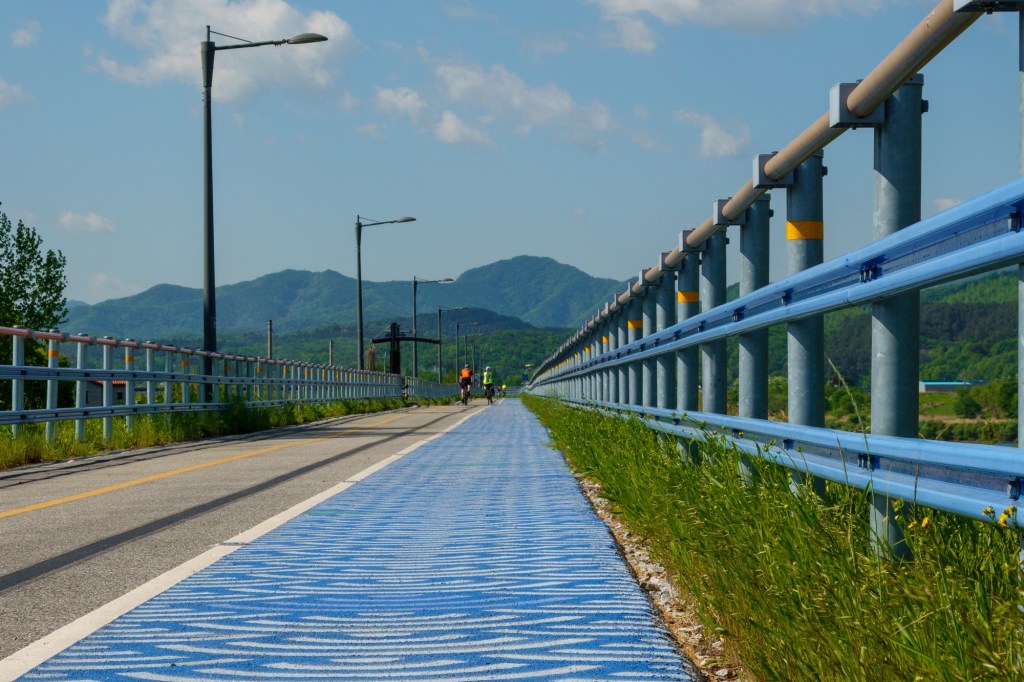
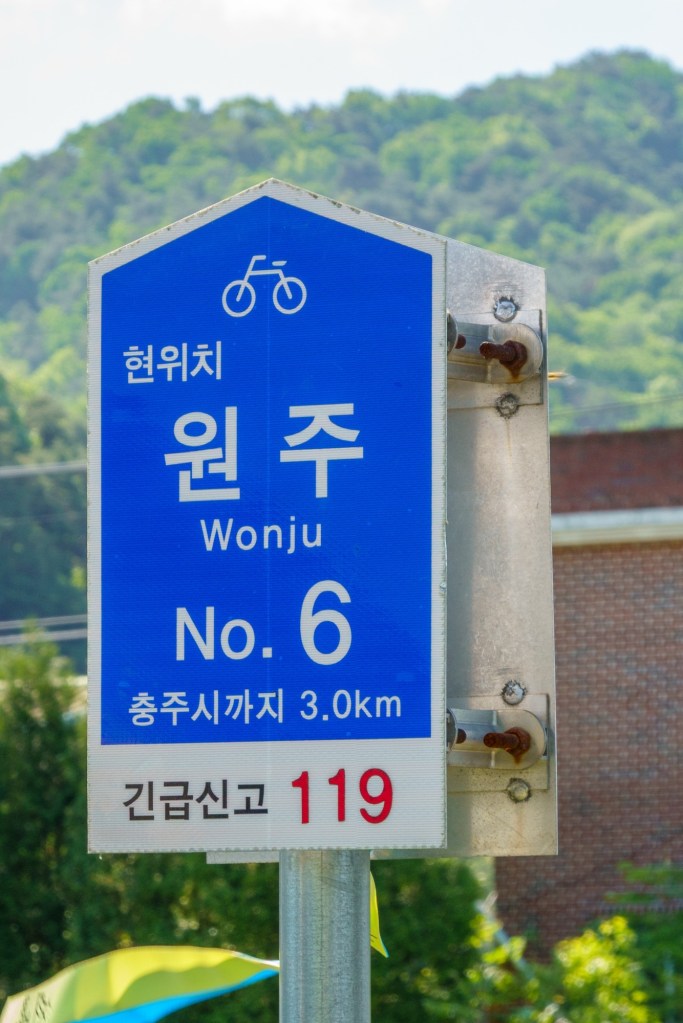
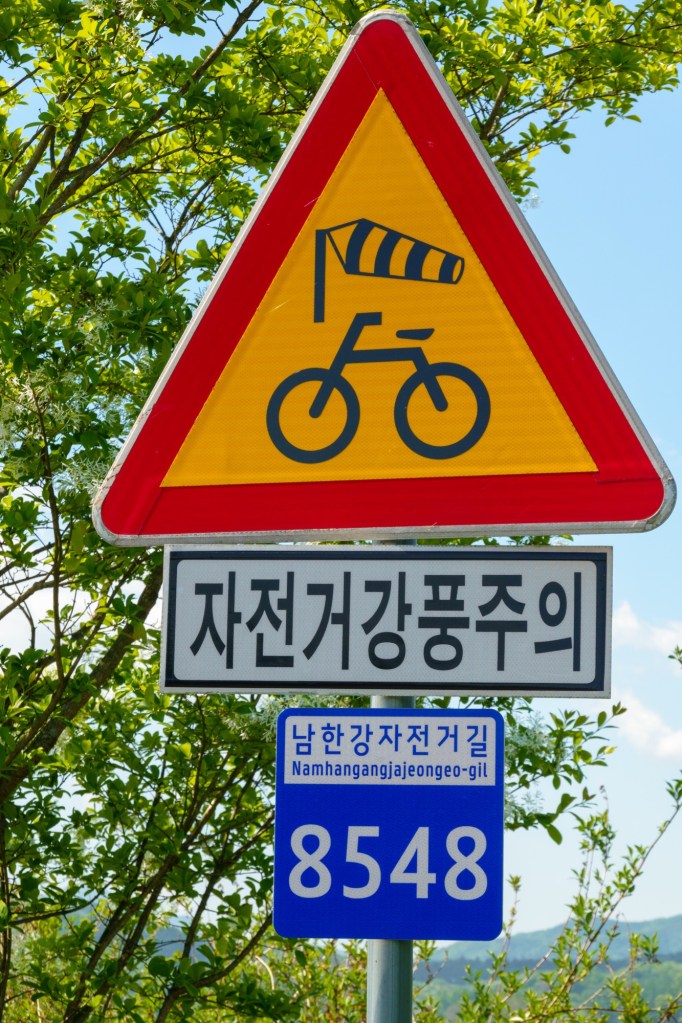
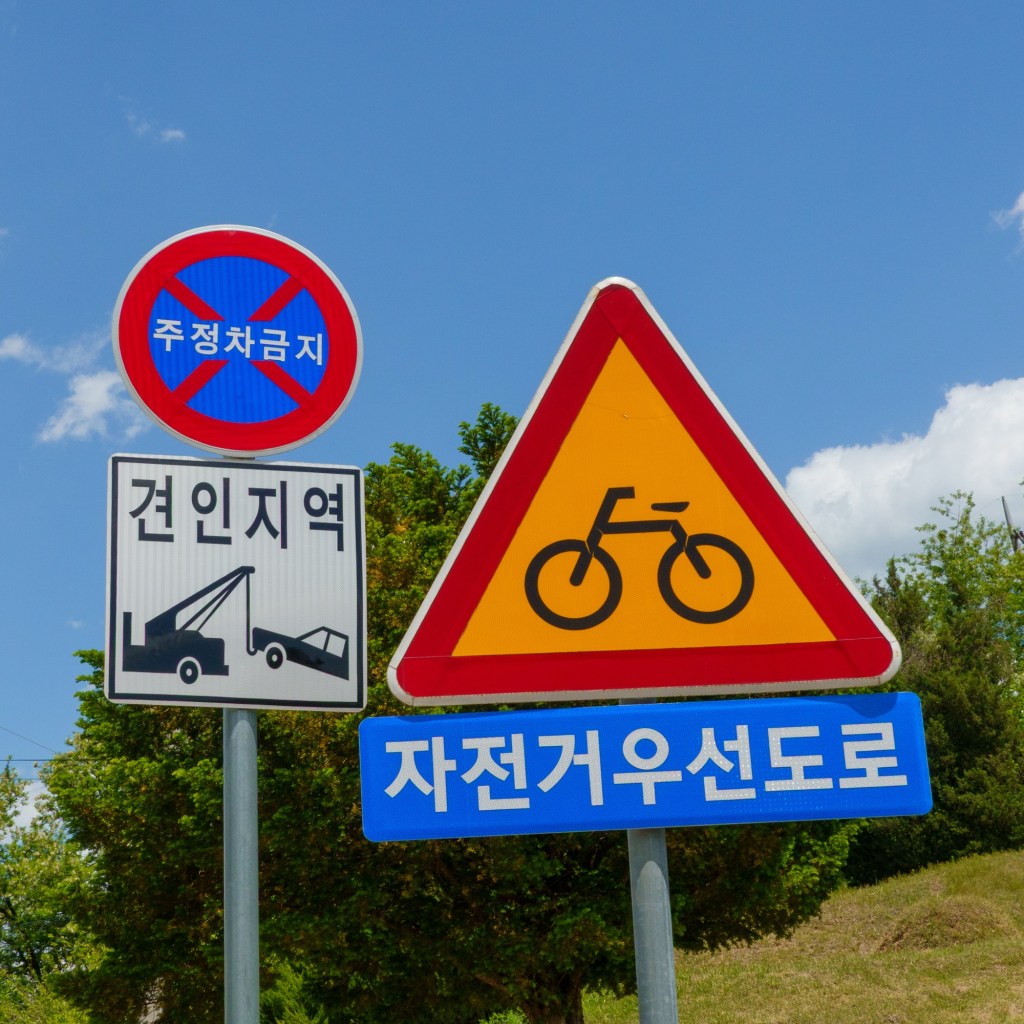
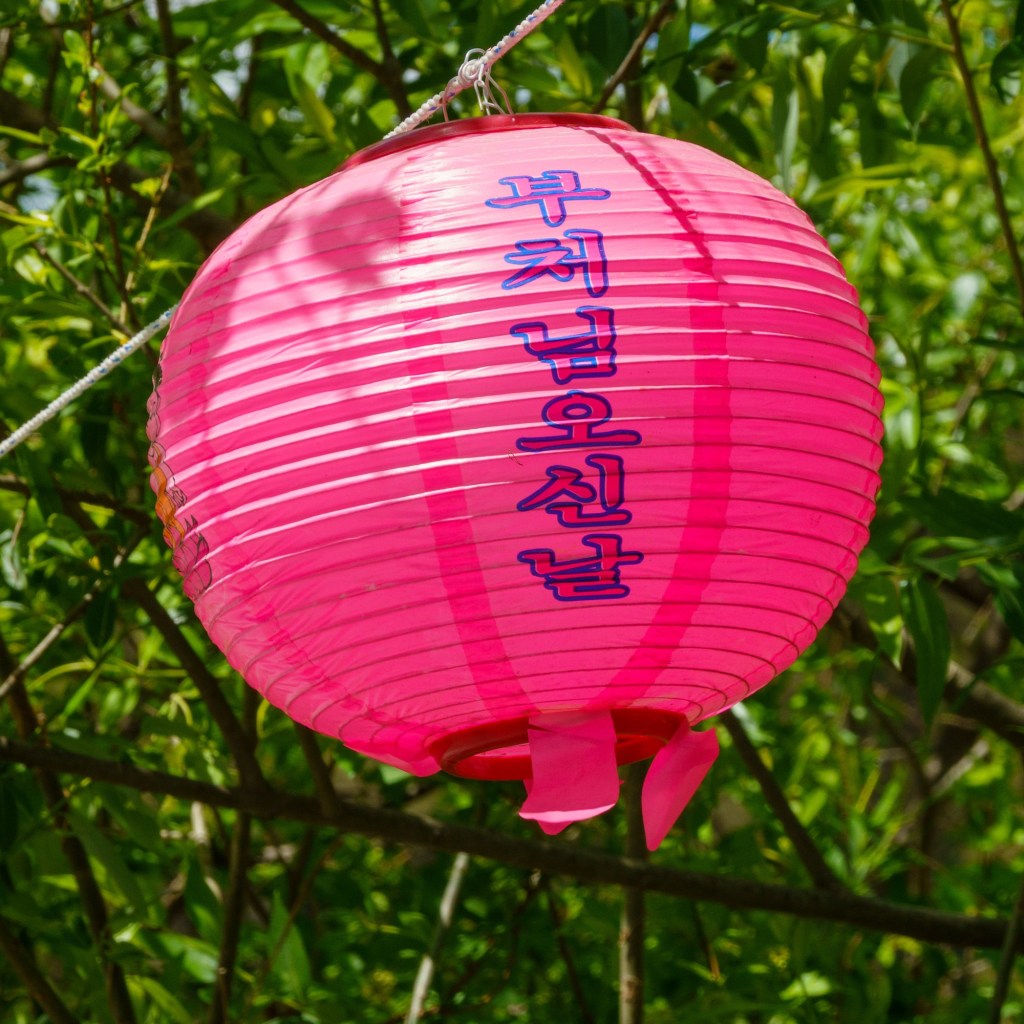
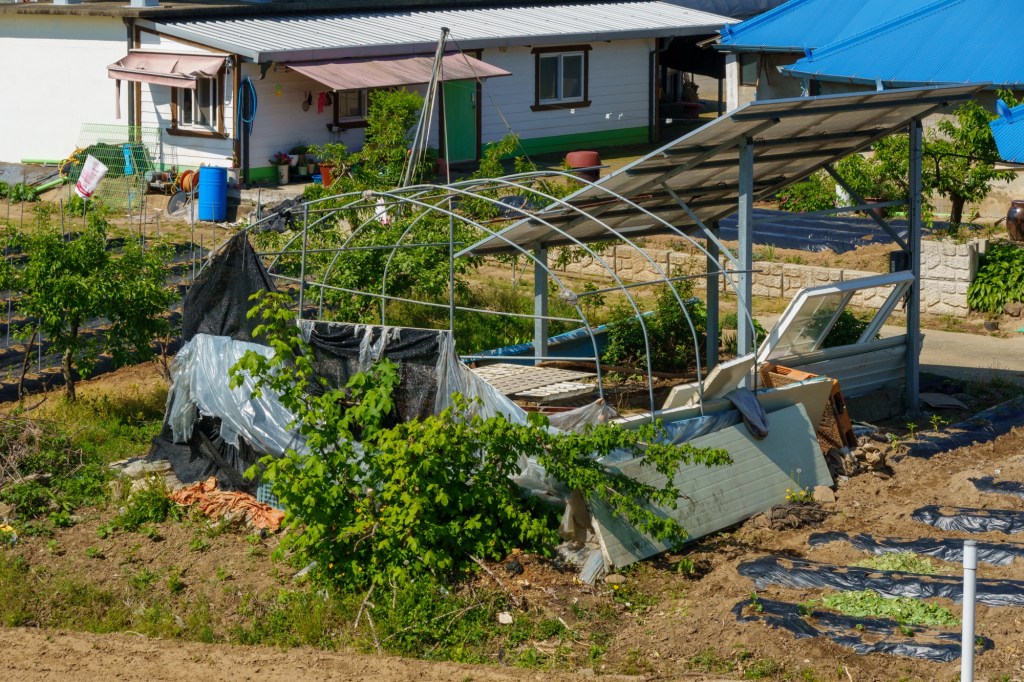
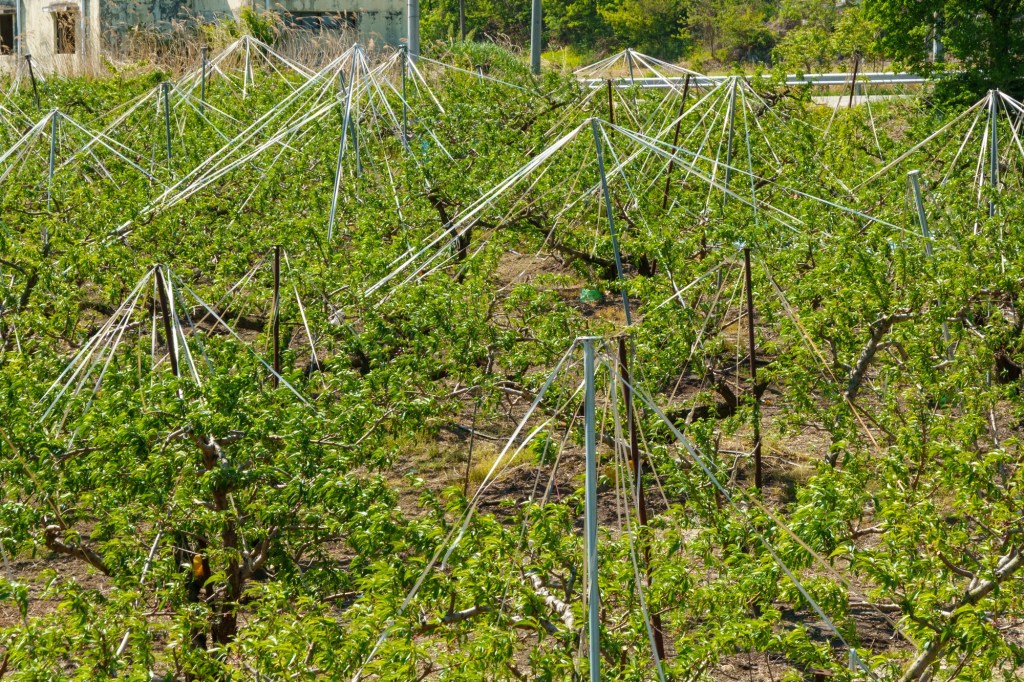
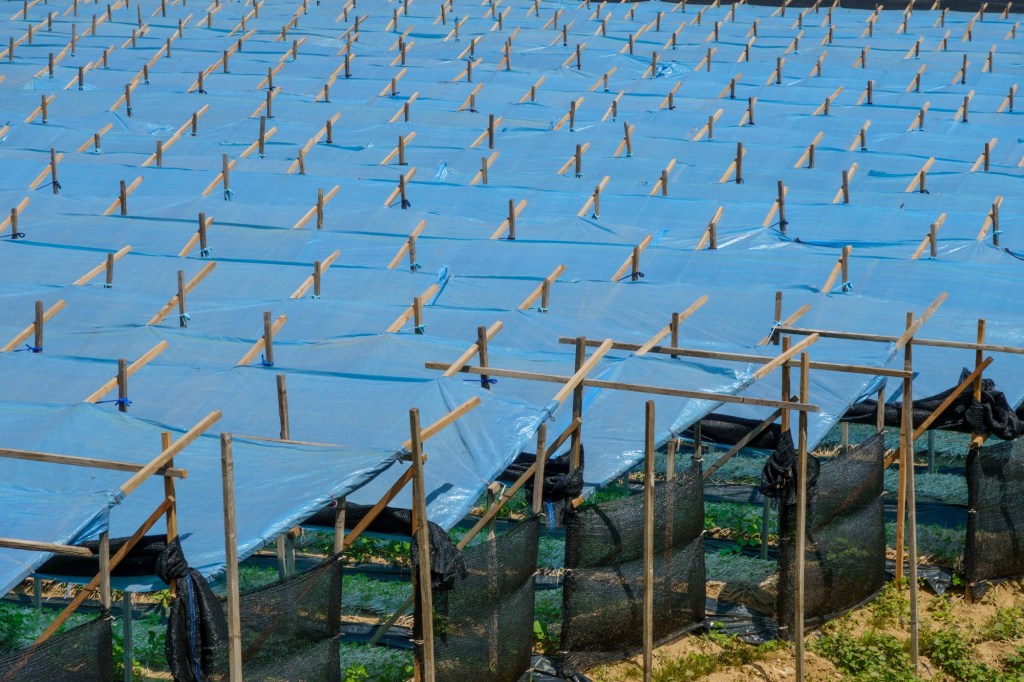
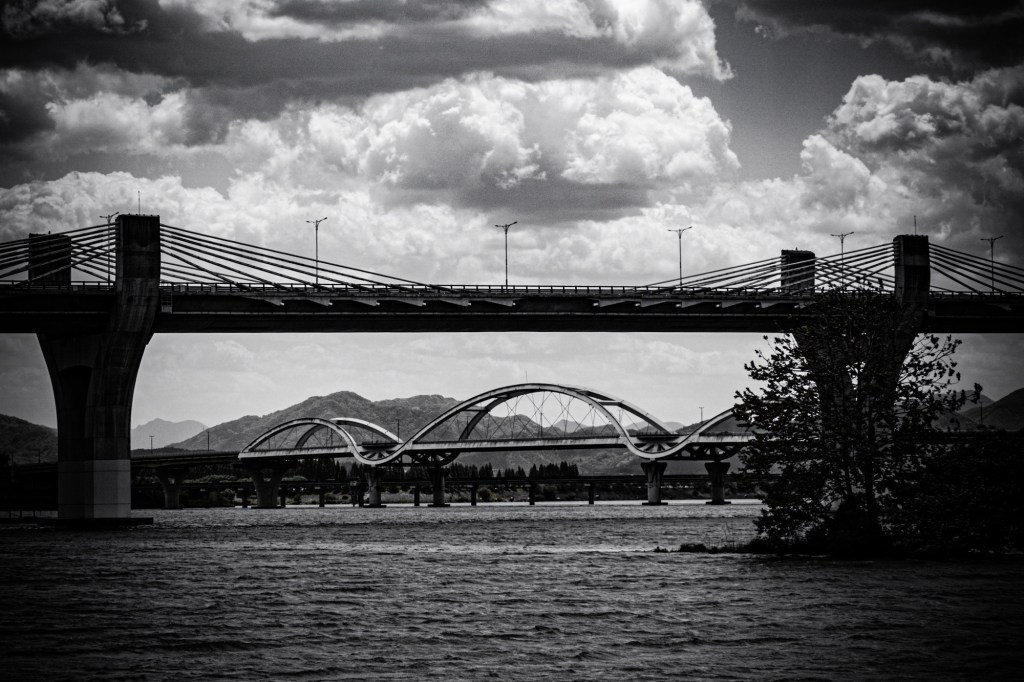
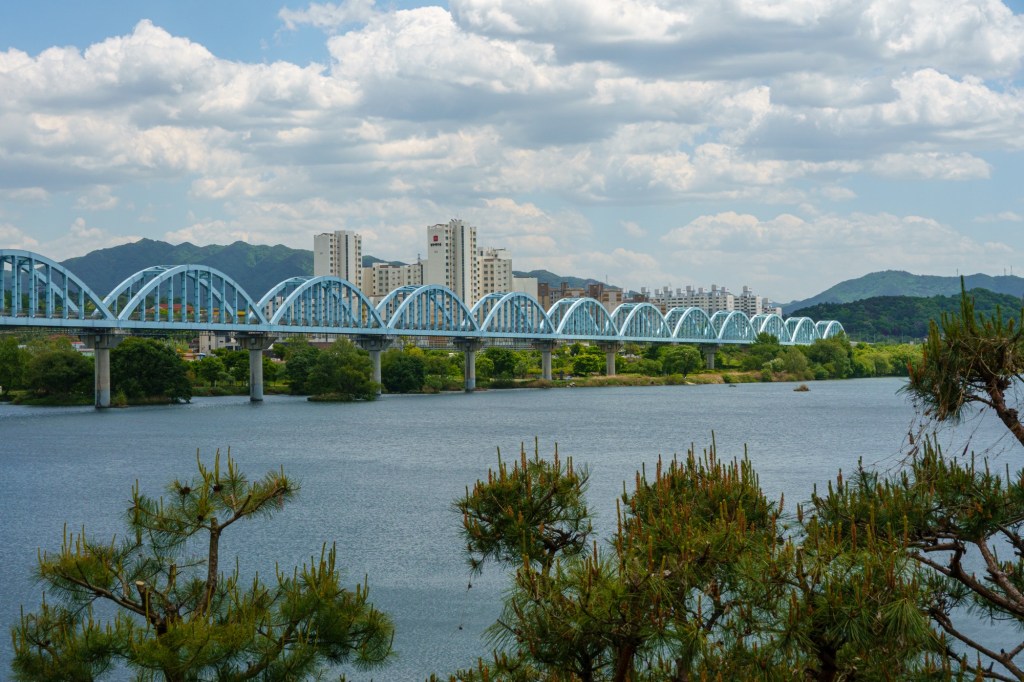
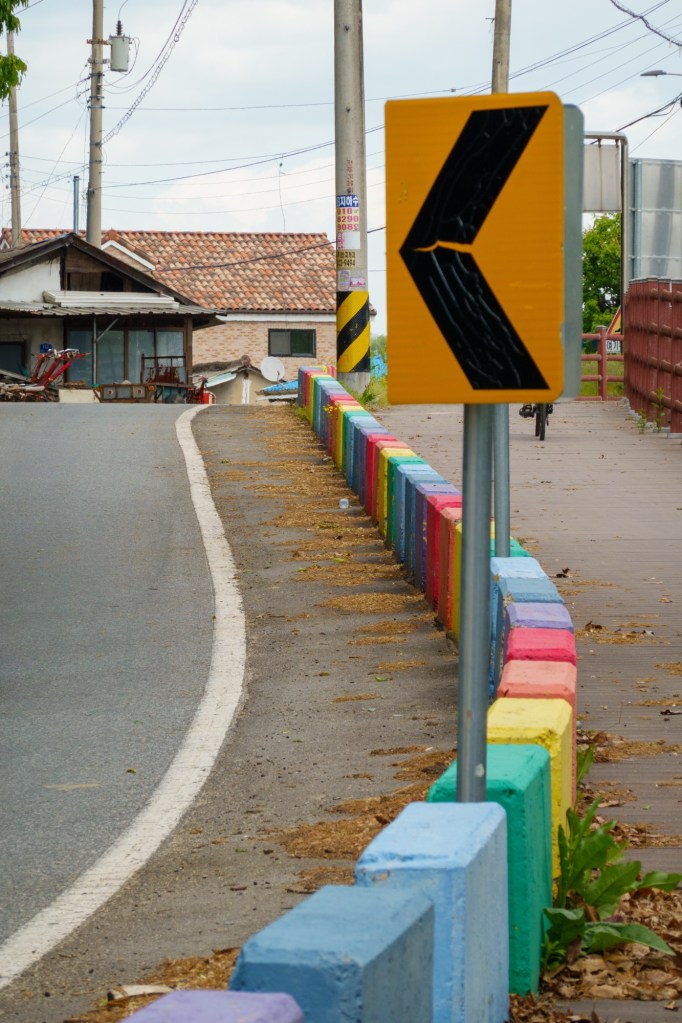
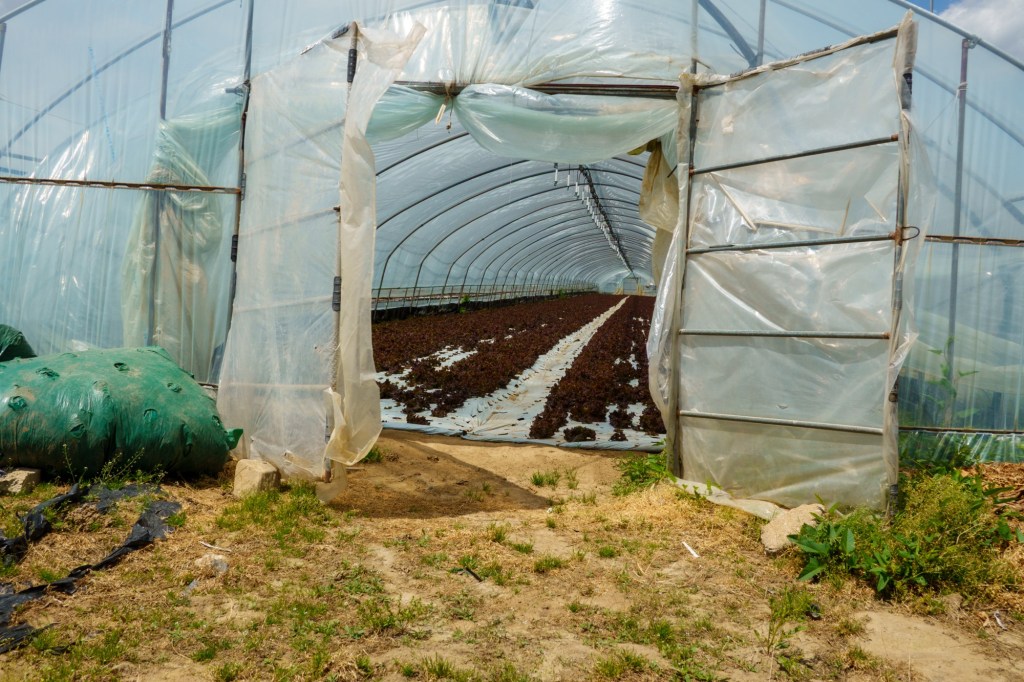
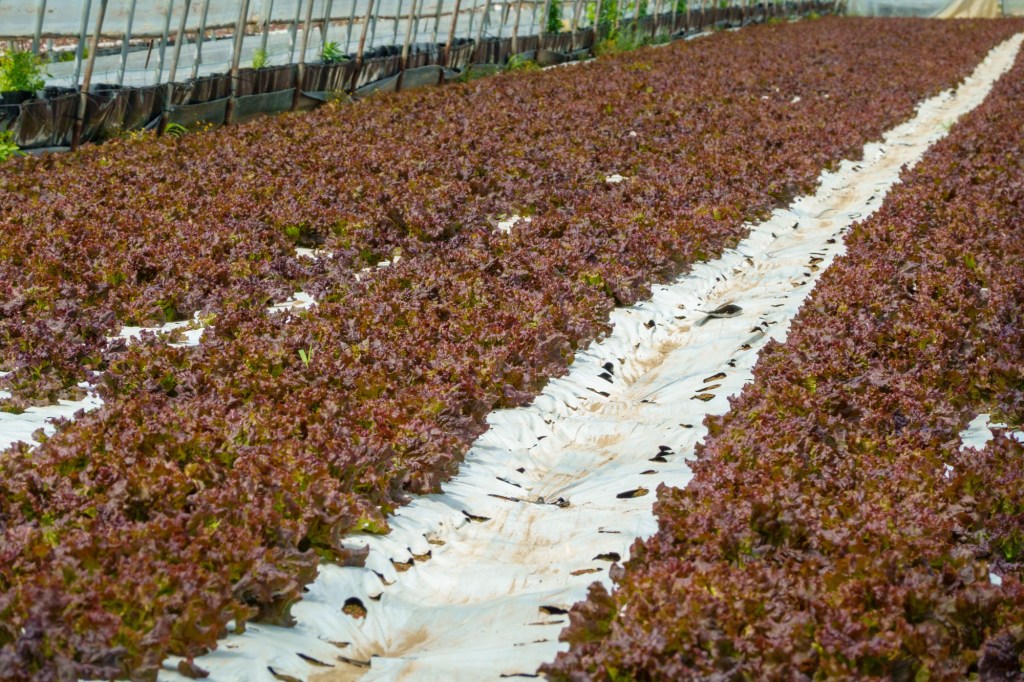
A great variety of things to look at. From alpine landscapes to farming and the general paraphernalia of people leading life’s. The K-pop dancing in a field was an early highlight – a bunch of happy kids watched by some older cyclists. Then we left to cross and look at a great selection of bridges of all shapes.
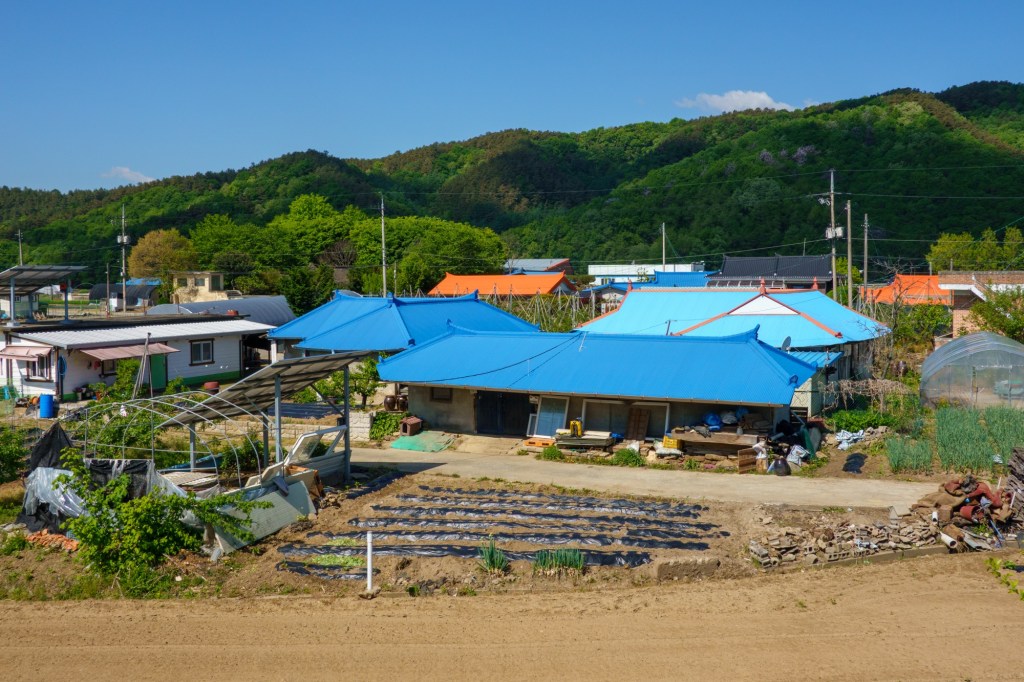
One thing I’ve noticed compared to Europe is the relative paucity of churches: a search followed. For comparison in the UK 46% Christian and 37% no religion.
“South Korea has a religiously diverse, yet largely secular population, with roughly 50% of residents reporting no religious affiliation. Among those with beliefs, Protestantism (approx. 20%) and Buddhism (approx. 17%) are the largest, followed by Catholicism (approx. 11%). Traditional Confucian ethics and Shamanistic practices heavily influence daily life.”
We have crossed quite a few hydroelectric dams, which prompted the question how important an energy source is it. As of 2024–2025, South Korea’s power generation is led by nuclear energy (approx. 31–32%), which overtook coal for the first time in 17 years, followed closely by coal and natural gas. There’s a growing reliance on low-carbon sources, including over 10% from renewables. Surprising – I expected more.
A fine day, fueled by good coffee stops.


