D10 JttE Beppu – Matsuyama

Fastest ever 100k ride. Averaged 32km/h. By a strange coincidence the ferry we were on from Kyushu island to Shikoku island was exactly the same. If only I had ridden my bike whist on the ferry I could have beaten it.

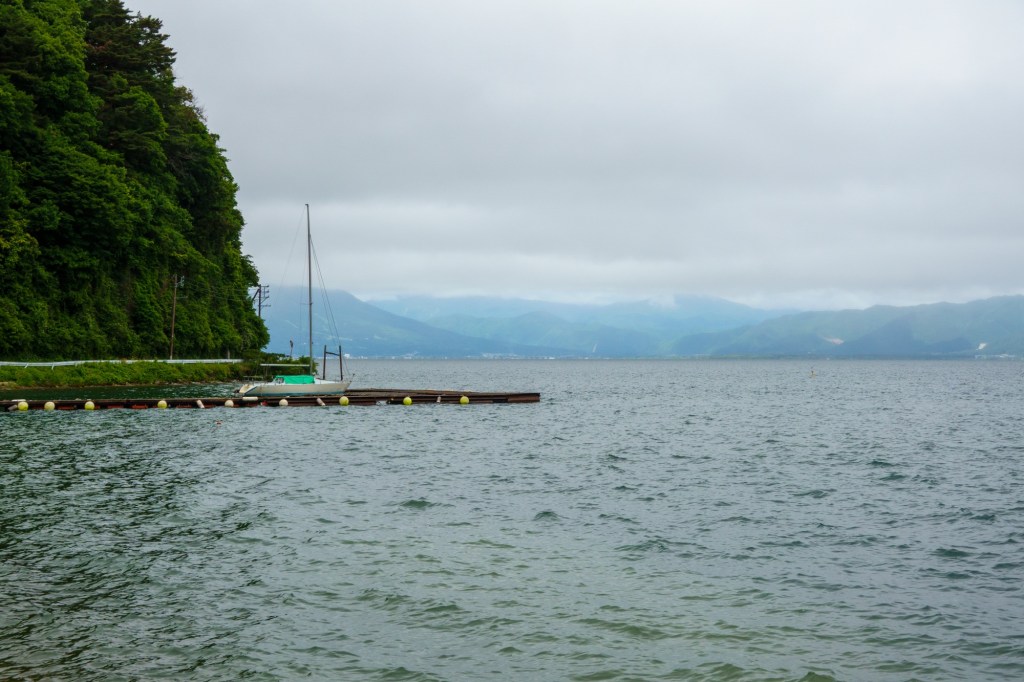
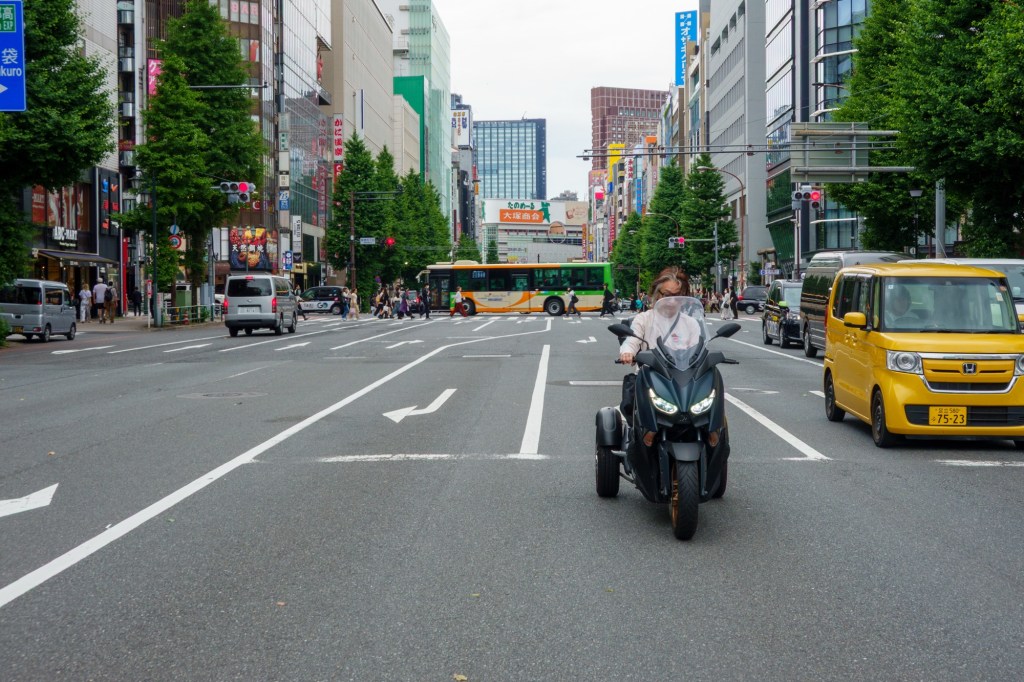
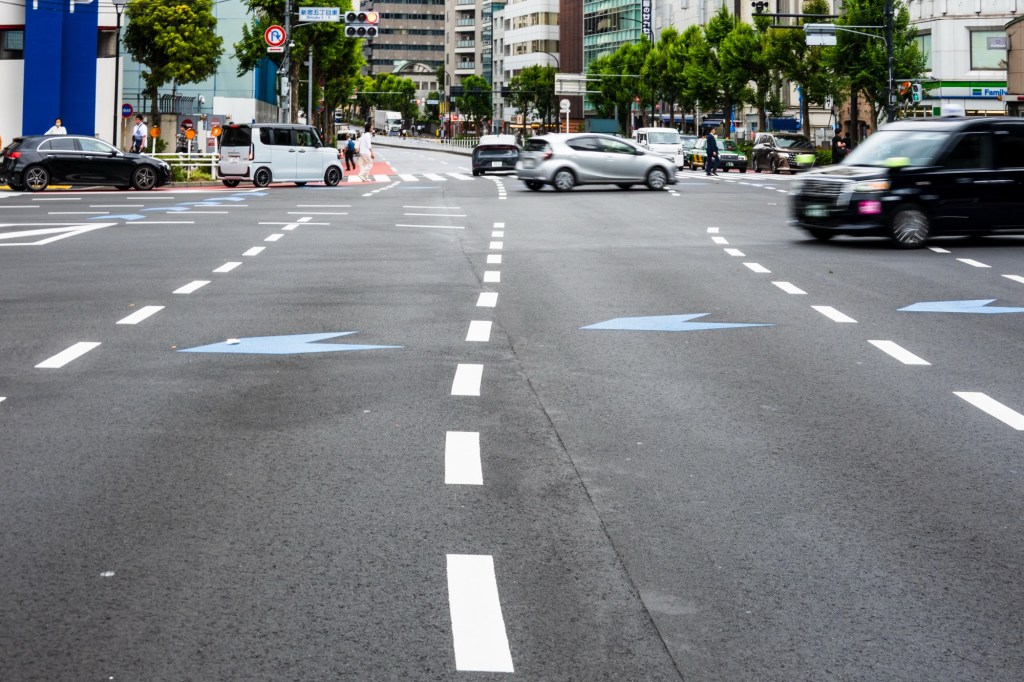
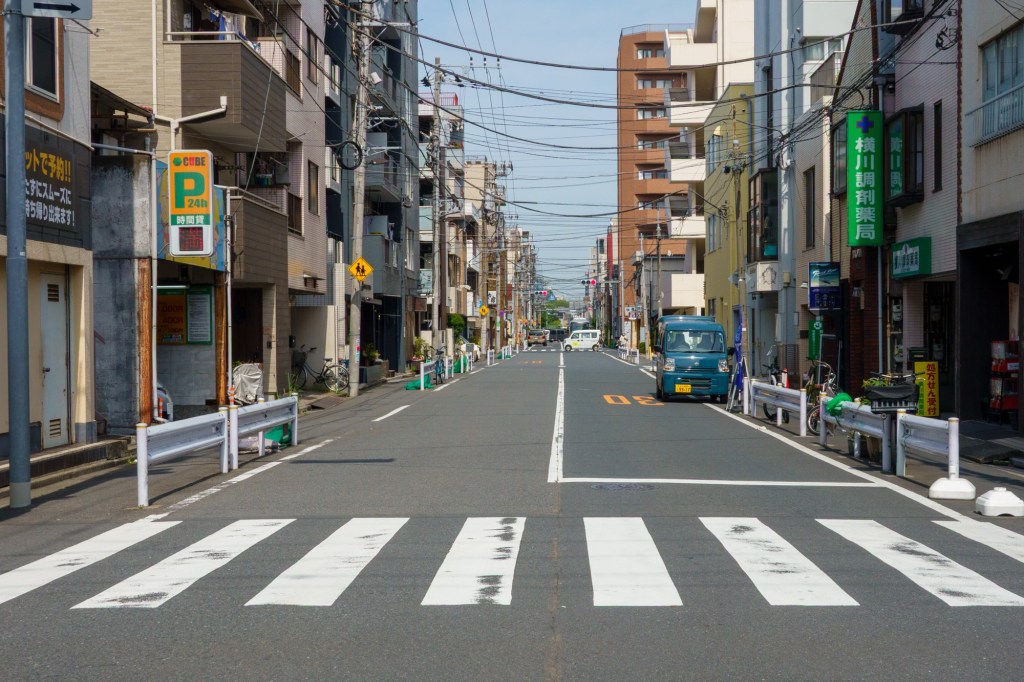
Our introduction on Shikoku took us via a lovely coastal road (constant but fairly quiet main road) and then into Matsuyama. Which was then a bit of a shock coming into a 500000 person city with busy traffic. We’ll explore here tomorrow.
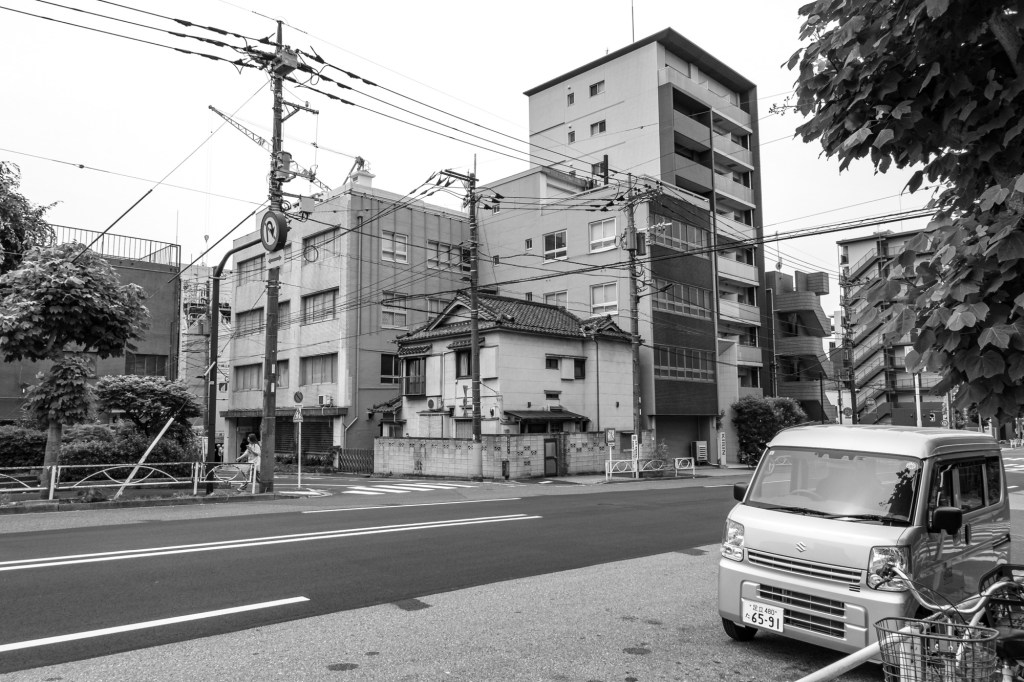
It may well be things will quieten down. This island, compared to Kyushu, is smaller – famous for the sacred 88 temple Buddhist pilgrimage, deep mountain valleys and more rural.

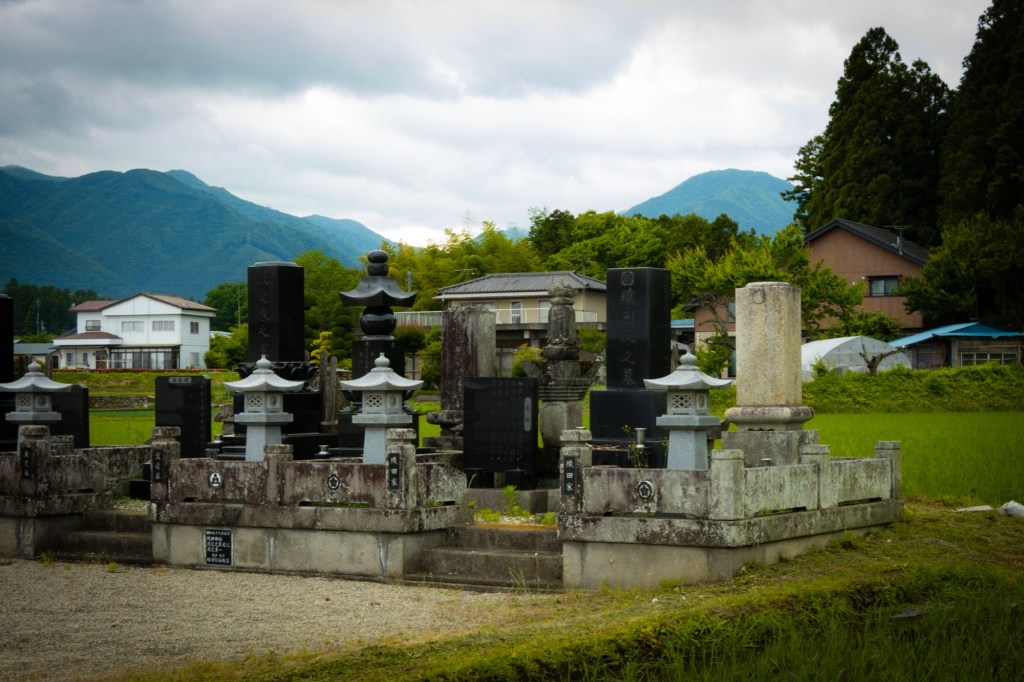
One thing the islands have in common in numerous graveyards. Large and small in abundance. By the roadside, up hillsides, in middle of villages. This is partially due to a cultural tradition of individual family plots being passed down through generations. Geography also plays a roll as cities and towns are concentrated on the coastal and flat areas.

The conundrum of today is why did the slow worm cross the road?

D9 JttE Aso – Beppu

Beppu is famed for it’s hot water springs (2000 of them), heated via the volcanic activity. Akin to a UK Spa town. We know were the water comes from after today.

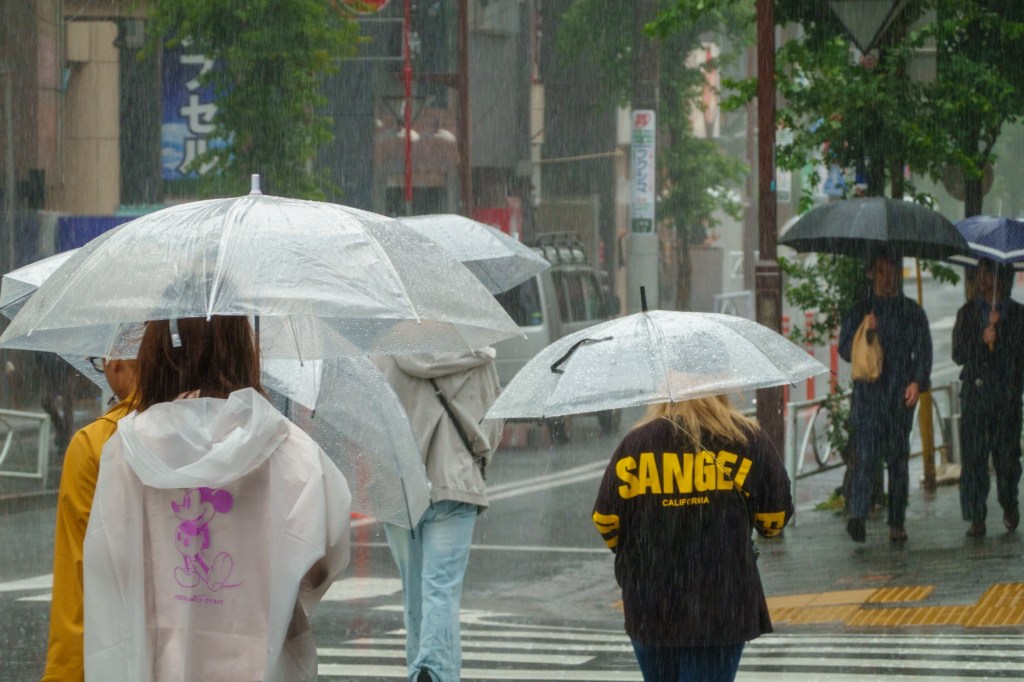
Rain waters runs down to the sea,

evaporation makes the clouds so free,

then it comes and rains on me.

(From This World goes round and round by Tom Paxton, but you probably knew that).

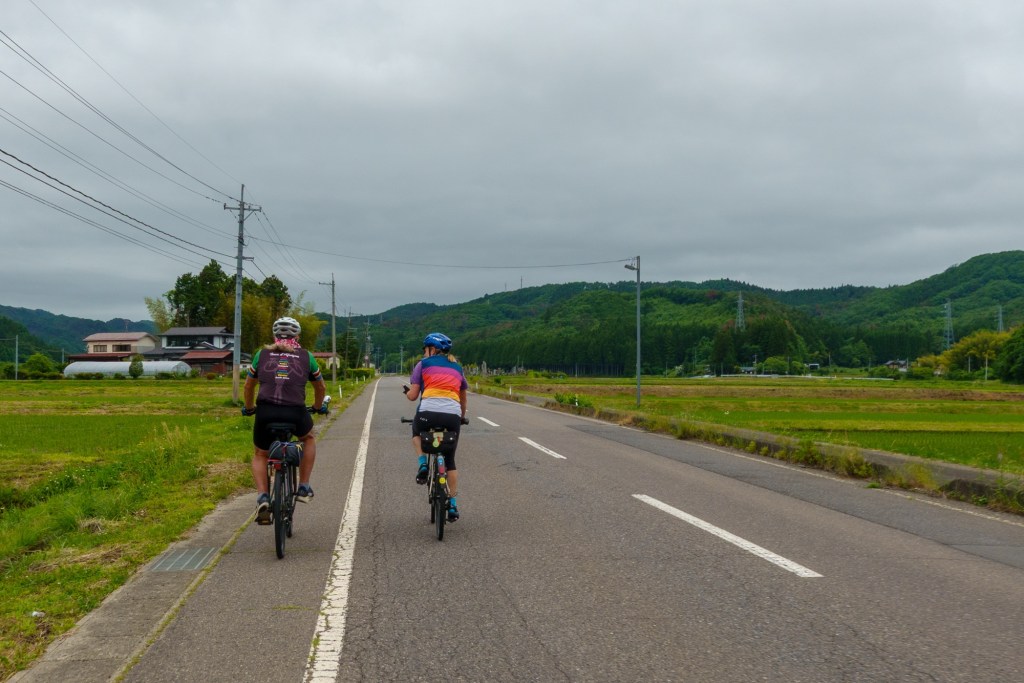
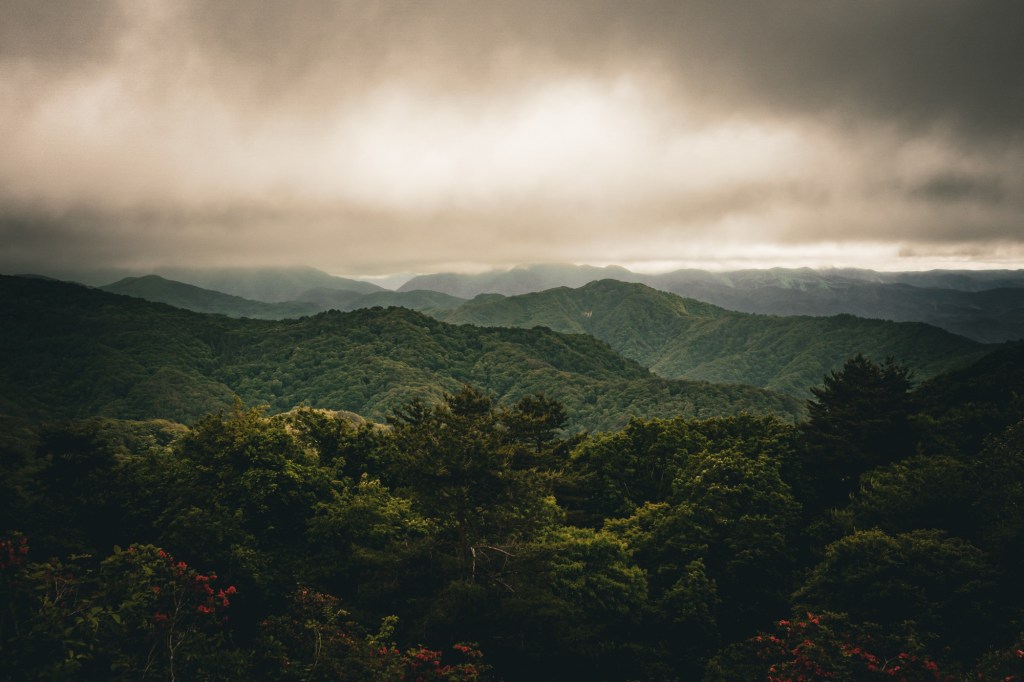
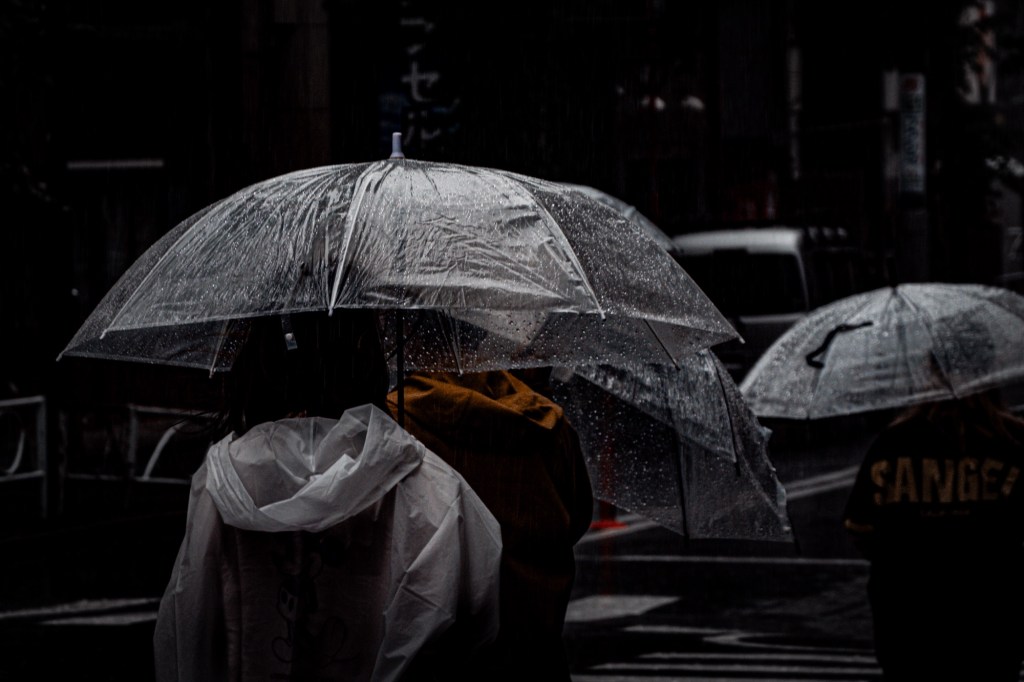
A lush ride today in what seemed like temperate rain forest. Accompanied by birds singing their lungs out – more tunefully than I.

Hilly too, some great gradients to get keep the low gears happy. The brakes worked hard too.

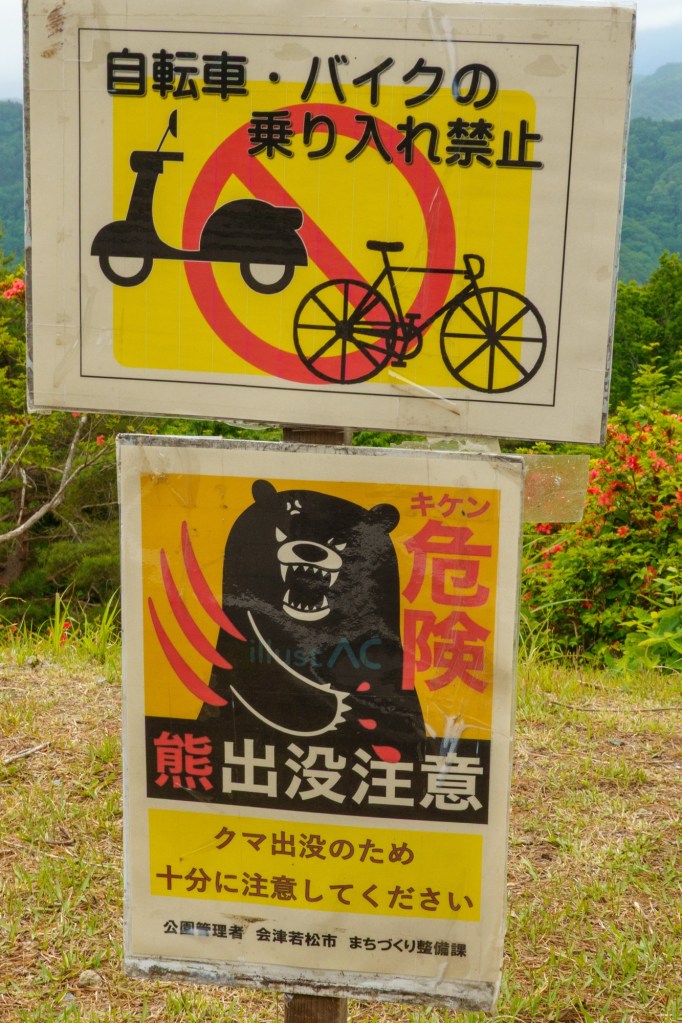
You get the impression of it being a tourist area but out of season – most of the few cafes are shut. Just the one did the ticket.

Tomorrow to another island.

D8 JttE Kumamoto – Aso

Located in Kumamoto Prefecture, Japan, Mount Aso is one of the world’s largest active calderas. “Famous for its dramatic, smoking Nakadake Crater, lush grasslands, and hot springs, the area offers a surreal glimpse into volcanic forces”.

The ancient caldera is massive, measuring roughly 25km x 18km. We got a sense of the scale after we’d cycled up the slope to get to the top. The last eruption was in Oct 2021, sending a plume of ash 3500m into the sky. Respect.

We’re staying in Aso, a town of 24000 people. Two main industries. Tourism and agriculture. The latter was in constant view on a lot of the route. Wheat and carrots in addition to rice.

We were fortunate with the shade offered by the trees on the ascent. Fir interspersed with Japanese chestnut. With the occasional patch of Japanese knotweed, a pernicious weed in UK.

Japanese knotweed (Reynoutria japonica) is not a major problem in Japan. While it occasionally grows as a weed on disturbed ground or volcanic ash, it is kept fully in check by its native ecosystem. 

The reasons Japanese knotweed does not take over in Japan include:

  • Natural Predators: It is eaten and weakened by native insects (like the psyllid Aphalara itadori) and naturally occurring soil fungi.
  • Plant Competition: It is forced to compete with other vigorous native vegetation (such as bamboo and Miscanthus grasses) rather than growing uncontested.
  • Extreme Environments: In its native alpine and volcanic habitats, poor soils and volcanic activity naturally stunt its growth.
  • Cultural Use: For centuries, locals have utilized it as an edible wild plant and traditional herbal medicine. 

In contrast, Japanese knotweed is considered an aggressively invasive pest in places like Europe and North America because it lacks these natural predators and competitors.

Guess what tomorrow brings. Escape from the volcano going back up the caldera wall. Just how fast we go may depend on the forces of nature…..

D7 JttE Nagasaki – Kumamoto

Today was a good introduction to Japanese rule following. A 20km crossing by ferry. No, you cannot get on the boat that’s there. It already has 2 bikes more than the 8 allowed. Wait an hour for the next ones. We got on…lots of space. Some left behind for the next ferry. Yup, we’ve pushed the rules to breaking point with another 10 bikes. All done with great politeness and arm waving.

We’re still on the same island of Kyushu as Nagasaki. The flat bit was the ferry ride. The remainder was lumpy – a good volcanic landscape. Maybe that has helped the soil’s fertility. Lots of things being grown everywhere, including potatoes by the chip load and onions.

Getting to grips with the coke stops. Vending machines by the road side. Full, working and very reasonably priced.

Lots of trees today, thankfully offering shade as the temperature nudged to high 20s. The roads are about UK standard, ie mixed. Drivers are very considerate.

Kumamoto is a city of some 750000 people, with another 750k in the wider metropolitan area.. I read the largest motorcycle production facility in the world is in Kumamoto. Mutsibushi Electronics has a 500million UK Pounds semiconductor factory opening about now. Maybe this explains the number of suits we’ve seen.

Glad we’ve got some good low gears, we’re going to need them!

JttE Nagasaki

Bike reassembly first then onto a “Rest day”.

Pete Seeger’s “Where have all the flowers gone?”, came to mind. “When will we ever learn, when will we ever learn?” The lessons of history are there for all to see, and fail to heed.

Perhaps the horrors of the two atomic bombs dropped on Japan have been heeded. Nuclear proliferation yes, use no: but the difference between peace and obliterarion is waver thin. And in the hands of a very few compared to those who pay the price.

The museum didn’t major on the whys or the differences in opinions about the bomb’s deployment, nor Japan’s undisputed war atrocities. Rather a powerful focus on the effect on people and place. The stats are too many to absorb. The pictures and debris tell the story. I do hope we heed.

The peace park is a place for contemplation: the hypo centre where the bomb exploded 500m above is a place where the scale of the nuclear wind casts its shadow.

We got there and back on the excellent tram system. 75p per journey. Why we dismantled ours I never know. Not too many westerners on them – most use taxis.

Coming back to the docks where Nagasaki developed from it’s a short walk to the former European centre. It’s based around Grover Park. Thomas Blake Grover was a Scottish trader who did much to open up and develop trade links and Japan in the 19C.

An initial memory is of small box like cars buzzing around narrow lanes. Hair of different colours than Korea’s black. More diverse. Still very clean, litter and graffitti free. Lower buildings. Polite.

Tomorrow we start cycling to Sapporo, going north.