Slovakia – from the land of the Slavs – has a population of 5.4 million. Land locked, independent since 1993 – it has a rather complex history going back to the Ottoman Empire, Austria-Hungary empire, WW1 carve up of Europe creating Czeckoslavakia and then the Velvet revolution post 1990 Glasnost.
Early miles
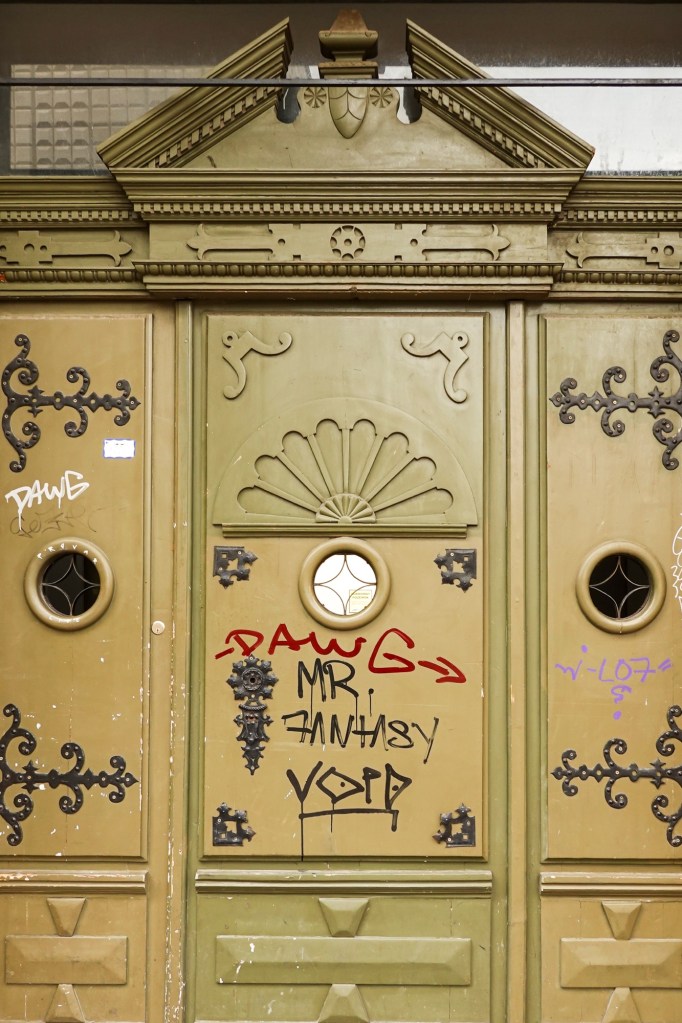
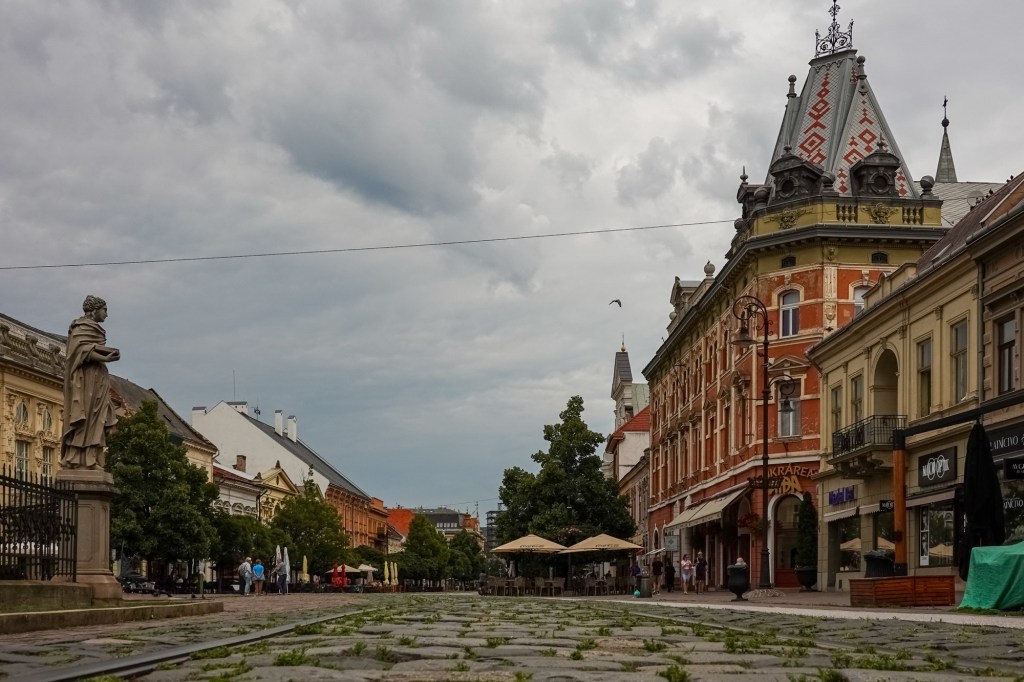
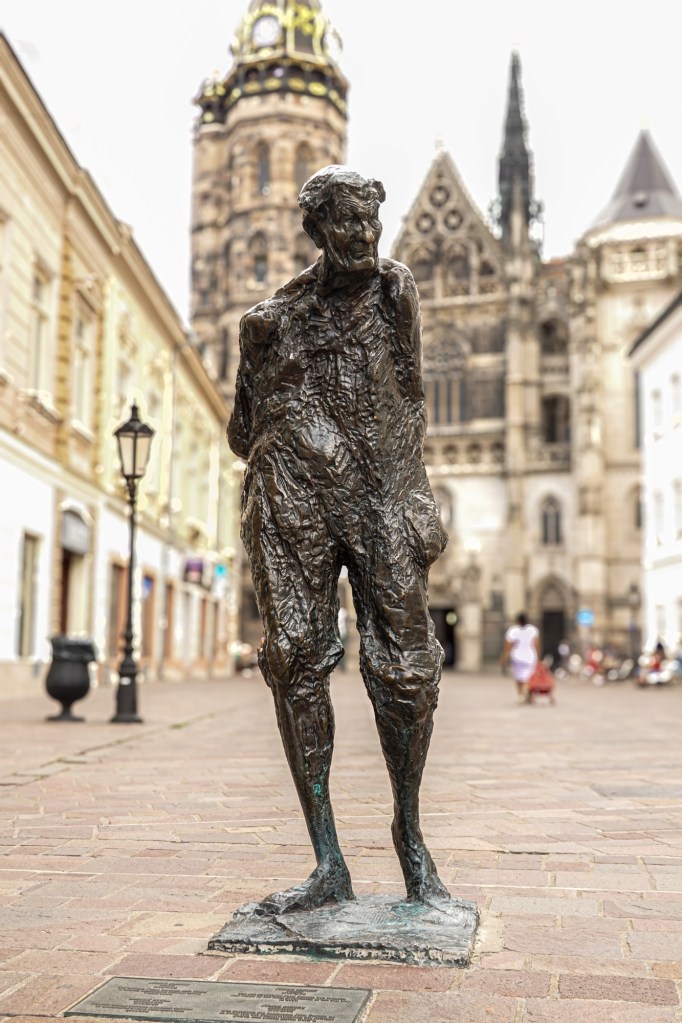
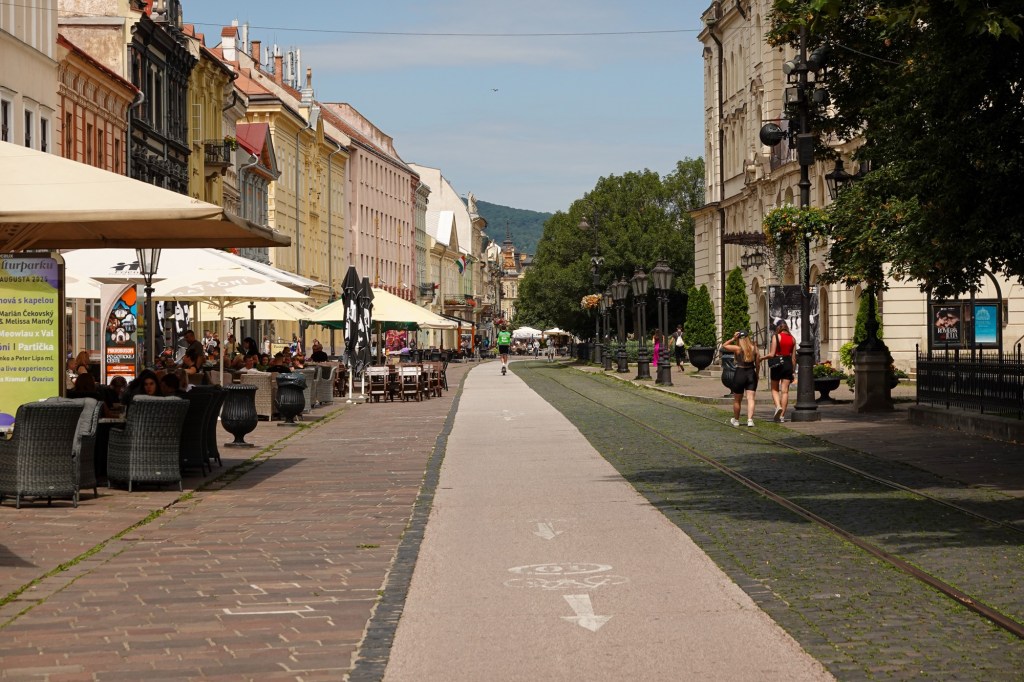
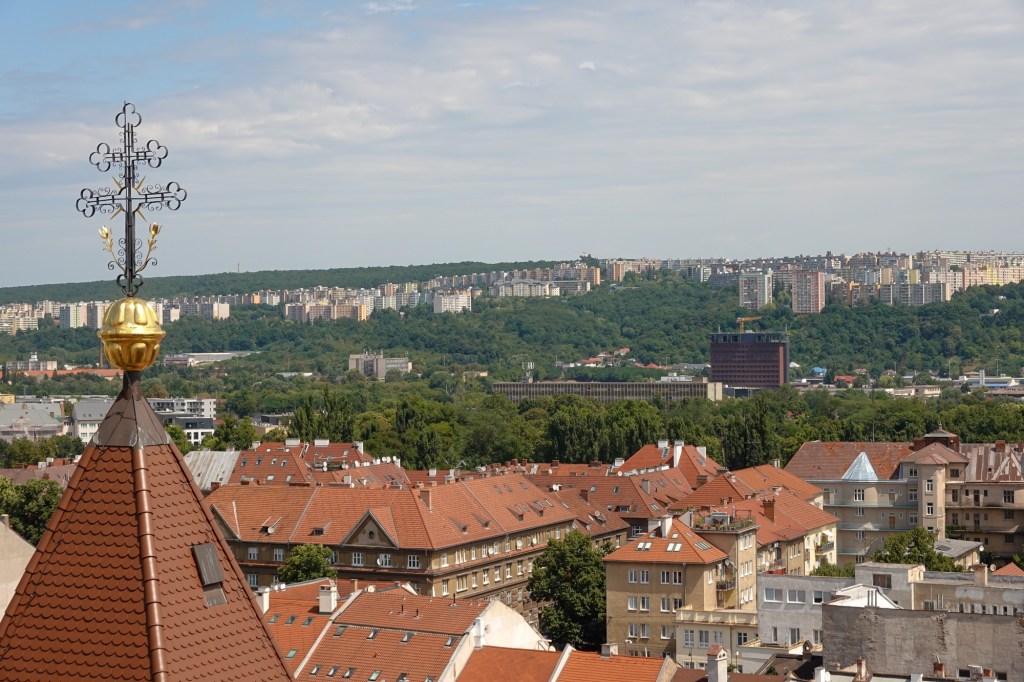
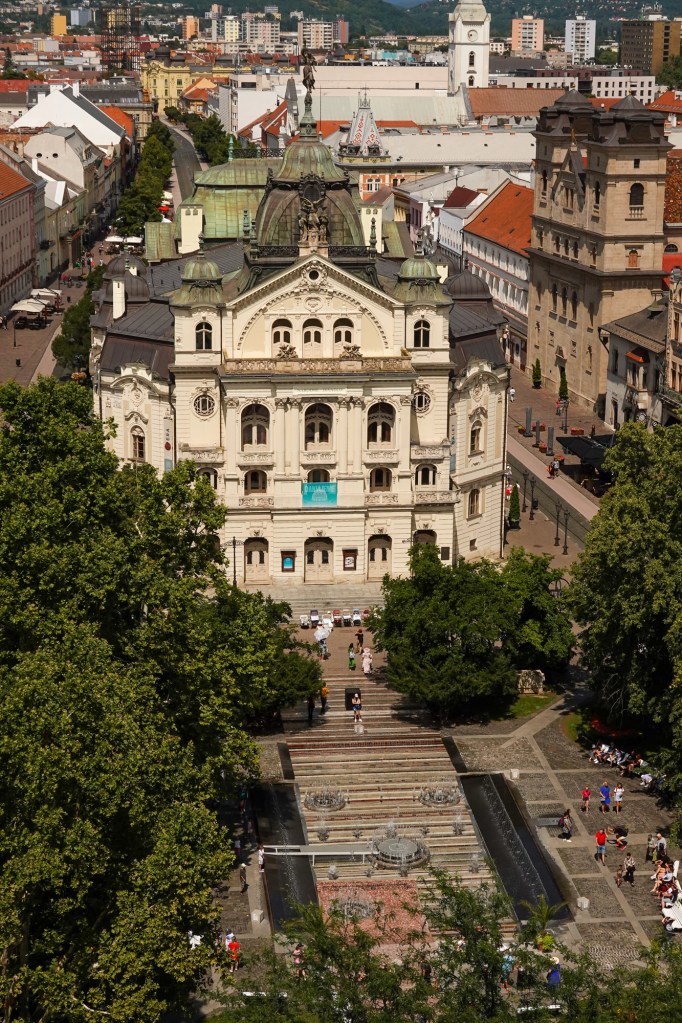
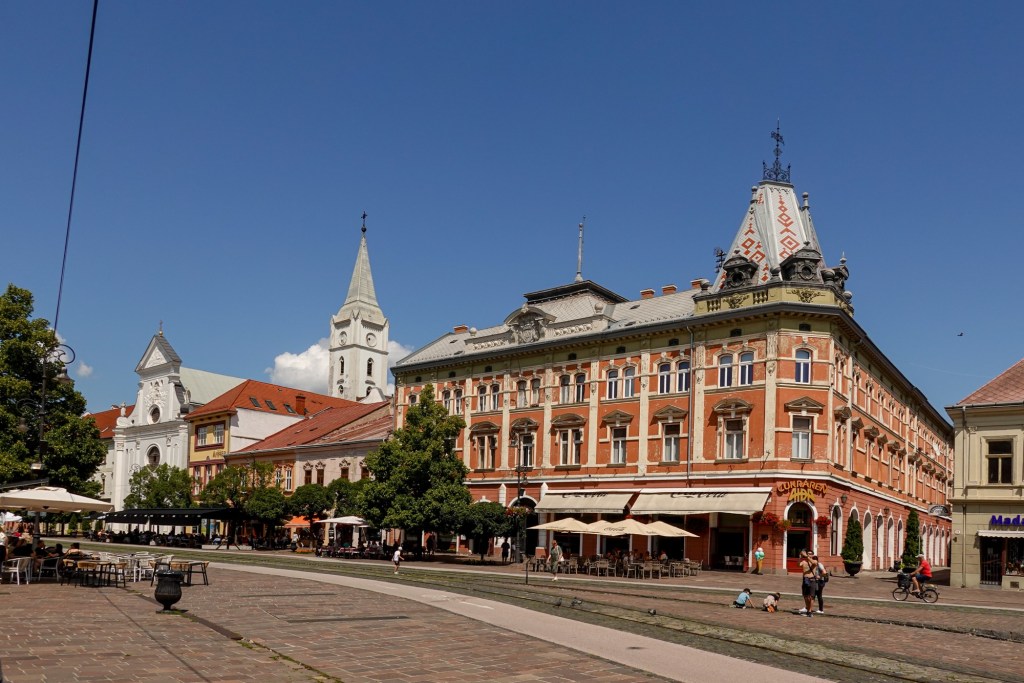
Kosice is it’s 2nd City after Bratislava – it’s a steel town though the UNESCO centre is as far removed from Port Talbot’s as you can imagine. This is a Friday night and the traffic free centre is awake with locals.
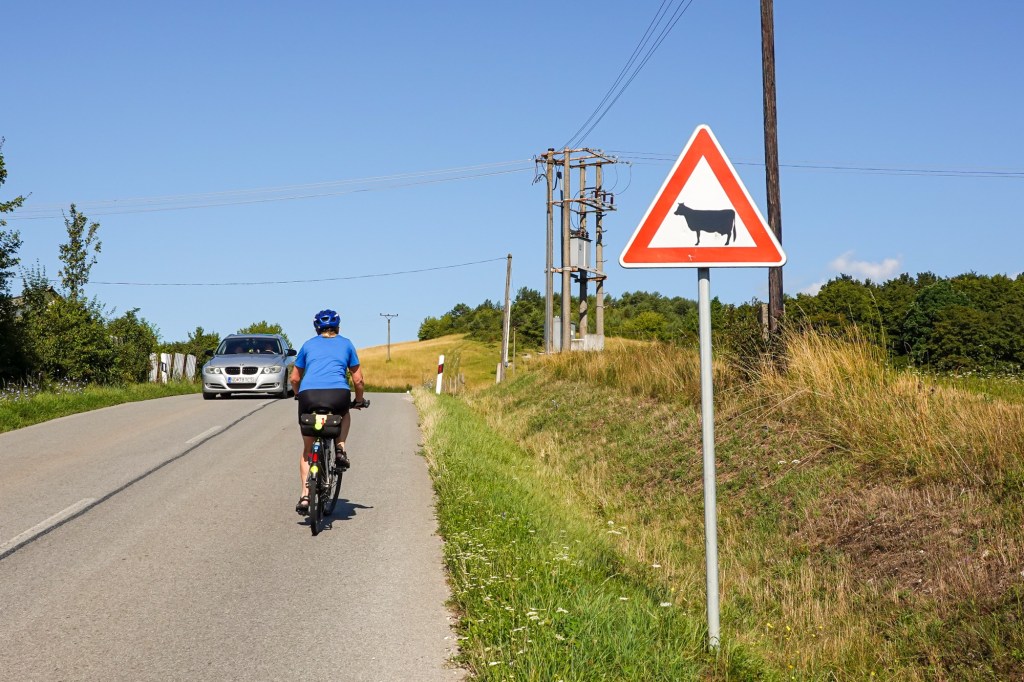
Look out for 2 leggged cowsCaptionBin dayClear?Clouds
Slovakia is a developed country with an advanced high-income economy. The country maintains a combination of a market economy with a comprehensive social security system, providing citizens with universal health care, free education, one of the lowest retirement age in Europe and one of the longest paid parental leaves in the OECD. Slovakia is a member of the European Union, the eurozone, the Schengen Area, the United Nations, NATO, CERN, the OECD, the WTO, the Council of Europe, the Visegrád Group, and the OSCE. Slovakia is also home to eight UNESCO World Heritage Sites. The world’s largest per-capita car producer, Slovakia manufactured a total of 1.1 million cars in 2019, representing 43% of its total industrial output.
ChoicesCoffee stop
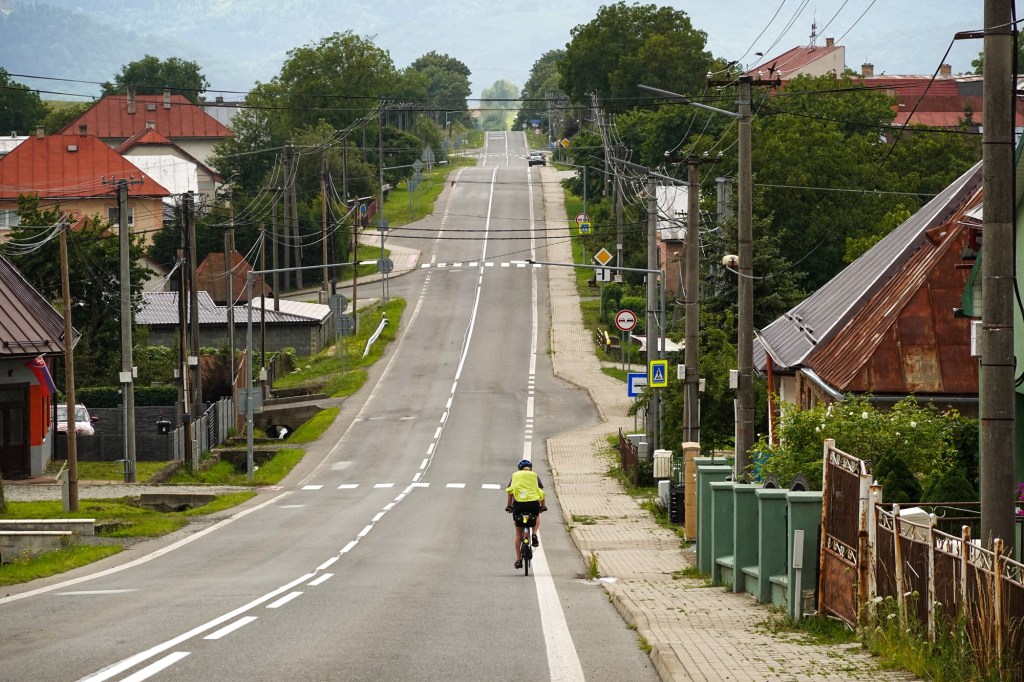
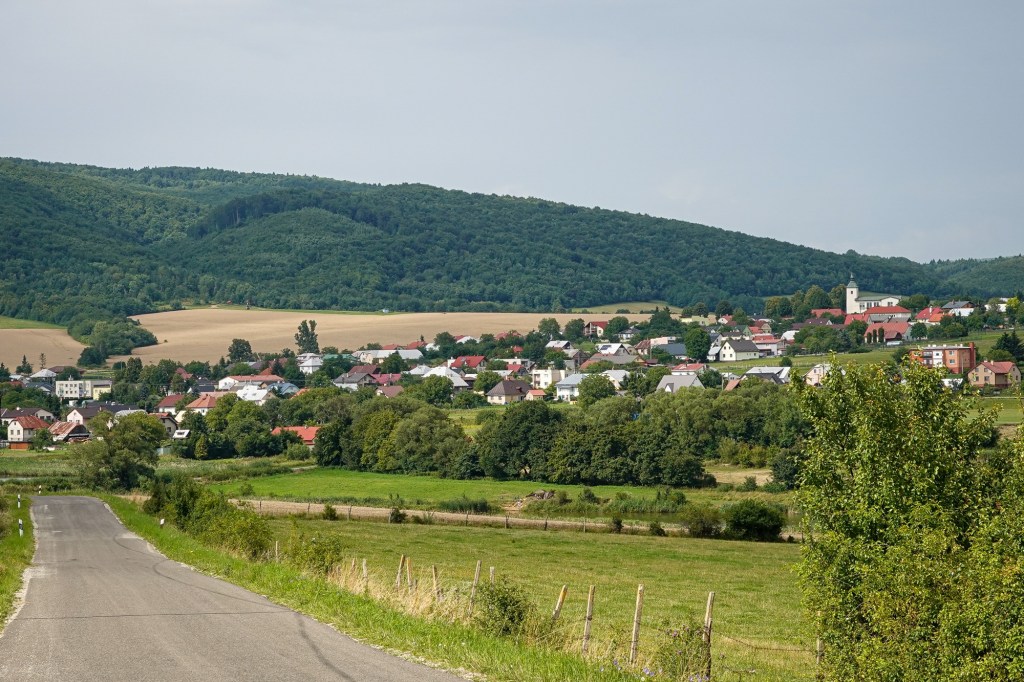
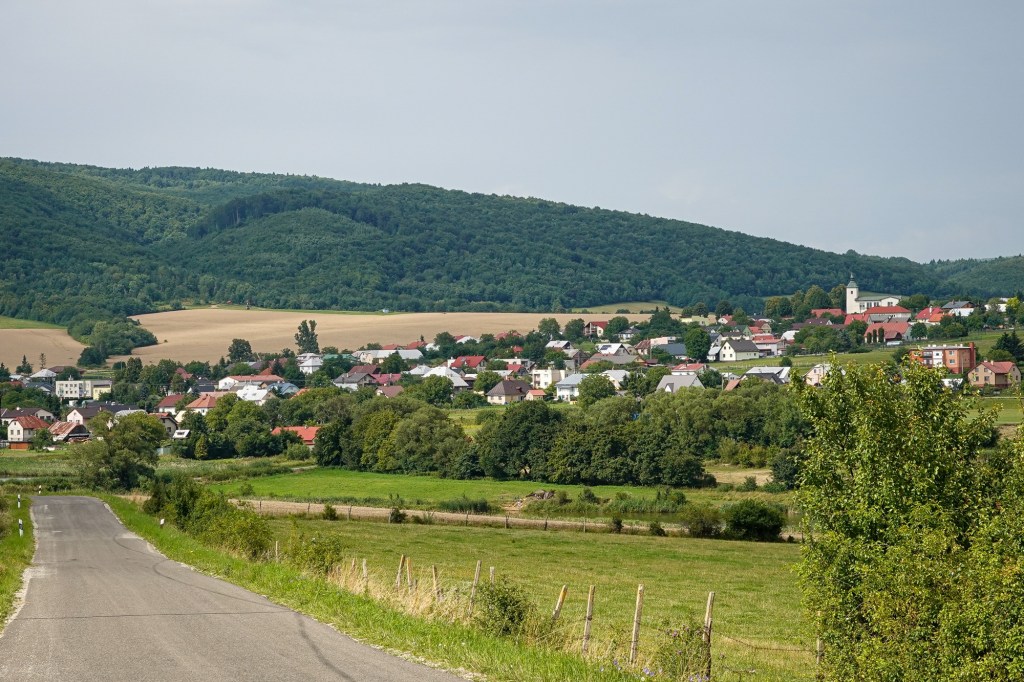
We got here via some rolling countryside, dotted with villages, churches and bins. Today must be bin day so there was a multiple array of coloured wheely bins – which change their colour by the area they are in. Like ours it is a modern way of keeping the brain active working out what is collected when and in what.
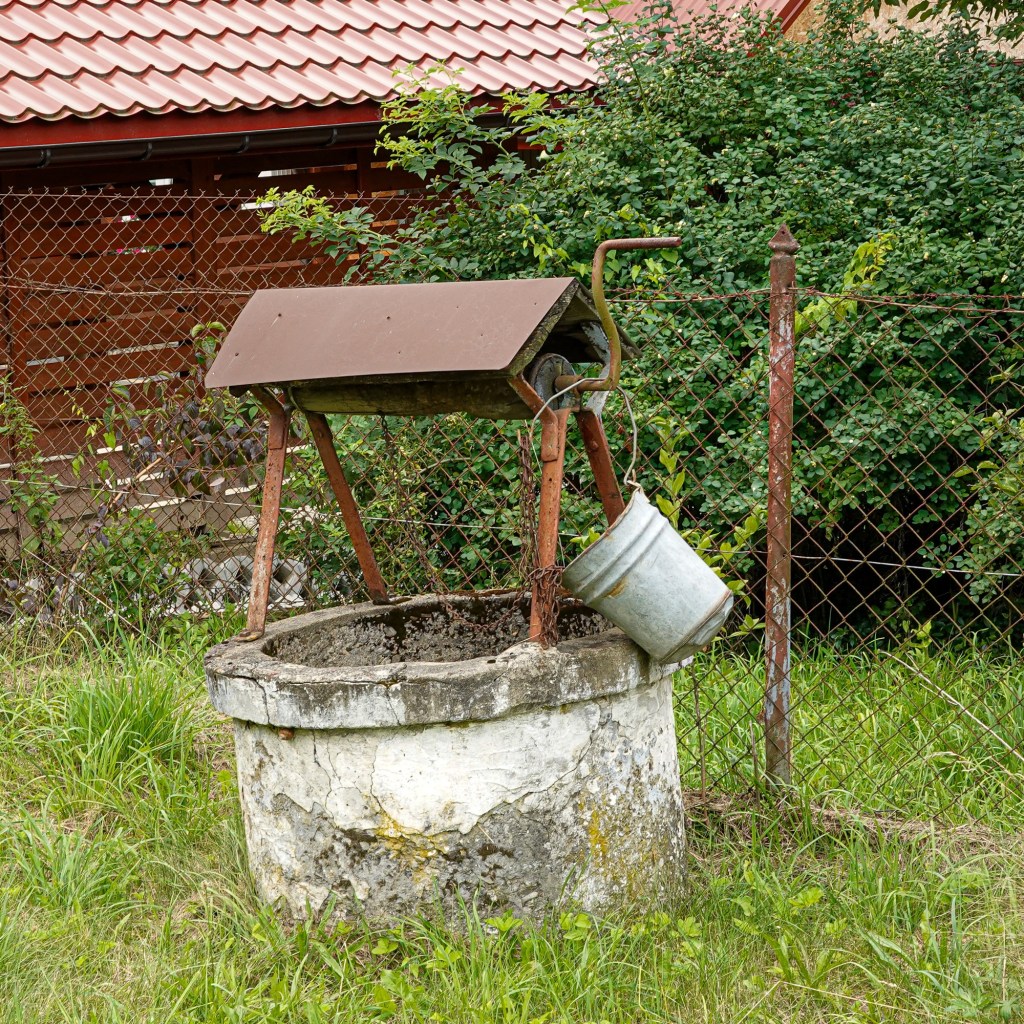
WellWoodWatchWattsWaterWhy did I pick this one?
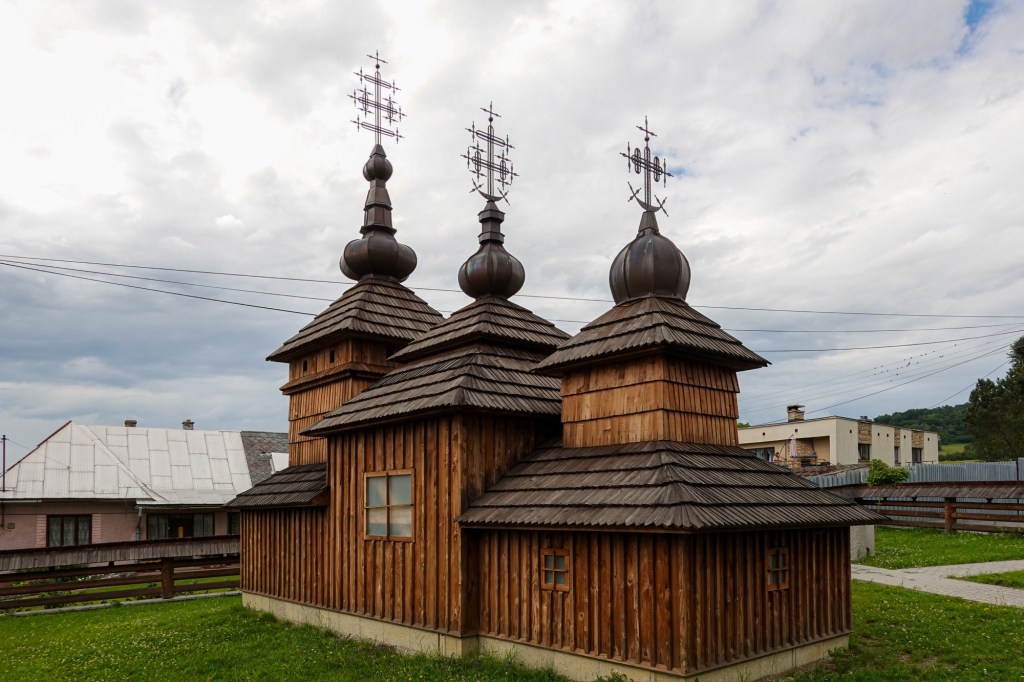
Polands colourful shrines are replaced with most austere traditional crosses. Reminds me of the Murphy’s Iron Nails story.
Tomorrow is a rest day to explore Kosice centre – and stock up on M&Ms in Lidl….
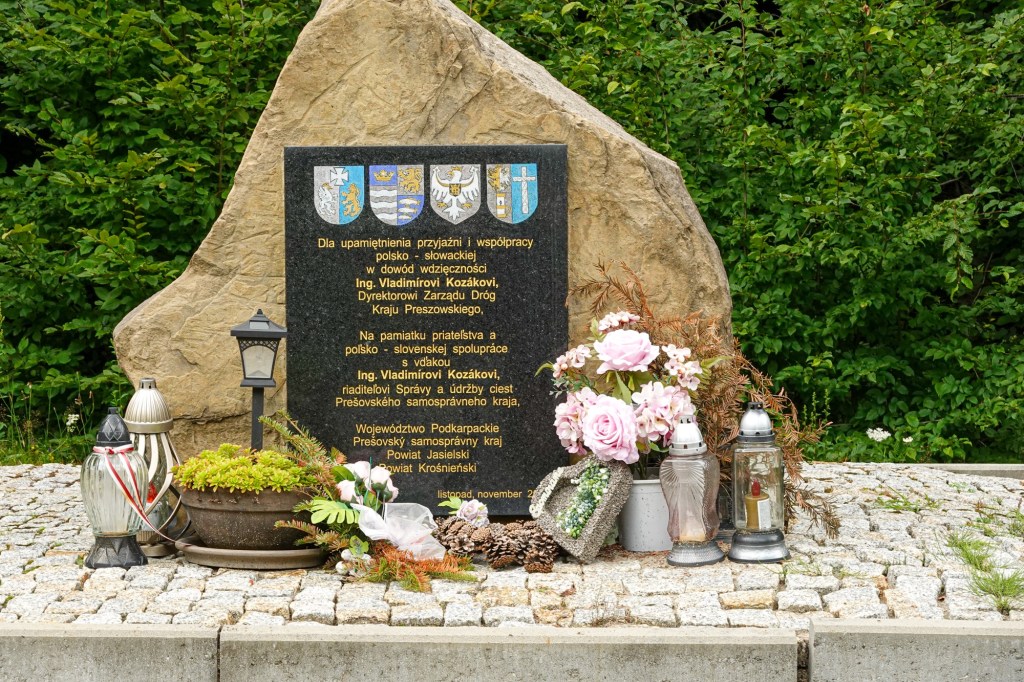
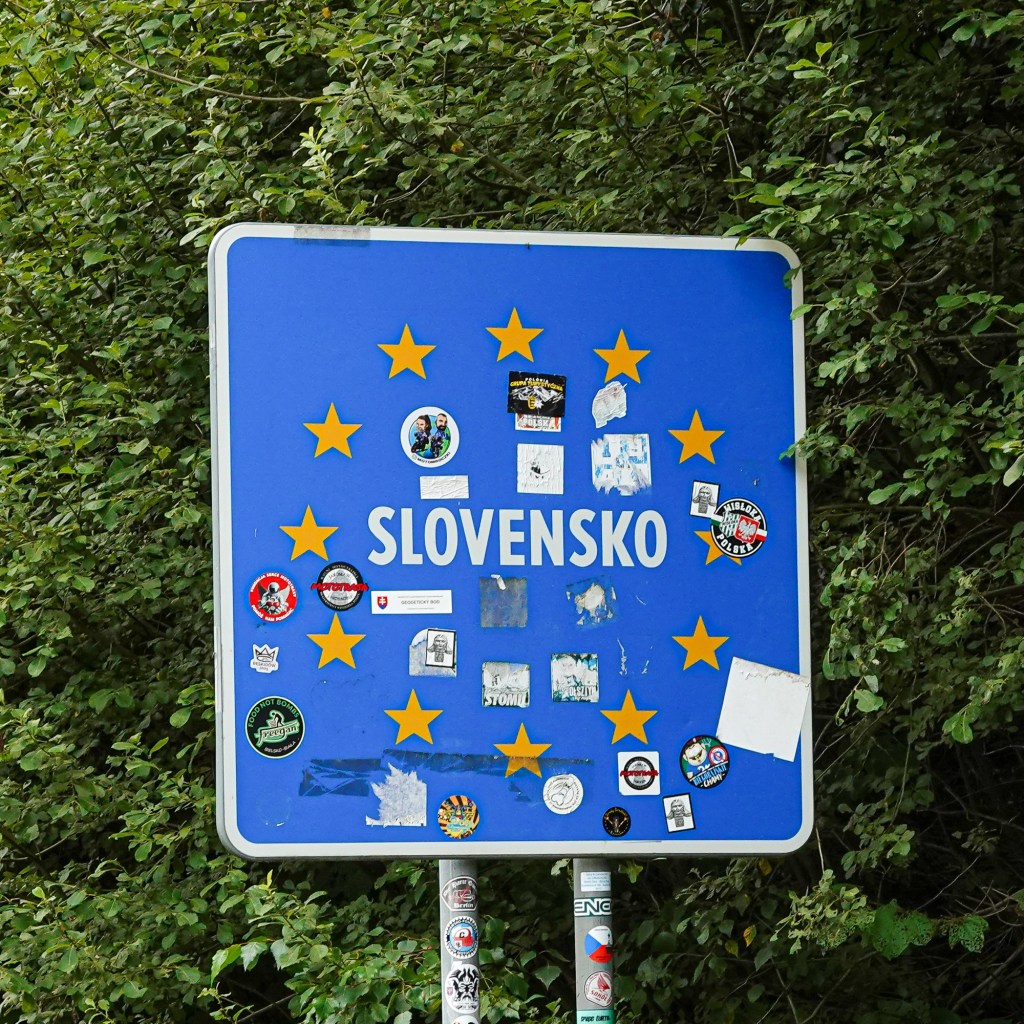
There was no check as we passed into Slovakia. Think about it – might have been when it was Czechoslovakia. The post was removed when the Schengen area was formed in 2007. An area rich in history going back to the Carpathian tribes.
Bat preservation church
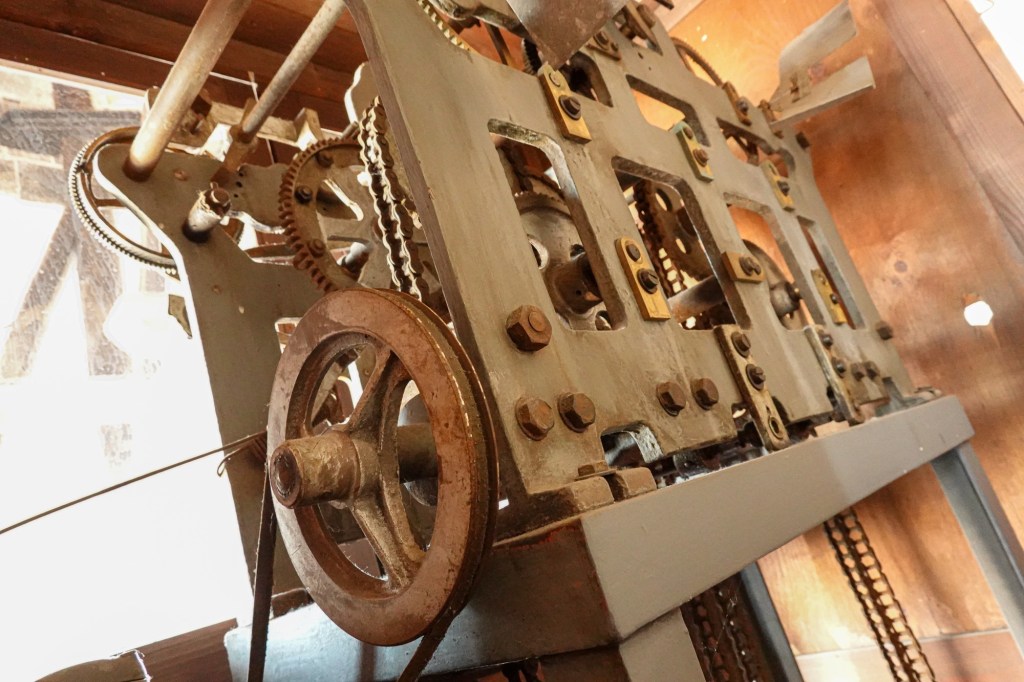
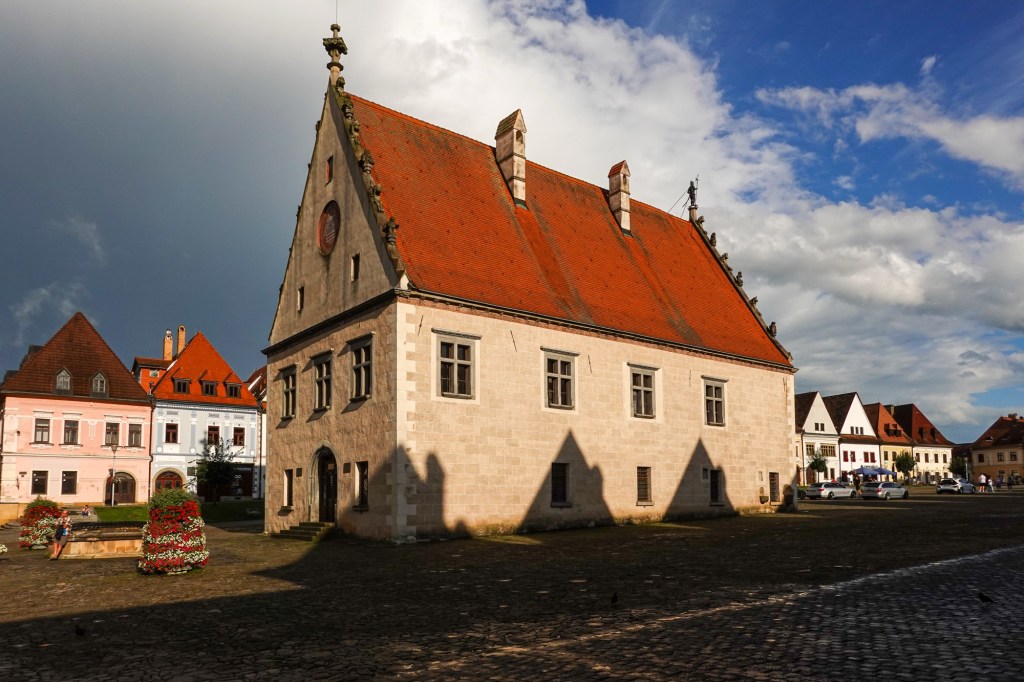
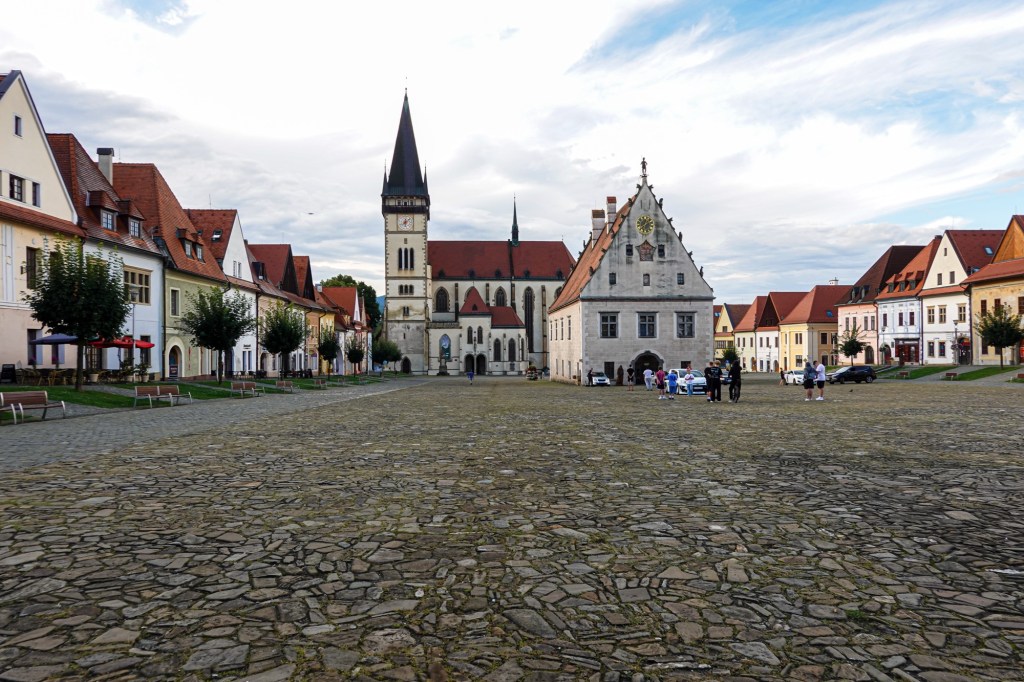
Where we end up is relatively new: the town hall was built in 1505. There’s a 2200kg bell – it was in continuous use from 1496 – 1990. Probably not the same bell ringer. Pretty centre of a 30000 population who I suspect use the nearby shopping malls which won’t be around as long.
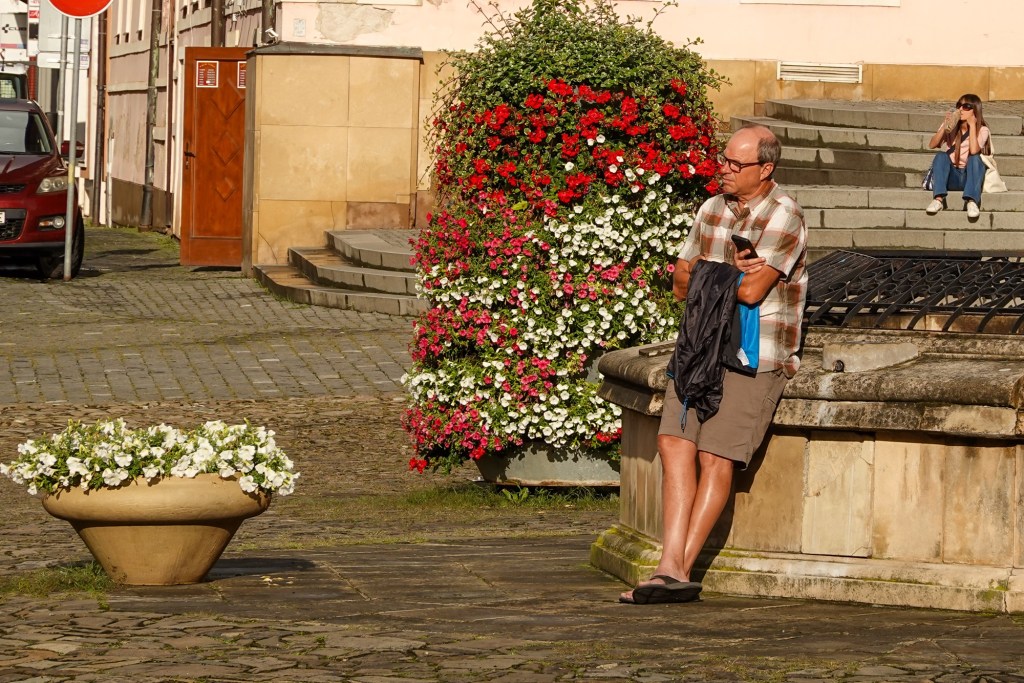
Lots of wells
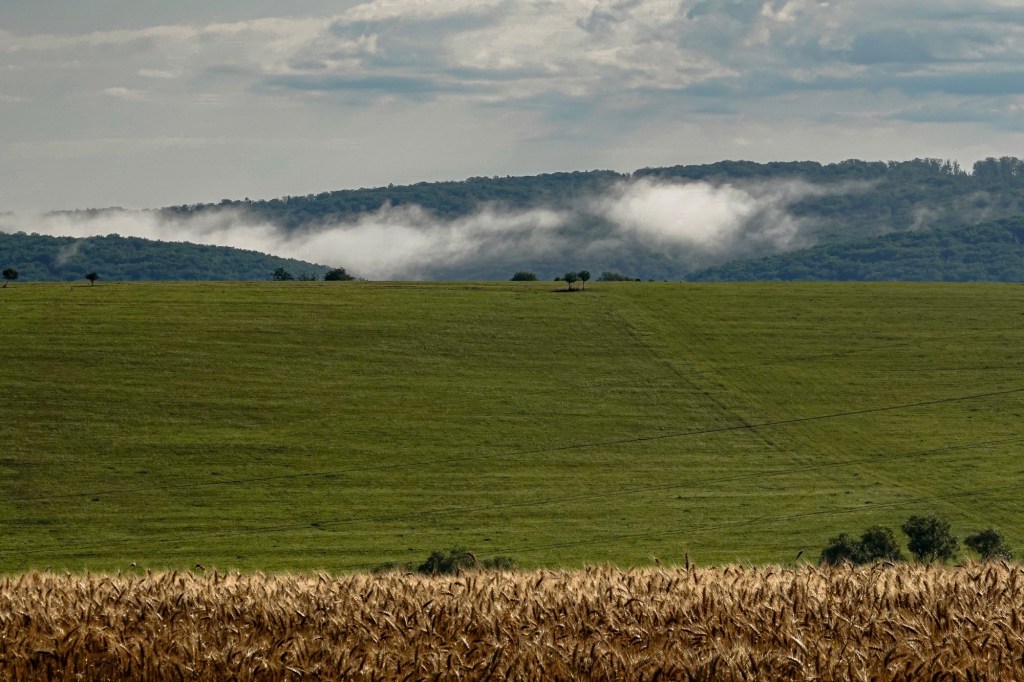
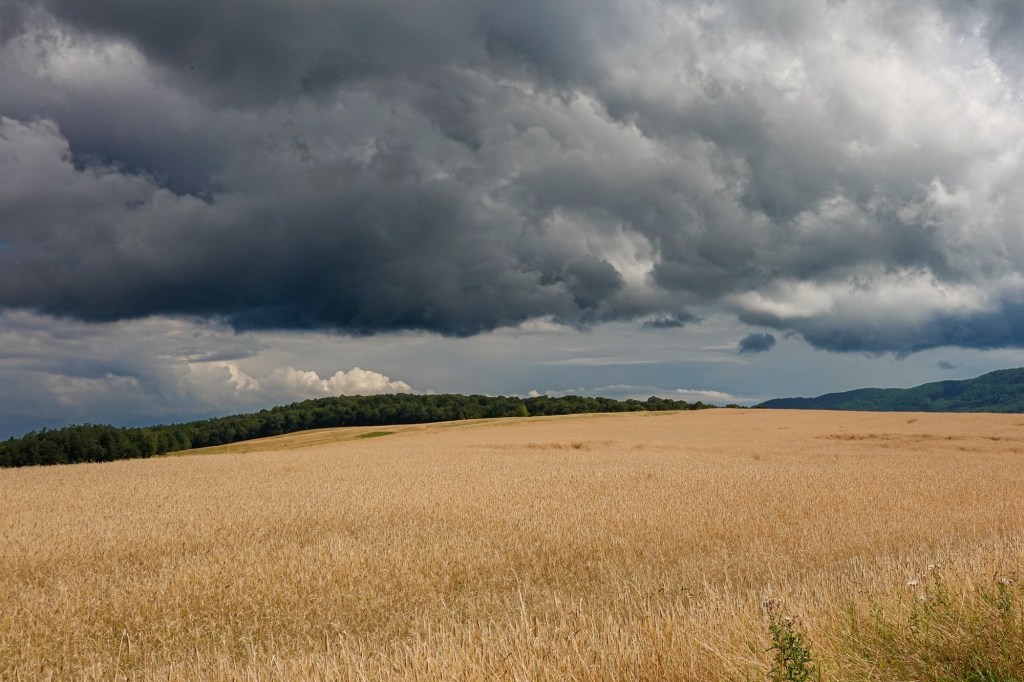
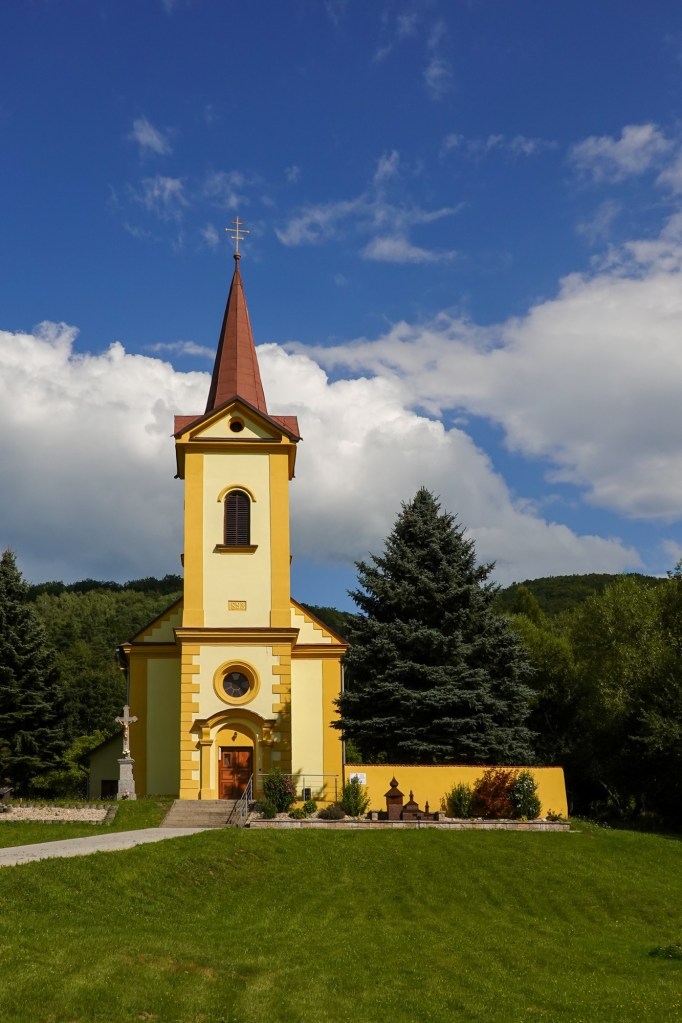
In between, rolling hills dotted with churches and rich fields. Very alpine looking. The skies were either very heavy or lightening their load.
It’s easy to miss things. Early on we passed a closed off railway tunnel, open on limited occasions. Seemingly innocuous. One of three such tunnels, Nazi control centries. Hitler used it to hide his train en-route to meeting Mussolini in 1941.
There are a lot of water wells. Often the water is contaminated these days.
So from the Sloty back to the Euro. Somewhat academic at times with cashless transactions.
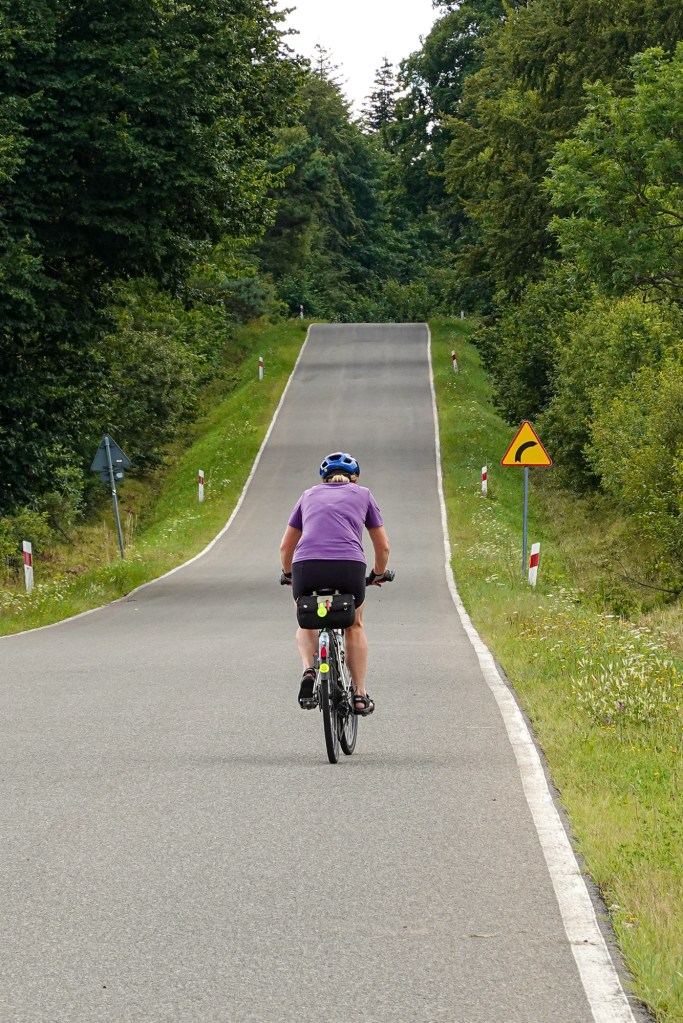
Our first proper hill as we enter the foothills of the Carpathians Mountains.
SummittingWaiting
Today is our last full day in Poland. I’m not sure of what my expectations were – it’s been delightful. The GDP per head may be lower than Lithunia – it has felt richer. At least the thin slither of our route. More diverse crops. Hardly any litter nor graffitti, no matter the wealth of the place. Great roads. Development happening (with non-car infrastructure too). The drivers have been ace.
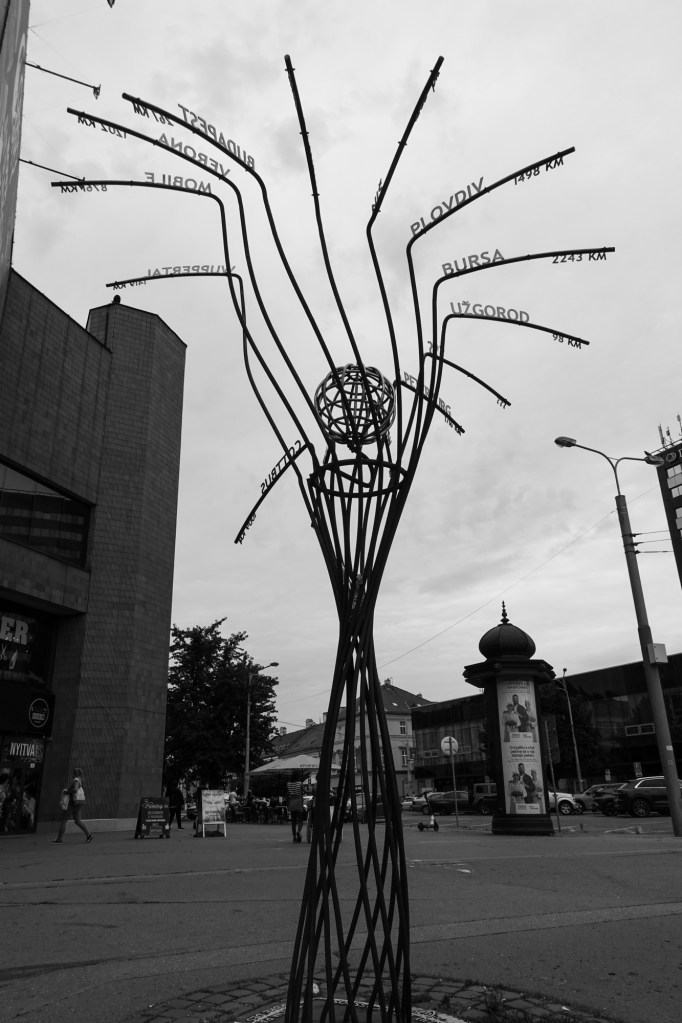
Look up!Look out!Brave designRegion
Coffee stops are thin on the ground, though there is a good number of small supermarkets to keep you caffienated should it be needed. Plenty of trees for the obligatory pee stops.
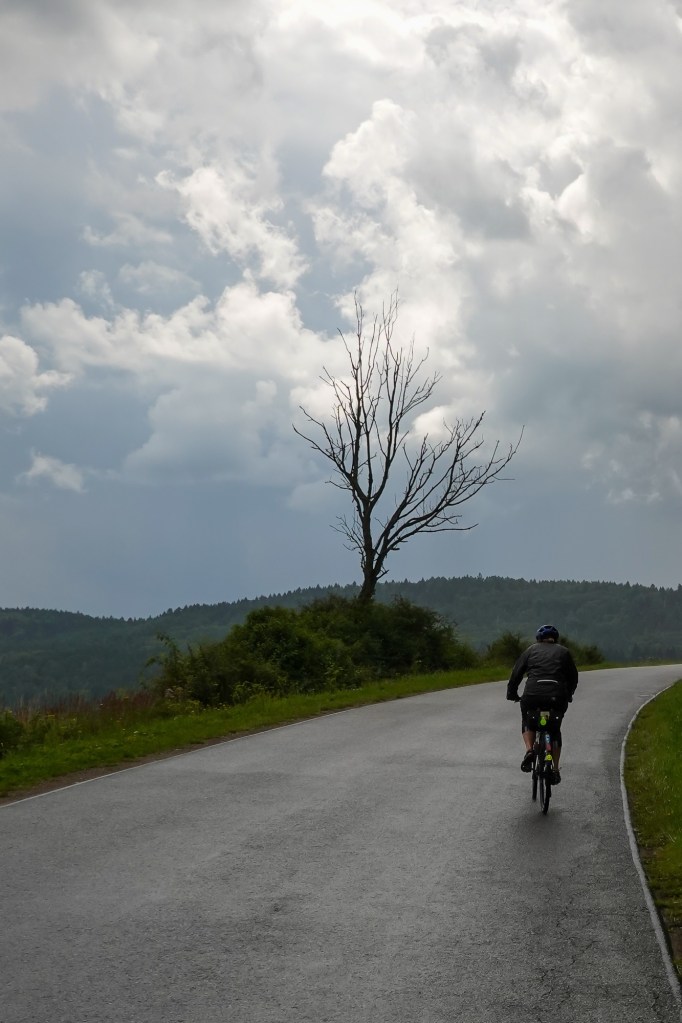
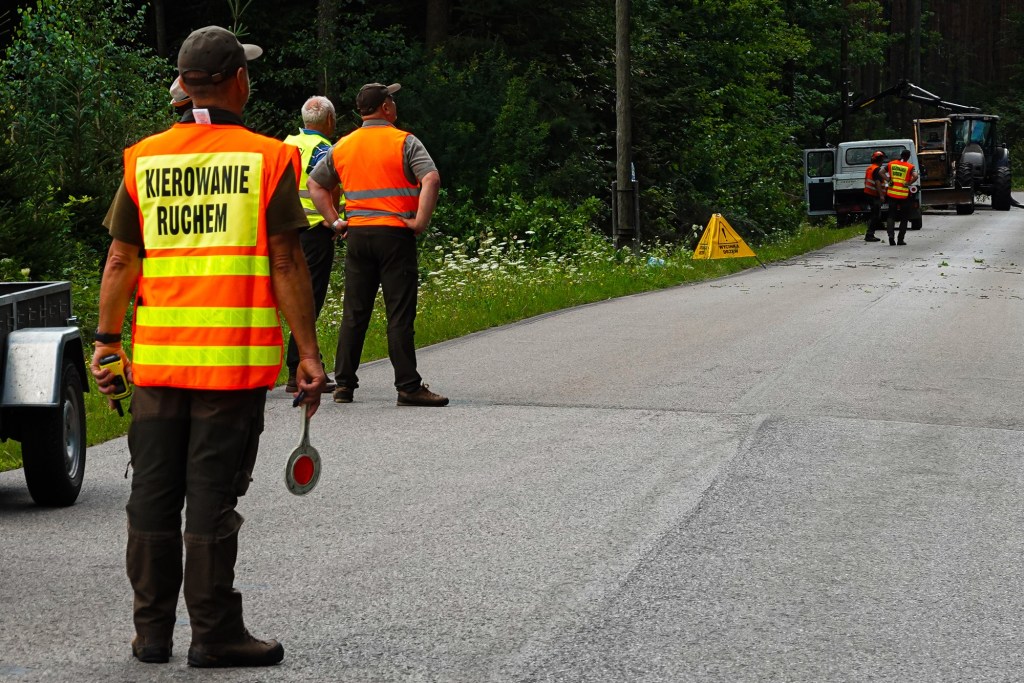
Waiting for the tree to fall
I don’t know the tourist season – places felt quiet. 99% of cars are Polish. The tractors are great – looks like they’ve been re and upcycled many times.
Hmmm…
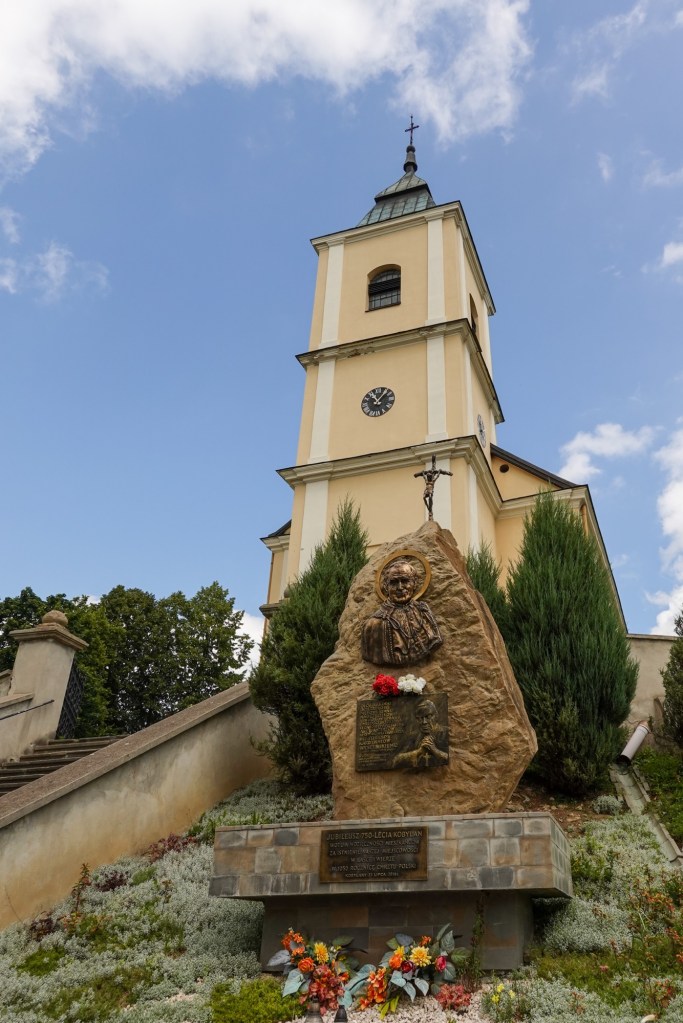
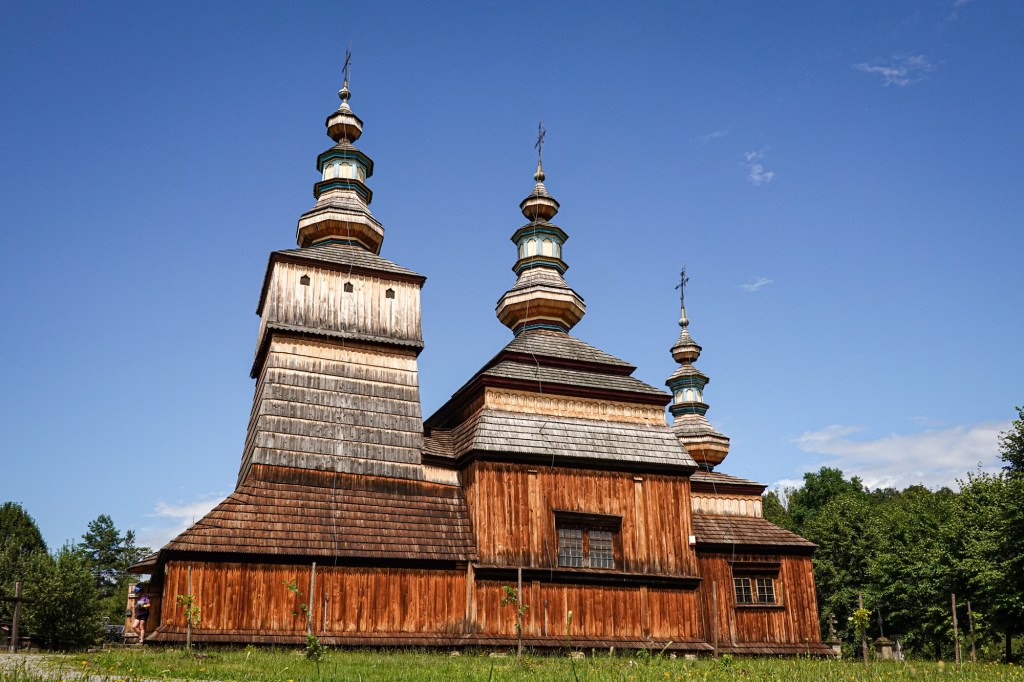
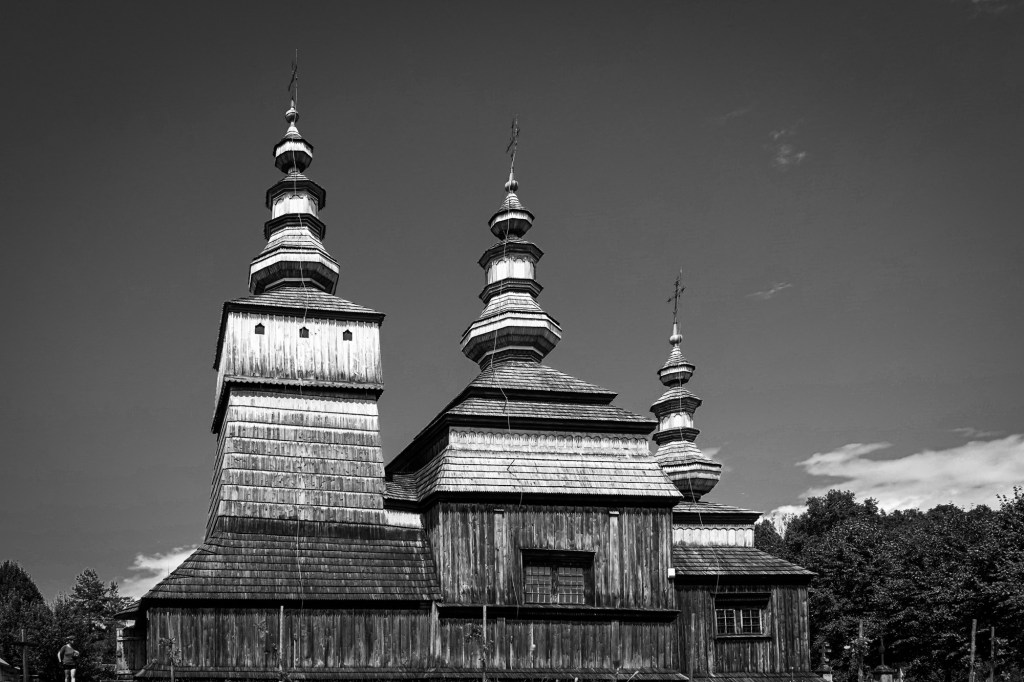
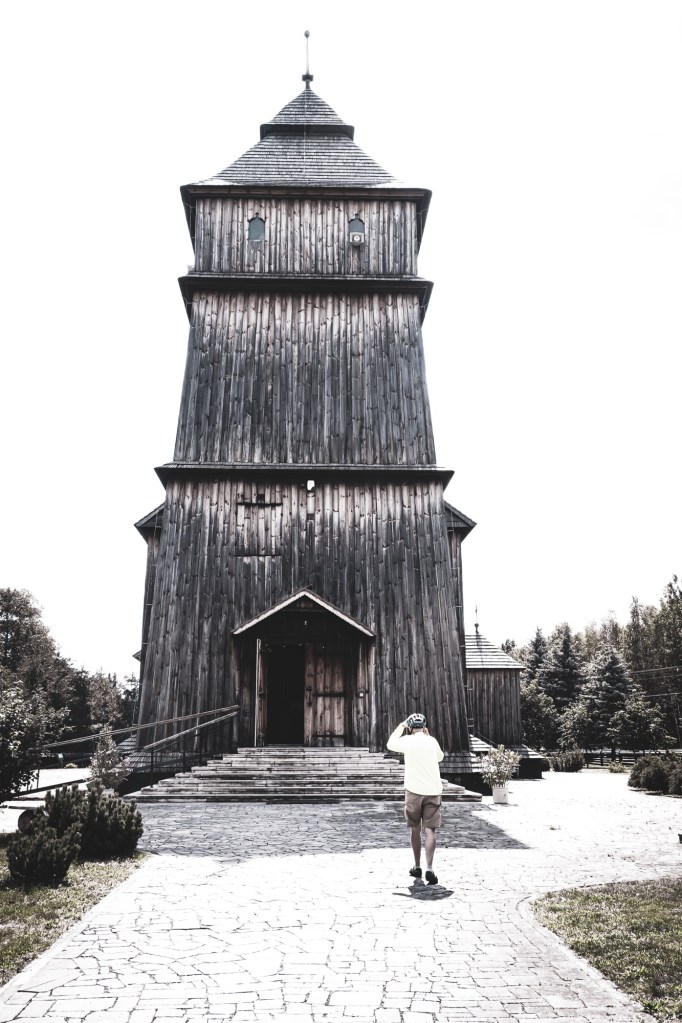
Poland appears very Catholic, with many large and well attended graveyards. Burial remains the most common practice, with lower cremation rates than many other Western Countries. Just as well they have a lot of space. Today’s highlight was a large wooden church. 17C. Until you read that it was rebuilt in 1979 or so. The outside inspired more than the inside.
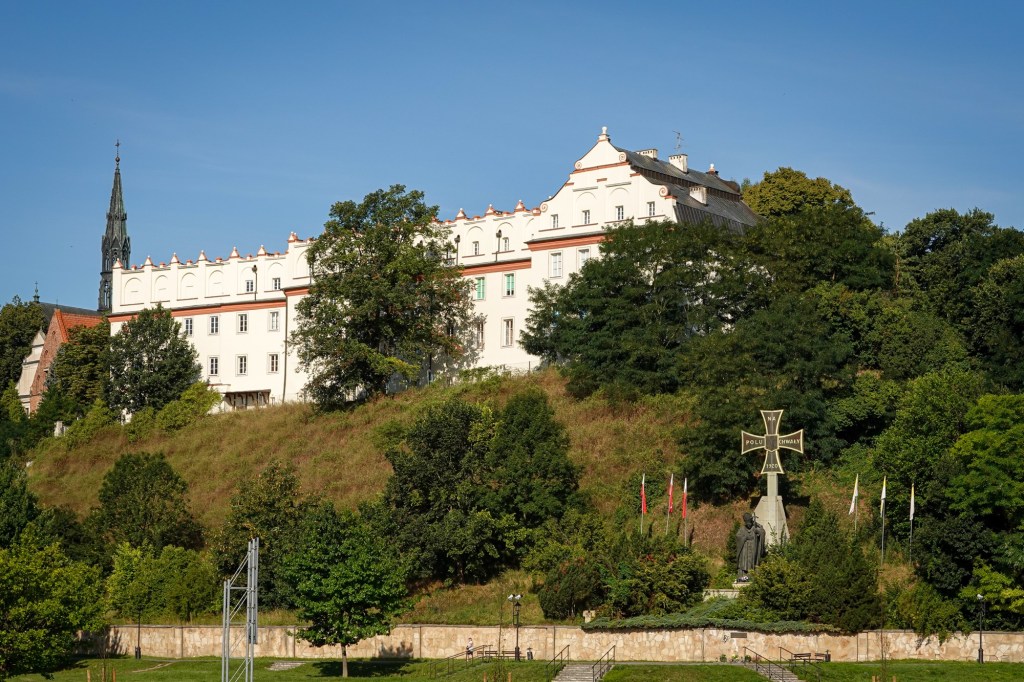
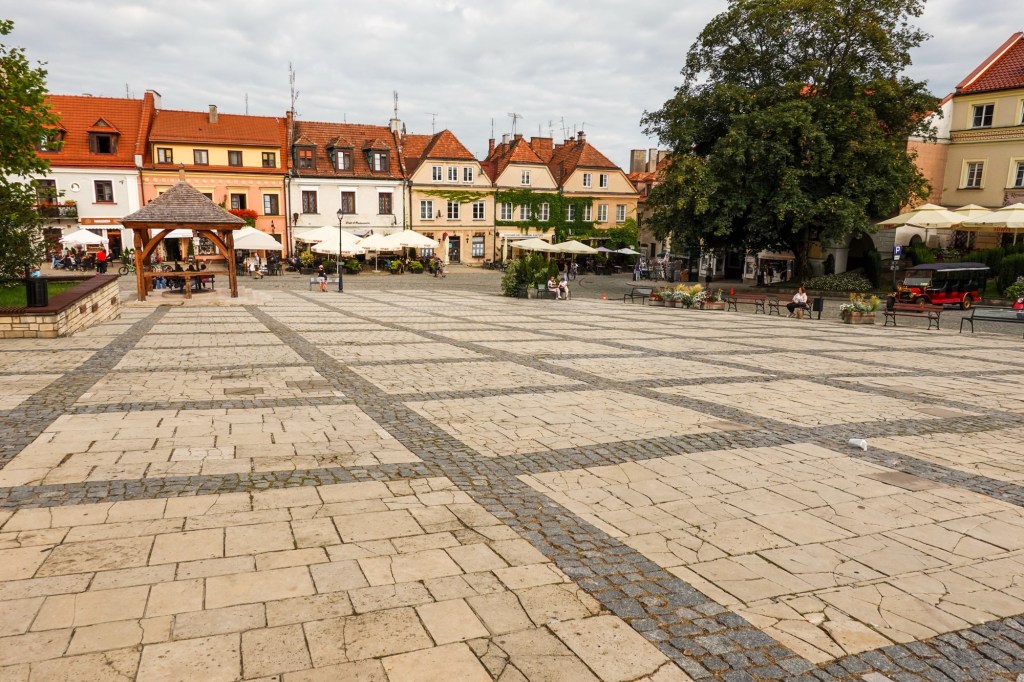
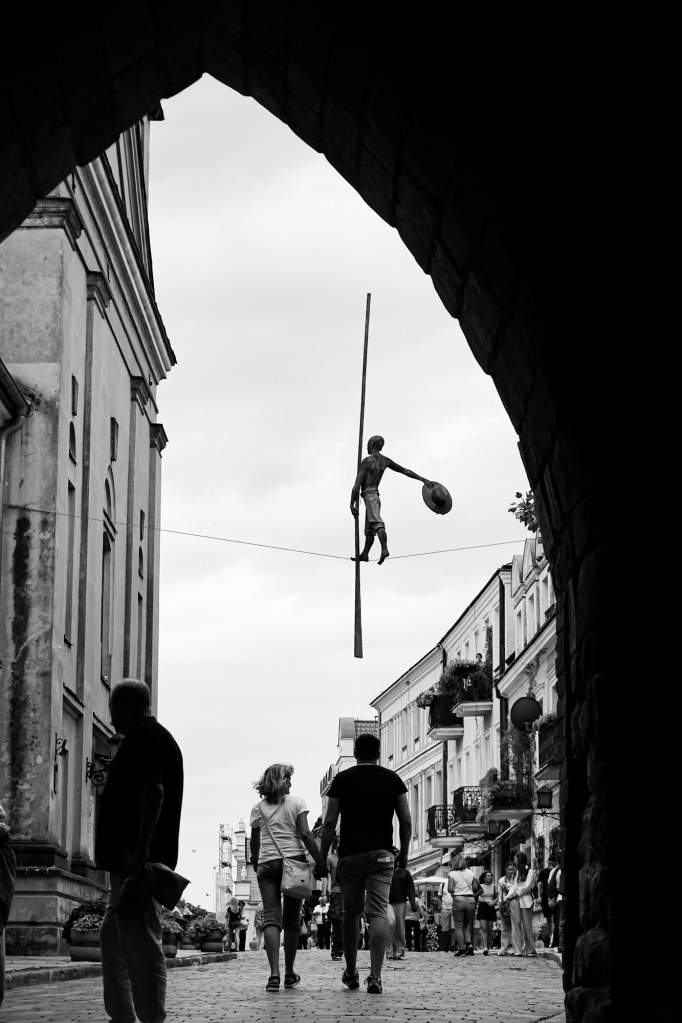
I’m not going to sugarcoat this, there’s no way to fudge it. I’ll write it in tablet. Sandomierz is a very sweet place. Enough delicious sugary things to keep your dentist smiling for years. Think Scottish tablet with different flavours. Orkney Fudge can rest safe though – it’s still the best. The filled donuts are sublime (or a meringue?)
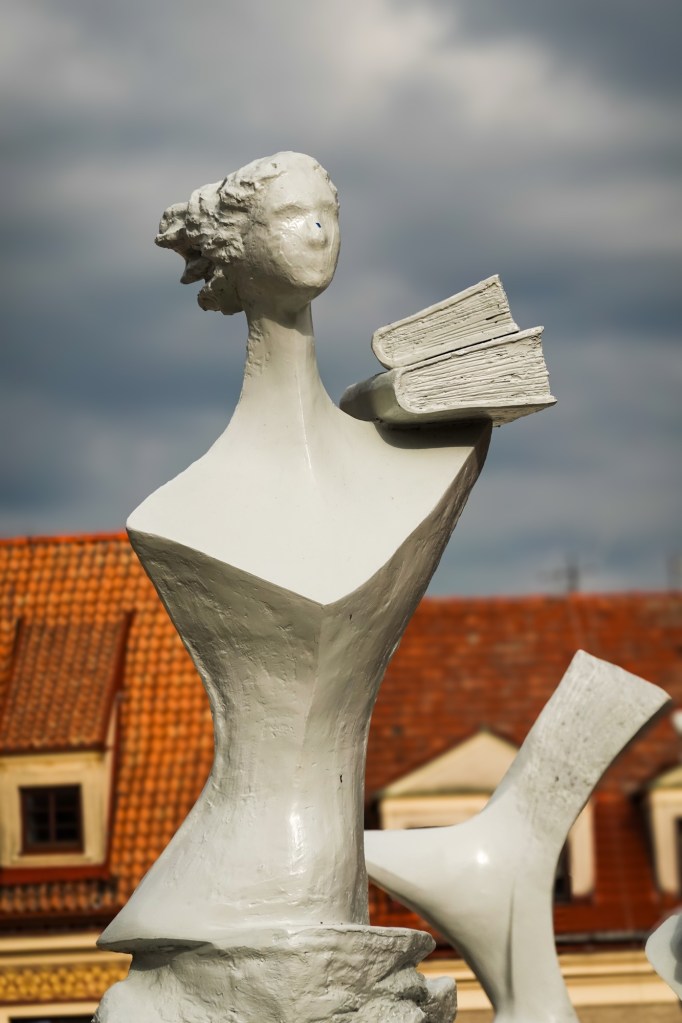
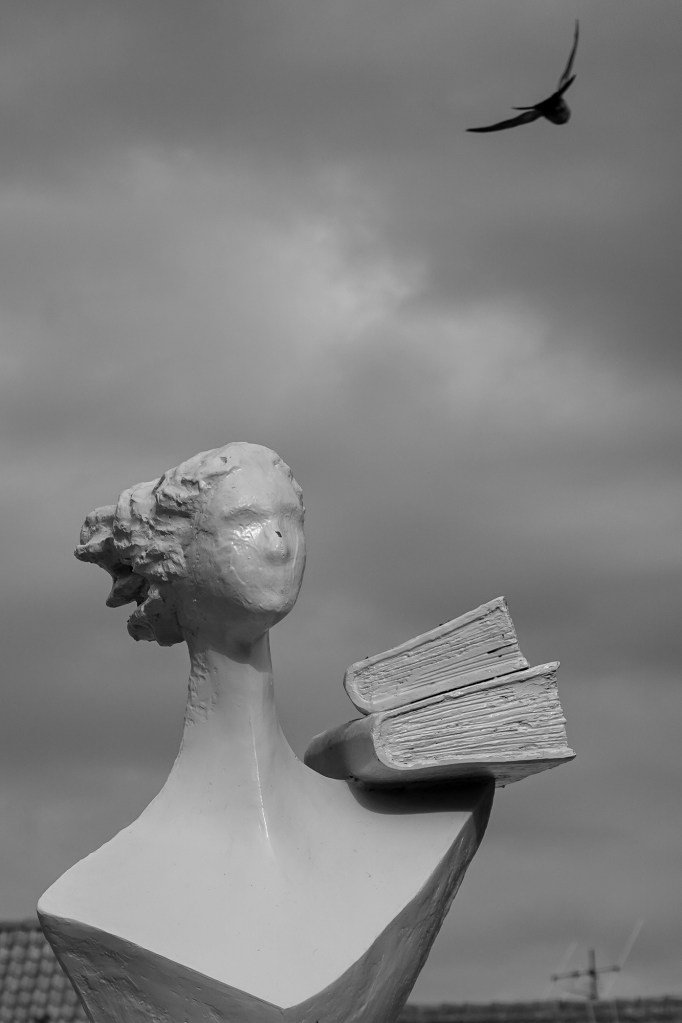
SweetSquare14C Hall and WW2 execution spotBig RingUnderstatedNice statueTaking aim
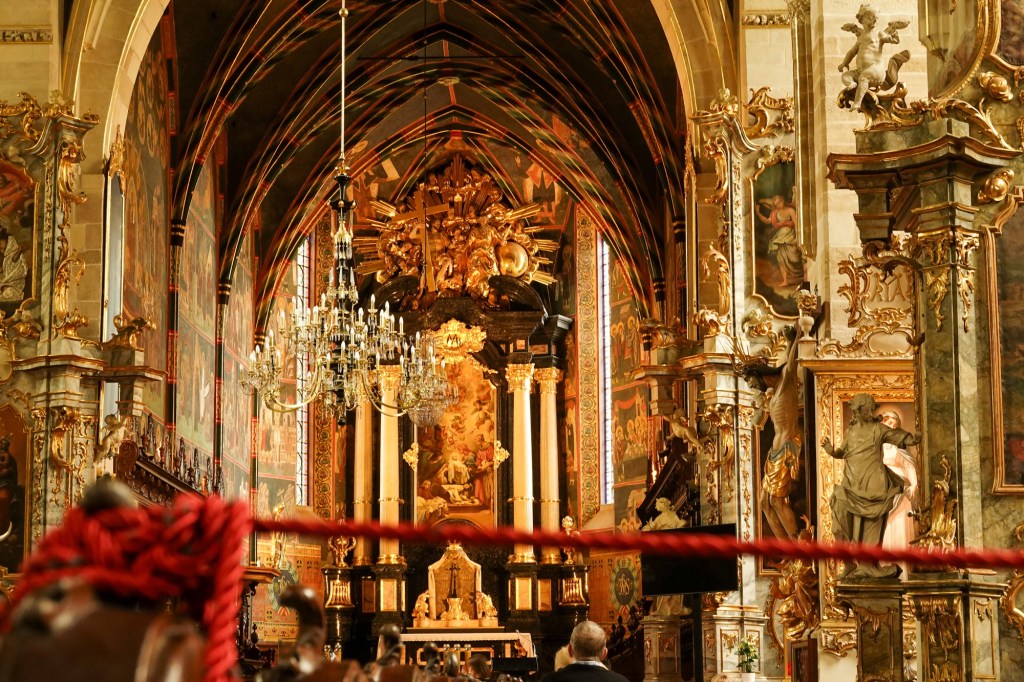
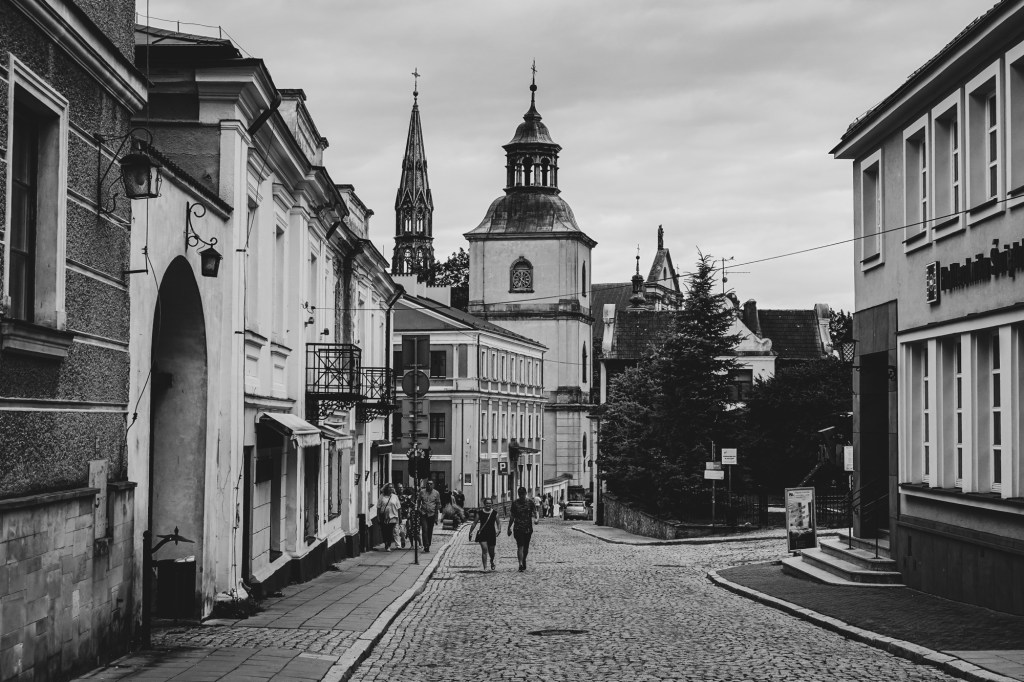
Talking of putting your teeth on edge, the 14 C Church has enough bling to keep Calvin and Luther spinning in their wrath for years. It’s part of what the noticeboards tell us is one of Poland’s oldest and prettiest cities. It is nice.
I can’t do this
It is also the first place since this trip started where one stall said “cash only”. The hardship to replace all those bits of caramelised sugar into their trays.
Litter binFirst classGraveyard
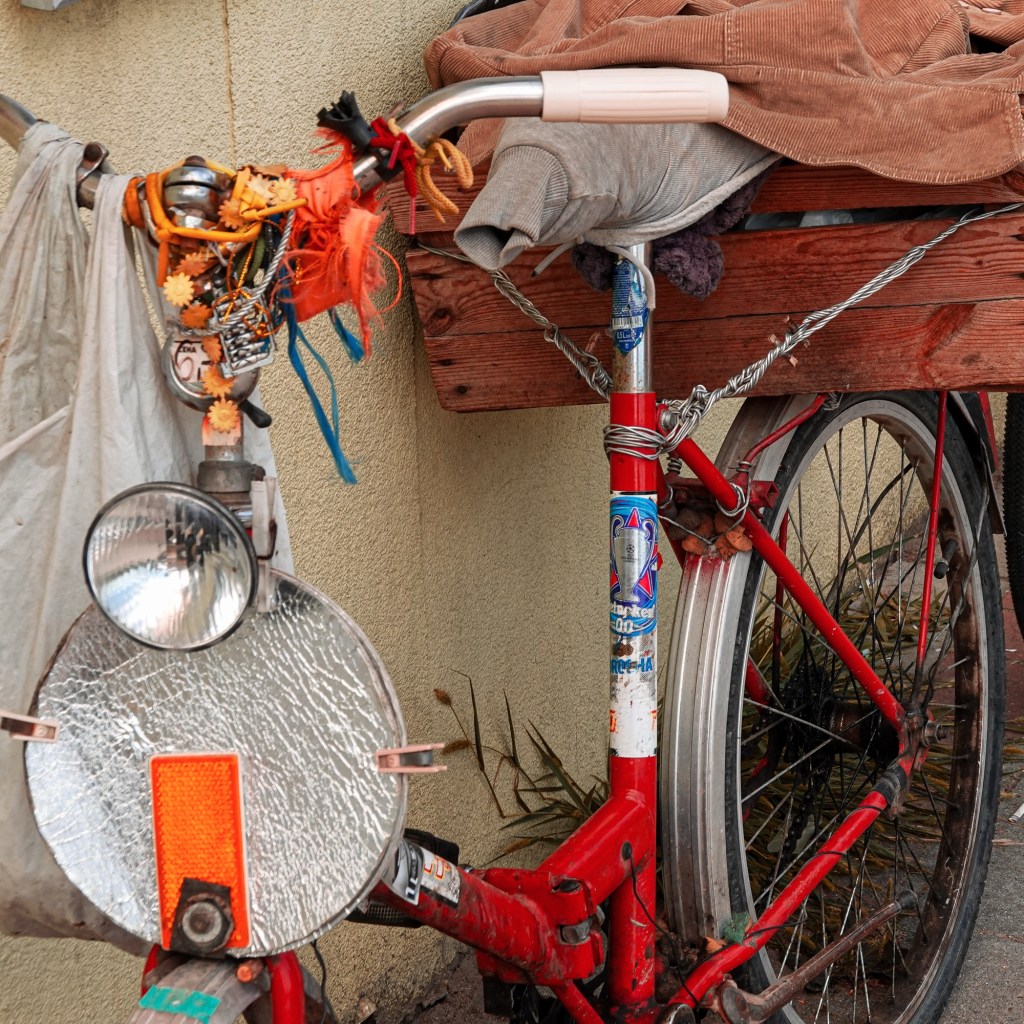
Characters with lived in faces seemed a common part of the increasing number of villages we passed through. Like the other day, one guy – he may have lost a faculty or two- was agitated: we didn’t need to know Polish to work out Barbara had rested her bike against the wall where his goes. So we moved and he ambled on into the shop. Leaving us to admire the characted of his bike – it has seen as many miles as he has.
Rescue T RexLooks 4 ways
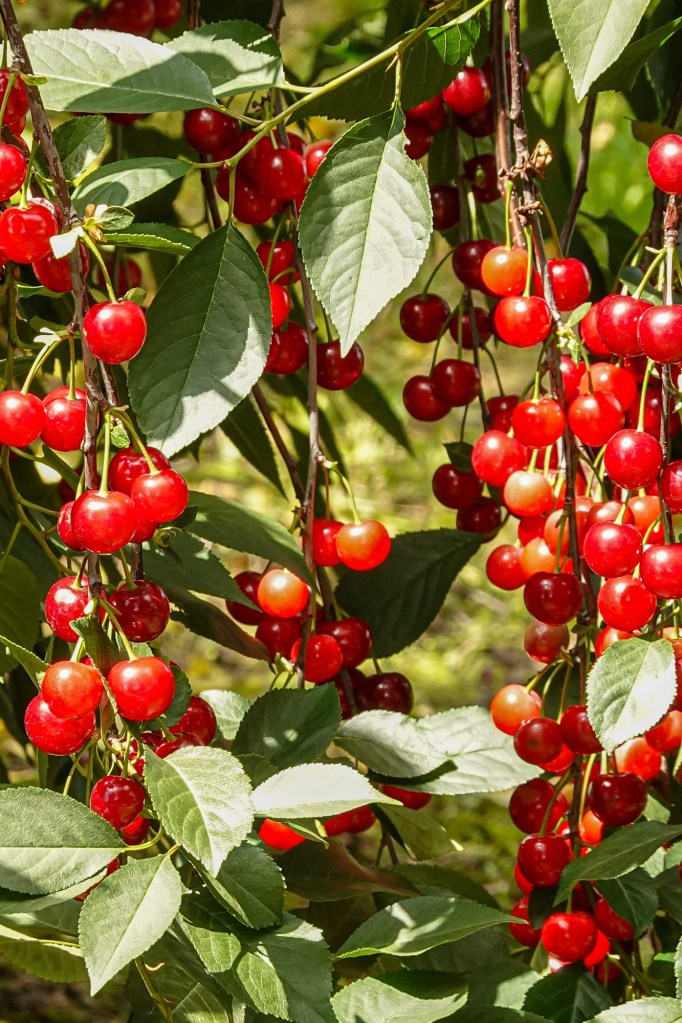
Cherries and apples were the low hanging fruit lining the generally excellent roads. Some of our travellor’s didn’t see T-Rex: luckily we got him by the tail. The radio detection and ranging NATO base also hid amongst the fruit trees. That’ll show ‘em Captain Mainwaring.
Caption competitionRare sightA memoryEvolvedOld n newModern travel
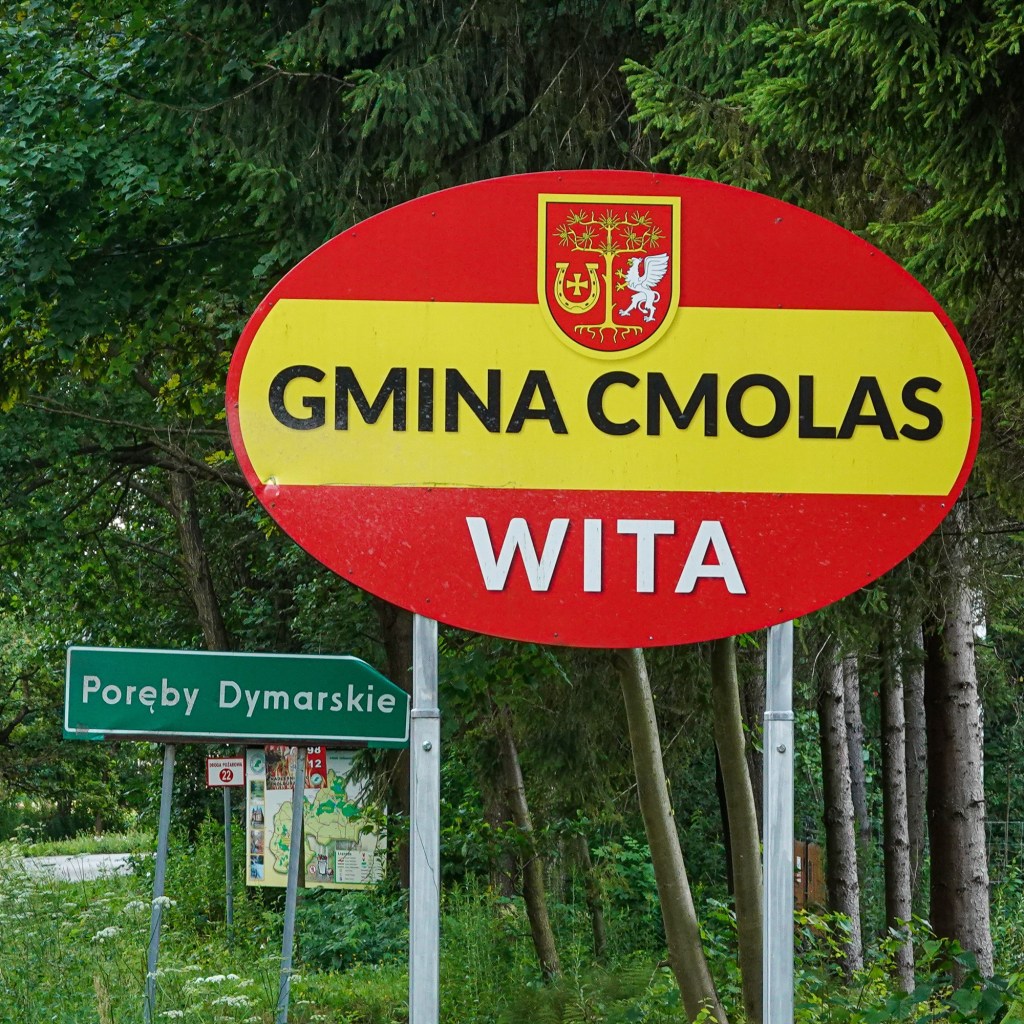
We’ve been passing through a lot of places ending “owo”. A quick search and there’s an explanation:
In Polish toponymy, the suffixes -owo and -ów are common endings in place names, often indicating historical ownership or settlement patterns. The suffix -owo typically appears in place names derived from personal names or professions, e.g., Krakow → Krakowo (theoretically meaning “place of Krak”).
Now you knowo. Naturally you may ask about Warsaw:
Warsaw’s name, Warszawa in Polish, is believed to be derived from the nobleman “Warsz”, a shortened form of Warcisław, or from the legend of a fisherman named Wars and his wife Sawa. While the legend of Wars and Sawa is popular, historical records suggest the name likely originates from the nobleman who owned land in the area.
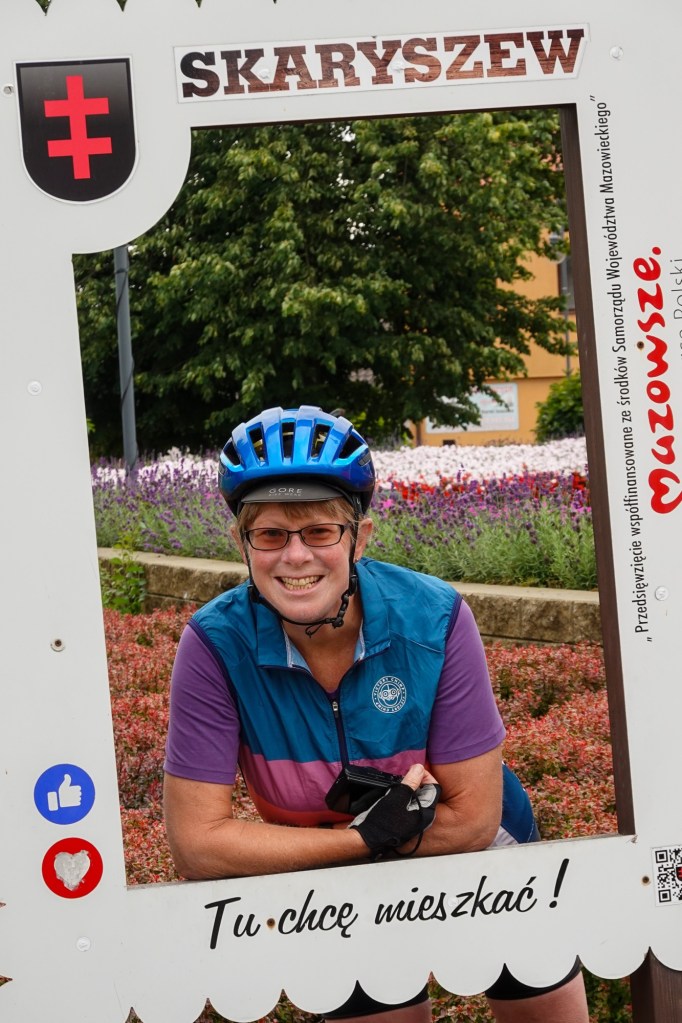
A great city to leave, as in easy. One long straightish road for 11km with bike paths. Take a left for another 5k and you are out. Along the way apartment estates give way to out of town shopping, merge into richer suburbs and then fields.
Crane hire or higherCluckFire Station
The main crop is fruit – pears, apples hang heavy on the branches.
Lots of bike spacesTrain overtakes appleStatue to Polish Air ForcesJust a village
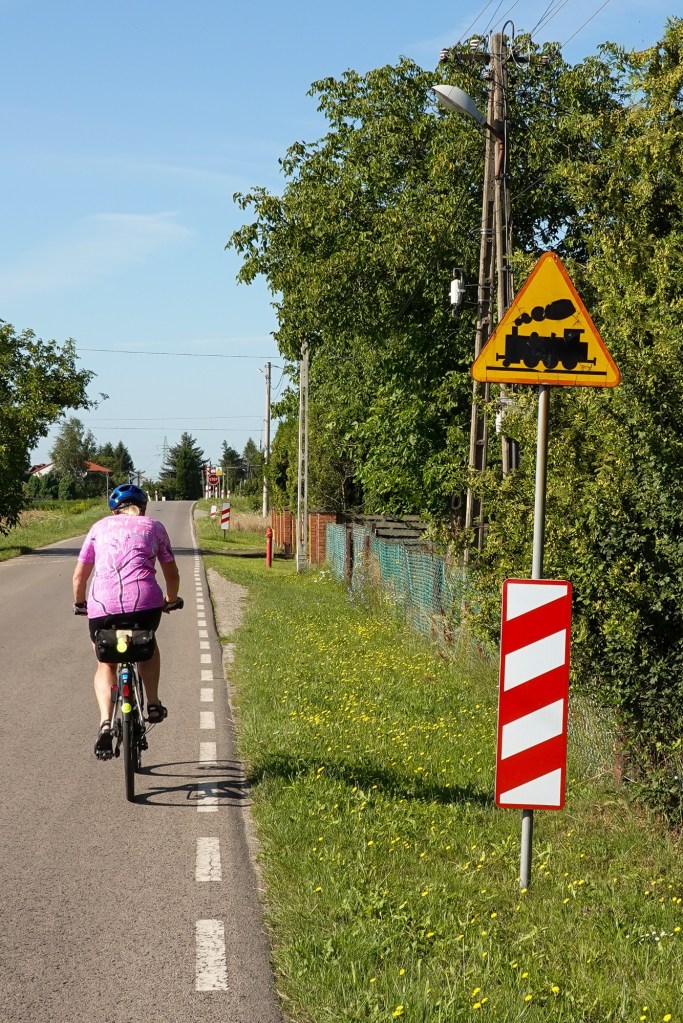
As we go South, the villages are becoming more frequent. Cycle paths and good ones at that, pop up in strange quiet places. Even so, the drives are all good and without fail stop at crossings to give us right of way.
Local Wigwam Church
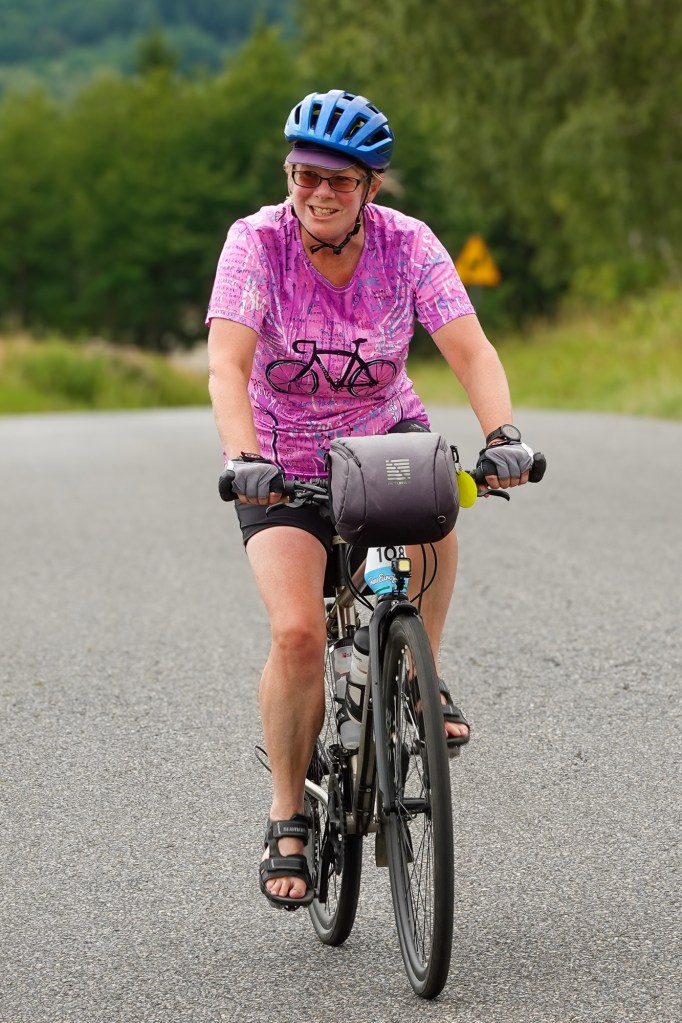
Today wet, dry, windy, warm, damp. The main deluge was after we arrived. Just after the shed fairy had done some work so Barbara can ride on a presentable steed.