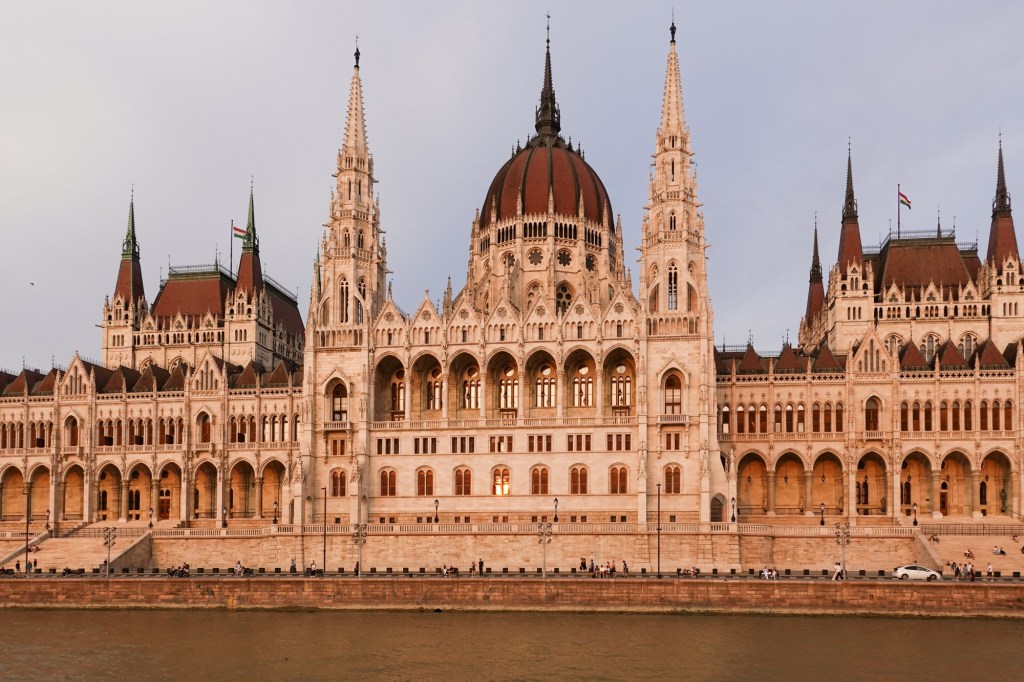
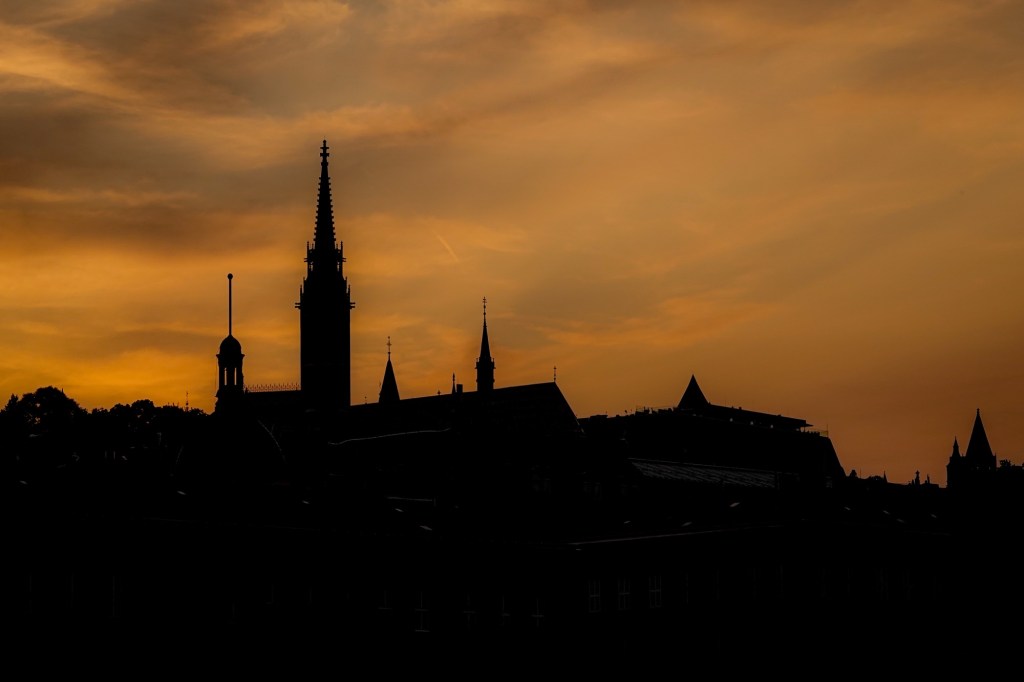
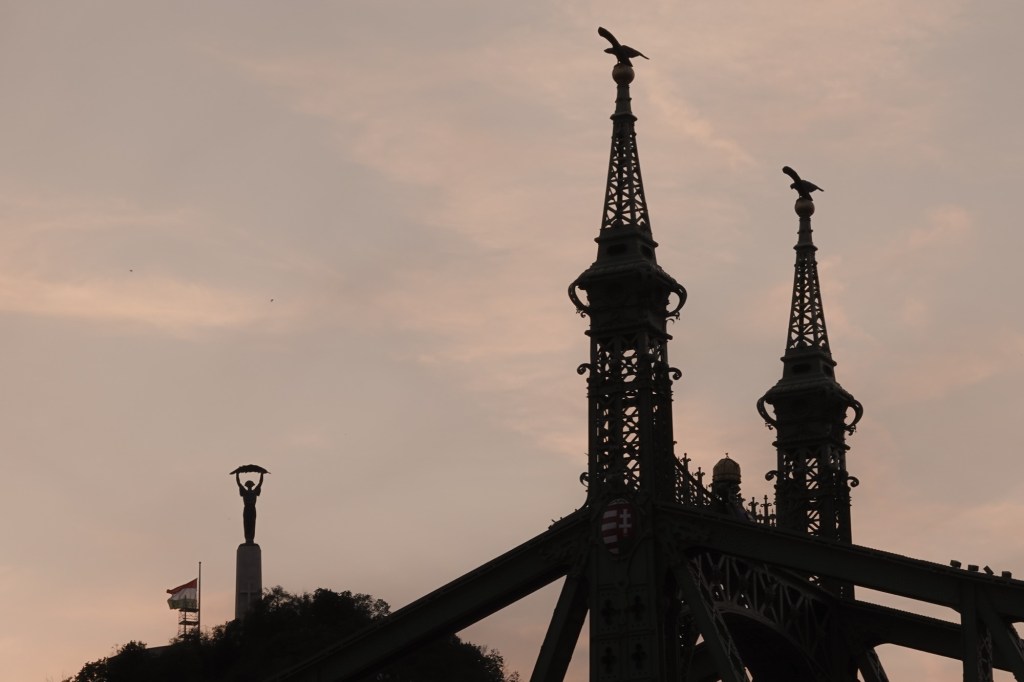
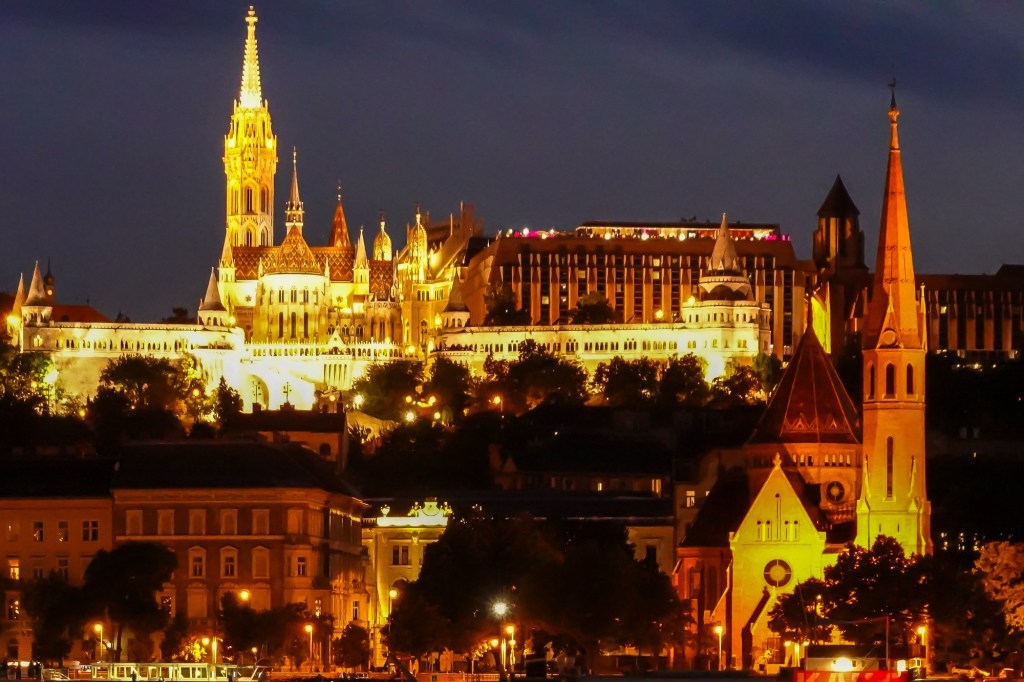
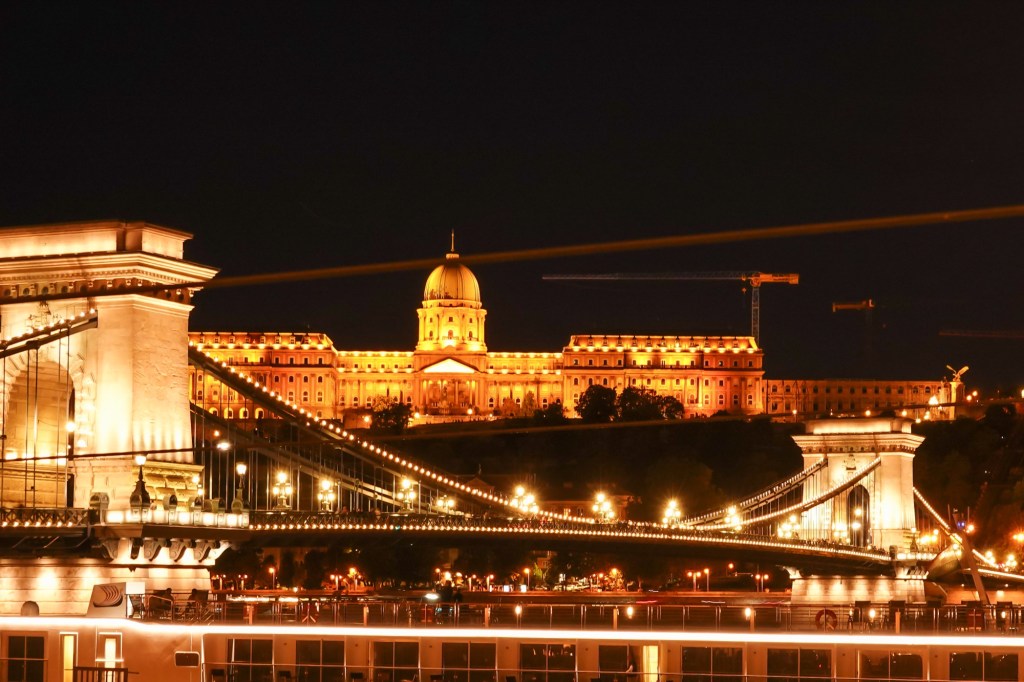
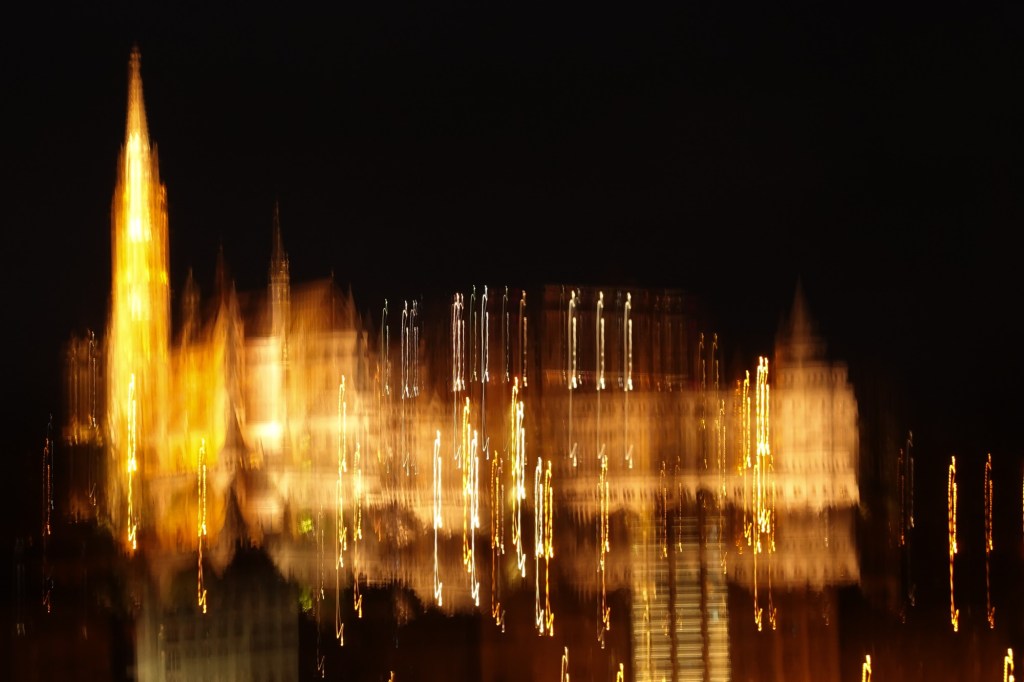
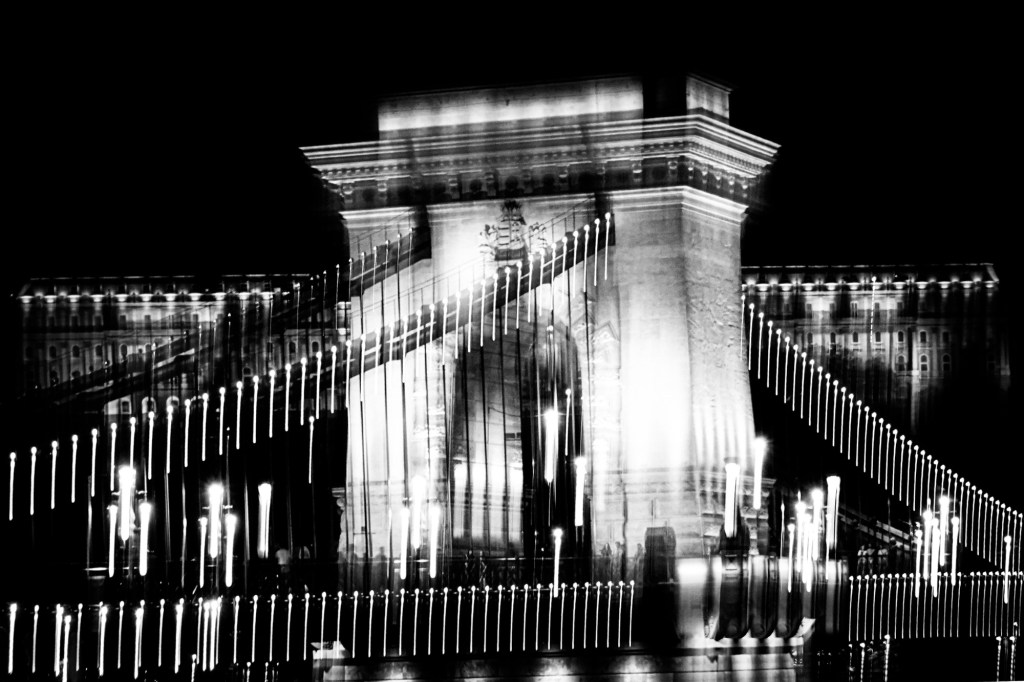
Pictures from a boat cruise. The early evening as the 20:30 sailing is past bedtime.






A blog on travel, the outdoors, photography and perhaps music
Pictures from a boat cruise. The early evening as the 20:30 sailing is past bedtime.
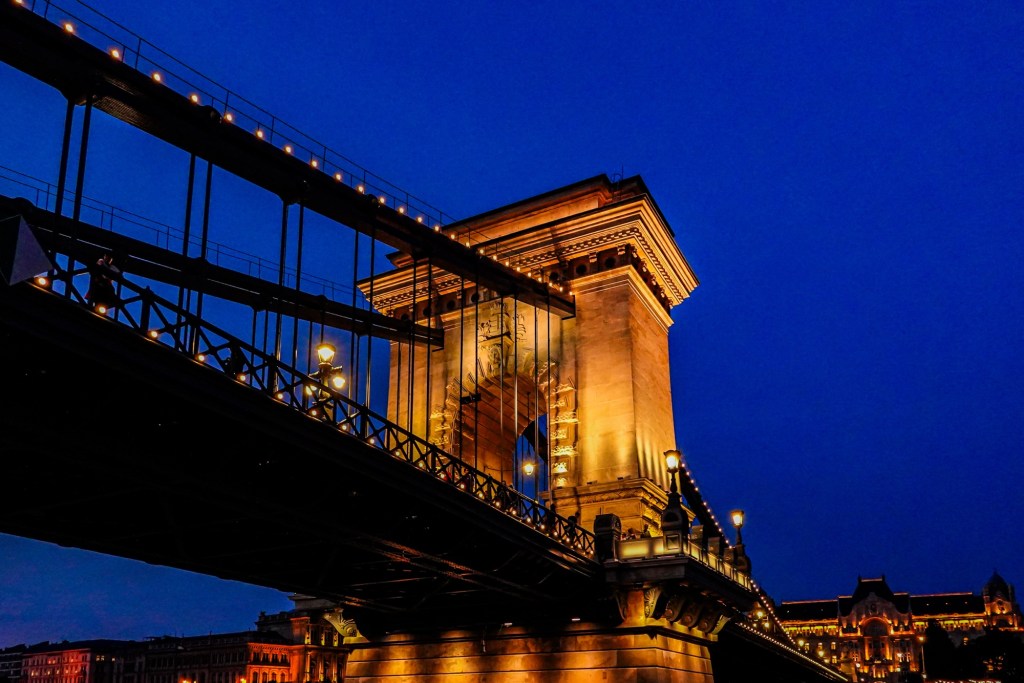
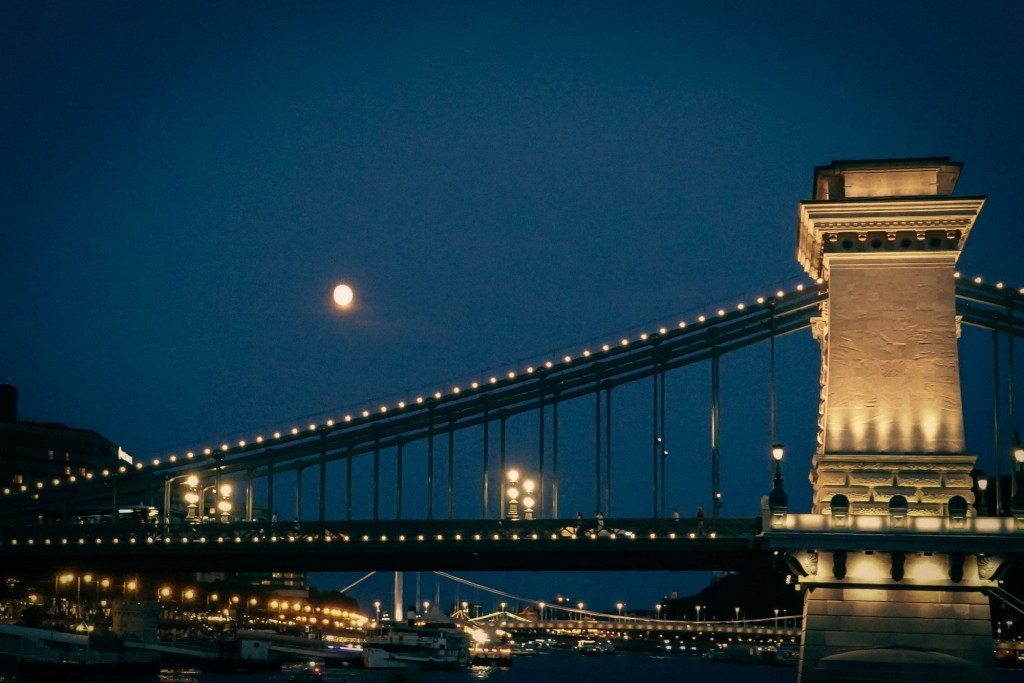
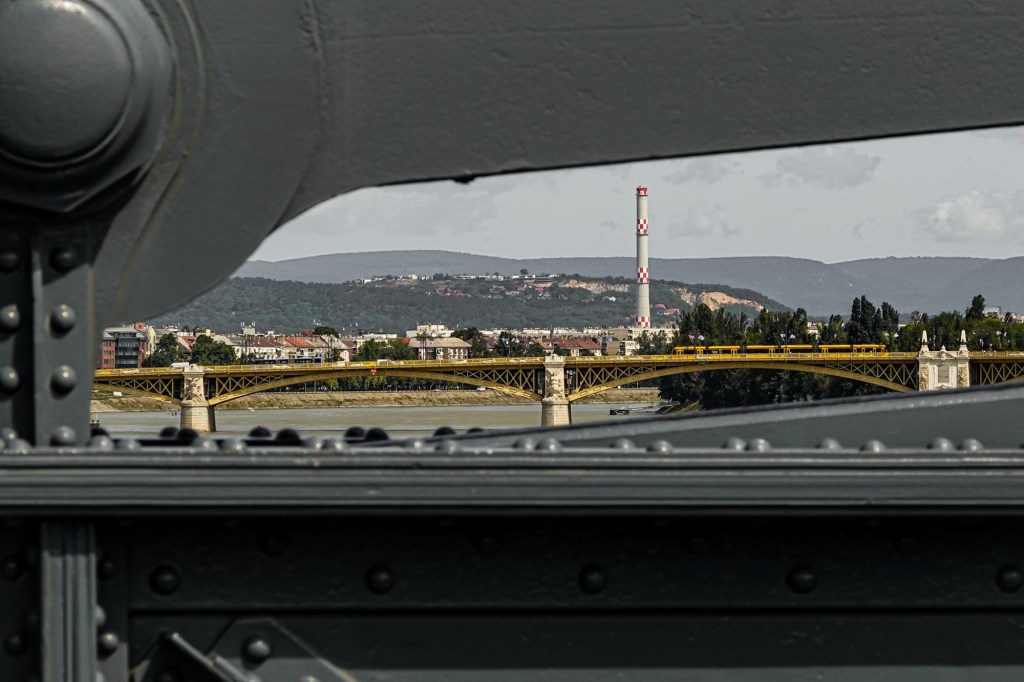
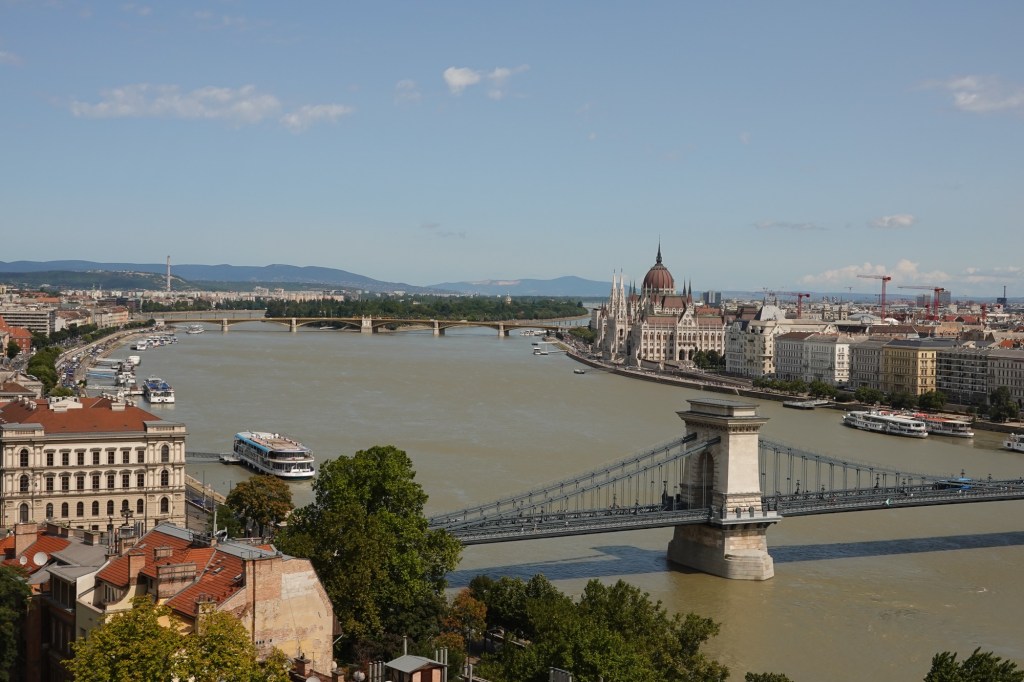
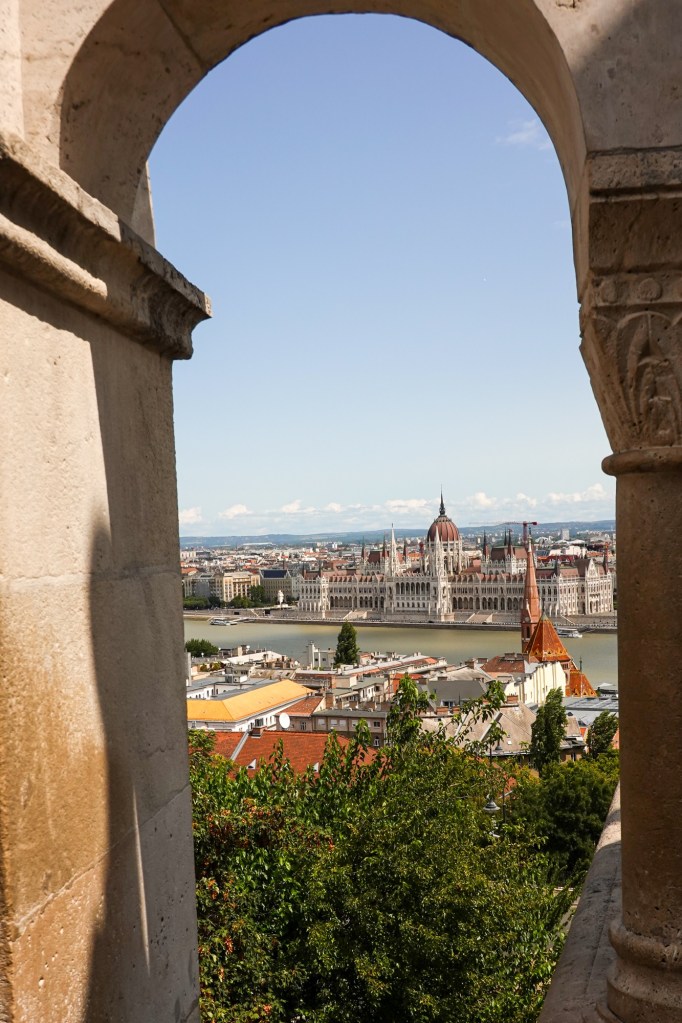
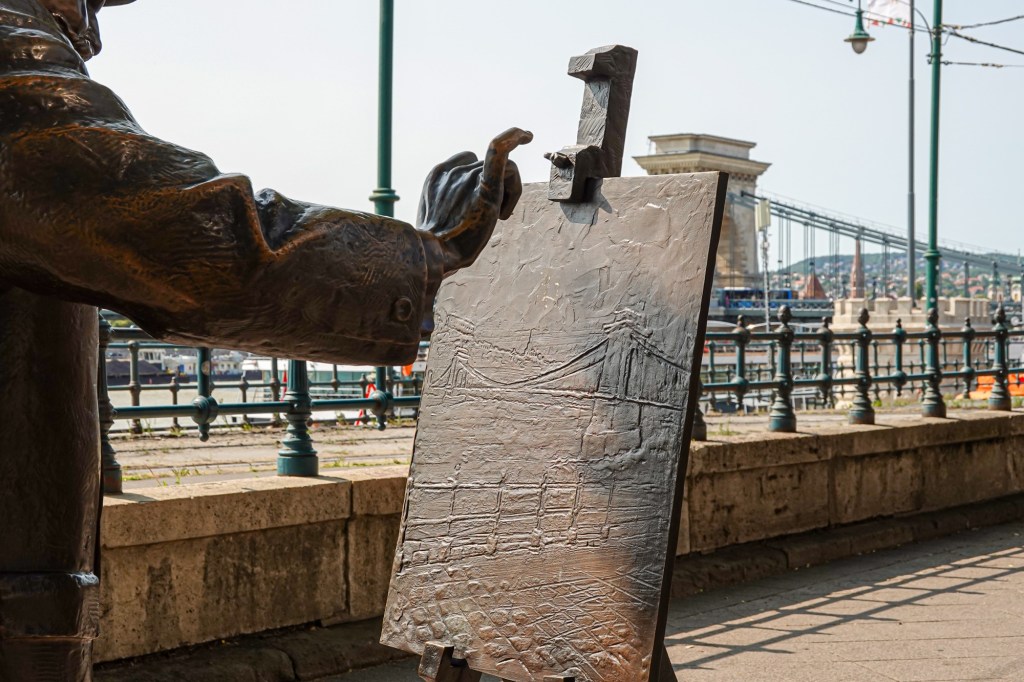
We crossed to explore the Buda side, leaving Pest for tomorrow. Great rivers demand great bridges and the Danube especially. The most famous is the Chain bridge, relieved of is refurbishing scaffolding we last saw it decorated with. The romantic name derives from it being Hungary’s first such suspension bridge with the cruising bit held up by chains.

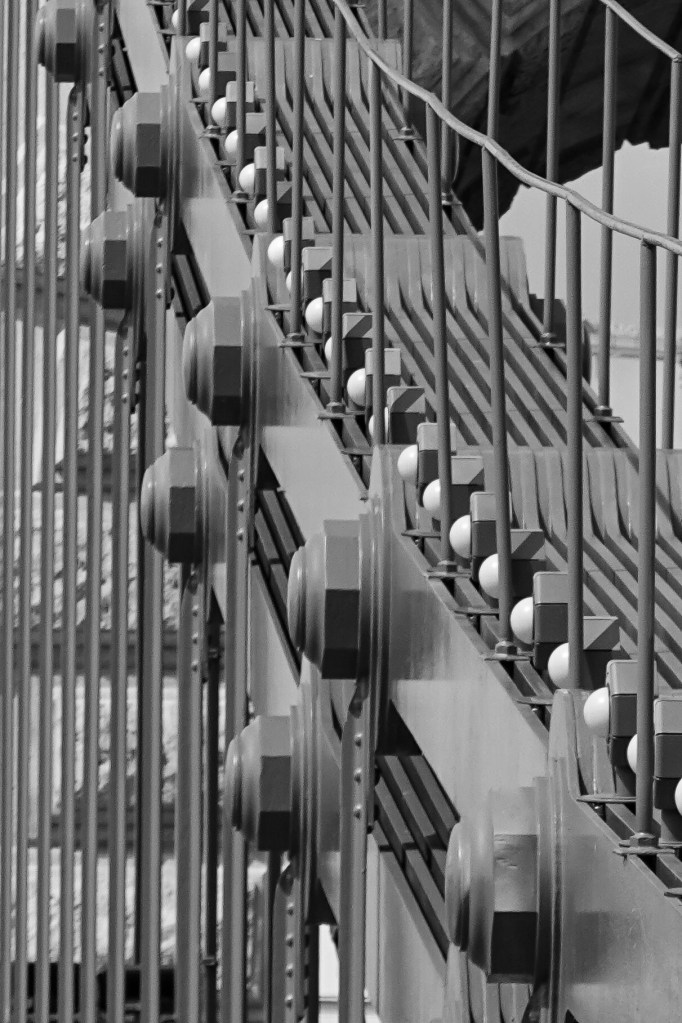

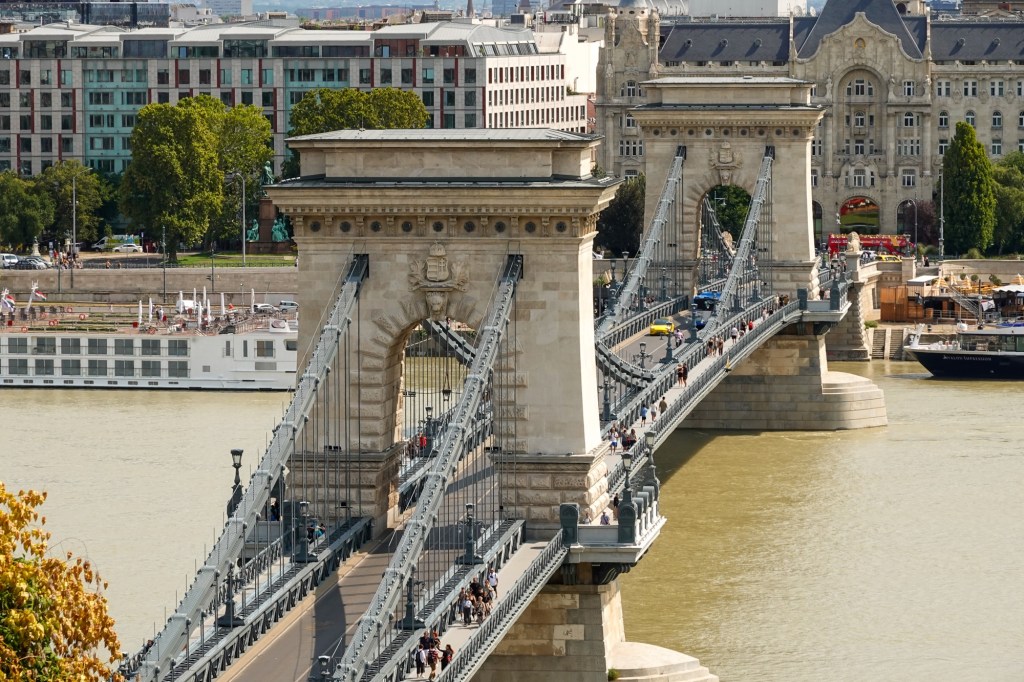
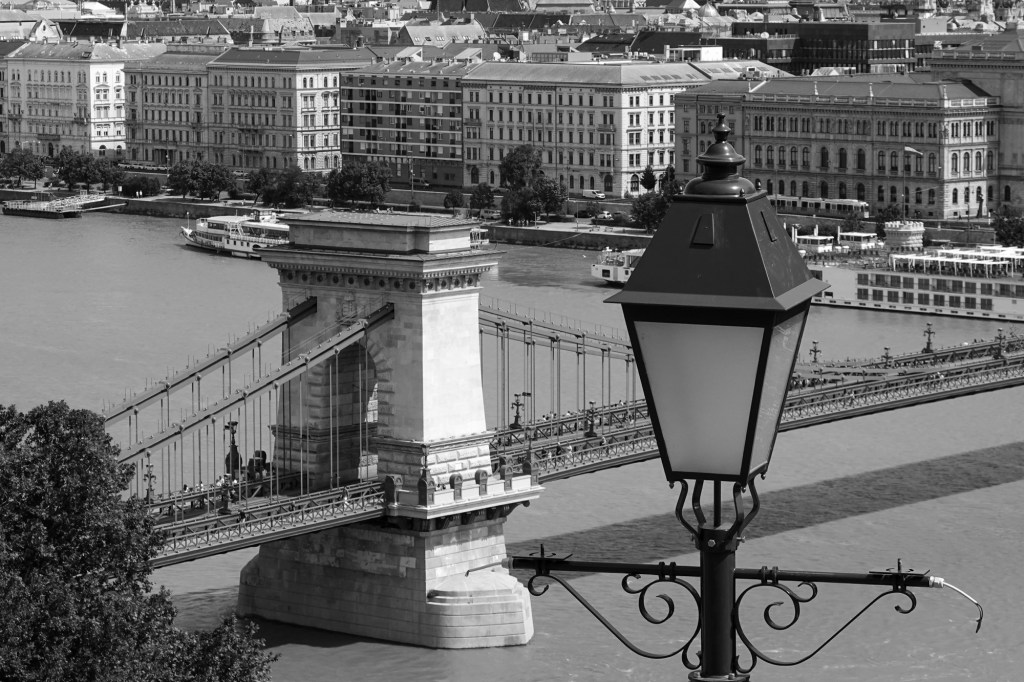
It has a wee sibling: in Marlow where the engineer Clark built his original, before upscaling to Budapest. (Mid 19C). The Hungarian one was rebuilt in 1949 after being destroyed in WW2.

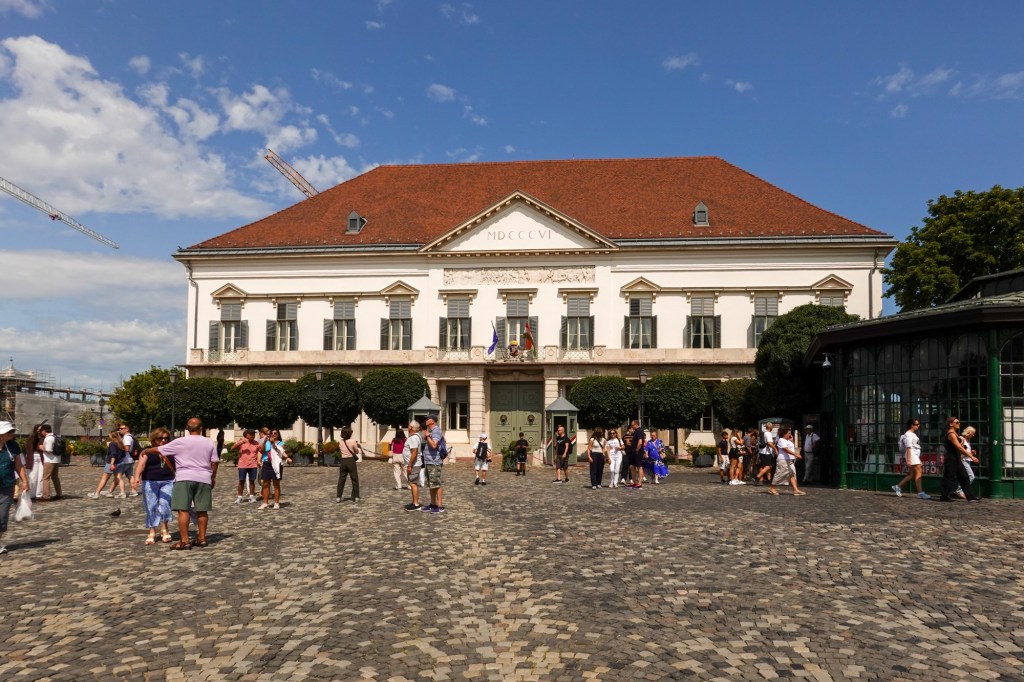

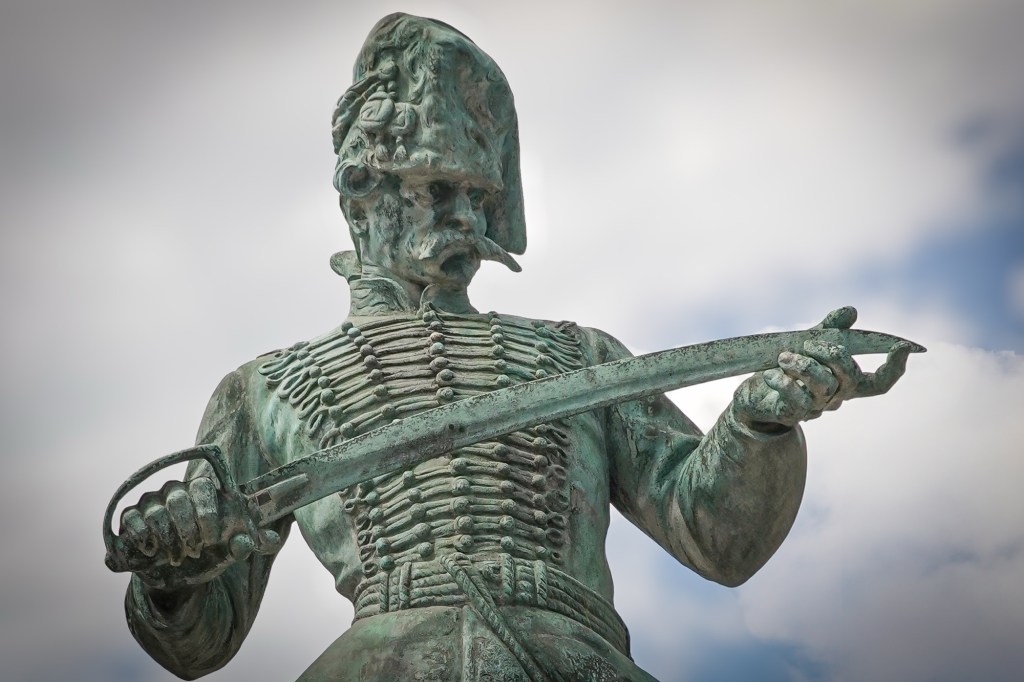
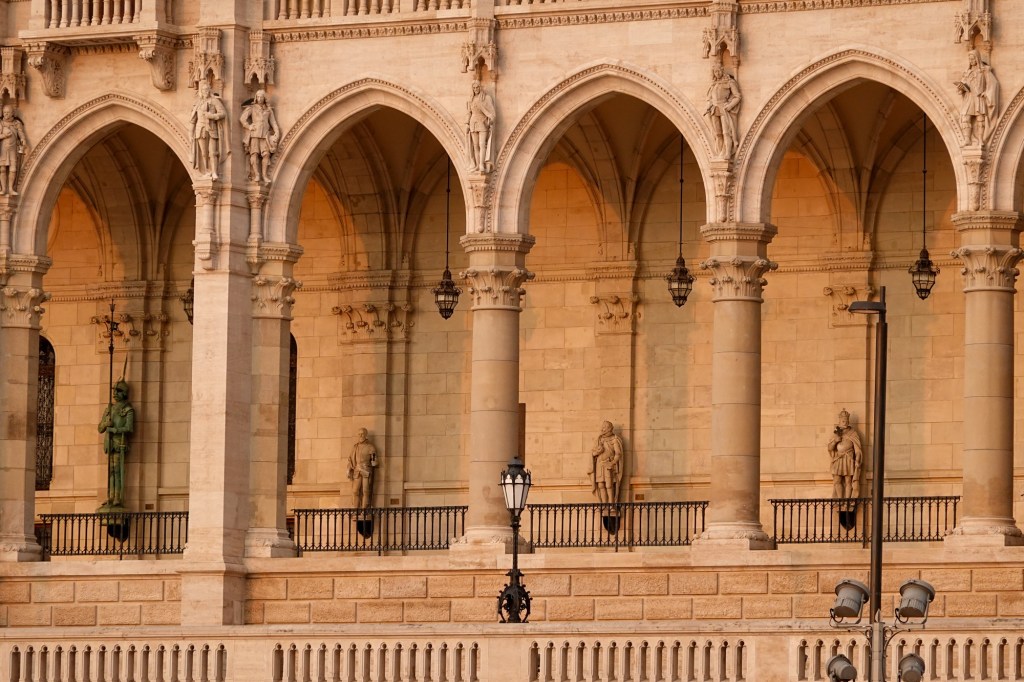
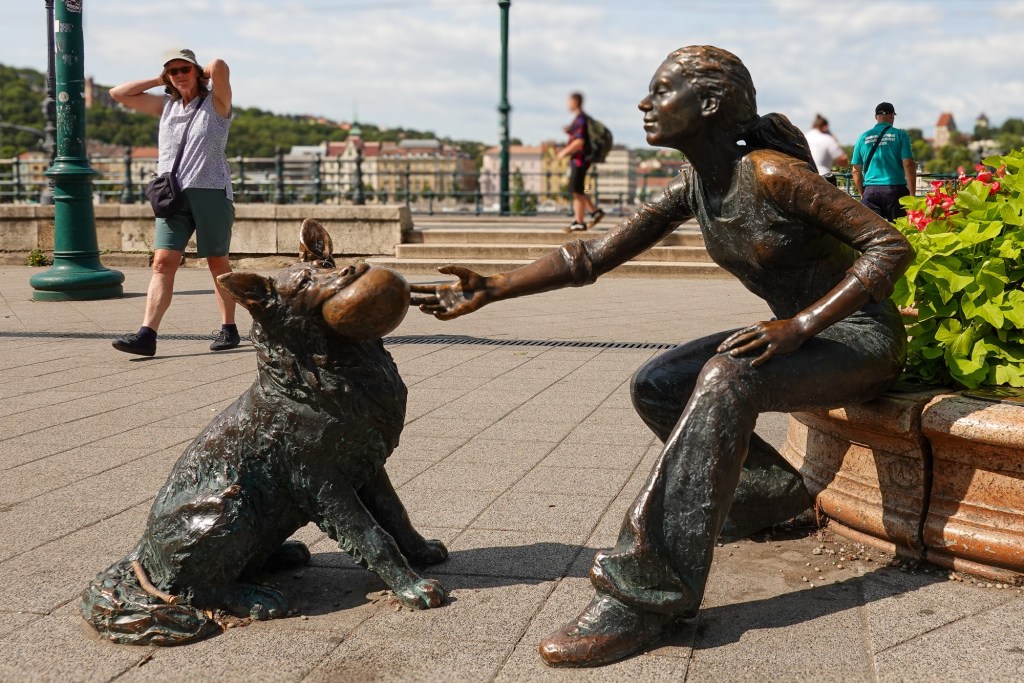
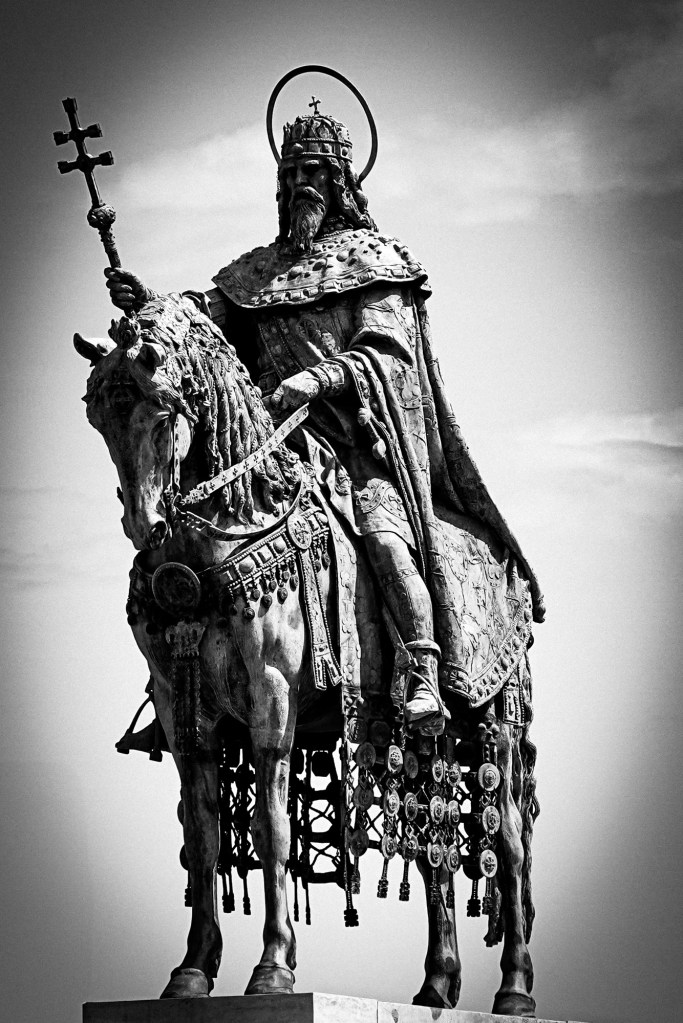
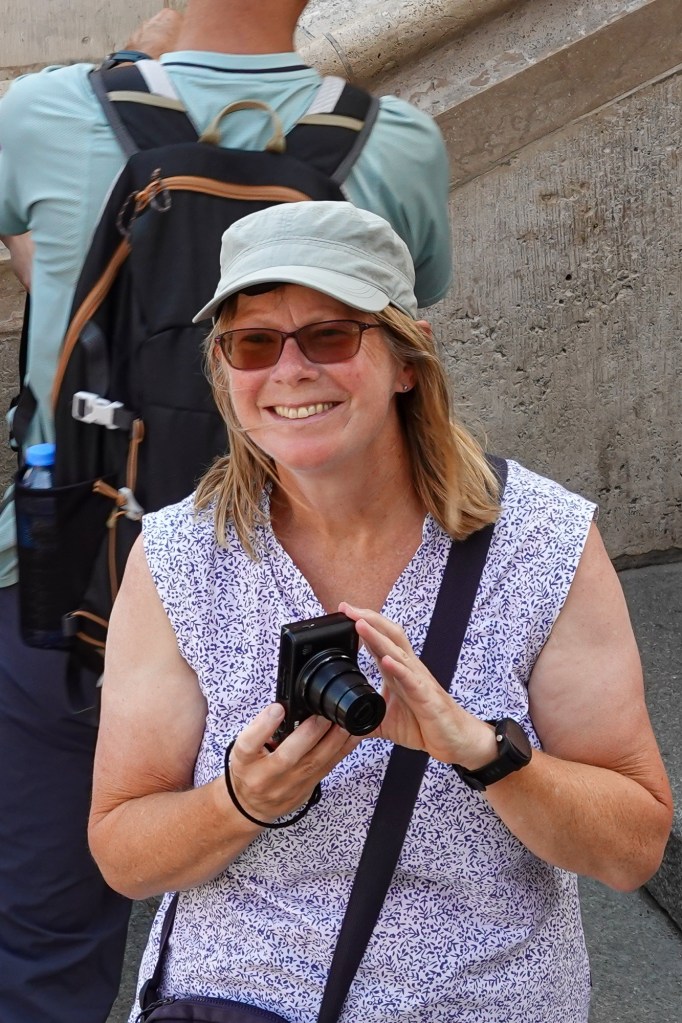
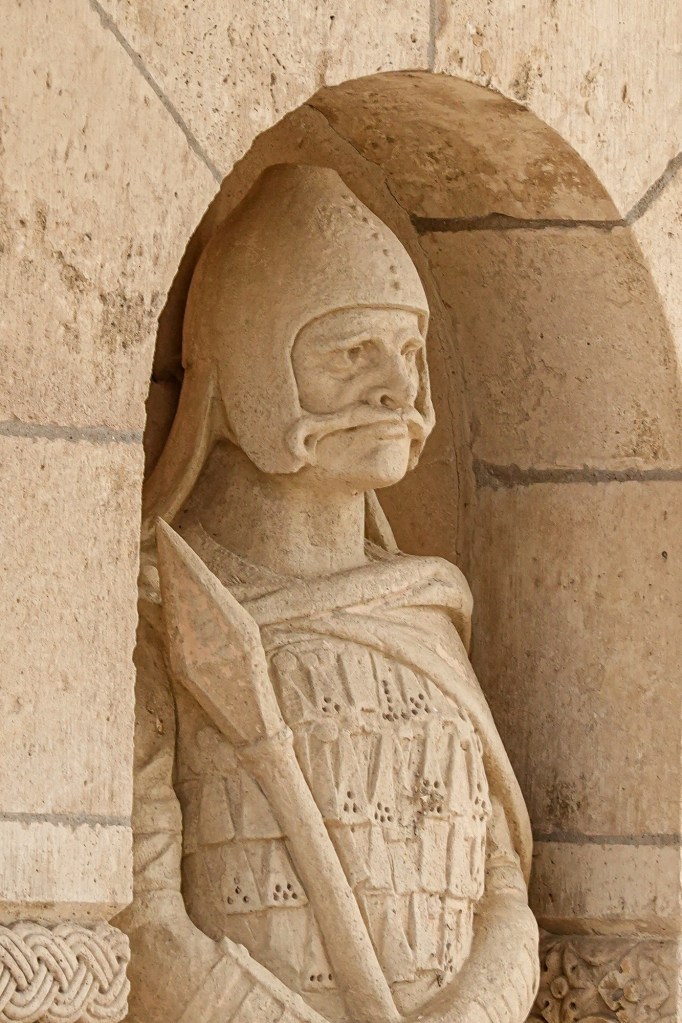
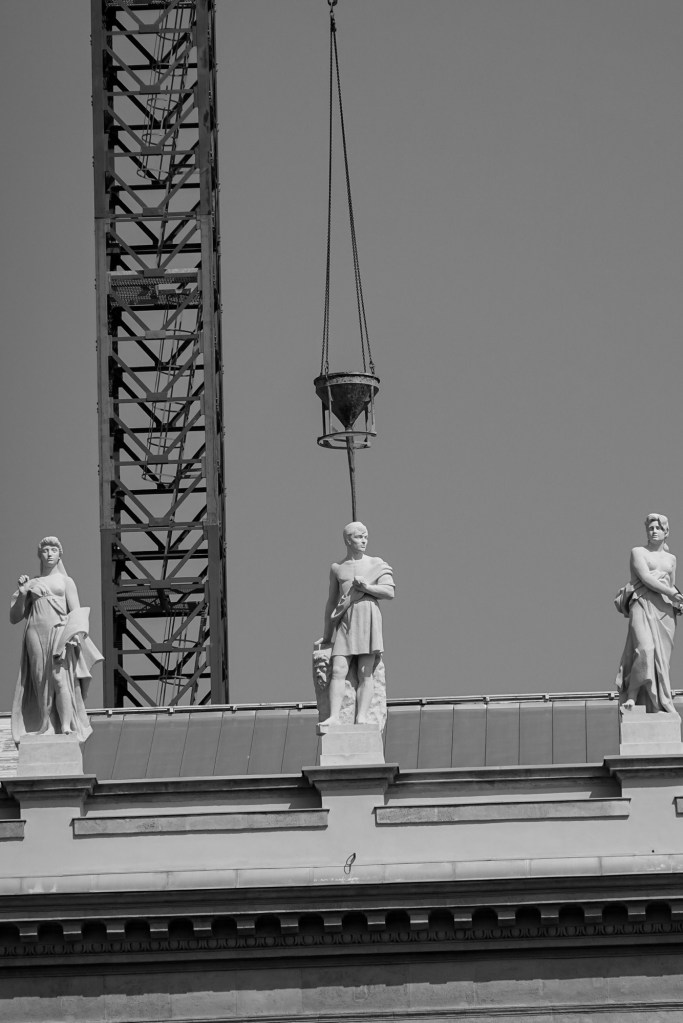
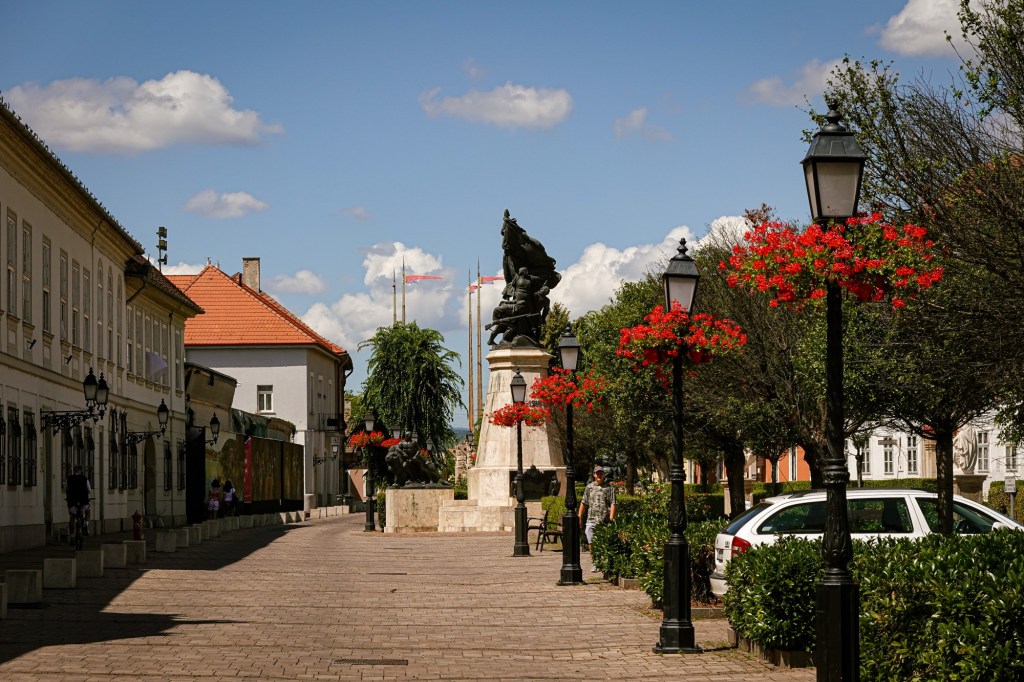
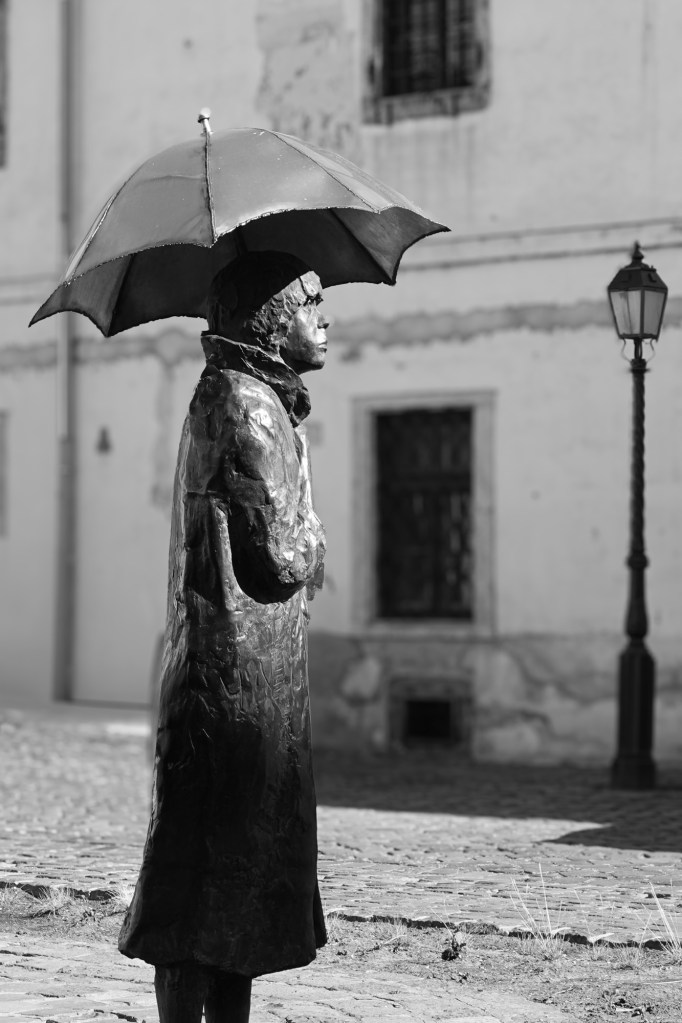
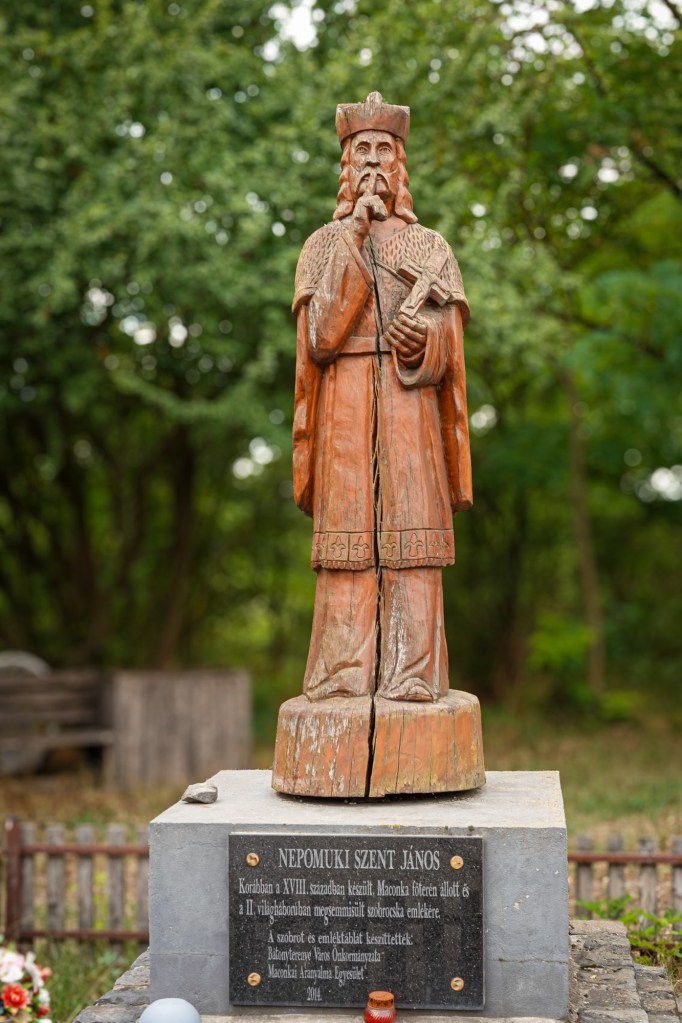
There are so many statues watching: small, large; metal, stone; stern, poignant, funny. Most people go past, heading to the honey spots and jostle for selfies.

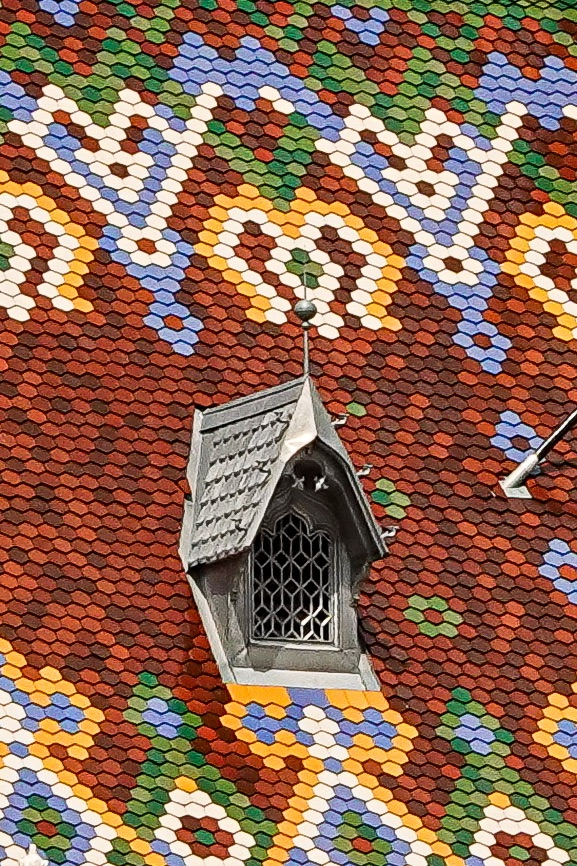


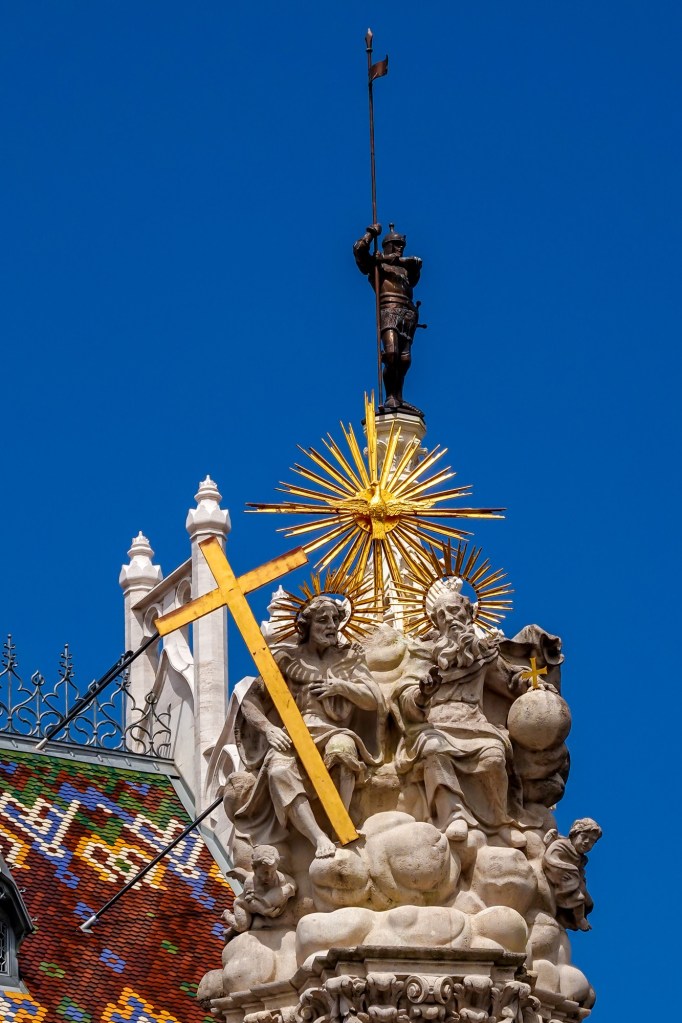

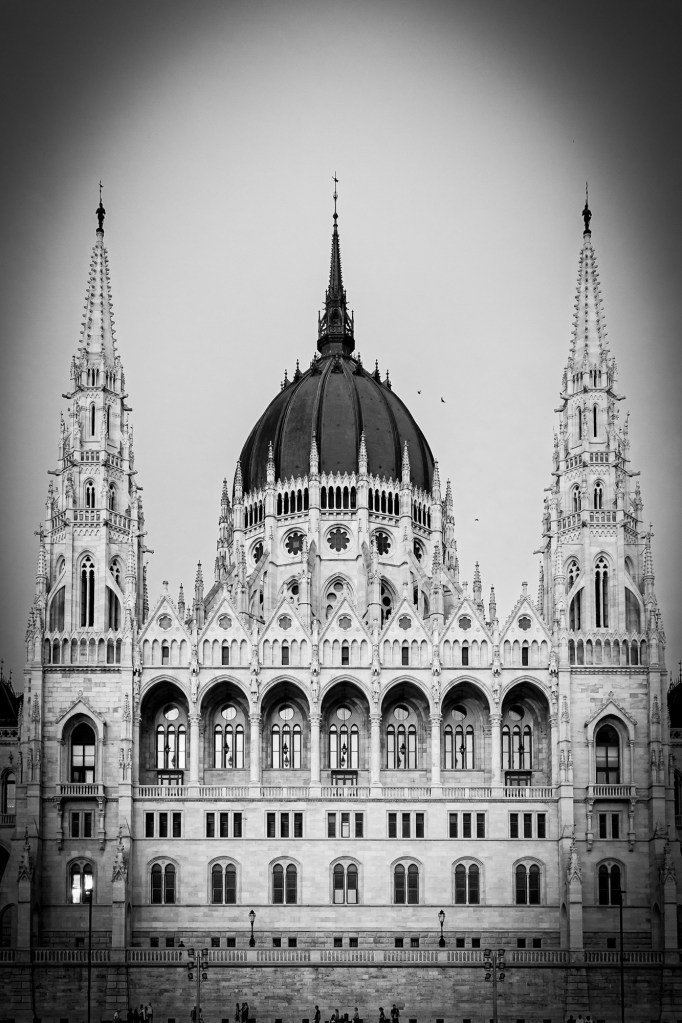
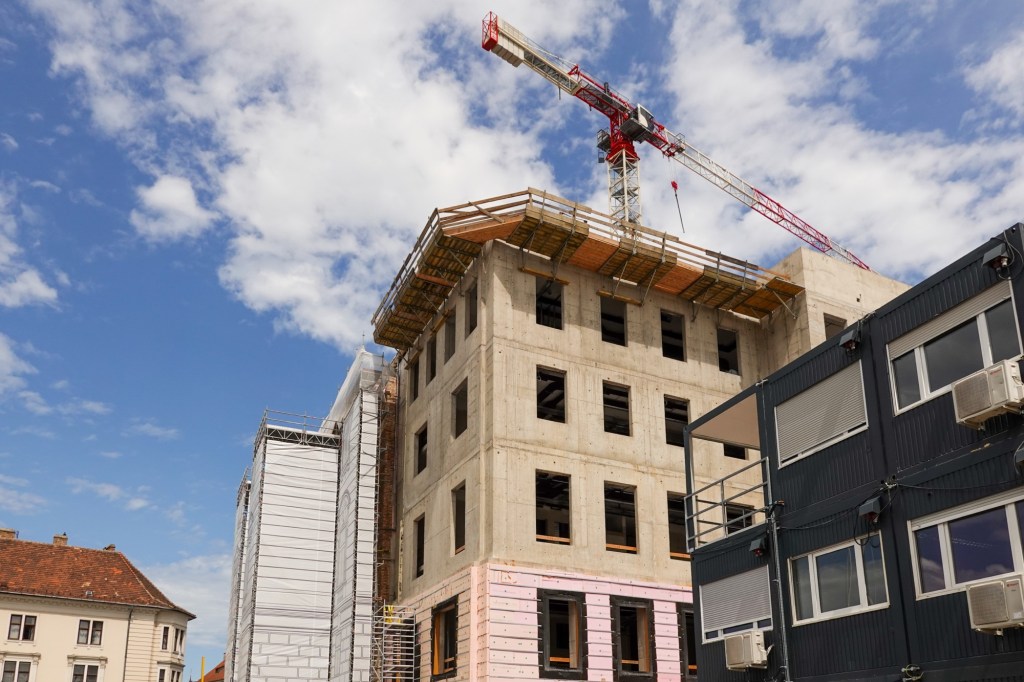
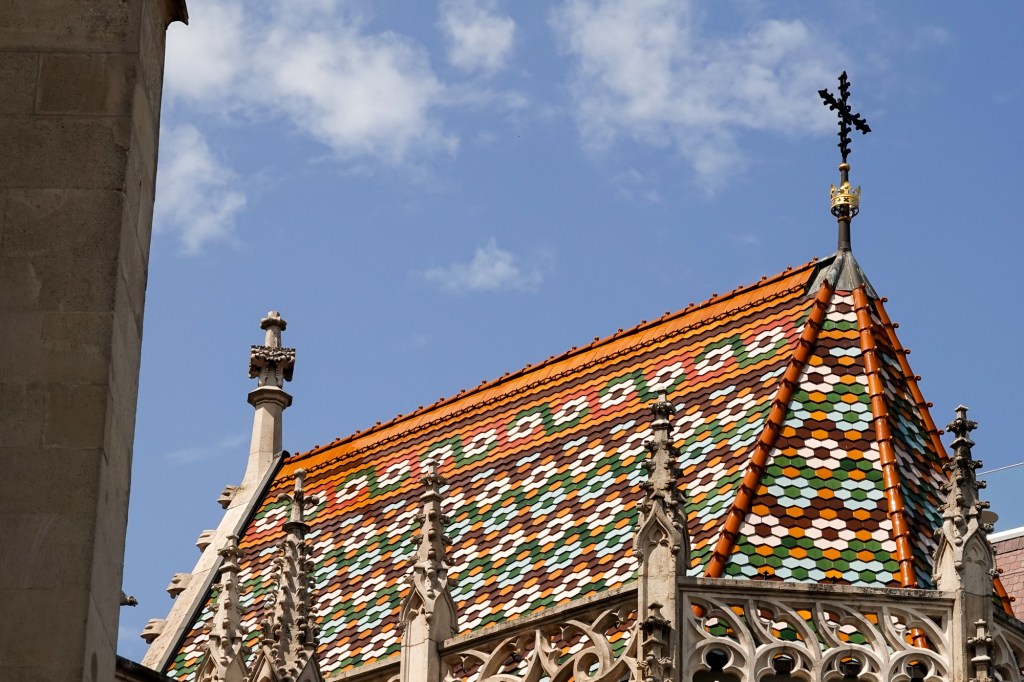
The power and wealth behind the creation of the buildings boggles the imagination. Actually the skills of the builders even more so.

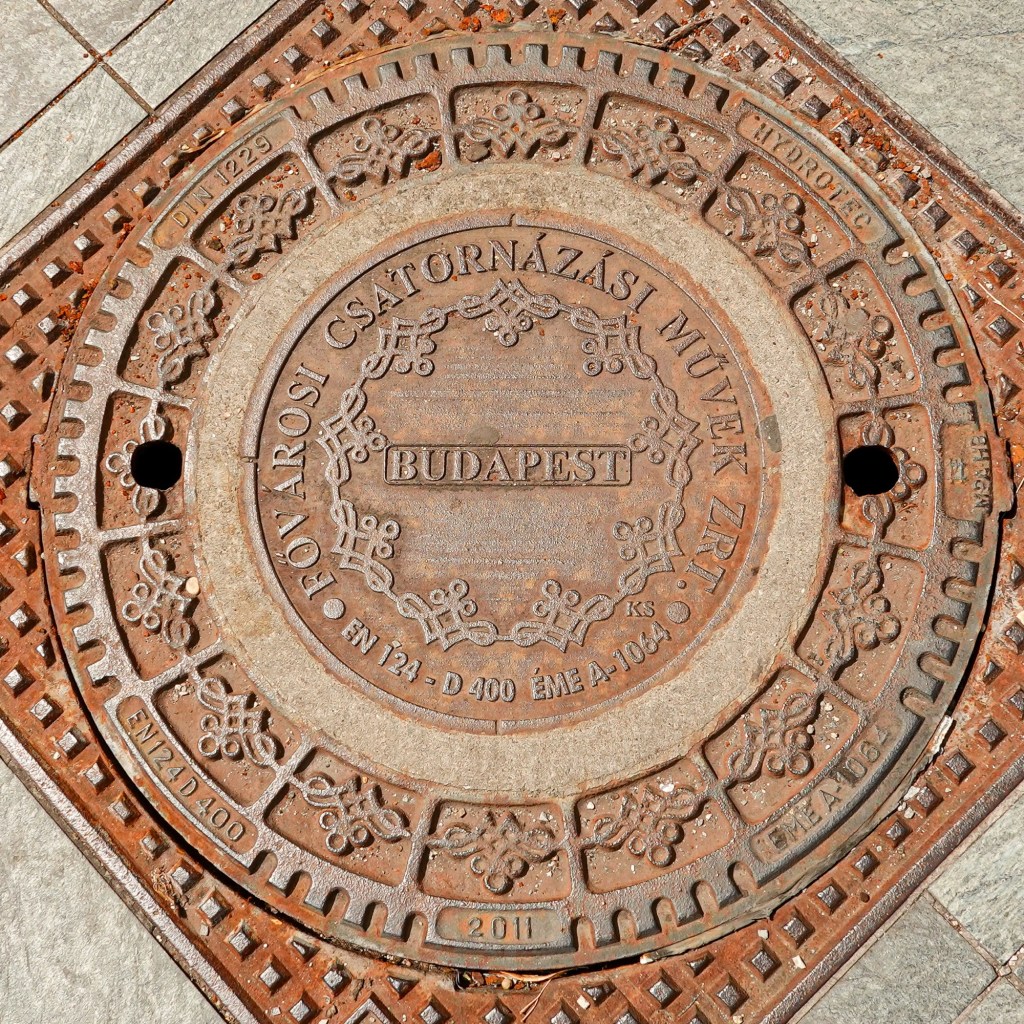
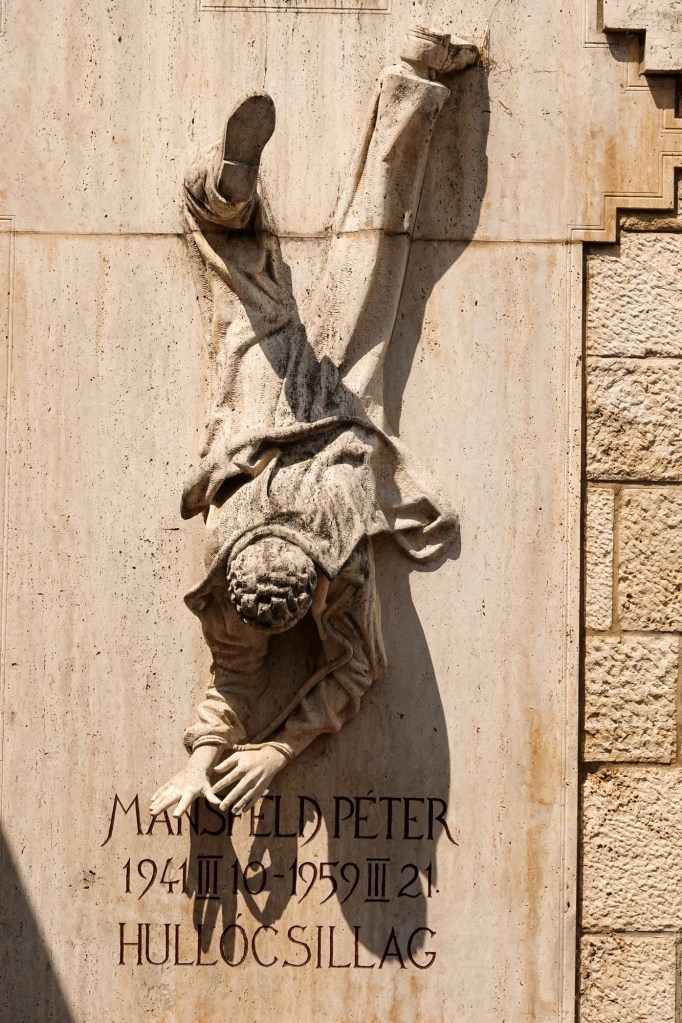
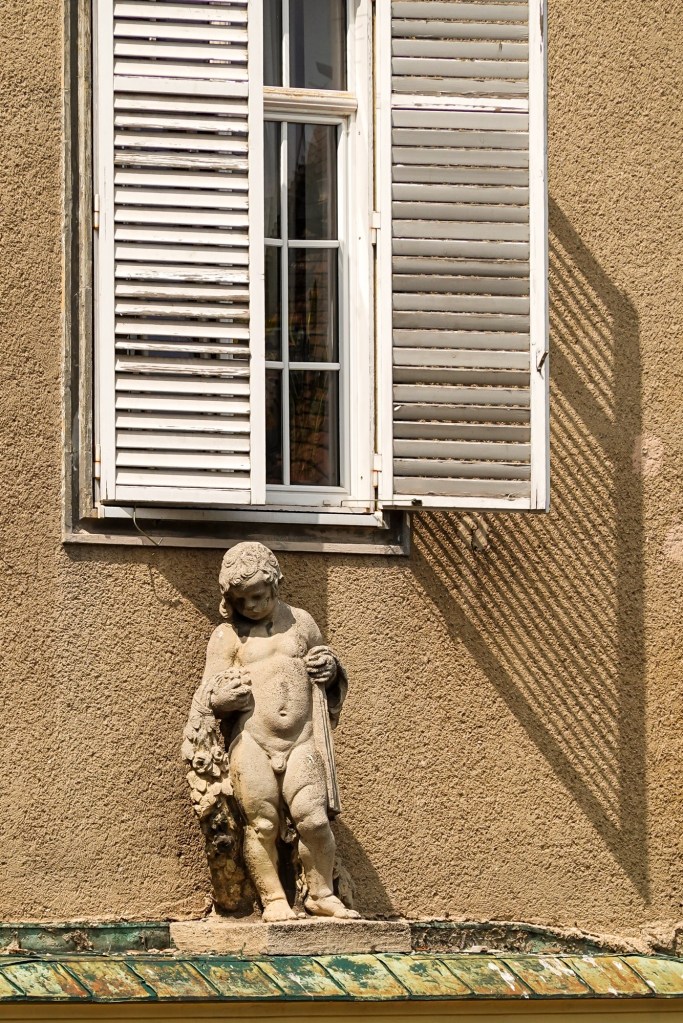
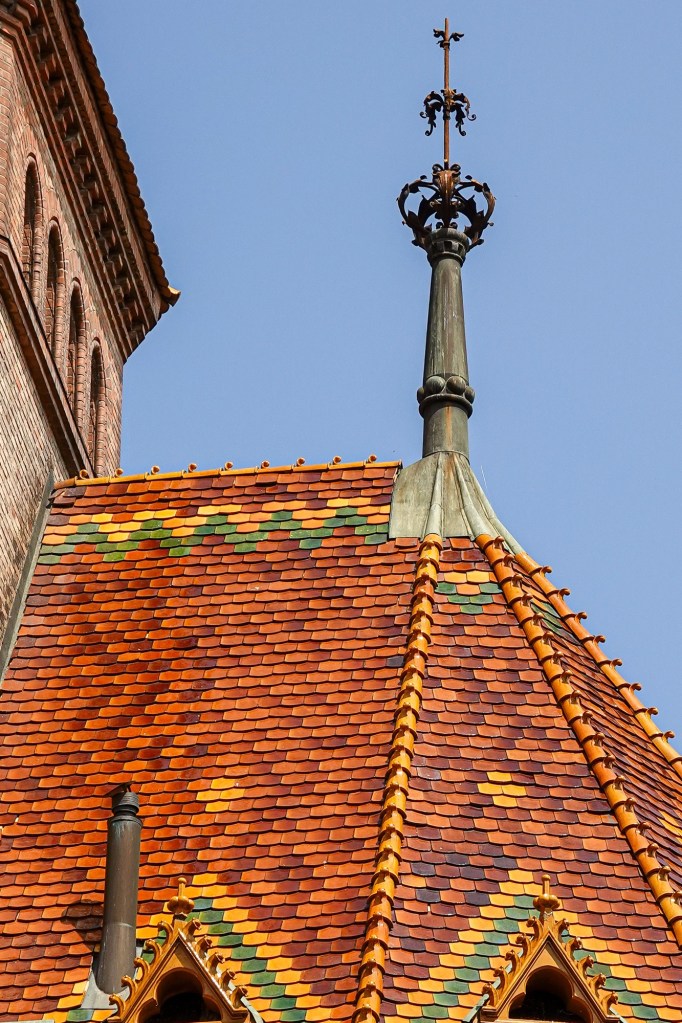
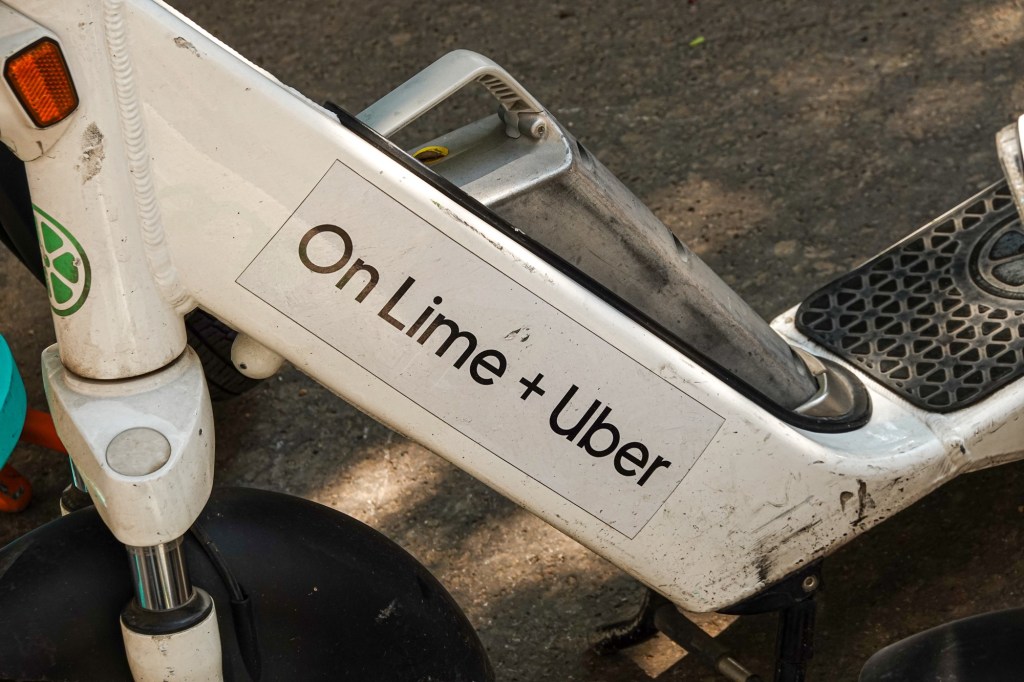


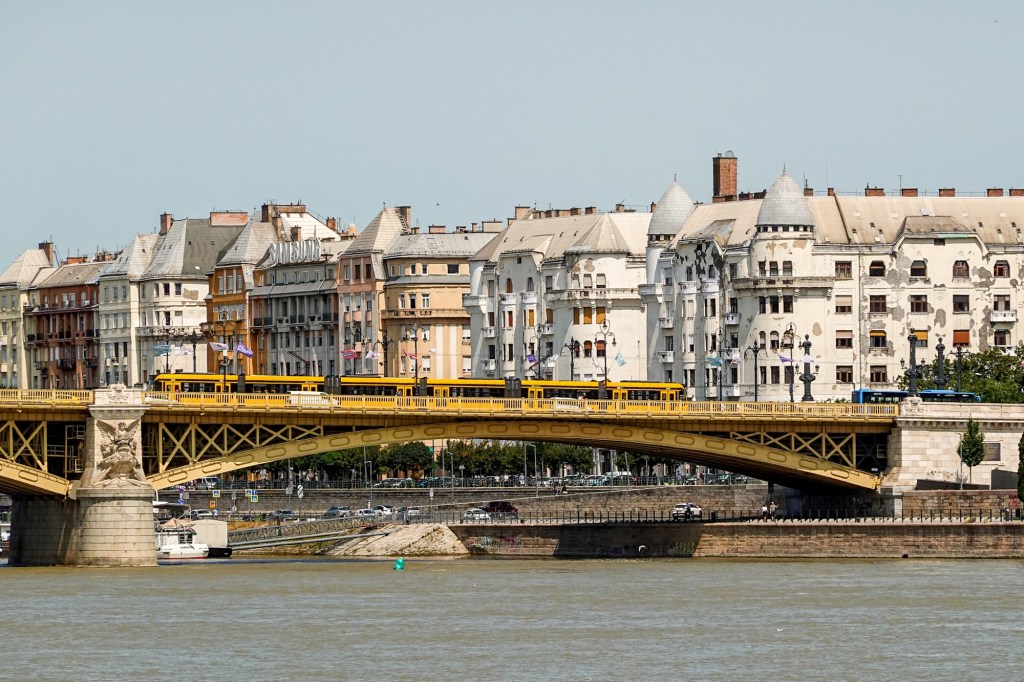

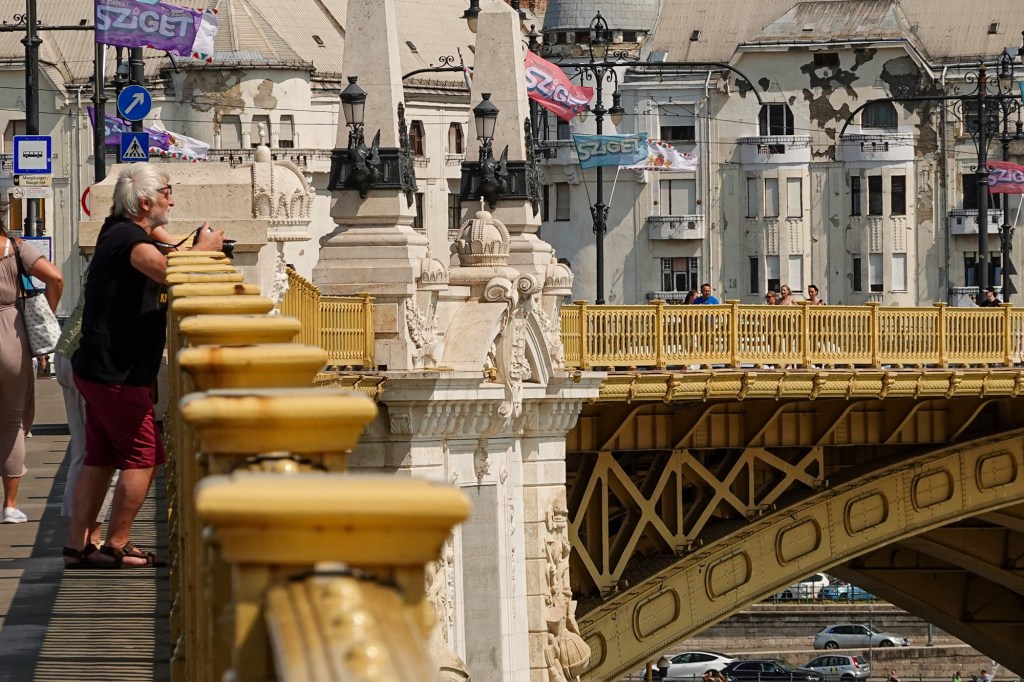

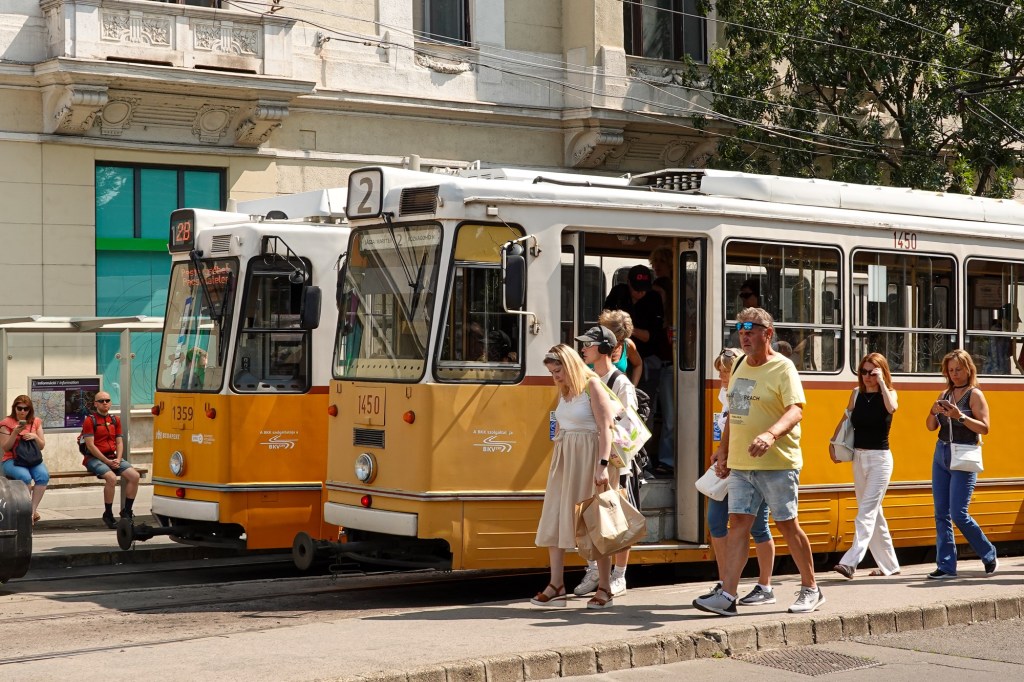
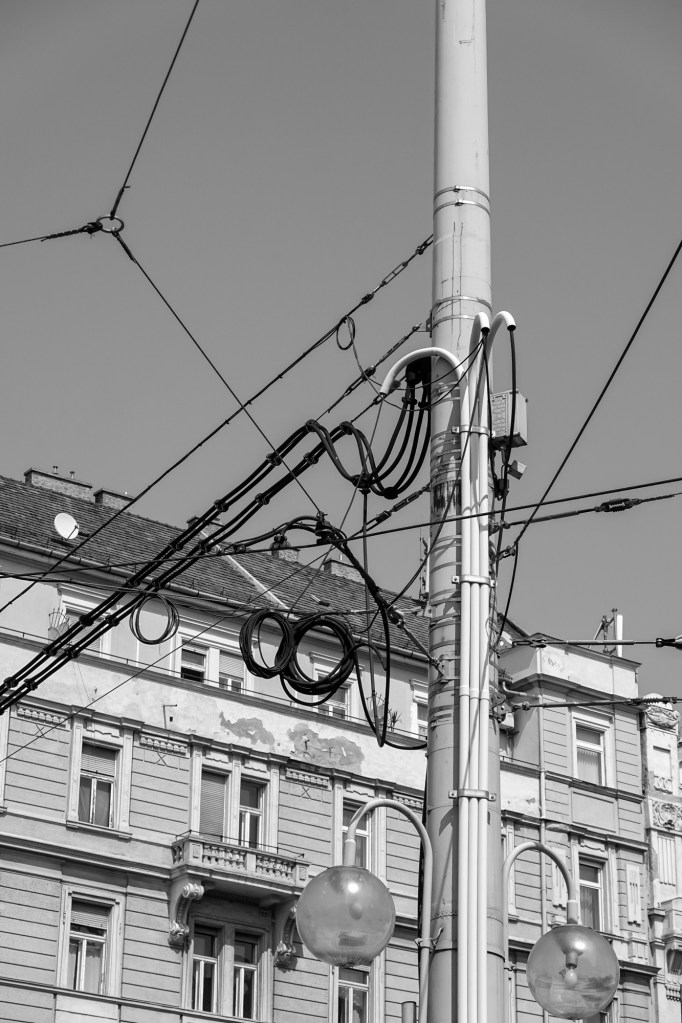


Big cities can be daunting. We last stayed here 3 years to the day, so the challenge will be to look confident we know what to do. The greater metropolitan area has 3.3 million people, a third of the population and more than Wales. The “city” is a smaller 1.7million.
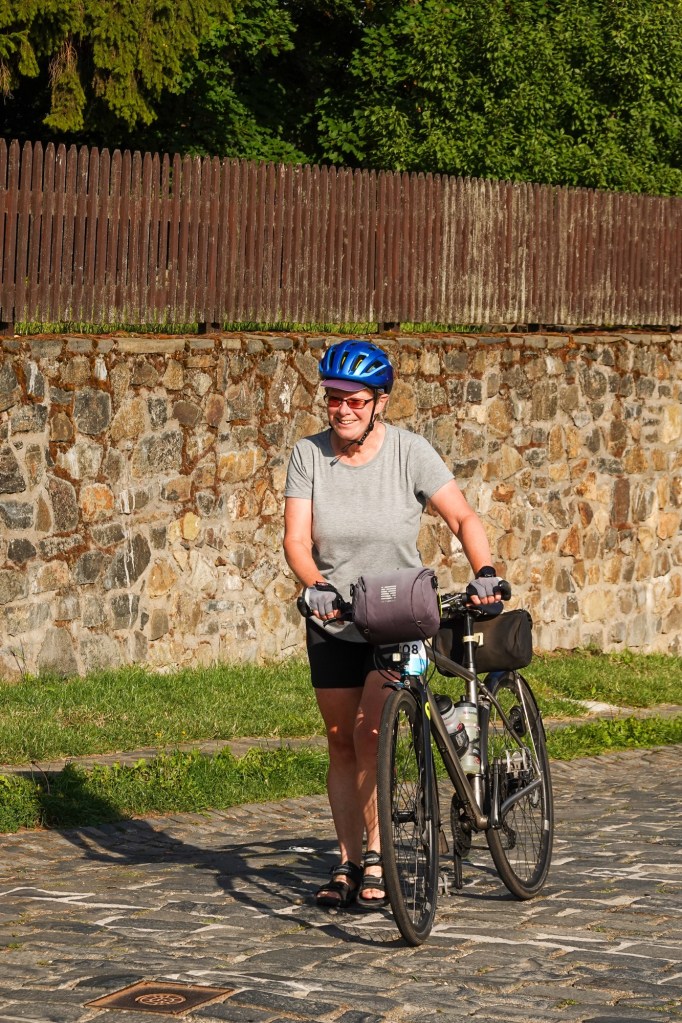


The feeling of urbanisation starts about 25miles outside. The villages approaching that point start to feel like more holiday homes.


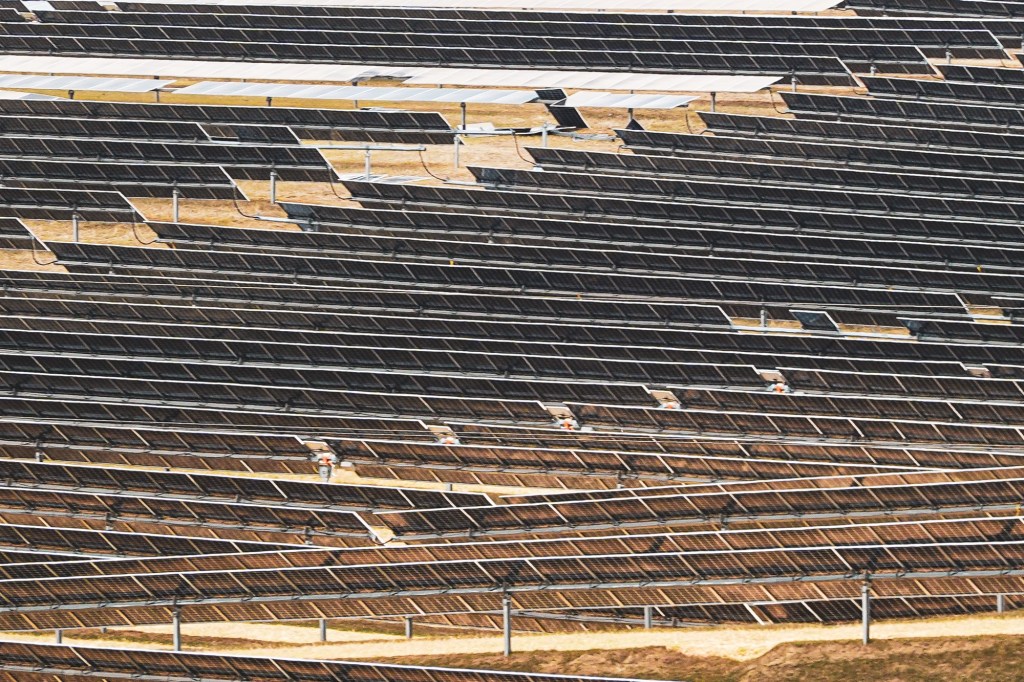
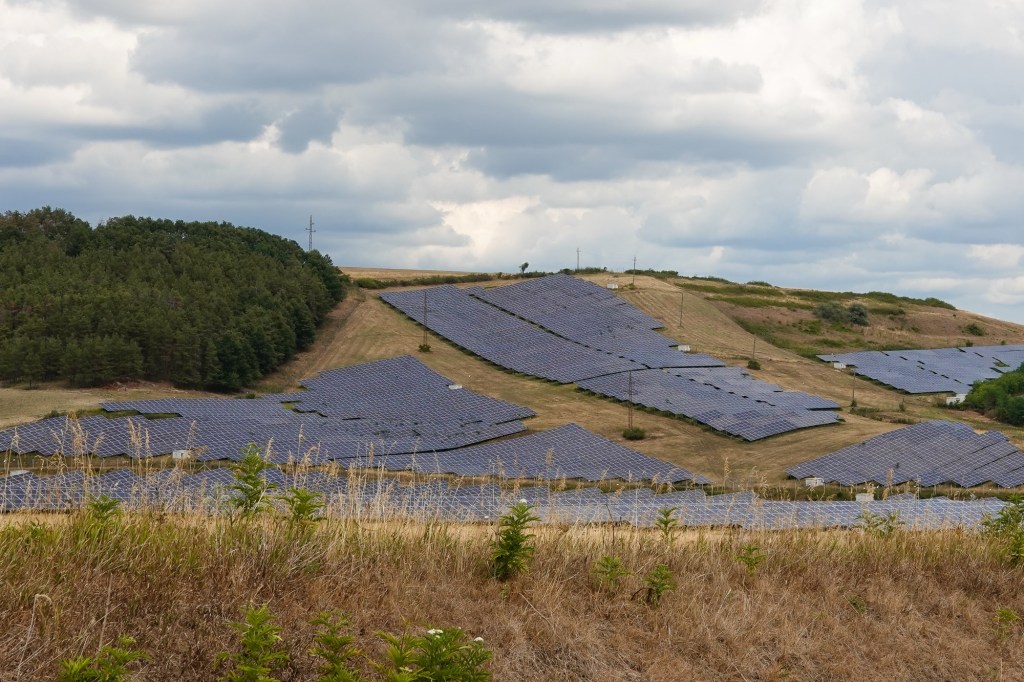
Good to see a sea of solar panels – though Hungary remains dependent on Russian gas (as does France).

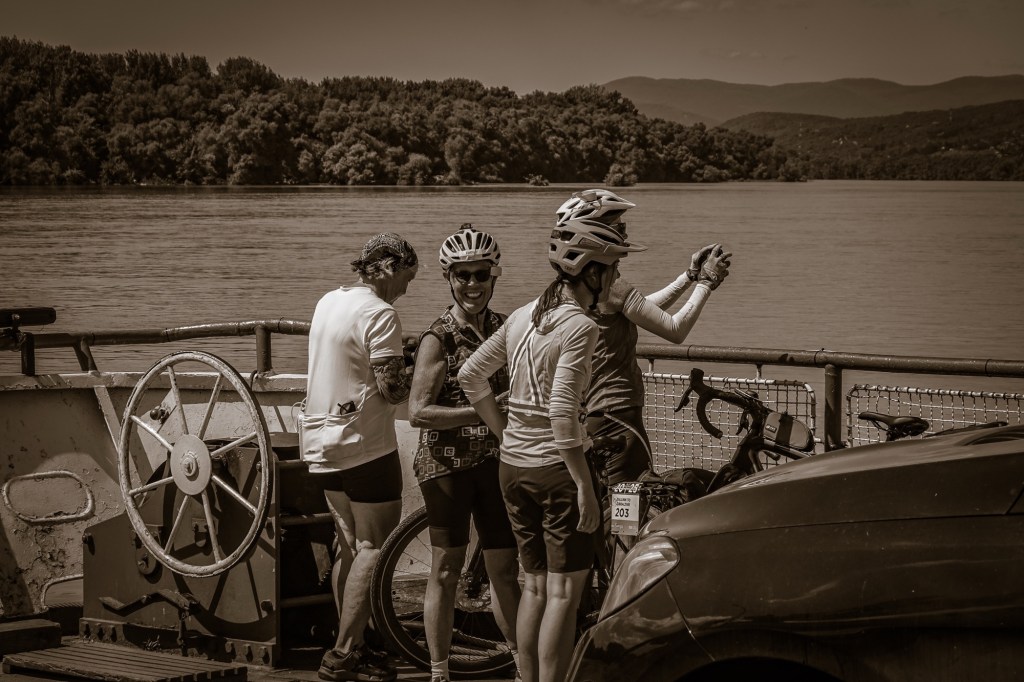
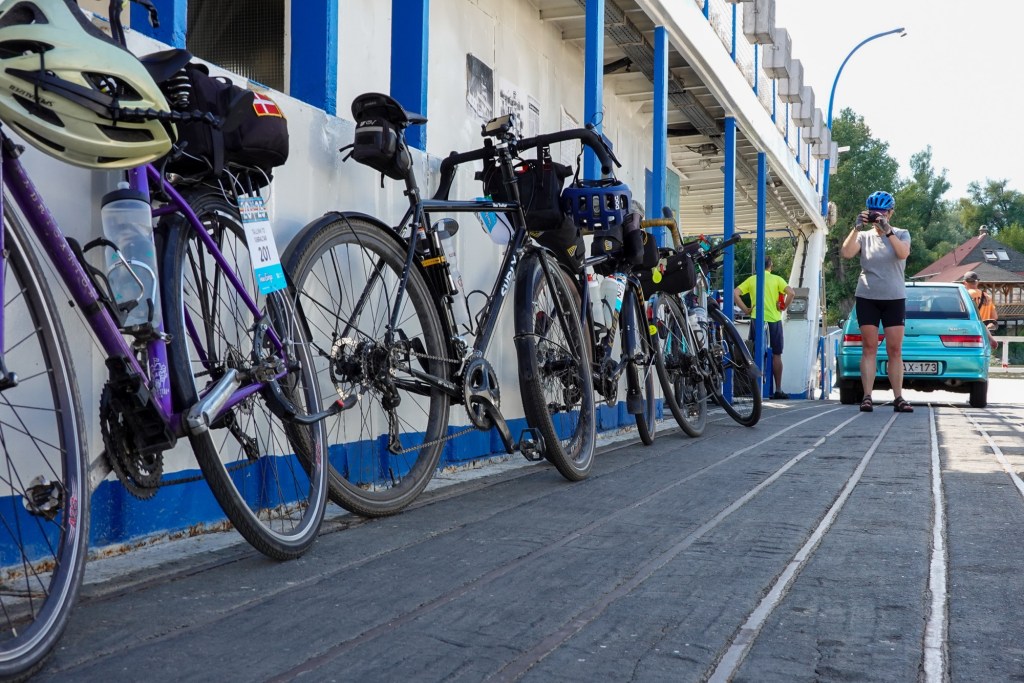
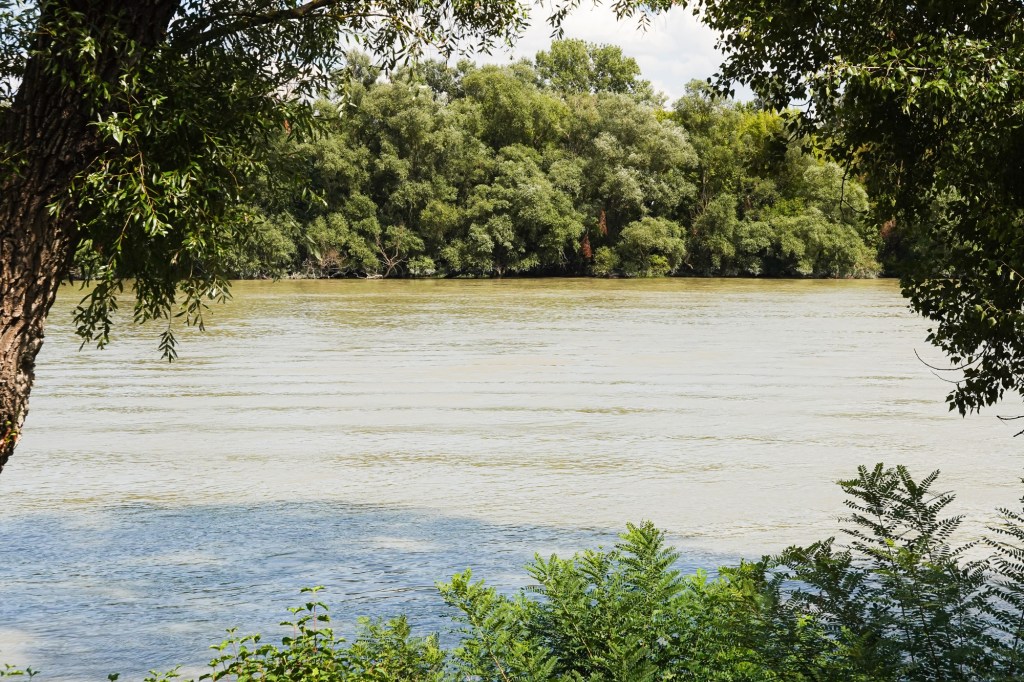
The Danube looked a little brown – not quite the same ring for Strauss: “On the Beautiful Brown Danube”. 2001 might never have happened. The ferry crossing went You can tell it was a hot day and some brain cells overheated.



We get into Budapest via Eurovelo 6, then some “just go for it” crossing of traffic lanes in the centre. Just like locals, only slower. Then the excitement of a laundry hunt – hopefully I’ll be able to get into my shorts after the dryer cremation…….
2 rest days here, so plenty of time to do nothing. Ha!
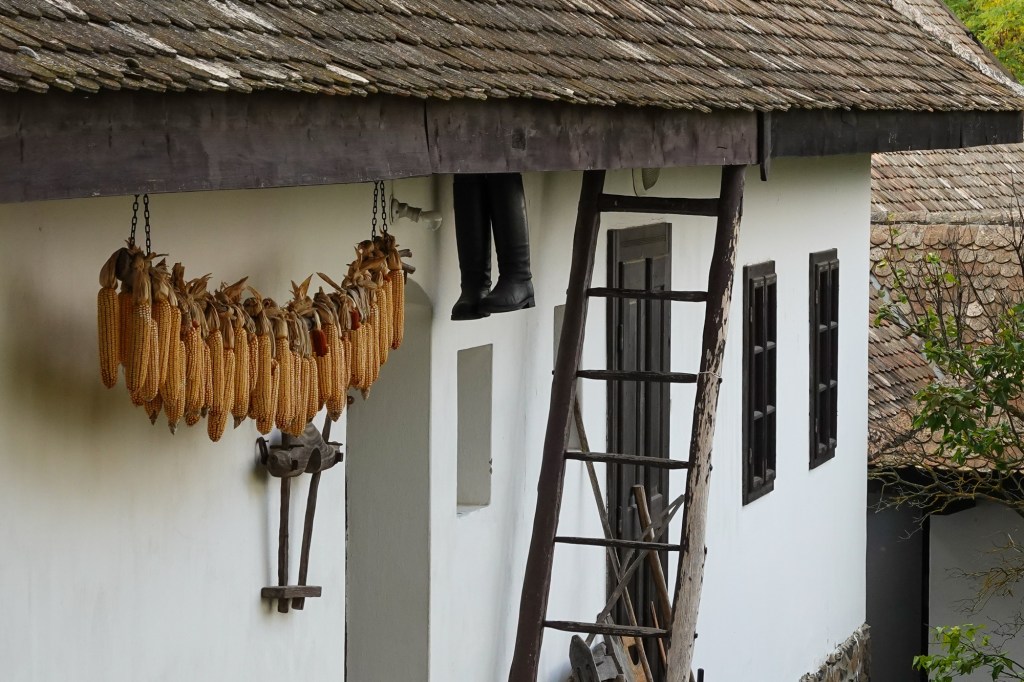
Kylie must have been here, doing the Holloko. It’s a 13 C village of some specific ethnic group which became a UNESCO site in 1987. Today the houses are holiday apartments – basically fine: younger people don’t want to live as there forebears and creating the “preserved” village became what kept it alive.

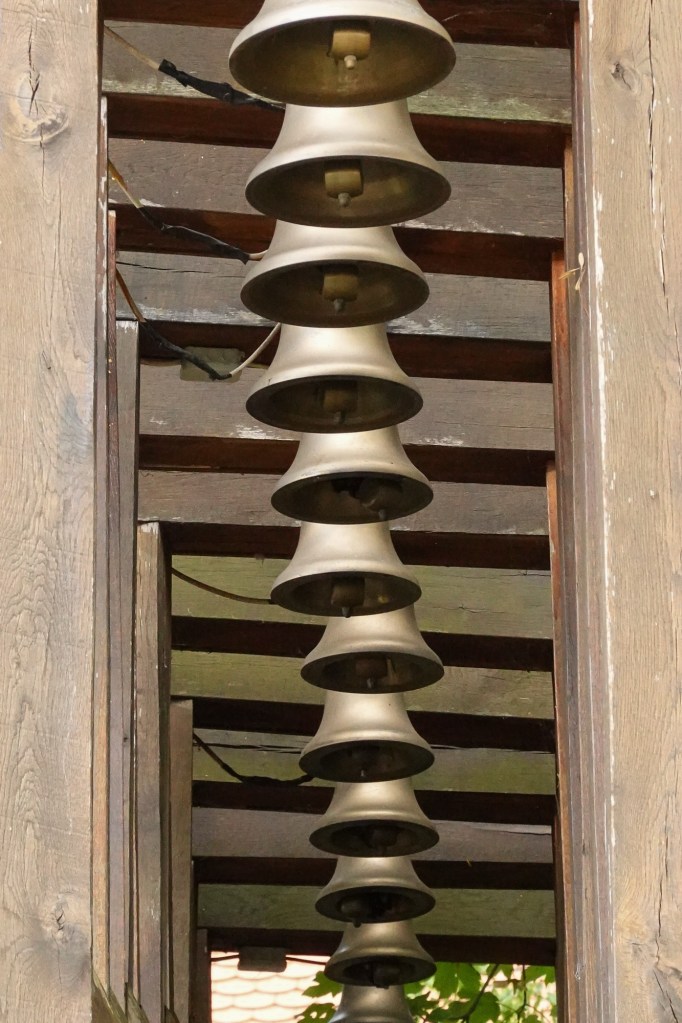
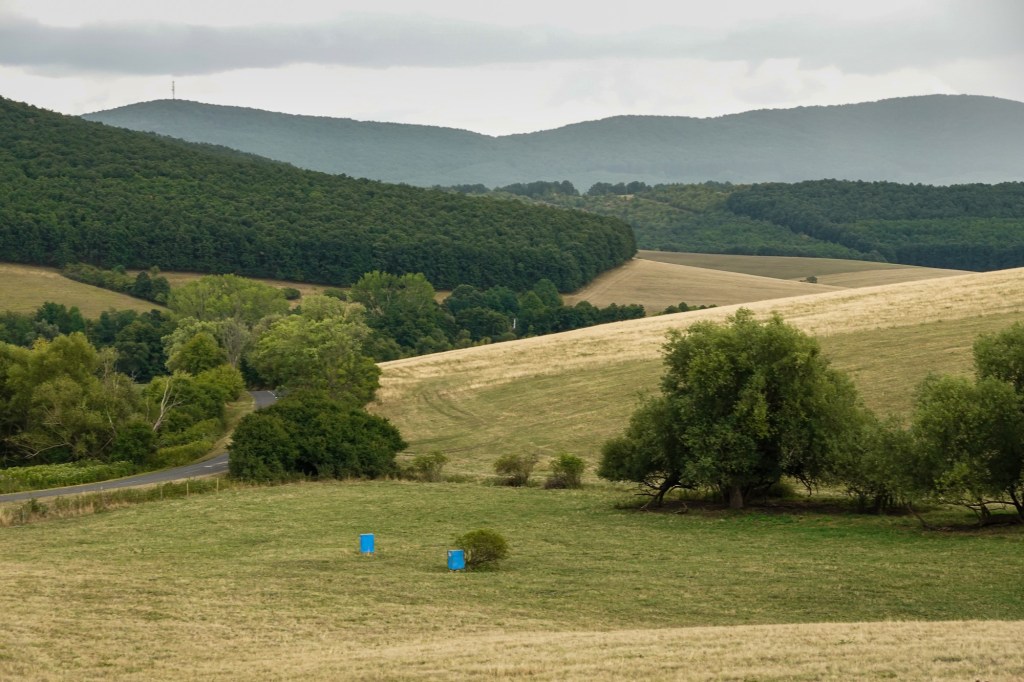
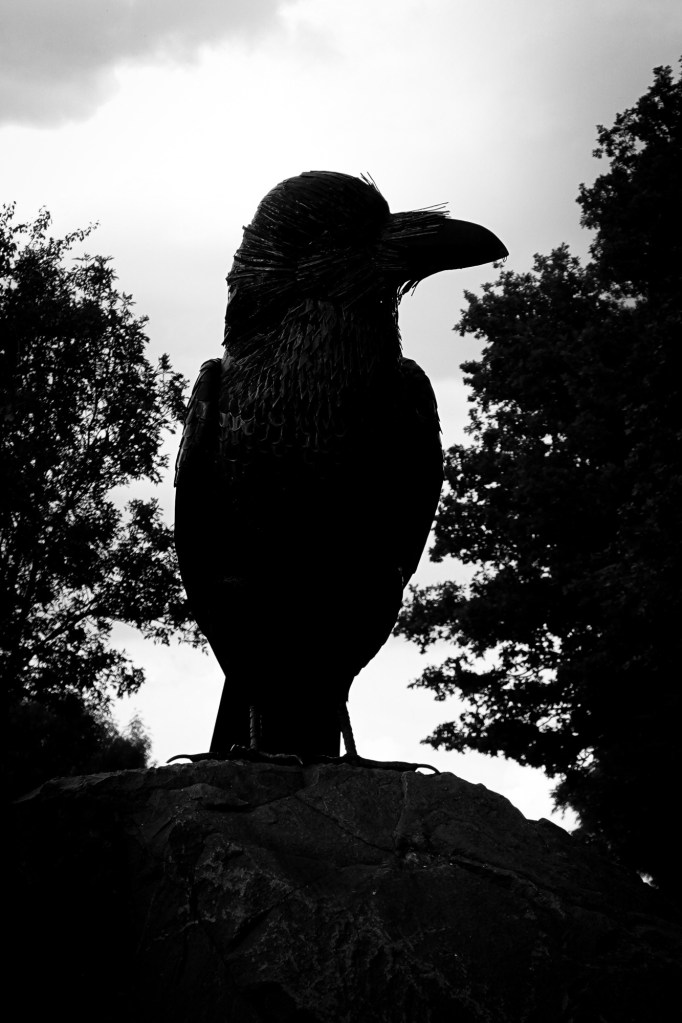
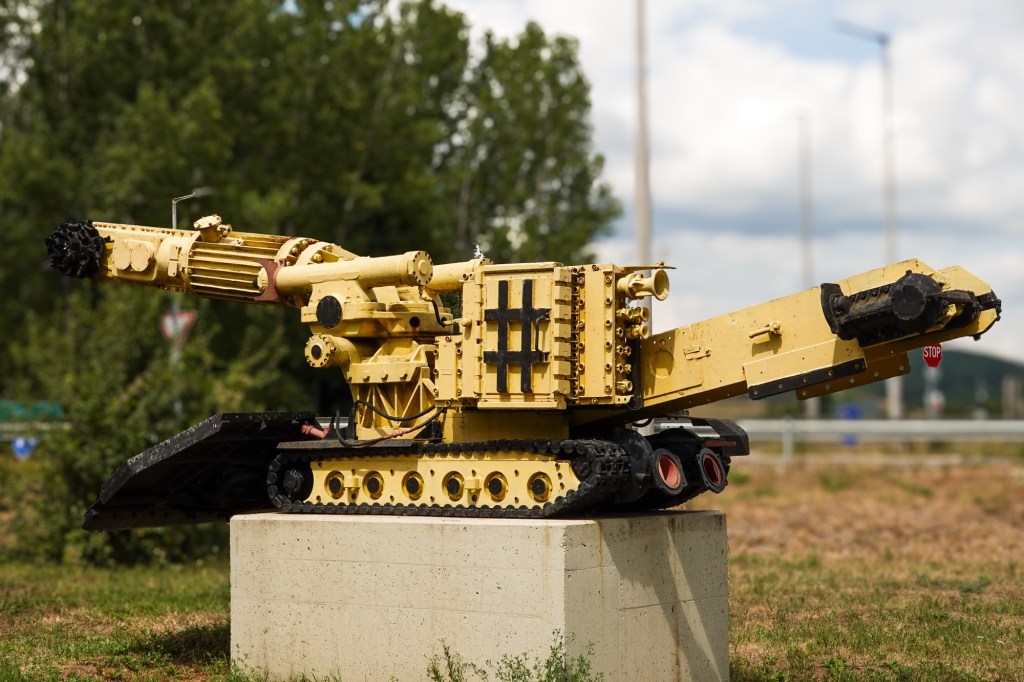
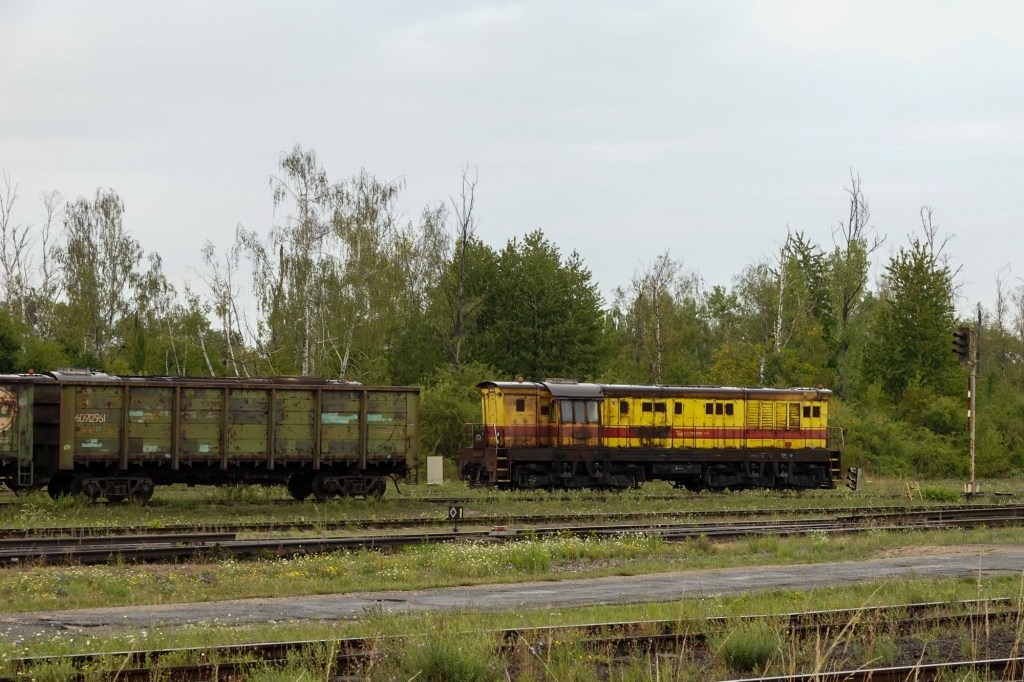
Which can’t be said about a lot of the former industrial sites and towns we went through day. Ex-coal mining, iron/steel buildings. Some tips. A lot like parts of South Wales Valleys, frozen” in time and deprivation. There are a lot of people, mainly women, cleaning the streets and ditches. I suspect not “My Green Valley” volunteers – more like a local employment scheme.
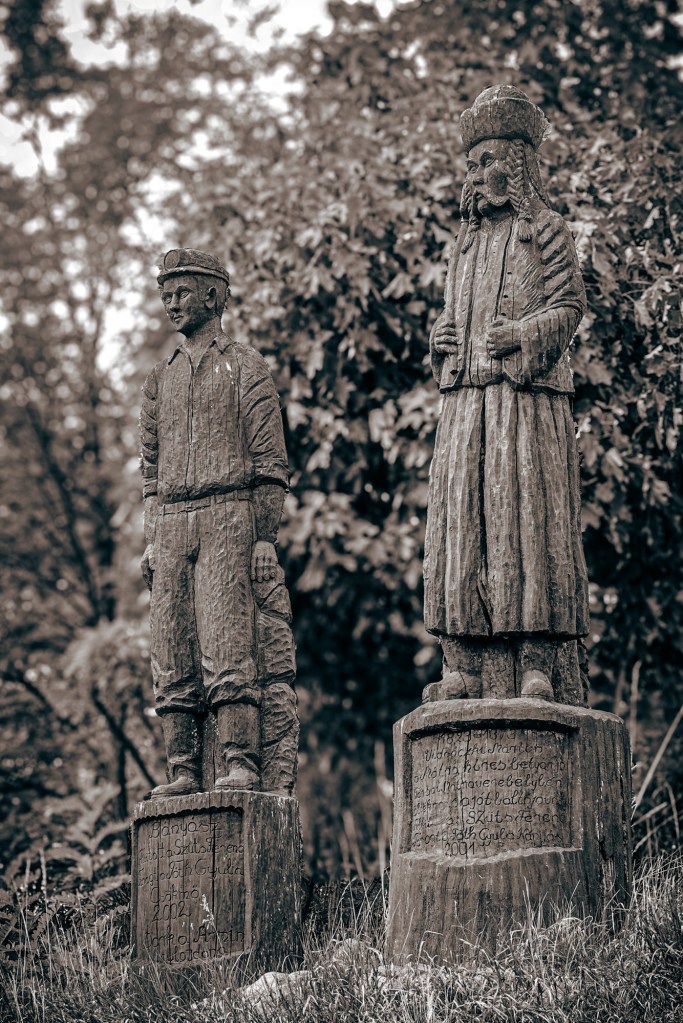

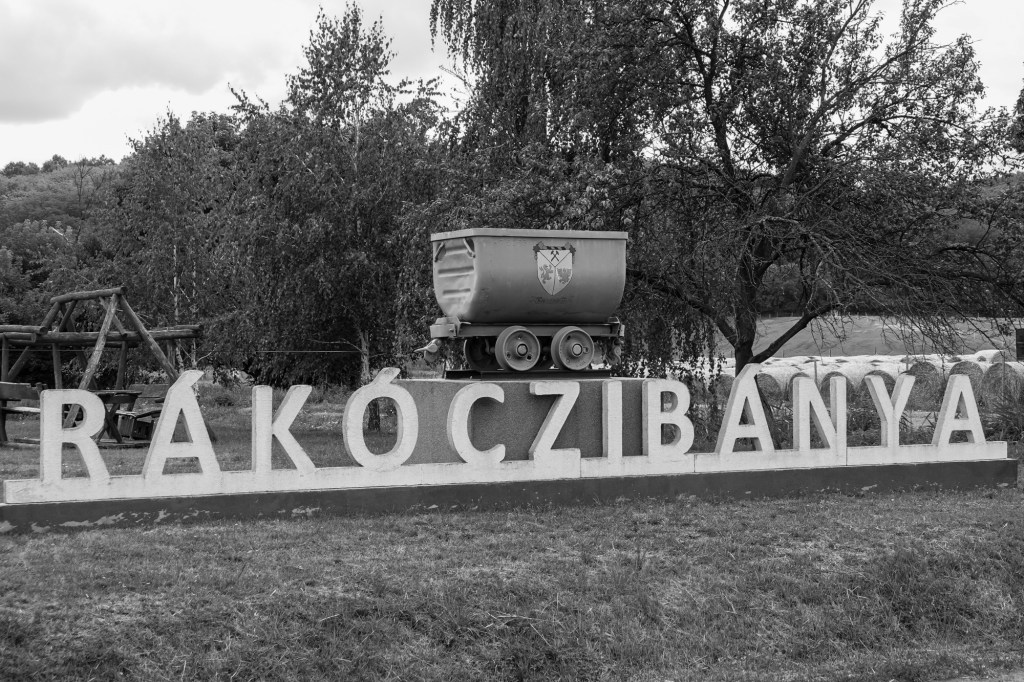
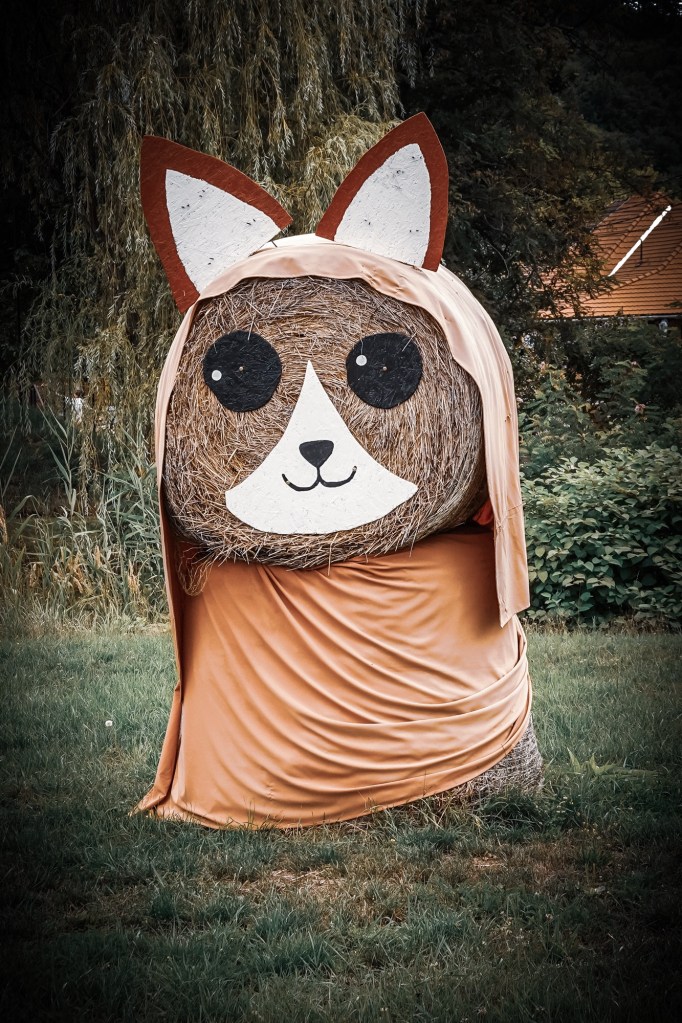
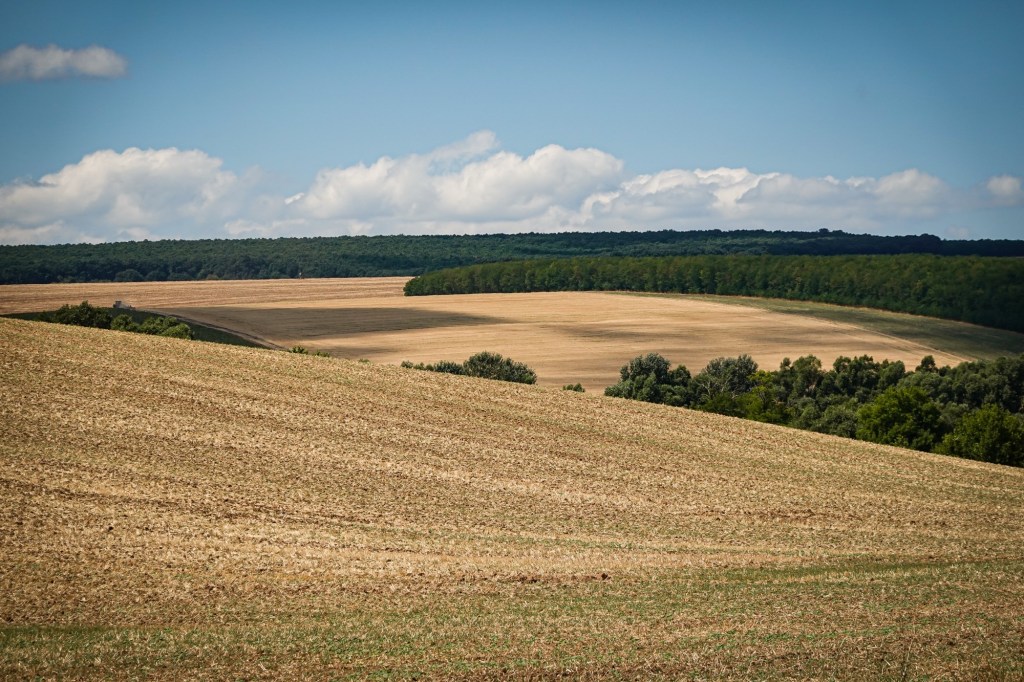
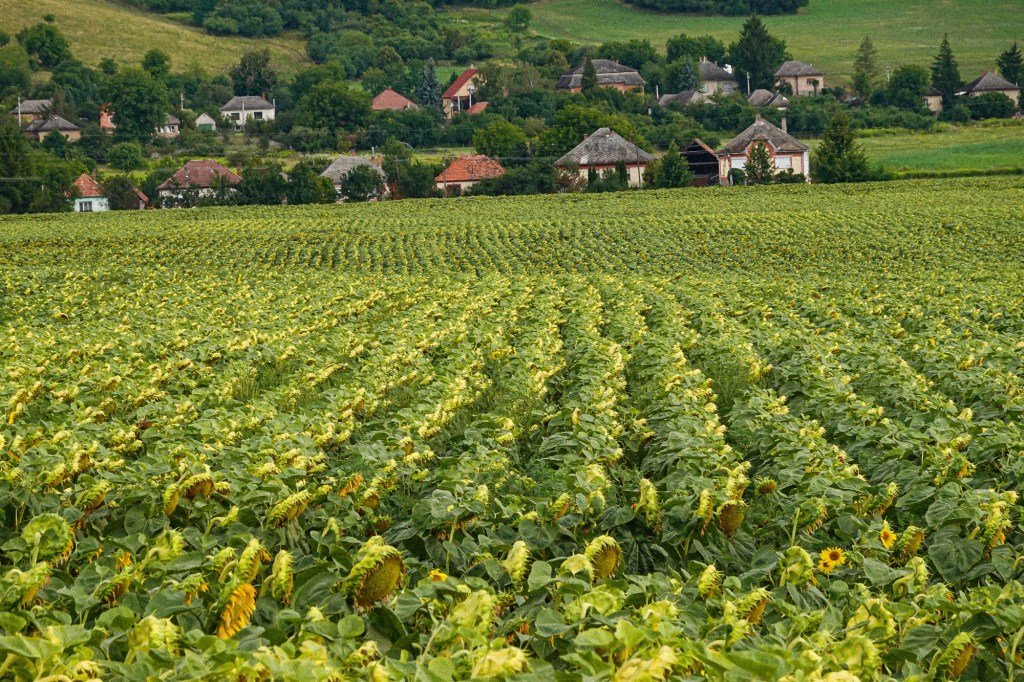
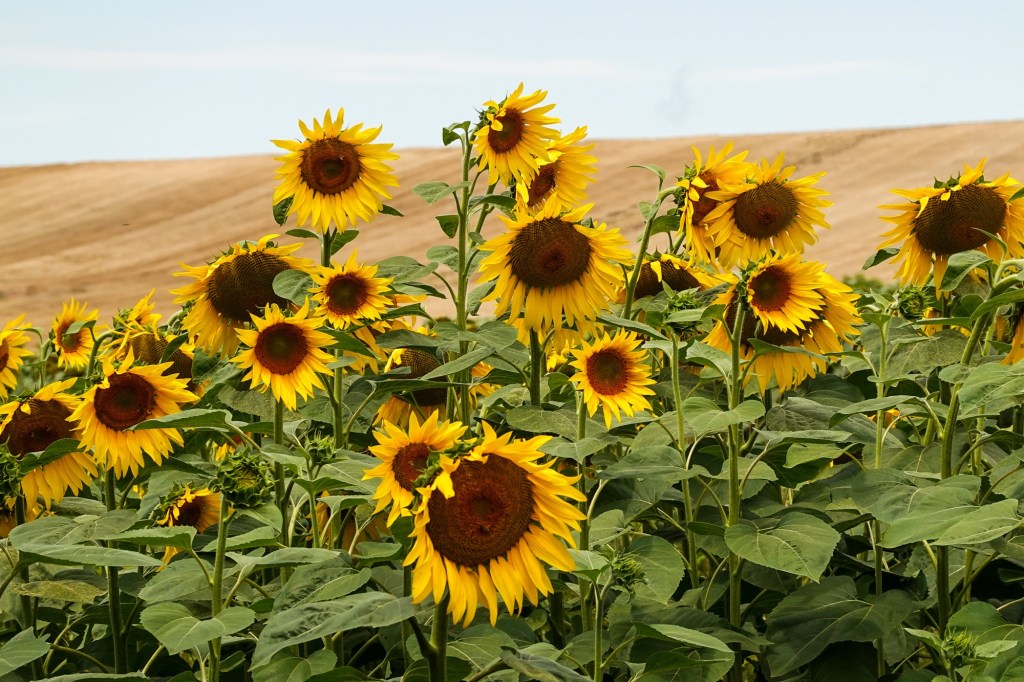
In between there are sunflowers, fields of wheat and forests. And hills.
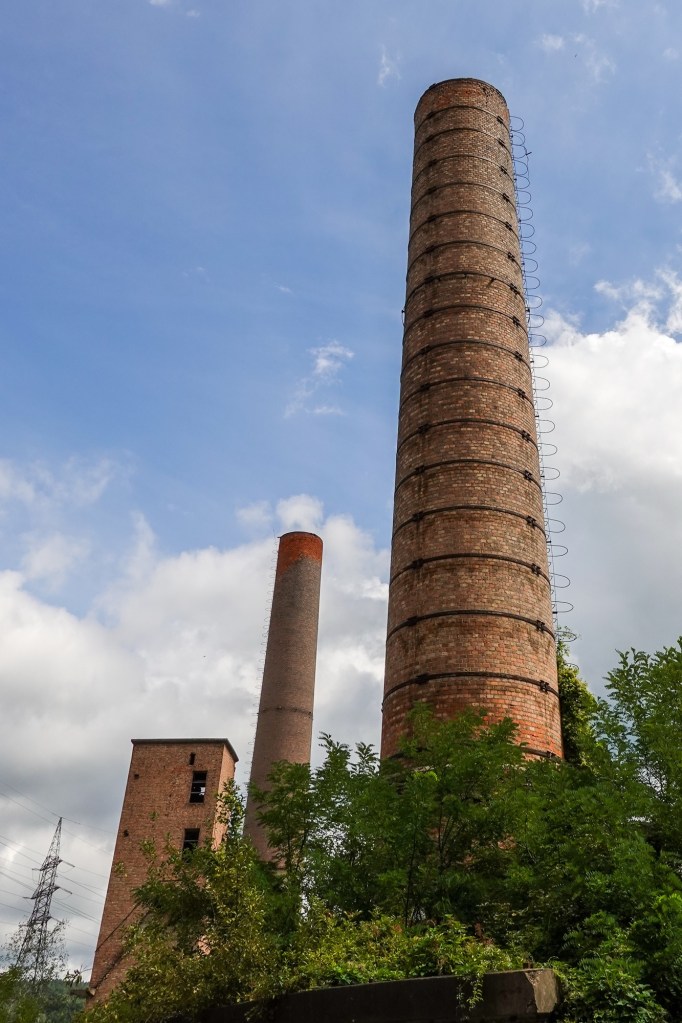
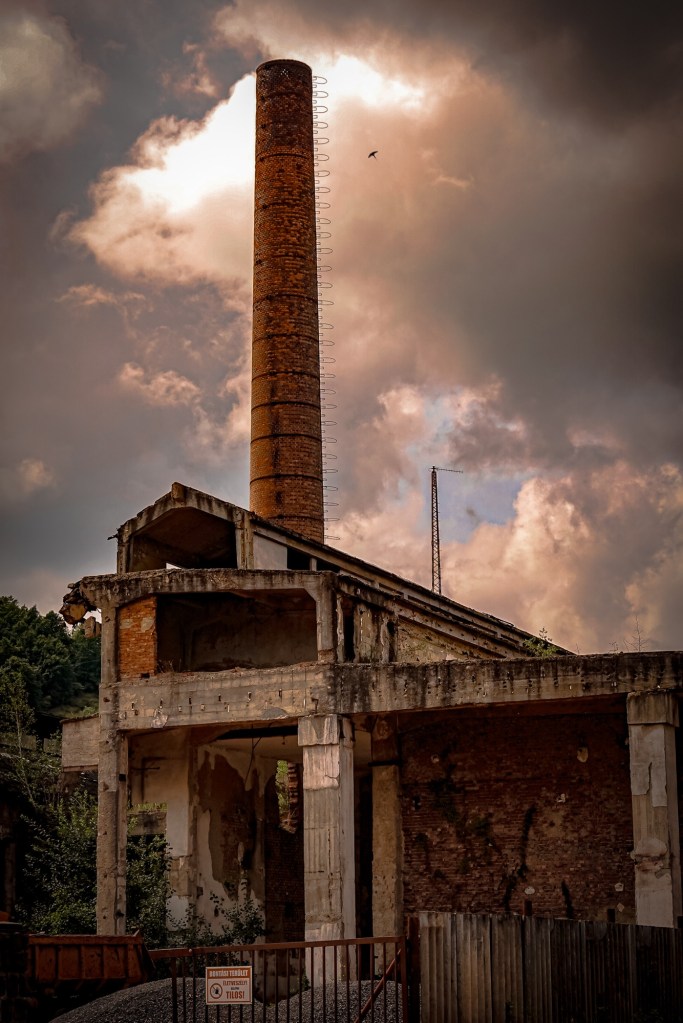
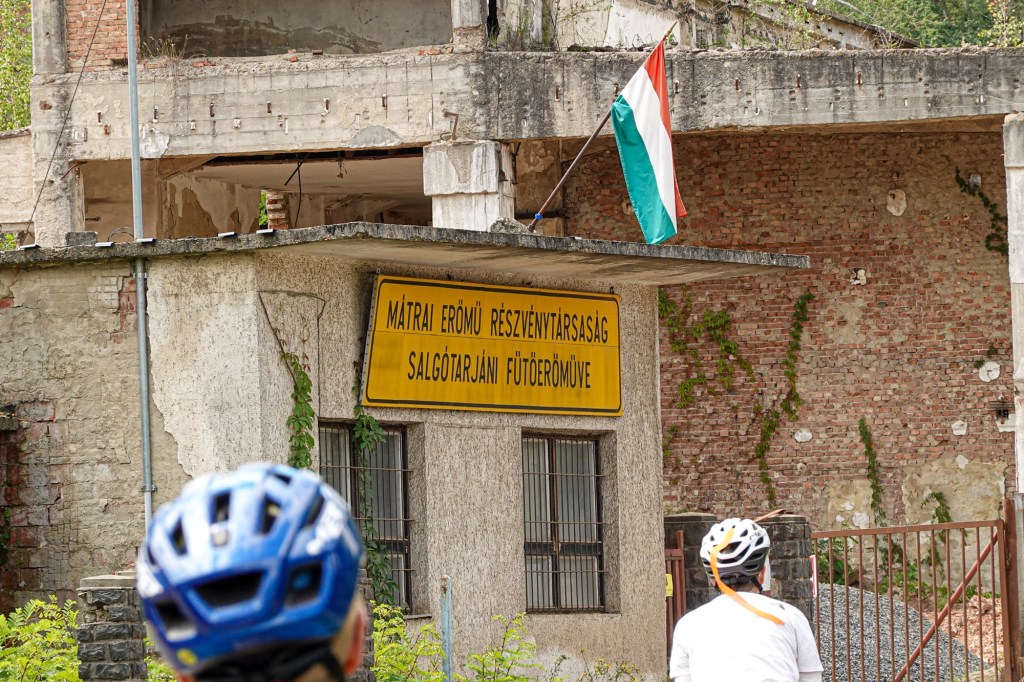
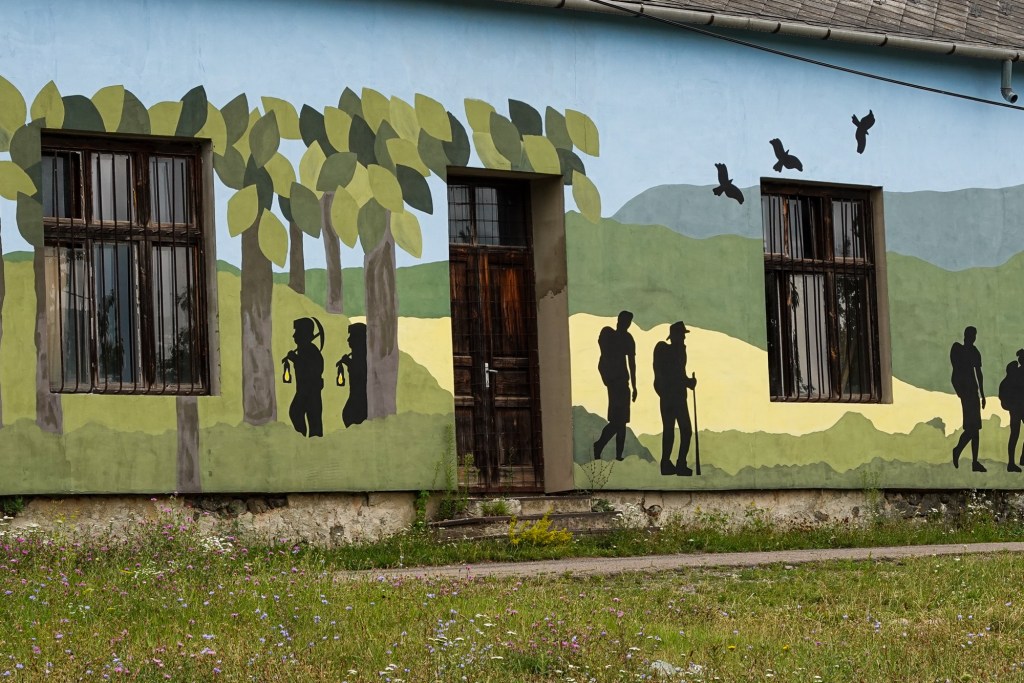
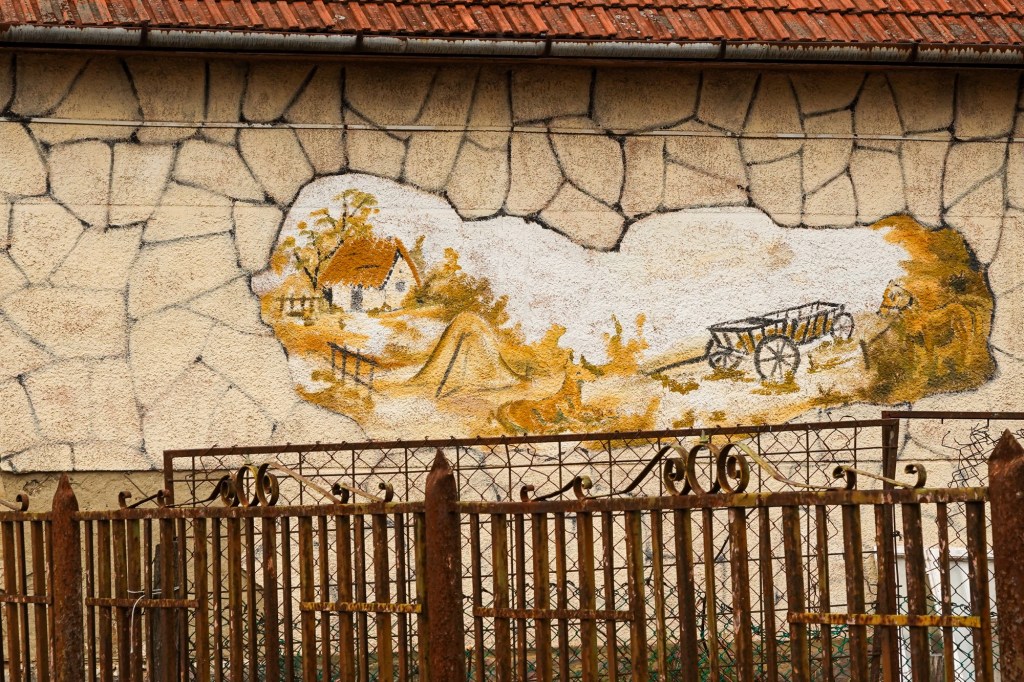

Tomorrow to Budapest and a double “rest” day.
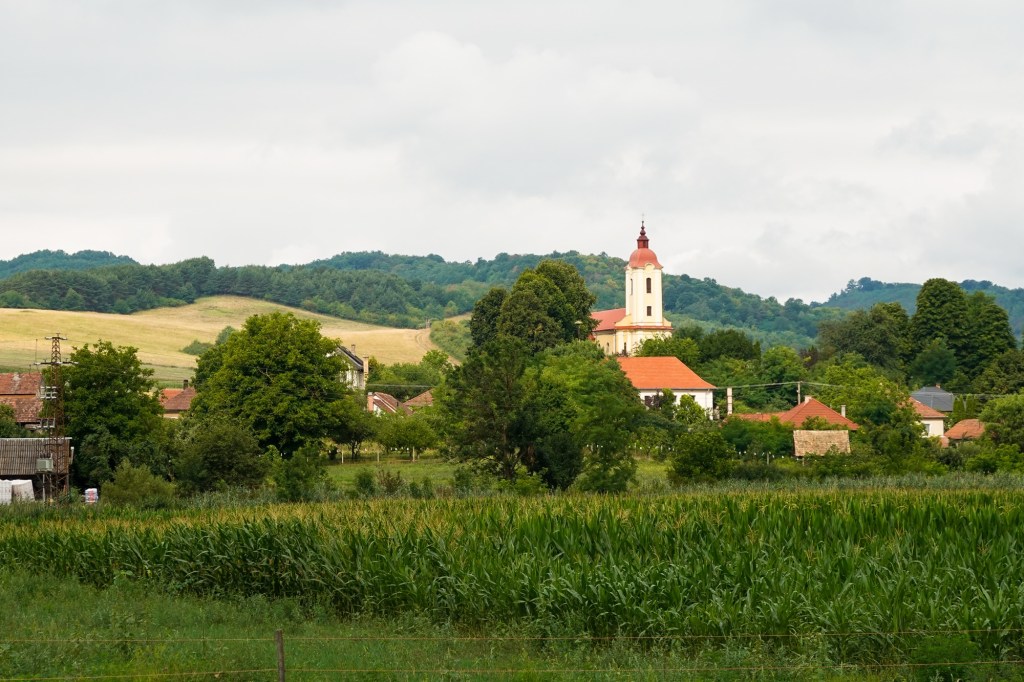

Another border crossing, into Hungary. It’s at the top of a hill, like the last one. Maybe there was a strategy there. Today it’s a deserted outpost just outside a Slovakian Village.
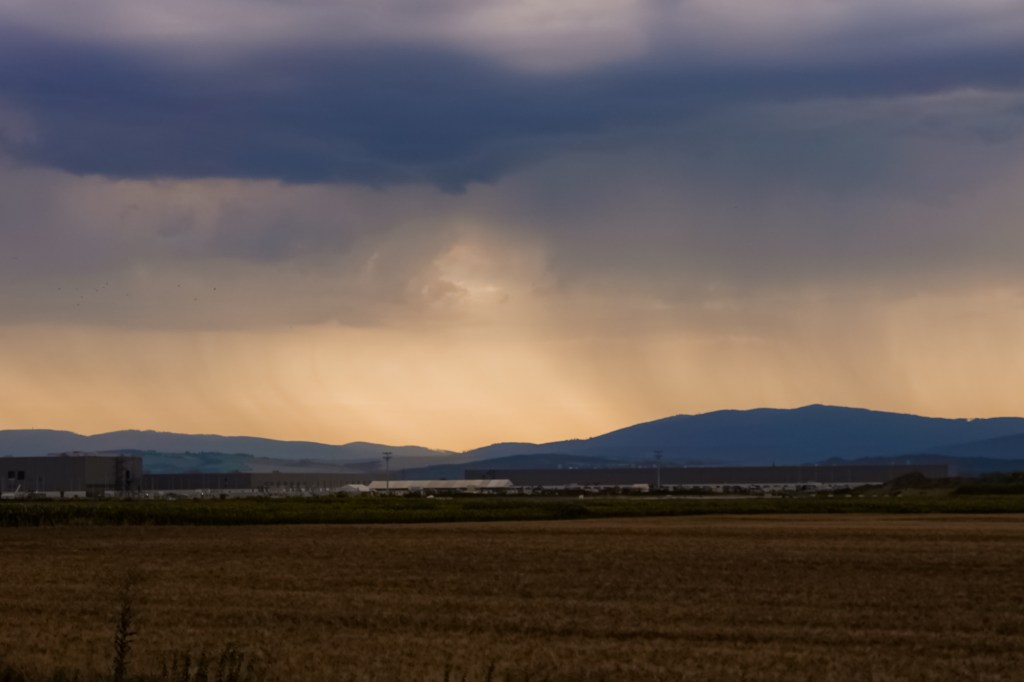

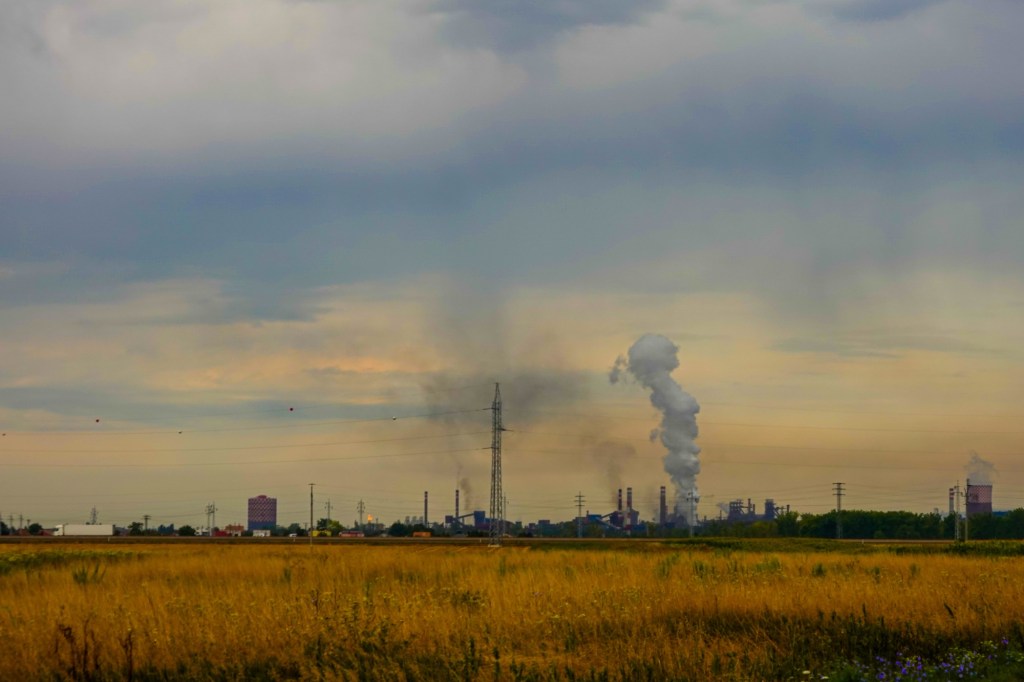


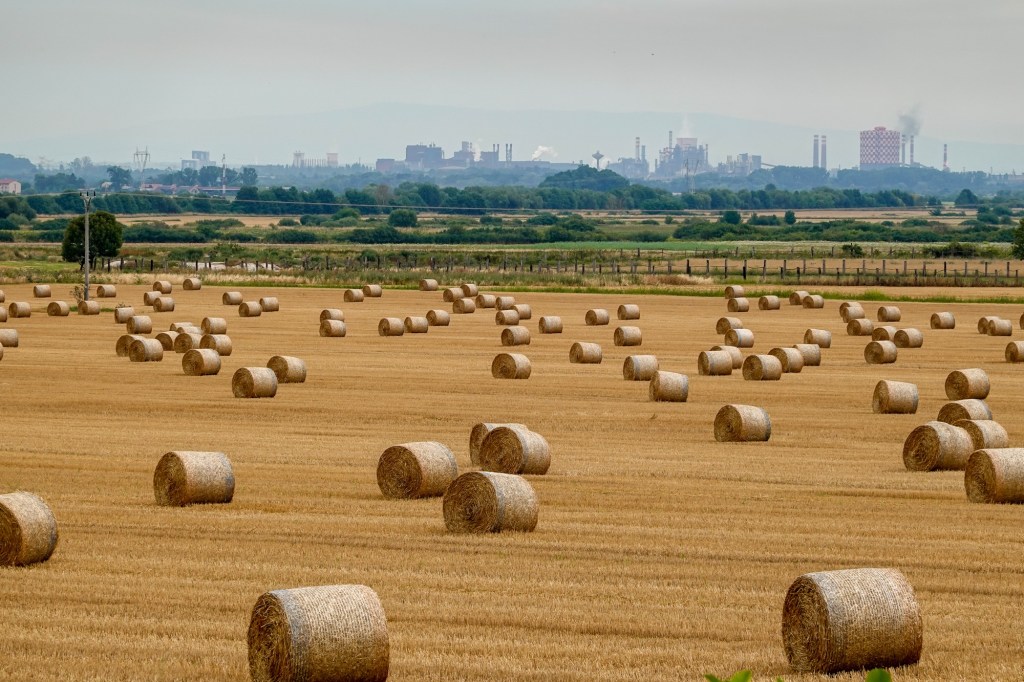
Kosice – it hosts Europes oldest marathon, first run in 1924. Today if they run in one direction they’ll see a huge new Volvo factory being built. Then a US Steel plant, where Barbara is in her element spotting what’s going on that shouldn’t. It’s a stark contrast to the now silent and shut Port Talbot blast furnaces.
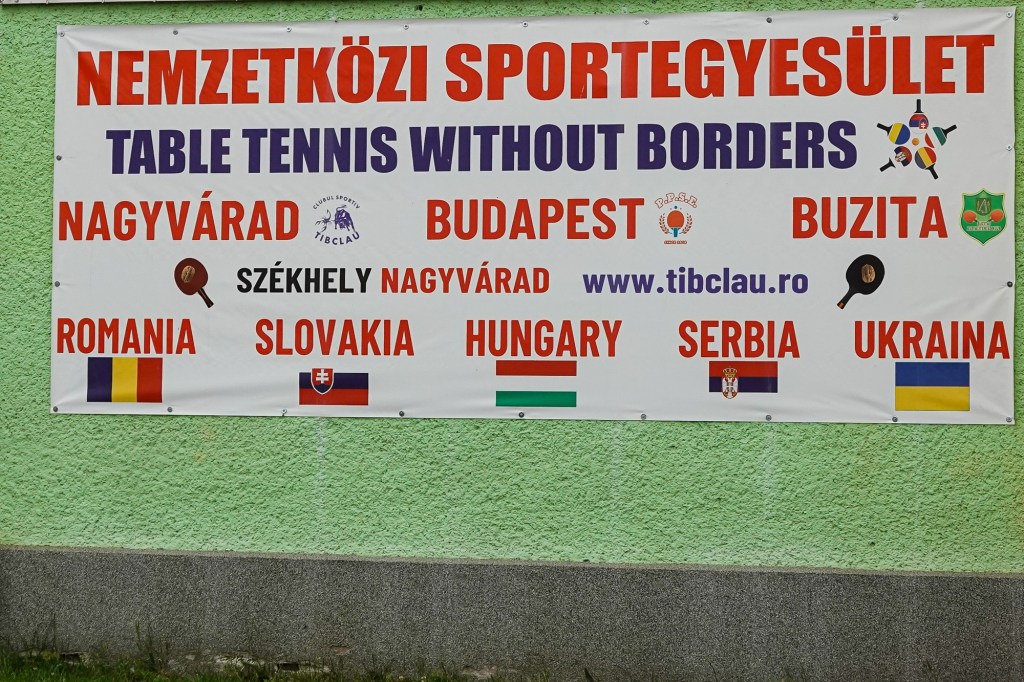

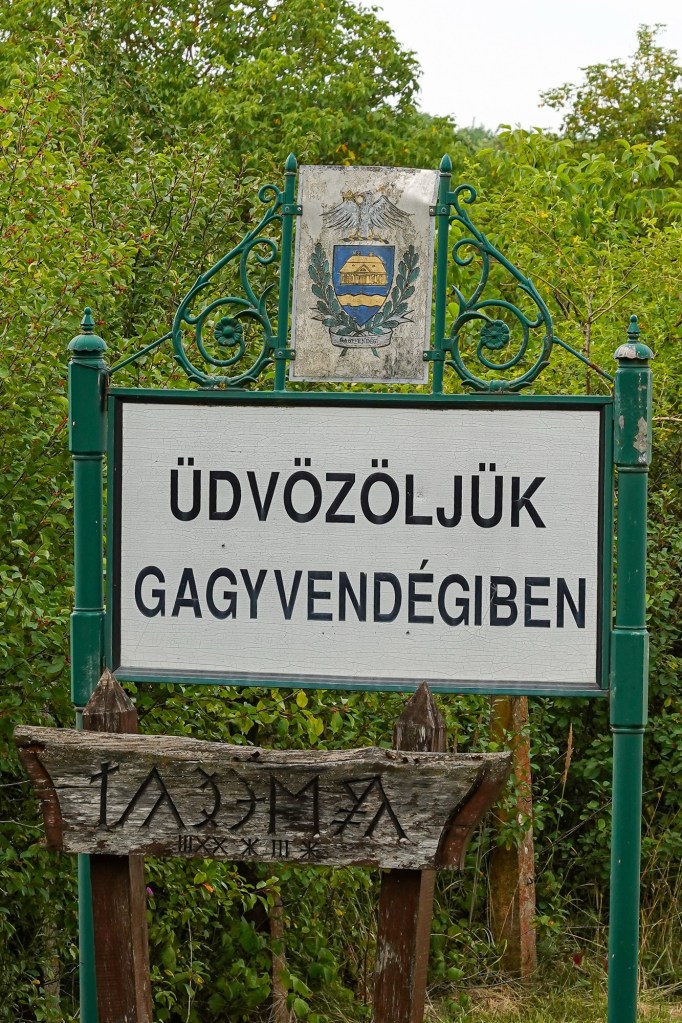
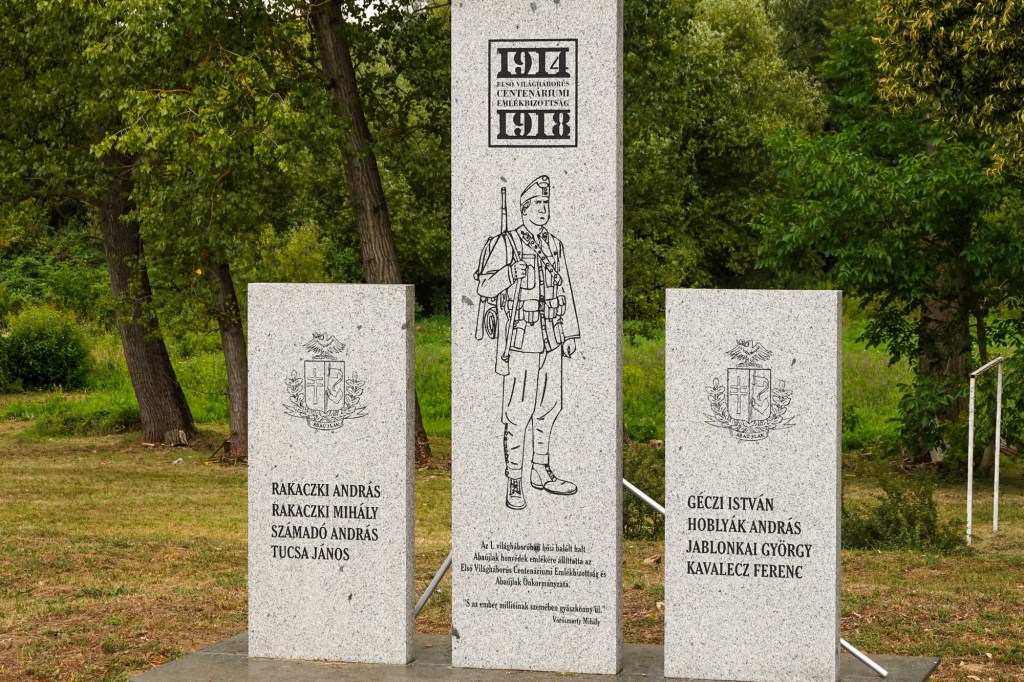
As we enter Hungary we spot another patch of Japanese knotweed. Get rid of it, now!
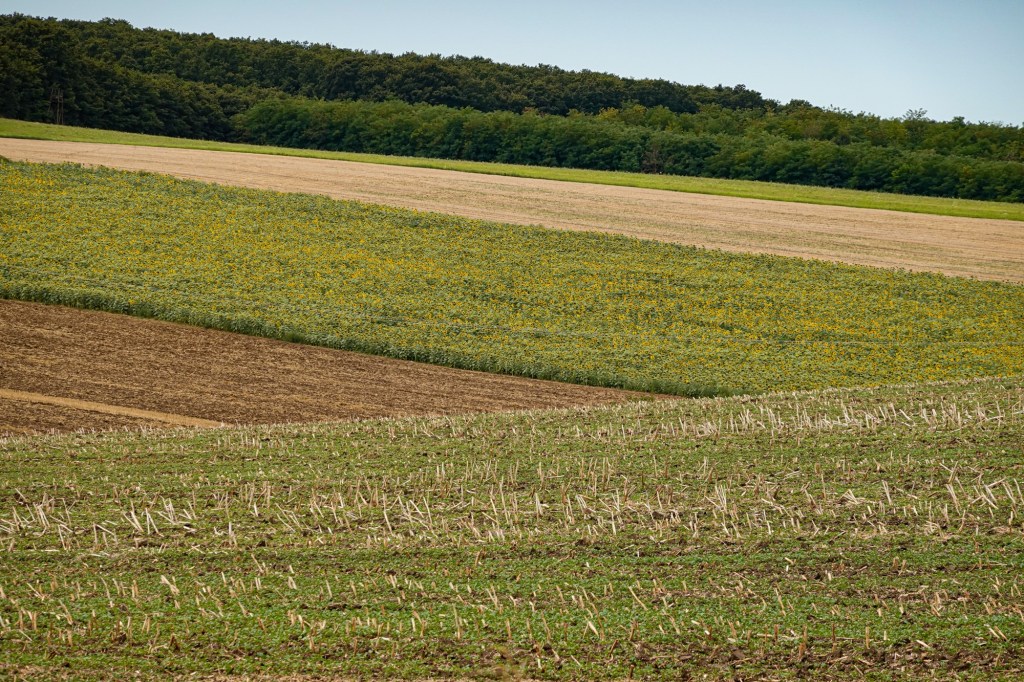
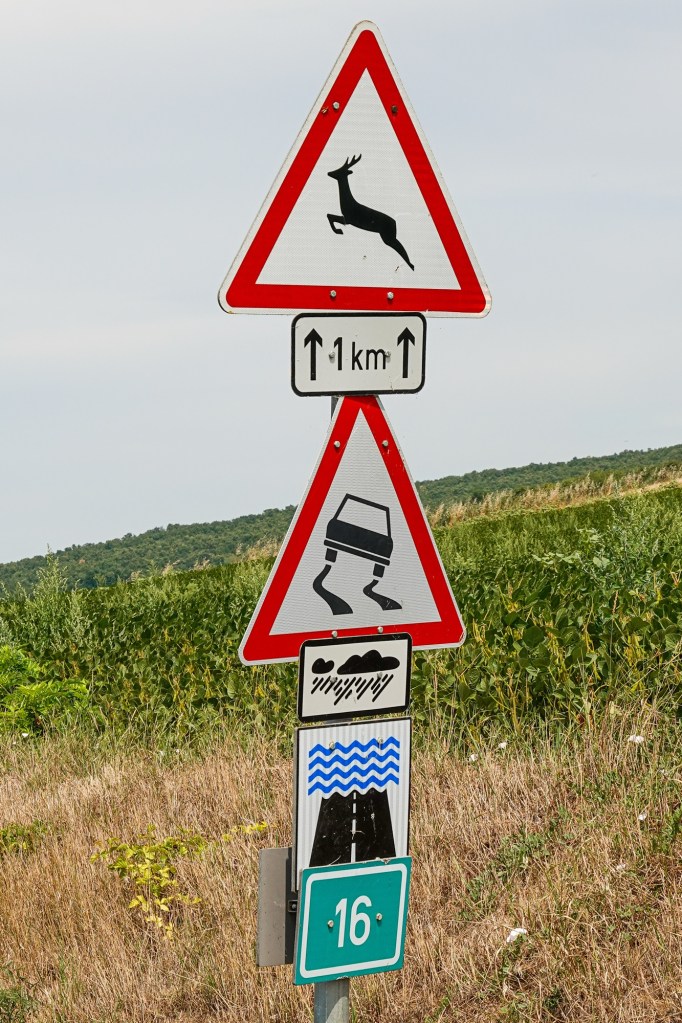
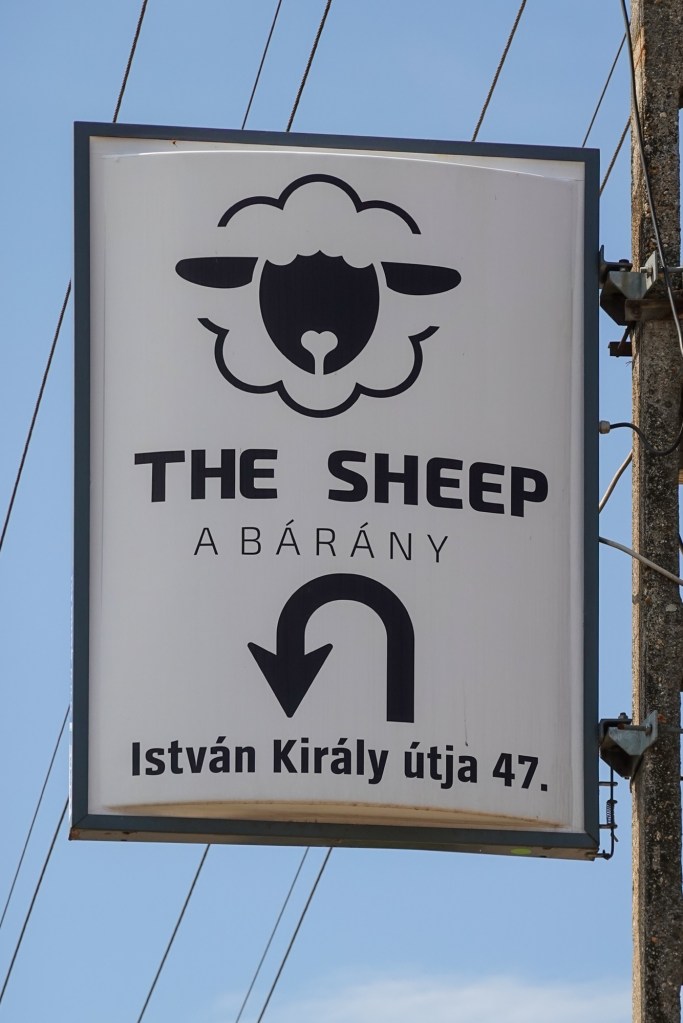
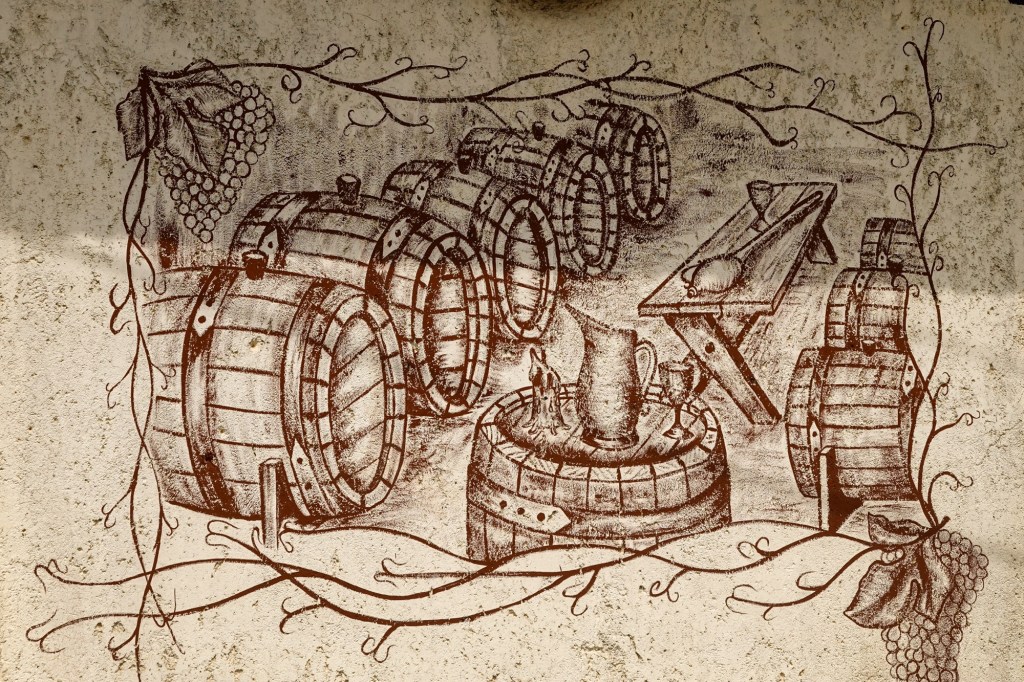
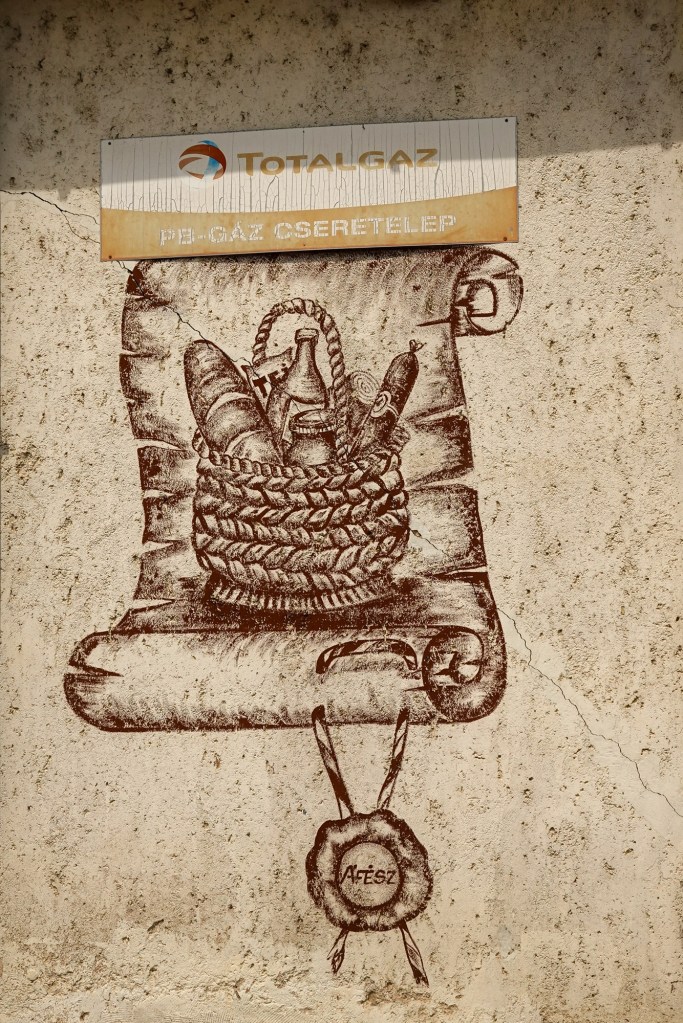

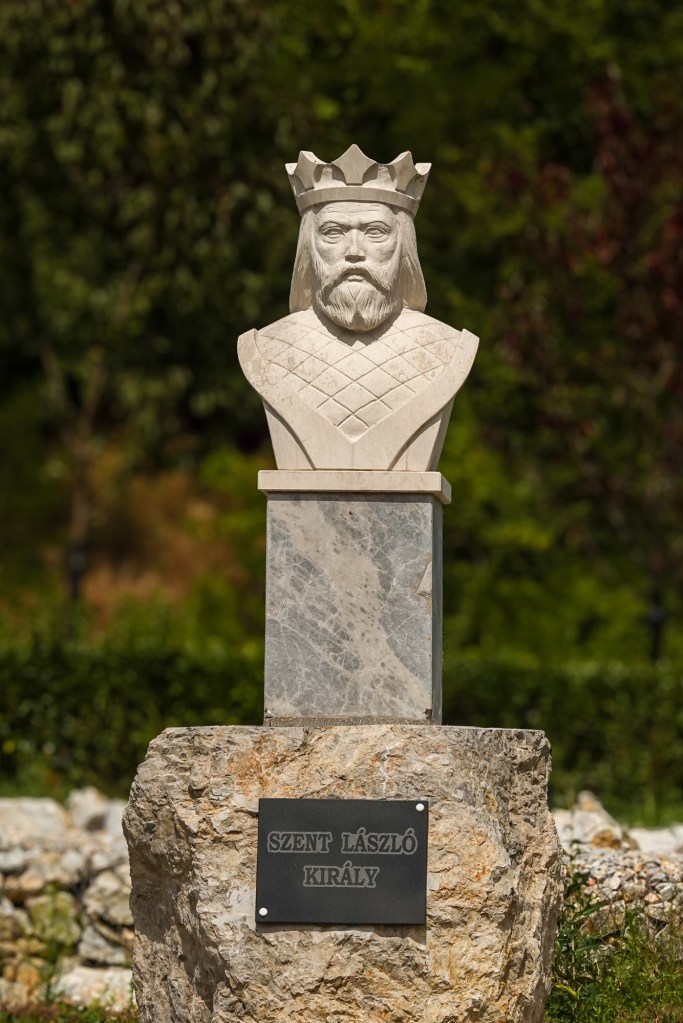
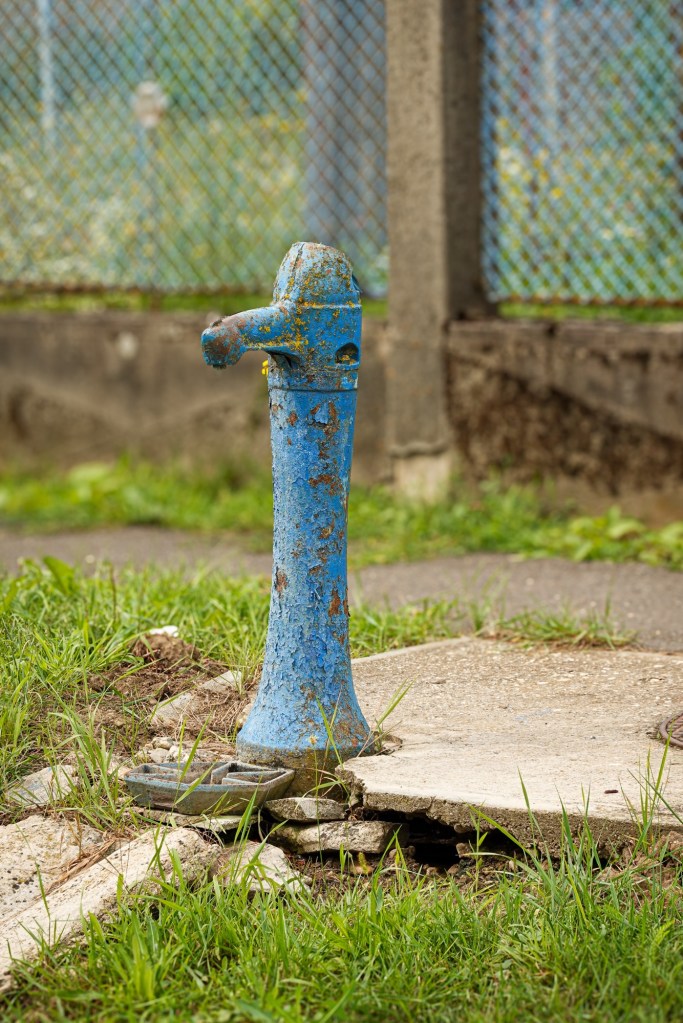
The contrast as we enter Hungary is pretty stark. The remote villages feel poor. That’s a judgement not a criticism – I recall in the UK the poorer communities give more to charity per head than others. The kids are curious about what we’re doing. The roads are a triffle bumpy here. Water wells and pumps dot the streets.
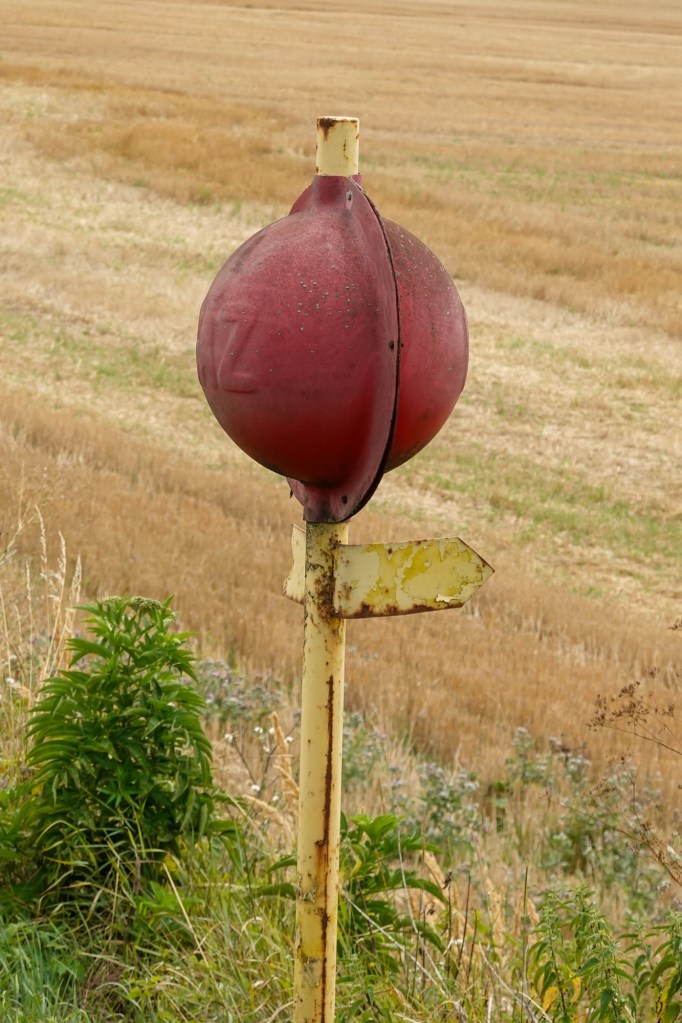


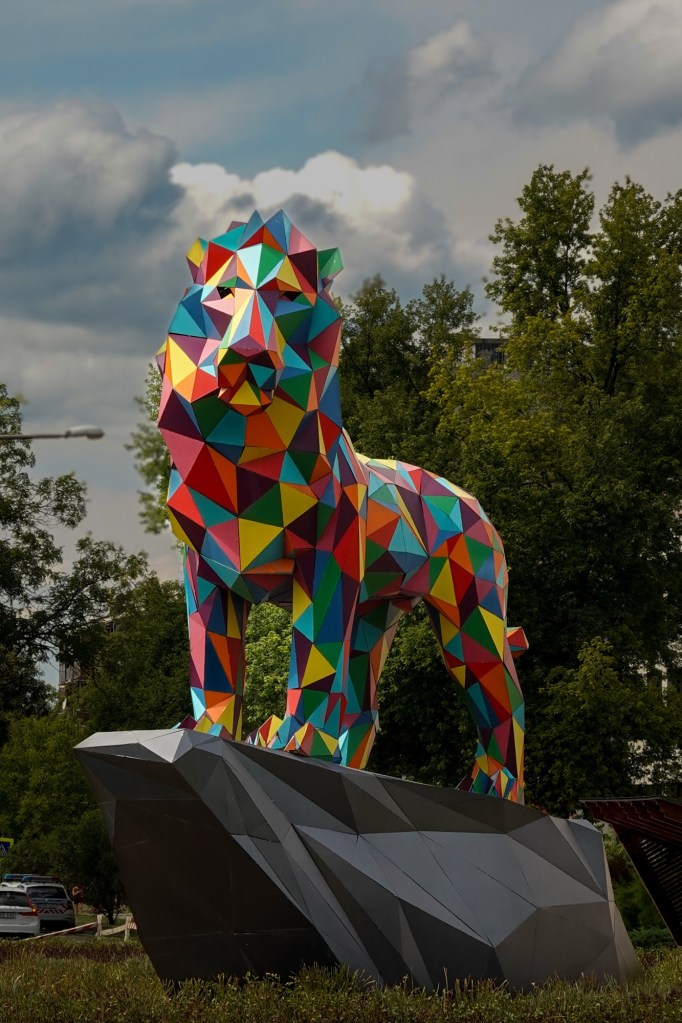

The fields are large – mainly wheat and sunflowers.

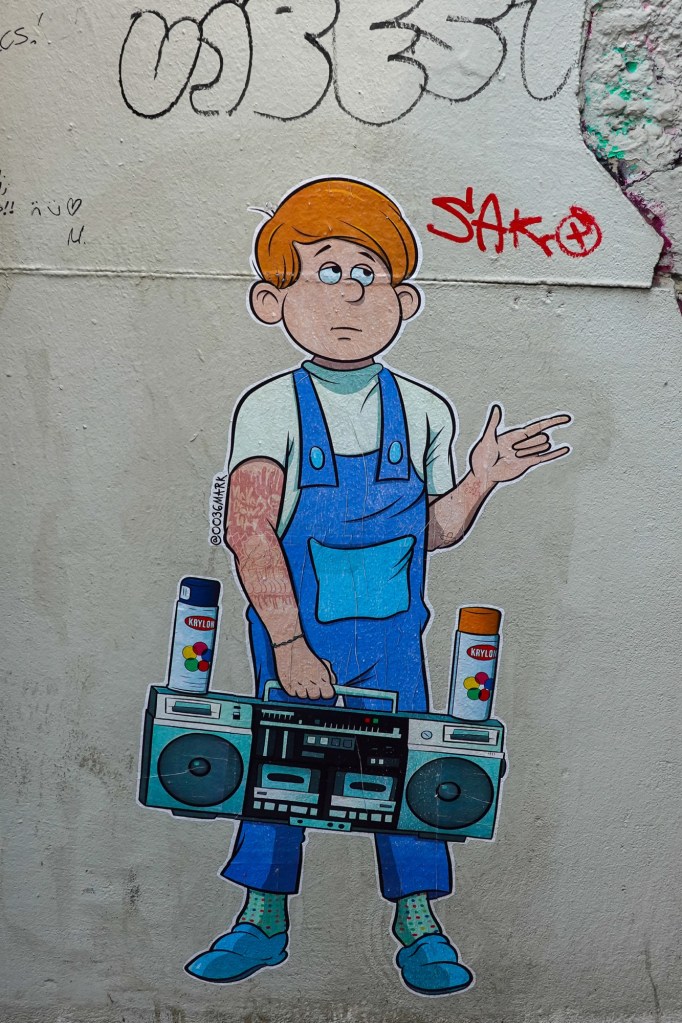
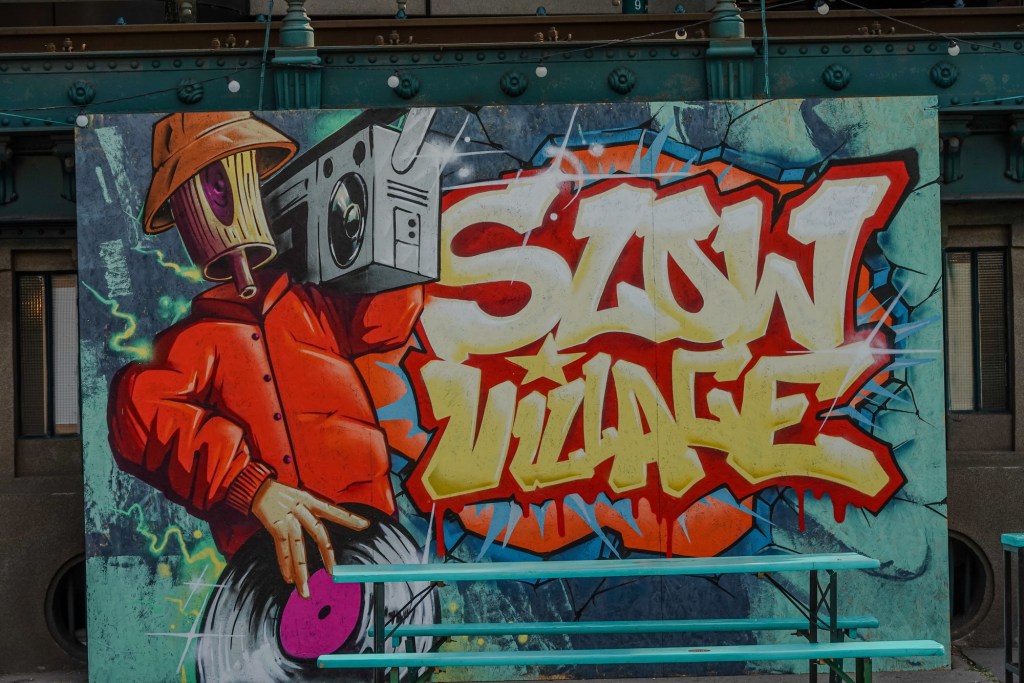
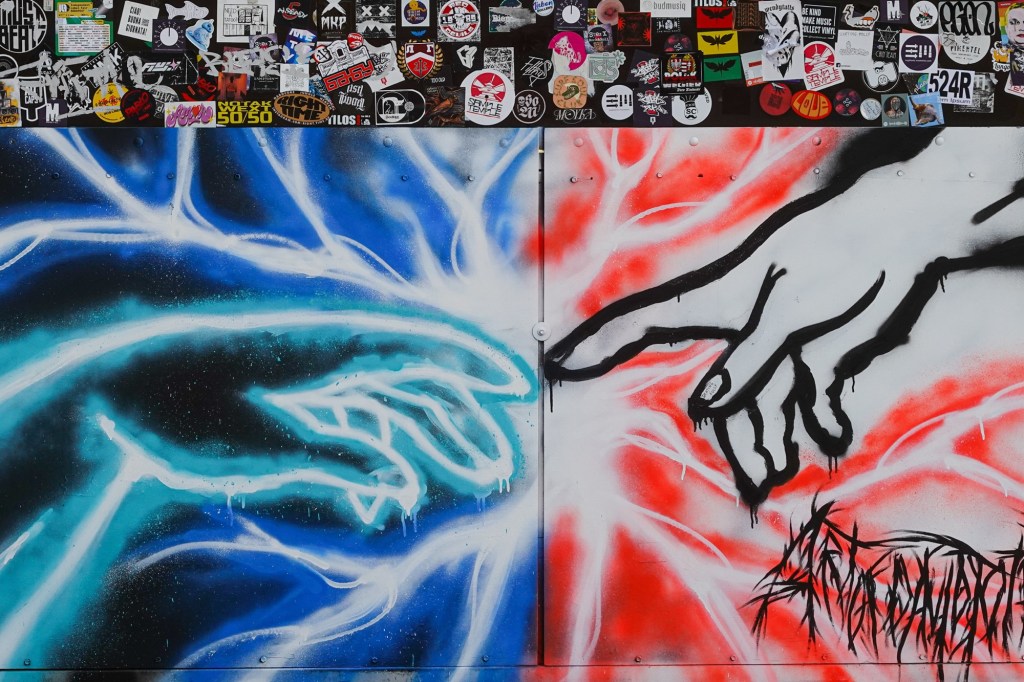
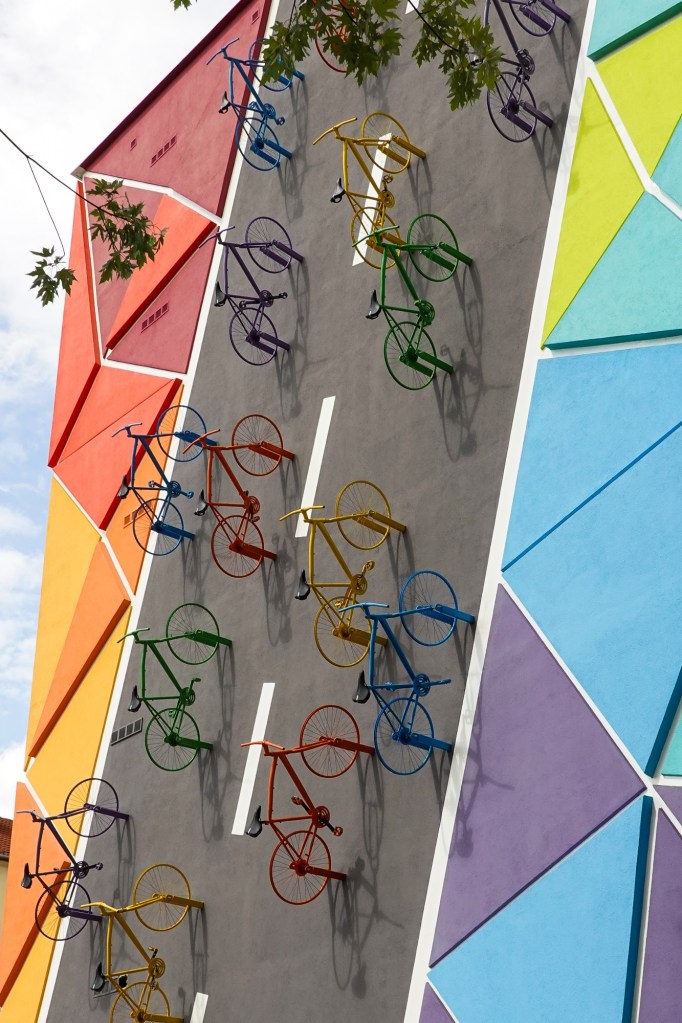
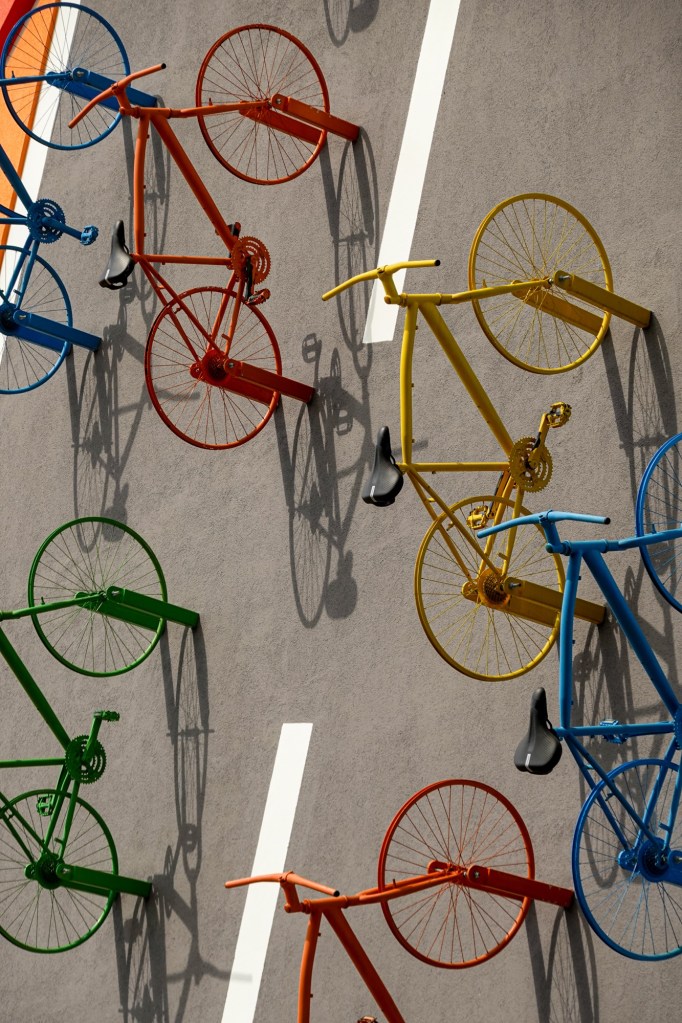
One town has fine murals on the apartments – perhaps the chemical factory just outside makes paint. It is part of a project to revitalise the city with vibrant street art. Certainly made us stop.
 Travelling reflections