667-9 Wentnor to Talgarth

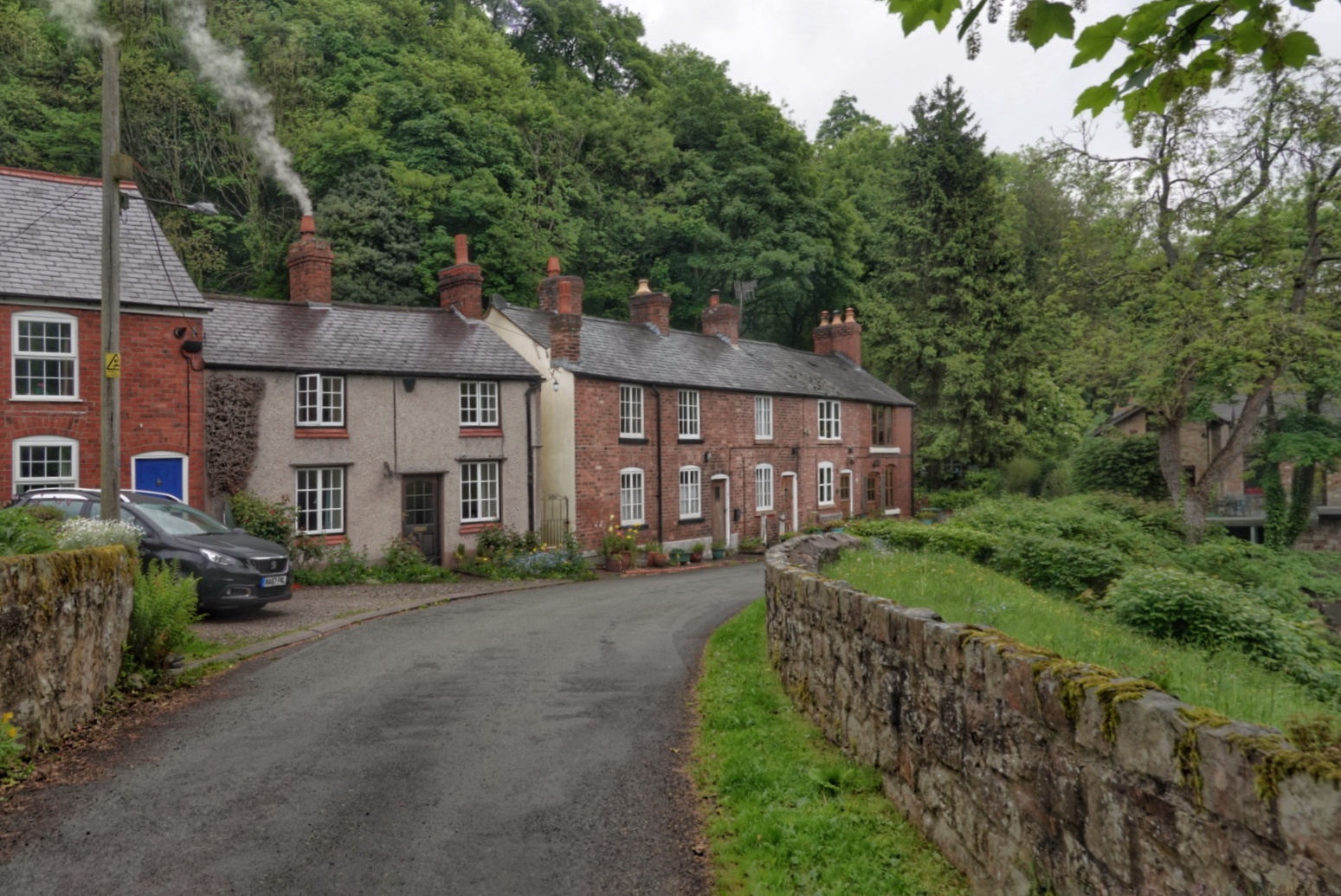
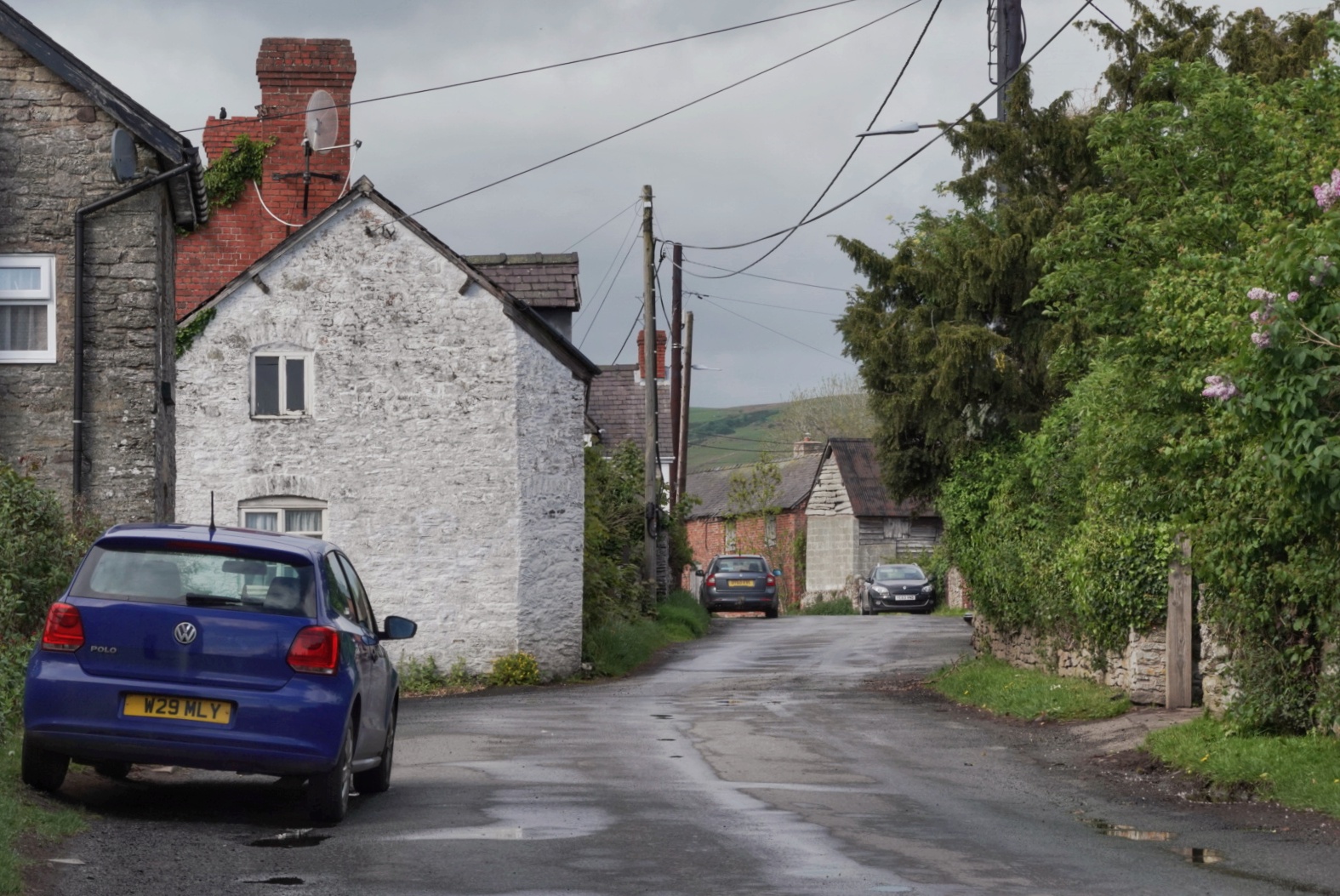
Tydryngton cnyll(e)’hillock’)??. Today started throwing place names at us as we snaked through the border settlements (from 1 House to a hamlet to a village). So where do places get their names from I mused? Titterton, perhaps after the once common surname Tydryngton. I used to visit Bracknell: we passed through Bucknell: what does nell mean? An [exhaustive] search implies it is from cnyll, meaning hillock / knoll in Anglo Saxon.
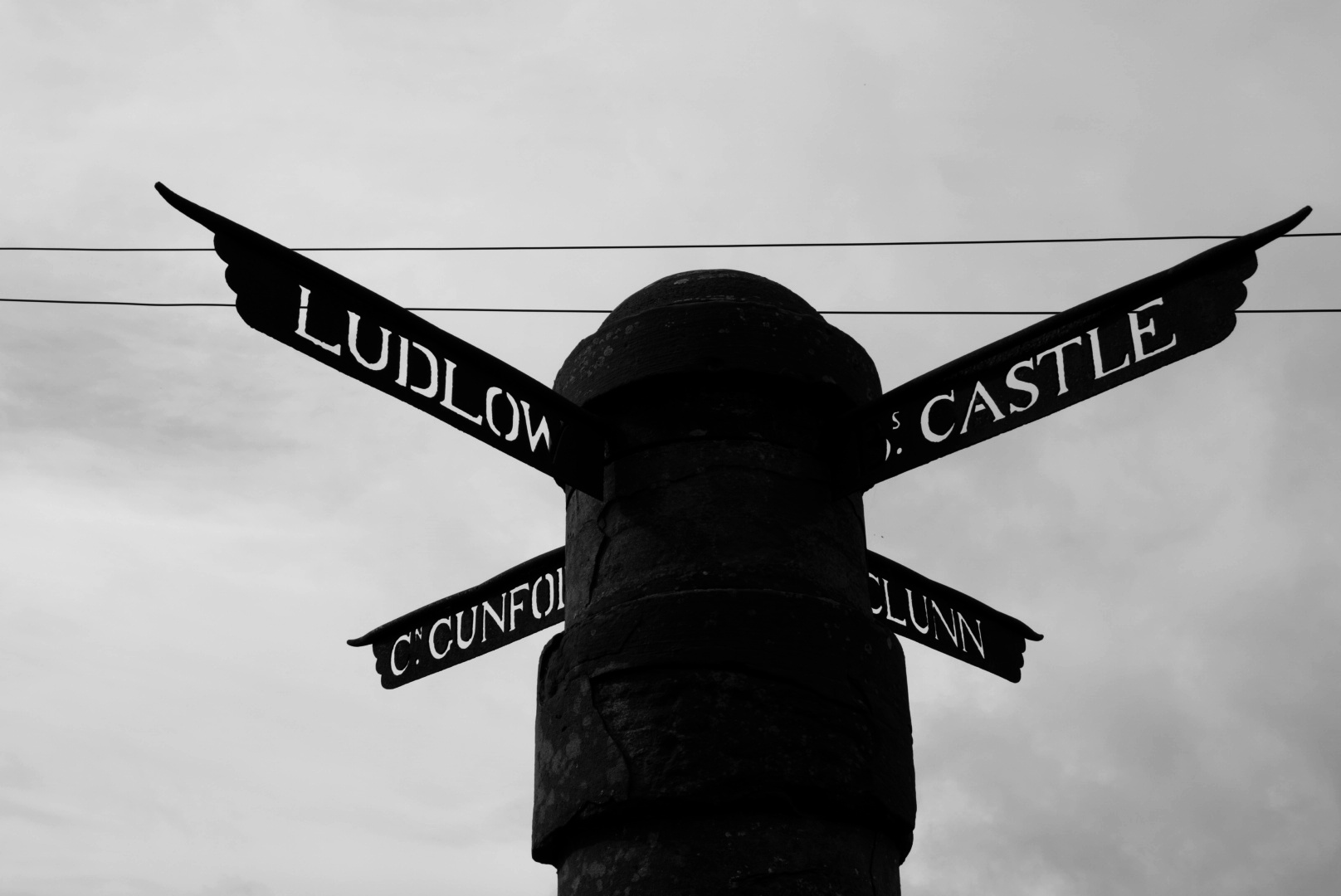
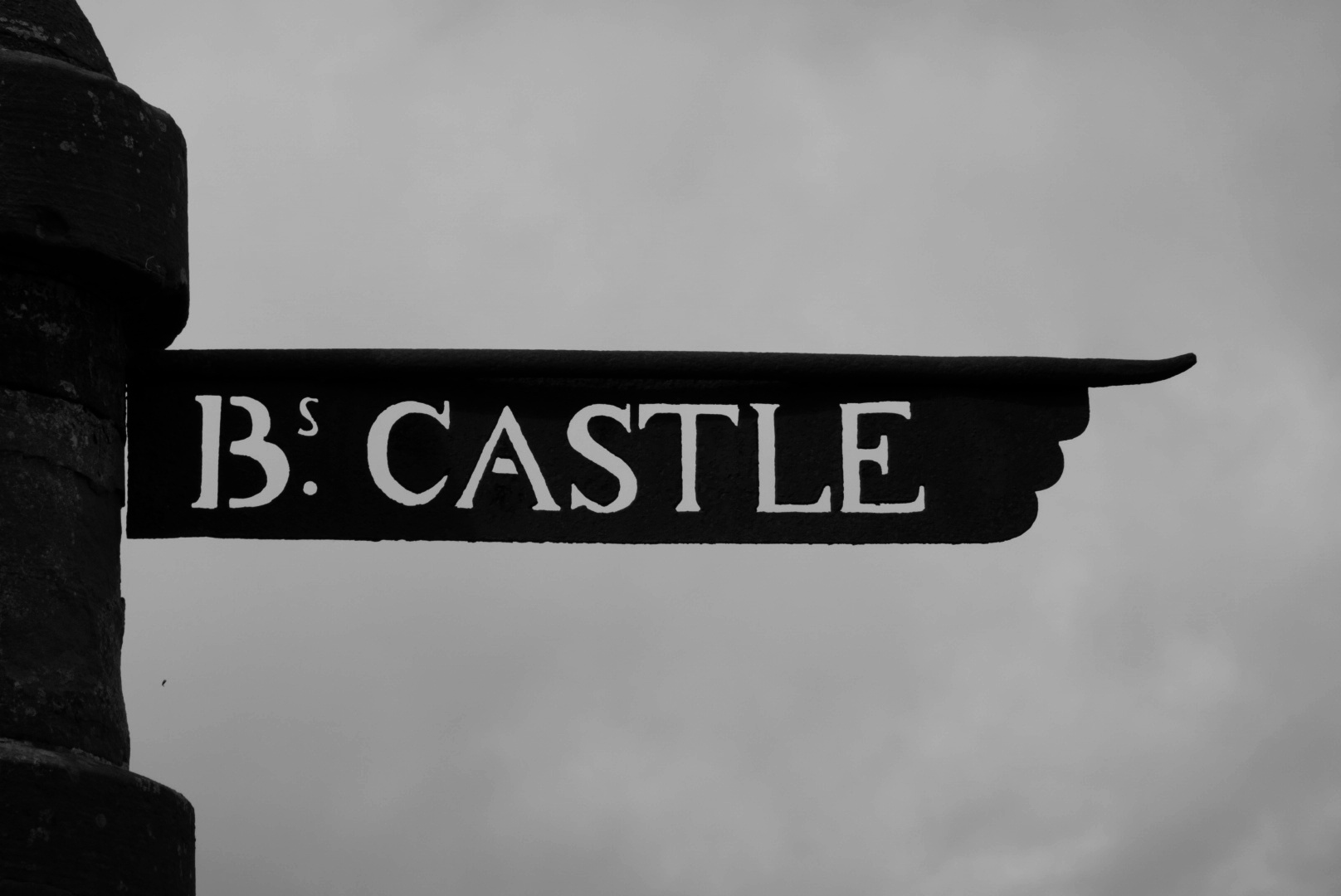
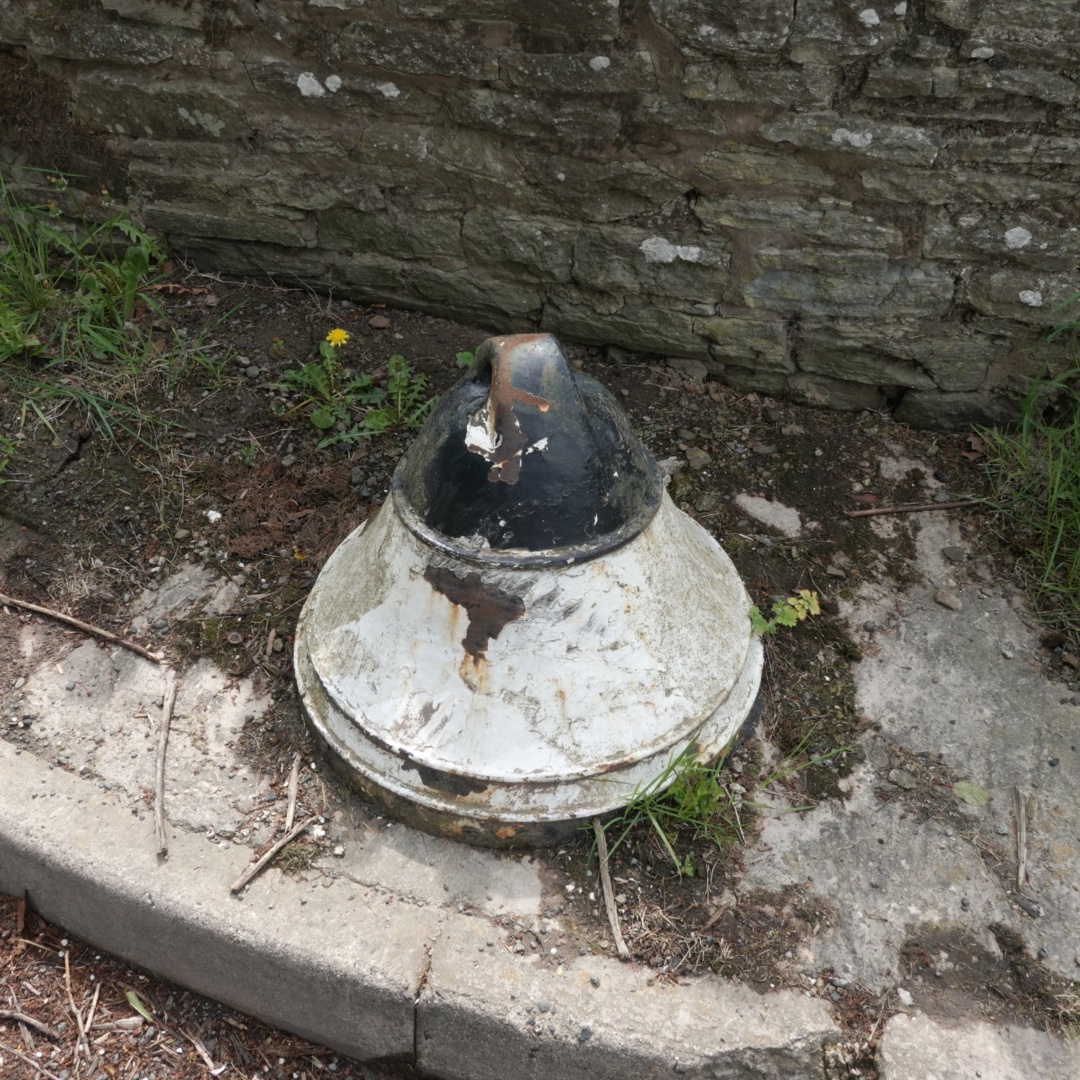
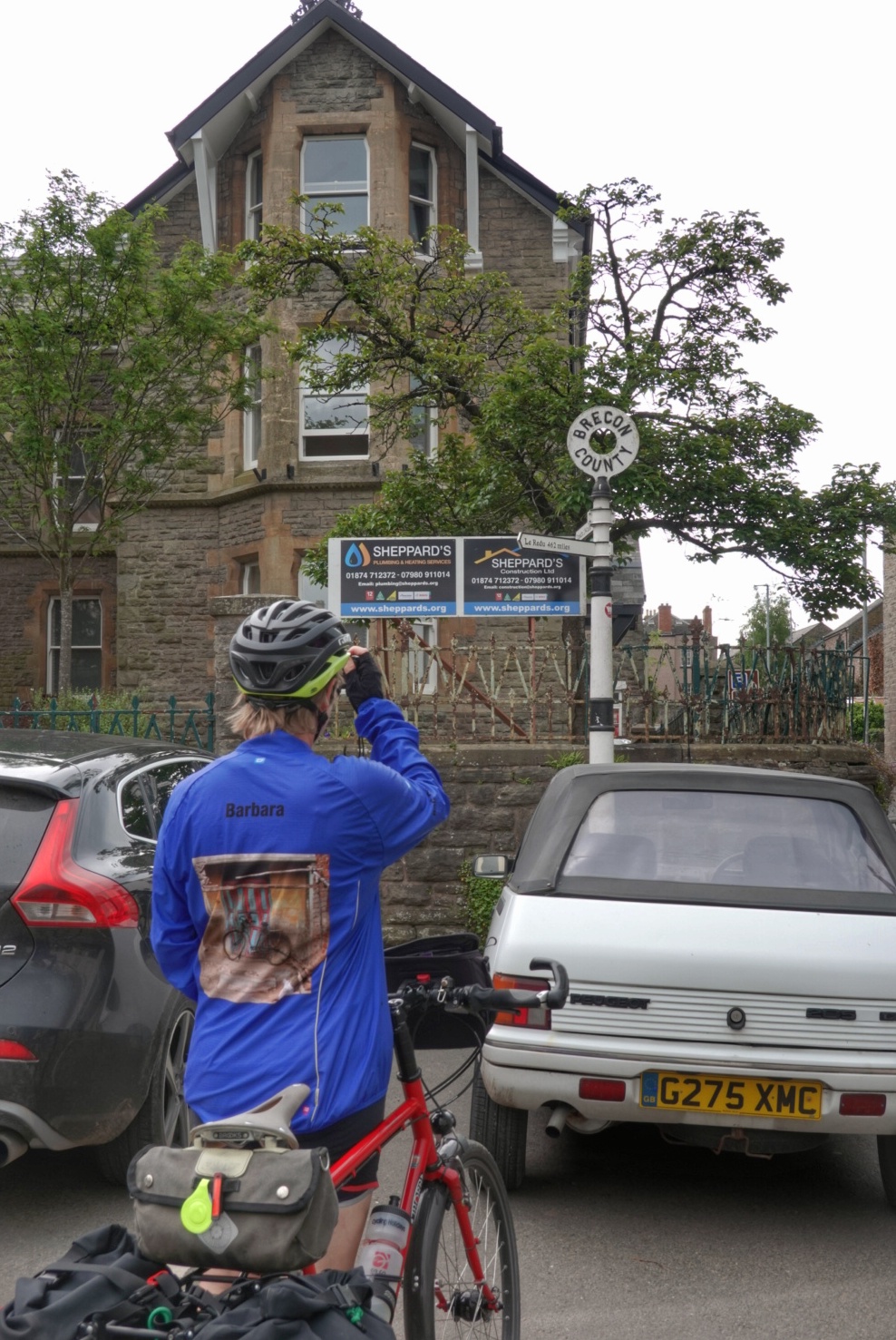
The first Earl of Powis must have had similar musings when he erected his impressive sign post in 1800. Yet that begs more questions of I and y. Powis swapped its i for a y: Llanelly its y for an i. Y not?

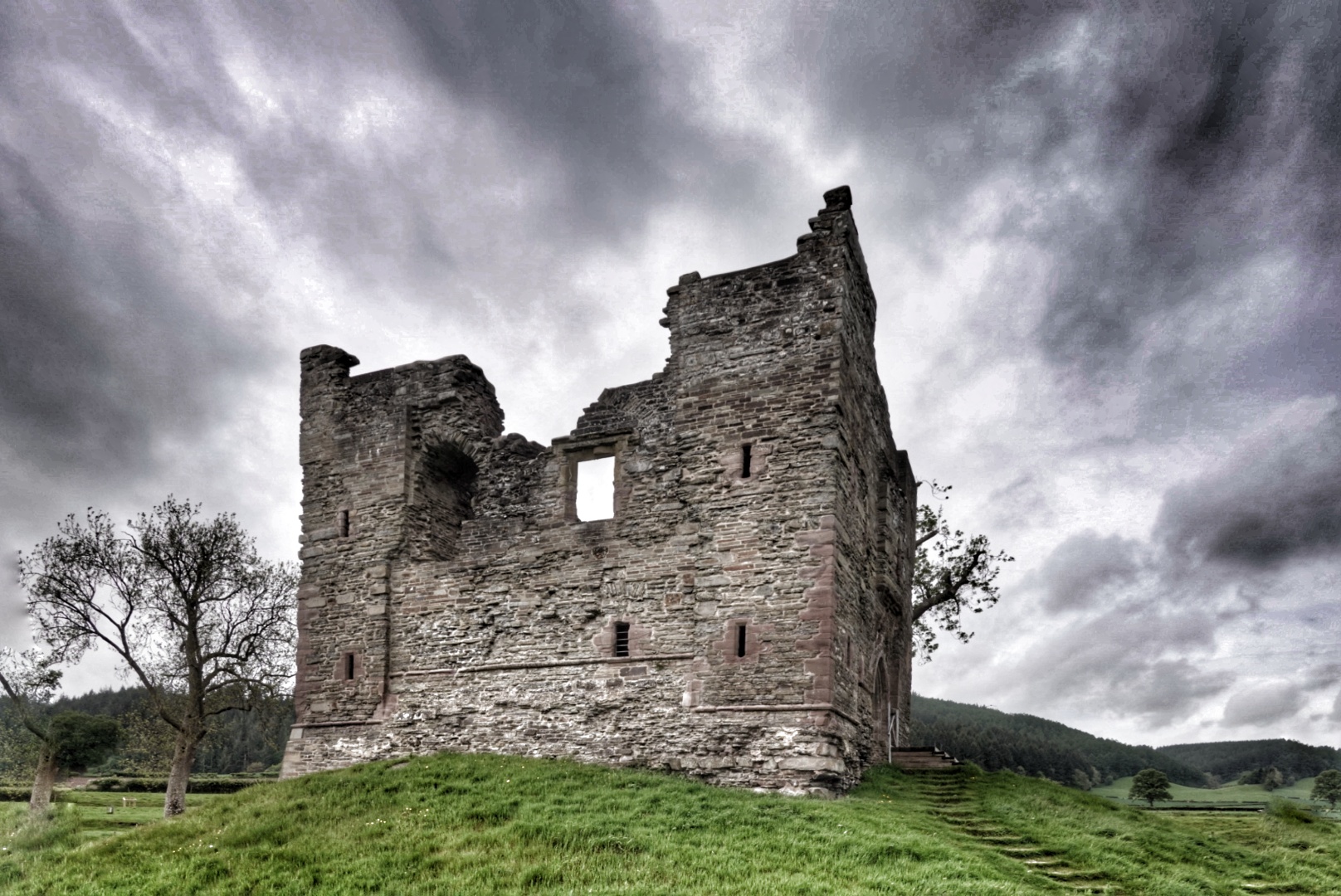
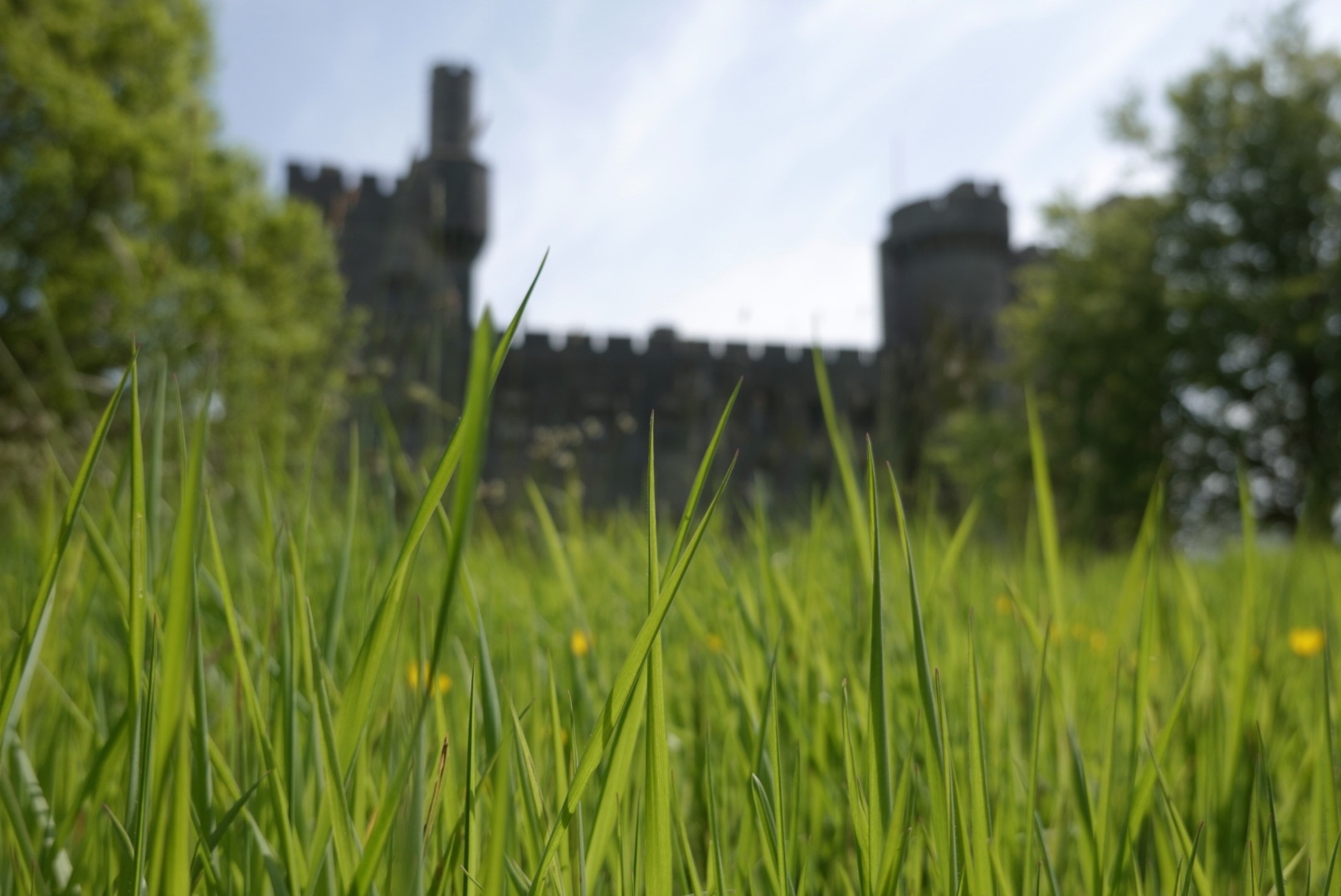
Hopton Castle is a surprise find.  Once a border manor, it was the site of a nasty Cromwell civil war skirmish. How did they navigate then?
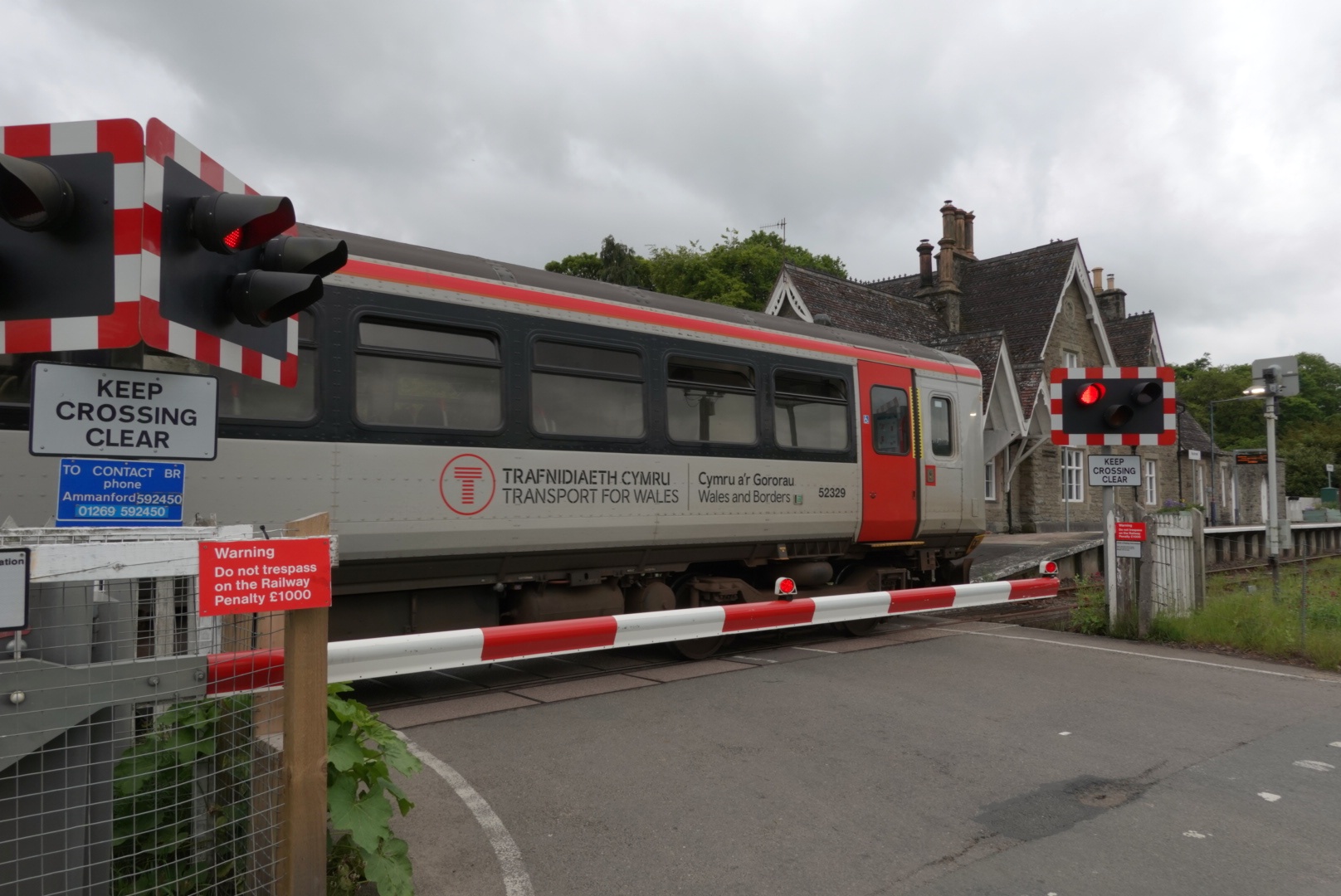
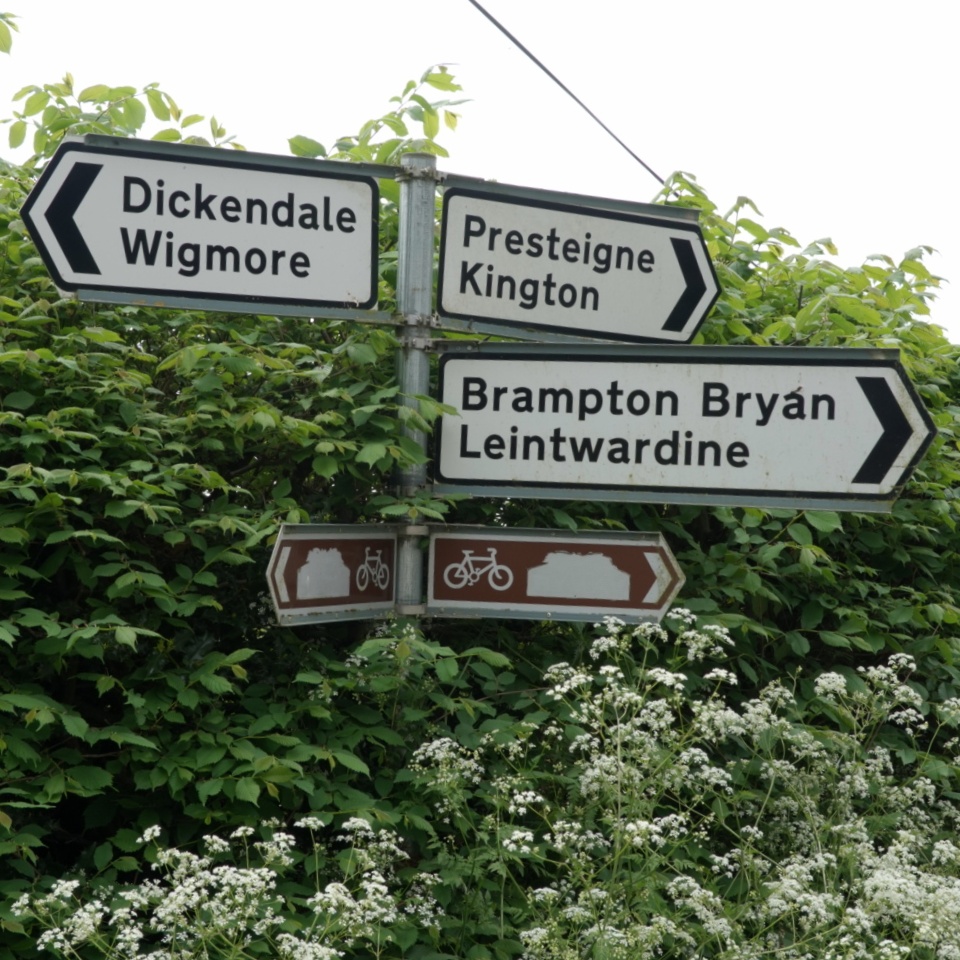
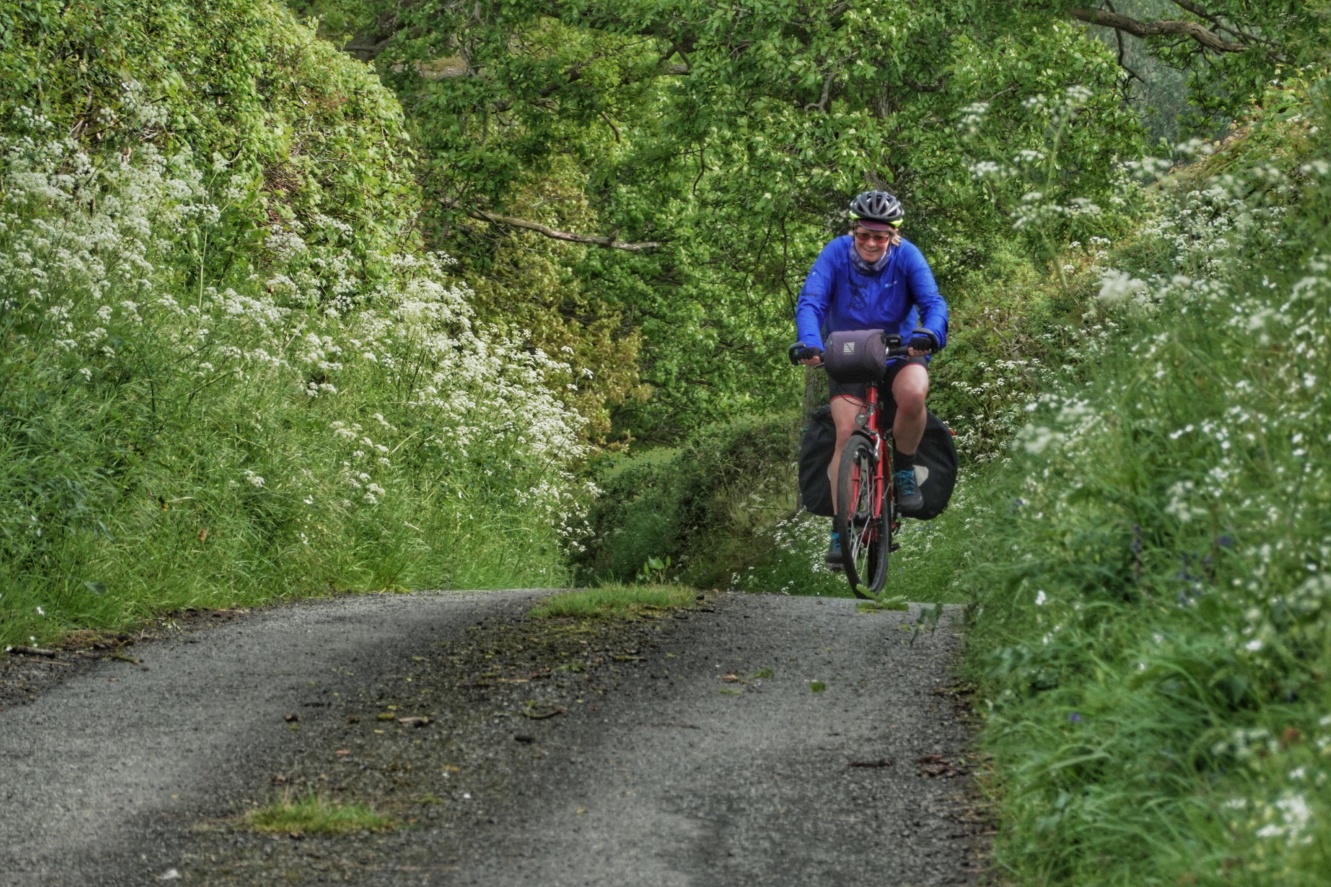
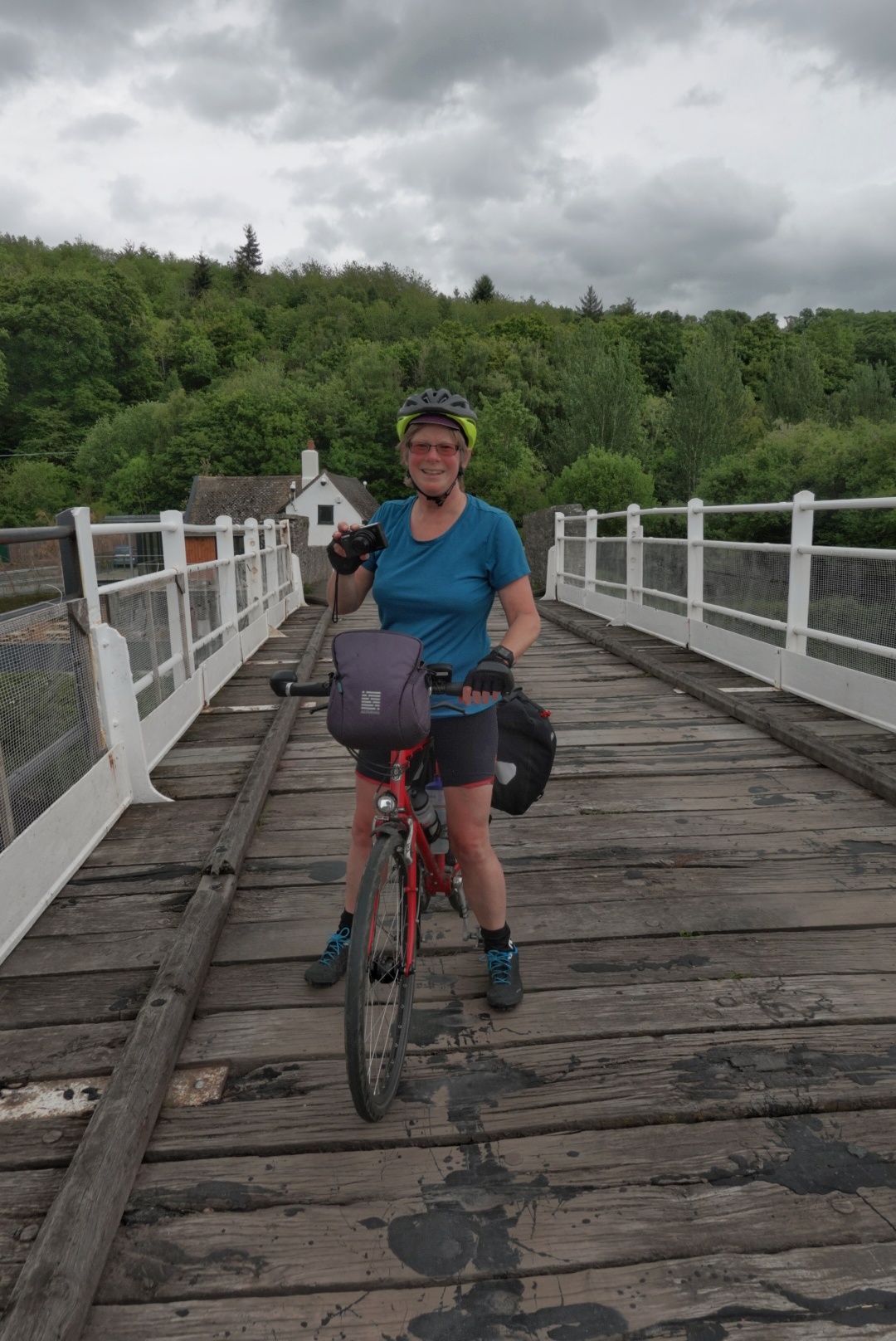
The route is pretty. Gently undulating across worked meadows along quiet lanes.  You cross a rickety toll bridge to enter Wales. No bell tolls for cyclists. We save our pennies for an enforced cake stop for delicious sticky ginger cake at the delightful Electric Cafe in Hay on Wye. Ah that’s it,  we’ve been in the Wye Valley today. Lush!

667-8 Llanarmon-yn-Ial to Wentnor

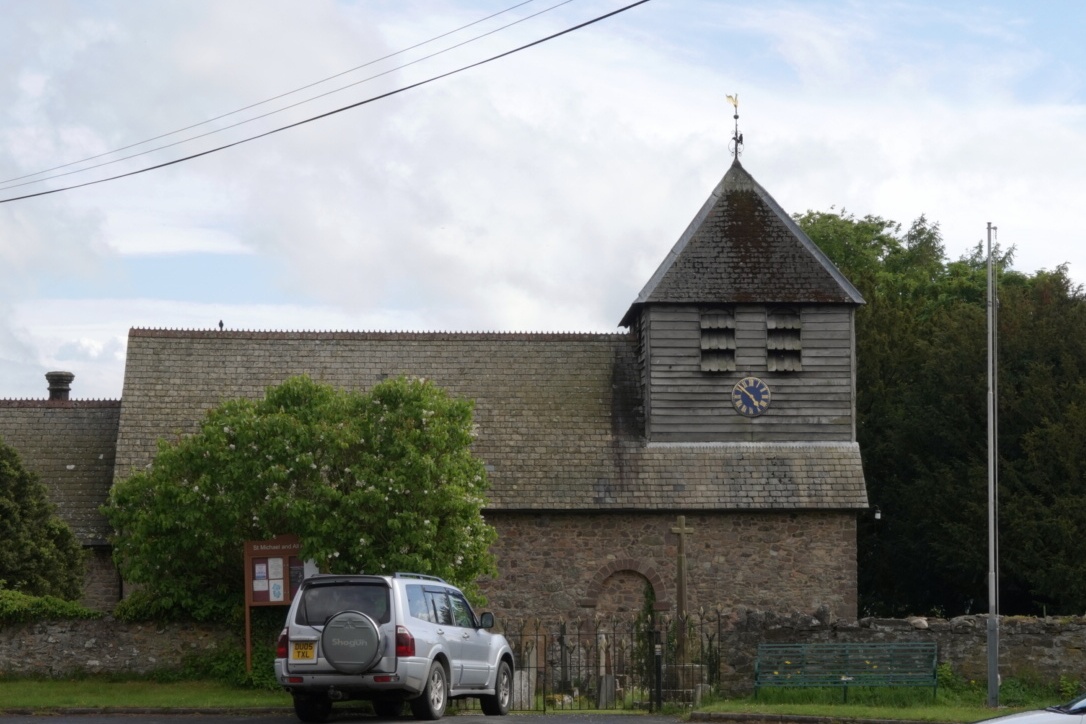
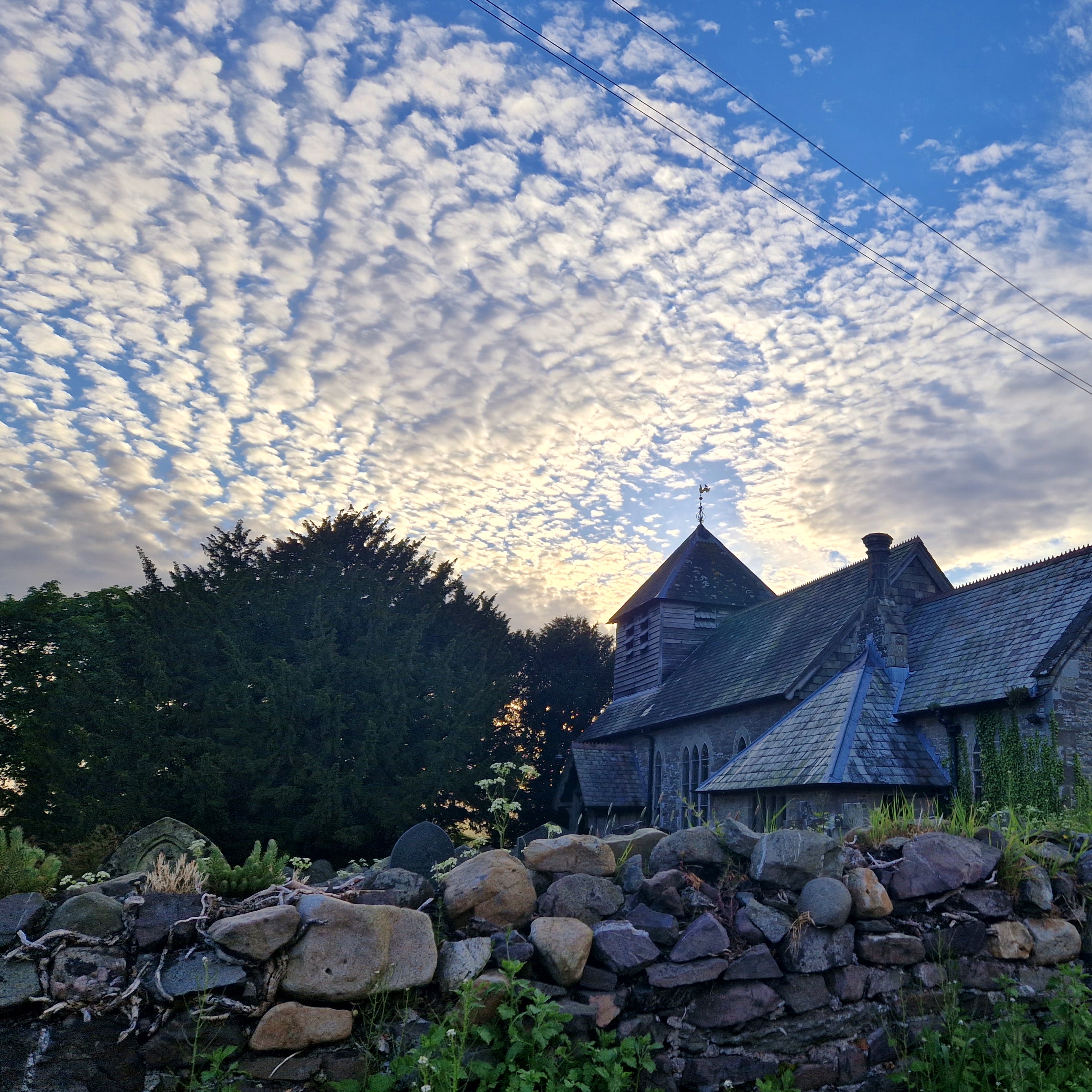
We left this pretty wee (working) village to go back up the slope we’d entered it by. We reached our destination via another sharp we hill. The first sight is of a graveyard and church: cyclists must have passed through here before.

Today was the border country at its best and showing many faces. Green, misty, grey, sunny, wet. Never flat. Apart from the section along the lovely Llangollen canal that is. That had enough bumps on towpath to keep things interesting.

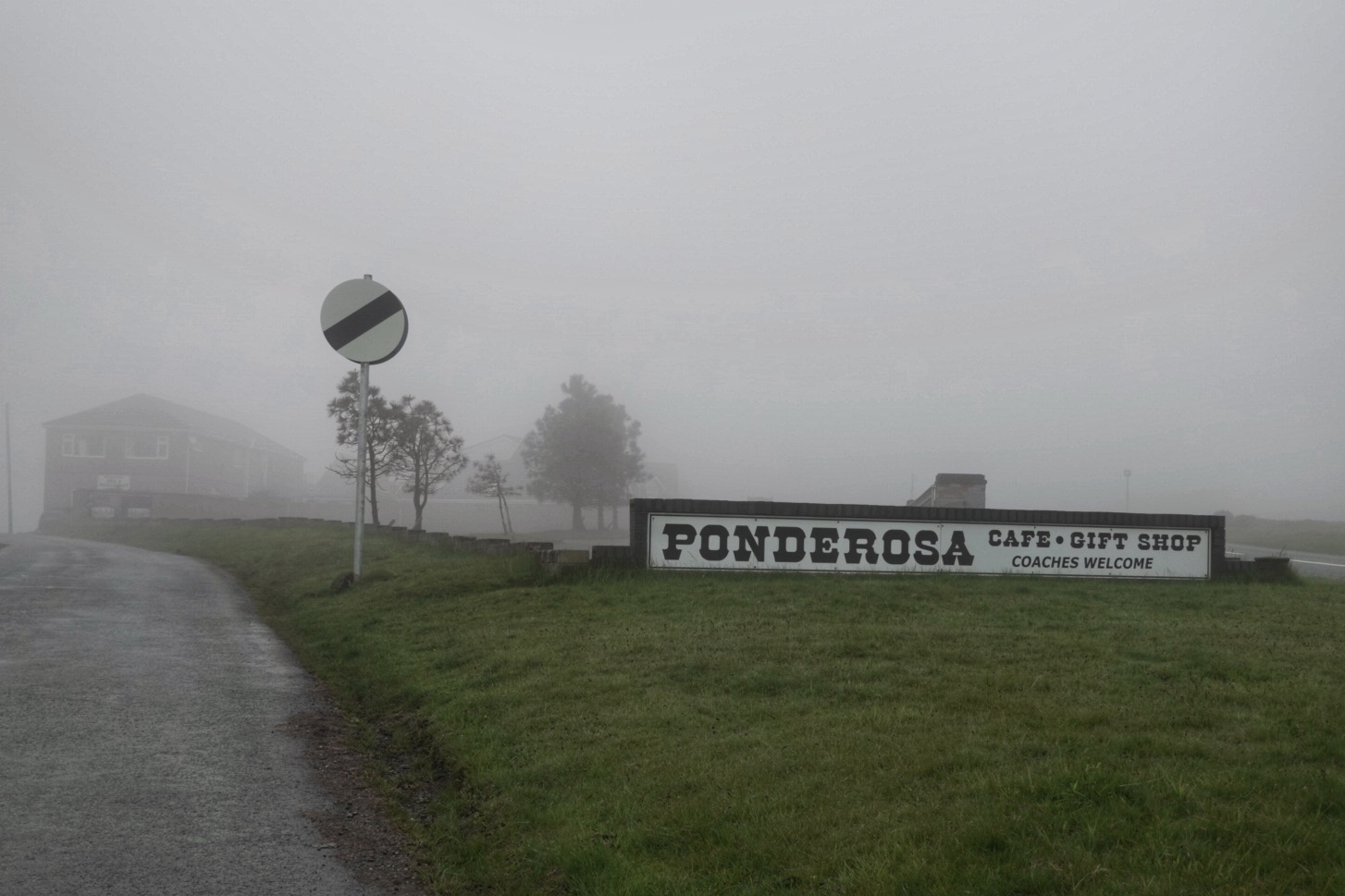
The Pontcysyllte aqueduct impresses on many levels. Today we looked up at it, realising of course we were cycling up to meet it on the other side. The Dee Valley was very picturesque. We’d reached it via the Horseshoe Pass shrouded in misty cloud: we missed the viewpoint.

Garlic and bluebells returned: a sign of hedgerows and shade. As on other days we largely enjoyed these by ourselves: very quiet. They canal barges were the busiest area of activity.

A busy border day. Denbighshire, Powys, Wrexham, Shropshire, Wales, England, Wentnor is lovely and quiet: the Long Mynd’s quieter companion valley. The pies in the Castle are reason enough to come here!
667-7 Bangor to Llanarmon-yn-Ial

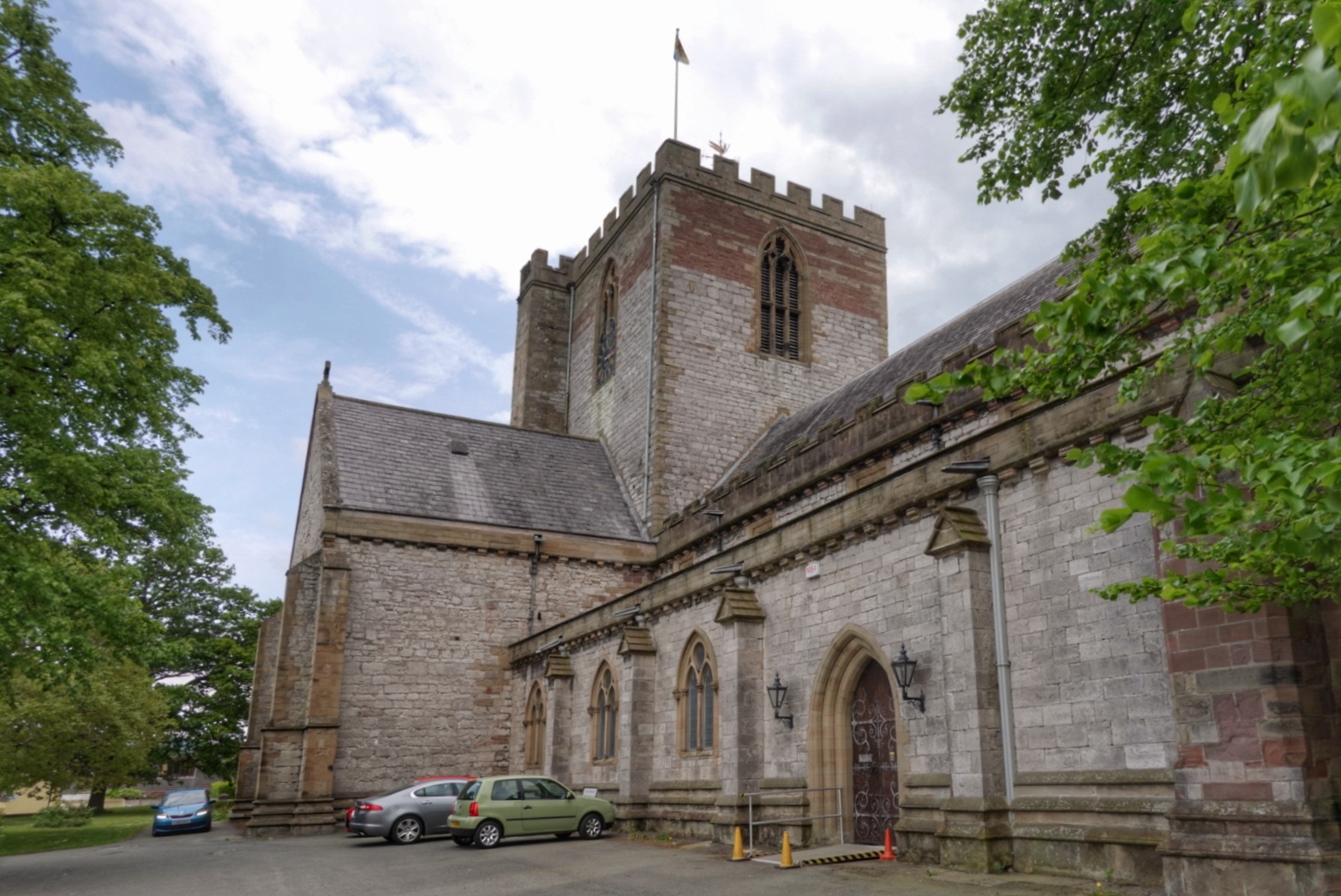
Cities 4, Cathedrals 3: St Asaph

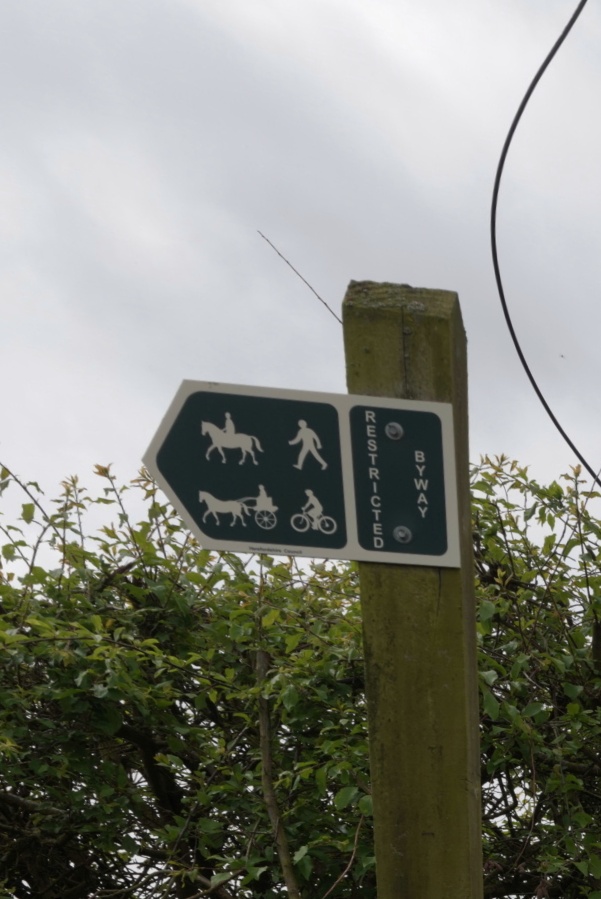
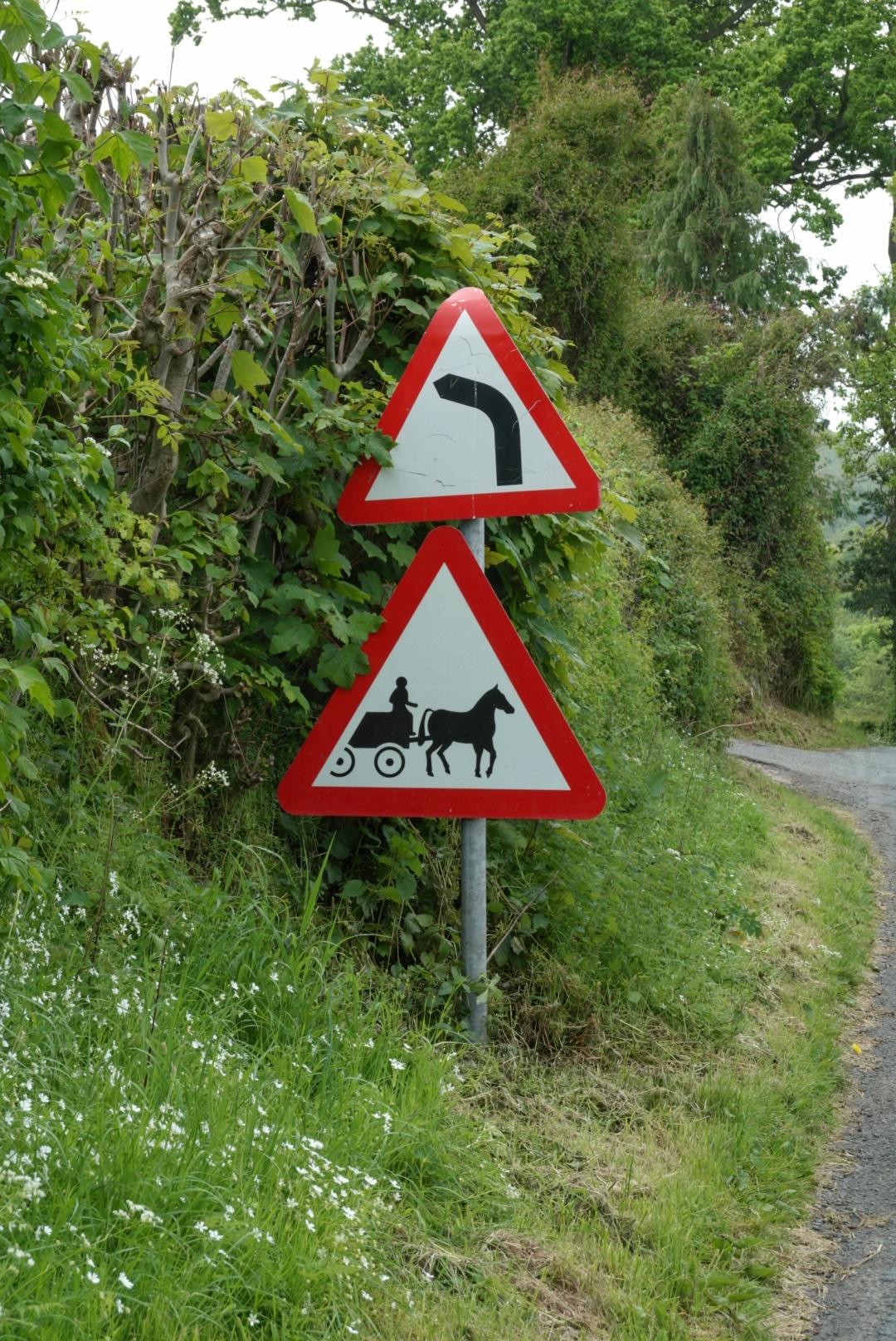
It’s a sign of distraction when you think about signs. Ruthin’s sign says “Historic Market Town”. What a piece of useless information. Historic as in how old? Is it still? What does it market and when? It’d be a lot more useful to say “a working market town”. As for Ancient Market towns: as in rival to the Egyptian bazaars of the pharaohs?

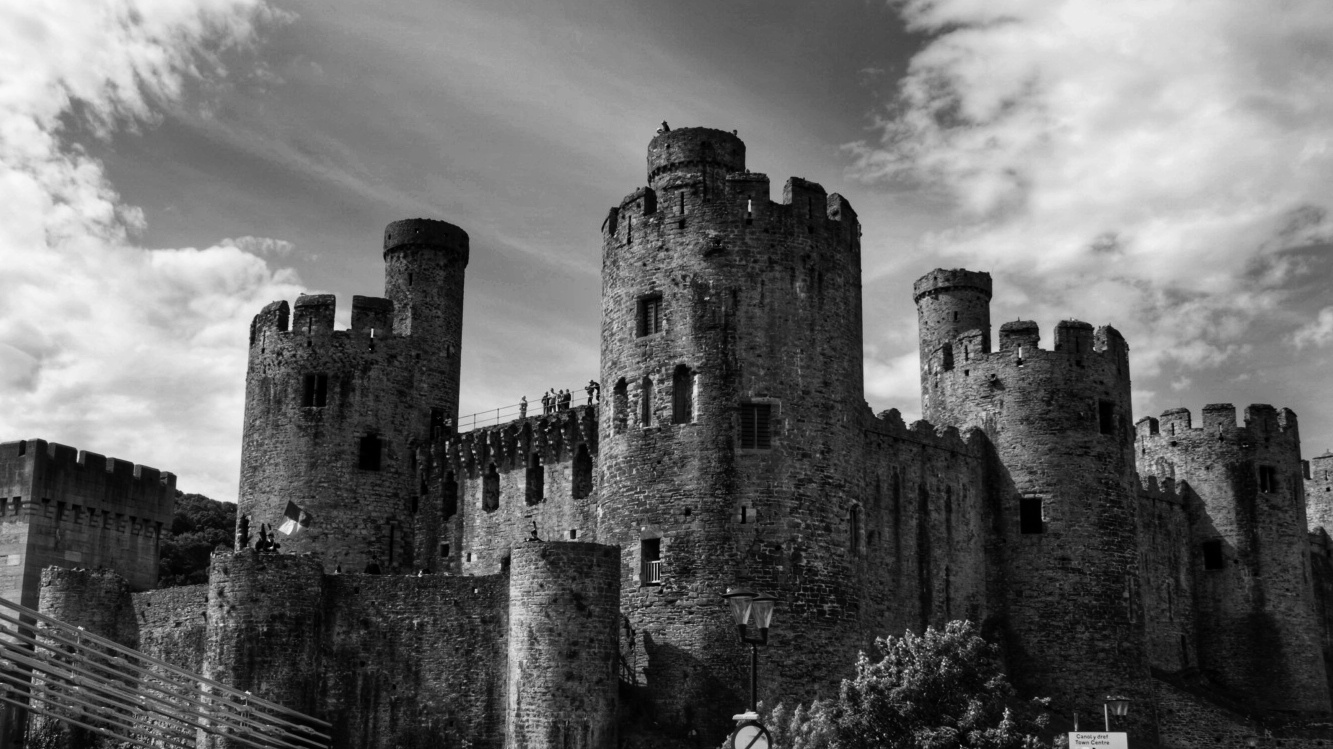
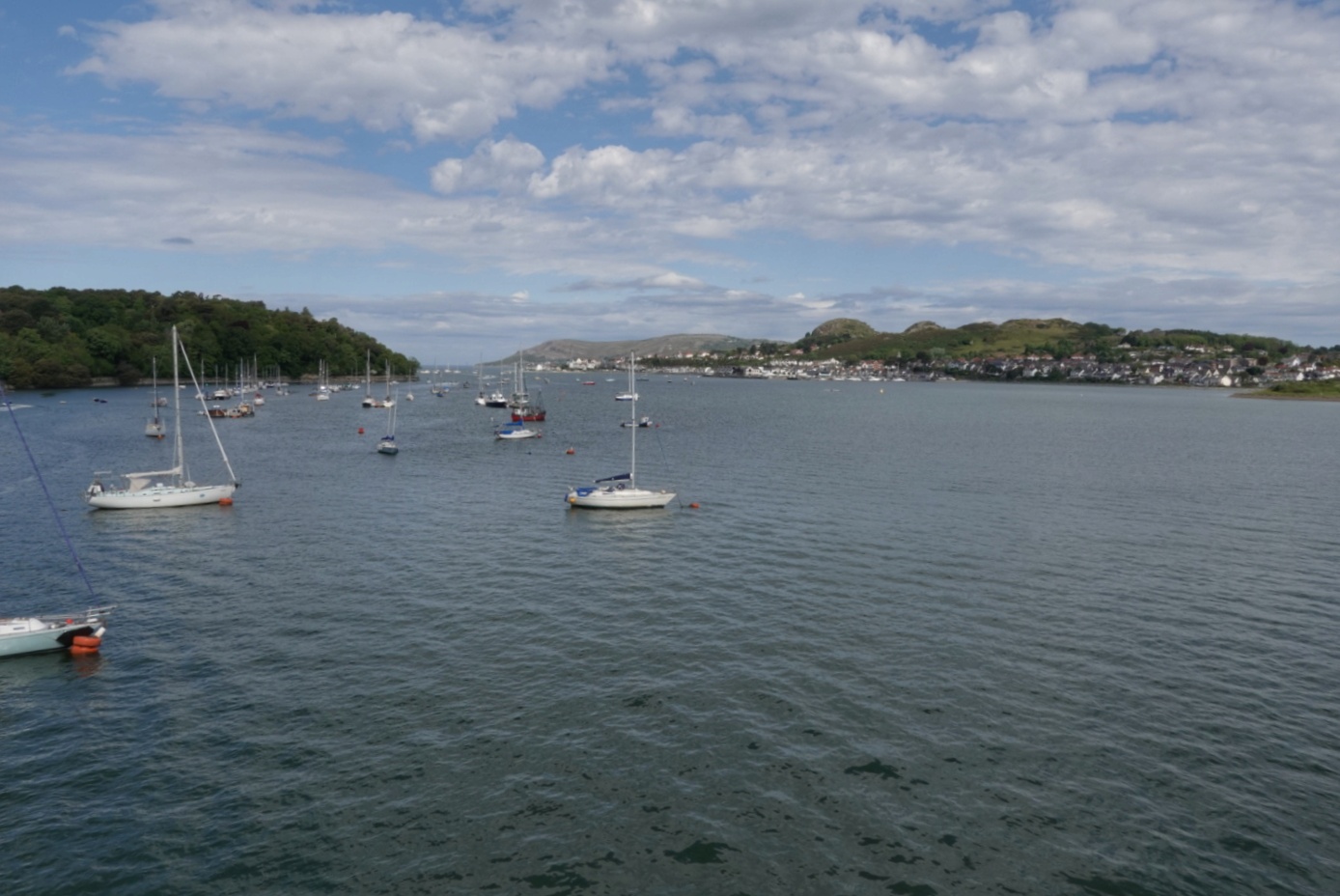
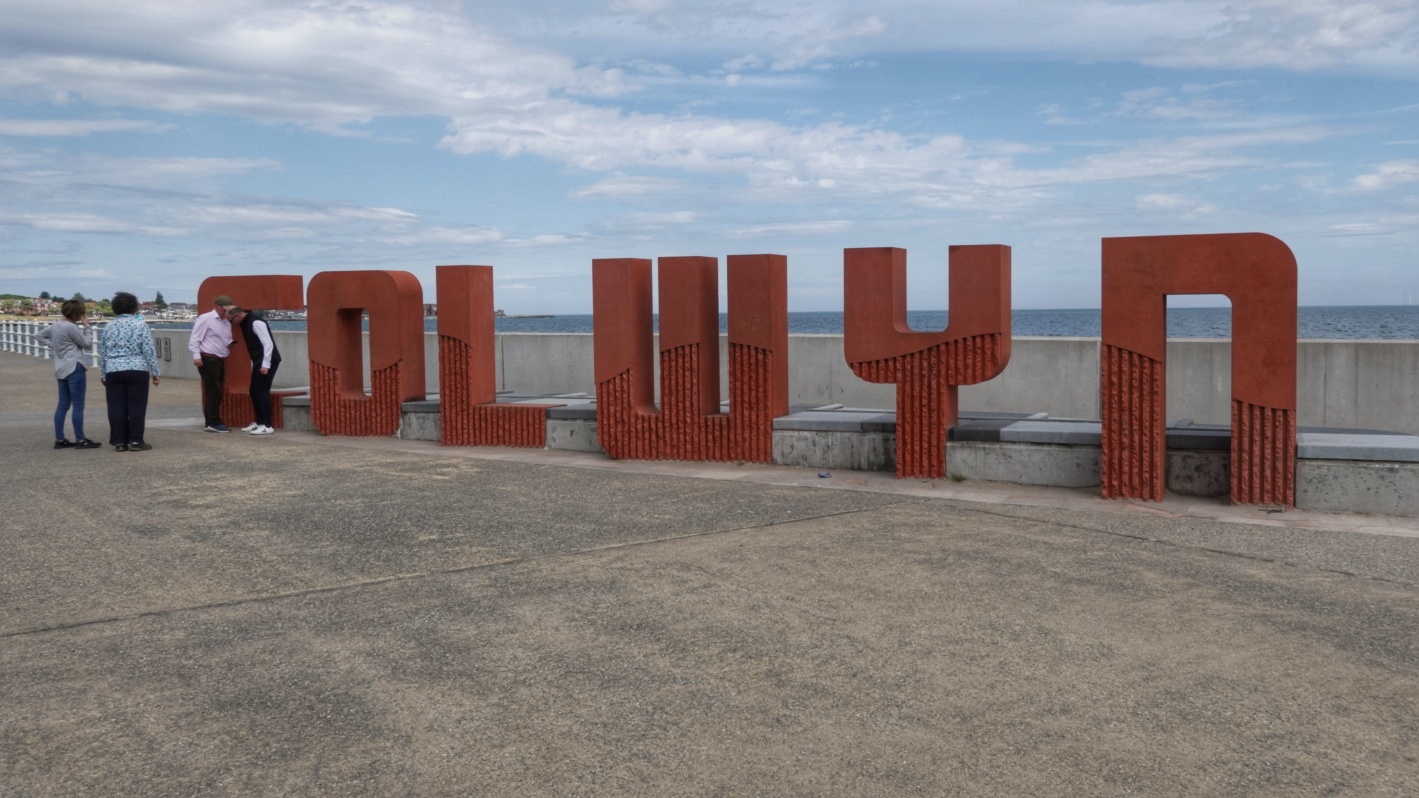
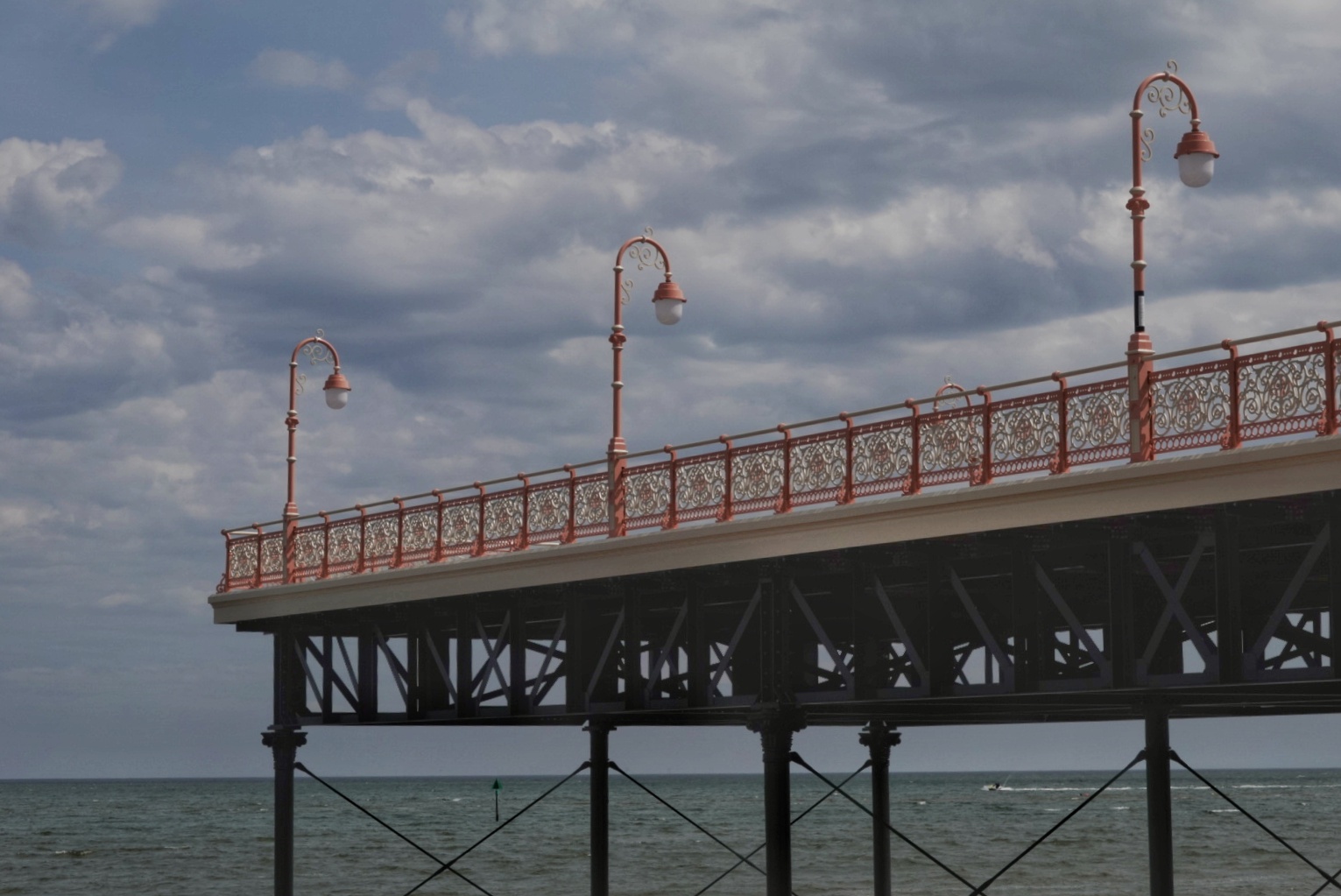
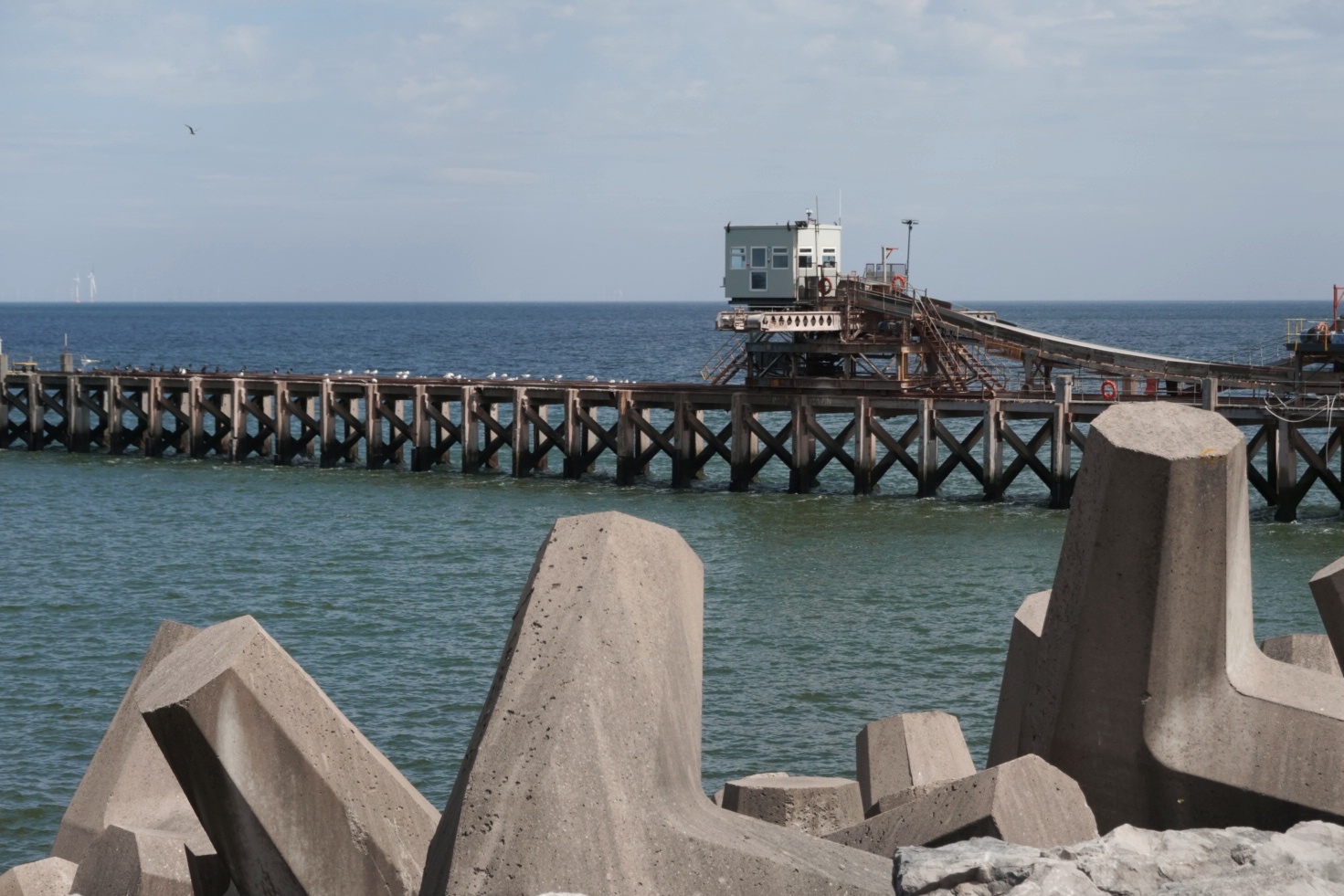
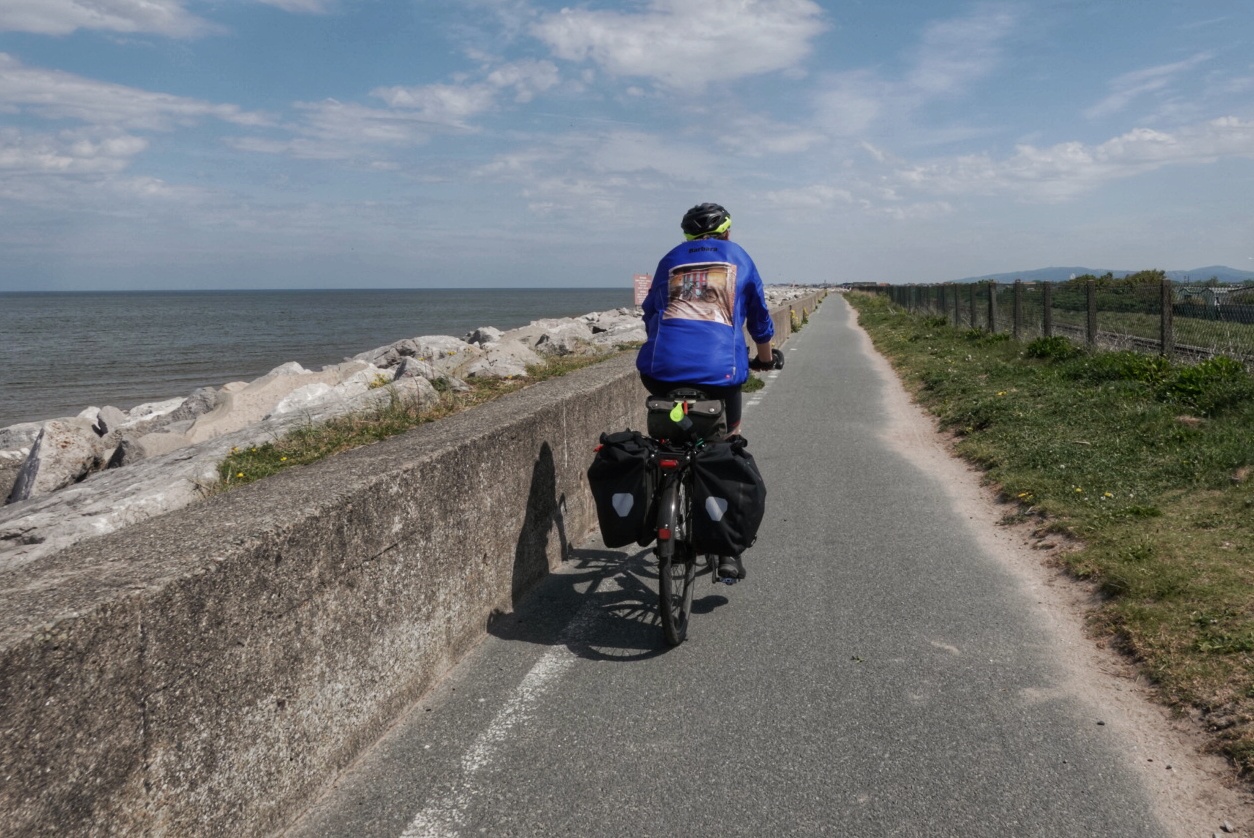
Ruthin was towards the end of today’s ride. Before then we’d sampled the delights of ncn 5 as it weaved alongside over under the A55. Taking in the coastal towns. Conwy was buzzing with a pirate fare. Then to Abergele and the myriads of holiday homes hugging the flood defence walls: the flooding will no doubt be a surprise, a disaster and somebody to blame. Mind you although it’s flat our progress wasn’t that fast: negotiated twists and turns and the path is well used by a range of people: most chirpy, some dopey (or doped).

We turned inland then: the headwind kindly turned with us. St Asaph has the Cathedral and the Premier shop which was of more use. I passed many a stopping point today from my working days up here, the Oriel in St Asaph was one. I have the ear plugs to prove Rhyl taxi drivers are the most miserable moaning shower in the UK I’ve had the misfortune to use.

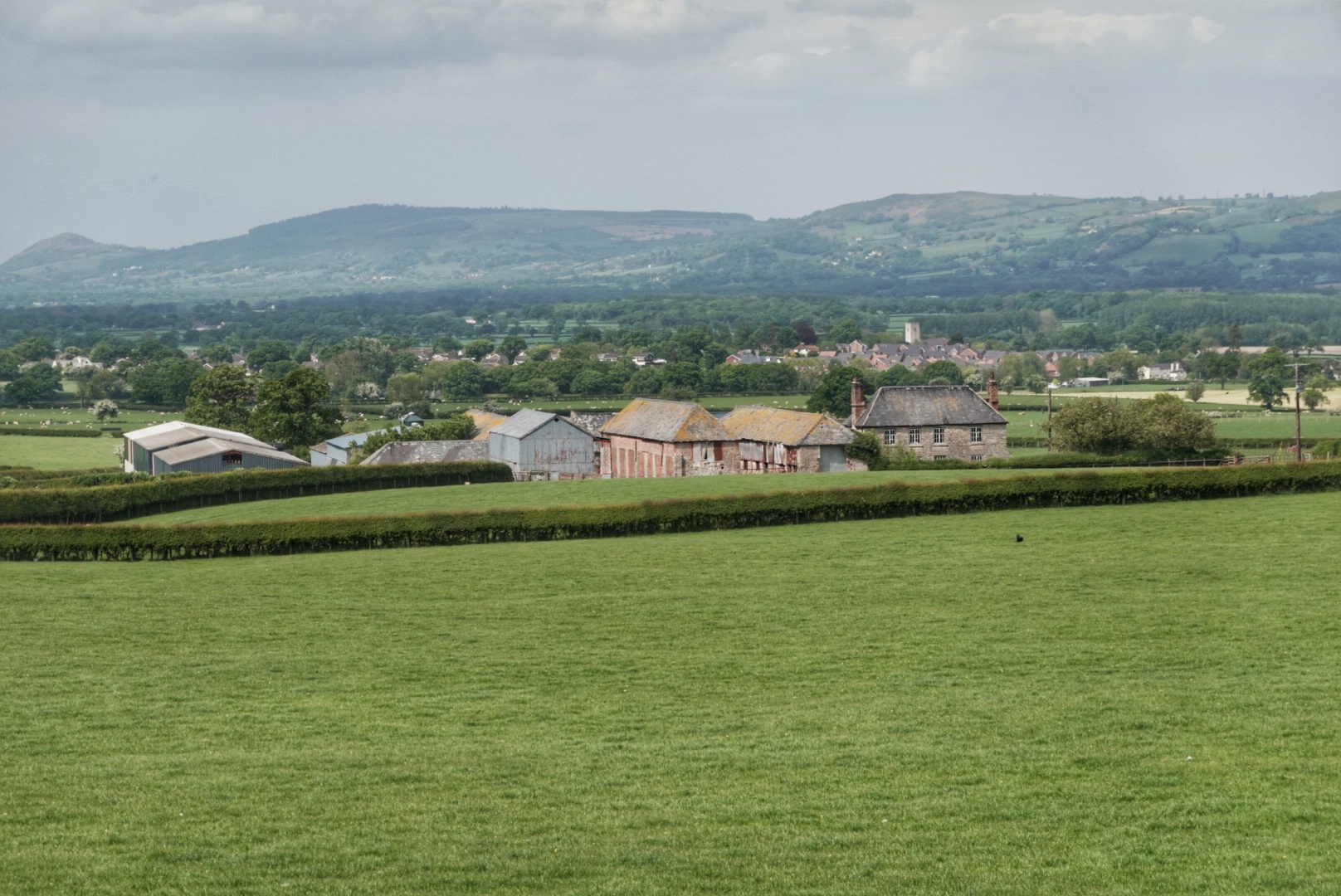
As we go inland the landscape changes to a rich farm green. And starts to undulate. Then goes up precipitatously towards our destination: a community run pub in a fine wee village.

667 Rest Day Talybont

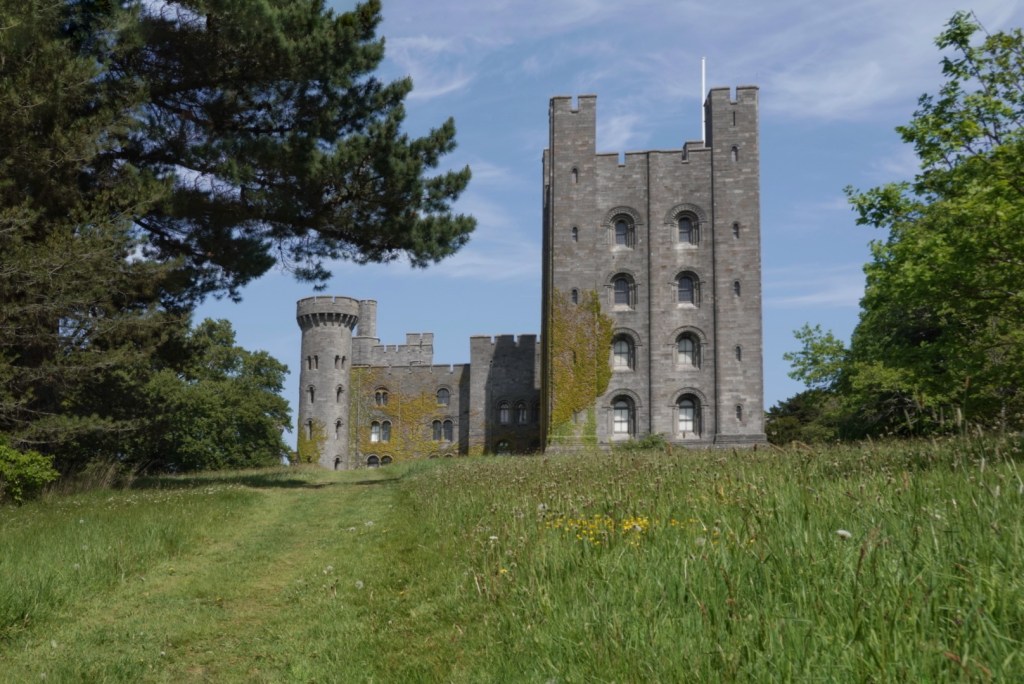
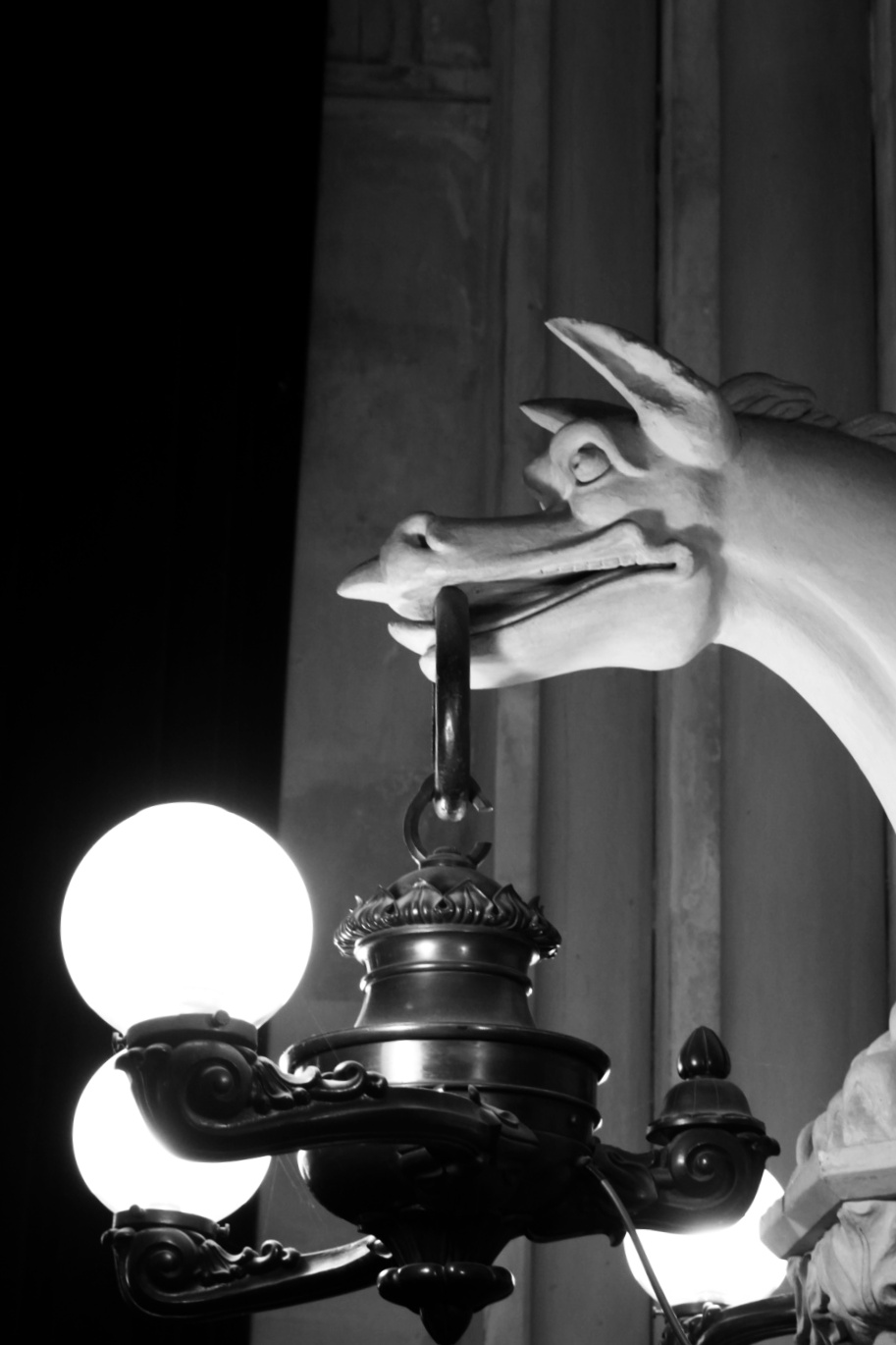
If you’ve been to the Marquis of Bute’s Mount Stuart House you have something to gauge Penrhyn Castle against. The former is a solid 10/10 for no expense spared and quite “wow”. The latter, described is not too bad neither probably a solid 8.

All sides have a view

They were both funded by wealth from the work of others. Coal for the Butes, sugar/slavery and then slate for the Pennants of Penrhyn. Their slate quarry was until relatively recently, the largest in the world. Their industrial dispute with the workers 1900-1903 remains the UKs longest. Not modern employers then. Jacob Rees Mogg may have been inspired by them.

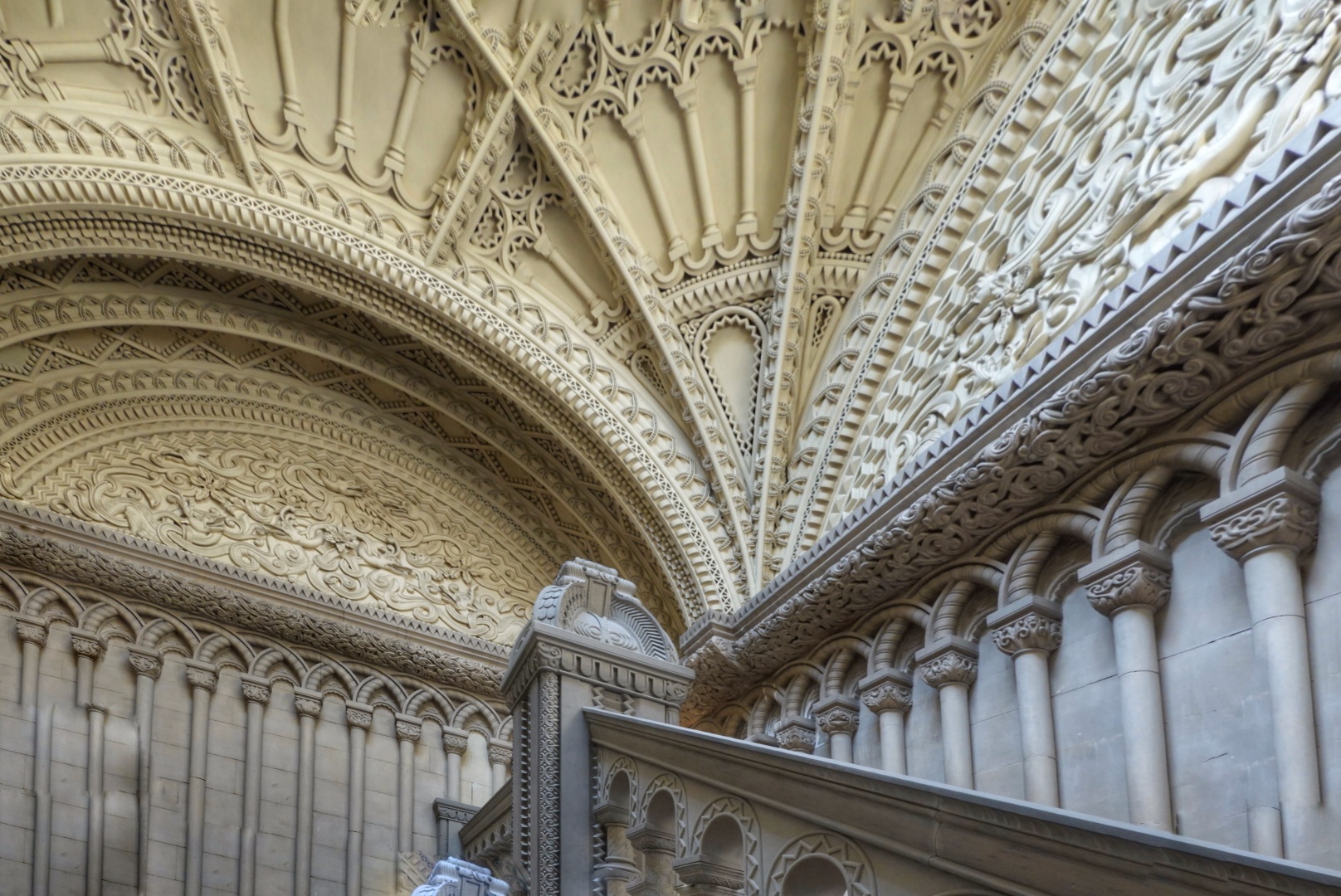
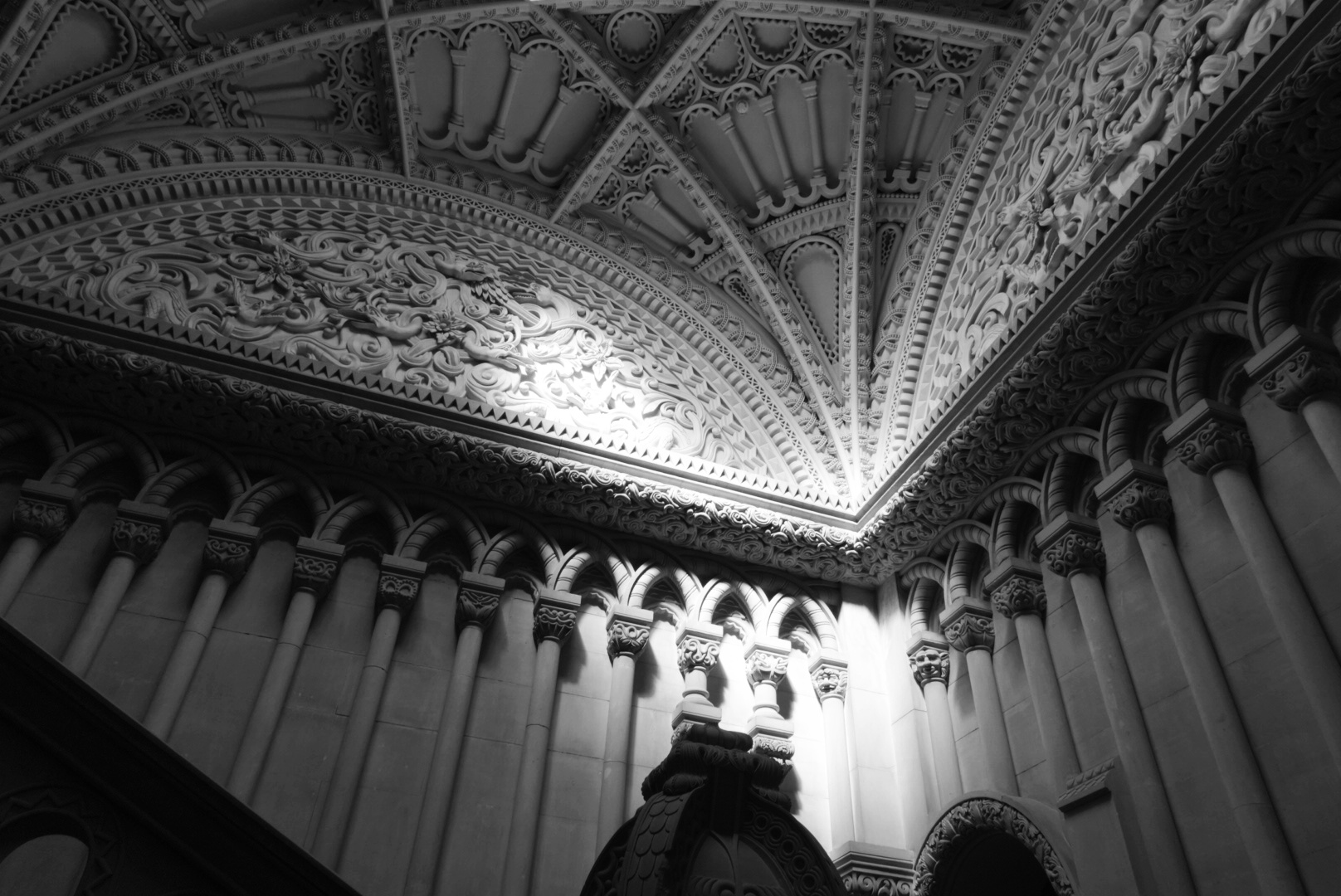
Built over 15 years at a today cost of £45million finishing circa 1840. One staircase took 10 years to carve and is truly amazing. I passed by the most important art collection in Wales outside the National Museum with a scant glance: dark masters in darker rooms. One visitor was wetting himself over the neo Norman fireplace surround. I was impressed with his enthusiasm.

The National Trust is doing its bit to recognise slavery. In trying too hard ( vs an adult tone to say “remember” ) it feels a bit in a politically correct insincere space. Not many of the Slate workers could probably have afforded the entry fee.

A good day out.

667-6 Llanbedr to Talybont

Cities 3, Cathedrals 2, Castles lots

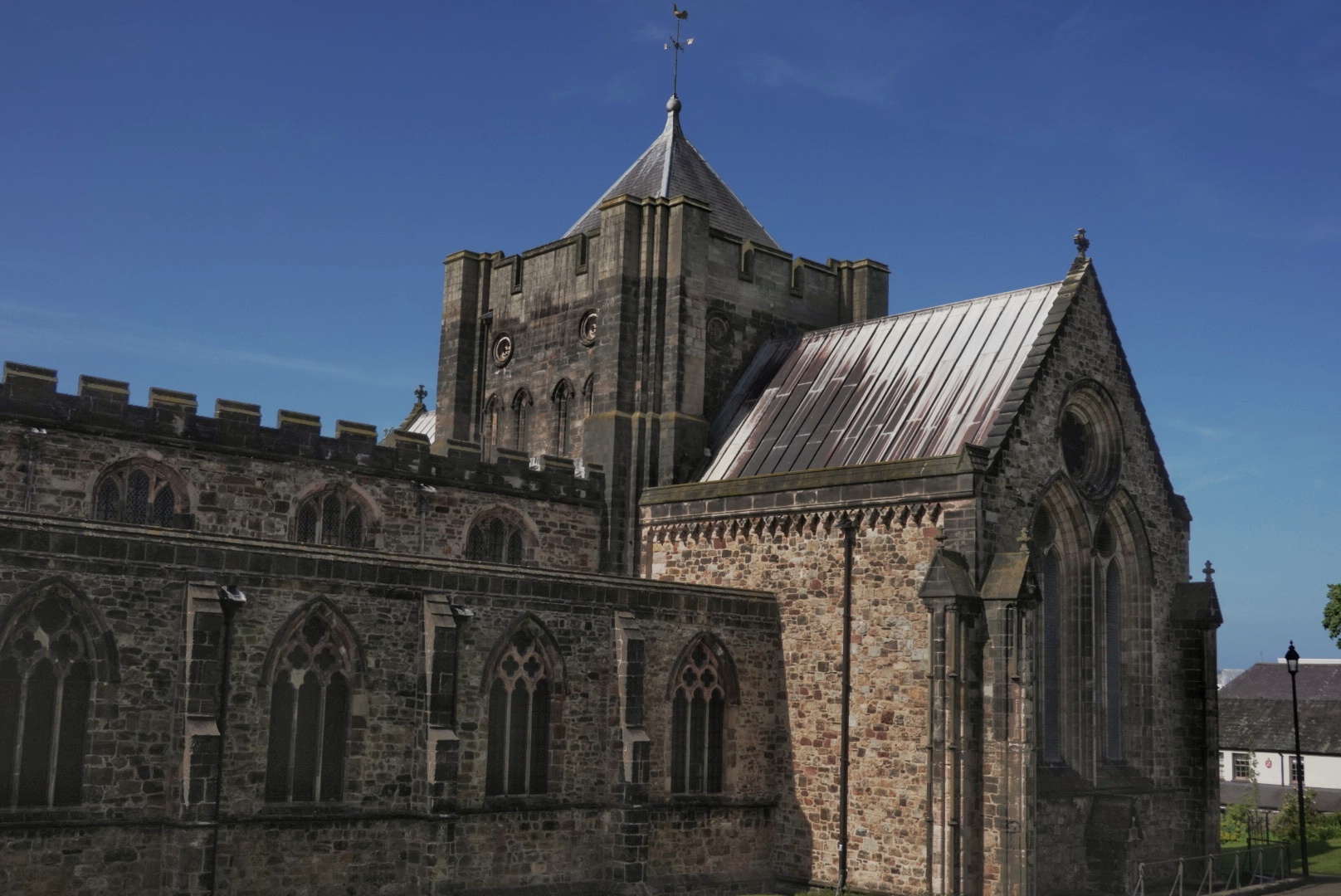
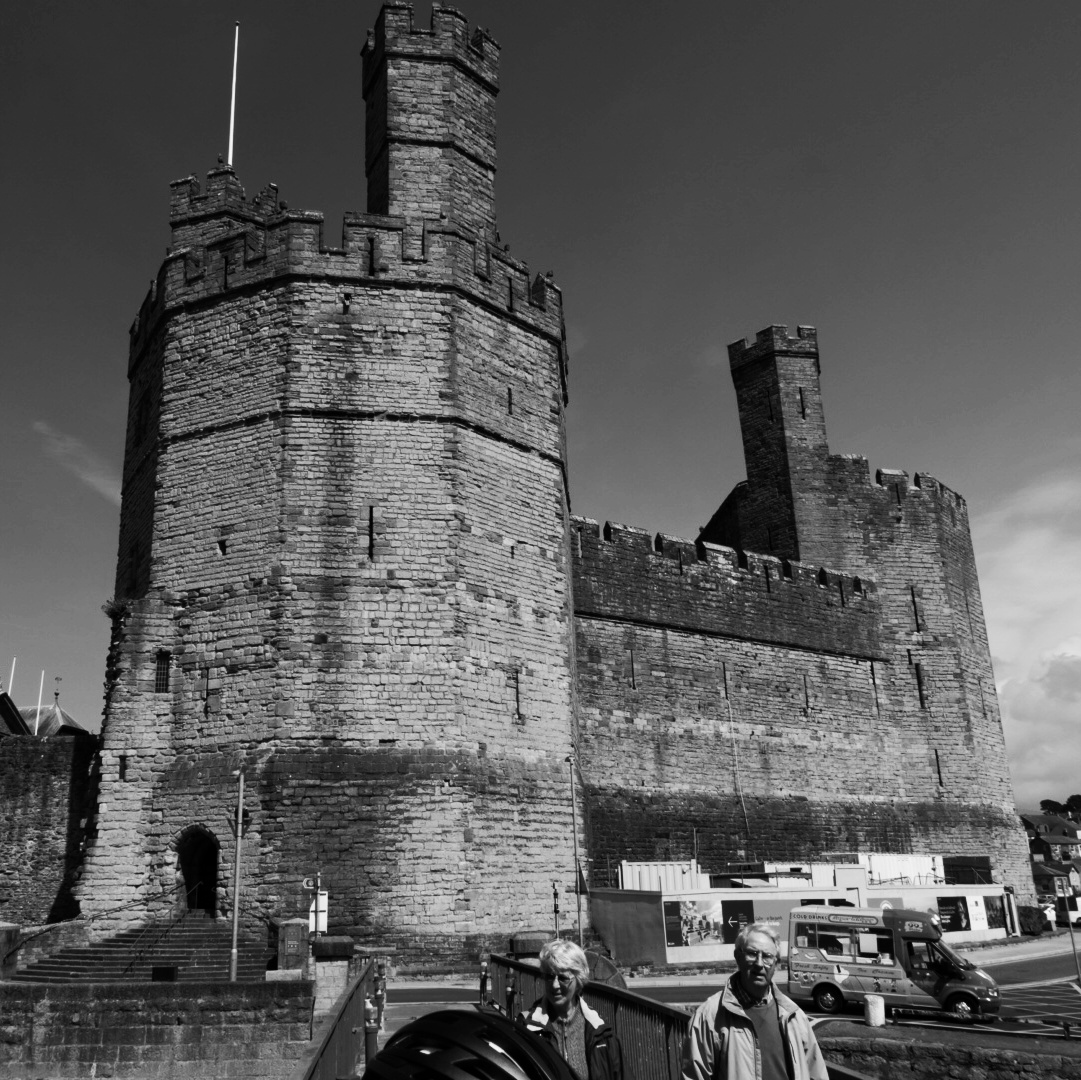
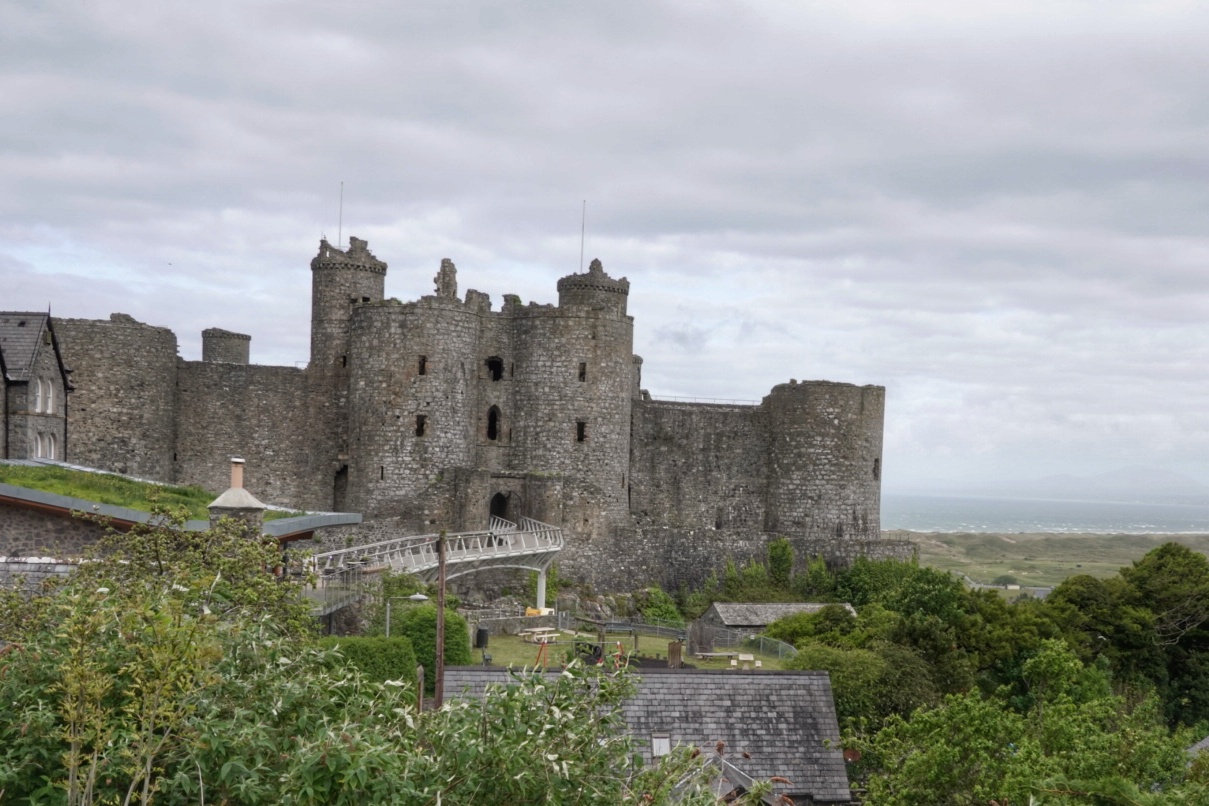
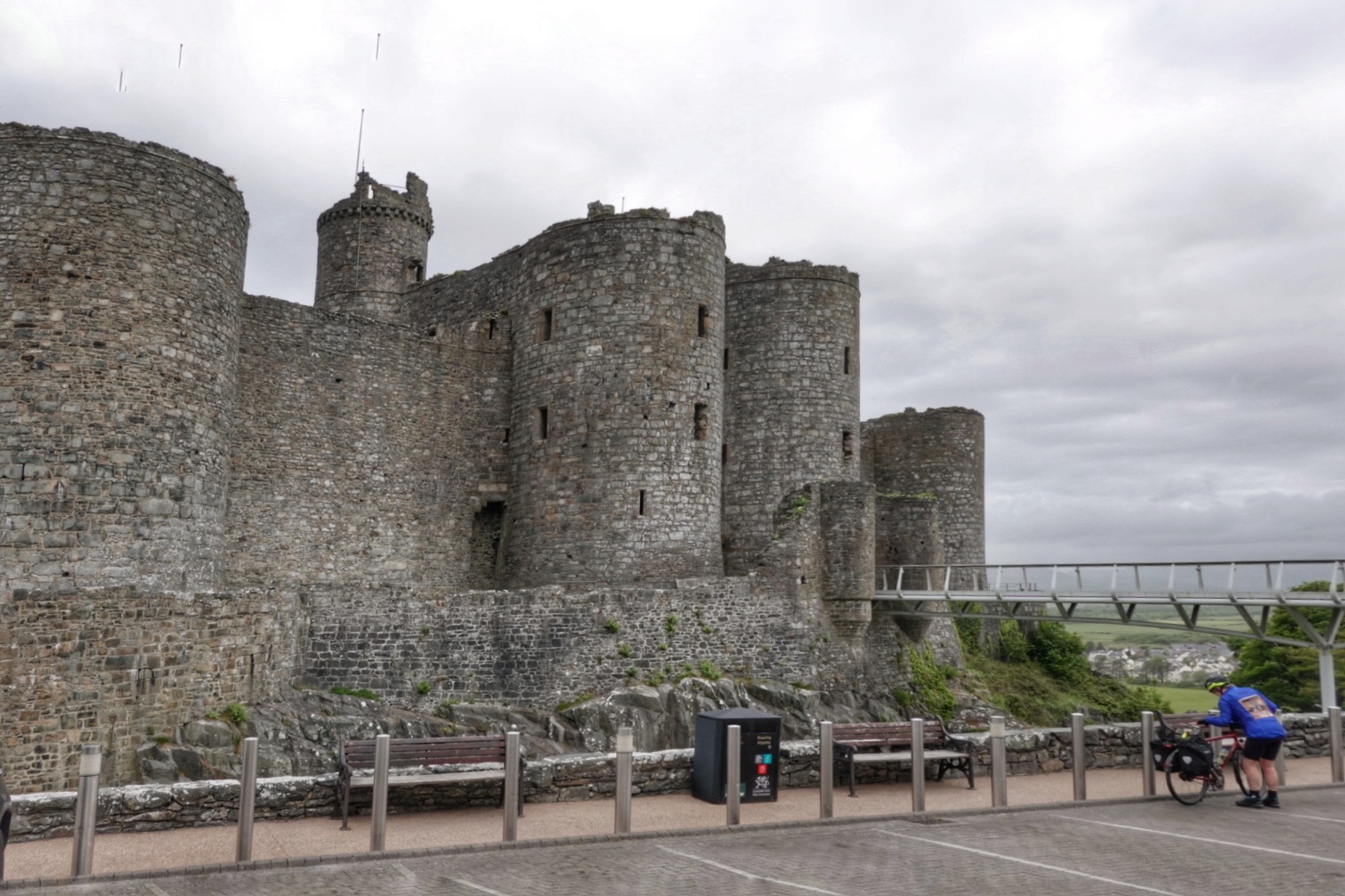
Bangor’s 6C cathedral is possibly the highlight of the UKs third smallest city (St David’s no 1 and St Asaph no 2). We’d reached there via Harlech and Caernarfon’s splendid English edifices. Edward 1 of England knew how to make a lasting statement of domination and subjugation.

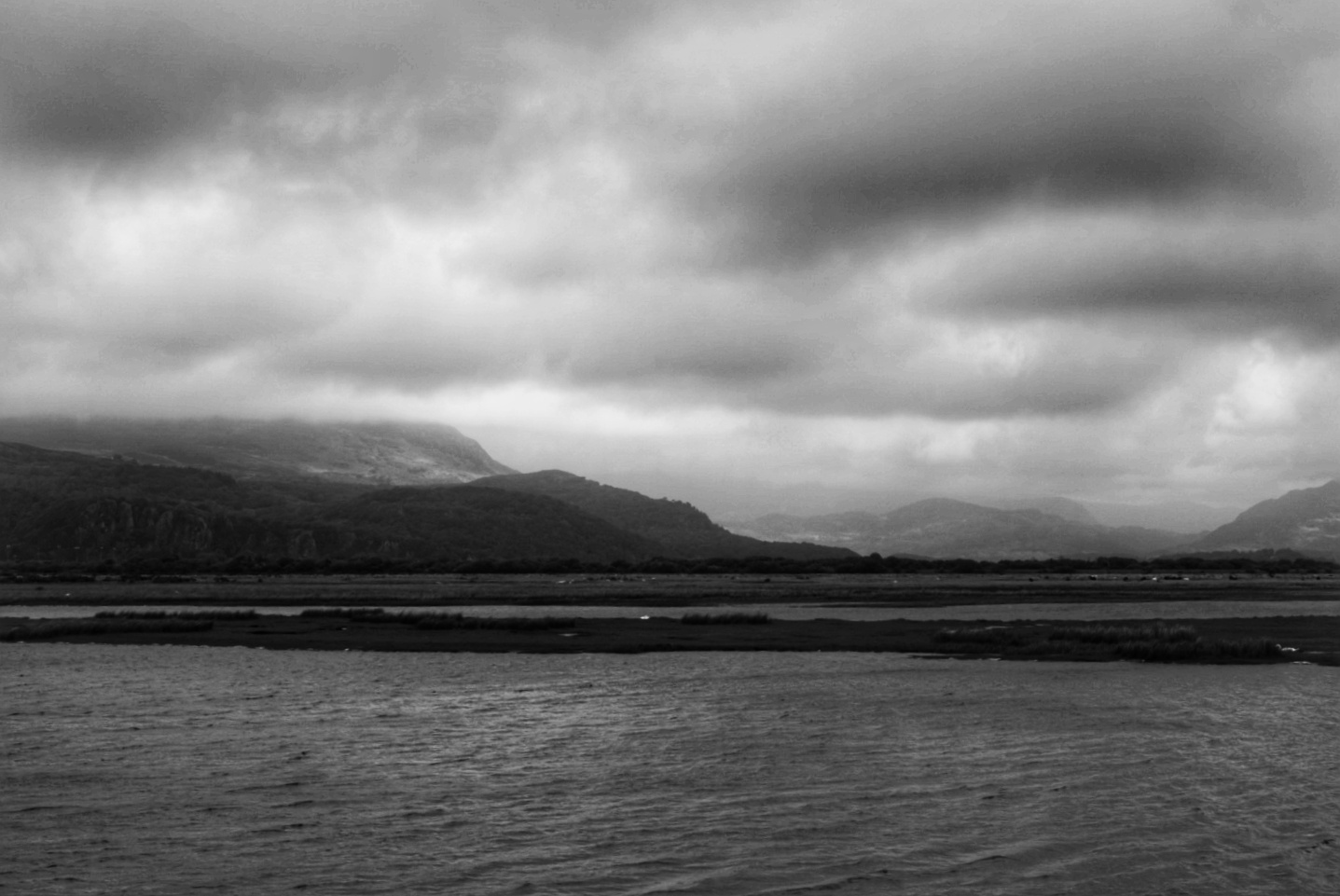
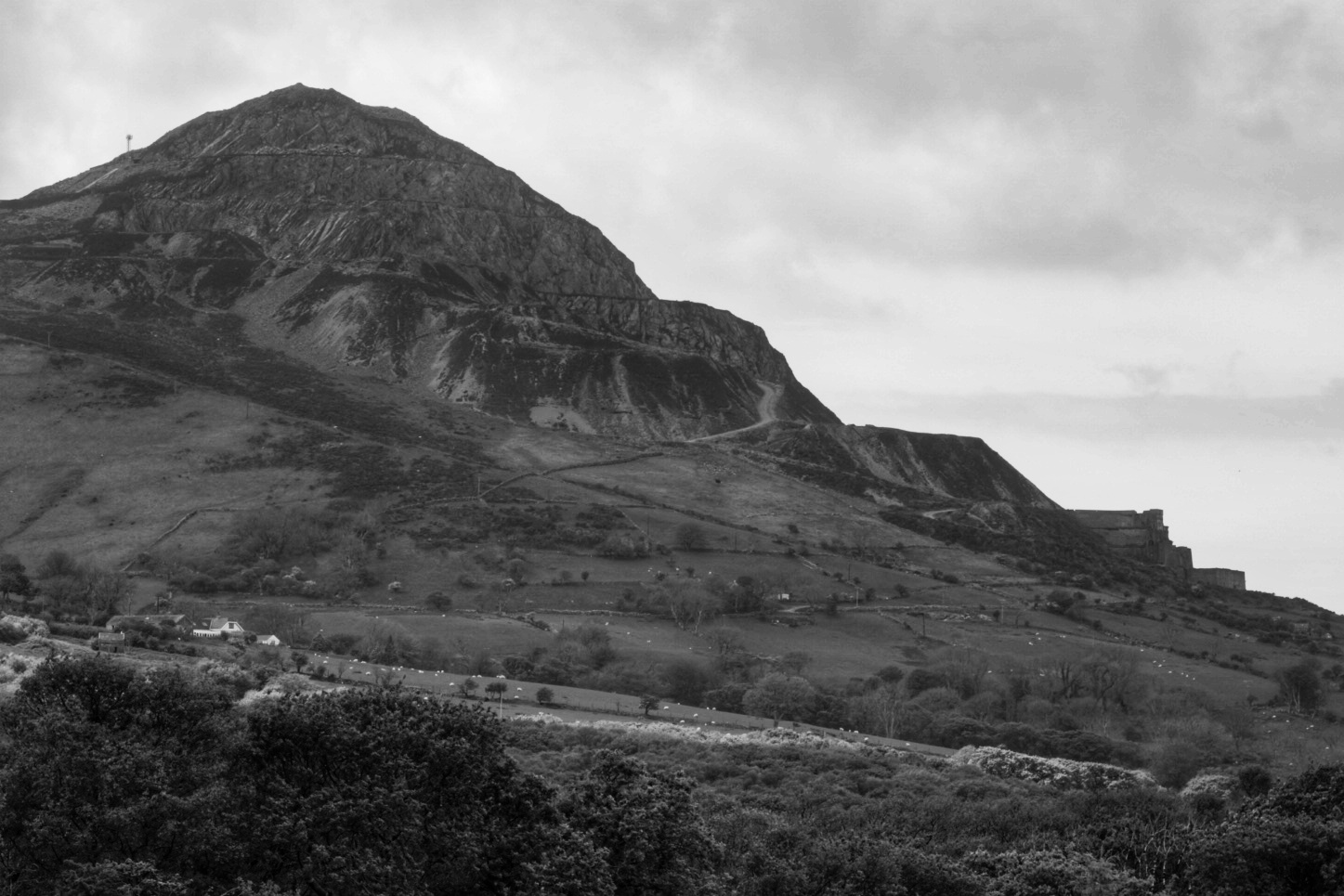
In between there are lots of small settlements and towns like Penrhyndeudraeth and Porthmadog. Narrow gauge railways join them and former slate quarries to the coast. The flat coastal plain looks like it’ll be a Morecambe Bay with rising sea levels. The wise ones live up the hill sides. Of which there are a few.

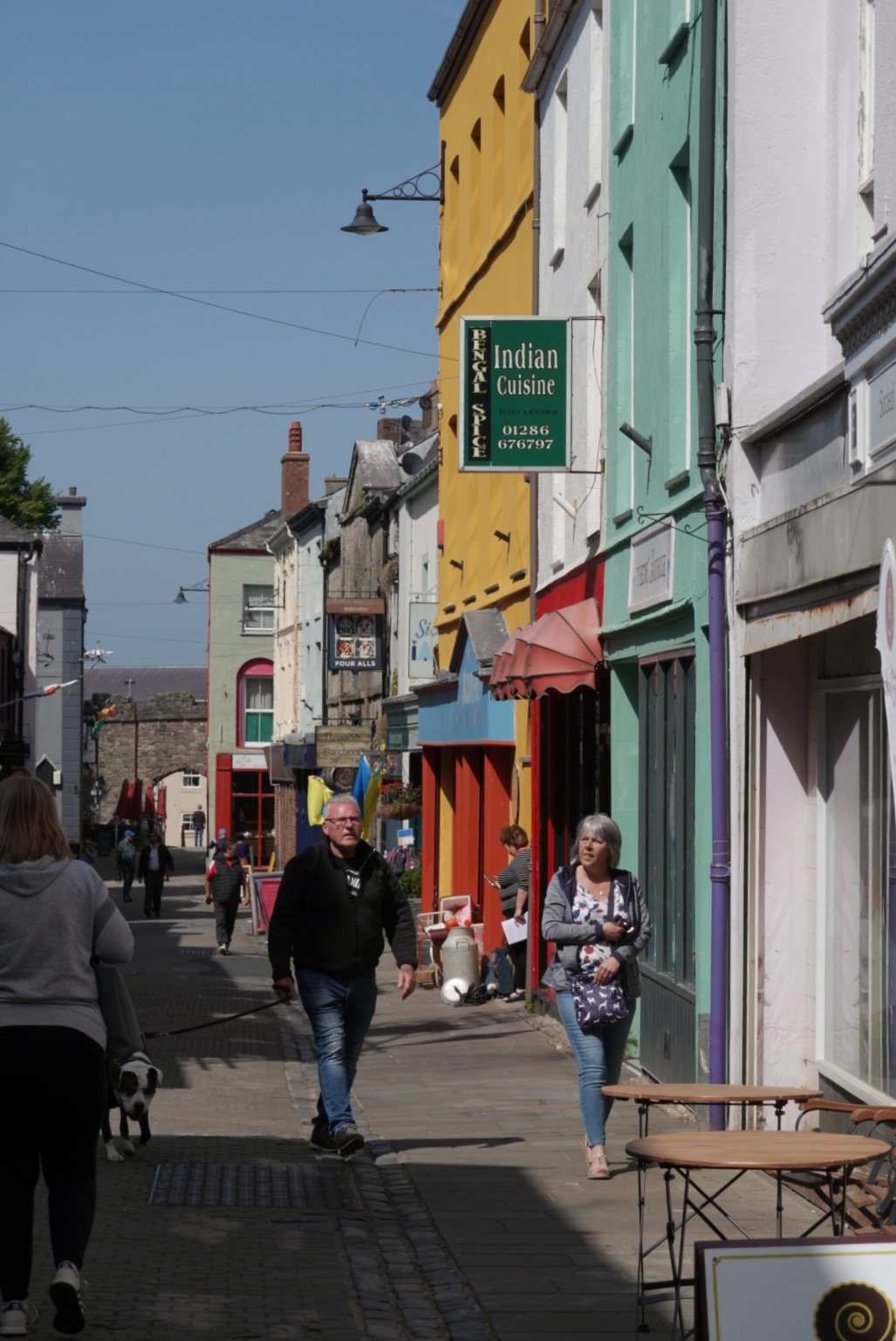
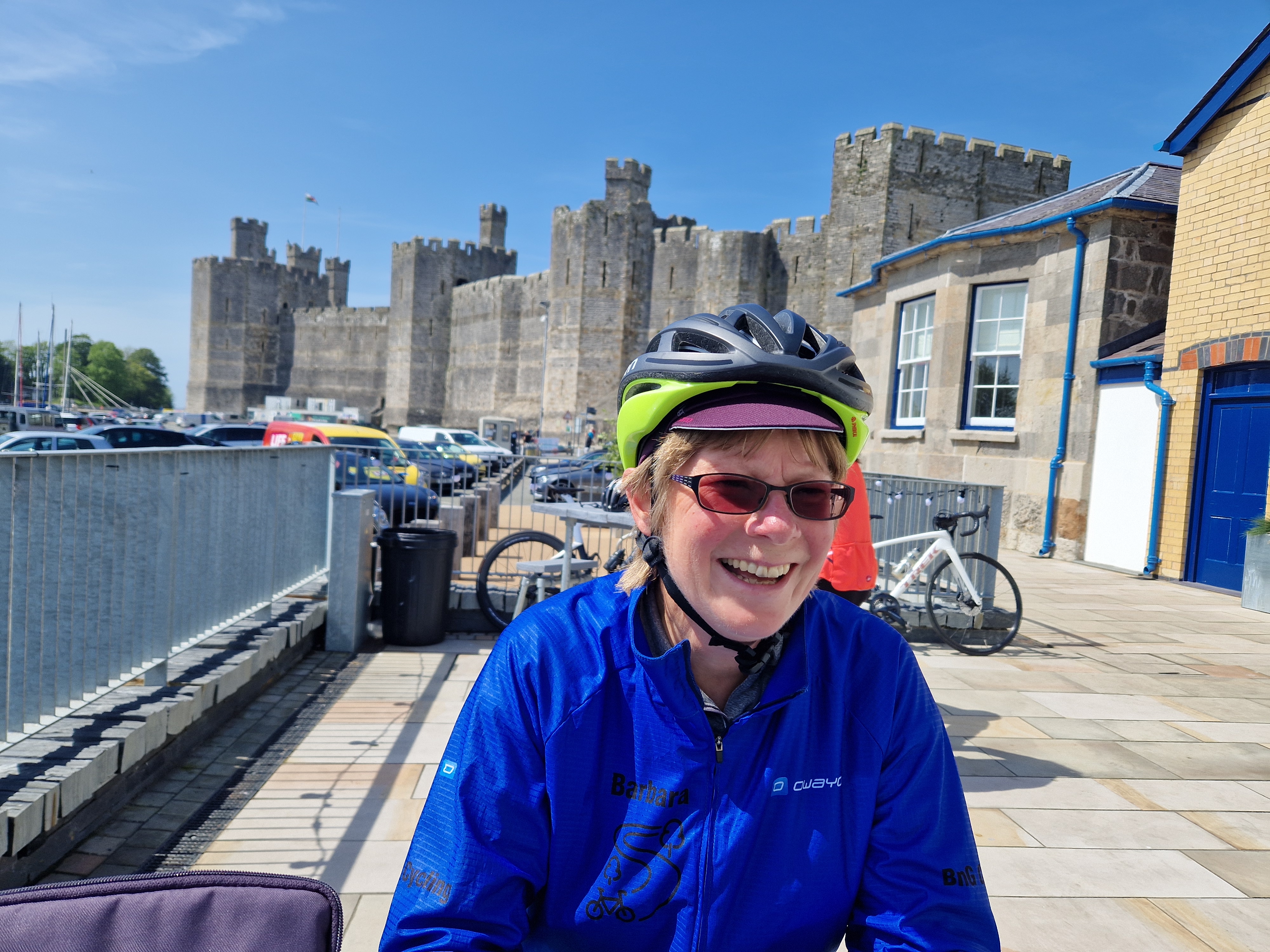
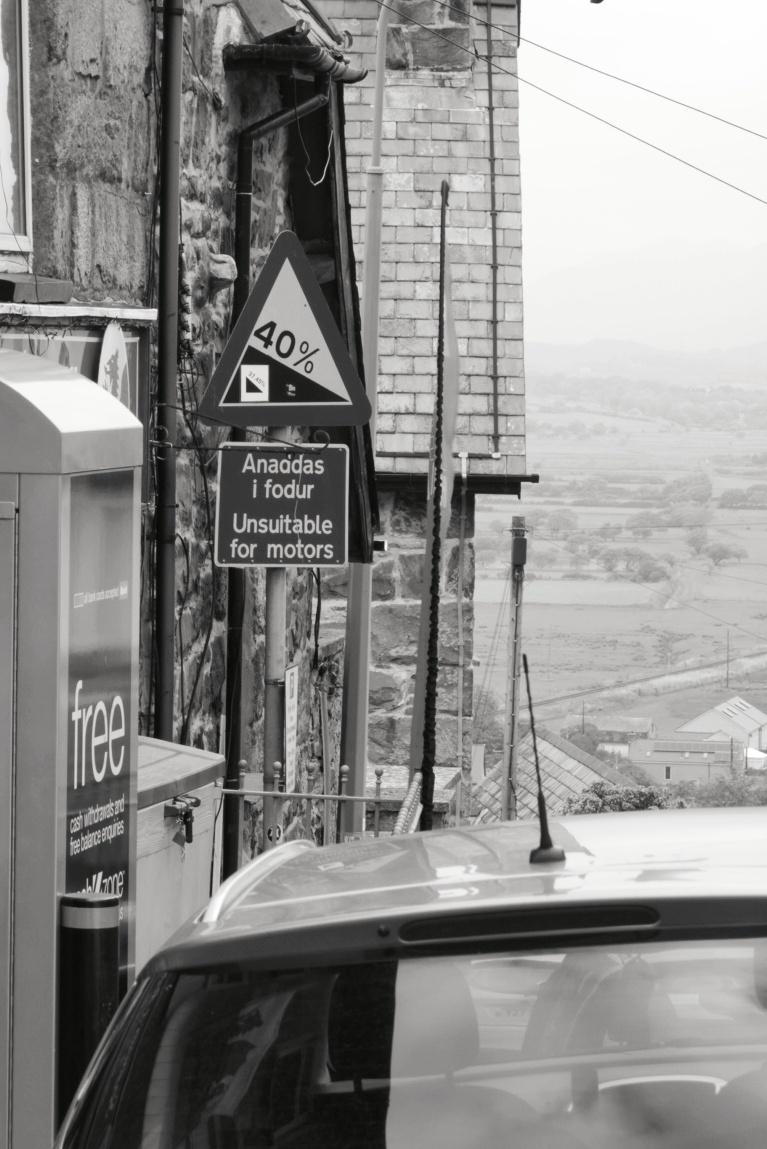
Harlech has a steep street (40%) we look at but resist the tempation to cycle down and up. Its castle is a warm up act for our afternoon coffee stop: Caernarfon looks a bit more prosperous than I remember it (a regular work destination). Mind you it should be jumping. If that Castle was in the Cotswolds it would be.

Mainly ncn8 today, leaving it for a section to hug the coast closer.