Experts now. Straight onto the bus. Tap n go. For such a dense population, the traffic moves freely. Maybe saving petrol given they are one of the most exposed to Middle East oil supply problems. The American Embassy looked suitable reinforced.
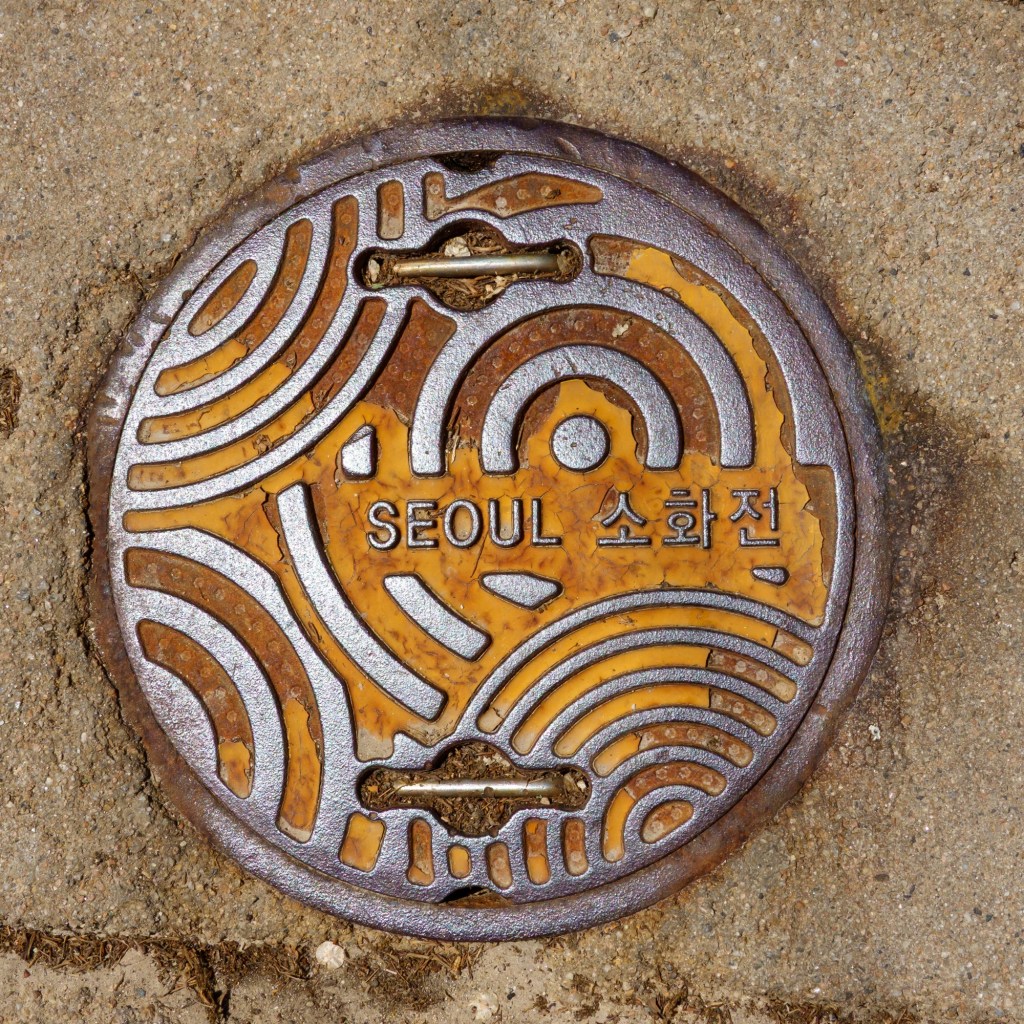
A Gemini search helped explain costs:
South Korea often feels significantly cheaper for UK visitors because of the stronger purchasing power of the British Pound and much lower costs for services like dining and transportation. While Korea has experienced inflation, the UK’s has been more severe recently, keeping your money going further in Seoul than in London.
- Stronger Exchange Rate [4]
The British Pound has gained significant ground against the South Korean Won (KRW) over the last few years.
Growing Value: In early 2023, £1 bought roughly ₩1,540. By mid-2026, it has risen to nearly ₩2,000.- Dining and Socializing Costs
Eating out is a convenient daily activity in Korea rather than an “expensive treat” as it often is in the UK.
Lower Restaurant Prices: Restaurant prices in Seoul are estimated to be roughly 43–53% lower than in London.
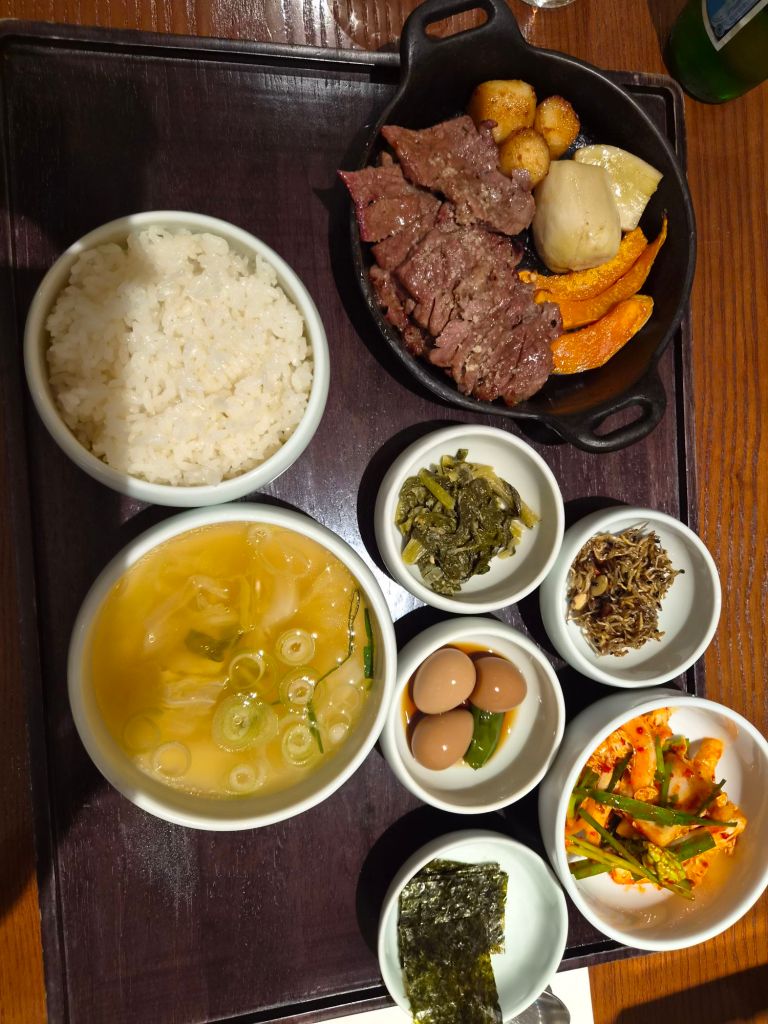
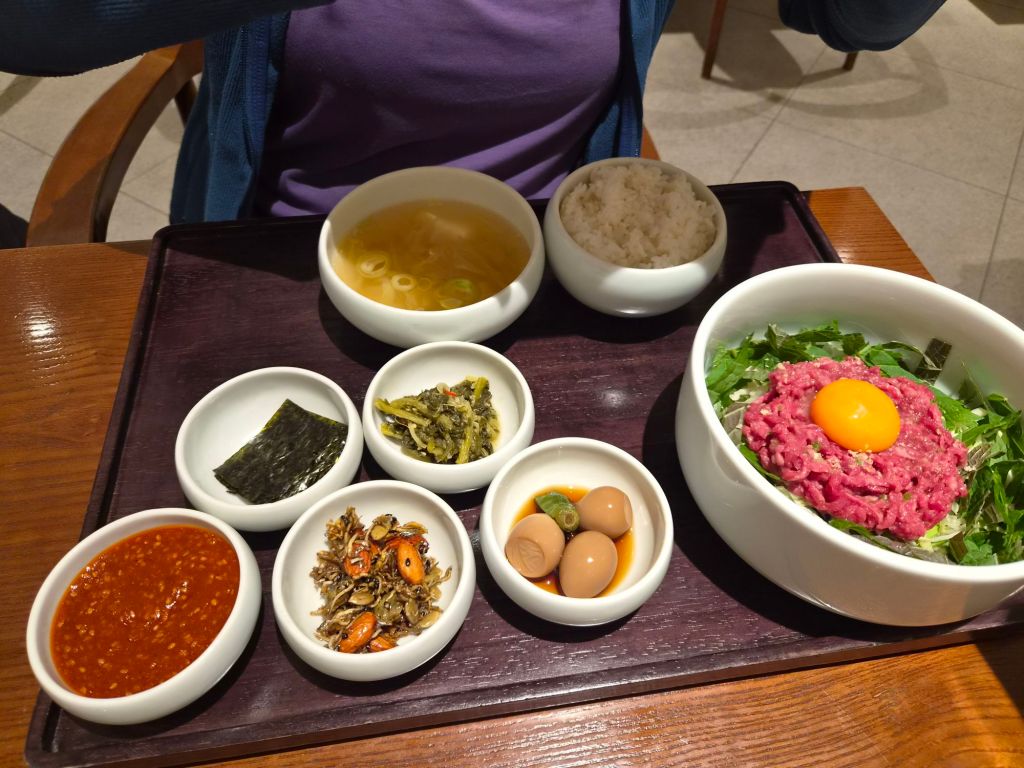
Hidden Savings: In Korea, water and side dishes (banchan) are free, and there is no tipping culture or mandatory 12.5% service charge common in the UK.- Economical Public Transport
Korea’s transportation infrastructure is both high-tech and significantly cheaper than the UK’s.
Local Rides: A single subway or bus ride typically costs between £0.60 and £1.80 (approx. ₩1,200–₩3,600).- Comparison of Essential Costs
Inexpensive Meal 70% cheaper
Public Transport (1 ride) 65% cheaper
Rent (1-bed city centre) 70% cheaper
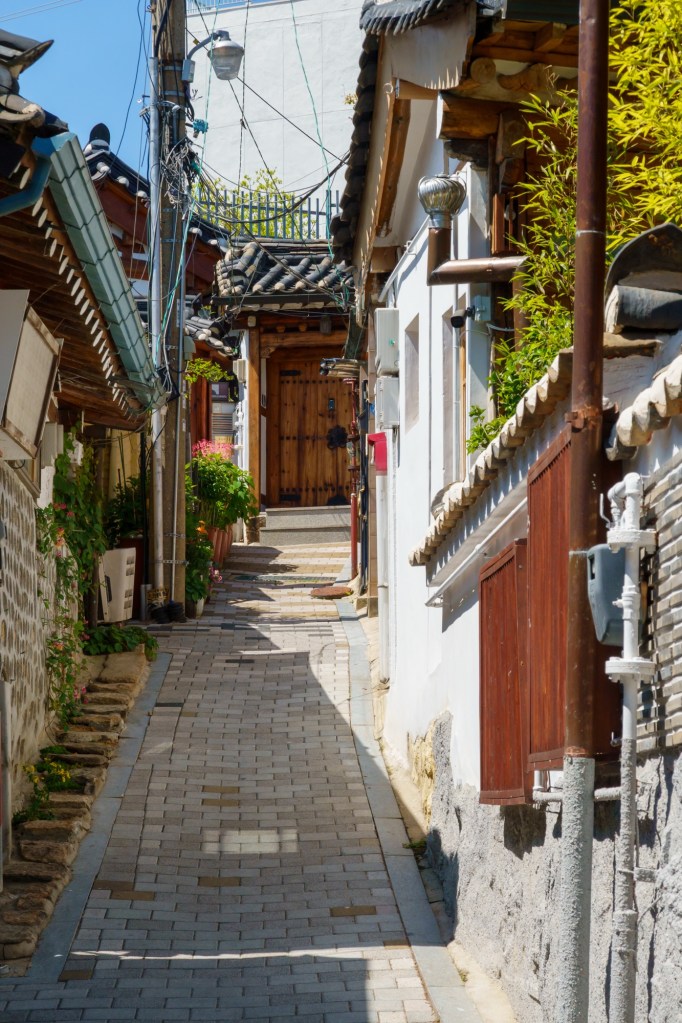
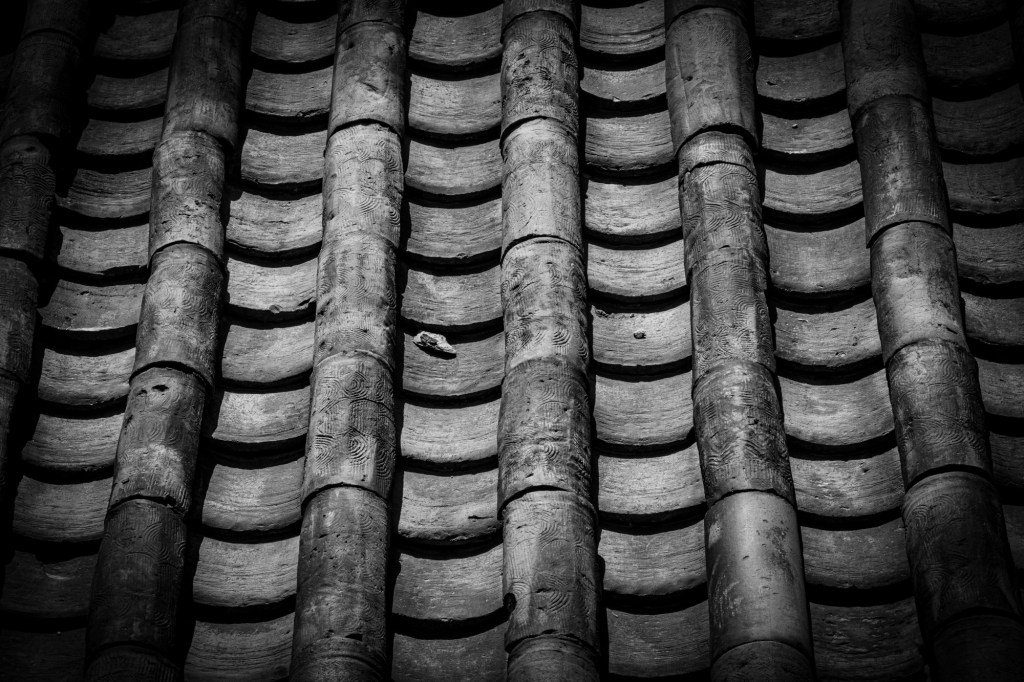
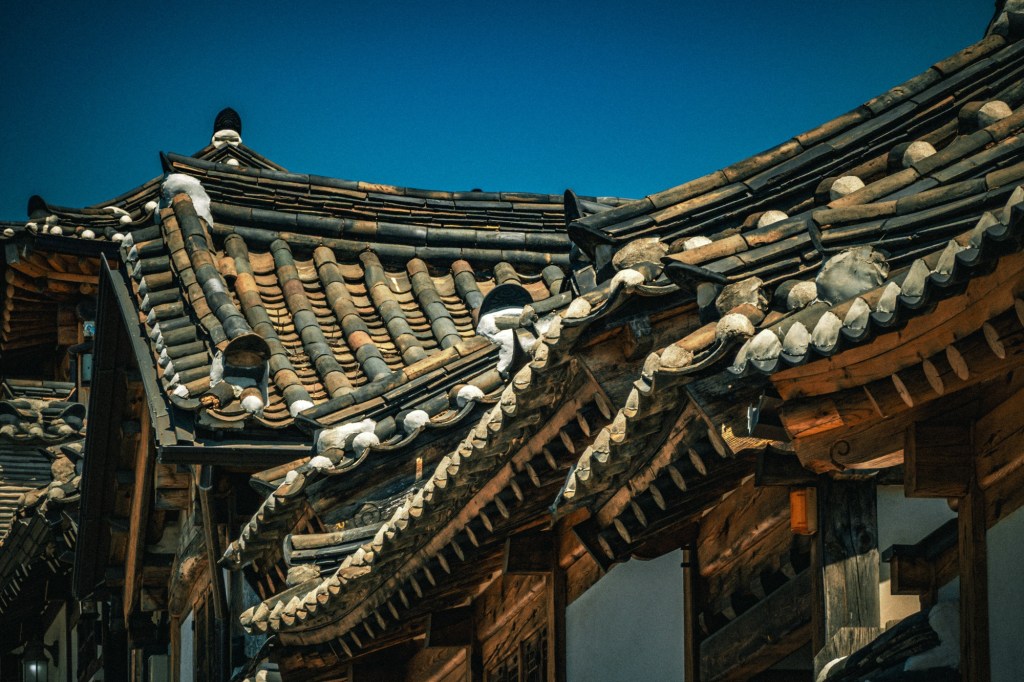
First stop today was Bukchon Hanok Village. Located between the main palaces, this hilltop locality is home to hundreds of traditional Korean houses (hanoks) dating back to the Joseon dynasty. And tourists by the selfie load, jostling happily along the steep narrow lanes.
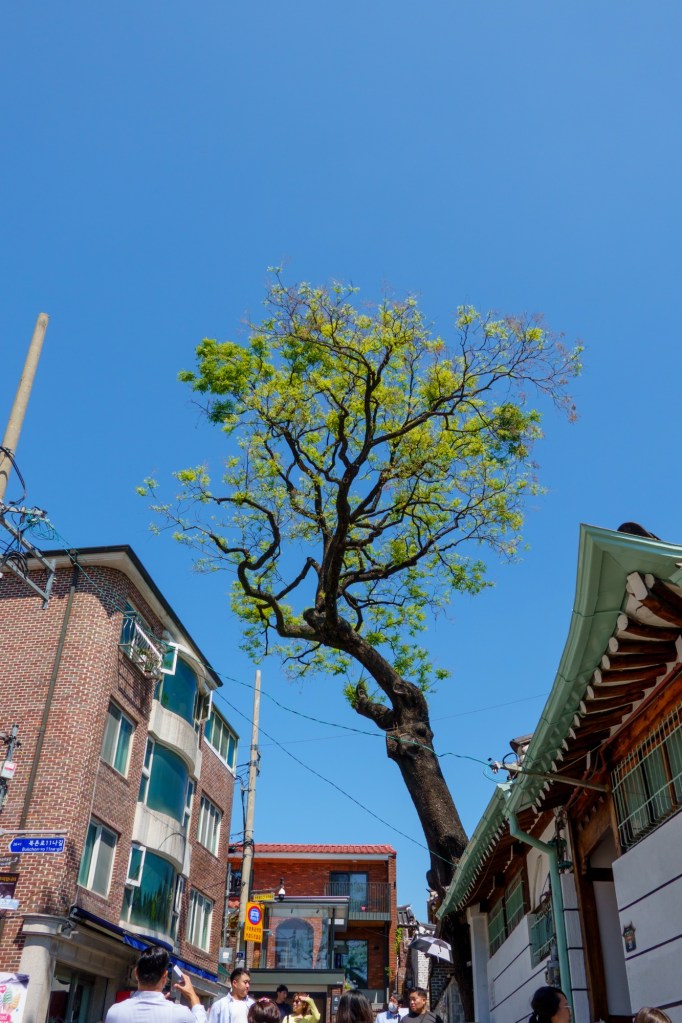
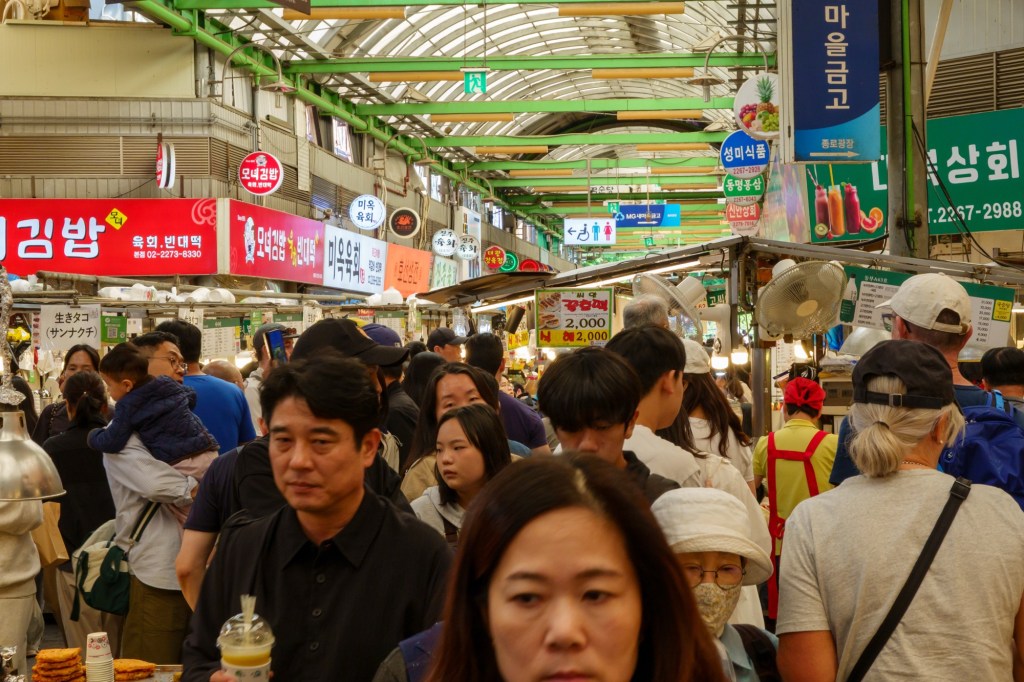
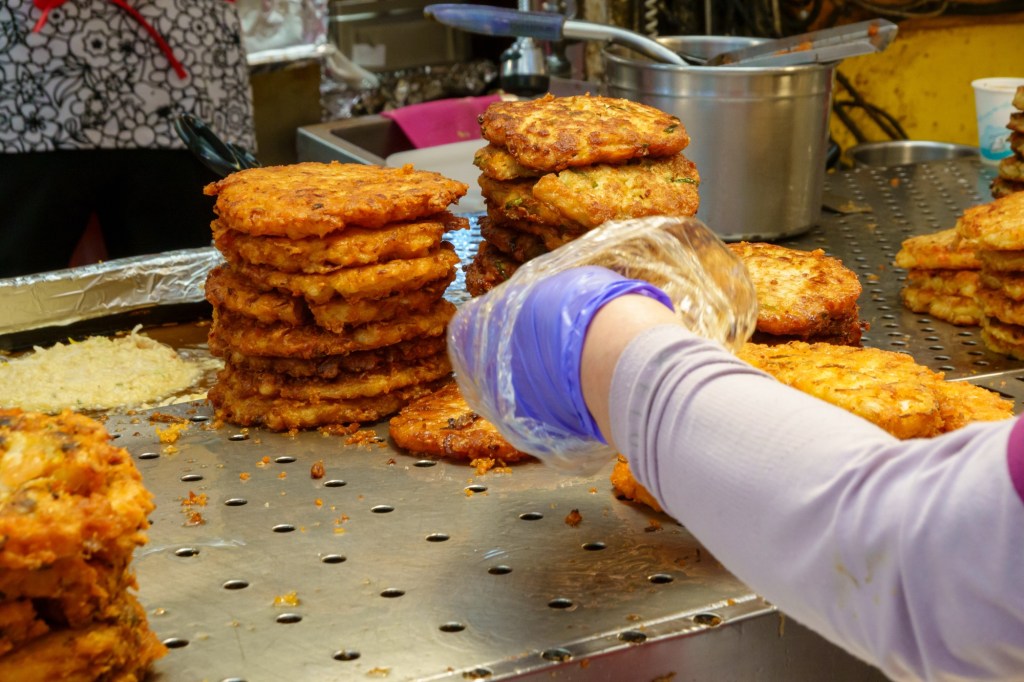
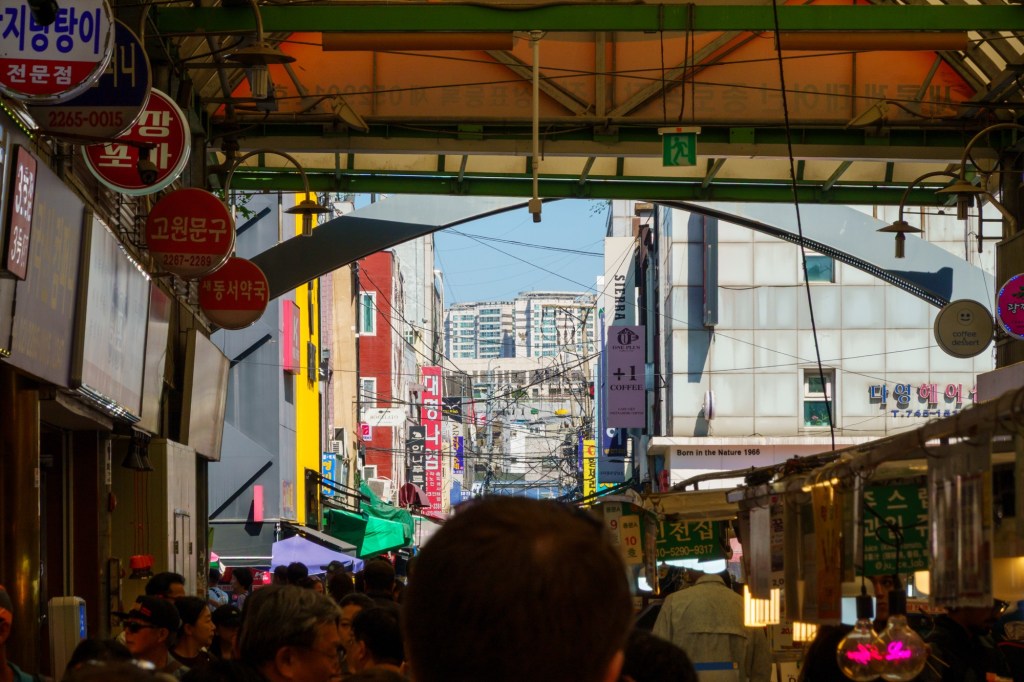
It’s easy to walk between the main stops. Insa – Dong culture streets perhaps were overhyped. Gwangjang Market is one of Korea’s oldest and largest traditional markets, famous for its “incredible street food. Barbara joined the crowds for bindaetteok (mung bean pancakes). Brave. Lots of colourful stalls jostling for attention.
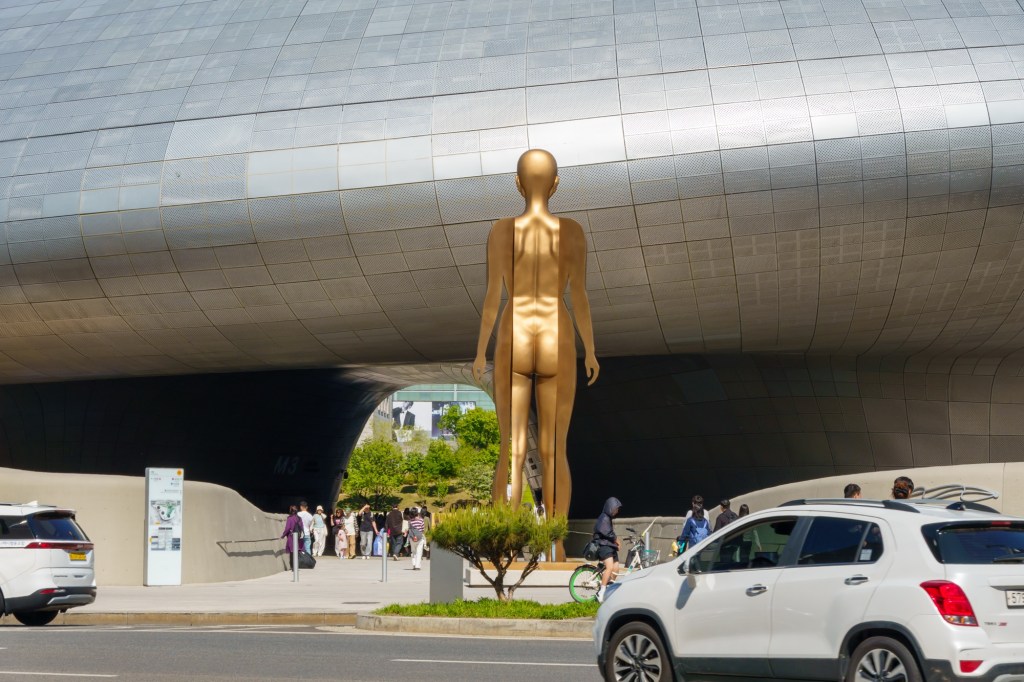
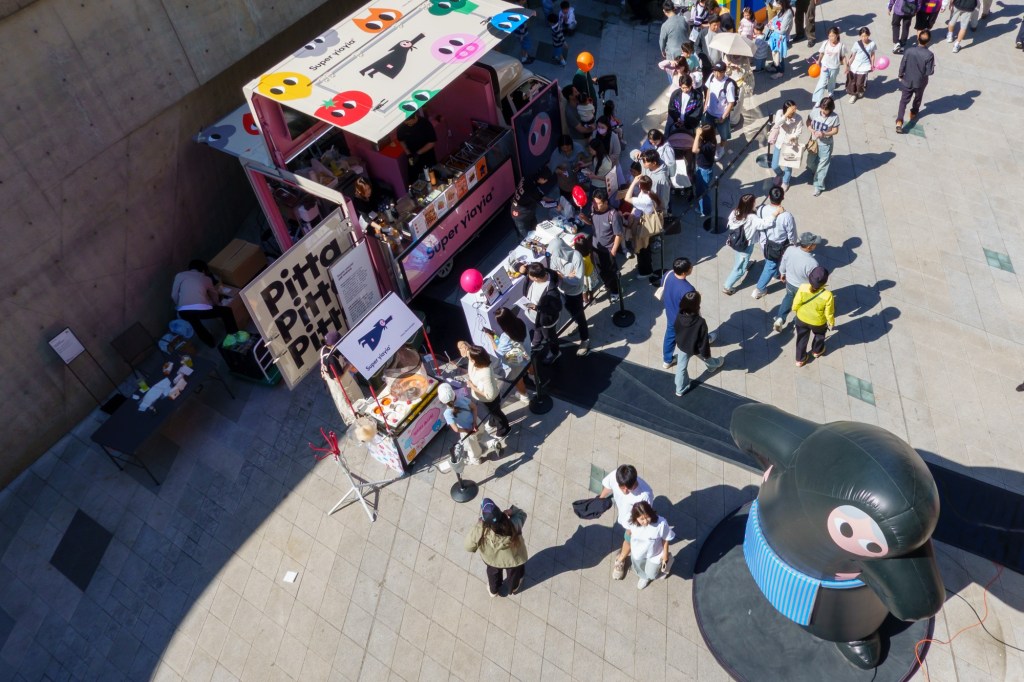
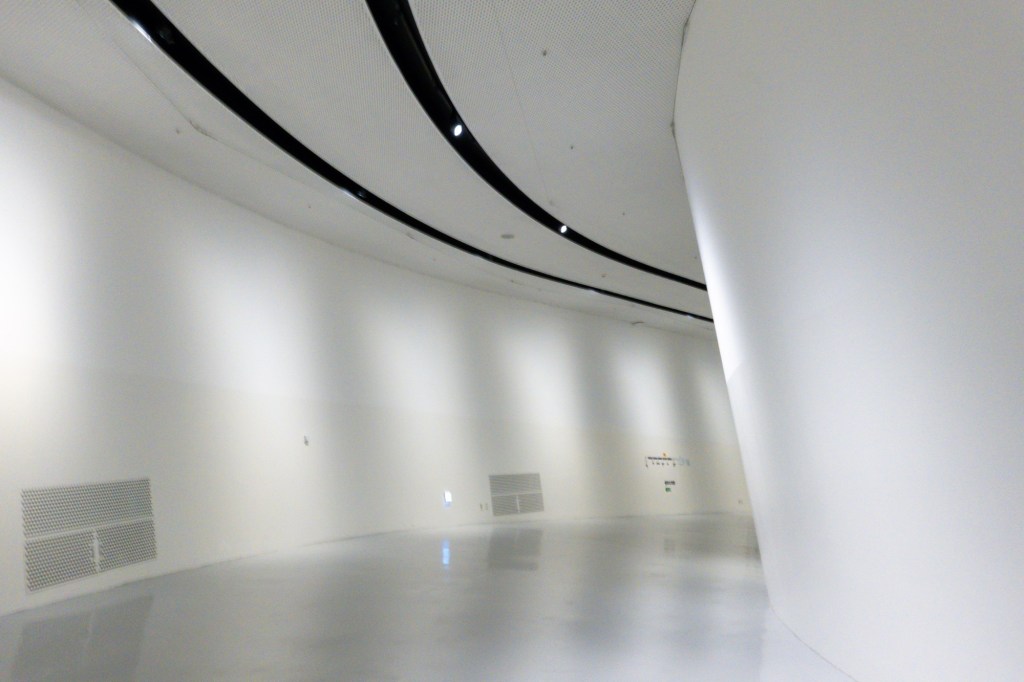
Naturally we had to go to Dongdaemun Design Plaza (DDP). Designed by Zaha Hadid, (who?) I read it is “a neo-futuristic landmark, a hub for the city’s fashion and design industries.” Strange to say, my fashion went under the radar.
PS if like me you wondered what it means, now you know:
“Neo-futurism is a late 20th to early 21st-century movement in architecture, design, and art that blends advanced technology, sustainability, and idealism to create innovative, fluid, and often curvilinear structures. It focuses on future-oriented, functional designs that move away from, or react against, the skepticism of postmodernism.”
Sadly today saw something I’d hope to avoid. Twice. Someone pushing a dog in a pram. No photos were wasted.
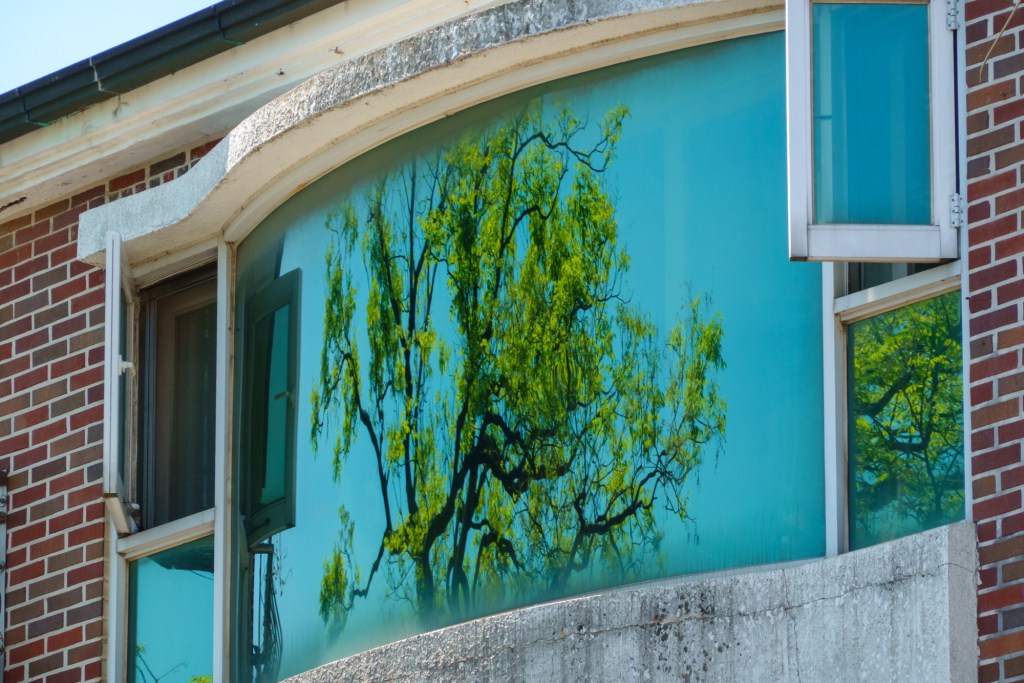
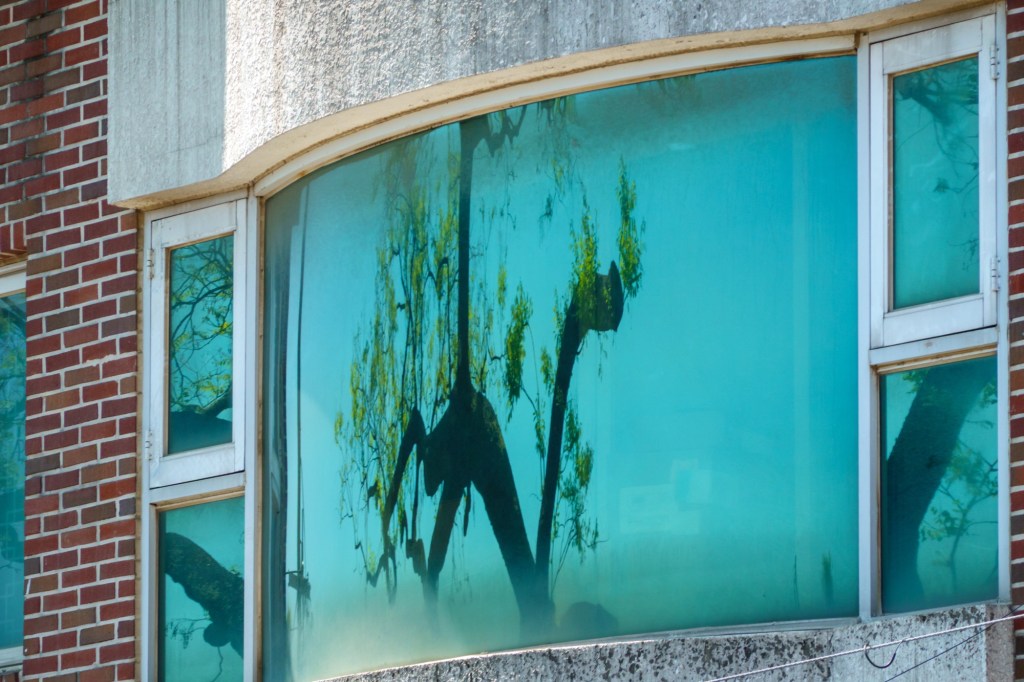
 Travelling reflections