6DTM Stirling to Biggar

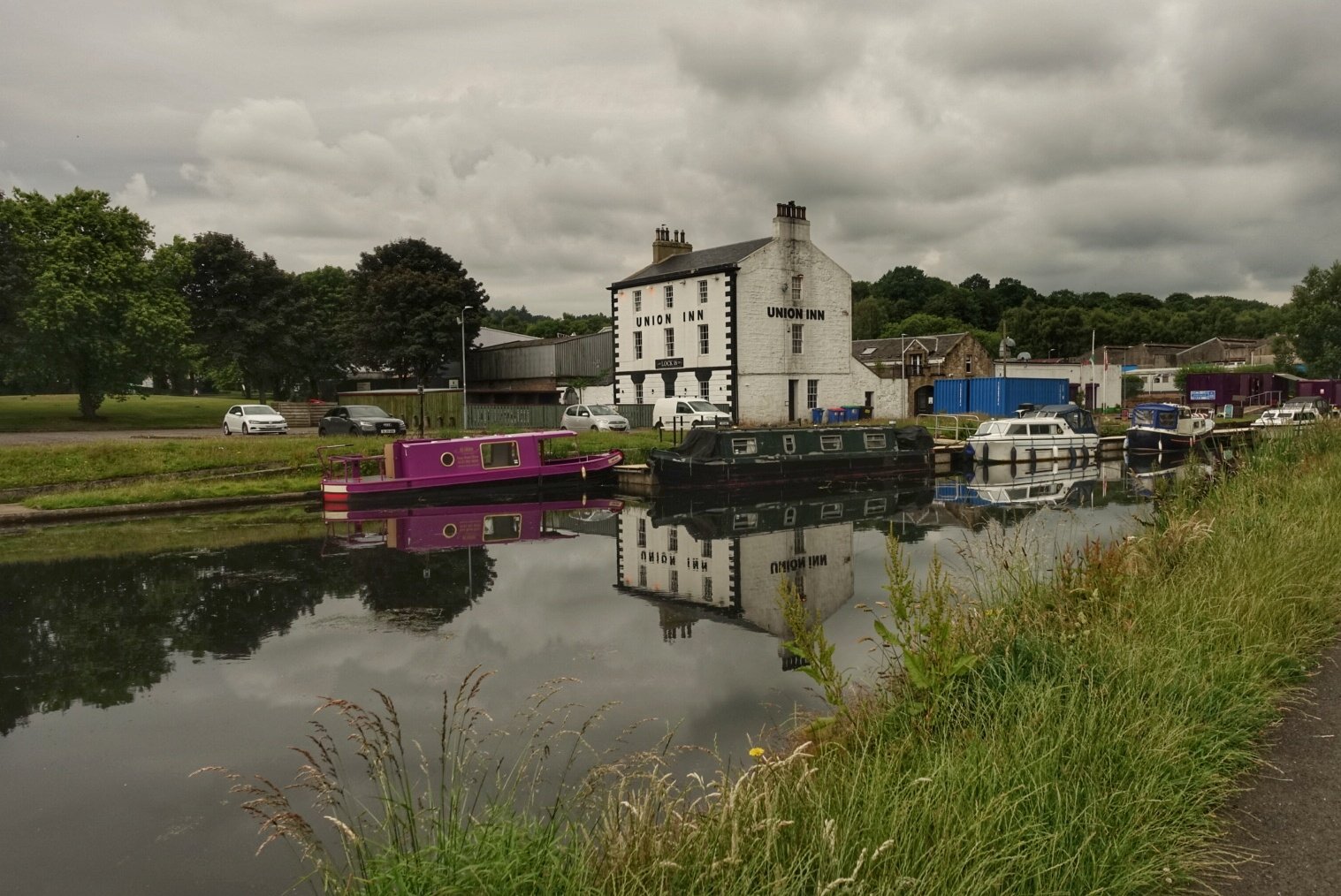
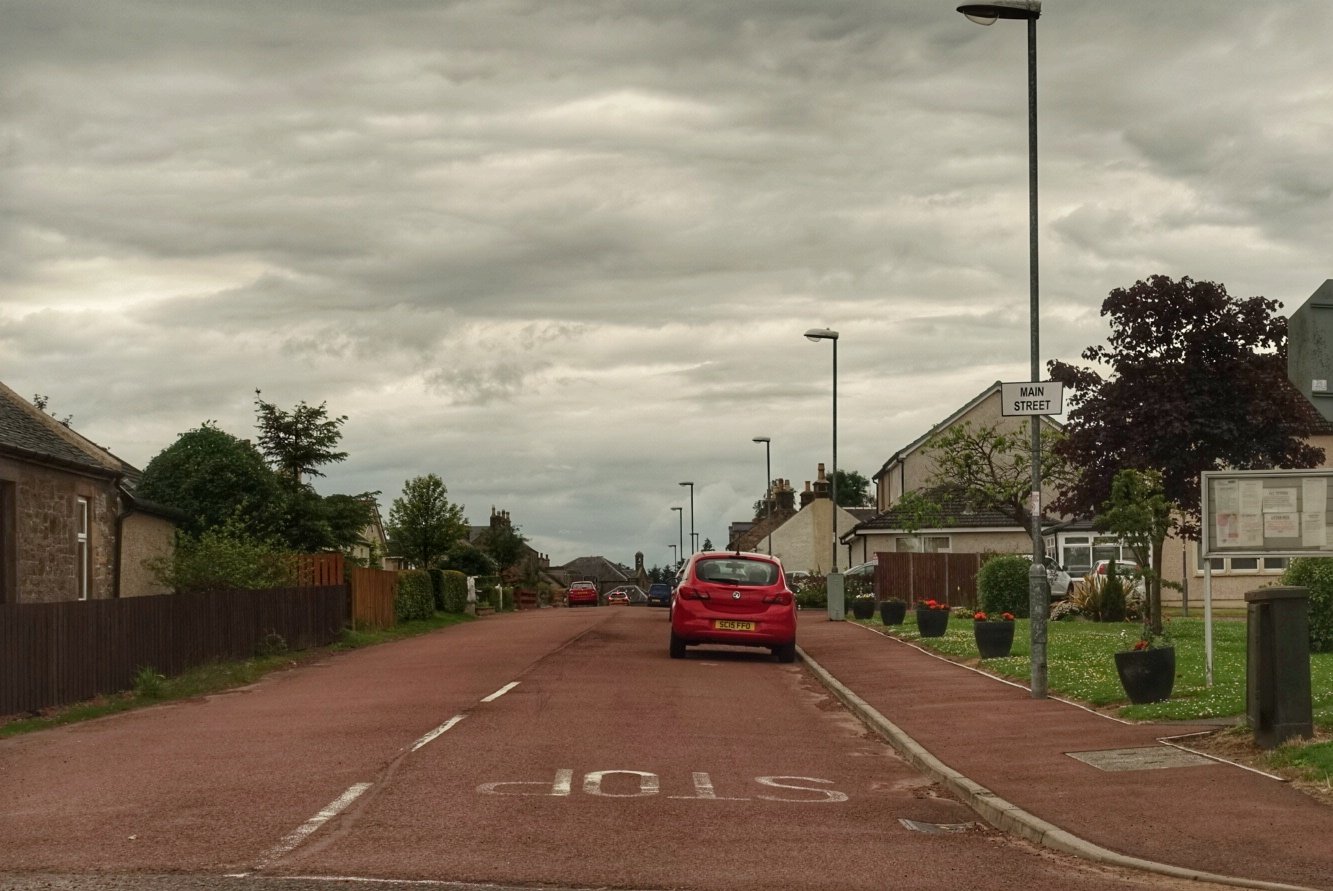
Today enters the old industrial belt of Scotland. The ‘modern’ Grangemouth is visible on the horizon. Closer are the canals (Forth & Clyde, Union). These were the artery for the movement of coal iron and limestone, industries that once thrived here. We pass the first of these at Carron.

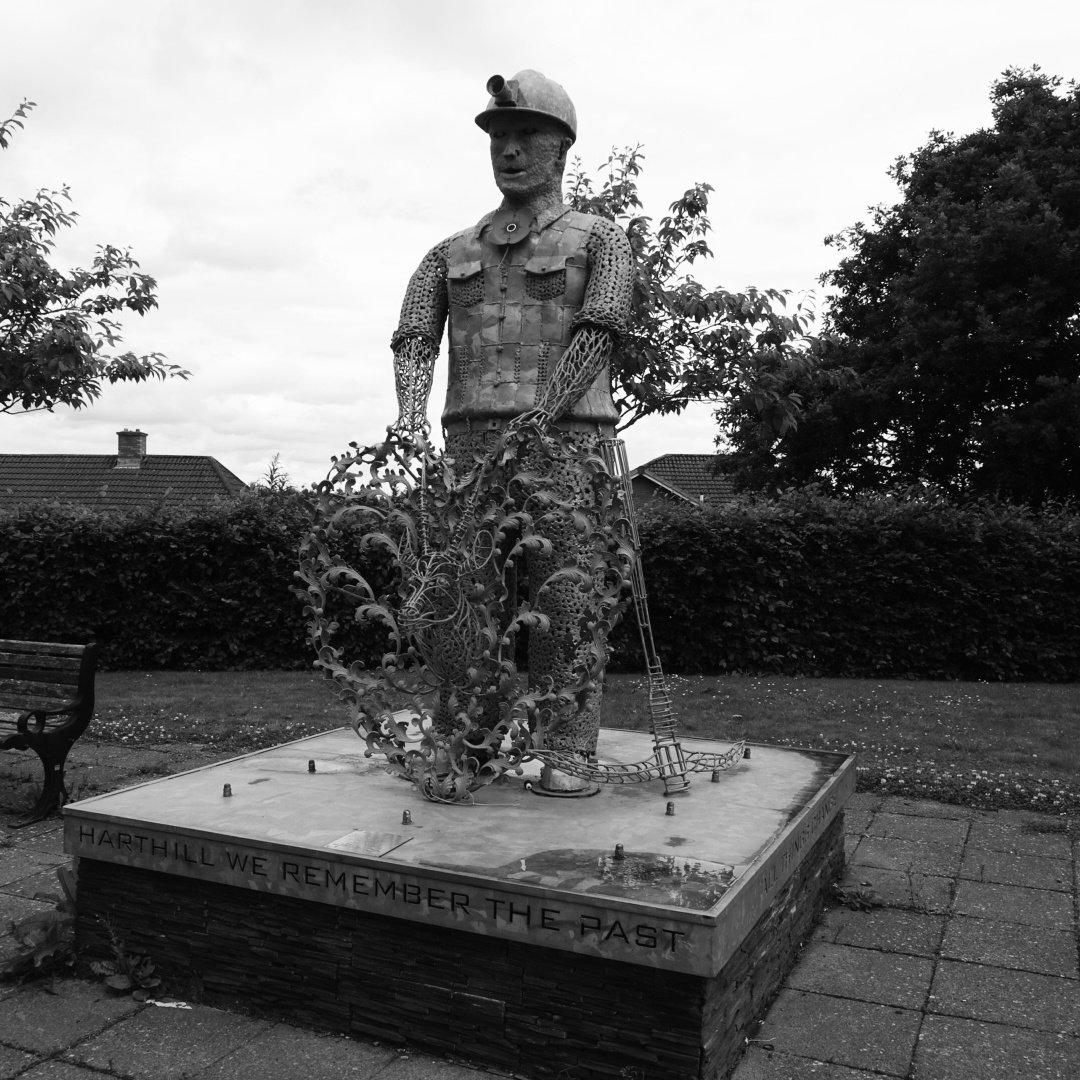
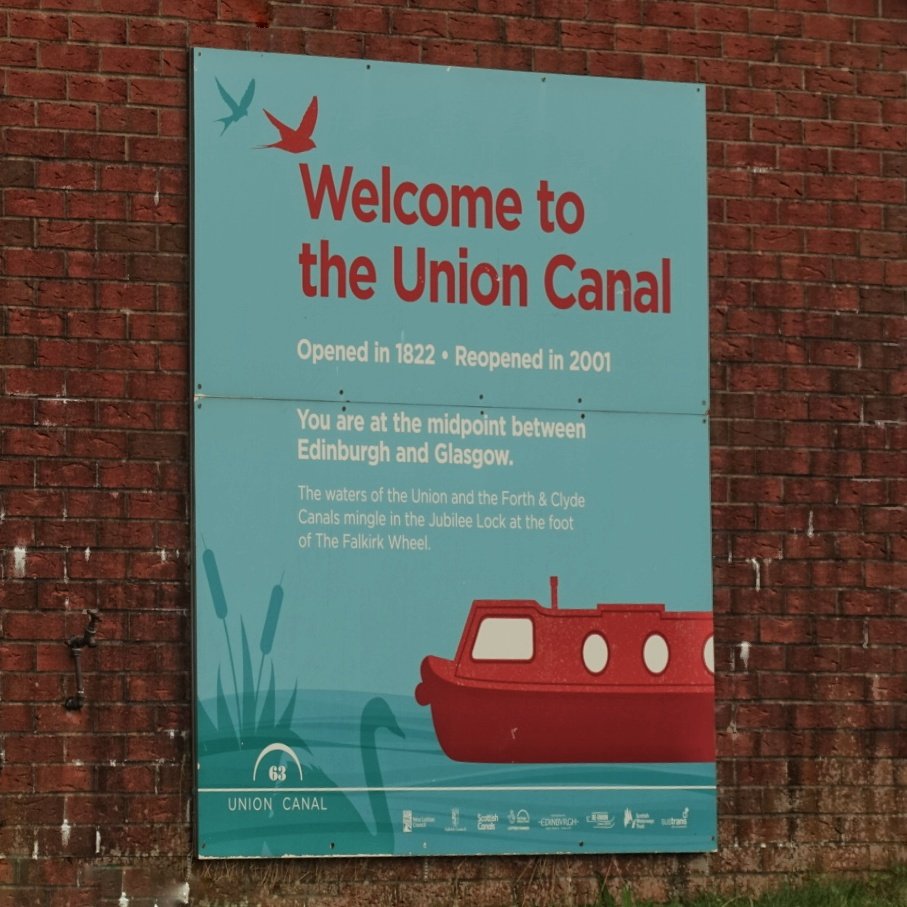
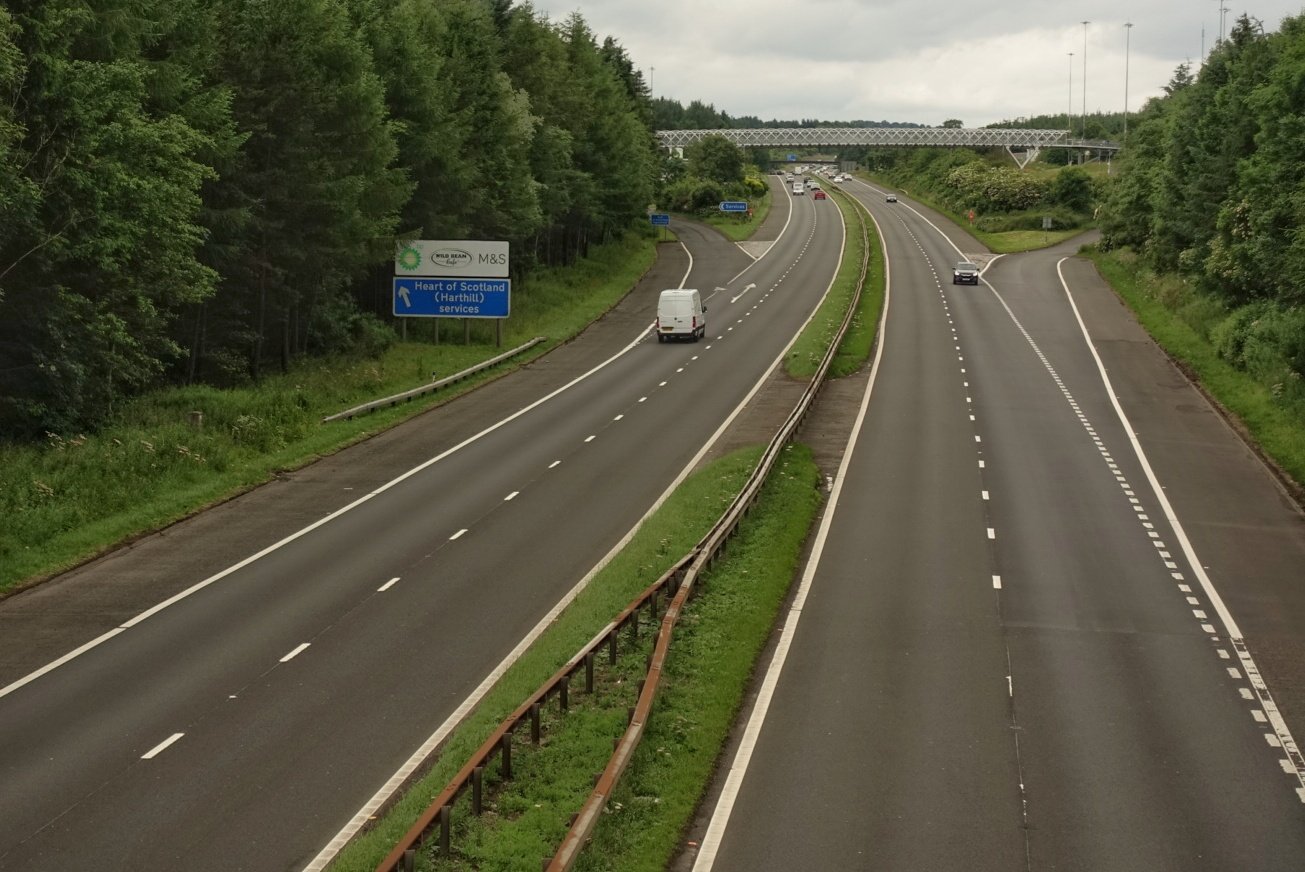
Two ‘middles’ come quickly. The junction of the canals marks the centre point between Glasgow and Edinburgh. The Falkirk wheel remains impressive marking of the Millennium. The Falkirk Tunnel raises the adrenaline: wet cobbles in a dark narrow space. Explains the cyclist dismount sign I should have paid attention to. The other middle is at Harthill the watershed of the central belt.

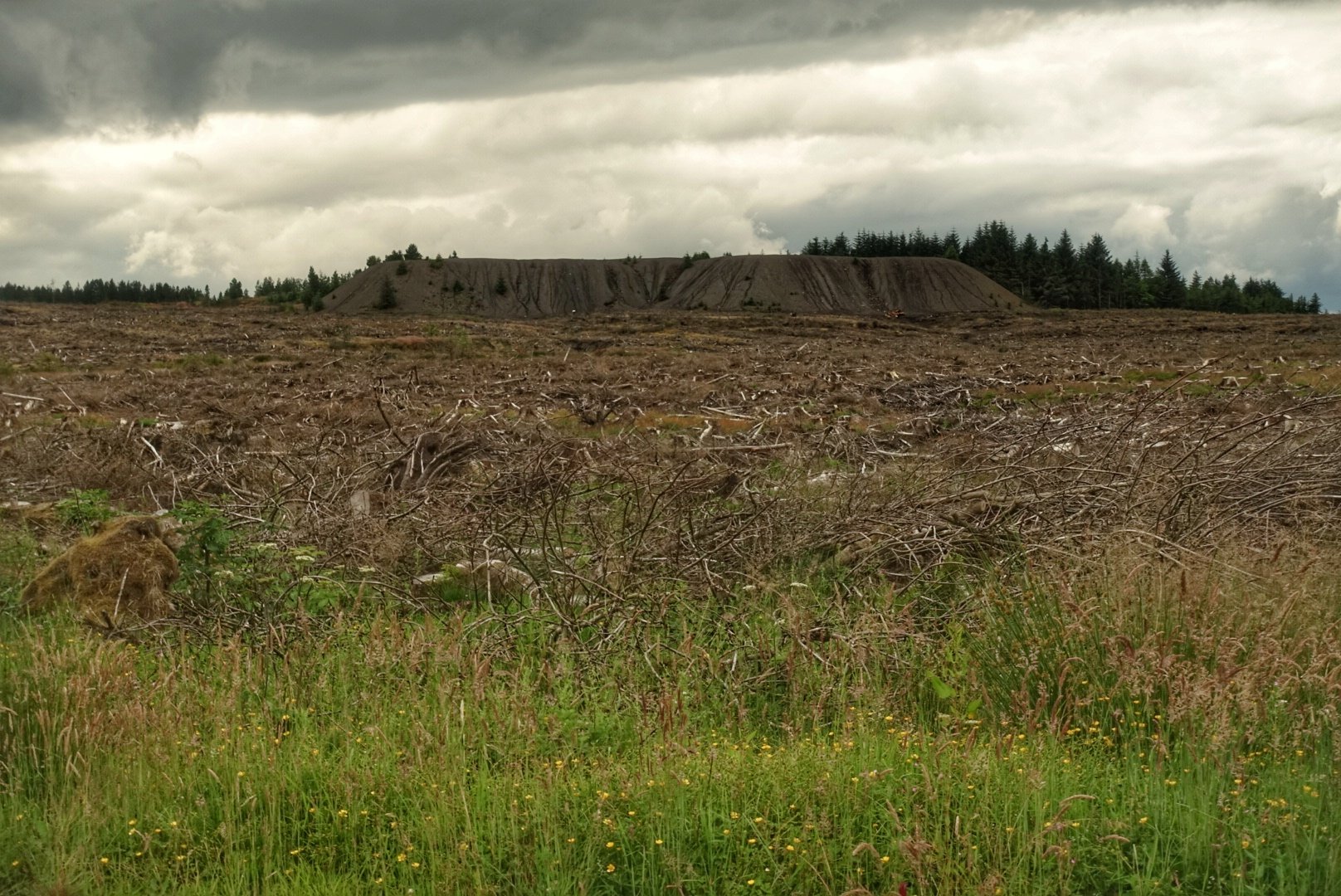
Harthill is also the start of former coalfields. They must have been impressive given the distance between the remaining spoil heaps. Another clue is the huge Blacklaw windfarm. This was built after restoring the open cast which followed the mining.
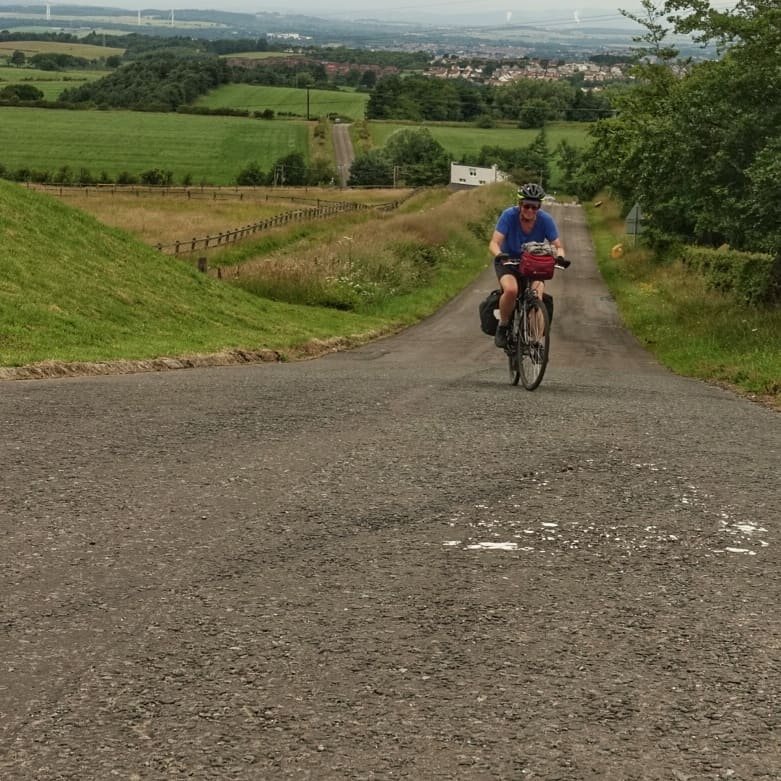
Braehead is one of three such called places in South Lanarkshire. Top of the hill. You can no longer see the limestone quarries and ‘clamps’.

Pentland Hills negotiated, we arrive at the quietly charming Biggar. Tomorrow the Southern Uplands.
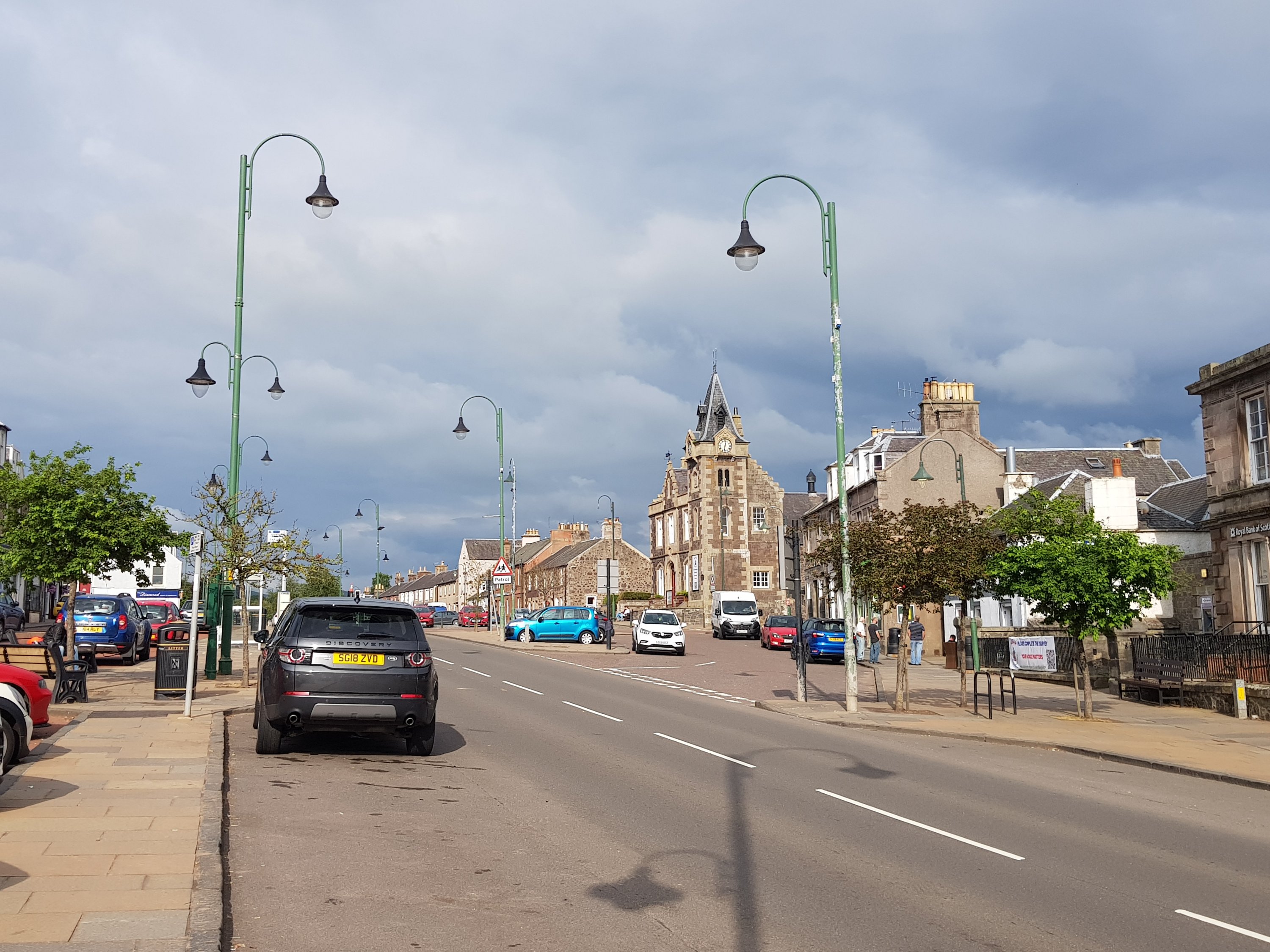
DTM Day in Stirling

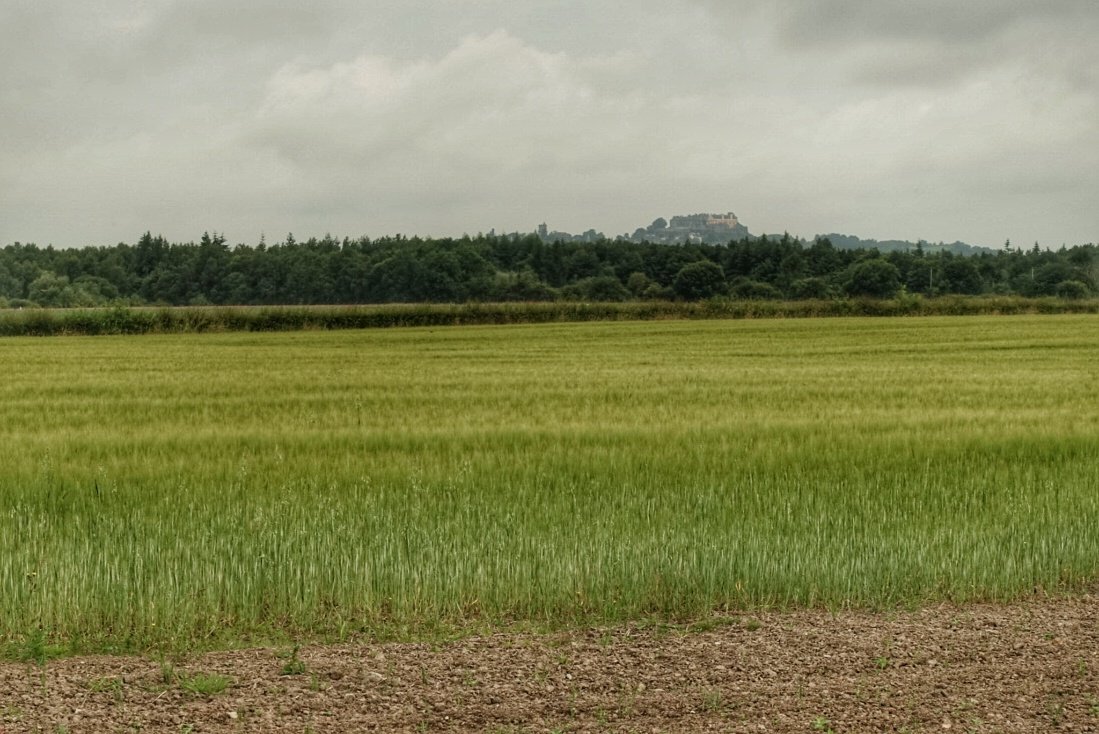
A good mooch around a fine castle, meeting up with Allan and Cathy.

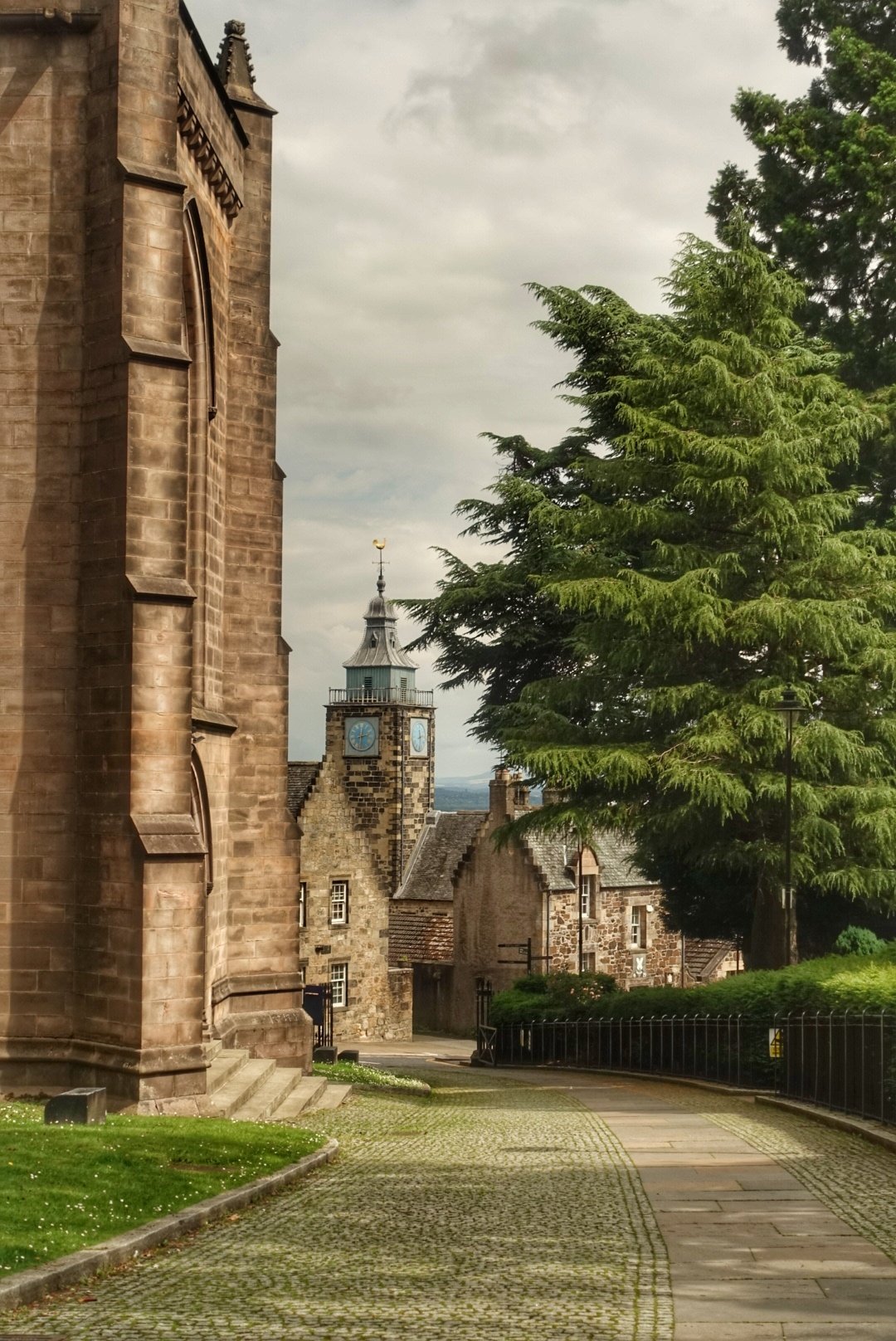
The Church of the Holy Rood is a worthwhile visit. Last remaining church in Scotland to have had a coronation (James VI). Proof that bigotry is never far away: until 1935 it had been divided in two to keep two rival Protestant congregations apart.

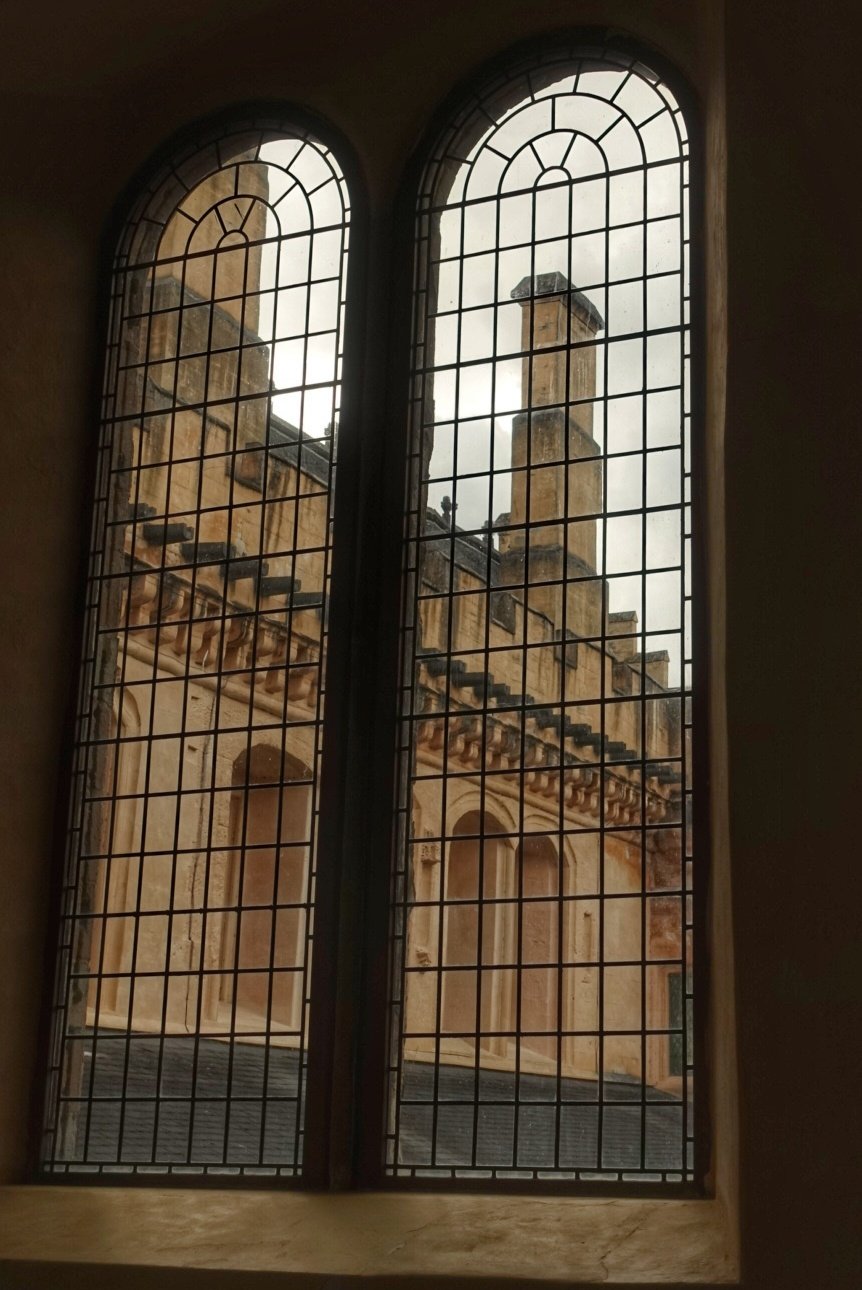
The Castle is a demonstration of the wealth of Medieval monarchs. Always with a visit (good tea shop) with lovely gardens.

5DTM Aberfeldy to Stirling

Aberfeldy is nestled in a steep sided valley. Wade’s 10000 men must have enjoyed building a road to the bottom then all the way back up again. With breakfast day looking out at the hillside we set off up the same. 3.5 miles and 1000ft of time to reflect and regurgitate.

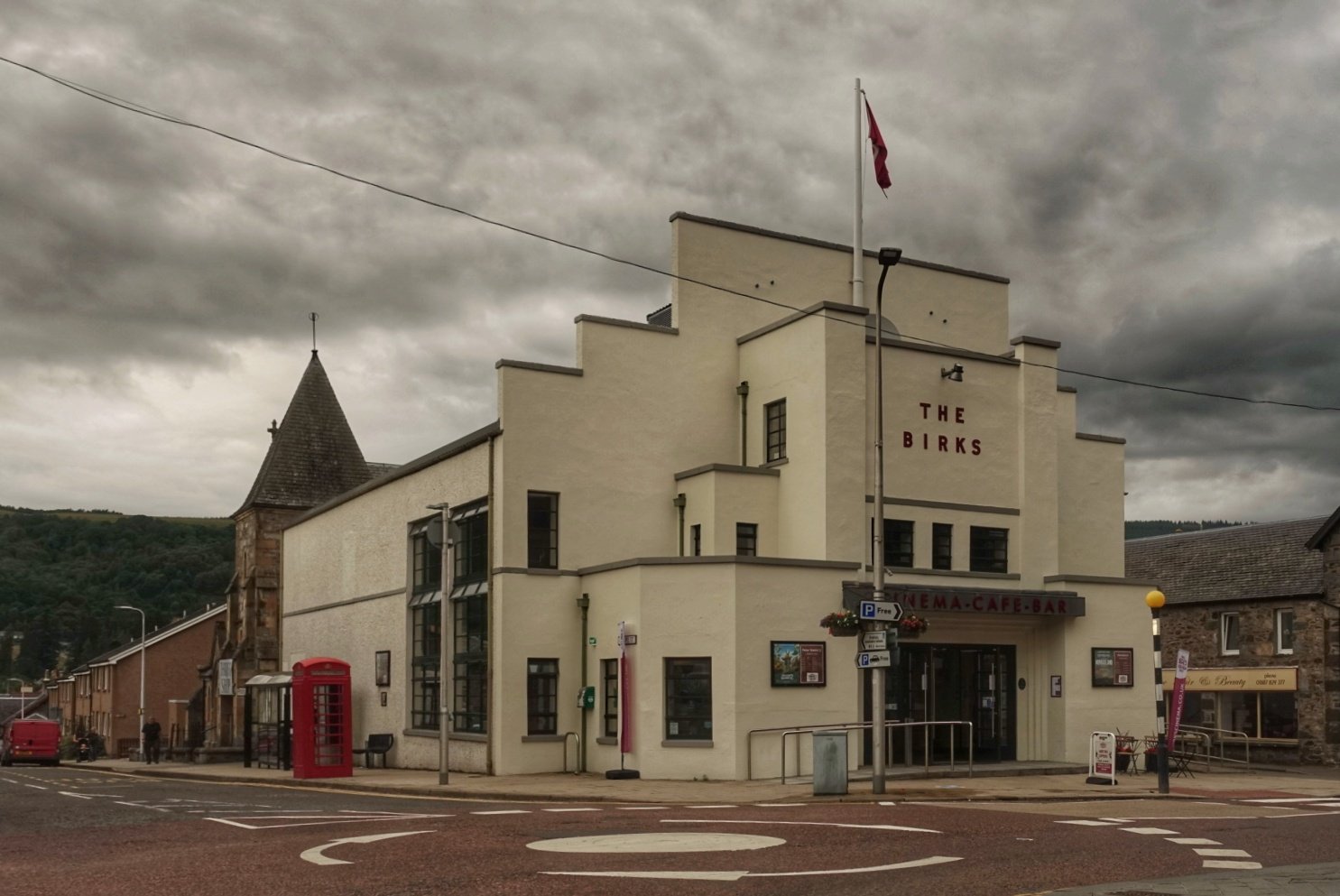
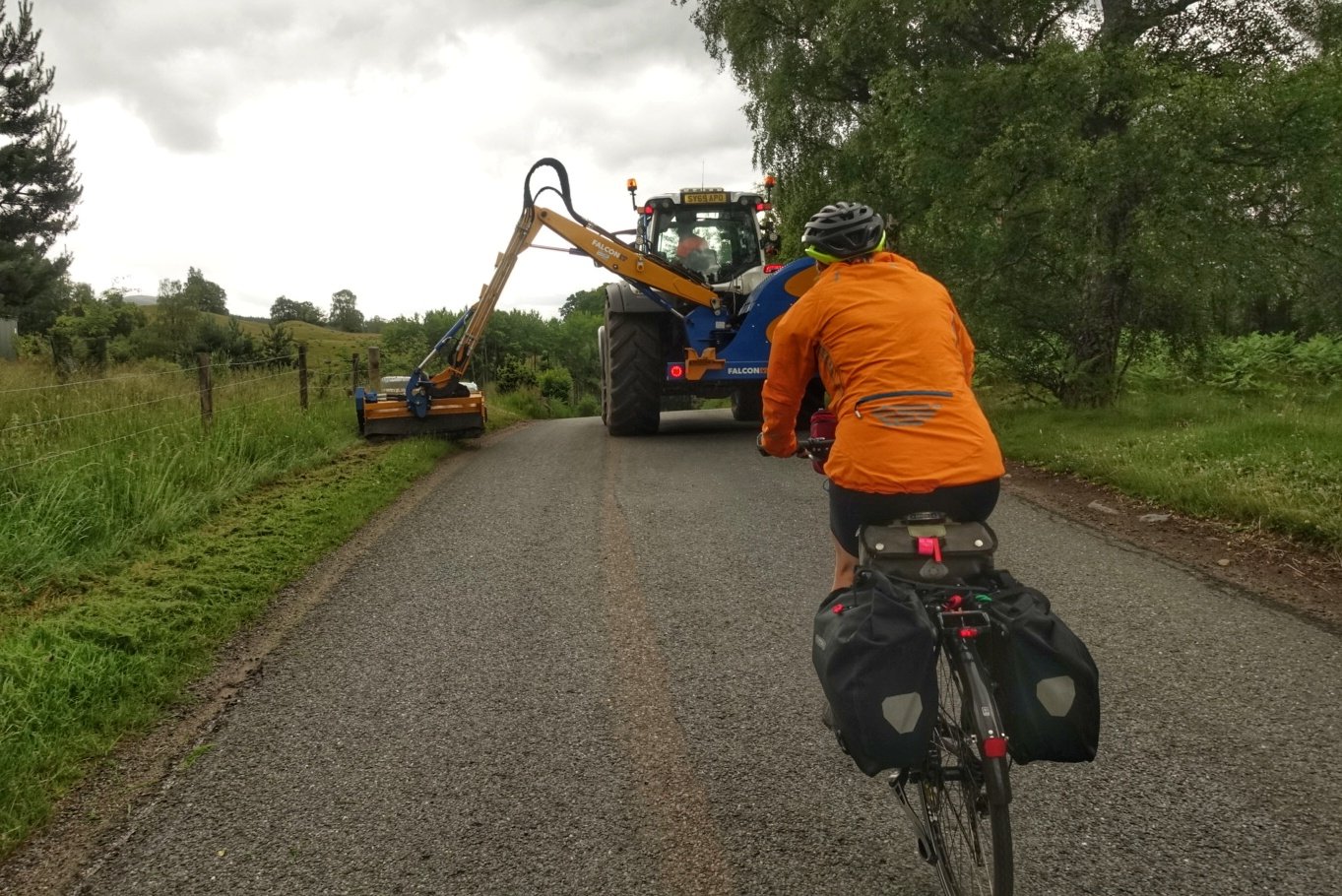
Songs come back into your consciousness from goodness knows where. Today started with Among the birks (birk=beach, as in the Birks of Feldy) a delightful track from an early Gallagher and Lyle album. Which naturally recalled yesterday’s road signs pointing to the Corries and Killiecrankie. This all helps propel Barbara into a spinning frenzy and the hill is soon behind us.

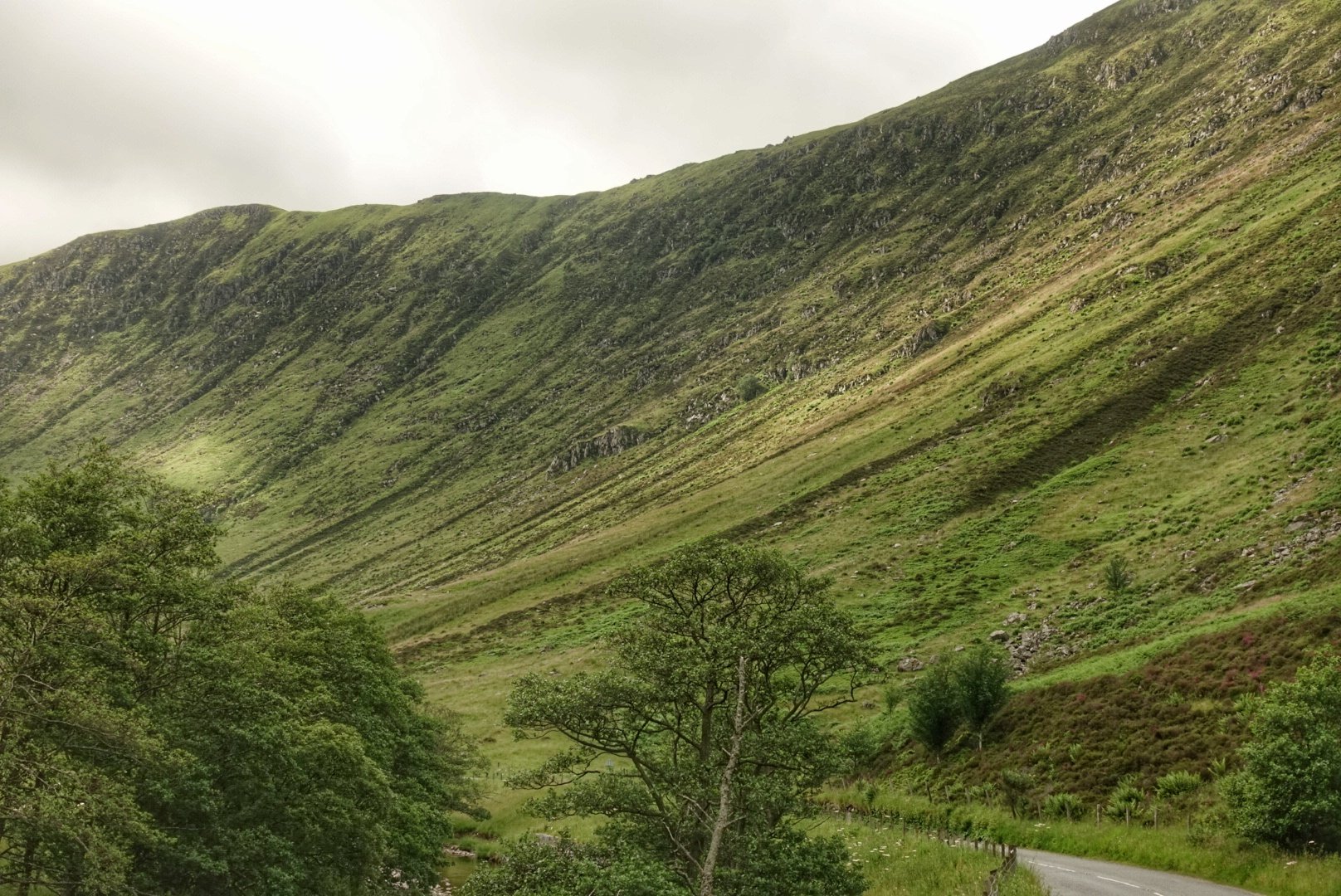
The mountains morph into rolling countryside akin to Carmarthenshire. Perhaps it’s the soft gentle rain that kindles the association. Crops appear interspersed with cattle who are taking bets on which cyclist gets up the hill first.

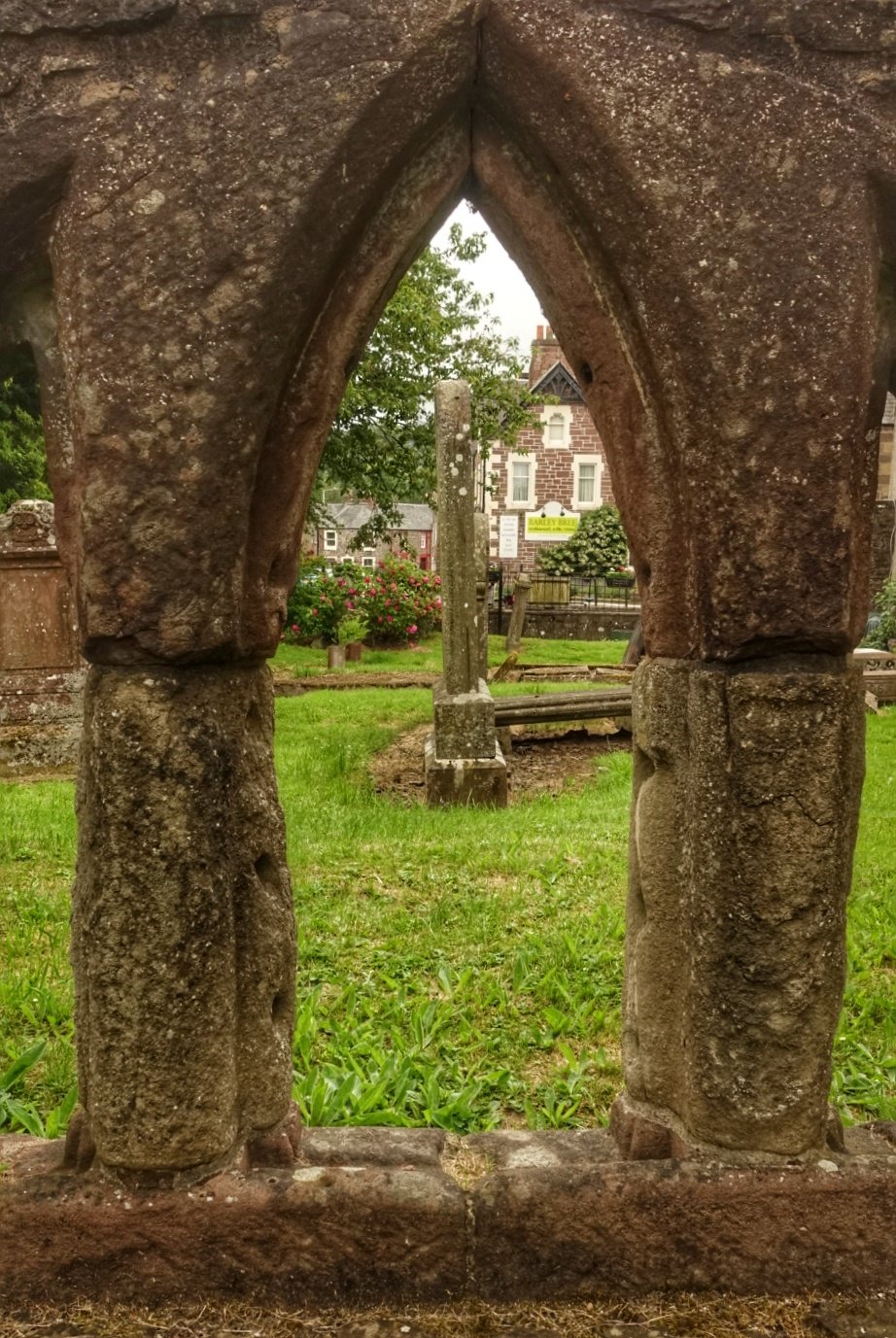
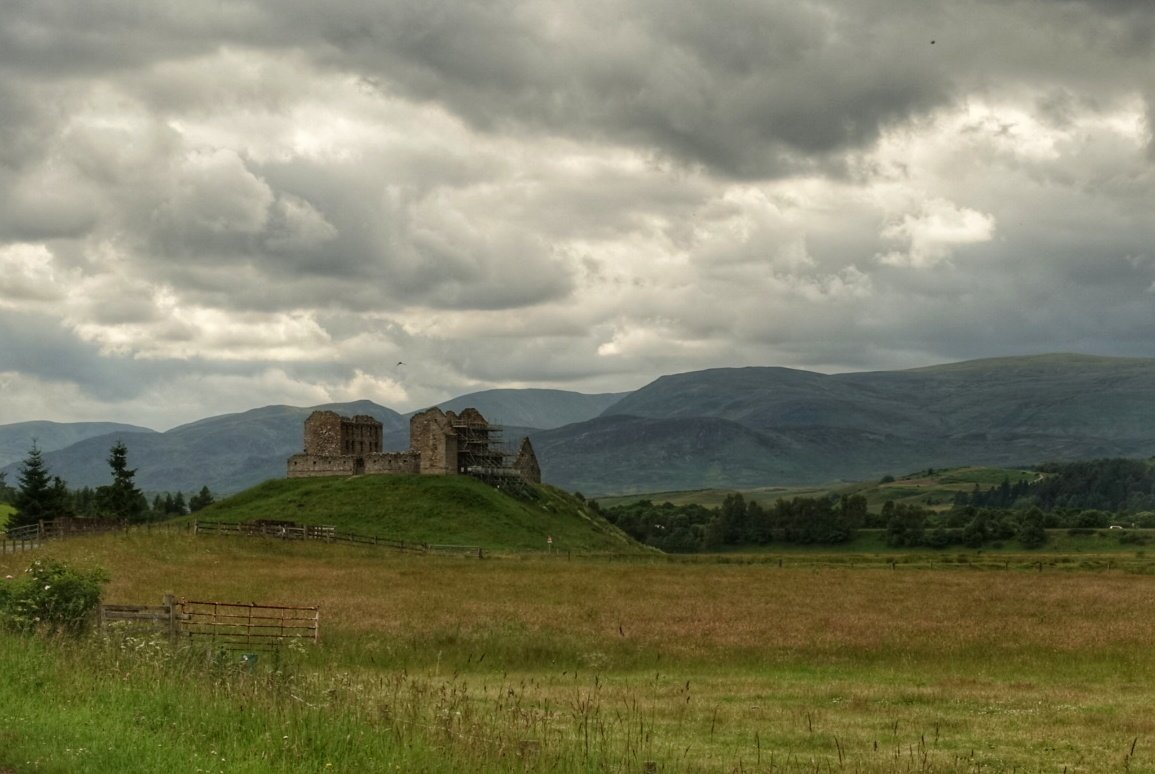
After Crief we stopped in Muthill to admire the ruined church. This also gave us the opportunity to fully appreciate the vertinginous cruel shortcut off the main road. Lined with mature oaks beach and hazel there was plenty to keep the gaze away from a distant horizon.

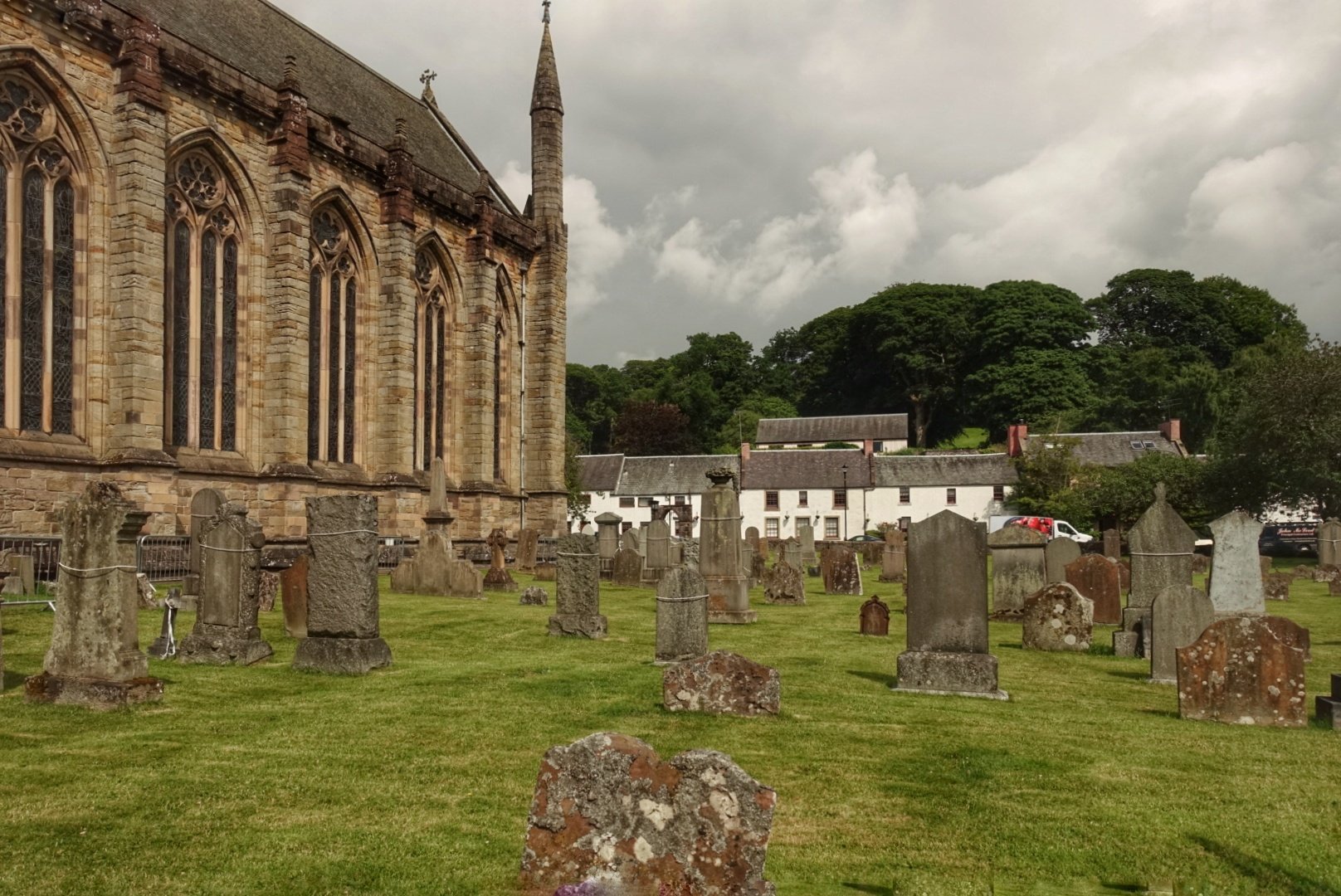
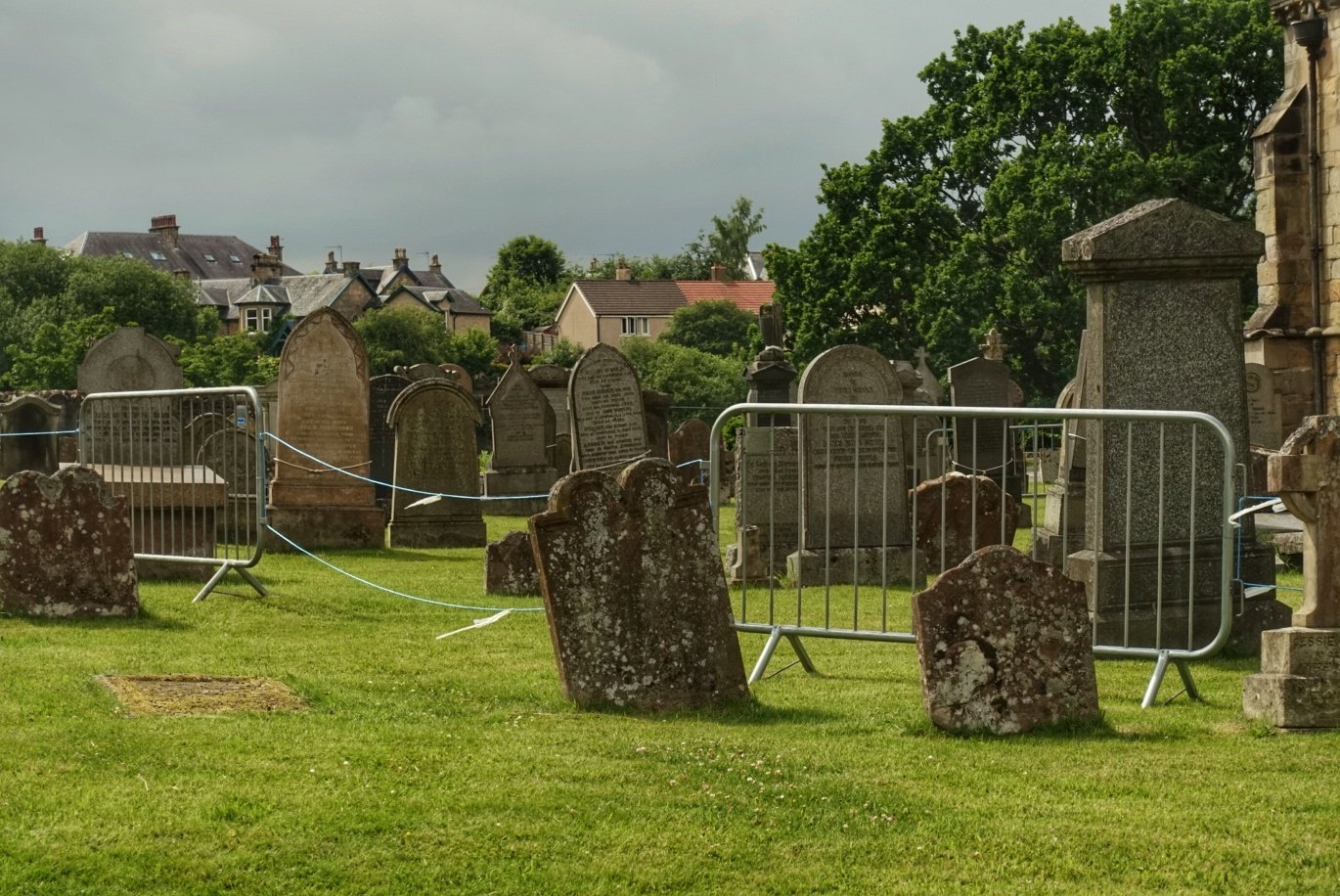
Dunblane and Bridge of Allan look wealthy. Shame the lovely gravestones in Dunblane Cathedral are roped off. Dangerous things which we obviously aren’t to be trusted with. Madness.

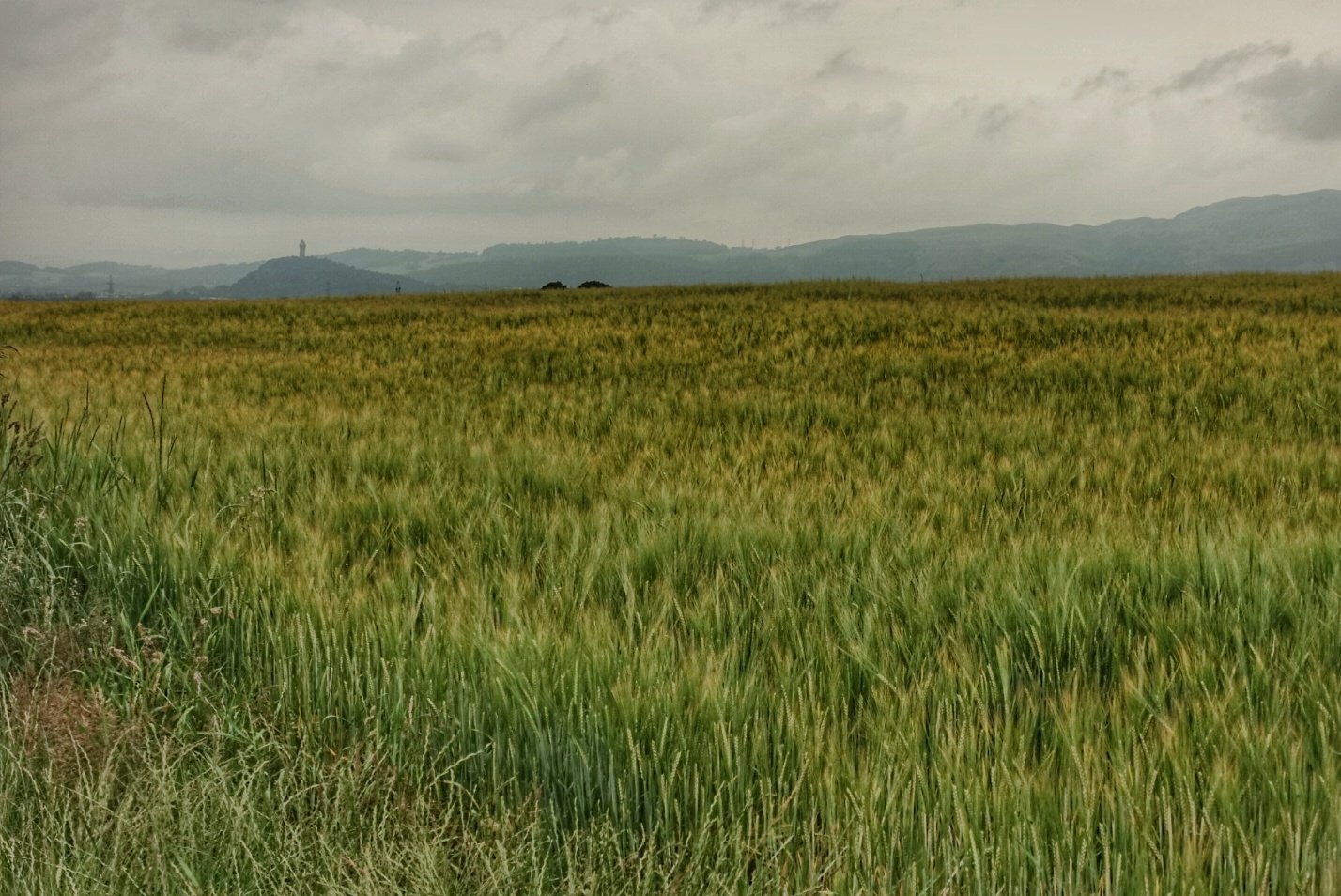
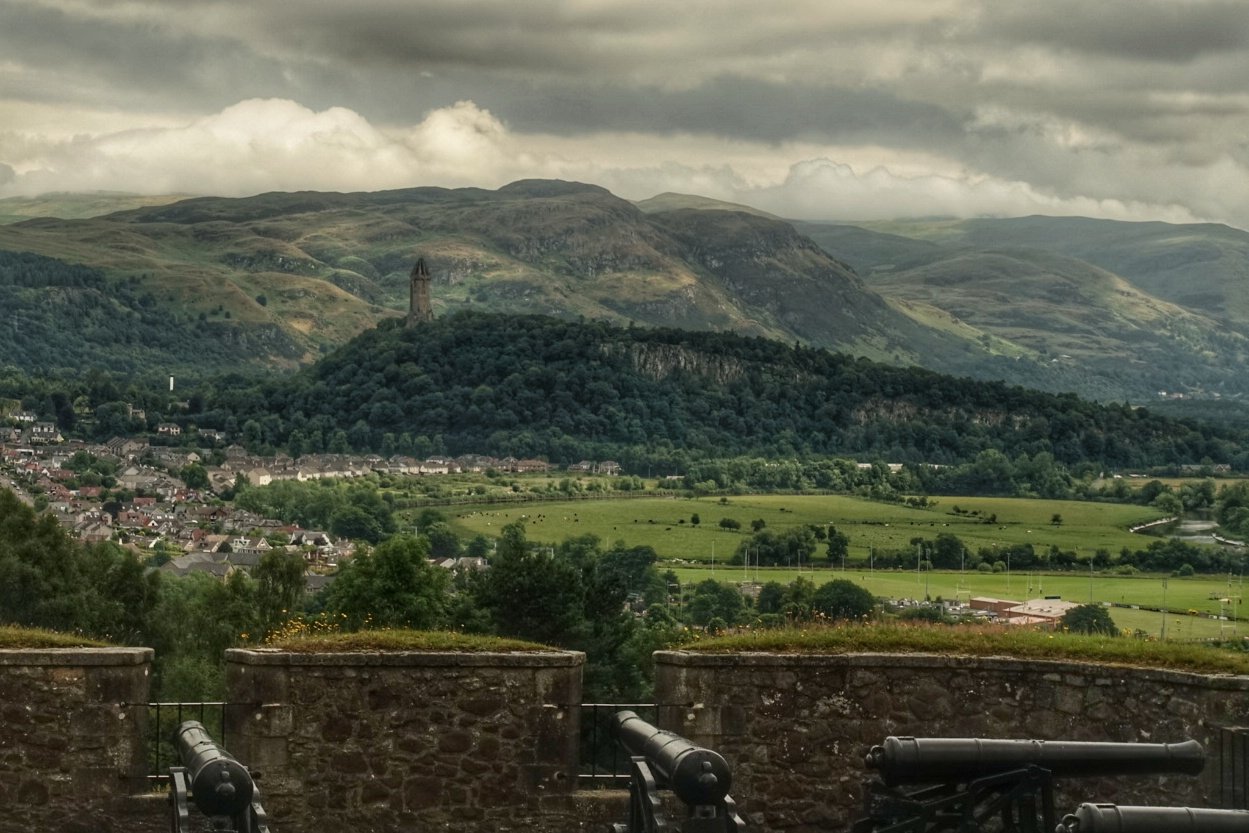
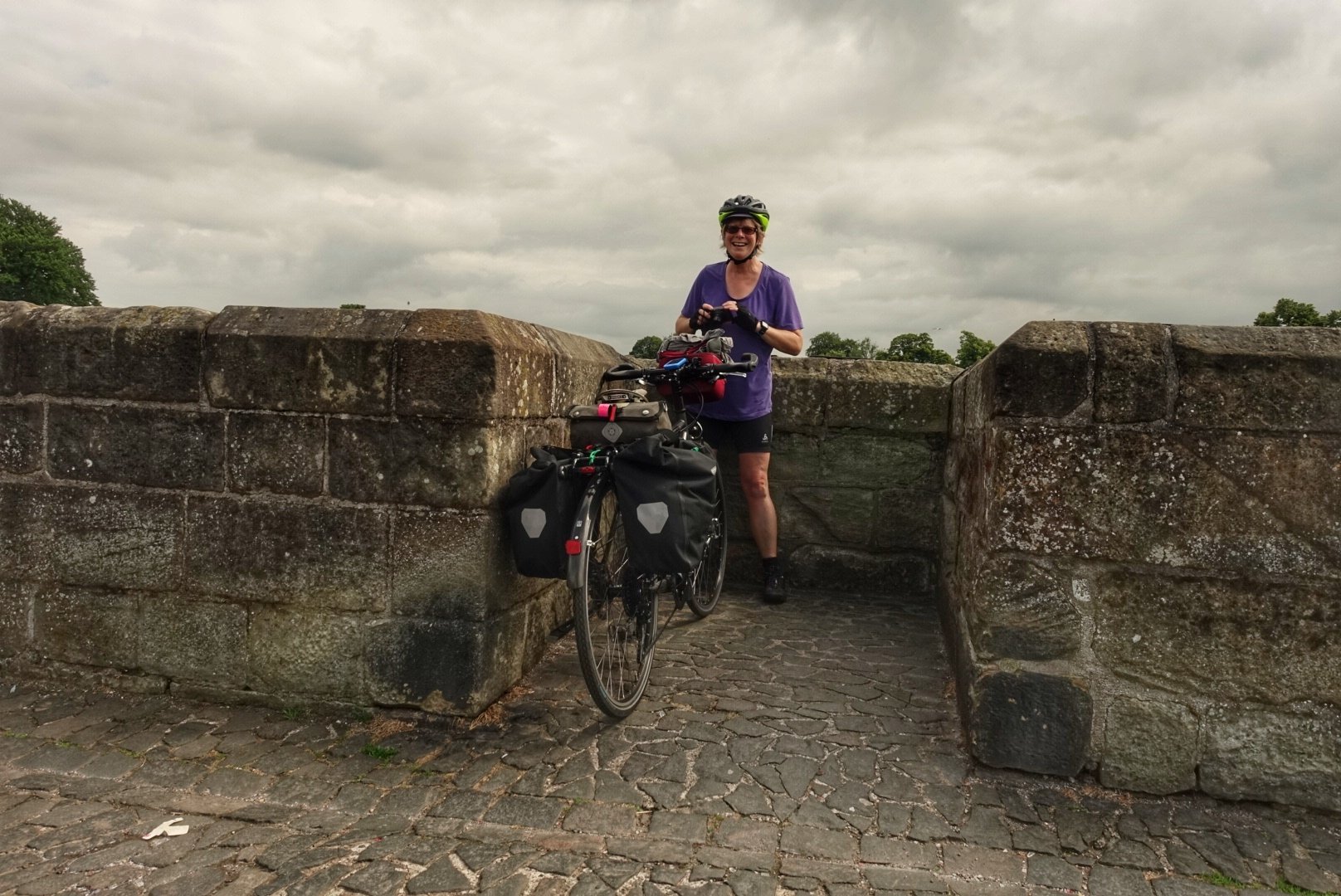
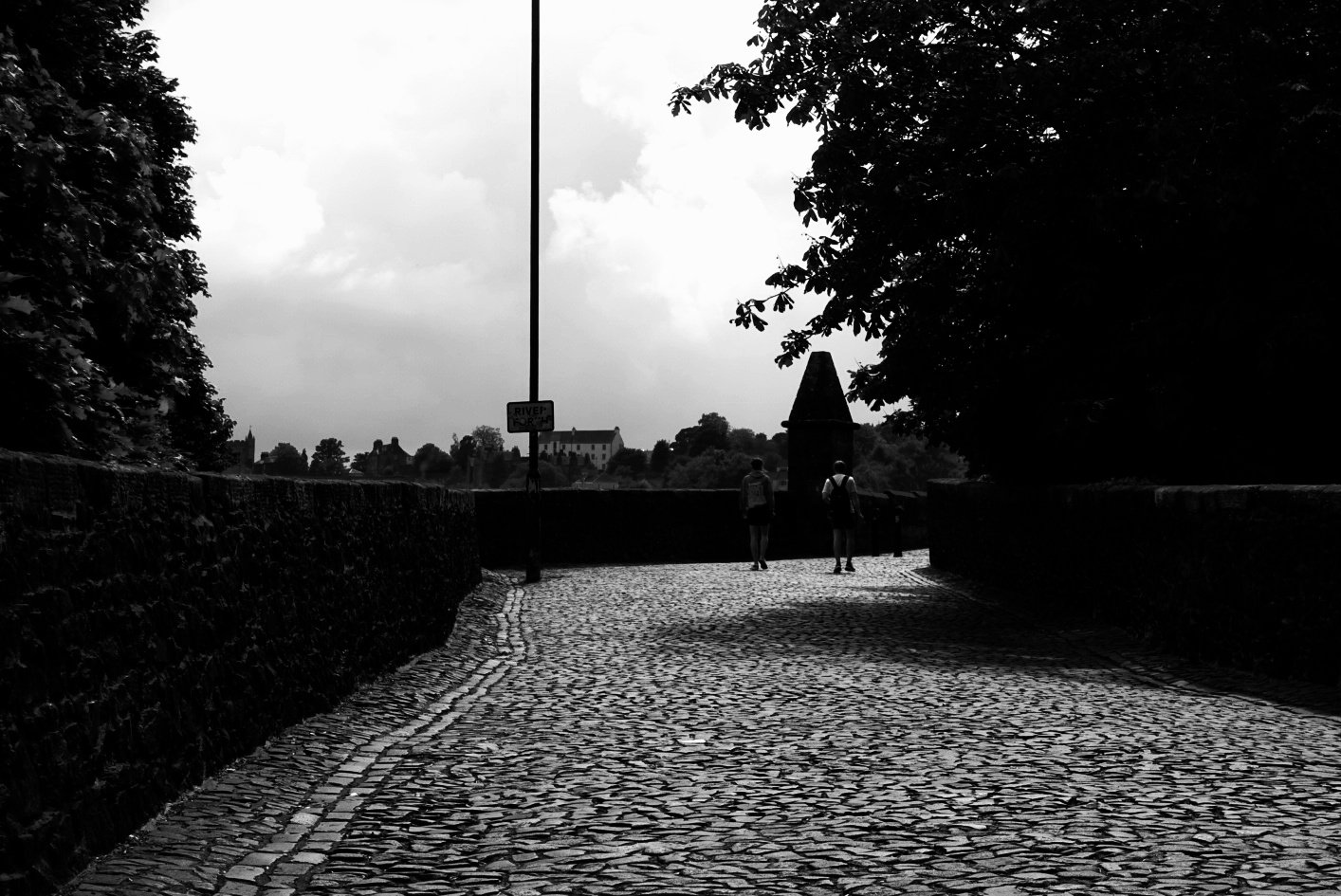
Then into Stirling guided by Wallace’s Victorian monument as it looks over the scene of his famous victory. The medieval bridge is impressive, marking another of our central spots.

Now for a pit stop.

4DTM Newtonmore to Aberfeldy

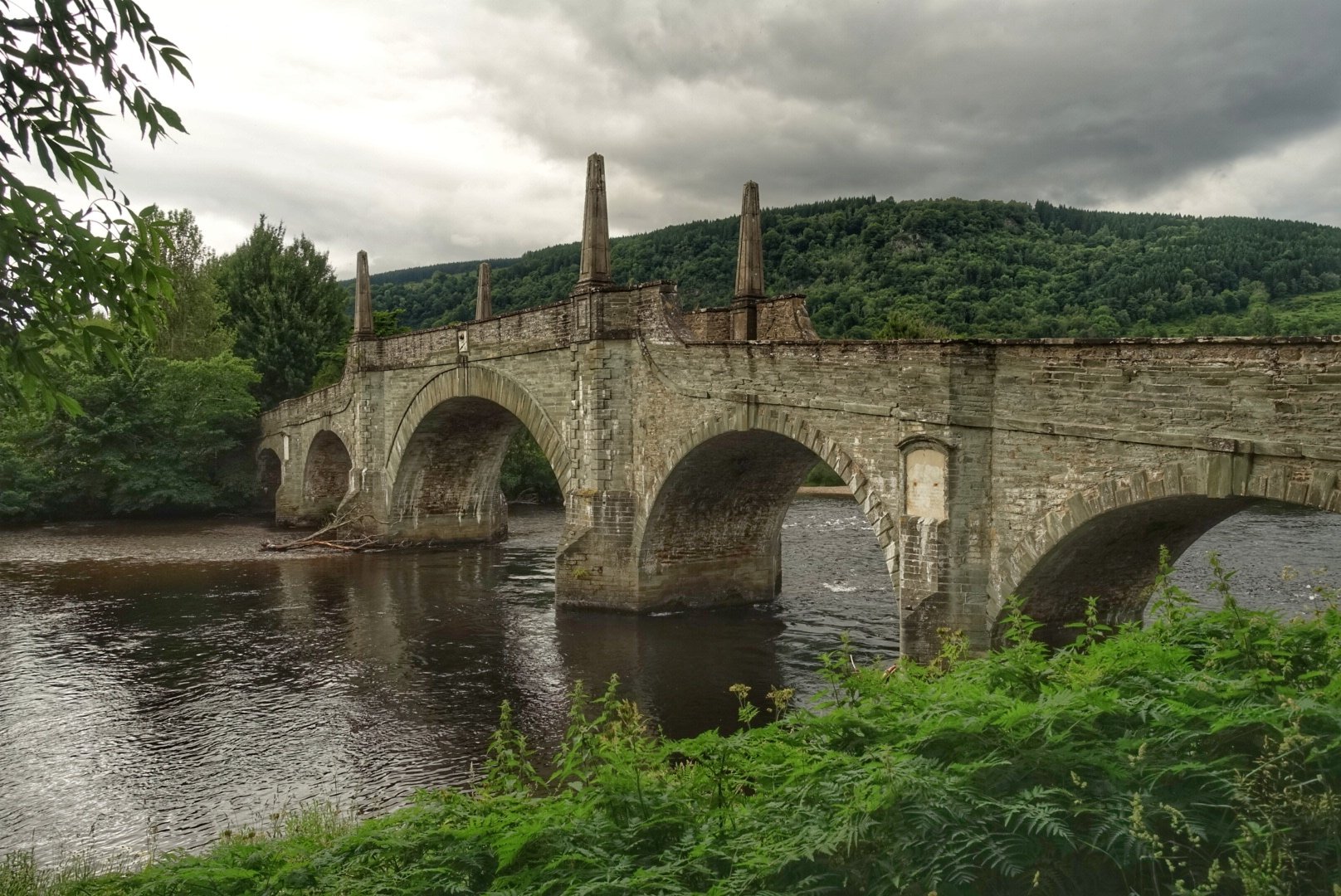
We’d to Wade our way through bridges today. Like castles, the workers who built them after remembered in the stones. The master is recalled by history. General Wade considered ‘his’ 1733 bridge at Aberfeldy his masterpiece. Won’t argue: the designer William Adam, father of the more famous Robert, did a five job. It’s taking traffic today not even dreamt of when built.

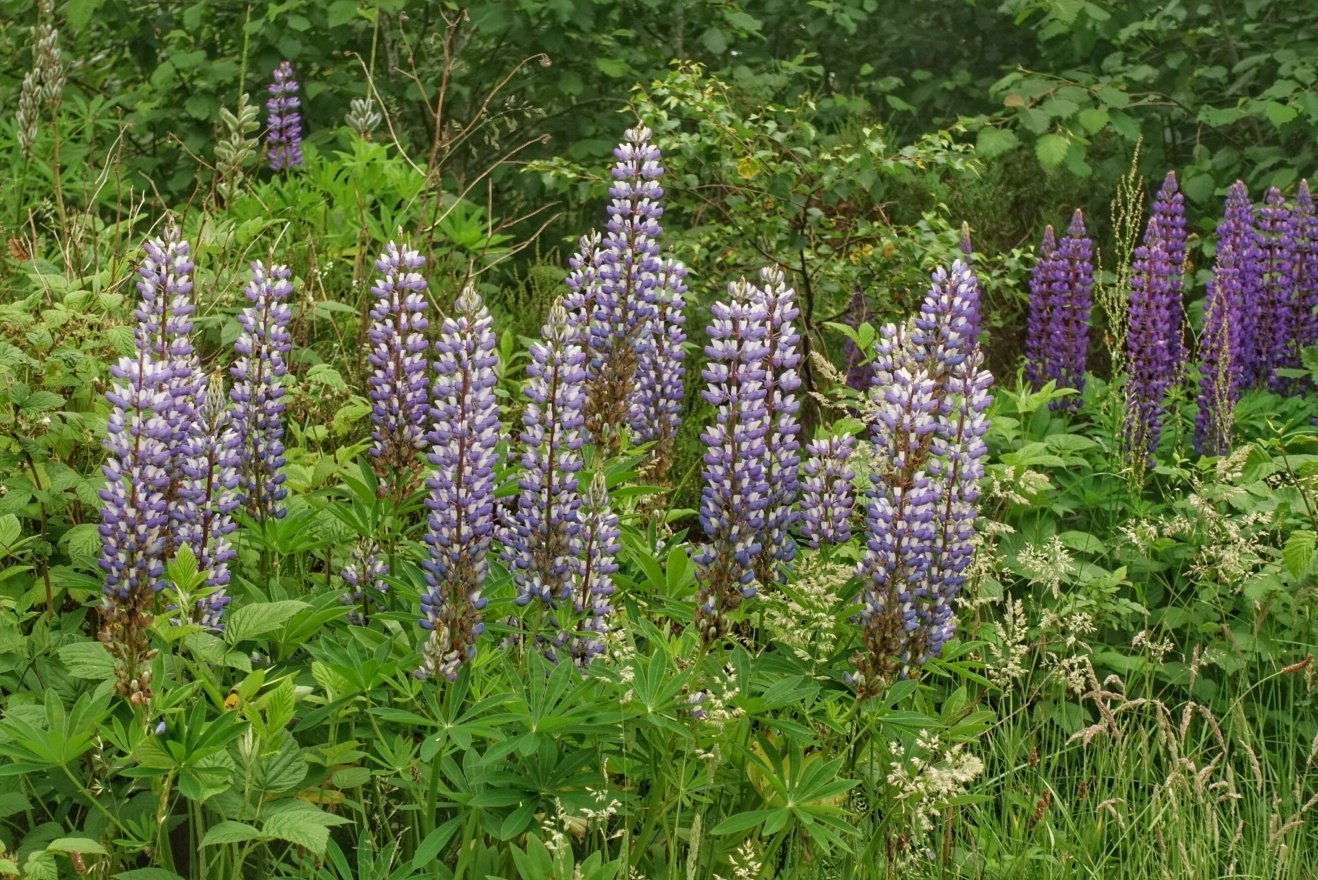
The other more temporary stars are lupins and orchids. With lupins to the fore, they have been a constant roadside companion even as the landscape changes.
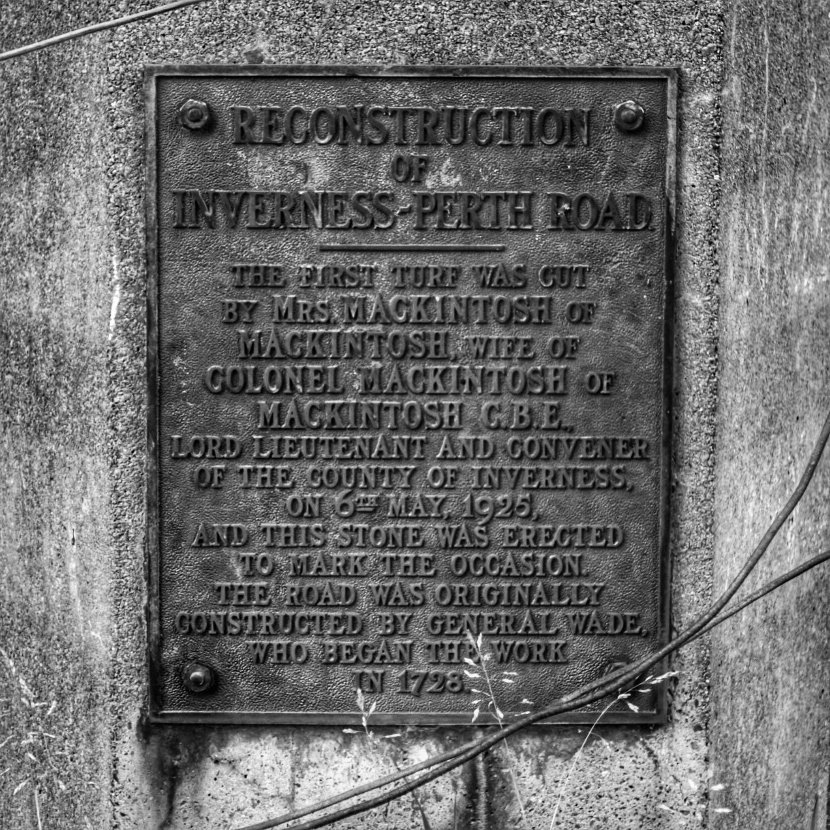
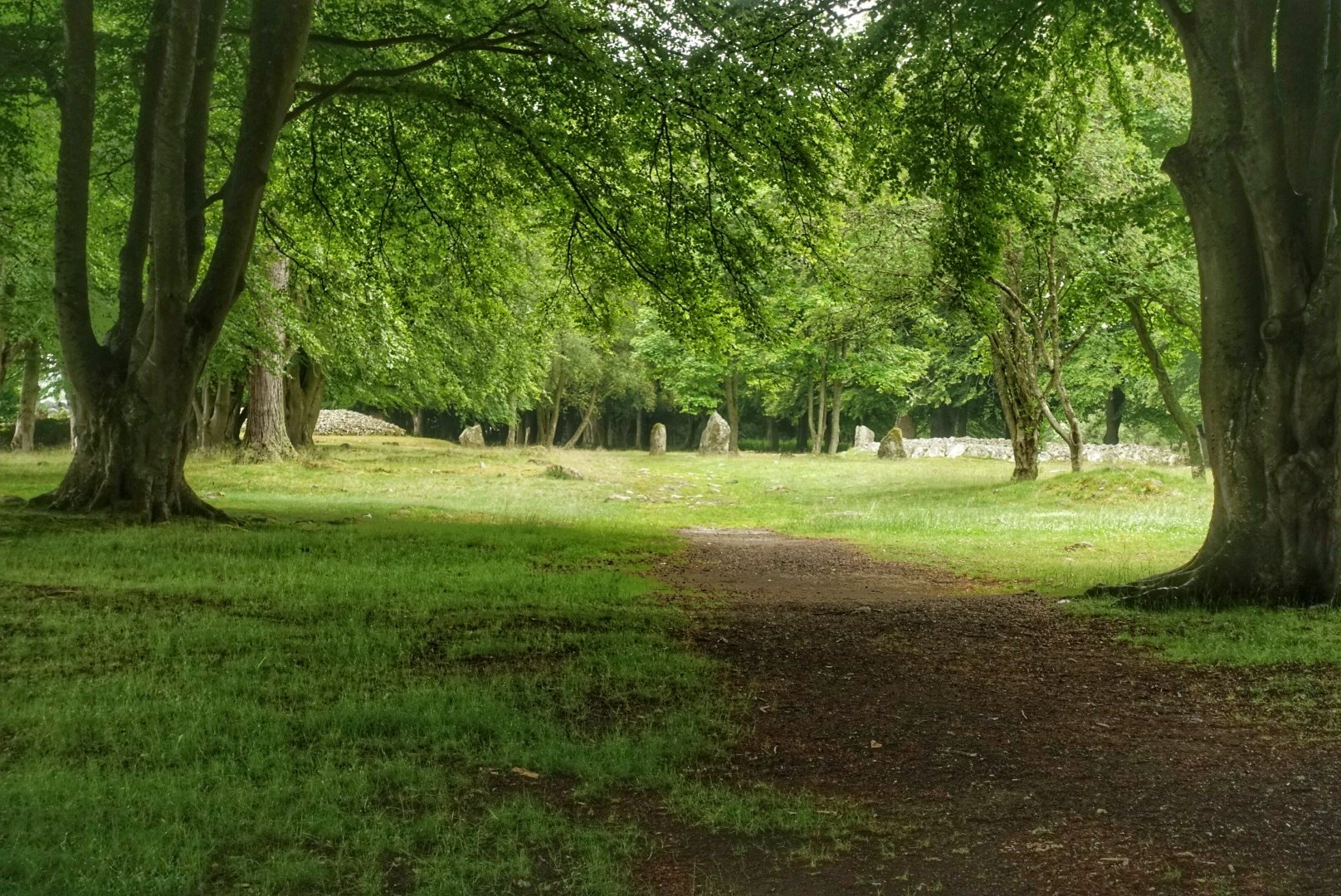
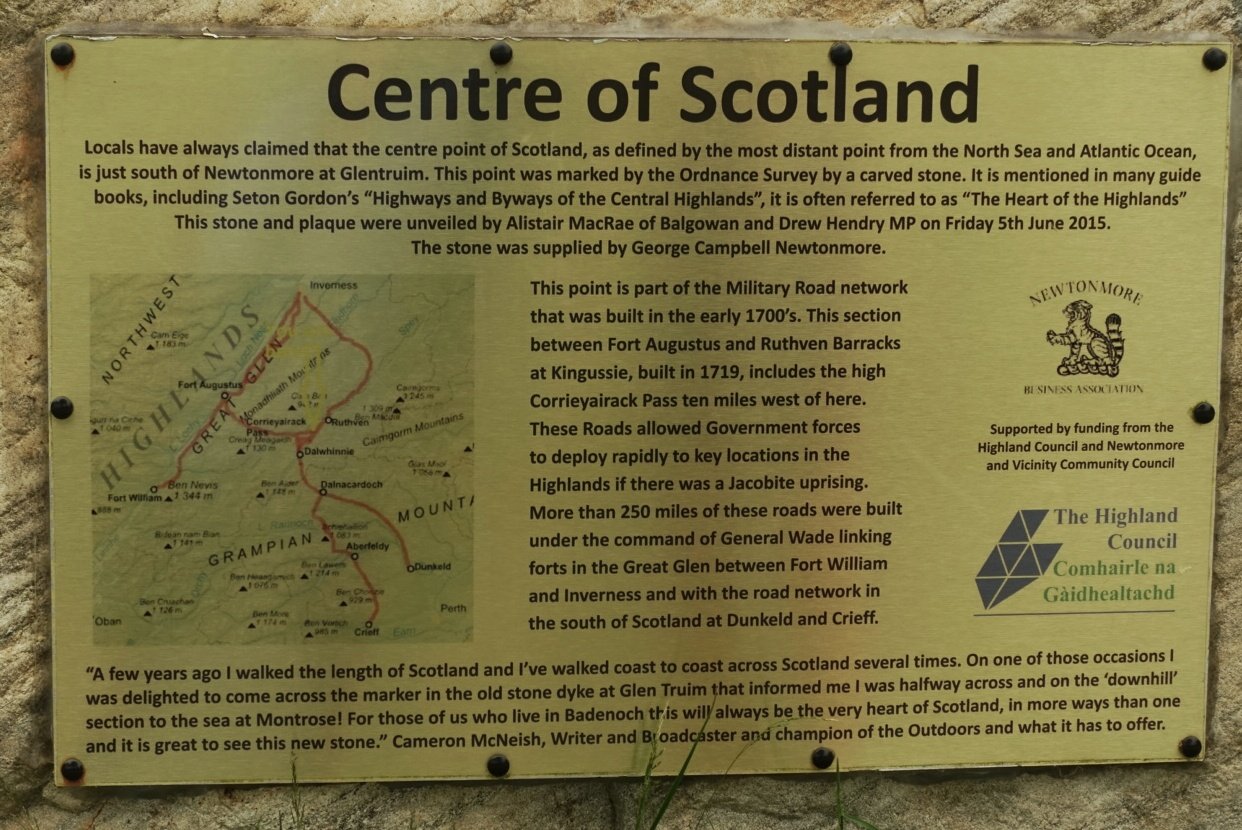
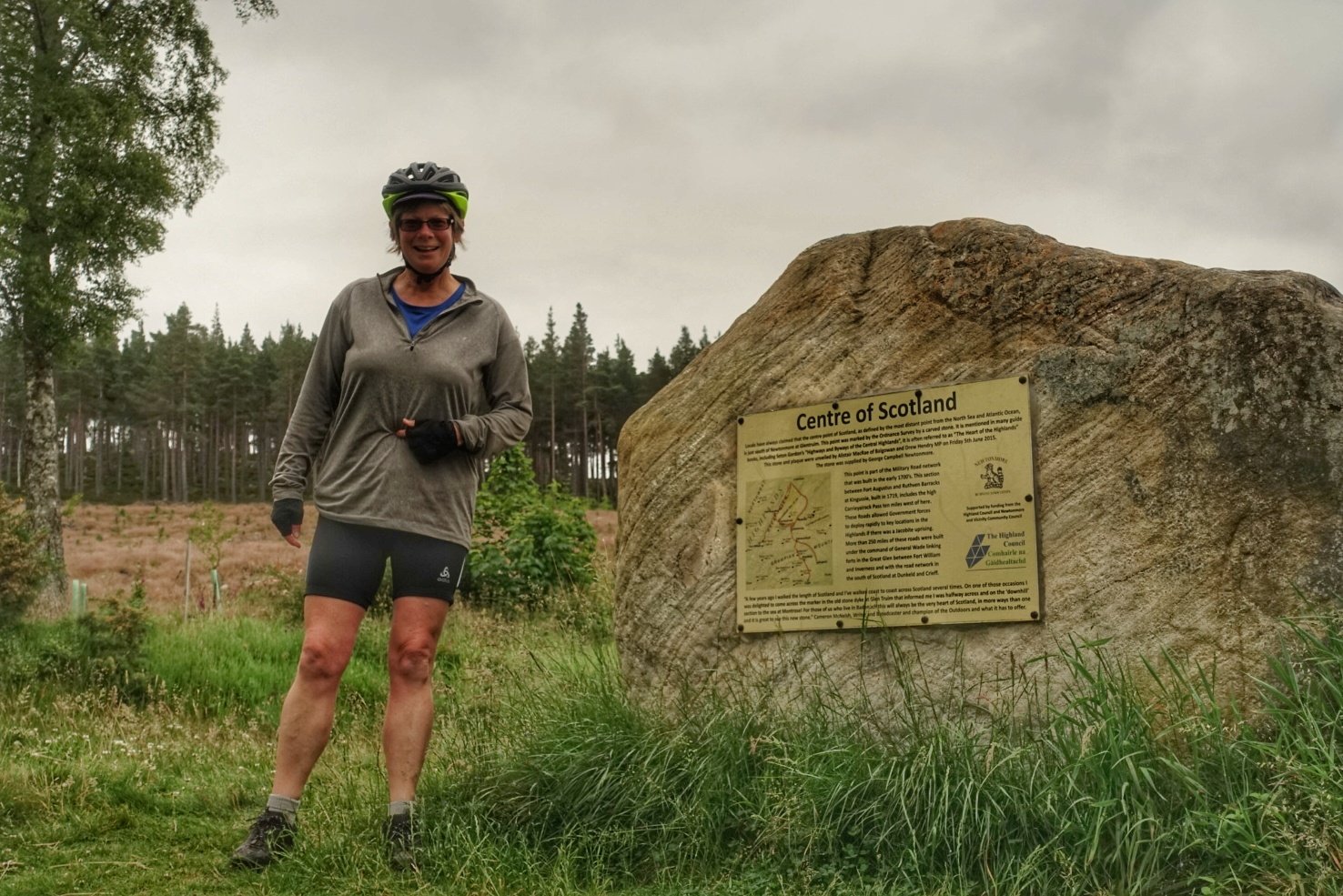
Today we started collecting the Down the Middle points. A couple of the centre of Scotland (which will depend on how it’s calculated), and two furthest points from the sea. Well 5-8 miles away on hill sides but we’ll accept that.
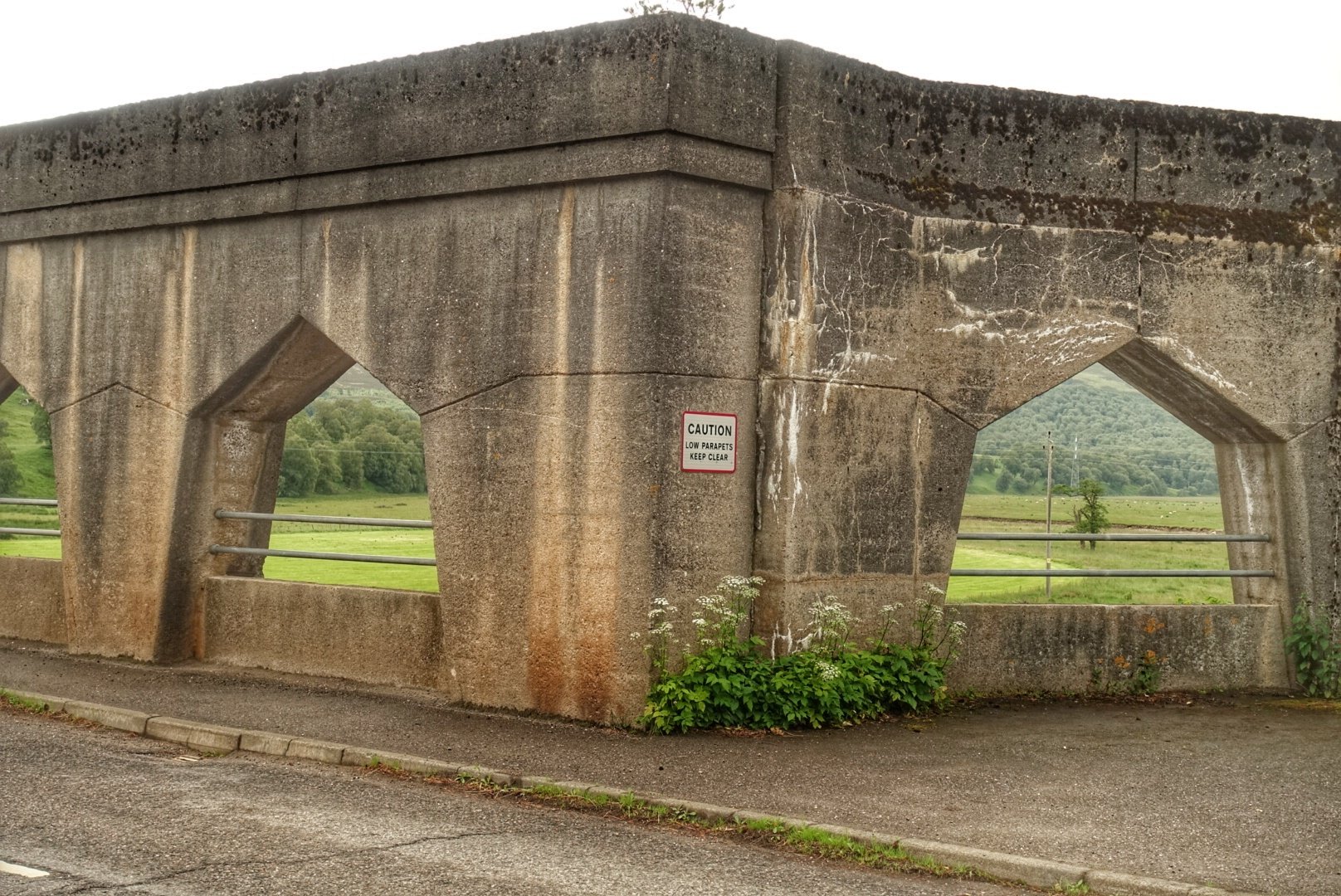
It’s also worth stopping to look at plaques. An unassuming stone, opposite the Newtonmore accommodation, marked the last horse drawn mail wagon in Britain passing through in 1915.

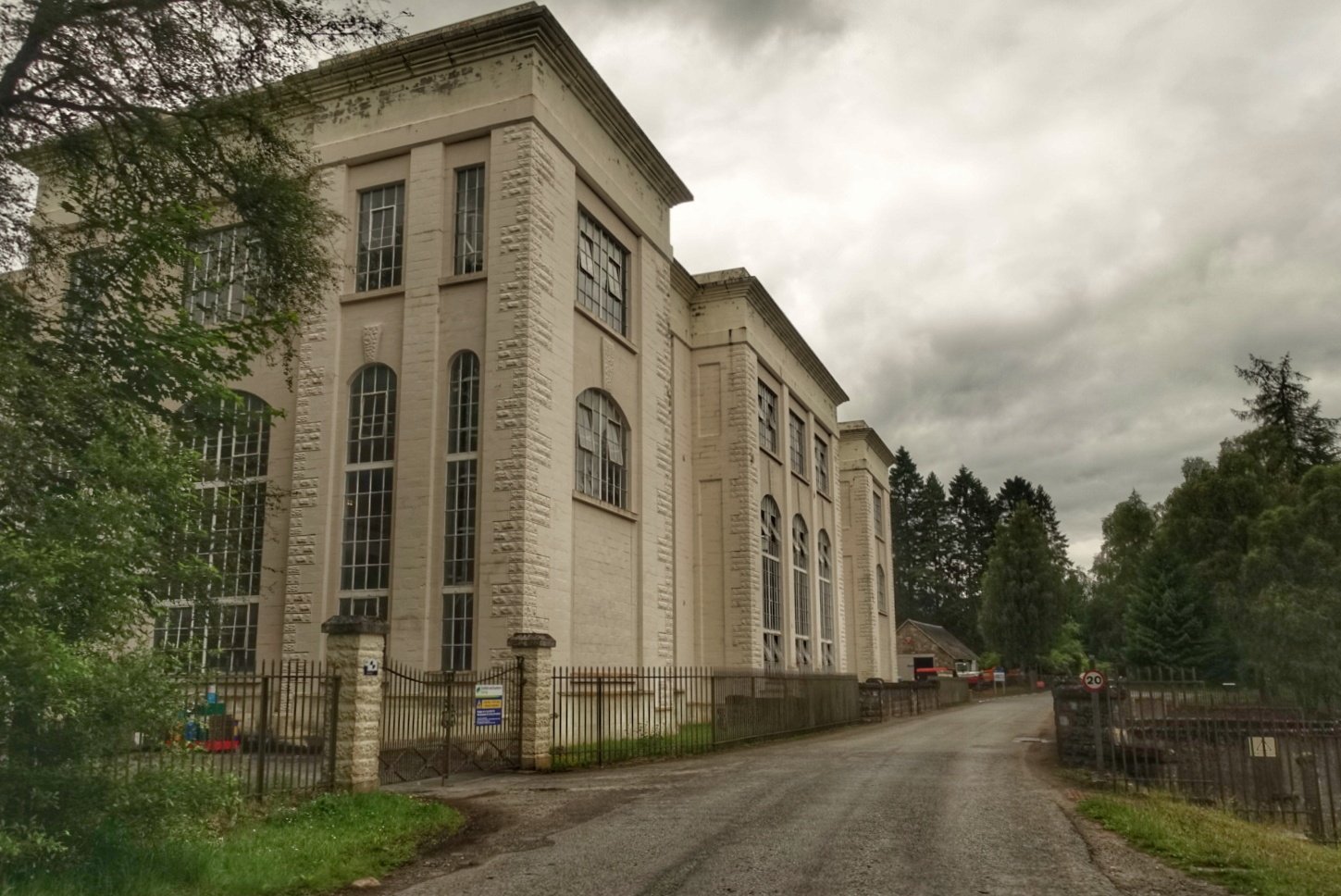
Large pylons mark the way to the Loch Tummel hydroelectric scheme. Built in the 1940s they are now a part of the skyline, as are the road and rail routes. The cycling route follows the modern A9, again using the disused old road as a cycle track. Recycling!

After a few ups n downs Aberfeldy arrives. A fine wee place. The Birks of Aberfeldy await to be explored another time.

3DTM Inverness to Newtonmore

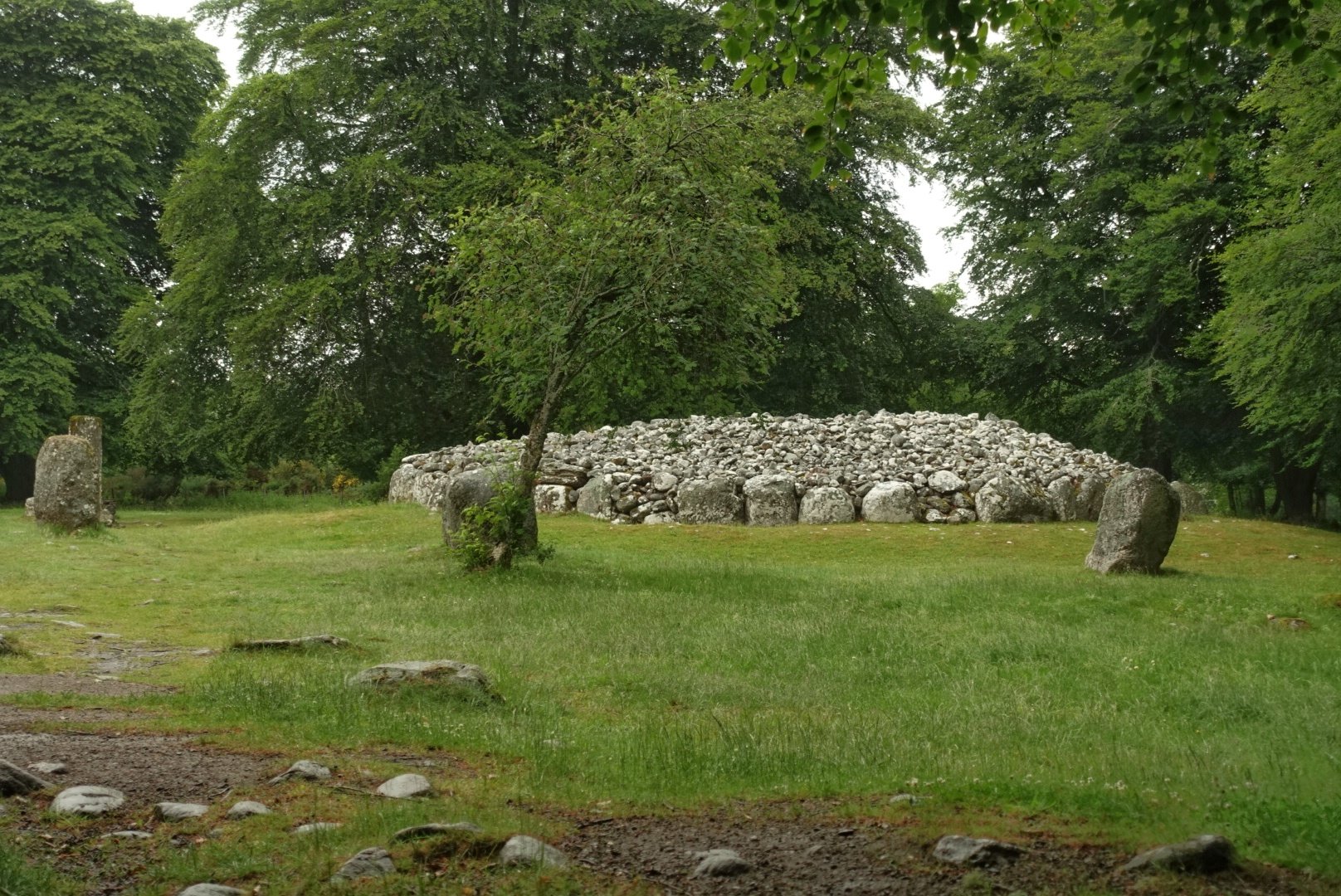
Leaving Inverness with the thought the next time I stay here in 2 months time it’ll be in the SYHA, we head off towards Culloden. No sign of the infamous wee jumped up Italian gnaff, nor Stinking Billies, just signposts to the site of the last pitched battle on mainland Britain.

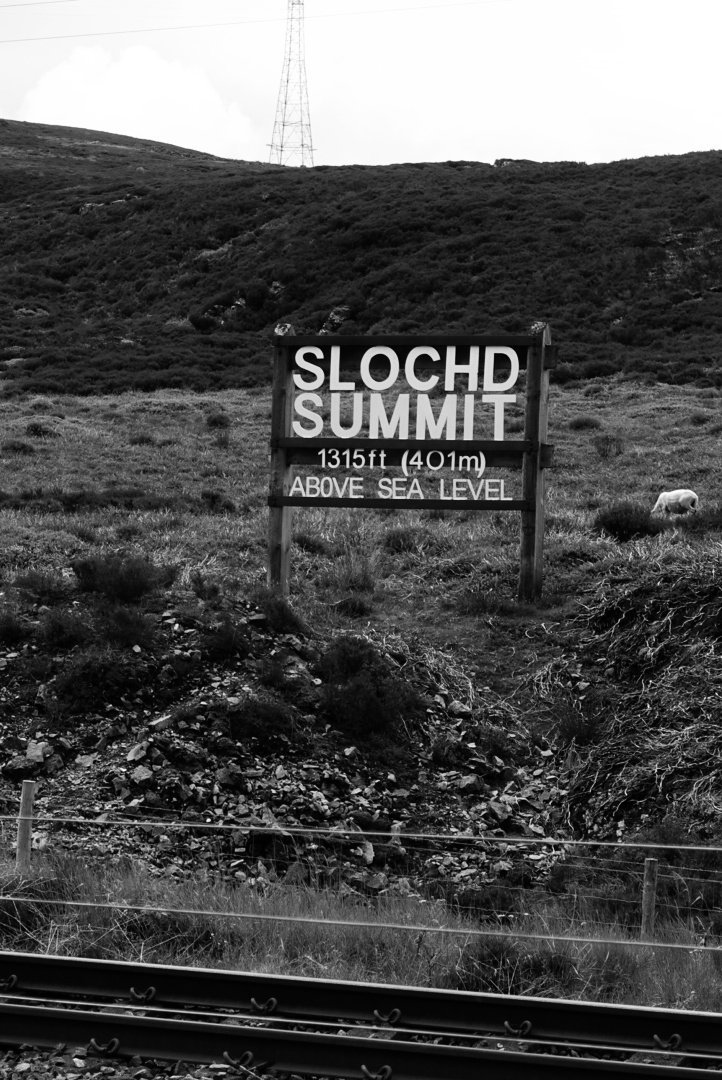
The route today is NCN7 which runs parallel to the Beauly Firth before cutting south. This avoids the A9, following roughly the railway line to Aviemore. This ascends from sea level to its 401 Sliochd summit 25miles away, that’s a continuous 1%. The road builders were a bit coarser, preferring a roller coaster approach. Hill sir? Certainly let’s go straight up there.

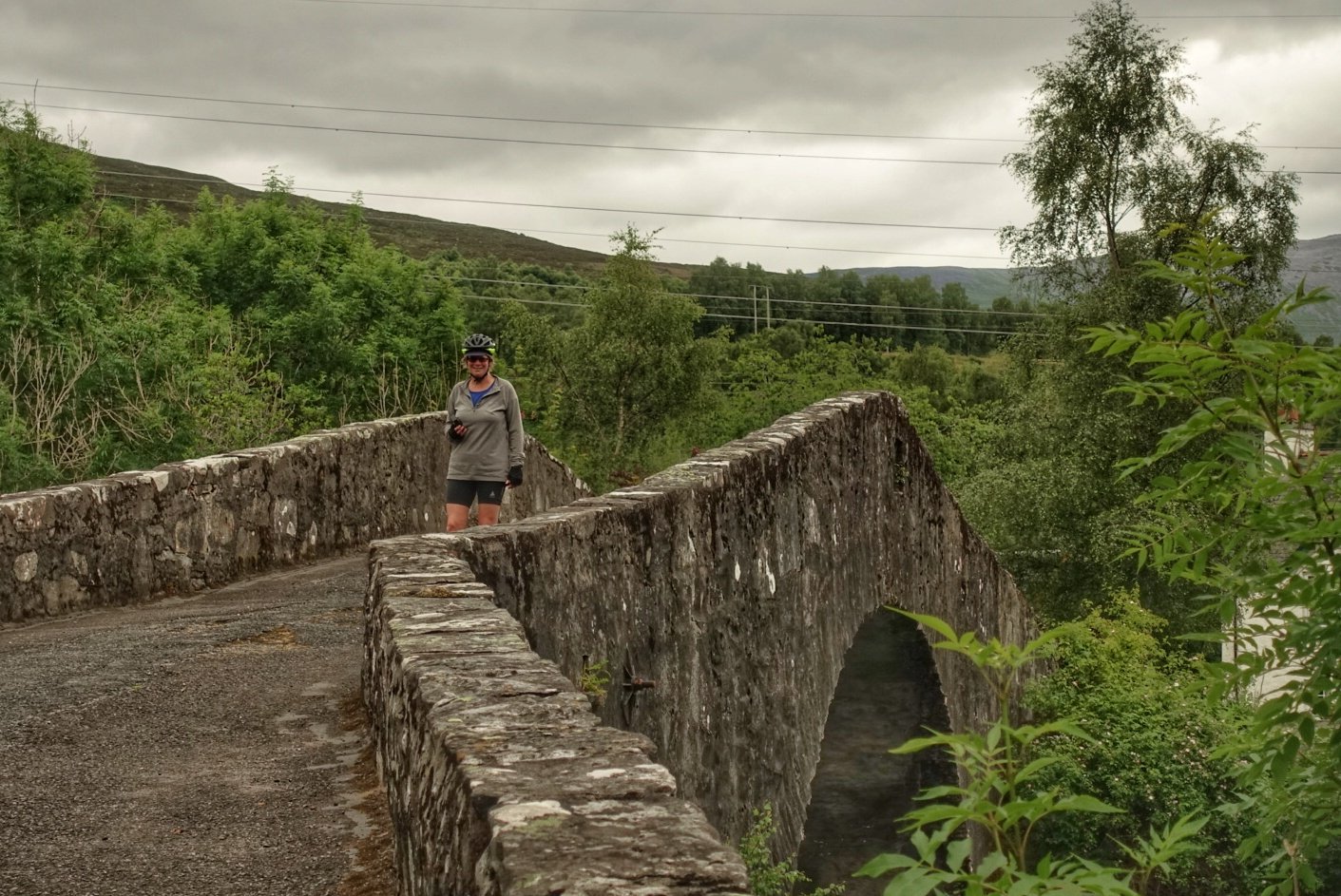
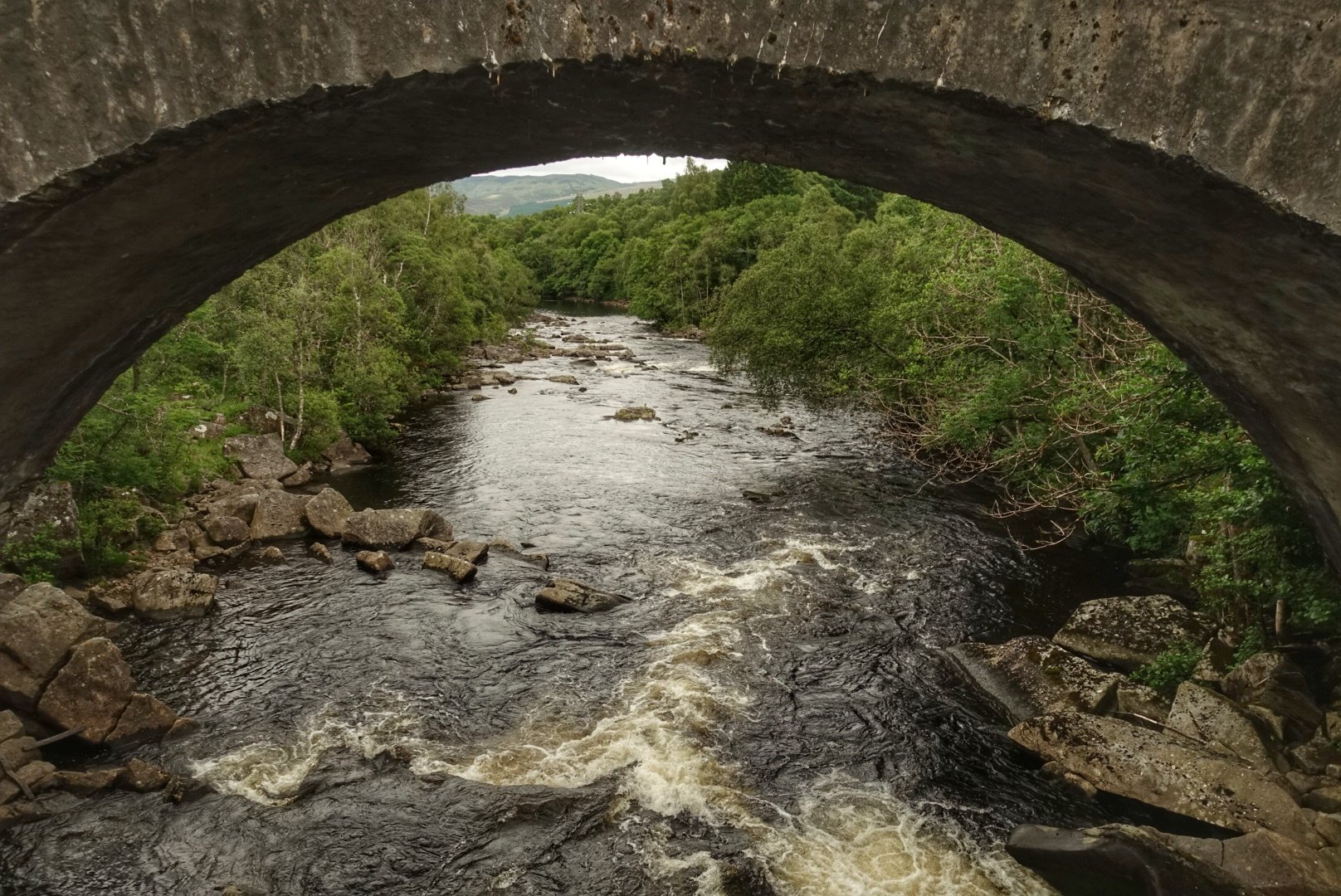
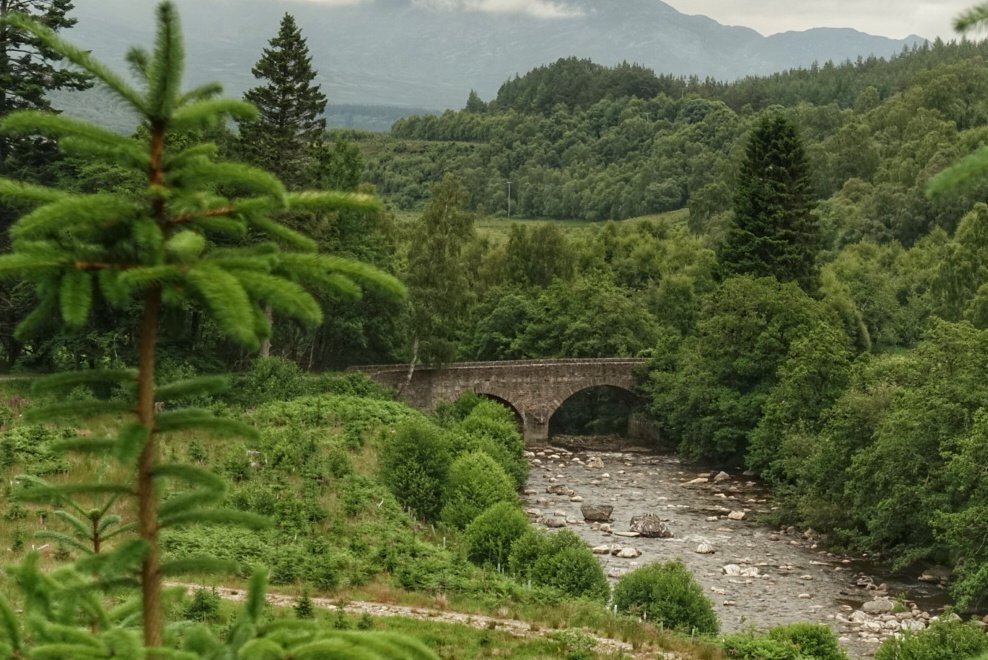
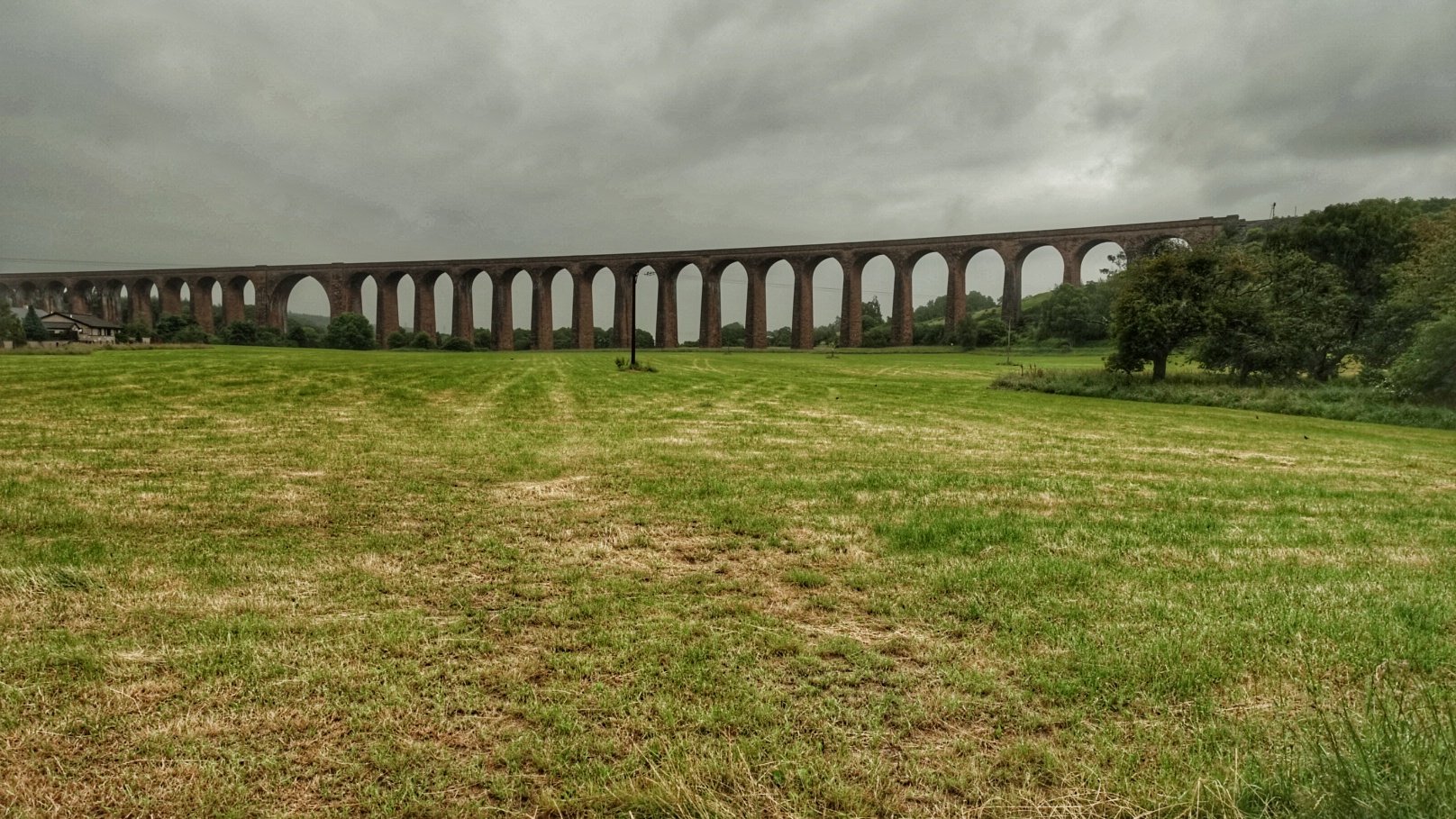
For the rest of the day it’s mainly the old declassified A9. This is also an old General Wade route for many parts. So today: railway viaducts including Culloden (longest in Scotland) and the last remaining working wooden railway bridge; lovely road bridges. Perhaps the most interesting is the 1926 Findhorn Bridge near Tomatin. It’s unique.

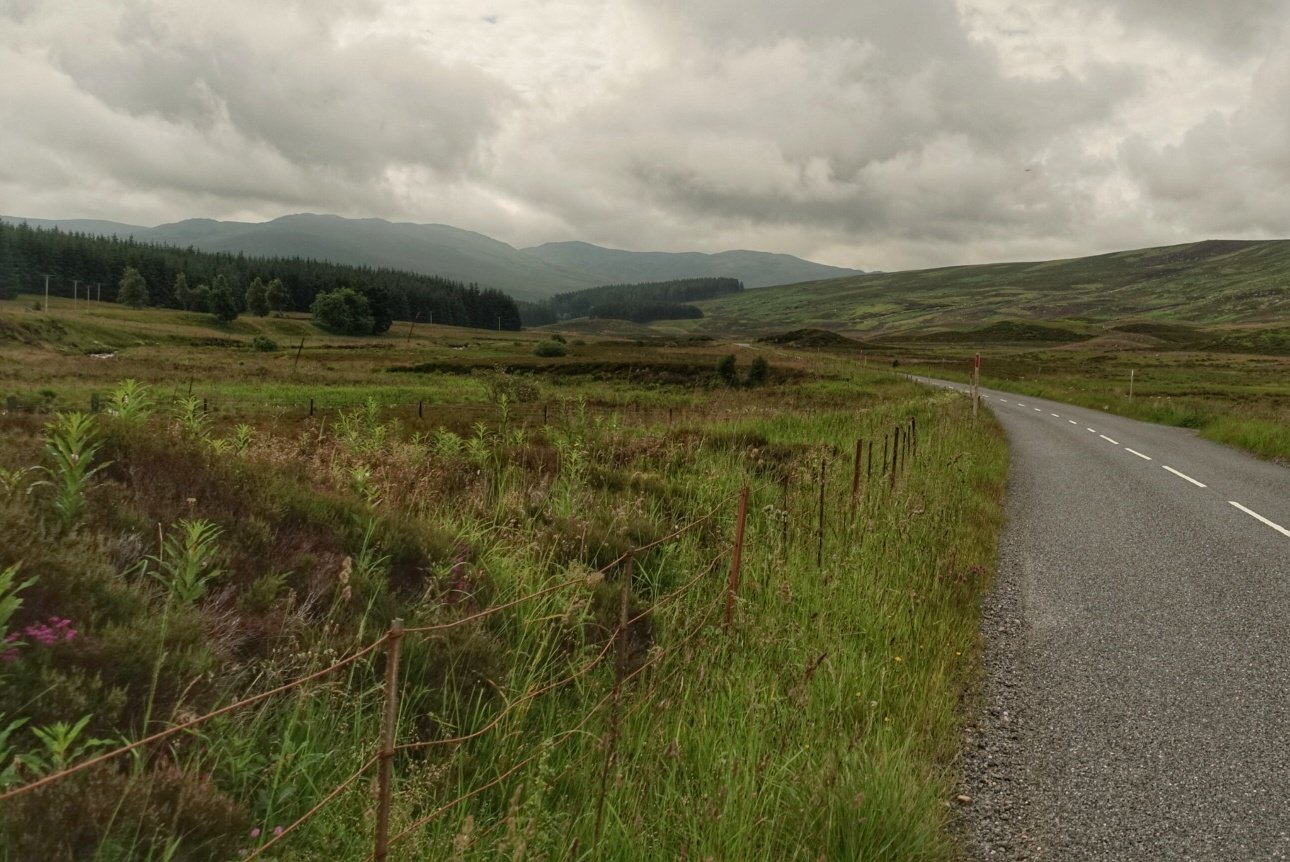
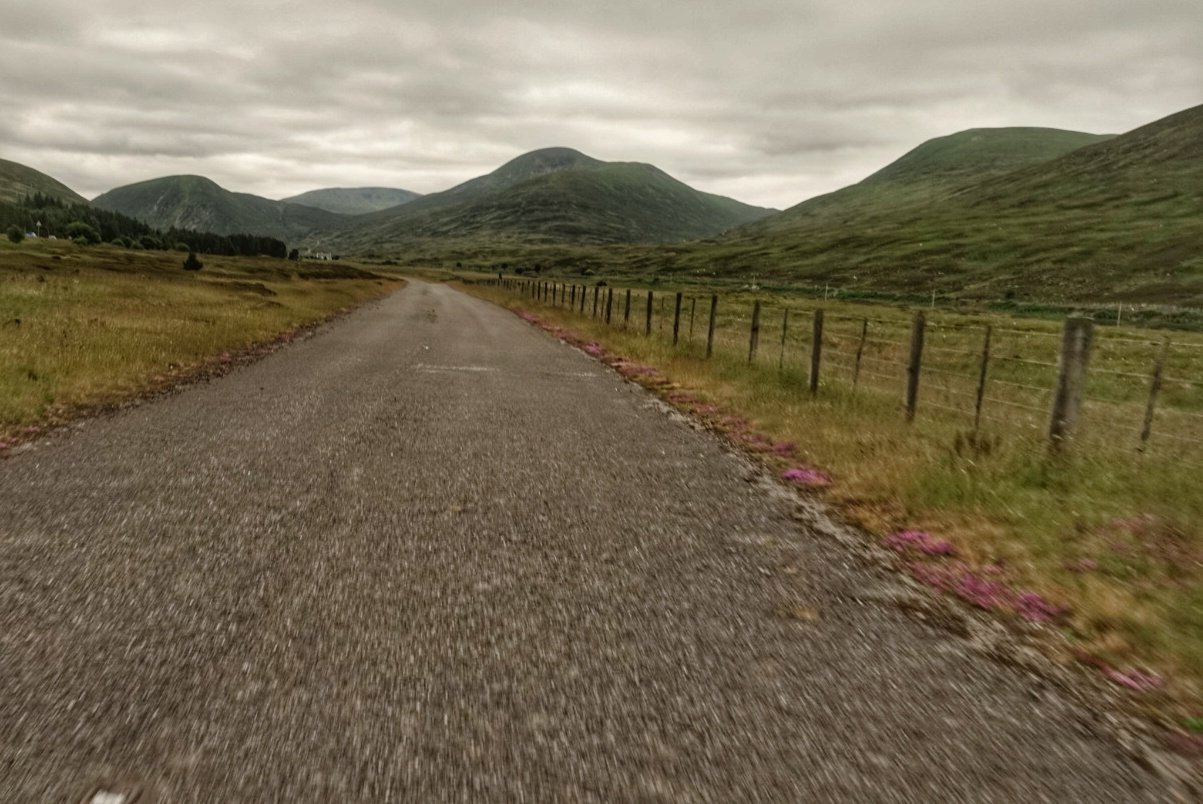
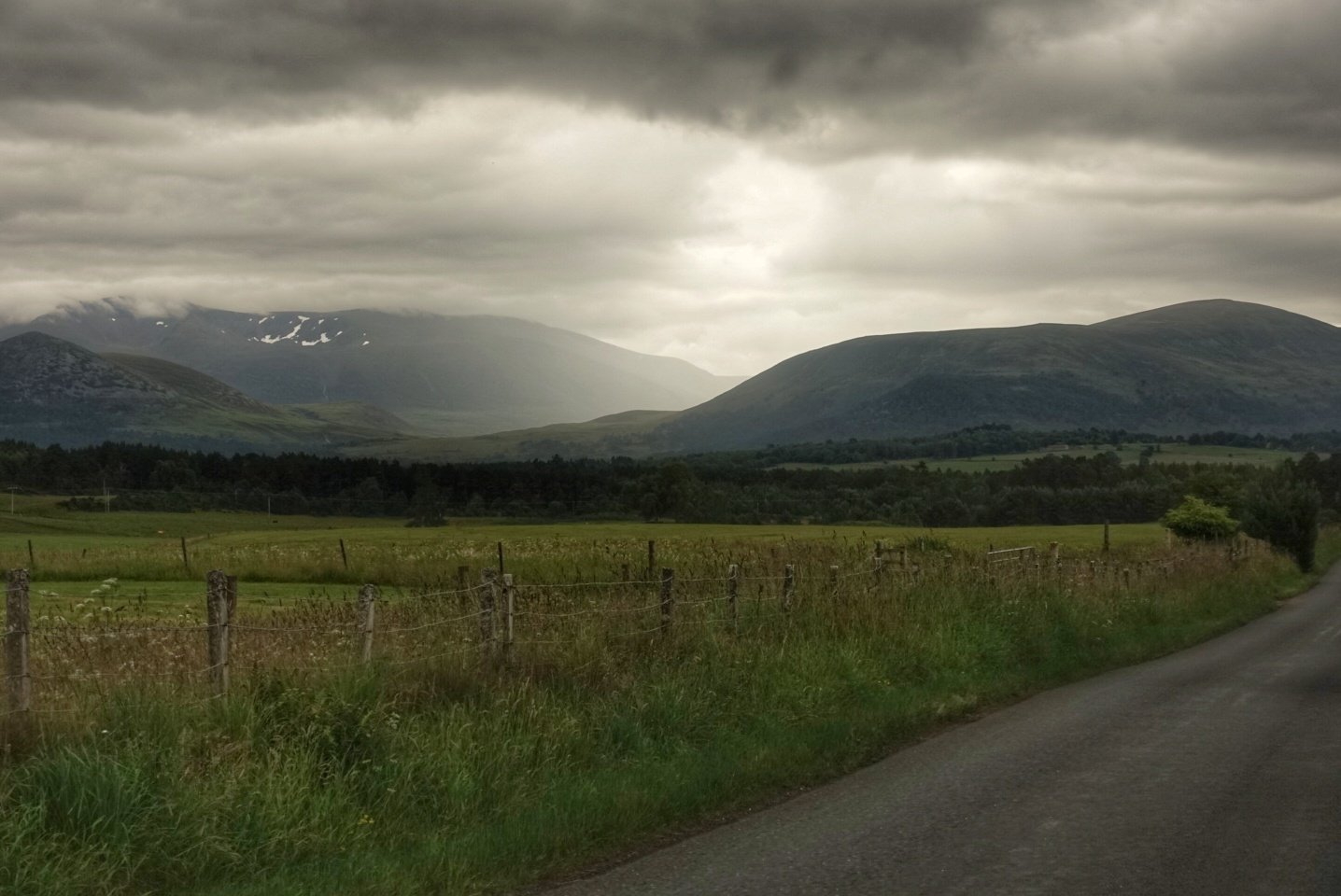
The new A9 takes the vast bulk of the traffic. For most of the day we’ve wide B and C roads all to ourselves. This gives plenty of space to take in the changing landscape as we approach the Cairngorms and Monarch of the Glen territory.

Bit damp at the start it soon cleared up. Midges made a brief appearance for the first time just to rewind is not to get complacent.

Tomorrow off piste with General Wade to Aberfeldy.