“While Poland has a larger overall economy, Lithuania has a higher GDP per capita, indicating a wealthier population on a per-person basis. Poland has a larger nominal GDP (total economic output) than Lithuania, but when considering the size of the population, Lithuania’s GDP per capita is higher.”
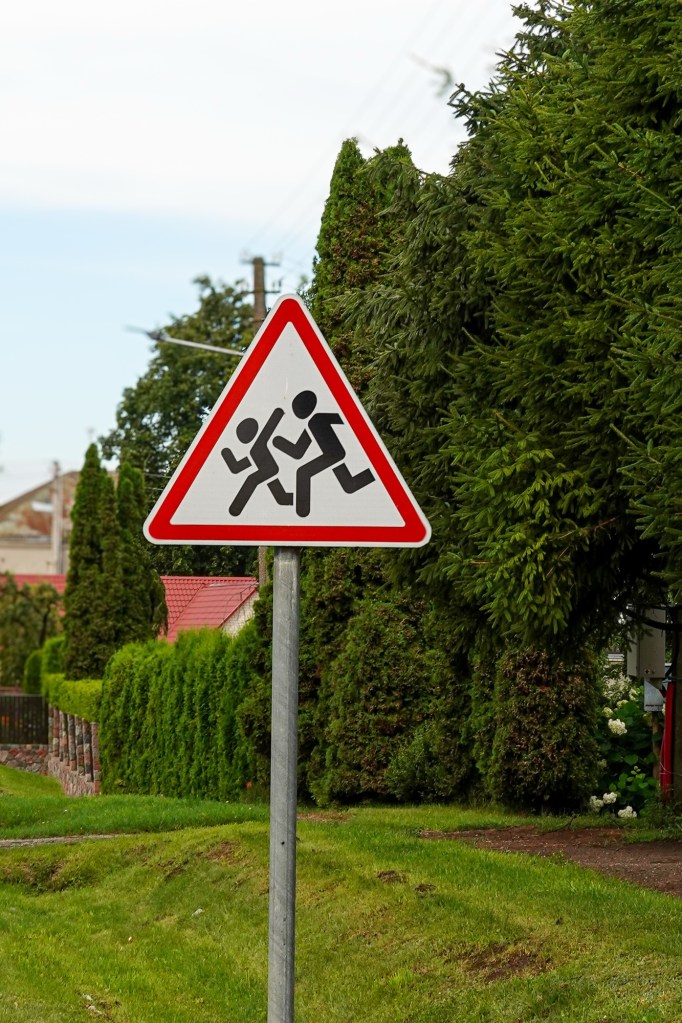


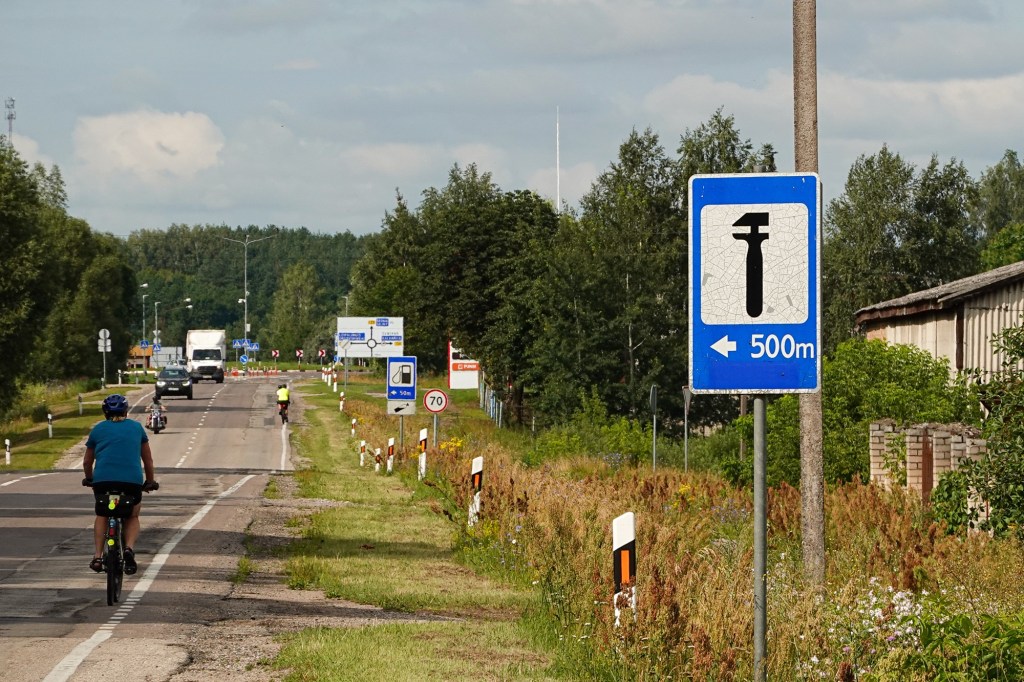
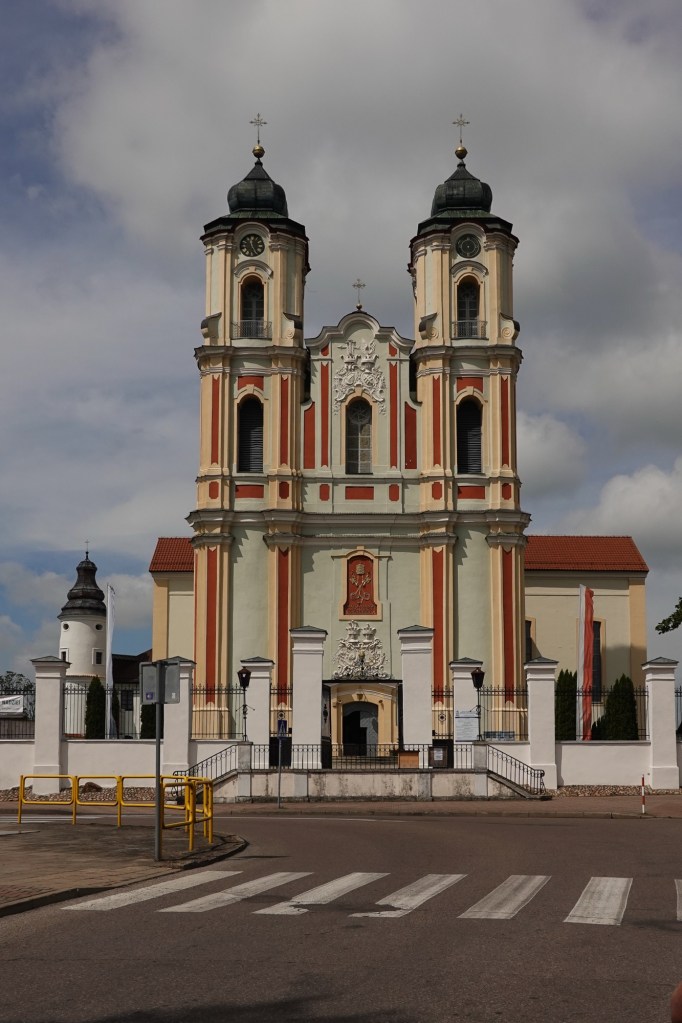
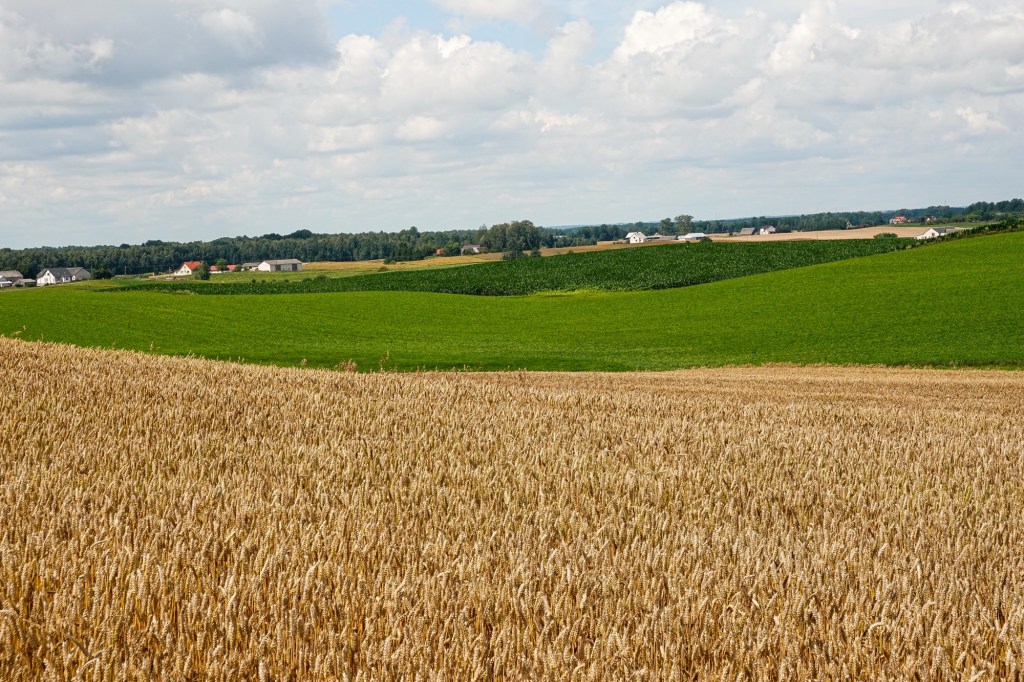
Subjectively it felt we were entering a richer area as we crossed the Border into Poland. So maybe there’s regional variation. We came in via the Suwalki Gap, that 65km space between a Russian Enclave and Belarus. It feels as though there’s a song waiting to come out: if Milwauki can have one there’s an opportunity here.


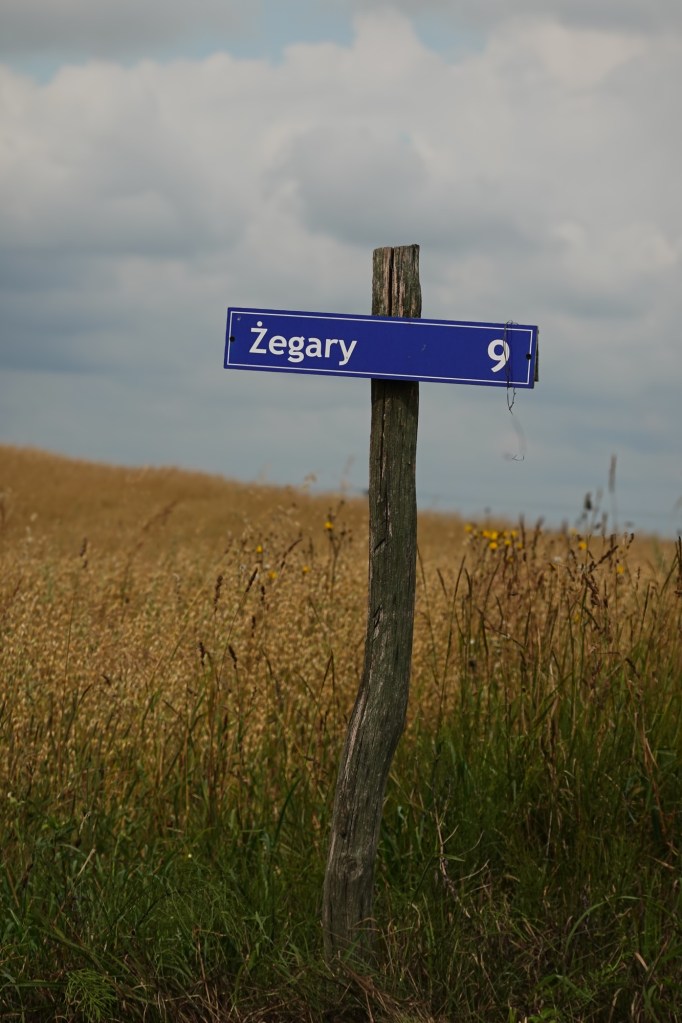
The Border was lightly and politely policed – which sparked the thought: who invented borders?

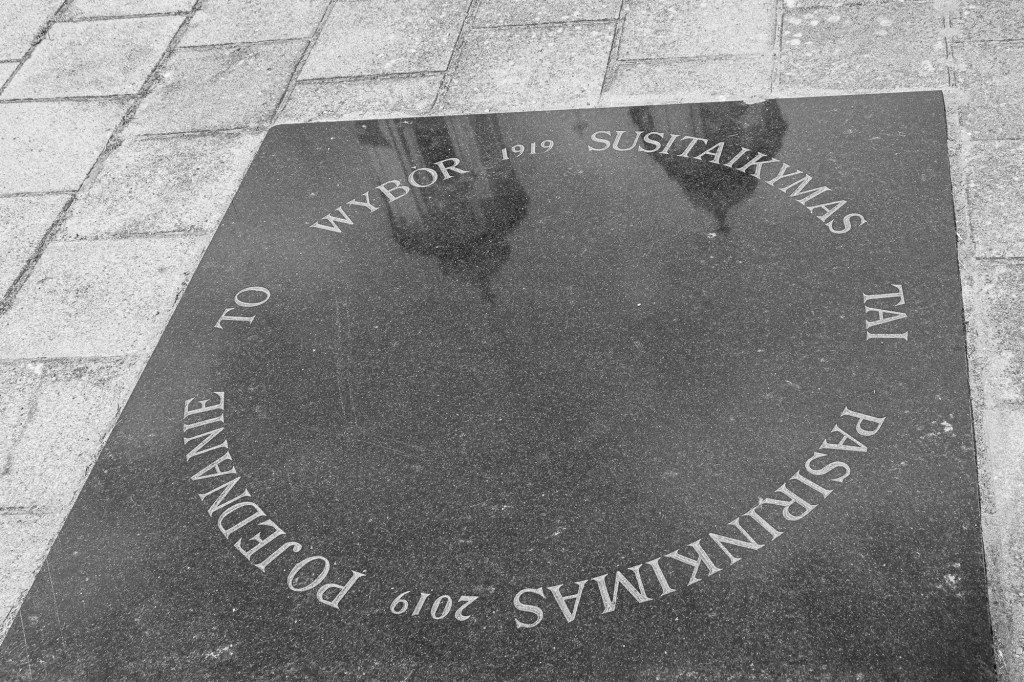

Borders, in the sense of clearly defined lines on a map with legal and political significance, are a relatively modern concept, largely shaped by the Peace of Westphalia in 1648. This treaty marked a shift from fluid borders based on feudal relationships and natural boundaries to more defined state territories. While earlier forms of territorial demarcationexisted, they were often less precise and more fluid than the borders we know today
The Peace of Westphalia refers to the series of peace treaties signed in 1648 that concluded the Thirty Years’ War and the Eighty Years’ War. These treaties, signed in the Westphalian cities of Münster and Osnabrück, established key principles of international relations, particularly the concept of state sovereignty/
8 million people died in these wars across Central Europe. Plus ca change.


We also entered Central European Time from Eastern European Time.
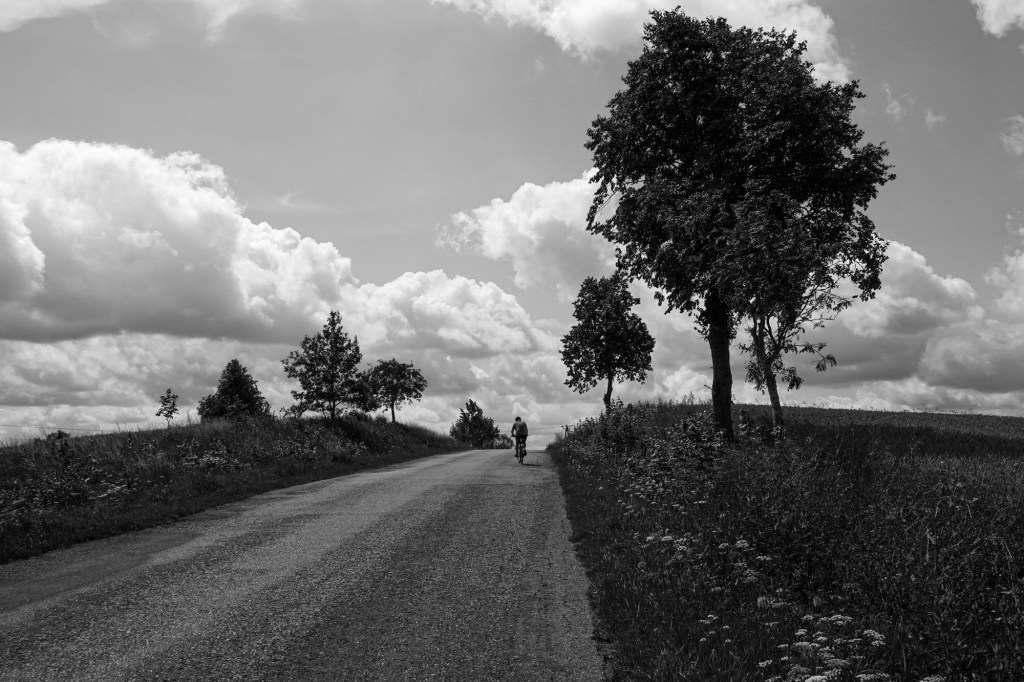
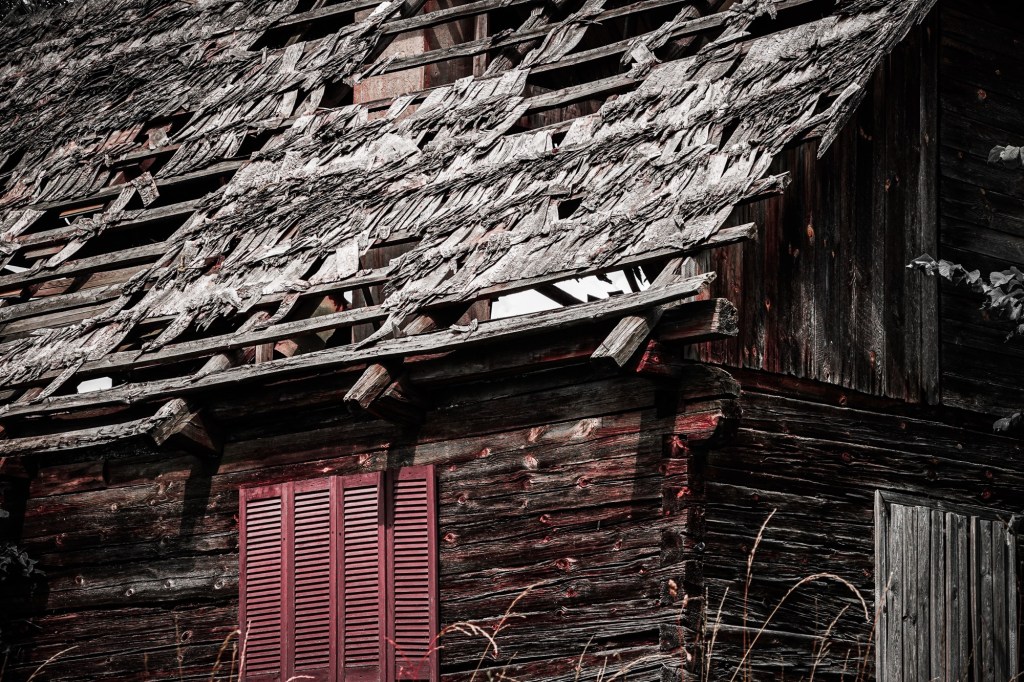
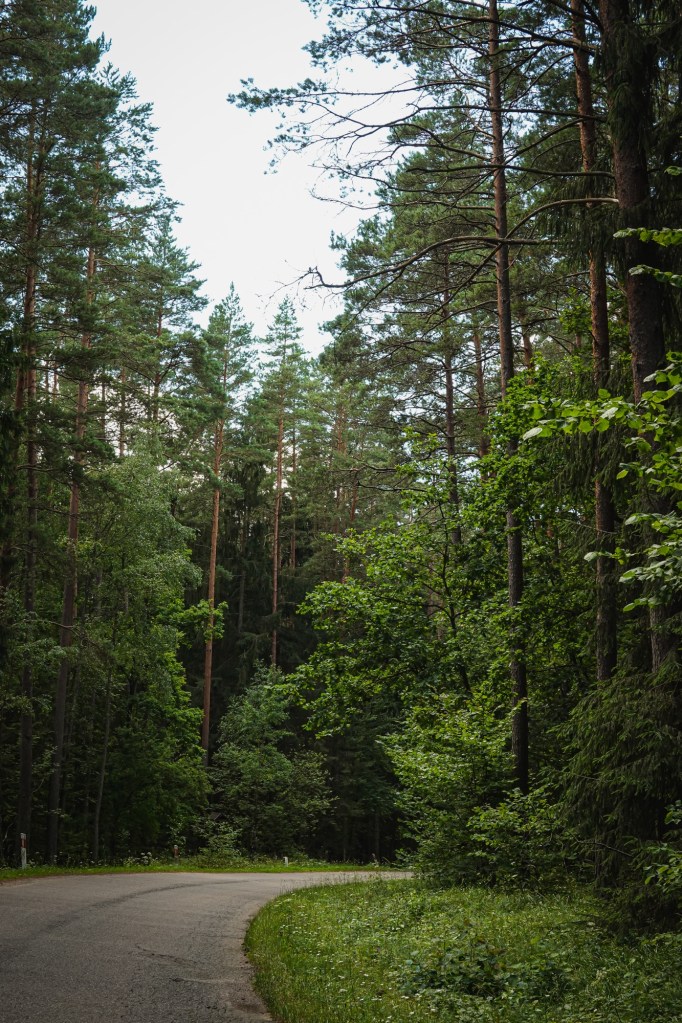
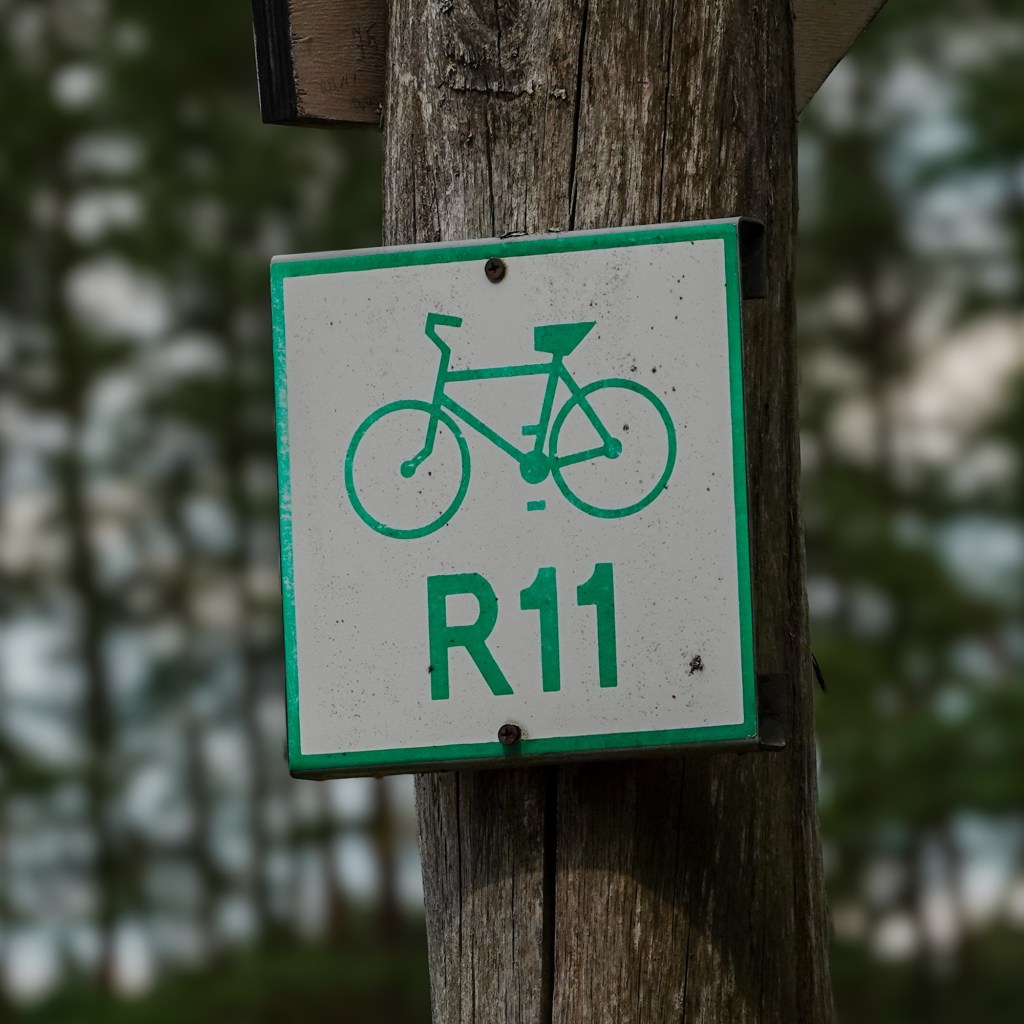
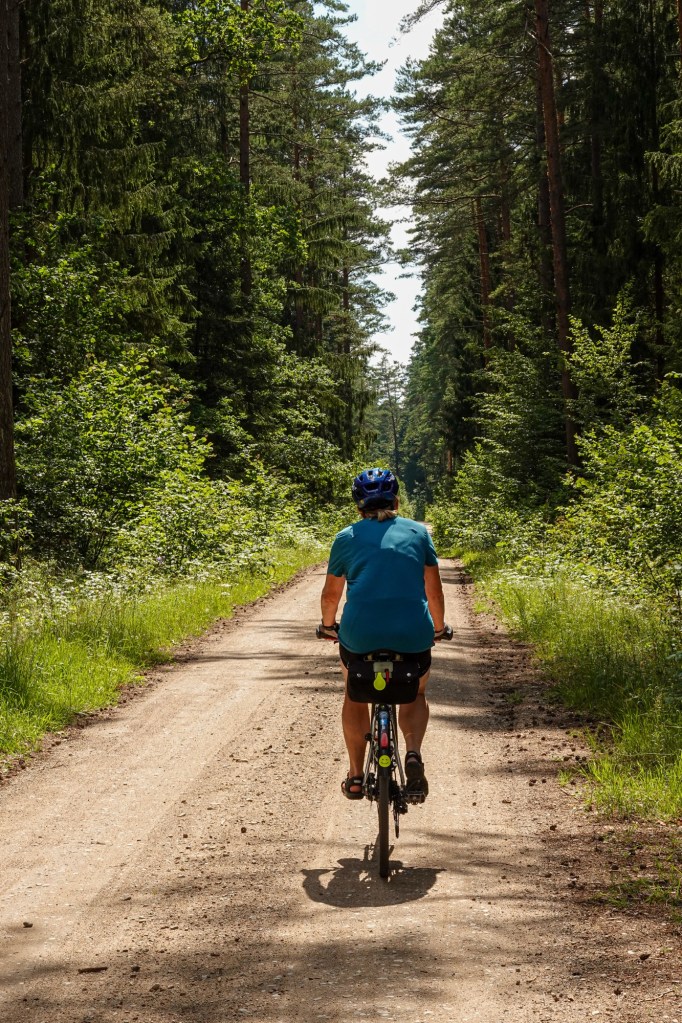
Today’s ride was through rolling agricultural landscapes then rich forests – the latter seemed far “multicultural” than we’ve seen up to now. Though of course we are observing a track bound slither.
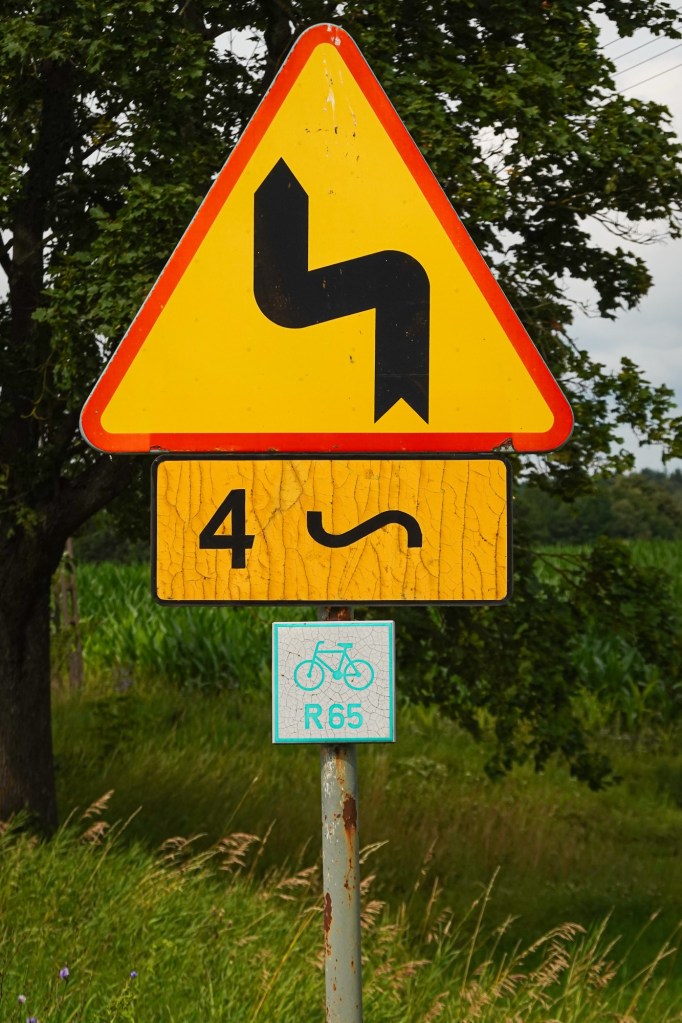
Yellow road signs stand out well. Something we’ll see more over in the next 9 days in Poland.

 Travelling reflections