Walked until I was dead beat: a case of Riga Mortis? It’s a compact old city, easy to both get around and lost in – lots of interesting cobbled lanes. Trams and trolley buses trundle around. Cars just go fast to beat the lights.
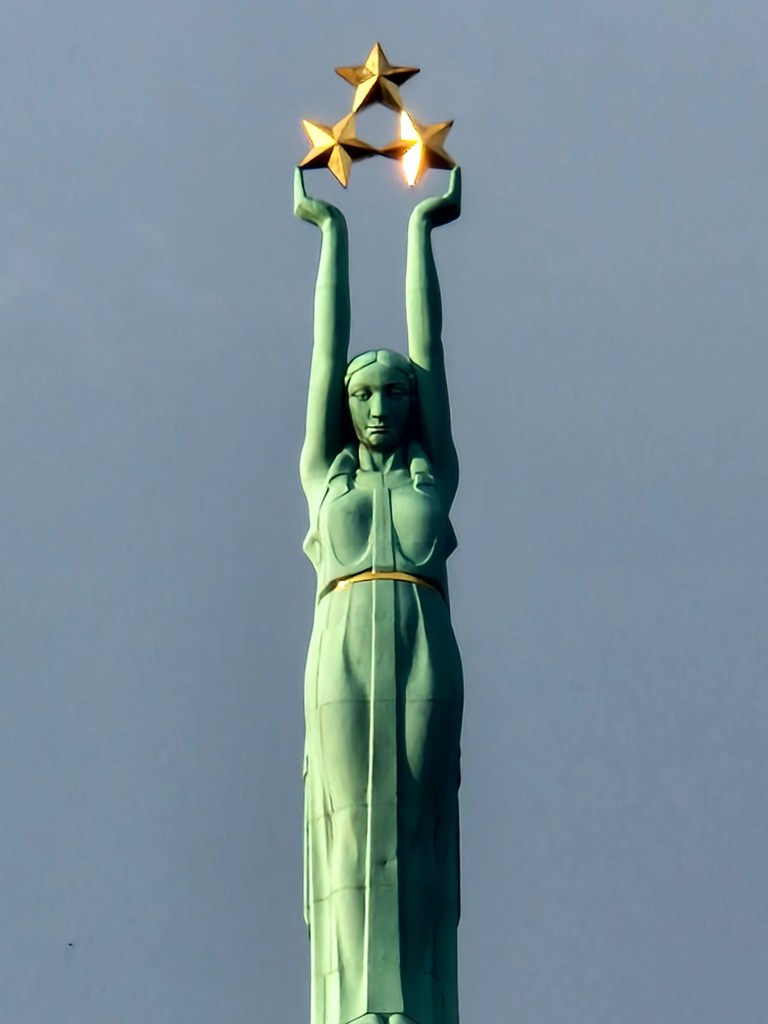

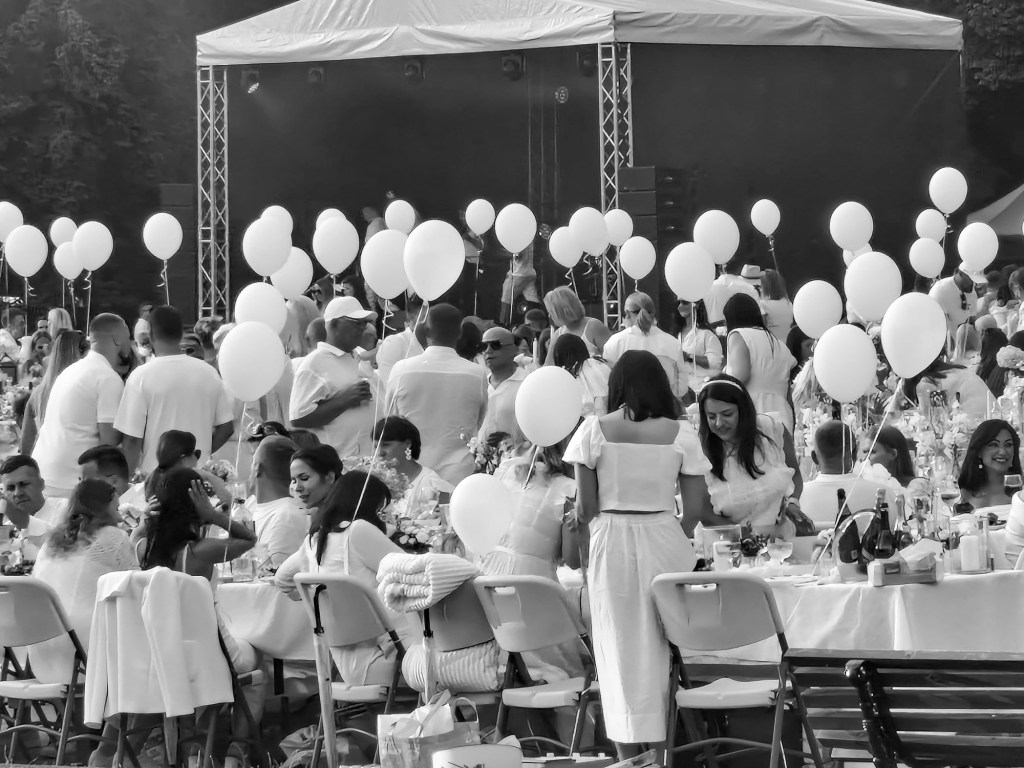
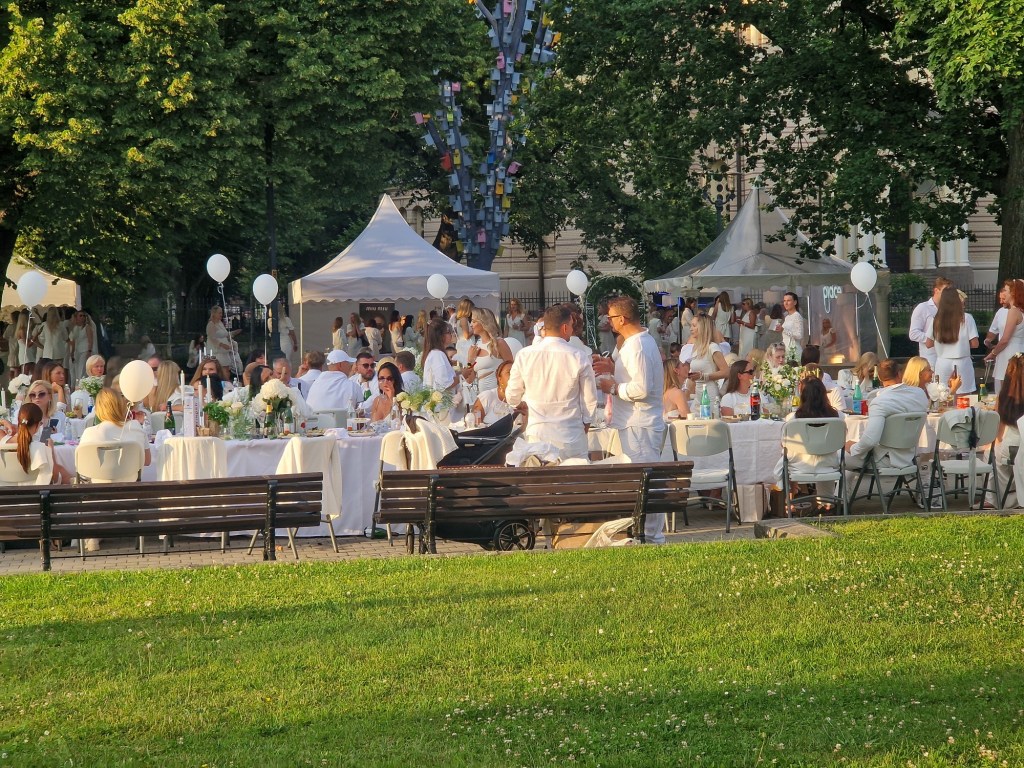

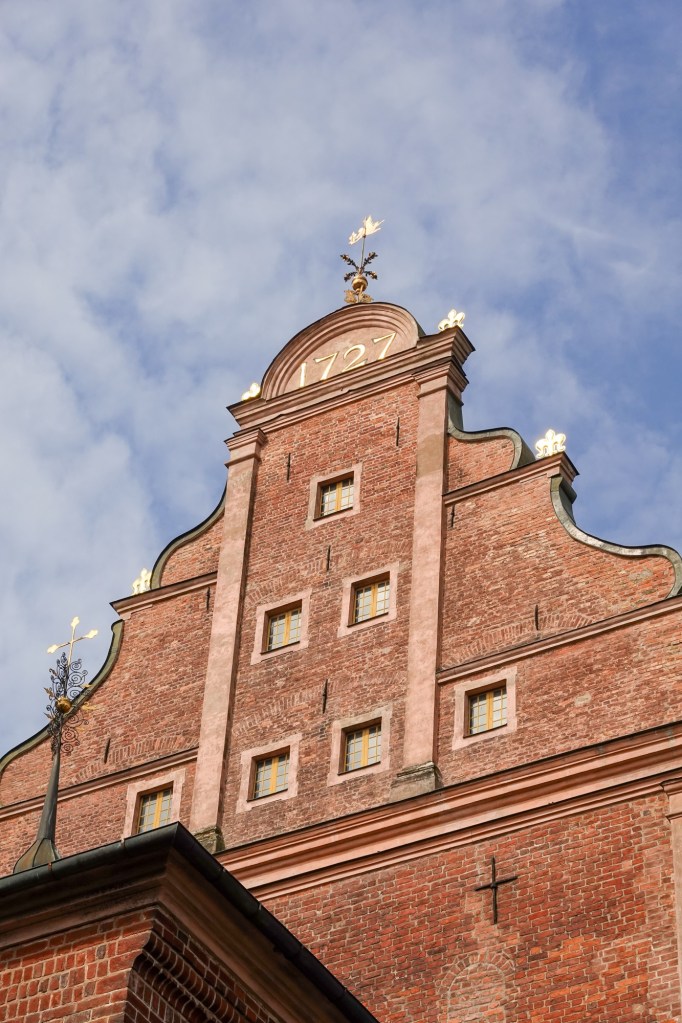
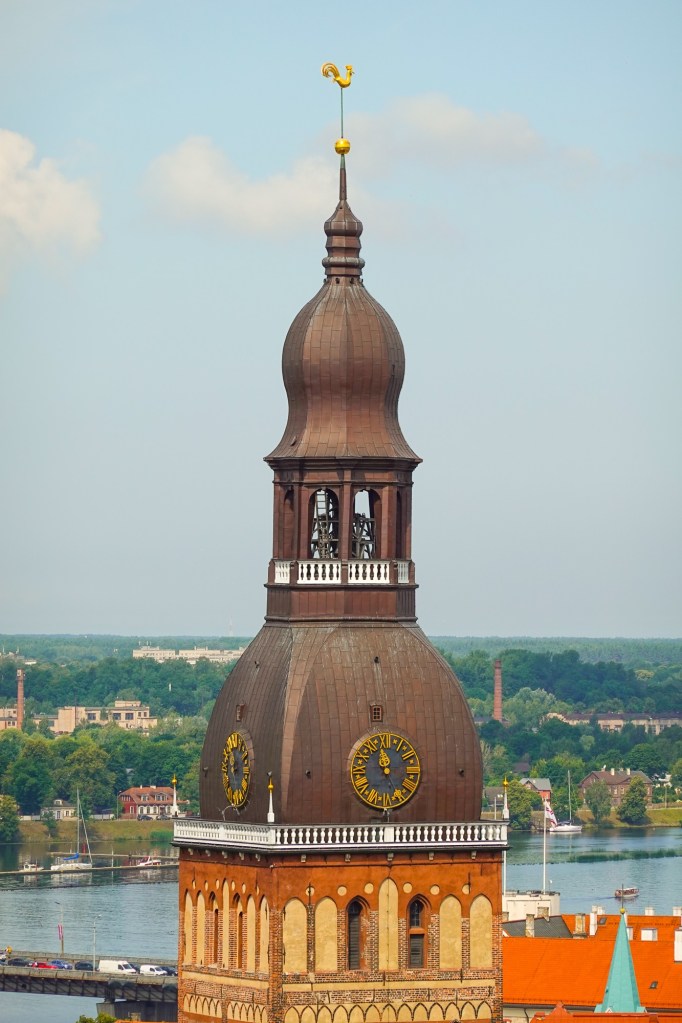

It’s easy to forget it many of the buildings were bombed during WW2, particularly the 1944 Russian push back on the Eastern Front. That brings home the geography – which is easy to forget given the apparent domination of Western influences now, particularly how common English is, including on signage.
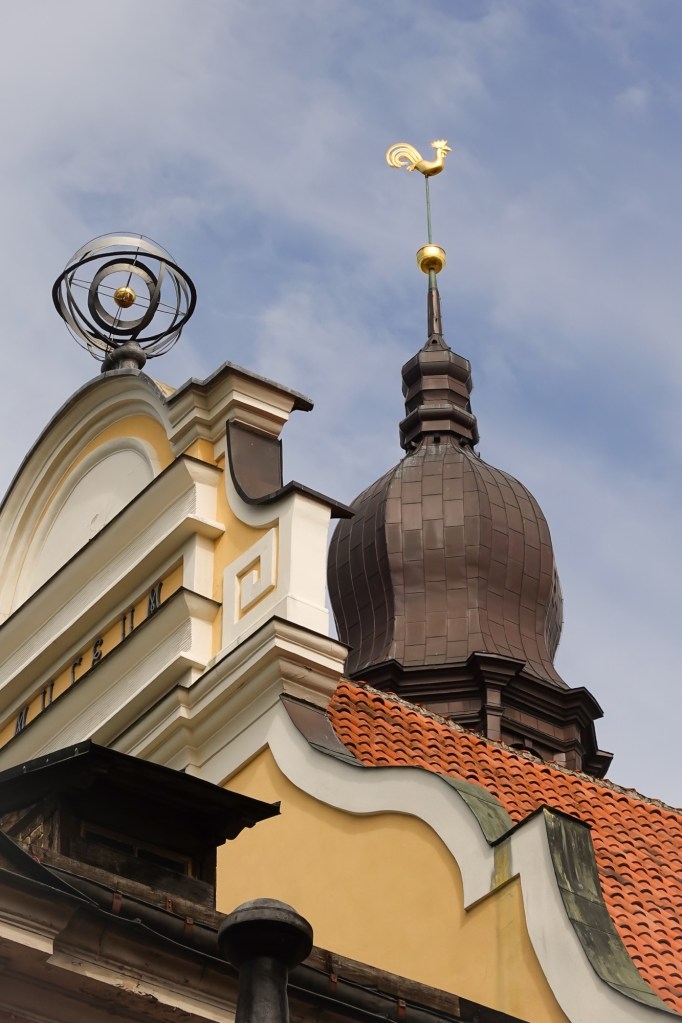




It’s difficult to take in all the history, including the 20C. Latvia’s population dropped from 0.5million to 300000 between the start and end of WW2. They fought – mainly through forced conscription – in both the German and Russian armies. Emigrated.
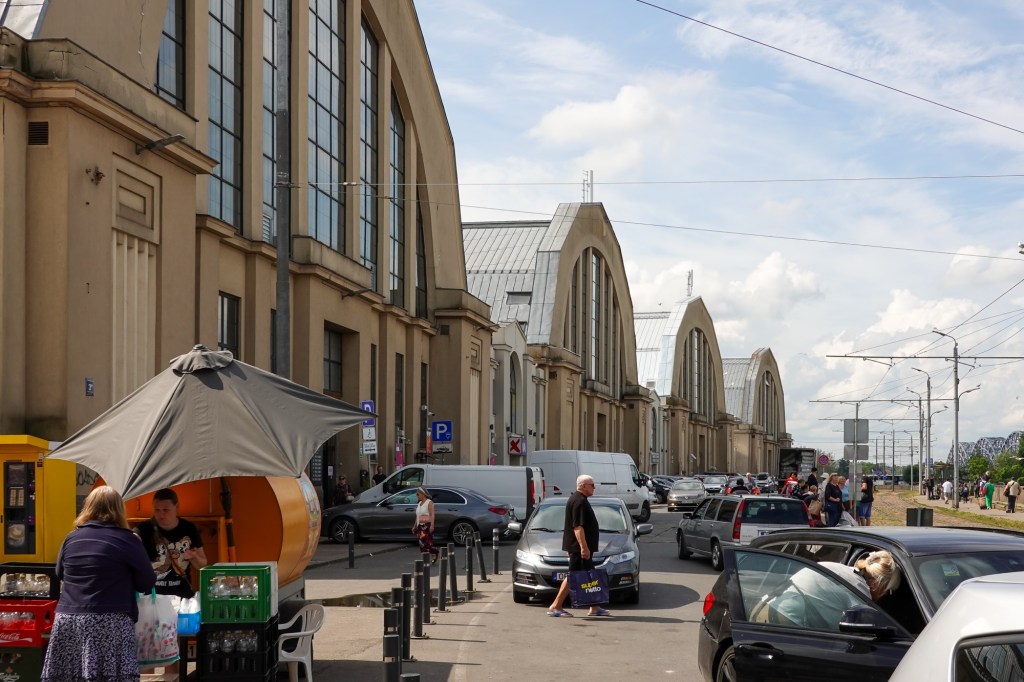
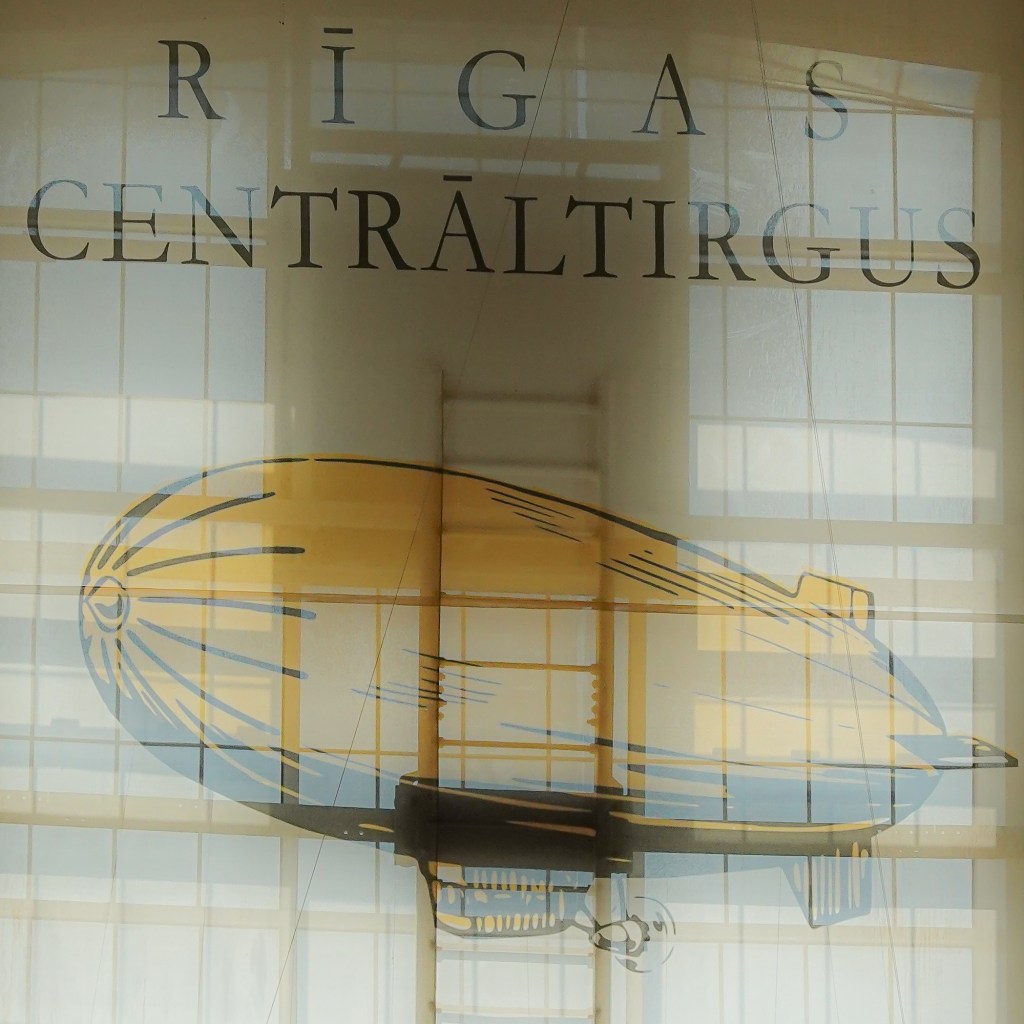
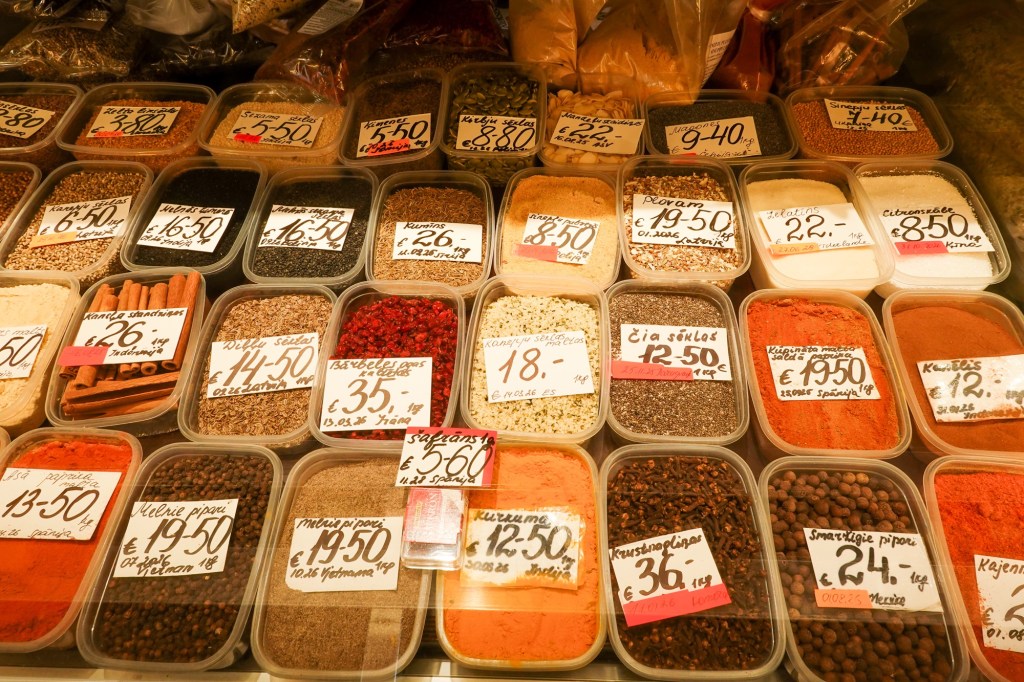


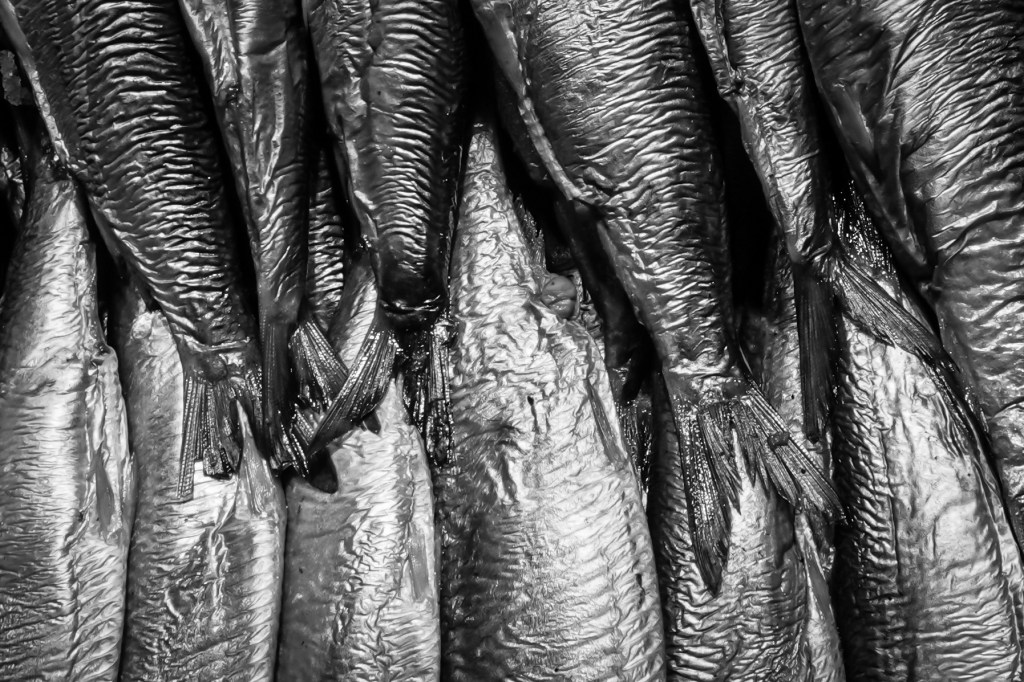
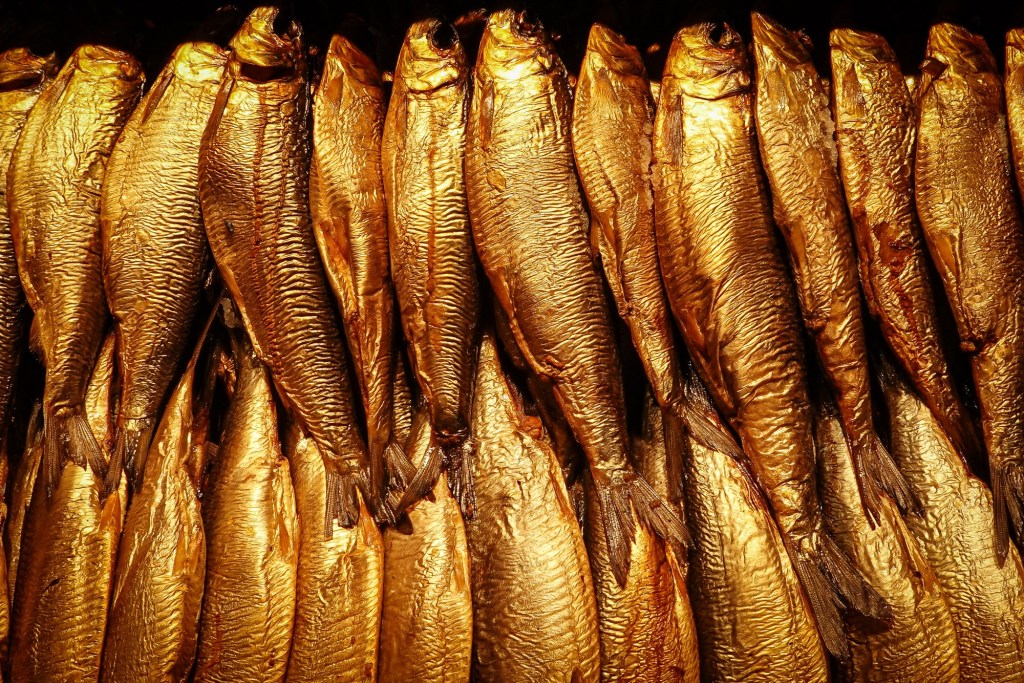
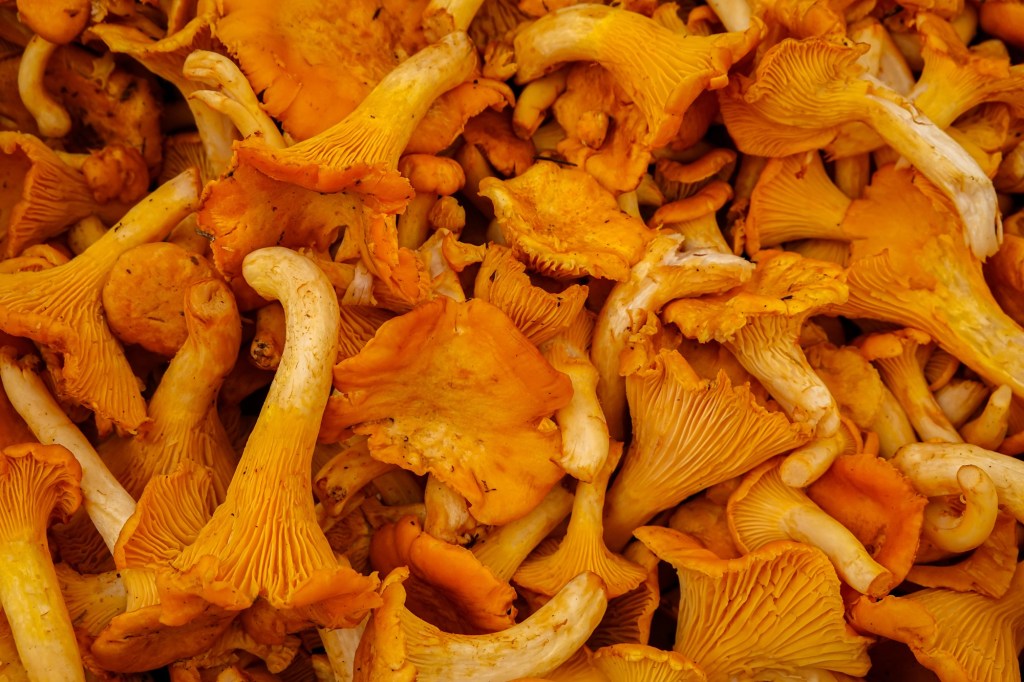
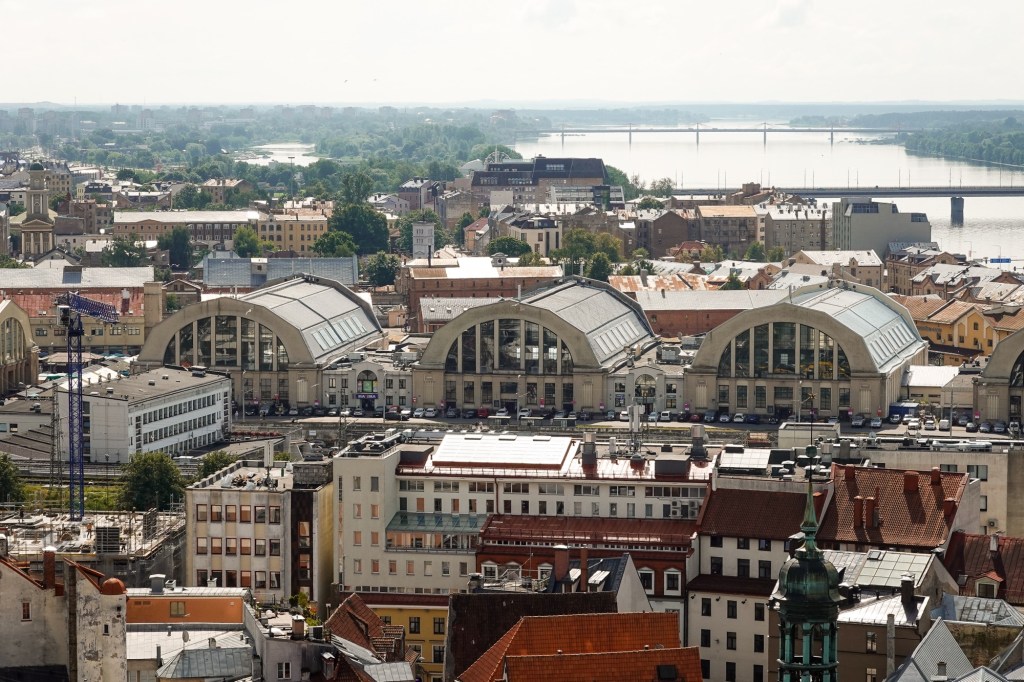
Today Riga feels quietly bustling. The market halls in what were once Zepplin hangers are great – in size and atmosphere, with locals happily jostling with tourists. One sight we didn’t get to squeeze into was the closed, restored, House of Black Heads. A great selection of places to eat.
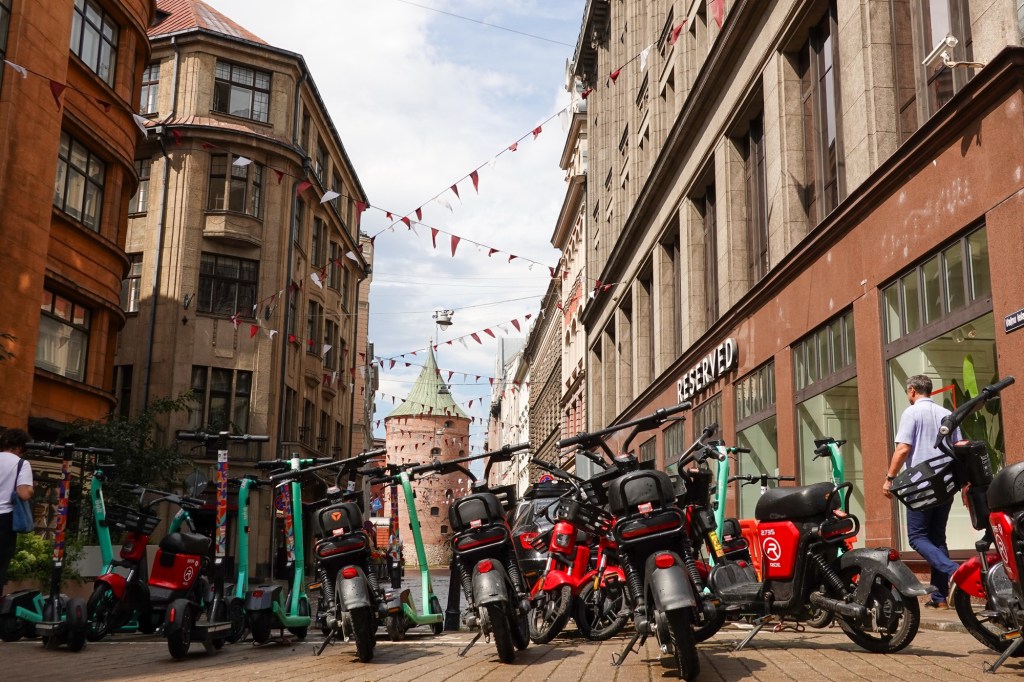

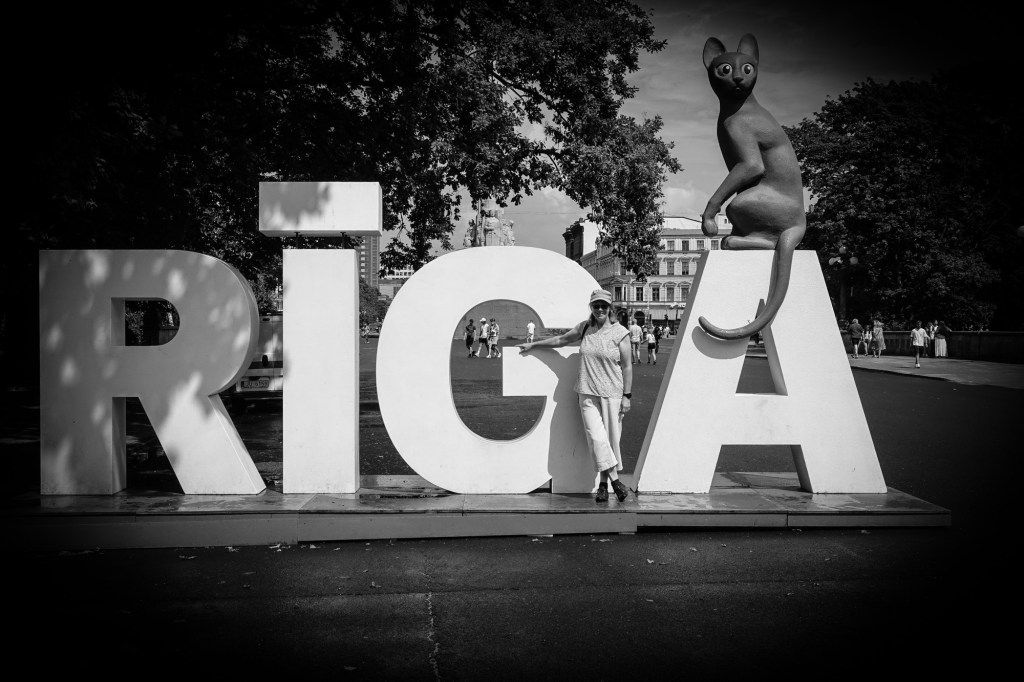
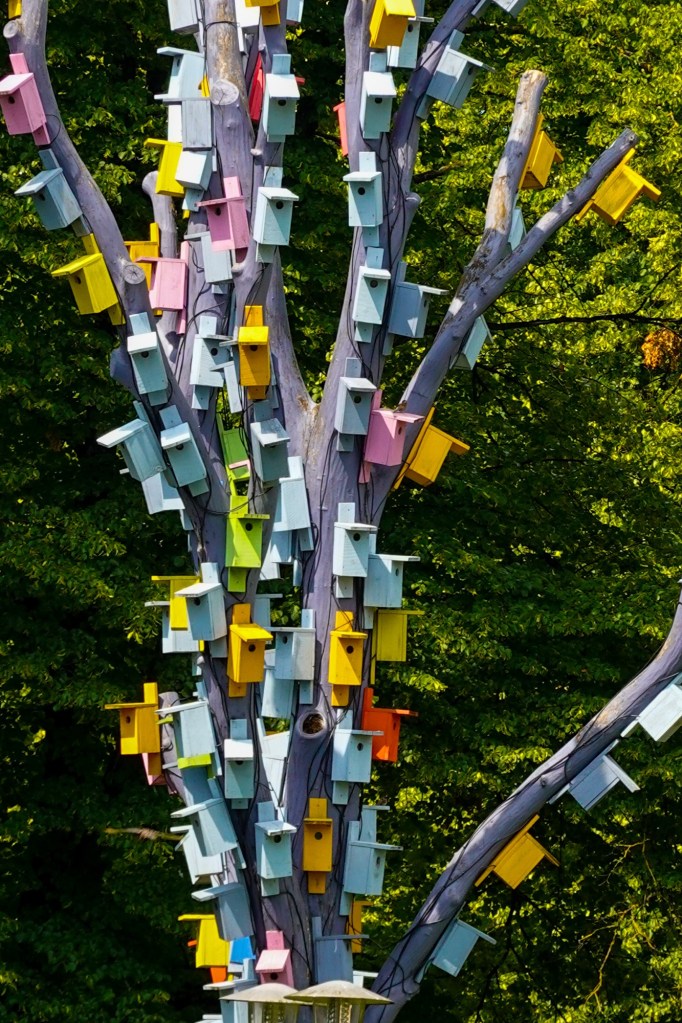

Nipping back to Estonia, as this is all an aide-memoir. Our “content creator” has set the challenge for each of us to recall Estonia in one word. I think I’ll go for “interesting”: how it’s developed since 1991, the people (some smile, some are unscrutable; the rural areas wooden buildings. That’ll have to do.
Tomorrow into Lithuania, 50 miles into our southerly route.

 Travelling reflections