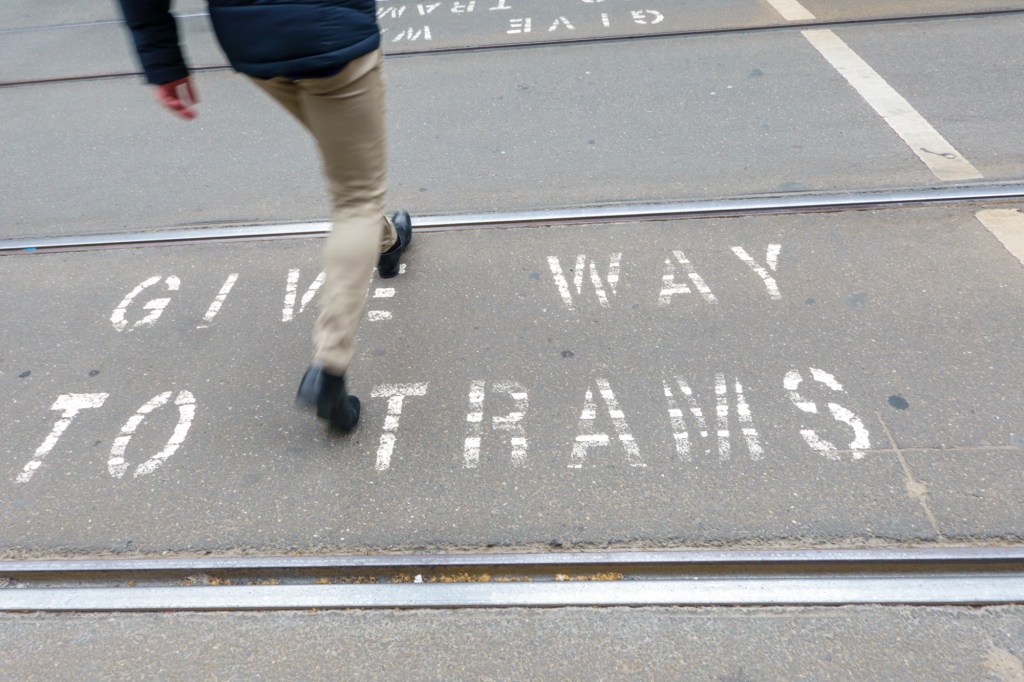
Easy to get around on a marvelous tram system, even if you go in the wrong direction. Makes you wonder why it is so difficult to build new tram systems. This one, the largest in the world with 47 miles of tracks dates from 1855. Rails and an overhead cable: what’s so complicated?
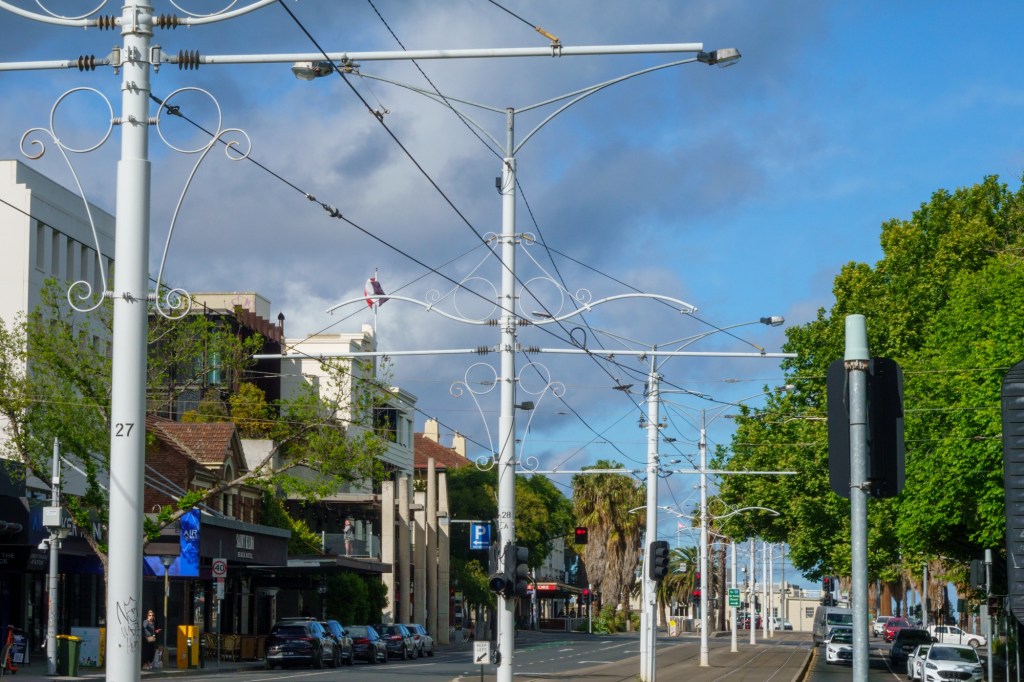
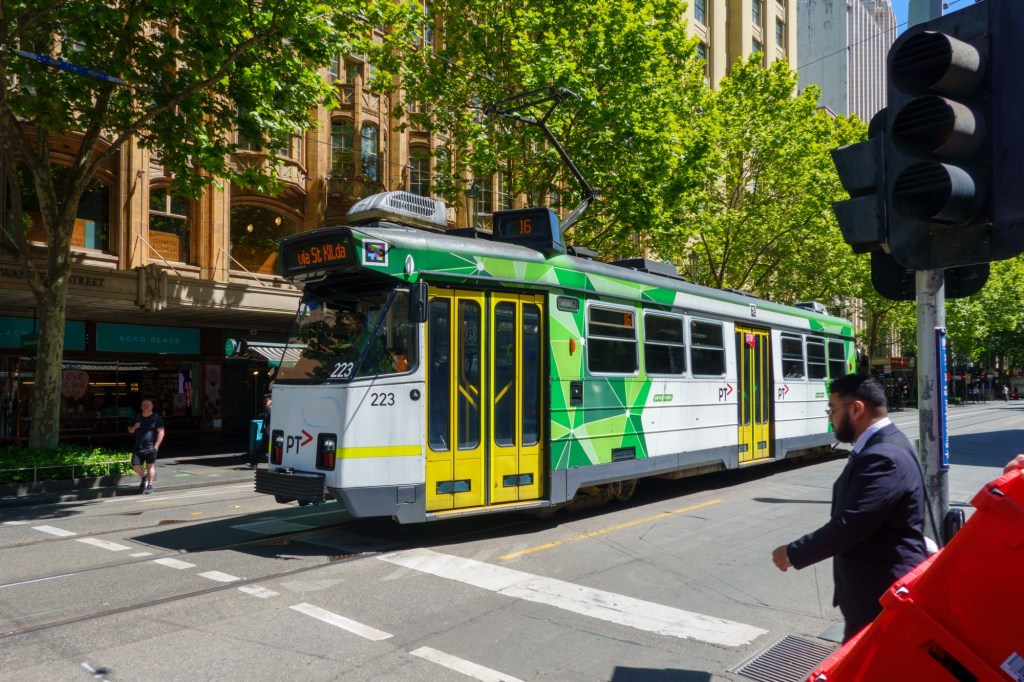
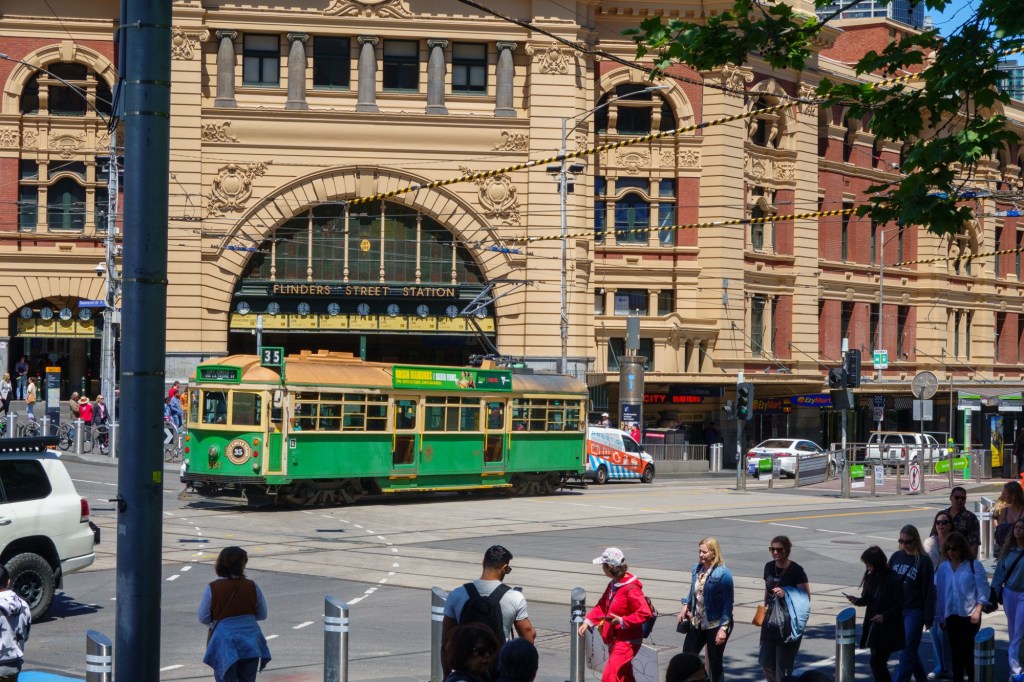


Melbourne started developing from 1850. The discovery of gold, a month after Queen Victoria had adjudicated in favour of the new state (“independent” of New South Wales) and hence the State’s name, gave it a boost.


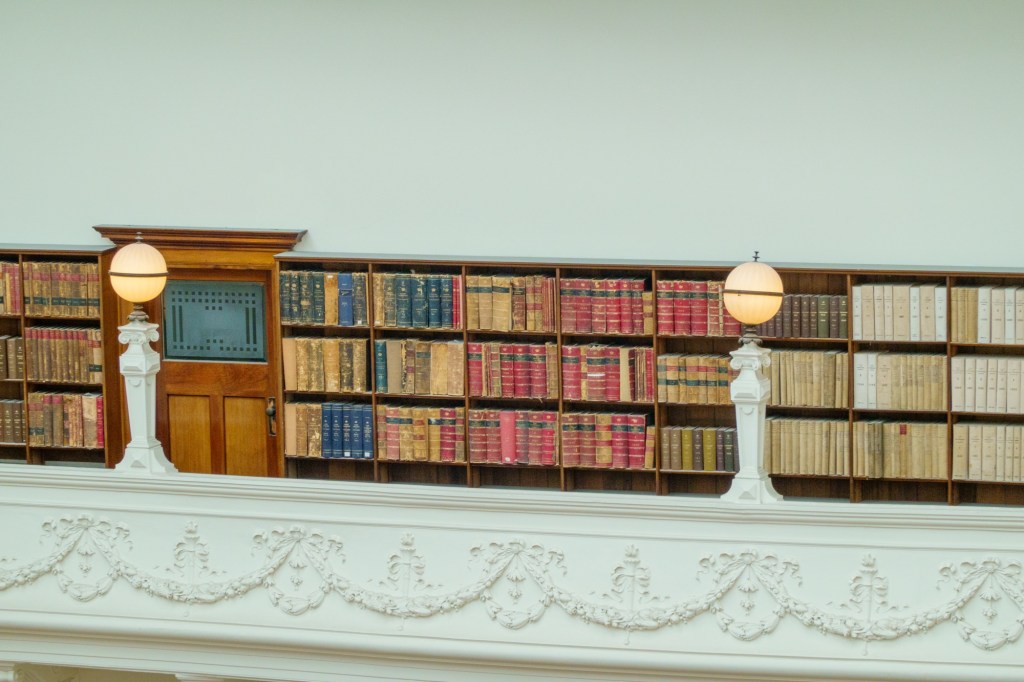
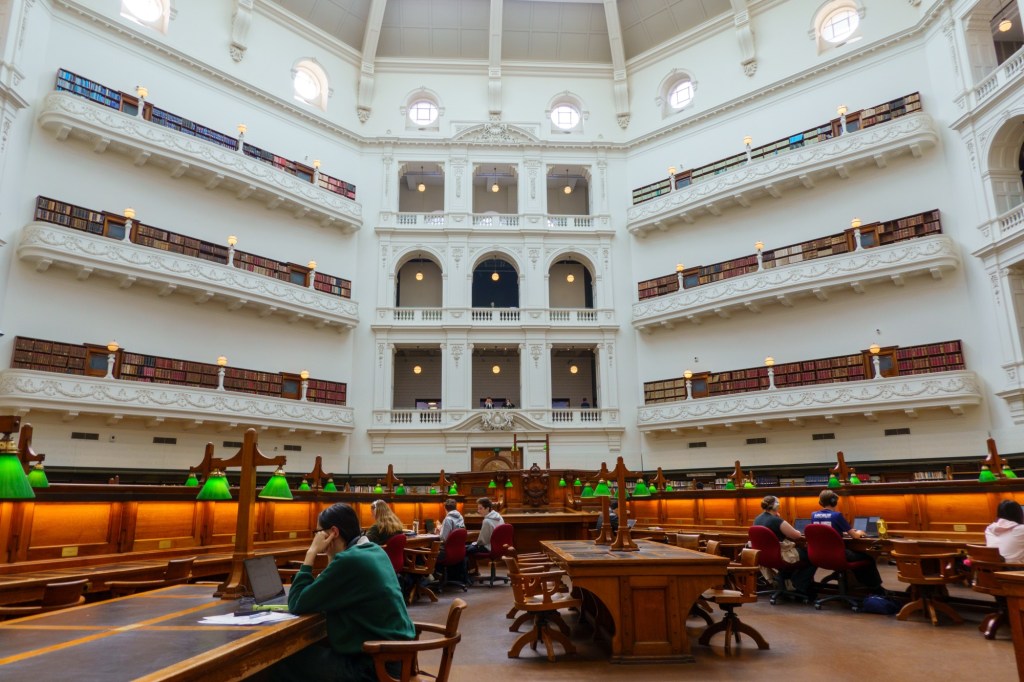


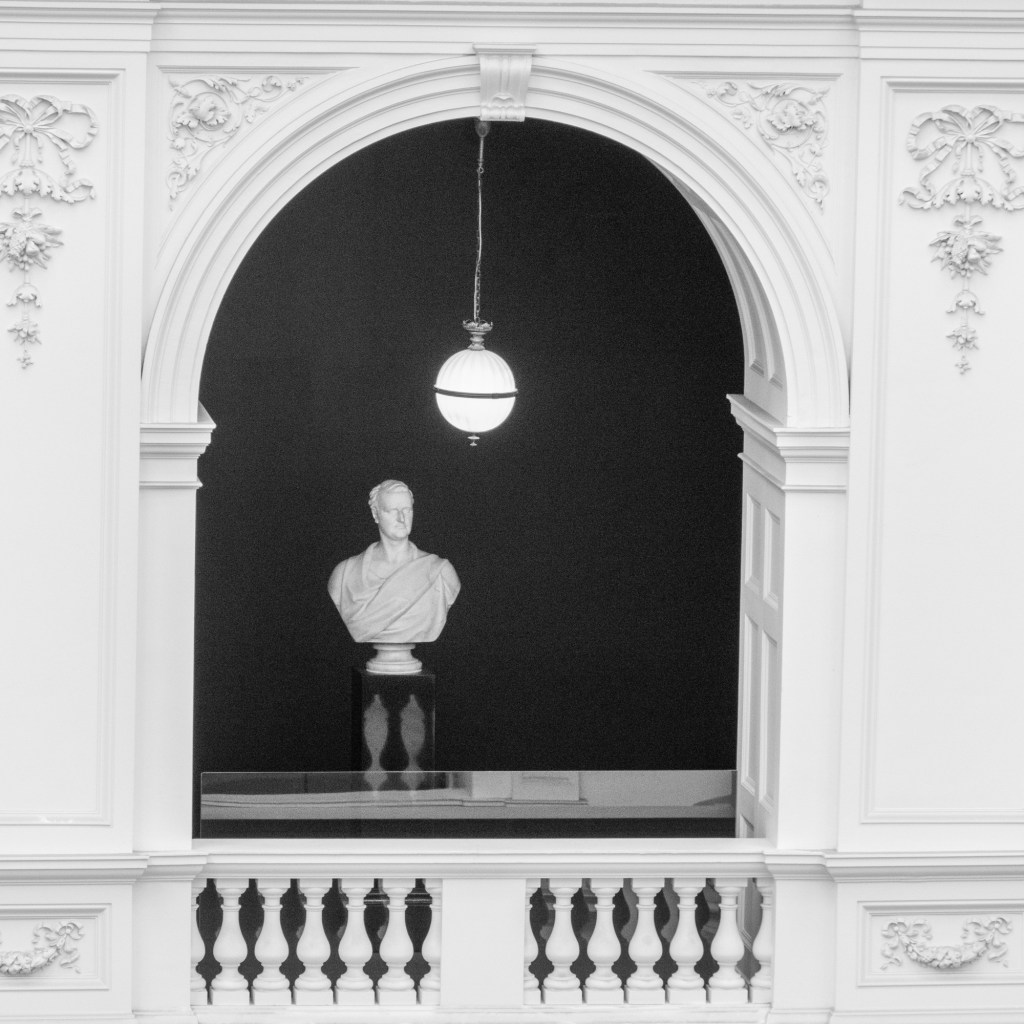
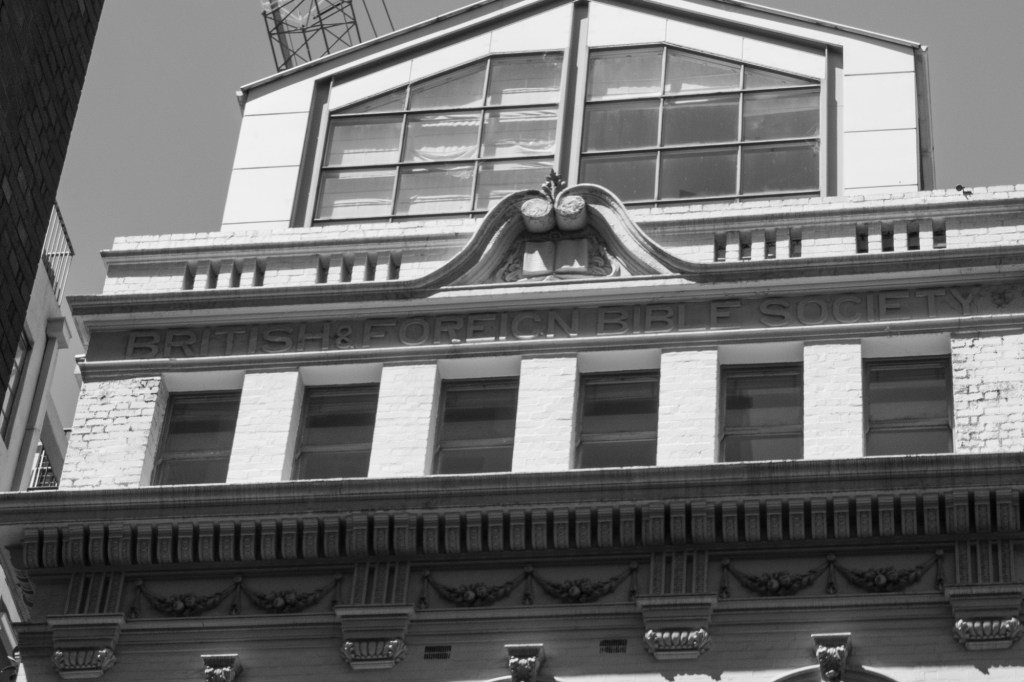
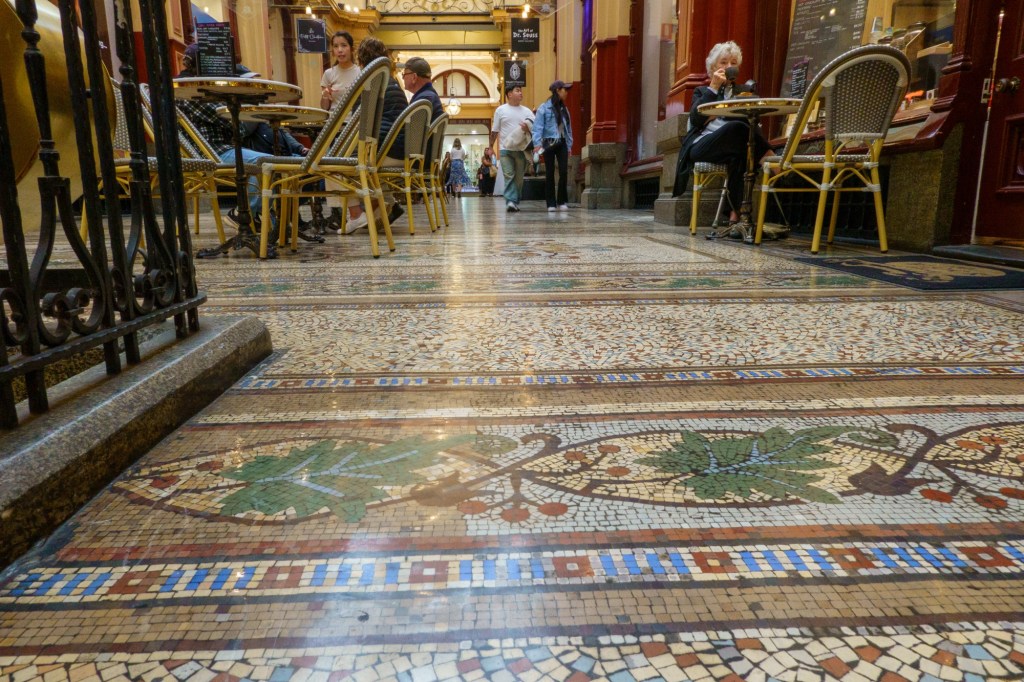
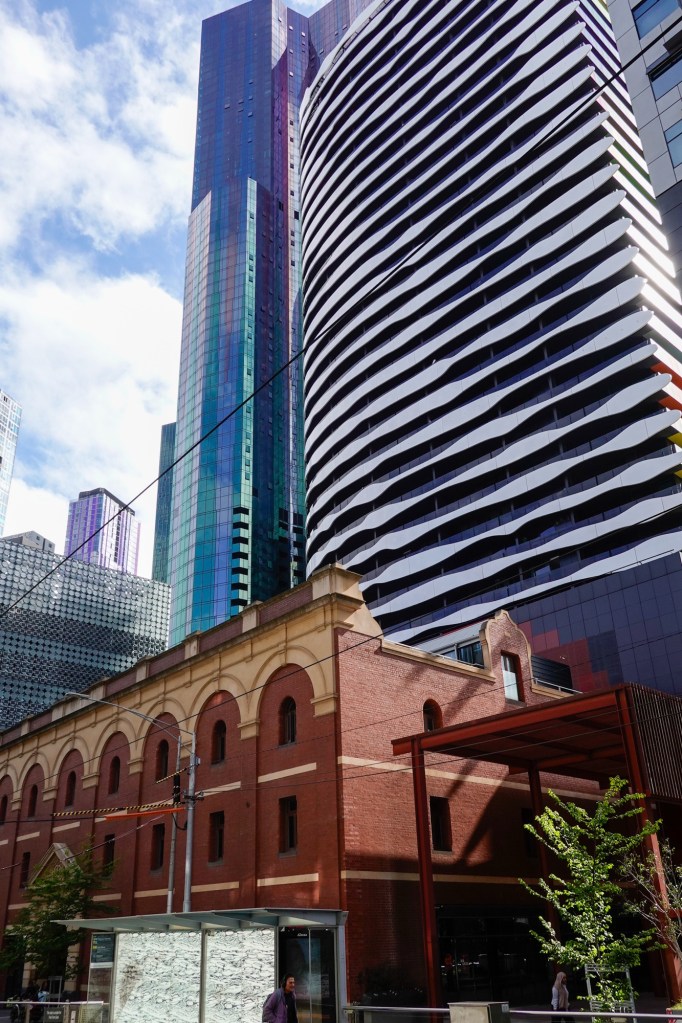
Institutions followed, such as the magnificent State Library. Arcades. Universities. Greeks (the largest population outside Greece and some 3.5% of the population). St Paul’s Cathedral: he must have a hard time getting round them all); dates from 1883 finished 50 yrs later. Today cranes and skyscrapers continue the development.

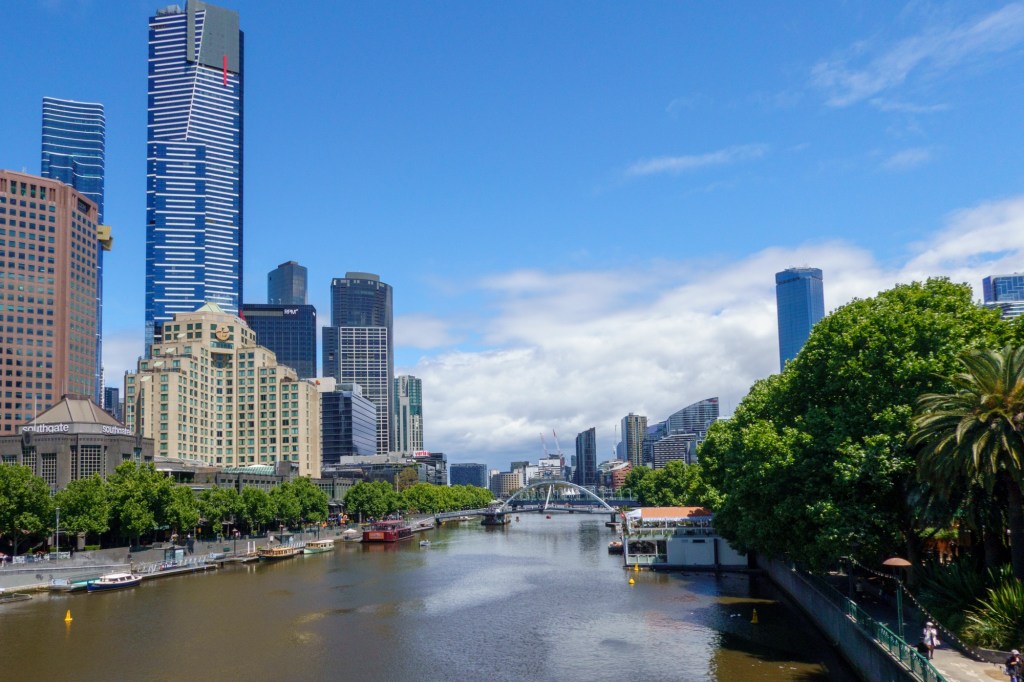
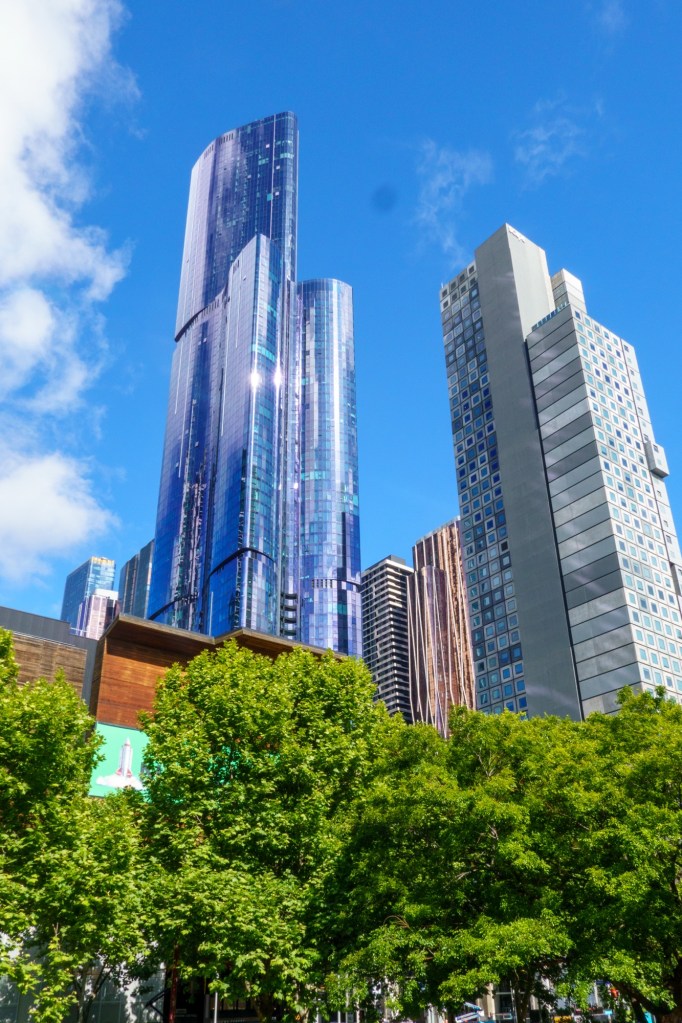
Many other claims to fame, such as the 8hr working day: “On 21 April 1856 stonemasons in Melbourne downed tools and walked off the job in protest over their employers’ refusal to accept their demands for reduced working hours. This brought the employers to the negotiating table and led to an agreement whereby stonemasons worked no more than an eight-hour day.”
Who am I to quibble? In 1594, Philip II of Spain established an eight-hour work day for the construction workers in the American Viceroyalties by a royal edict. 19th century, Robert Owen in New Lanark in 1817 had formulated the goal of the eight-hour day and coined the slogan: “Eight hours’ labour, Eight hours’ recreation, Eight hours’ rest”.
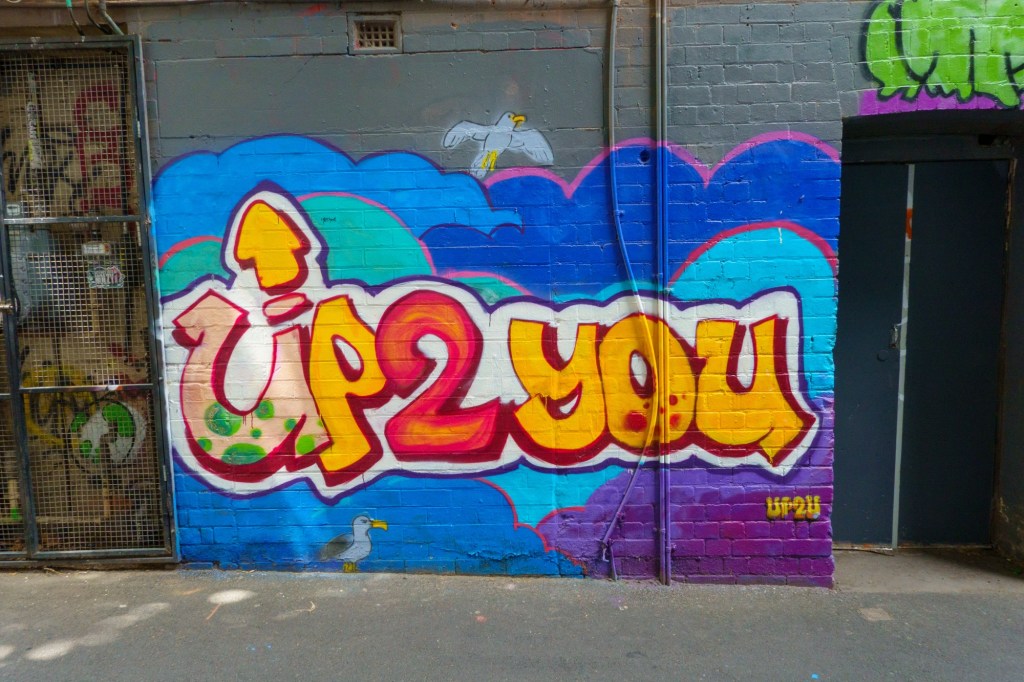
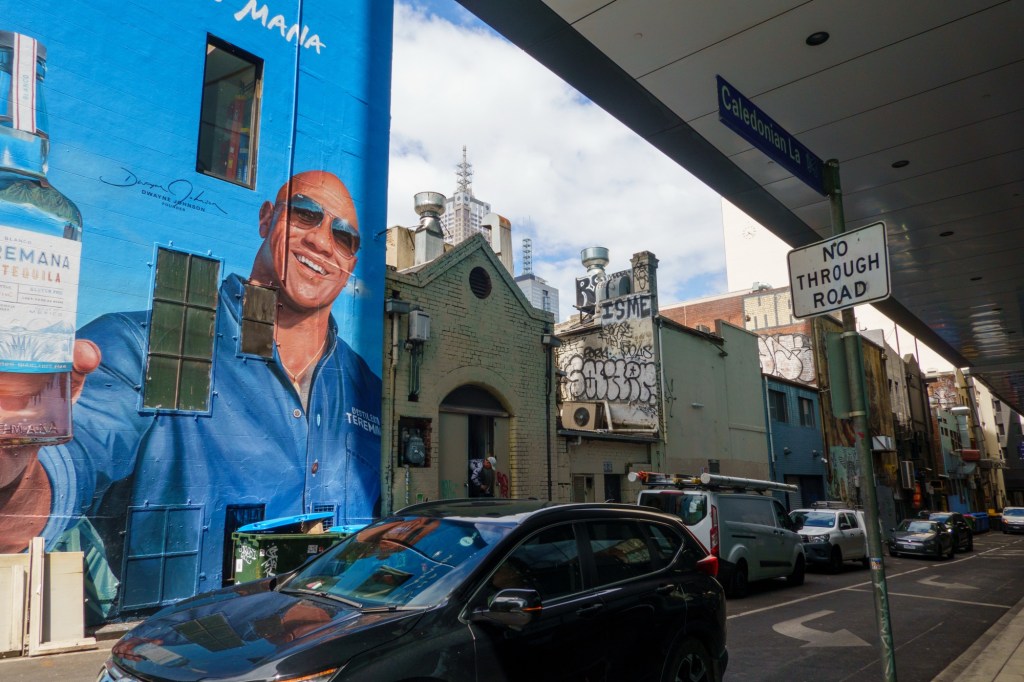

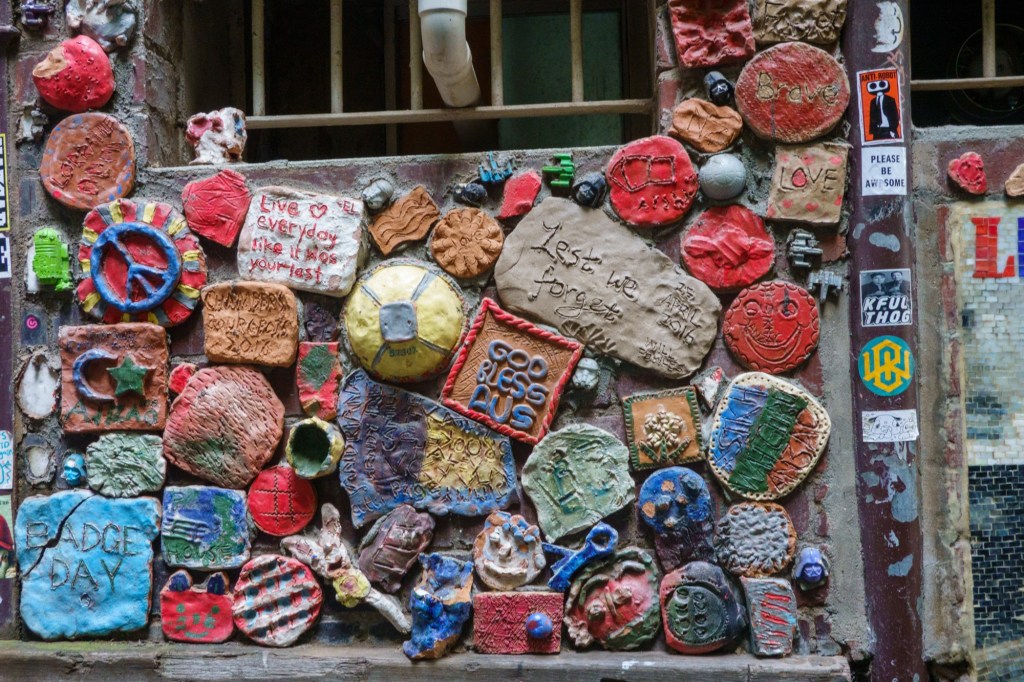

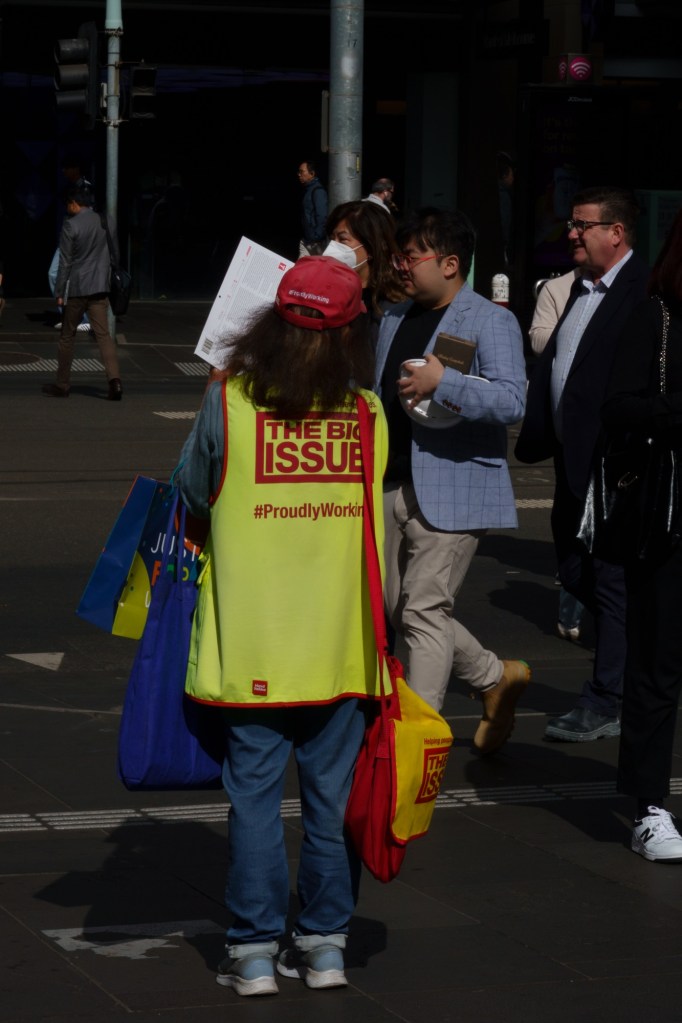


Melbourne has a history of protest with strong Union and Student movements. Suffragettes; the messy story (hero or villain?) of Ned Kelly whose armour is on display in the Library (founded by the Judge in Kelly’s trial).
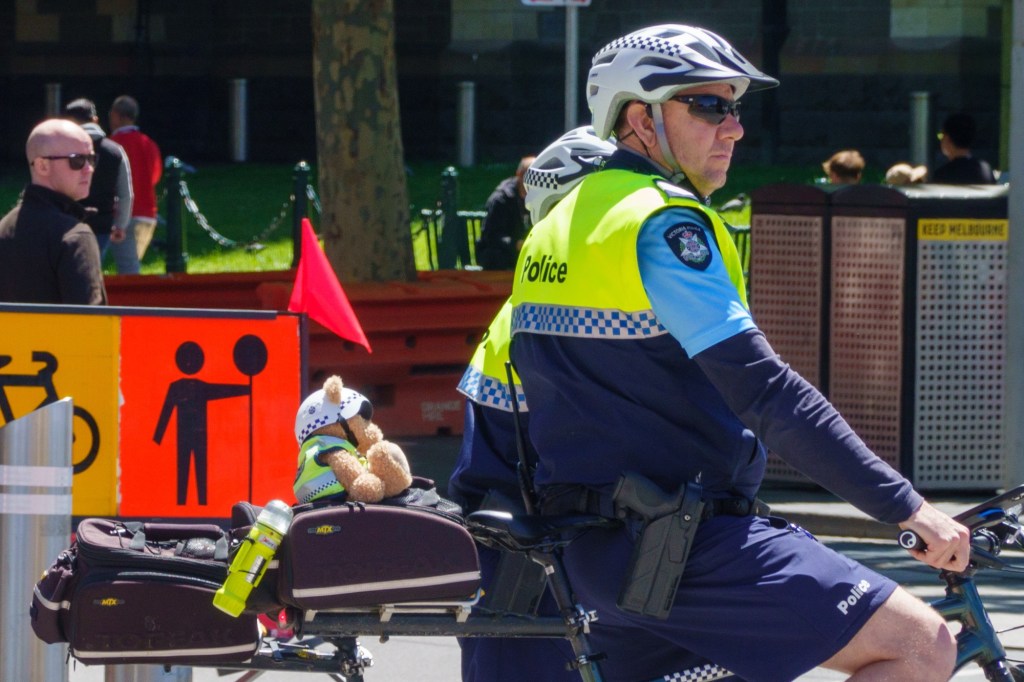
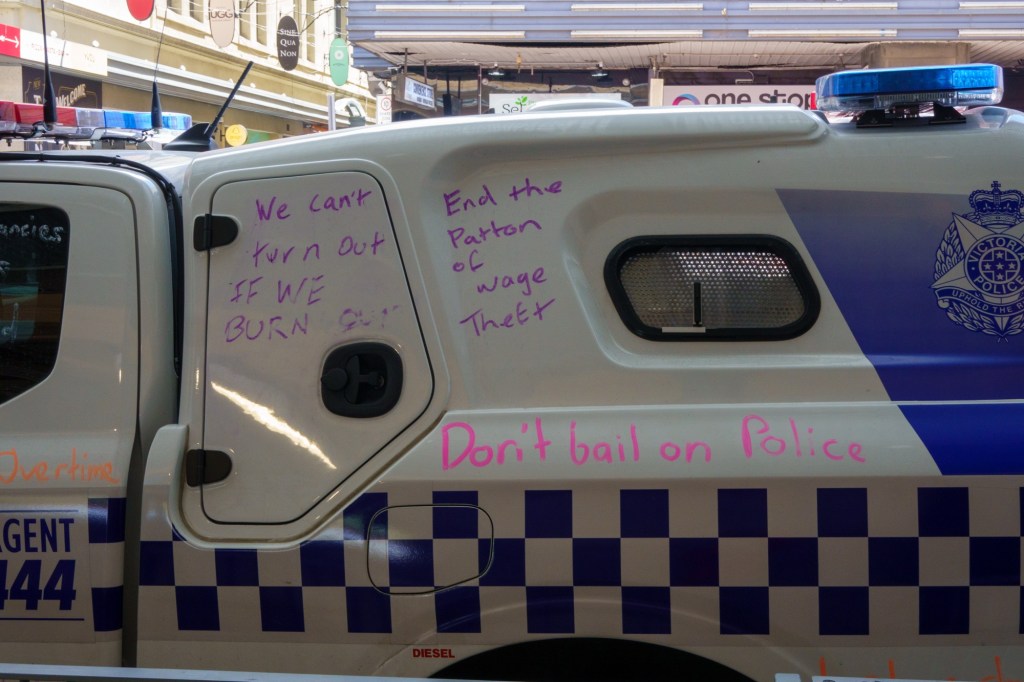
Today finds the police taking what industrial action they are allowed to in a pay dispute. Slogans on their vehicles.


A bustling friendly place, more to see…..

 Travelling reflections