D56 Trans Europa Antequera – Ronda

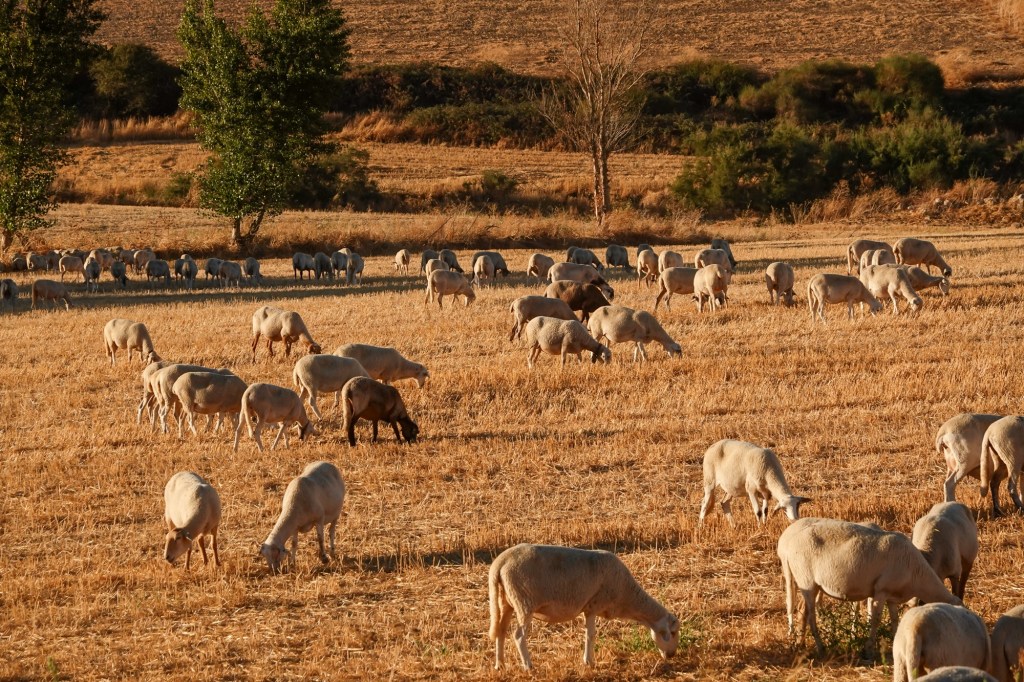
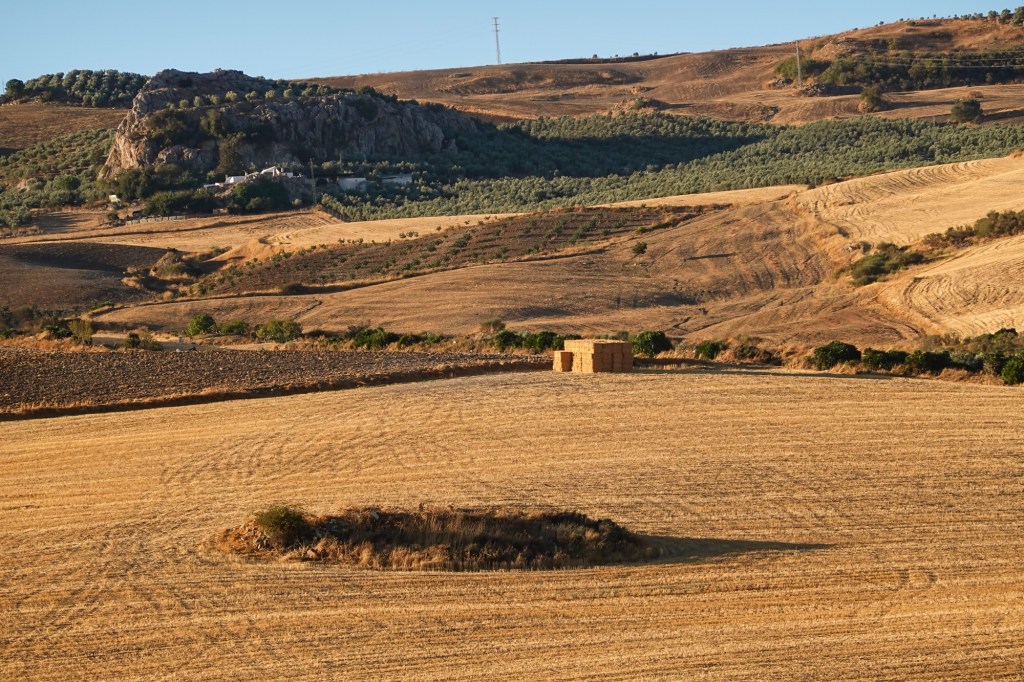
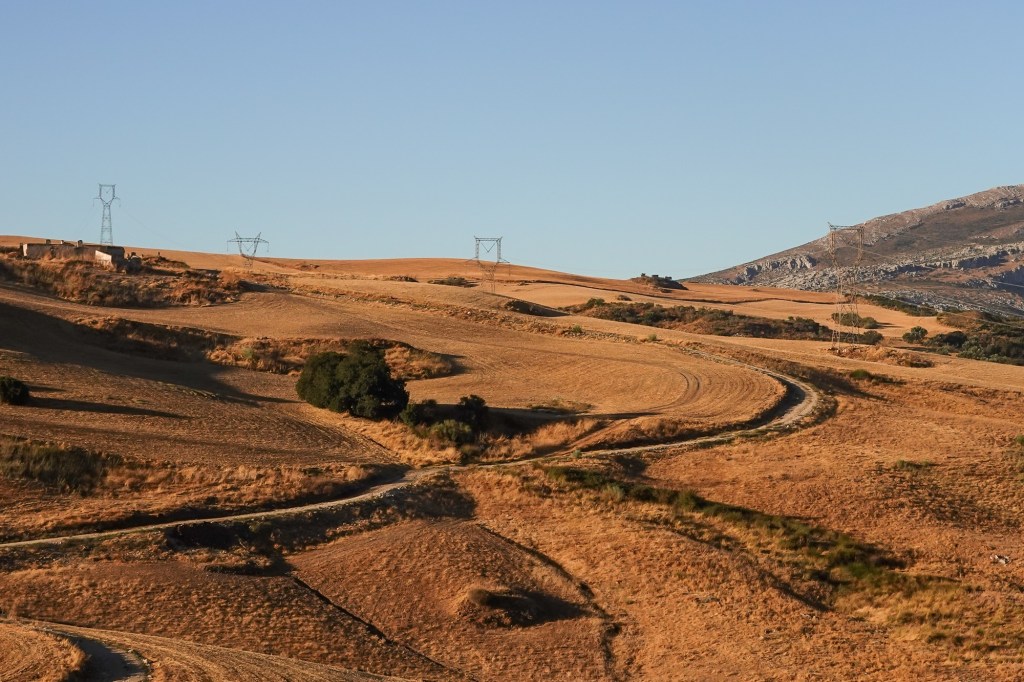
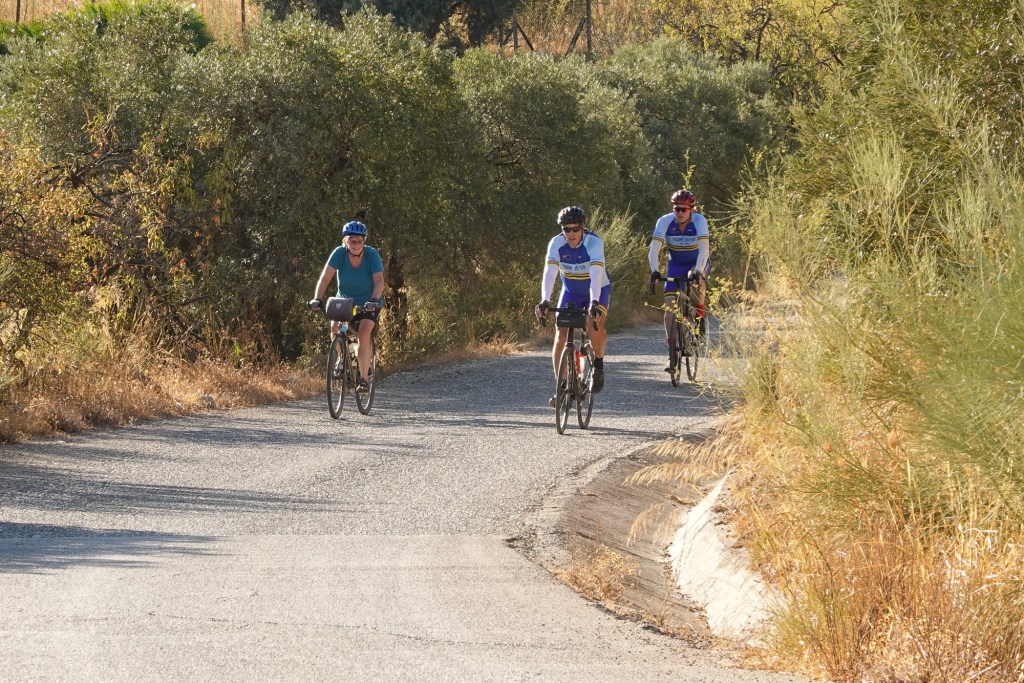
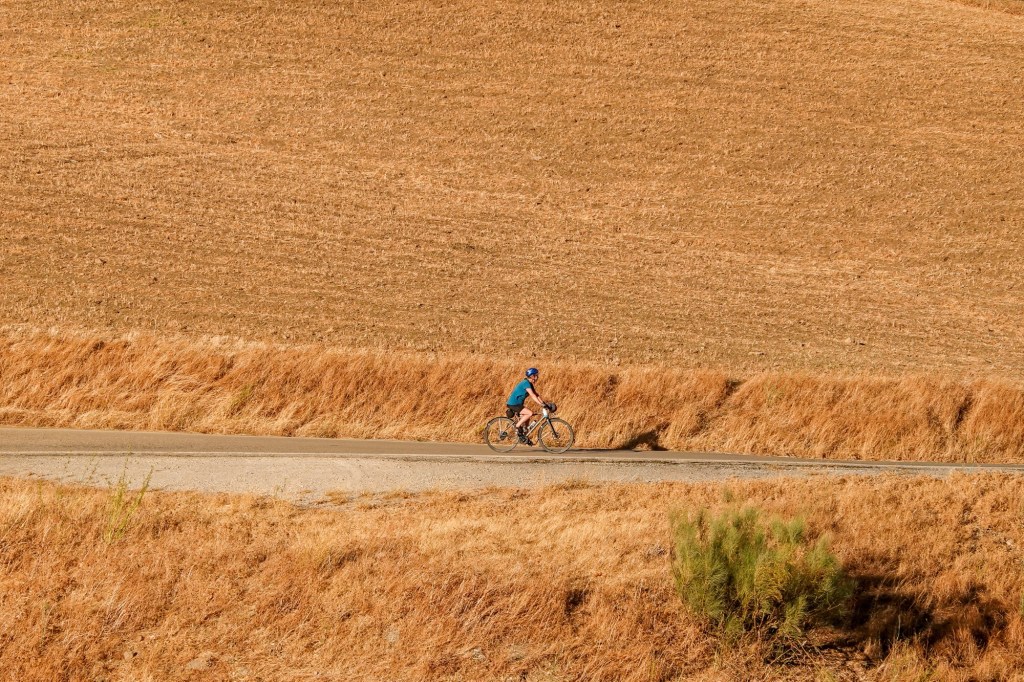
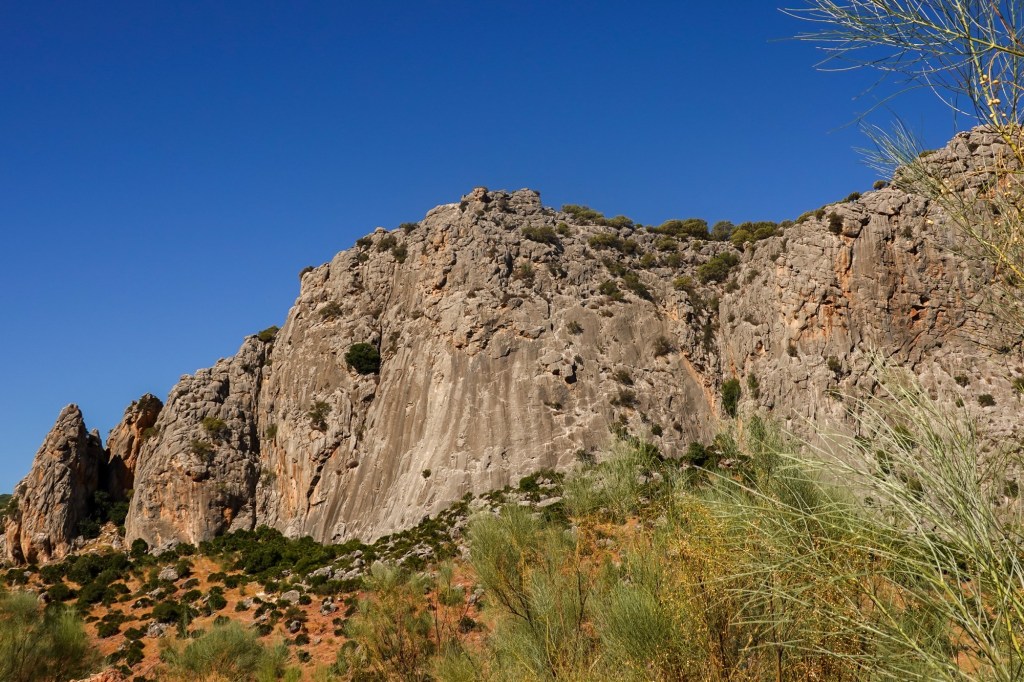
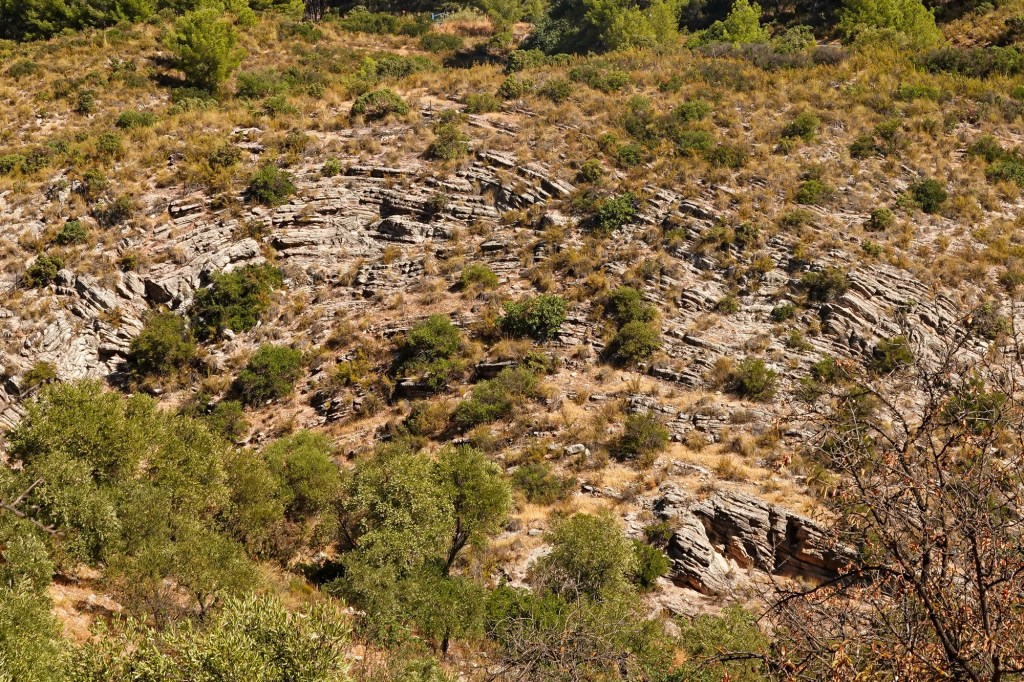
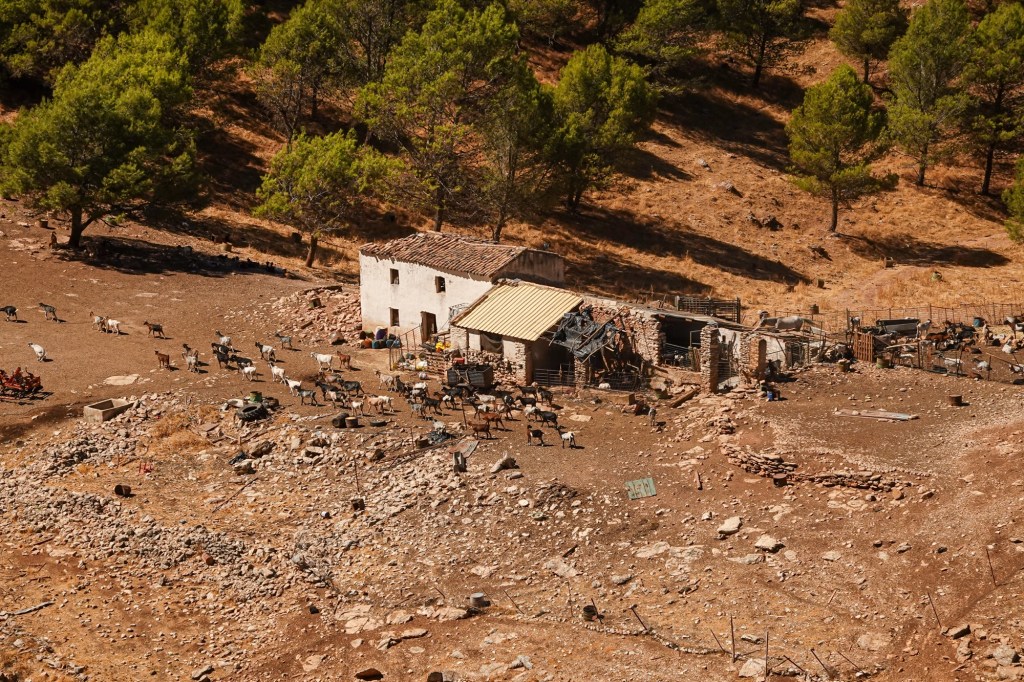
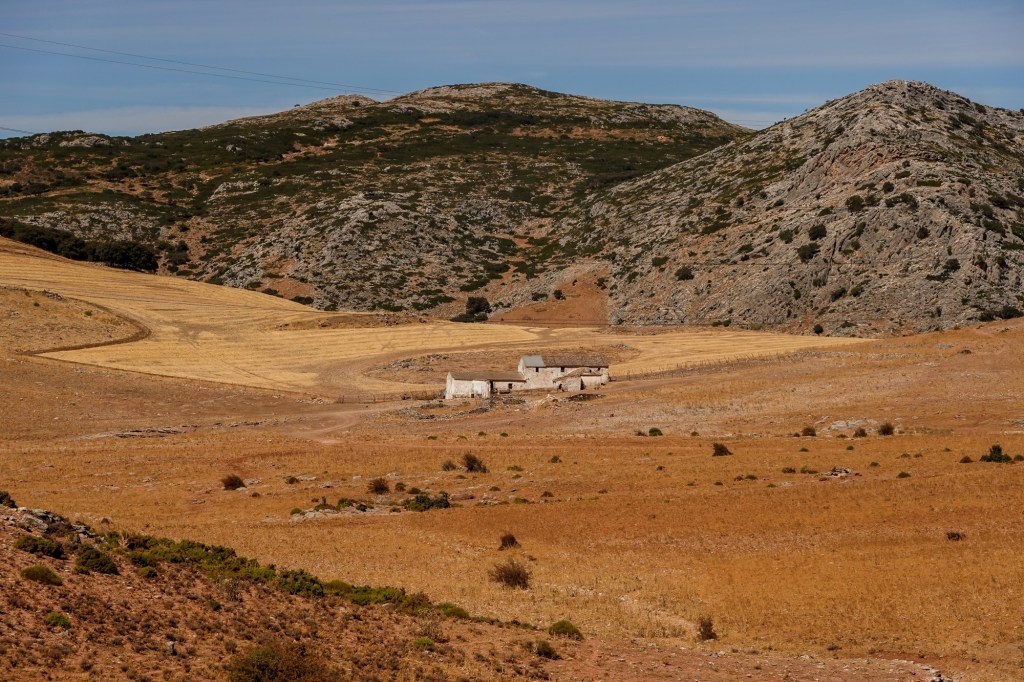
Some of today’s stunning scenery, on the penultimate day, is reminiscent of North West Scotland and Mid Wales. Empty for miles with the occassional farmstead. Sheep and goats (though with bells) and actual shepherds tending their flocks. A dam. National parks, view points. And some lovely ups and downs.
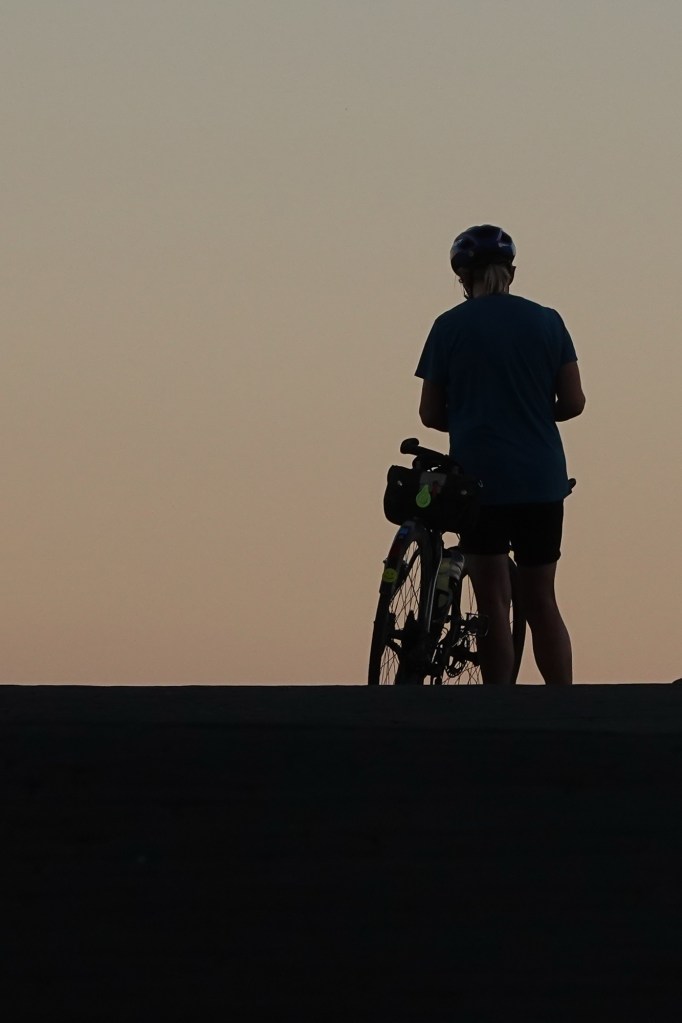
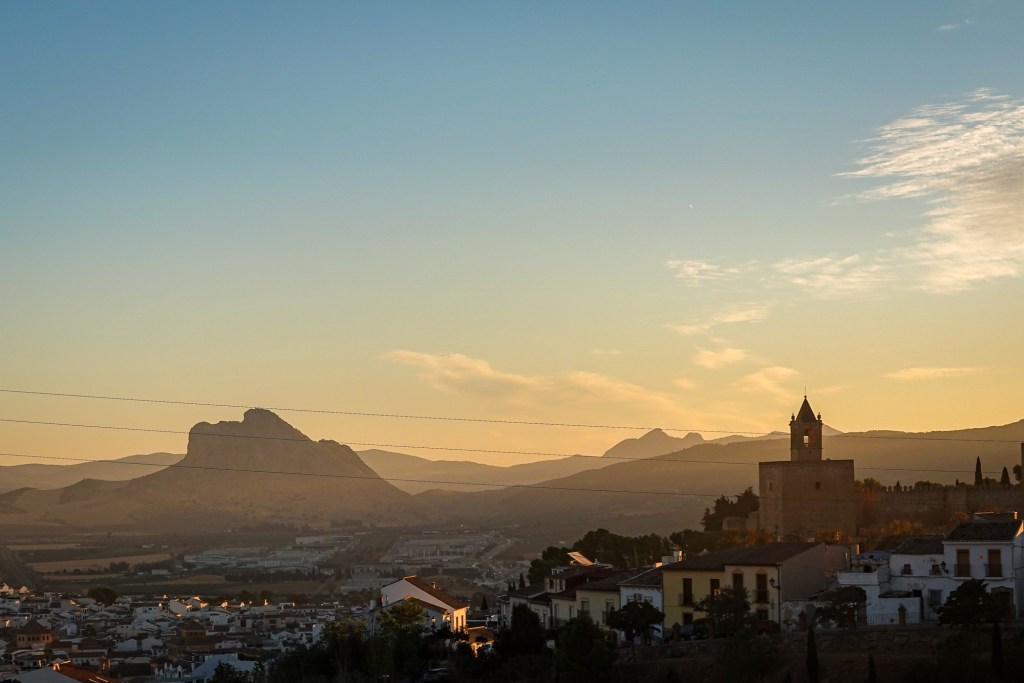
The best of these was in a town, El Burgo (no MacDonalds were seen). It always seems steeper when you are enclosed by buildings. Why don’t they build these places in the plains?
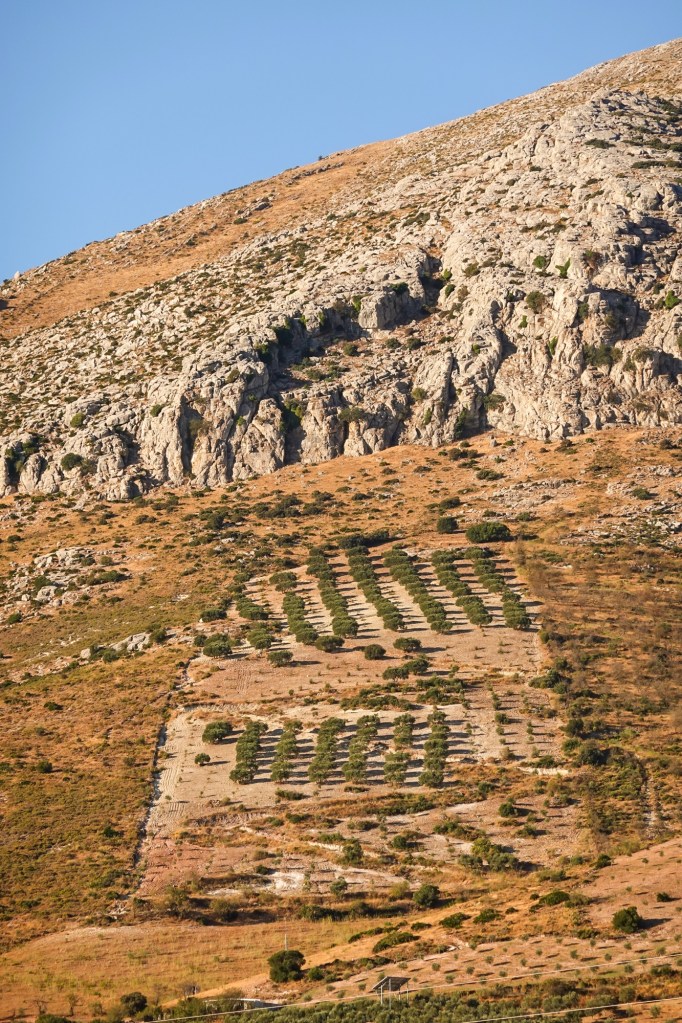
Today felt a landscape to return to in different seasons. Verdant spring for example.
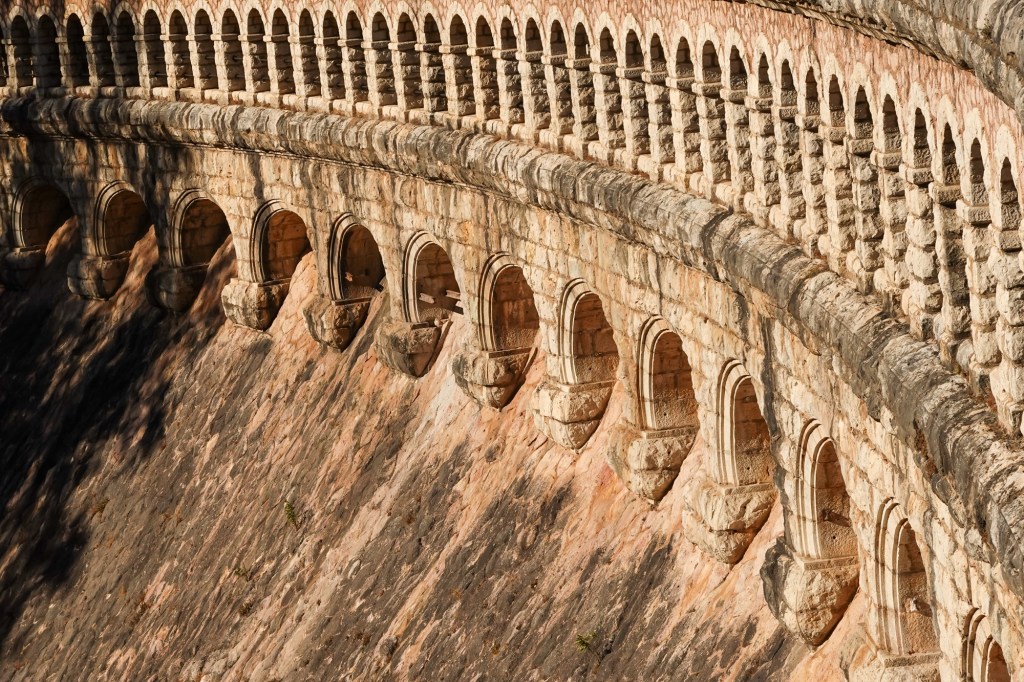
Perhaps predictably we started the first ascent going back up the roads and tracks John drove us yesterday. It’s a lot cooler early morning and the light makes everything glow.

Ronda is not related to Rhondda apart from bells.
D39 Trans Europa Salon-du-Provence – Montpellier

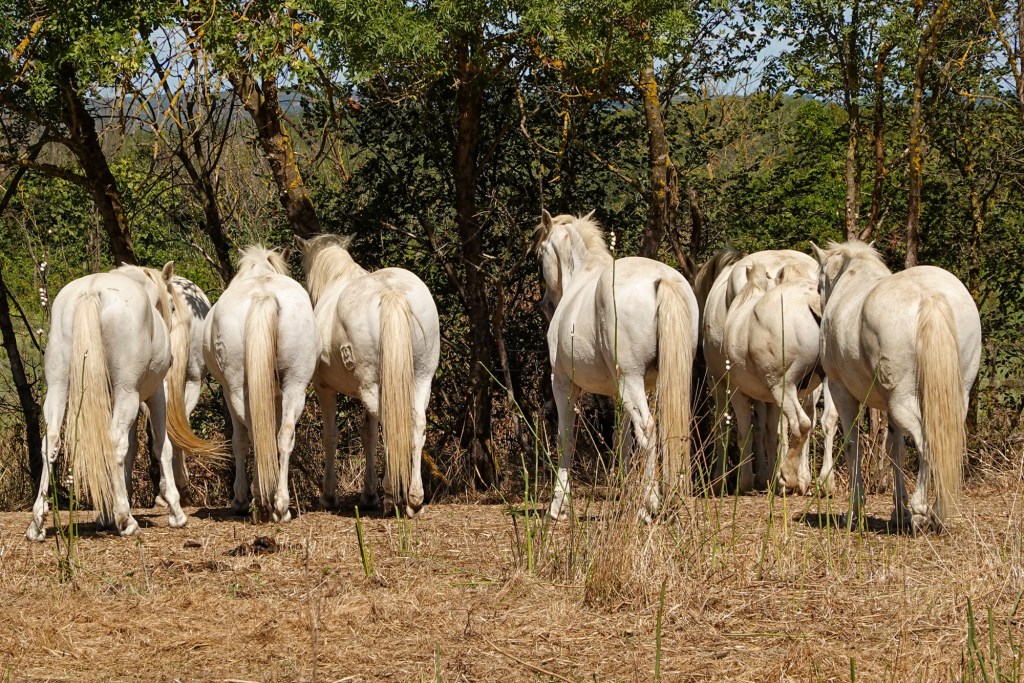
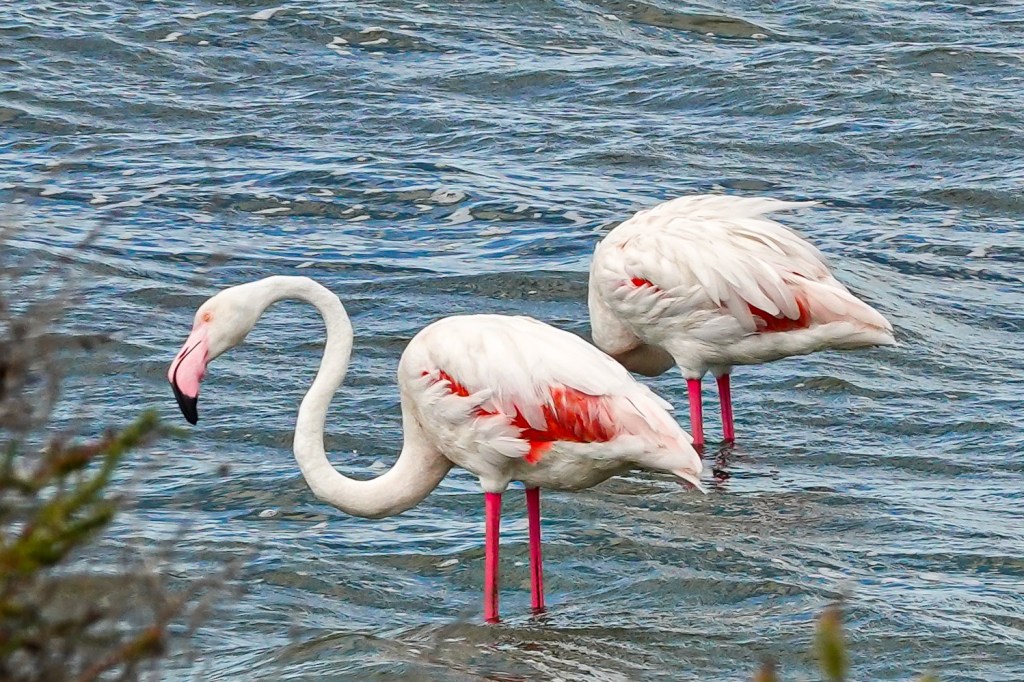
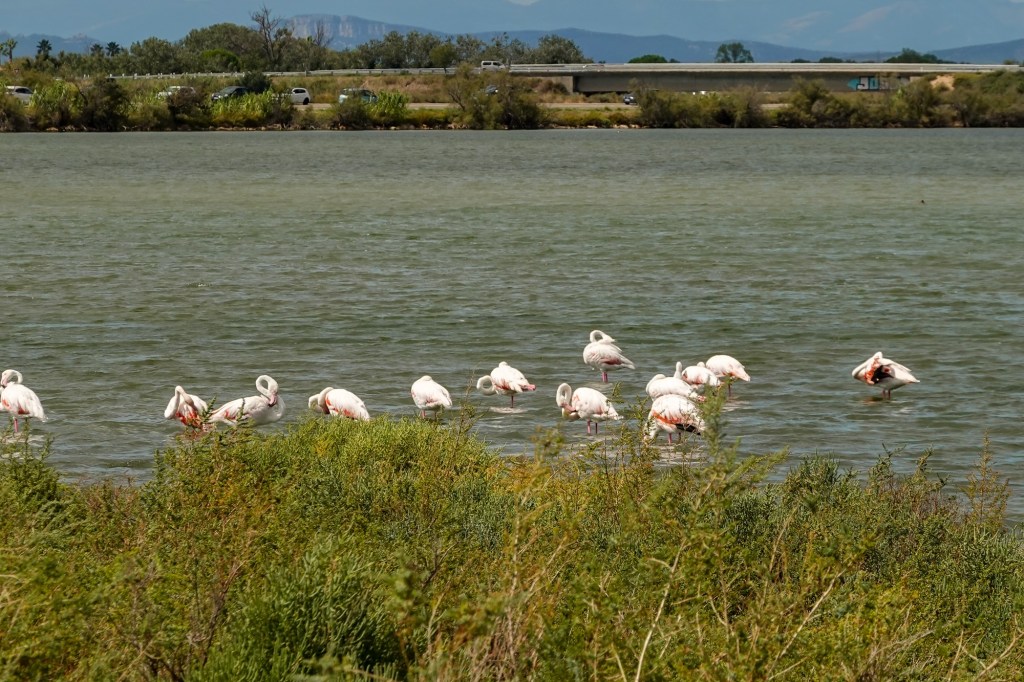
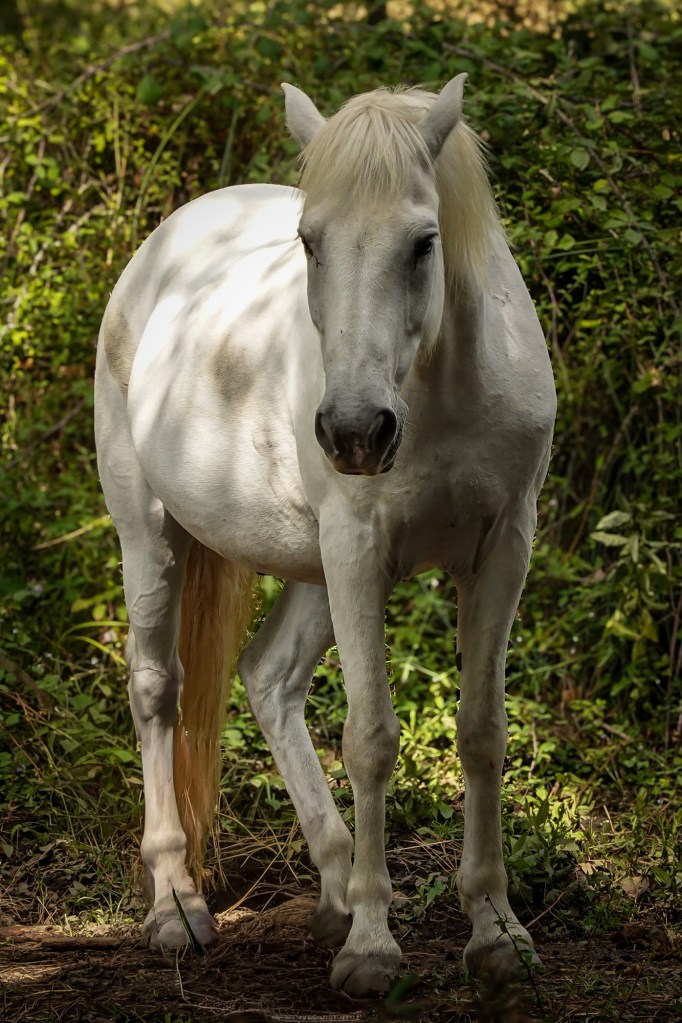
The last time we were here was at the end of a Calais-Montpellier bike ride. The further south we went the wetter. White Carmargue horses were standing looking bedraggled in muddy water carrying placards reading “no photos today please”. The pink flamingoes were drooket: their placards read “fresh dye needed”. The roads were flooded.

Today the horses were taking selvies and admiring themselves in the mirror. The flamingoes had found the paint pot. The roads were fine, wind blown dry.

Leaving Salon-du-Provence there was an unstated assumption the whole population were hungover. The scooters had mufflers fitted as did the church bells. Not a peep,

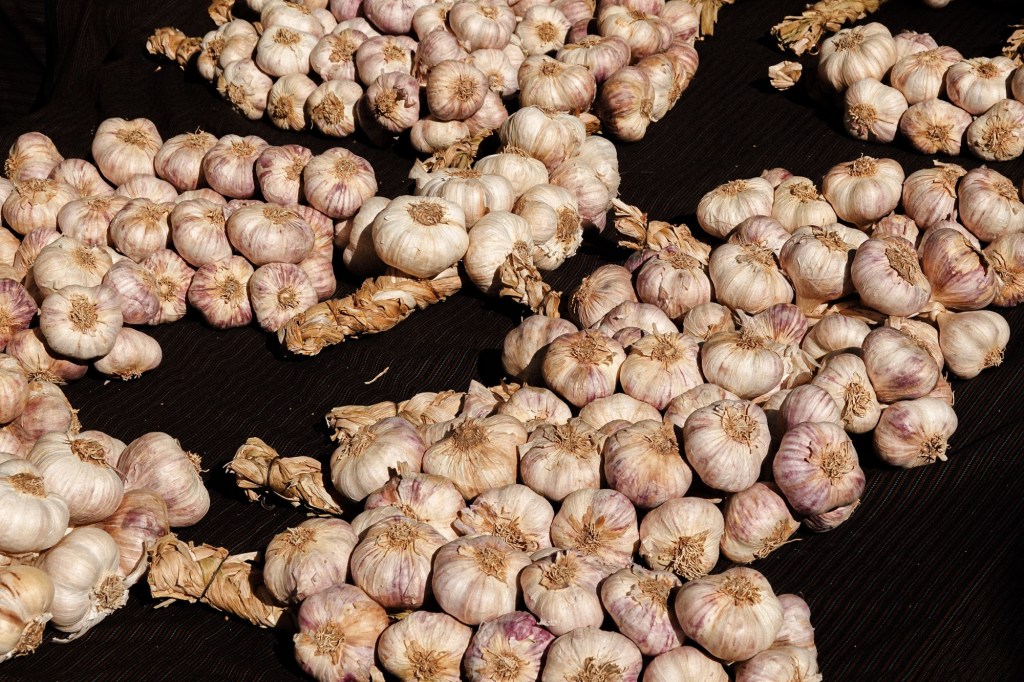
We stopped in Arles – a grand market near the Roman Ampitheatre. Van Gogh has connections here. He arrived in 1888, aged 35, had a great busy period (painting, not going to the market), had a breakdown: twas here he cut of a bit of his ear. We didn’t visit the museum so we don’t know if they kept it.

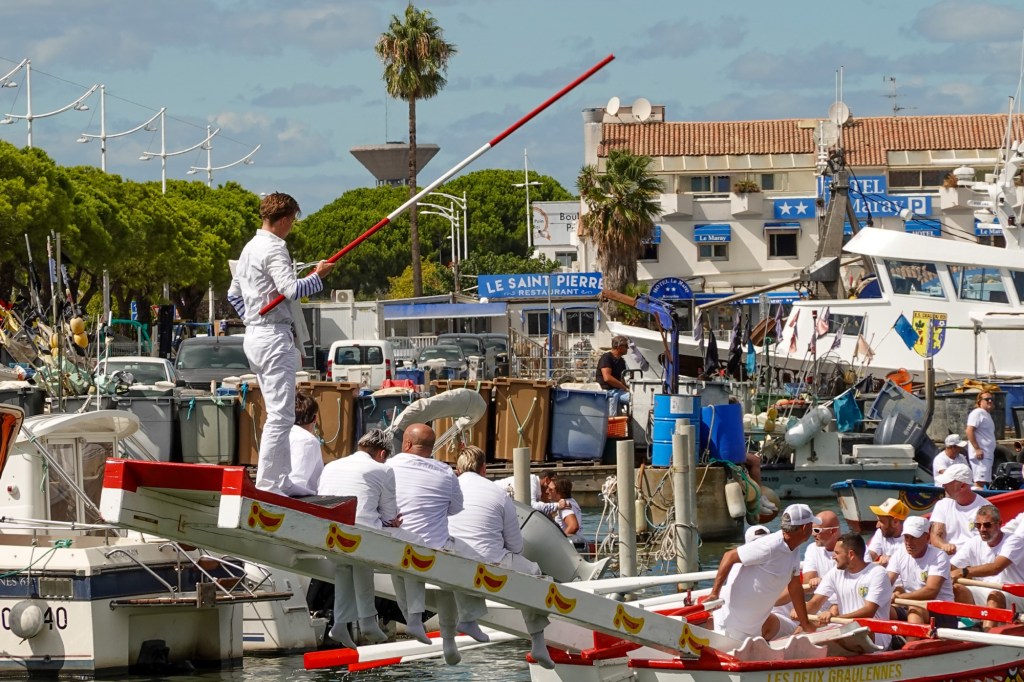
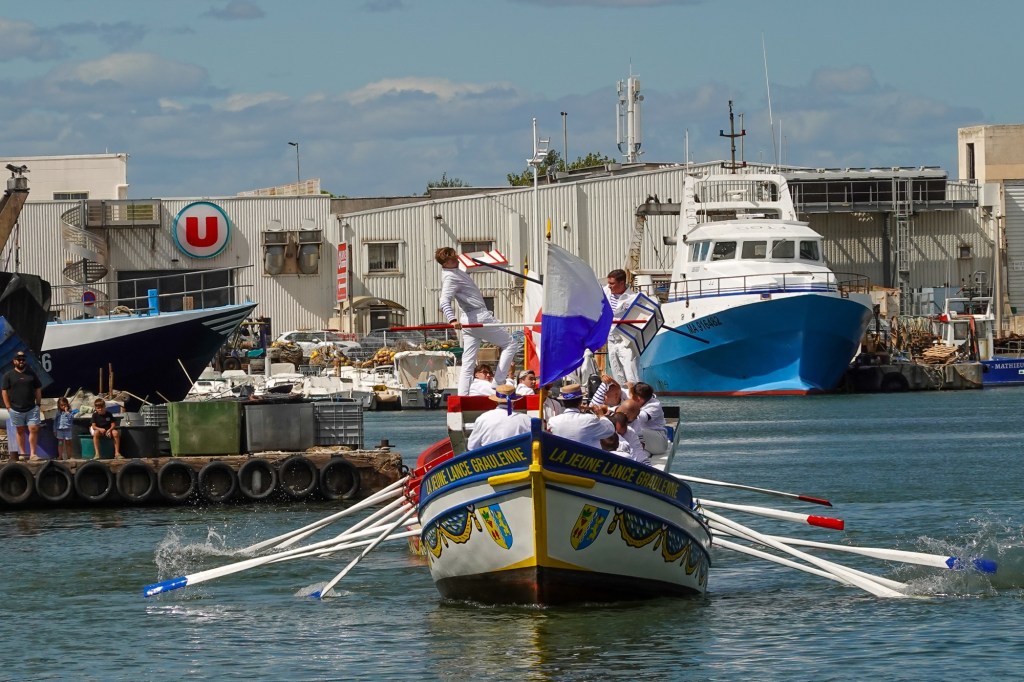
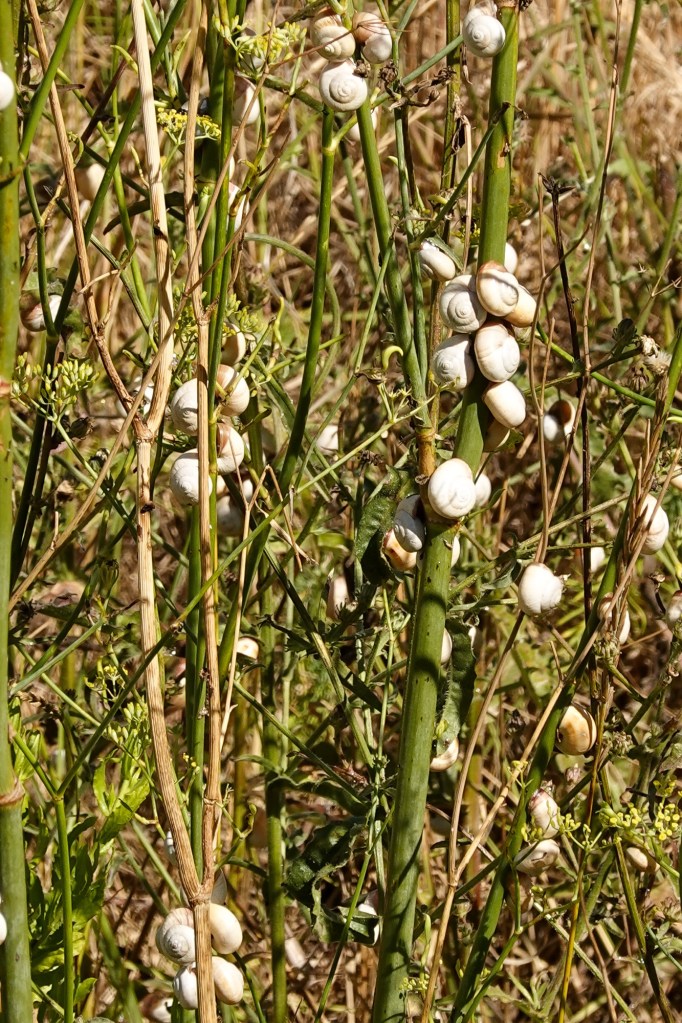
A water jousting competition in Carmargue was a popular hit. They probably went on to eat the local delicacy: fennel flavoured snails.
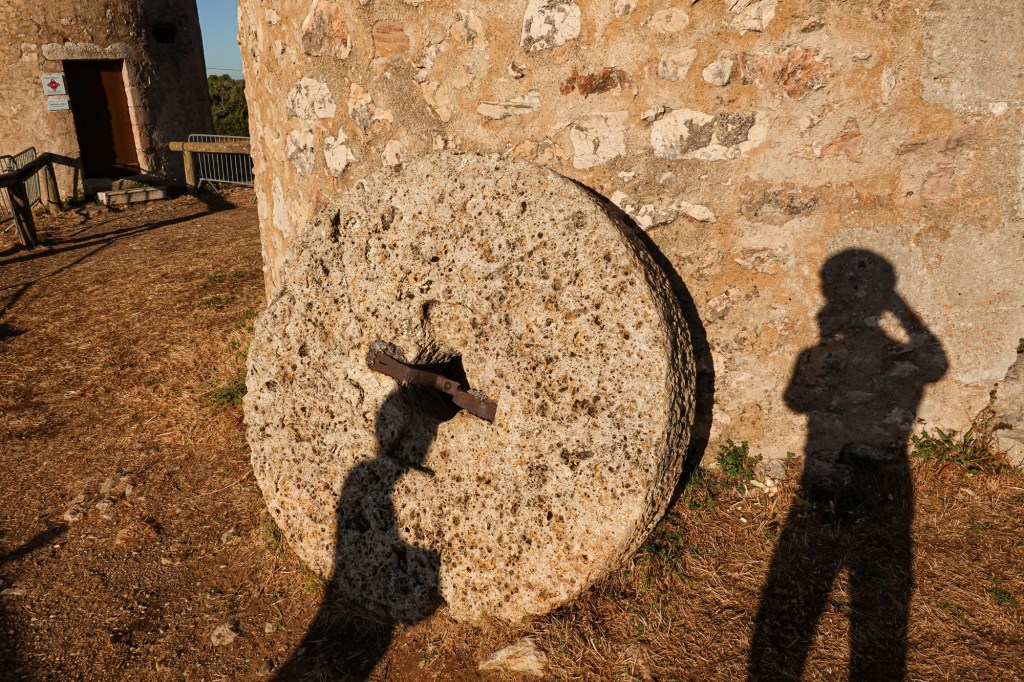
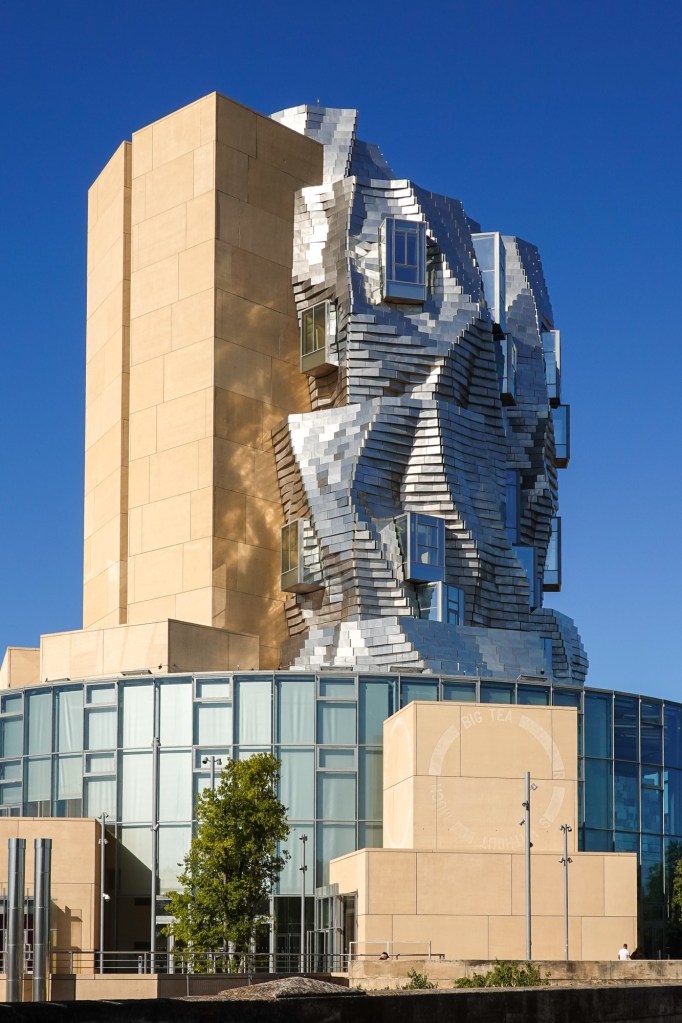
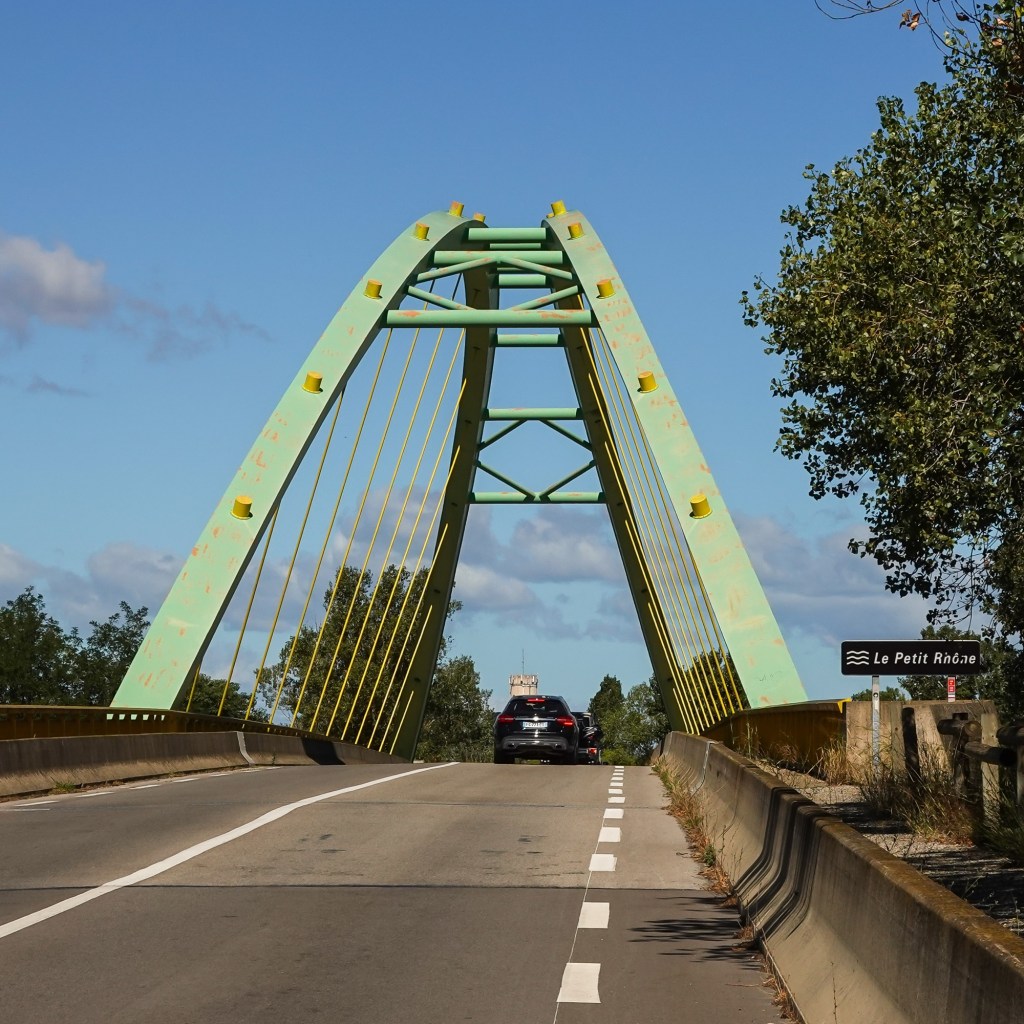
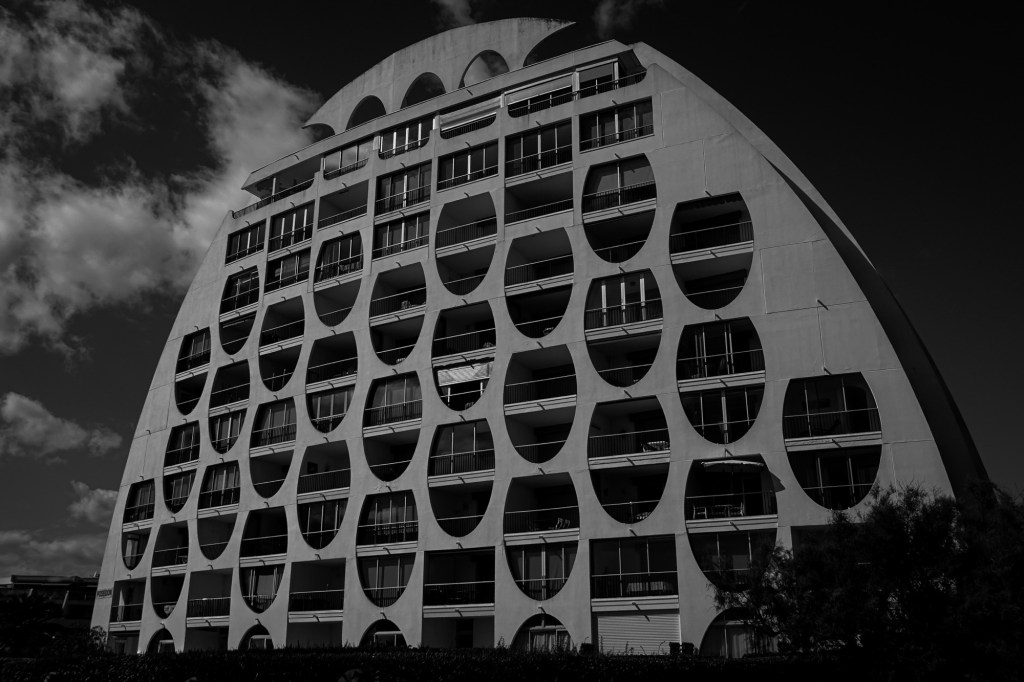
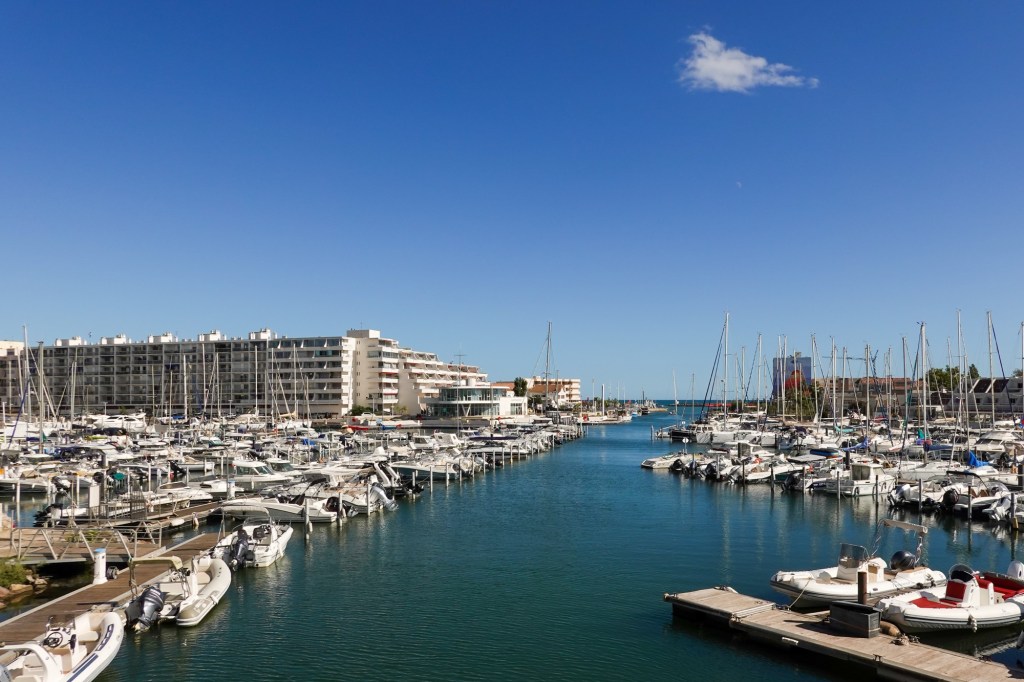
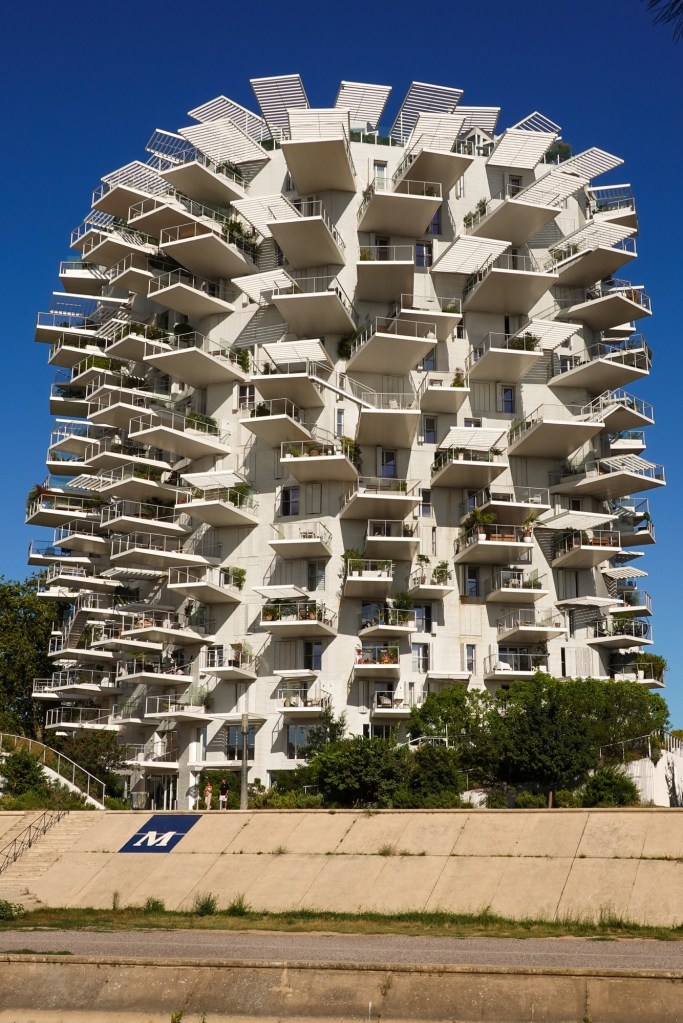
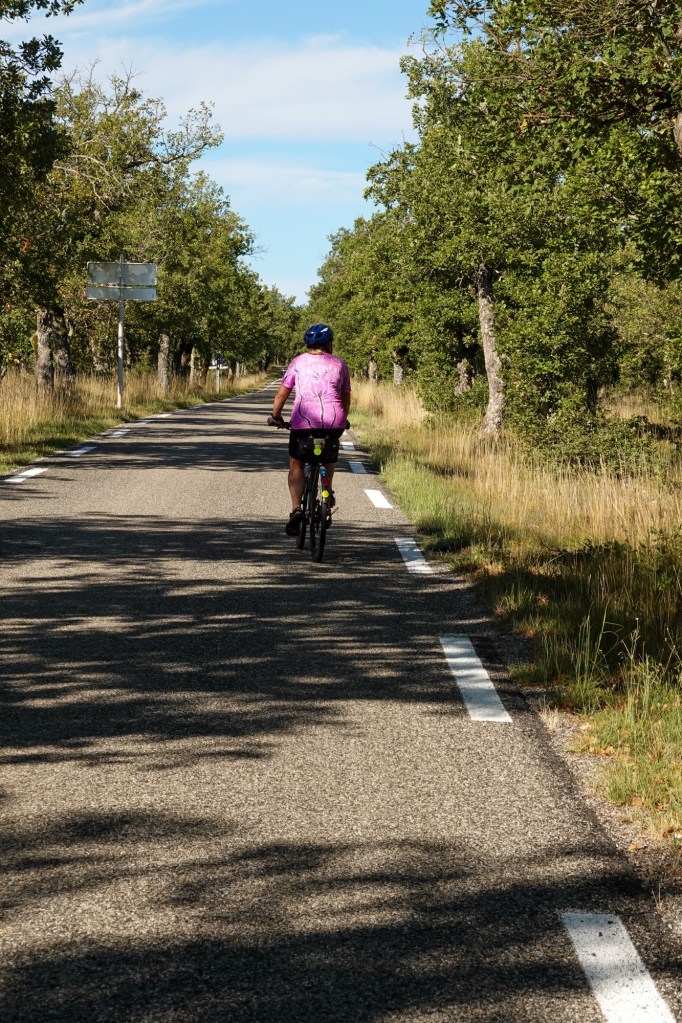
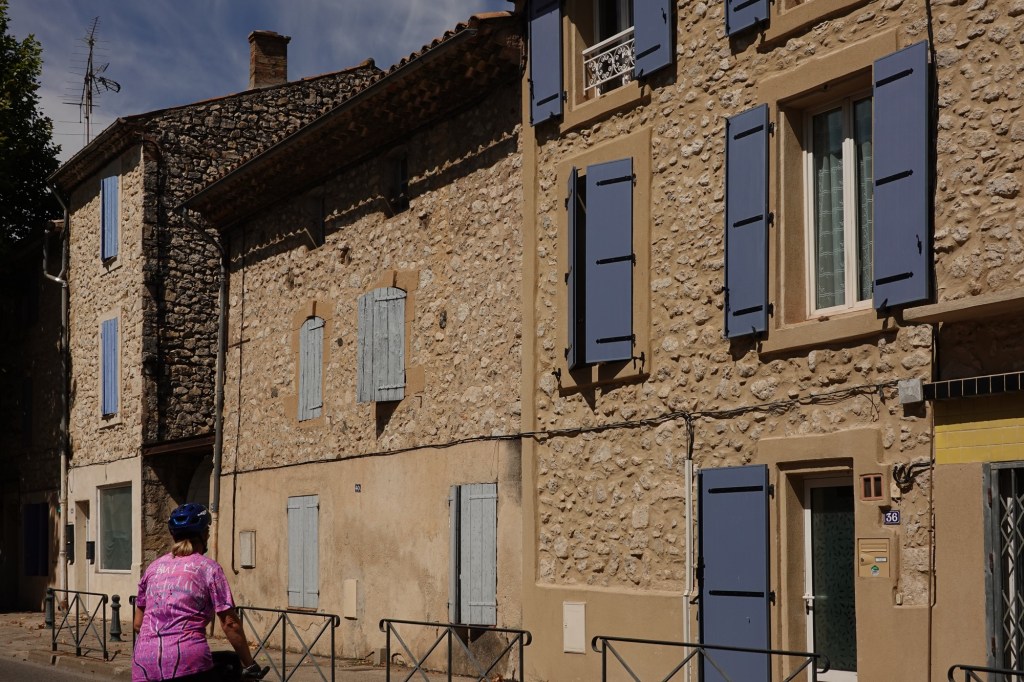
Montpellier is reached by a bewildering variety of cycle paths going in random directions using any crappy surface they can find. It seems. Some interesting buildings kept up the entertainment.
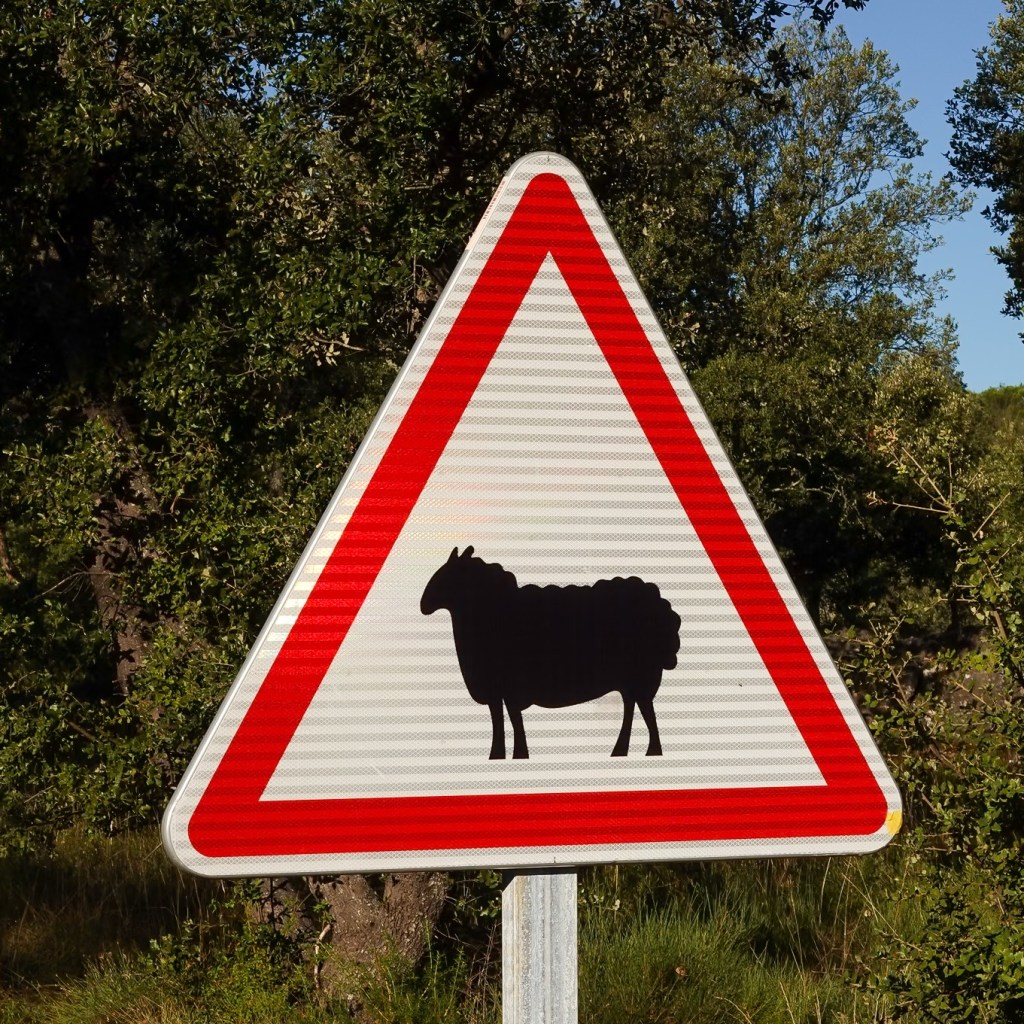
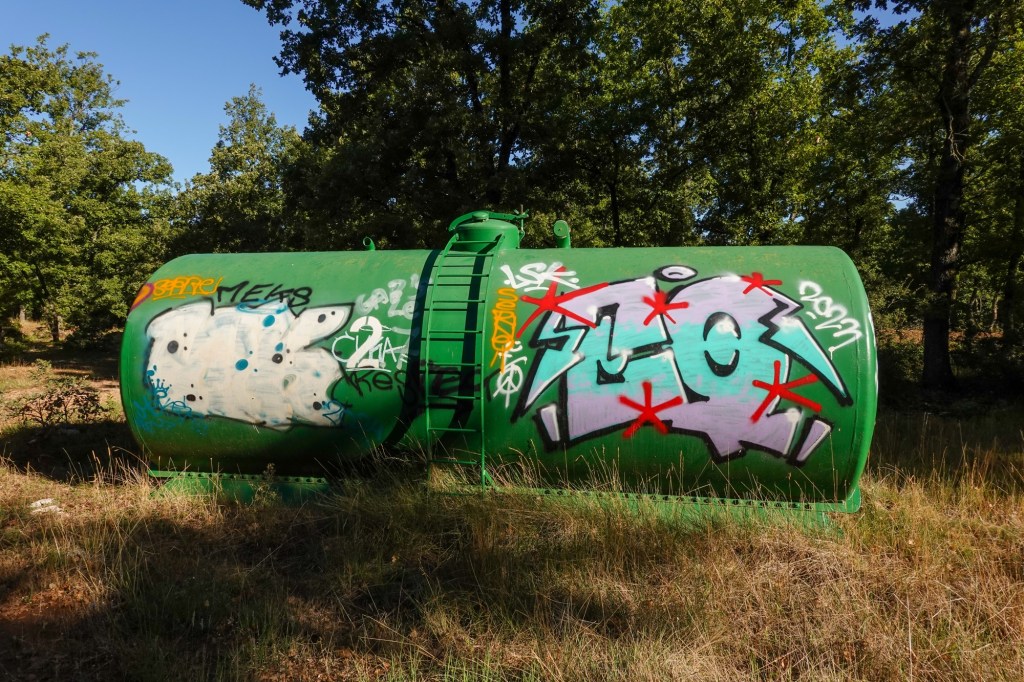
Tomorrow a rest day…..

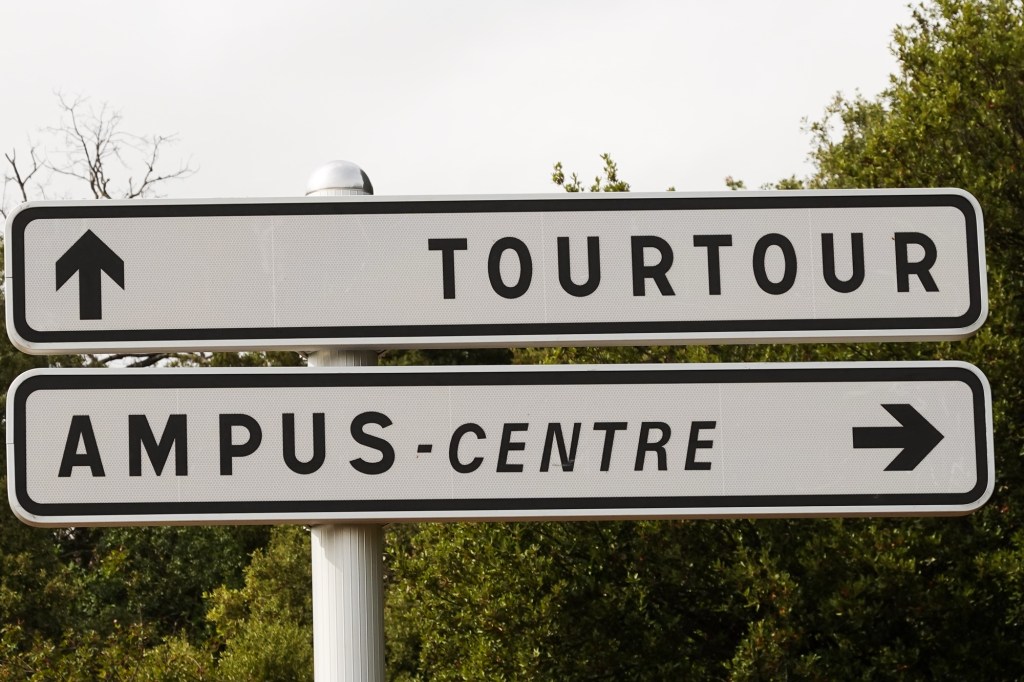
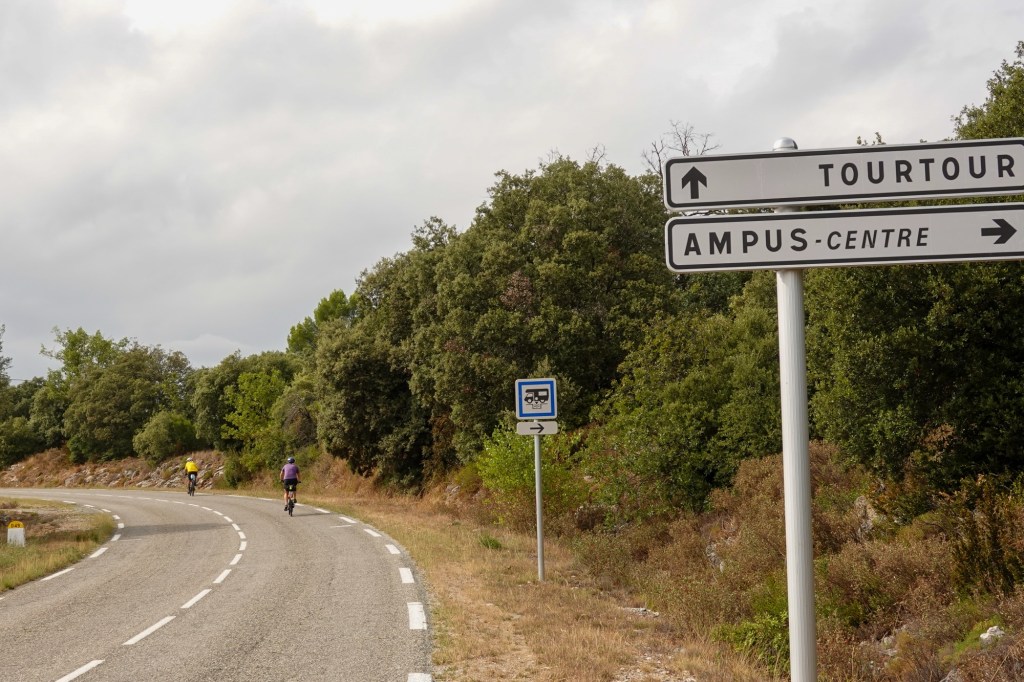
D38 Trans Europa Moissac-Bellevue – Salon-de-Provence

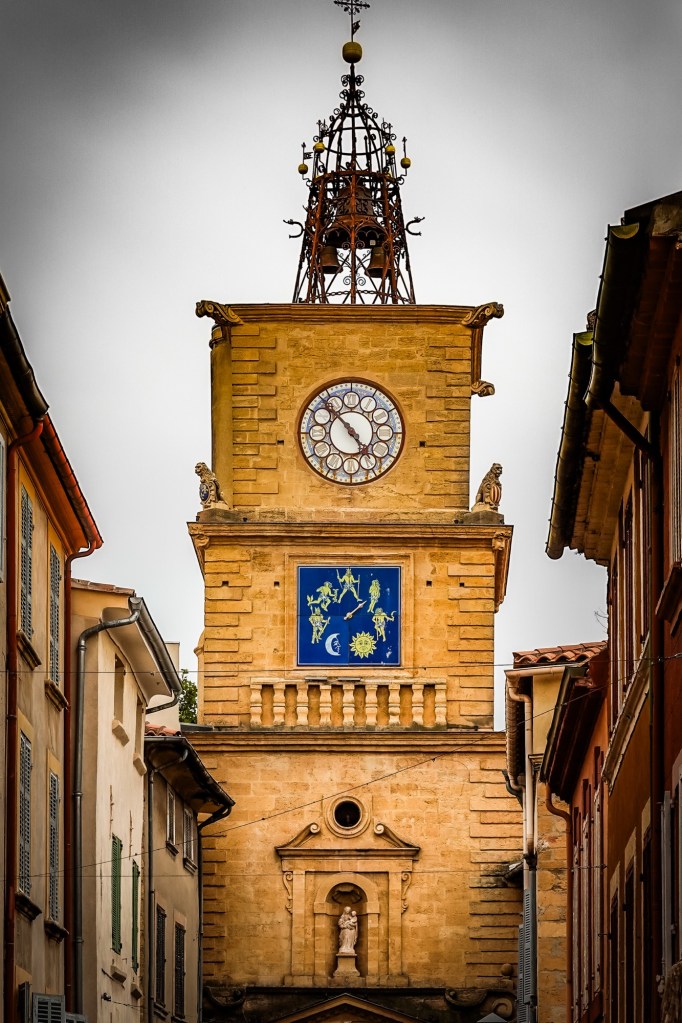
A delightful day ending in a great wee town with lots of buzz. The usual Roman history (on a major X roads), 12C Church and Castle etc. An added frisson of predictability: Nostradamus lived and died here in his later years (1566 when he was 63). I wonder if he had an alter ego called Nostrapraiseus.

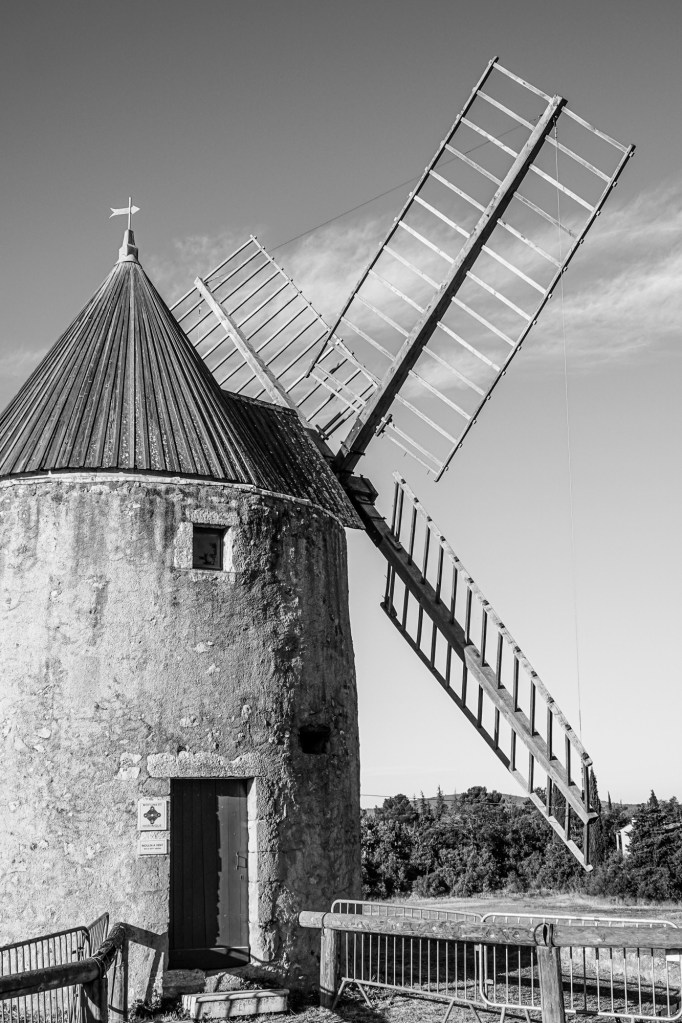
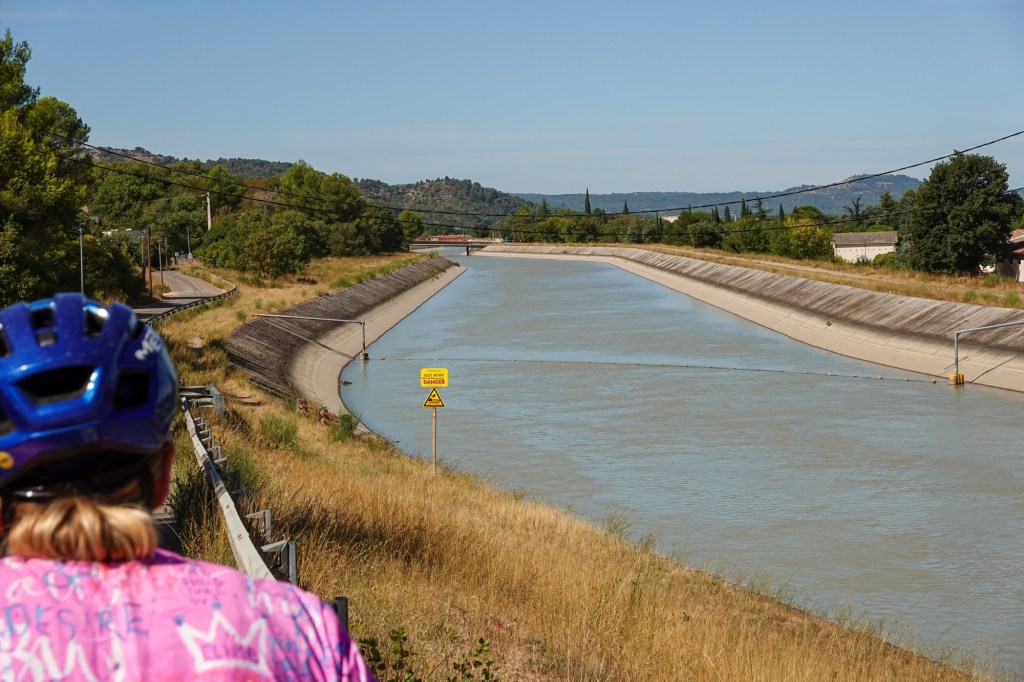
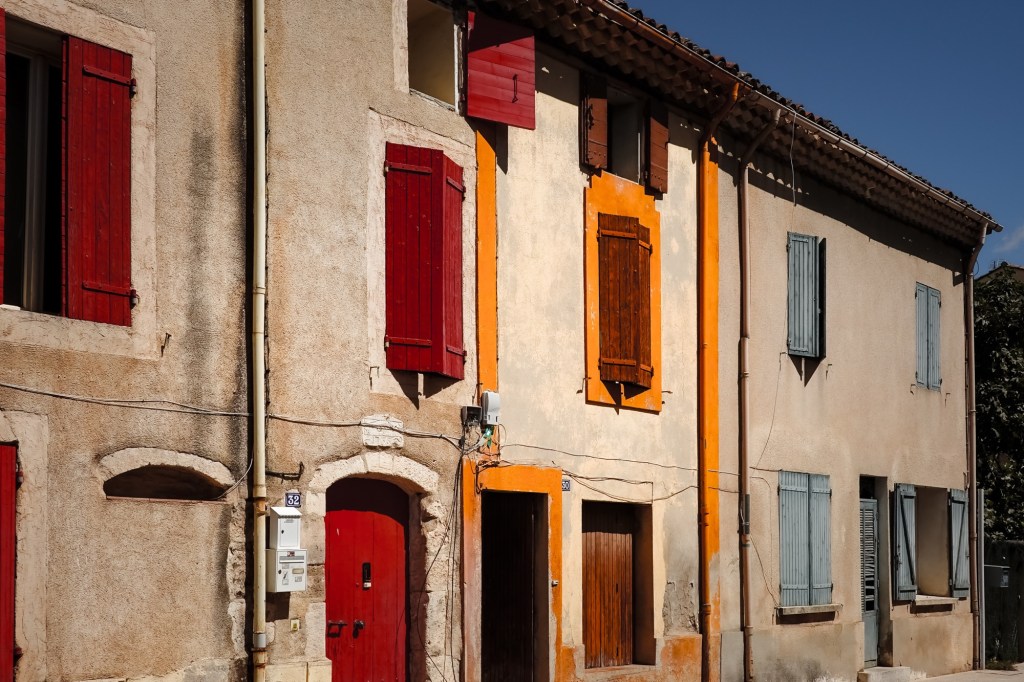
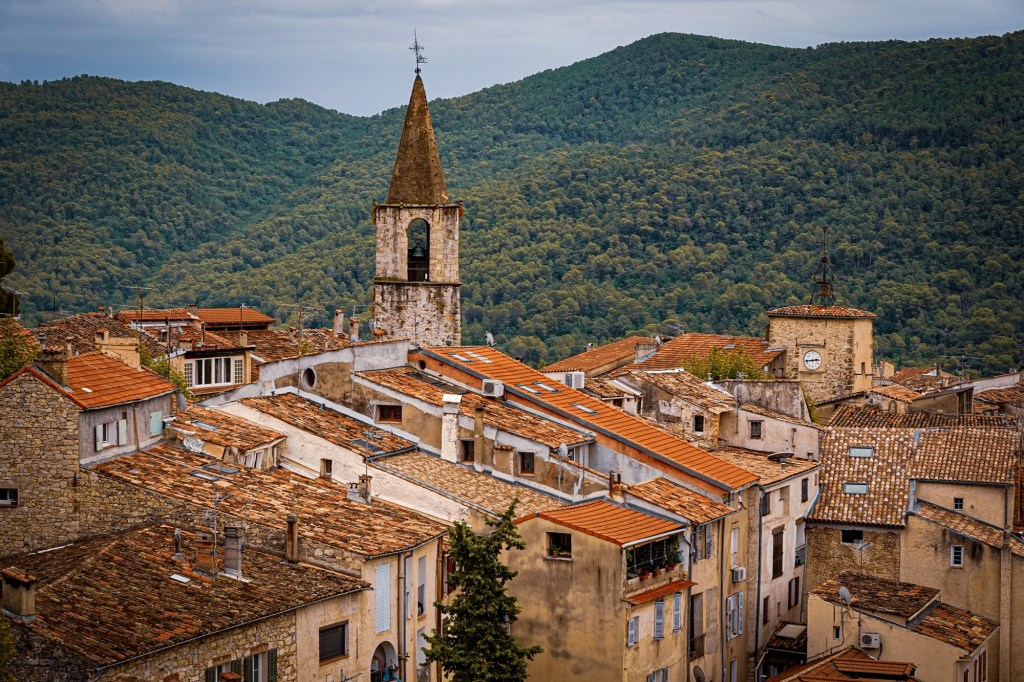
Never having been to Provence before today’s mild weather allowed us to savour its rural delights. Vineyards, lavender fields, shrivelled oak forests. Villages atop of hills, cunningly disguised to look the same with a church tower dominating. Where are we, said the marauders – bereft of Google Maps? I don’t know, they all look alike. Nice though: let’s have a coffee and smoke and bypass the pillaging.

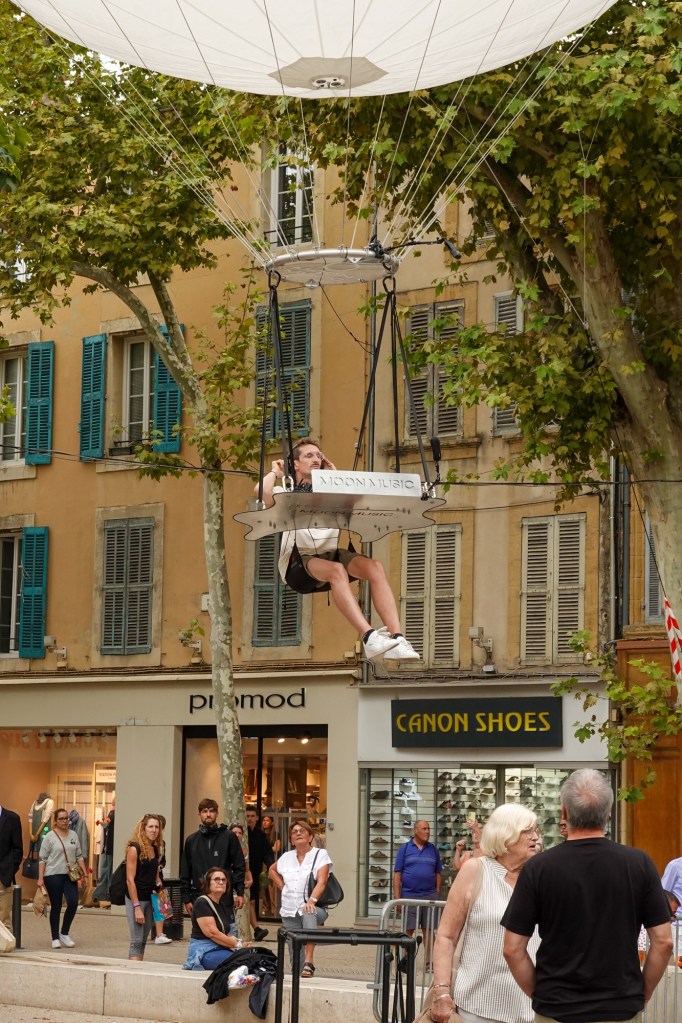
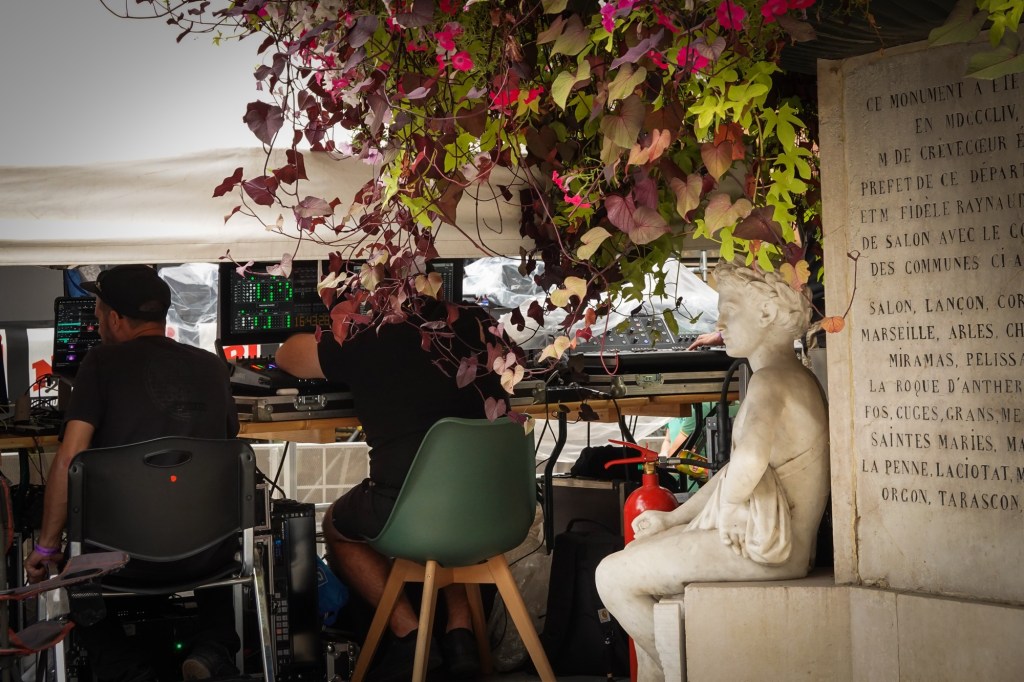
Salon de-Provence has a party on tonight. A 45000 town with 25000 folks expected for the disco DJ’s 200m away from where we’re staying. Hope the buildings are still up in the morning…..

Tomorrow into Montpellier.

Here’s a song about Nostradamus.

D37 Trans Europa Nice – Moissac-Bellevue

The nearest “town” is Aups. So twinned with Yorkshire. 10miles along the coast, turn right and continue up, down, up, around, up, down.

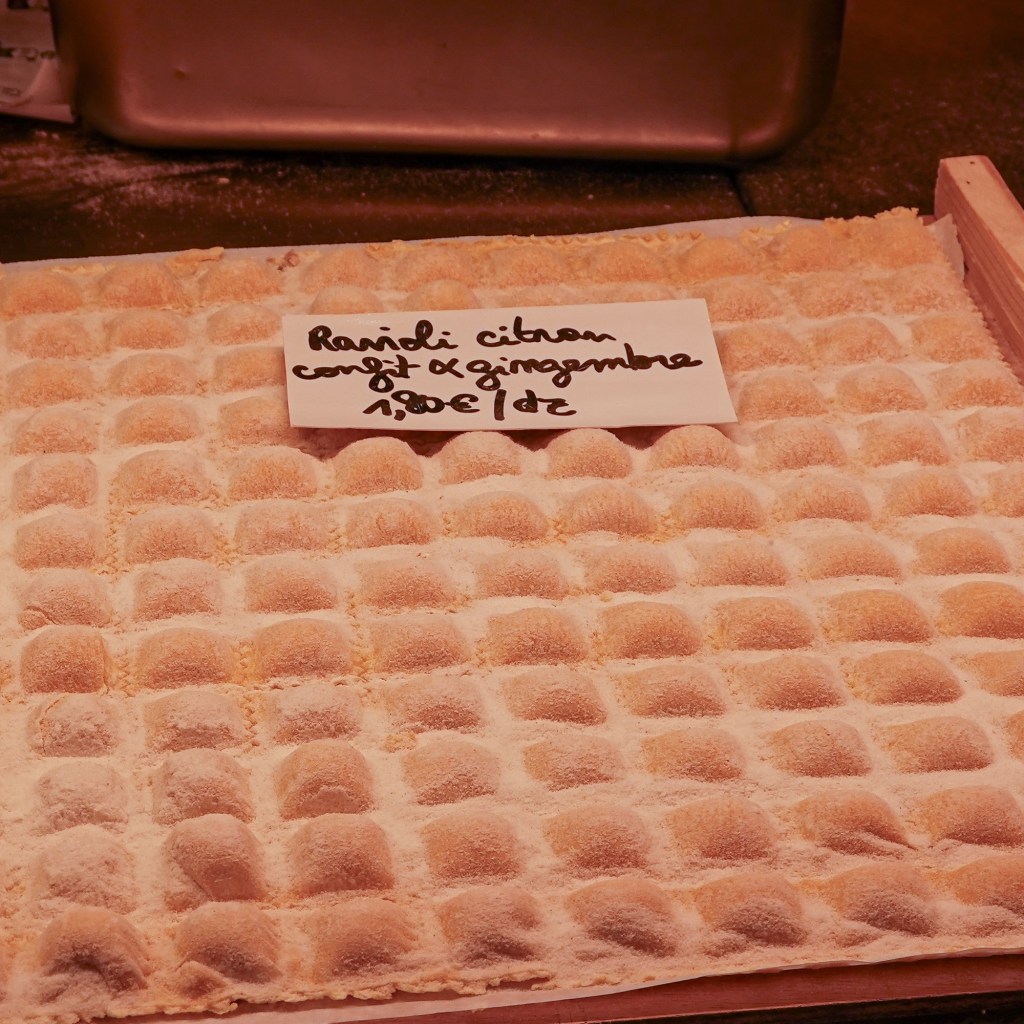
Passing through Glasse, known as the Perfume Town as many large brands make expensive liquids there. Nice pastries too.

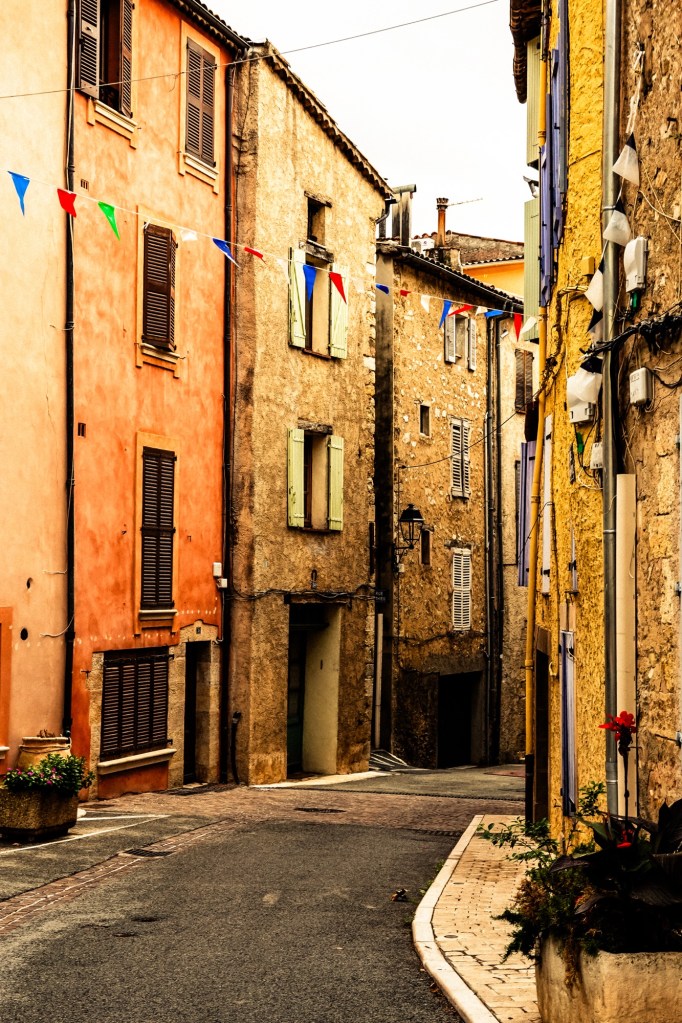
Then lots of villages full of character, mainly empty (extended siesta) apart from the men outside sitting smoking and drinking coffee. There’s a recurring theme here.

A grand day, ending up in the Verdon Regional National Park.

Failed on the limerick – food took precedence. Maybe just as well. Barbara set the tone with her tale: Anne Rose sat on a pin: Anne rose.

Trans Europa: Nice

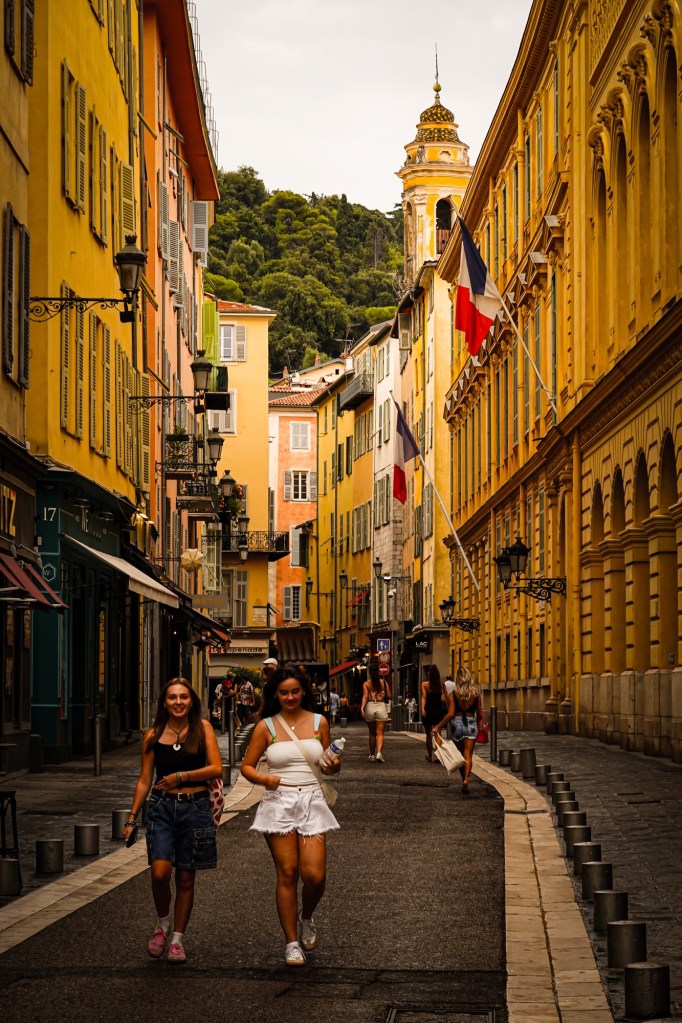
Nice, capital of the Alpes-Maritimes department on the French Riviera, sits on the pebbly shores of the Baie des Anges. Founded by the Greeks and later a retreat for 19th-century European elite, the city has also long attracted artists. Former resident Henri Matisse is honored with a career-spanning collection of paintings at Musée Matisse. Musée Marc Chagall features some of its namesake’s major religious works.

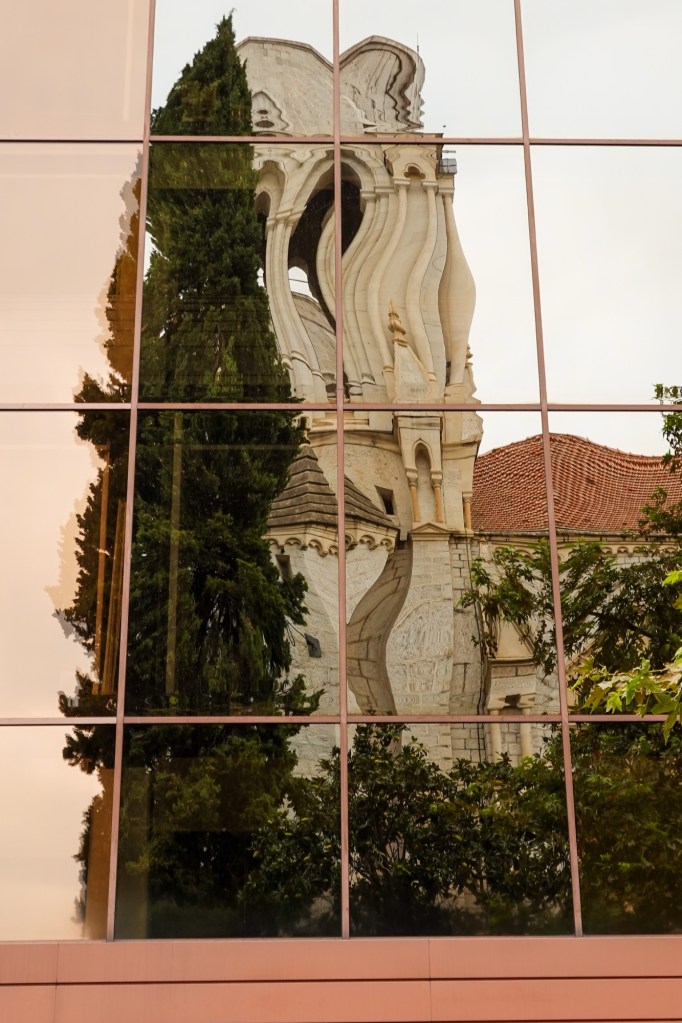
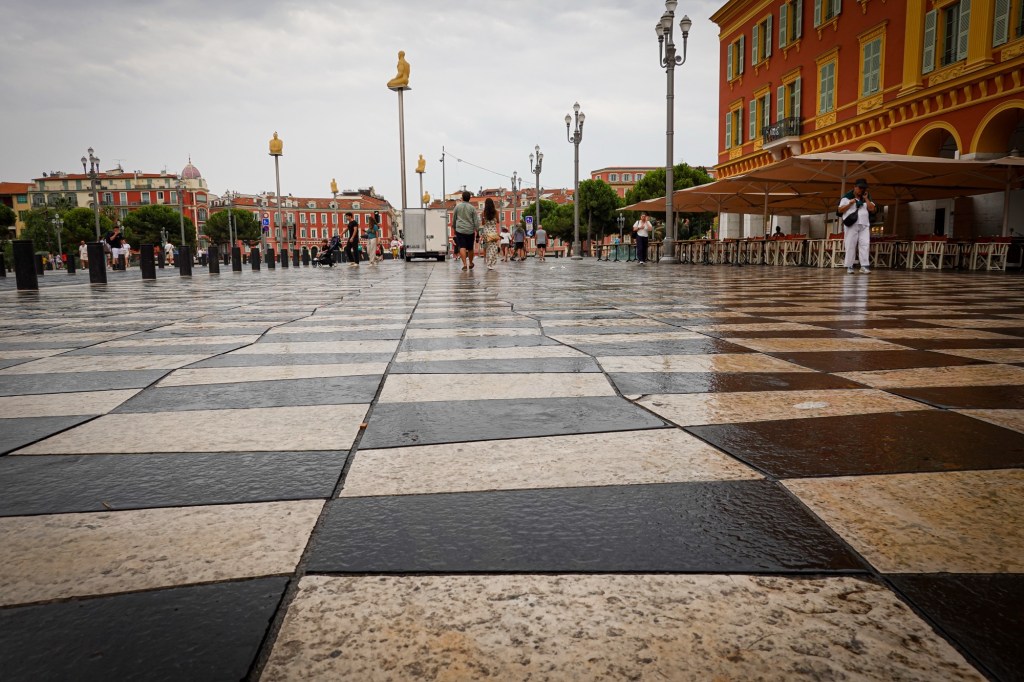
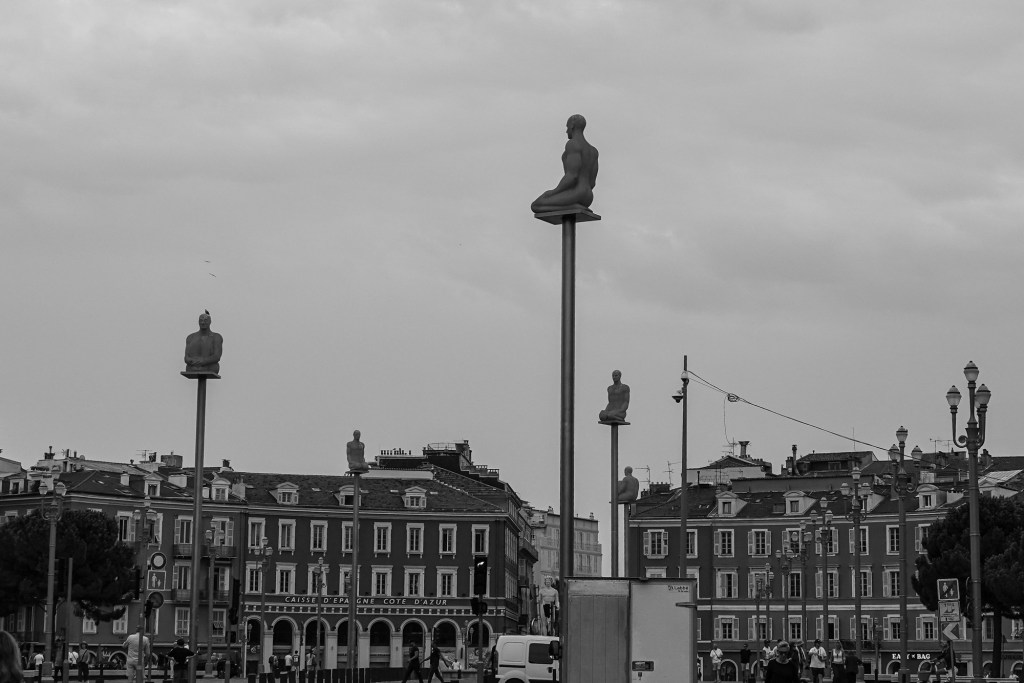
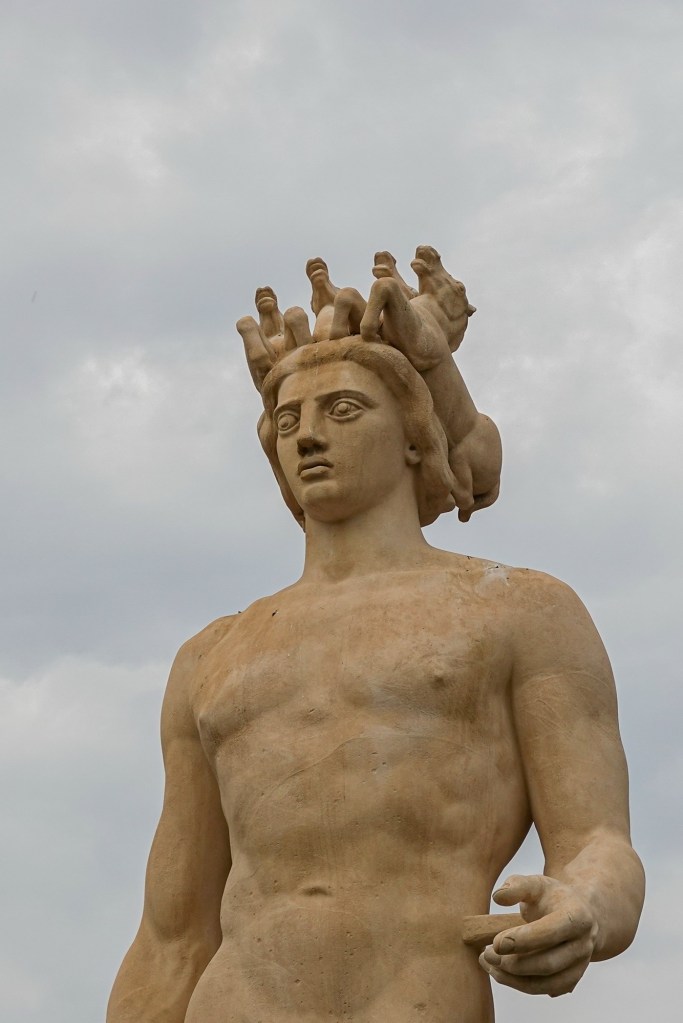
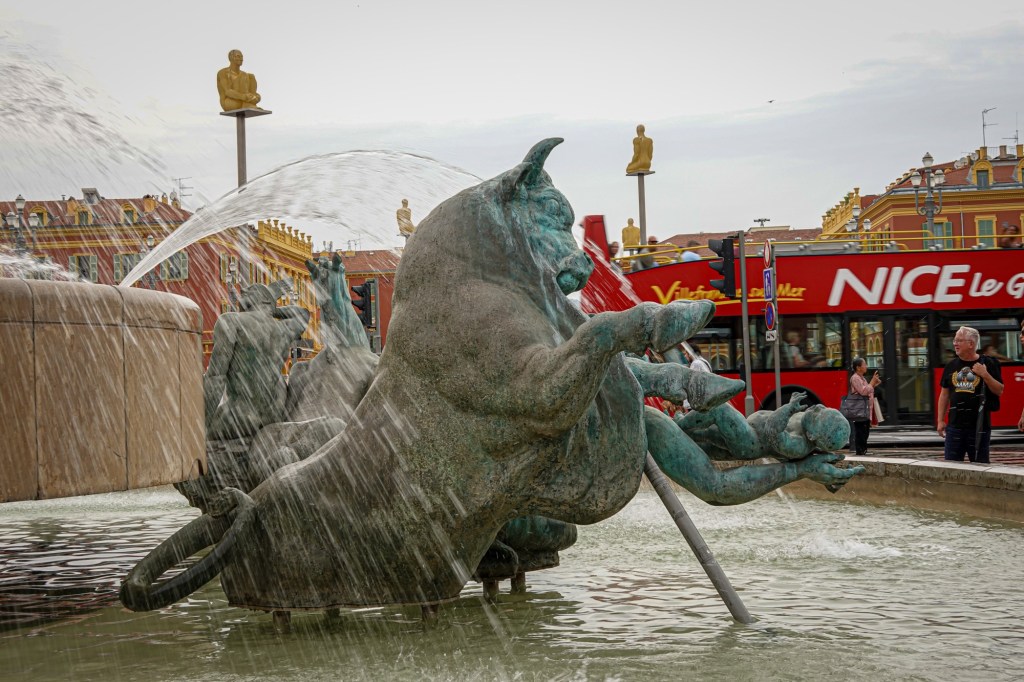
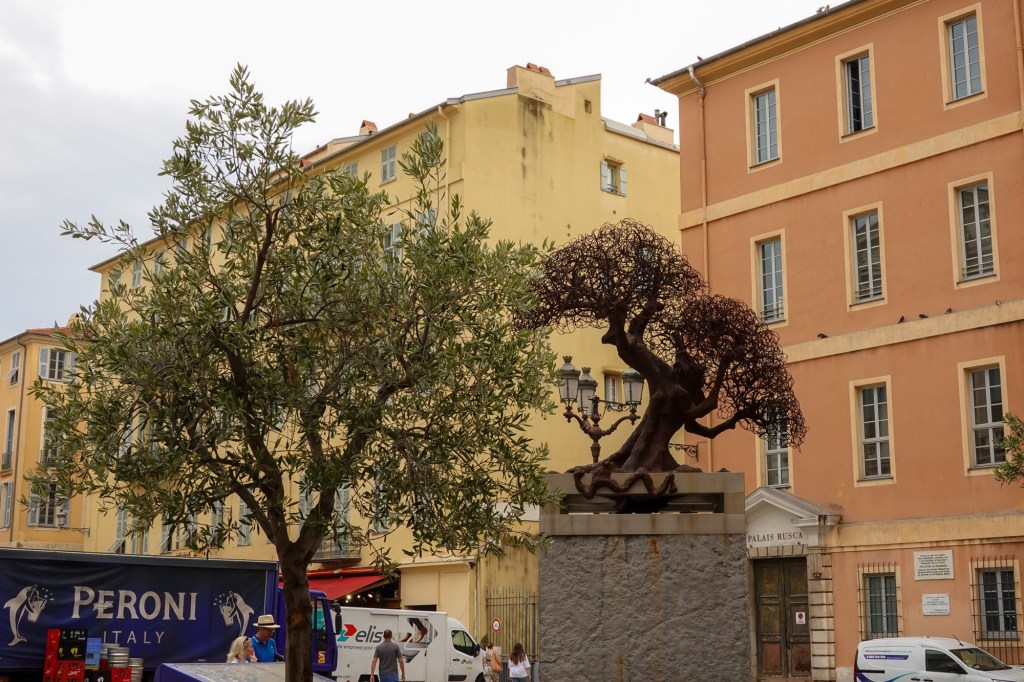
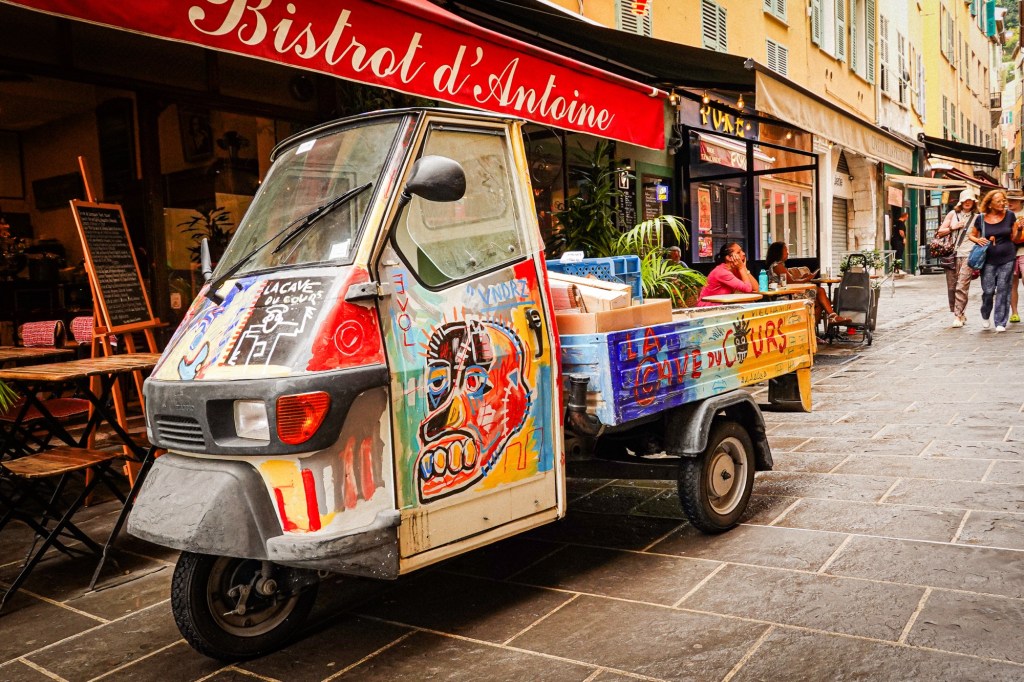
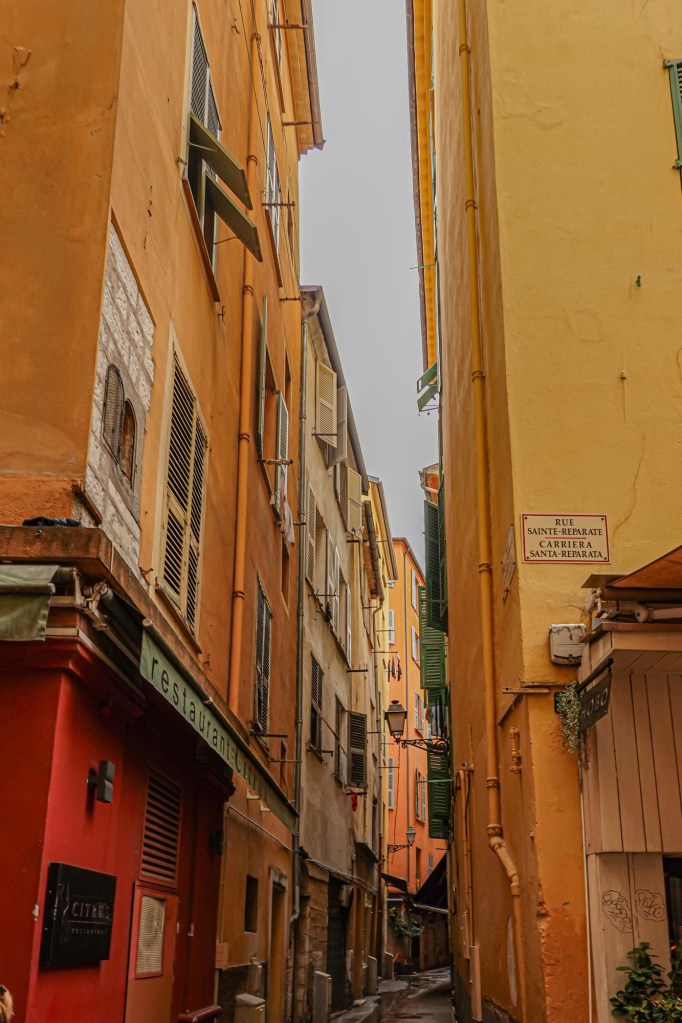
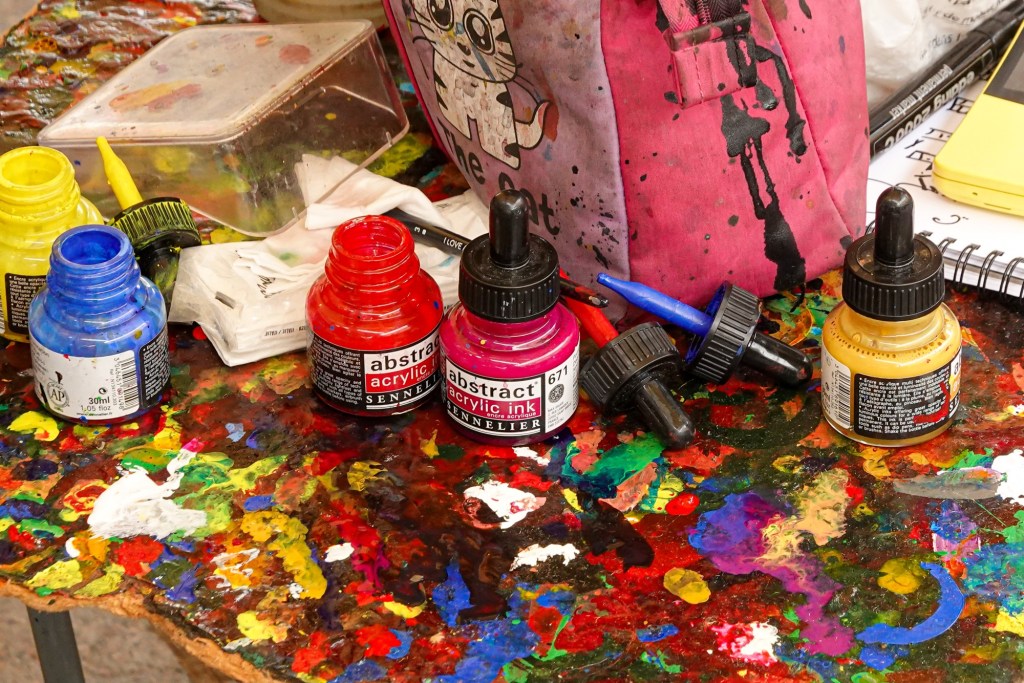
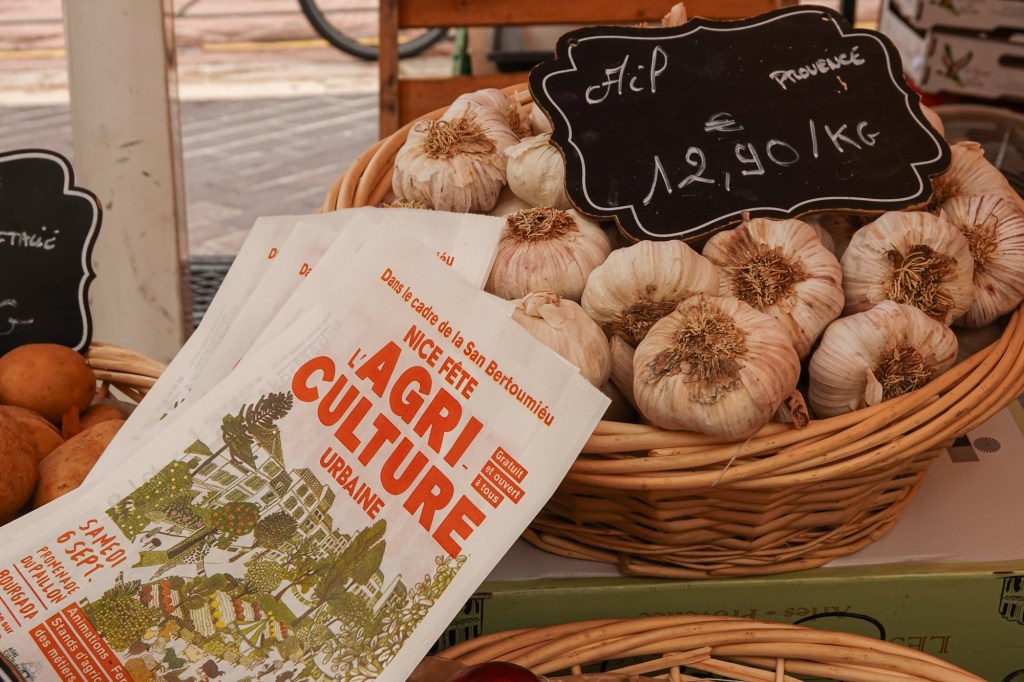
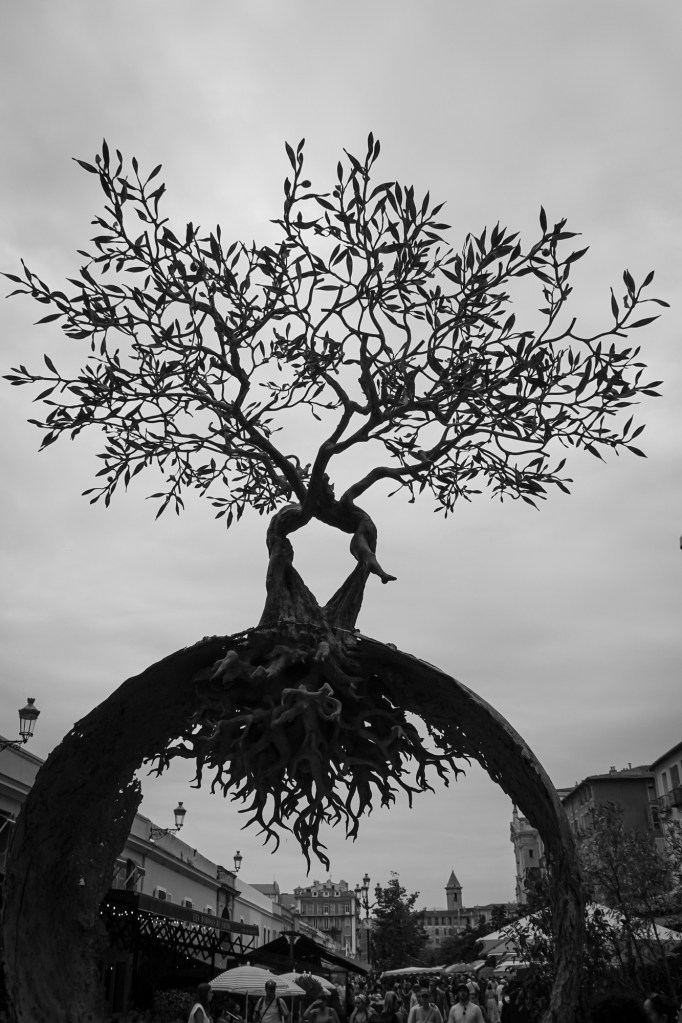
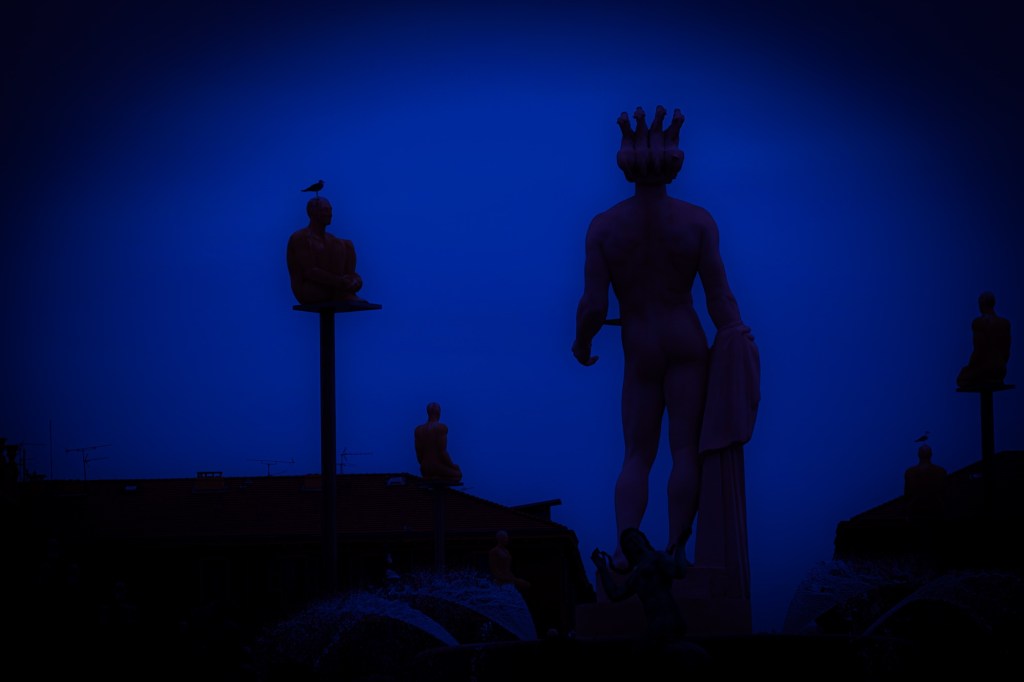
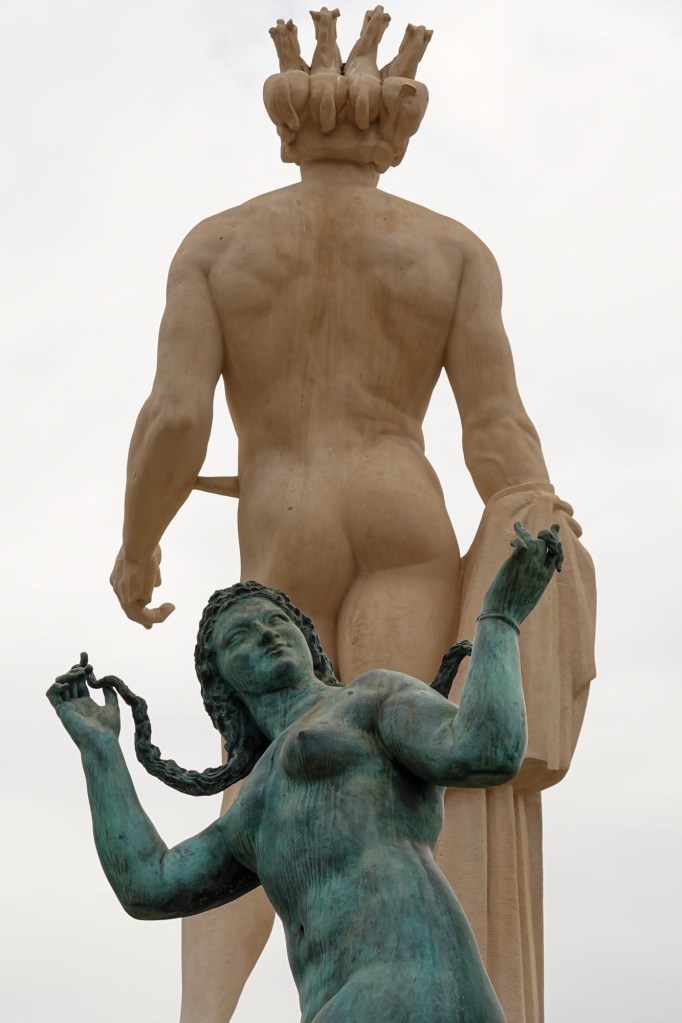
Today it has a reputation as Weston – Super- Mare on the Med. Probably unfairly: it has a steep pebble beach and no mud insight. Colourful buildings with marvellous balconies. Artistic squares. A bustling market. Sunshine. It is (quelle suprise) UNESCO listed.

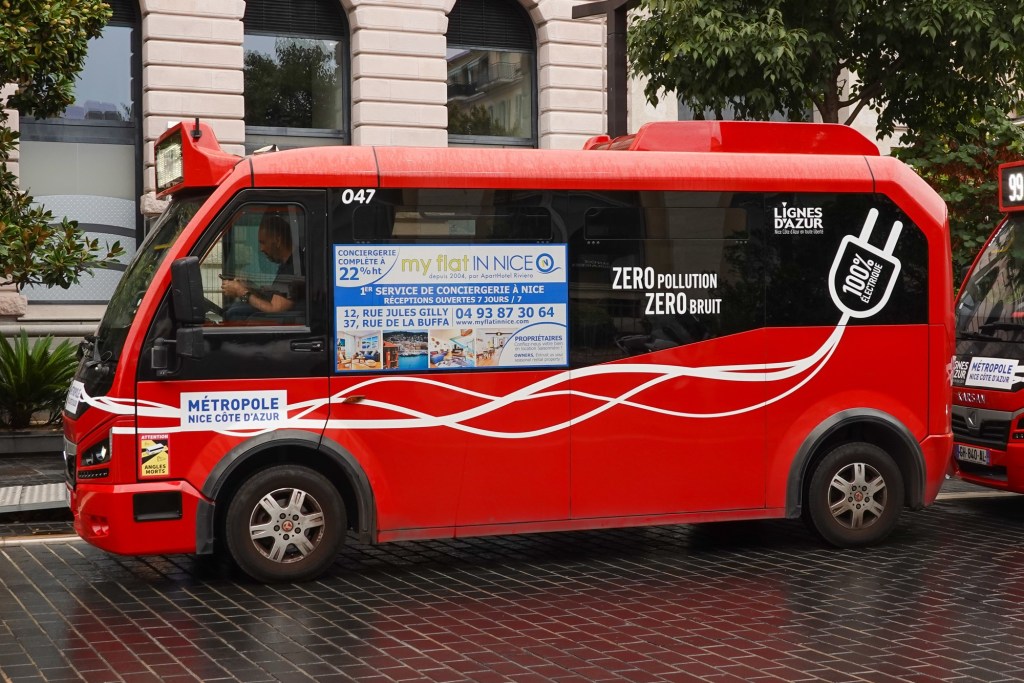
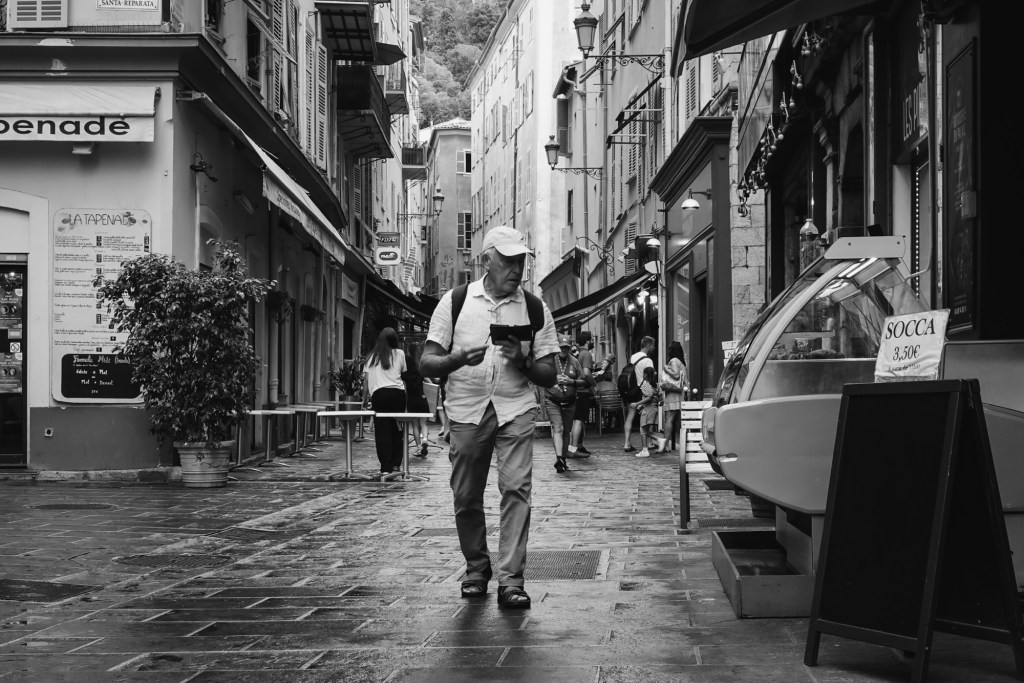
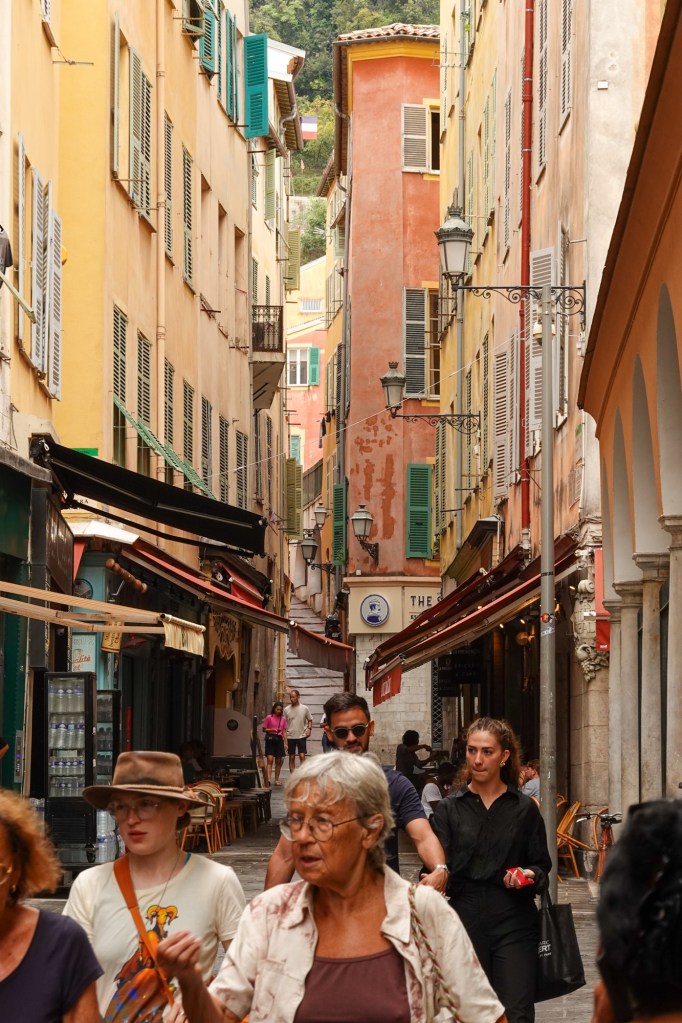
Go two streets from the main thoroughfare and it’s very quiet, with locals doing what locals do. Buying pastries, drinking coffee, smoking, laundry. Traffic is quite light.

It was interesting to learn Nice was annexed to France is 1860 as part of the Treaty of Turin: something to do with a dispute involving the Duchy of Savoy. (Which has distant connections to the Savoy Hotel, named after Count Peter of Savoy in 1246 who built his palace there – then became the home of the Dukes of Lancaster who still own the land today. Glad you asked.)

Today an enjoyable rest day mooch taking in the local sights.

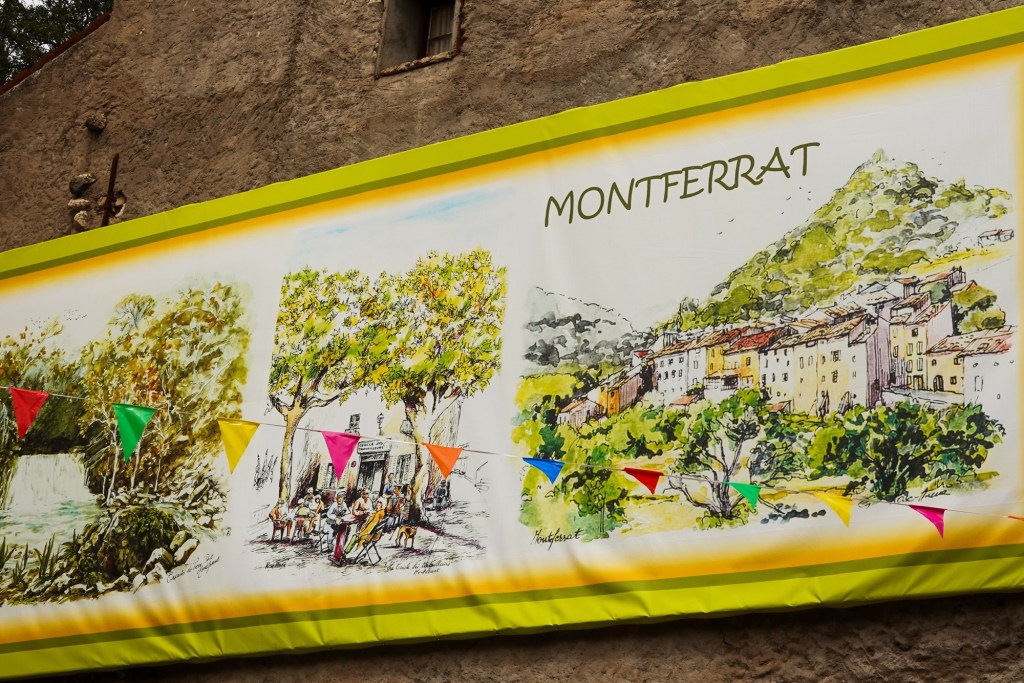
Tomorrow the bikes may get a wash as we cycle up into the Alpes-Maritimes. Moissac-Bellevue has a population of 300, a wee bit smaller than Nice’s 360000. It may also be a challenging rhyme.