You look forward to cycle paths most of the time. Sometimes they can be a pain: left to right, back again, onto road, back to path, dodge the large e-bikes thundering towards you in pairs.
ReservedSame world overMagic shadow showContemplationWaitingRunway
Today’s ride, good as it was, had an extra frisson of mud, glorious mud. My fault, I cleaned the chains last night. Luckily this was super sticky mud with a nice clay feeling, so doubled up as extra lube. The canal on one side was the added incentive to stay in the tow path mud.
OverdoneMCarmargue Red riceHaving fun
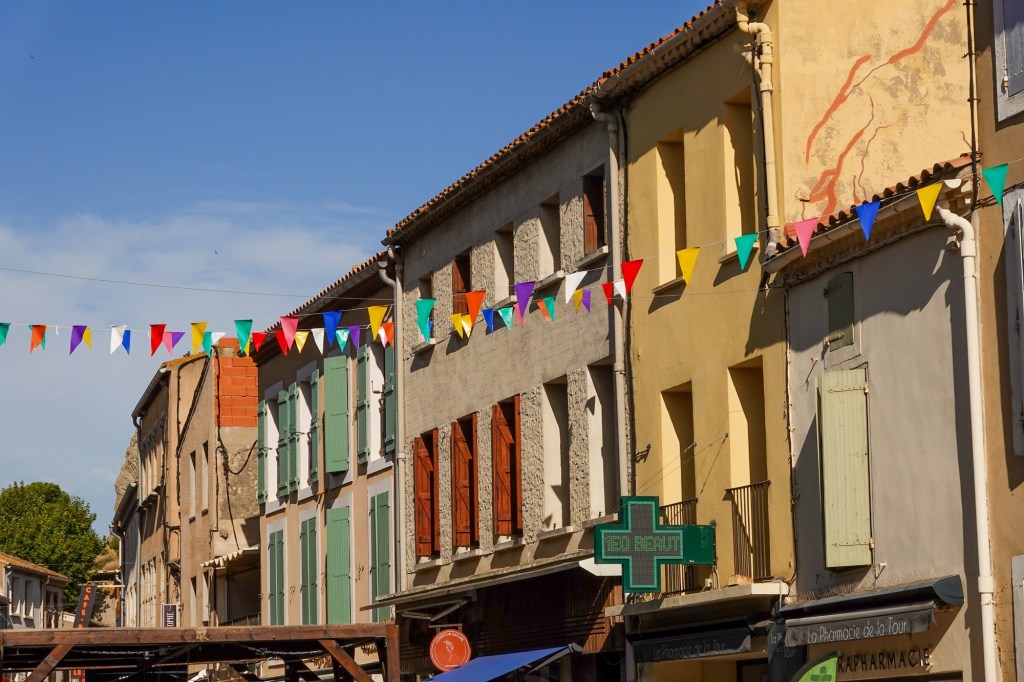
The coastal belt is a queer mix of traditional, slightly shabby and interesting local towns – where you see people (coffee, fags and pastries) and new developments along sea fronts. Where you don’t see people in the housing areas.
Not fastJust a drainReally?Like a James Bond sceneTeddy bear huntCuteSelfie
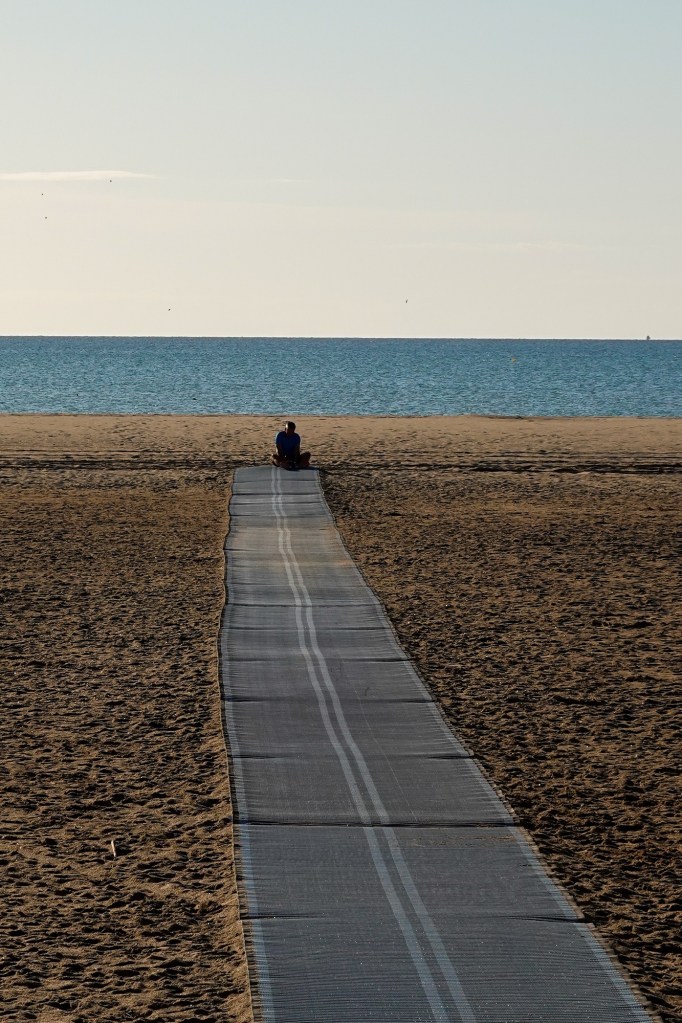
The beaches are deserted as are the acres of car parks. An ideal time to pass through or indeed stay. Probably a different scene just a week ago.
New
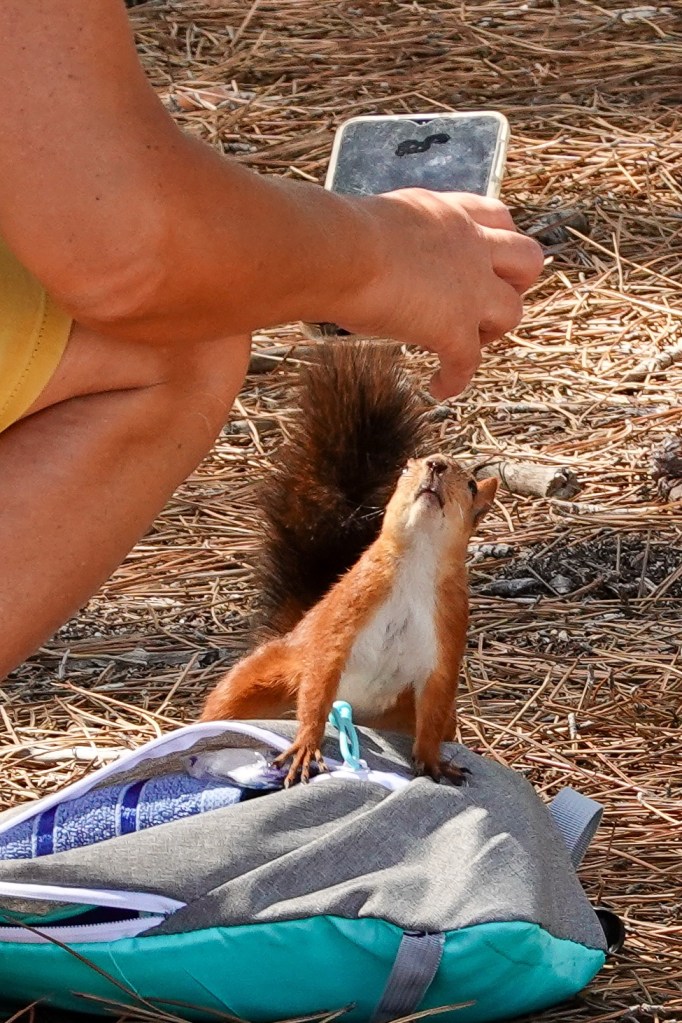
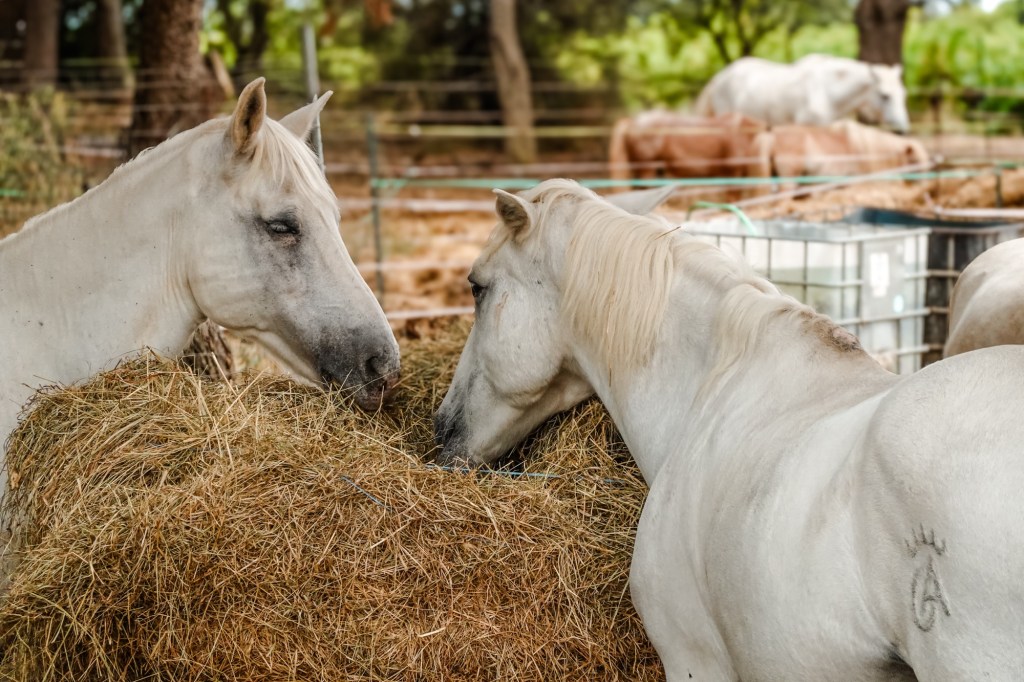
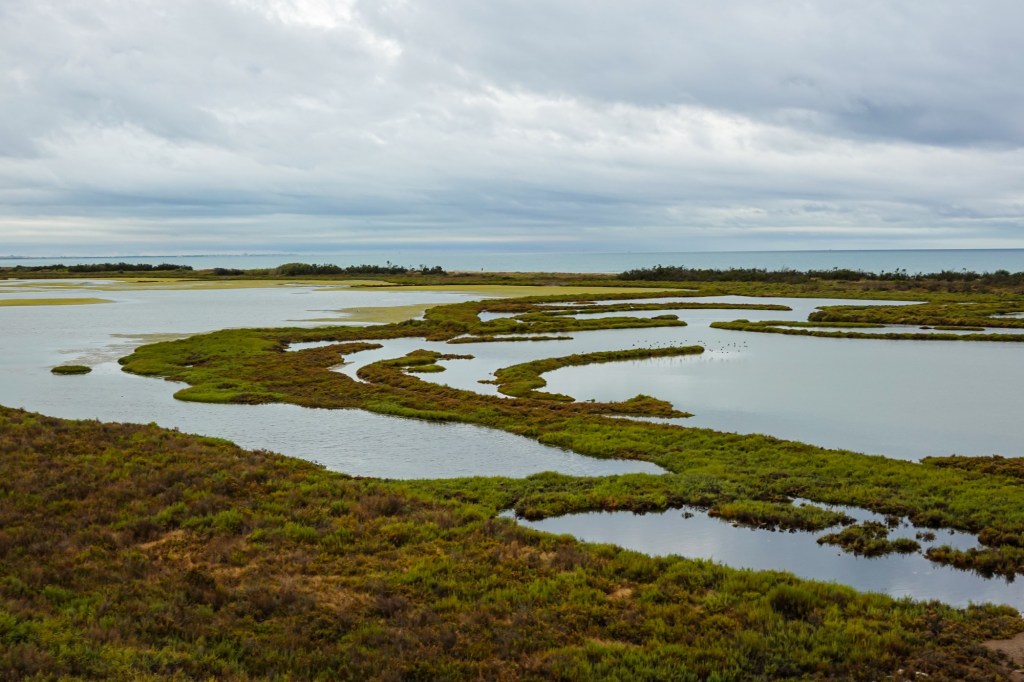
Inland there’s lots of nature in the marshy flat lands. Some of it bights. Red squirrels are used to being fed. The highland cow some saw was probably lost and very warm. Or on its holidays: why just us humans?
Tomorrow into Spain – which means an uphill to get to the Border post.
Which I think translates as Valras Beach, a small sea-side town with a fine beach. We got there by following the sea around and along the canals.
Vertical fishNosyPosyHungryFine binHope for low tidesGoing right direction
Leaving Montpellier I was eating words. Soon we were into out of town shopping mall areas. High traffic as it’s a Monday and the end of school holidays. We are going against the tide of traffic so generally ok. Apart from roundabouts and when the cycle paths switch back and fore.
FlasGas?Settled uo
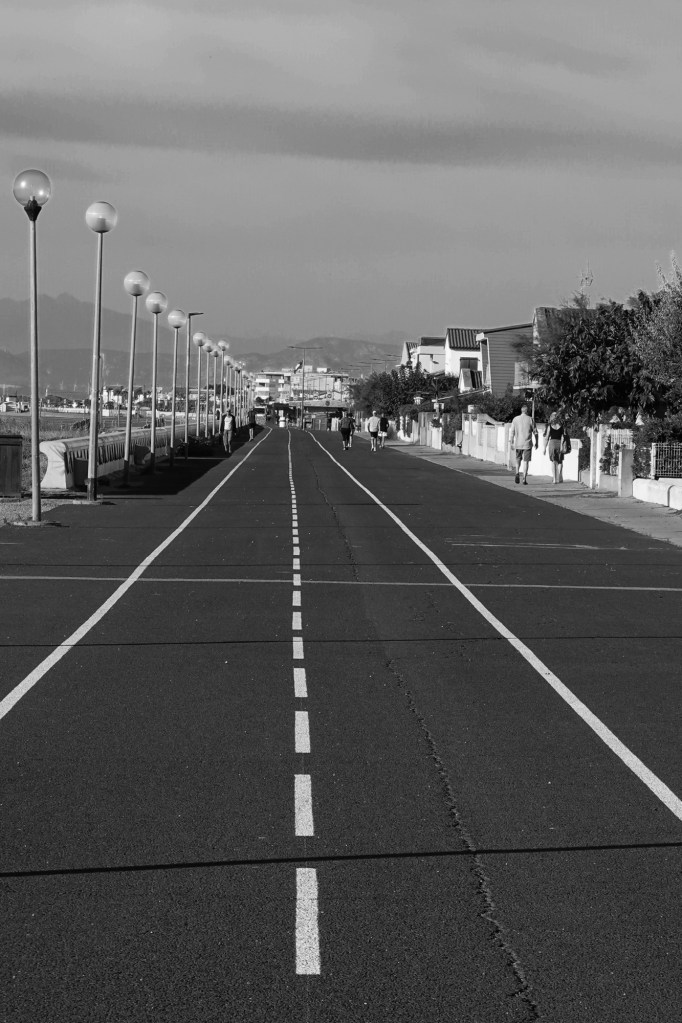
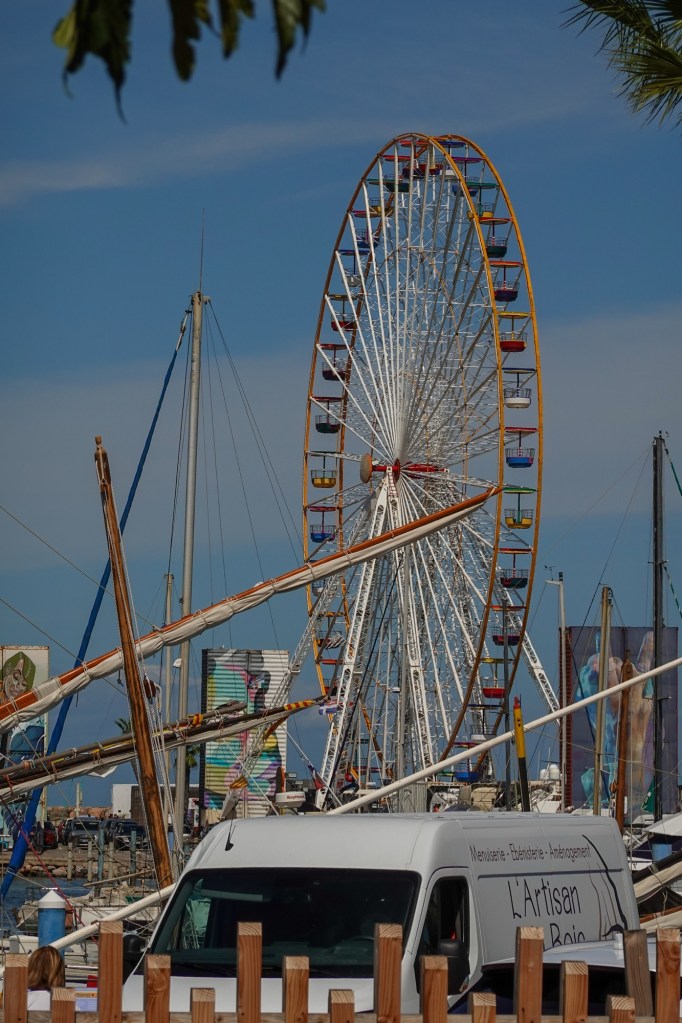
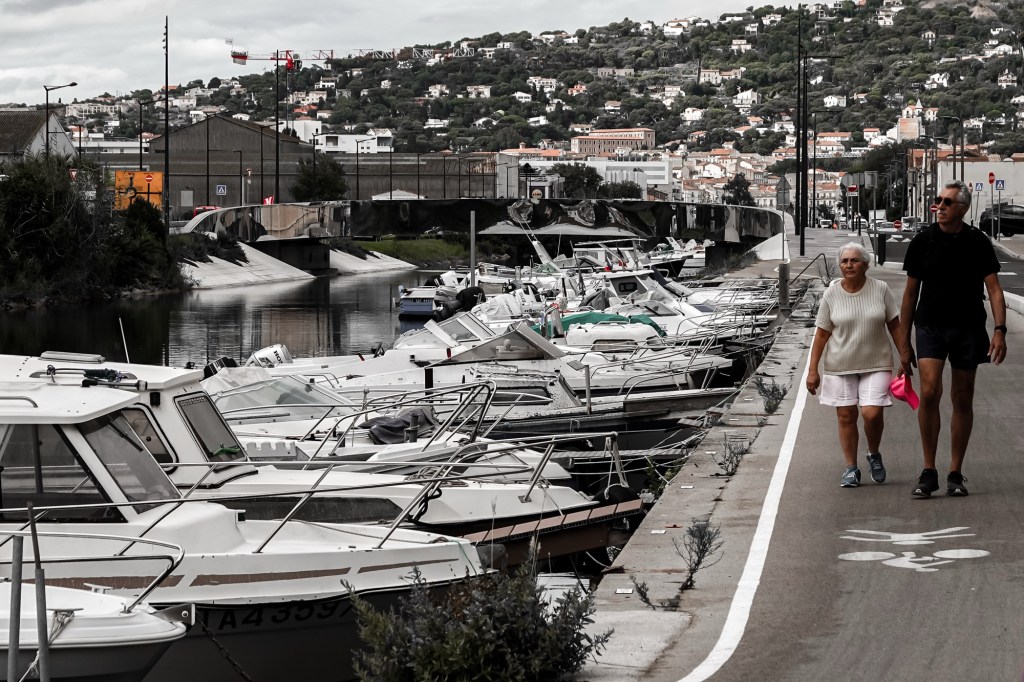
It then felt like a mixture of Gwent levels, Llanelli Millenium Path and Swansea Bay along to Mumbles. Generally delightful, with a few amusement parks of varying rusting vintage thrown in for amusement.
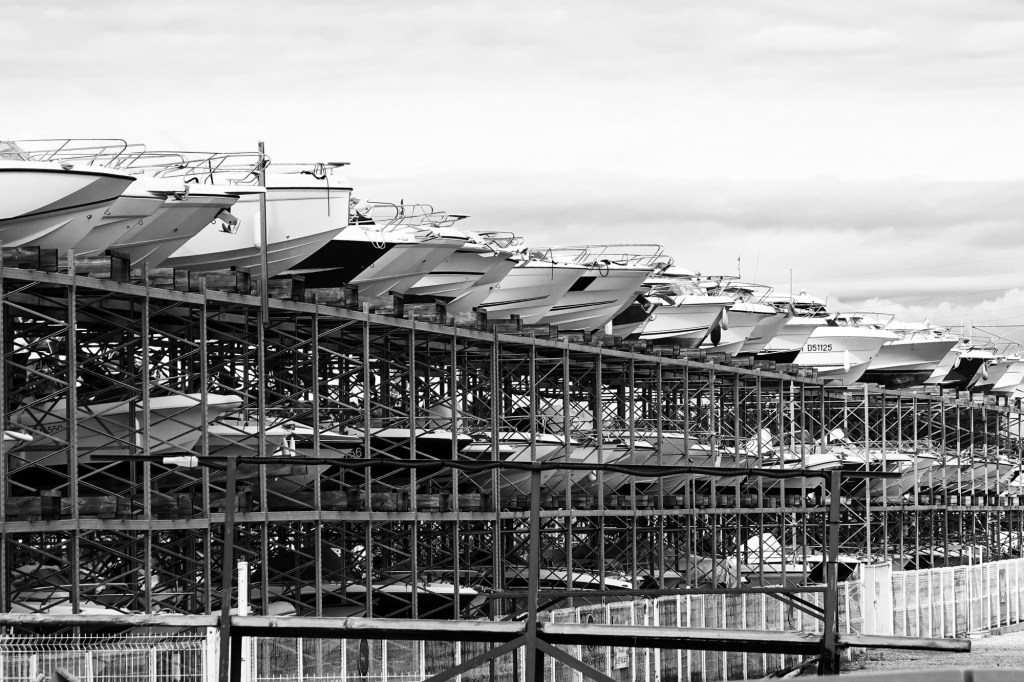
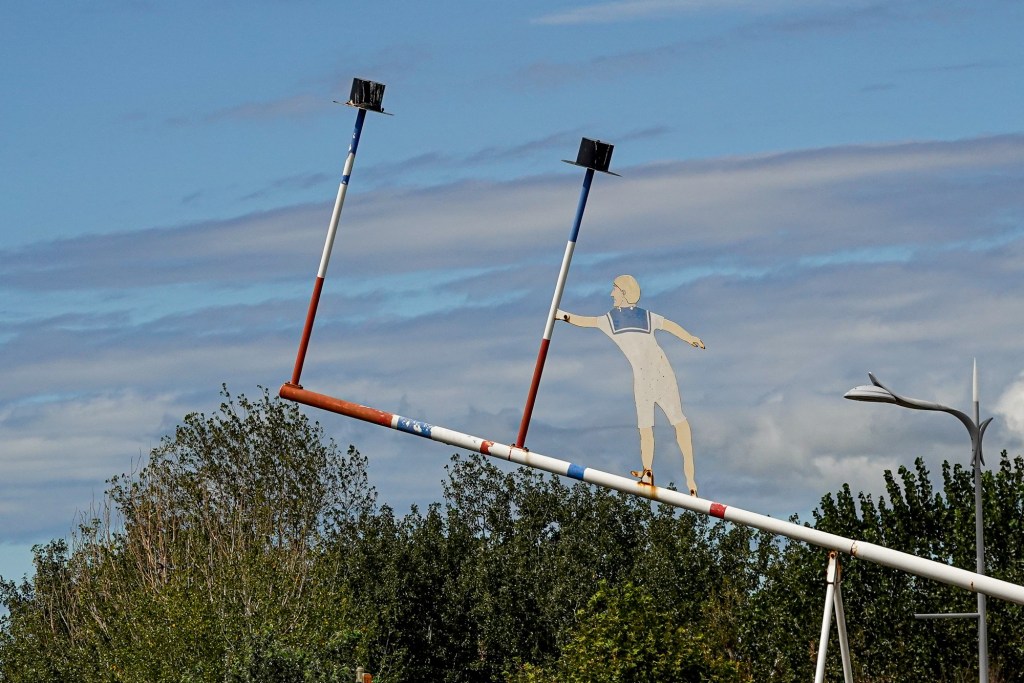
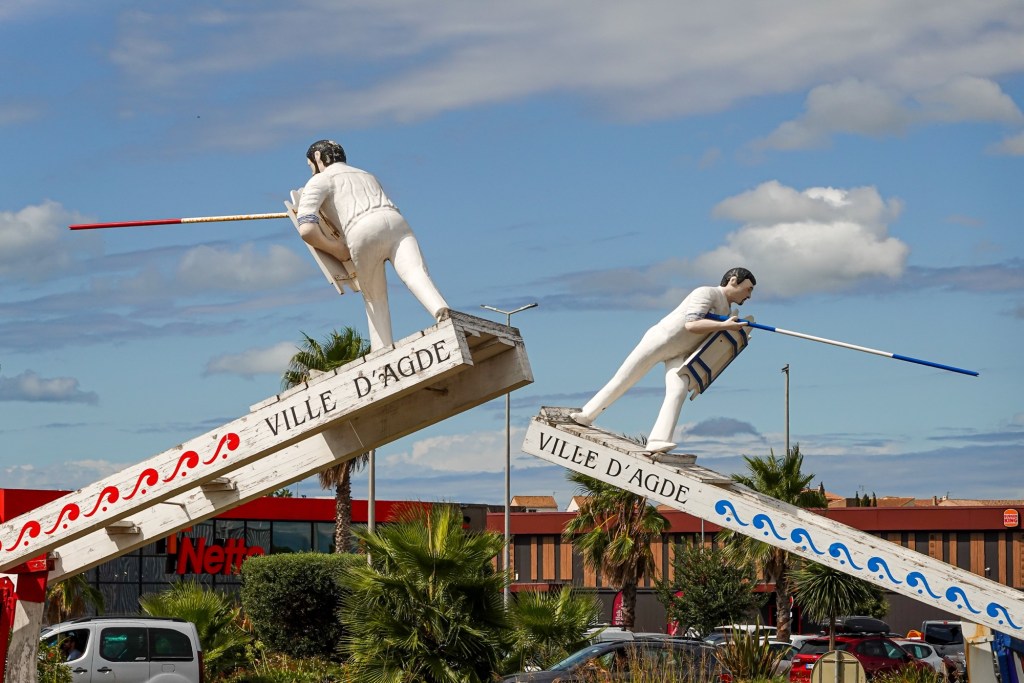
Boat jousting retunFine weed3rd from rightJousting populae
Sete felt a good place – bustling, working, friendly. The ferry to Corsica was waiting to furrow it’s bow through the darkening skies.
Fancy car washScooped not sweptMonsterSea LavendatHappy PlaneRockyScrubbers
A short day, fun. With a birthday celebration – well done Balazs, you’ve set a bar I will leave as a high tide mark!
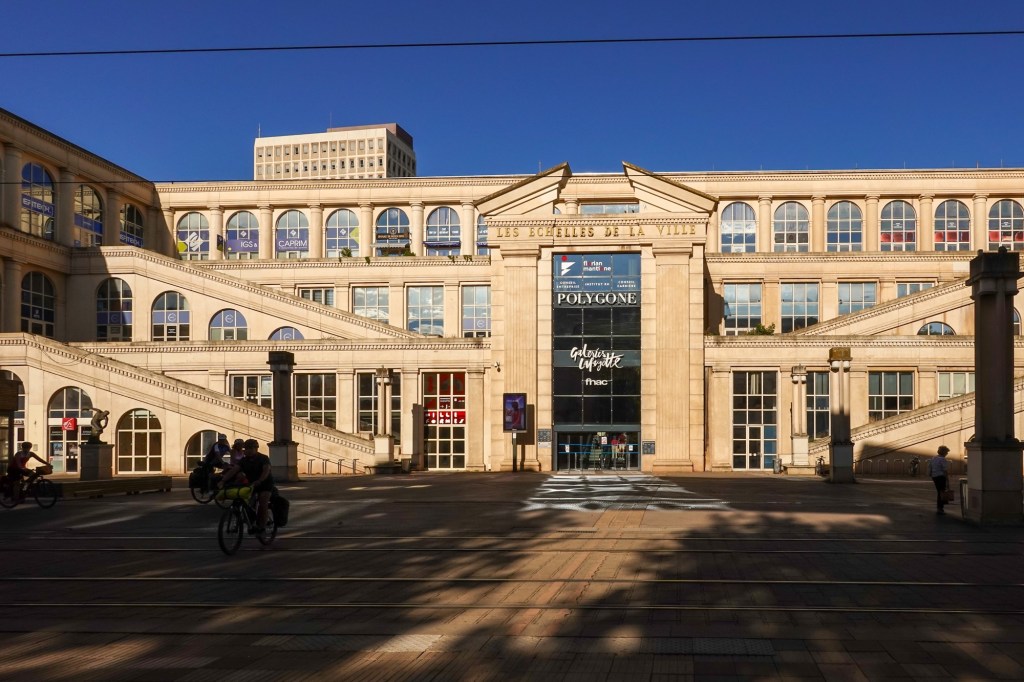
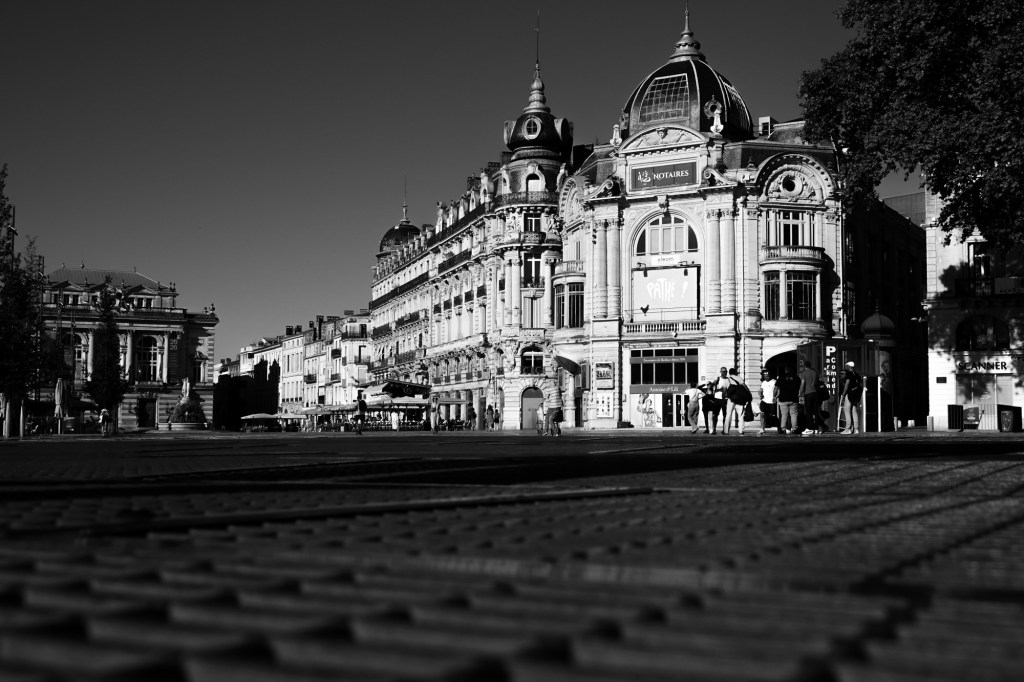
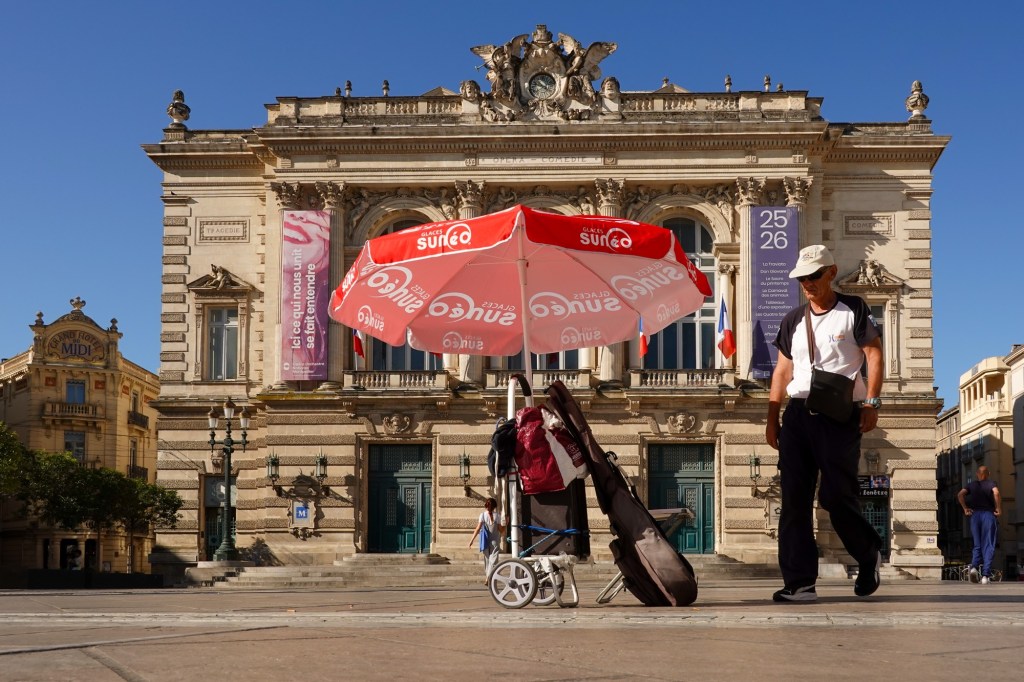
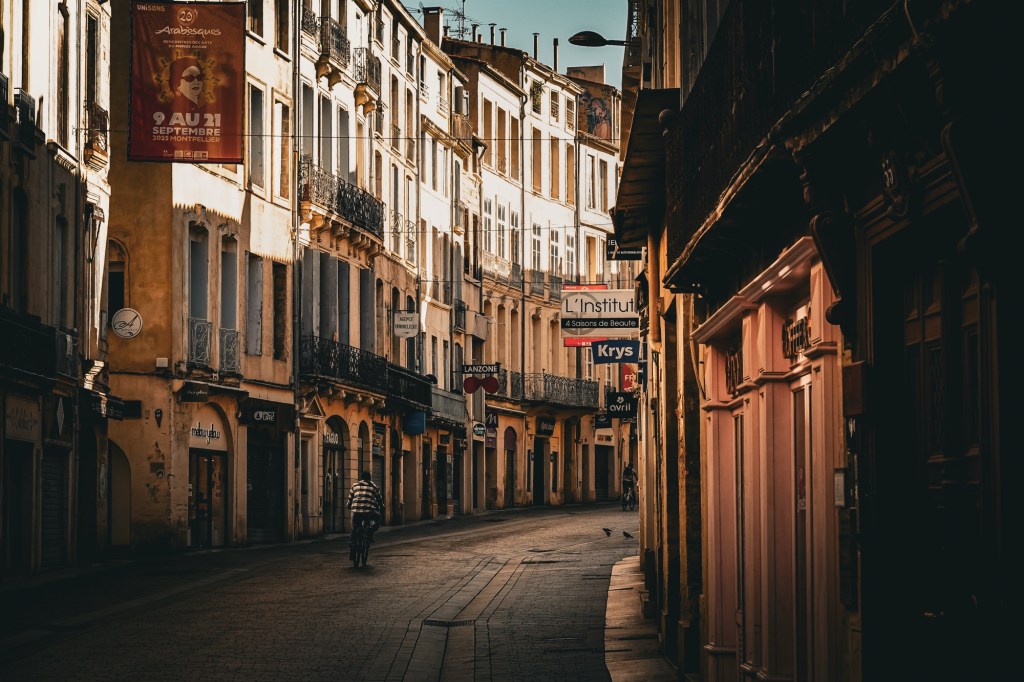
This city wears its heritage casually whilst quietly being modern. A population of near 300000, 25% of whom are students. The University is one of the oldest in the world and it has the oldest medical school still in operation. Nostradamus is (was?) an alumni. Who’d have predicted that?
Enter old via new OldOldGreat shapes
It remains France’s fastest growing city. We saw part of the greater metropolian area yesterday, though thankfully not all of the 800000 population. The location, 10km from the Med, helps.
Not worked outBathsRaiding the bins
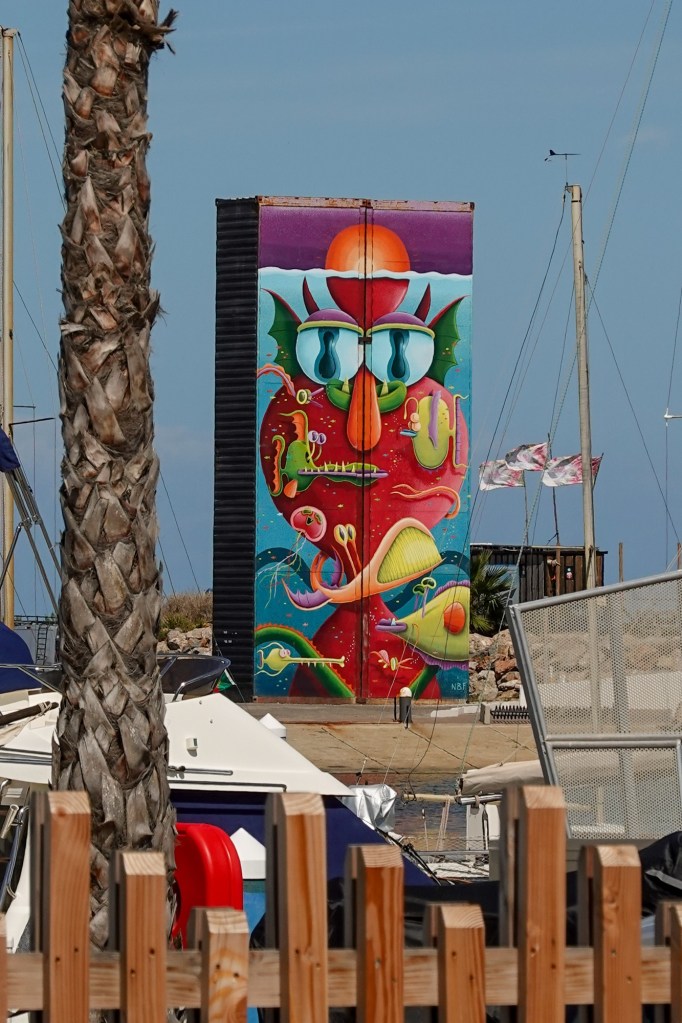
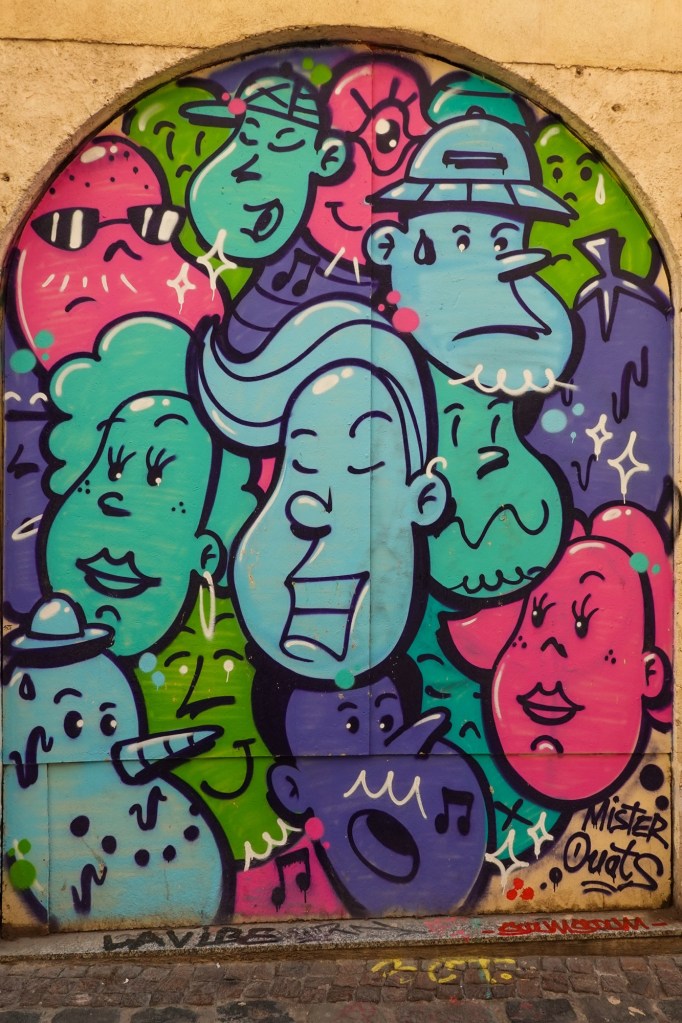
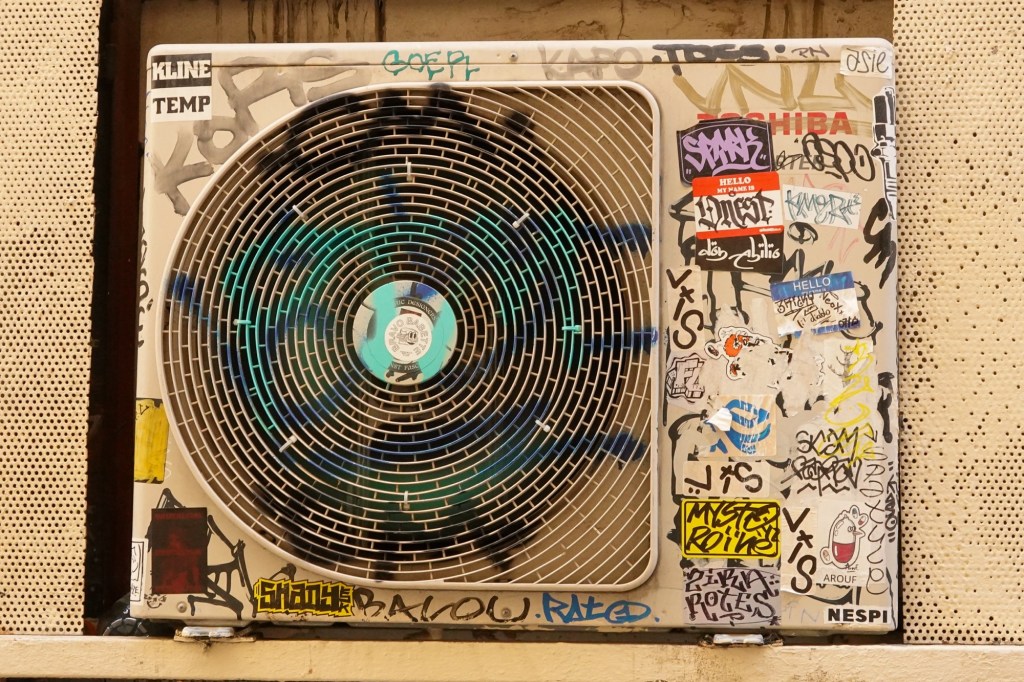
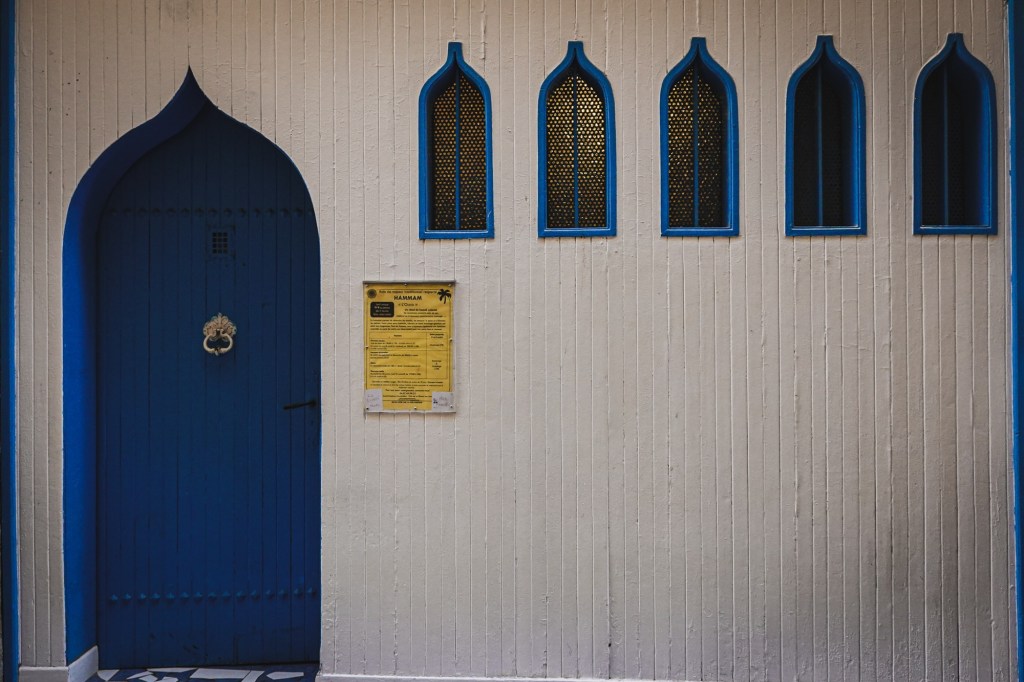
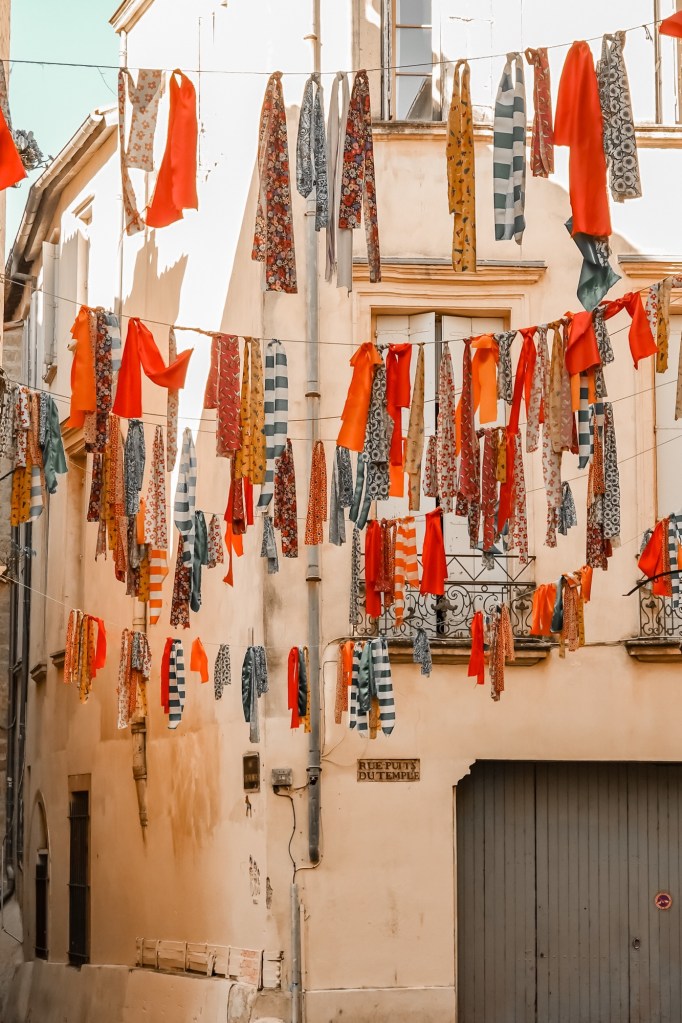
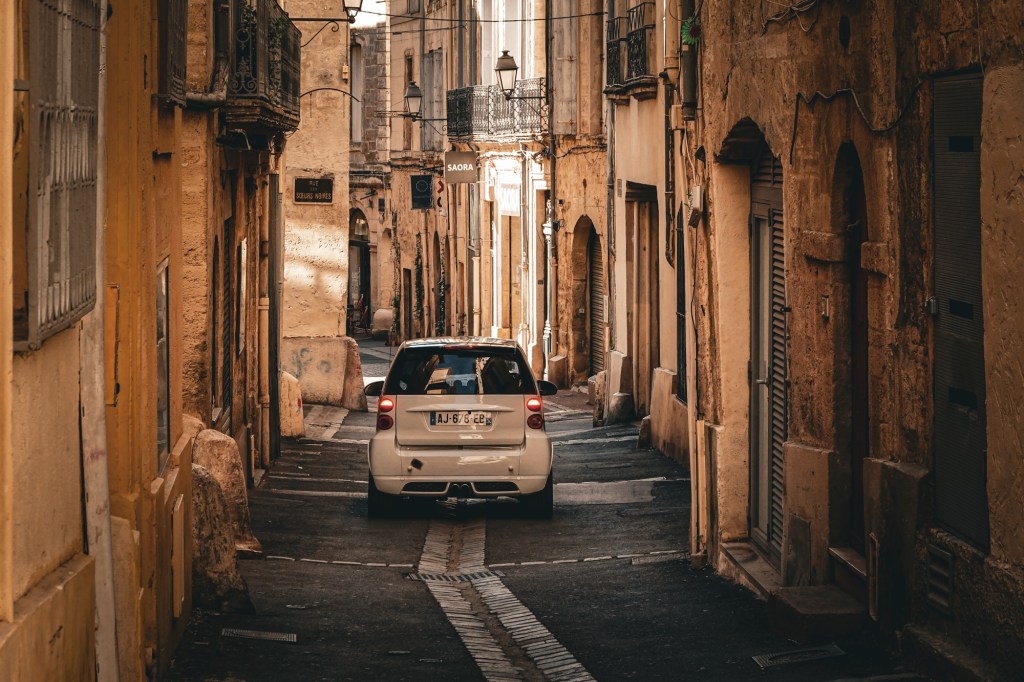
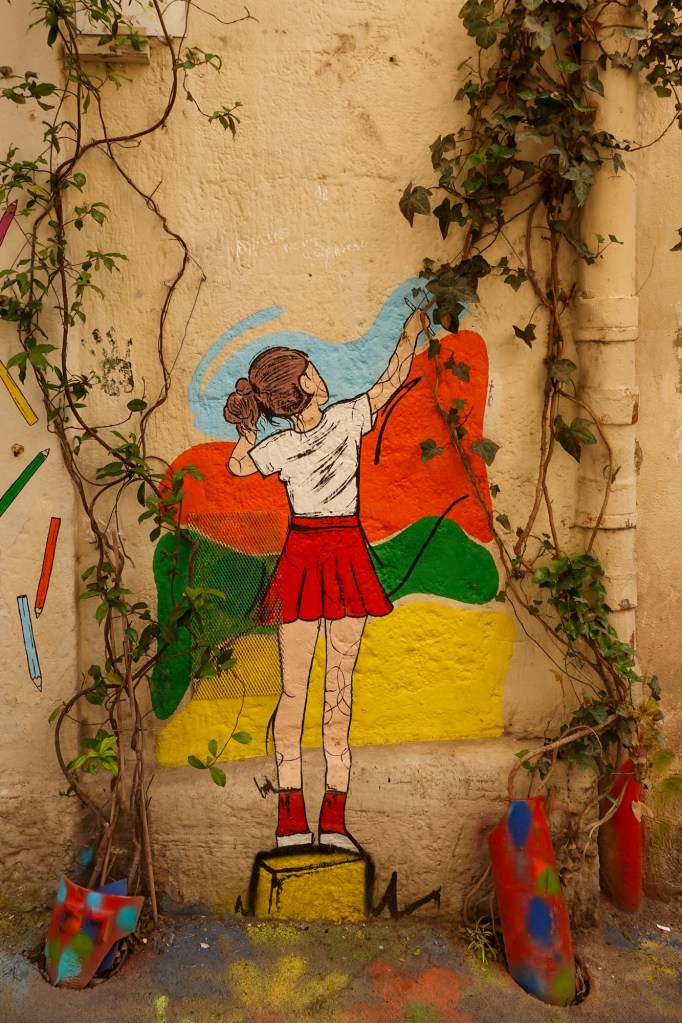
So an old city with a young feel: the centre is largely pedestrianised. We ambled through narrow streets: easy to do on a quiet Sunday when most shops are shut. Great street art makes the mundane pop.
SelfieHung up
The highlight was the recently reopened and repurposed Carré Sainte-Anne church with a great JR display. Key learning point for me: JR is a famous grafitti artist, not from Dallas.
Adventice draws from a little-known chapter of the city’s history. In the Middle Ages, wool imported from Spain, North Africa, and beyond carried hidden seeds. These foreign seeds thrived in the Mediterranean climate, giving rise to France’s first botanical garden.
In botany, adventice stems from the Latin advenire, “that which comes from the outside.” Once seen as invasive weeds, they are now recognized as vital to biodiversity, supporting pollinators and enriching soil. Cornflowers and poppies are among them, now iconic in the French countryside.
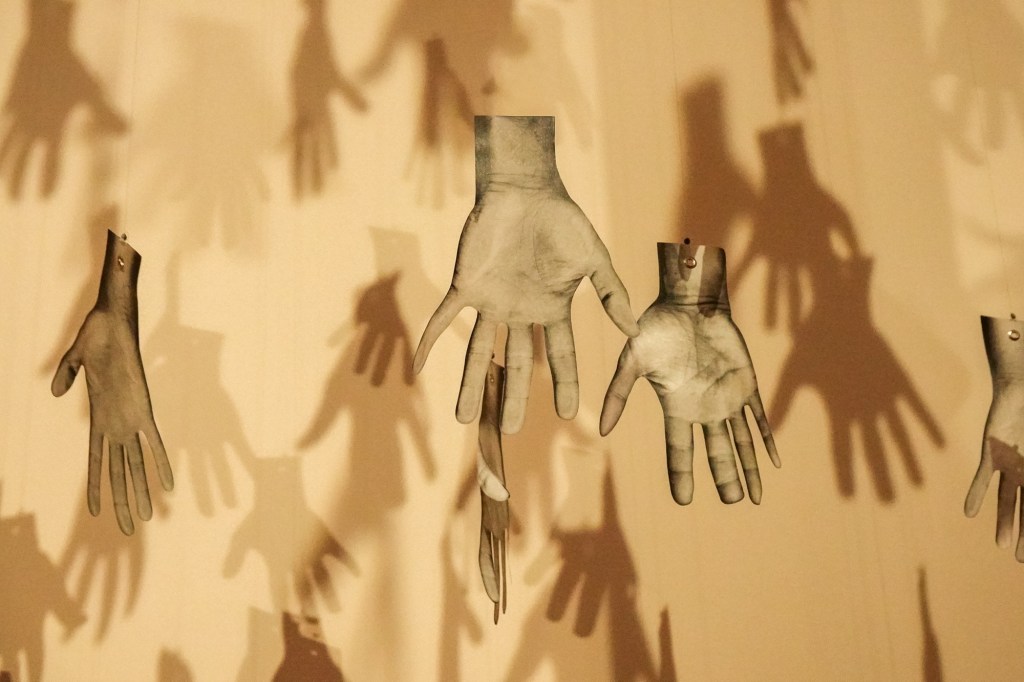
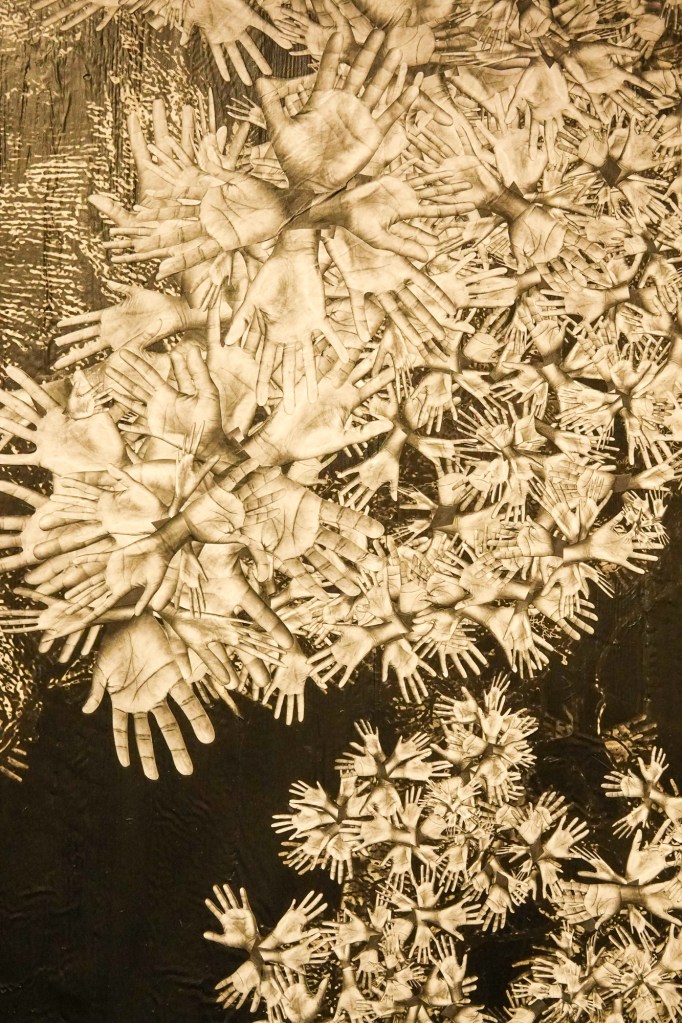
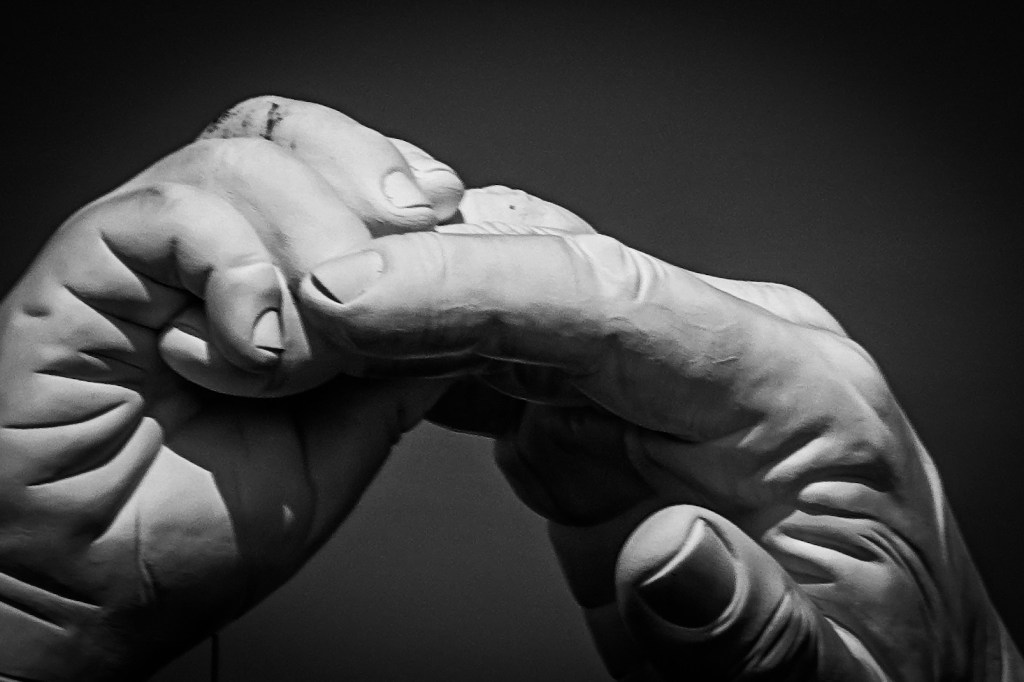
In the middle of the church, a tree stands tall, covered with over 10,000 hands sent in by participants from around the world. The roots reveal themselves through anamorphosis, and those who approach the tree can listen to its heart beat. Each visitor is welcome to scan and add their hand to the project.
JR’s work
For a change, not bullshit: quite stunning.
Tintin17C viaductBluesNo Pound
After all these cities, I’m left wondering how the UK lost a lot of its central cities to modern development. Only a relative few were bombed. We also lost trams. Somebody got the plans wrong methinks (simplistically).
Cousin of Robert the Bruce? Get away!Con fusing17C Church
The Antigone area we’re staying in gives a glimpse of what might have been. Regenerated from 1980s it’s concrete with style and purpose, centred around a University campus and social housing. The contrast with Swansea University’s new bleak campus couldn’t be starker. Antigone is a 20 min walk from the centre, great public transport and a variety of good eateries. How complicated is it?
Must be lack of exercise today – the judgemental cells have woken up!
Let’s get the suprise out of the way. It is a UNESCO site. Is it just me, or are the vast majority of these sites associated with vast amounts of wealth, power, high religion. Welcome to the UNESCO site of Castlemilk doesn’t have the same ring to it perhaps – or maybe lack of good dining for the inspection team.
Lido canalNo cornettoHappy rip off
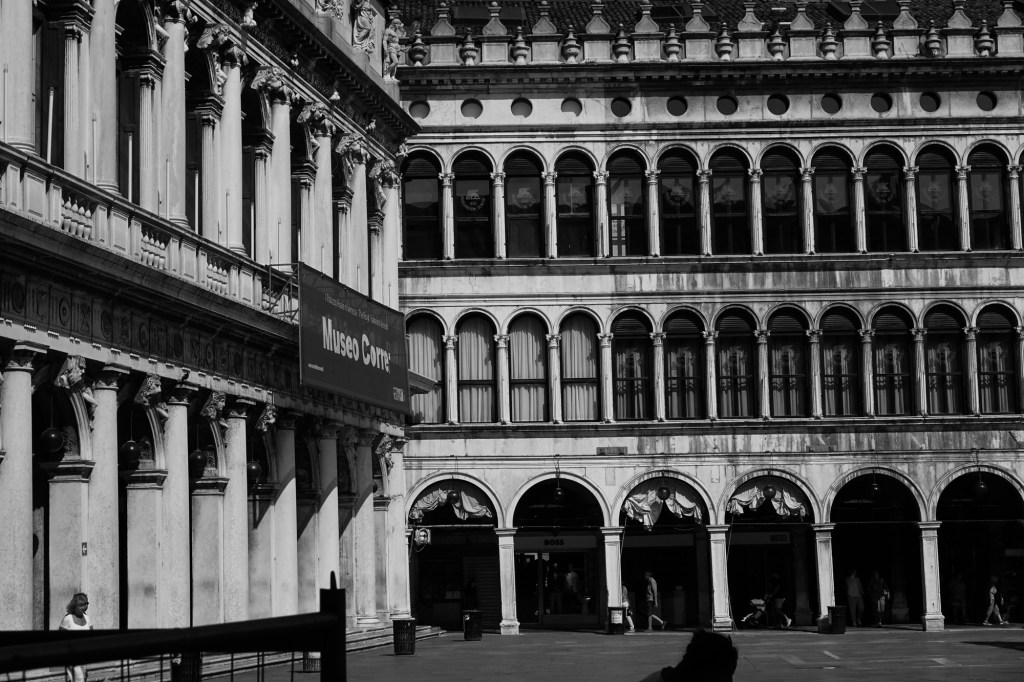
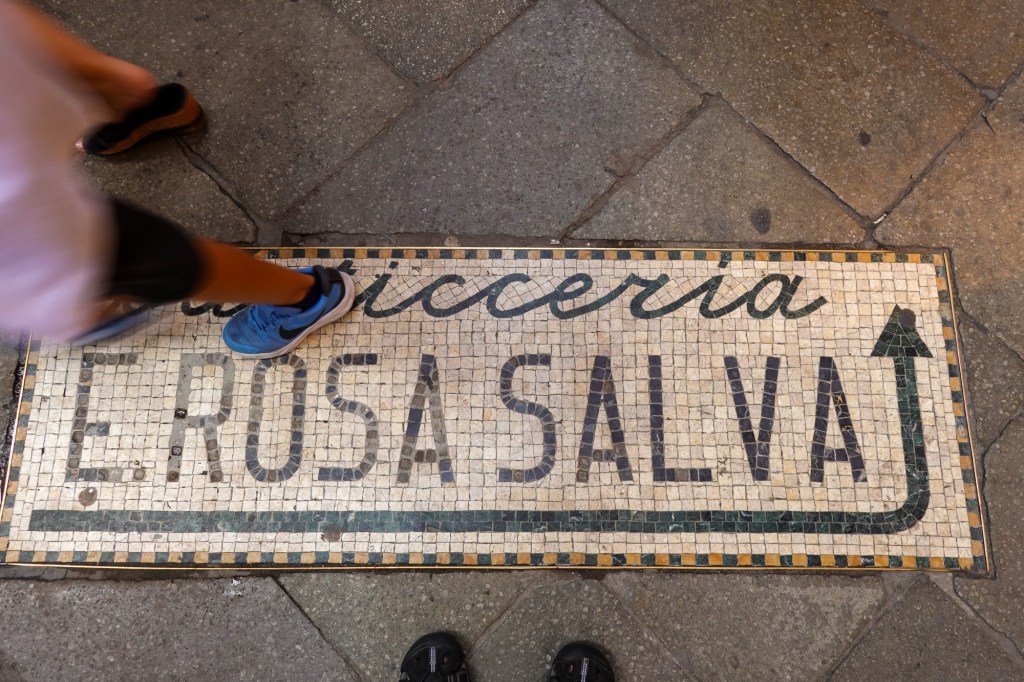
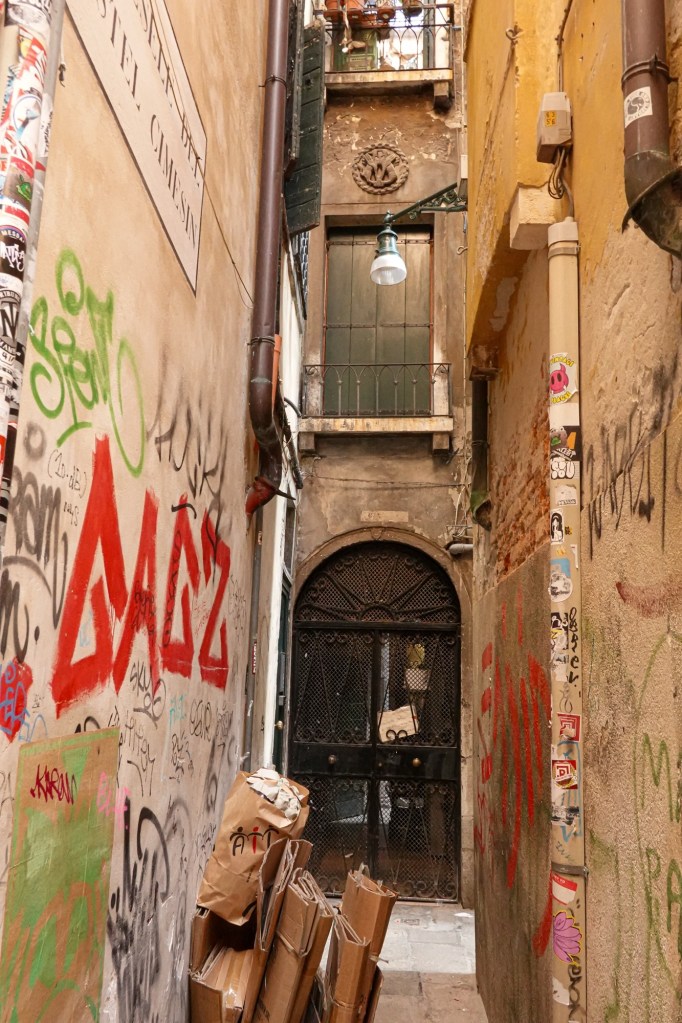
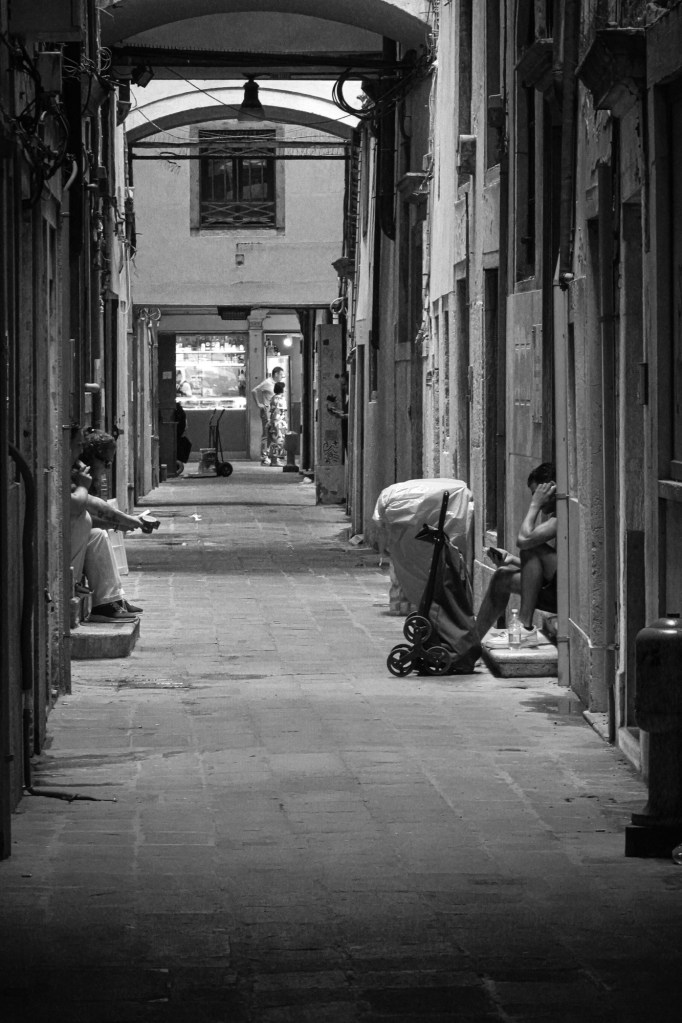
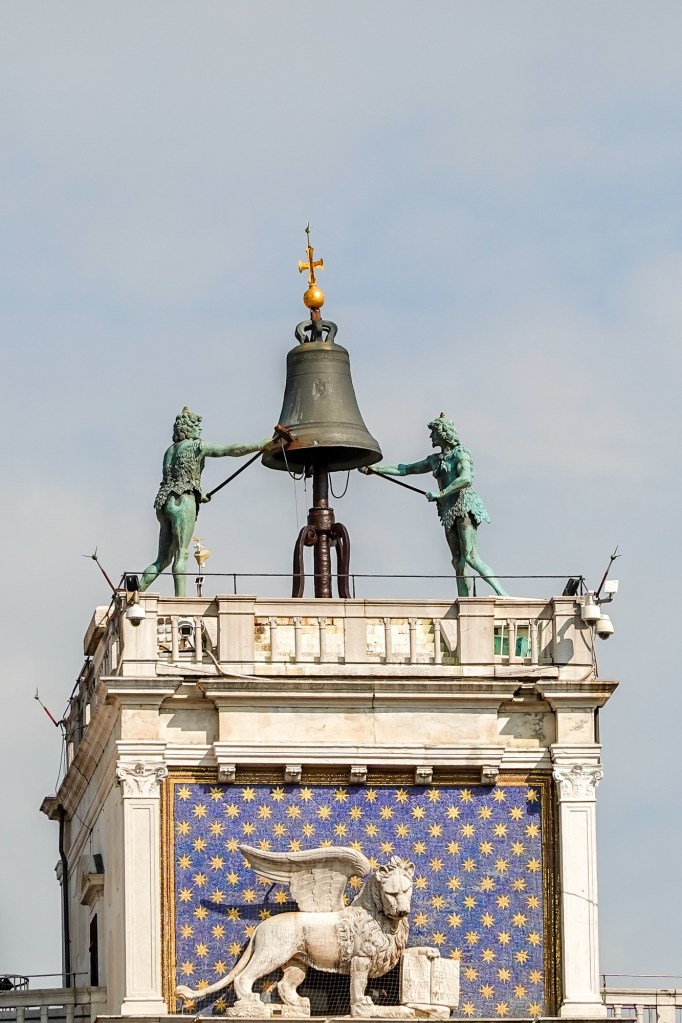
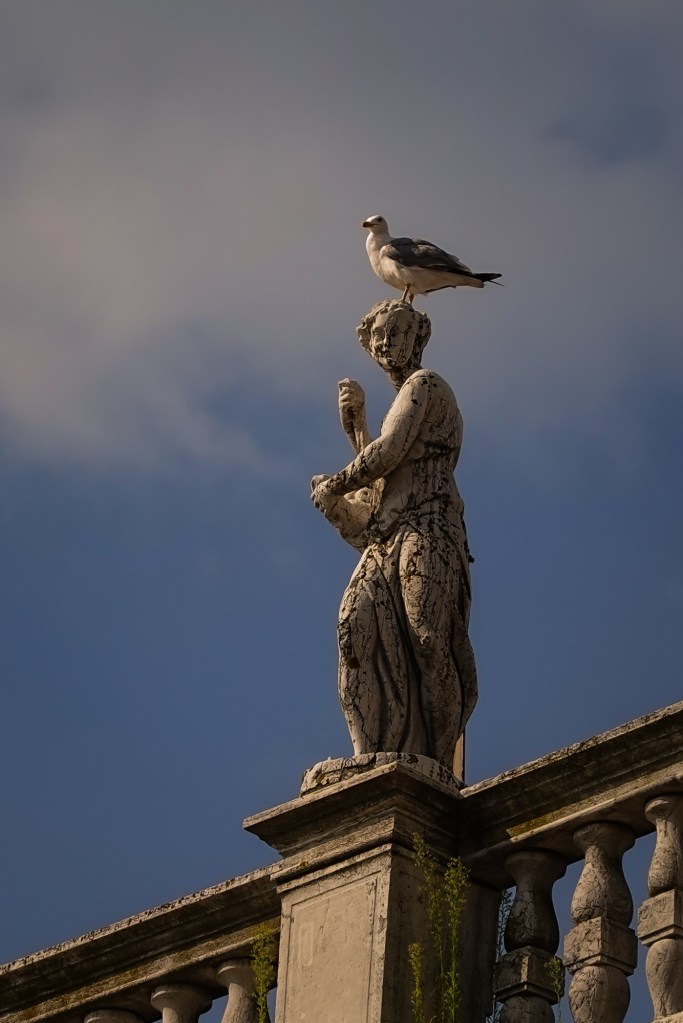
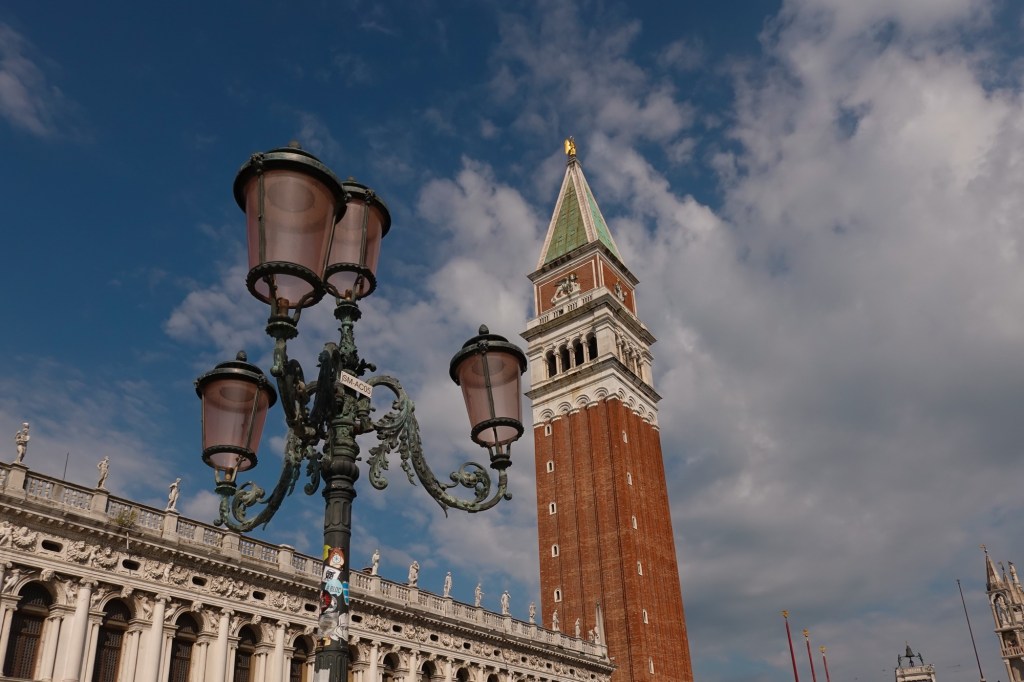
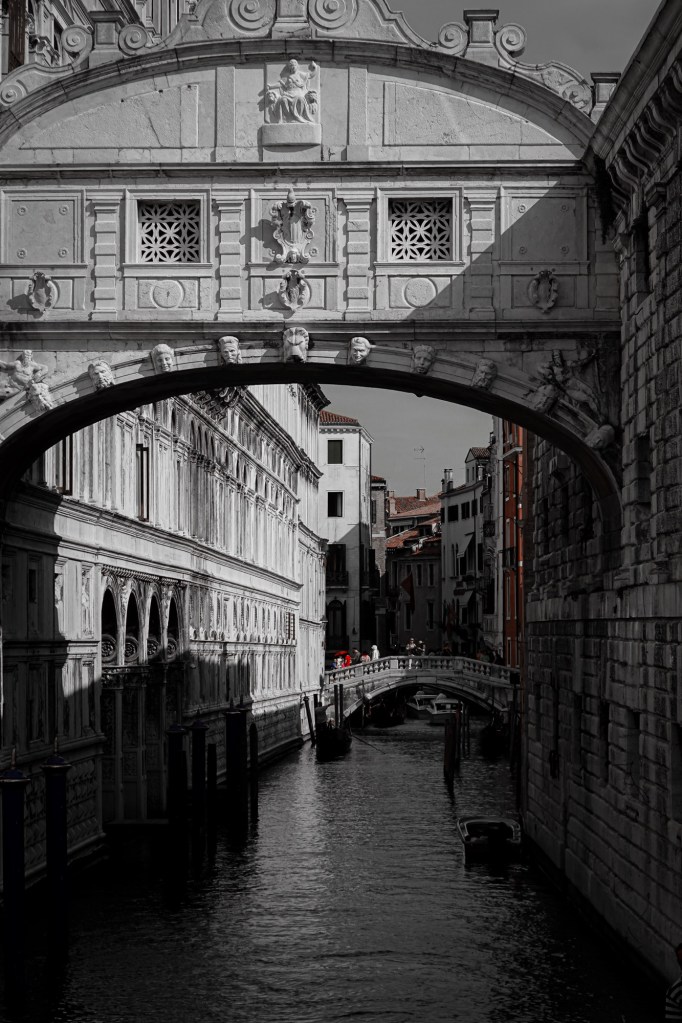
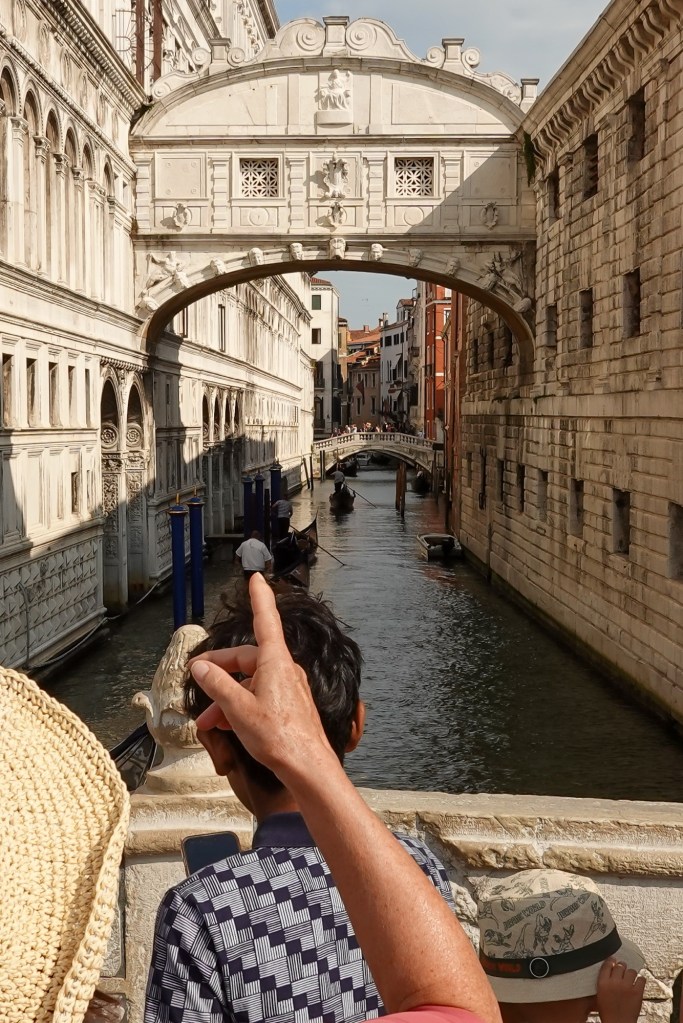
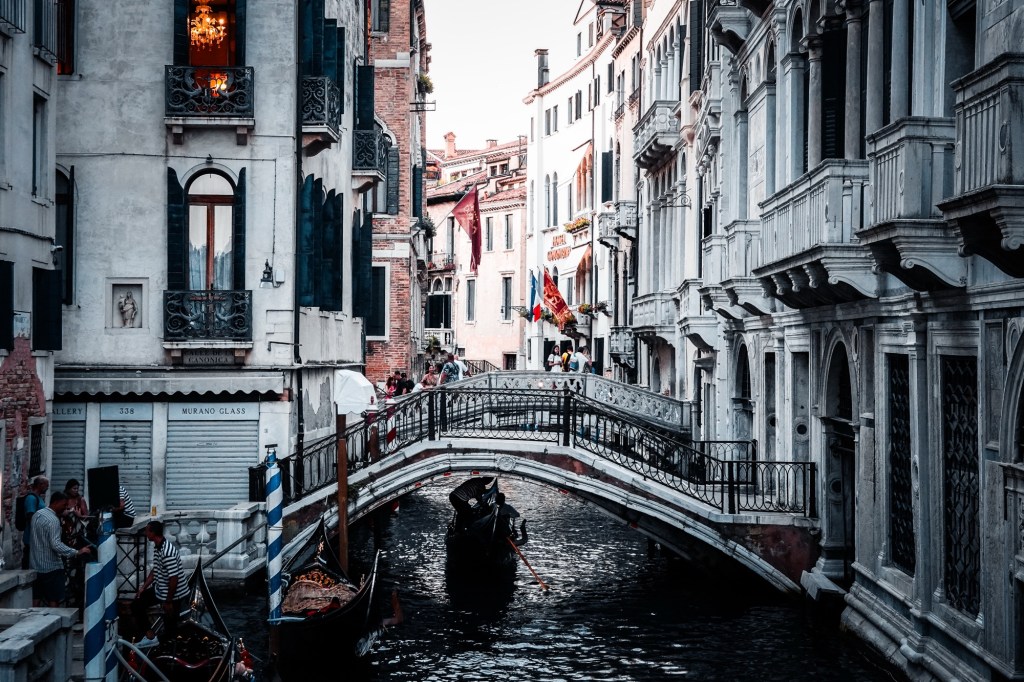
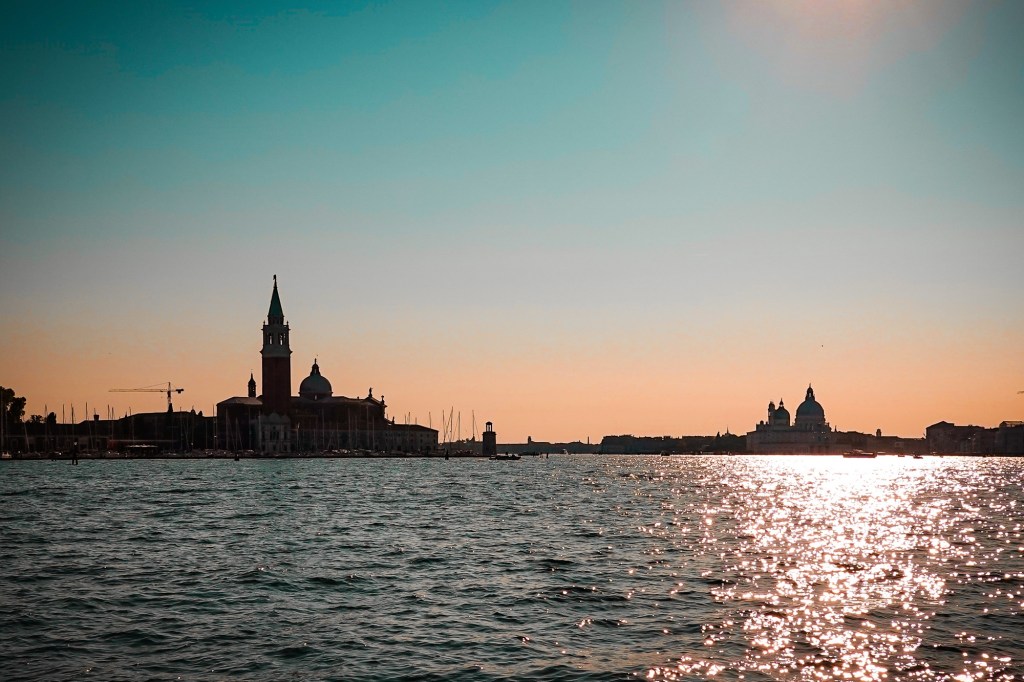
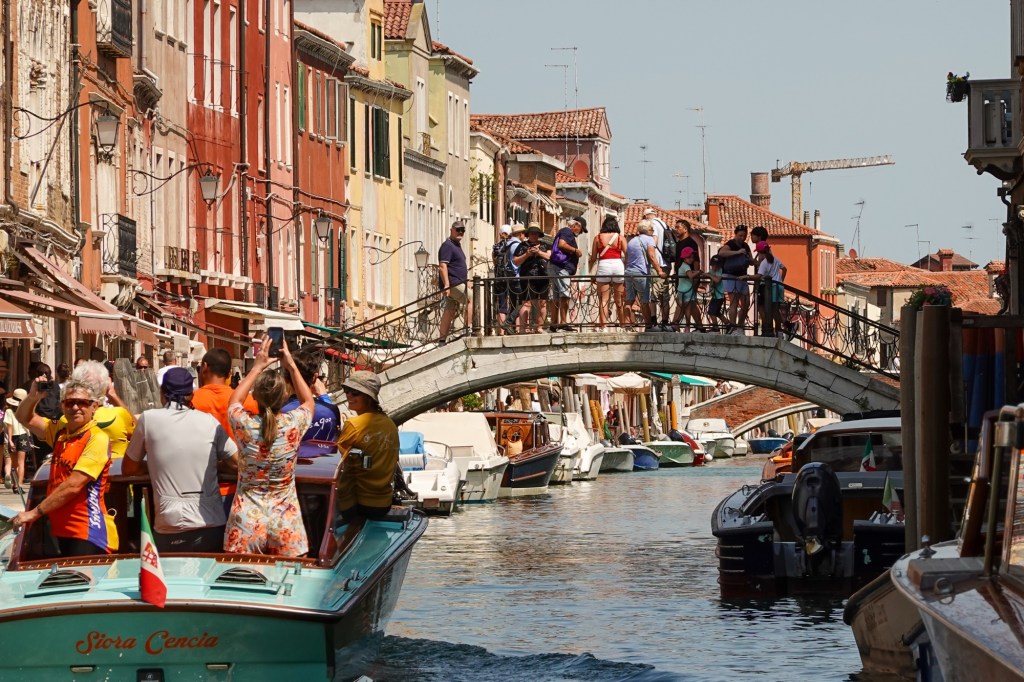
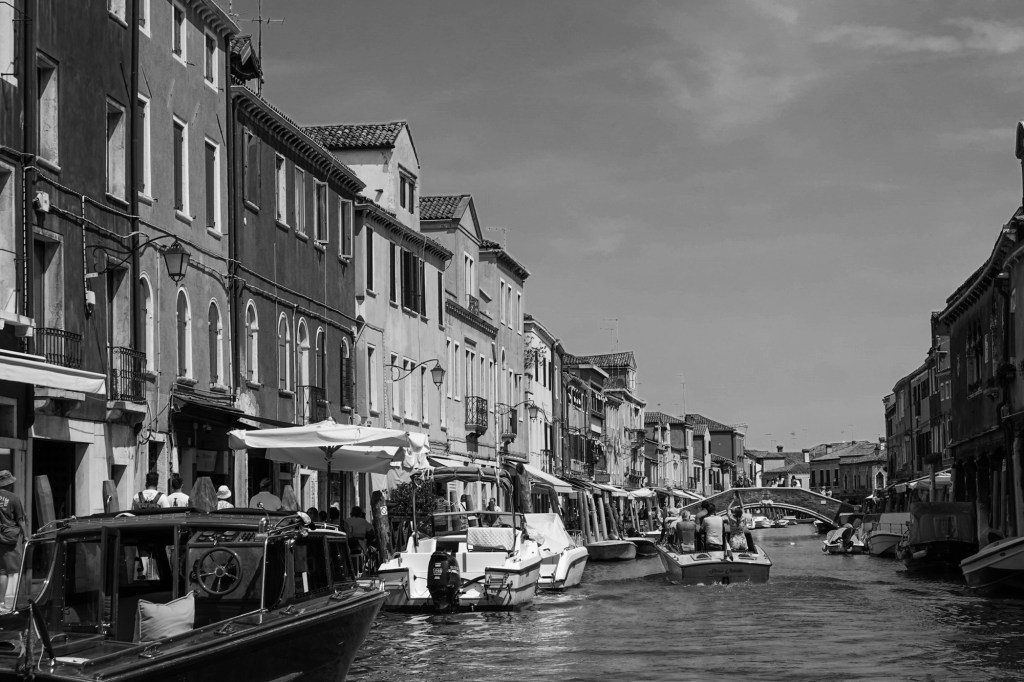
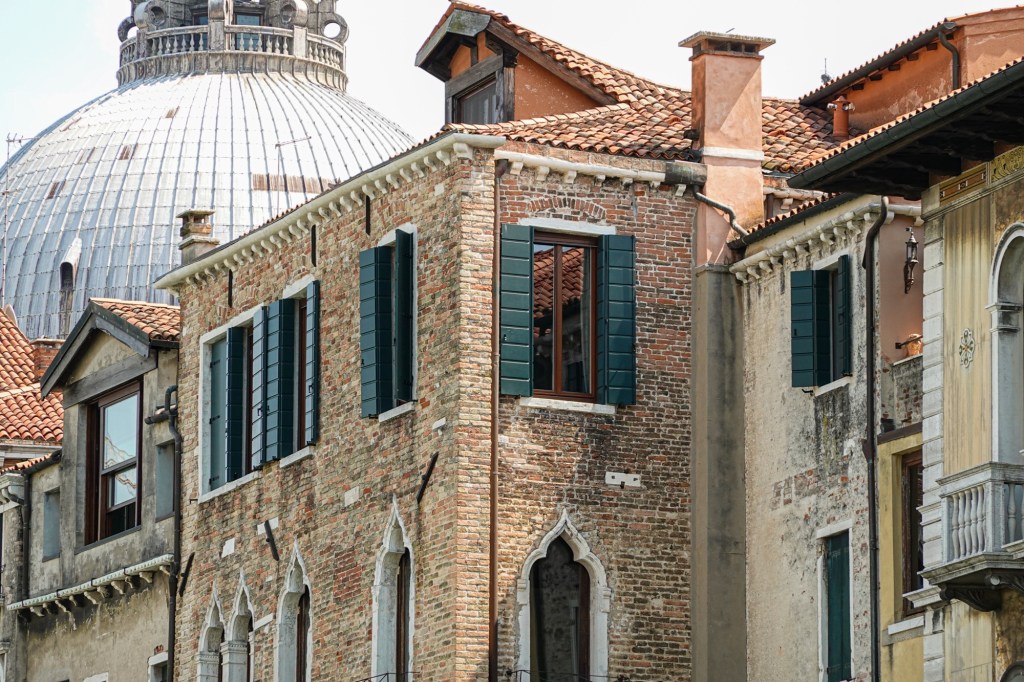
It is quite spectacular, with a fast ferry bus from Lido (twinned with Ludo), where the plebious vulgaris live. Well I thought so unti I saw the real estate costs. We spent the morning and early evening mootching around the allay ways off St Mark’s Square. Elon Musk got the name Doge from here.
N+1FevernoseStep this wayBanksy apprentive
Coffee in the oldest continously open coffee house in the world – documented that is, as Oxford claims to have an older one, just no proof. Their waiters didn’t live as long it seems. Live music outside, where we spotted Karl Jenkings sitting coffeeing. He has, it seems, artistic links with Venice. Or maybe he’s a spy UNESCO inspector?
Resting Guess where we are?Someone’s finger not pointing at Bridge. Sigh
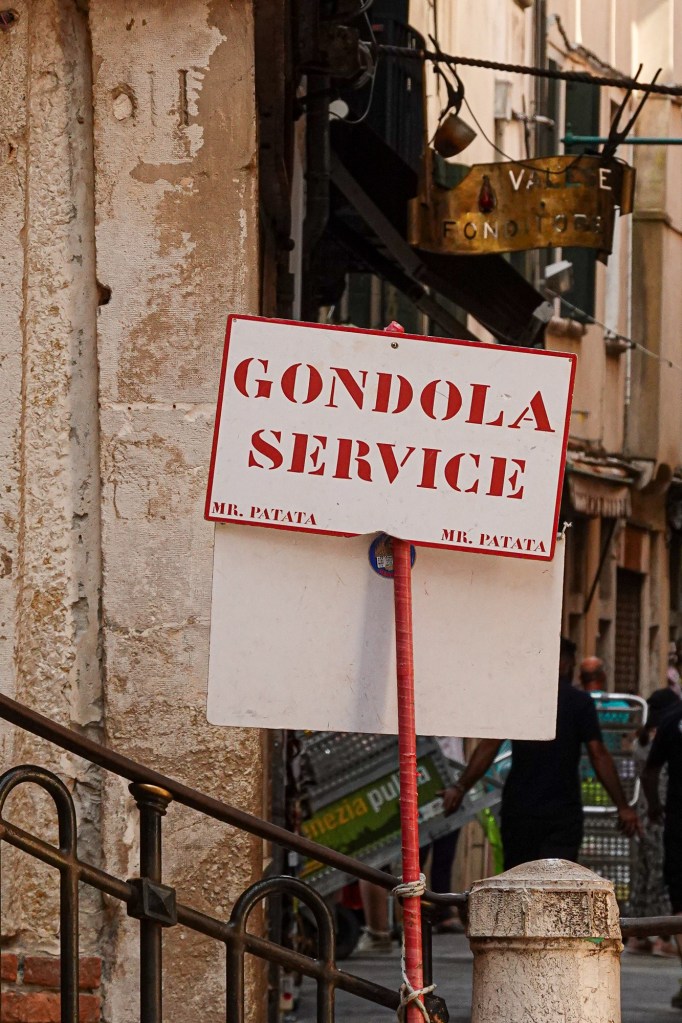
The controversy over the different stripes of the gondoliers was googled to the ground. Red and Blue are both permissable (if horizontal and 625lines), but not together. Both of equal status.
CuteCrocodile Dundee
Google hasn’t quite solved the challenge of the difference between a cover charge on a bill and a tip. Ergo they are the same.
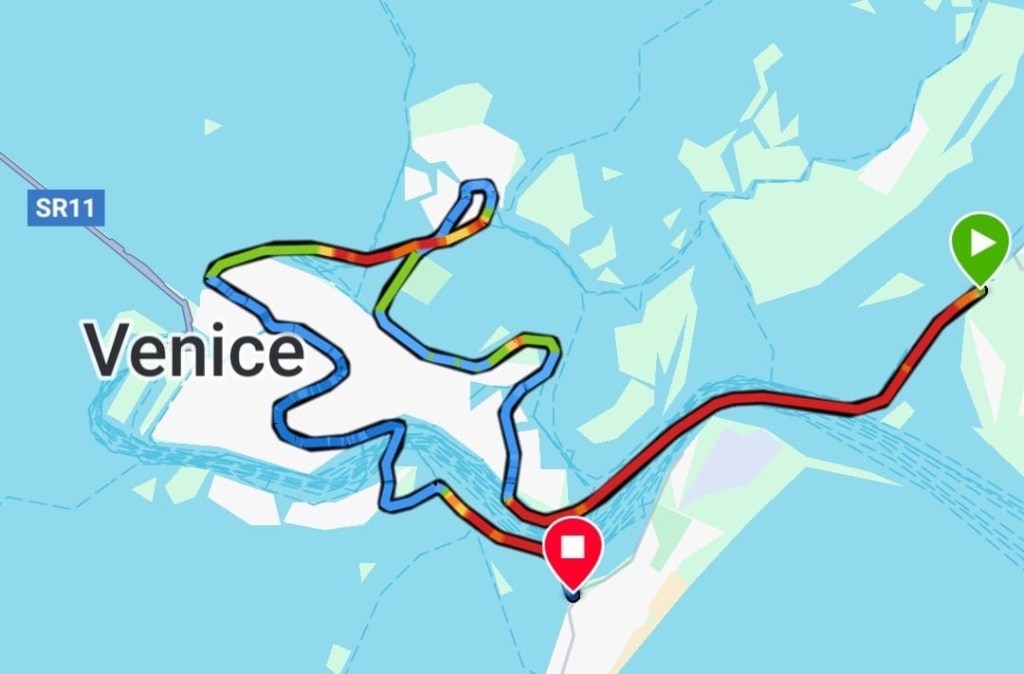
Tomorrow a short day along the Lido runway to a couple of ferry hops to the next coffee and gelato destination.
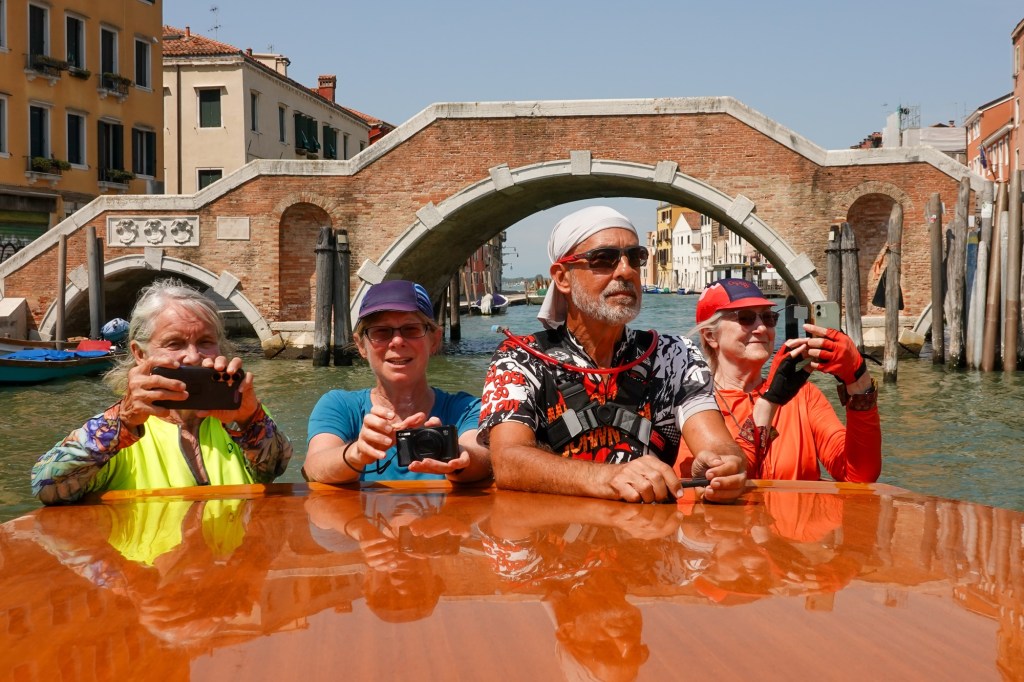
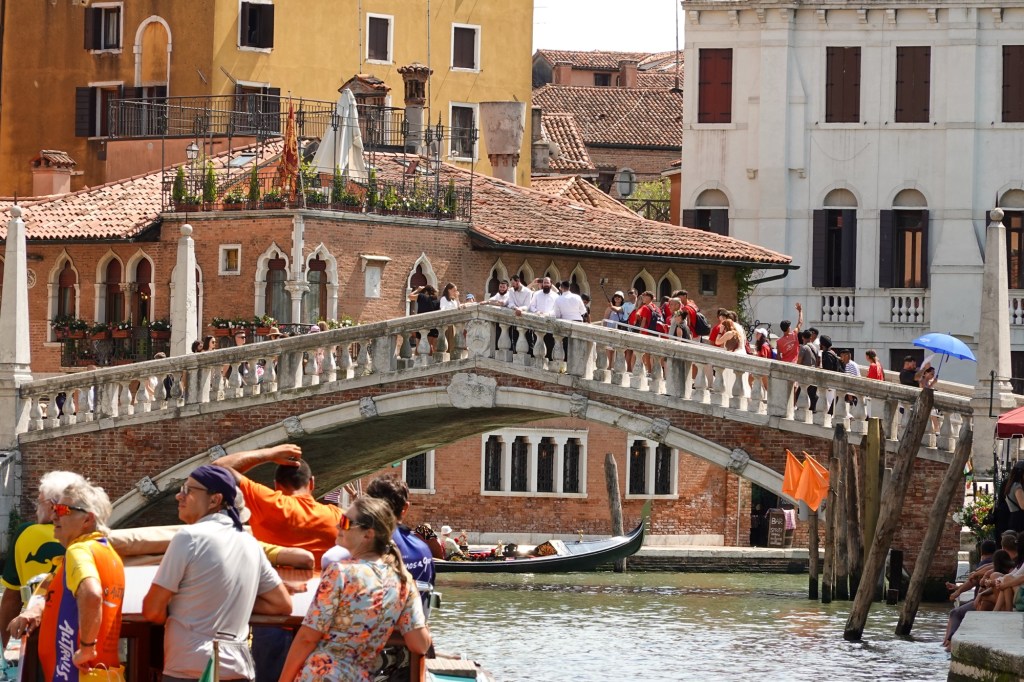
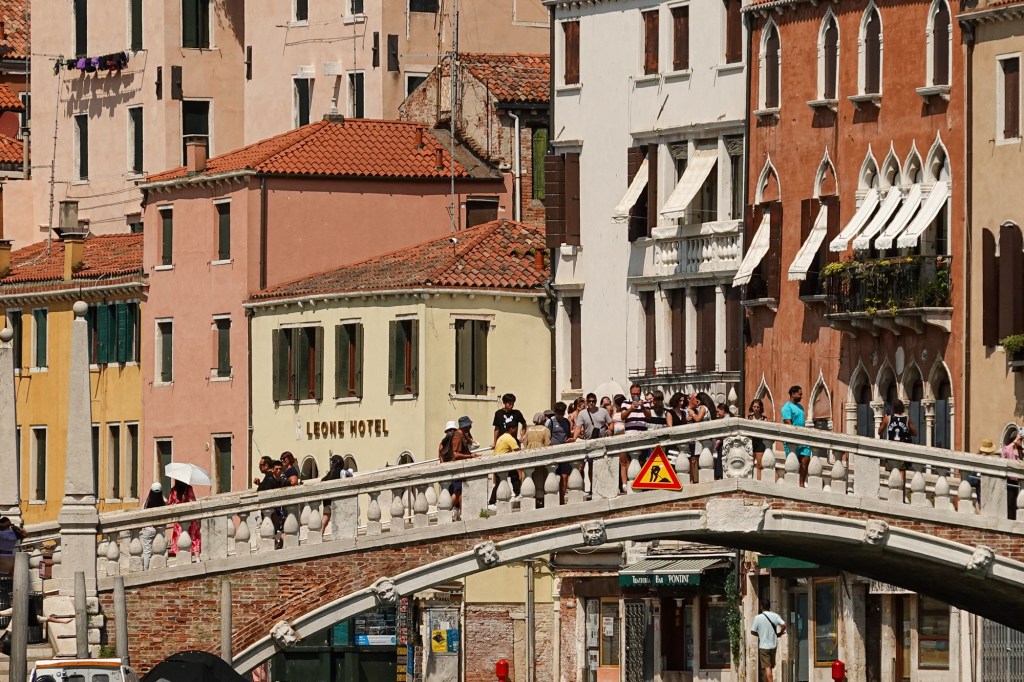
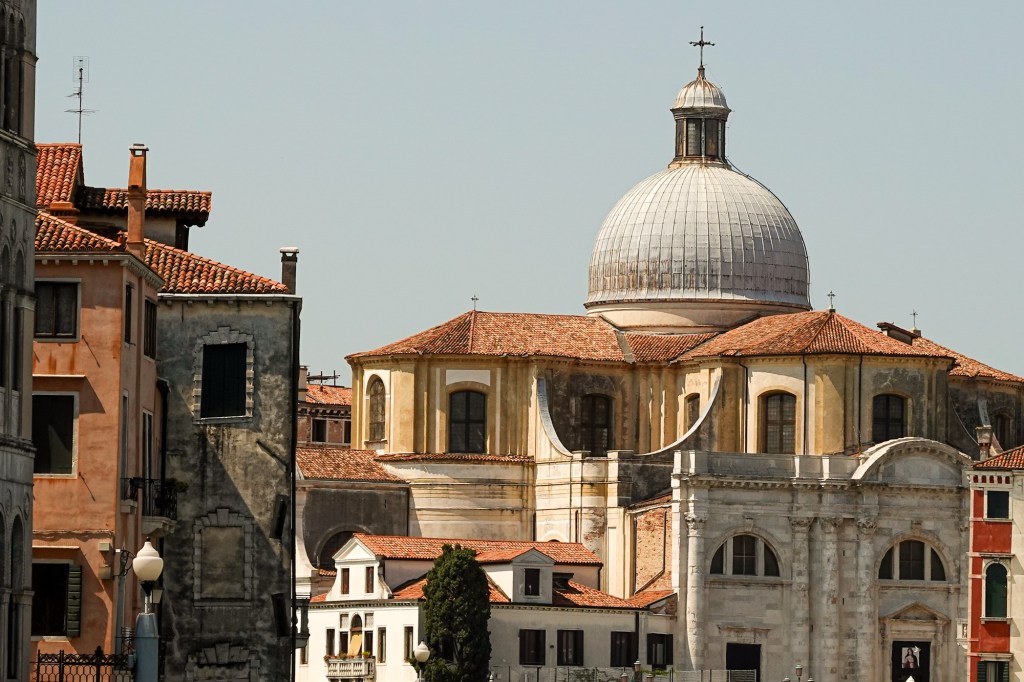
Just a few photos as we tootled along. It’s mind boggling to think they build this by piling in millions of wooden stakes until they reached clay. They don’t rot because there’s no oxygen. Then think: exactly how and who did the piling? From what? And why? I know the answer you read is “ good defensive position”. Like castles, why don’t the opposing side then just go around and thumb their noses at the ones inside?
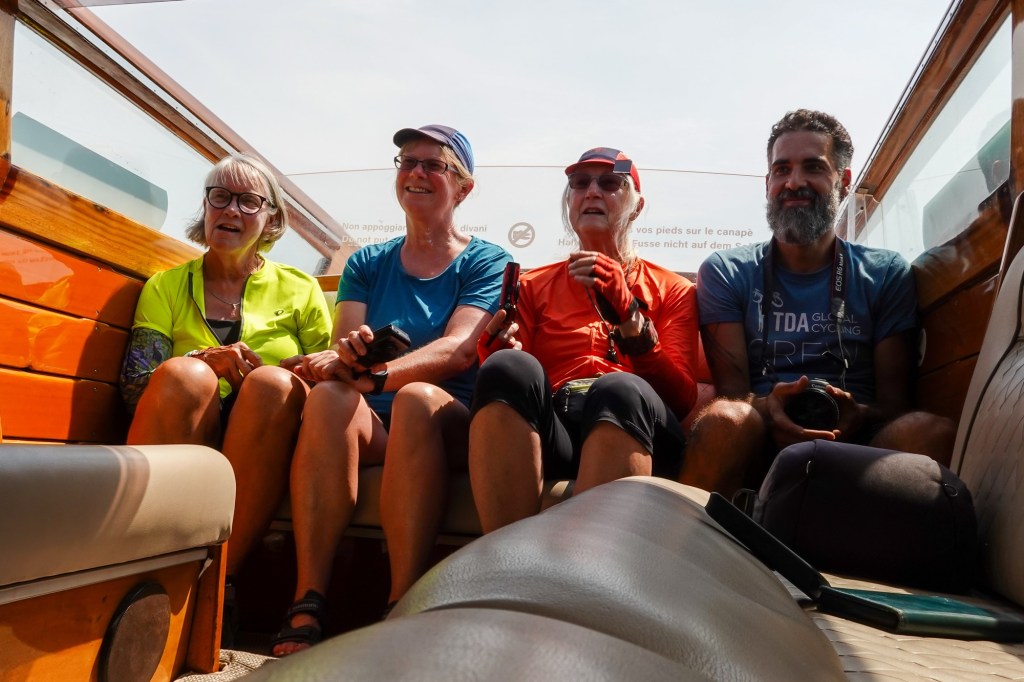
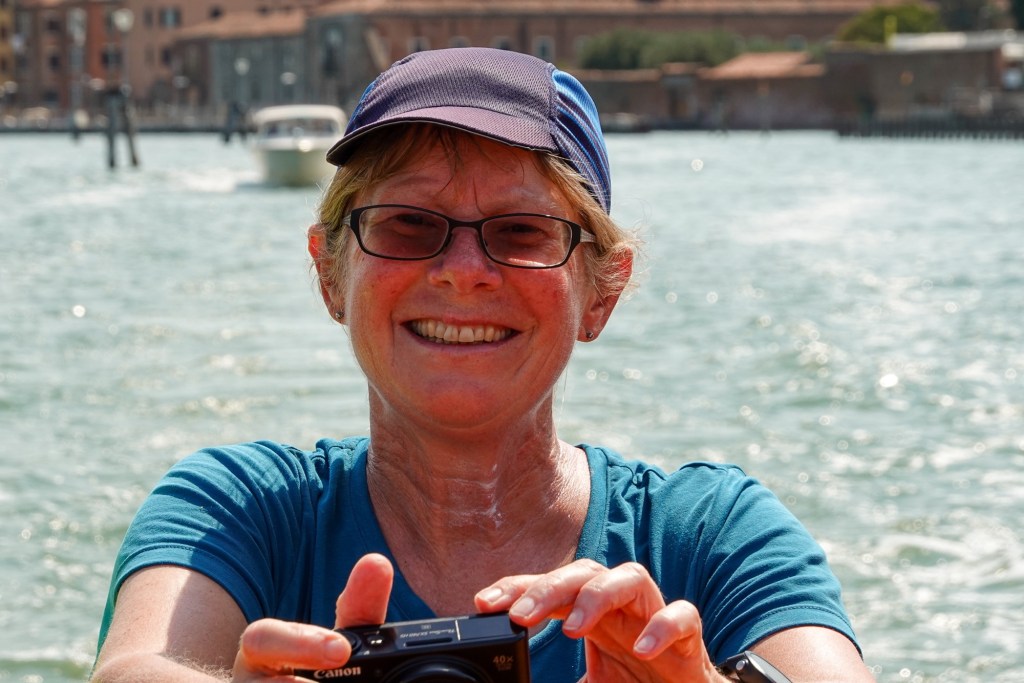
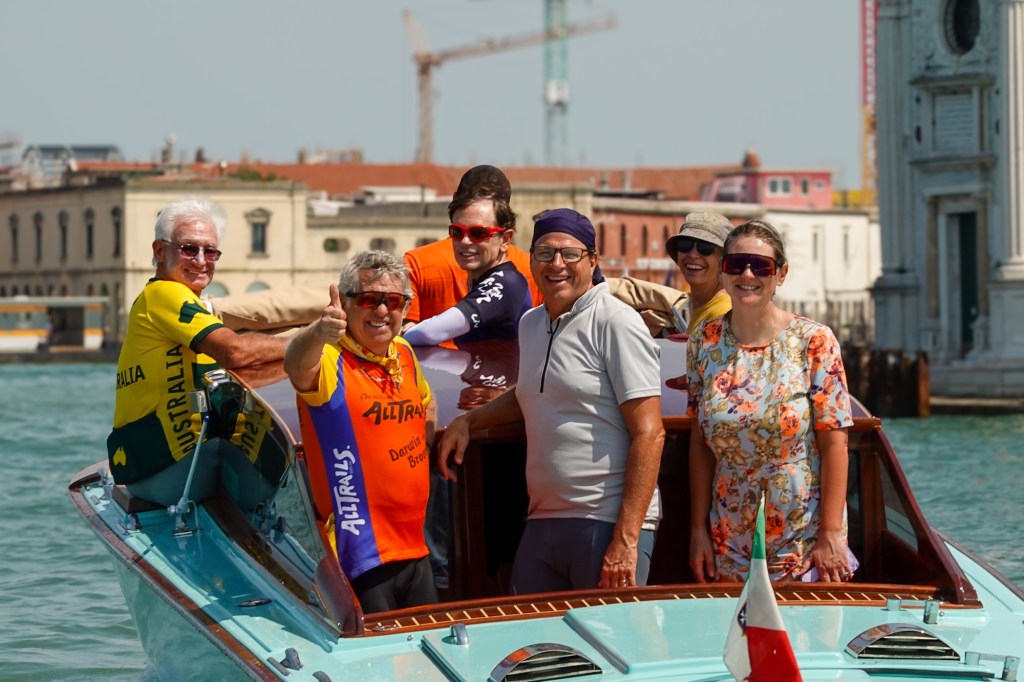
It was a fun tour: a great perspective and a sense of scale of this place. UNESCO I wonder? I bet there is a waiting list to be a UNESCO inspector: tough job, someone has to do it.




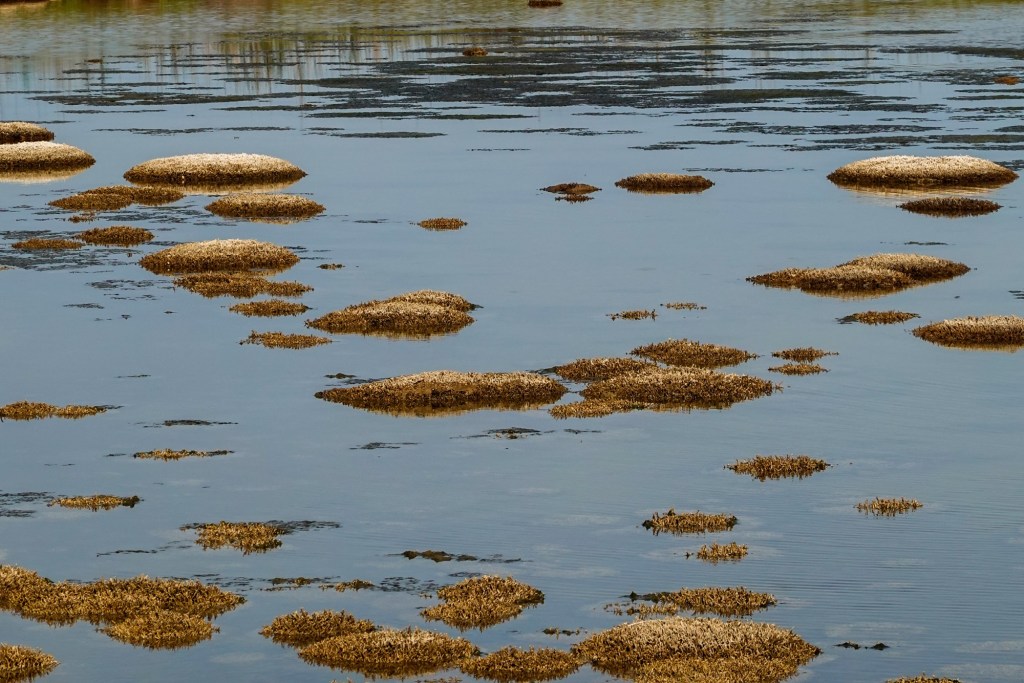

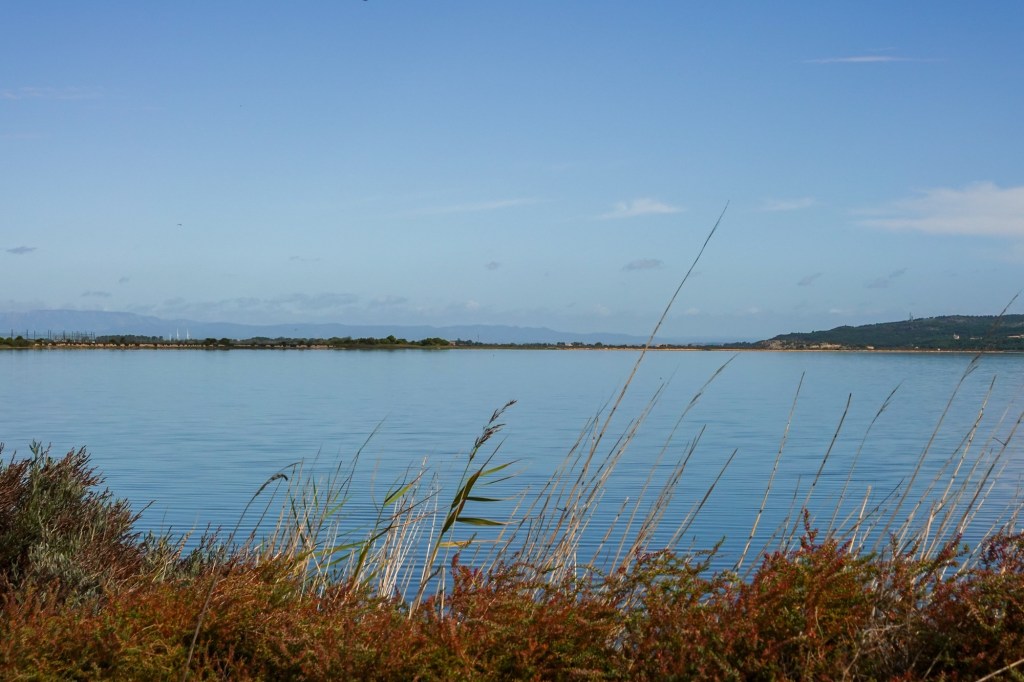

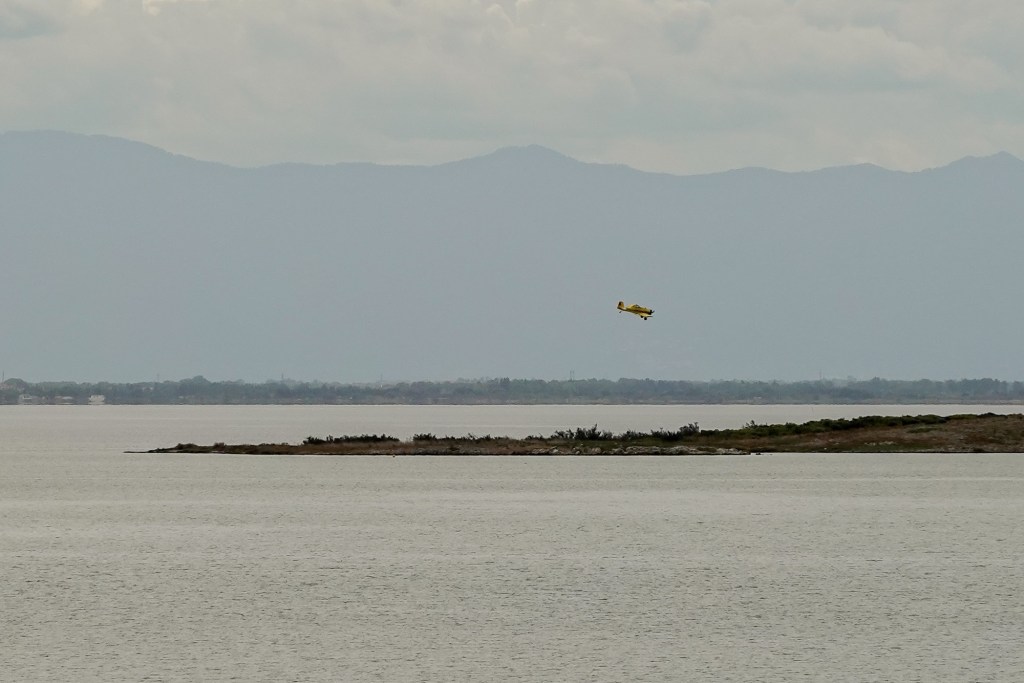
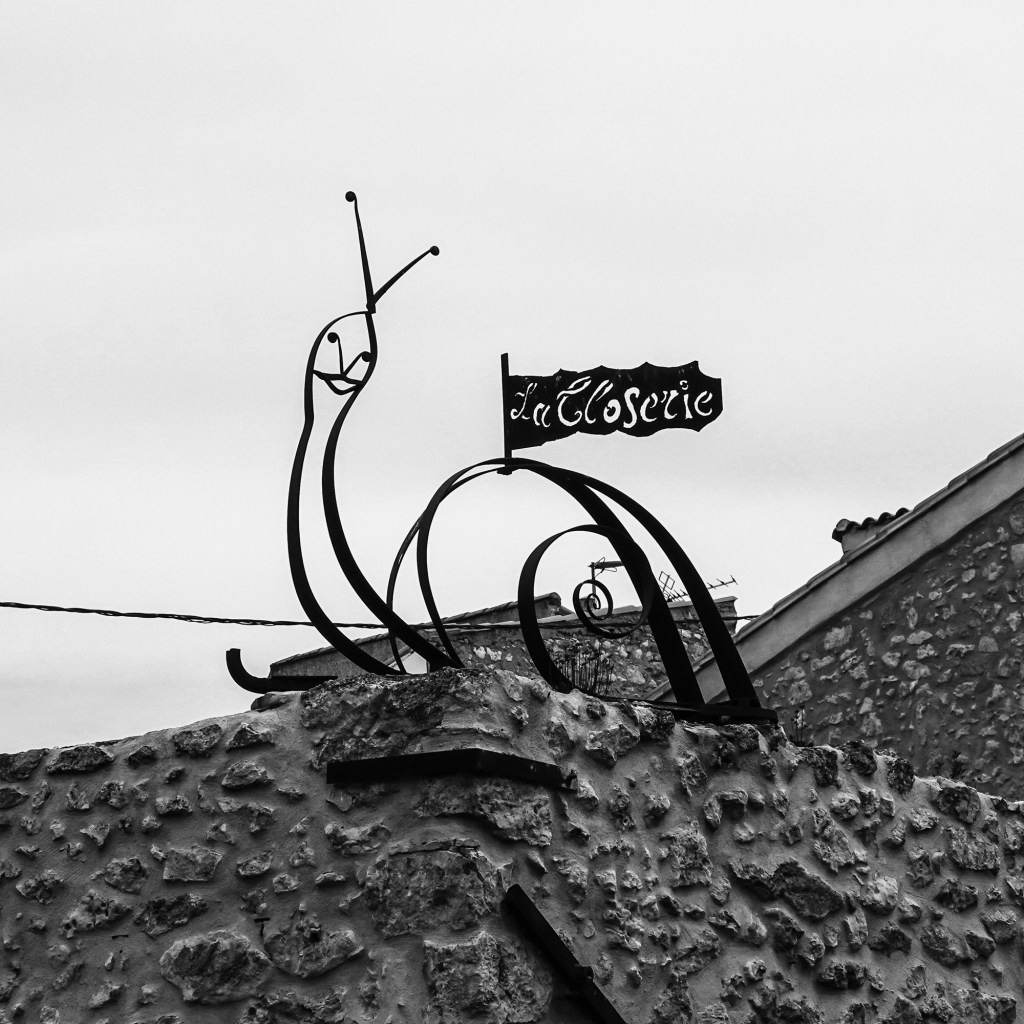
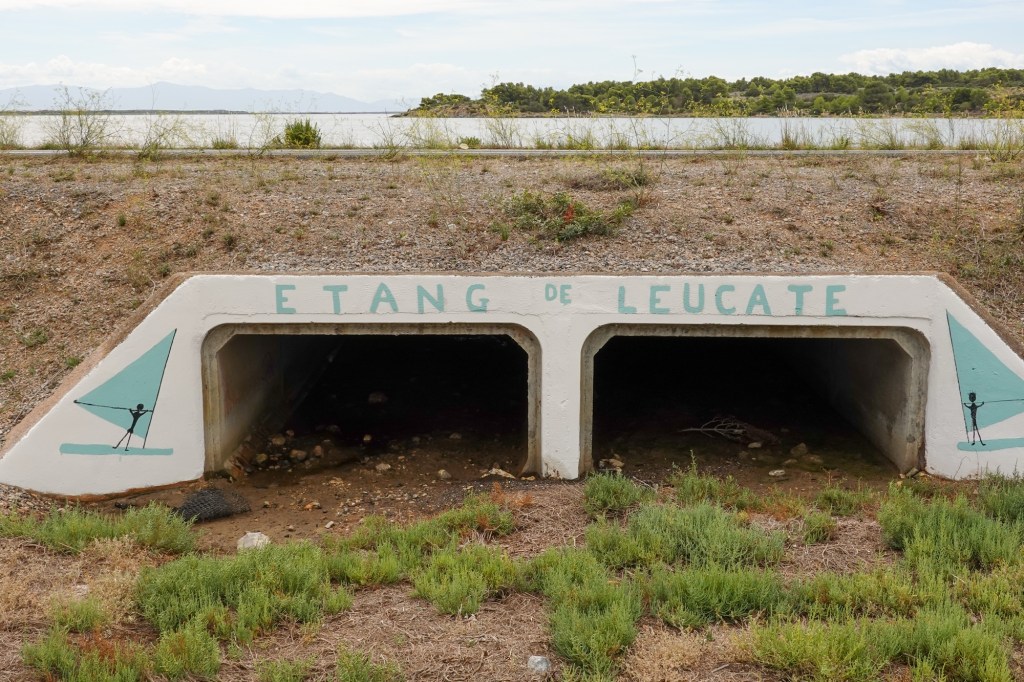

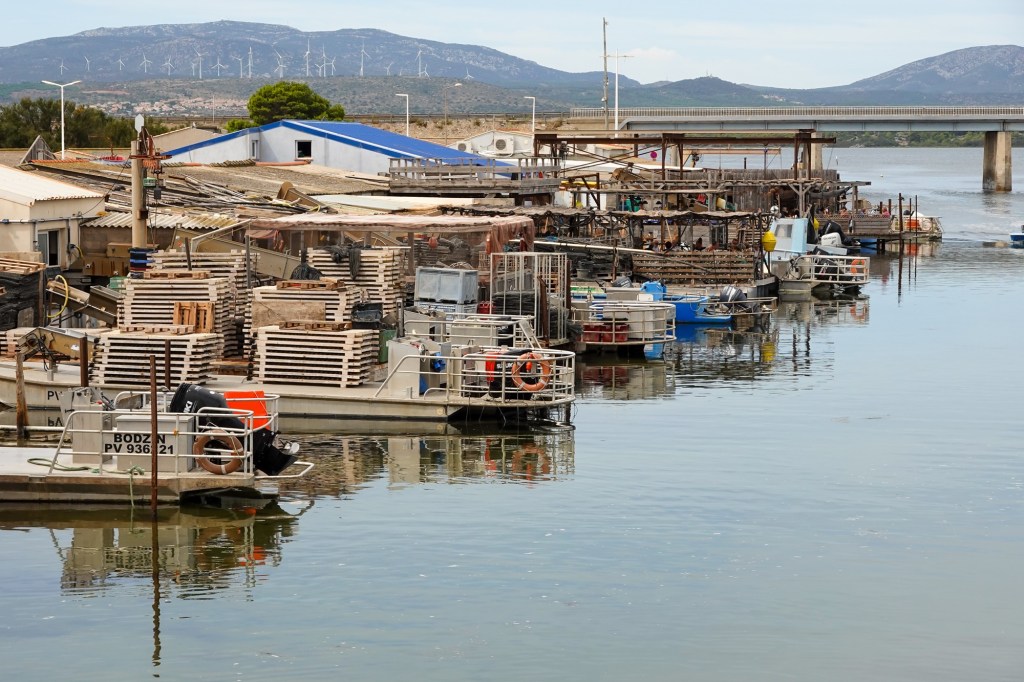

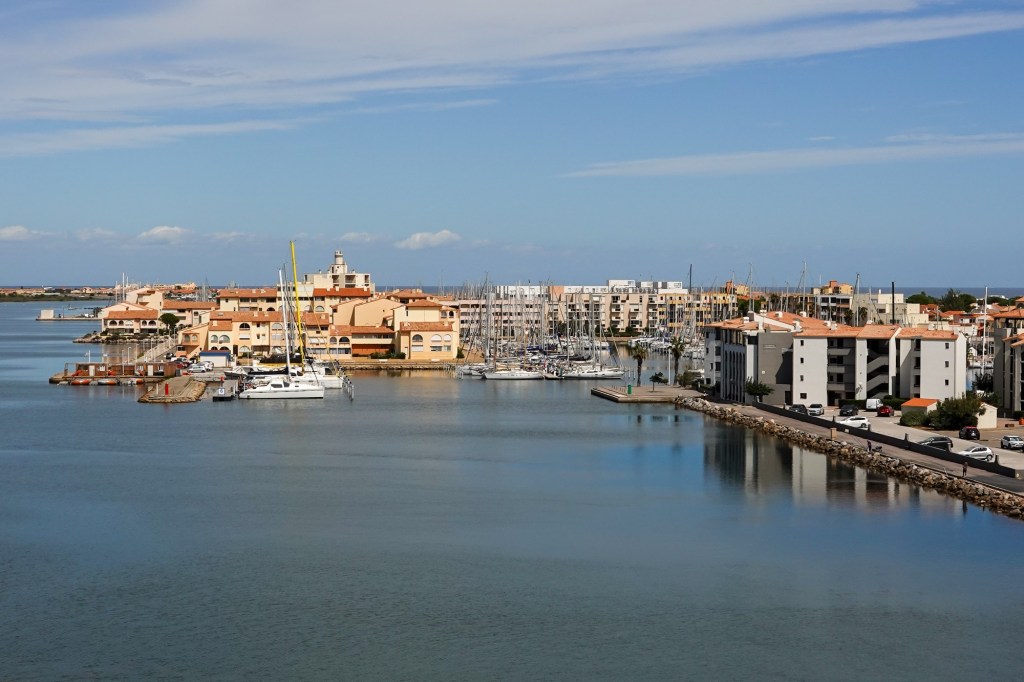
























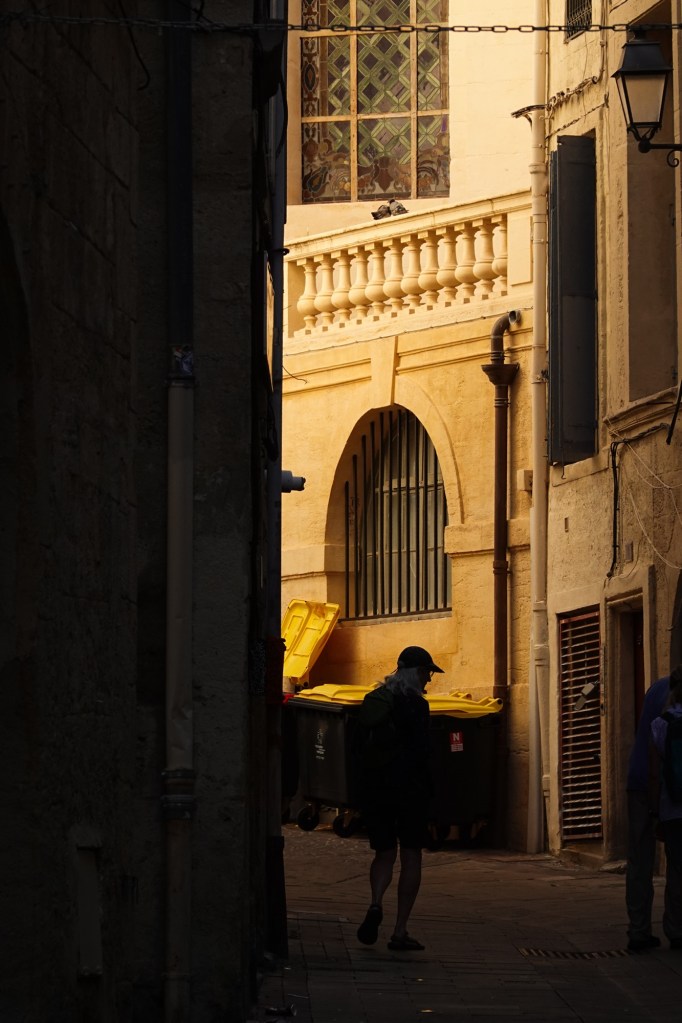
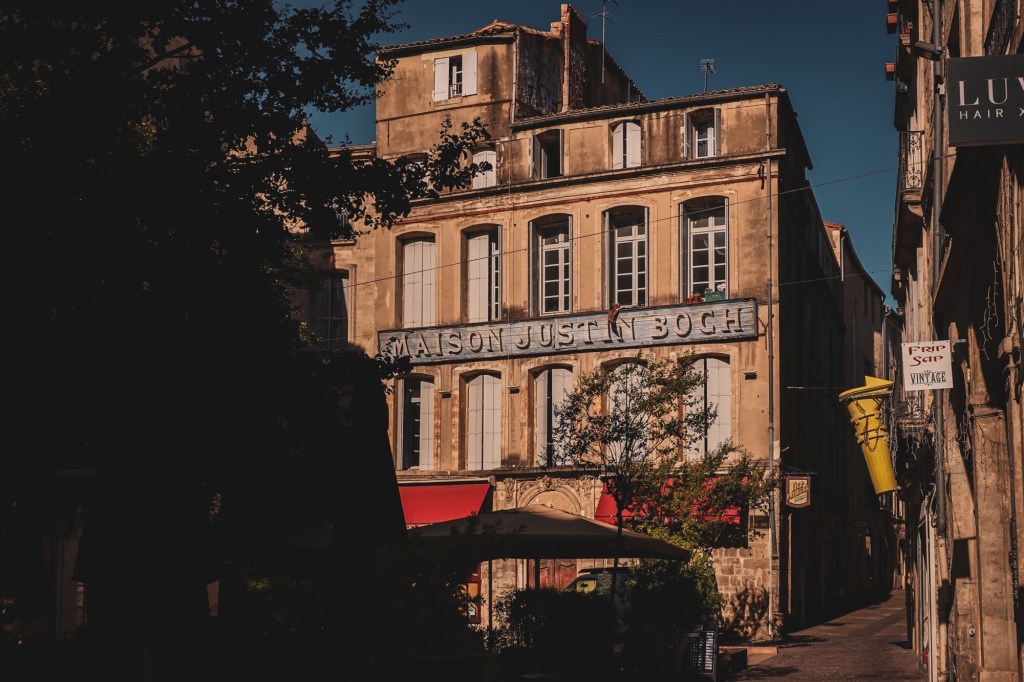
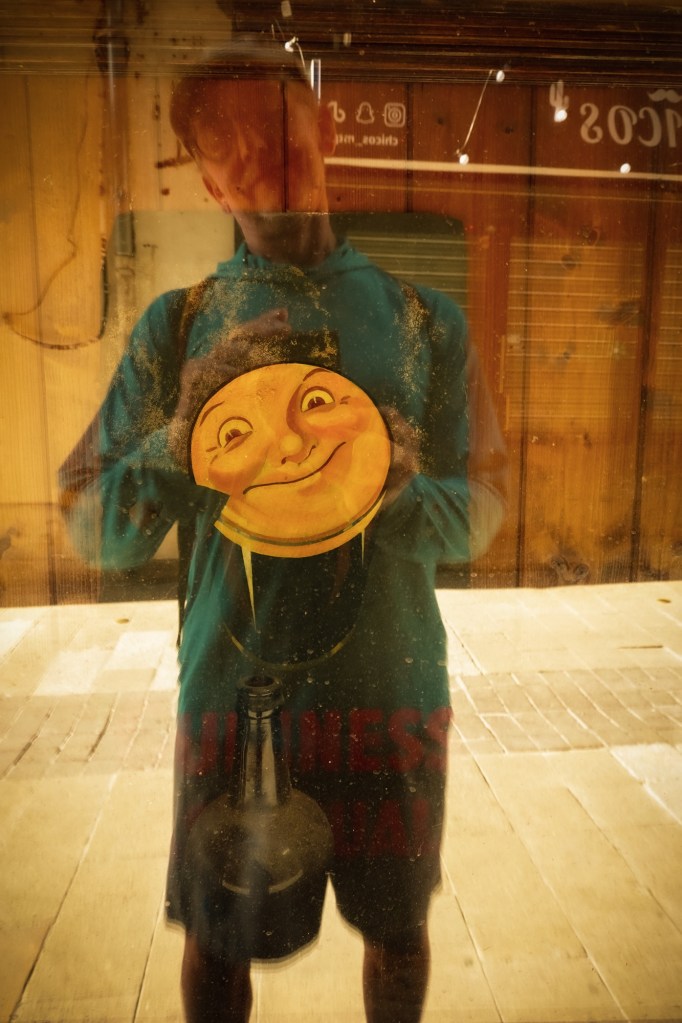
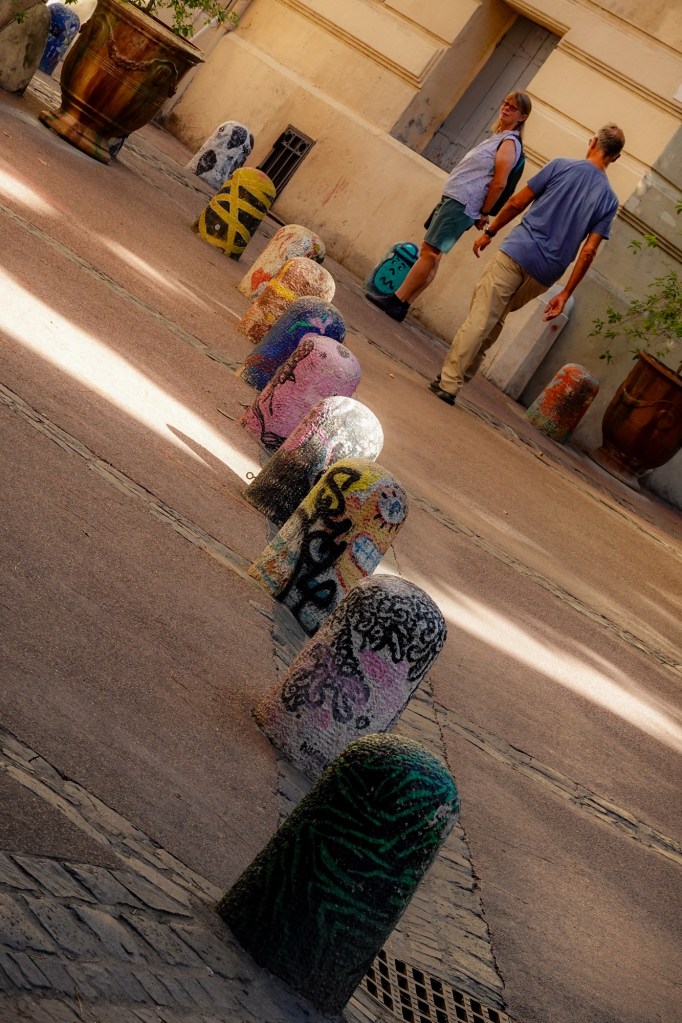



























 Travelling reflections