Trans Europa: Tallinn briefly

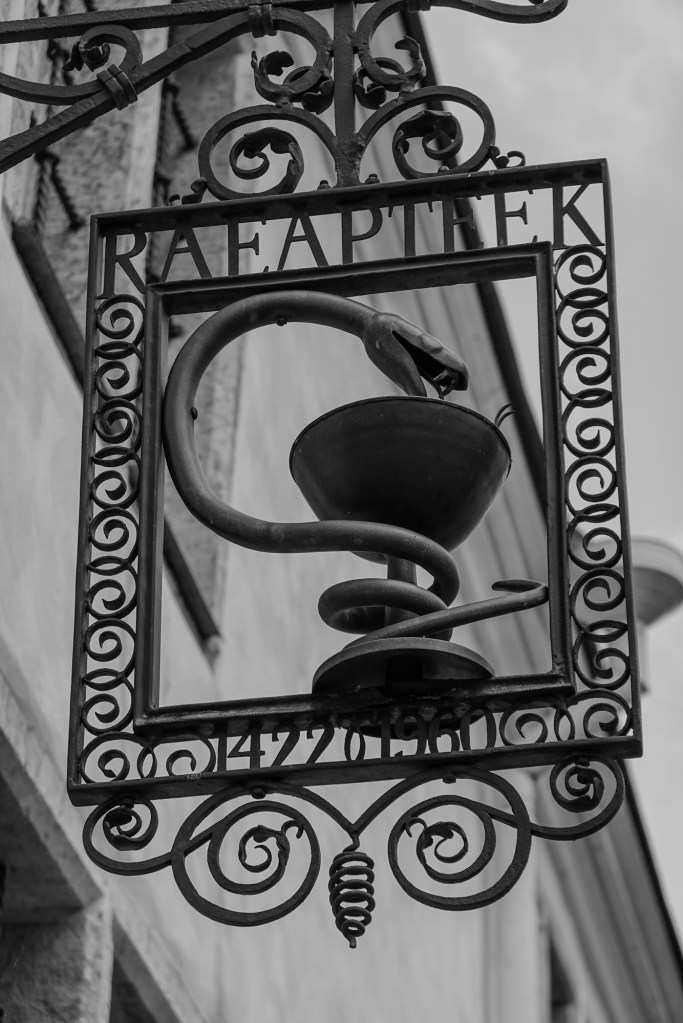
Back in a tick, well two ticks hopefully. Unbeknownst to me I had left the Botanic Gardens heavier than I entered. By two ticks. Now one thing we hadn’t packed (weight saving?) was a tick remover. Google translate didn’t really work for this – something I need to feedback. So I played charades with the pharmacy assistant. Whether she was impressed with my skills, or eagerly anticipating the replay on the security camera, it worked. As did Nurse Tate with eagle eyed precision.

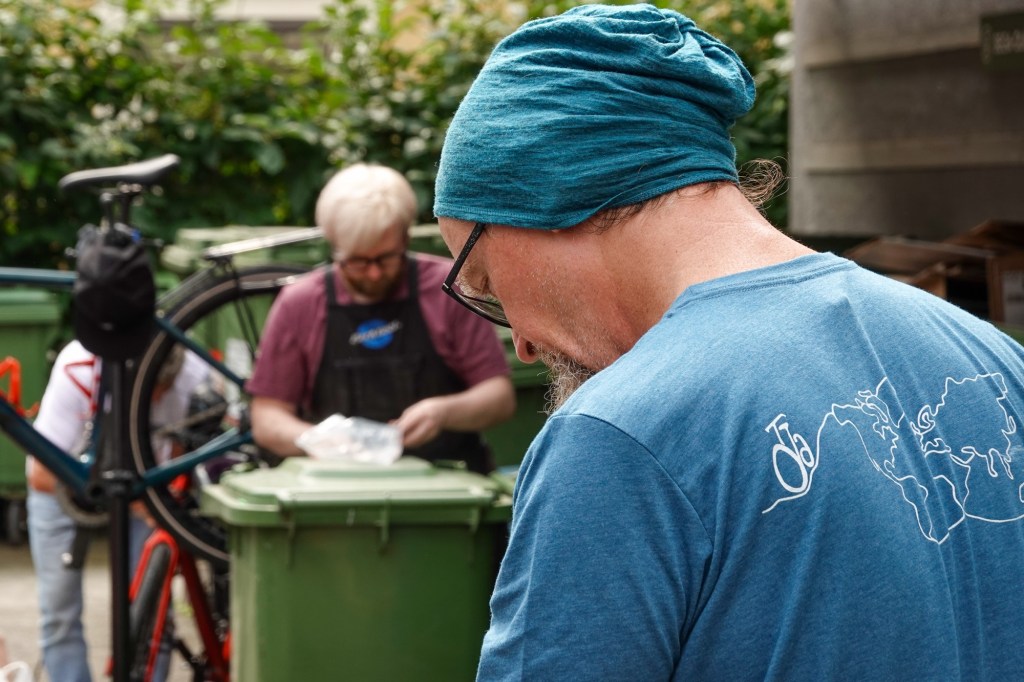
This is the briefing day. Took me back to work when the word ‘brief’ seems somehow conspires to mean as “not” brief. Serves a purpose and a chance to form instant judgements on the other members of the group – to be confirmed or proved wrong over time. Glad I don’t go for stereotypes. Mainly good and interesting folks. Mainly….

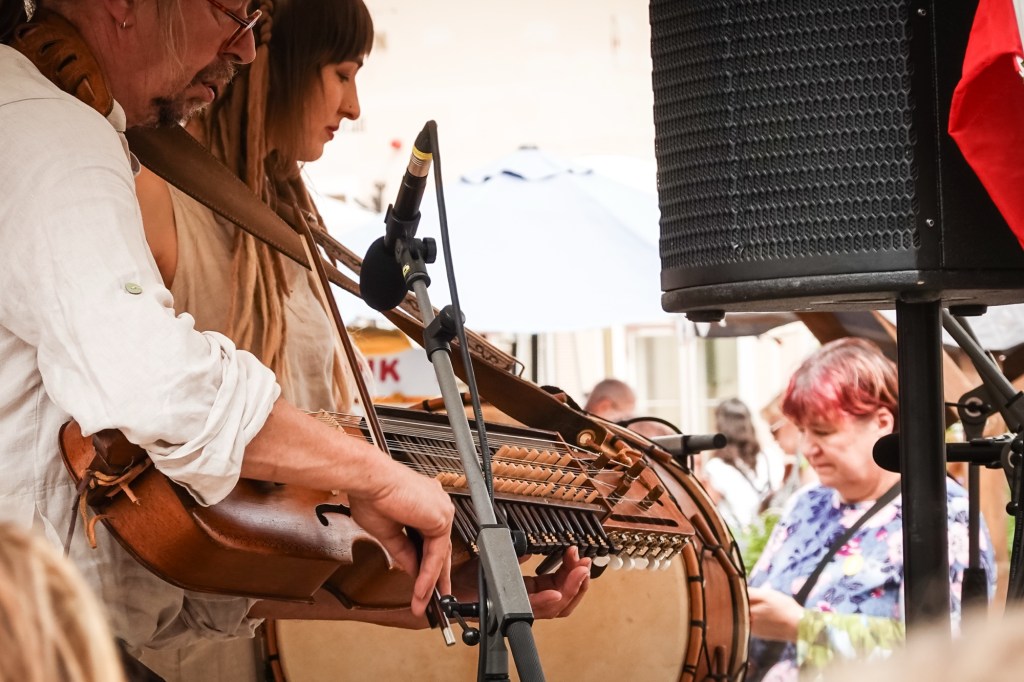
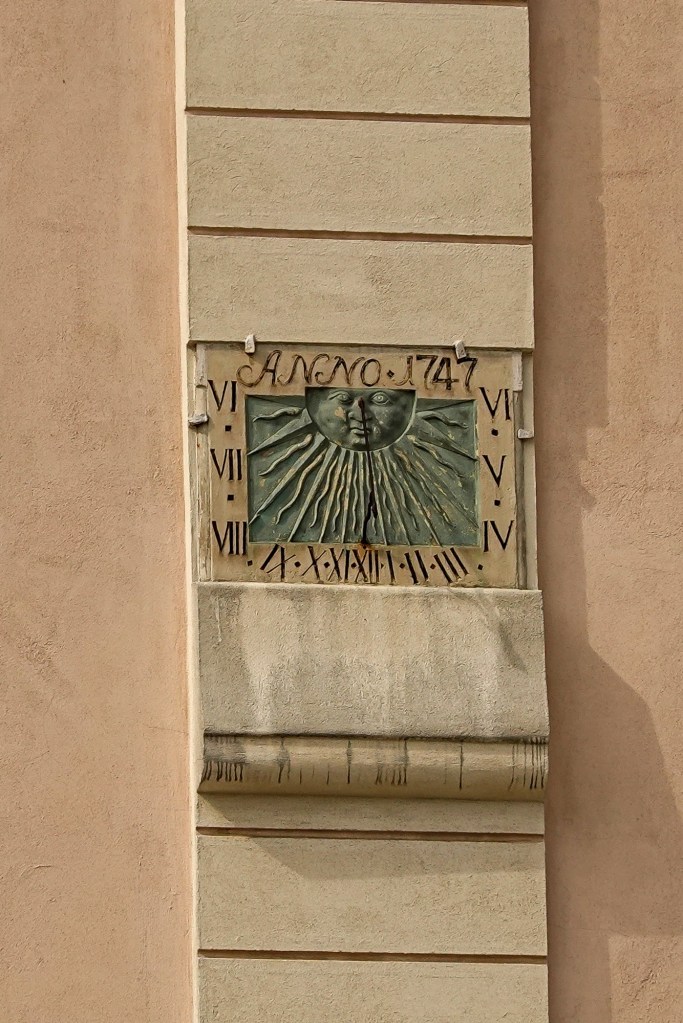
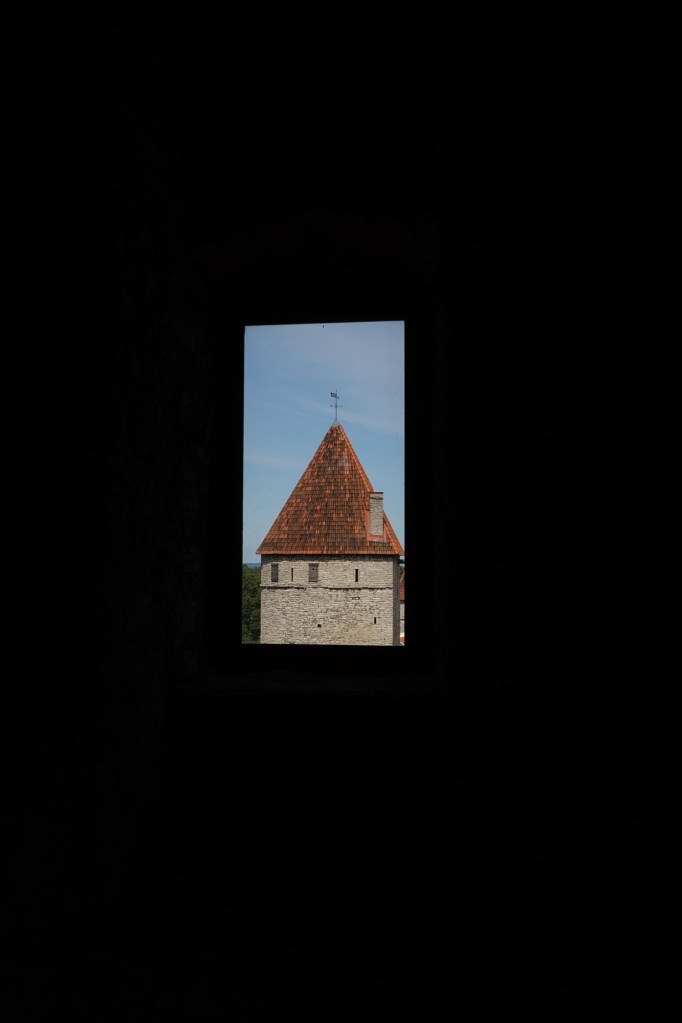
Rest of day was sampling the Town Hall (dating for early 14C), mediaeval music in the square and gentle meander. Downtown Rotermanni is fun. Barbara returned from the KGB house having left some tips.

Now to cycle…
Trans Europa: Tallinn Botanic Gardens

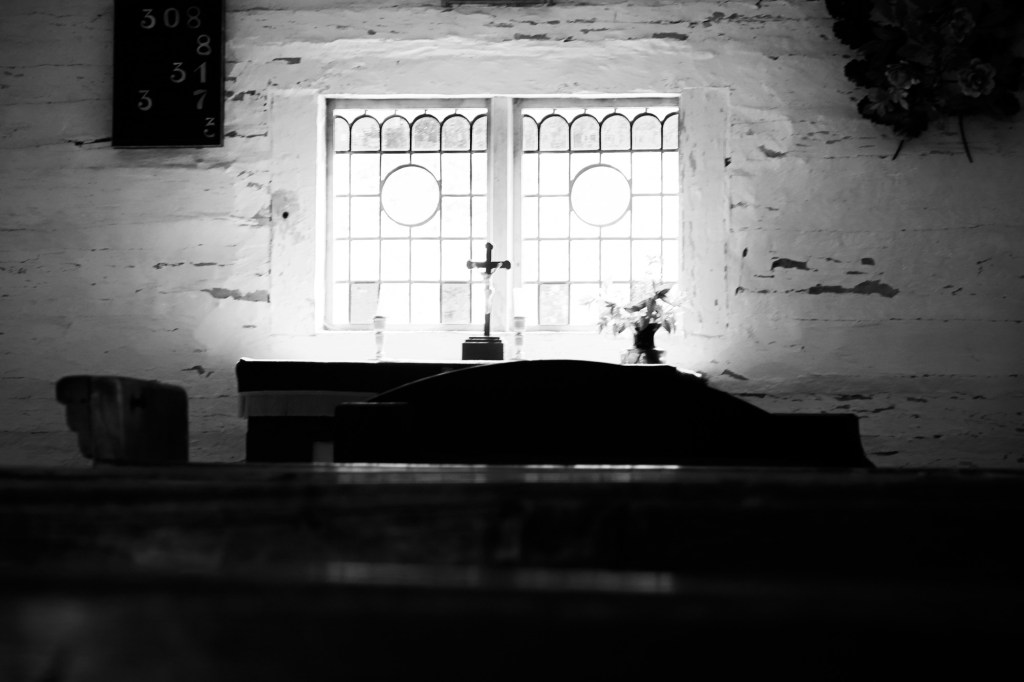
When thinking about the snippets to include, it is sometimes the day afterwards I think “Ah, I meant to include xyz”. Today it was another linking factor between the Old City and the rural area. Religion. The old city has a congregation worth of 13 and 14C Churches of some grandeur, Christian in varying guises. Paganism (a judgemental name from the “winning side”?) was common in the rural areas until late 16C. Literacy rates were lower, and the missionary priests didn’t speak the lingo. The peasants didn’t care much for Latin. Not until the printing of the translated Bible did Christianity start to take hold. Now you know.

Not sure that squares with St Columba and others landing in rural Scotland 1000 years earlier. Unless the midges had something to do with it.

Today was bike building in the afternoon.

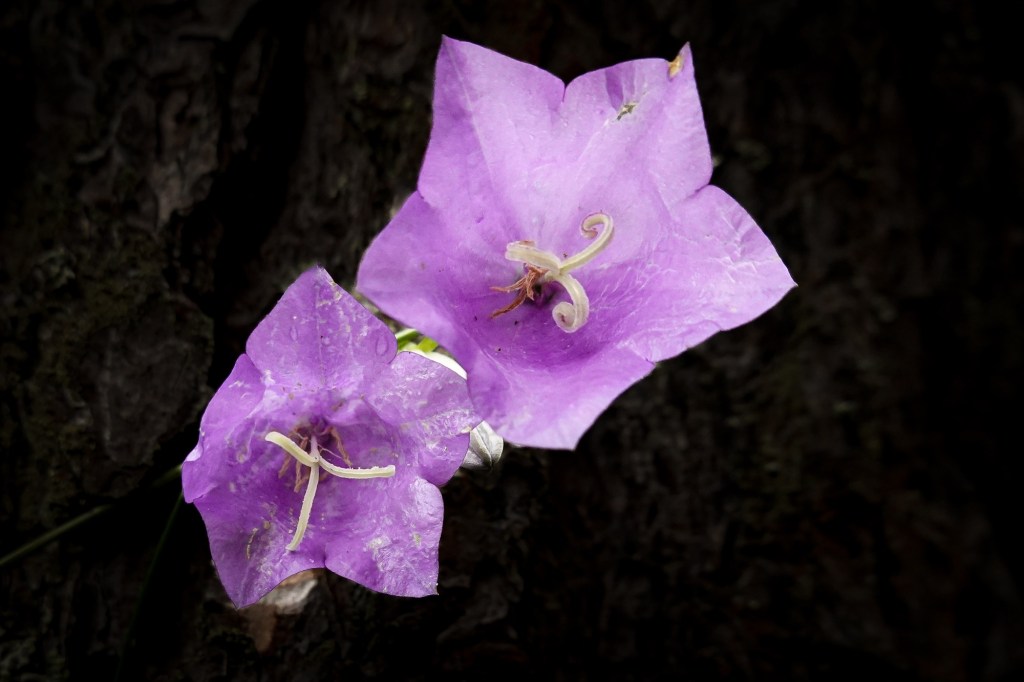
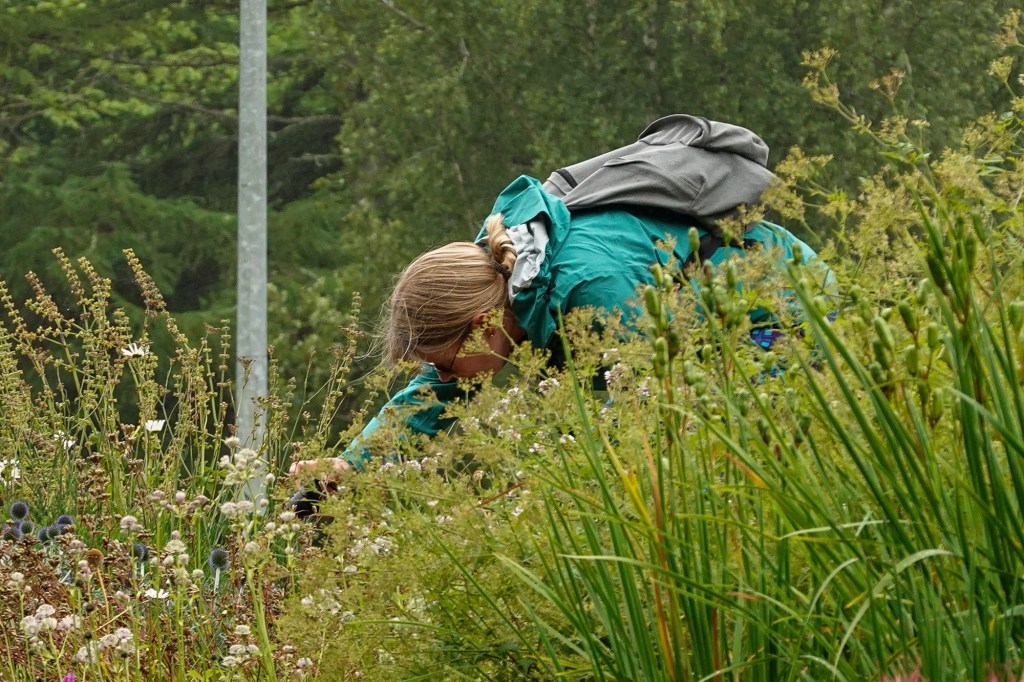
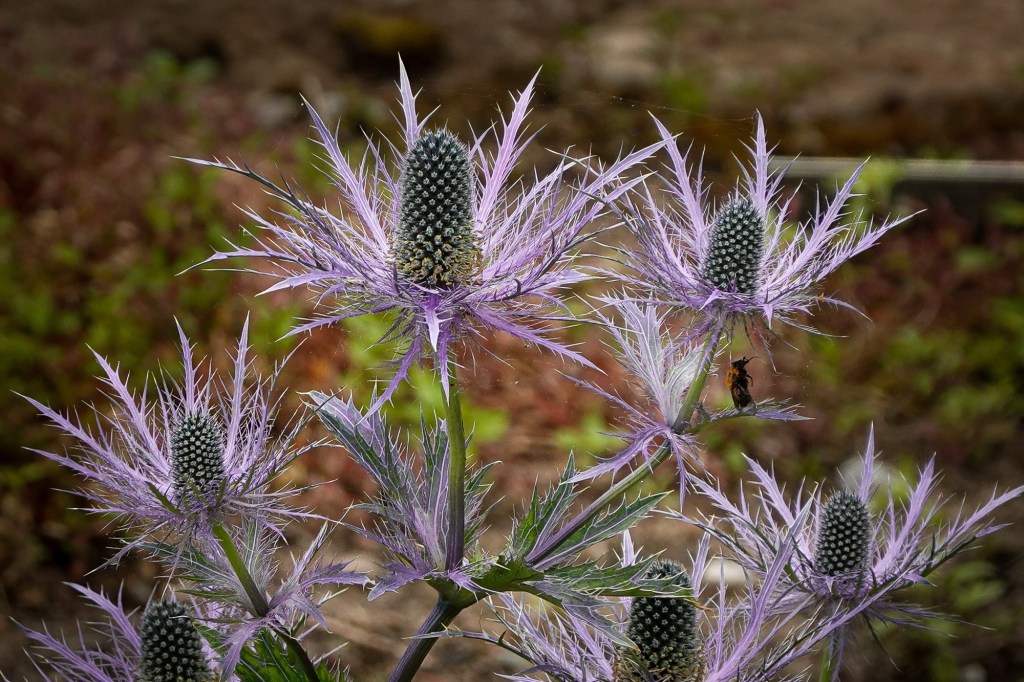
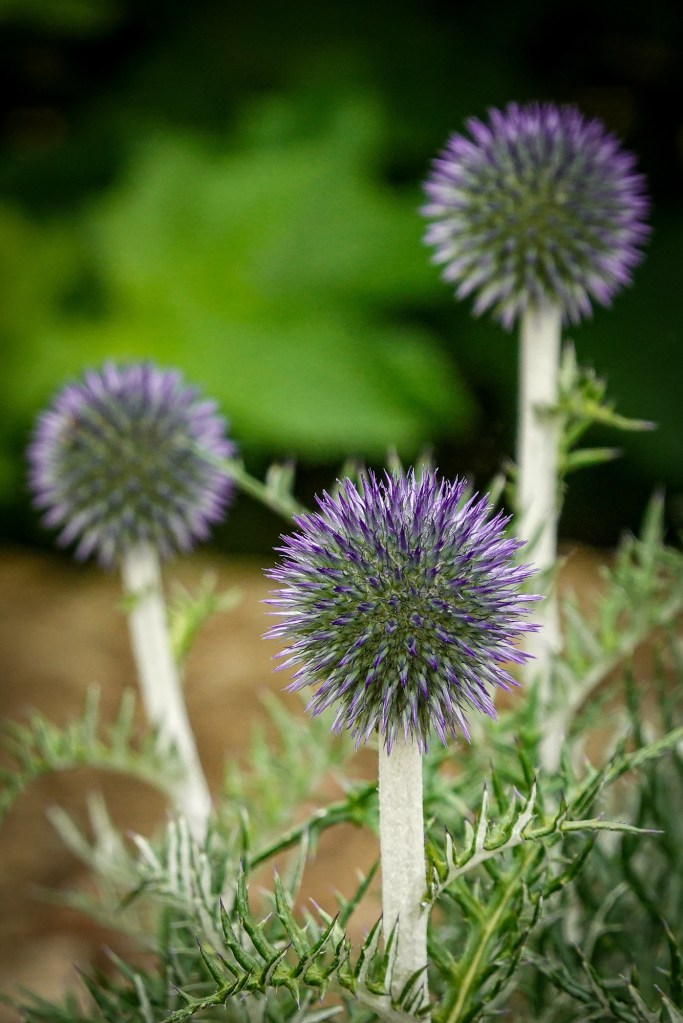
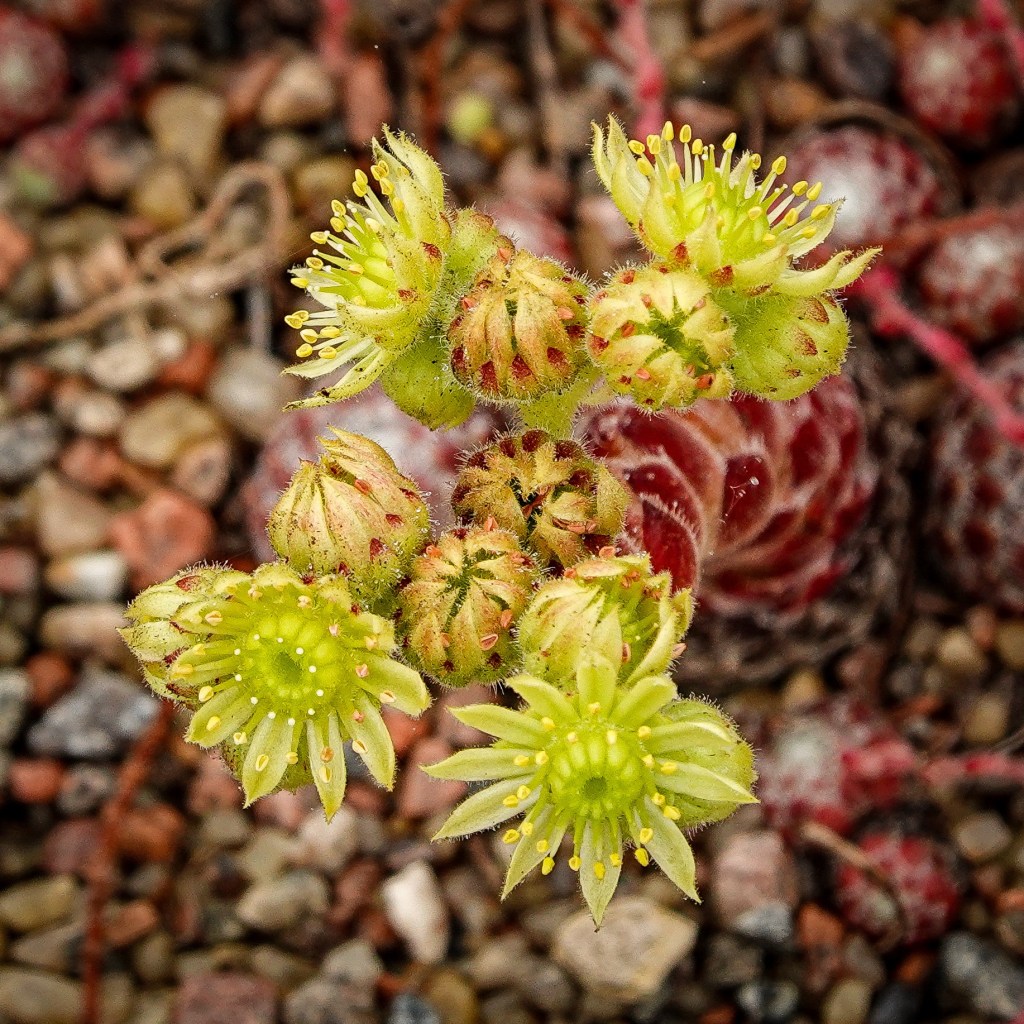
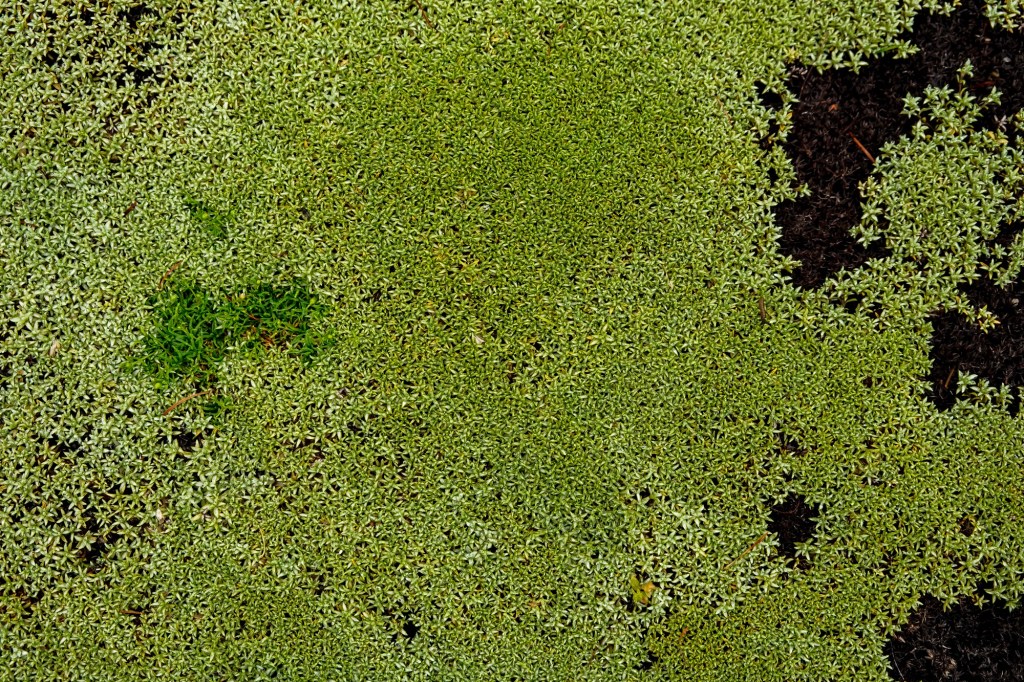
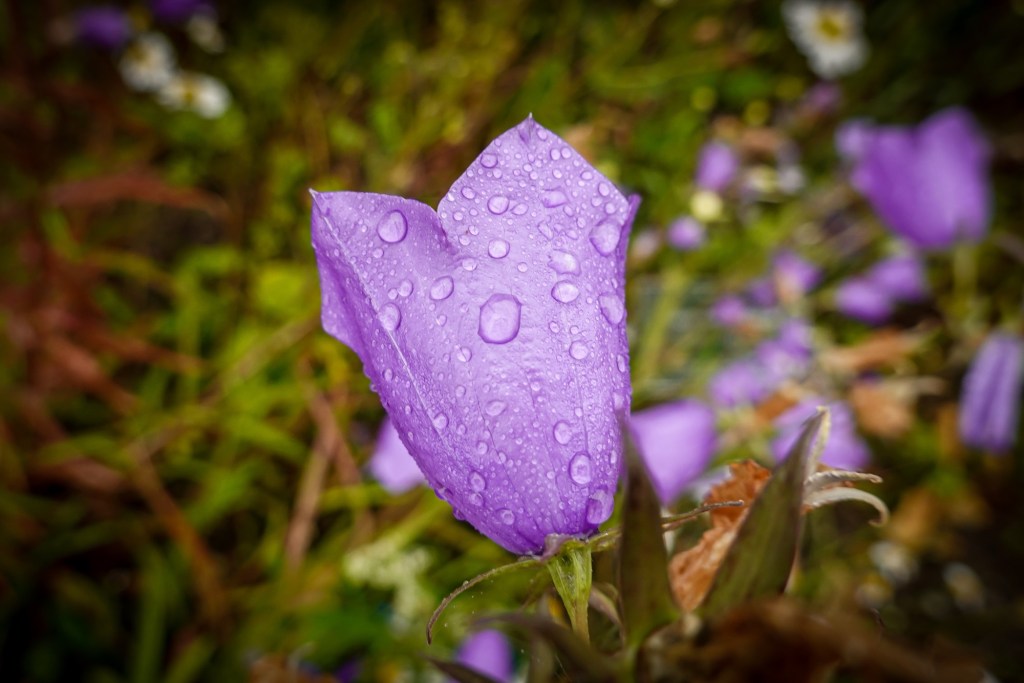
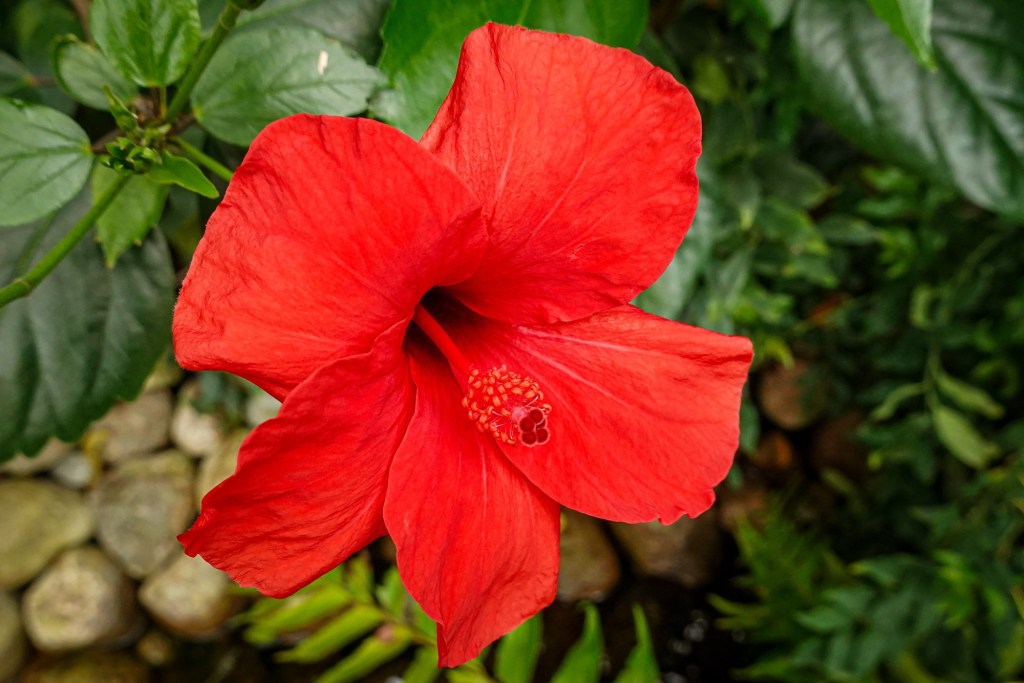
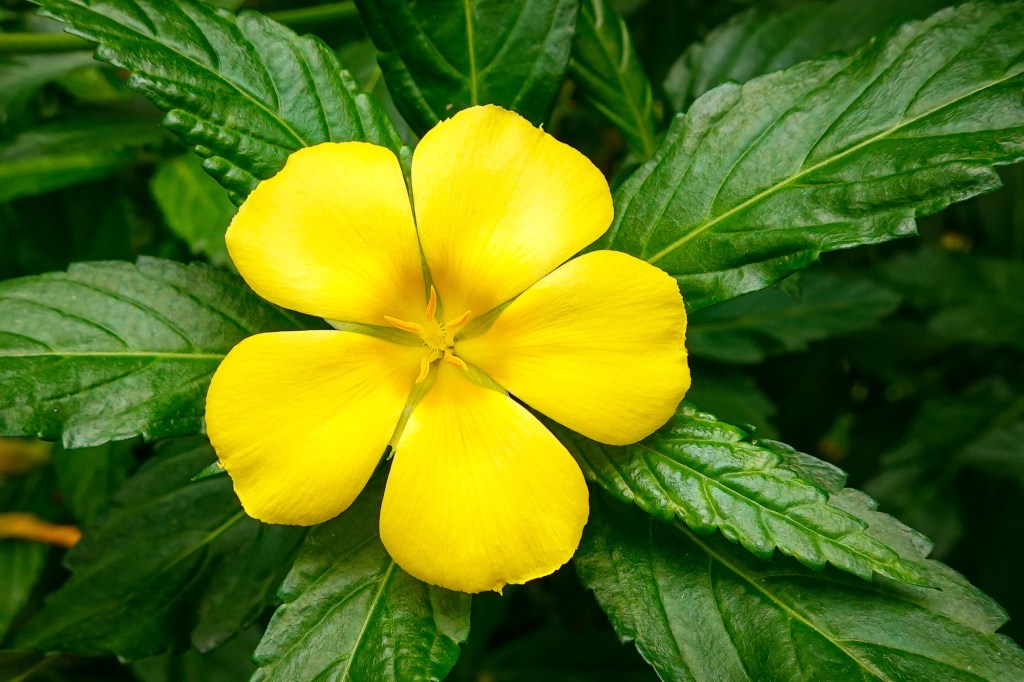
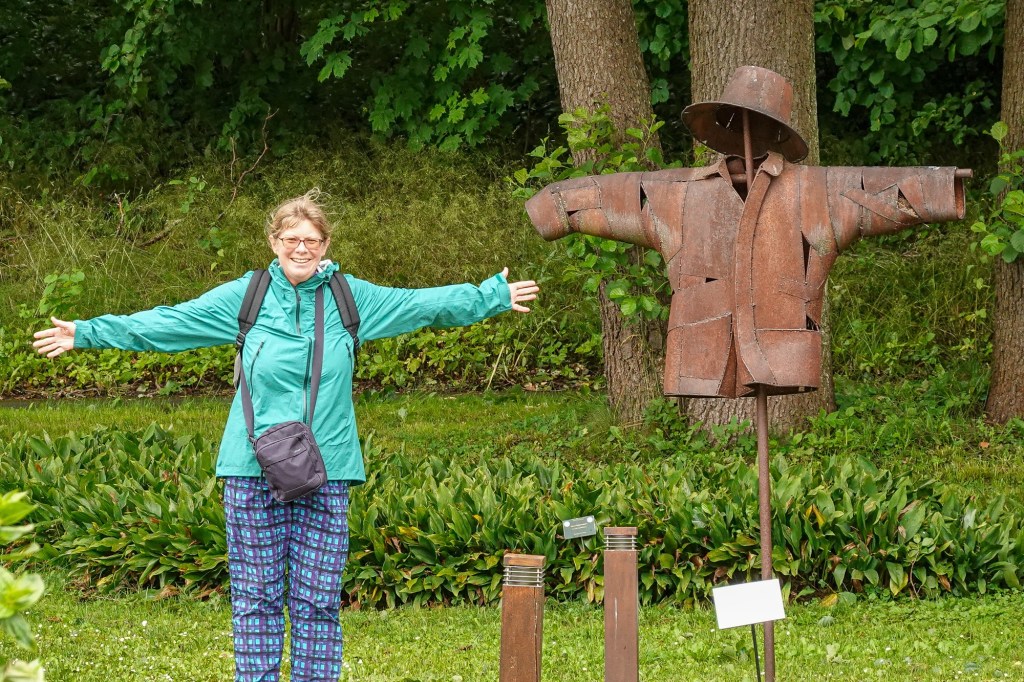
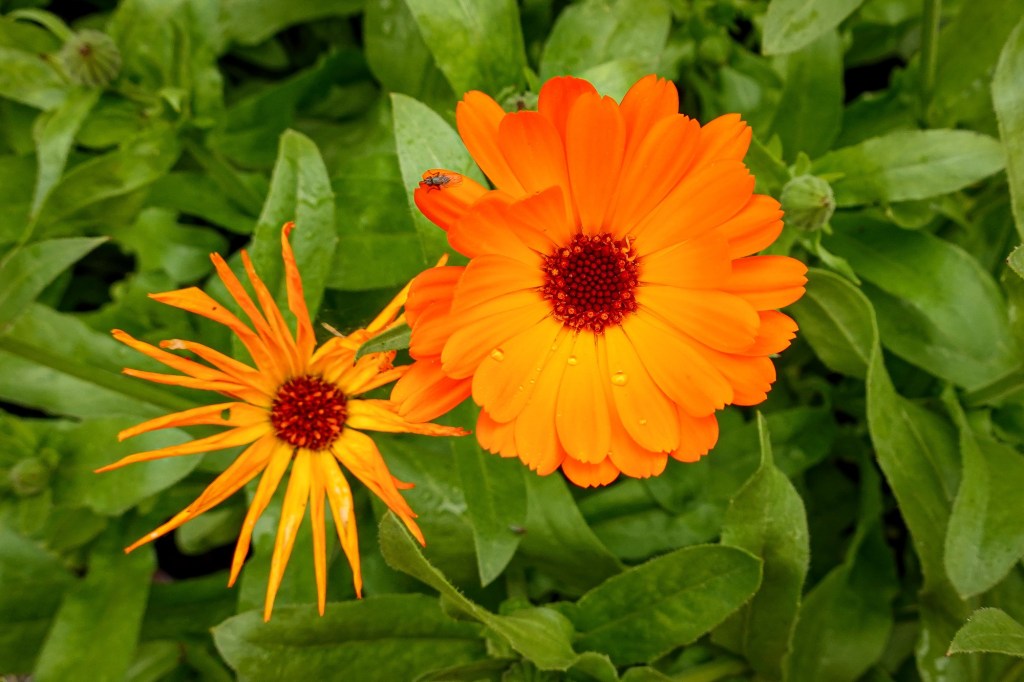
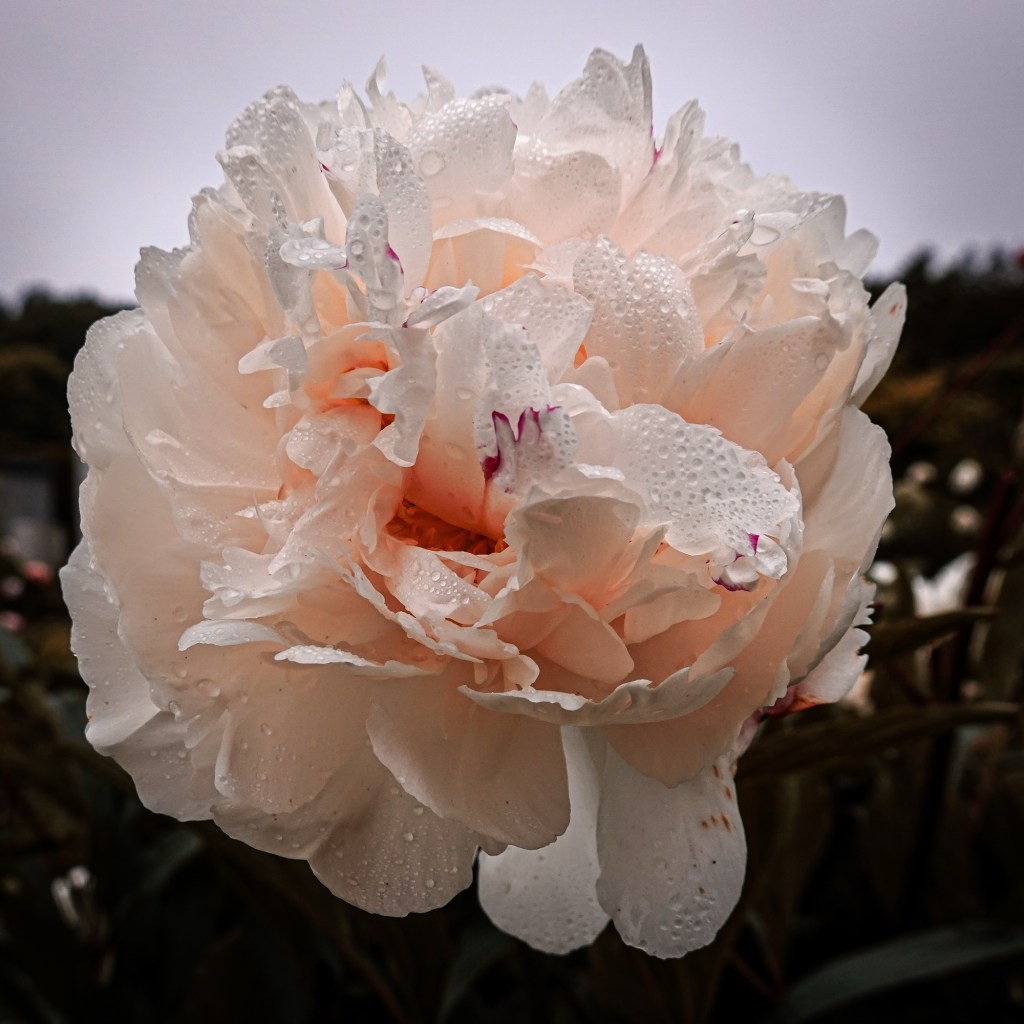
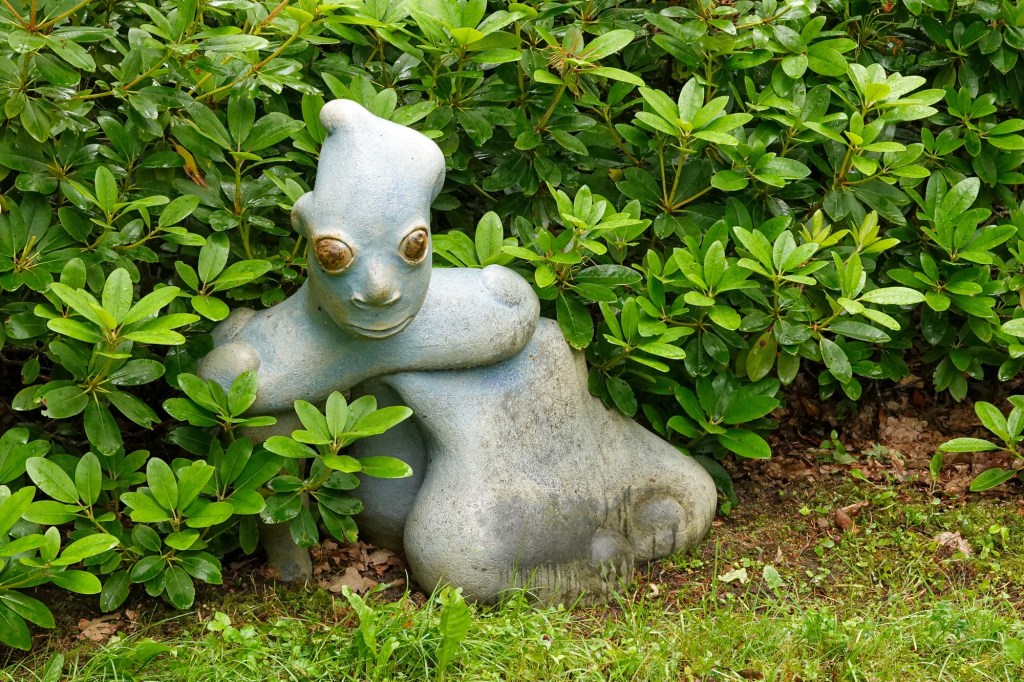
Morning filled with the out of town Botanic Gardens. Tranquil apart from the wind whistling through the trees and distributing the misty air evenly. Take my hat off to whatever quantum forces are holding the plants’ flowers in place. Artic plants thrive here for some reason.

Barbara is getting into the swing of asking for pensioner discount. They do look at her twice. I pretend not to be offended.

Trans Europa: Open Air Museum

We swapped an urban centre – no matter its’ antiquity – for a rural life. Stone replaced by wood. That is, a day trip to the Estonian Open Air Museum. This is on the shore of Kopli Bay – a holiday destination from the second half of the 19C until WW2. This theme of influences will return.

I never cease to amaze at the usefulness of Google Maps to get around when abroad: especially navigating public transport. Tallinn has a plethora of buses and trams (free if you live in the city) on a bewildering number of overalapping routes. I marvel at the system where you type in destination, when you’re leaving and hey presto! Options for best buses. i.e. we got to/fro, tap n go. Magic. Still glad to see the bus had a driver though…..

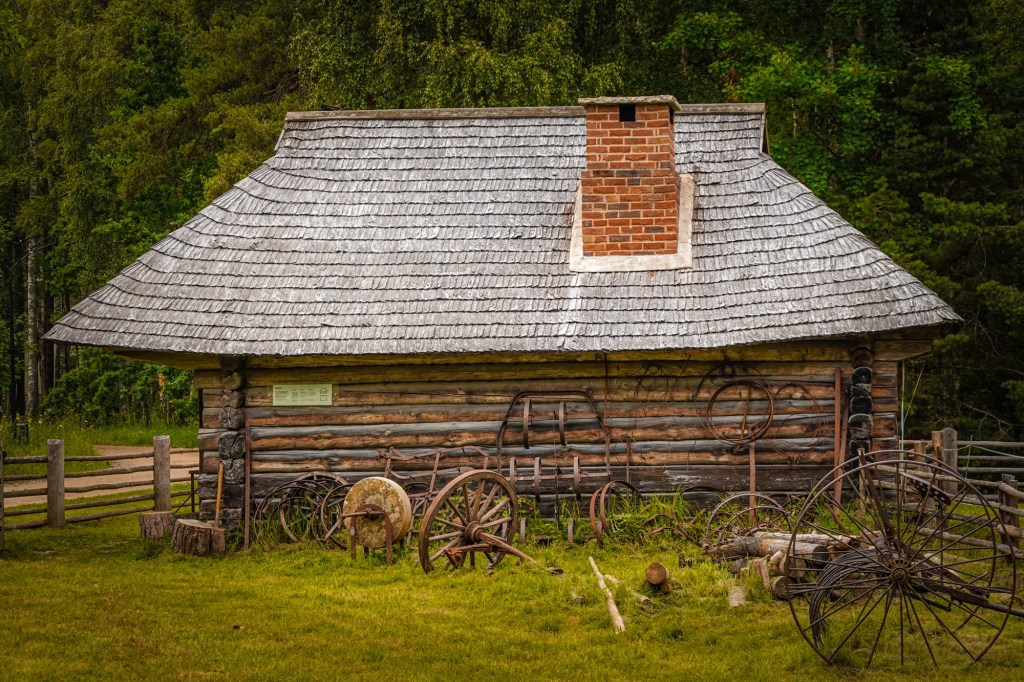
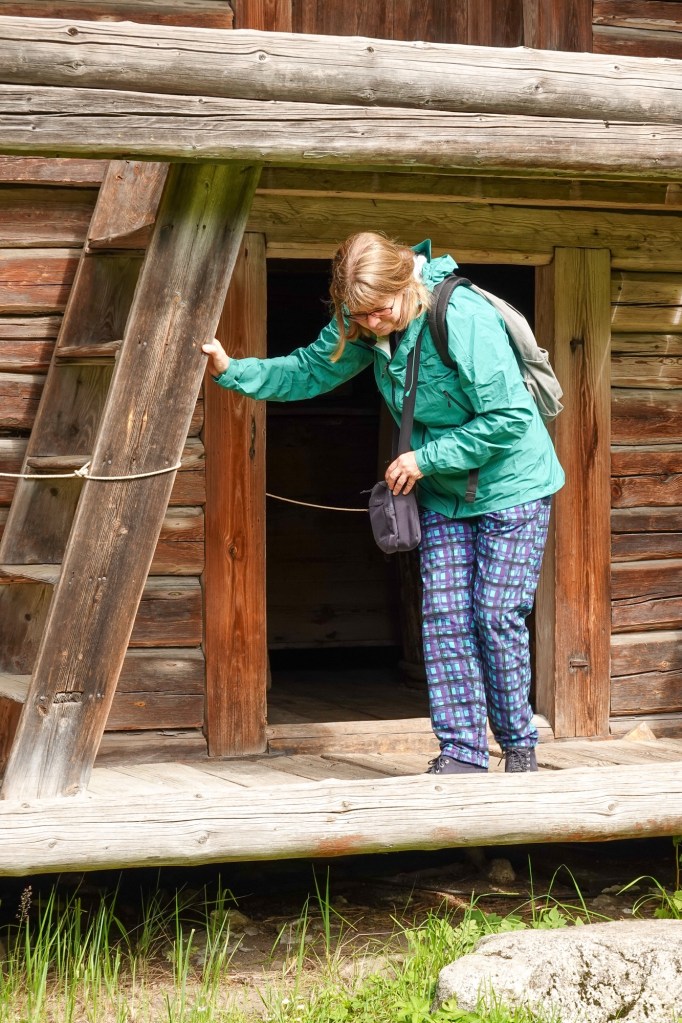
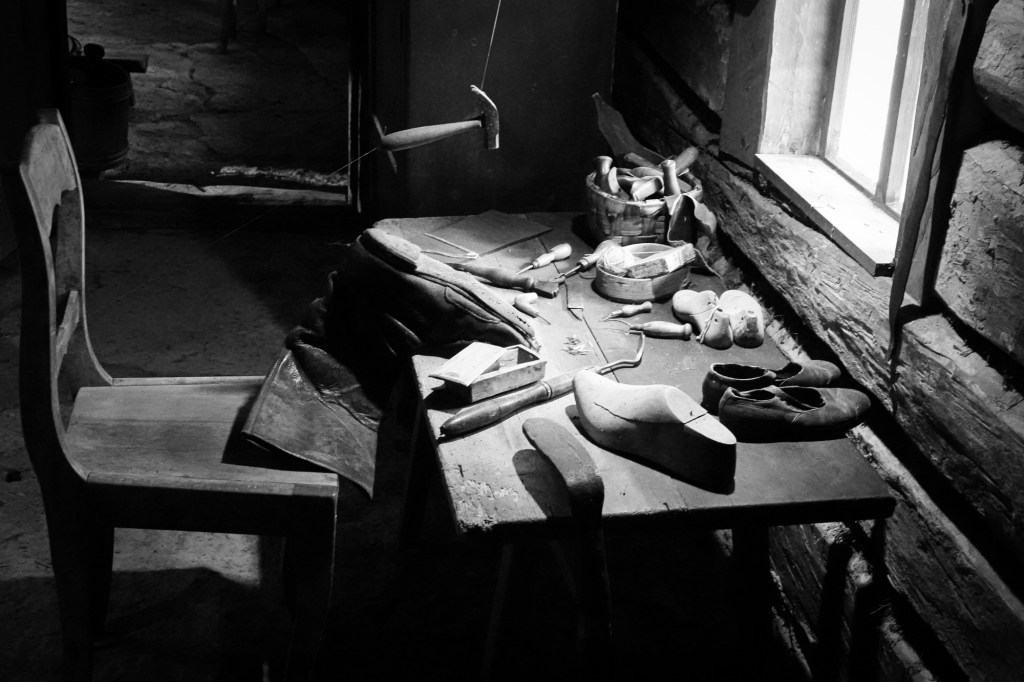
From about 1958, and continuing, a range of farm settlements from across different parts of Estonia have been moved and rebuilt here. A bit like St Fagan’s in Wales if you’ve been there. The farm houses range from the middle of the 19C up to the period of Soviet collectives.

It brings out the influences of Estonia’s neighbours. Russia obviously; Germany and Finland in the North. Particularly so on the island farms. Estonia has about 2300 islands of which 22 are inhabited by humans.

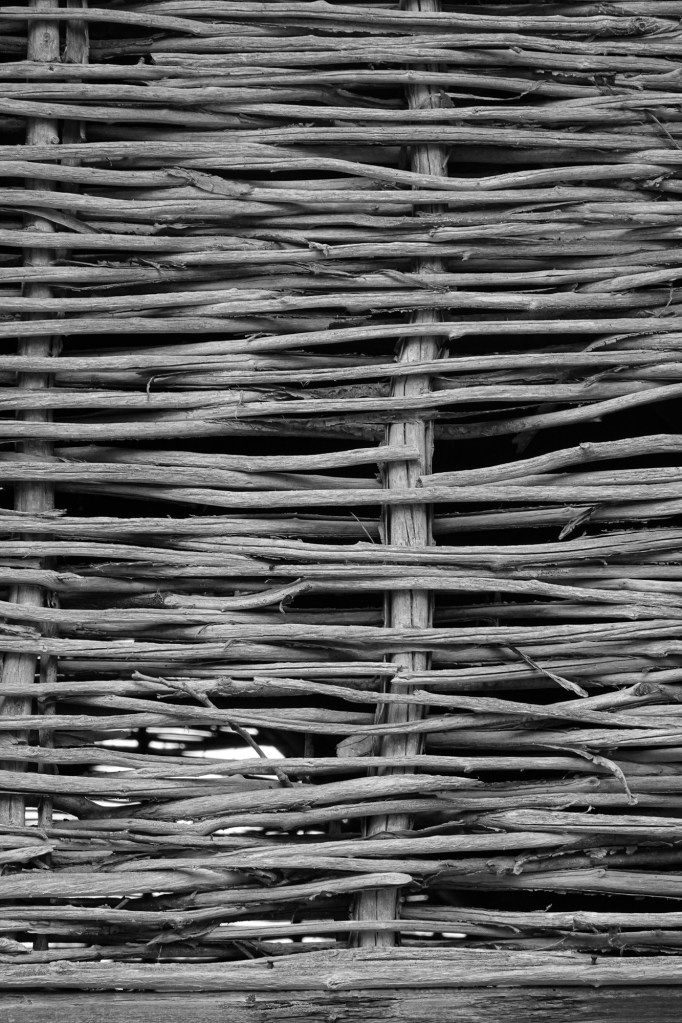
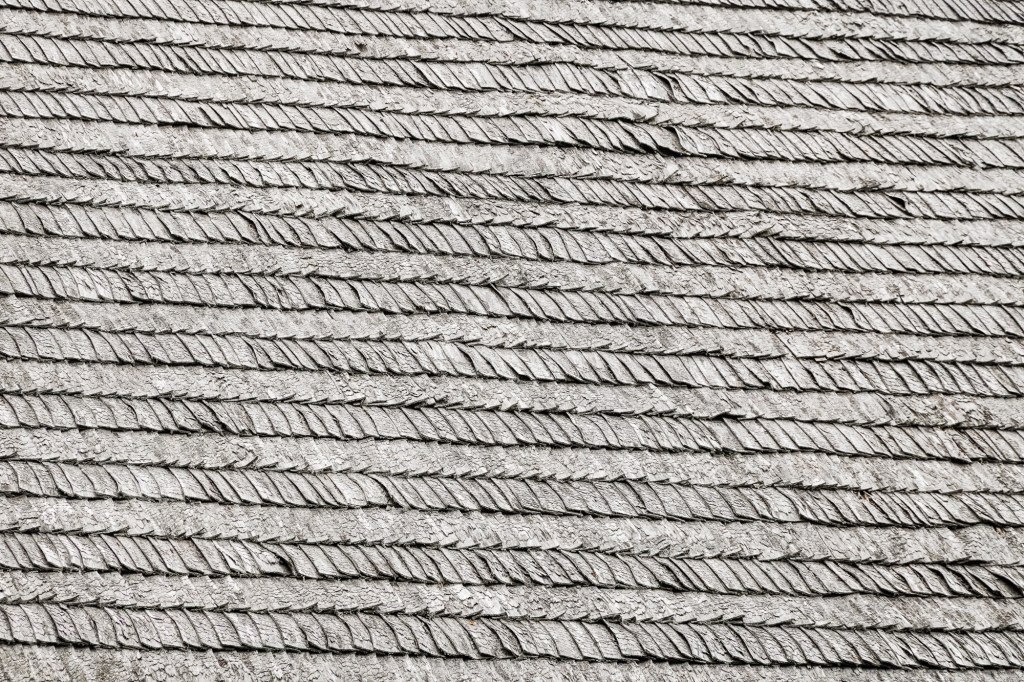
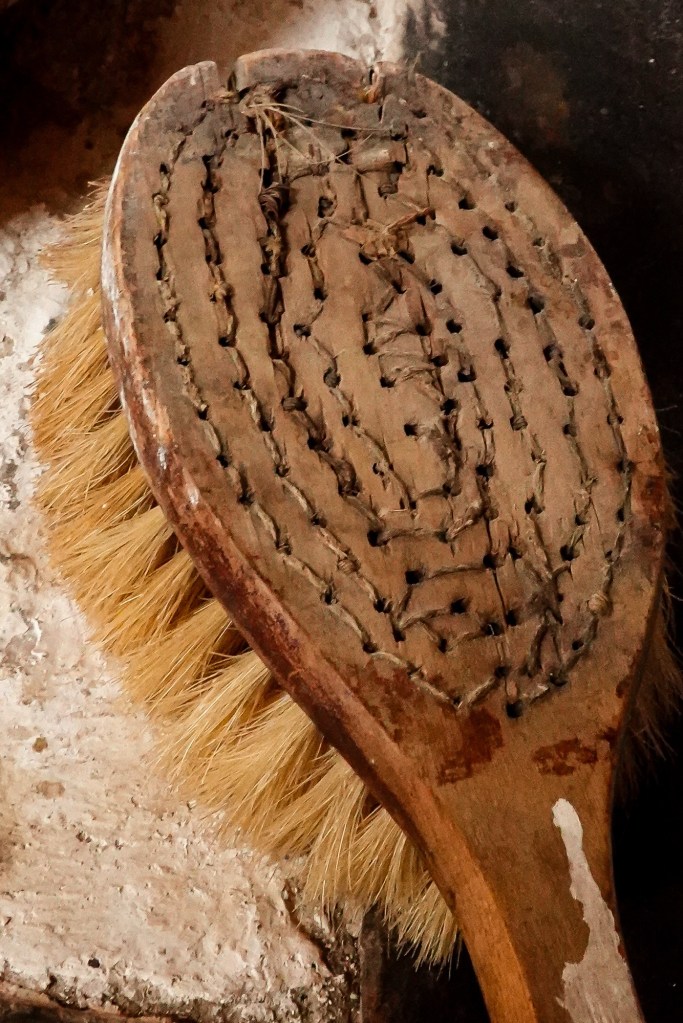
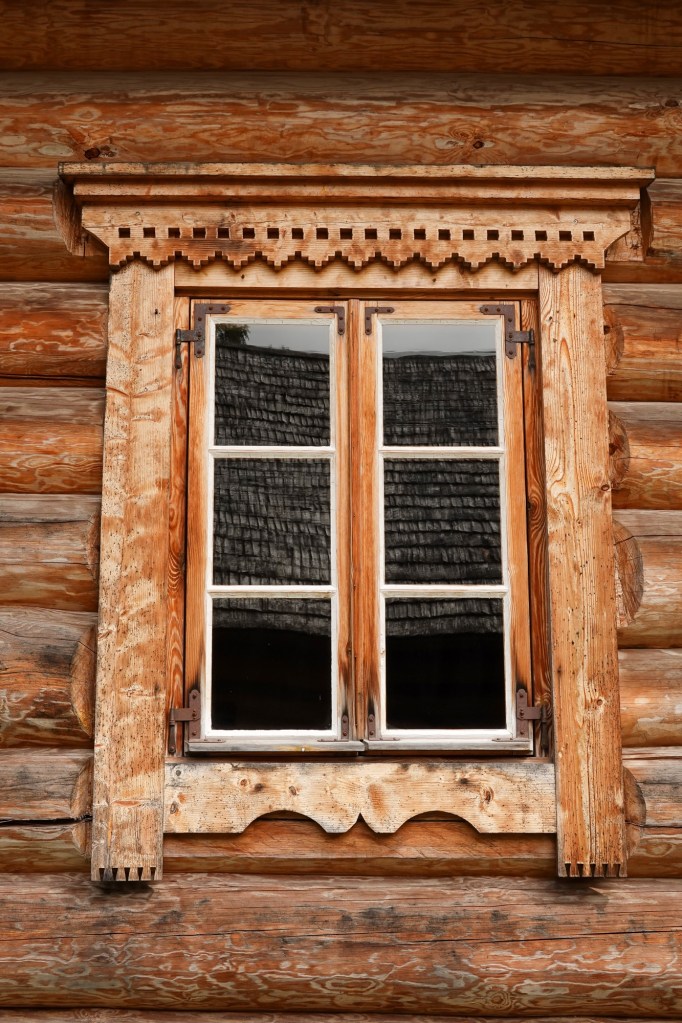
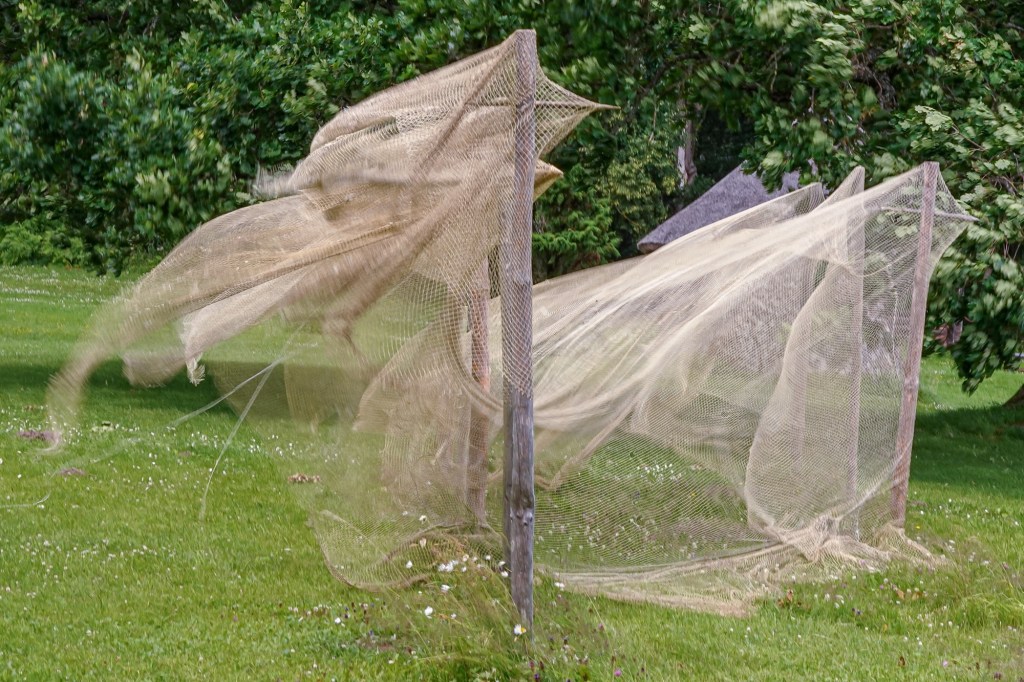
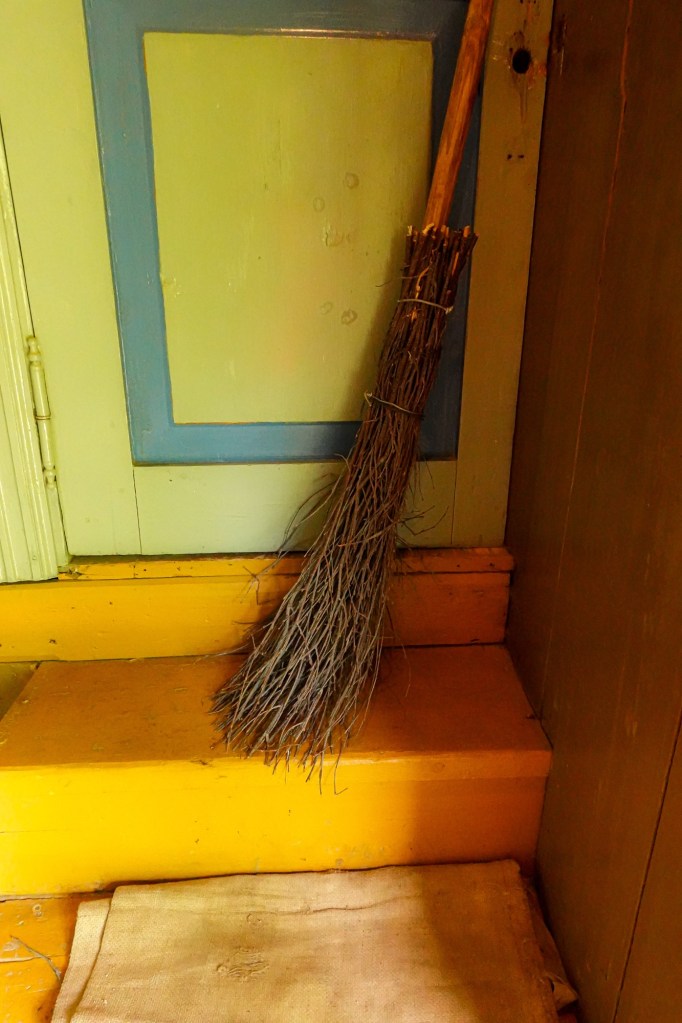
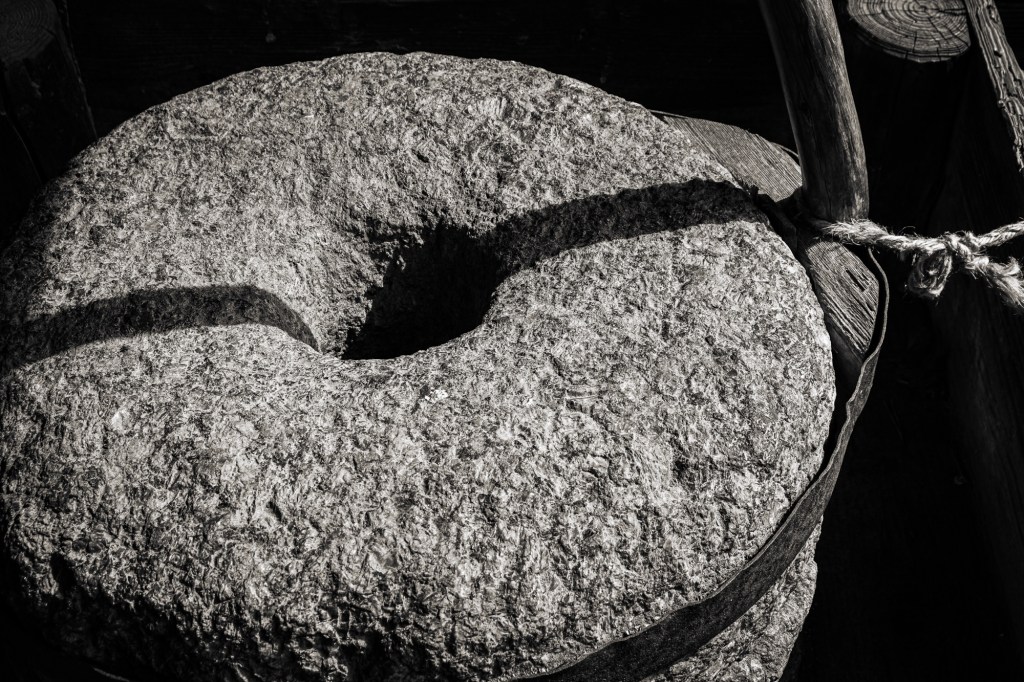
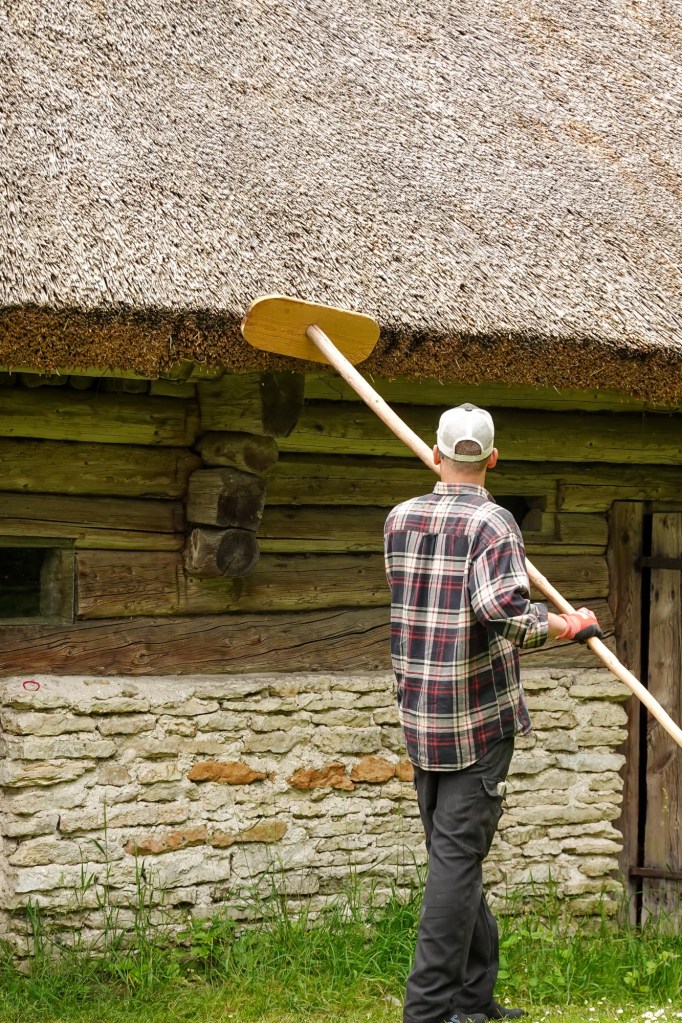
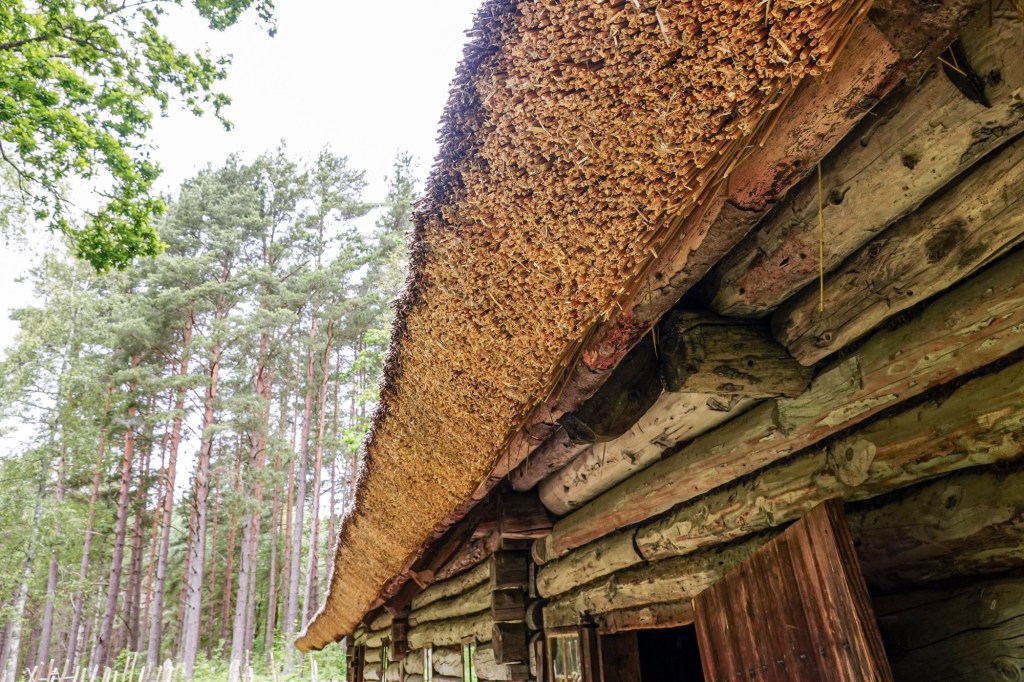
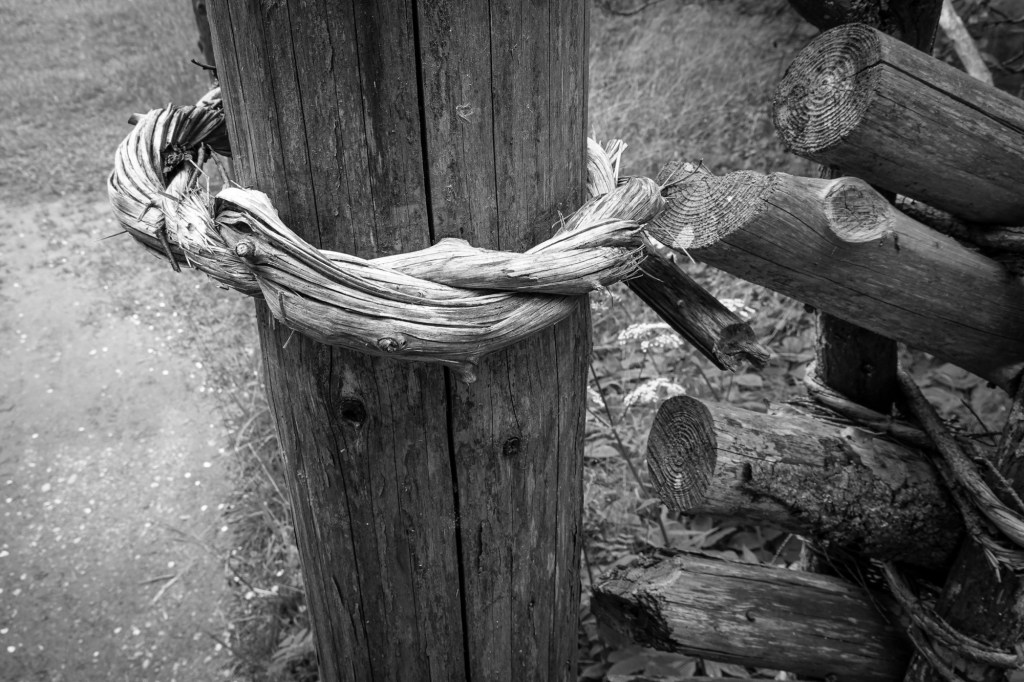
Wood wood wood. And a bit of stone. Wooden bark and thatched roofs. I think we may be about to cycle through some woods. The craftsmenship to build the structures is fantastic. No wonder many had jobs as craftsmen in the cities and estates. Being a peasant, a cotter, was tough. No welfare benefits then. In fact serfdom wasn’t abolished until the 1850s and then you had to buy your way out. Soviet collectives had a brutal initial period.

I like the windmills and their tails, long bits of wood sticking out so you can rotate the upper structure into the wind. And the “trebuchet” wells.

The recommended 2hrs to get round took 6. My poor weary feet are saying “can’t you just cycle”? Soon…..

Trans Europa: Tallinn old town.

After a smooth day getting here, with the usual frisson of adrenaline waiting to see if the bike boxes made it, it’s time to adjust. First up is into Wikipedia as the Baltic states never reached Scottish education, apart from a weather description.

Estonia has a population of 1.4 million, 400000 of whom live in the capital Talinn. This traces back to the 13C. Reclaimed it’s independence in 1990 from the breakup of the USSR.

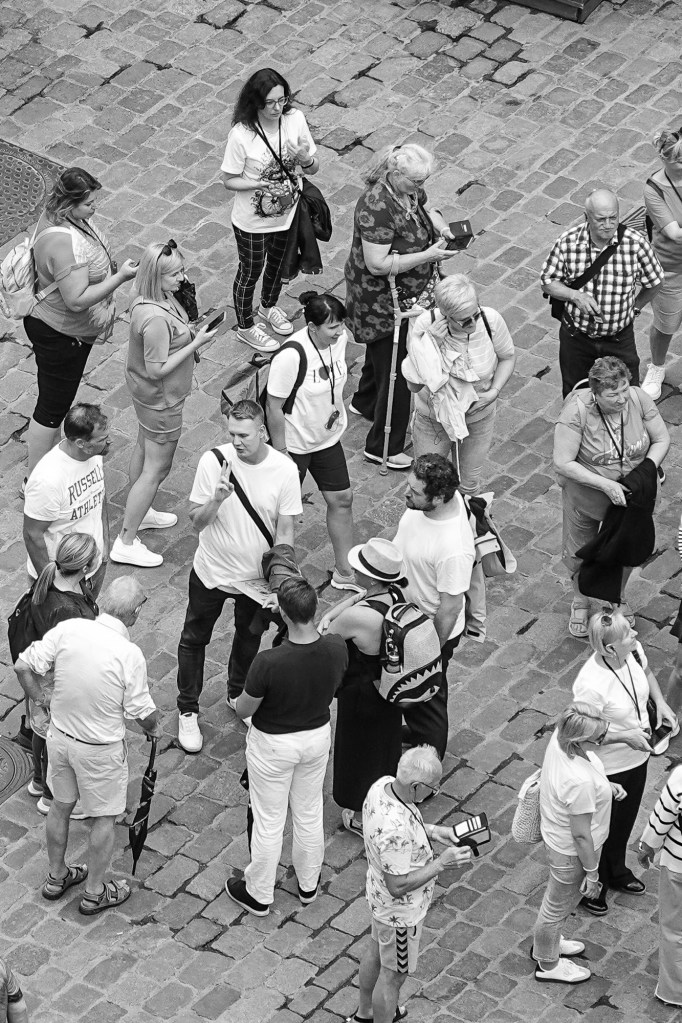
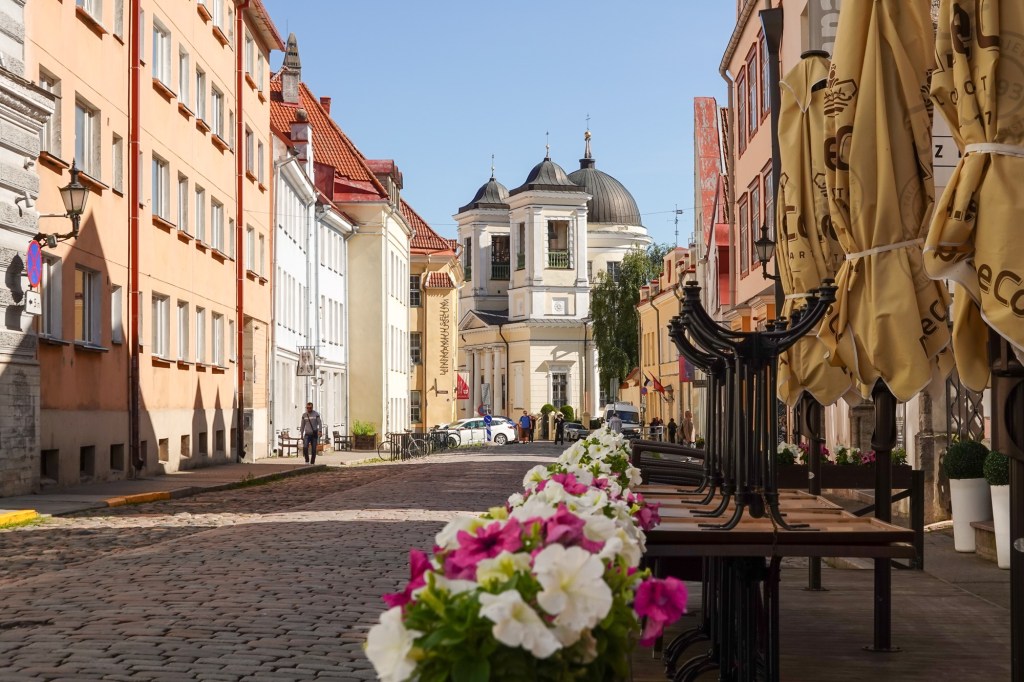
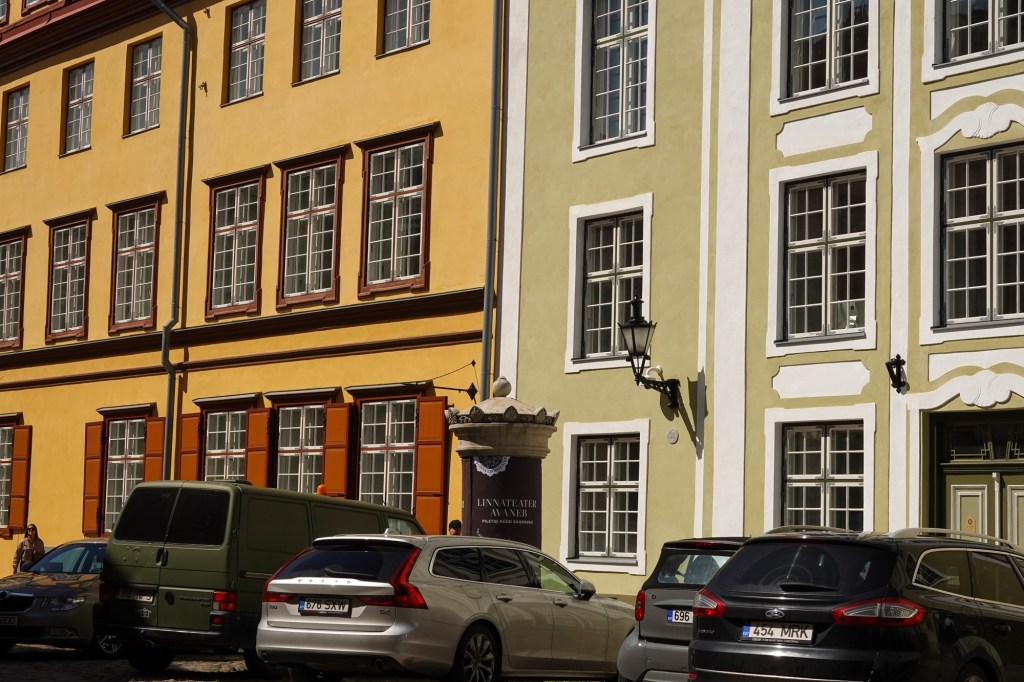
The taxi driver explained we arrive in the height of the tourist season, when up to 15000 folks from cruise ships bring norovirus ashore – I mean descend on the old town. Which is where we head to. Luckily it’s a quiet and sunny day. The street cafes have a chatty buzz: local kids scoot around.

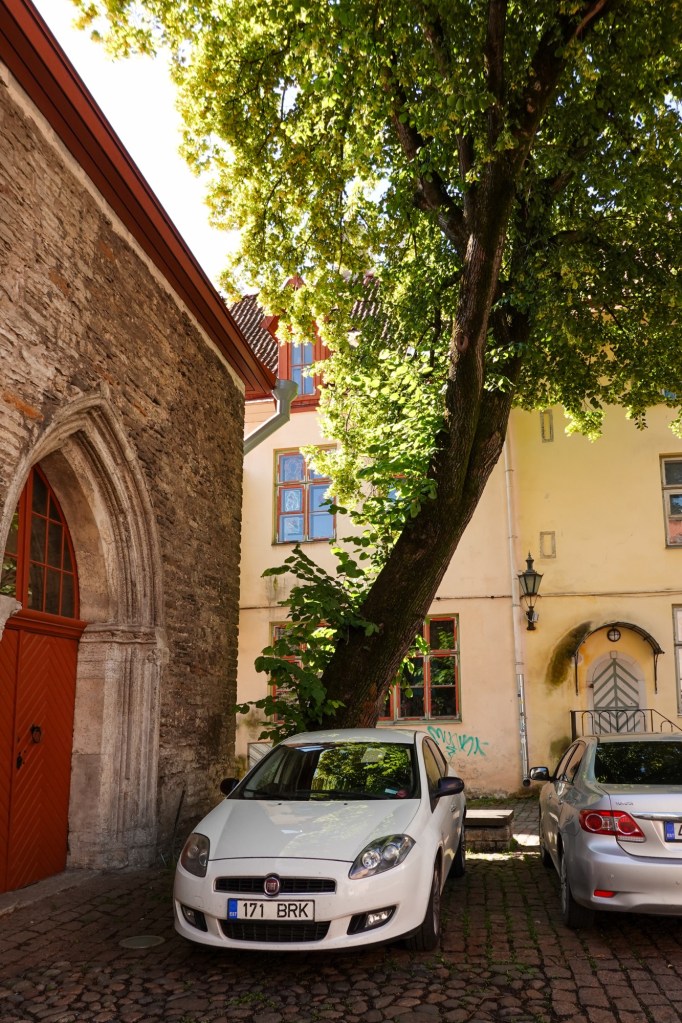
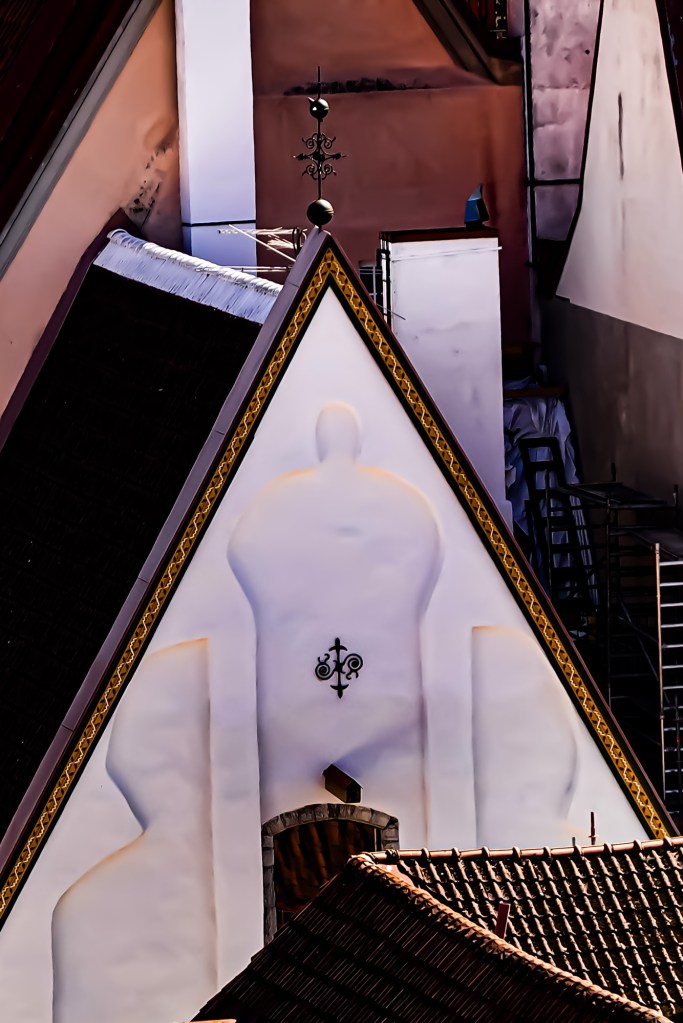
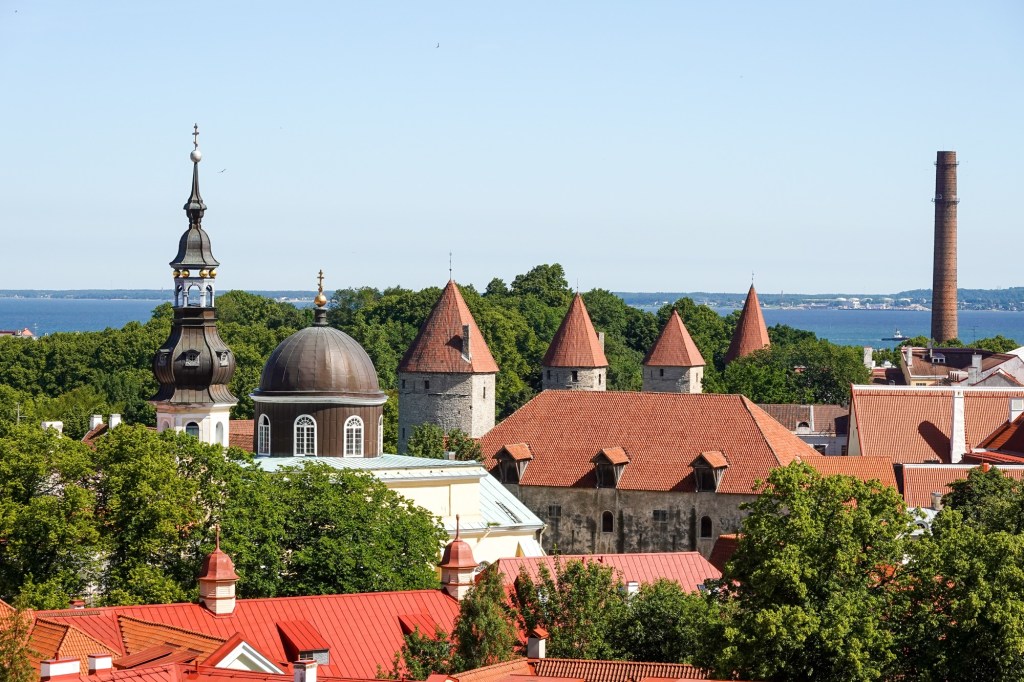
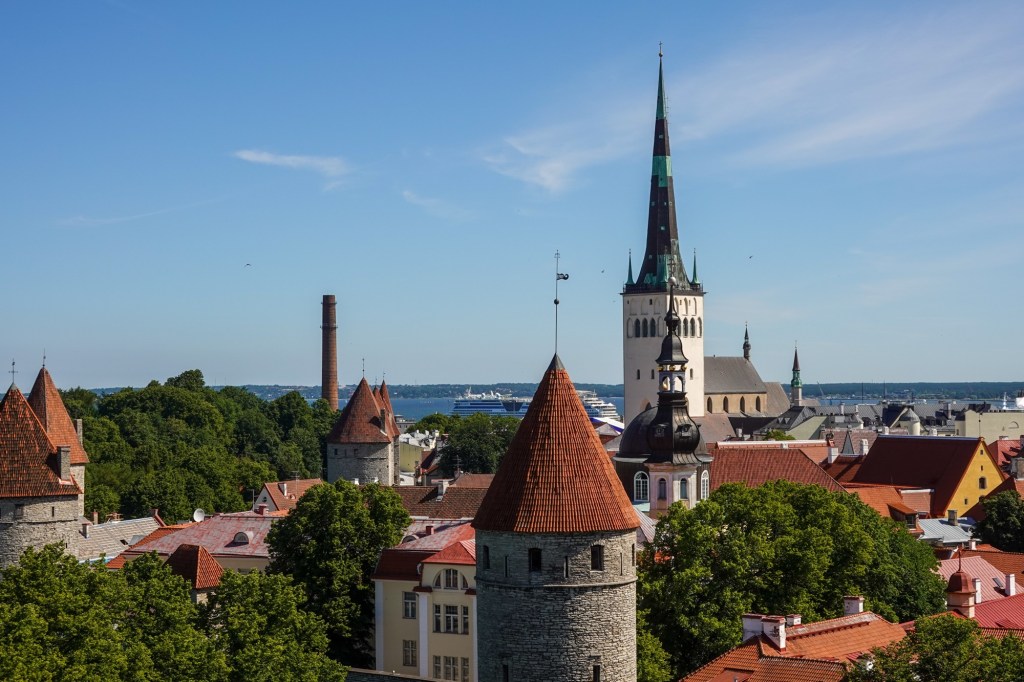
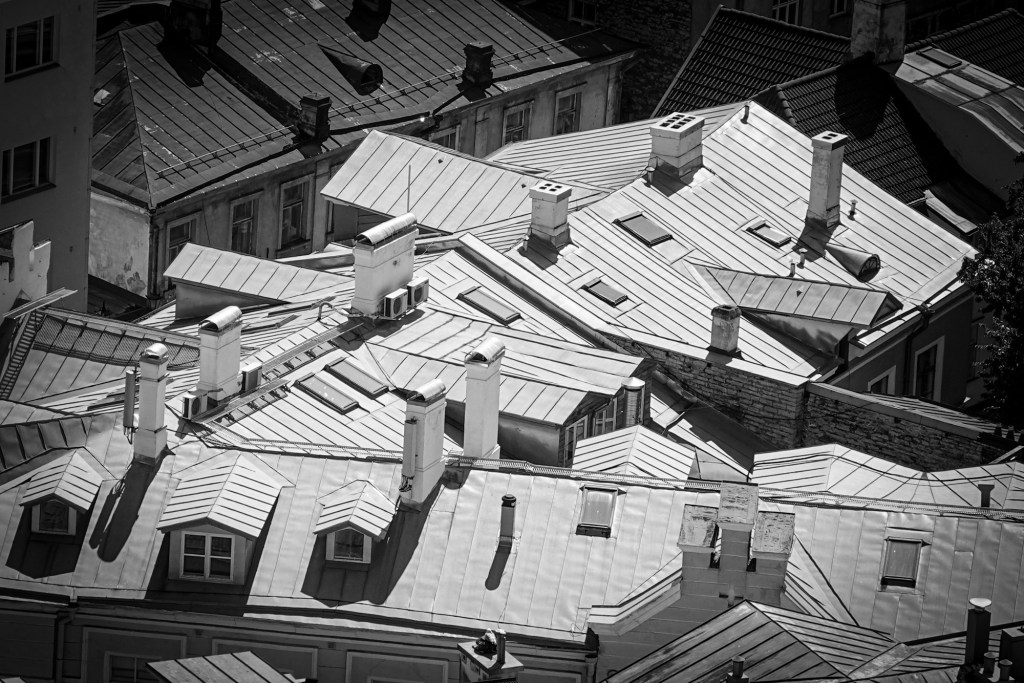
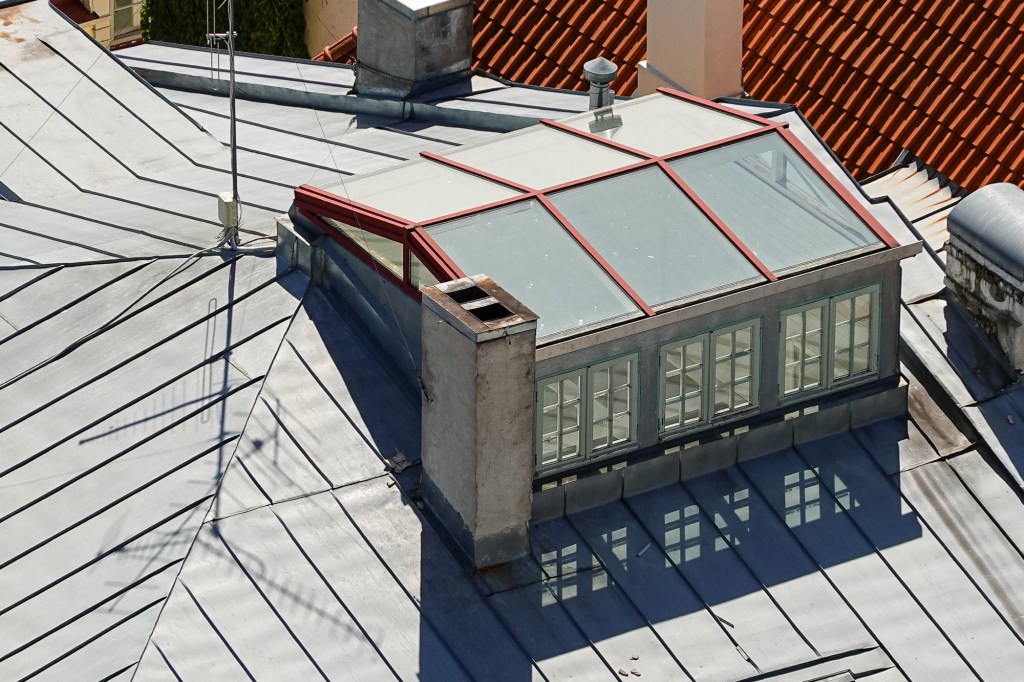
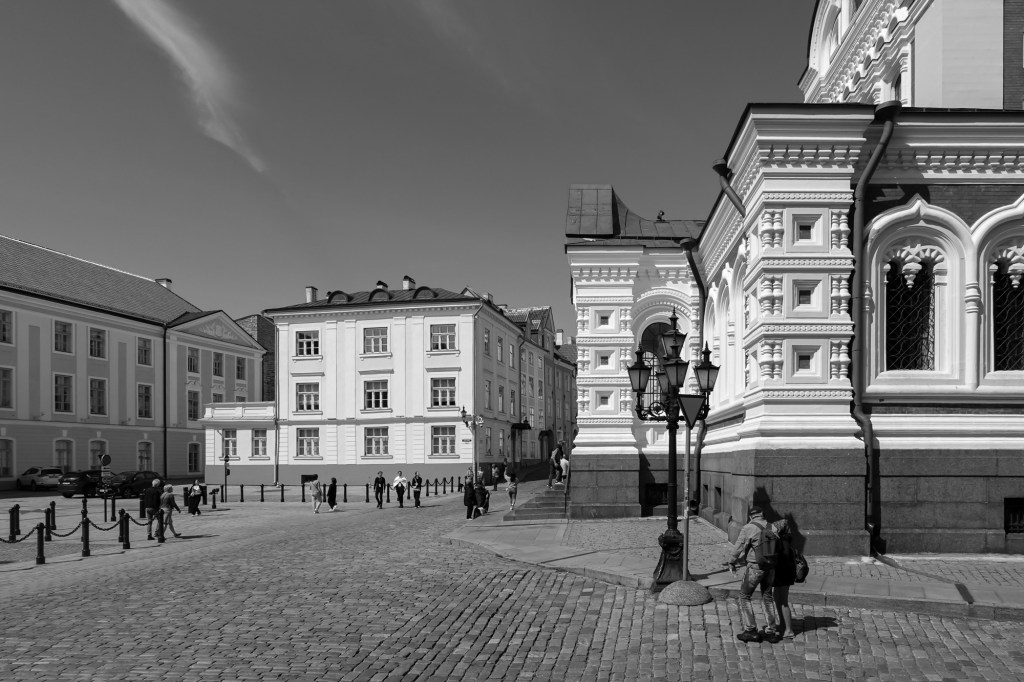
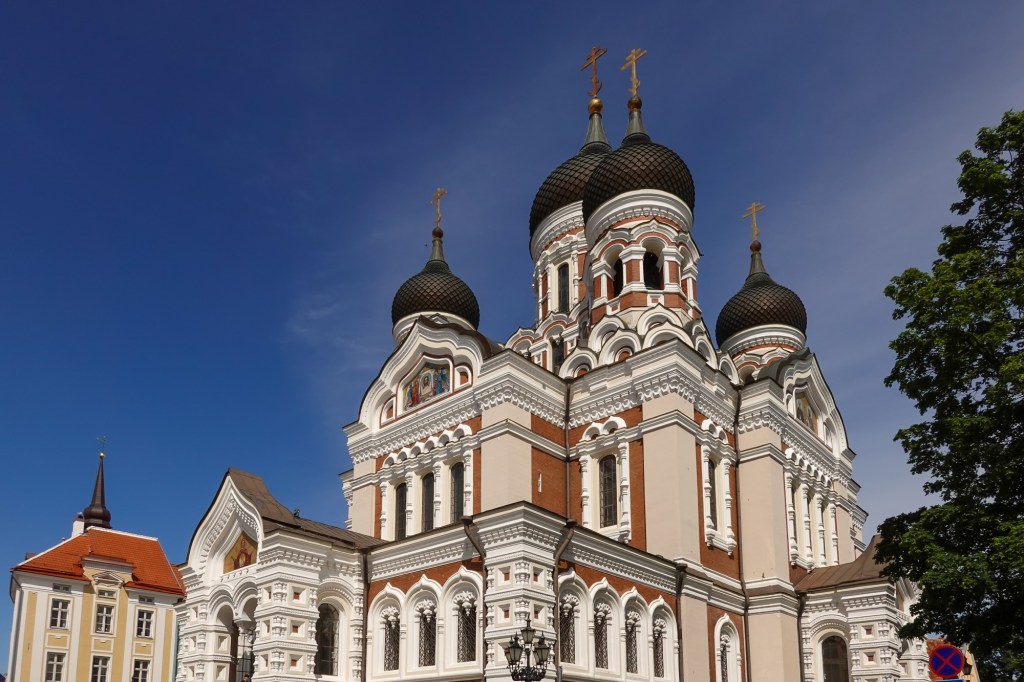
Quite a religious place too, once, if them number of competing spires are anything to go by. The buildings have a detailed history on them: detail overload. Suffice to say developed in 13-14C, changed hands and useage, redeveloped, some bombed 1944 and rebuilt. What is interesting is the predominance of stone vs timber. Tiled roofs vs thatch, no solar panels.

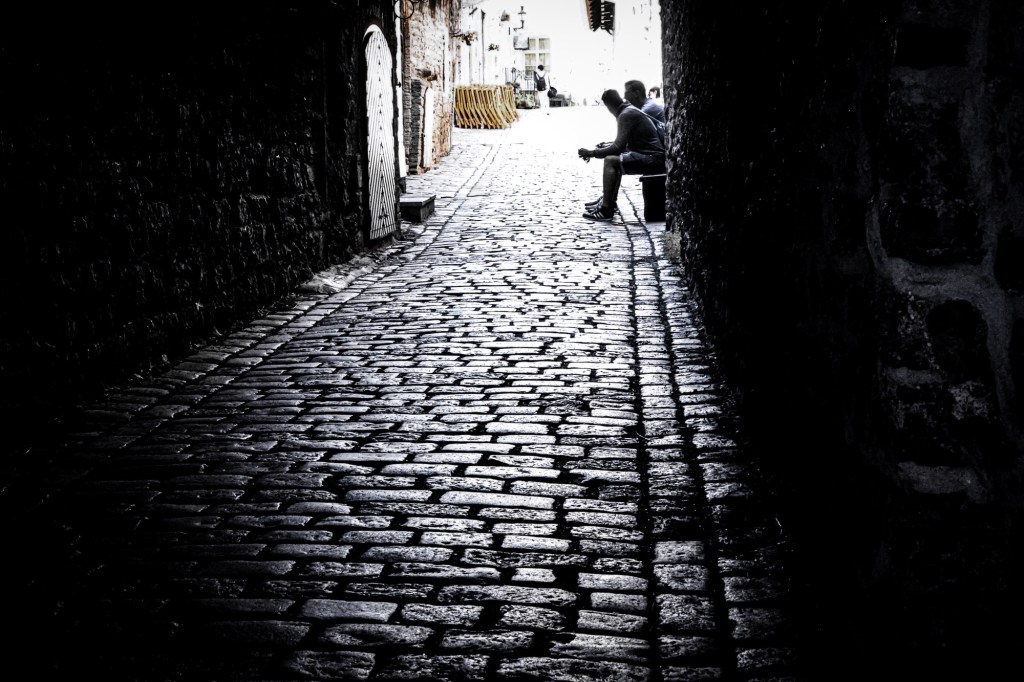
Quiet cobbled roads, with traffic diverted around the centre: a modern equivalence of a moat or town walls. Very little litter, bright colours, narrow and broad lanes. One is called Short Leg Lane , to distinguish it from Long Leg Lane. Presumably No 1 short leg lane is circular.

Food is the main catch, so many dishes to try….just have to try harder. Dumplings.

Trans Europa: a preamble

This coming Sunday, 13 July, we set off a cycling tour with TDA. We’re crossing Europe starting in Estonia. We’d originally planned this for 2020, with the route starting in St Petersburg. Covid postponed, then the invasion of Ukraine altered the start. For some reason the only refund we didn’t get was from Aeroflot. So here we are in Talinn, looking forward to meeting up with the others, including Balazs and Gergo who guide this trip and we’ve had the pleasure of being with before.

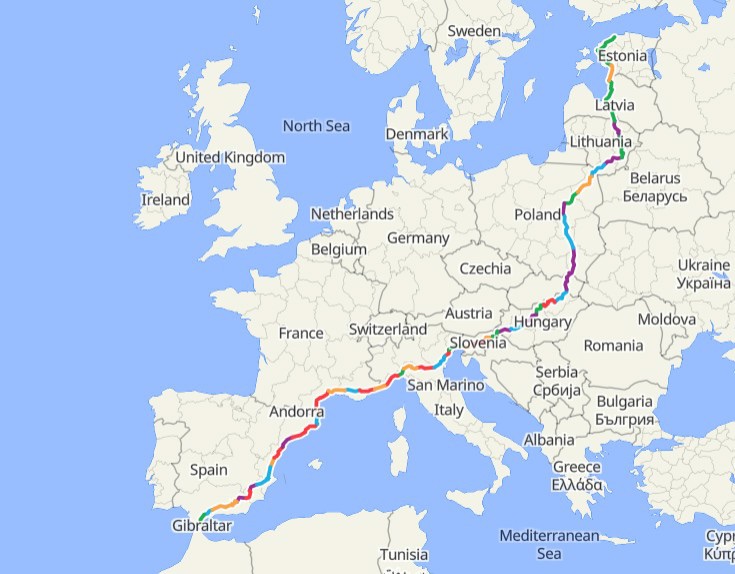
Our route

The blurb:

“The route passes through eleven countries, starting in Tallinn and finishing in Gibraltar. Our itinerary follows the ancient amber trade route used by the Romans, stretching from the Baltic states of Lithuania, Latvia, Estonia, then onwards through Poland and Slovakia, Hungary and Slovenia, before the tour reaches its half way point in Venice, Italy. Along the way the riders will be able to explore the historic old towns in Tallinn, Riga, Vilnius and Warsaw, the thermal baths in Budapest and Ljubljana’s stunning 900 year-old castle.


Leaving the canals and plazas of Venice behind, the riders will then pedal through the mountains of Northern Italy before cycling along the Mediterranean Sea and the Italian and French Riviera. Rest days are scheduled for Genoa, Nice and Montpellier, allowing the riders to experience the local vibes. Then it’s into Spain where they will skirt the foothills of the towering Pyrenees prior to arriving in Barcelona, with its beaches and distinct Catalonian culture. From there the riders head southwest, enjoying the beautiful and challenging back roads and soaking up the Moorish atmosphere in Granada before finishing in Gibraltar with its famous Rock.”

The real highlights will be the contrasting landscapes, people and places. That is, the journey itself.