D14 TE Skaryszew – Sandomierz

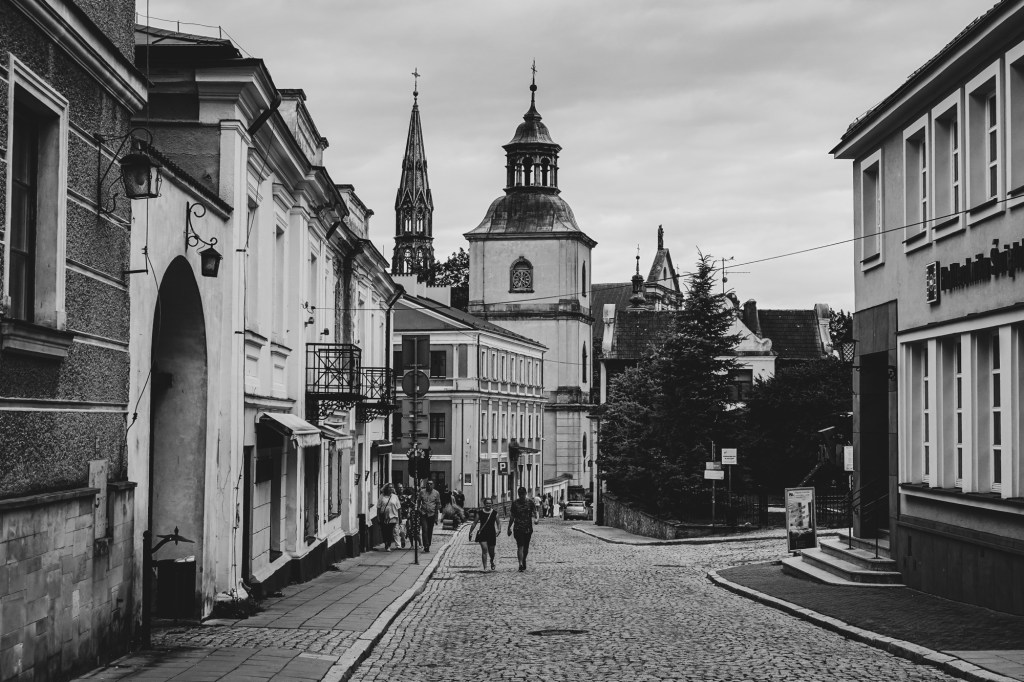
I’m not going to sugarcoat this, there’s no way to fudge it. I’ll write it in tablet. Sandomierz is a very sweet place. Enough delicious sugary things to keep your dentist smiling for years. Think Scottish tablet with different flavours. Orkney Fudge can rest safe though – it’s still the best. The filled donuts are sublime (or a meringue?)

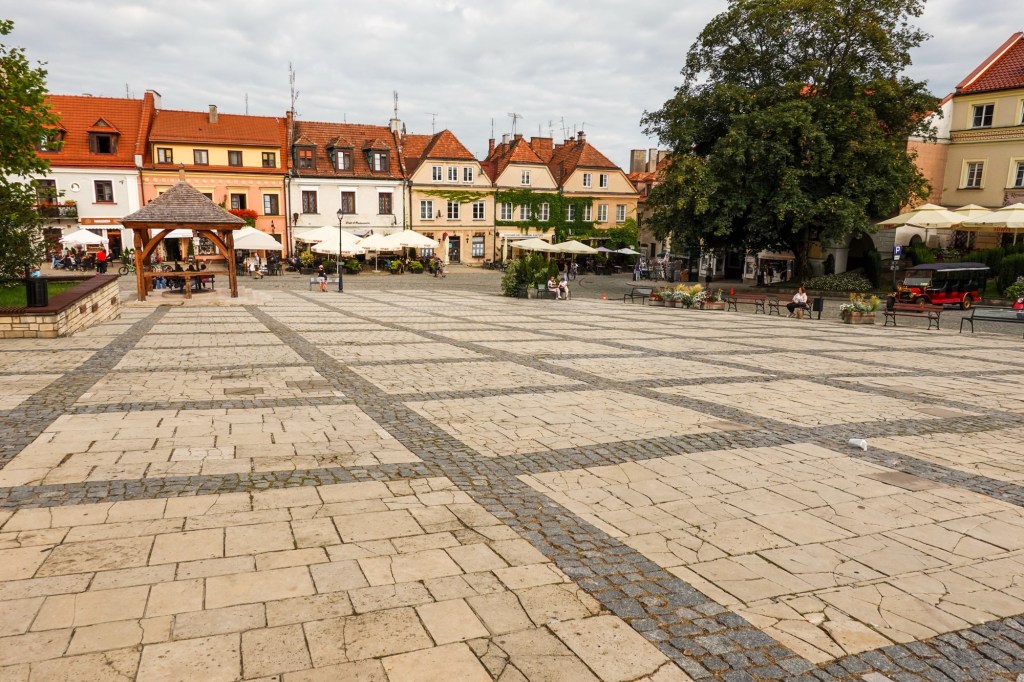
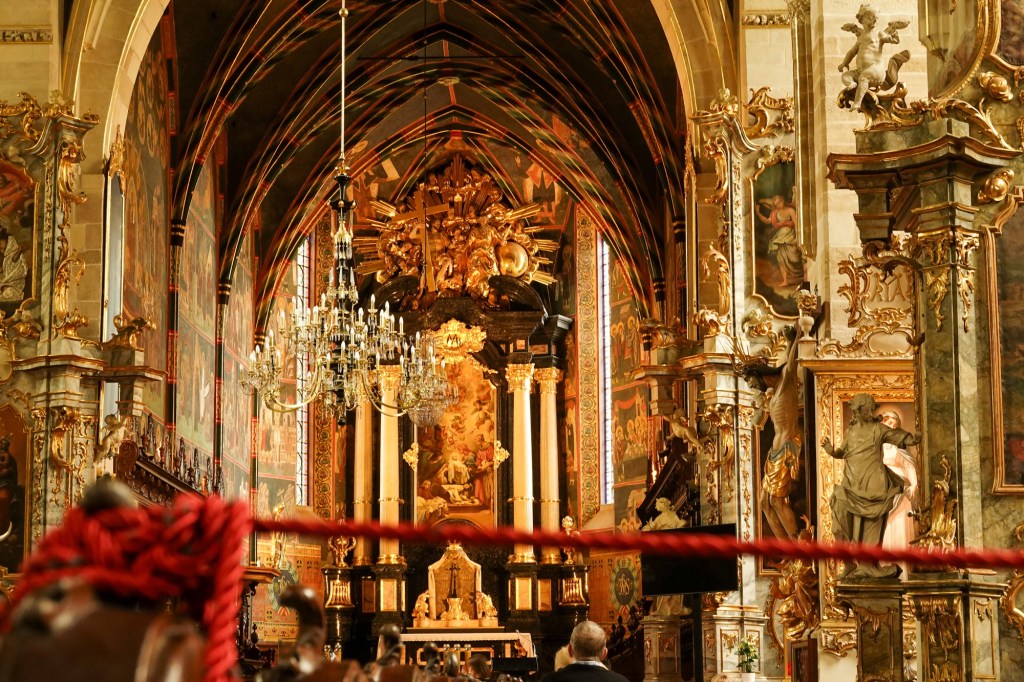
Talking of putting your teeth on edge, the 14 C Church has enough bling to keep Calvin and Luther spinning in their wrath for years. It’s part of what the noticeboards tell us is one of Poland’s oldest and prettiest cities. It is nice.
It is also the first place since this trip started where one stall said “cash only”. The hardship to replace all those bits of caramelised sugar into their trays.

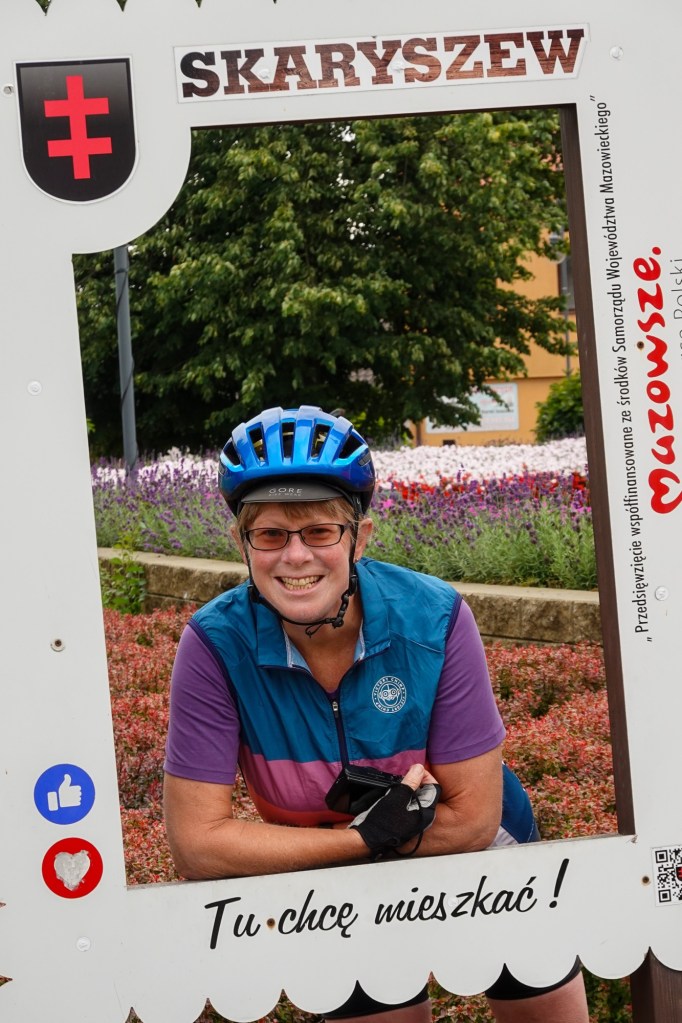
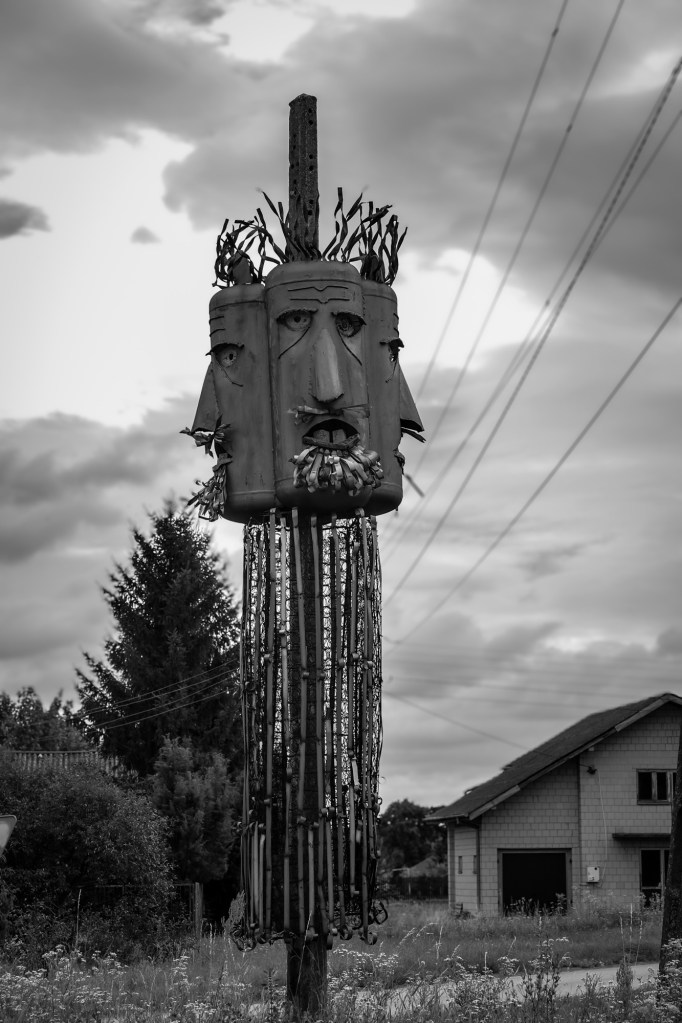
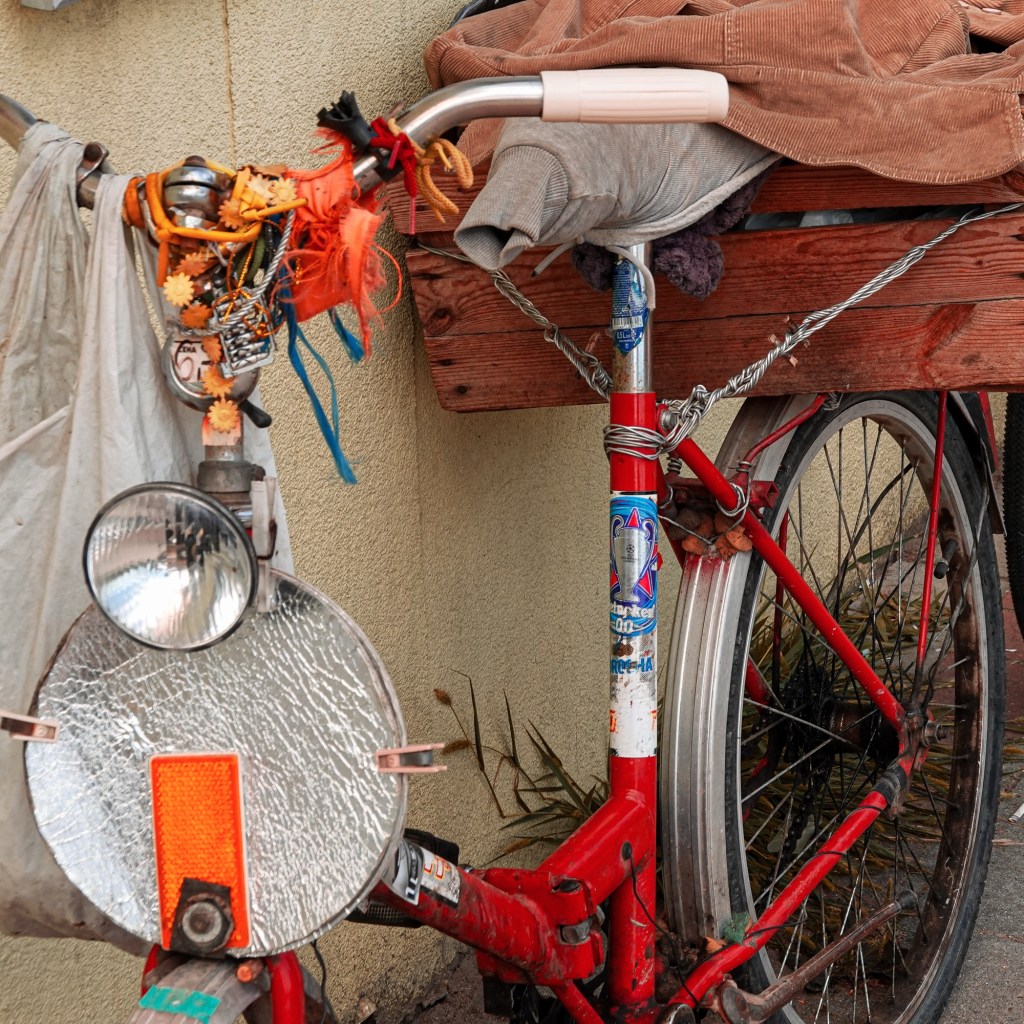
Characters with lived in faces seemed a common part of the increasing number of villages we passed through. Like the other day, one guy – he may have lost a faculty or two- was agitated: we didn’t need to know Polish to work out Barbara had rested her bike against the wall where his goes. So we moved and he ambled on into the shop. Leaving us to admire the characted of his bike – it has seen as many miles as he has.
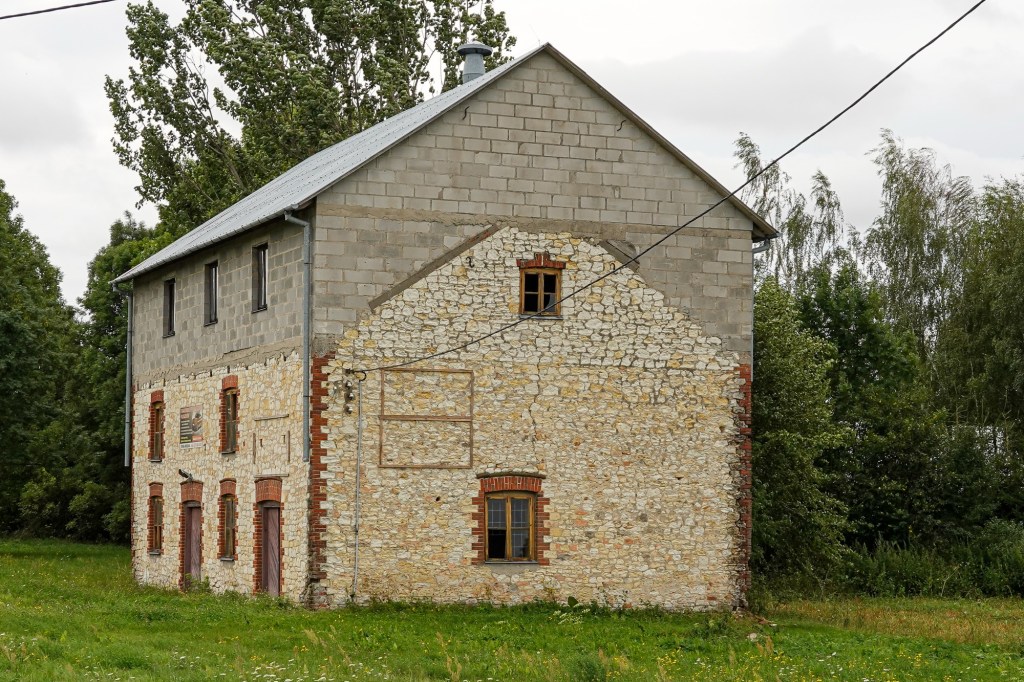
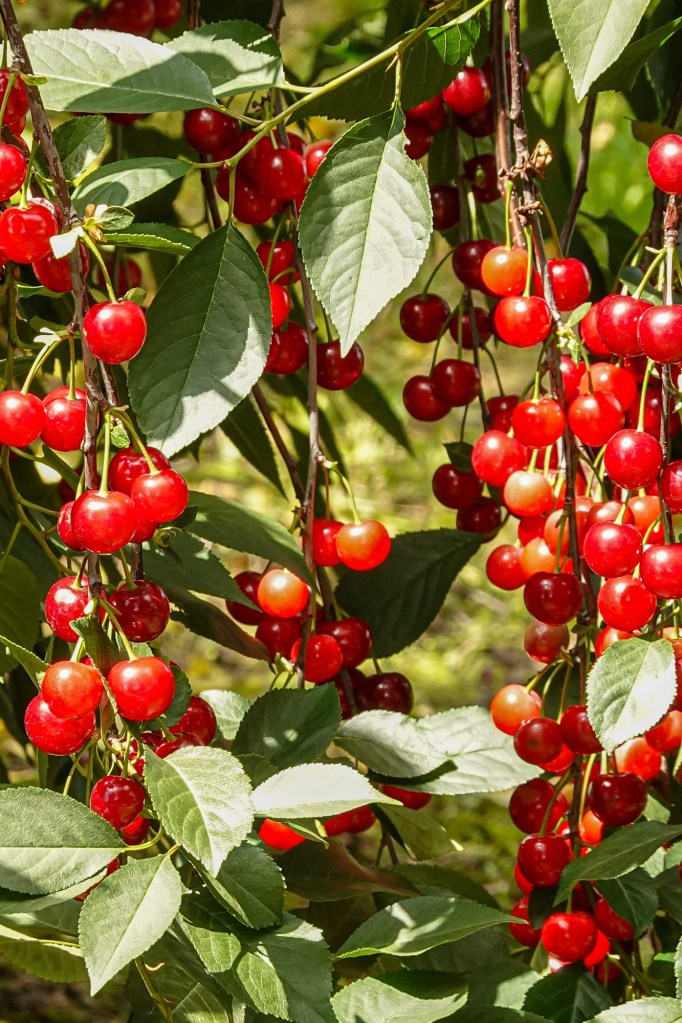
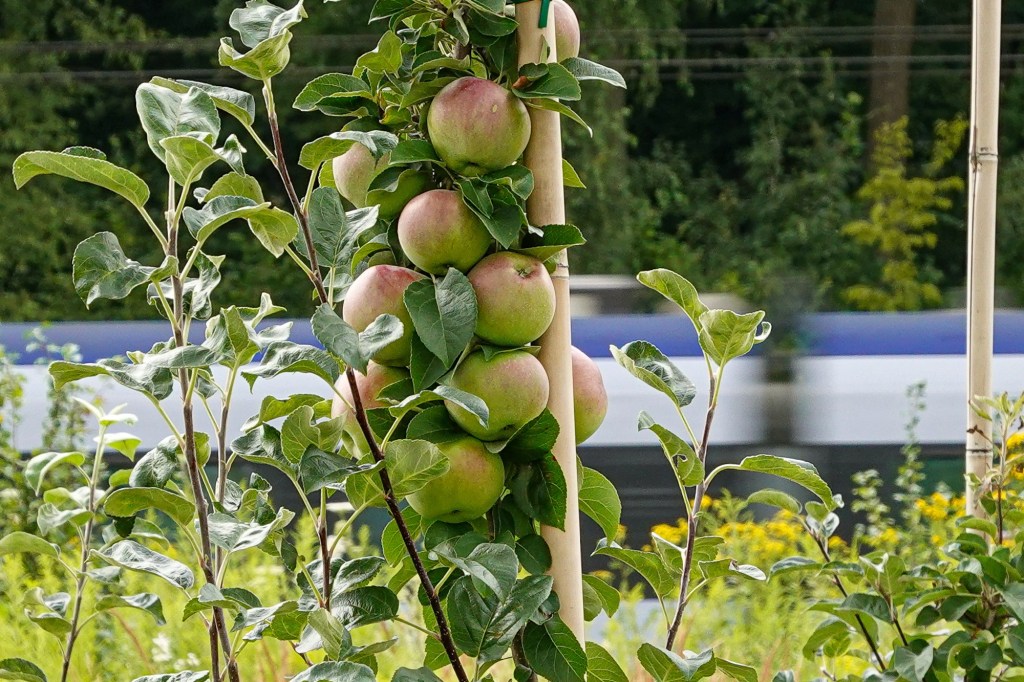
Cherries and apples were the low hanging fruit lining the generally excellent roads. Some of our travellor’s didn’t see T-Rex: luckily we got him by the tail. The radio detection and ranging NATO base also hid amongst the fruit trees. That’ll show ‘em Captain Mainwaring.
D13 TE Warsaw – Skaryszew

We’ve been passing through a lot of places ending “owo”. A quick search and there’s an explanation:

In Polish toponymy, the suffixes -owo and -ów are common endings in place names, often indicating historical ownership or settlement patterns. The suffix -owo typically appears in place names derived from personal names or professions, e.g., Krakow → Krakowo (theoretically meaning “place of Krak”).

Now you knowo. Naturally you may ask about Warsaw:

Warsaw’s name, Warszawa in Polish, is believed to be derived from the nobleman “Warsz”, a shortened form of Warcisław, or from the legend of a fisherman named Wars and his wife Sawa. While the legend of Wars and Sawa is popular, historical records suggest the name likely originates from the nobleman who owned land in the area.

A great city to leave, as in easy. One long straightish road for 11km with bike paths. Take a left for another 5k and you are out. Along the way apartment estates give way to out of town shopping, merge into richer suburbs and then fields.

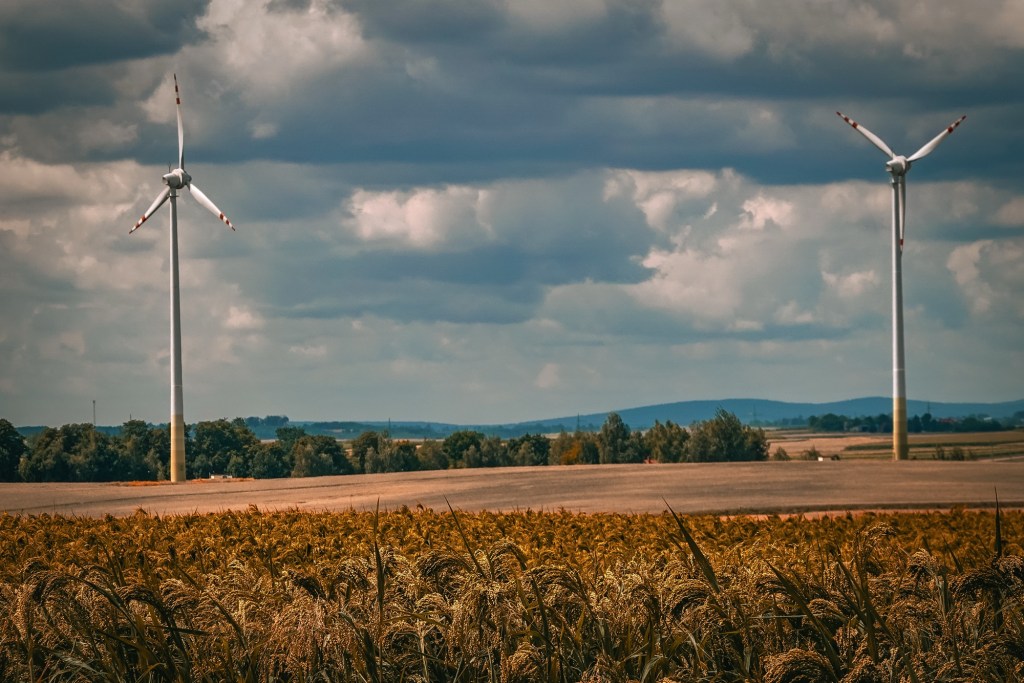
The main crop is fruit – pears, apples hang heavy on the branches.

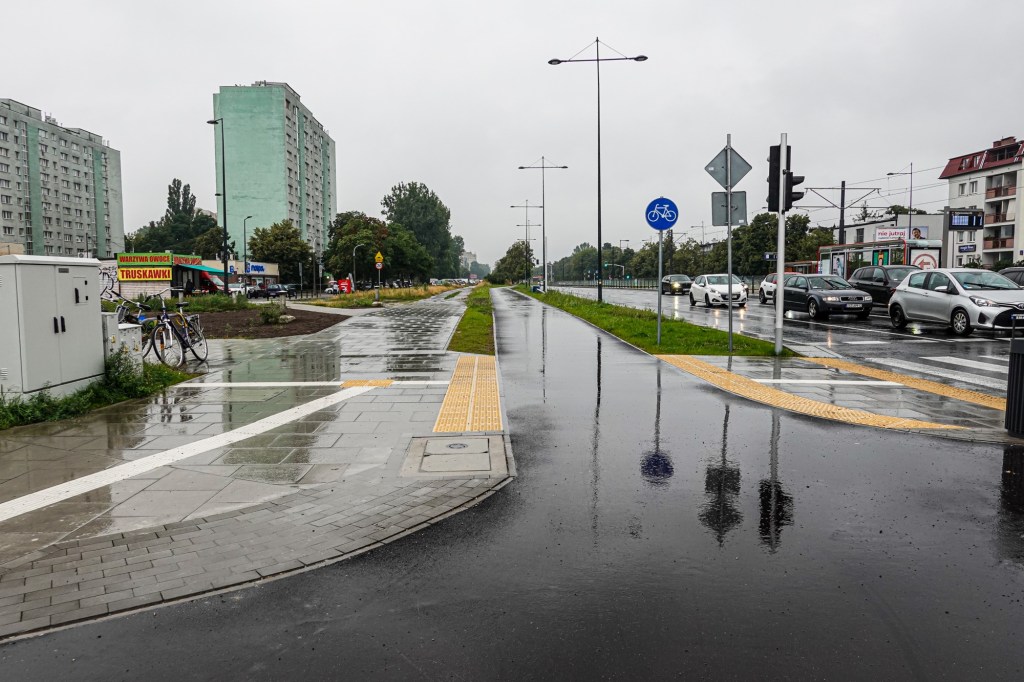
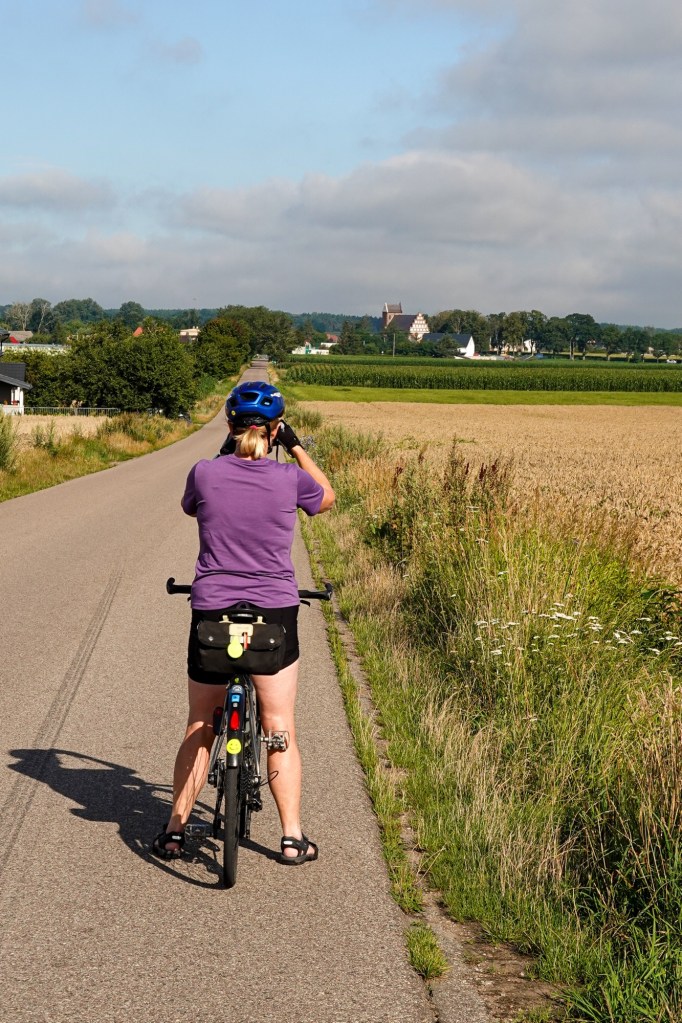
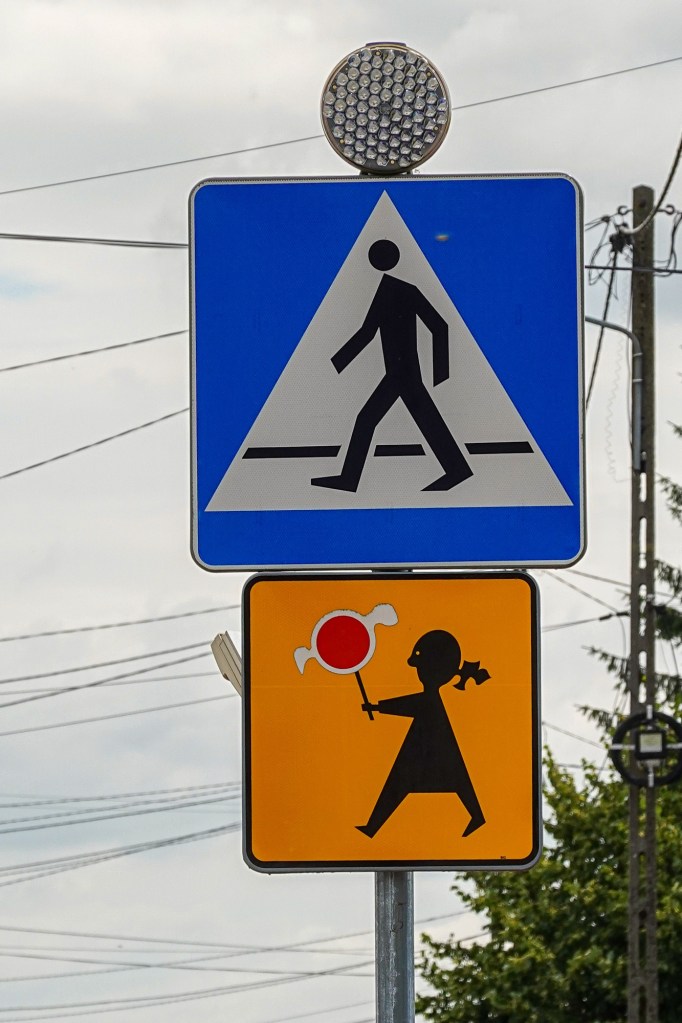
As we go South, the villages are becoming more frequent. Cycle paths and good ones at that, pop up in strange quiet places. Even so, the drives are all good and without fail stop at crossings to give us right of way.

Today wet, dry, windy, warm, damp. The main deluge was after we arrived. Just after the shed fairy had done some work so Barbara can ride on a presentable steed.

Fun day!

Trans Europa – Warsaw

Traces of the infrastructure of last night’s Bieg Powstania Warszawkiego have all but disappeared by this morning. Quite impressive since they had only started to put them in place the afternoon before.
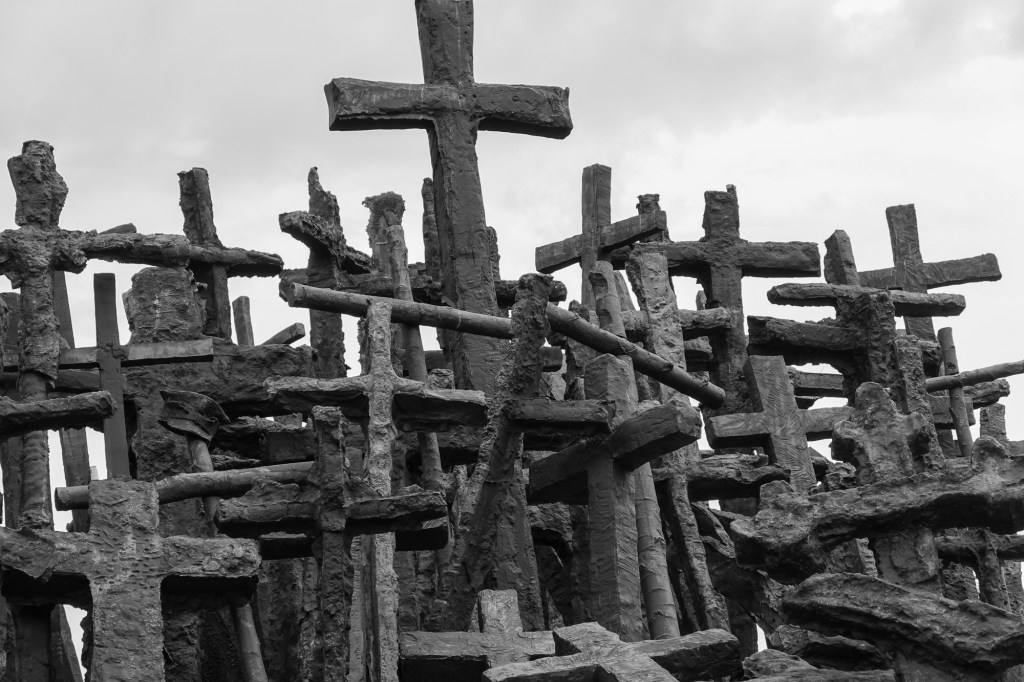
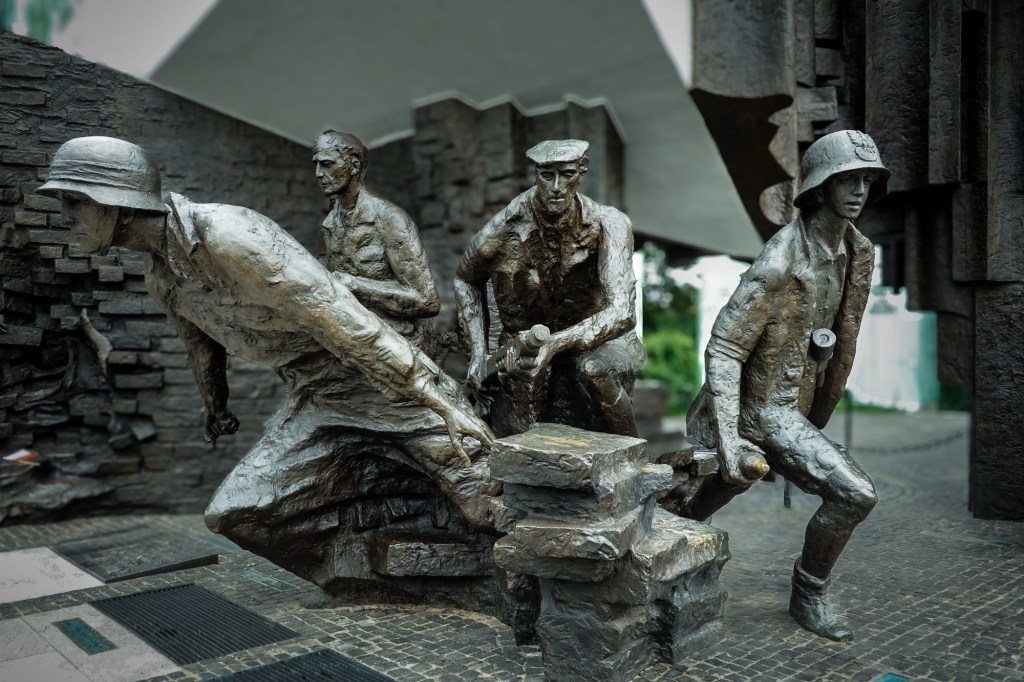
Warsaw does a fine line in monuments which make you stop and think. The Monument to the Fallen and Murdered in the East, outside the hotel, stops you in your tracks. It was erected to honour the Poles killed and murdered in the East, in particular those deported to labour camps in Siberia, after the Soviet invasion of Poland.

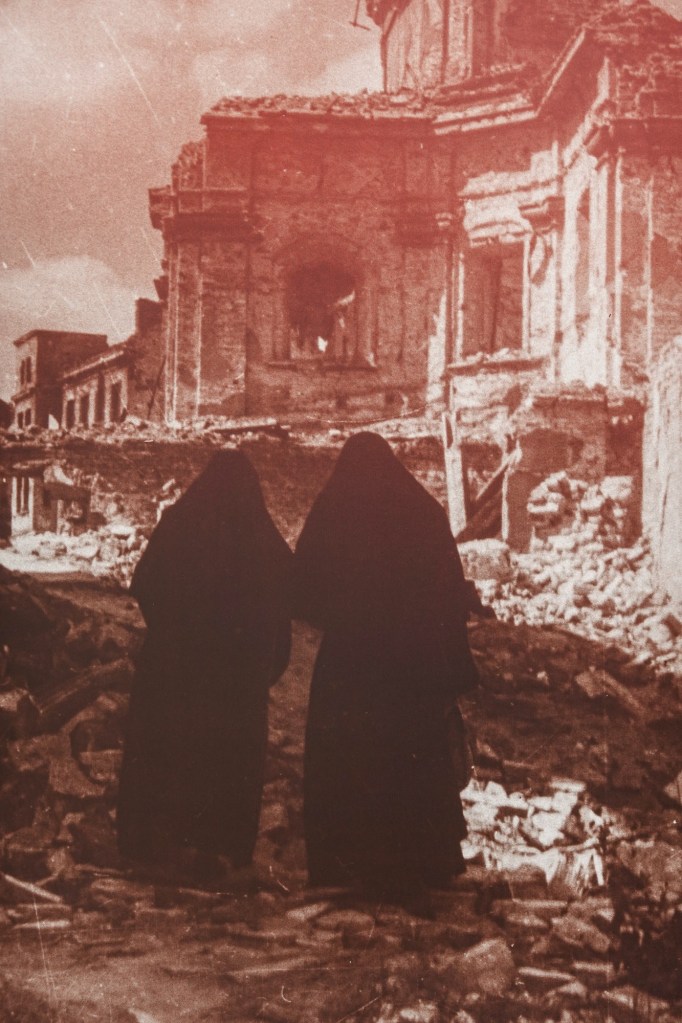
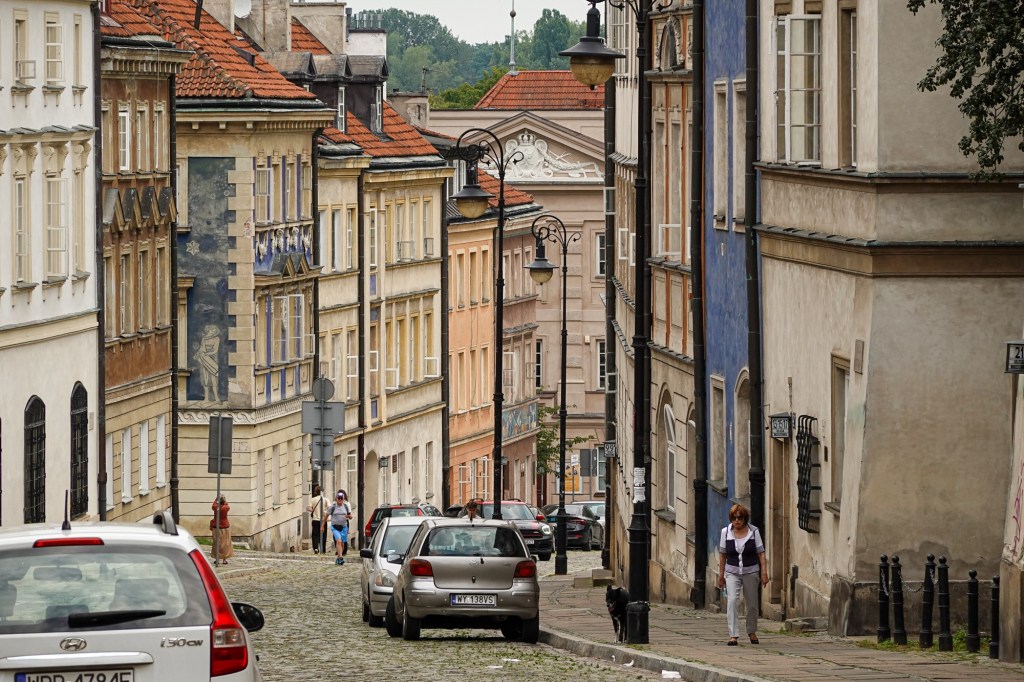
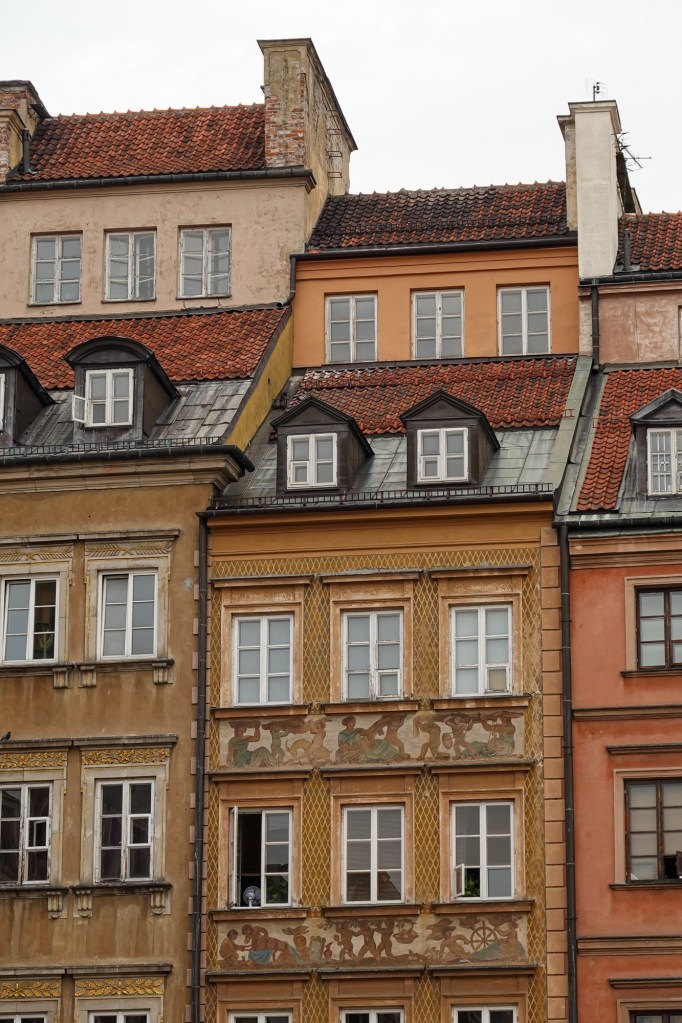
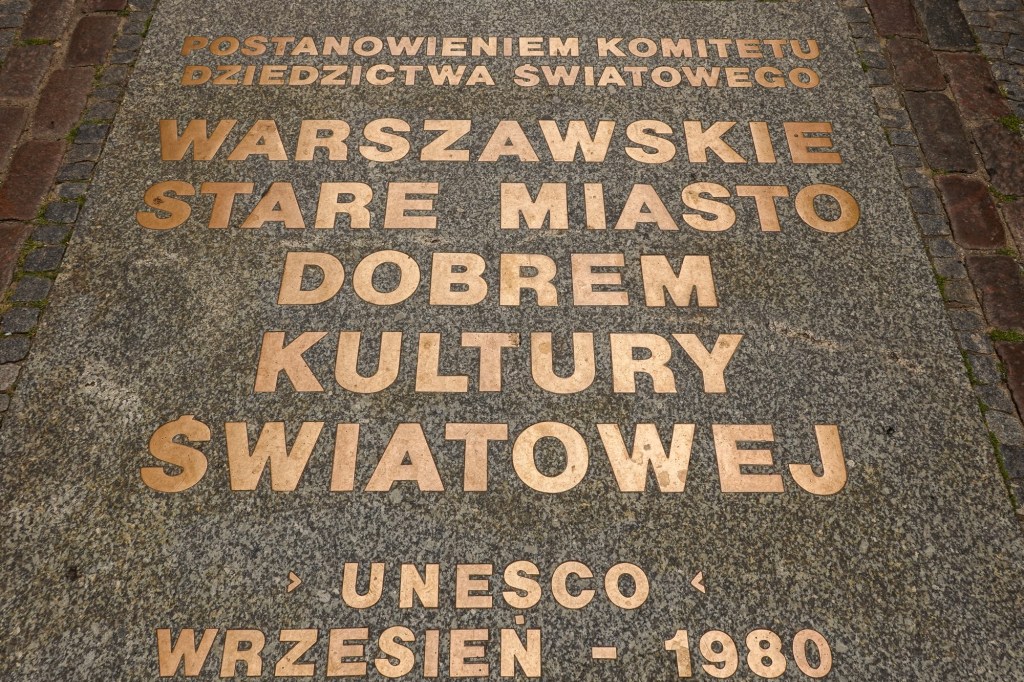
As we walked around the new “old City” the boards tell the tales. The Nazi plan was to demolish Warsaw, reduce its population to 100000 (from 1million) and create a German town. The City has been rebuilt as it was, from 1947 onwards – and continuing. A lot was paid for by public donations. Stunning work, especially when you see the pictures of the rubble which was left.
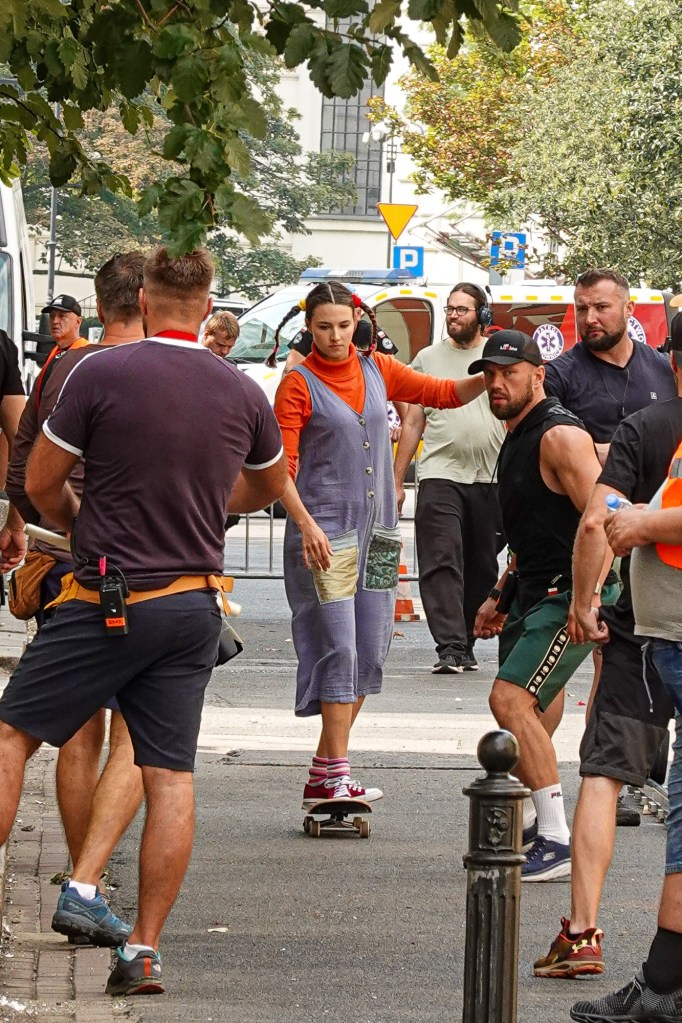
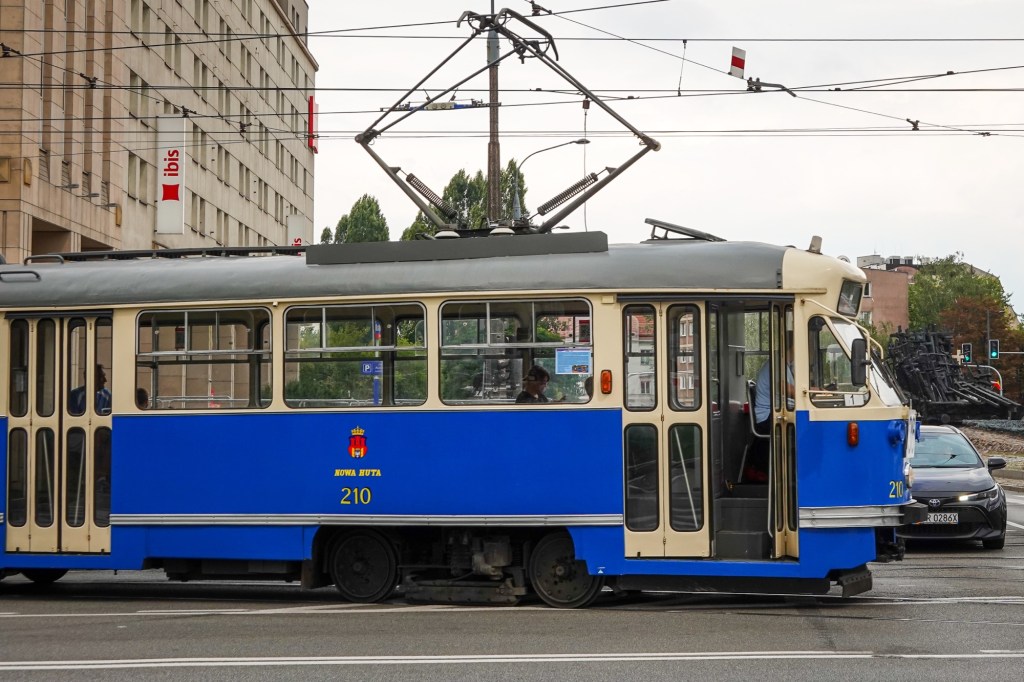
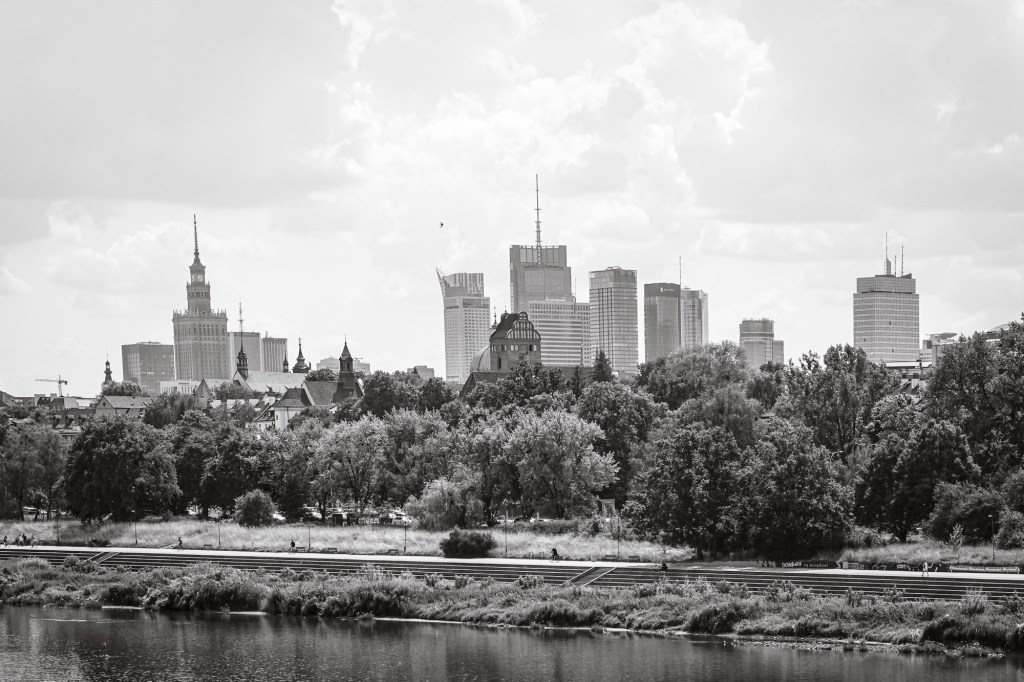
We’ve only scratched the [tourist] surface of this City. What is noticeable is the housing (6ish storey flats) in the Centre. Go 500m off the main routes and it’s quiet residential. It’s easy to get around by foot – for further afield there’s a vast array of transport choices: trams, trolley buses, normal (electric) buses, scooters.

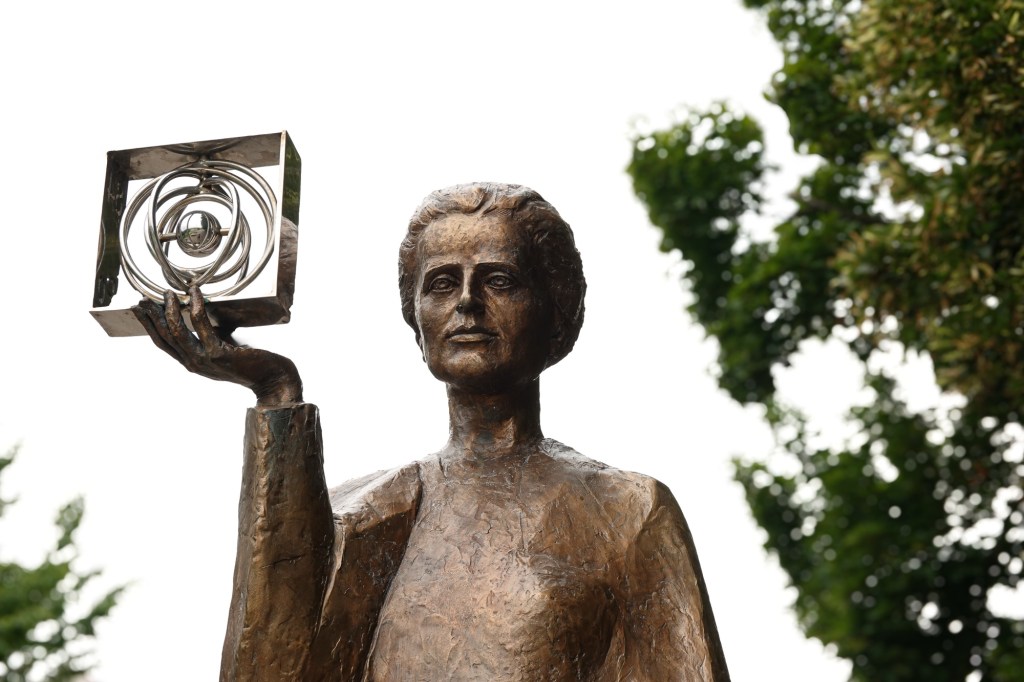
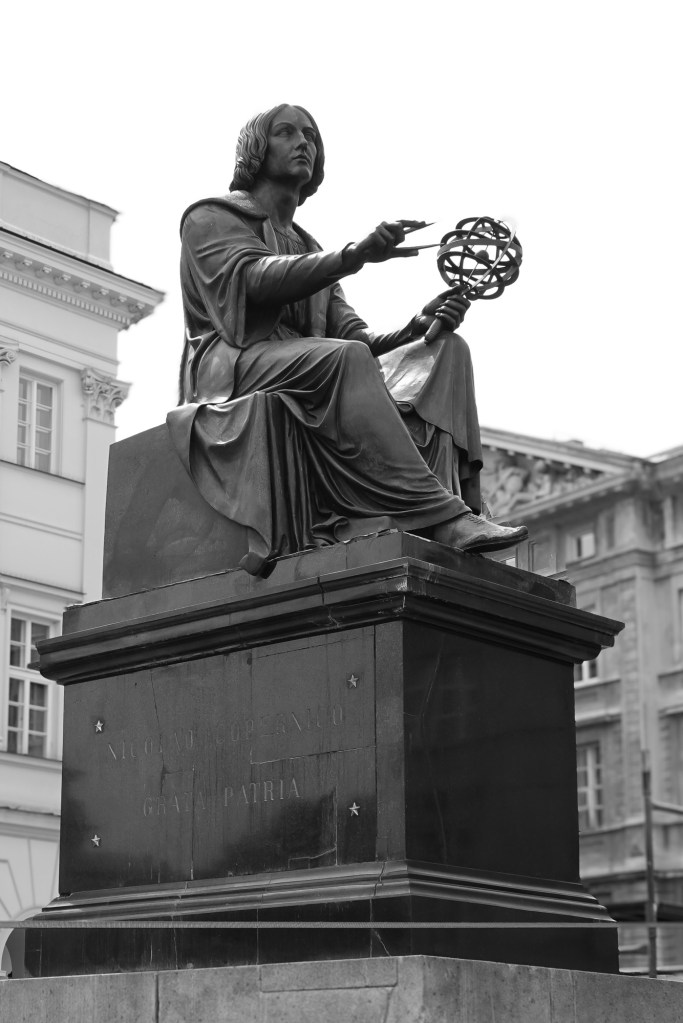
Warsaw celebrates its famous exports well. Particularly Marie Curie (who discovered and named Polonium after her home country); Chopin; and Copernicus – he of the planets revolve around the sun not the earth heresy. I’m still reeling from learning it’s not a flat earth, so I can understand why his thoughts were so heretical at the time.

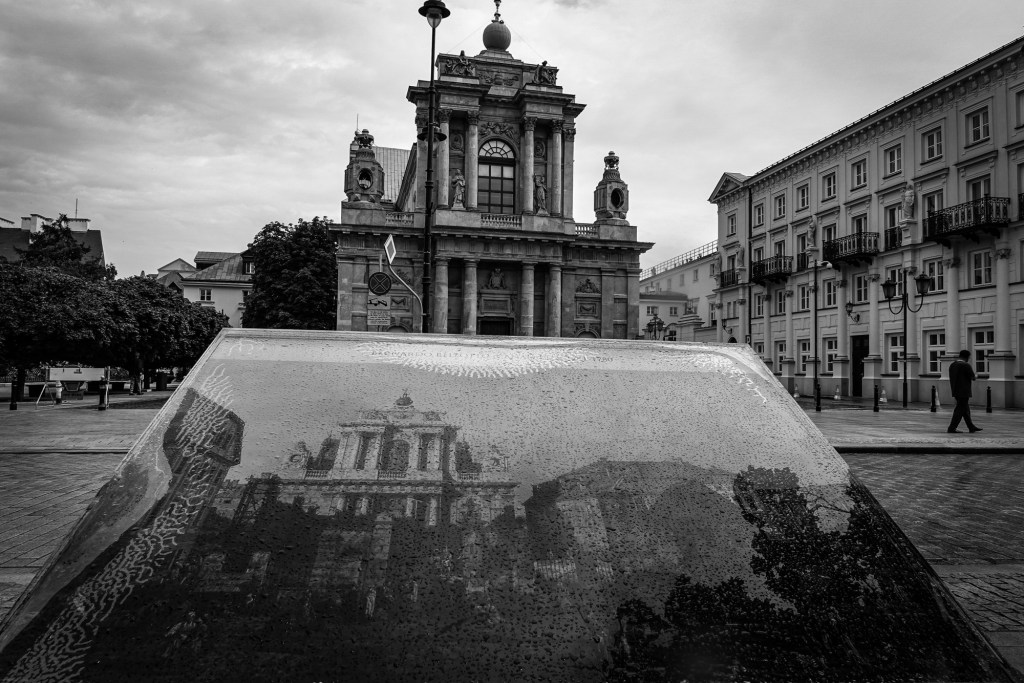
It also has a fine range of scale models dotted around the place. Very effective once you’ve pin pointed where you are.

We dodged the showers today. Tomorrow they lie in wait as we head south….

D12 Trans Europa Pultusk – Warsaw

There’s a lot of construction work all the way into Warsaw. You get the impression of a large city (it’s 1.8 million people) spreading tentacles. Traffic is a wee bit busier on the road sections, nothing untoward.

Like the approaches to many cities, it can be hard to really discern when rural stops and urban – or rather suburbia – starts. For us it is complicated in that we’re following the waterways to the city centre.

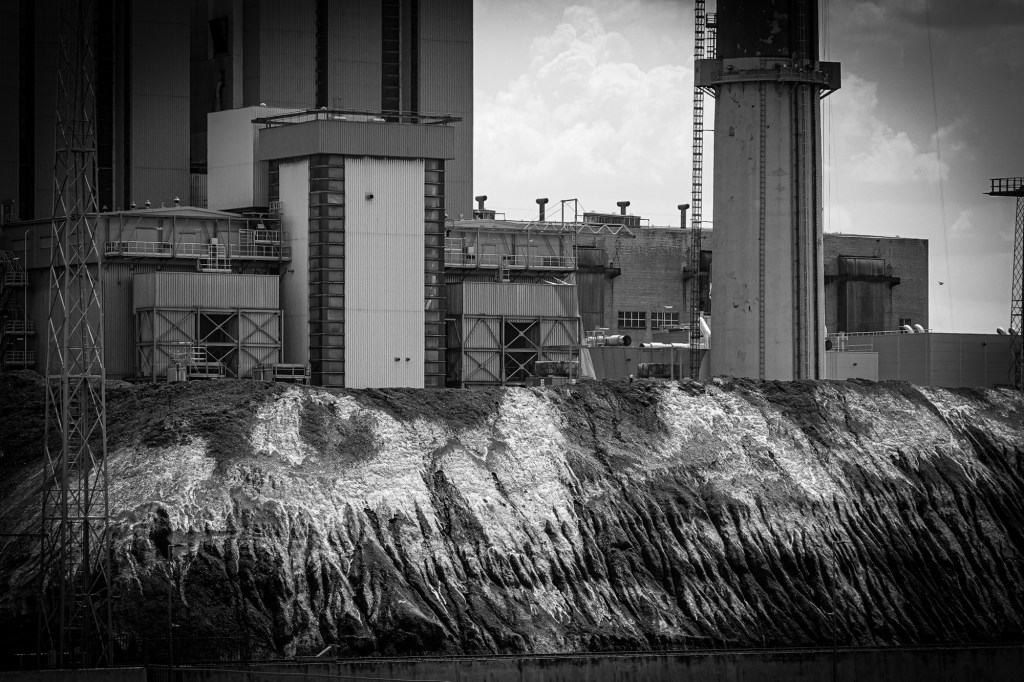
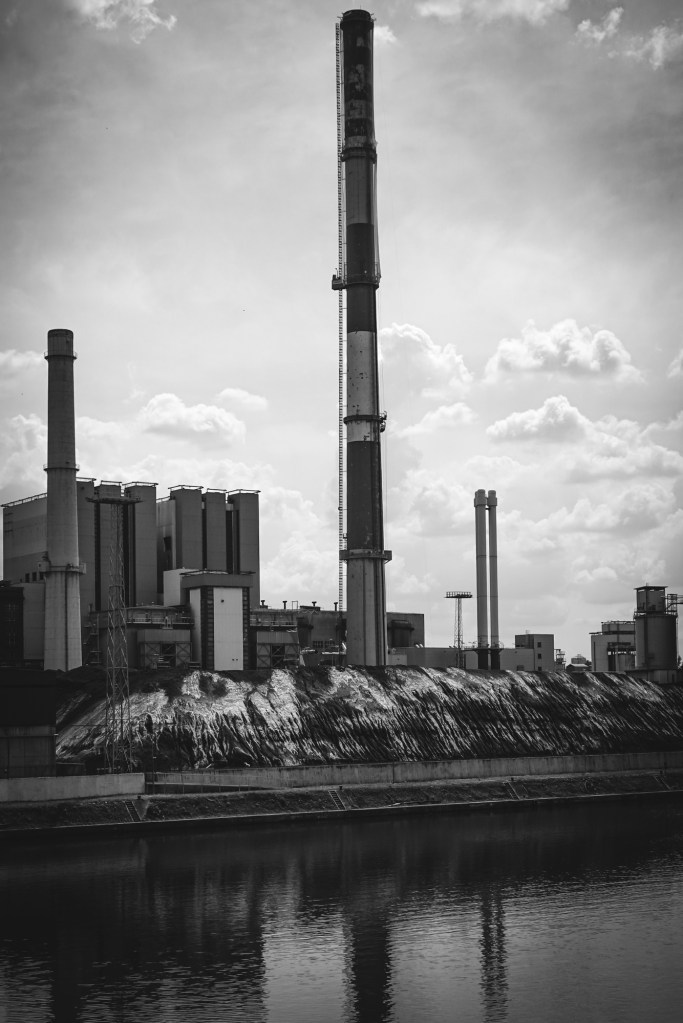
It takes us past a Soviet era coal fired heat-power station (modernised since its 1956 firing). Poland is the 2nd largest coal-mining country in Europe after Germany and the 9th largest coal producer in the world.

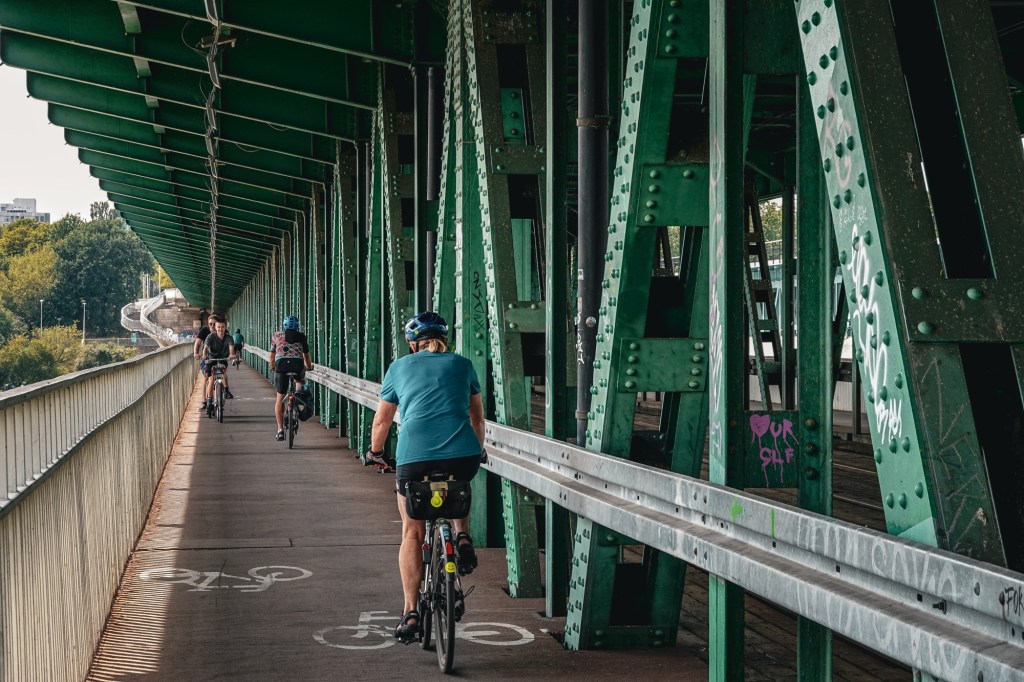
The cycle paths are very busy – the whole gambit of boy racers, Mamils and folks have a gentle tootle. Mostly polite with room for all. It’s a stop start day crossing junctions – always interesting to watch the interactions.

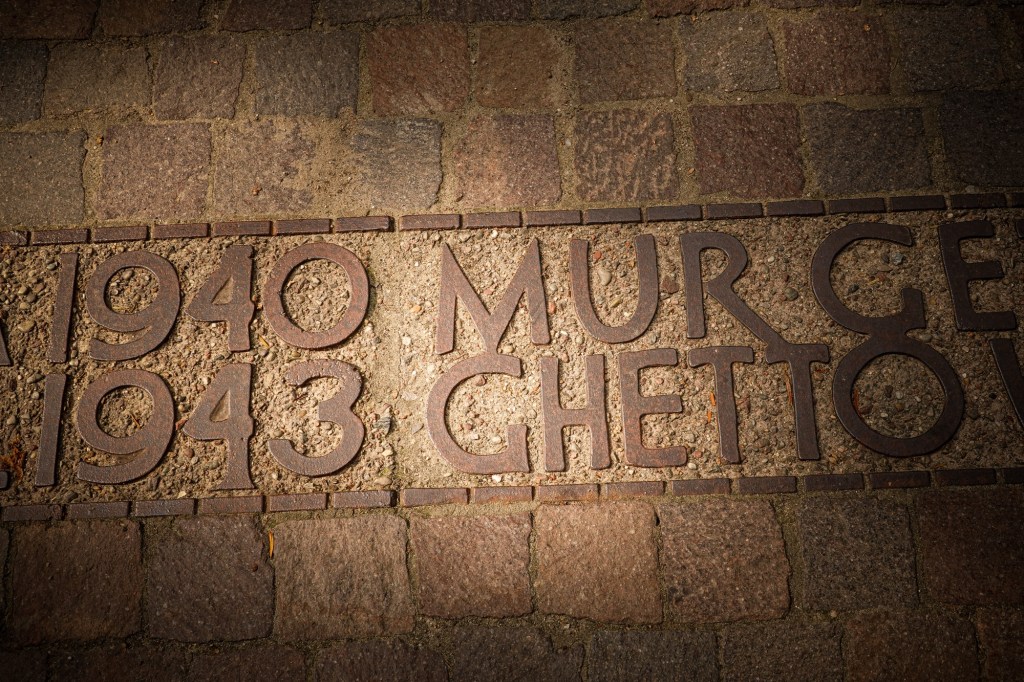
The trip to do laundry takes us passed one of the gateways to the Warsaw Ghetto of WW2. A sobering read. Tonight we watched the start of the Warsaw Uprising Race – 11000 runners doing 5 or 10k starting from 8:30pm.

On a lighter note we had an excellent pizza for next to nothing by walking in the opposite direction from the Old City to a place where people live. A wee dive of a place. Great value and a change. We then spent almost twice as much buying a coffee in a Caffe Nero. Oh well.

Tomorrow, tourist things, on a rest day.

D11 Trans Europa Lomza – Pultusk

Pultusk is one of the oldest towns in Poland. I read this on one side of a noticeboard in English whilst Barbara was using Google Translate on the Polish side. I promised not to say anything: I haven’t spoken to anyone about it.

I confess not to have heard of its most famous recent person: Krzysztof Klenczon. He was a pioneer of bigbit, a 1960s music scene made up of rock and rolljazz, and twist groups in Eastern Bloc countries. The term was coined as the name “rock and roll” was not approved by authorities in these nations. There’s a statue memorial (he died in Chicago hit by a car in 1982).

Situated on the River Narew. It claims to have Europe’s longest market at 380m. True or not, it’s a fine cobbled open space. No market today, just icecream – waiting for the Warsaw visitors who have this a favourite destination.

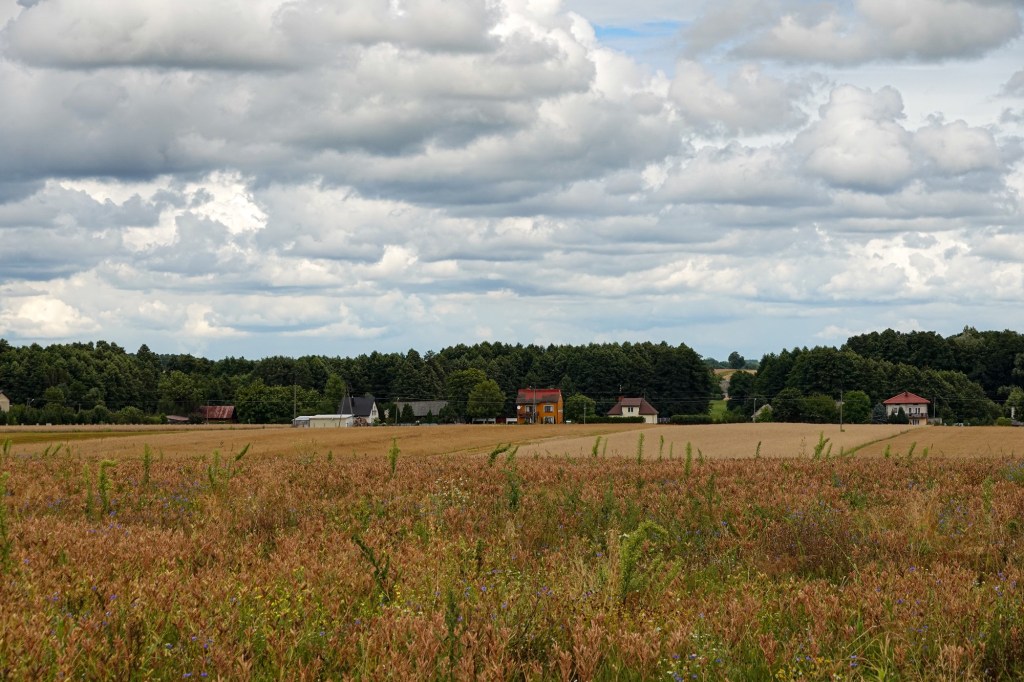
Getting here was a delight. Again through fine cultivated farmland: the frequency of settlements is increasing and we are seeing a lot more people. Great to see folks of all ages cycling for normal things – like shopping and going to work in the fields.

Tomorrow to Warsaw.