TransOcenia Foster Restday

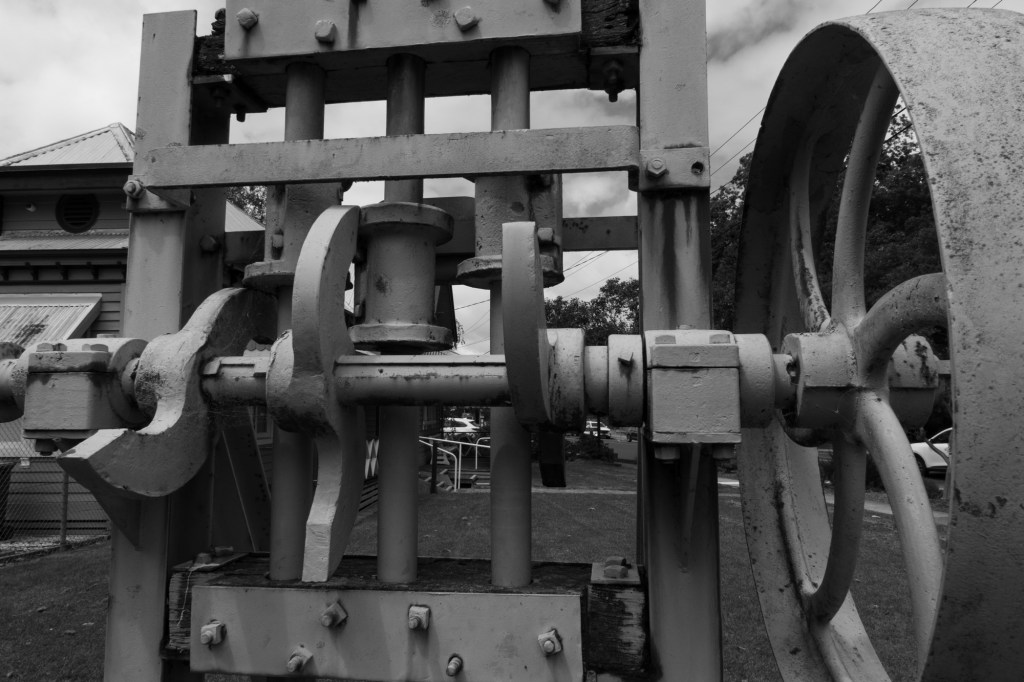
It started as Stockyard Creek. It had a stockyard. Gold (alluvial) discovered in 1868, 200 miners had arrived by 1872 and, in the next 8 years, 3 tonnes of gold had been extracted. Various operations continued on a diminishing basis until 1950. The creek still flows, most traces of mining gone. Judge Foster lives on in his town of 1200 people.
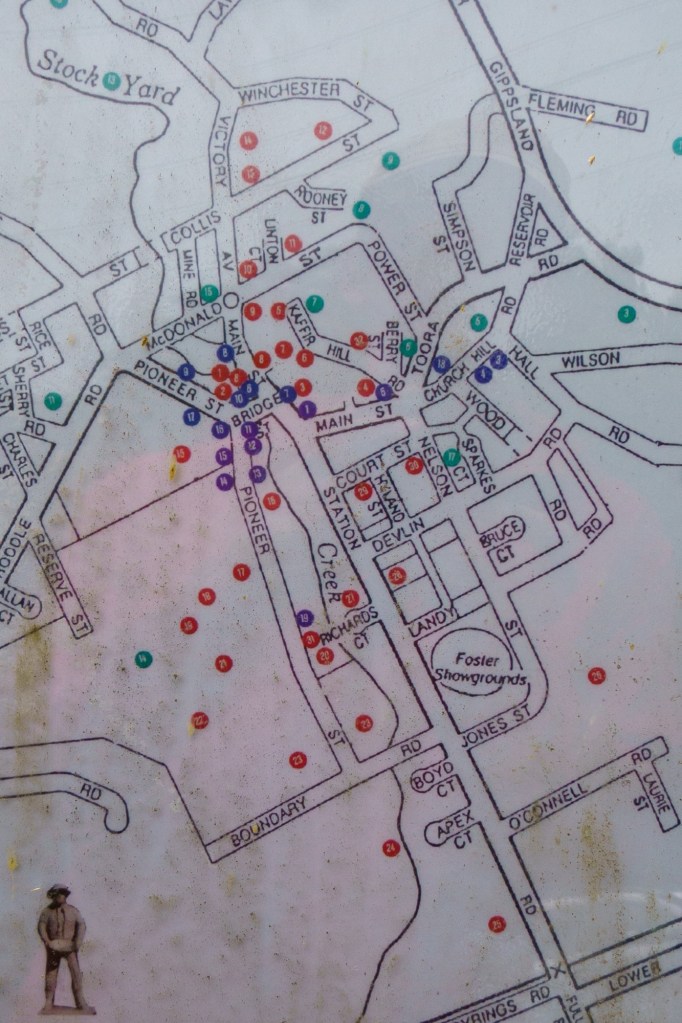
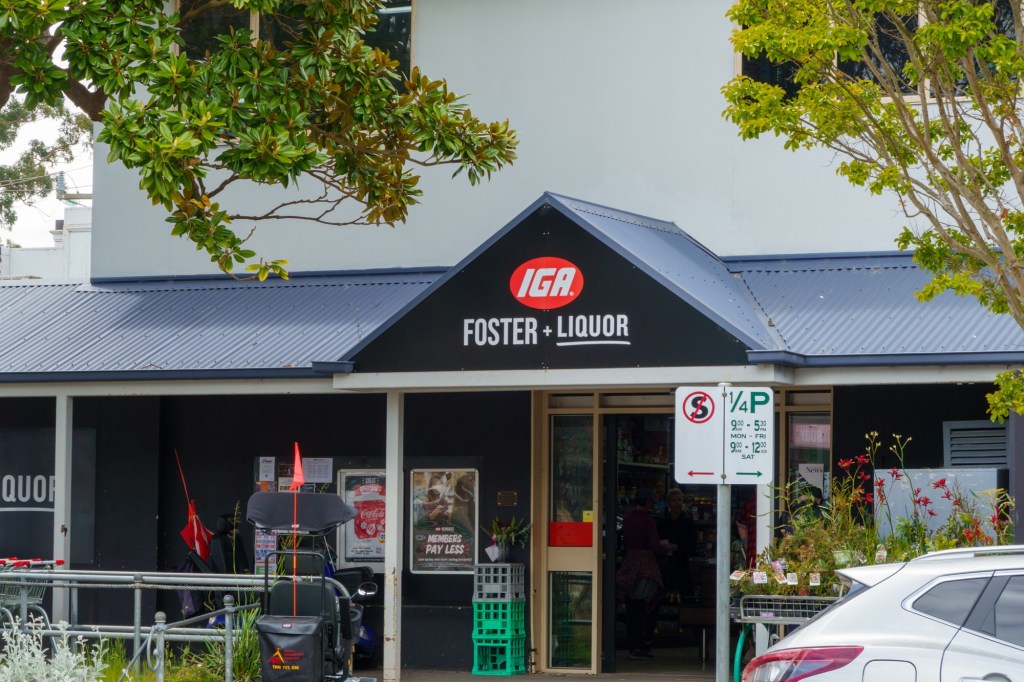
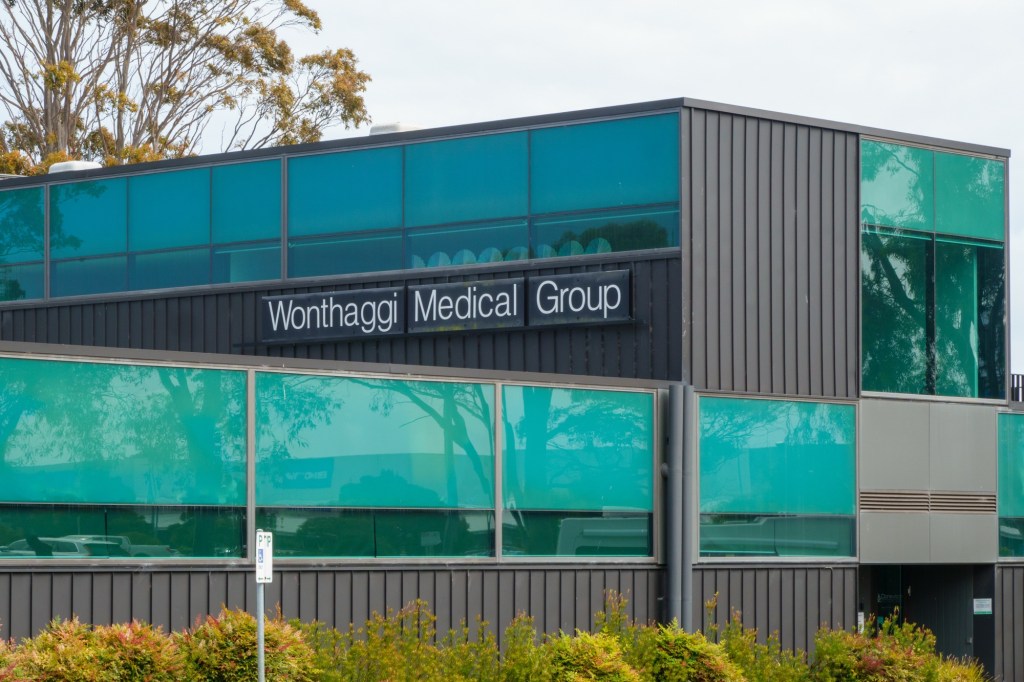
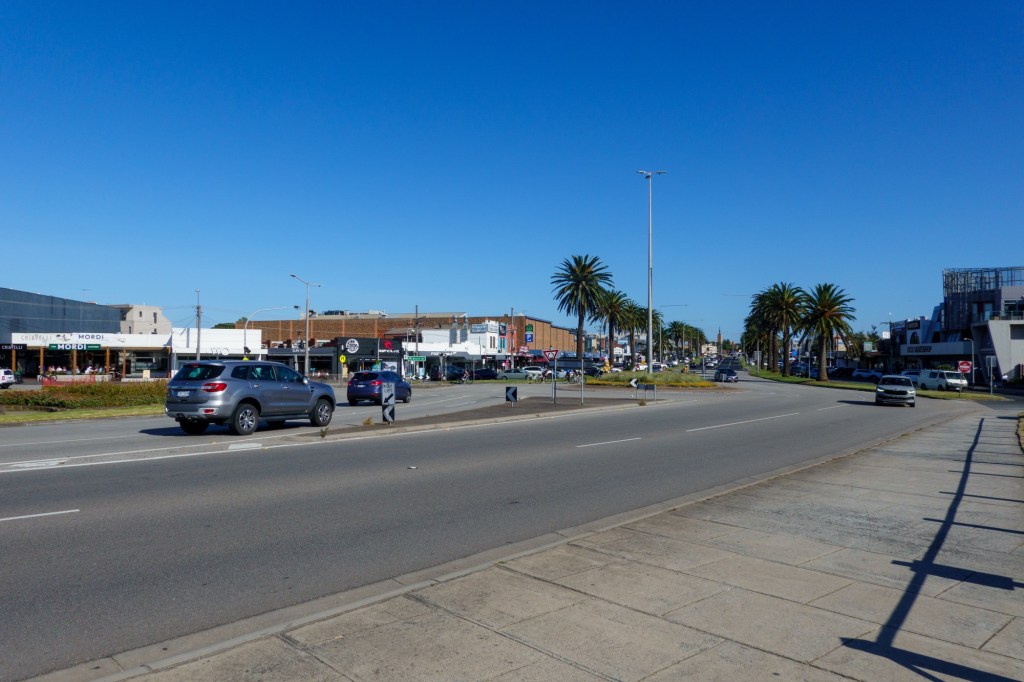
It’s an entry point for the Wilson Promontory National Park and other South Gippsland tourist attractions. By way of illustration about rural towns: it has an IGA (found everywhere, a supermarket chain selling brand and own-brand products); a BP garage – they have been the most common, with fuel about 90p/litre for diesel or petrol (varying wildly); a medical centre with various services such as oesteopath/meditation; pharmacy; cafe(s); hotel. This town seems to be a service centre for the county with a police station, hospital and fire station.

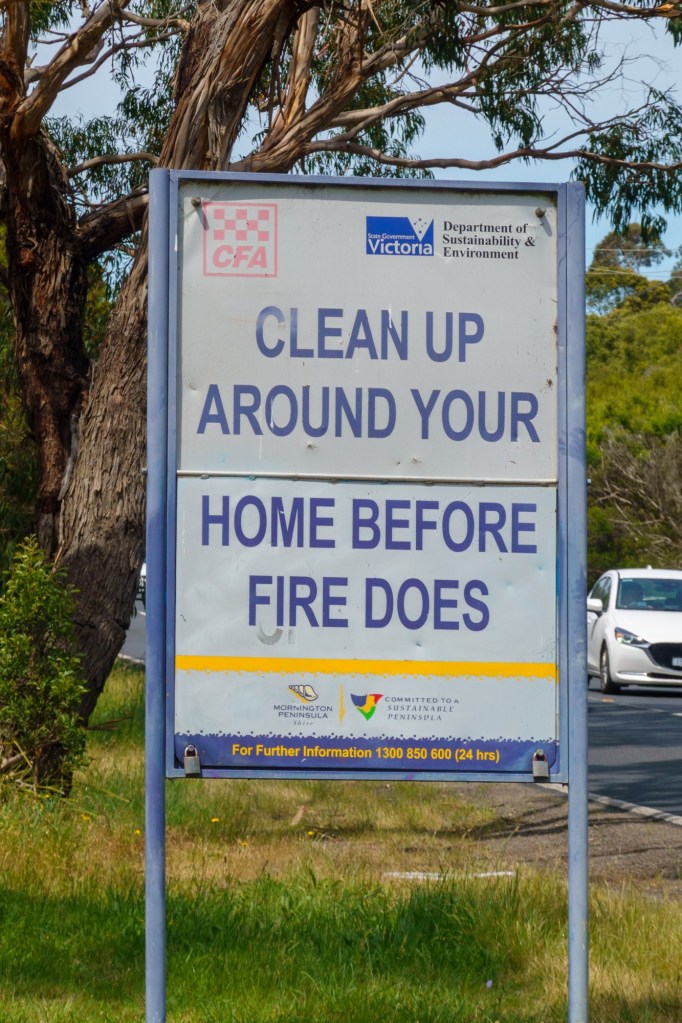
The hotel is the last remaining, opening in 1871 and rebuilt after the bushfire of 1905 which burned the town down. Easy to forget the reality of the constant risk: since 1851 bushfires have killed 800 people and billions of animals.

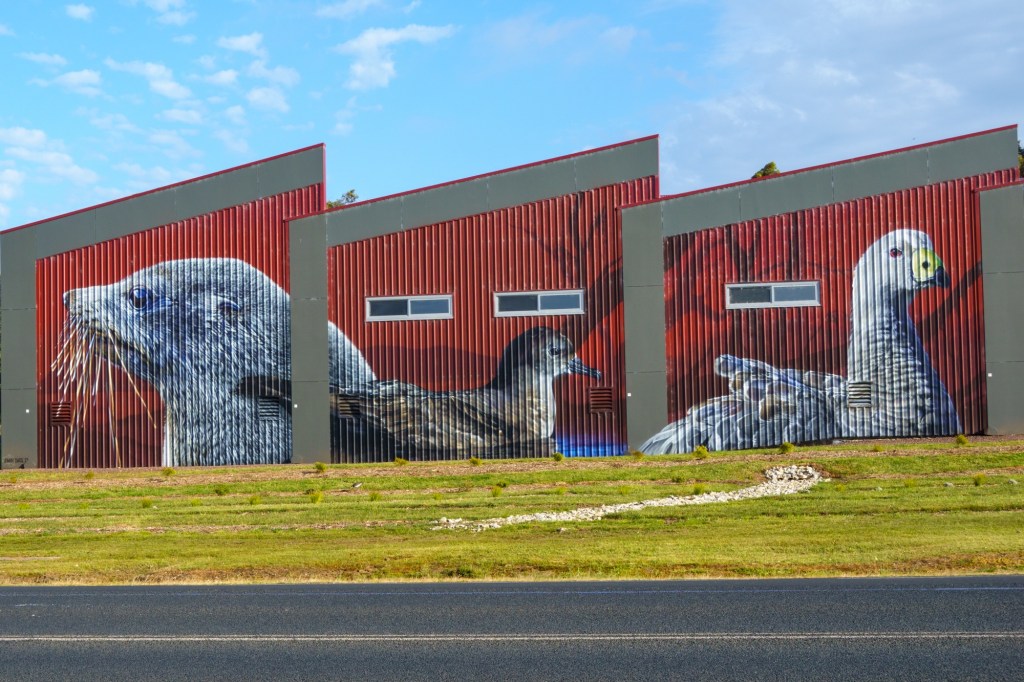
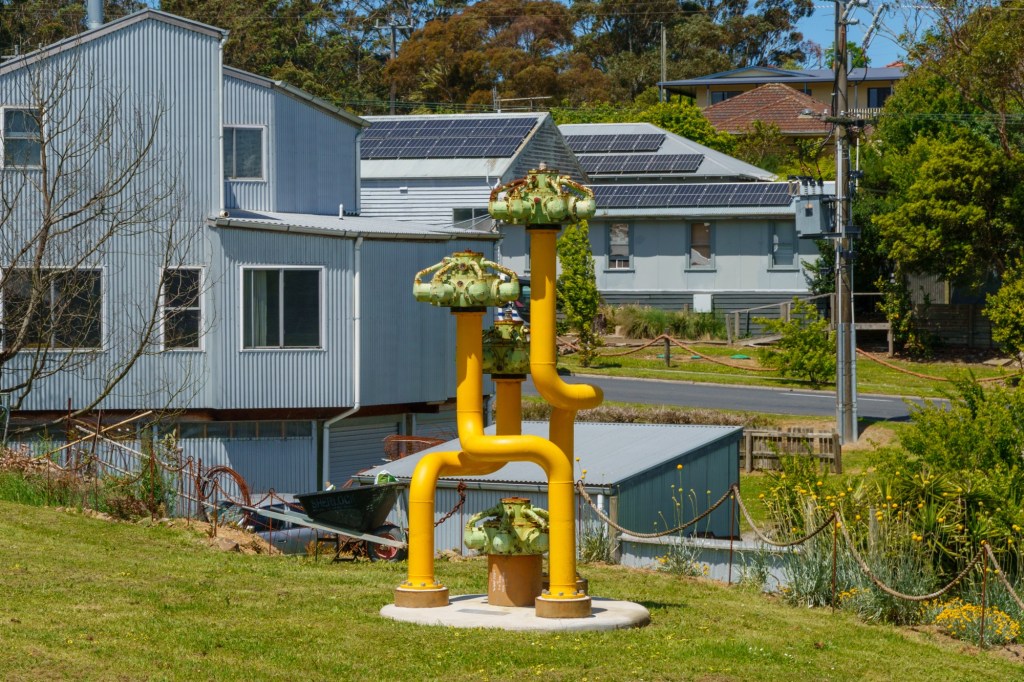
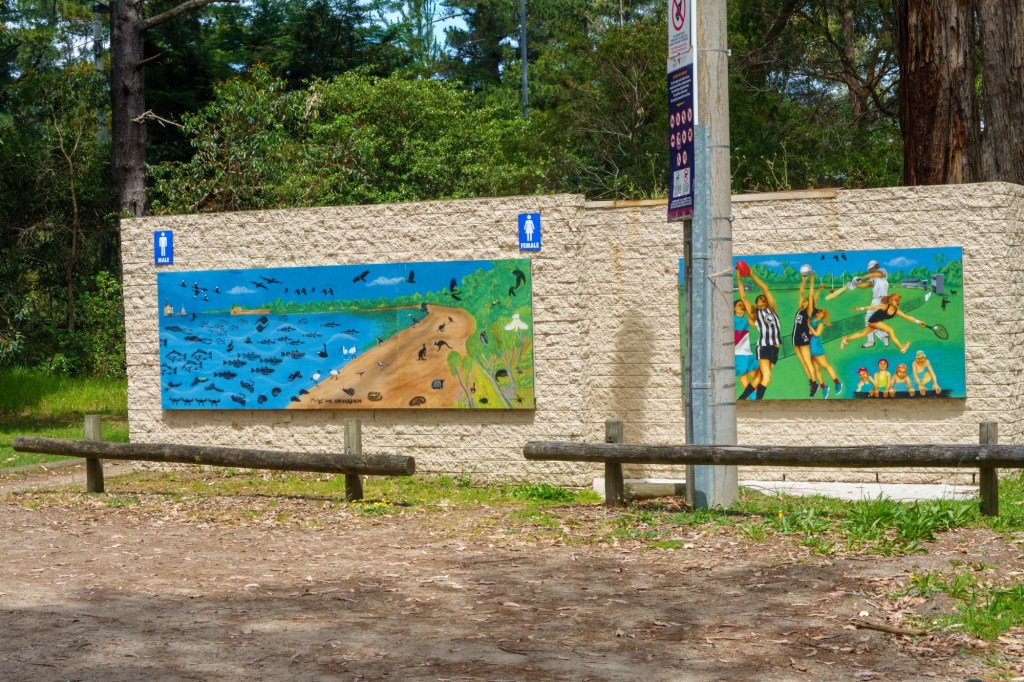
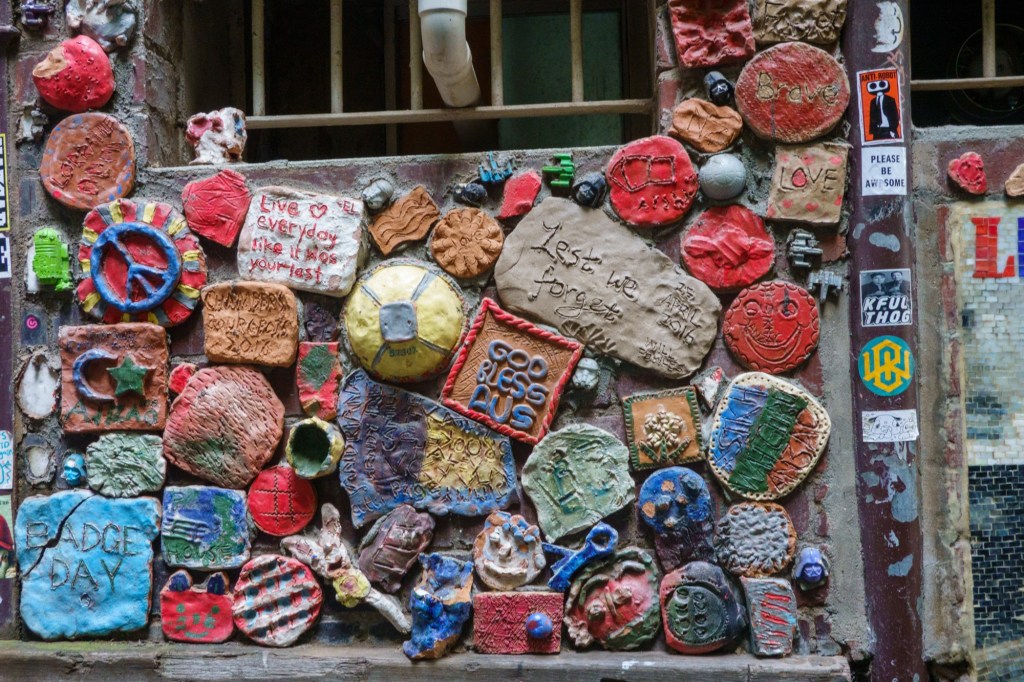
There seems a arty theme to these rail towns. A cute series of Art Cubes – small containers – have been dropped outside the community centre.

The other common thread is war memorials – particularly for WW1 and the Vietnam war. Of the 0.5million youngsters, from the general population of 5million, who signed up, 60000 died and 156000 were gassed injured or taken prisoner. Gallipolli seems a strong memory – killing 9000 Australians ( 45000 in total for the Allies and 87000 Ottoman soldiers). Churchill’s military second front disaster hasn’t won any Oscars. The real shame is the memorials are living monuments, added with names of recent conflicts – never mind the cost of PTSD to all soldiers across the world.

Tomorrow we rejoin the railtrail for a good while, then continue to Sale on this leg to Canberra.
D25 TransOceania Cowes to Foster

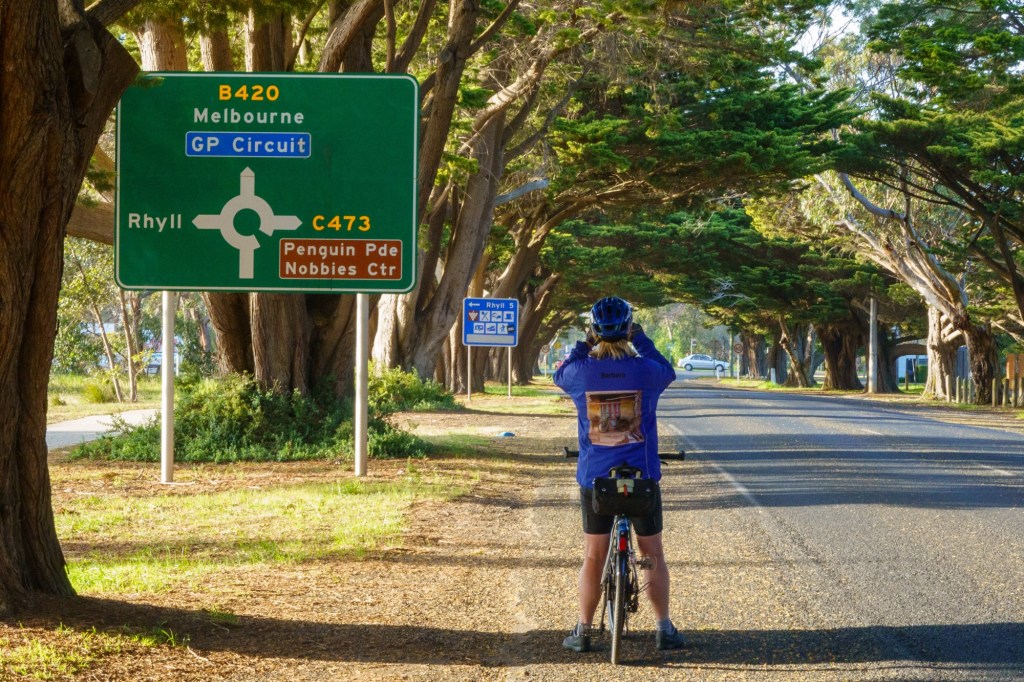
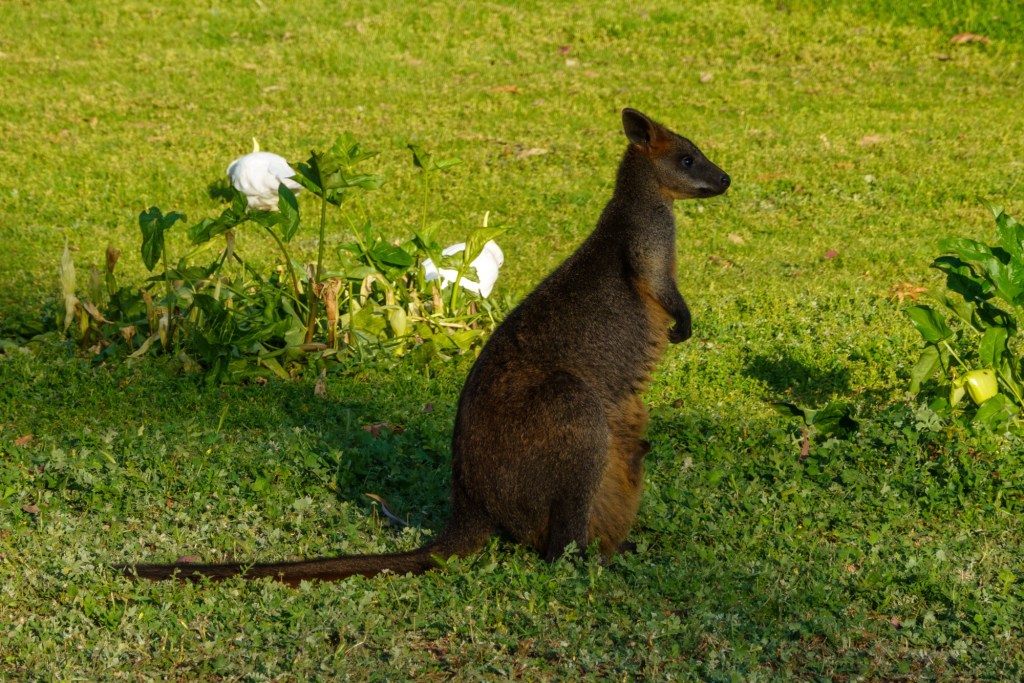
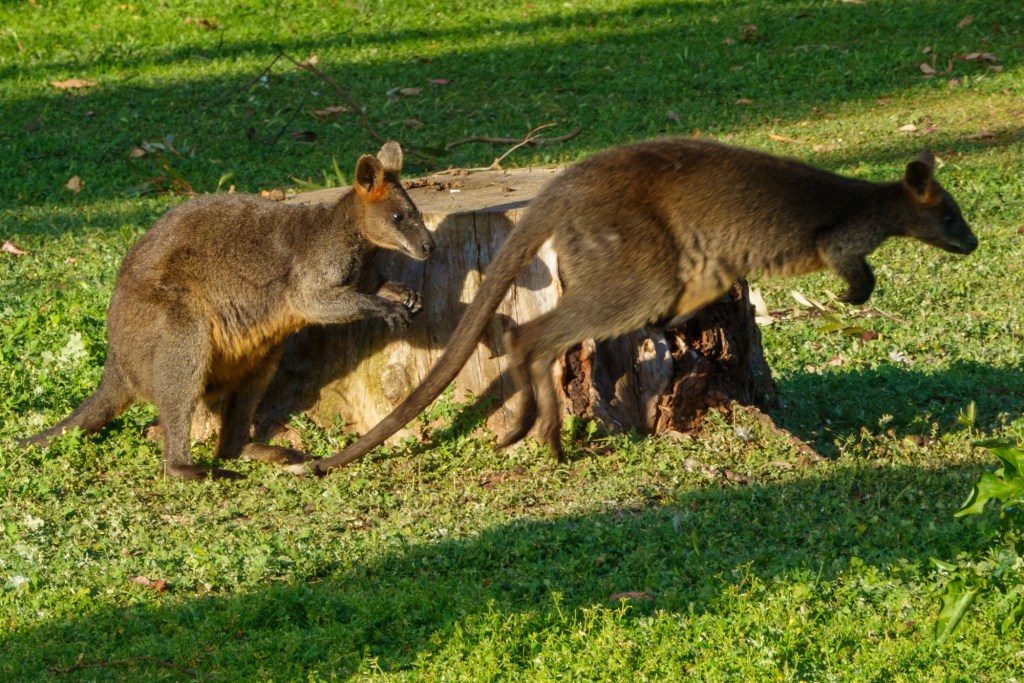
A delighful day: leaving Cowes and its 1km avenue of early 20C cypress trees (Van Morrison avenue?); Rhyll and Ventura and; other place names full of imagination behind, we head off Phillip Island. Not before spotting wallabies by the dozen – in a park and used to people so very photogenic. Hopefully vehicles stay on the Grand Prix circuit else they’ll be in the sea.
Which we’d be if the wind over the bridge had been in the opposite direction. Today we had a lovely tail wind to enjoy as we tootled along some rail-trails. Wonthaggi disappointed – here’s me thinking it was named by a homesick Scot; it’s the Aborigine name. Coffee was great though, so not all bad.
Fish Creek is misnamed as the made butter here. Granny Cashin creek is open to interpretation. The former is a fun wee stop on the segment of the wonderful Great Southern Rail Trail. A 130 km line dating from 1892 until closing in 1994. “It was important for the settlement and development of the area, particularly through providing transport to Melbourne for the coal, timber and dairy industries.”

The bulk of today was on well surfaced ex railway lines and cycle tracks which encourages use. Great.

D24 TransOceania Melbourne – Cowes

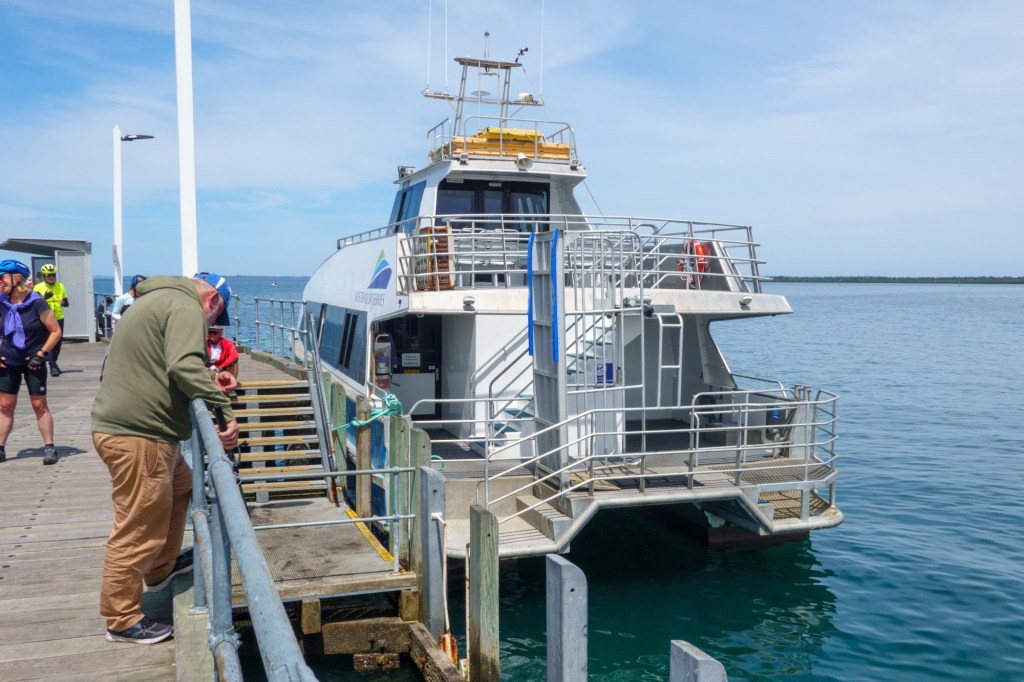
Cowes on Phillip Island is a holiday destination, 70% of the properties are second homes for the poor folks of Melbourne. We reached it on a cute 45 minute (that means smooth) small ferry crossing.

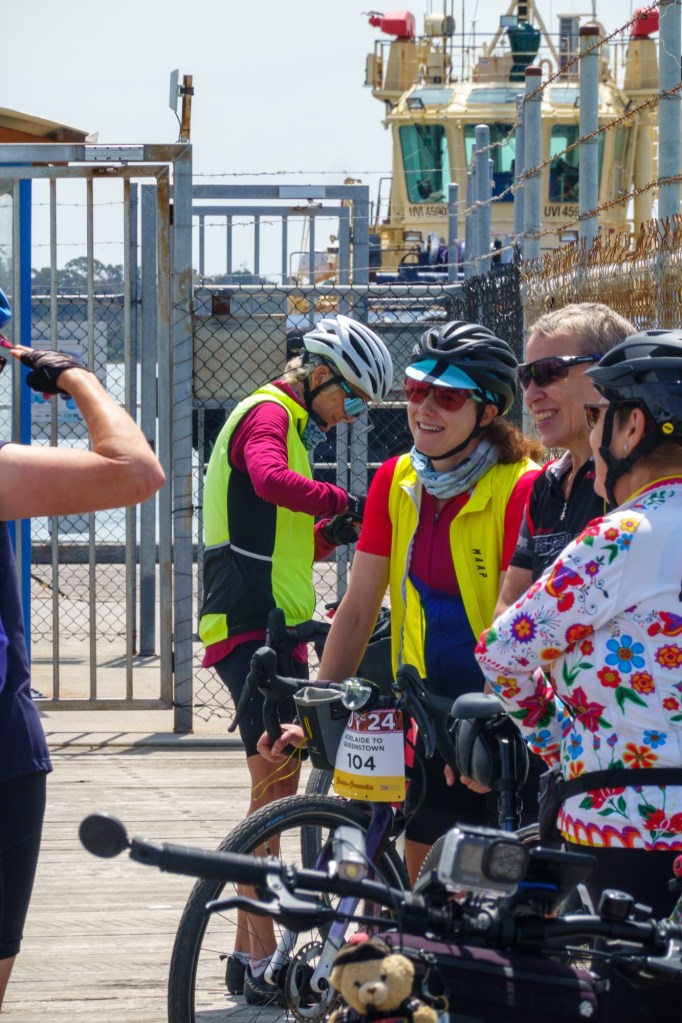
Being a holiday weekend places are busy. We left Melbourne early (7:30ish) and peletons (many thereof) of cyclists were already hoovering down the Bay road. We were on the bike path, adjacent to the walking path. With frequent toilet blocks, gratefully accepted.

54km of cycle path before joining a road, so plenty of time to soak in the surroundings. Surburbia extends a long way, supported by the railway transport. The coffee stops were packed with those peleton cyclists – quite right too.

Tomorrow we head to Foster, orginally called Creek. Judge Foster from nearby Sale said in a hearing “I can’t hold a trial in a place called Creek”. So they renamed it after him there and then. No mention is made if this meant a more lenial outcome for the accused/guilty or not (mid 19C).

TransOceania Melbourne Restday 2

1846 Royal Botanic Gardens Victoria

1858 Melbourne Anglican Grammer School

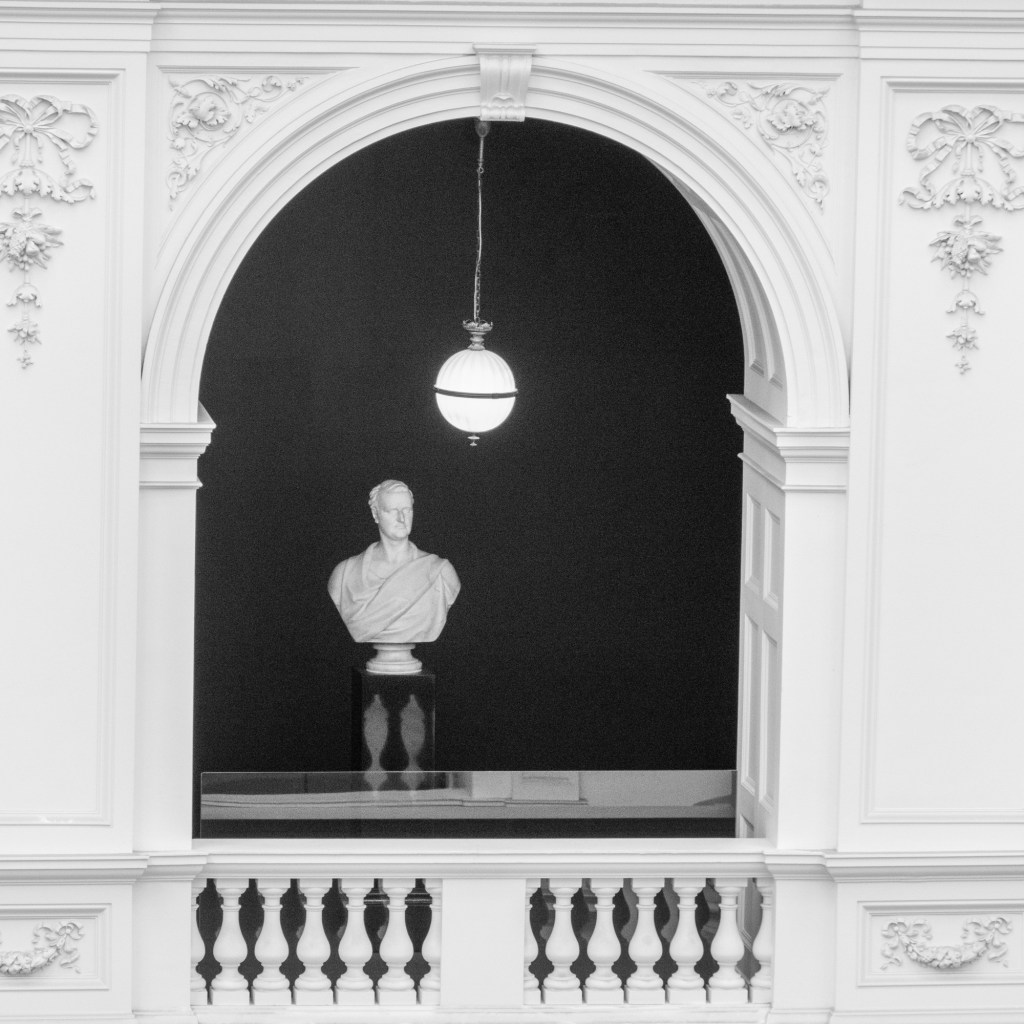
1861 National Gallery of Victoria, Australia’s oldest and most visited art museum.

Seems like a period of development and the colonial establishment getting their priorities in order.

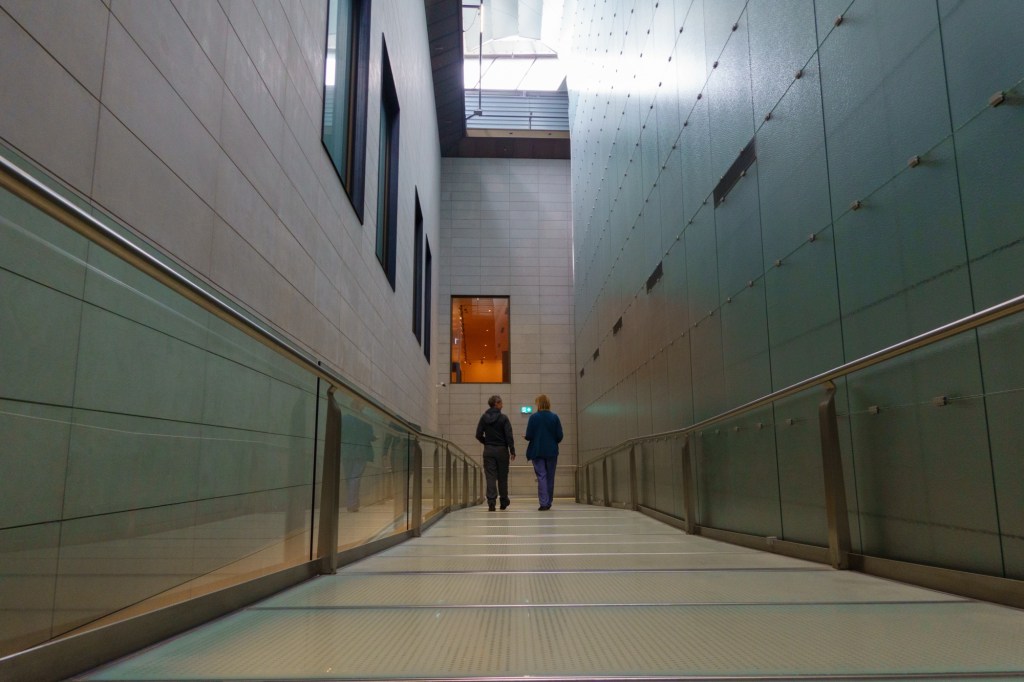
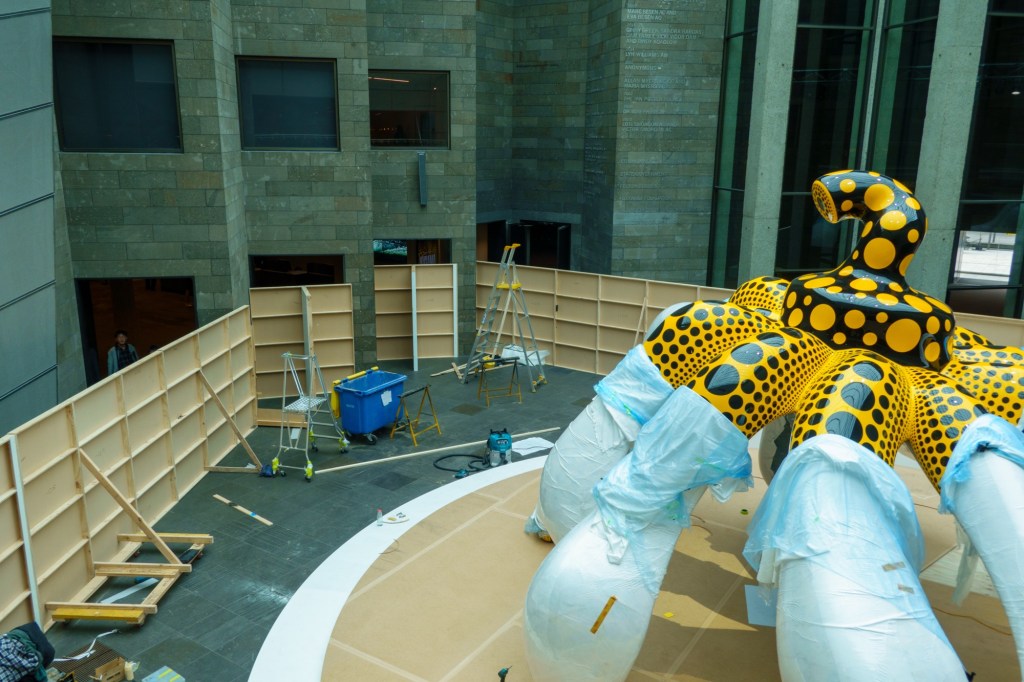
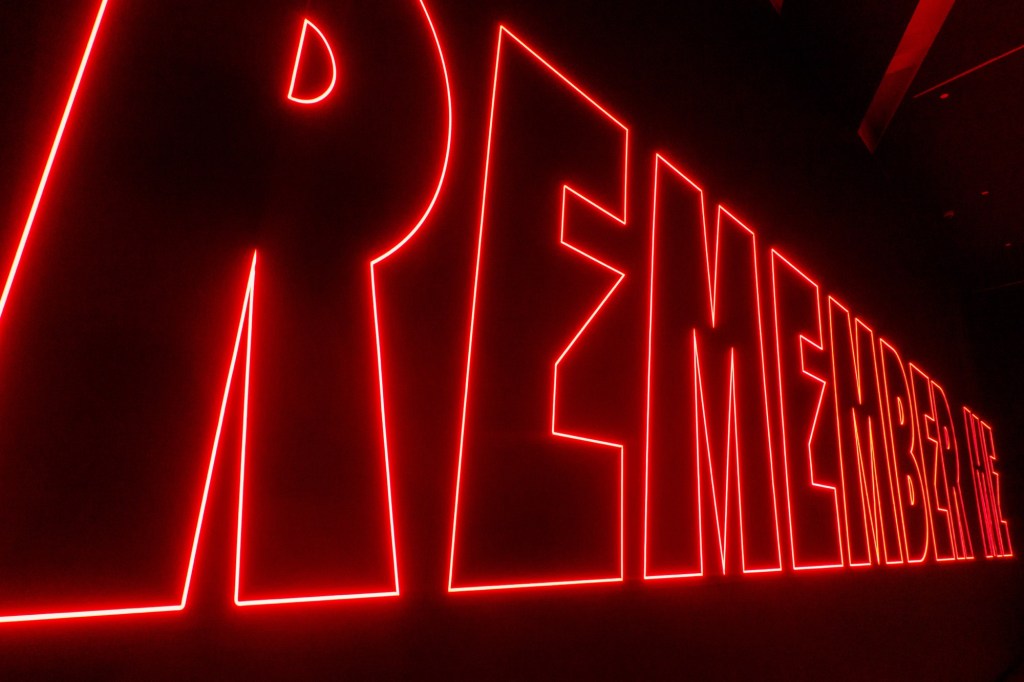
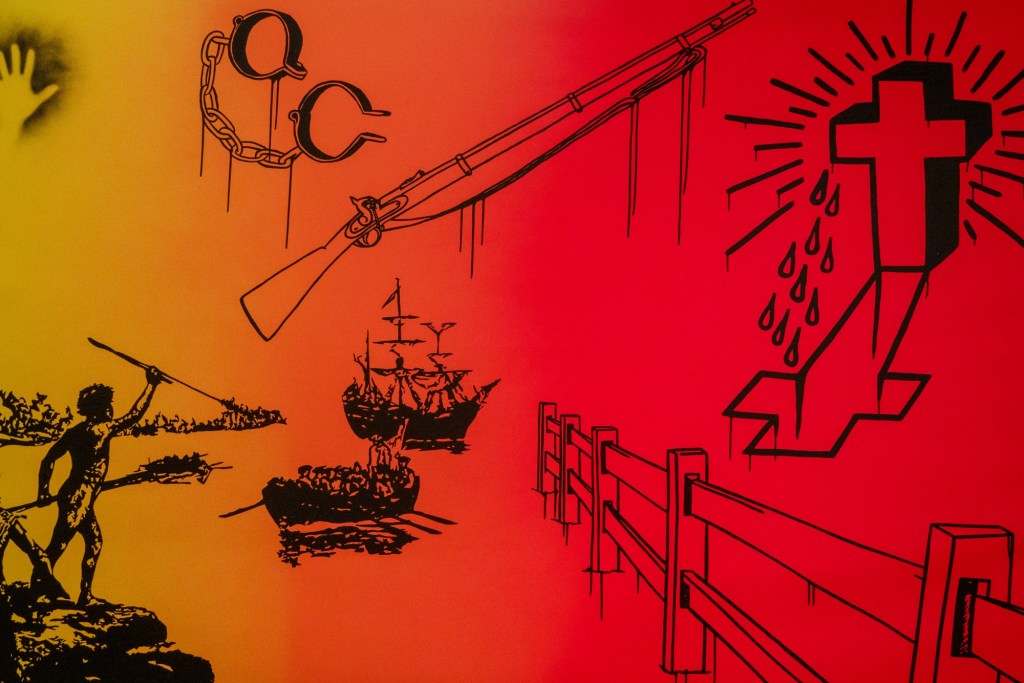
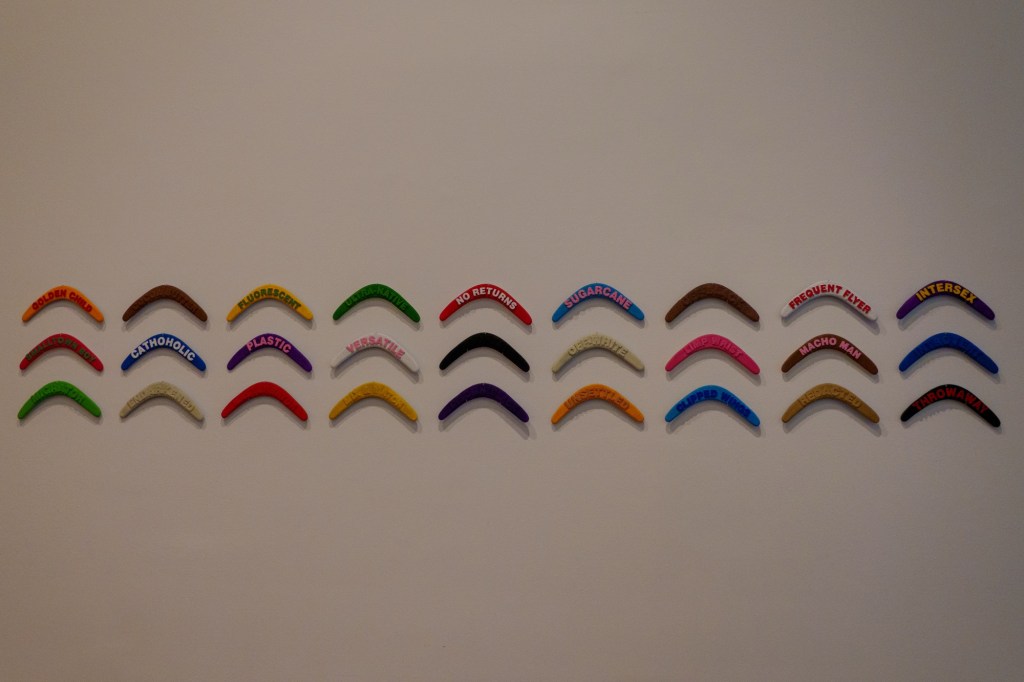
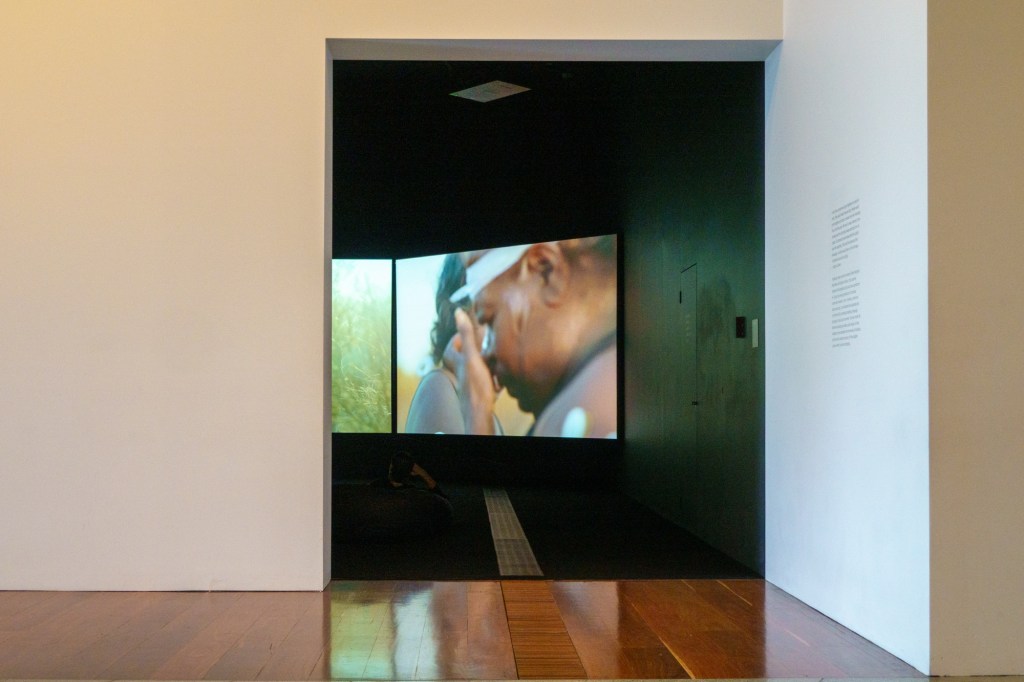
The Art Gallery is split over two sites as we were informed by a helpful fitter ( we weren’t where we wanted to be, as it was mainly British and European old art). The main sight has great modern Aboriginal Art, especially that of Reko Rennie.

The gardens are a well frequented and tranquil place, and like the art gallery, free.

The school is fee paying so we didn’t go in.

New part of grammer schooling

Fine city, only scratched a thin layer.

TransOceania Melbourne Restday 1

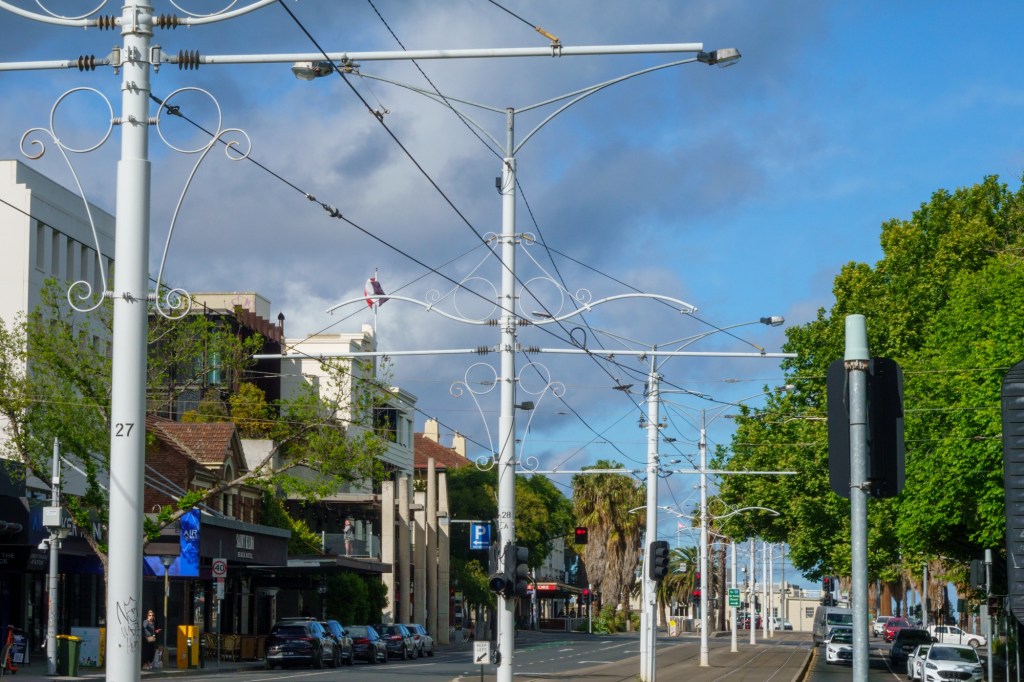
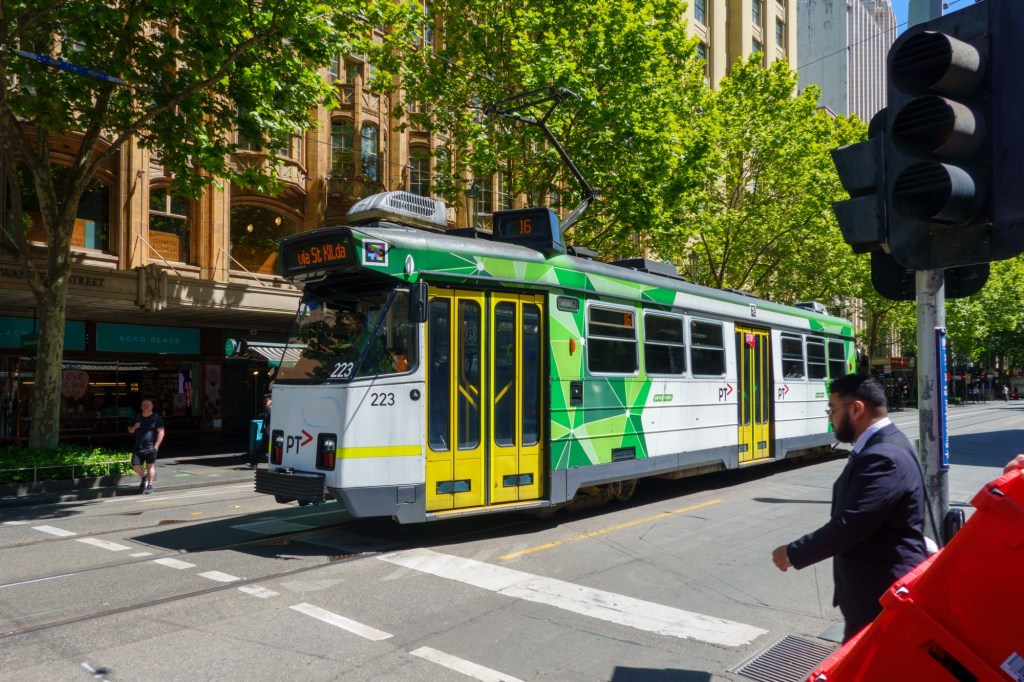
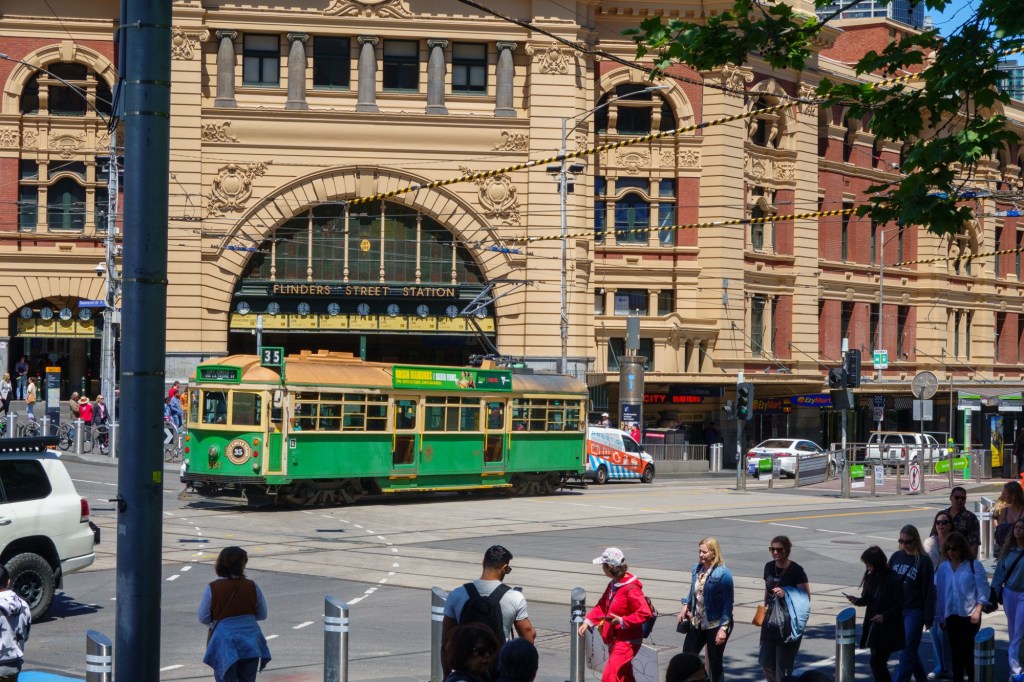
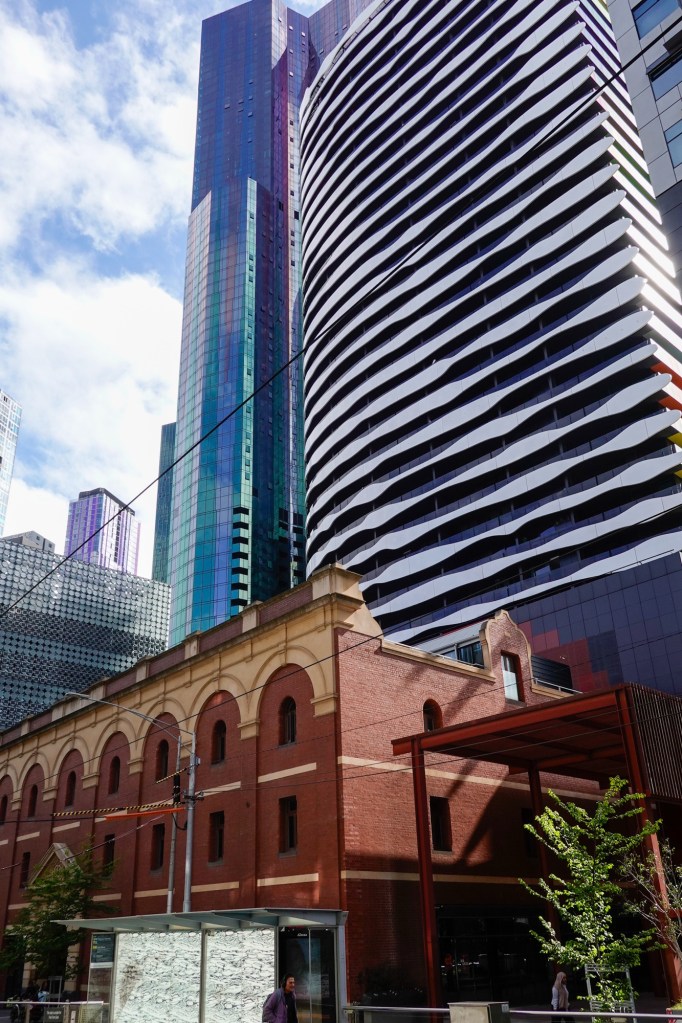
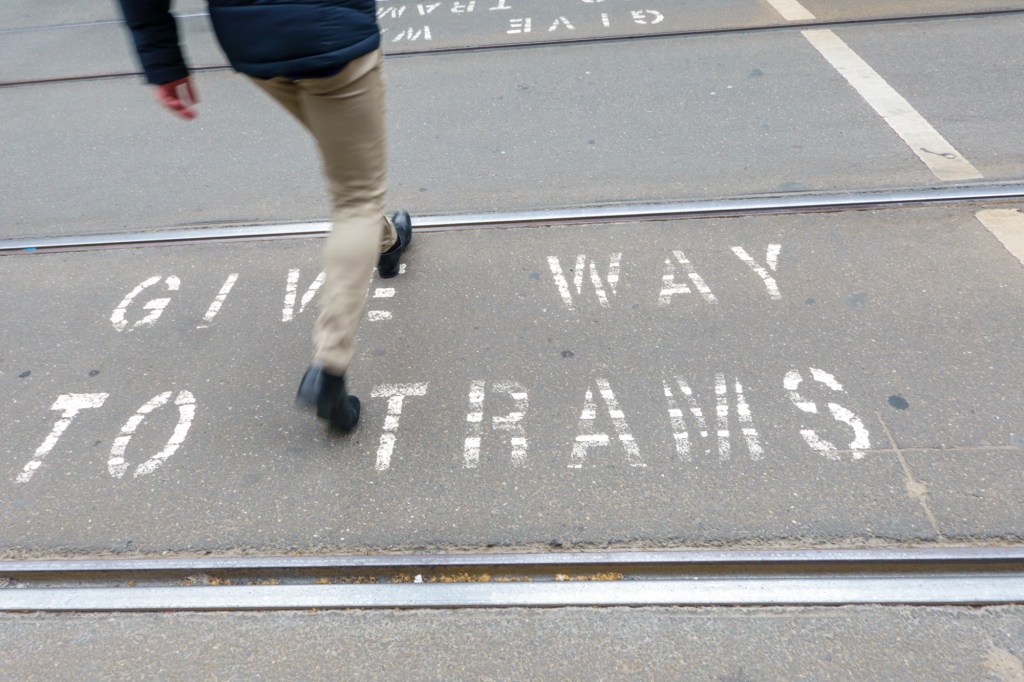
Easy to get around on a marvelous tram system, even if you go in the wrong direction. Makes you wonder why it is so difficult to build new tram systems. This one, the largest in the world with 47 miles of tracks dates from 1855. Rails and an overhead cable: what’s so complicated?

Melbourne started developing from 1850. The discovery of gold, a month after Queen Victoria had adjudicated in favour of the new state (“independent” of New South Wales) and hence the State’s name, gave it a boost.

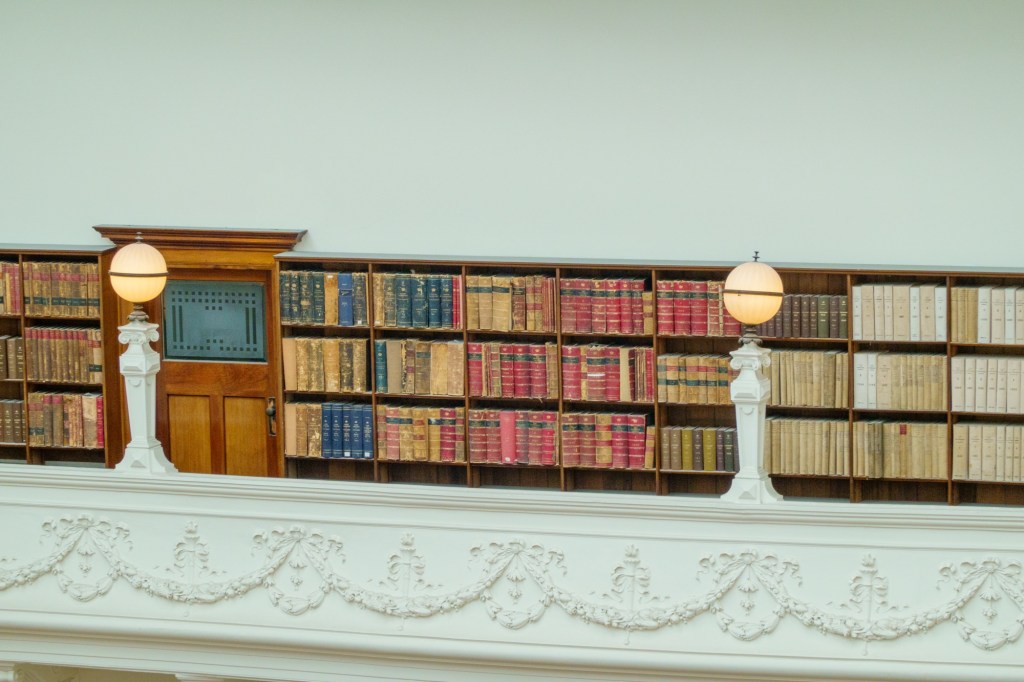
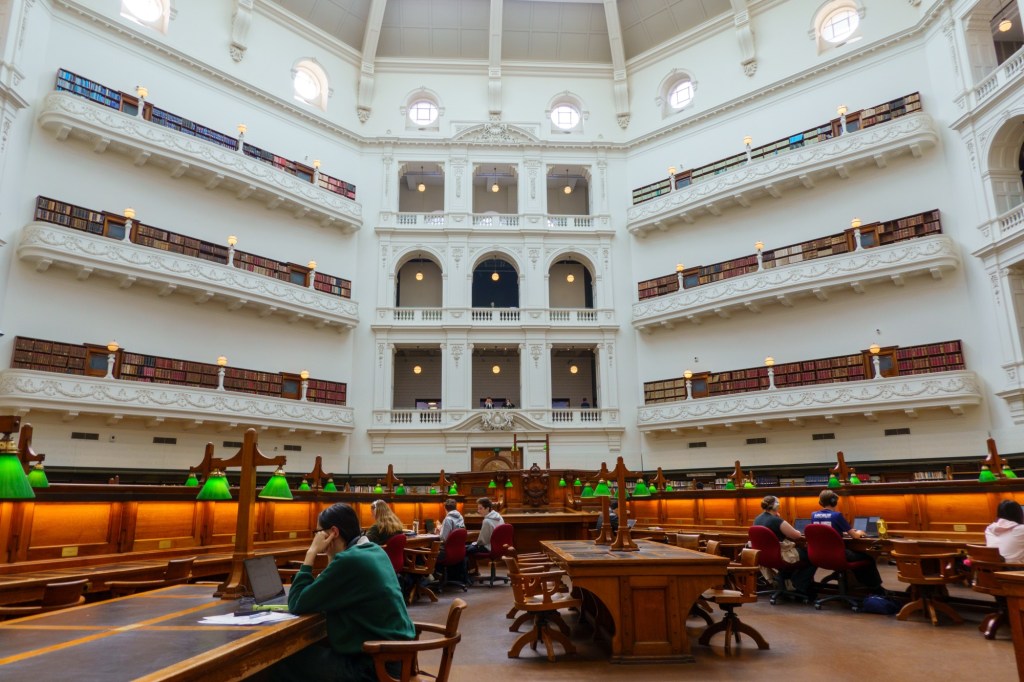
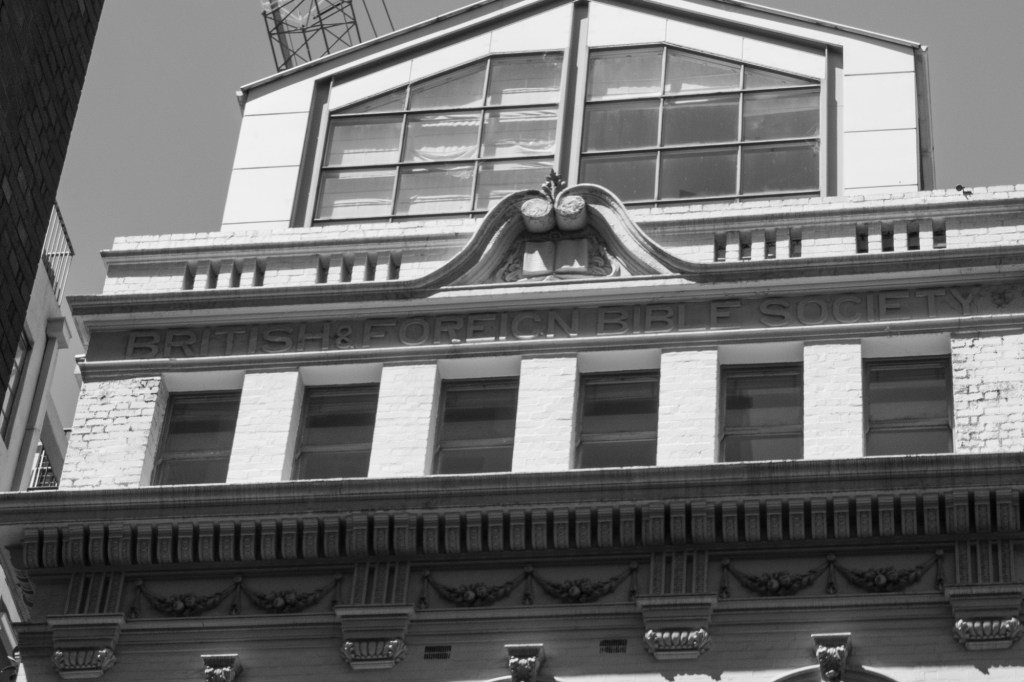
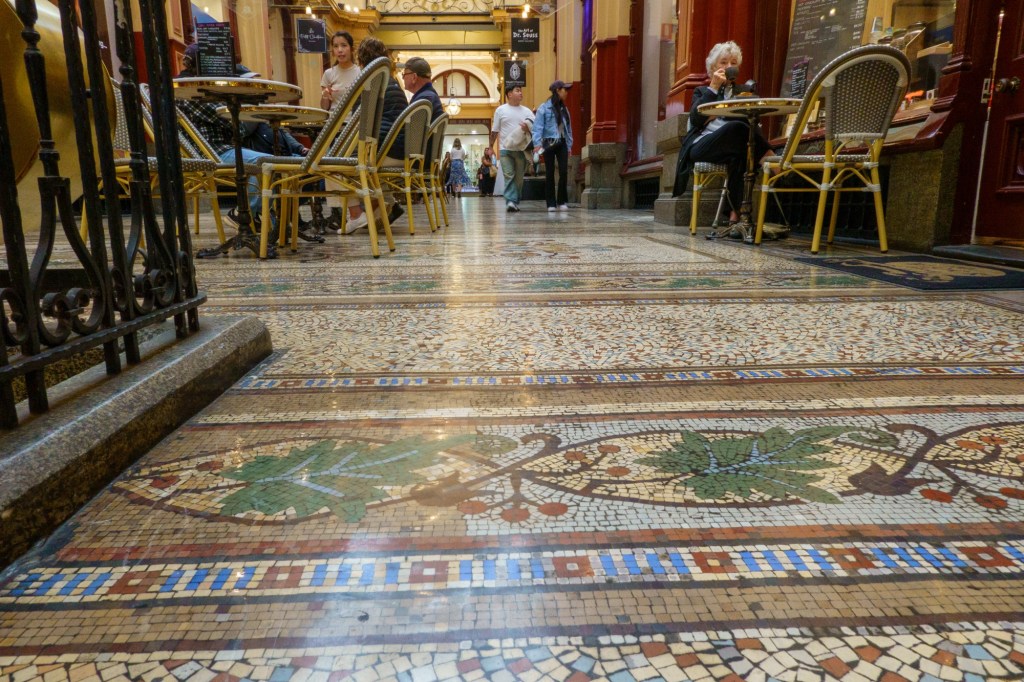
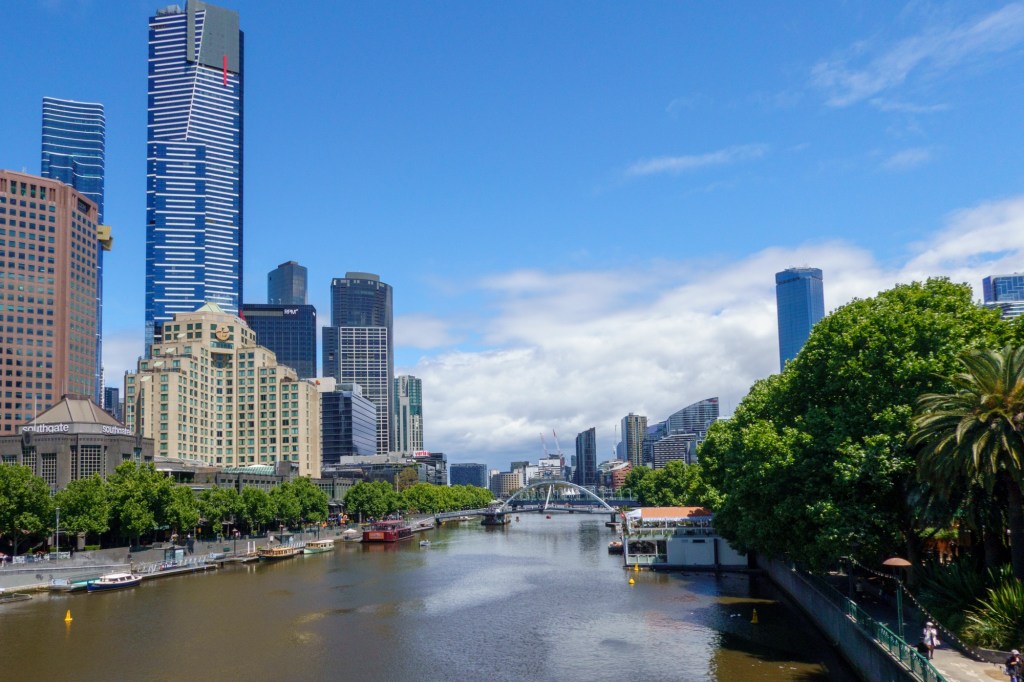
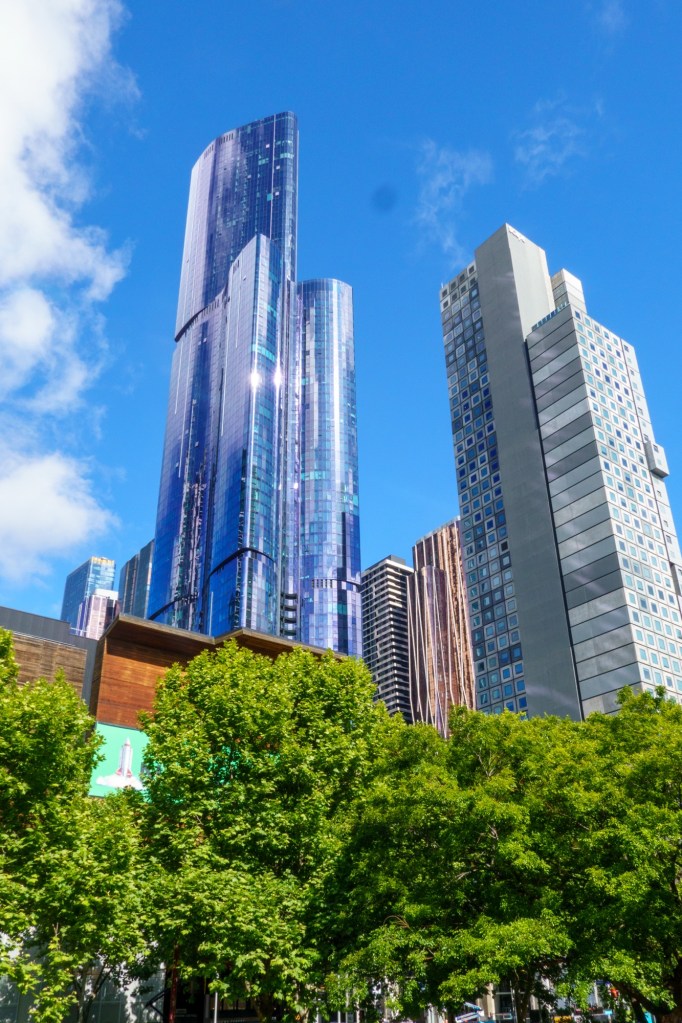
Institutions followed, such as the magnificent State Library. Arcades. Universities. Greeks (the largest population outside Greece and some 3.5% of the population). St Paul’s Cathedral: he must have a hard time getting round them all); dates from 1883 finished 50 yrs later. Today cranes and skyscrapers continue the development.

Many other claims to fame, such as the 8hr working day: “On 21 April 1856 stonemasons in Melbourne downed tools and walked off the job in protest over their employers’ refusal to accept their demands for reduced working hours. This brought the employers to the negotiating table and led to an agreement whereby stonemasons worked no more than an eight-hour day.”

Who am I to quibble? In 1594, Philip II of Spain established an eight-hour work day for the construction workers in the American Viceroyalties by a royal edict. 19th century, Robert Owen in New Lanark in 1817 had formulated the goal of the eight-hour day and coined the slogan: “Eight hours’ labour, Eight hours’ recreation, Eight hours’ rest”.

Melbourne has a history of protest with strong Union and Student movements. Suffragettes; the messy story (hero or villain?) of Ned Kelly whose armour is on display in the Library (founded by the Judge in Kelly’s trial).

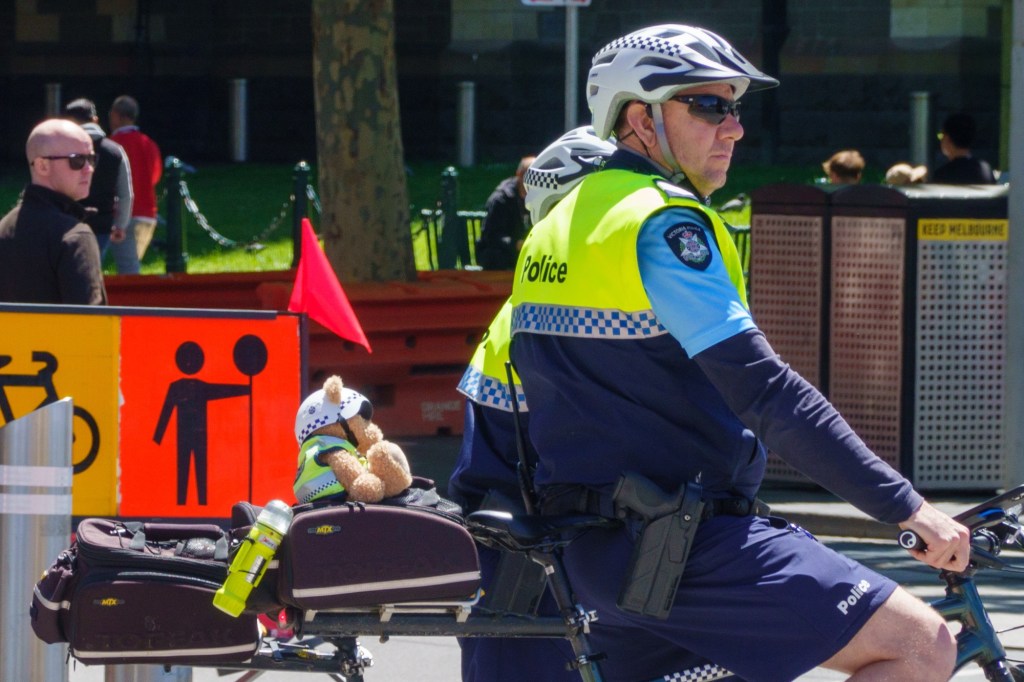
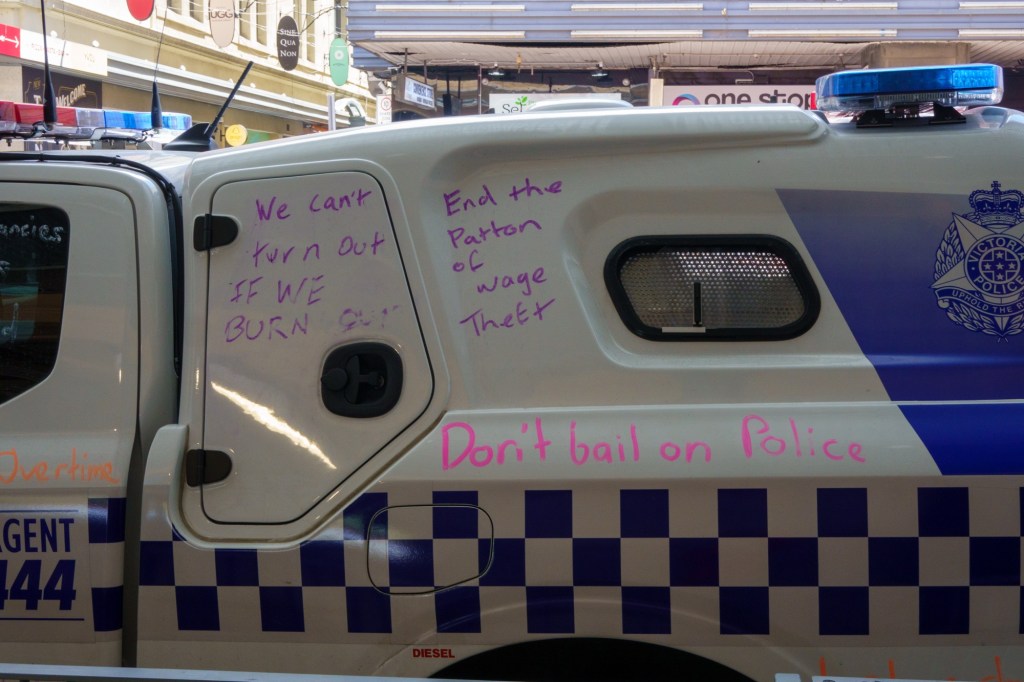
Today finds the police taking what industrial action they are allowed to in a pay dispute. Slogans on their vehicles.

A bustling friendly place, more to see…..