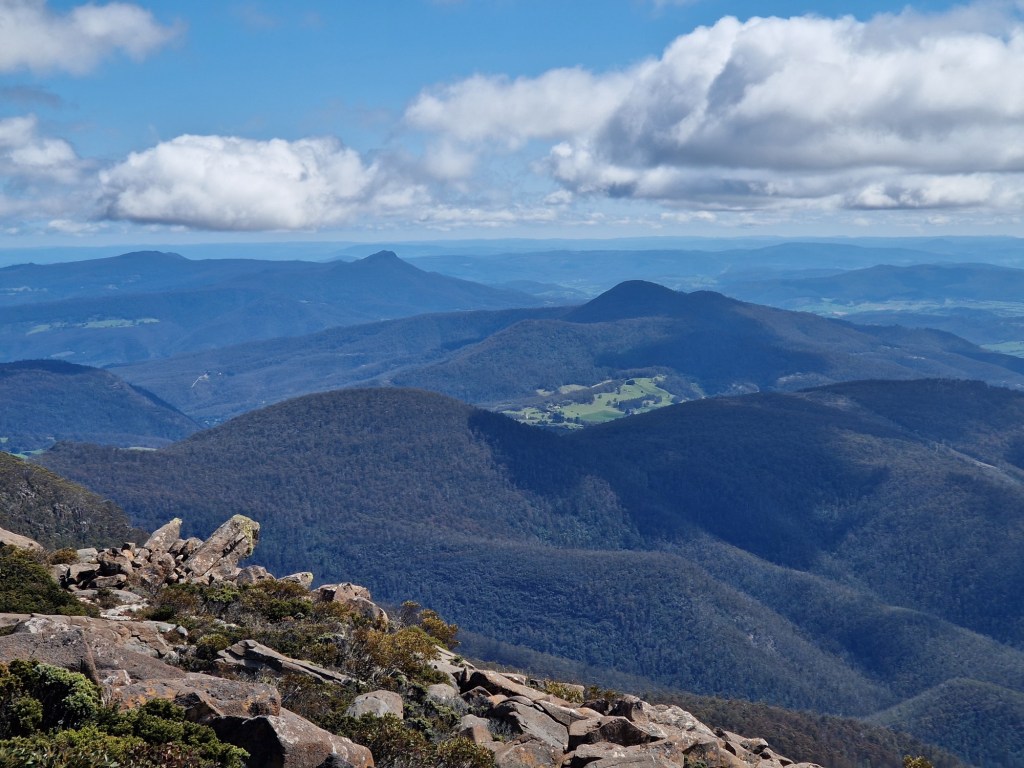
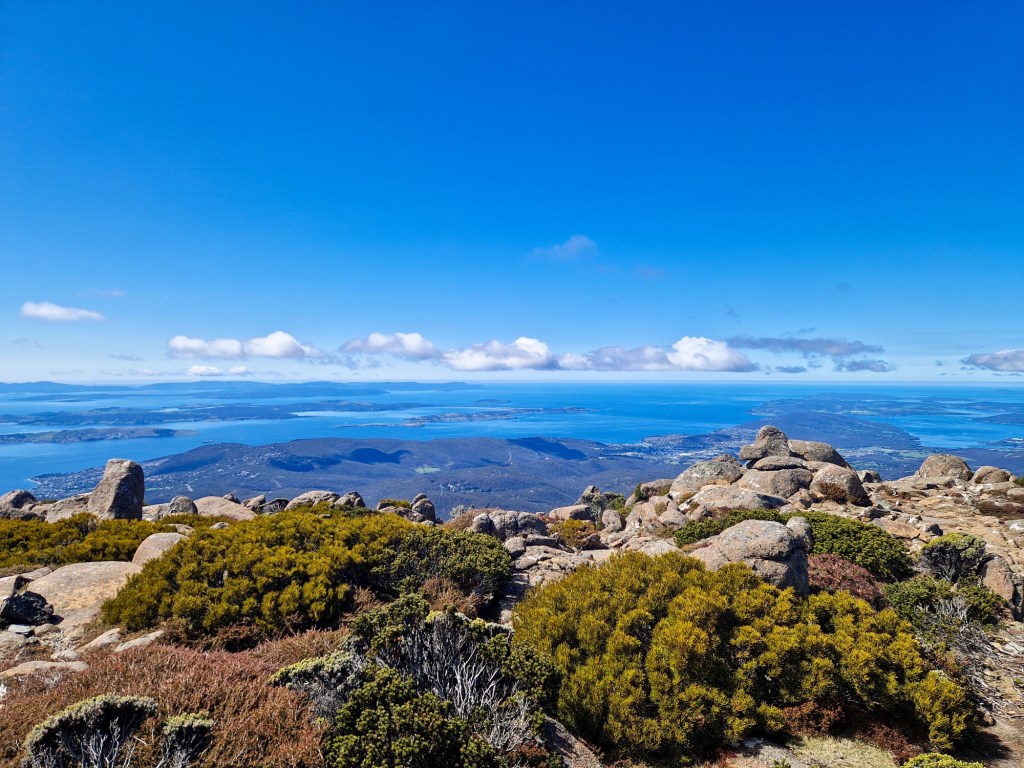
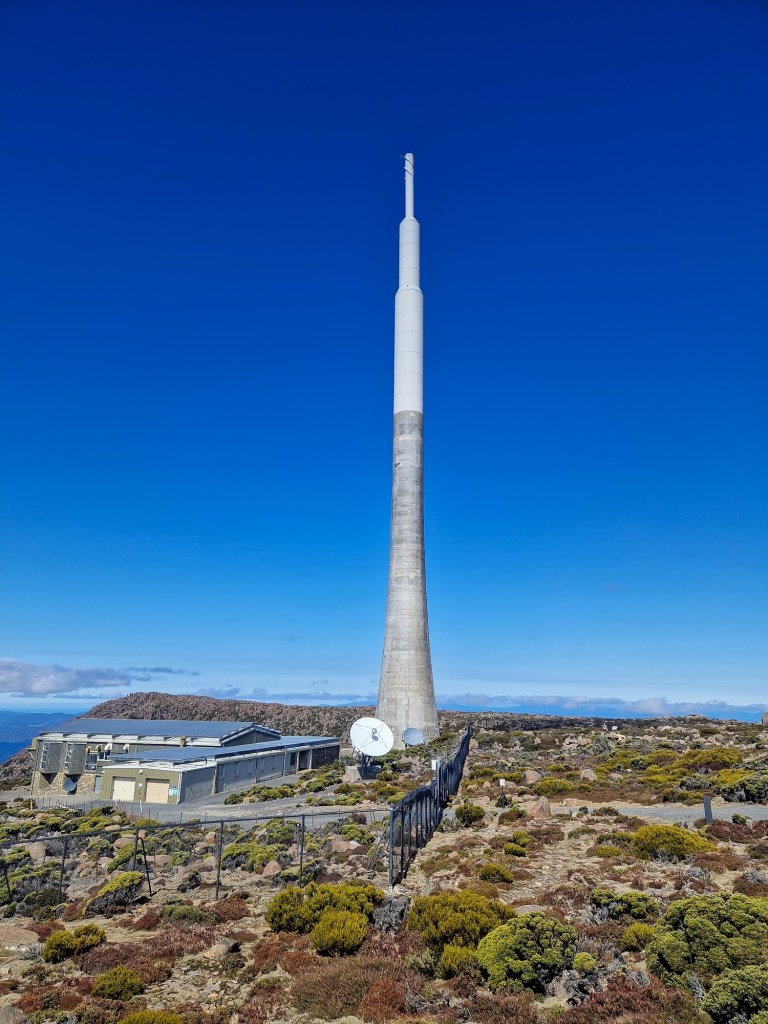
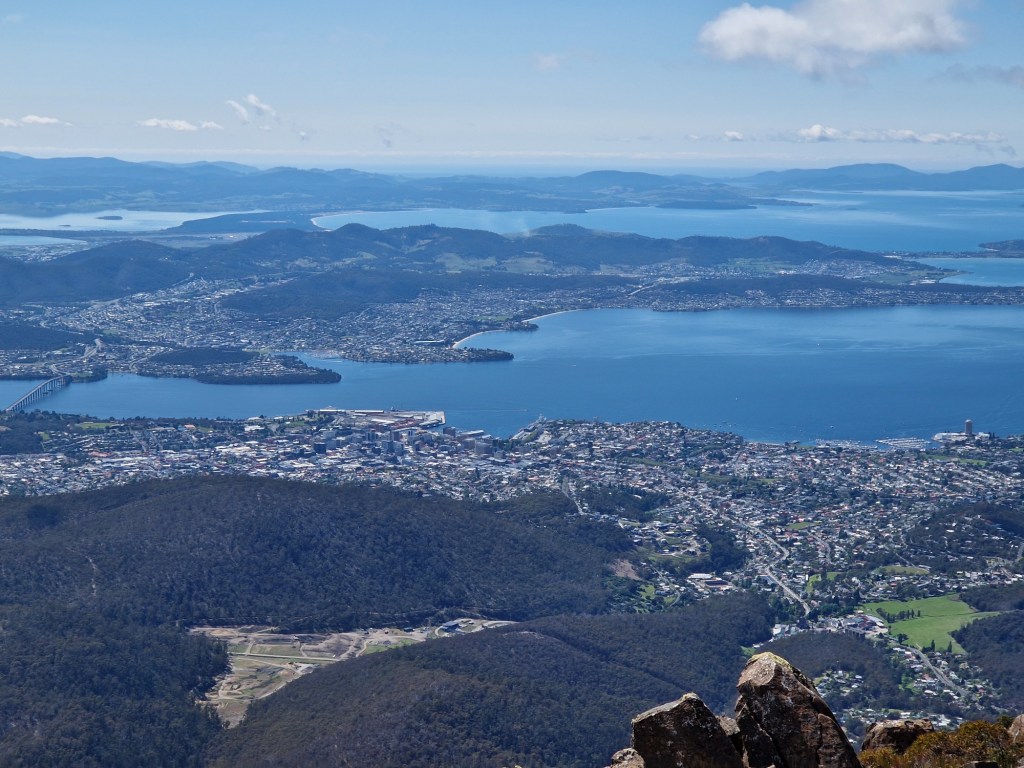
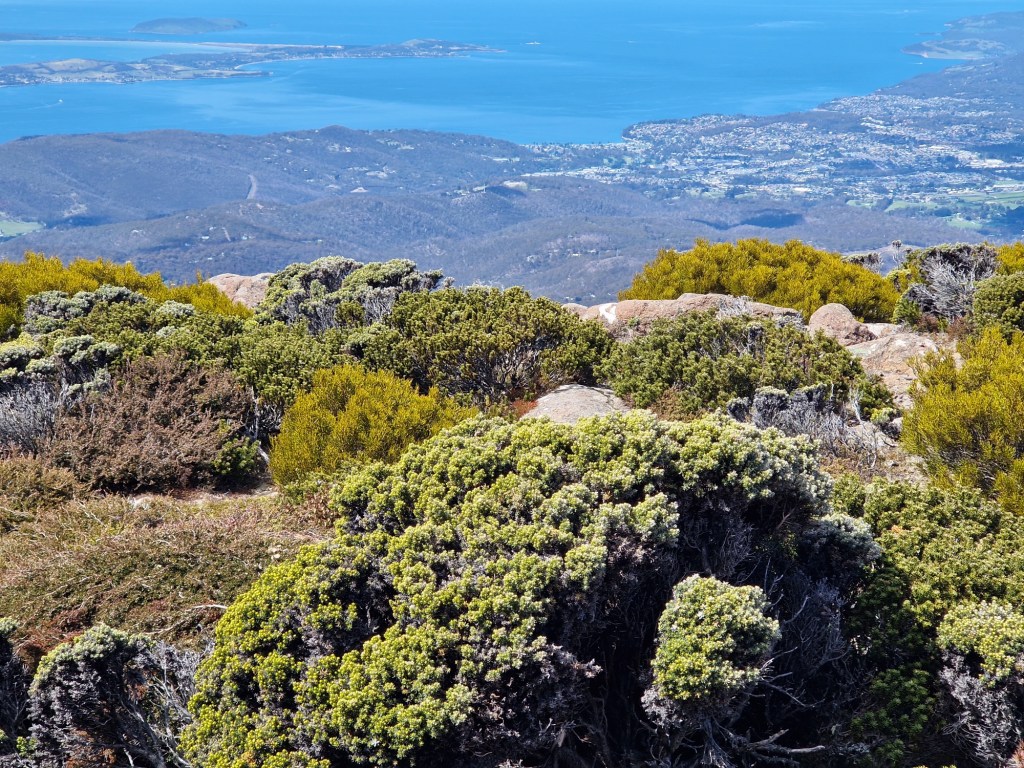
An immediate contrast. No wind. Our host drives us to the top ofMount Wellington. 1.2km above sea level, a steady climb tempts runners and cyclists. The views are impressive and show the scale of Hobart relative to the land.
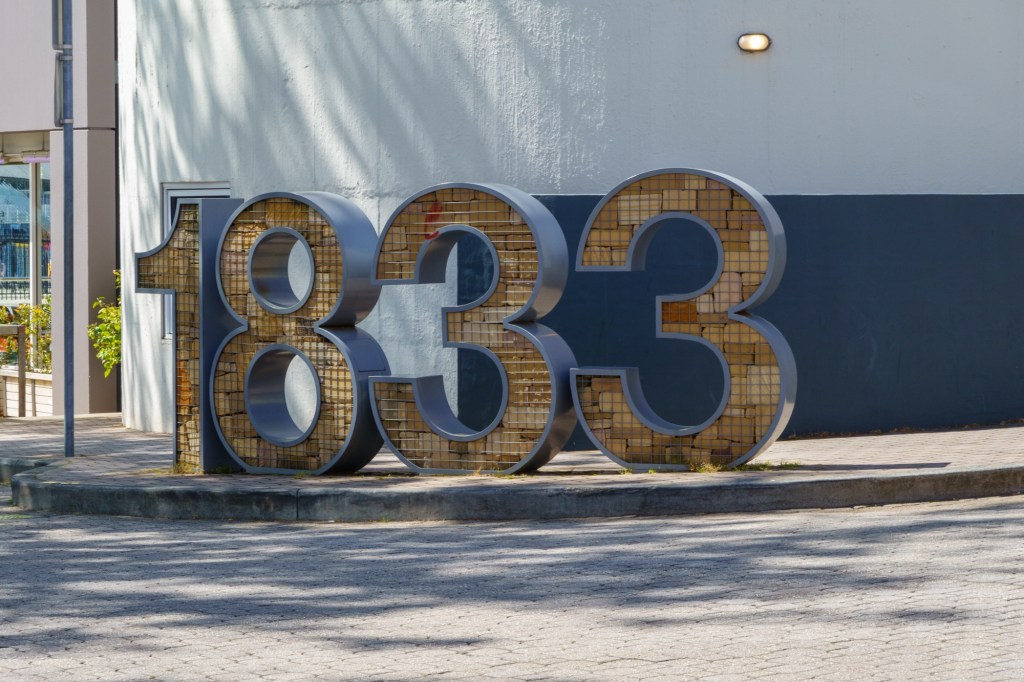
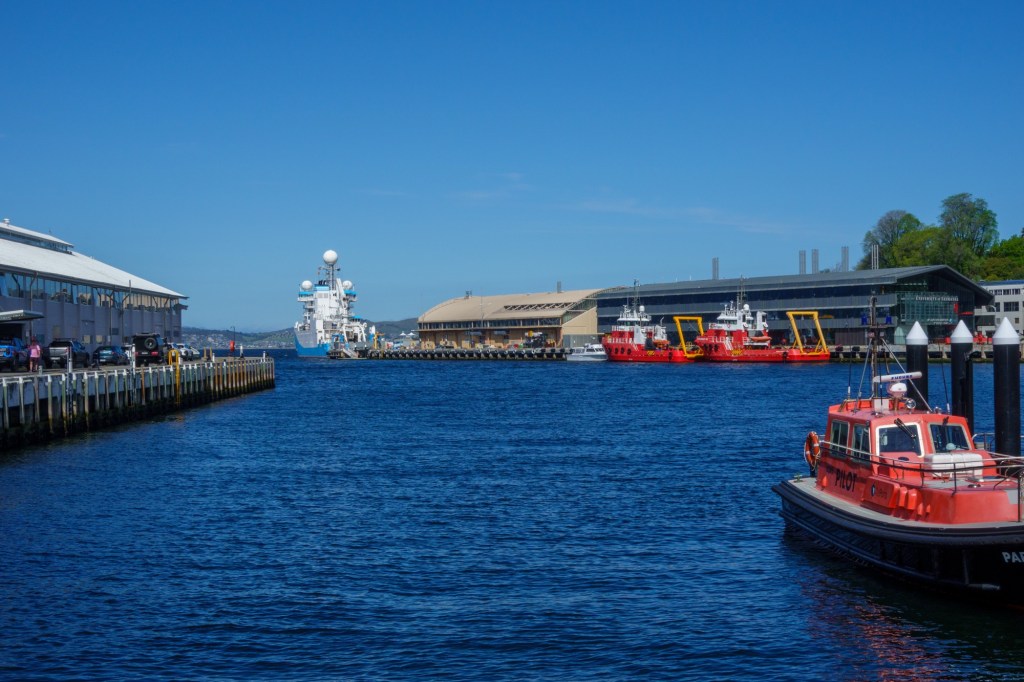
1833 seems an important year. Battery point area is where they placed guns to defend from the British enemies in 1841: France and the USA. Convicts had a hard time, including the 10000 women shipped here.
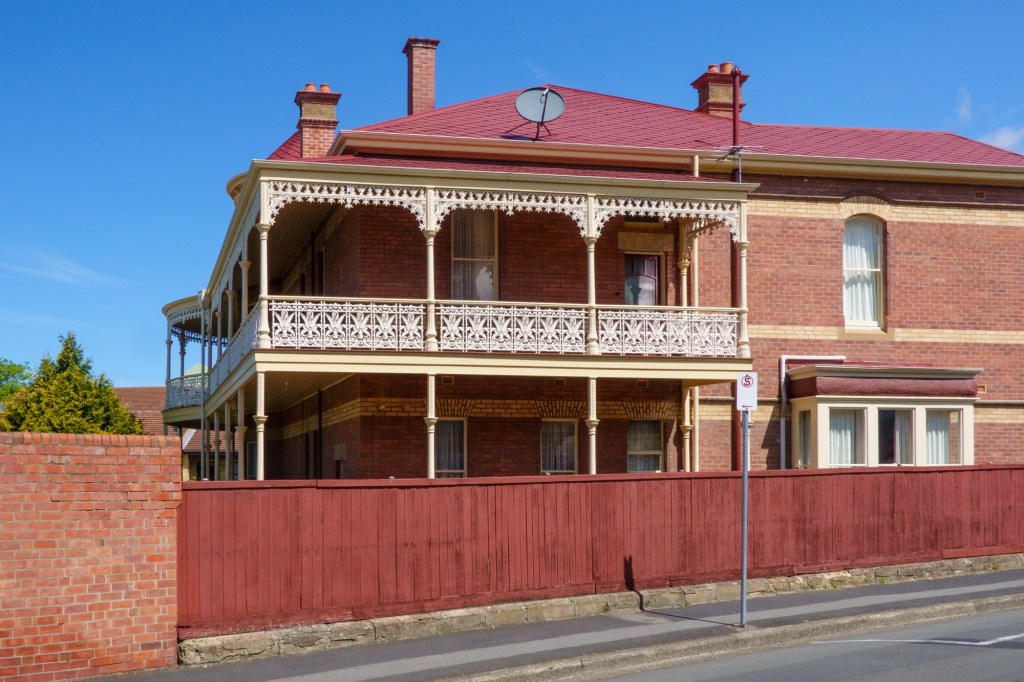
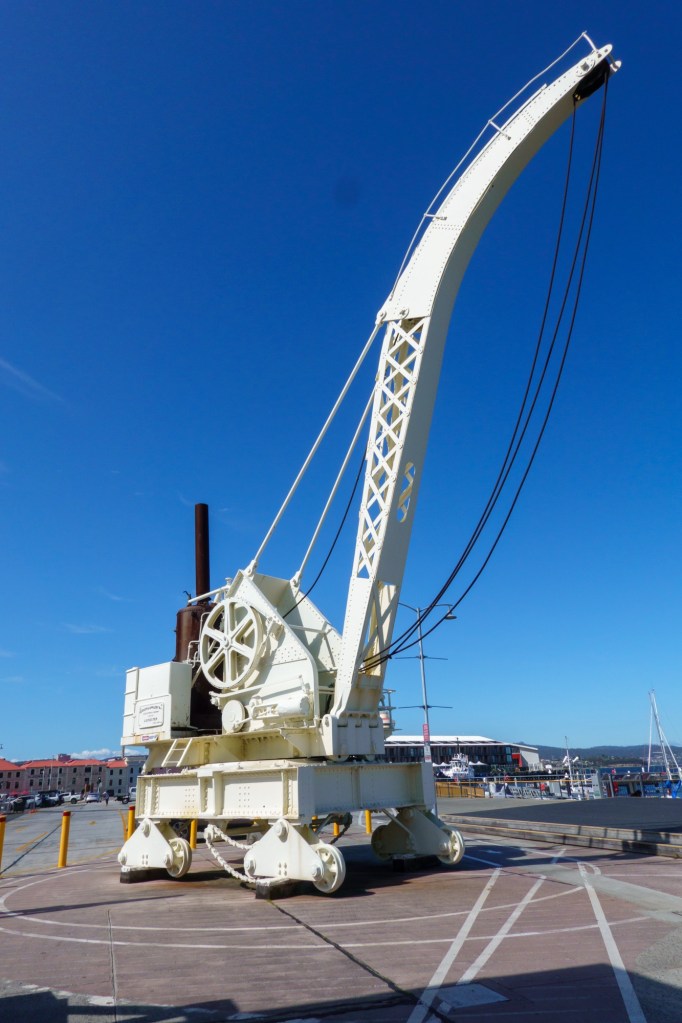
Common Australia heritage ironWe walked a half of it
Feels a thriving friendly city: the traffic is very quiet as it’s a Sunday.
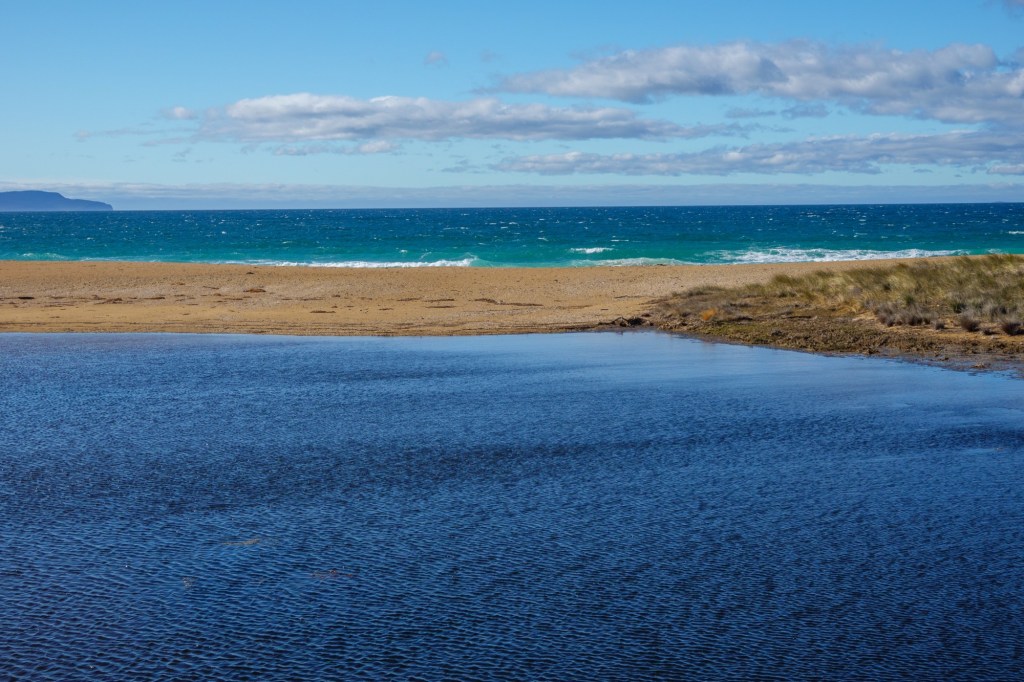
Very dry though: this is a drought area we learn as we depart the drying Swansea. We hug the eastern coast line before going up over a headland. Then pedalling to keep going down hill into the wind. Which is good as is also quite hot: toasting nicely as we tootle along.
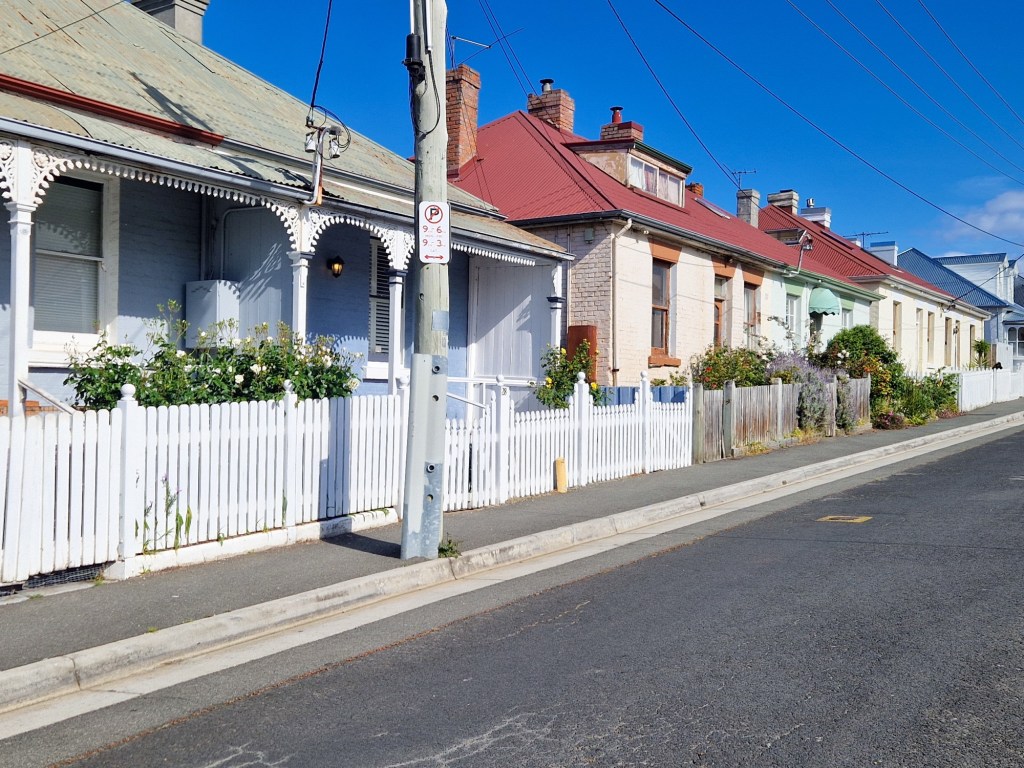
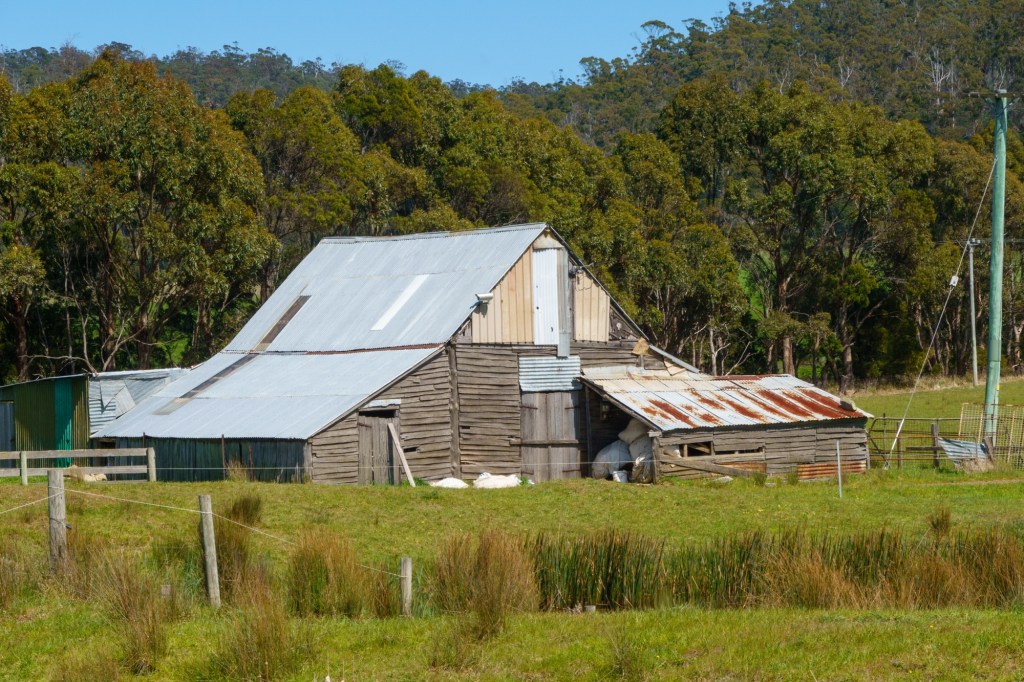
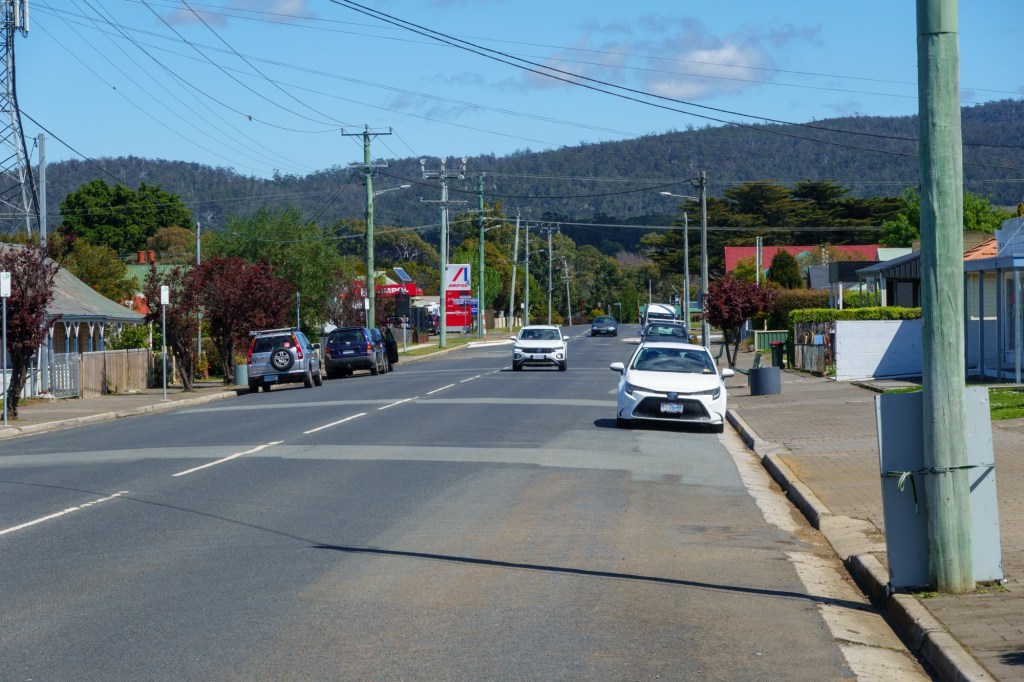
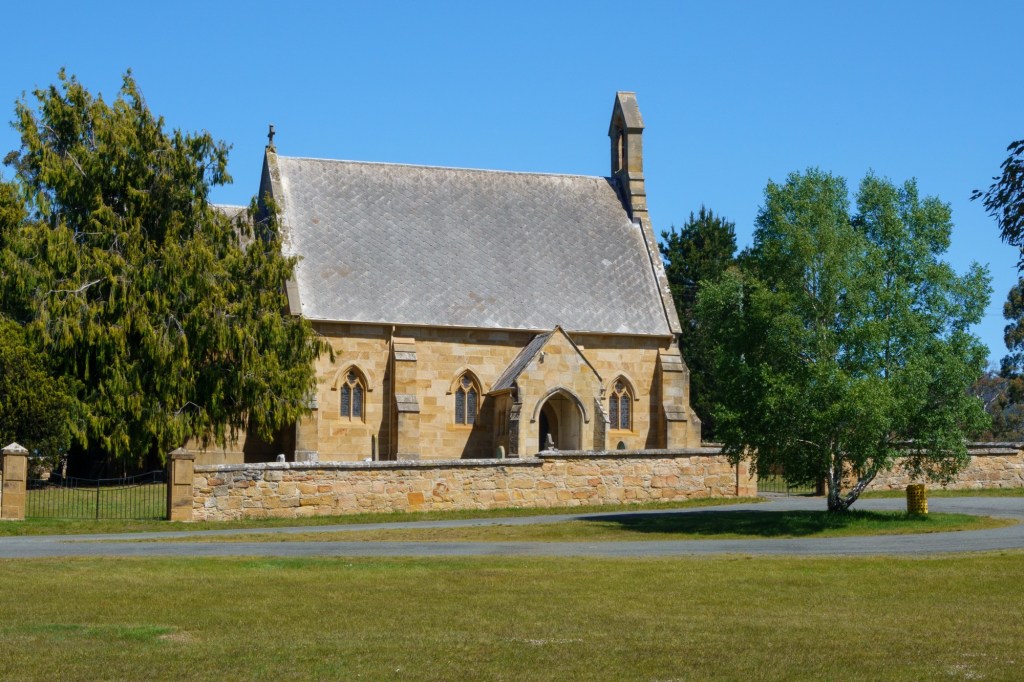
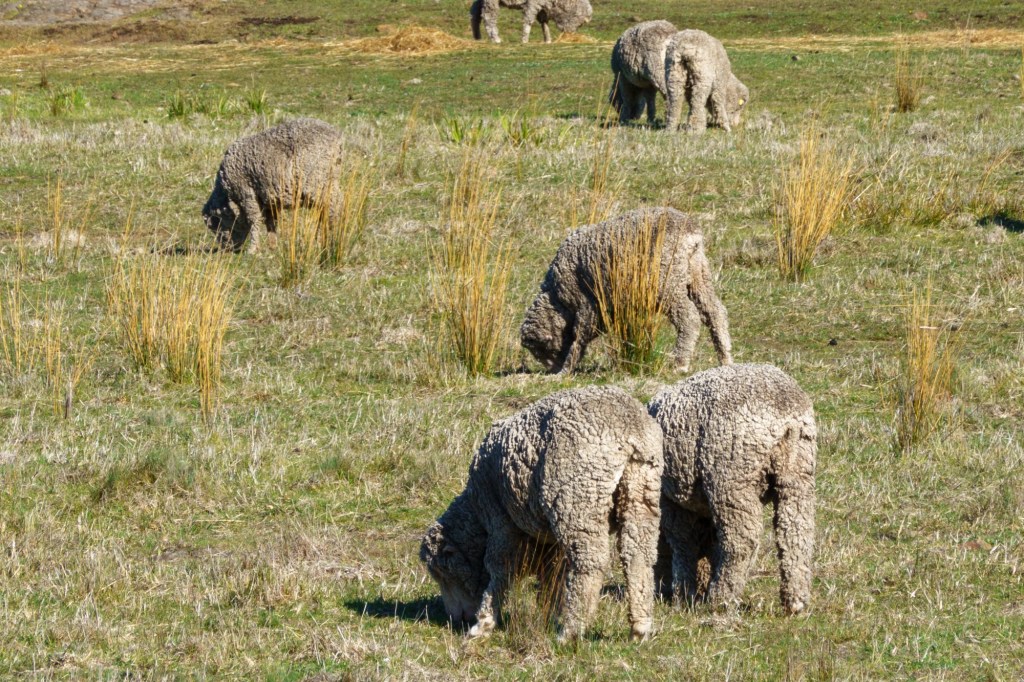
Rural empty spaces with sheep wearing their wooly jumpers. Small towns with wide streets and porches. Coal Valley however named is a wine area of note. Bad Tea Tree must have done something wrong. Almost English churches appear as we approached Hobart.
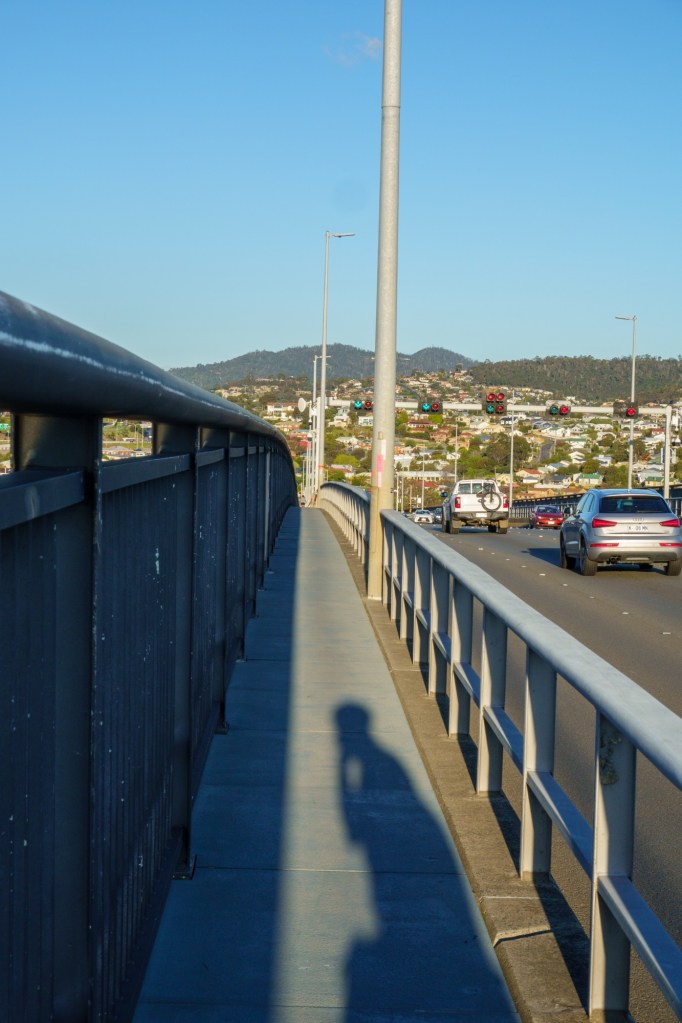
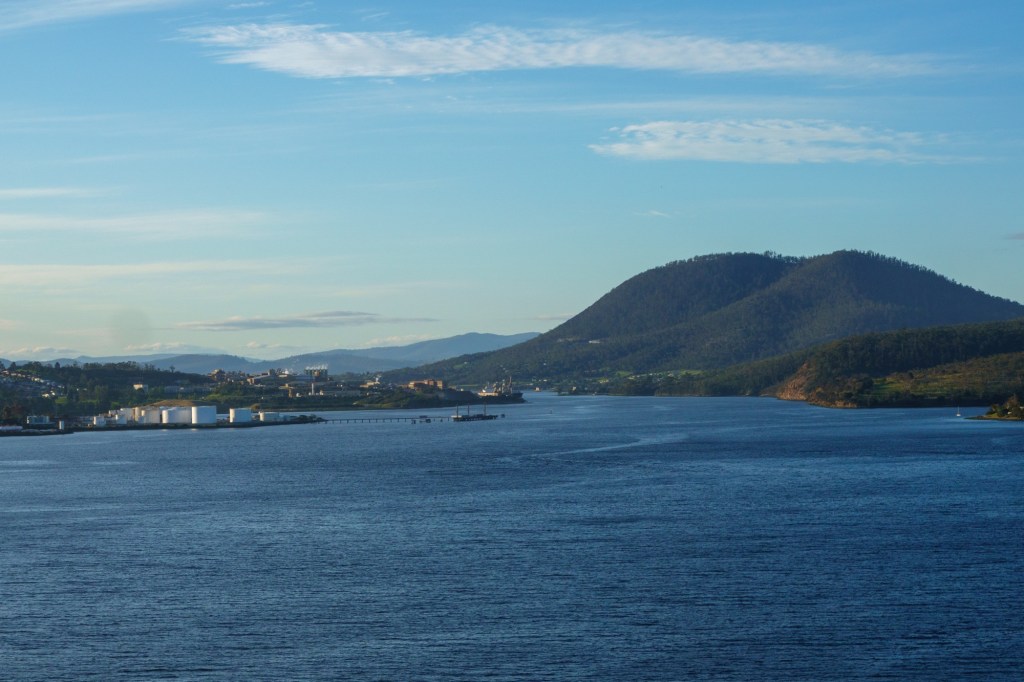
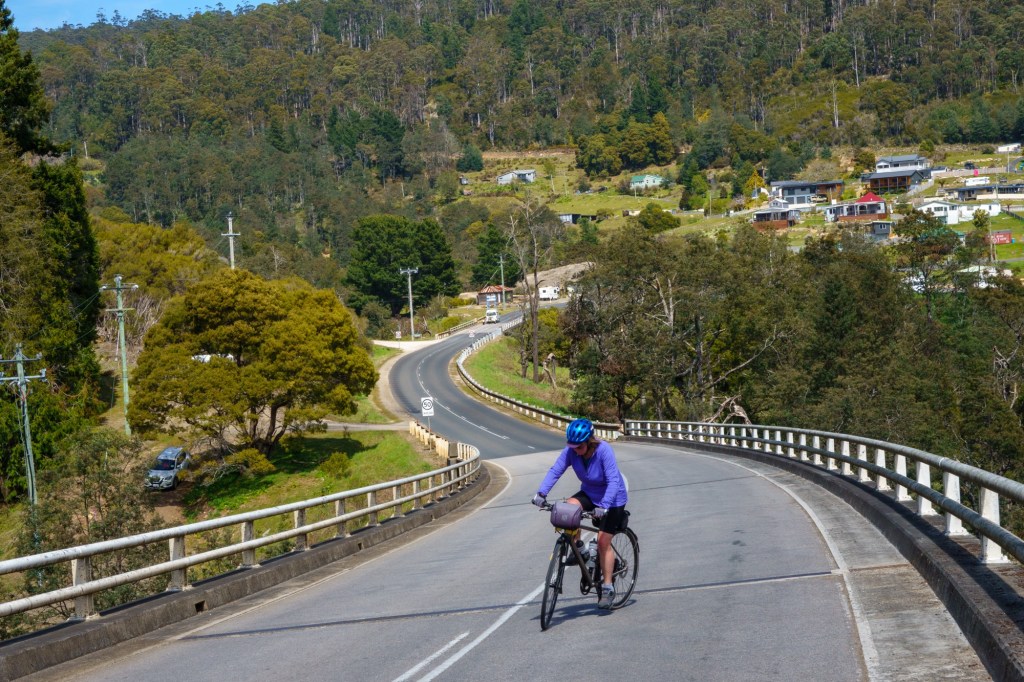
Which is stunning in the evening light along the cycle path by the River Derwent. A fine bridge is admired only for a later realisation we’re going over it: an interesting experience.
Shut in 1975 by a collisionSteady!View from bridge
Then out to dinner with fine folks we met on the Orient Express ride. Small world.
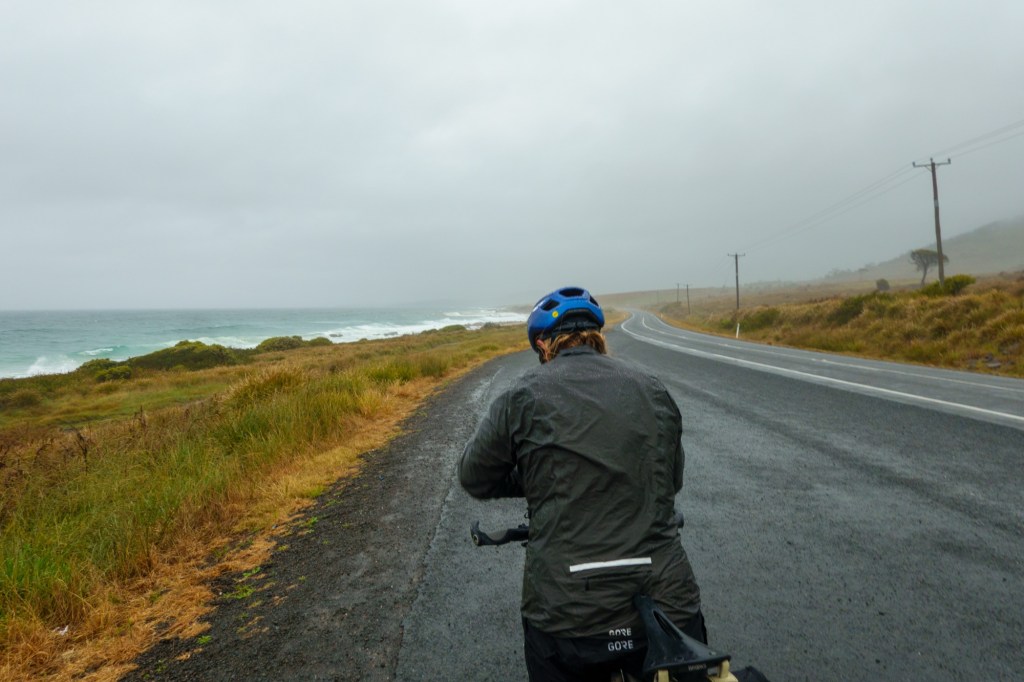
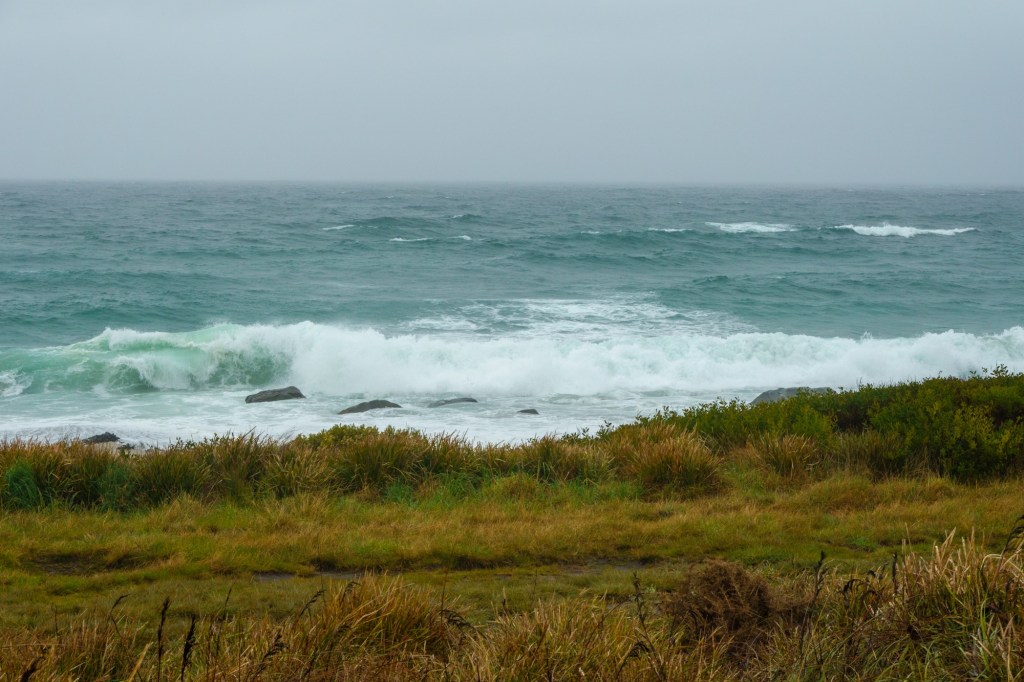
Welcome home: it rained, then it rained some more, then it just rained. When it eased it was a typical moor scene: you couldn’t see the tops of the hills in the cloud.
Leaving St Helens we were also departing Break O’Day Council. Originally proclaimed as Portland-Fingal, the name changed 1993to Break O’Day. Sounds like a committee decision. “We need a new name, let’s discuss: we’ve been here since break of day and still can’t agree. Why not call it that then? Job done”
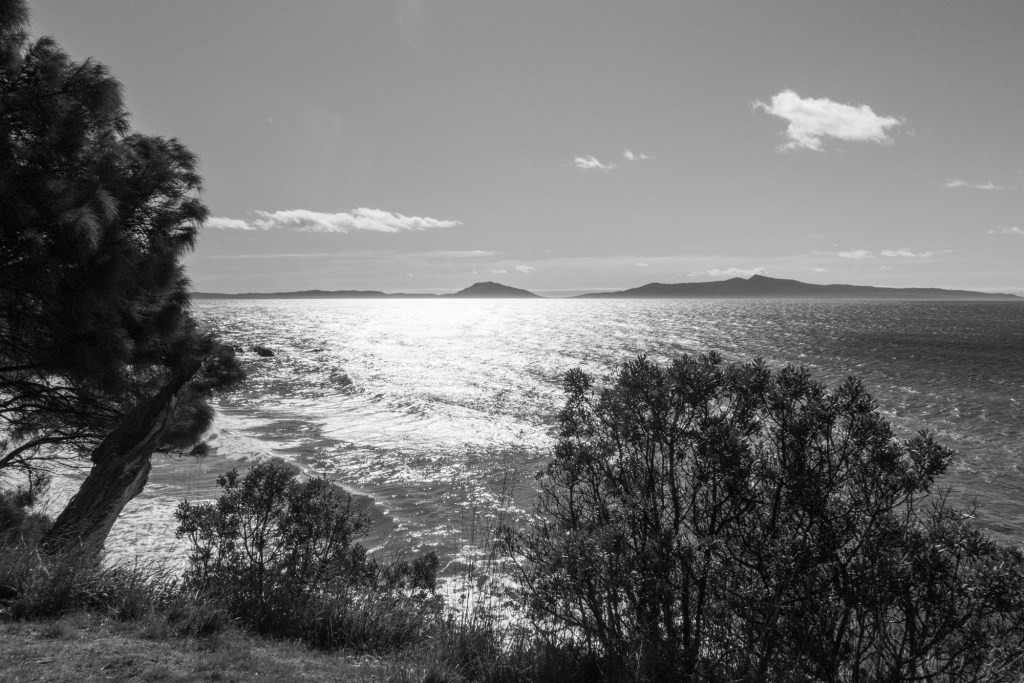
NavigationClouds to the right of meSea to the left
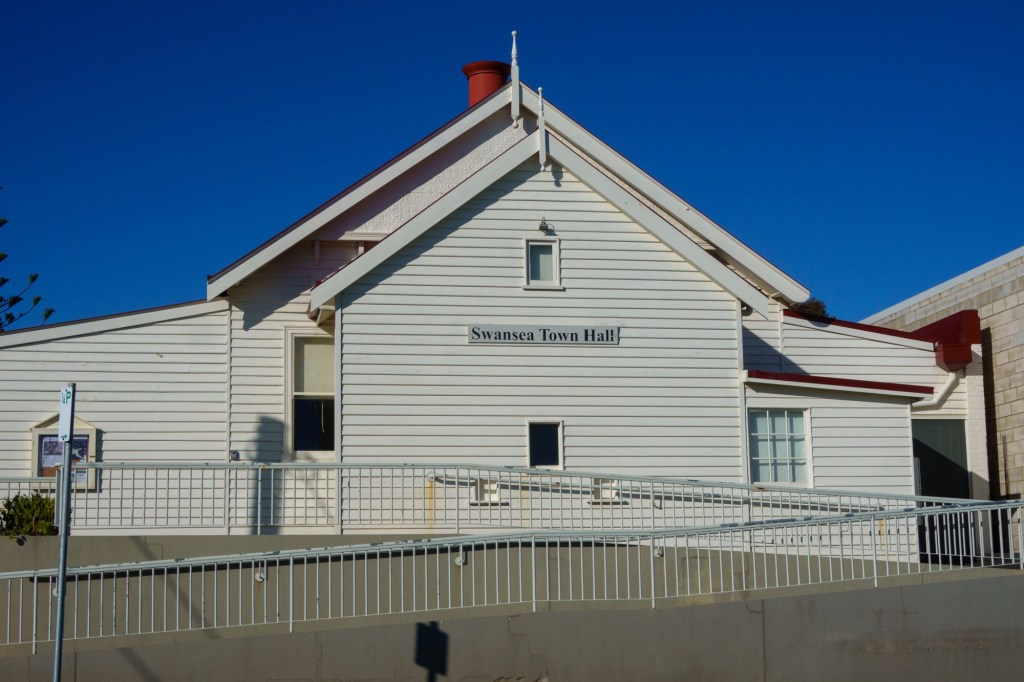
We were hugging the East coast which is the driest part of Tasmania. Usually. Never mind, we’ve had it good up to now. Swansea (population of 1000) formed from 1821. Named by someone from Pembrokeshire who (Westerner) was first to land/explore. He couldn’t have liked the Pembrokeshire names.
As always it’s the hidden details which suprise. Anyone can Google history:
“The first European to sight the area was Captain Tobias Furneaux who, in 1772 when he was captain of the HMS Adventure and whilst accompanying Captain James Cook on his second voyage to the South Seas, was separated from the rest of the fleet and explored much of the eastern coast of Van Diemen’s Land. He sighted and the southern point of Georges Bay, St Helens Point after St Helens on the Isle of Wight, in 1773 and went on to name the Bay of Fires because he saw Aboriginal fires on the shores.”
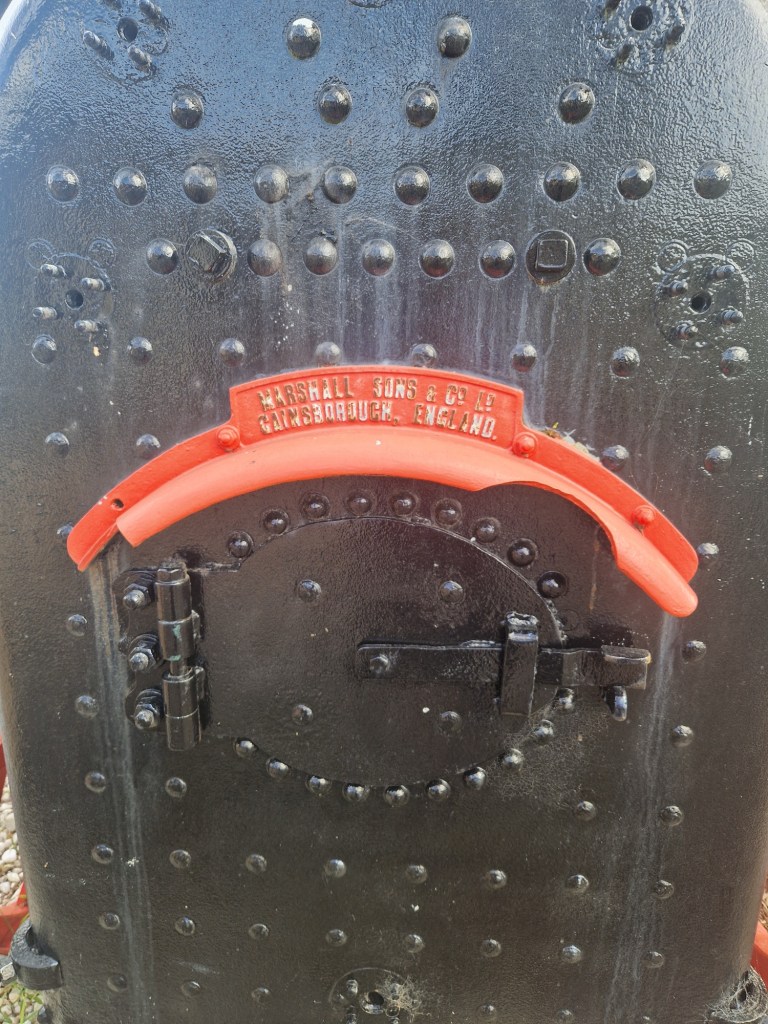
You need to be outside the Tourist Information reading the plaque on the steam traction engine (made in England, the engine that is) to learn it was used in the local timber mill. To make sleepers for the building of the Siberian Railway. Which (google) is some 12500km away. Antartica is closer (4500km).
Original GainsboroughMill storyReminder
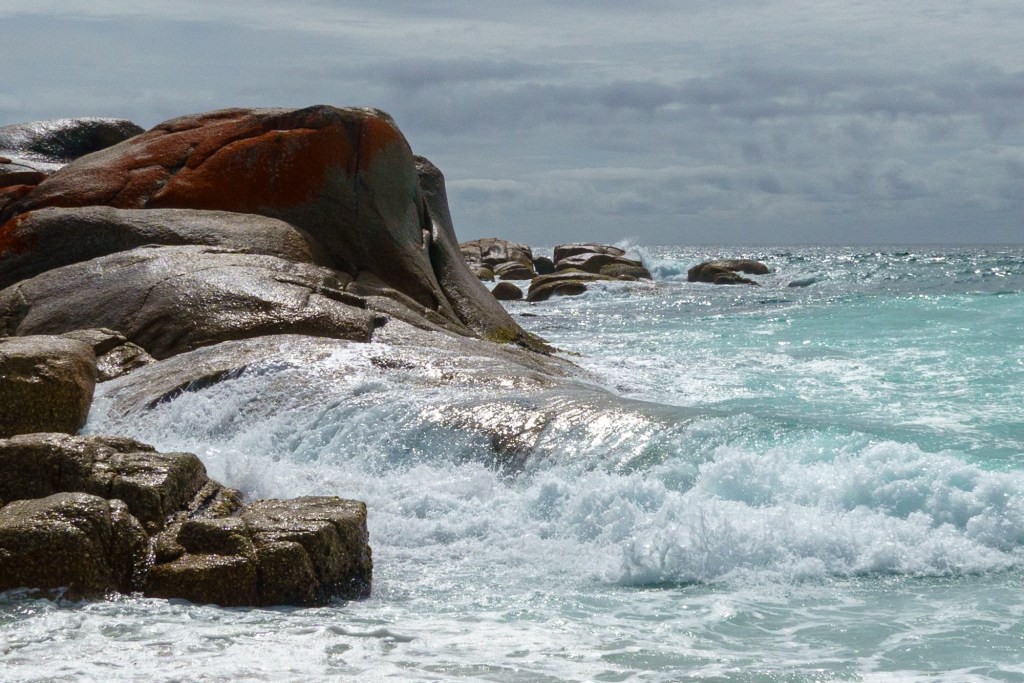
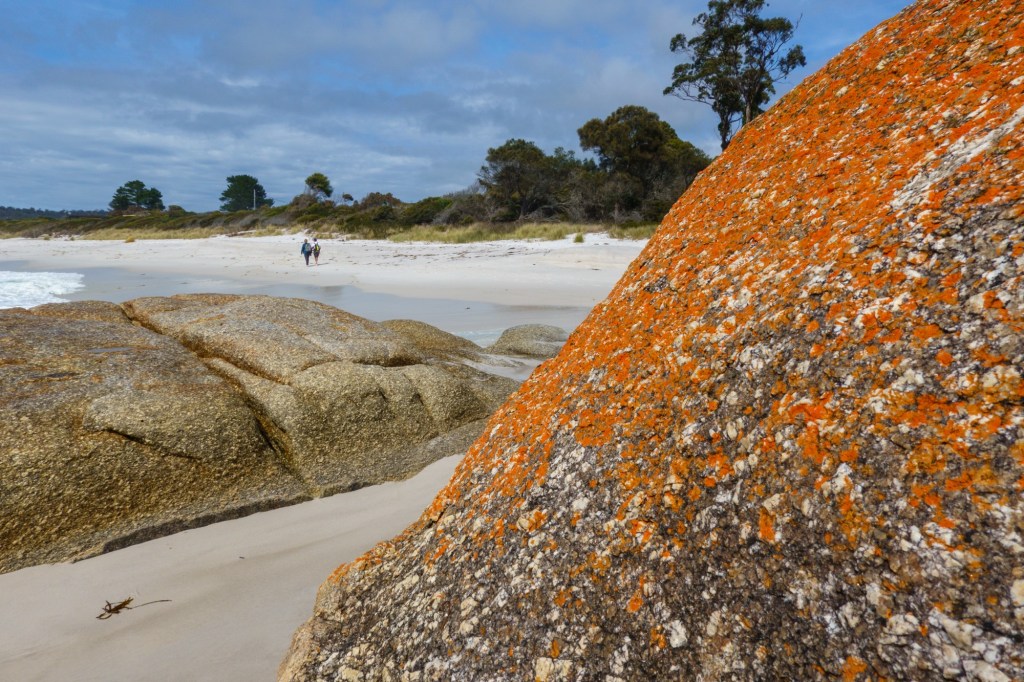
We went along to Binalong Bay on the Bay of Fires. Binalong to the Bay as it were. Stunning beach, wonderful white sand setting of the orange lichen decorated granite stones.
lichen this one
The sea birds were having a whale of a time, though we didn’t see any. Whales that is.
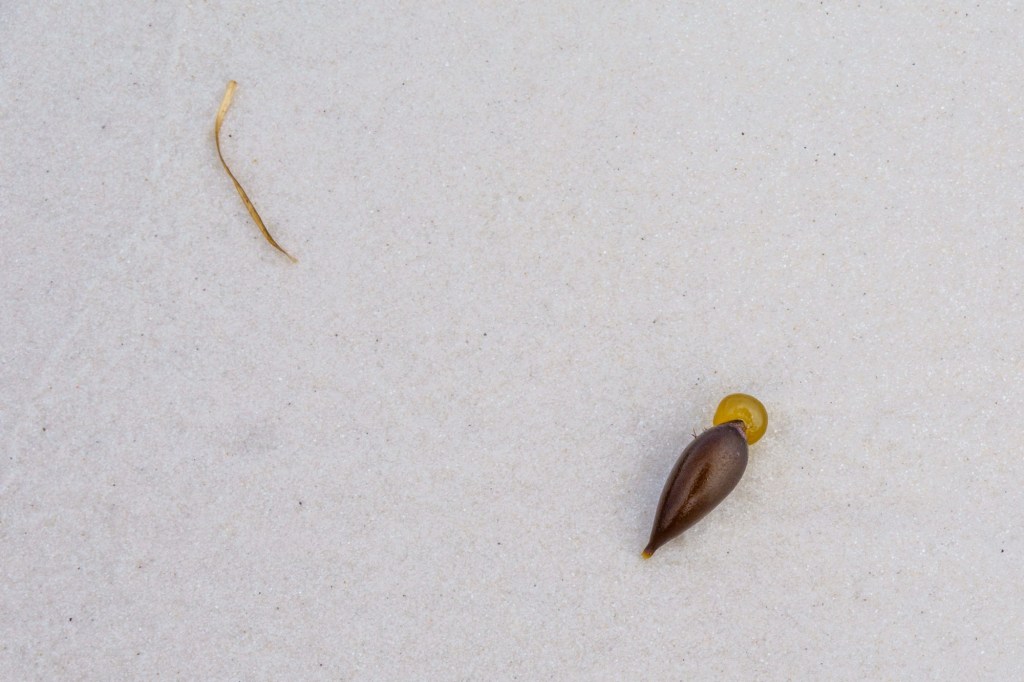
Bird food?
Then to start getting out the severe wet weather gear for tomorrow. Very apt as we’re cycling to Swansea.
St Helens is named after St Helens, apparently of the Isle of Wight vintage. Left wondering who St Helen was and why places were named after her. She definitely wasn’t the patron saint of [fast] food. Everywhere bar one place was closed tonight so the 2600 residents of this former mining town, now fishing, have descended. 2hrs+ later something emerges from the overworked single cook.
Tin mining in this part of Tasmania from mid/late 1800s to middle 19C was a key economic driver. Derby (named after the UK Prime Minister but pronouced der nor dar) was a key hub with over 1000 Chinese workers. It then collapsed and has only recently started to recover thanks to mountain biking. Which meant there are lots of cafes to stop at, which we did – though only at one of them.
Don’t go this wayGood sloganDerby fishNor this way witherTIn spoil
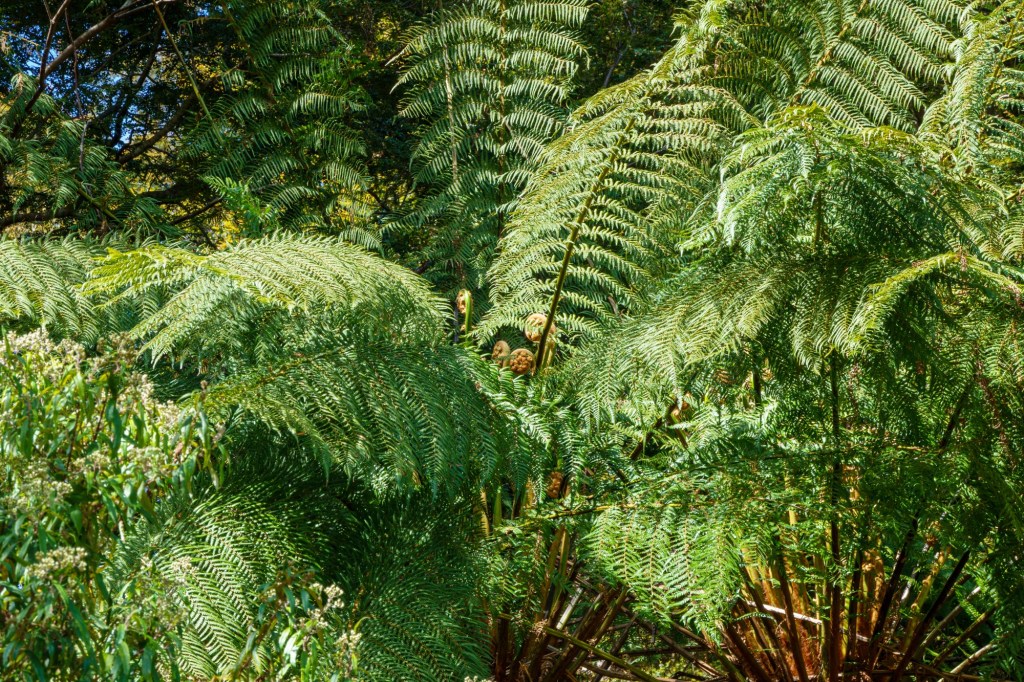
Lush forest, original plantations with tree ferns growing, was a dominant theme. It meant the gradients of the ups were often hidden in plain sight. Tremendous! As were the [considerate] huge timber lorries as they thundered by with their sweet smelling resin produce.
The one thing it is difficult to describe is the sounds which accompany us. Frogs, birds, insects, all compete for attention. The road kill smell gets that too!
Trees
Tomorrow another rest day to allow us to stew on the thought of the forthcoming rainstorm for our ride on Friday. As this is to Swansea, bad weather is nothing unusual.
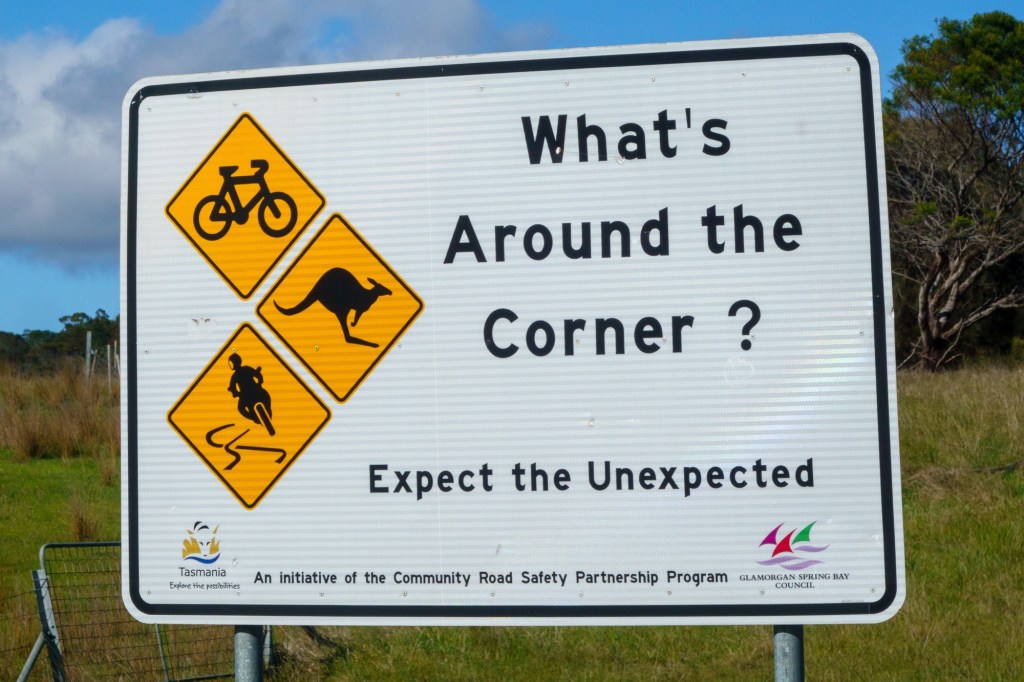
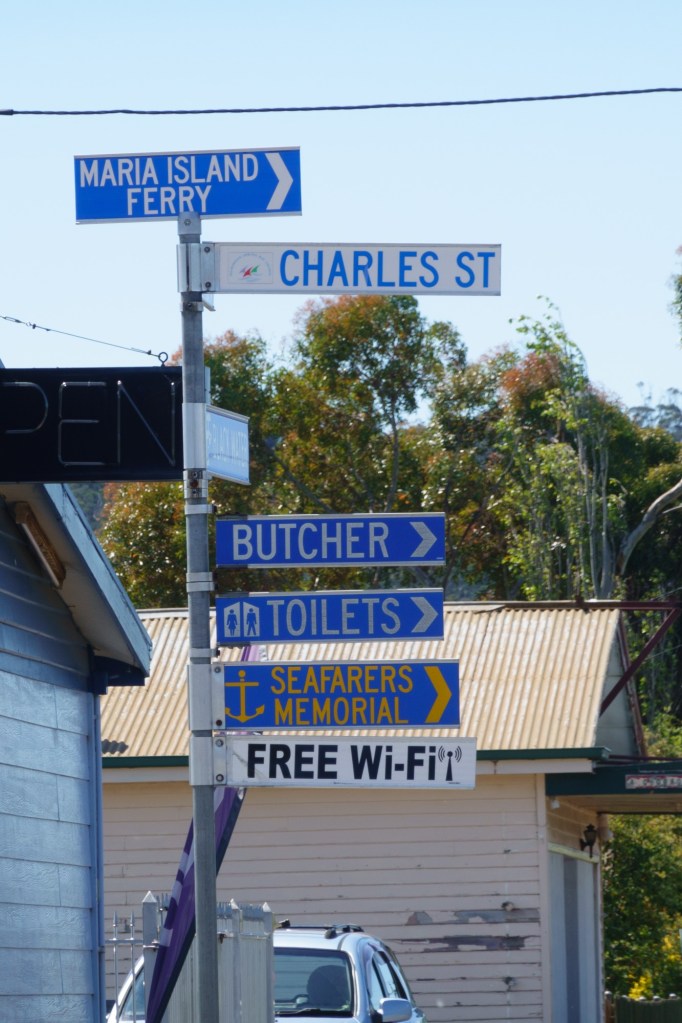
No helmet neededMust be bigMight catch onGood signs



























 Travelling reflections