D8 TransOceania Warrnambool – Port Campbell

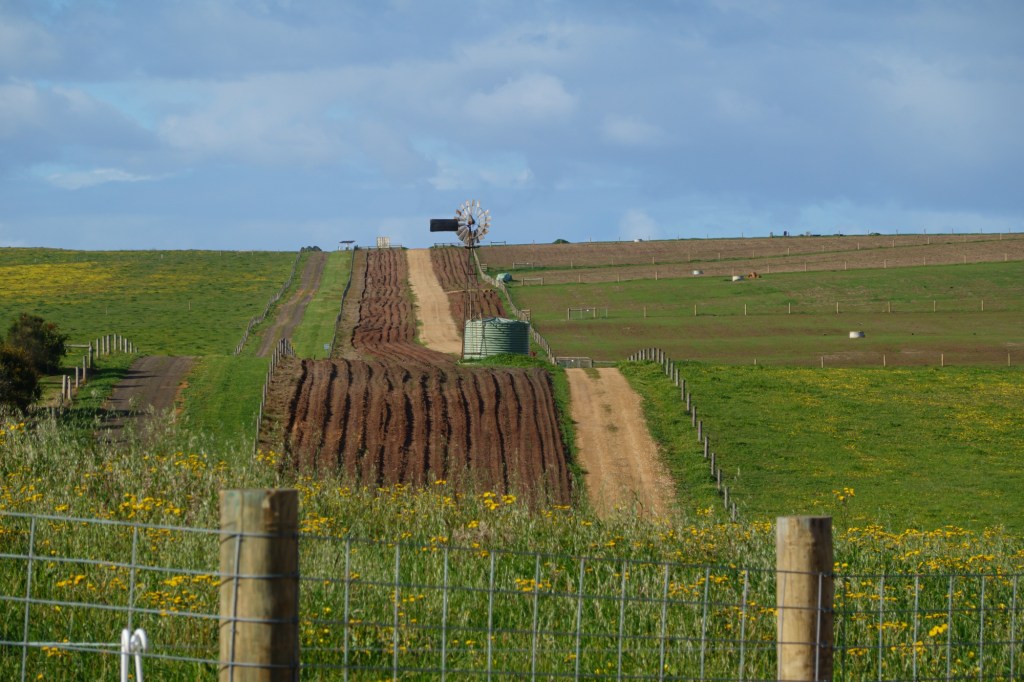
Almost like being in the UK on a typical Spring day. Stiff cold breeze, green fields of cattle and then to the sea. Crashing blue waves on a limestone coastline. The teasing rain which stays away. Few places to stop.
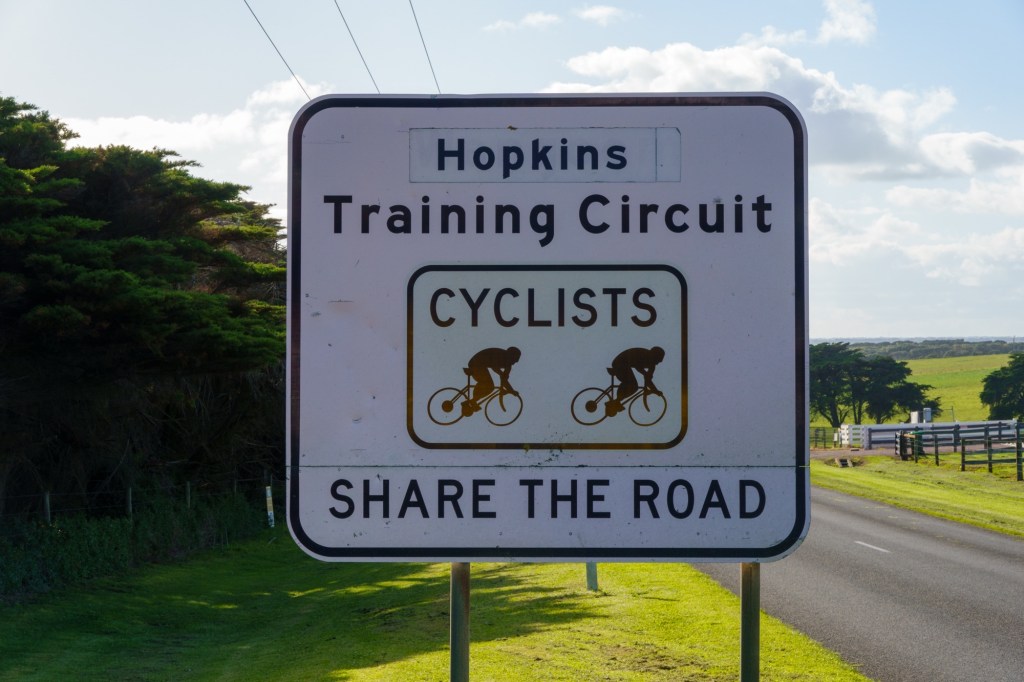
There were a few signs we are not in the UK. Not the suprising grazing camels (they looked surprised too it has to be said: where’s the sand) sharing a field with a lovely pig. Rather the different bird songs, kangaroo road kill (there must be a separate insurance clause, he ponders ruefully), clean quality public toilets, road signs in km. They started going metric with the currency in 1966 then measures from 1971. It keeps the brain alert multiplying x5 divide /8 to work out how long to a stop.

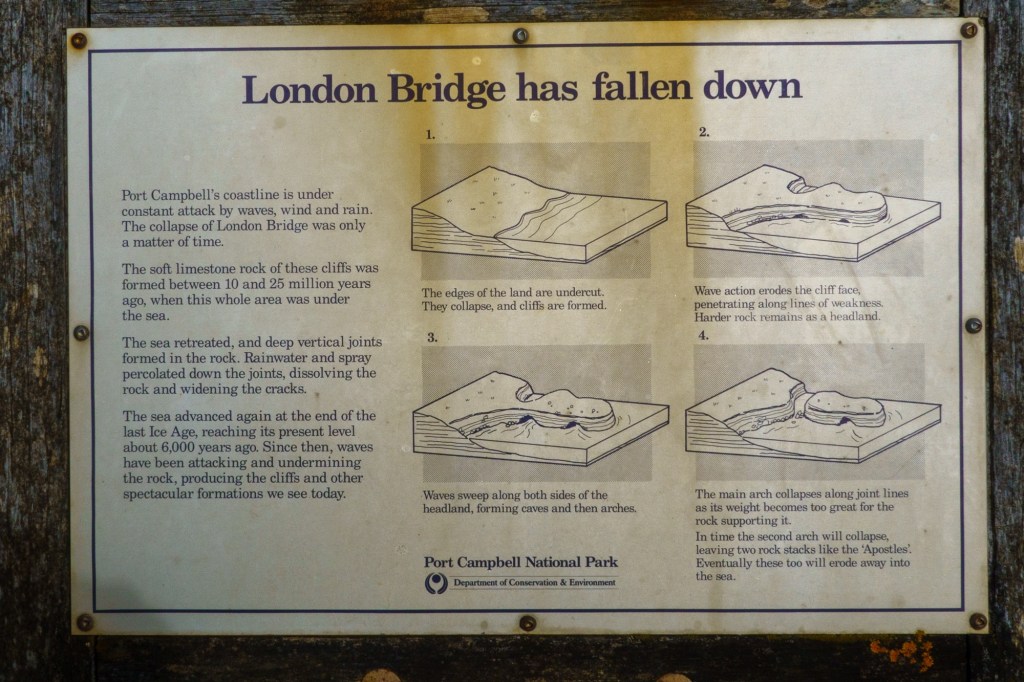
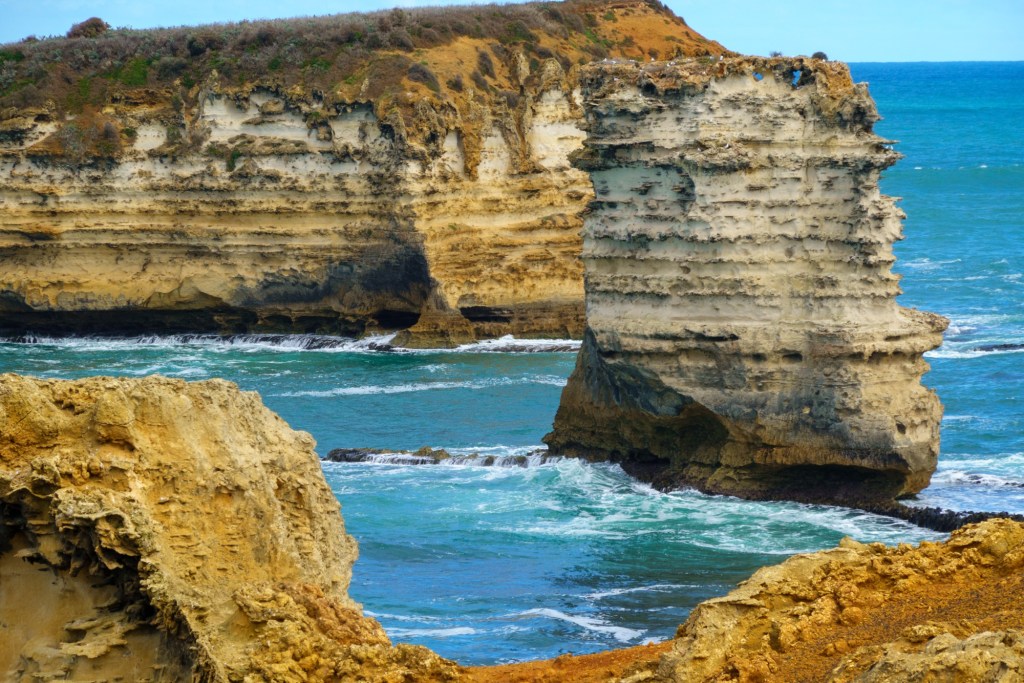
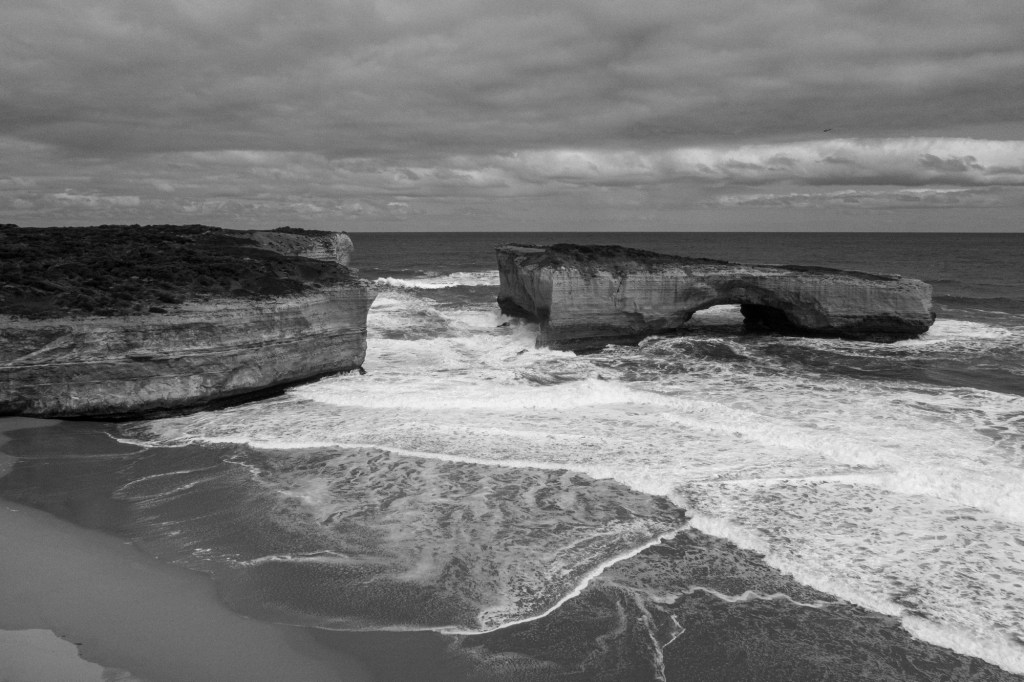
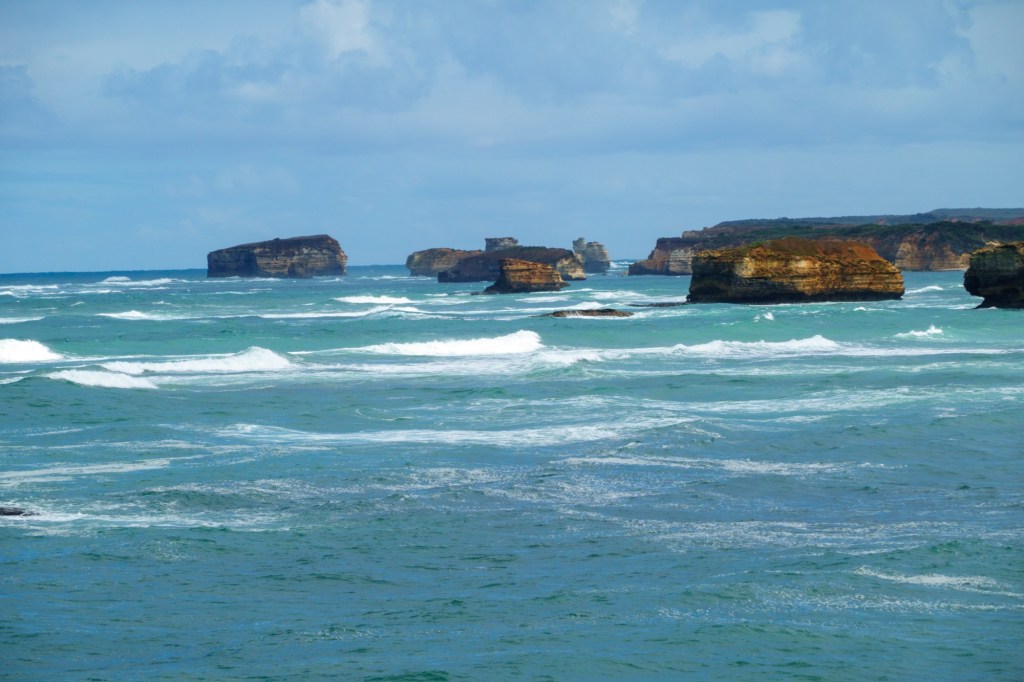
We are near the start of the Great Ocean Road a 238km tourist route to admire the coastal stacks. And they are admirable too. Today we stopped at Bay of Islands, Bay of Martyrs, Grotto and London Bridge. Which strangely is falling down. The geology is probably very complex: the simple version is the softer limestone gets washed away over time either from the surface down or by the sea undercutting. The harder rock erodes far slower and gets left standing: where it forms an arc this eventually collapses due to weight etc. Leaving stacks and other shapes.

Quite a few tourists: the attraction signs are in English and Chinese with lots of road signs saying “Drive on left”. Just a reflection – shouldn’t those signs be on the right hand side?

Rest day tomorrow in Port Campbell, which we walked around twice tonight and greeted each resident.

D8 TransOceania Warrnambool – Port Campbell

Almost like being in the UK on a typical Spring day. Stiff cold breeze, green fields of cattle and then to the sea. Crashing blue waves on a limestone coastline. The teasing rain which stays away. Few places to stop.
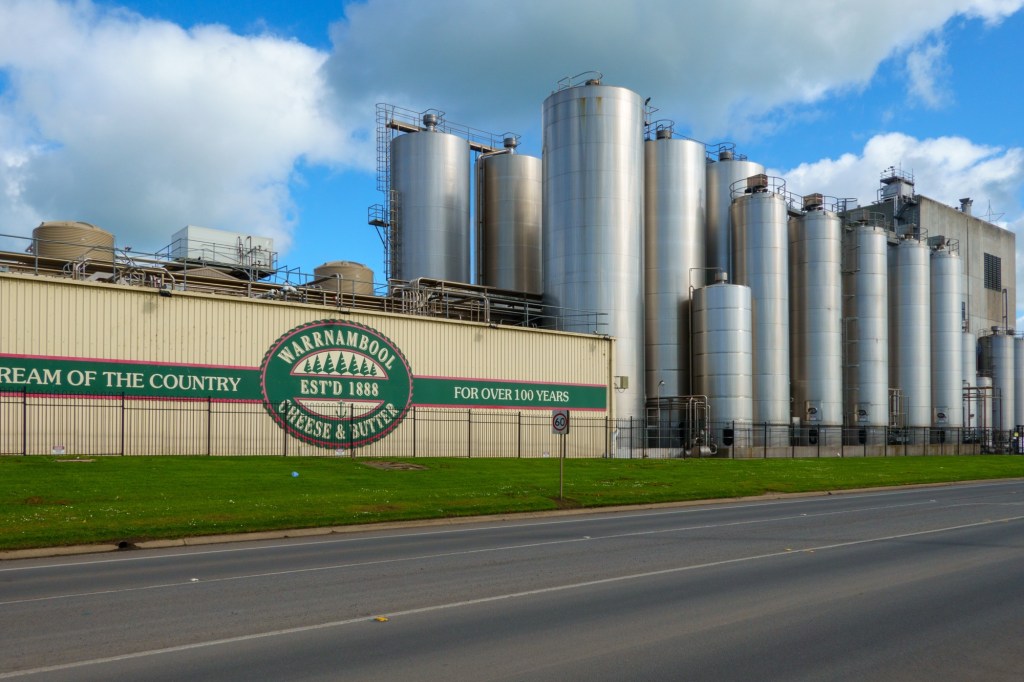
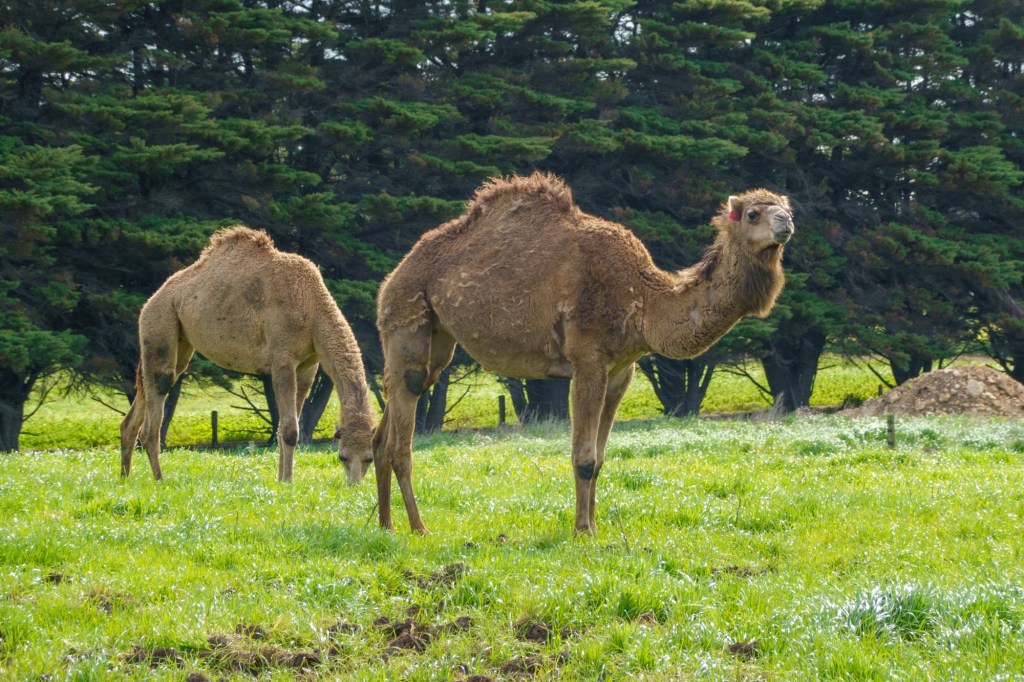
There were a few signs we are not in the UK. Not the suprising grazing camels (they looked surprised too it has to be said: where’s the sand) sharing a field with a lovely pig. Rather the different bird songs, kangaroo road kill (there must be a separate insurance clause, he ponders ruefully), clean quality public toilets, road signs in km. They started going metric with the currency in 1966 then measures from 1971. It keeps the brain alert multiplying x5 divide /8 to work out how long to a stop.

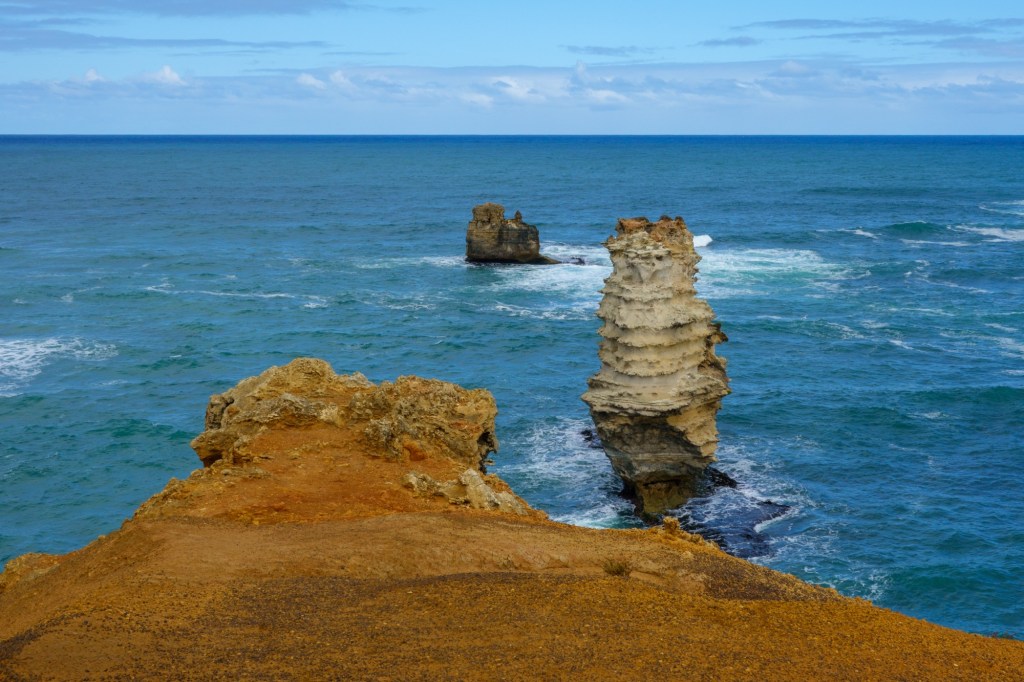
We are near the start of the Great Ocean Road a 238km tourist route to admire the coastal stacks. And they are admirable too. Today we stopped at Bay of Islands, Bay of Martyrs, Grotto and London Bridge. Which strangely is falling down. The geology is probably very complex: the simple version is the softer limestone gets washed away over time either from the surface down or by the sea undercutting. The harder rock erodes far slower and gets left standing: where it forms an arc this eventually collapses due to weight etc. Leaving stacks and other shapes.

Quite a few tourists: the attraction signs are in English and Chinese with lots of road signs saying “Drive on left”. Just a reflection – shouldn’t those signs be on the right hand side?

Rest day tomorrow in Port Campbell, which we walked around twice tonight and greeted each resident.

667-12 Llantwit Major to Swansea

Circle complete, so returning to the start with the same rant. Wrexham a City? Fine scruffy wee town it may be: it had some things going for it when I went there regularly with work, but City no. Chester, very nearby, is what you call a proper City. And it’s not until the Jubilee so 667 is correct, leaving space for future tours. (As an aside, Wrexham does have a Catholic Cathedral).

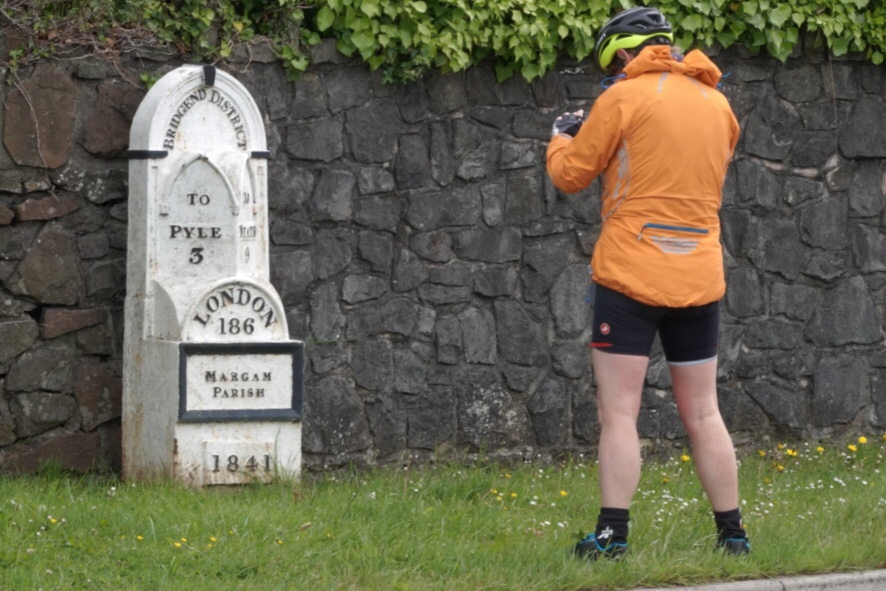
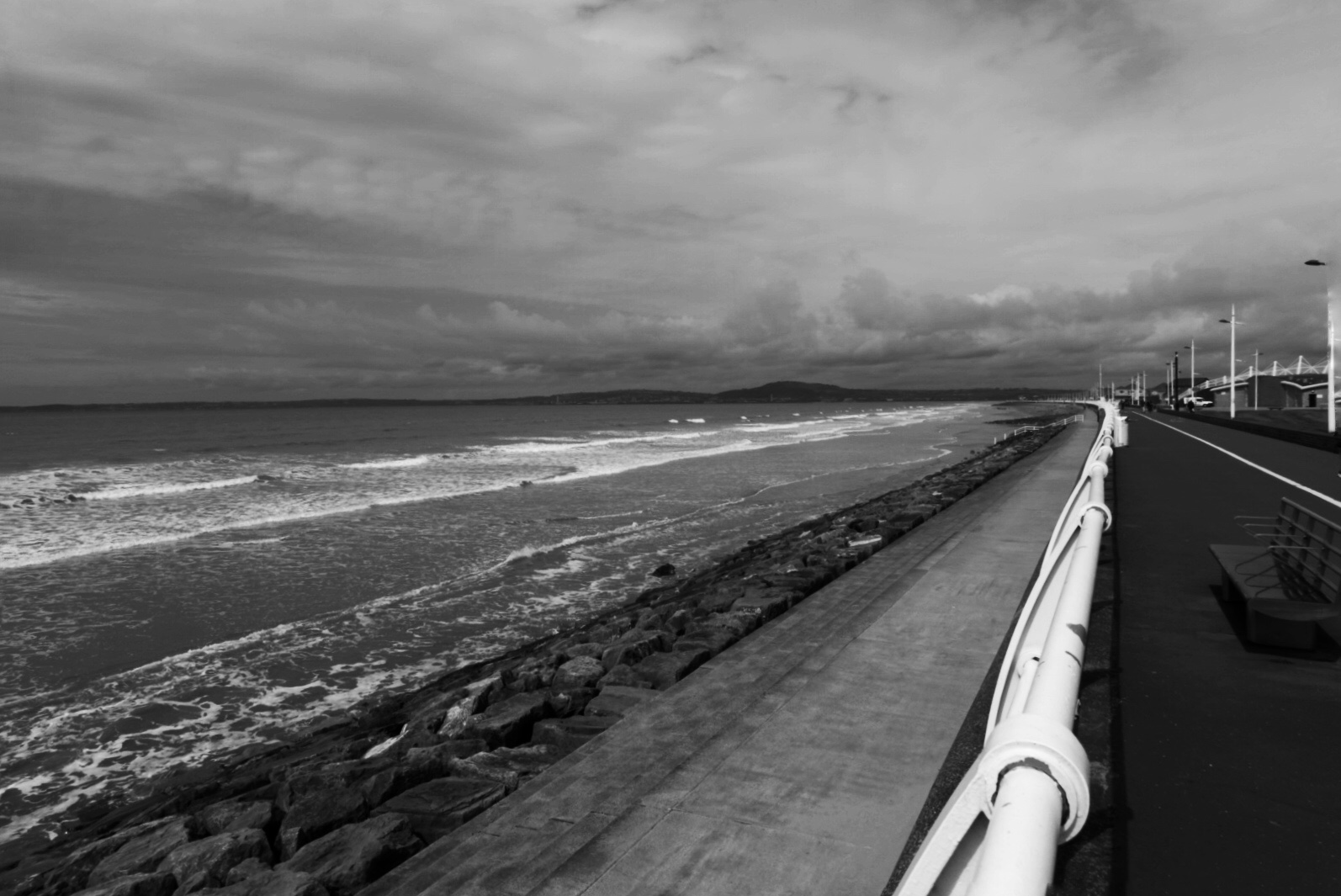
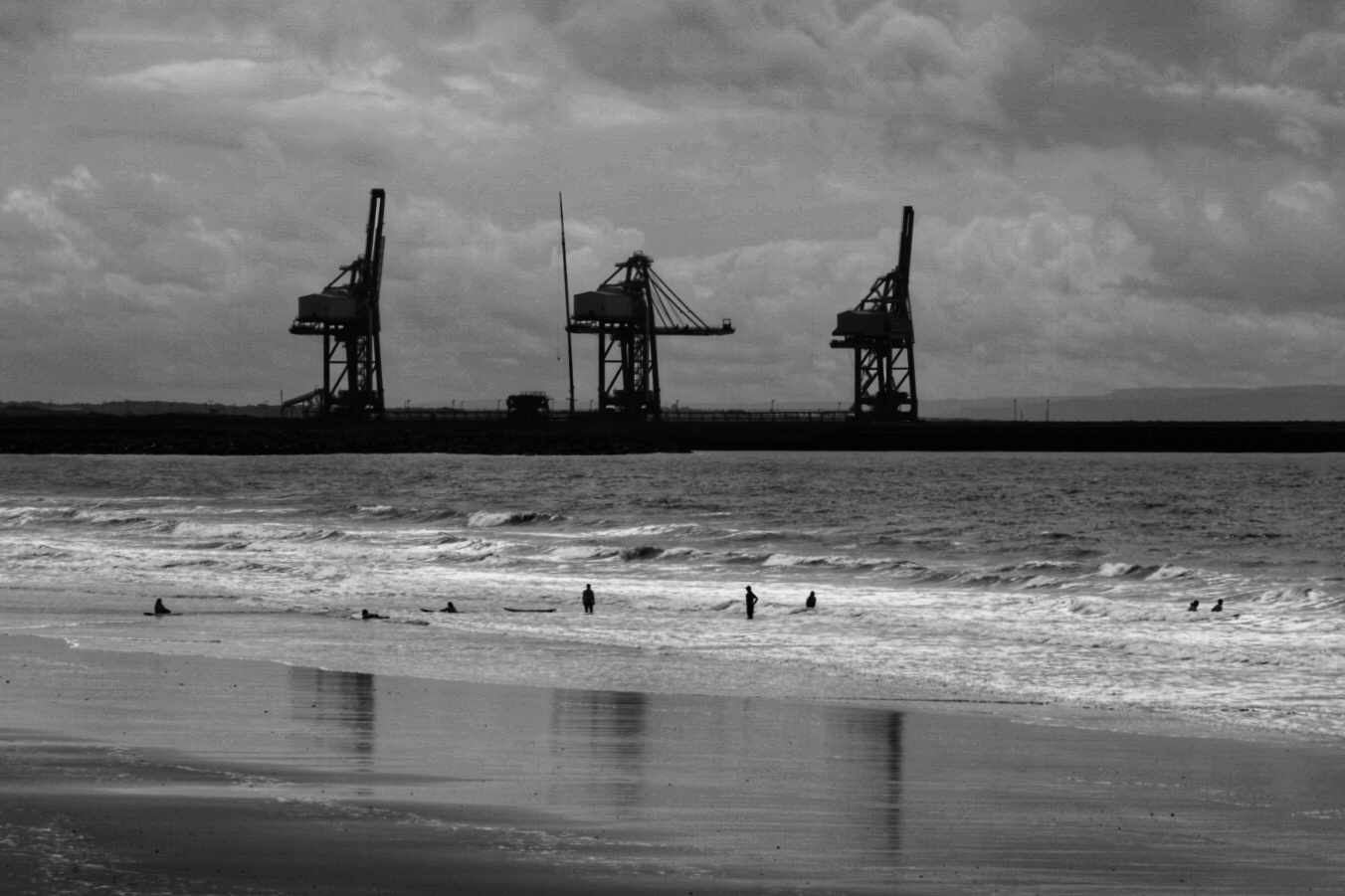
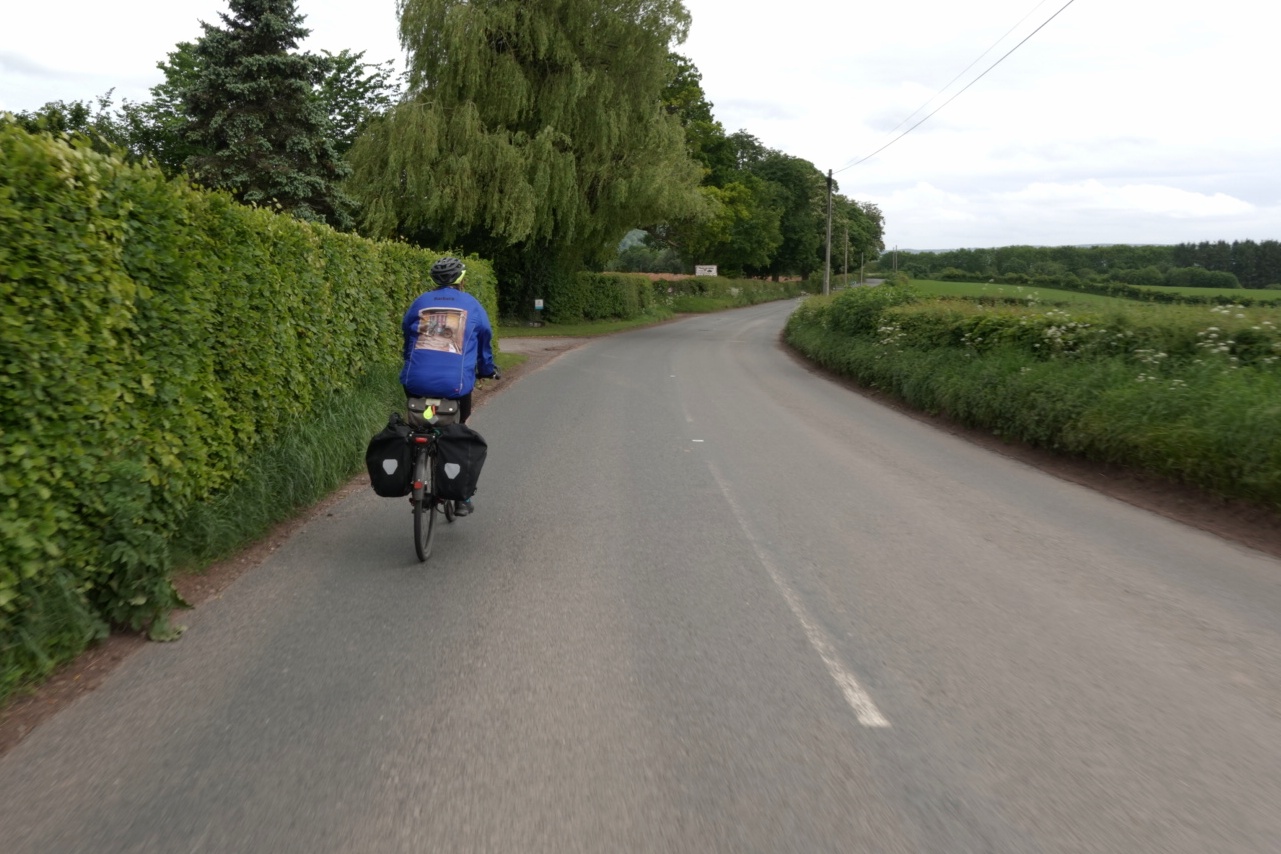
A nice tailish wind speed us through the leafy lanes of the Vale. To the outskirts of Bridgend and through Pyle towards Port Talbot. Familiar territory all this, nicely framed be the ever impressive scale of the steel works. The tide is in in Aberavon which alters the feel of the usually bustling sea front.

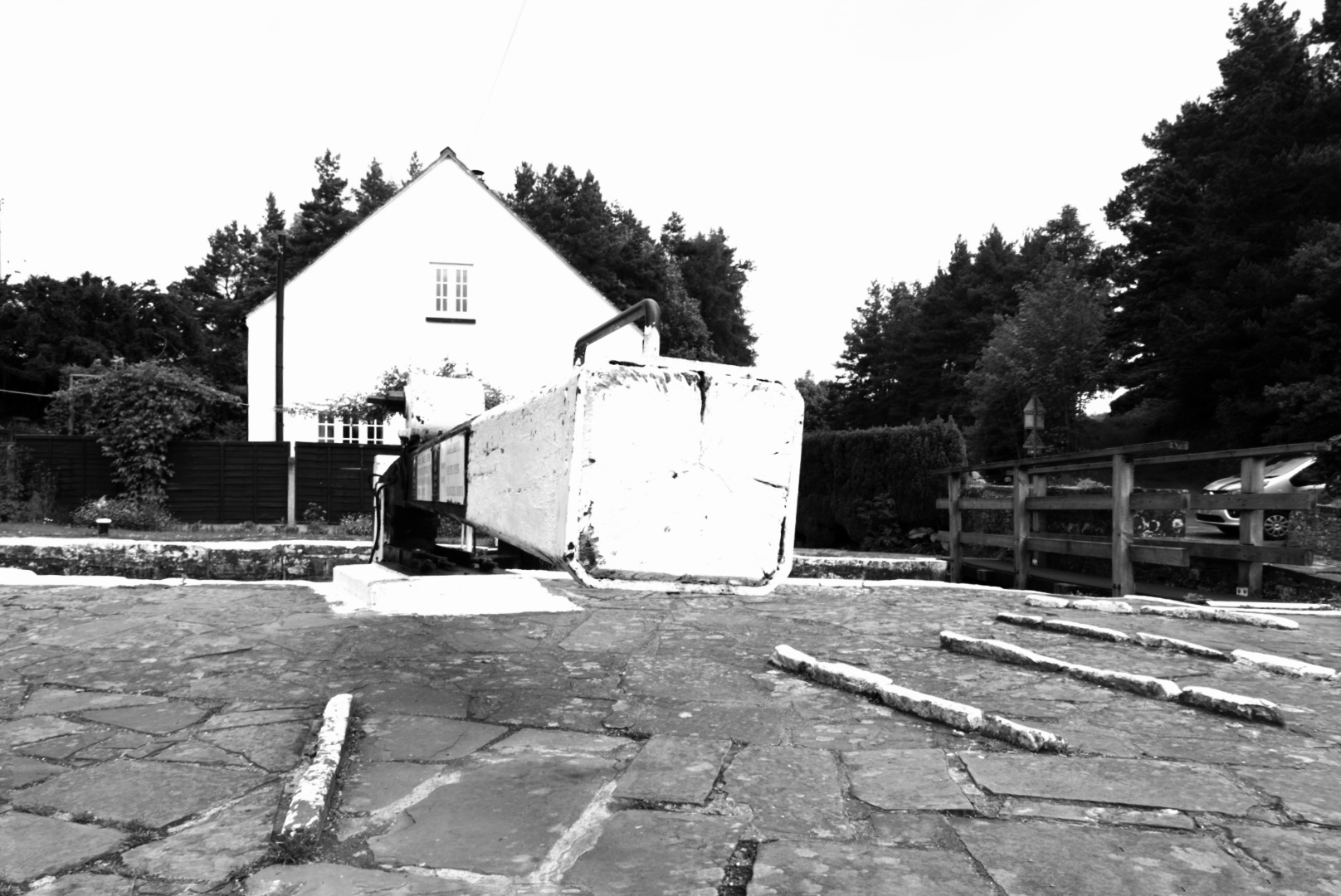
Neath Canal, and home. Been a lovely wee trip, time for the shed fairy to wave the washing wand.

Neath canal

667-11 Caerleon to Llantwit Major

Cities 6 Cathedrals 6 and a few more castles

Today’s musings. Llan once meant meeting place. So Llantwit Major? We’ve entered the Glamorgan Heritage Coast. Heritage as distinct from non heritage coast? Who ever thinks up these definitions needs a good talking too.

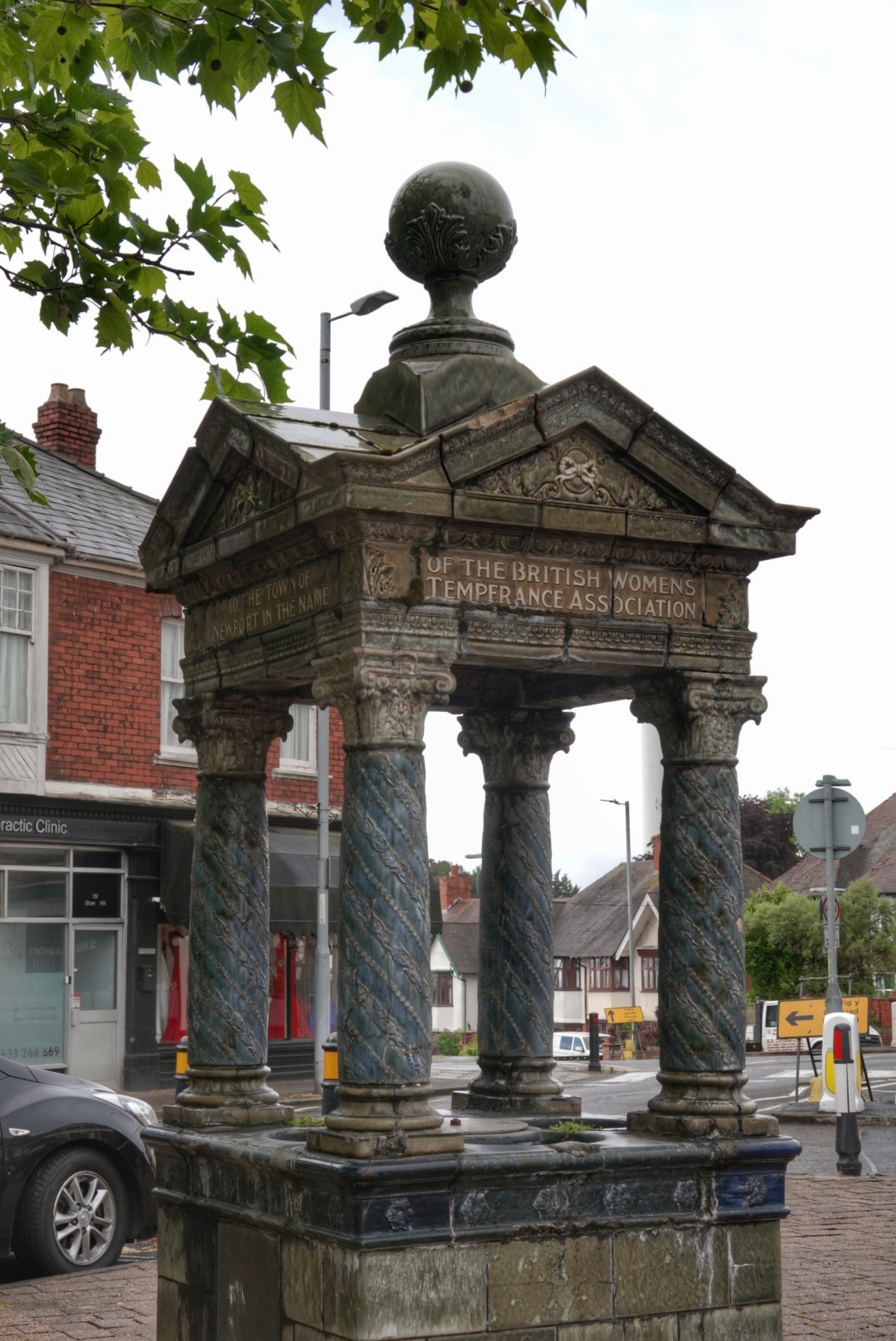
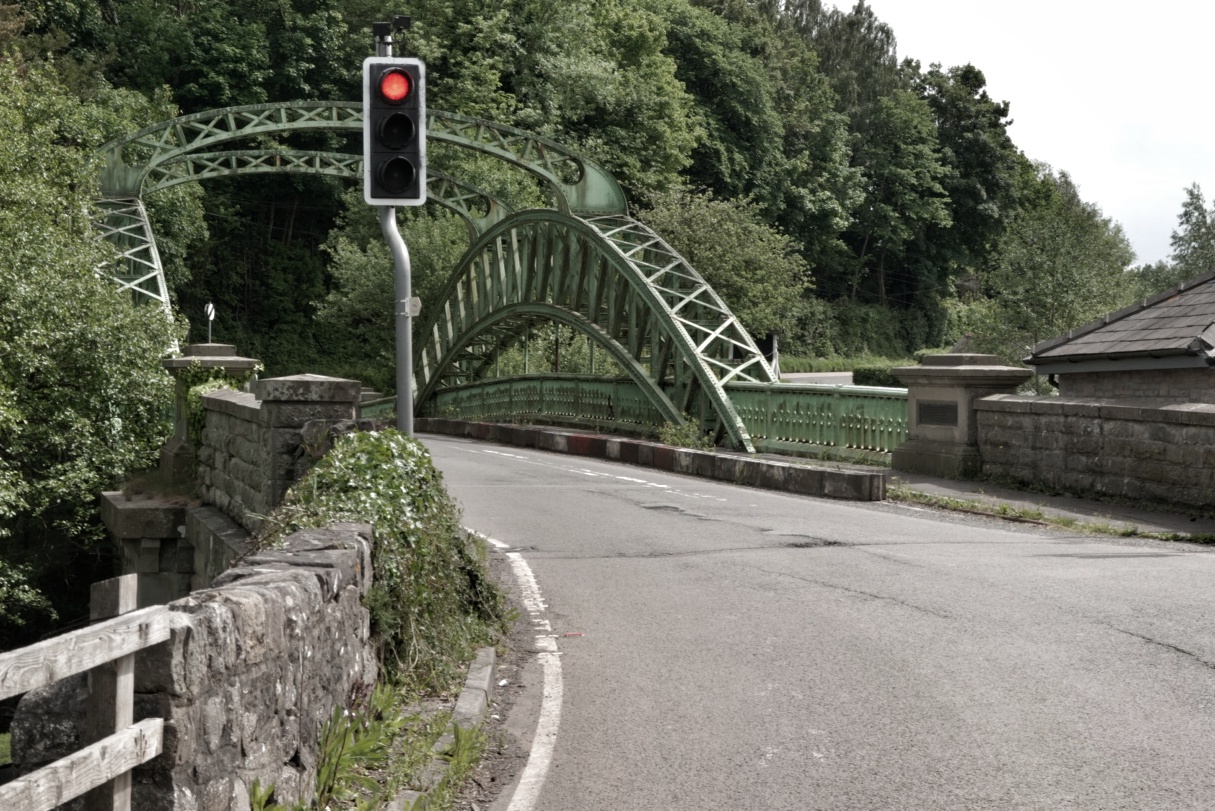
The same can be said of whoever is responsible for the current mess that is Newport City centre. We’d reached there via a lovely cycle route along the Usk. Perhaps it was reaching traffic after so long which tempers views. Glassworks cottages: a clue to a former factory? Our last major puncture saga was in Newport, close to the spot today where a cyclist was mending his saying “careful glass”.

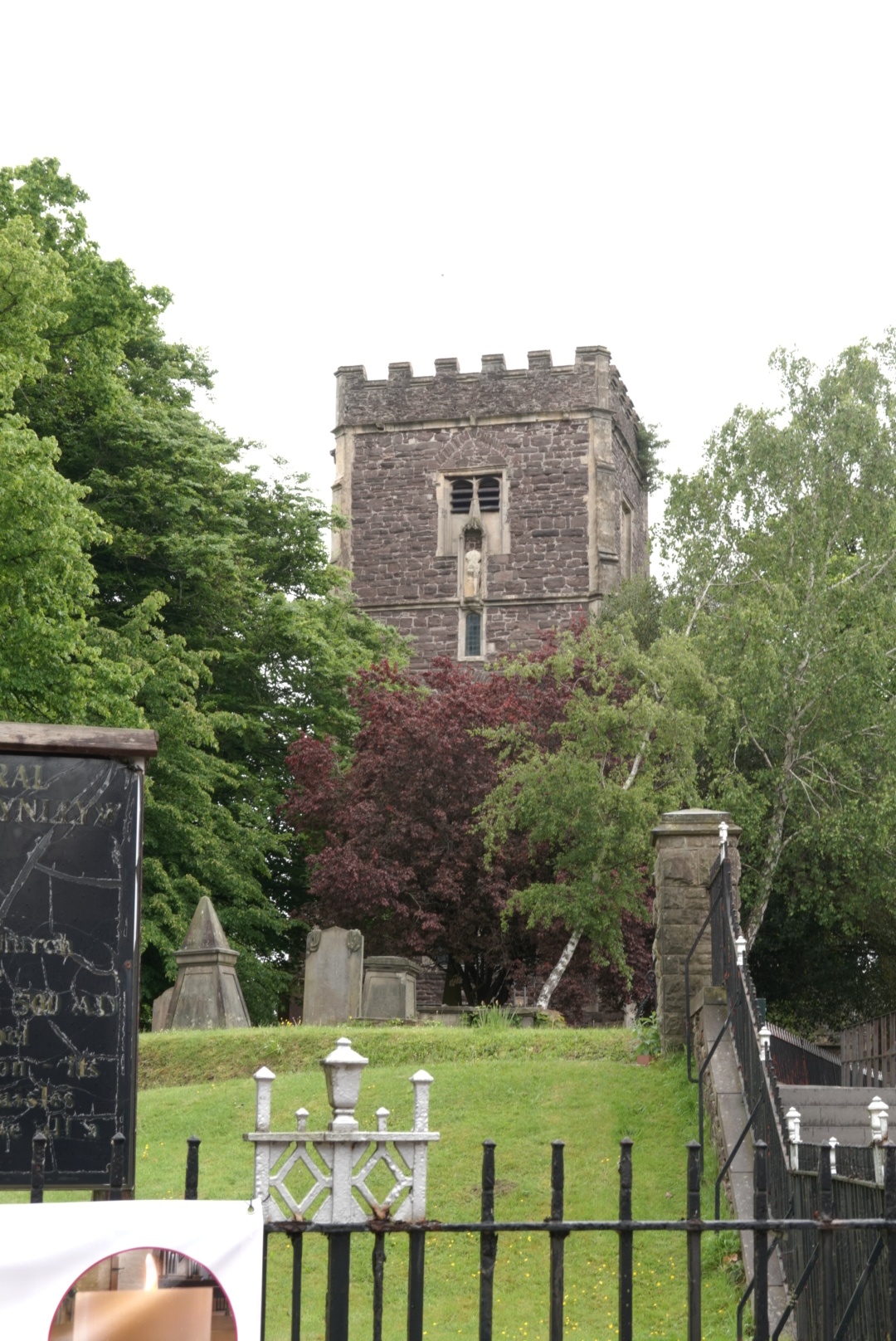
Newport City and St Woolos Cathedral, the latter at the top of a fine steep hill which must have killed a few horses drawing hearses in their day, then onto the Gwent levels. Here we stick to the minor road which weaves its way along the old Roman ditches. All too soon Cardiff.

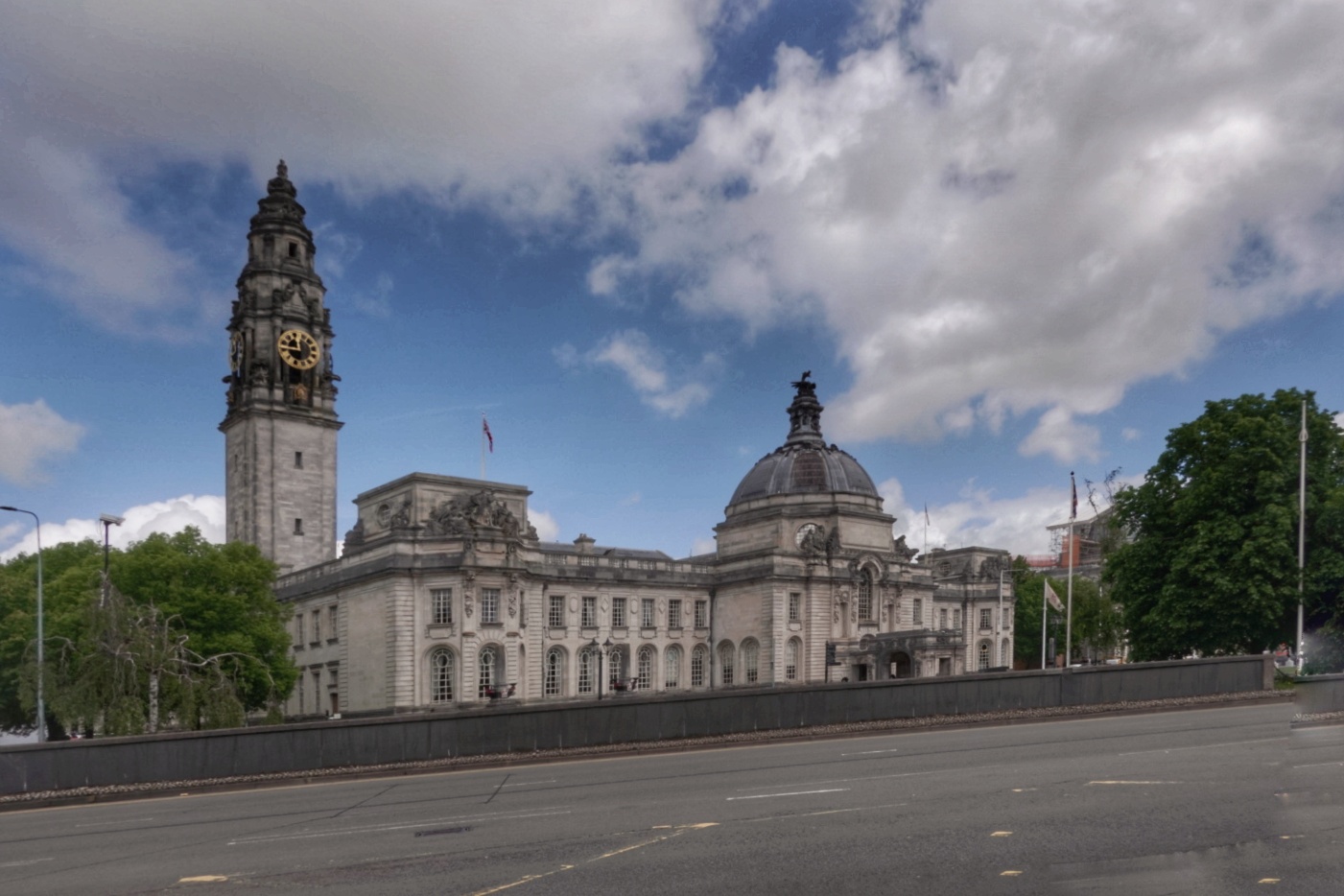
The City Halls are those befitting a city, the civic buildings in Cathays a joy. The Llandaff Cathedral isn’t bad either. We follow the Taf for a bit though newish housing, cross the River Ely to go through Penarth. A fifteenth different county don’t you know: the Vale of Glamorgan.

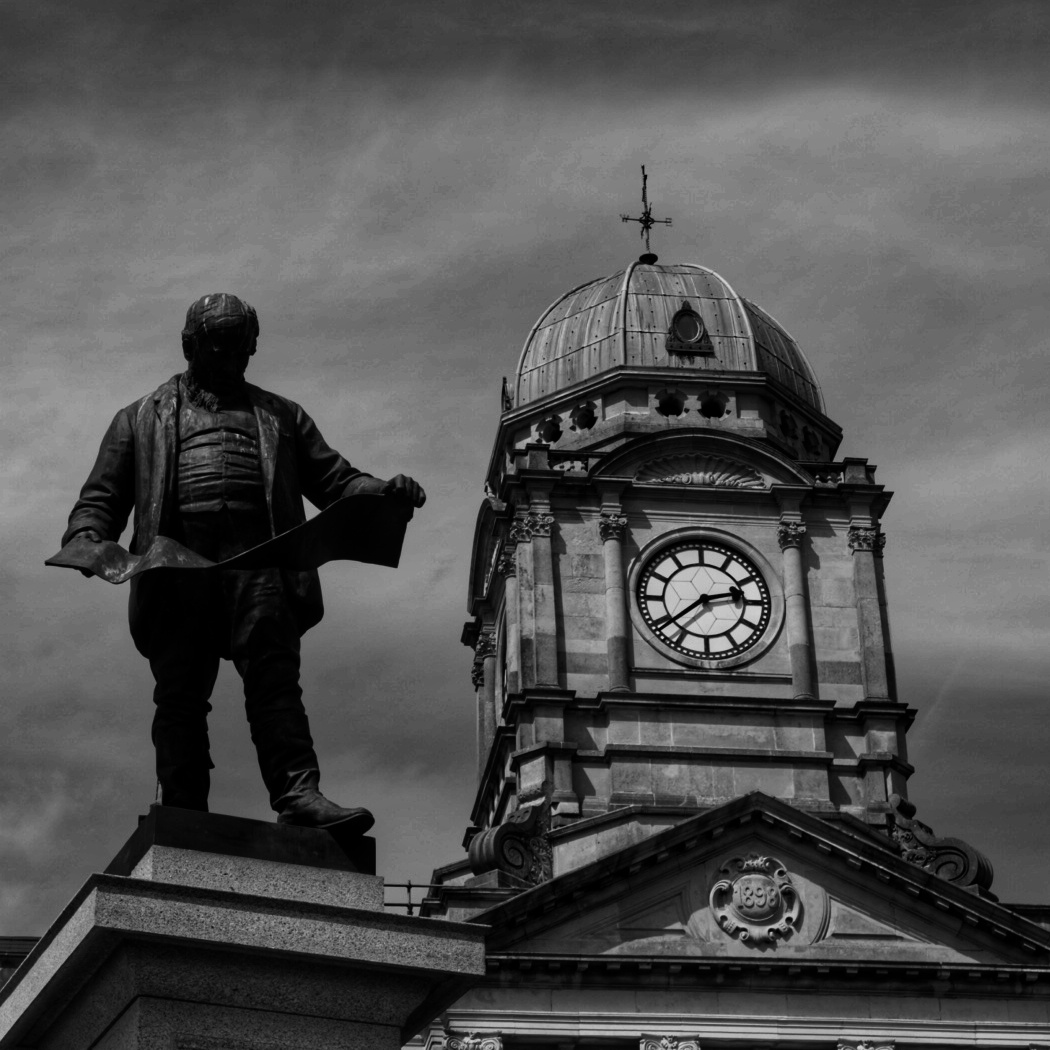
Barry is interesting. The statue of David Davies reminds you it was the world’s largest coal exporting docks in 1913. 11.5million tons of coal. Yet more fascinating is its small ruined Norman castle just sitting there at the side of the road.

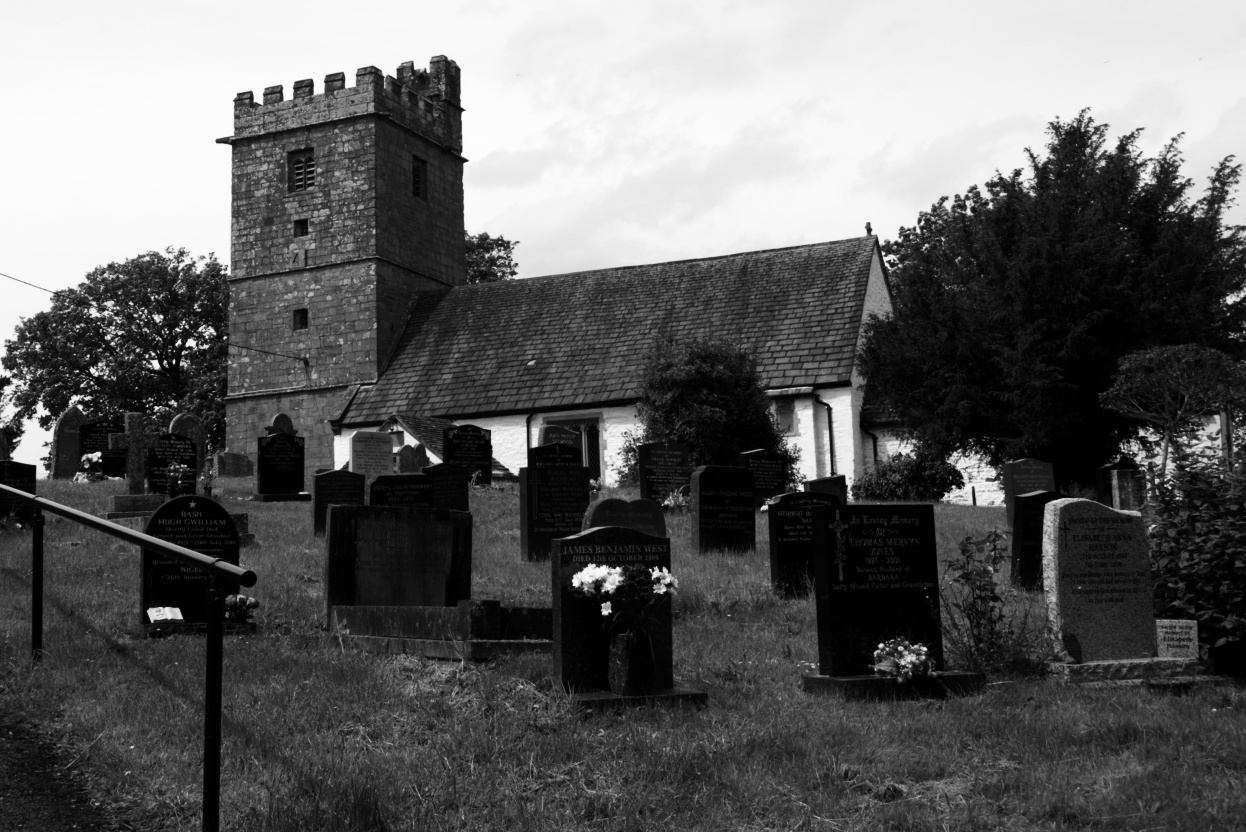
Llantwit Major (we can’t find the Minor) is our final stop on this mini tour. Wales’ oldest church (St Illtyd) watches over proceedings. Tomorrow the homeward leg.

667-10 Talgarth to Caerleon

Cities 4 Cathedrals 4 (Brecon)

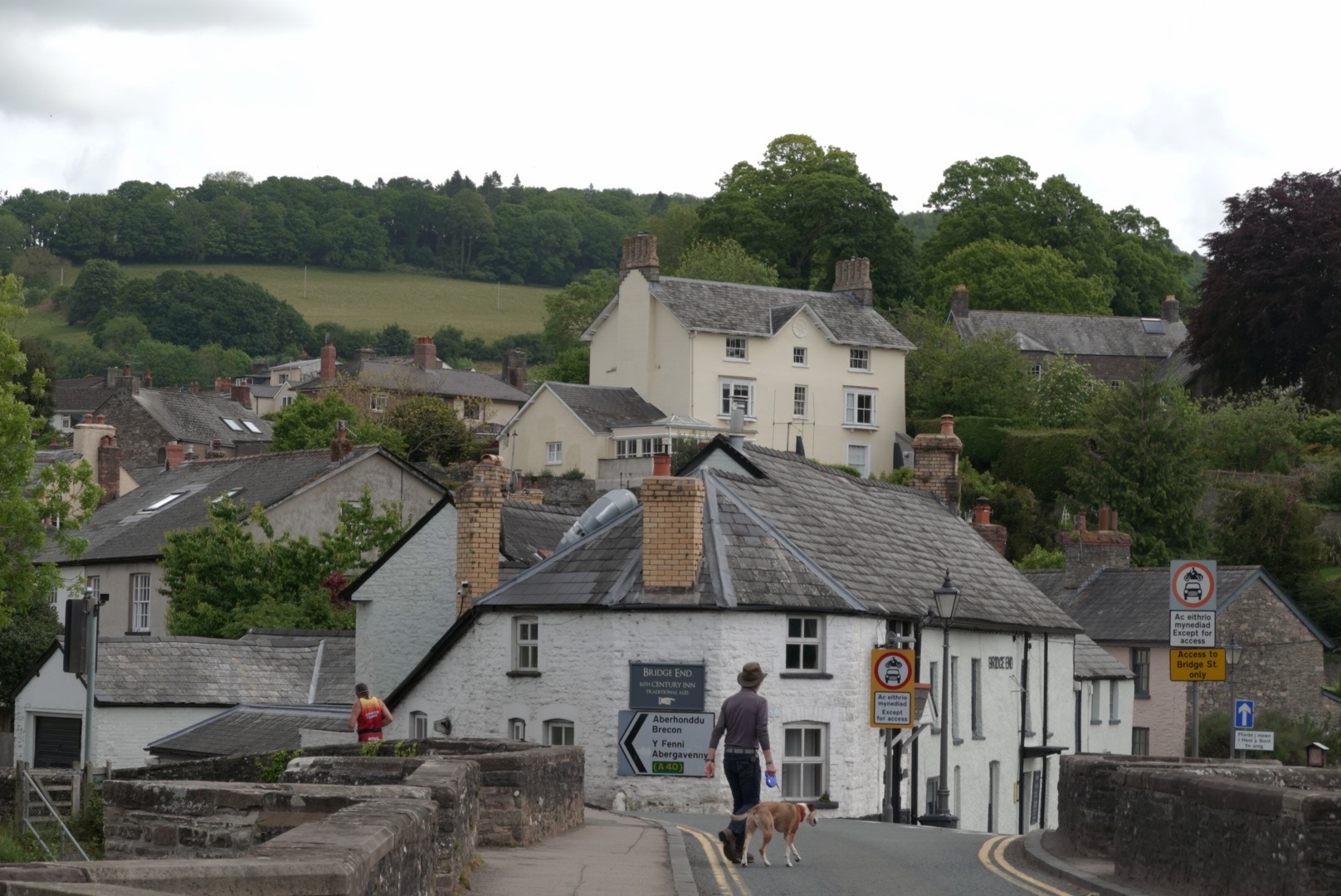
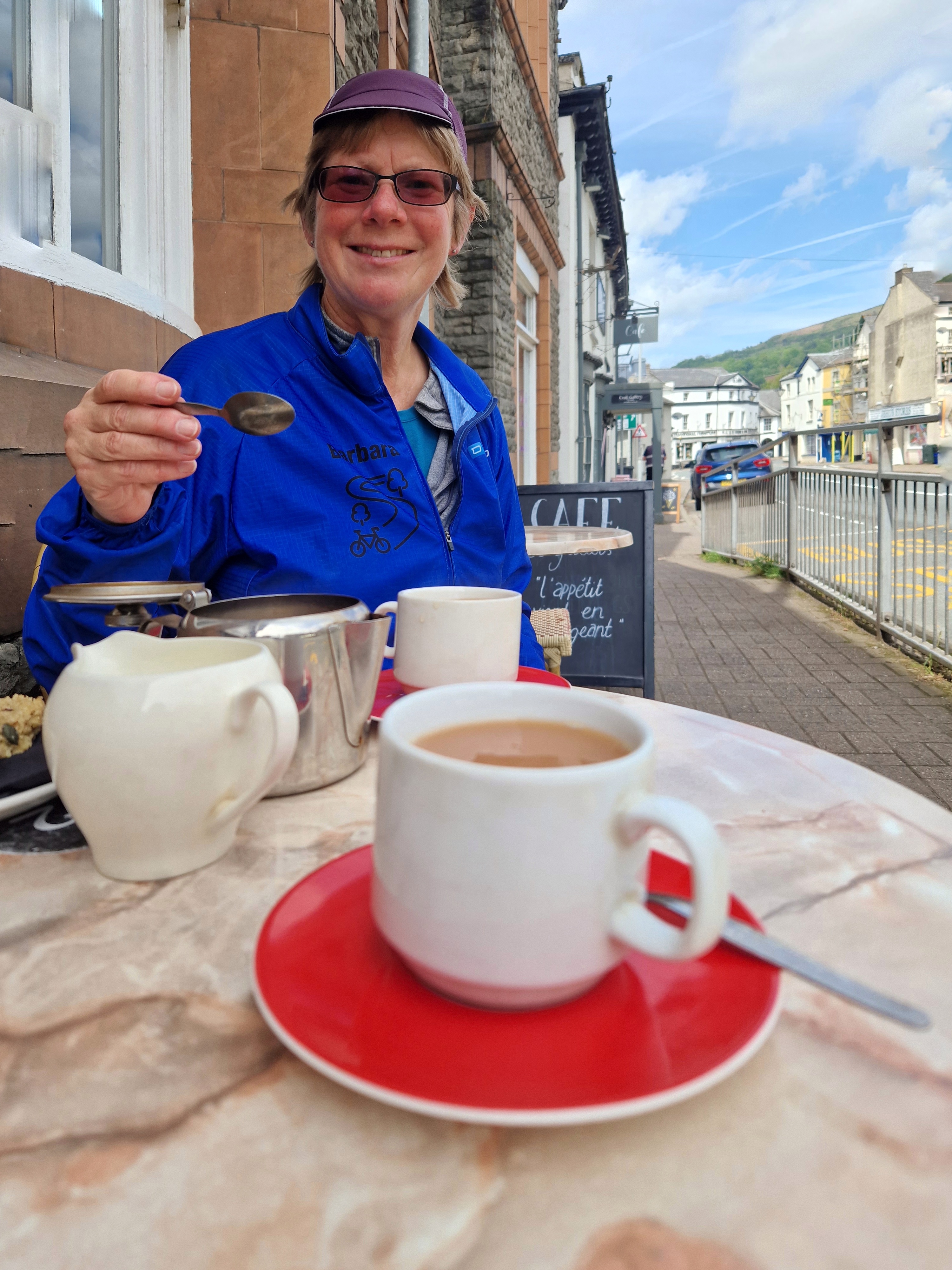
Leaving the Wye Valley we enter the Usk Valley via Brecon. The cafe is closed and we discover an excellent one in St Mary’s Church. A good use the building, coffee with a prayer.

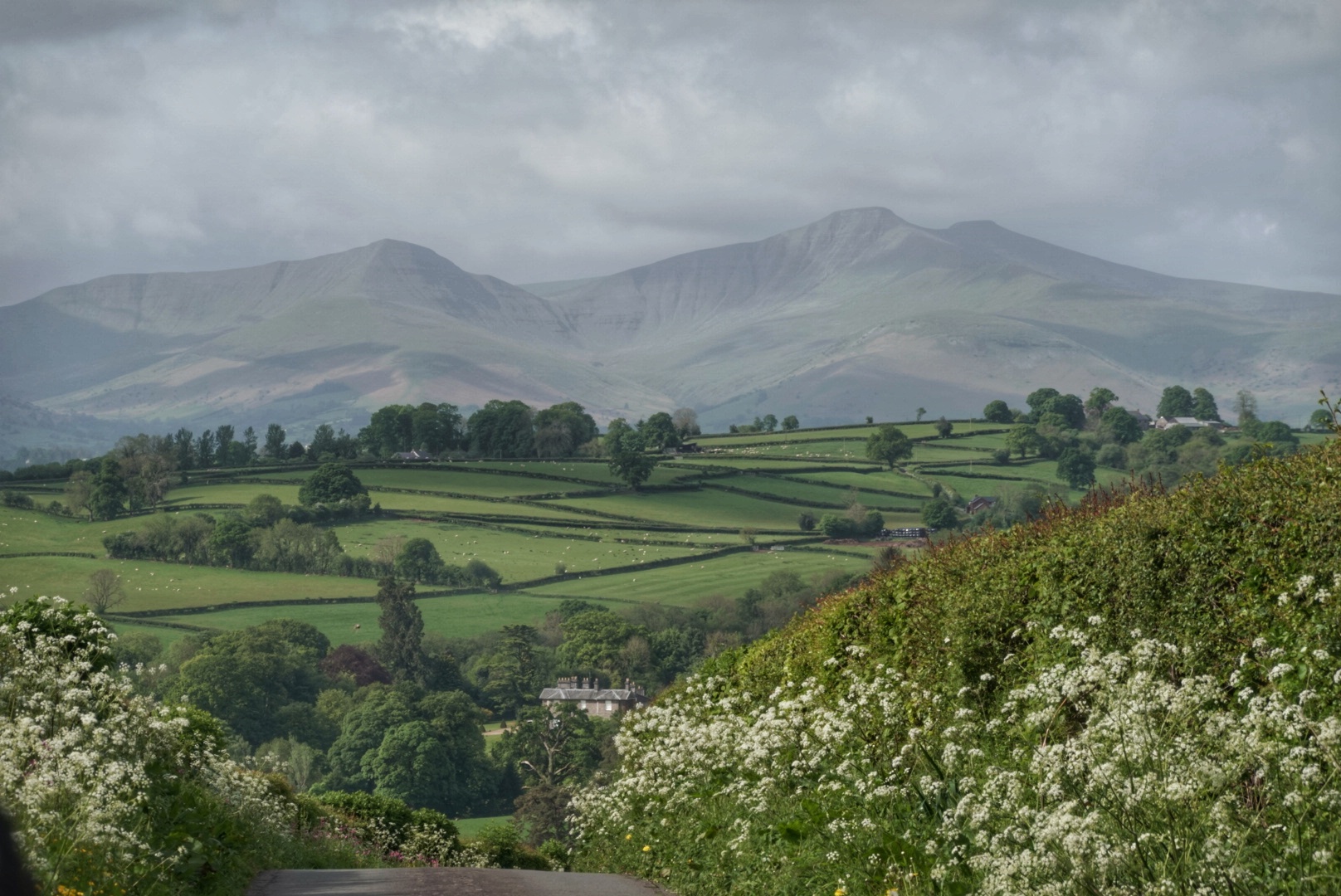
Following the Usk you can see why the Brecon canal is kept going (I think it’s the most heavily subsidised canal in the UK). It’s a beautiful valley. The road undulations work up an appetite for the excesses of Crickhowell.

We’d been on many of these roads before. The route down to Caerleon via Usk is new territory. Carefully avoiding the faster route via the new Heads of Valley extension, the quite roads are a delight. Even a windmill makes a surprise appearance.

Doing our best to get lost in Usk, a new song there, we’re left wondering about its association with Alfred Russell Wallace. Surely he’s Neath’s claim to fame? Need to investigate.

Tonight Roman Caerleon. Tomorrow starts with Newport. We do like contrasts.