0DTM Wick to Bettyhill

Setting off

A good start. Grey and dry, windy and on our backs for most of the day. The 52 miles took in a great variety of scenery, most of it peat bog.

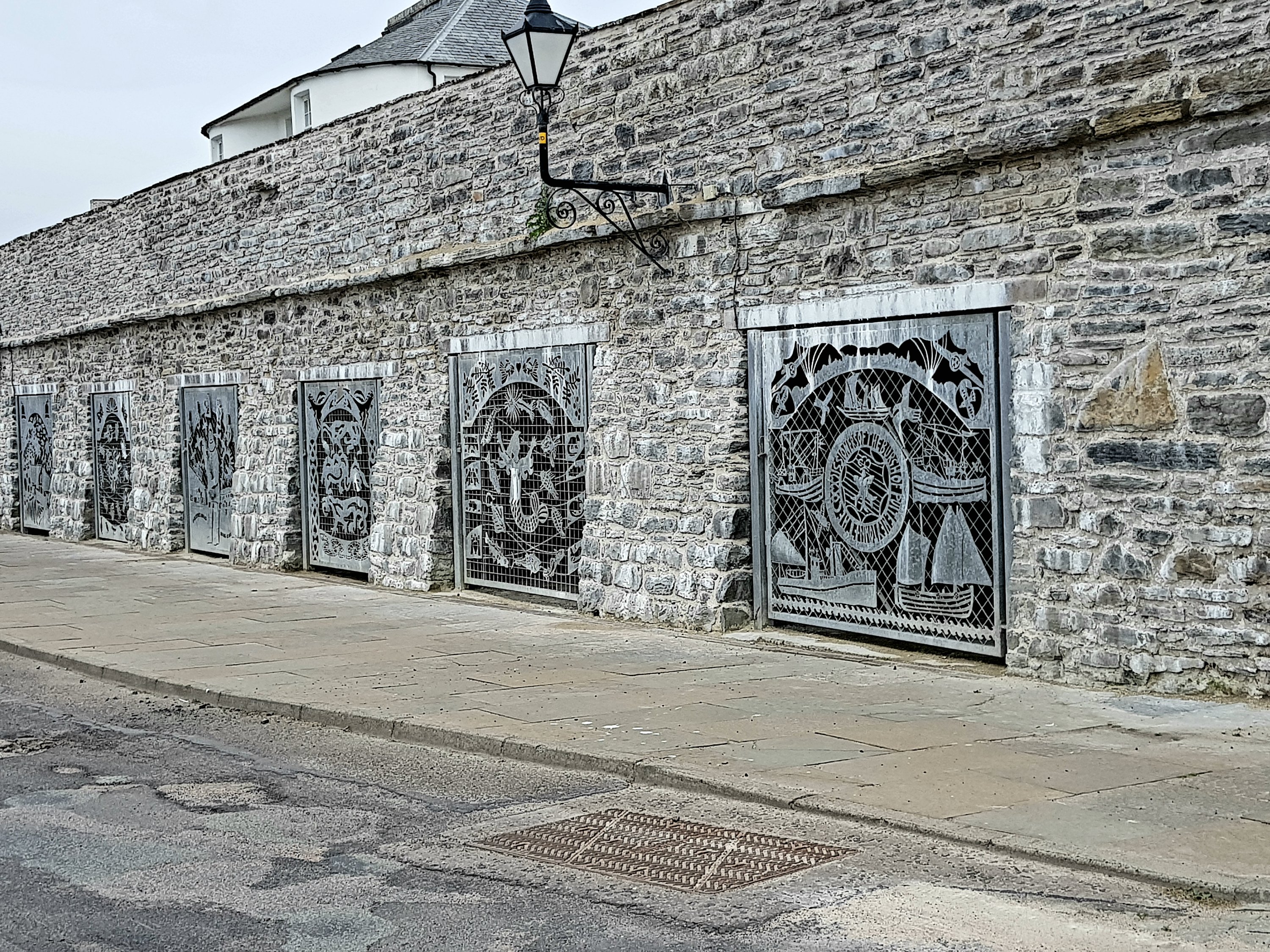
What I always find fascinating here is the flagstone fencing. Flagstone were quarried here and shipped across the UK.

The first time we were on these roads they were being resurfaced (EU funded off course). Evidently that hasn’t happened again in the intervening 21 years. There’s little evidence of the fibre optic cable they were laying in 2015: good connectivity to help the communities.

Facilities

The North Coast 500 is evident through the numerous signs. Though thankfully not today’s traffic. What it means is that even on a Highland Sunday there are coffee stops open. Bins abound That fibre cable and Covid19 means cashless too is the norm: not too long ago the hotels only accepted cash or cheques, avoiding credit card fees.

Michael tells me the Duncan side of the family originated from the Bettyhill area. That probably explains the good availability of public toilets. Bettyhill is quite a dispersed wee village. The hotel has come on a wee bit since we first stayed here. The windows close. Looks like done people haven’t moved from tbe bar in 21 years. Excellent jukebox: The Ozark Mountain Daredevils is on. Just a shame our room is above it…….

Getting closer

Good to go

We drove parallel to our later route down, though in the other direction. Thankfully our cycling route is on the NCN network, not the main A9. The road works (dualling for some reason) gave us plenty of time to absorb the landscape as tbe peaks start to build.

Aviemore was bustling, with a dusting of snow still visible. Tain was a history lesson. Whilst William was setting his mark on English 1066 history, Malcolm111 was granting Tain a Royal Charter. Are the Turkish hairdressers a legacy from the crusades?

Tain

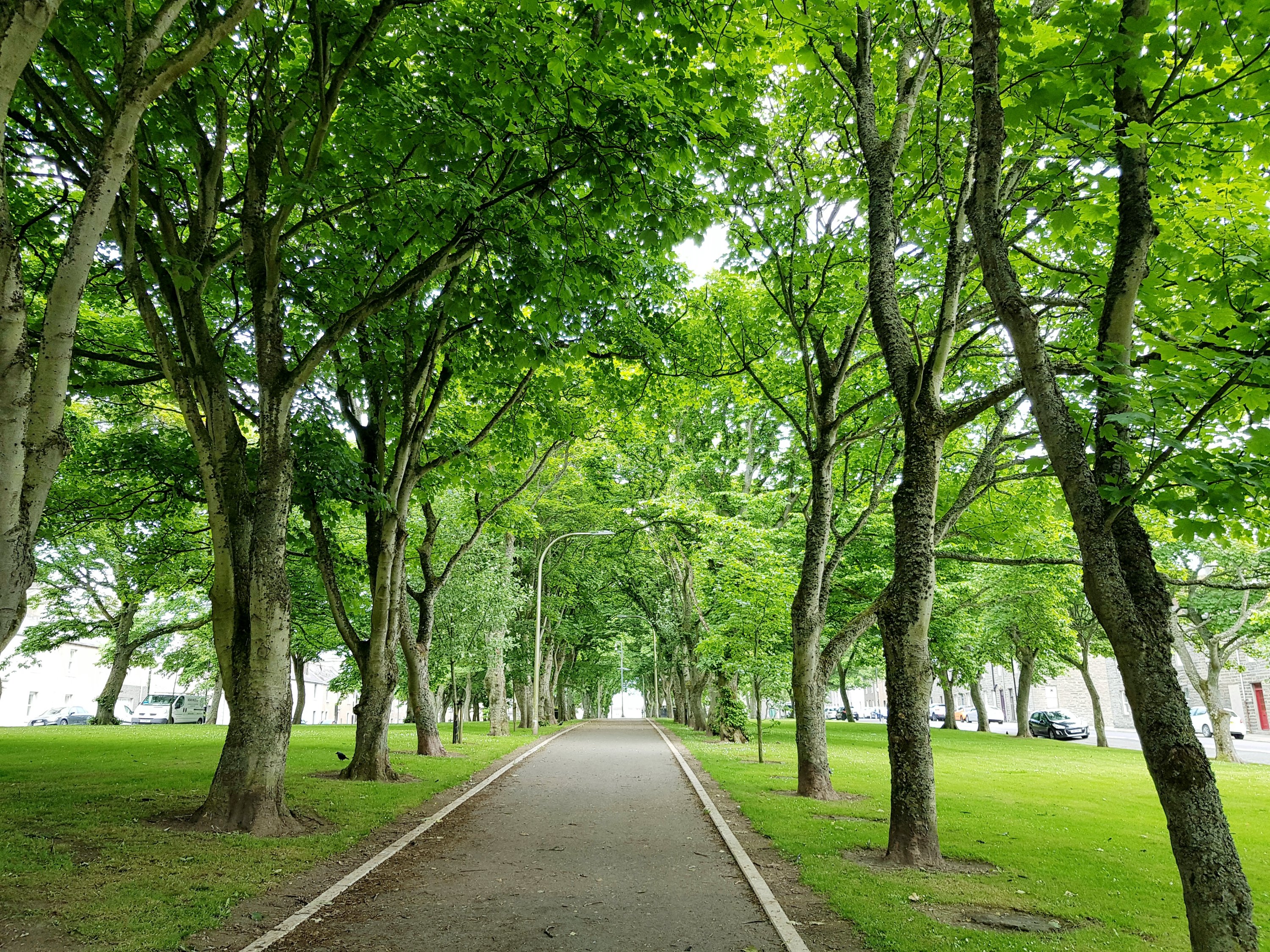
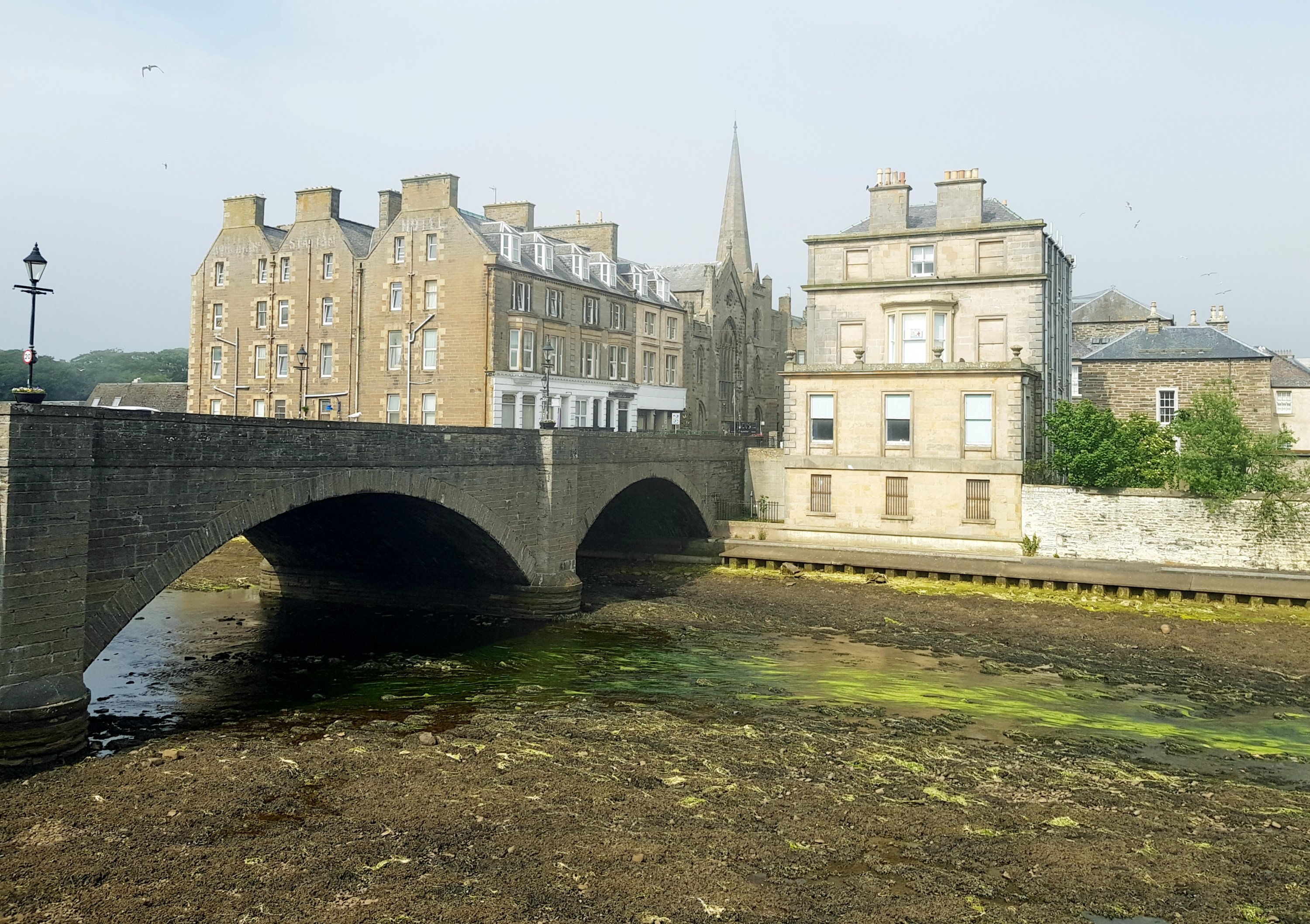
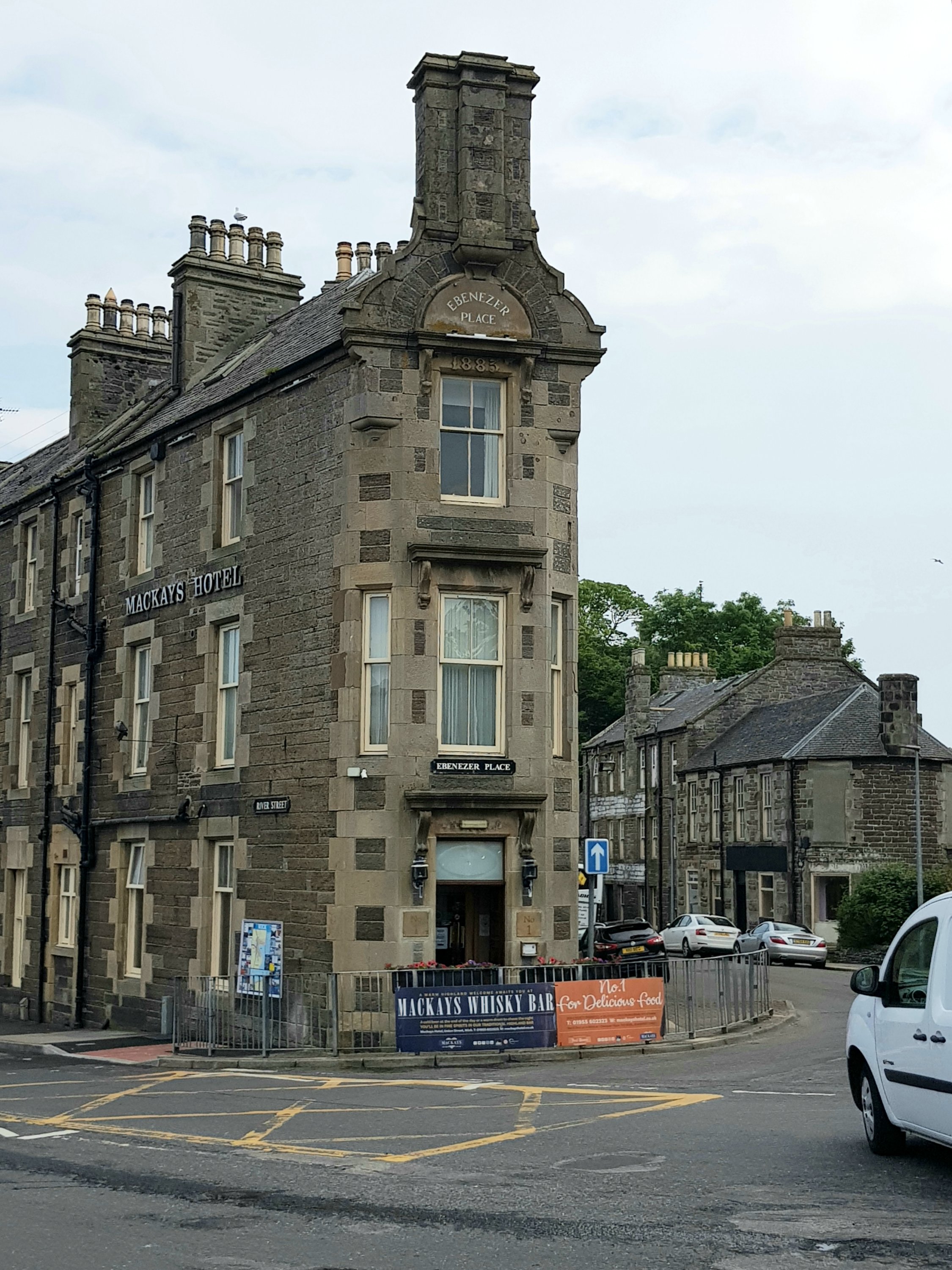
Arriving in Wick, we’re staying near Telford’s 1807 bridge. Just off the world’s shortest (at 6’9″) street. Ebenezer street. This is South of the z River, a town designed to commission by Telford. It was built as a herring town, becoming Europe’s largest and then decline.

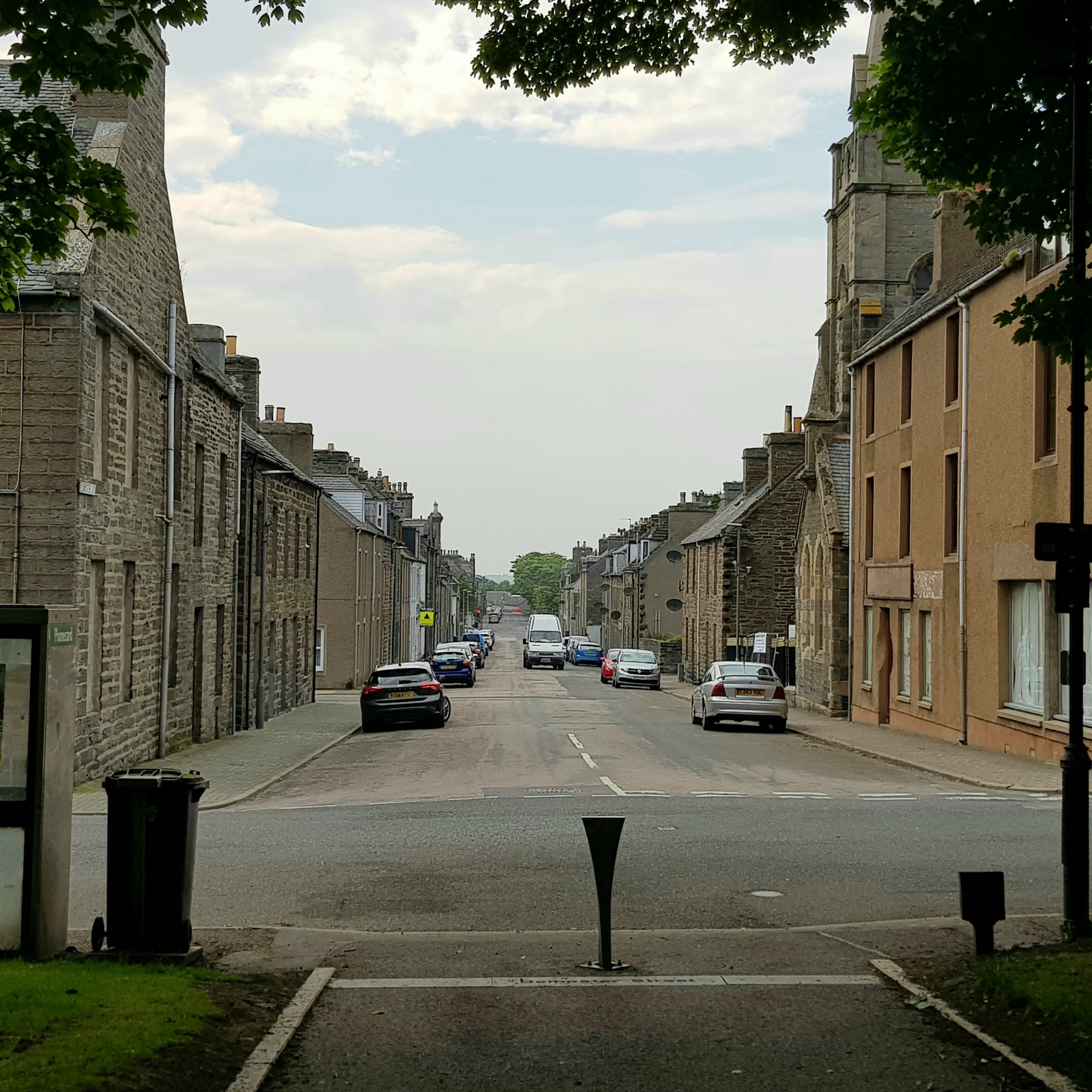
A wander around educates. Lowry painted two recognisable pieces here. The first daylight air raid of WW2 bombed a street. There’s an active civil society running alongside the active sub cultures hanging out the pubs. The Newtown is a bit dilapidated: presumably no new work on the wealth creating scale of herring ever arrived.

Bikes unpacked, van dropped off. Fed. Watered. Waterproofs out. Good to go.

Day 0, Stirling, Cape Wrath Trail

Stirling is a underrated wee city. Medieval castle with all the old town trimmings, Stirling Bridge and Wallace: the meeting point of Lowland and Highland. Yet it has its own rough underbelly cheek by jowl with cobbled streets.

The castle dominates the landscape. It’s been looked after well and feels accessible, not preserved. Old skills have been relearned to redo old halls and chapel. Big enough to show coach parties (who need to be diverted to the rest of the city), small enough to appreciate its scale.

We followed the Forth trail to find where Jimmy (my Dad) was born, Abbey Road Place. On the way the information boards broadened horizons. I hadn’t realised Stirling had once been a major port.

The Albert Halls rounded off the day with Blazin Fiddles and Karen Matheson in a grand Victorian pile.