D12 Trans Europa Pultusk – Warsaw

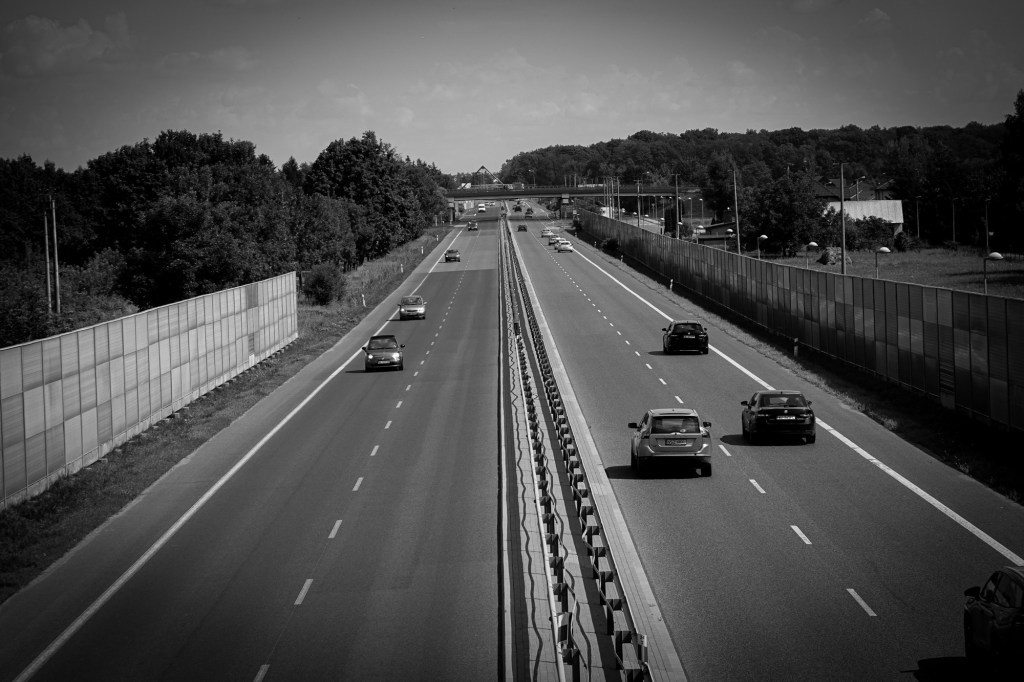
There’s a lot of construction work all the way into Warsaw. You get the impression of a large city (it’s 1.8 million people) spreading tentacles. Traffic is a wee bit busier on the road sections, nothing untoward.

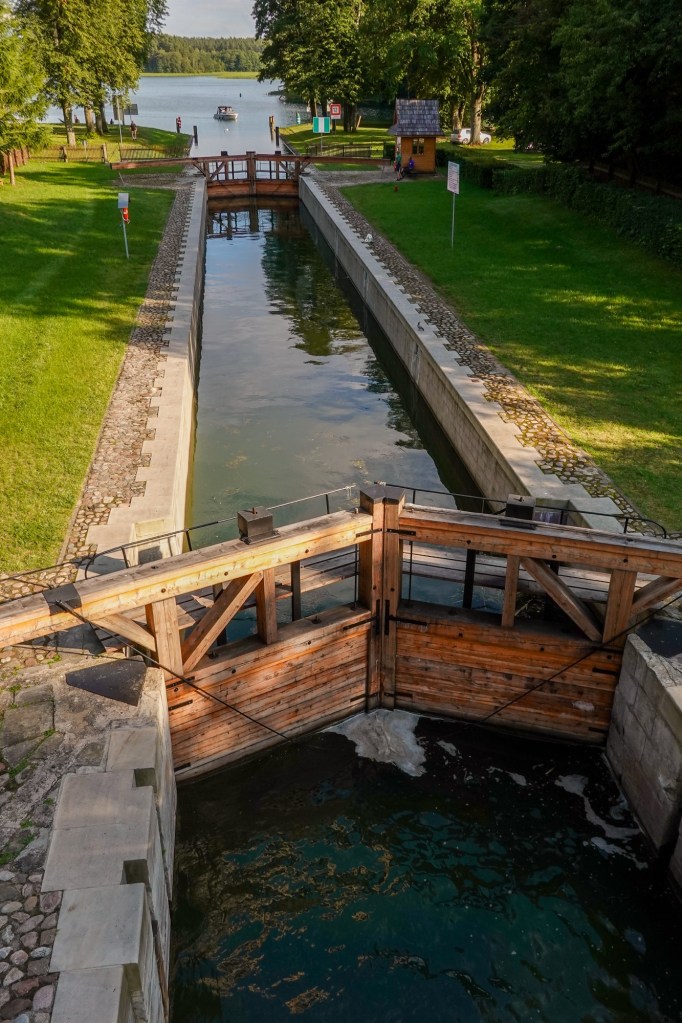
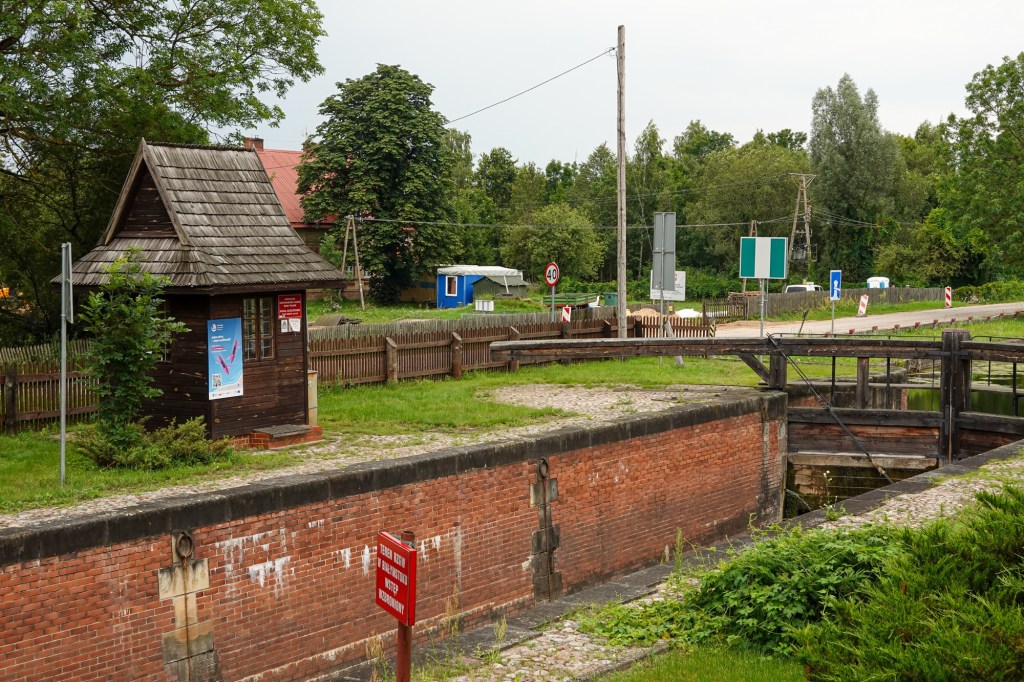
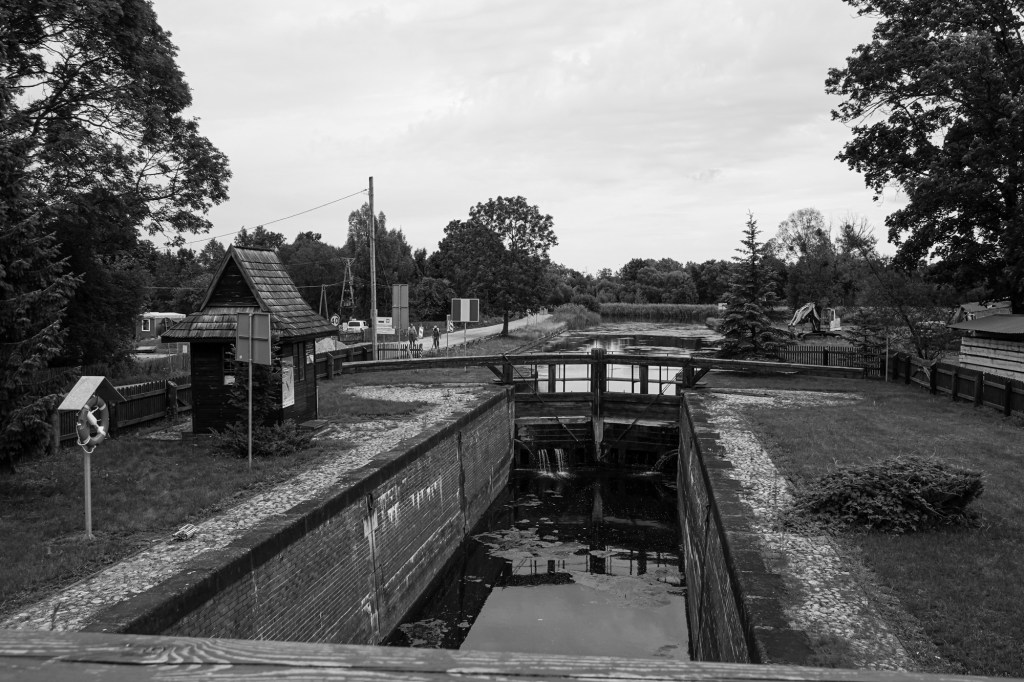
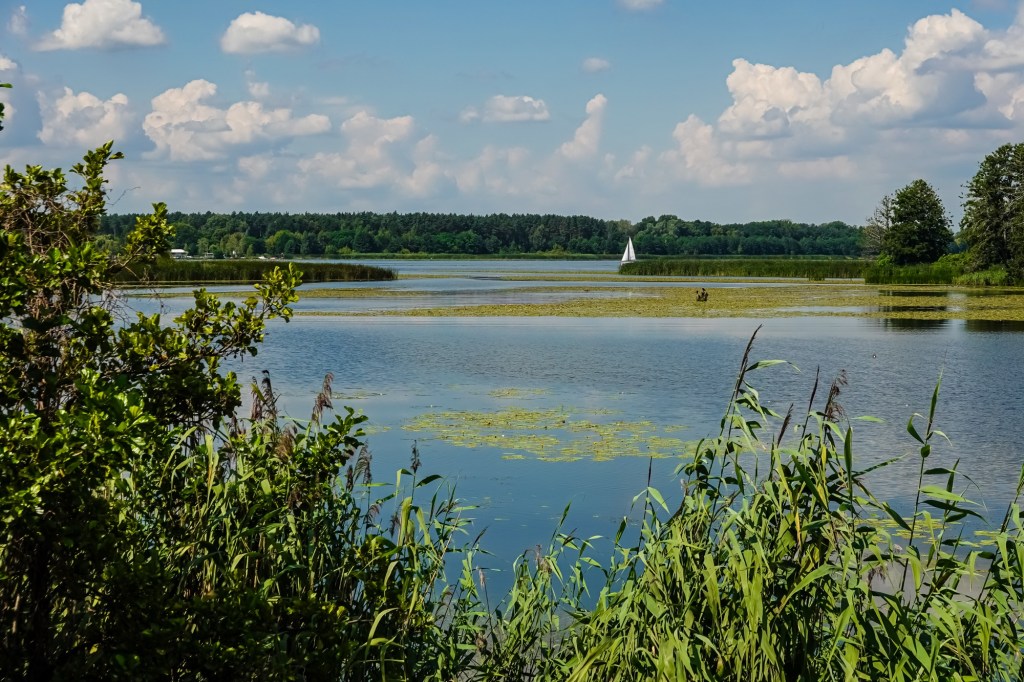
Like the approaches to many cities, it can be hard to really discern when rural stops and urban – or rather suburbia – starts. For us it is complicated in that we’re following the waterways to the city centre.
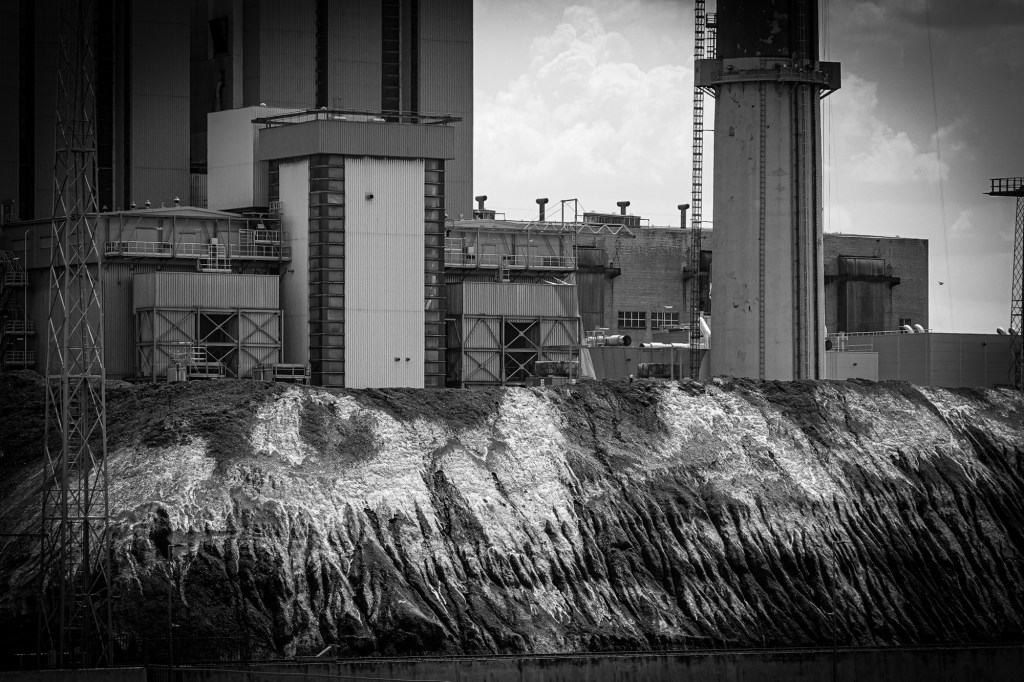
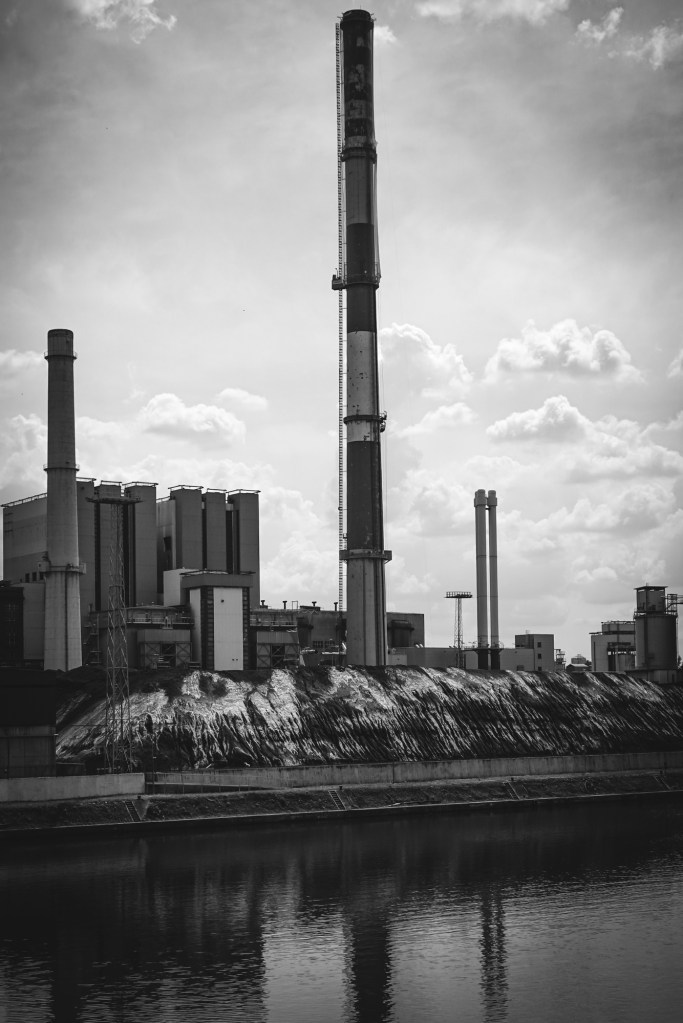
It takes us past a Soviet era coal fired heat-power station (modernised since its 1956 firing). Poland is the 2nd largest coal-mining country in Europe after Germany and the 9th largest coal producer in the world.

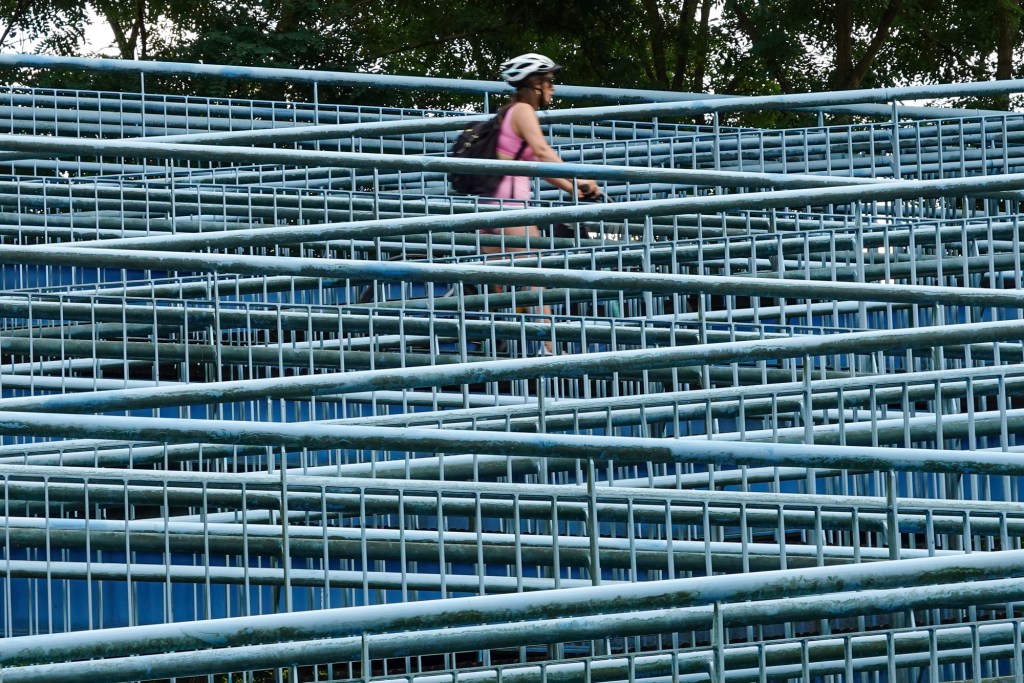
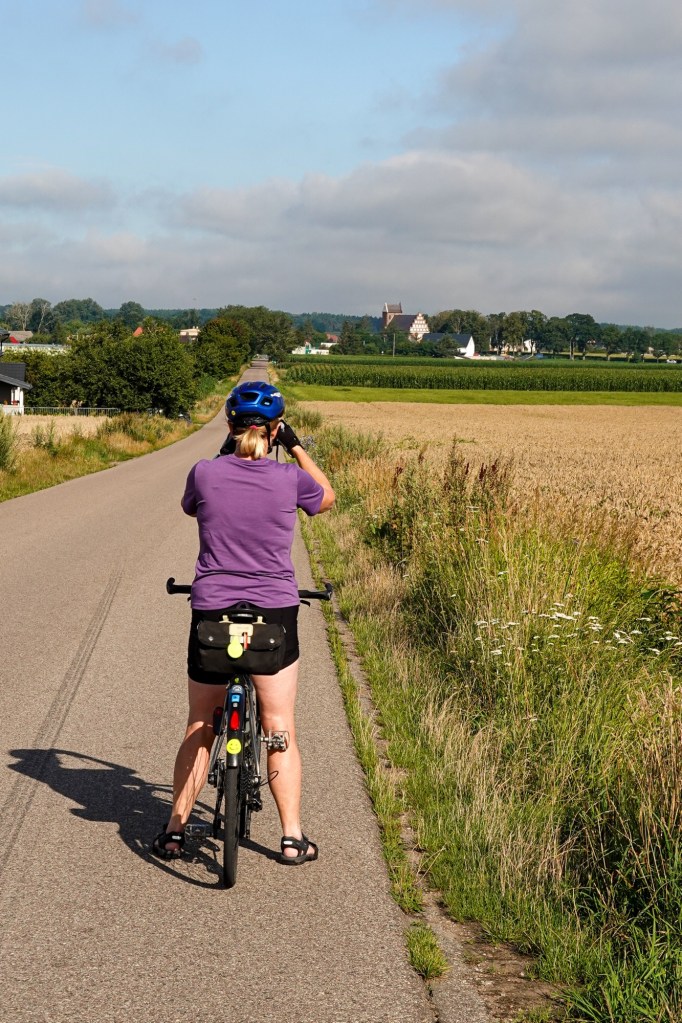
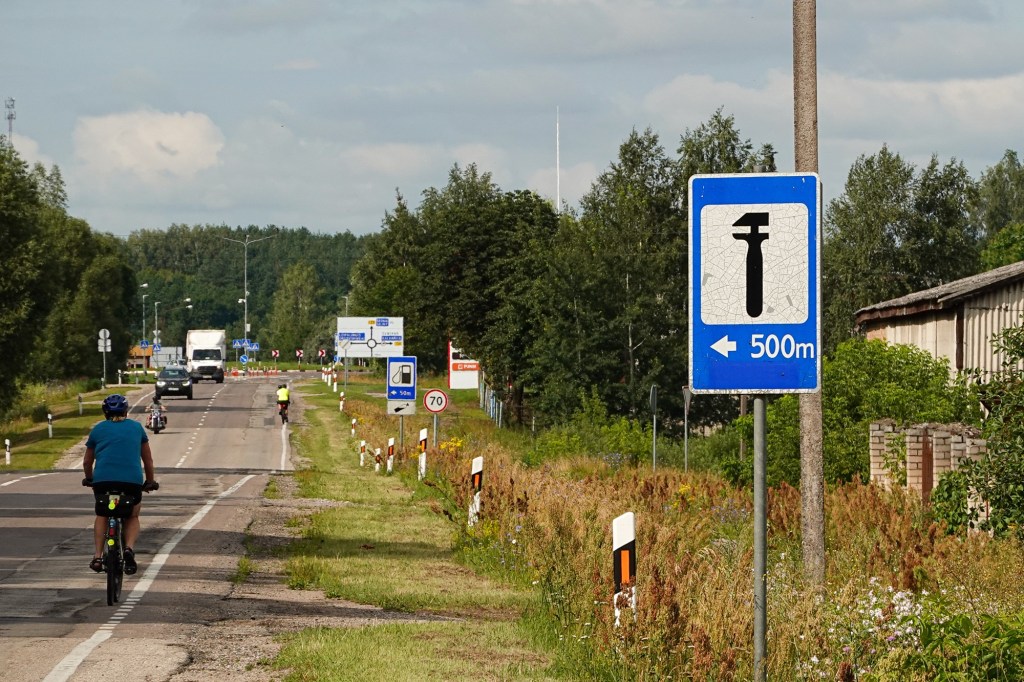
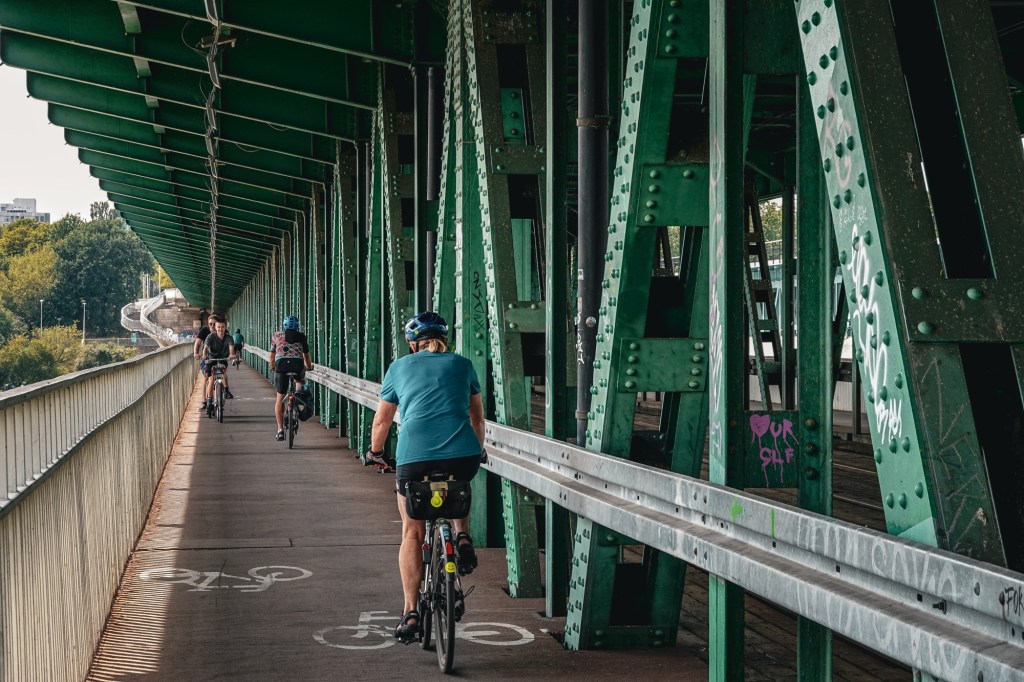
The cycle paths are very busy – the whole gambit of boy racers, Mamils and folks have a gentle tootle. Mostly polite with room for all. It’s a stop start day crossing junctions – always interesting to watch the interactions.
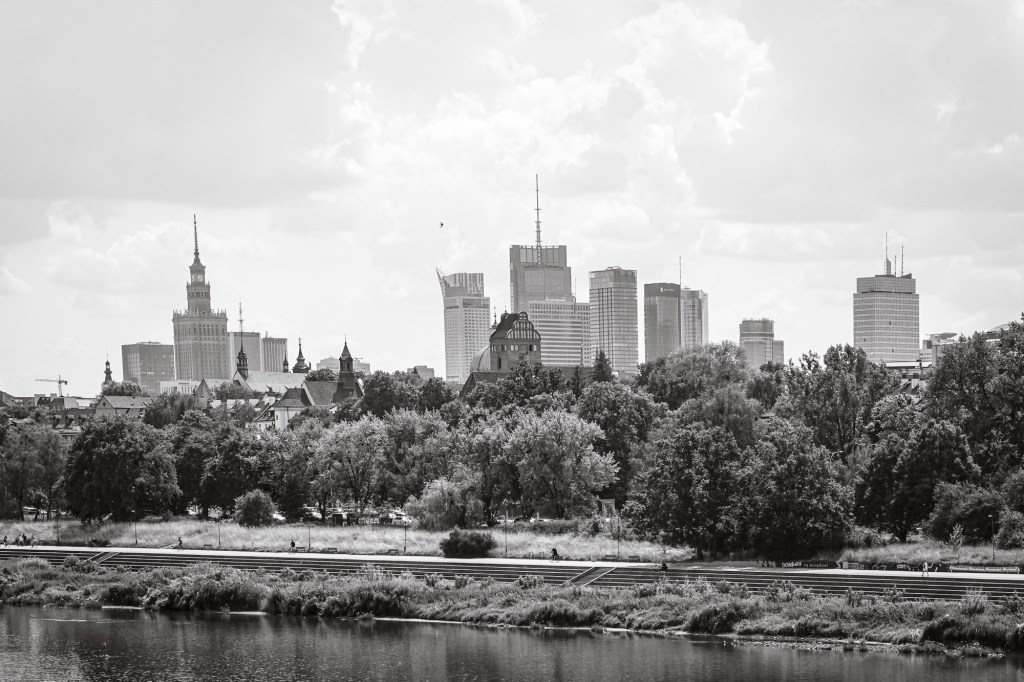
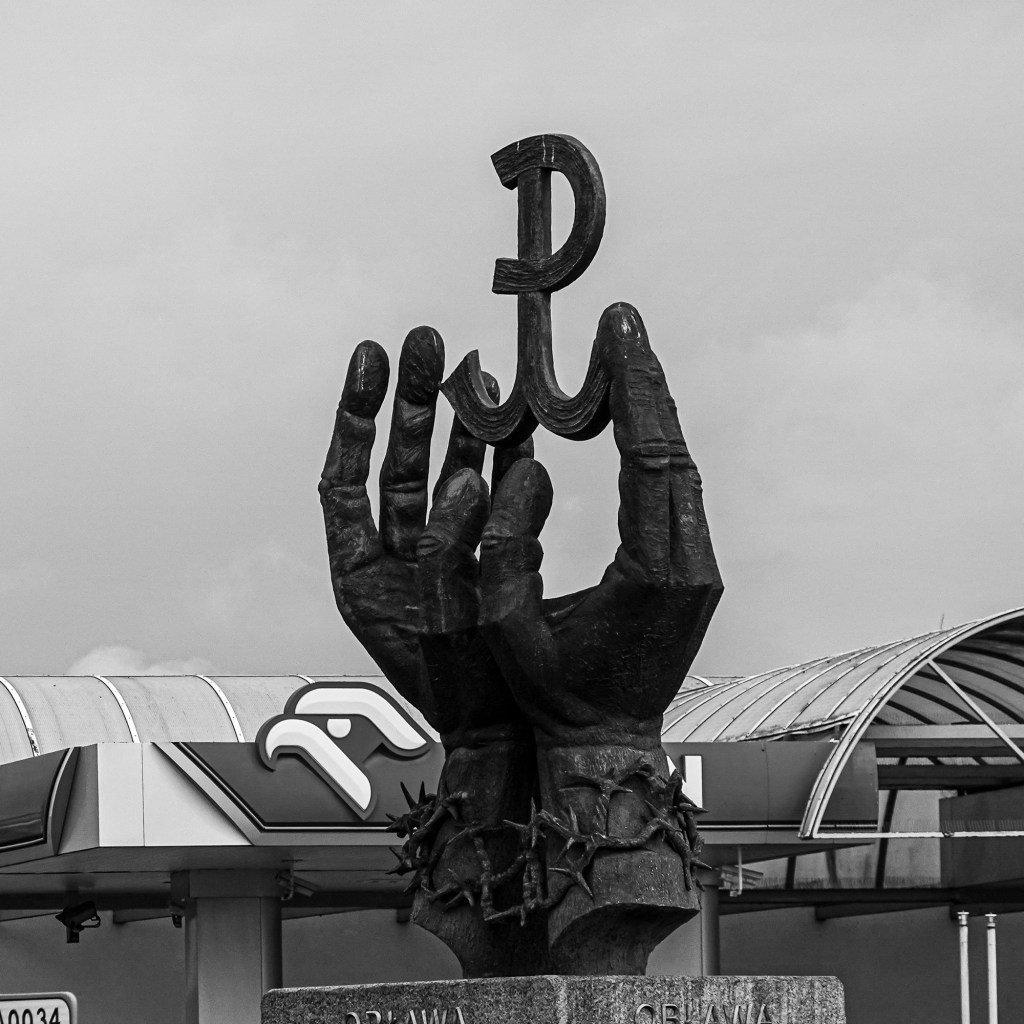
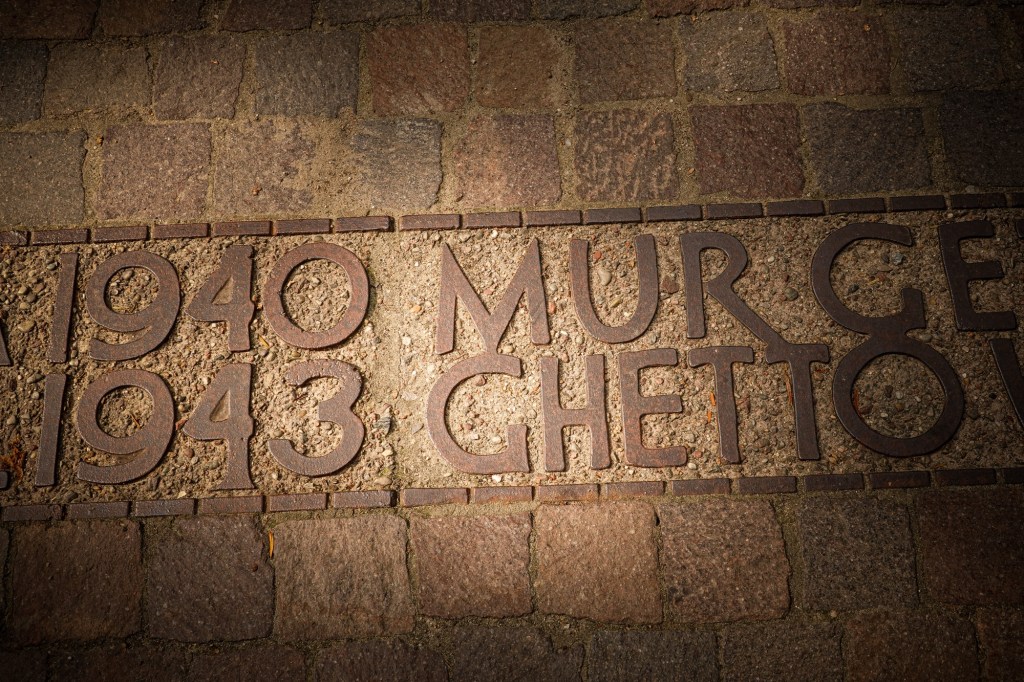
The trip to do laundry takes us passed one of the gateways to the Warsaw Ghetto of WW2. A sobering read. Tonight we watched the start of the Warsaw Uprising Race – 11000 runners doing 5 or 10k starting from 8:30pm.
On a lighter note we had an excellent pizza for next to nothing by walking in the opposite direction from the Old City to a place where people live. A wee dive of a place. Great value and a change. We then spent almost twice as much buying a coffee in a Caffe Nero. Oh well.

Tomorrow, tourist things, on a rest day.
D11 Trans Europa Lomza – Pultusk

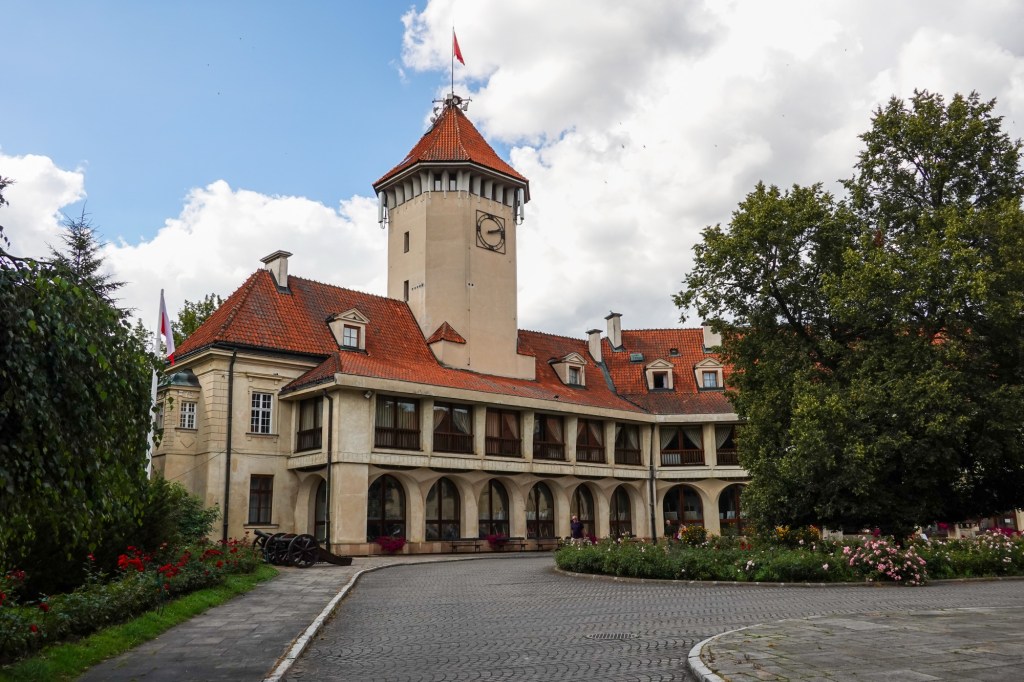
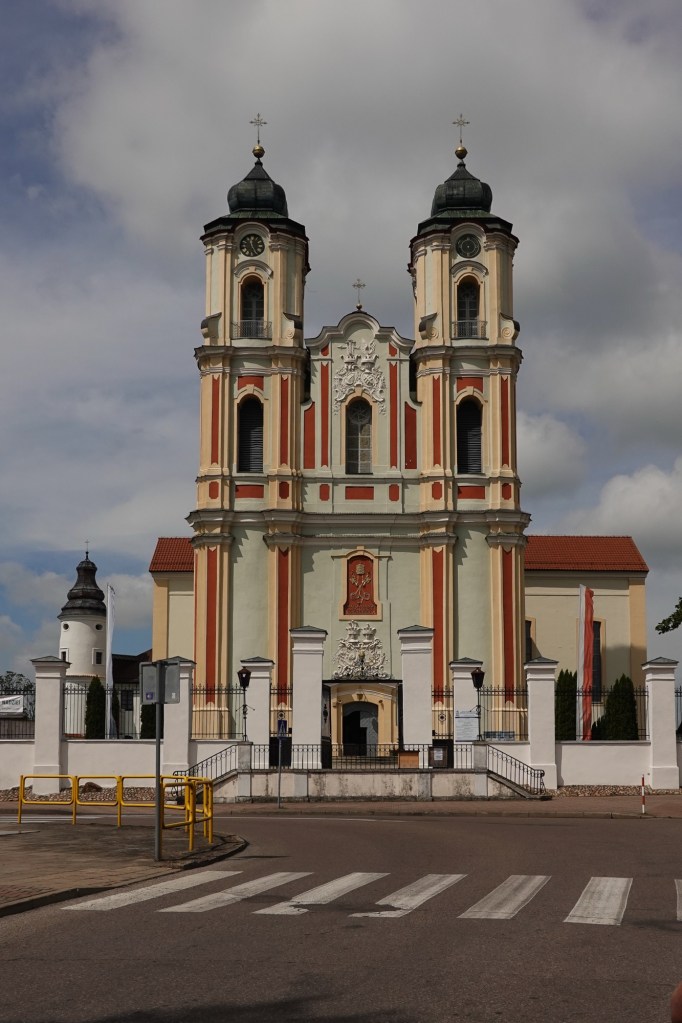
Pultusk is one of the oldest towns in Poland. I read this on one side of a noticeboard in English whilst Barbara was using Google Translate on the Polish side. I promised not to say anything: I haven’t spoken to anyone about it.

I confess not to have heard of its most famous recent person: Krzysztof Klenczon. He was a pioneer of bigbit, a 1960s music scene made up of rock and rolljazz, and twist groups in Eastern Bloc countries. The term was coined as the name “rock and roll” was not approved by authorities in these nations. There’s a statue memorial (he died in Chicago hit by a car in 1982).

Situated on the River Narew. It claims to have Europe’s longest market at 380m. True or not, it’s a fine cobbled open space. No market today, just icecream – waiting for the Warsaw visitors who have this a favourite destination.

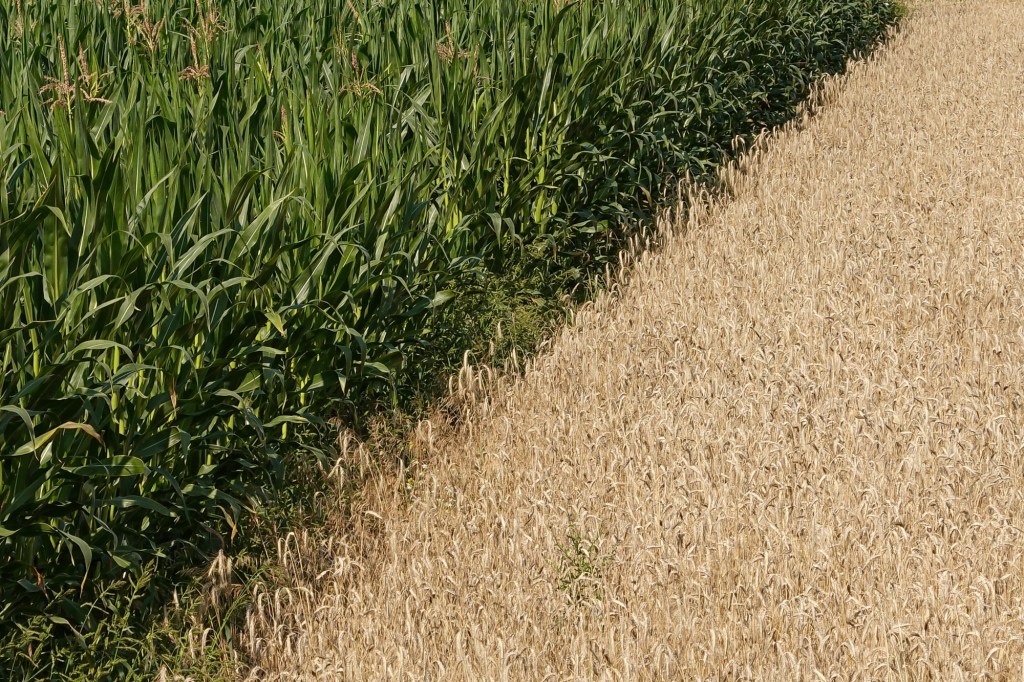
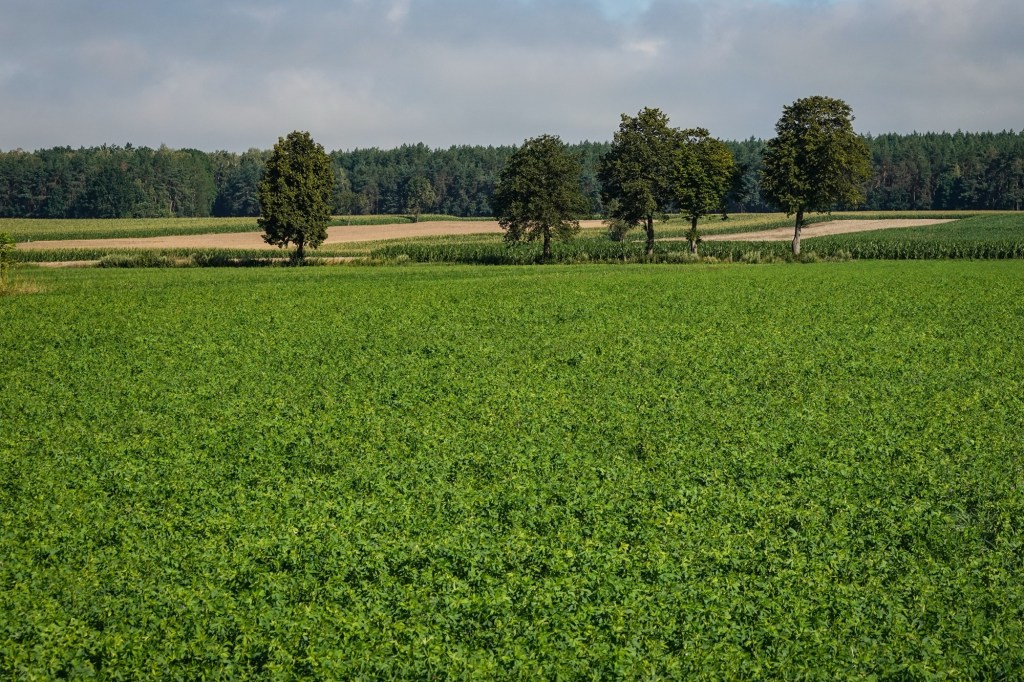
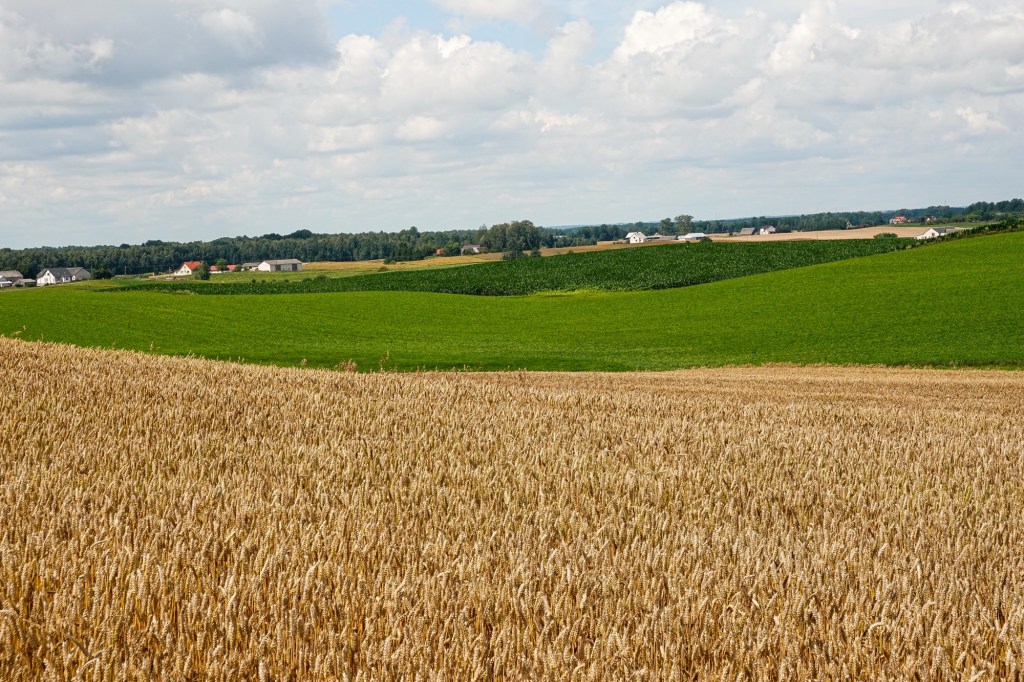
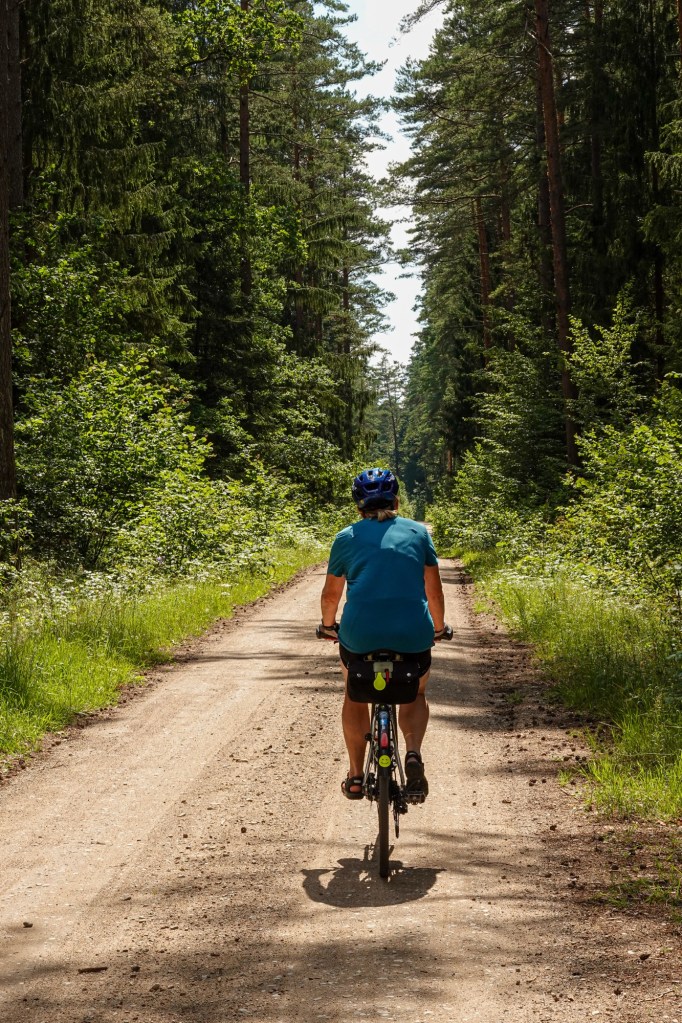
Getting here was a delight. Again through fine cultivated farmland: the frequency of settlements is increasing and we are seeing a lot more people. Great to see folks of all ages cycling for normal things – like shopping and going to work in the fields.

Tomorrow to Warsaw.

D10 Trans Europa Przwiez – Lomza

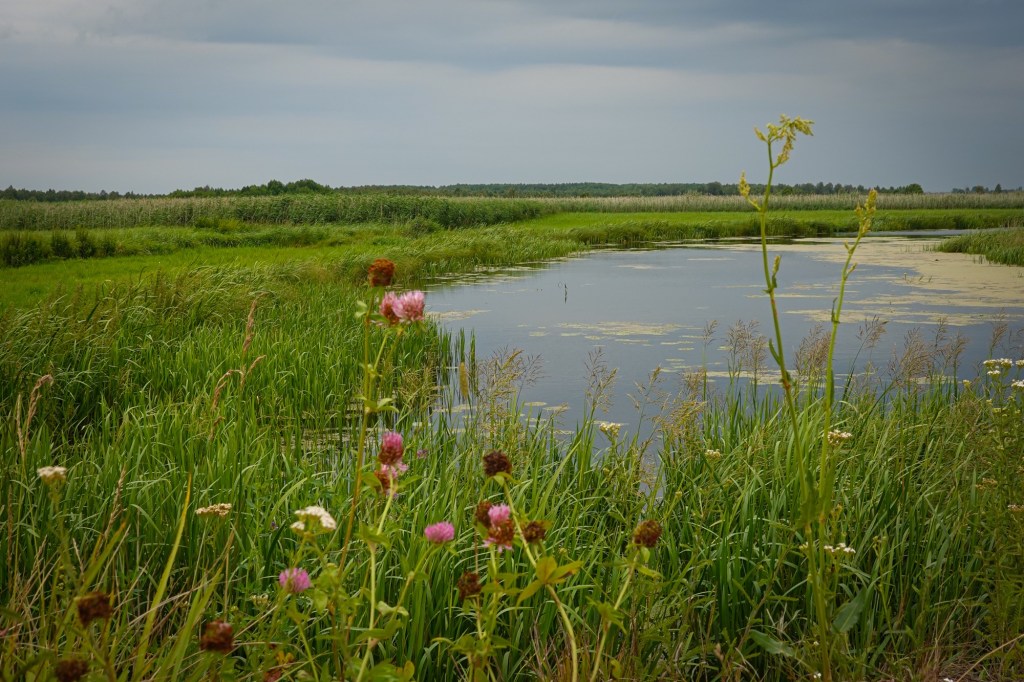
Sulwalki is made up of a network of glacial lakes connected by canal. It’s the coldest spot in Poland in winter. Today it may have been, at times, the wettest. The drainage channels and flat landscapes are not unlike parts of the Fens.

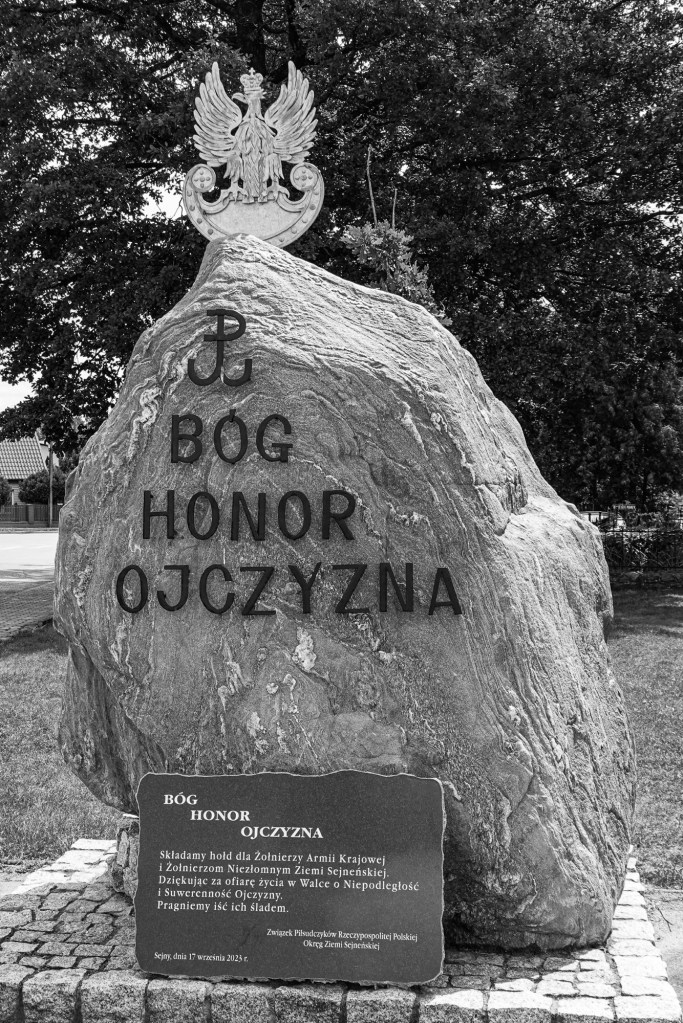
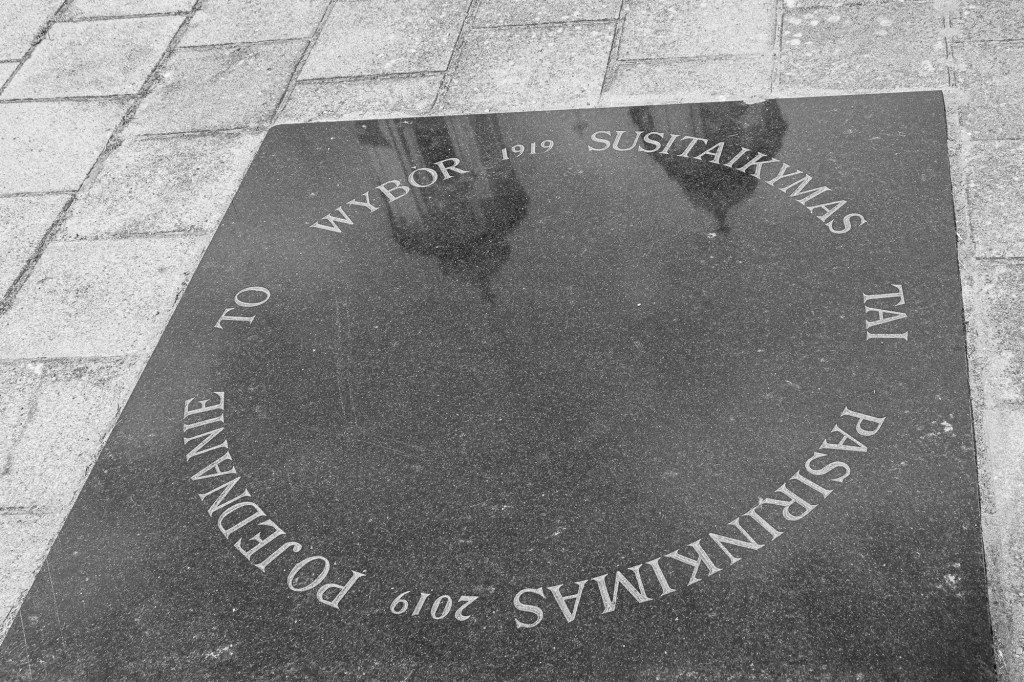
The harsh history is never far away. Augustow, near the start of today, – its Jewish population was exterminated in WW2. Leaving town is a fine monument (2019) in memory of the 2000 local militia killed by a 50000 strong Red Army and whose mass graves have not been found. Tonight’s stop was 70% destroyed in WW2 – the rebuilding of the Market Sq only completed after independence from USSR.

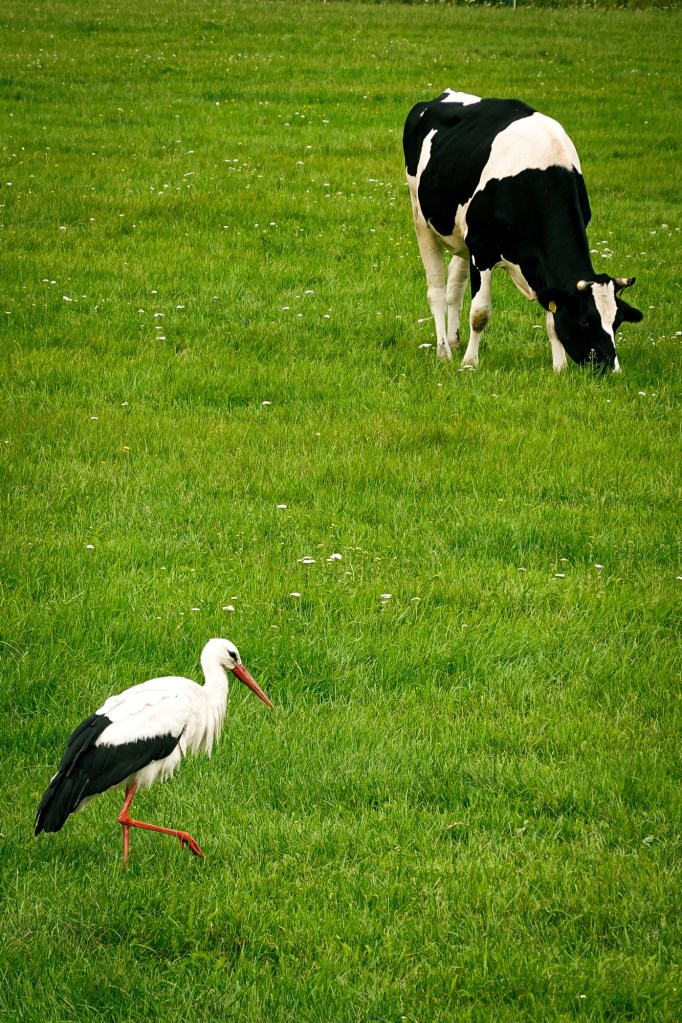
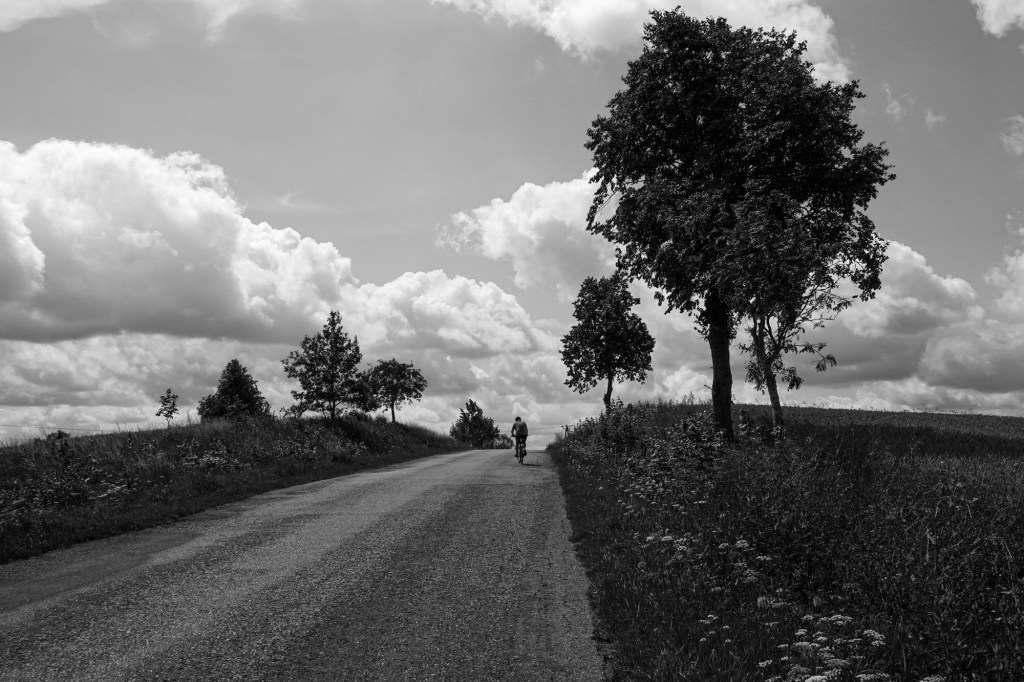
Today was refreshingly wet and then a lovely drying headwind. Passing quiet villages, supervised by the every attendant storks. Impressed how they held their ground against the lashing rain. A wee bit bedraggled at times – us too.

The Polish placenames have almost as many constanants as Welsh ones with as few vowels. Luckily the lady in the cafe understood our needs and fresh apple cake appeared. What’s not to like!

D9 Alytus – Przewiez

“While Poland has a larger overall economy, Lithuania has a higher GDP per capita, indicating a wealthier population on a per-person basis. Poland has a larger nominal GDP (total economic output) than Lithuania, but when considering the size of the population, Lithuania’s GDP per capita is higher.”

Subjectively it felt we were entering a richer area as we crossed the Border into Poland. So maybe there’s regional variation. We came in via the Suwalki Gap, that 65km space between a Russian Enclave and Belarus. It feels as though there’s a song waiting to come out: if Milwauki can have one there’s an opportunity here.

The Border was lightly and politely policed – which sparked the thought: who invented borders?

Borders, in the sense of clearly defined lines on a map with legal and political significance, are a relatively modern concept, largely shaped by the Peace of Westphalia in 1648. This treaty marked a shift from fluid borders based on feudal relationships and natural boundaries to more defined state territories. While earlier forms of territorial demarcationexisted, they were often less precise and more fluid than the borders we know today

The Peace of Westphalia refers to the series of peace treaties signed in 1648 that concluded the Thirty Years’ War and the Eighty Years’ War. These treaties, signed in the Westphalian cities of Münster and Osnabrück, established key principles of international relations, particularly the concept of state sovereignty/

8 million people died in these wars across Central Europe. Plus ca change.

We also entered Central European Time from Eastern European Time.

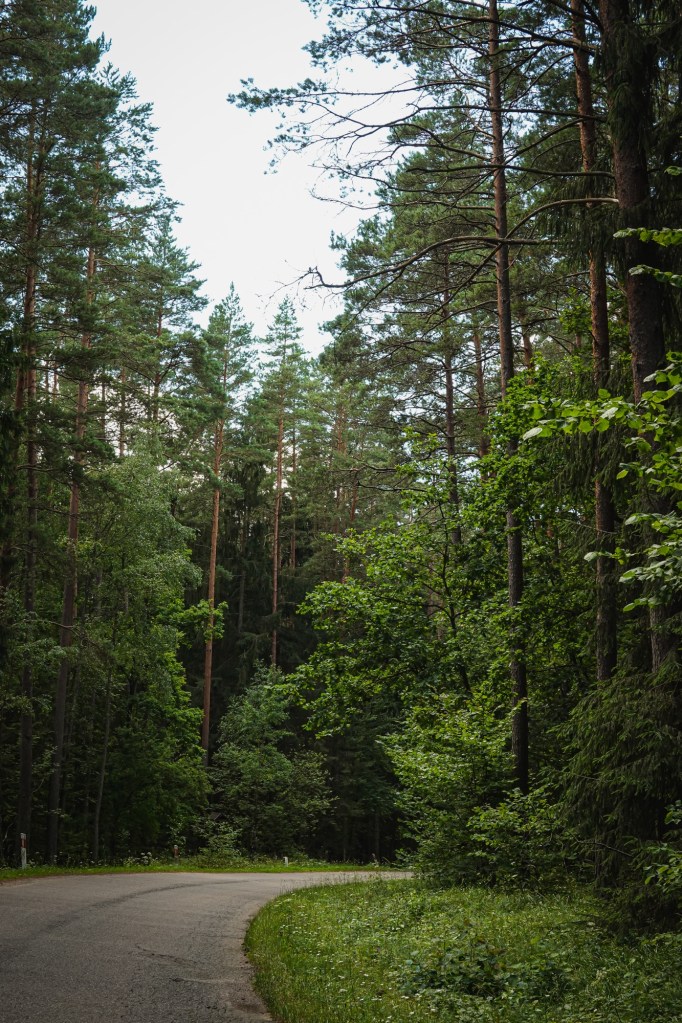
Today’s ride was through rolling agricultural landscapes then rich forests – the latter seemed far “multicultural” than we’ve seen up to now. Though of course we are observing a track bound slither.

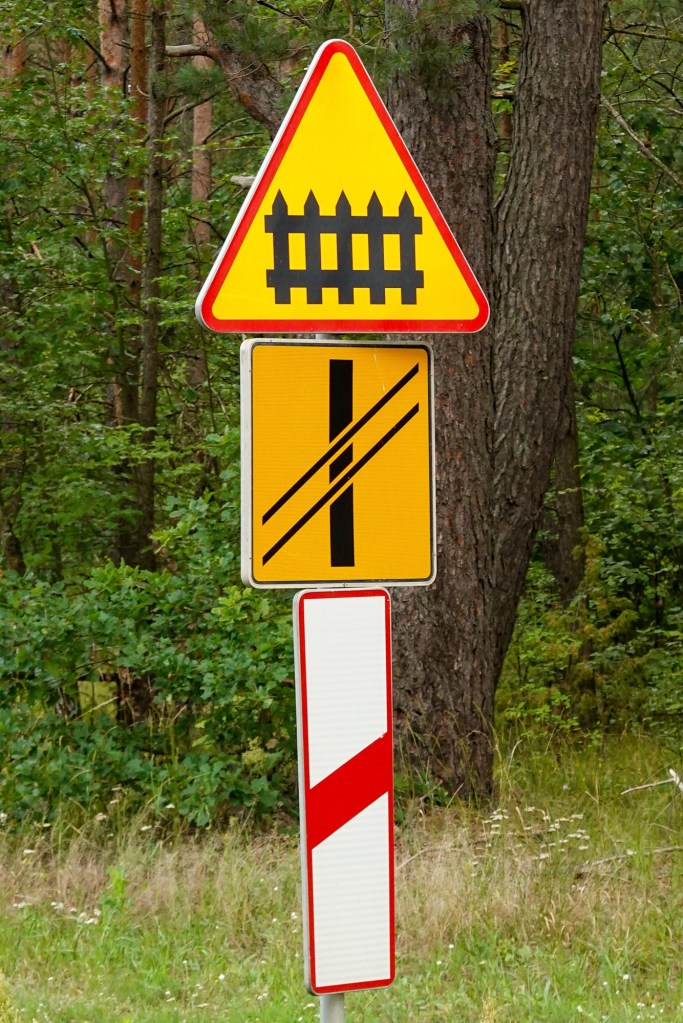
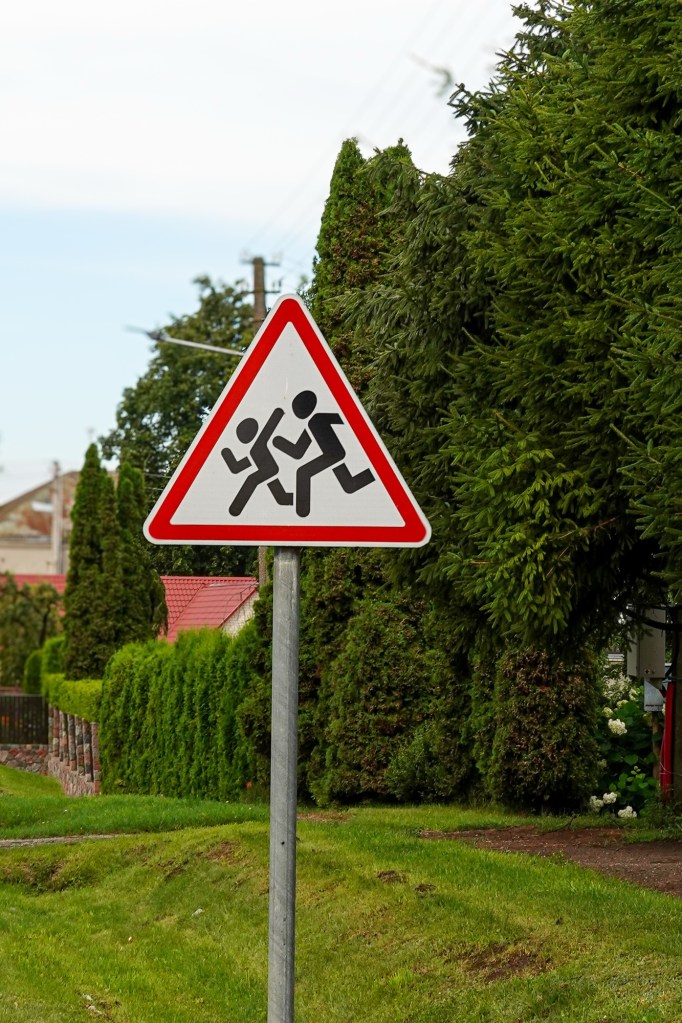
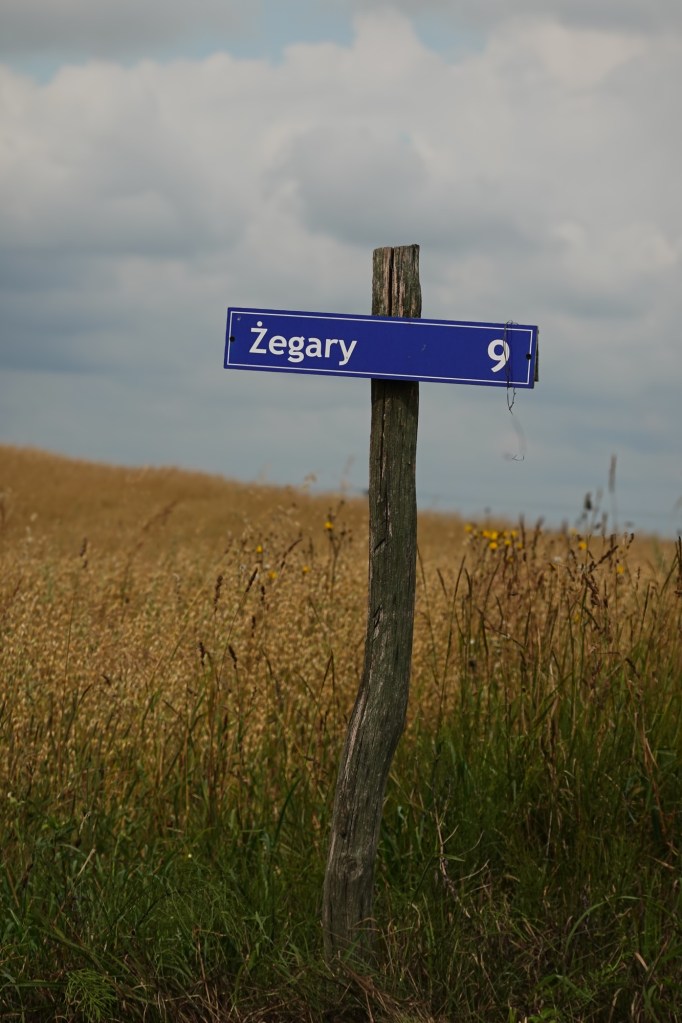
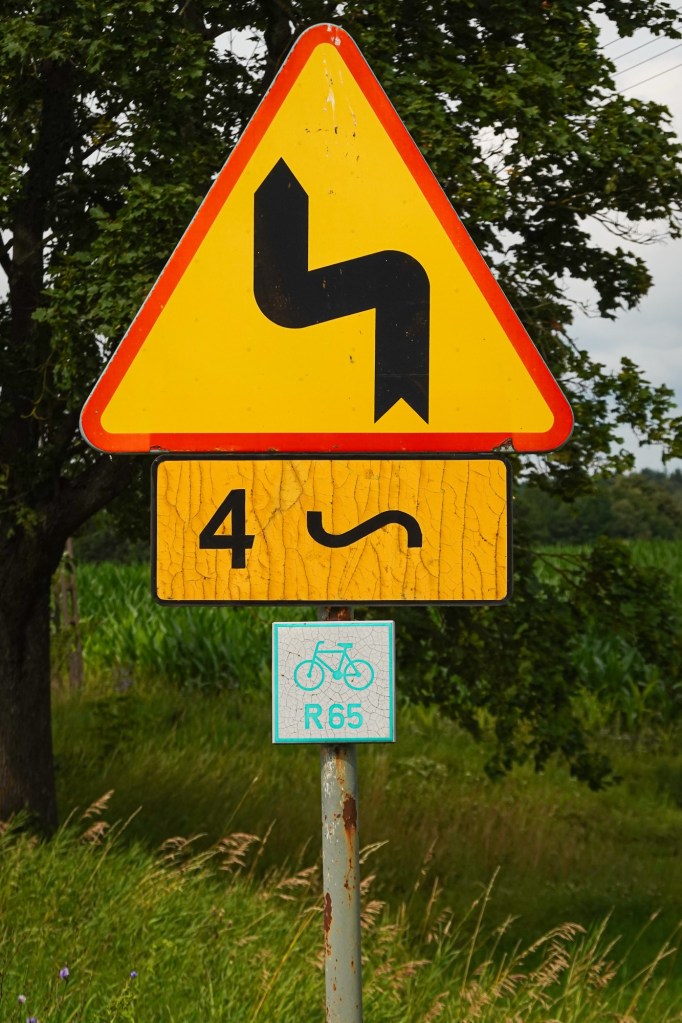
Yellow road signs stand out well. Something we’ll see more over in the next 9 days in Poland.