We swapped an urban centre – no matter its’ antiquity – for a rural life. Stone replaced by wood. That is, a day trip to the Estonian Open Air Museum. This is on the shore of Kopli Bay – a holiday destination from the second half of the 19C until WW2. This theme of influences will return.





I never cease to amaze at the usefulness of Google Maps to get around when abroad: especially navigating public transport. Tallinn has a plethora of buses and trams (free if you live in the city) on a bewildering number of overalapping routes. I marvel at the system where you type in destination, when you’re leaving and hey presto! Options for best buses. i.e. we got to/fro, tap n go. Magic. Still glad to see the bus had a driver though…..



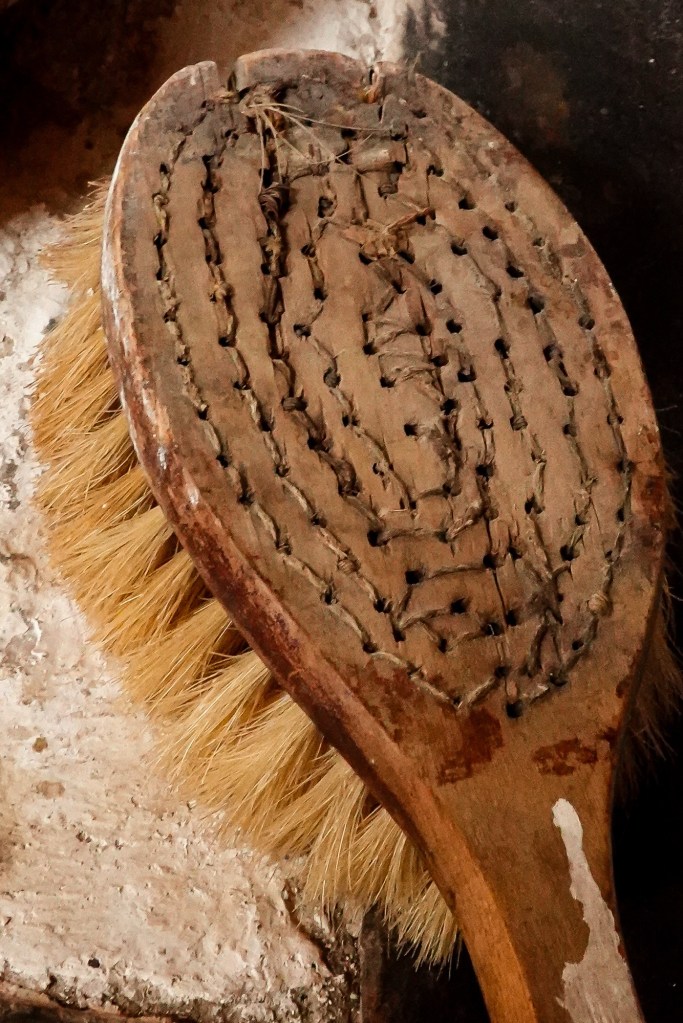
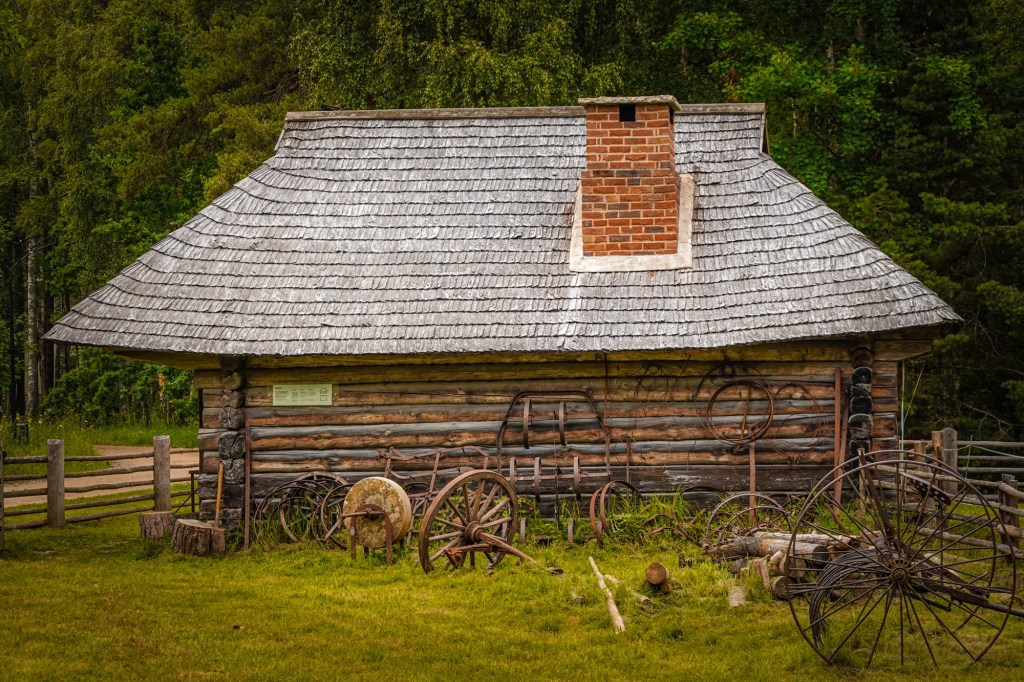
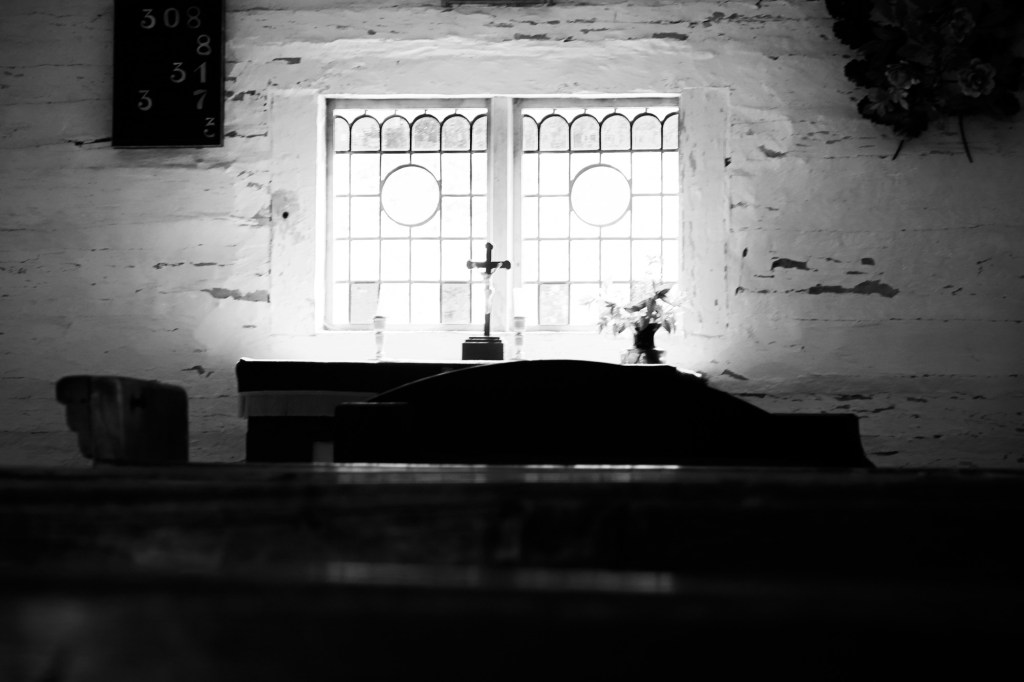
From about 1958, and continuing, a range of farm settlements from across different parts of Estonia have been moved and rebuilt here. A bit like St Fagan’s in Wales if you’ve been there. The farm houses range from the middle of the 19C up to the period of Soviet collectives.
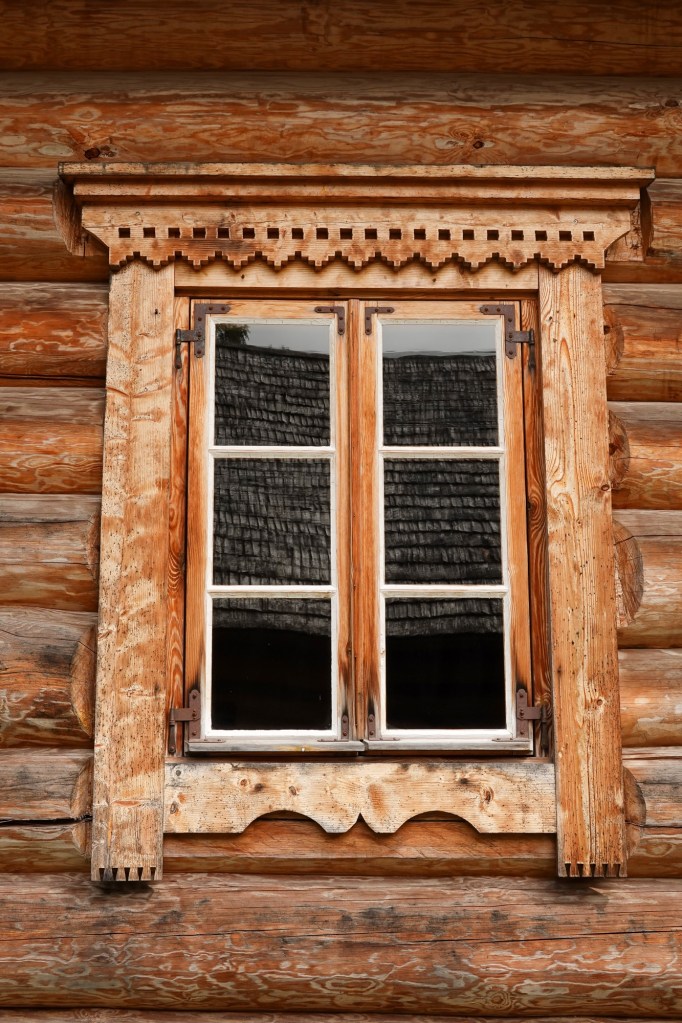


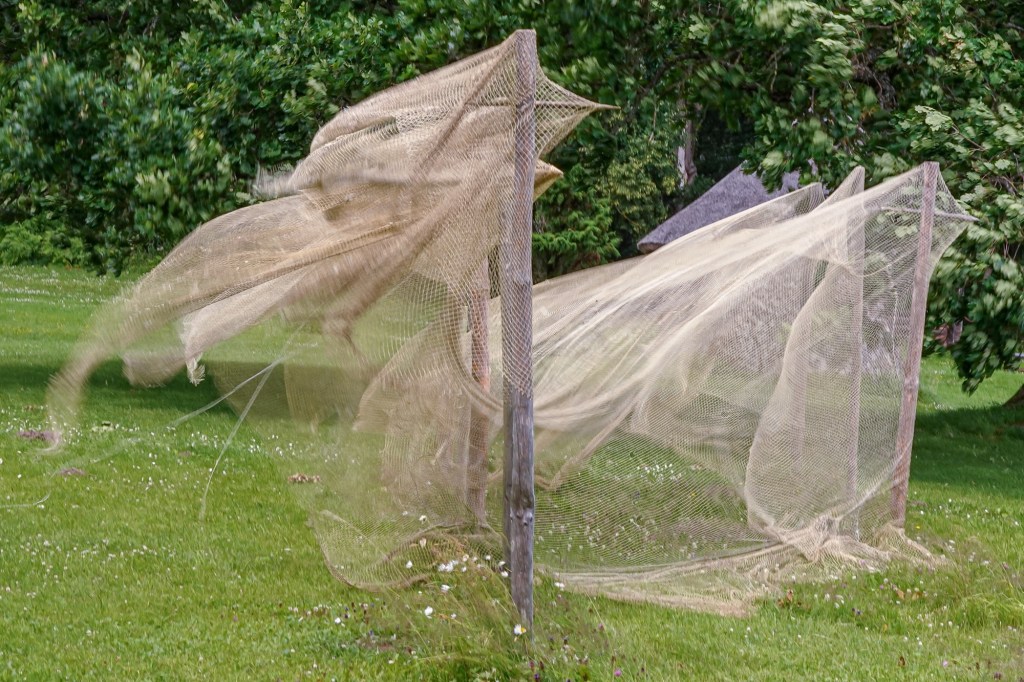

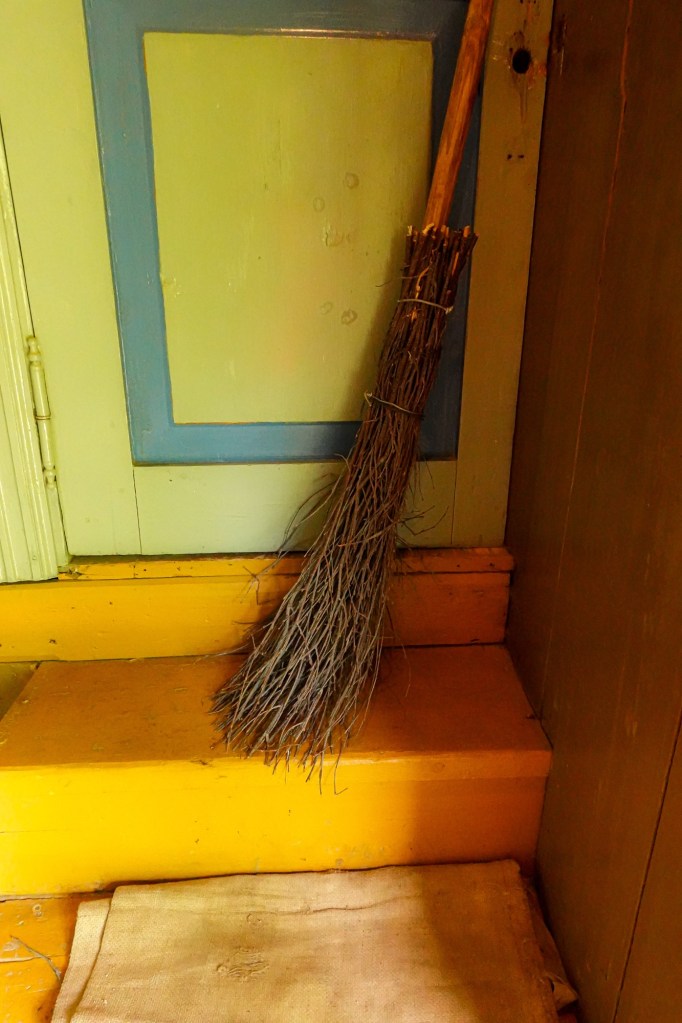

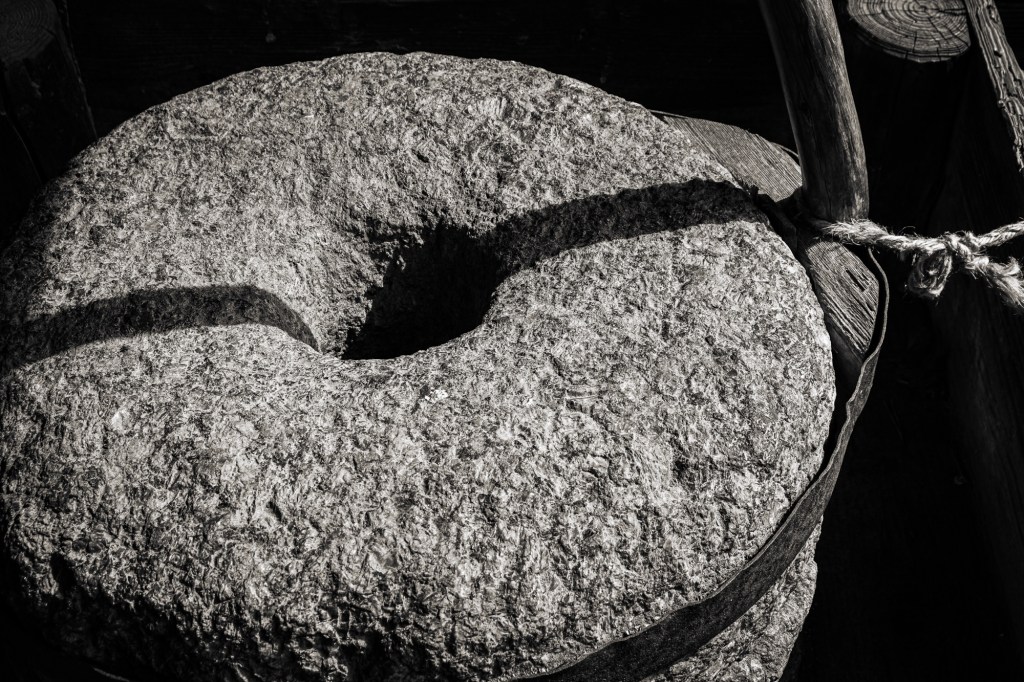
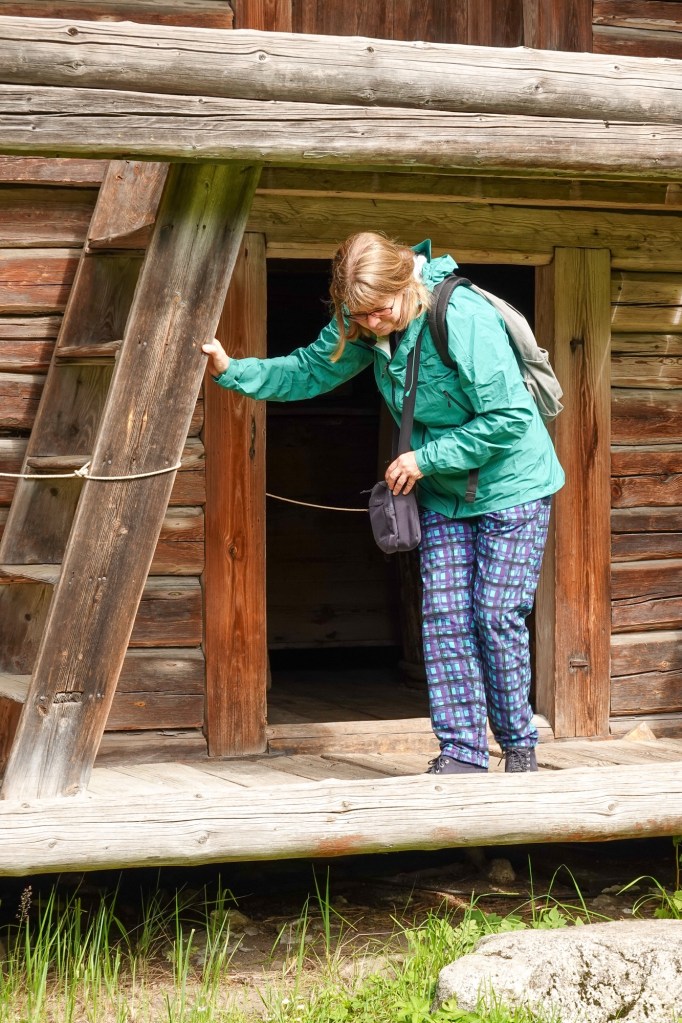
It brings out the influences of Estonia’s neighbours. Russia obviously; Germany and Finland in the North. Particularly so on the island farms. Estonia has about 2300 islands of which 22 are inhabited by humans.

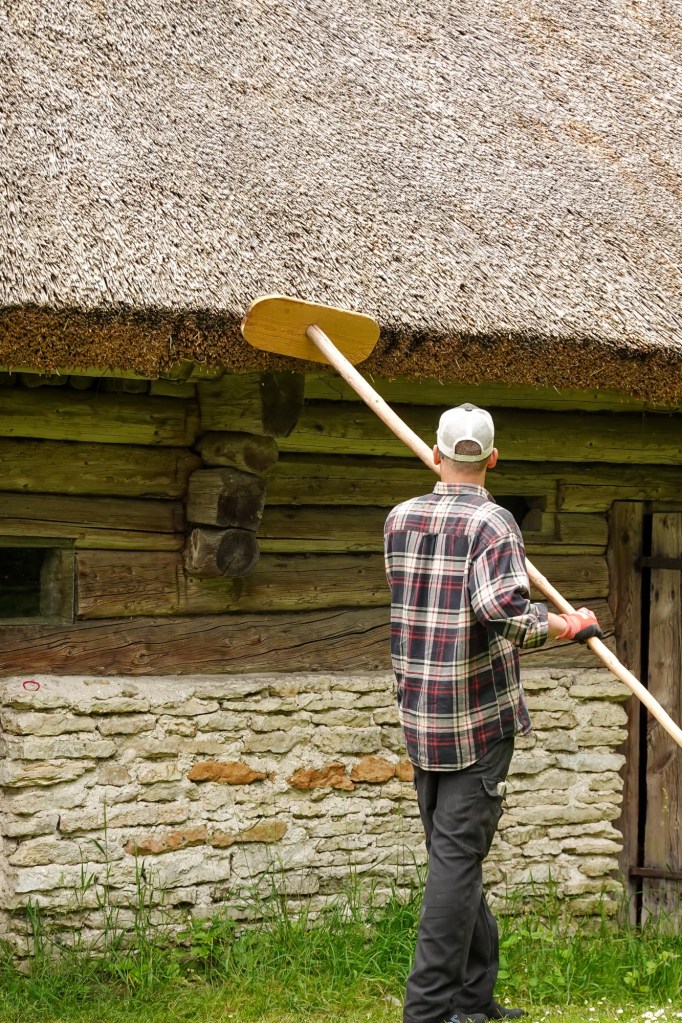
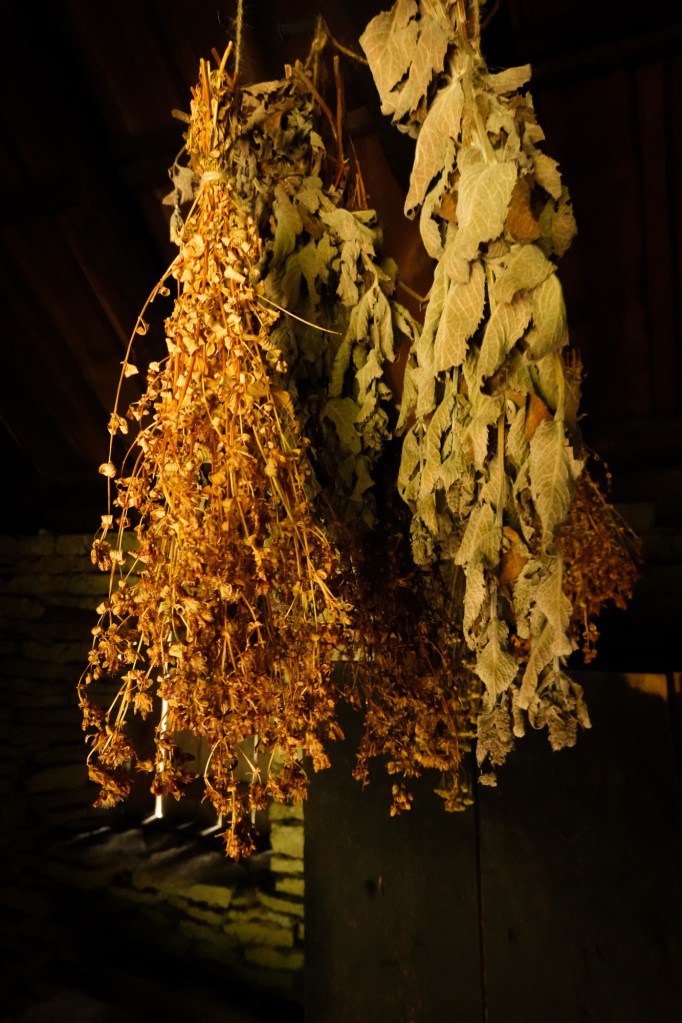

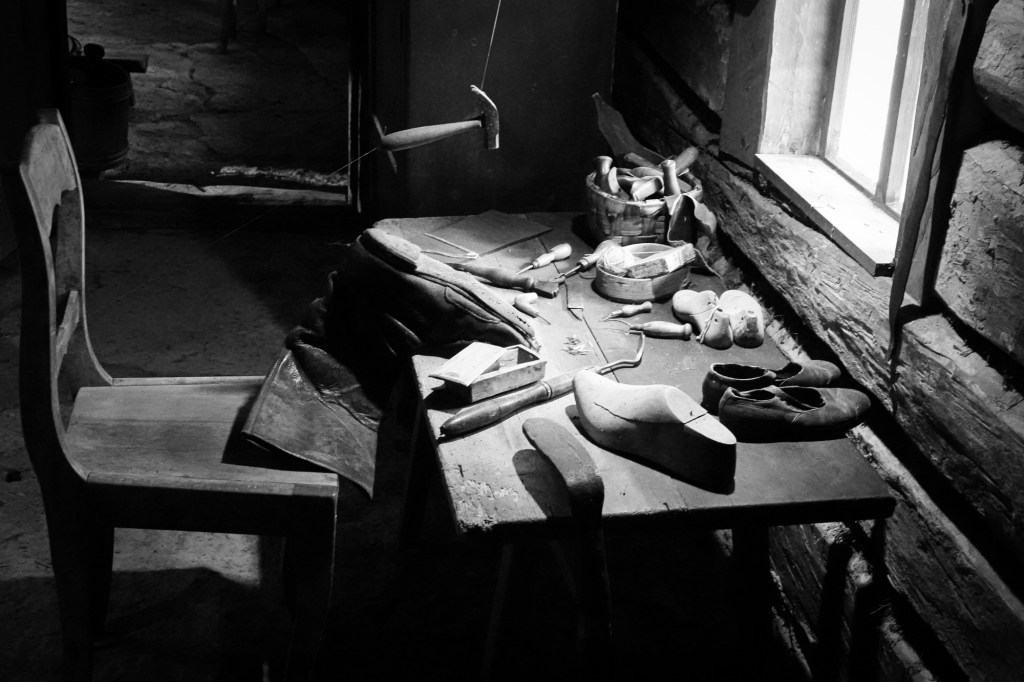


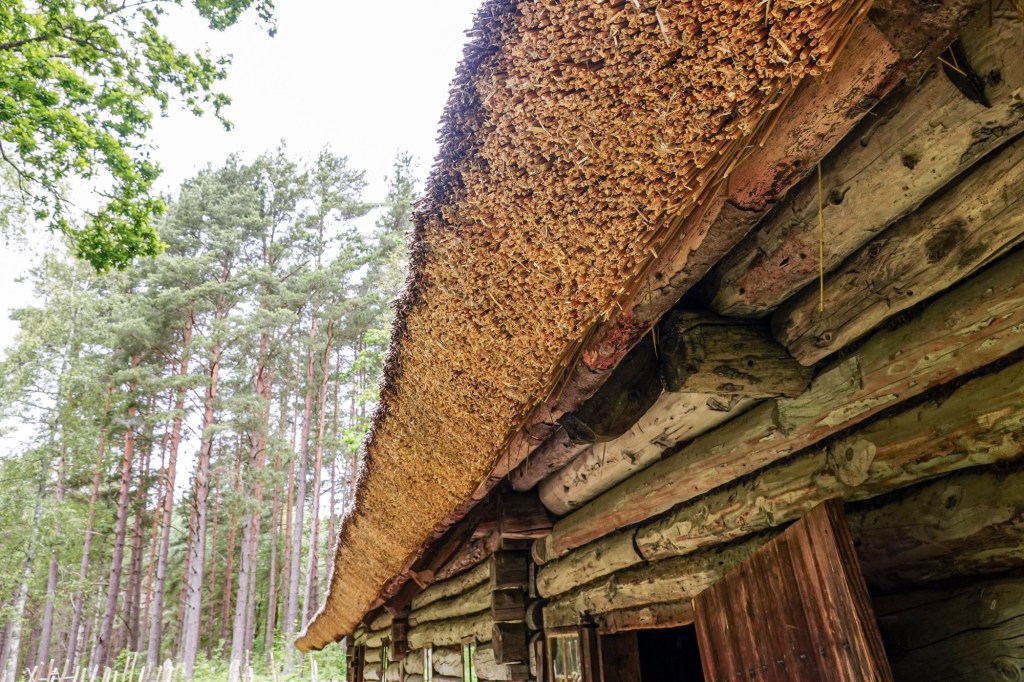

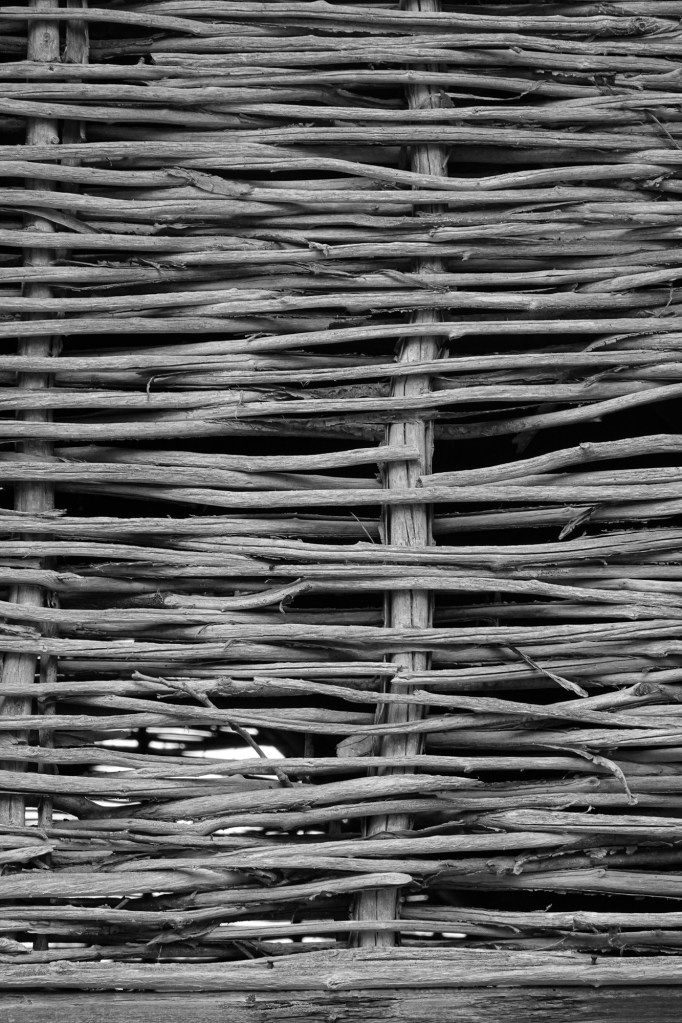
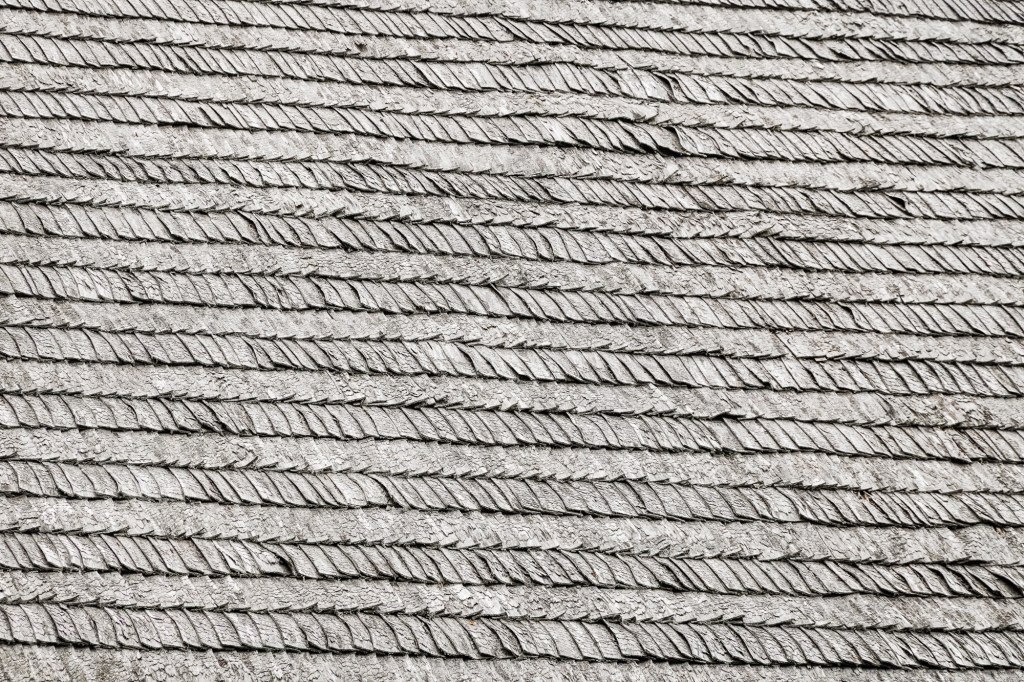
Wood wood wood. And a bit of stone. Wooden bark and thatched roofs. I think we may be about to cycle through some woods. The craftsmenship to build the structures is fantastic. No wonder many had jobs as craftsmen in the cities and estates. Being a peasant, a cotter, was tough. No welfare benefits then. In fact serfdom wasn’t abolished until the 1850s and then you had to buy your way out. Soviet collectives had a brutal initial period.


I like the windmills and their tails, long bits of wood sticking out so you can rotate the upper structure into the wind. And the “trebuchet” wells.
The recommended 2hrs to get round took 6. My poor weary feet are saying “can’t you just cycle”? Soon…..

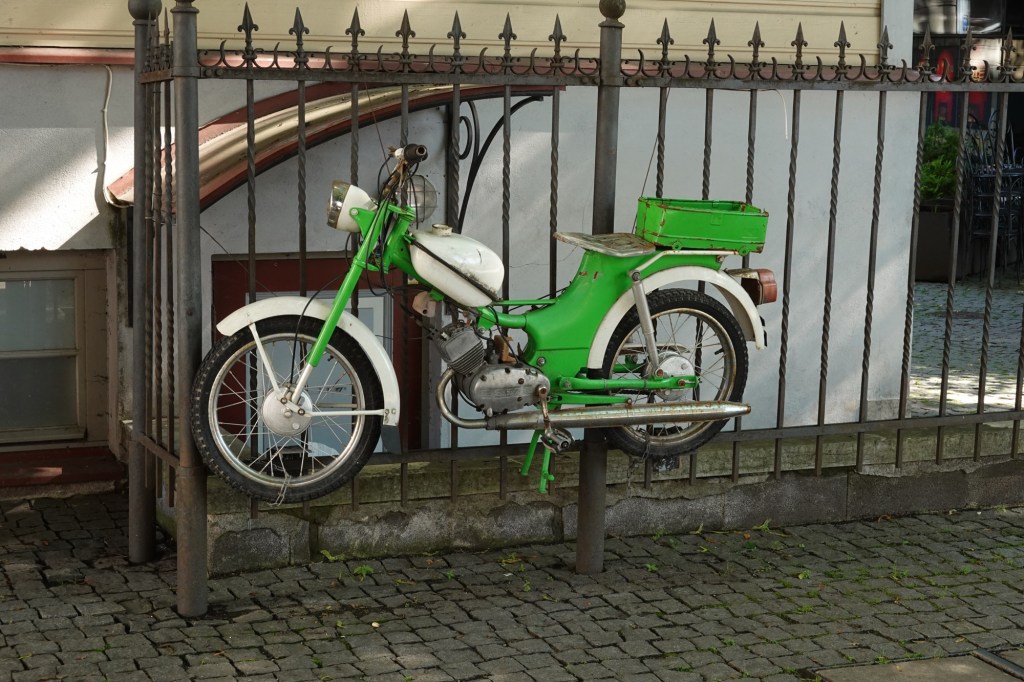














 Travelling reflections