D9 TransOceania, Port Campbell to Apollo Bay

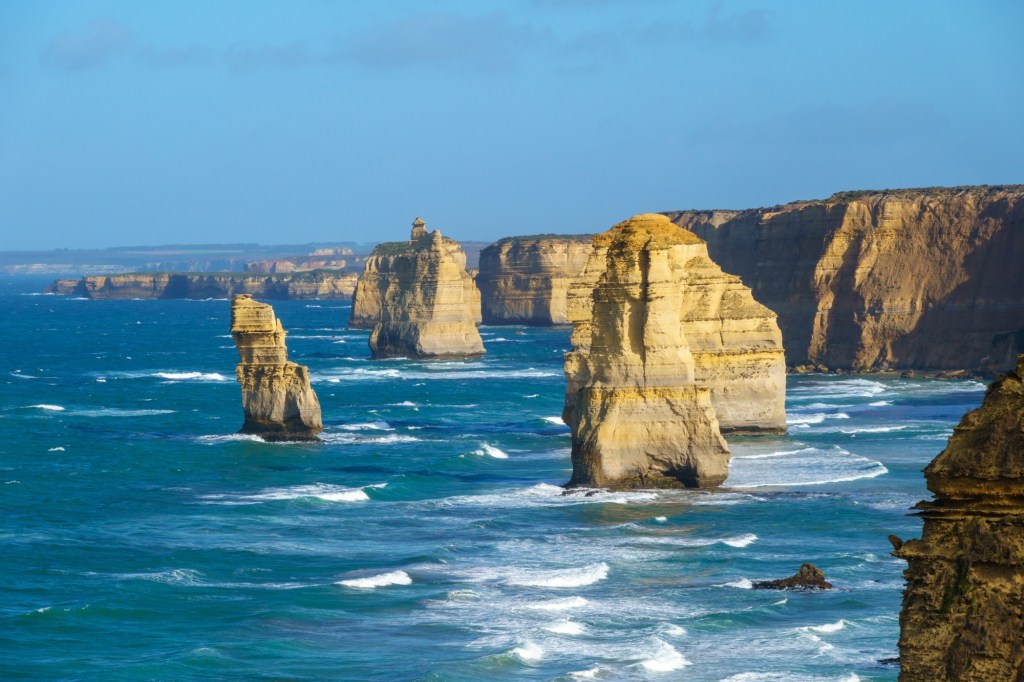
So to the 12 Apostles. Did you name them? Mark my words carefully and look no further. This is a job simple Simon could do. I was cross I didn’t get Andrew. The dictionary should have given me Bartholomew. I thought Judas gets a bad press, without him we’d miss out on Easter eggs and the rest of the story – “Jesus lived to a ripe old age” might not have sold so well. The other Judas must feel a tad forgotten about. Jimmy the joiner wearing his long johns in the cold morning. I feel as though I’m petering out here so I’ll get back to the main narrative.

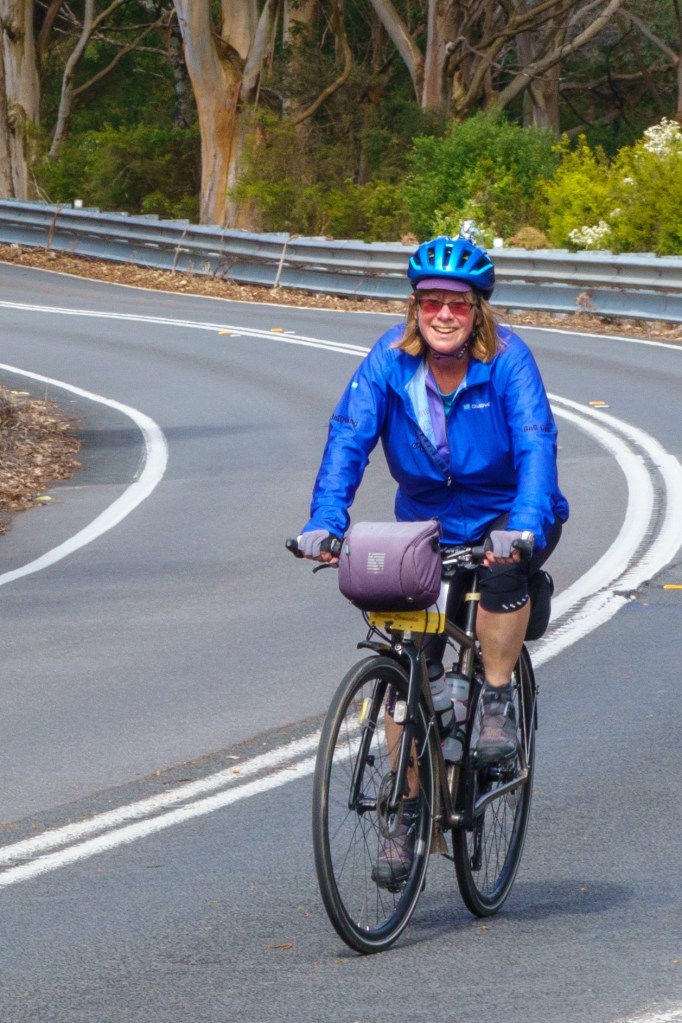
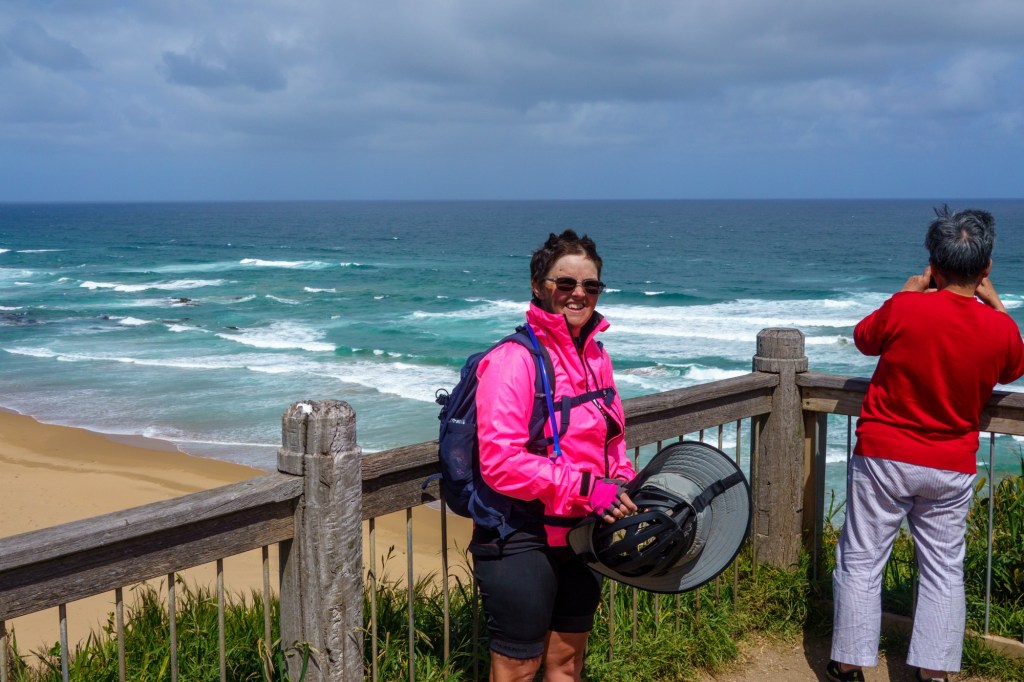
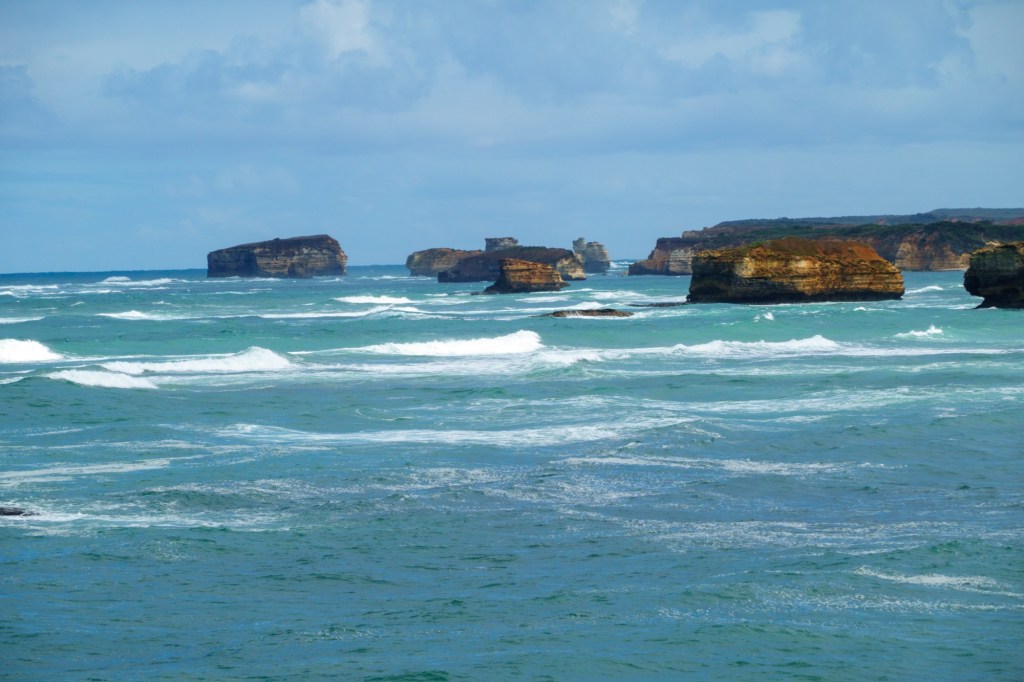
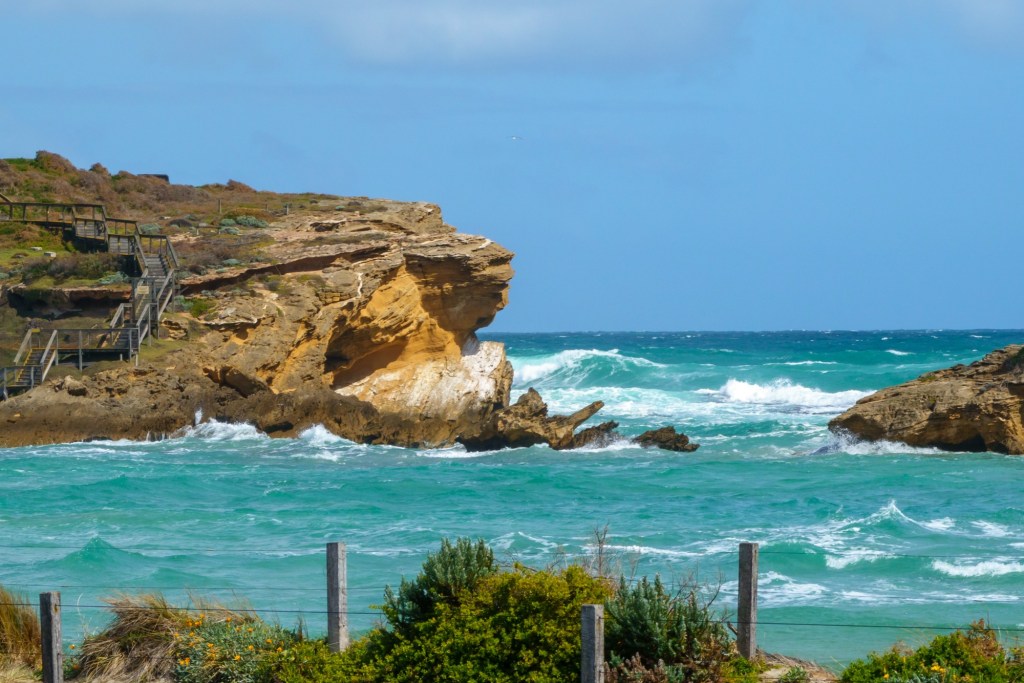
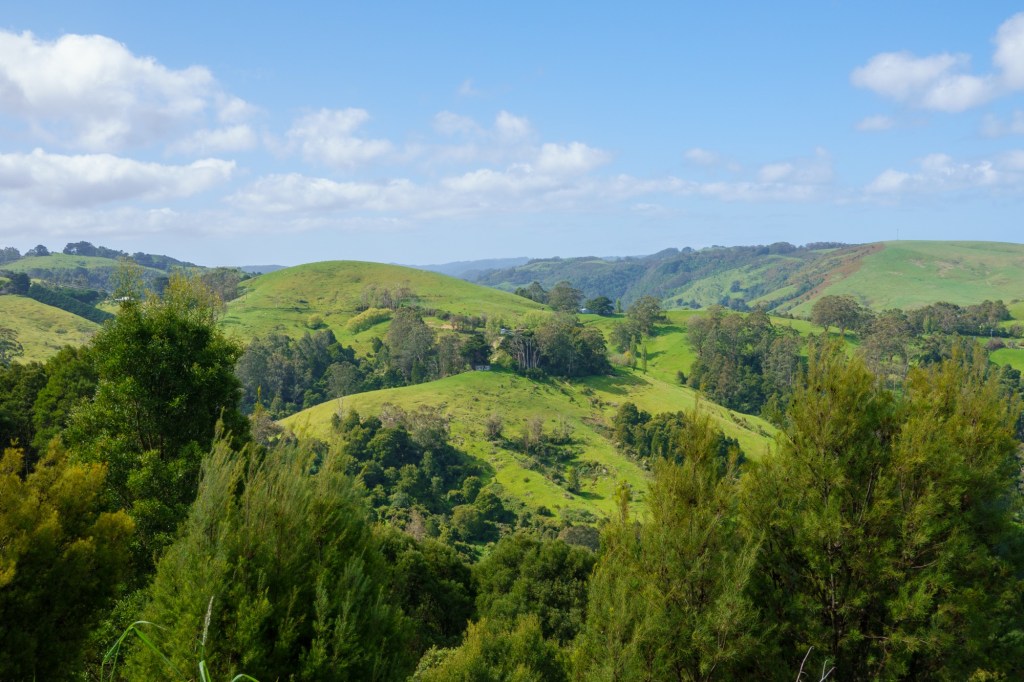
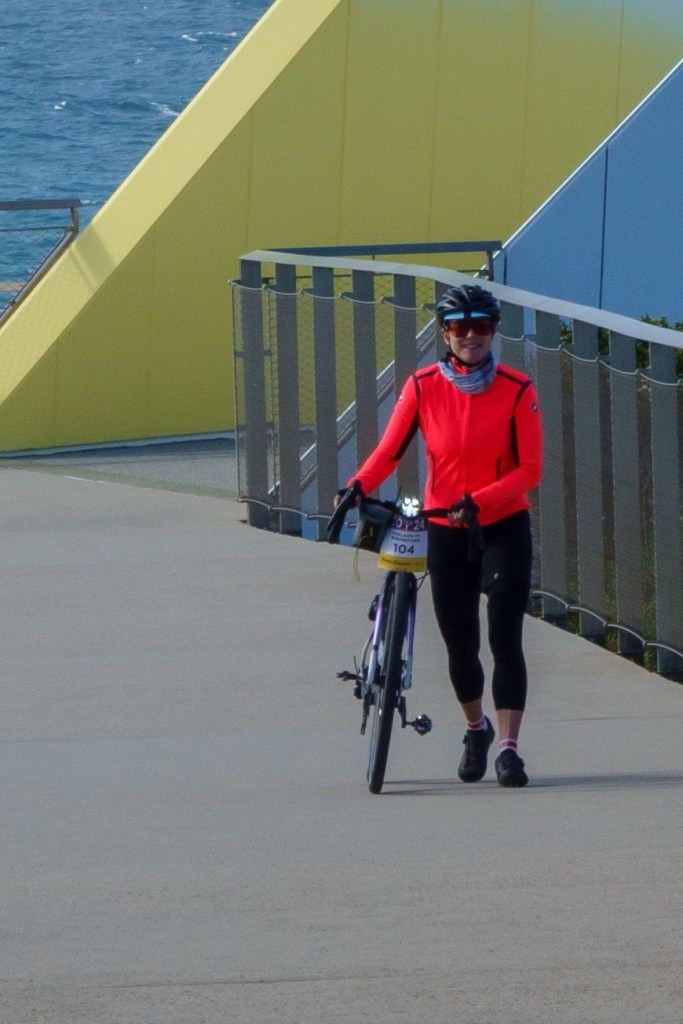
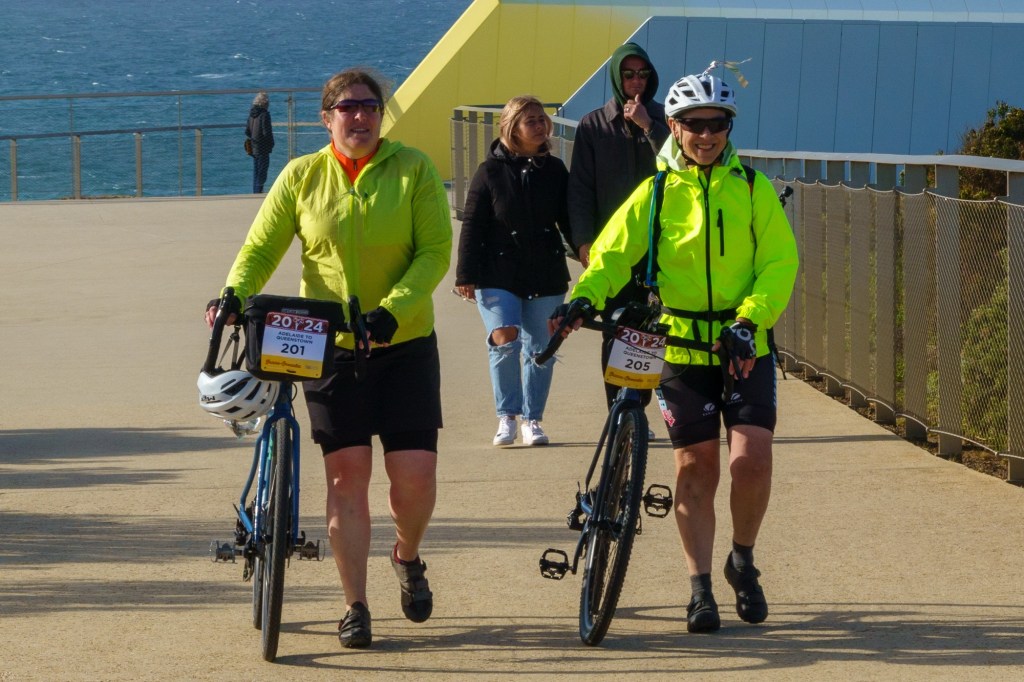
What a coast line – we were lucky to see it in the sun and and the shoulder of the main season so the roads and viewpoints were quiet. It all stacked up to be a fun day. The hills returned too so we’d plenty of time to admire the almost rain forest and green hilly pastures.
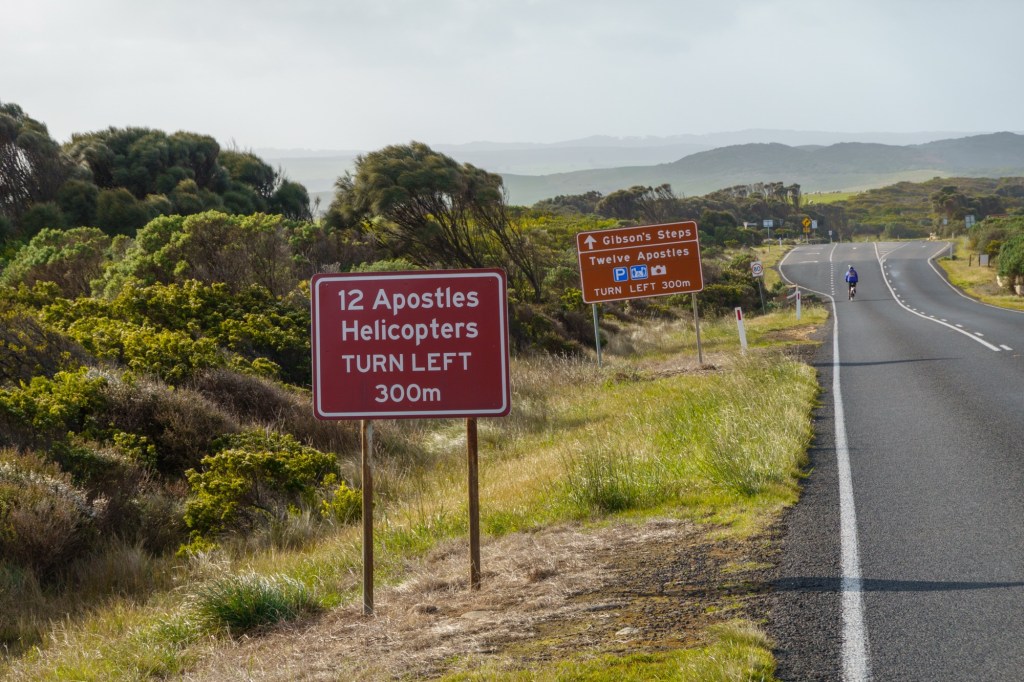
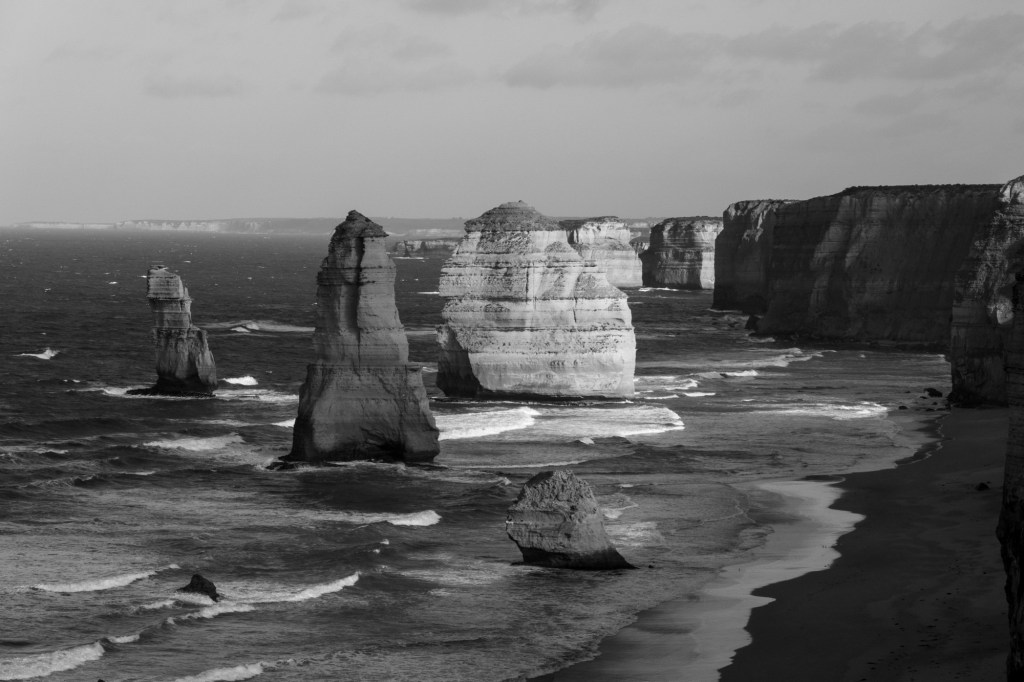
The story of how the 12 Apostles came to be named (there’s not 12) is the original old horse coach road was very lump and bumpy as the passengers were shoogled about. They started counting the stacks. 1, 2, 3, lots! 11, 12. Sounds as good as any other reason and the tourist information person must have told it many times.
I feel ignorant about Australia, particularly the weather. One morning it was 4C when we got up. Today started around 10C though a significant wind chill. Bring something warm and suntan lotion.
Tomorrow’s task is naming Snow White’s Dwarfs….

TransOceania Port Campbell rest day

Perhaps the most exciting thing which has happened here was in 1840 when Capt Campbell on his whaling ship decided to pull in for a safe harbour. I hereby name this place after me.
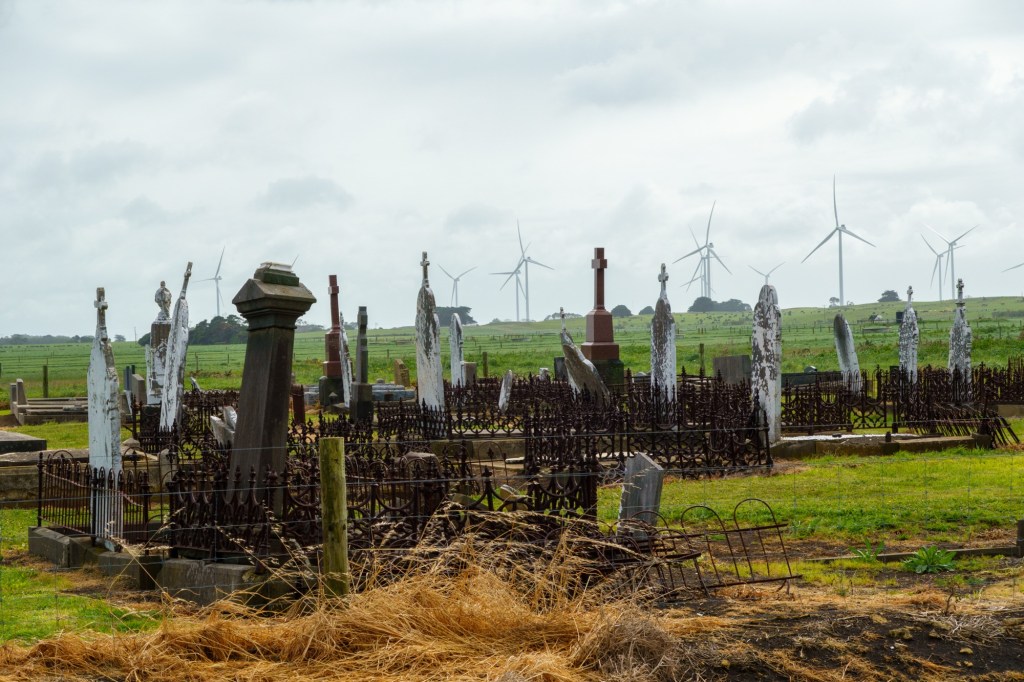
He’d sheltered for good reason. The coast is also known as Shipwreck Coast: stormy seas, treacherous tides and rocks have taken a toll. Fascinating to learn one sunken ship (1855) was carrying 2000 tons (Imperial then) of iron railway lines. I’ve not paused to consider the tonnage those sailing ships hauled from the UK. A railway boom the world over.

The whole coastal area seems an explosion (exploitation?) of Western development from 1840s – 1880s.

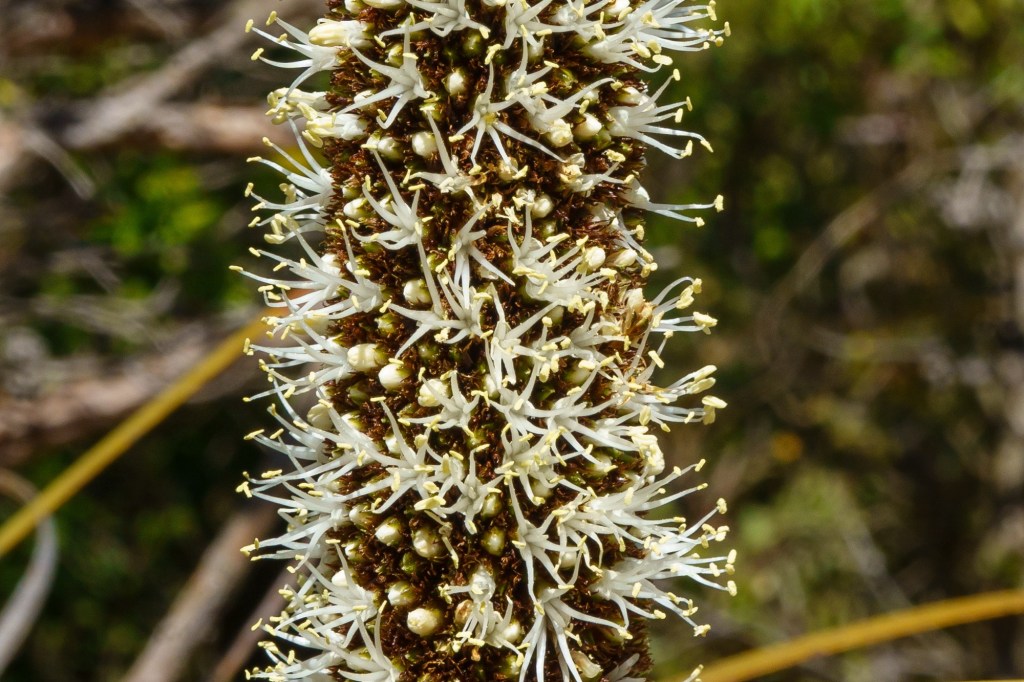
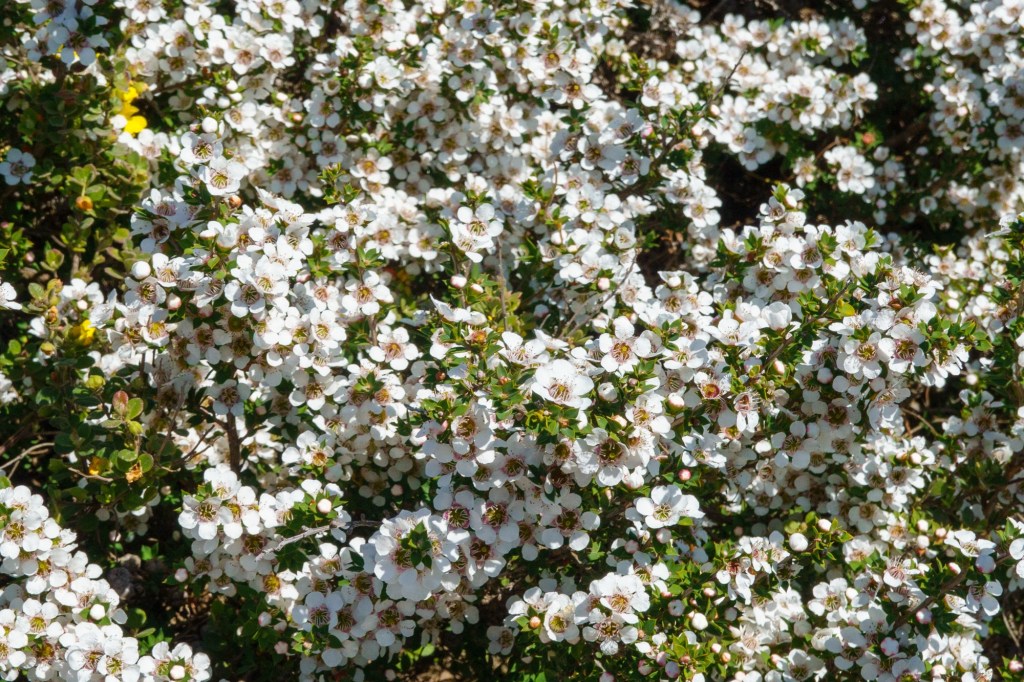
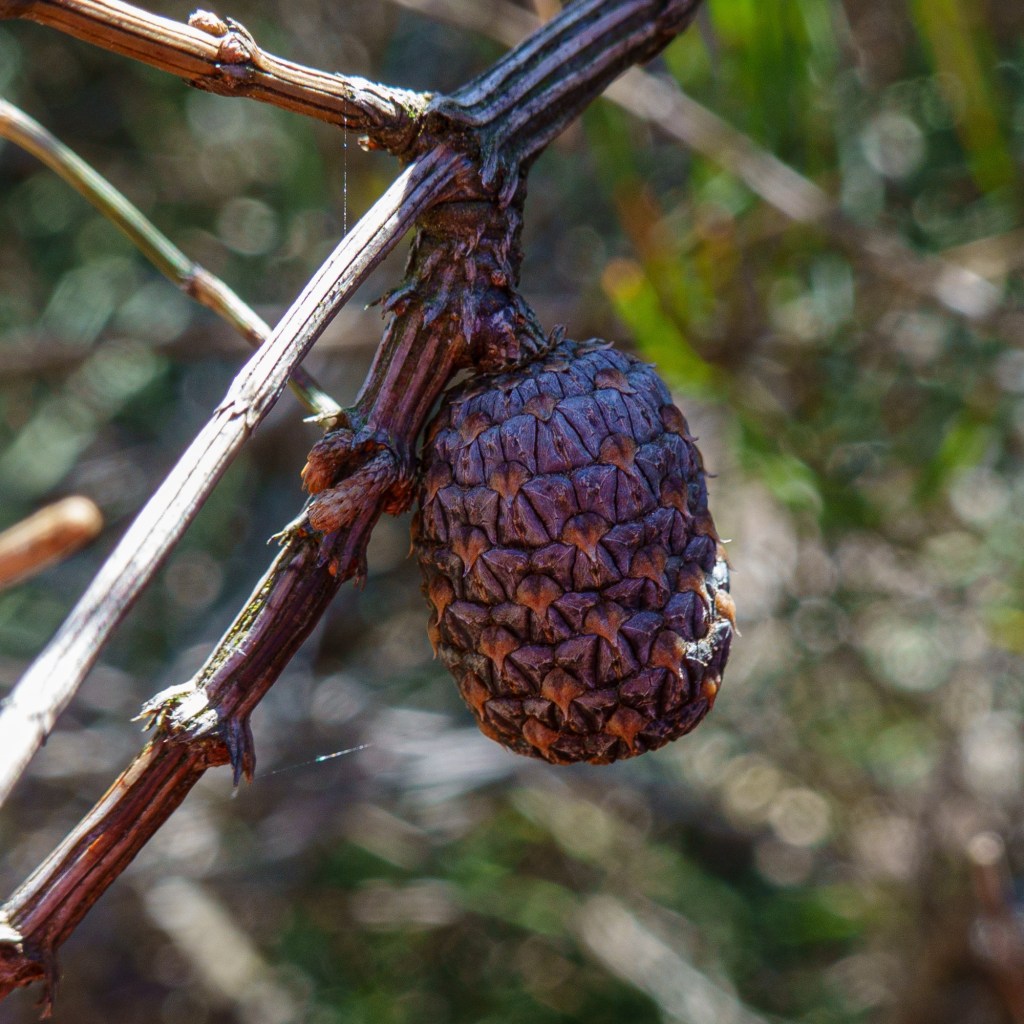
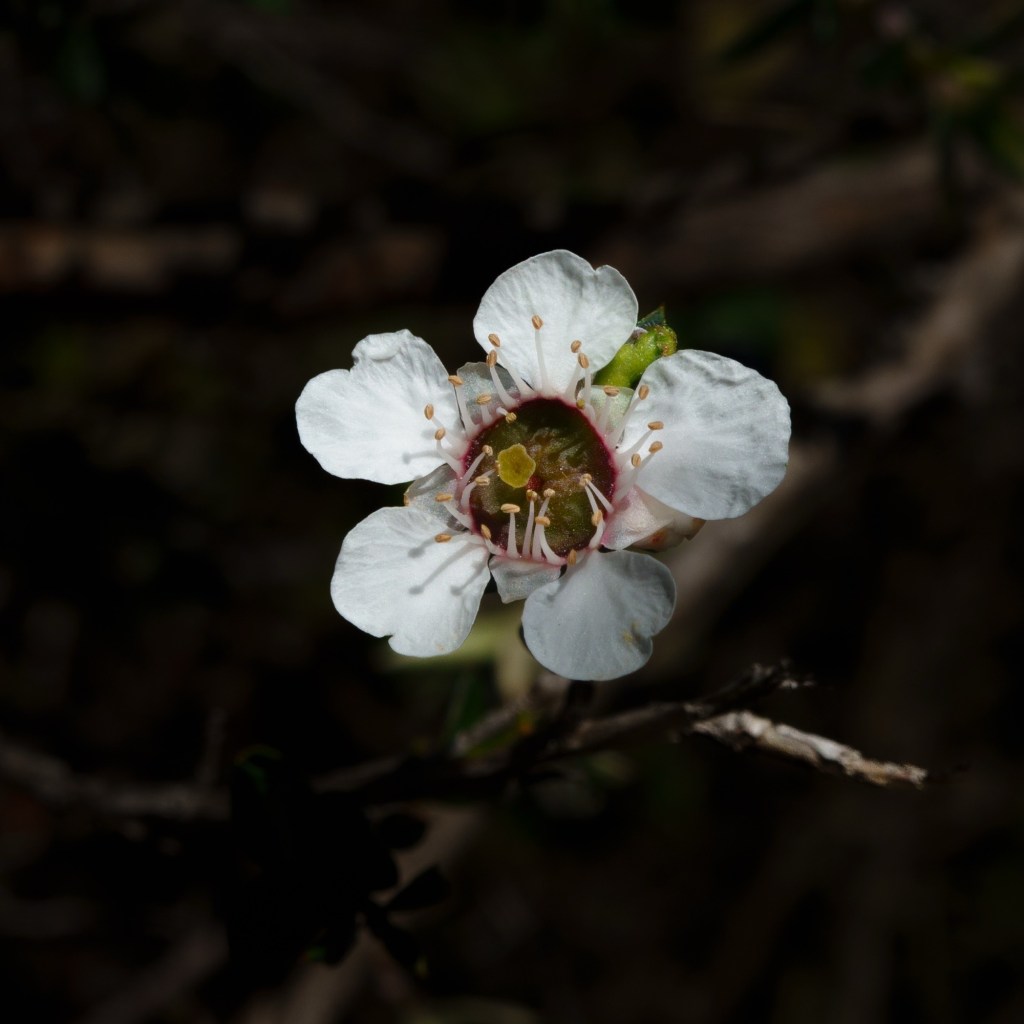
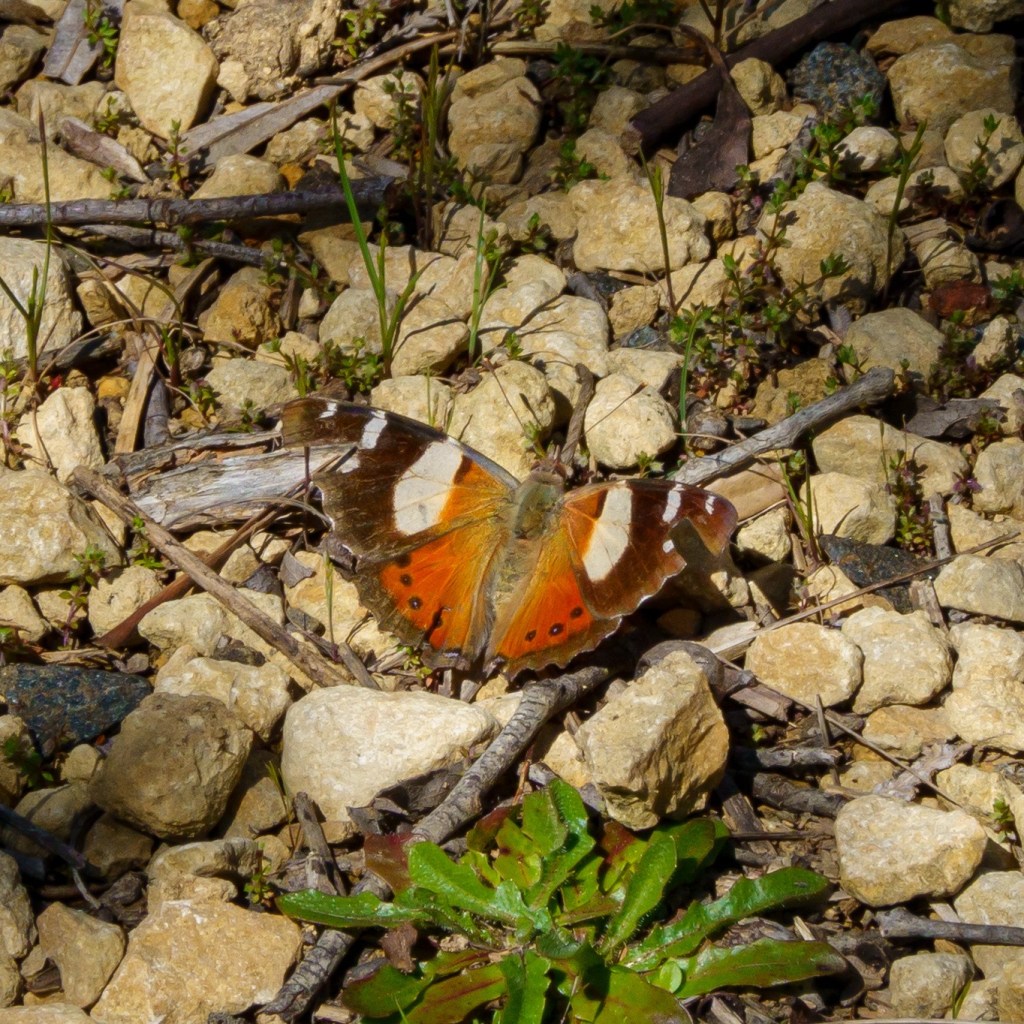
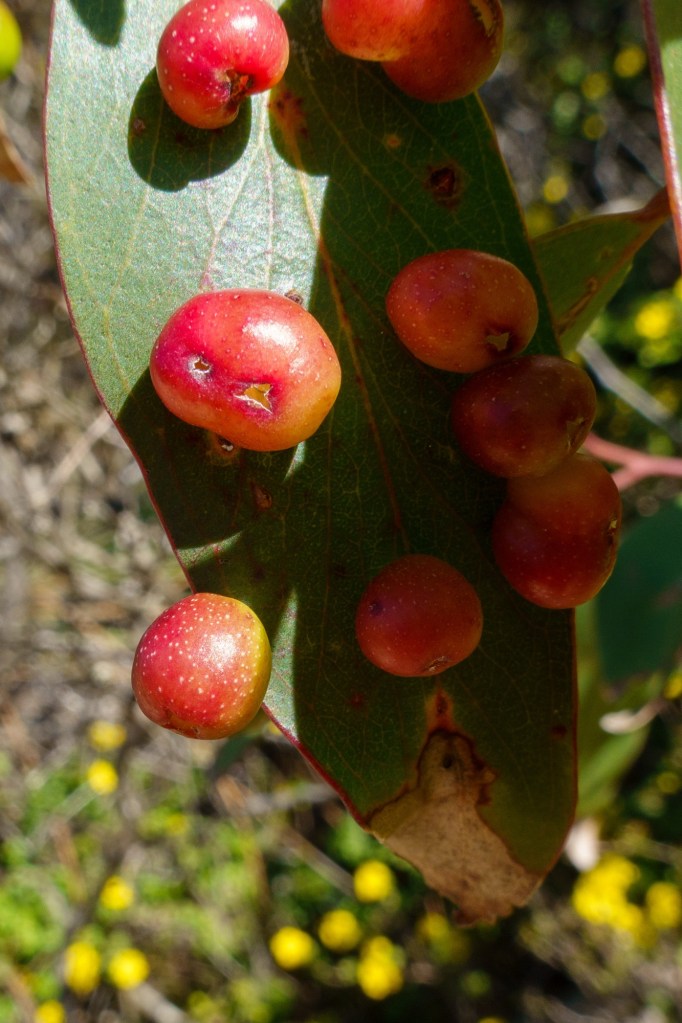
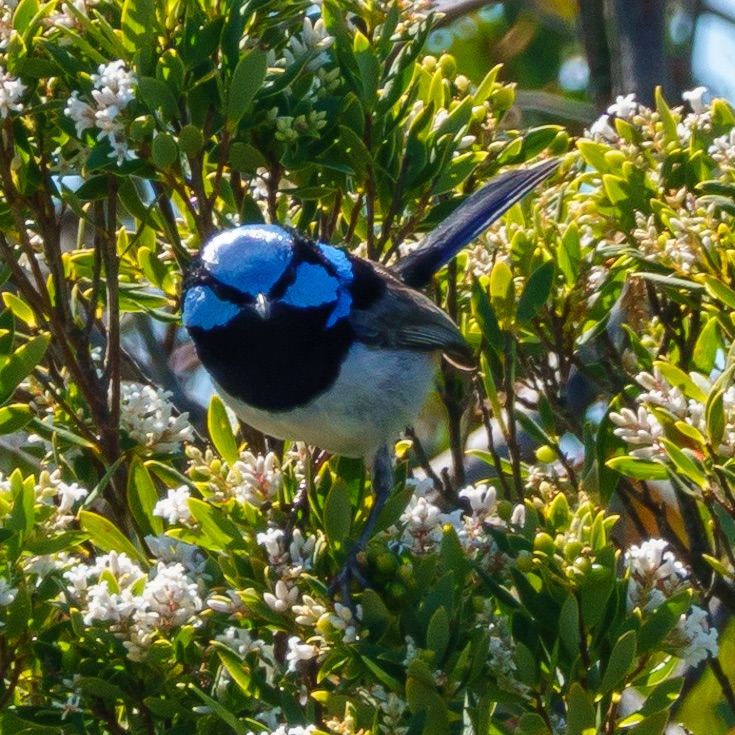
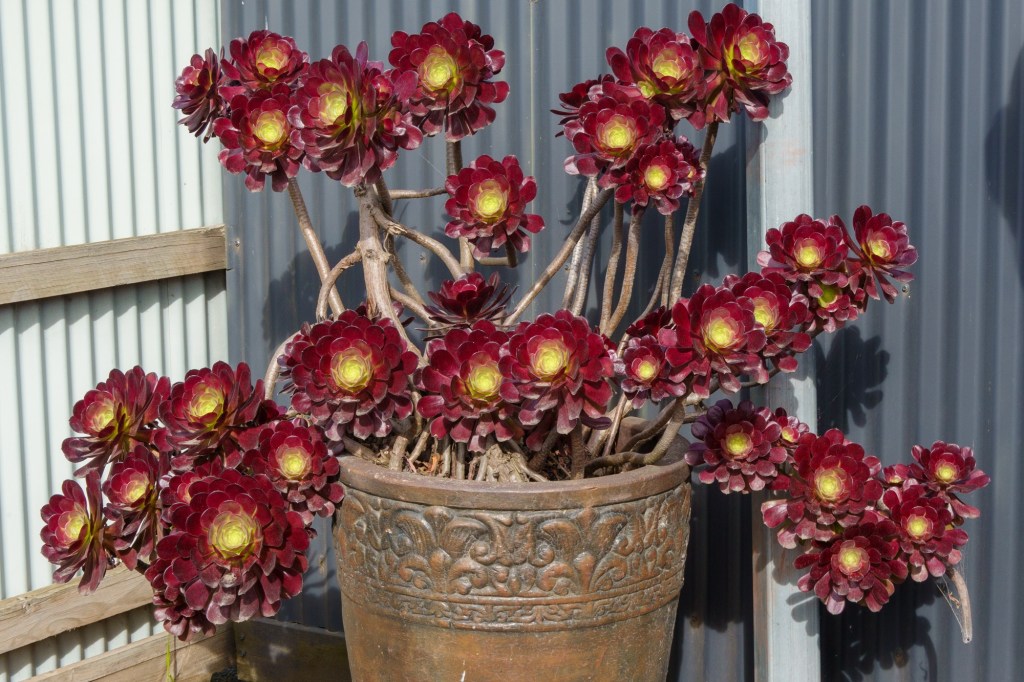
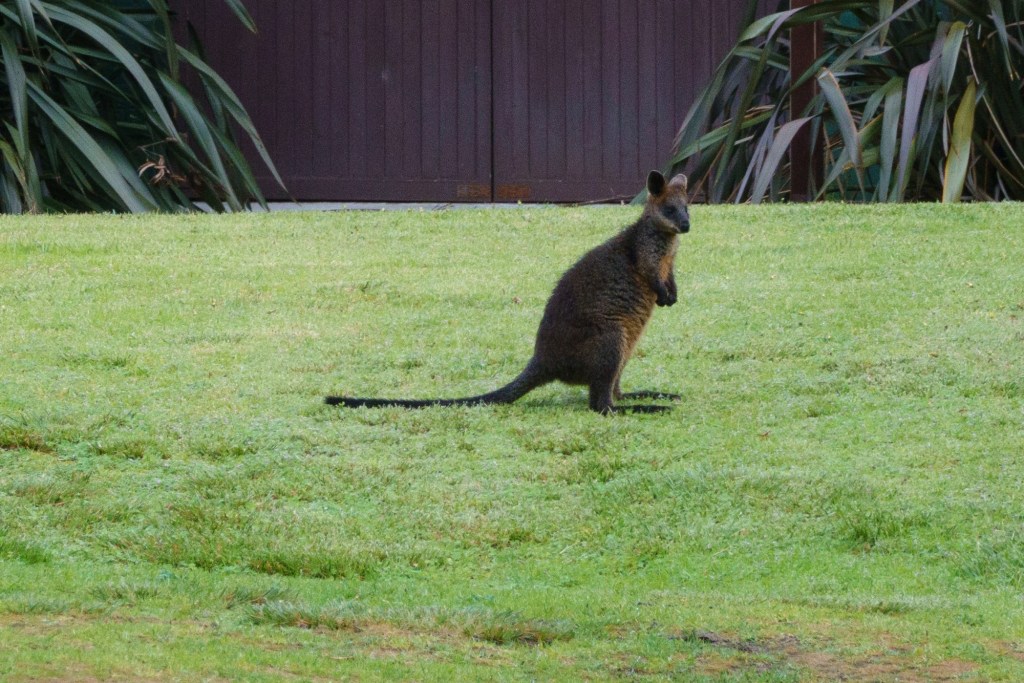
The next exciting thing is the current development: the small high street is a mass of workers pouring concrete and tarmacadam. So we headed on a lovely coastal meander. Enjoying the flora and fauna and googling what they are. Then rest: we’re on the hunt for the 4 missing apostles tomorrow. Can you name them?

D8 TransOceania Warrnambool – Port Campbell

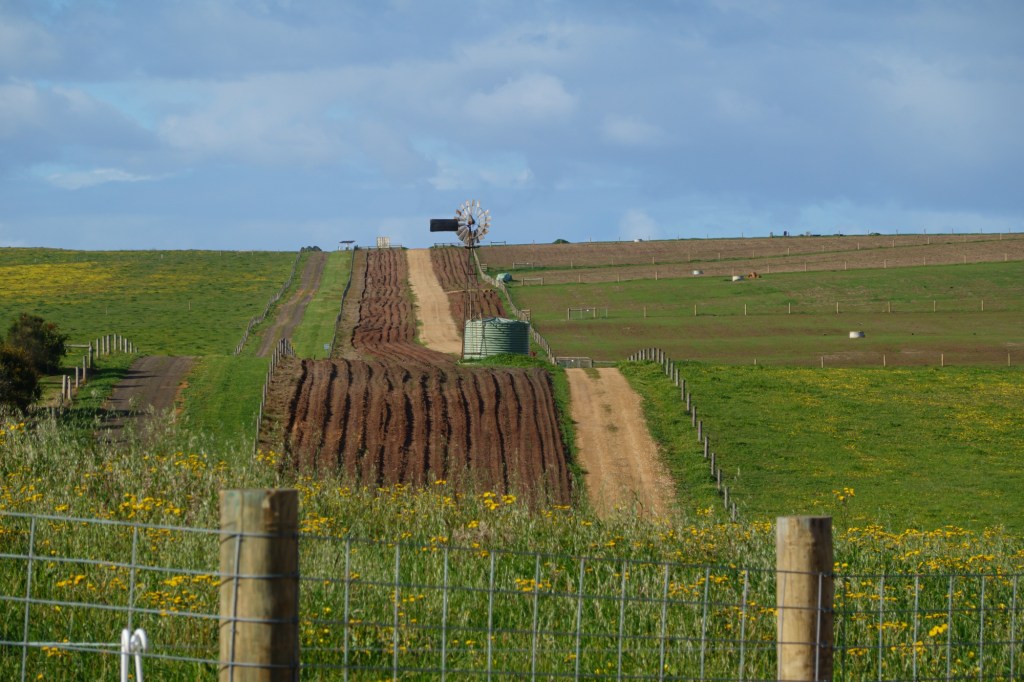
Almost like being in the UK on a typical Spring day. Stiff cold breeze, green fields of cattle and then to the sea. Crashing blue waves on a limestone coastline. The teasing rain which stays away. Few places to stop.

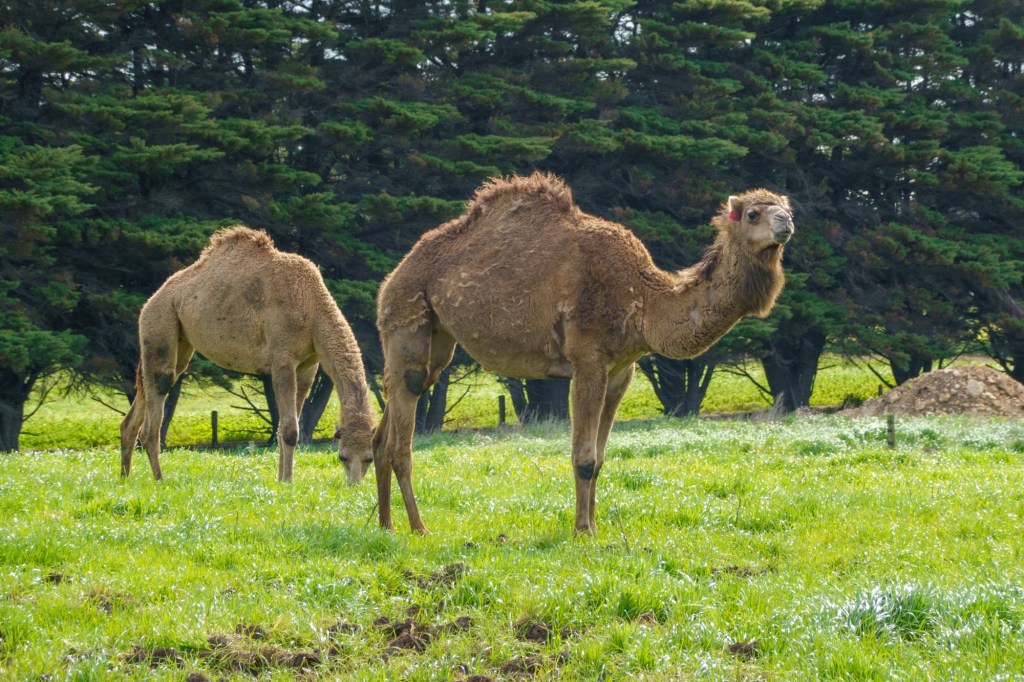
There were a few signs we are not in the UK. Not the suprising grazing camels (they looked surprised too it has to be said: where’s the sand) sharing a field with a lovely pig. Rather the different bird songs, kangaroo road kill (there must be a separate insurance clause, he ponders ruefully), clean quality public toilets, road signs in km. They started going metric with the currency in 1966 then measures from 1971. It keeps the brain alert multiplying x5 divide /8 to work out how long to a stop.

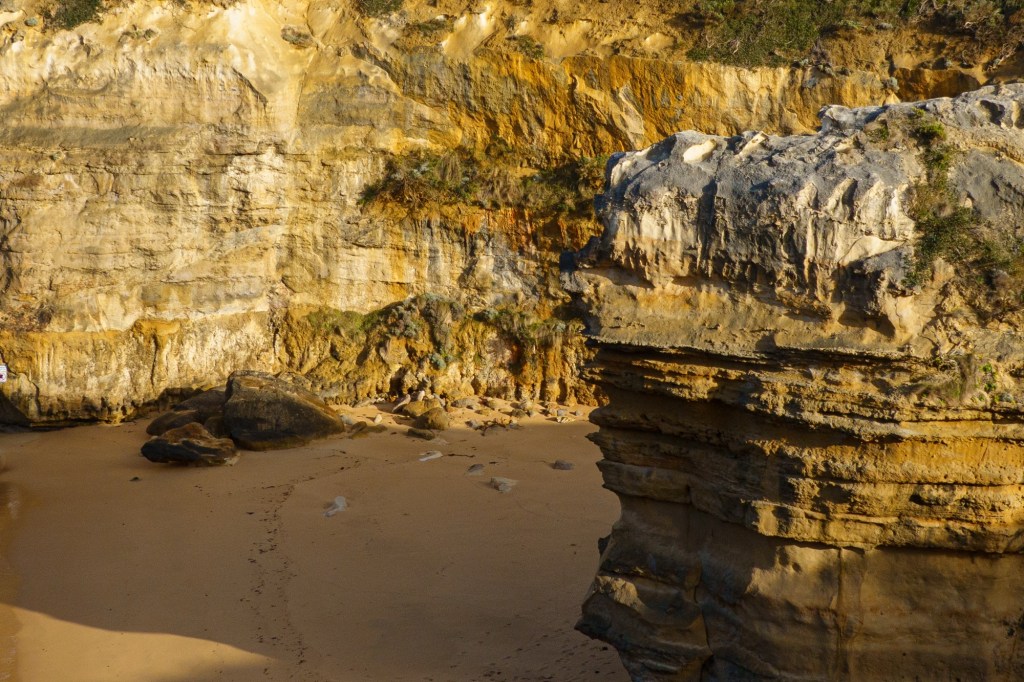
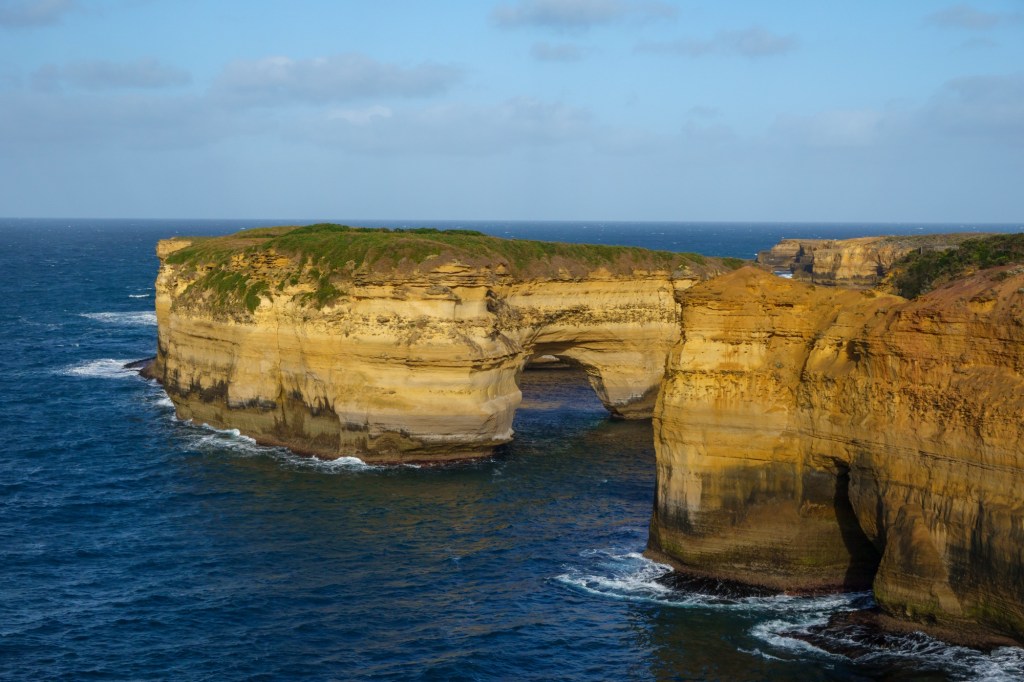
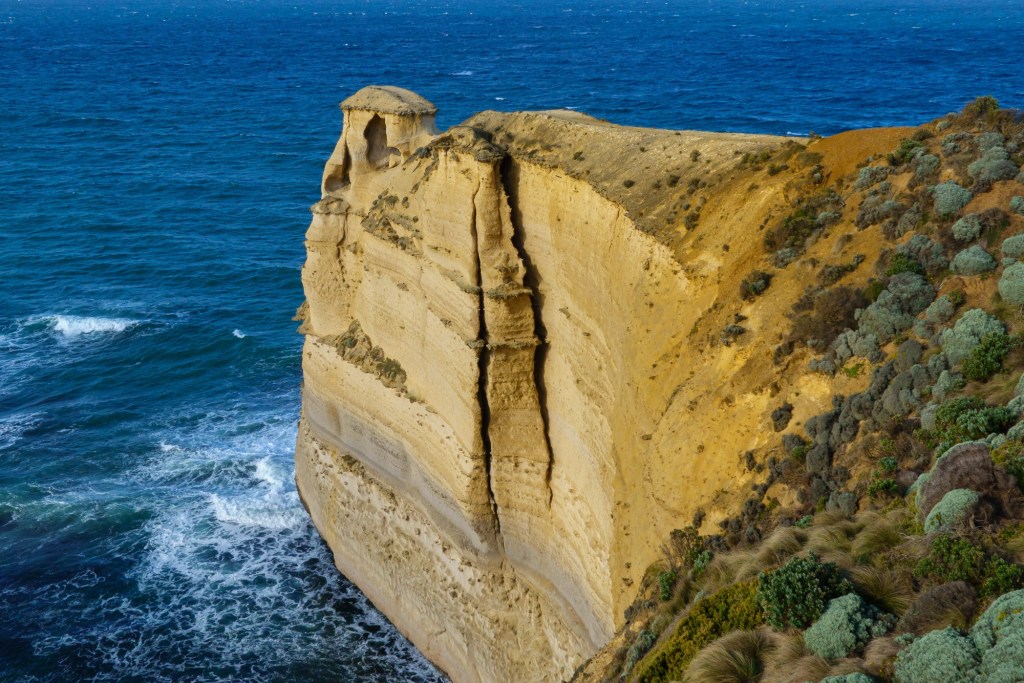
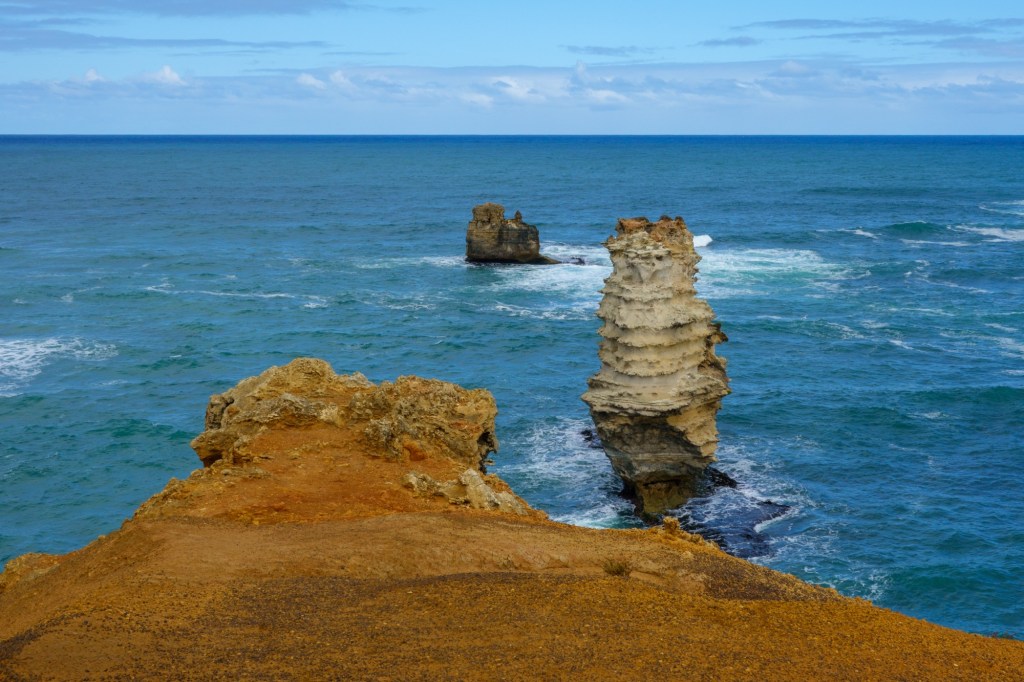
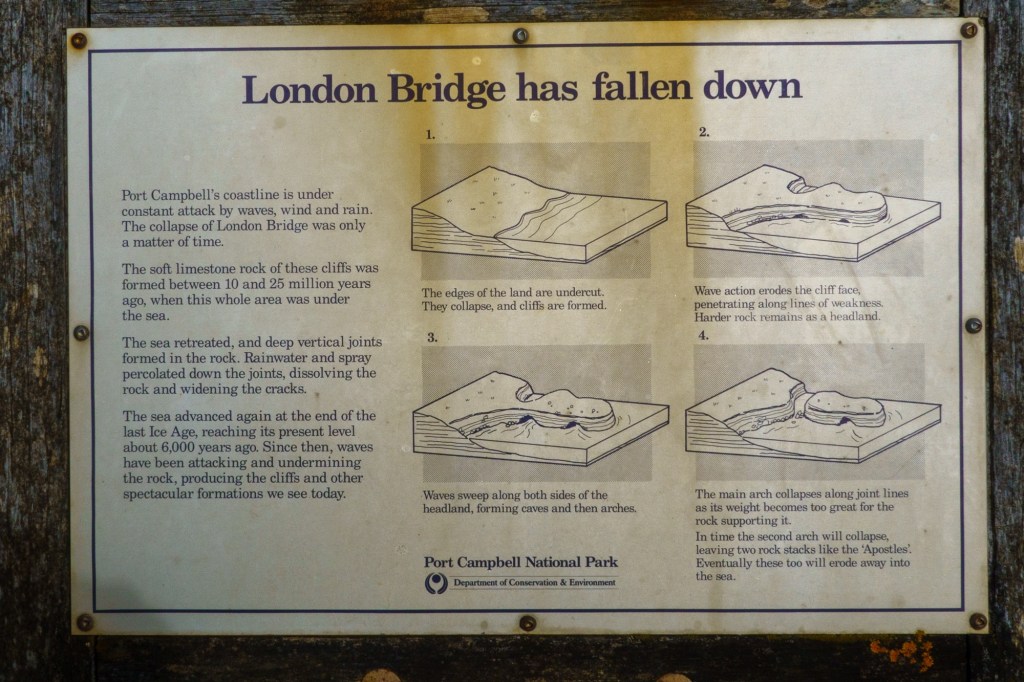
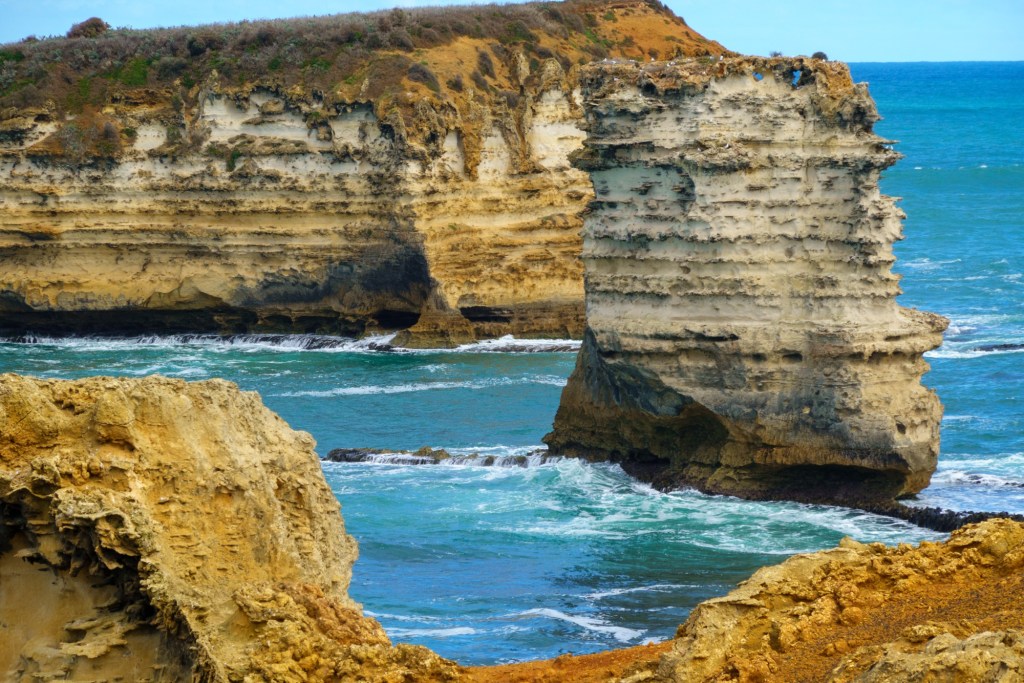
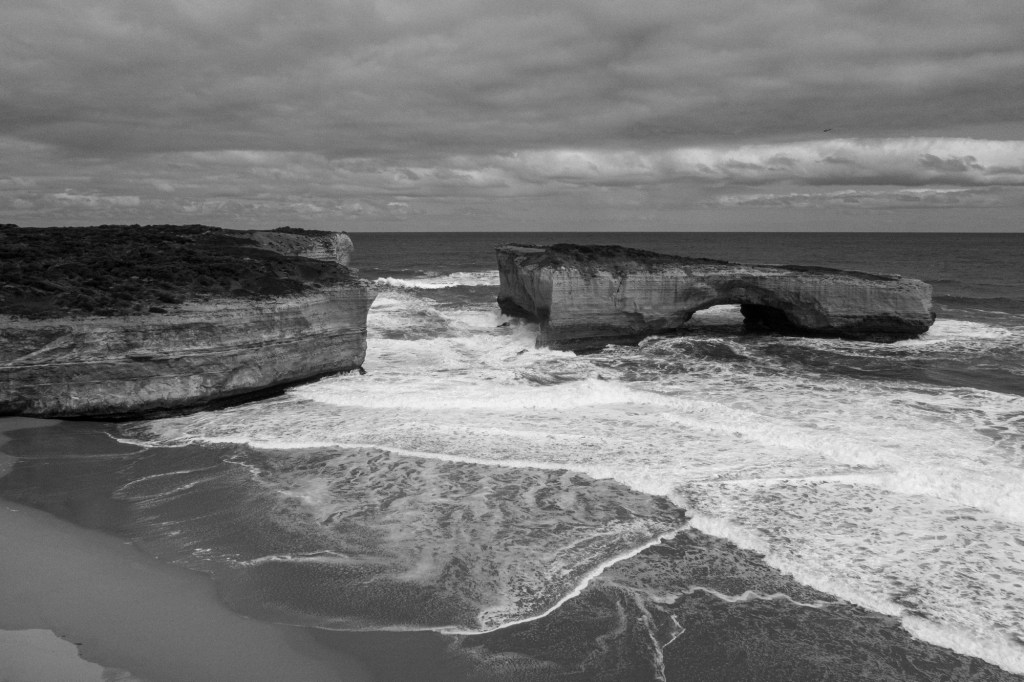
We are near the start of the Great Ocean Road a 238km tourist route to admire the coastal stacks. And they are admirable too. Today we stopped at Bay of Islands, Bay of Martyrs, Grotto and London Bridge. Which strangely is falling down. The geology is probably very complex: the simple version is the softer limestone gets washed away over time either from the surface down or by the sea undercutting. The harder rock erodes far slower and gets left standing: where it forms an arc this eventually collapses due to weight etc. Leaving stacks and other shapes.

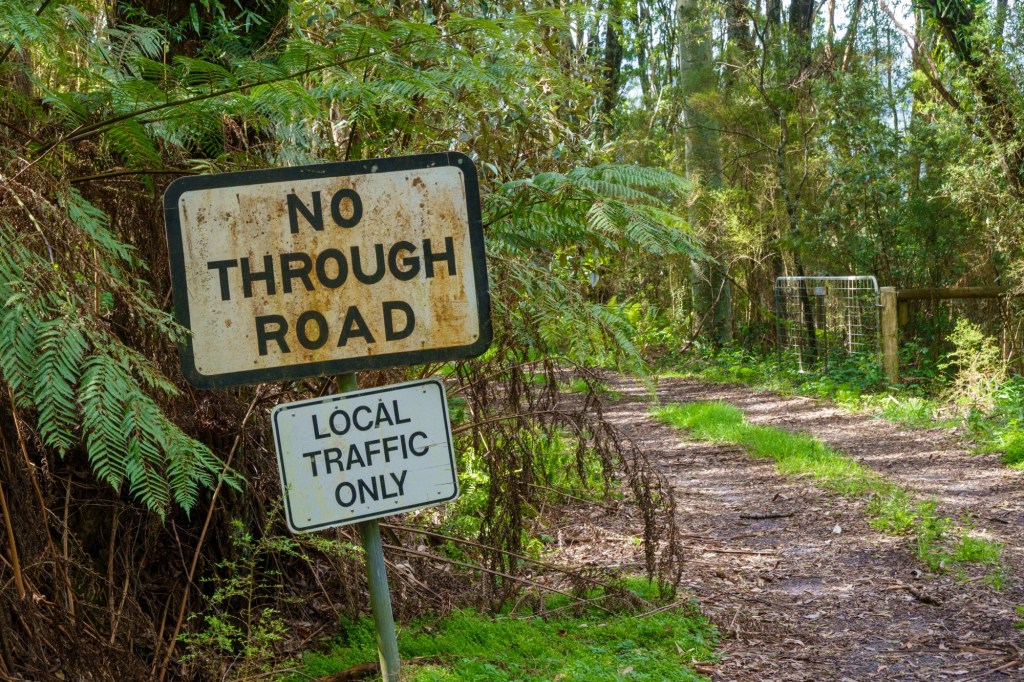
Quite a few tourists: the attraction signs are in English and Chinese with lots of road signs saying “Drive on left”. Just a reflection – shouldn’t those signs be on the right hand side?

Rest day tomorrow in Port Campbell, which we walked around twice tonight and greeted each resident.

D8 TransOceania Warrnambool – Port Campbell

Almost like being in the UK on a typical Spring day. Stiff cold breeze, green fields of cattle and then to the sea. Crashing blue waves on a limestone coastline. The teasing rain which stays away. Few places to stop.

There were a few signs we are not in the UK. Not the suprising grazing camels (they looked surprised too it has to be said: where’s the sand) sharing a field with a lovely pig. Rather the different bird songs, kangaroo road kill (there must be a separate insurance clause, he ponders ruefully), clean quality public toilets, road signs in km. They started going metric with the currency in 1966 then measures from 1971. It keeps the brain alert multiplying x5 divide /8 to work out how long to a stop.

We are near the start of the Great Ocean Road a 238km tourist route to admire the coastal stacks. And they are admirable too. Today we stopped at Bay of Islands, Bay of Martyrs, Grotto and London Bridge. Which strangely is falling down. The geology is probably very complex: the simple version is the softer limestone gets washed away over time either from the surface down or by the sea undercutting. The harder rock erodes far slower and gets left standing: where it forms an arc this eventually collapses due to weight etc. Leaving stacks and other shapes.

Quite a few tourists: the attraction signs are in English and Chinese with lots of road signs saying “Drive on left”. Just a reflection – shouldn’t those signs be on the right hand side?

Rest day tomorrow in Port Campbell, which we walked around twice tonight and greeted each resident.

TransOceania D7 Portland – Warrnambool a hose down

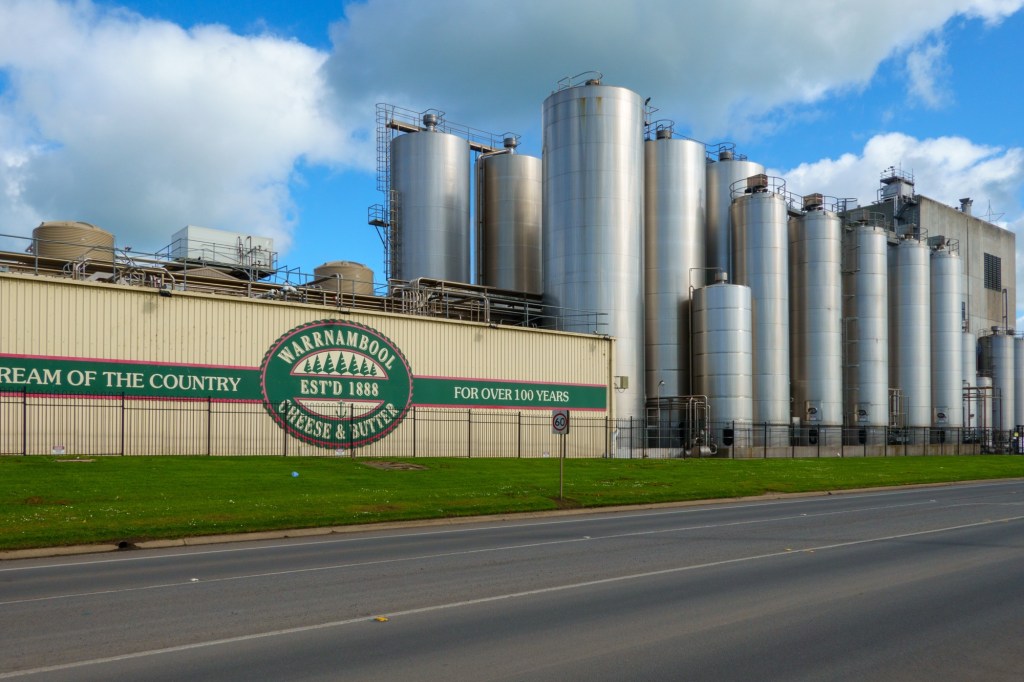
Saying Warrnambool is as hard as spelling it. On the western end of the Great Ocean Road, which is by the sea, it has (it says) a Mediterranean climate. This obviously includes torrents of rain, strong wind and cold. Which was the first half of today’s cycle. As it coincided with being on a relatively busy road with logging lorries lumbering, all was well. We enjoyed the extra spray from the oncoming ones and the suction of the passing ones. Kept you alert.

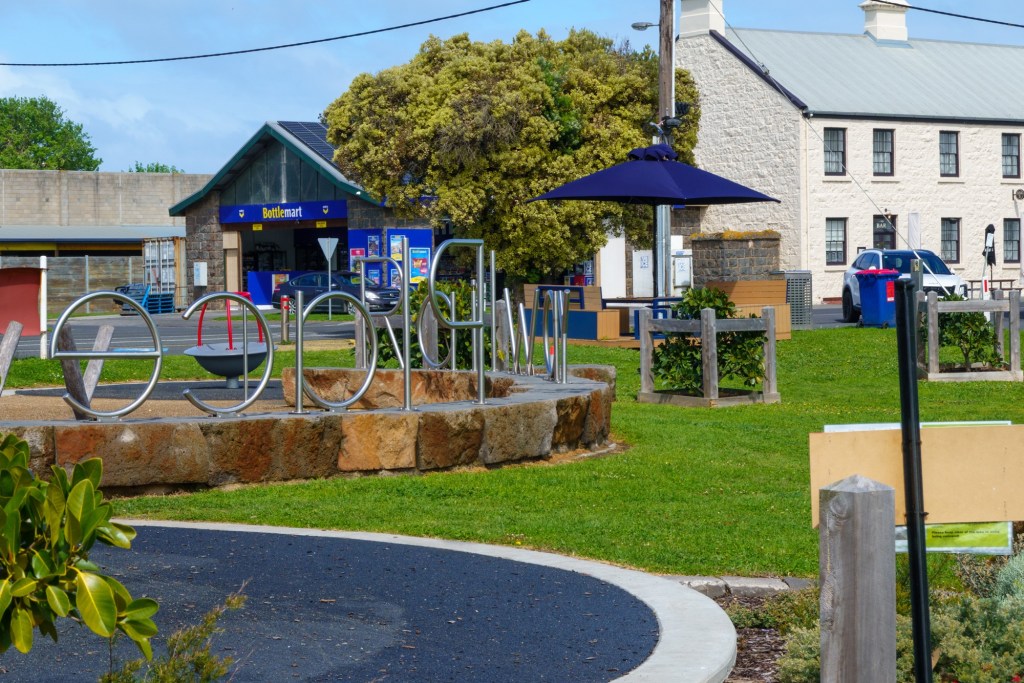
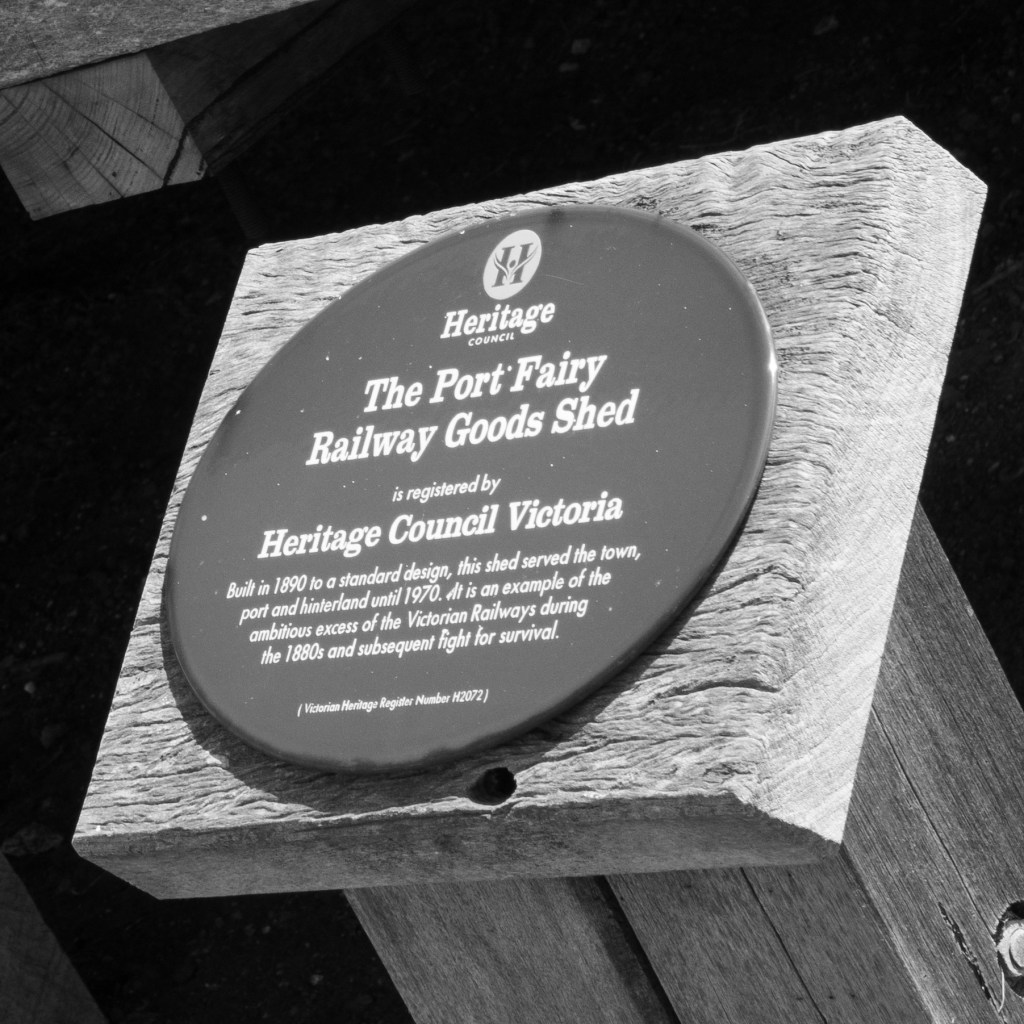
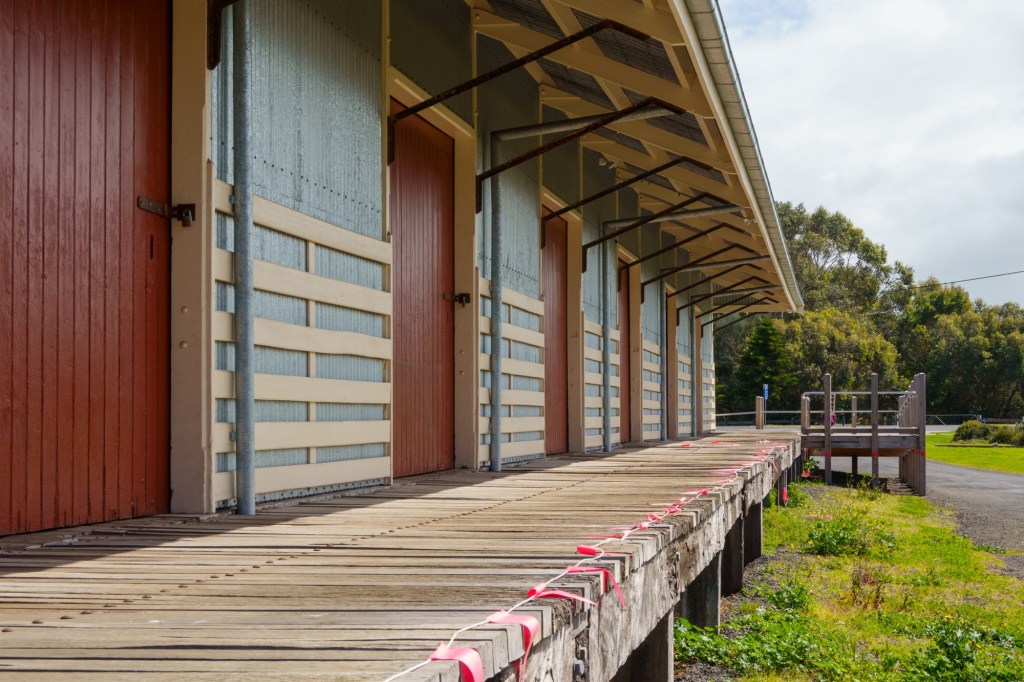
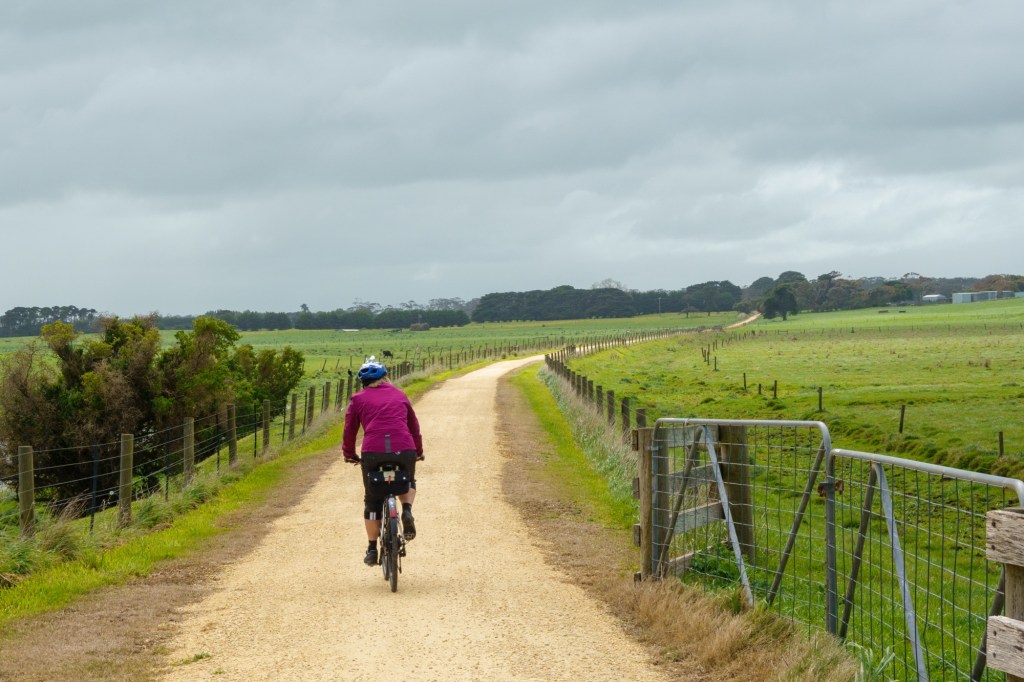
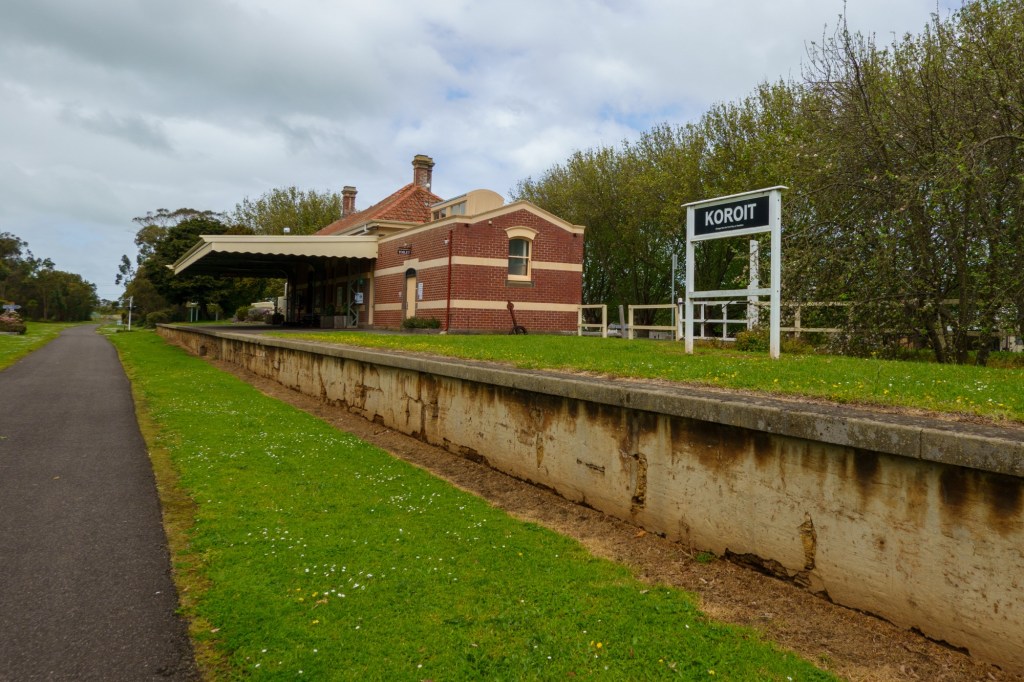
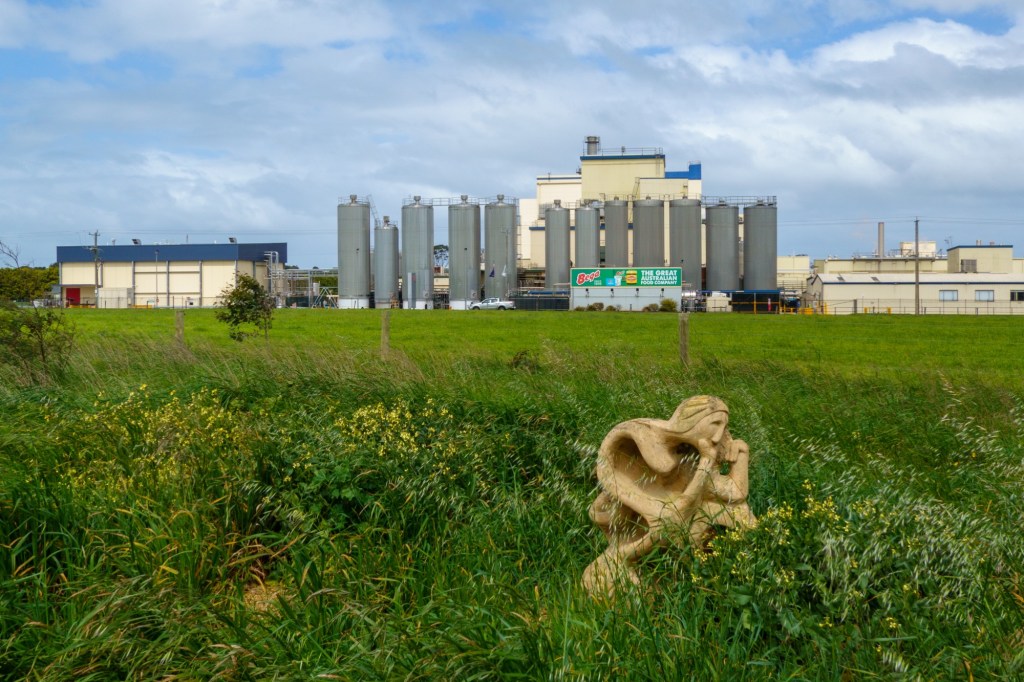
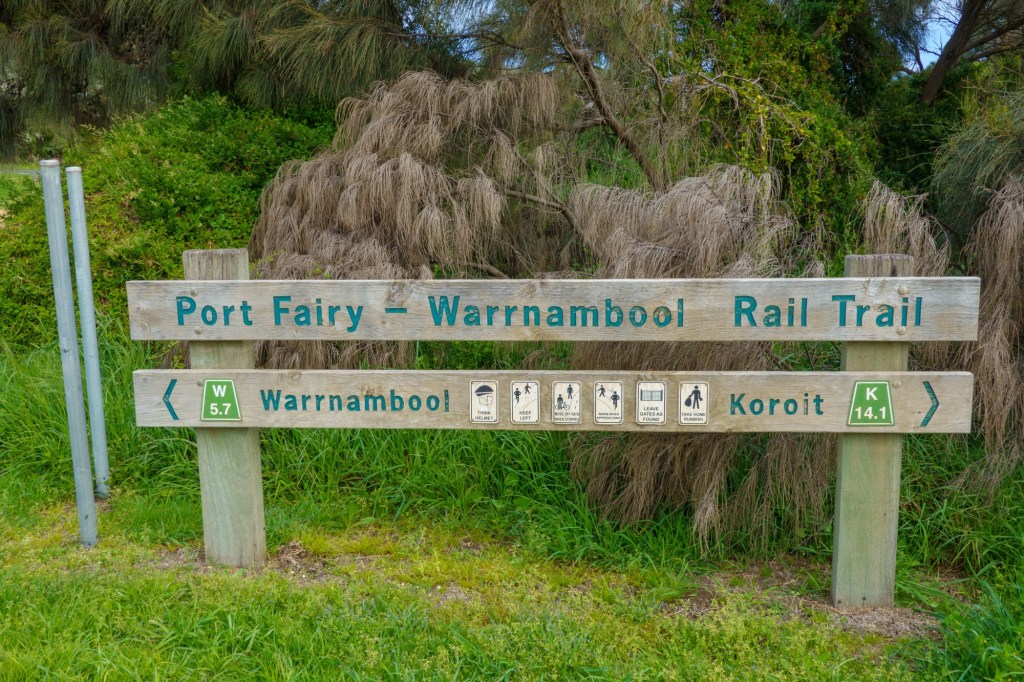
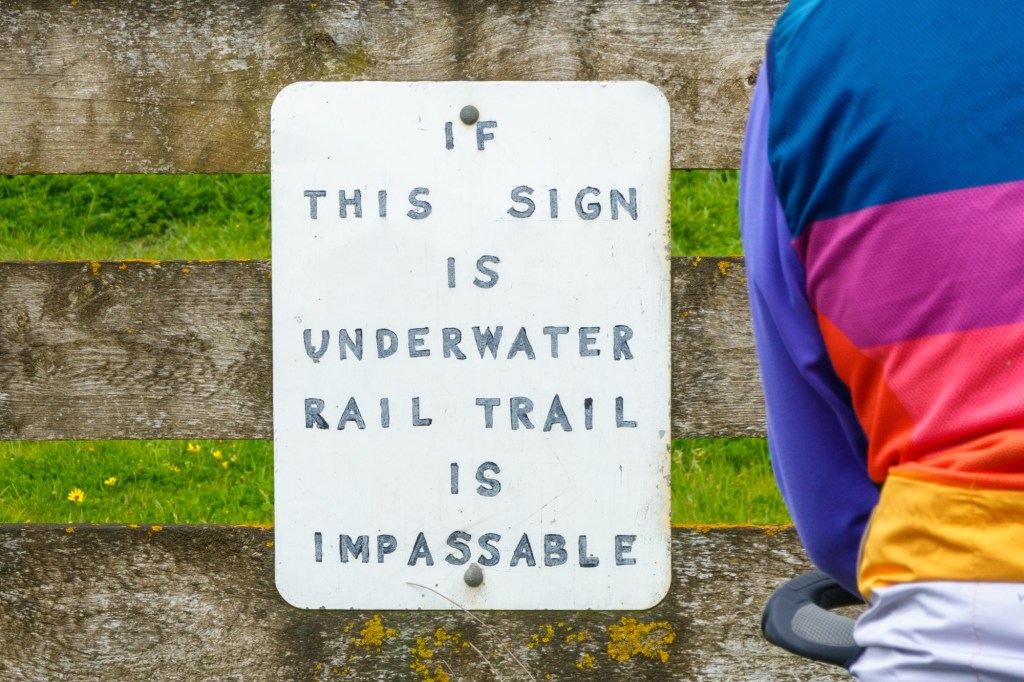
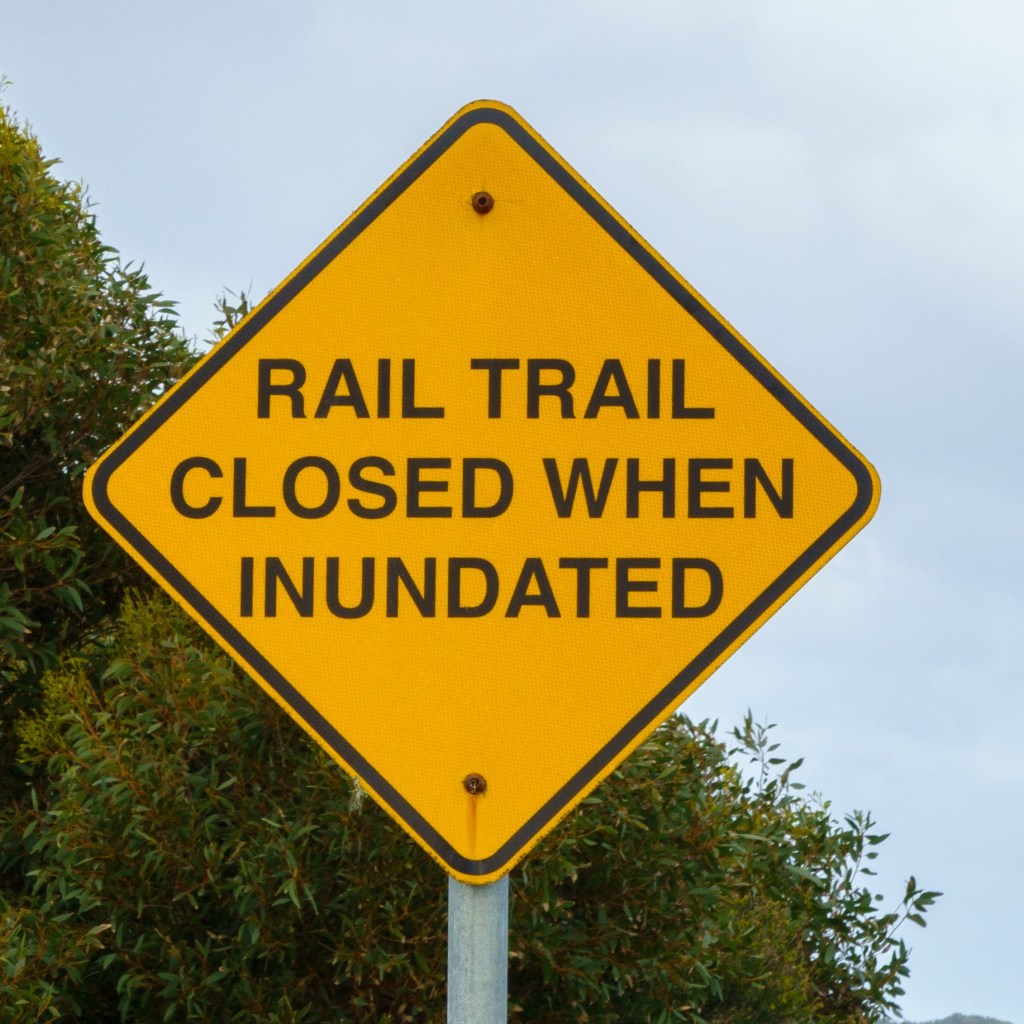
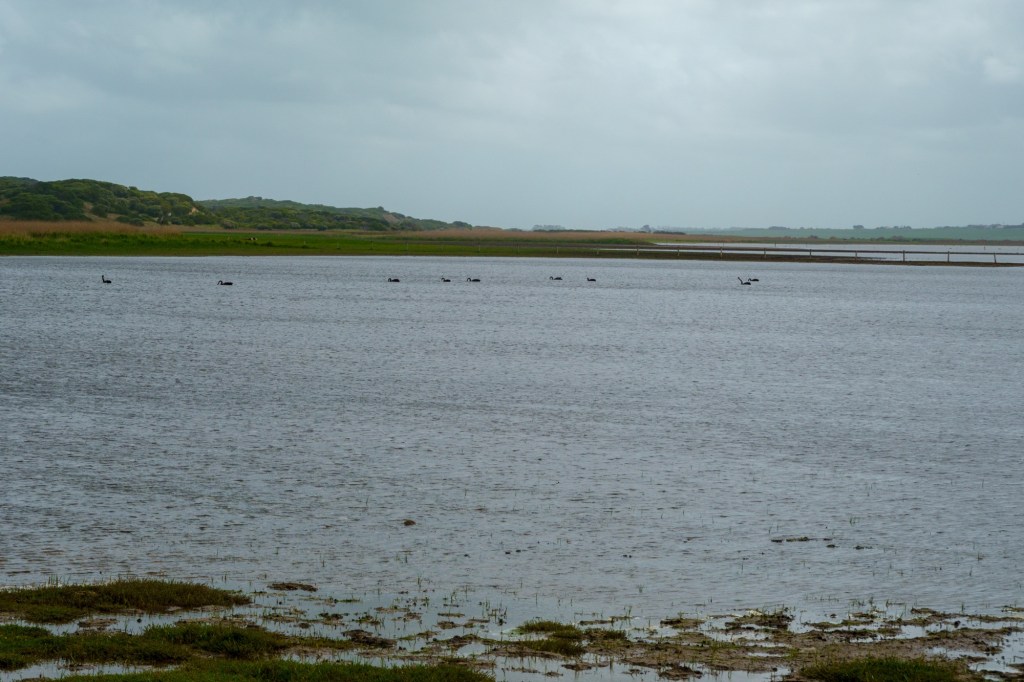
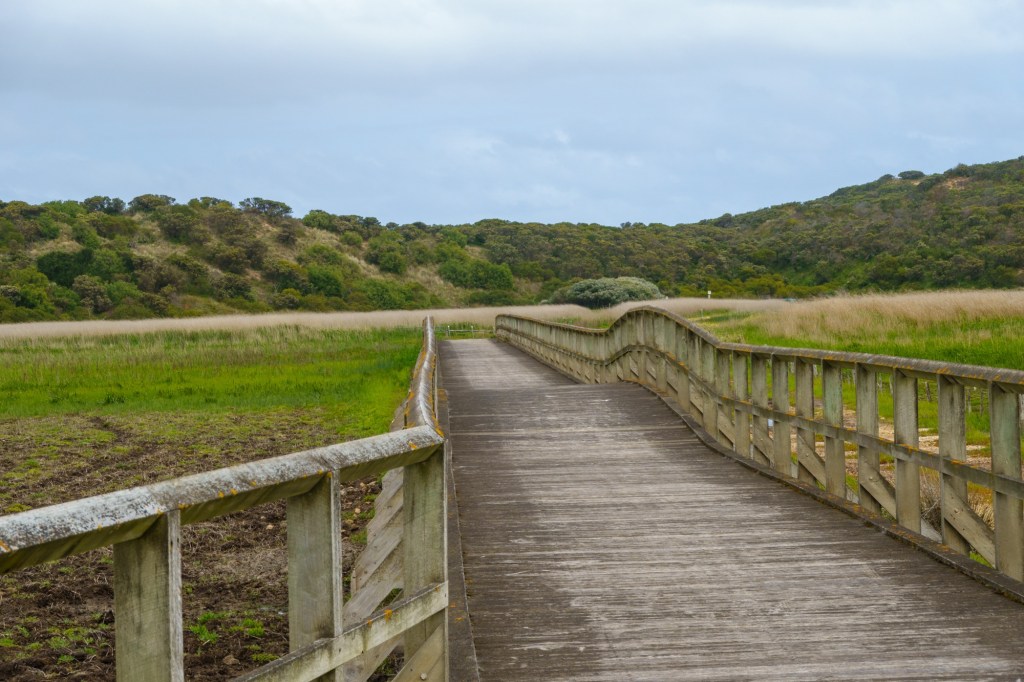
After lunch in pretty Port Fairy, we deviated from the prescribed route to take what turned out to be a delightful railtrail for the last 35km . Flat and then across a River estuary, it kept us entertained with art work and signs. As did the sign entering Port Fairy: welcome to the ancient (???) Port of Port Fairy. You’d never guess a town called Port Fairy on the coast would be a port. It could have said “named after HMS Fairy who berthed here in ancient times. ”

The sun broke out to show crashing blue waves as we approached the sea. Ocean rather. And the fair 36000 folk of Wbool, the abbreviation I’m using to avoid looking up the spelling again! One of them cycled with us for the last 8k and chatted as he illustrated what we were seeing. Good chap.