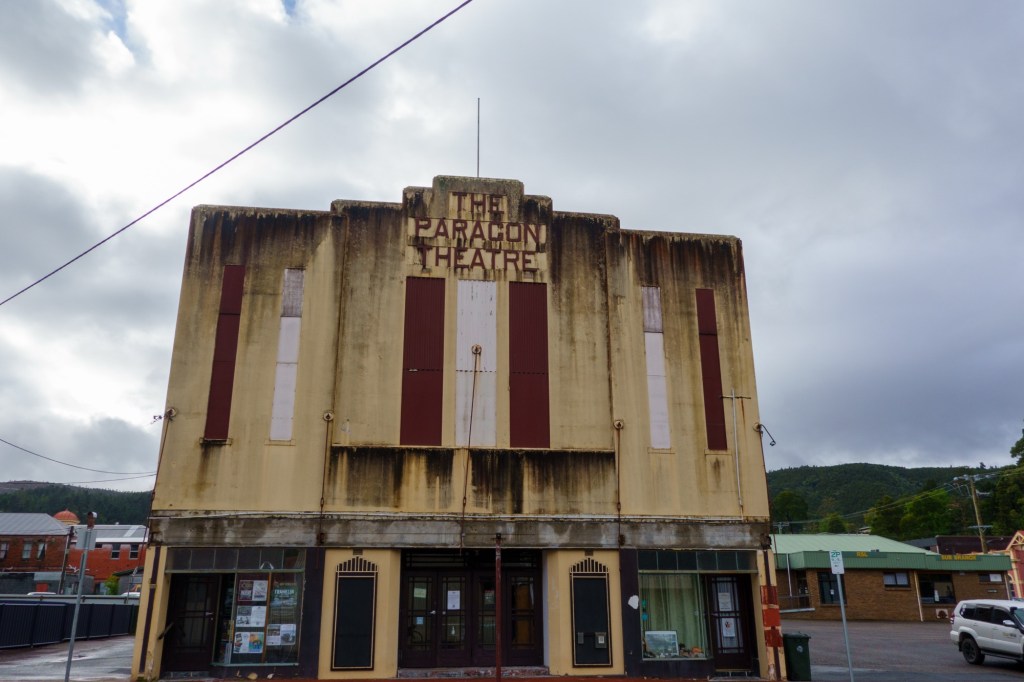
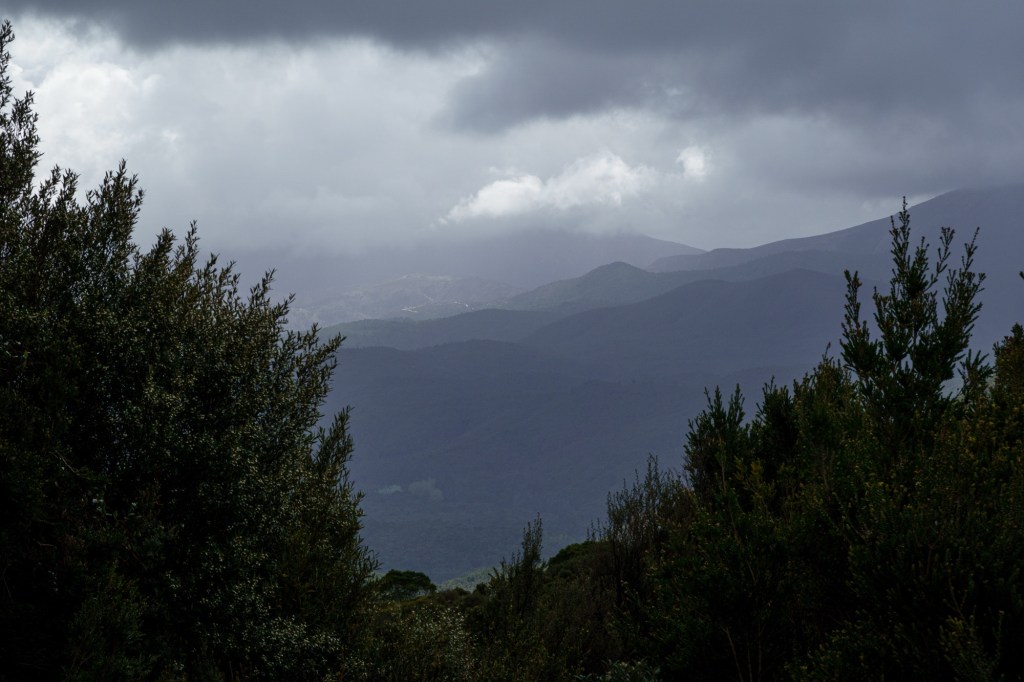
D22 Sheffield – Devonport

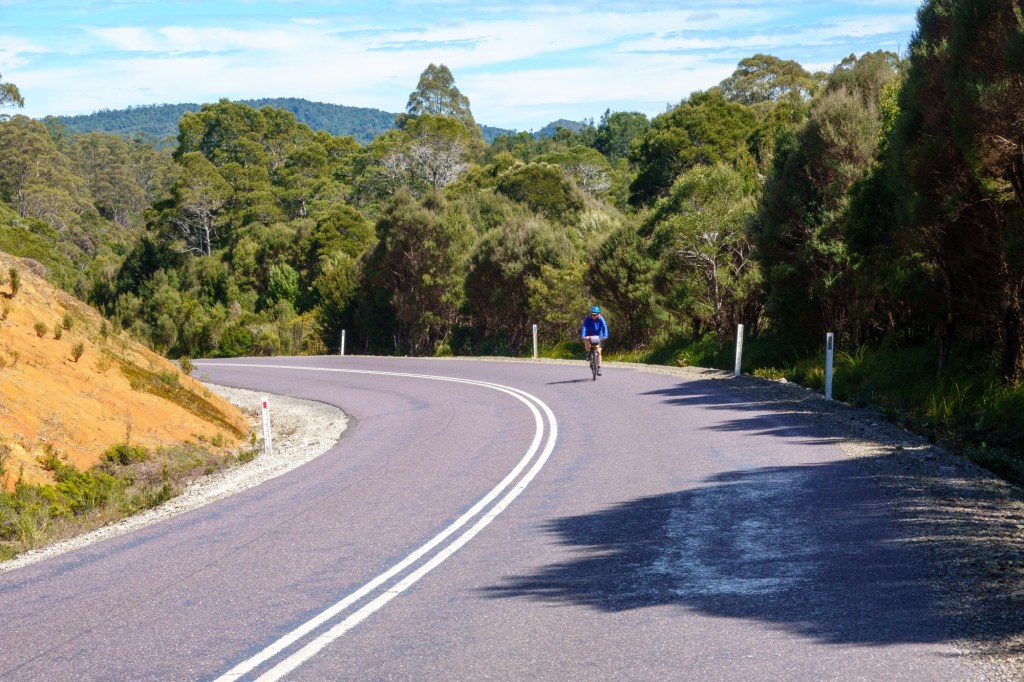
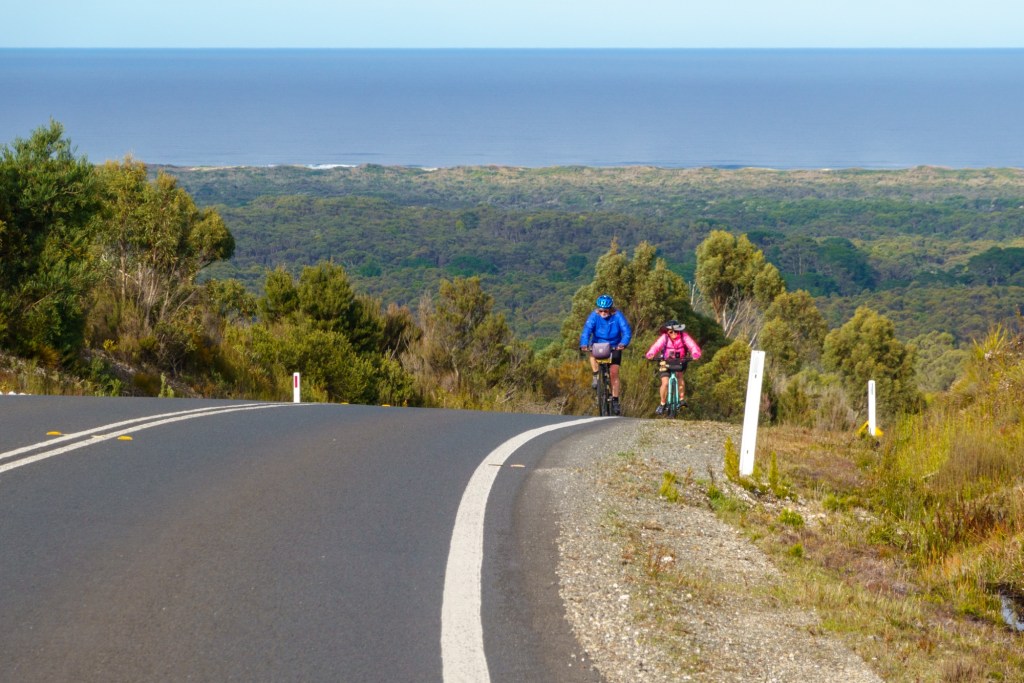
Full circle of this cycle tour around lovely Tasmania, roughly 1200 km (750) miles in real currency). The route on well maintained quiet roads with good drivers – which also means they assertively overtook vs staying politely a distance away and annoying following cars. Everyday varied and the industrial past of the west coast was a surprise (or rather showed our ignorance).
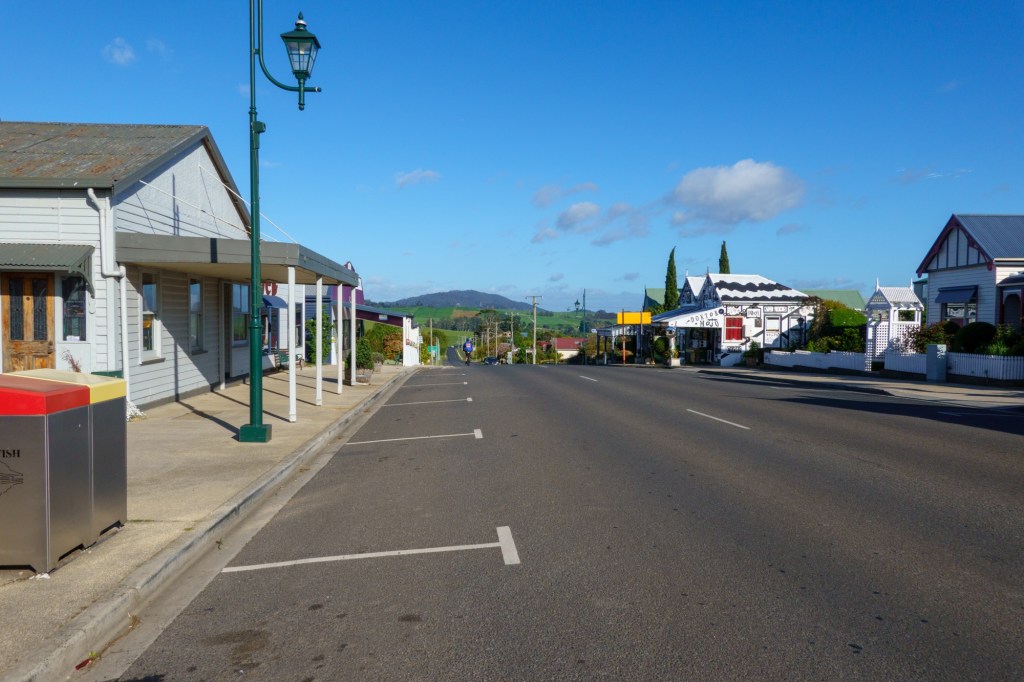
As was the poppy farms – originating from a 1964 decision of Glaxo to focus production here after failed experiments in the UK and mainland Australia. Maybe security of the produce was a factor too, or am I being judgemental?

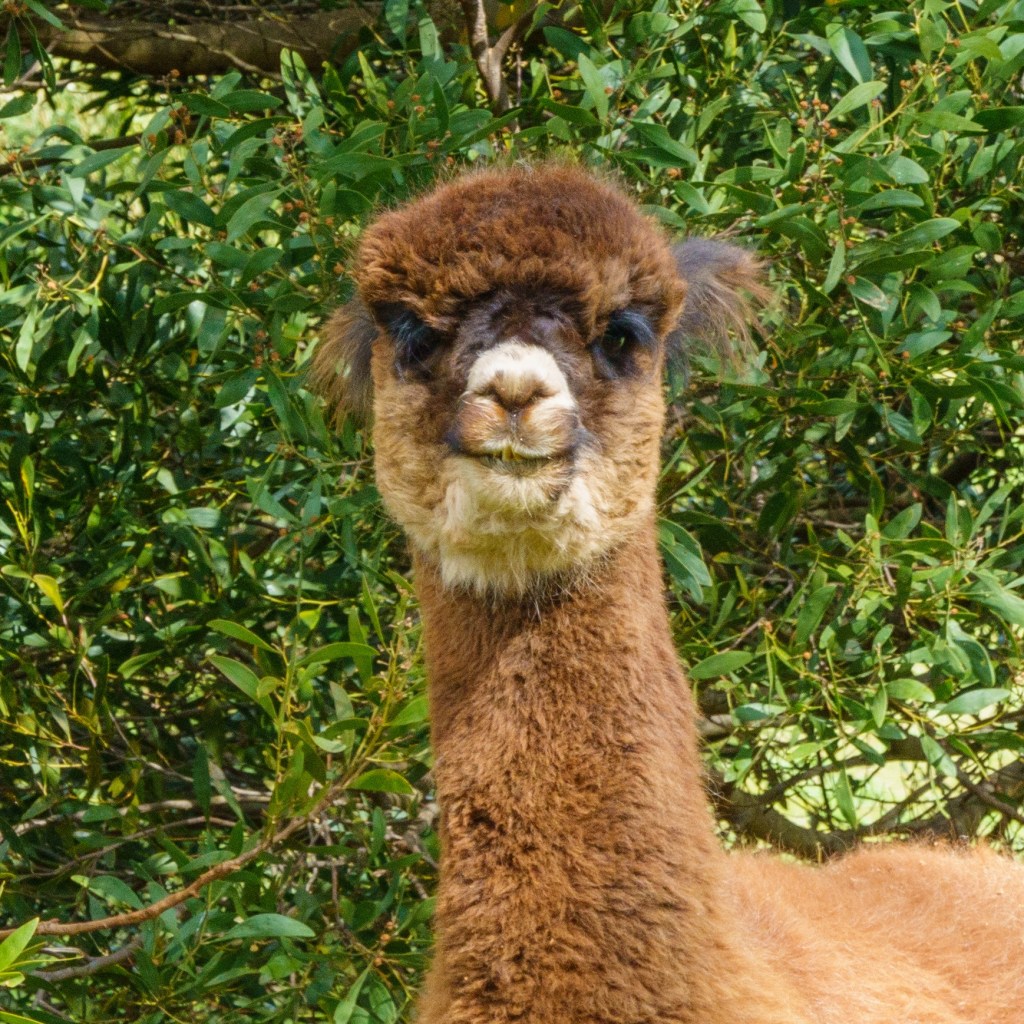
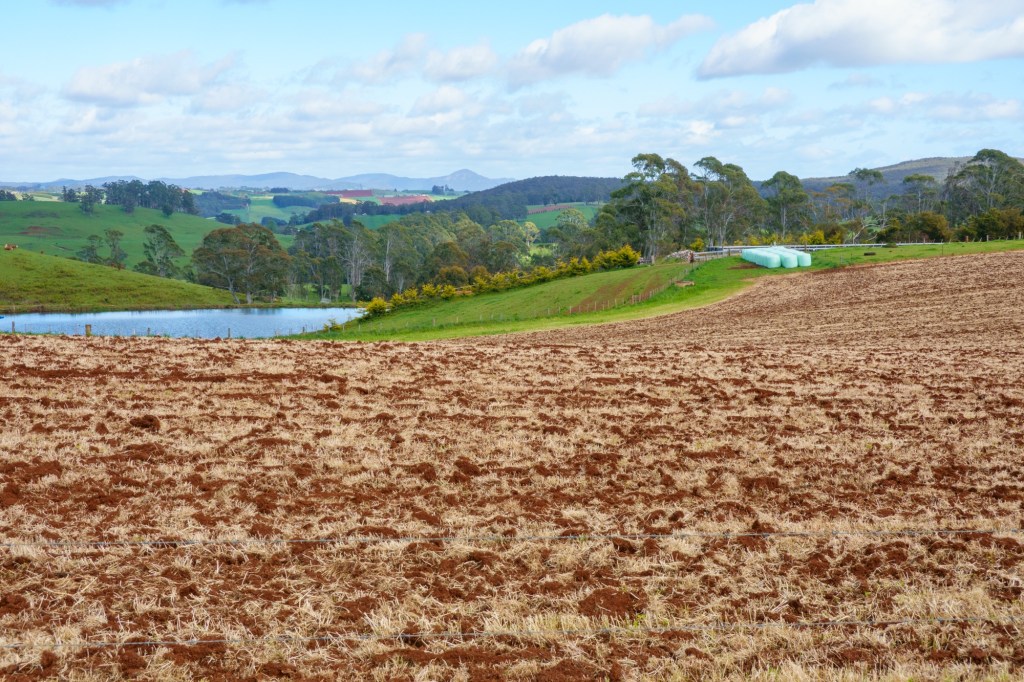
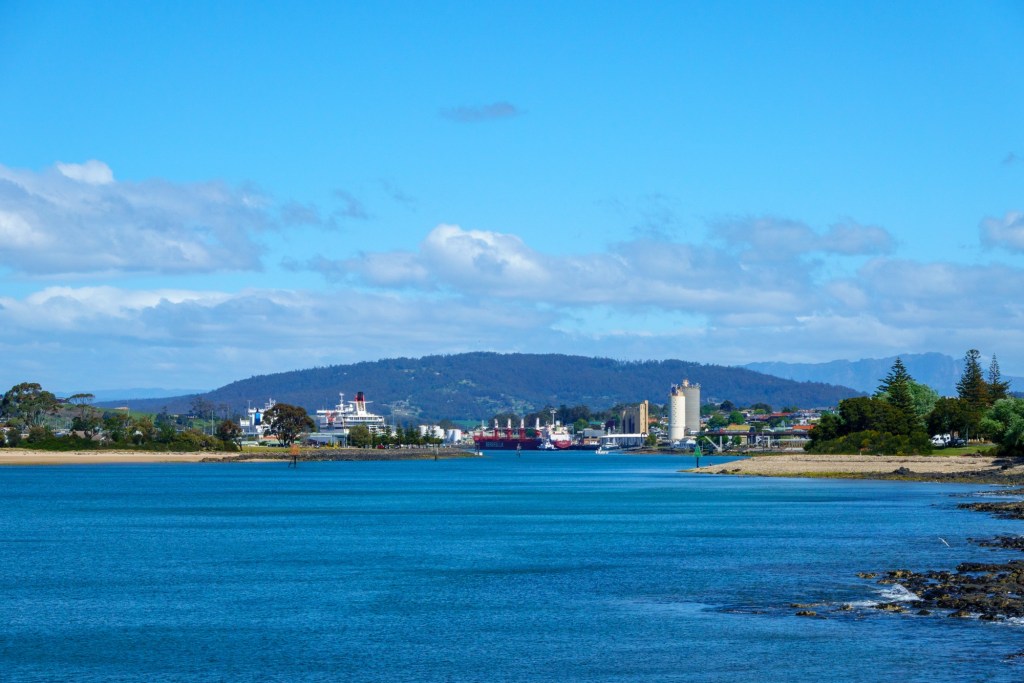
The short 40km hop took us through more farms before hitting town. The straight to the Bass Strait Maritime Museum to pick up more (useful?) facts. The first telegraph between Tasmania and the mainland was in 1859 via a submarine cable. It was opposed by the southern community as it posed a threat to their independance. By way of contrast the first telegraph line between UK and Australia was laid in 1872, That’s a long way.
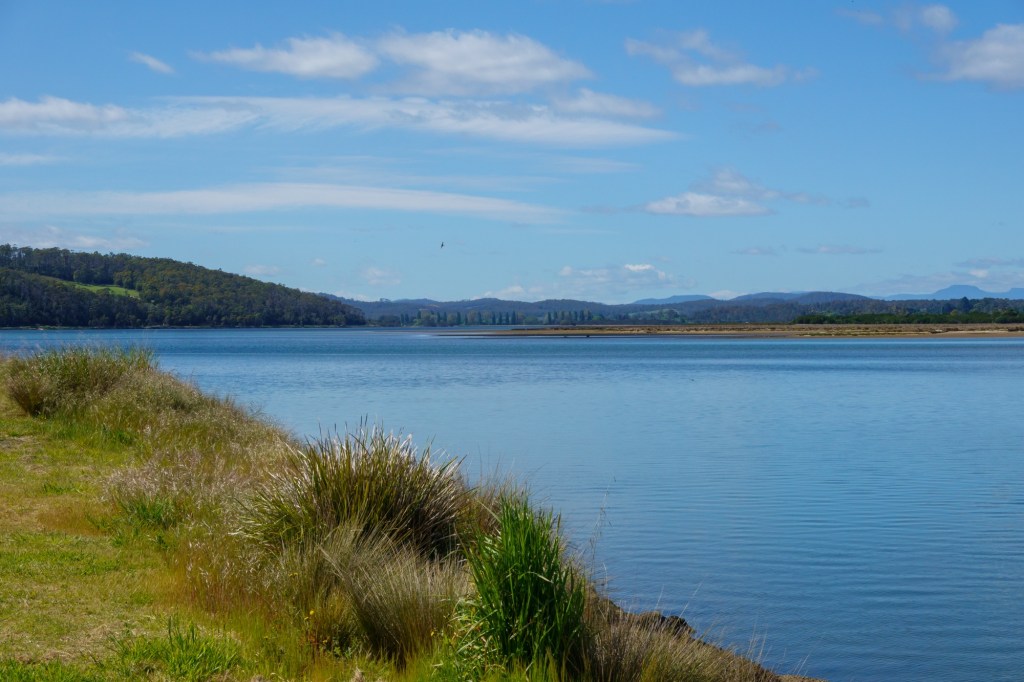
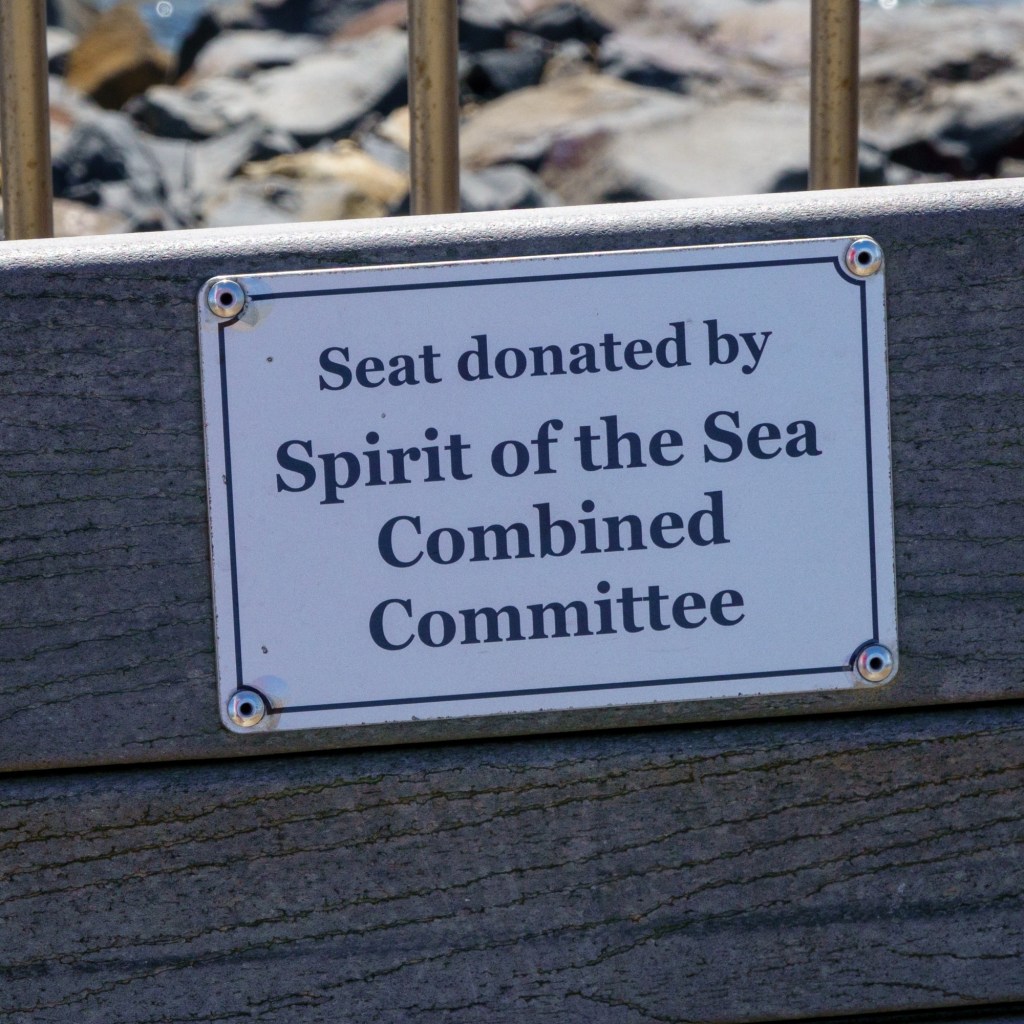
The discovery of the Bass Straits in the late 1700’s cut a week off the sailing time between Europe and India. Ahead of HS2 then.

Tomorrow a mootch around before the overnight Spirit of Tasmania sailing. The new ships aren’t in use yet as they are too big for the berth in Devonport so a new berth has to be built – open circa 2027. So they may be stored in Glasgow or Leith. Tasmania boats twinned with CalMac shipbuilders it seems.
D21 TransOceania Tullah – Sheffield

Our penultimate cycling day (with a short hop tomorrow) on Tasmania and it has kept some of its best until last.

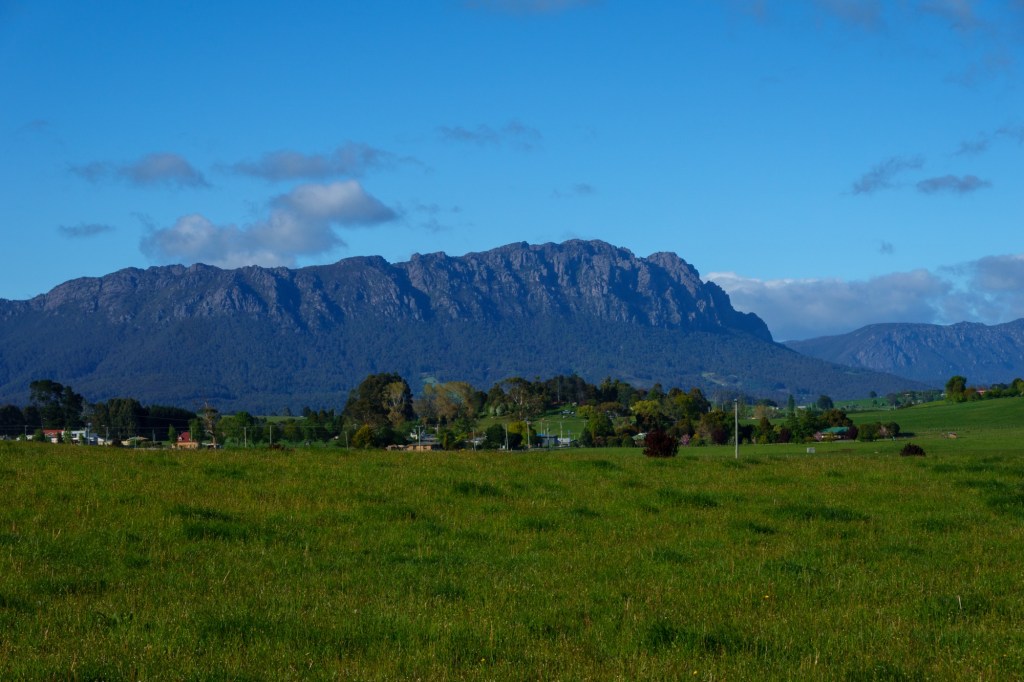
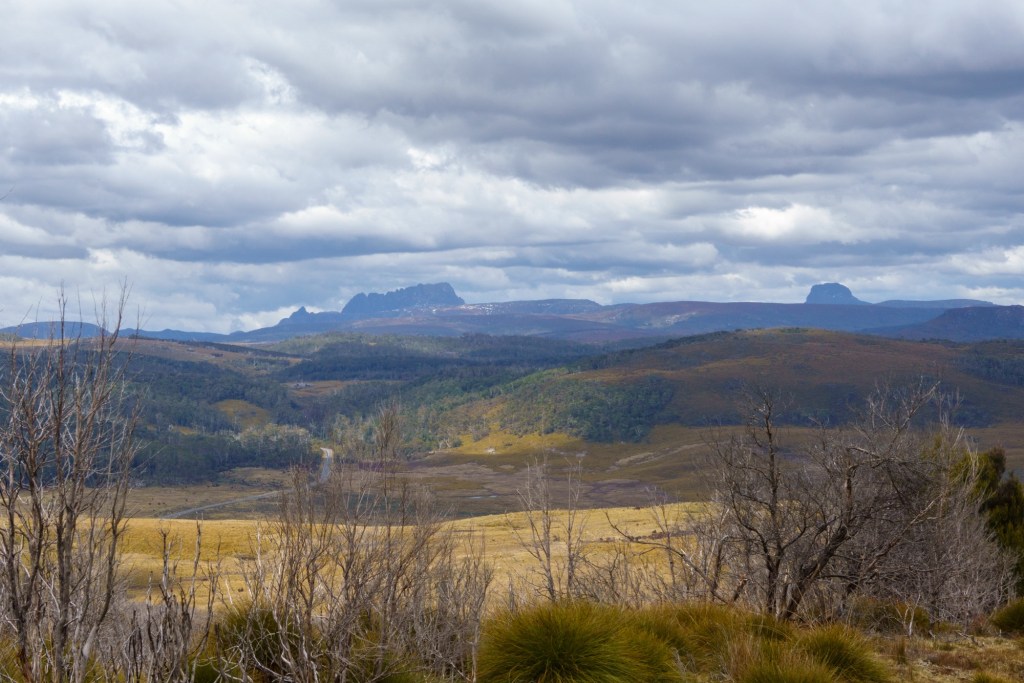
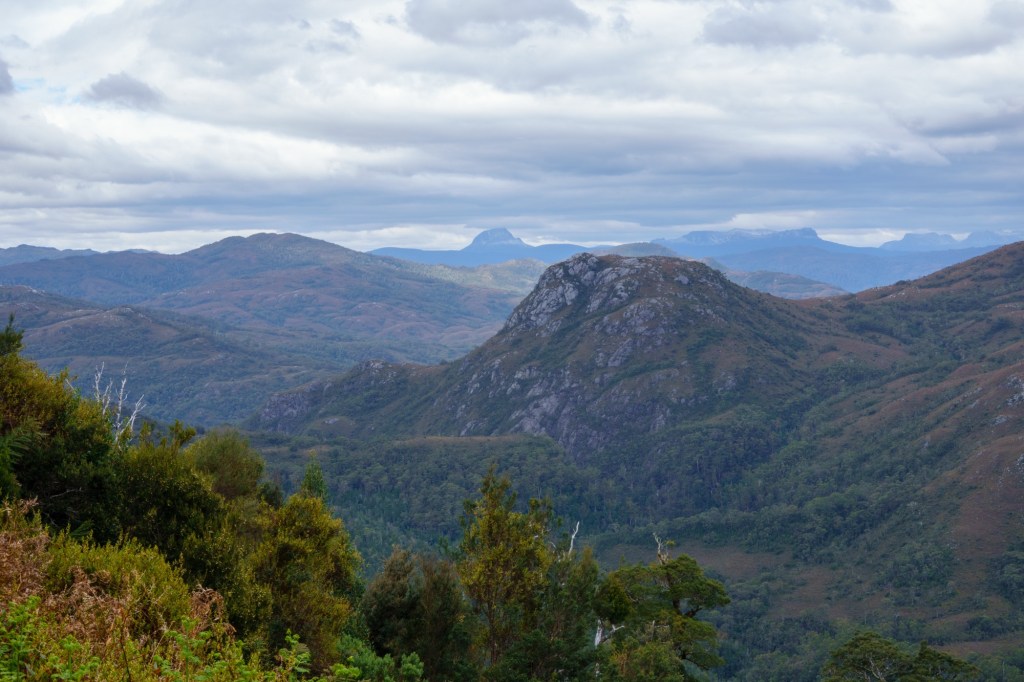
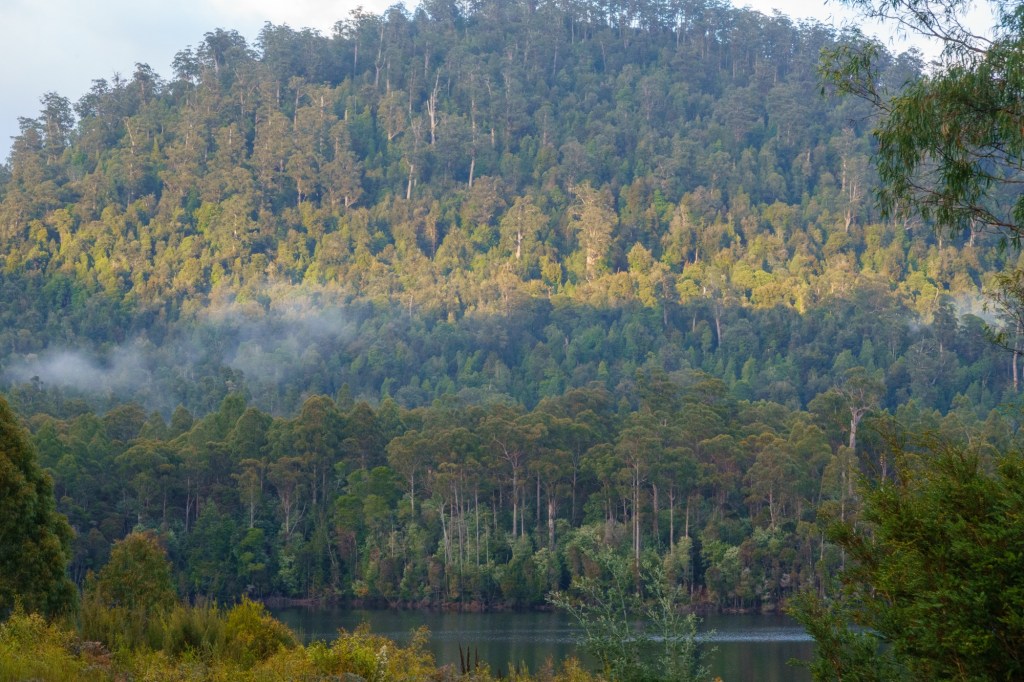
A day cyling around Mount Cradle, through dense forests which open to large vistas across prairie. Almost pristine, though obvious signs of logging. You get a feeling of why it’s called the Wild West.

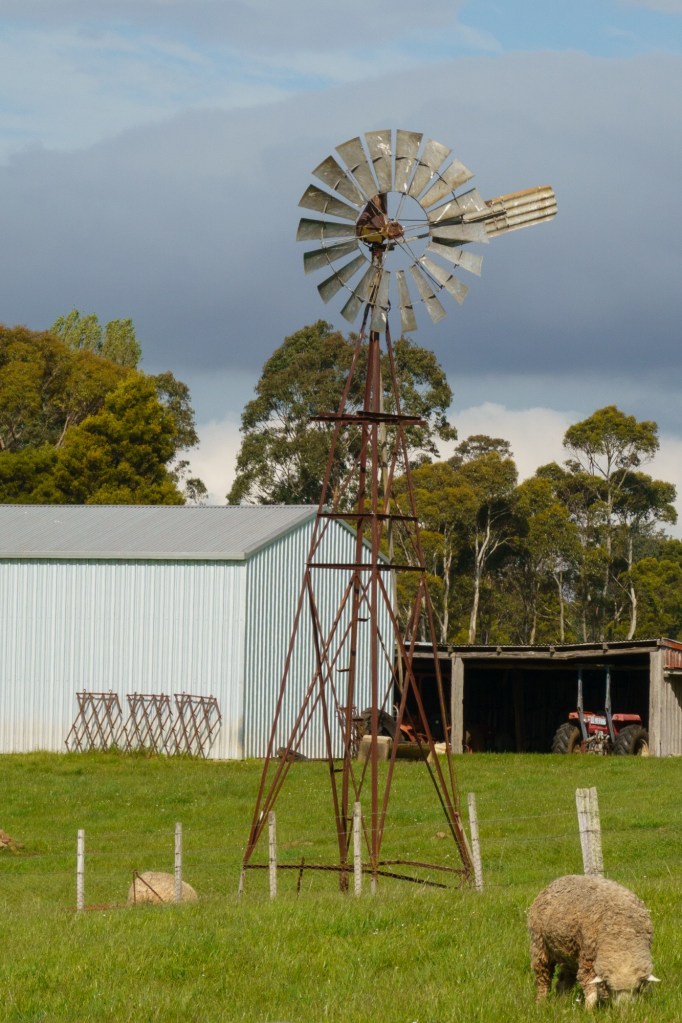
The last 20 km was back into rural pasteurs with cute calves wondering what we’re doing. The area we’re entering, Sheffield is renouned for it’s high quality butter fat production. Hence the cows I suppose.

We end up in Sheffield proper, which markets itself and its 1602 residents as a mural town. Stand still and you are at risk of being street painted by numbers. This is part of a rebranding as a tourist town. It declined from its peak as a hub during the dam buildling project of the 60s and the completion of seven dams and seven power stations.

Wild west town too: the hotel / pub we eat in is in full local party mood: a good activity for a Sunday night. It’s OK we were coralled into a quiet corner.

Tomorrow we finish back in Devonport.

D20 TransOceania Strahan – Tullah

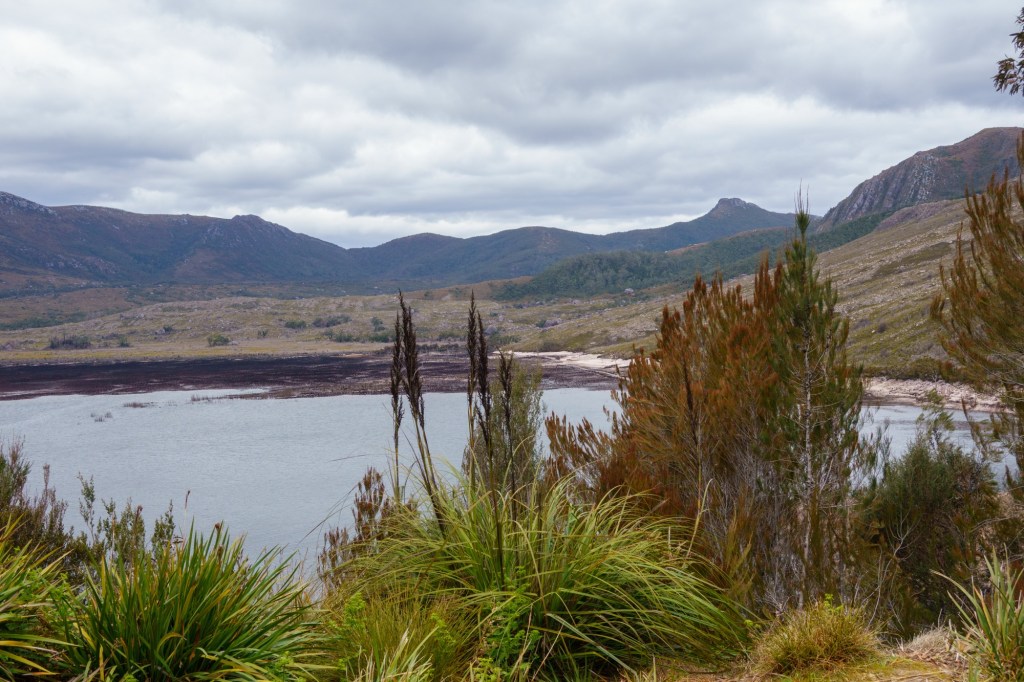
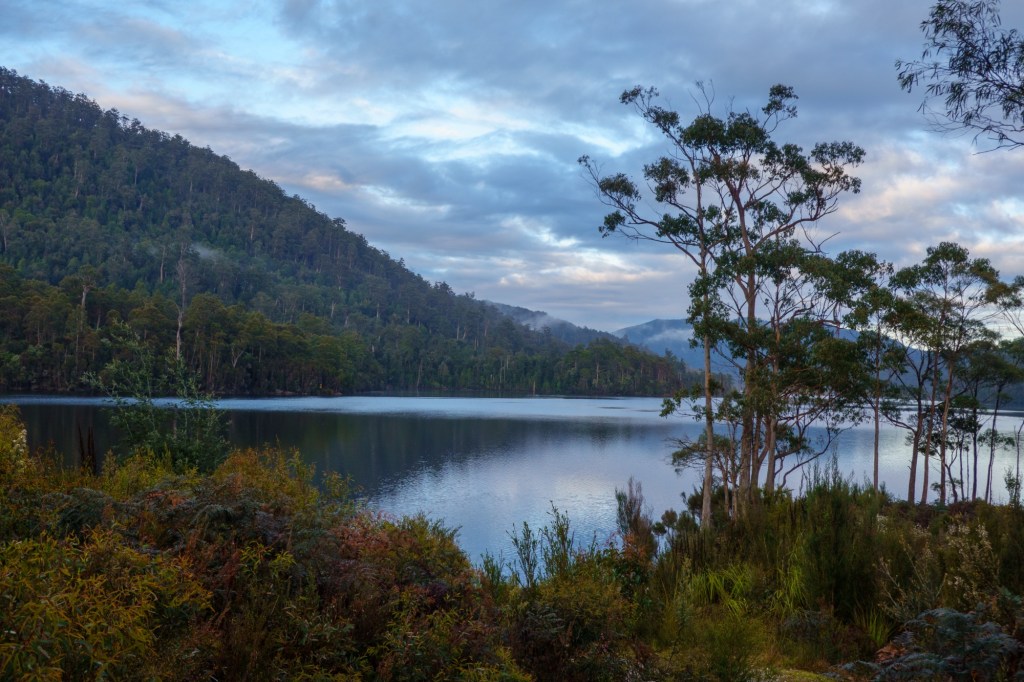
I love that it says Tullah has a population of approximately 202. The second 2 seems superfluous. It is on the edge of Lake Rosebery, a hydro reservoir, fed by the damned Mackintosh and Murchison rivers. Perhaps the latter is named after the Scottish geologist Roderick Murchison?

The landscape was very Scottish in looks for much of today. Craggy mountains dotted with scrub; changing rock seams; glacial erratics. Cold, green. Rivulets and creeks abound.

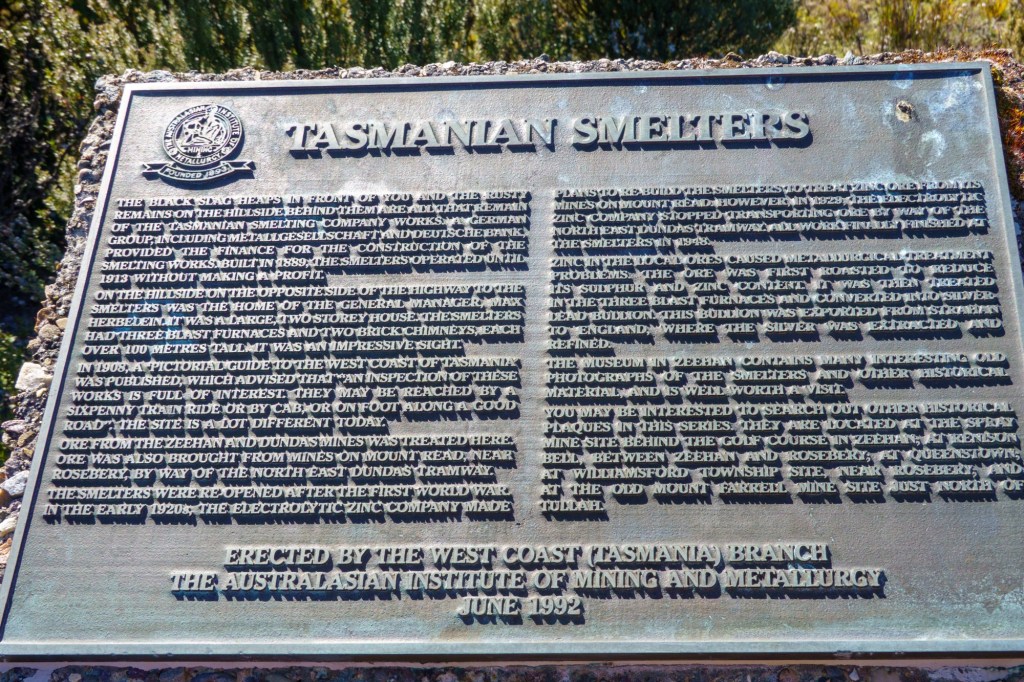
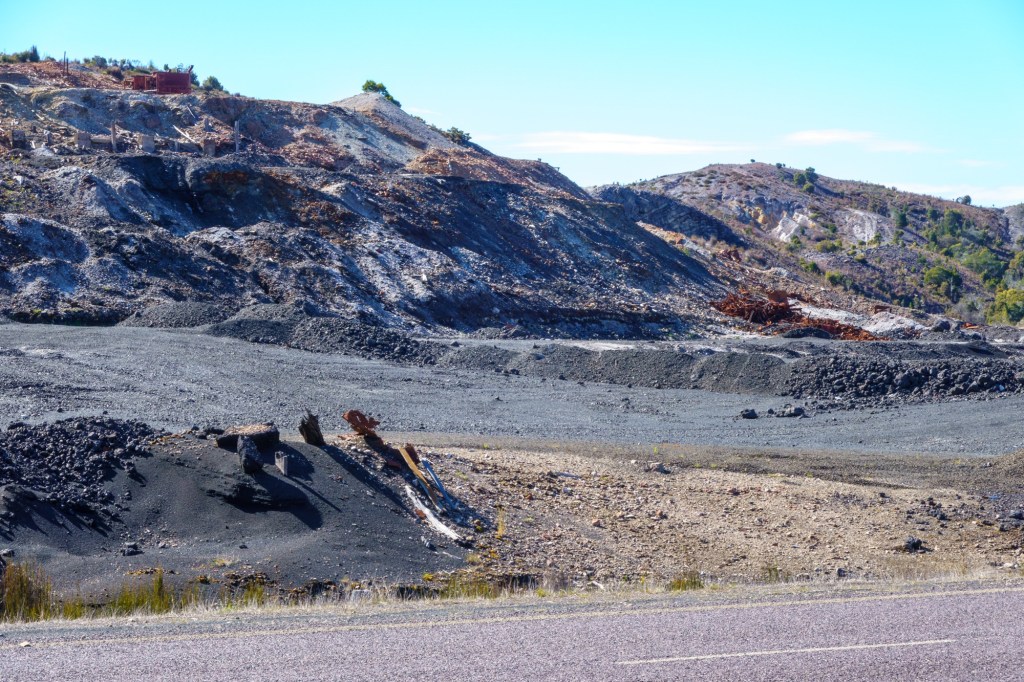
The harder industrial past is evident around Zeehan, with the scorched and rusty ruins of zinc smelters. Zeehan’s population peaked at 10000 in the early 1900s, 10x what it is today.

A lovely day!

TransOceania Strahan rest day

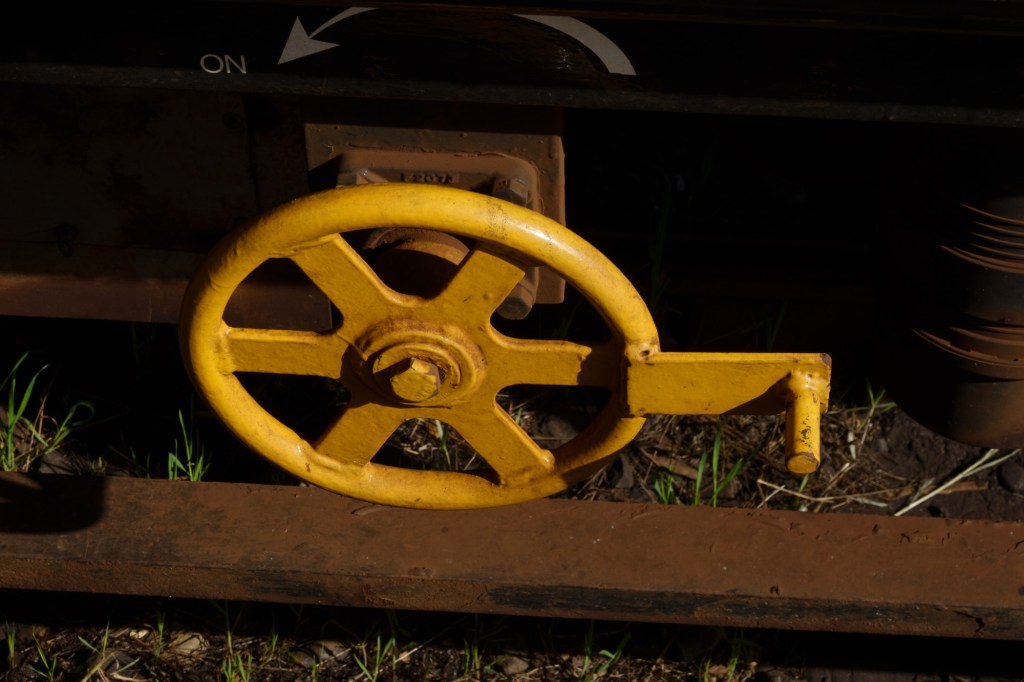
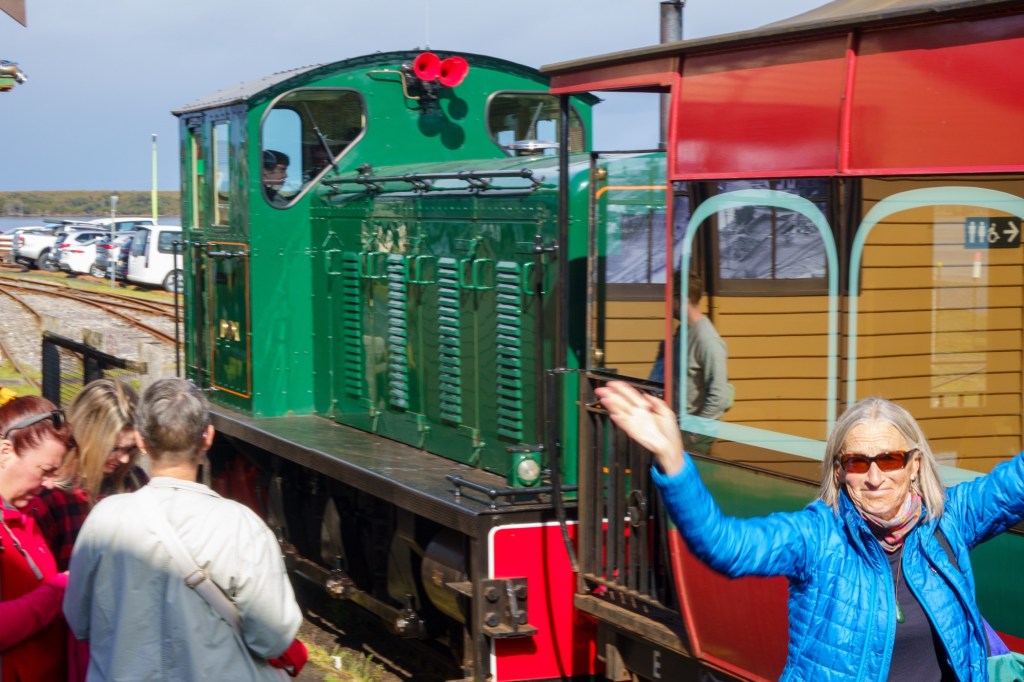
These governors obviously had it in their rewards packages to have places named after them. Strahan was a port for timber and coal, now tourism. The Mount Lyell mine developed a railway to bring the ore down. Closed in 1963, today we went on one leg of the reopened tourist route.

As we passed through dense rainforest, you had to admire the 500 workers employed to cut and lay the route through inhospitable terrain. They were paid 6/- per week for their labour out of which they had to pay for food, tools and accommodation. Plus ca change.

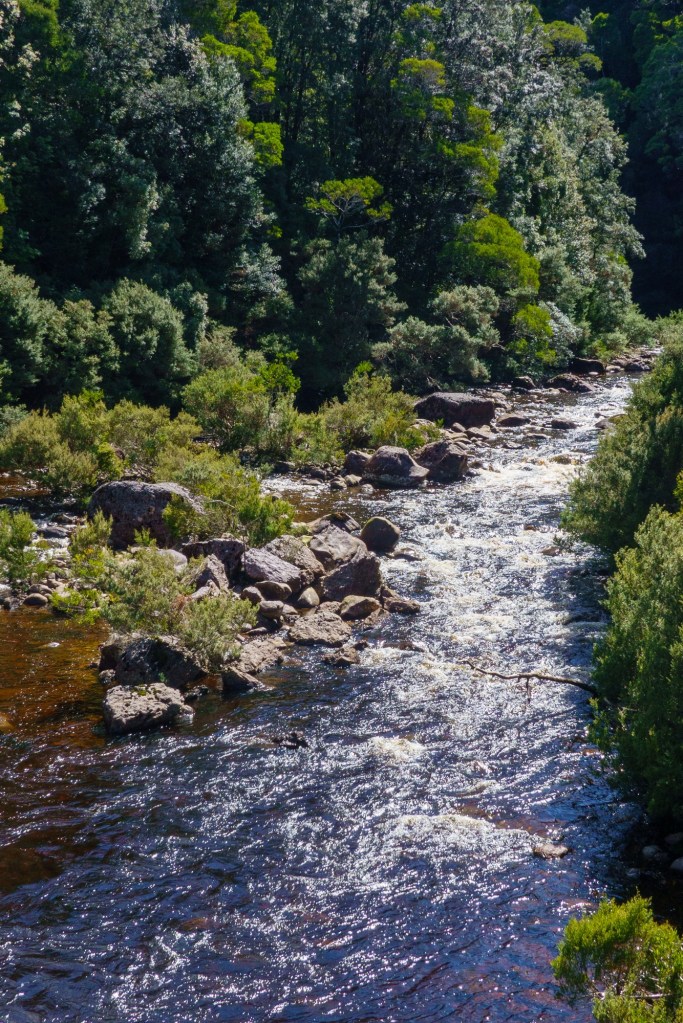
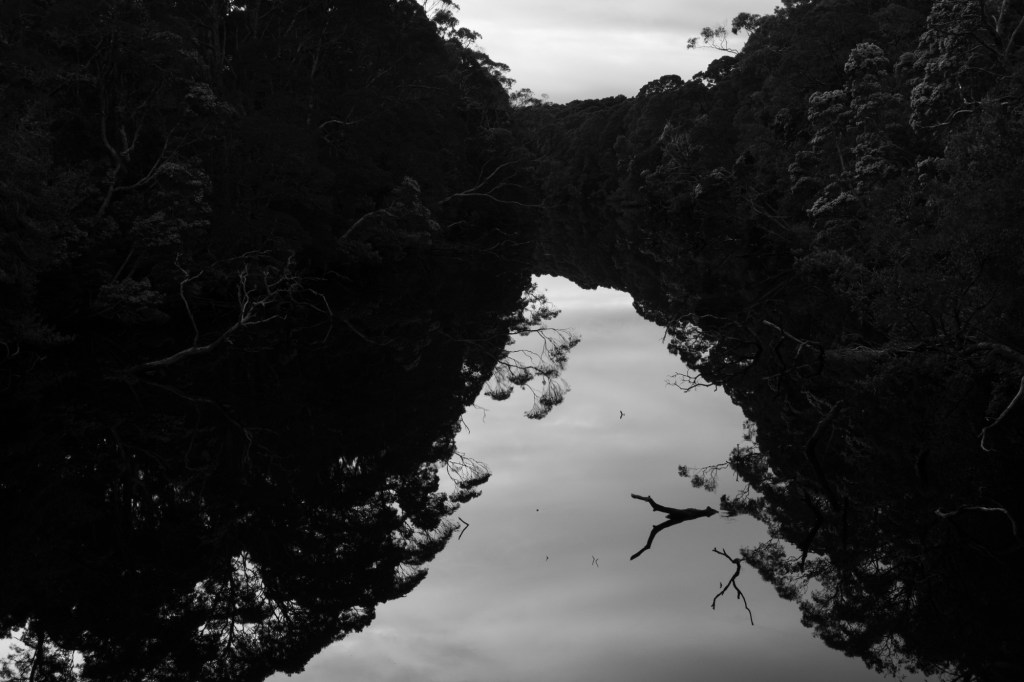
The route follows the still recovering King River for much of the way, crossing it in places. The only original bridge (iron) in use weighs 100 tons and was imported in bits from London. The only crane they had had a 20 ton limit: engineering ingenuity was used to get the reassembled bridge into place. The early days were dominated by floods: the record one had water 8ft higher than the iron bridge. Today the water is calmer thanks to hydrodams. So it’s still working.
The amazing huon pine (not a pine) was a crop, now protected. 3000 years lifespan, reaching sexual maturity at 600 years. And harvested at a stroke of an axe.
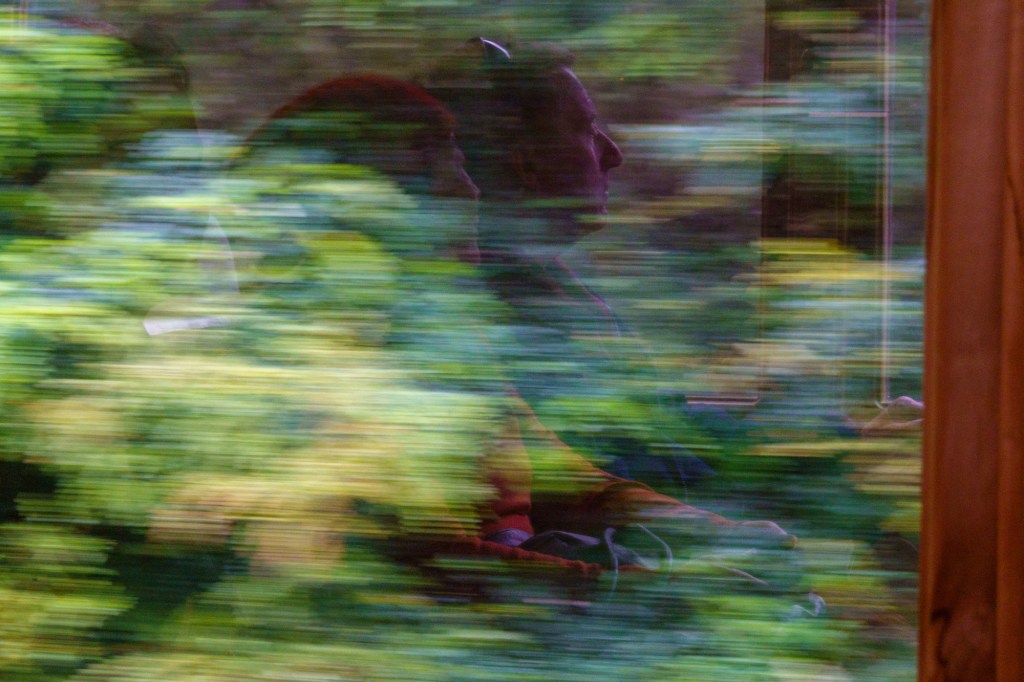
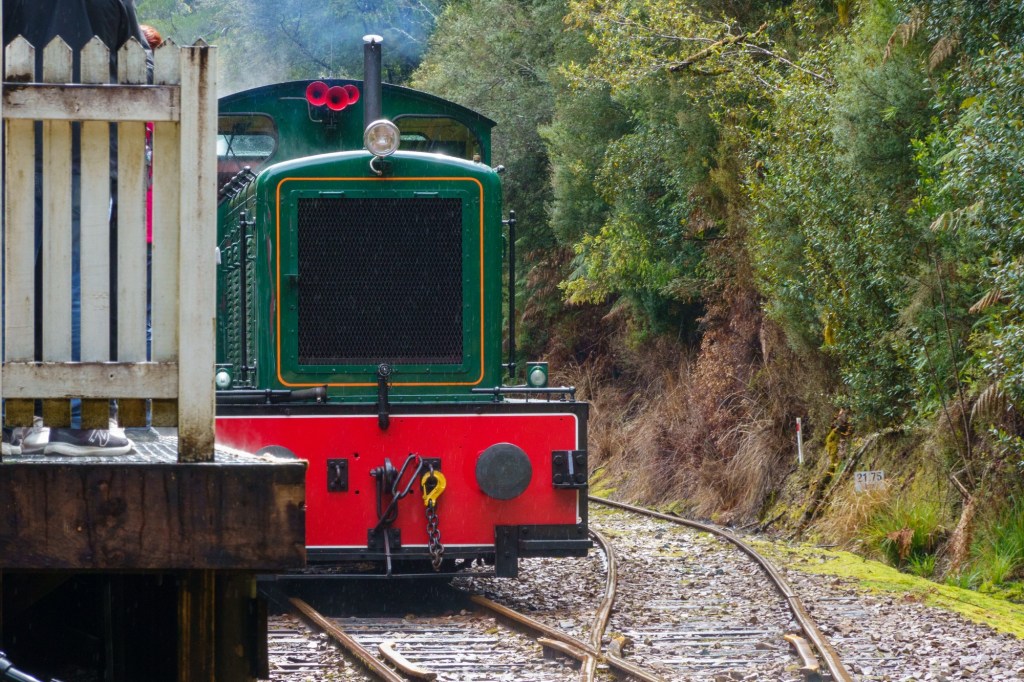
The various settlements disappeared with the closure of the railway, quickly reabsorbed by the forest.

Then back to the Macquarrie Bay.

An amazing landscape, shaped by nature and man.

D19 TransOceania Queenstown – Strahan

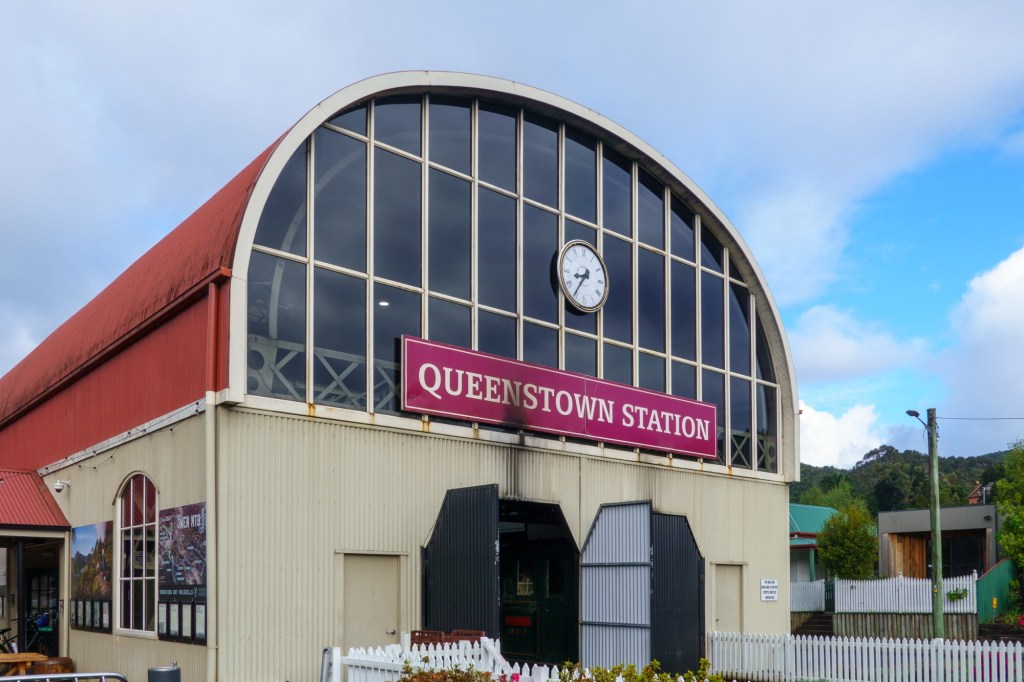
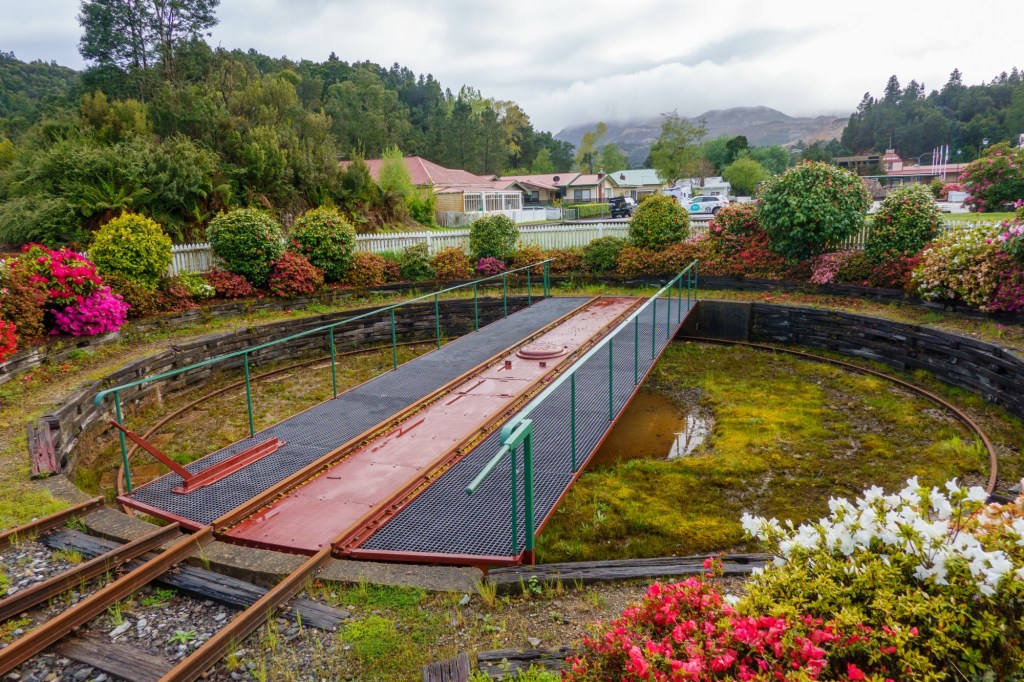
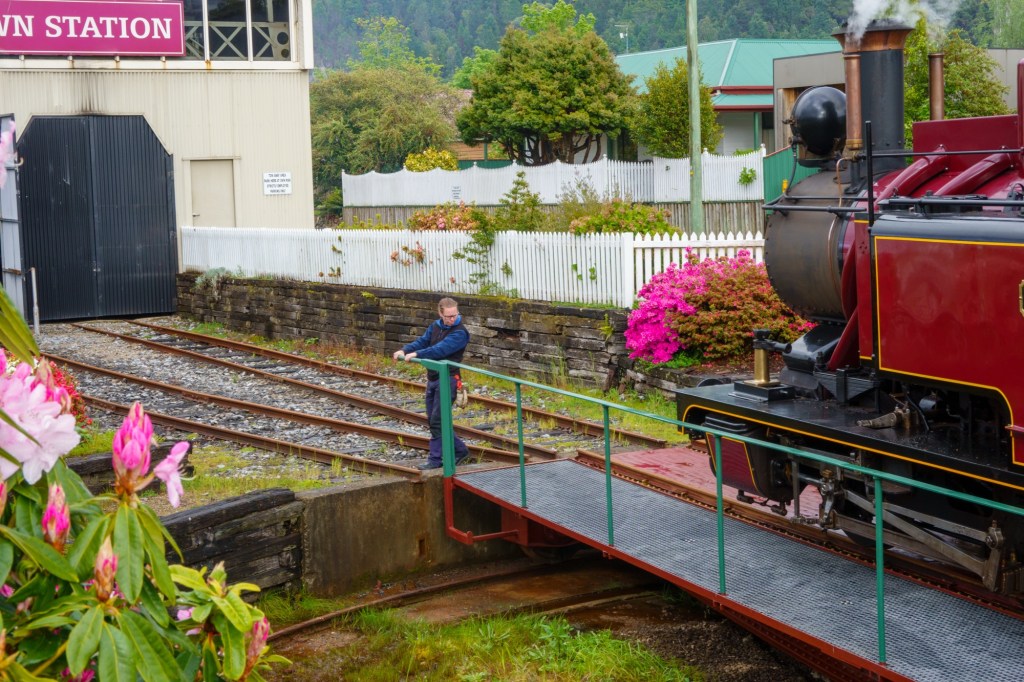
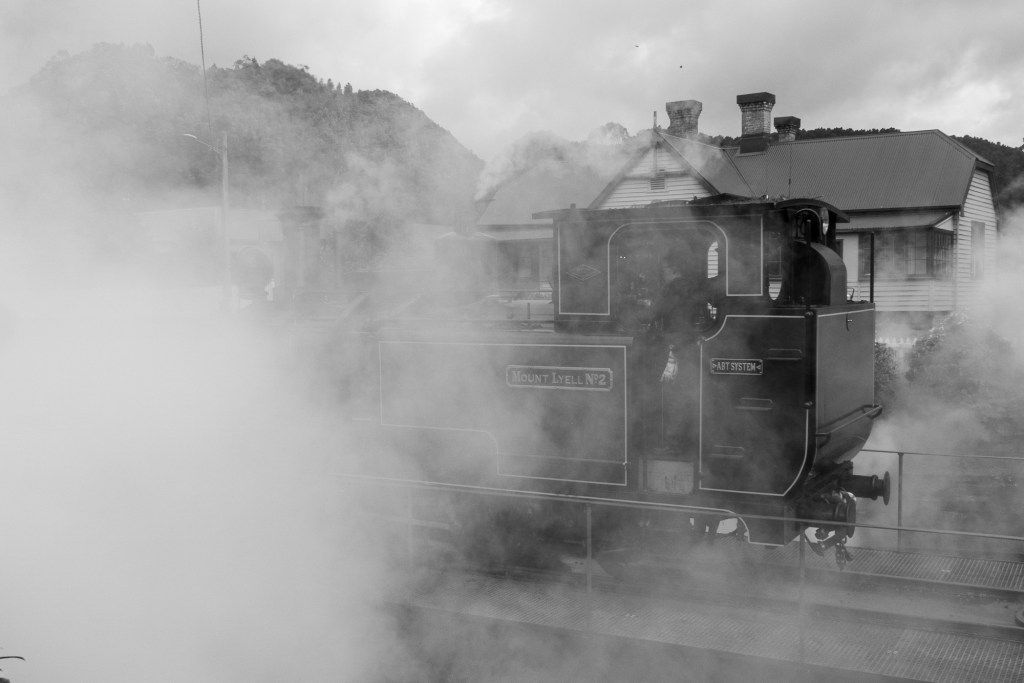
The road to Queenstown wasn’t built until 1932, relying on the railway. The Queenstown – Strahan line is still opertional today as a tourist attraction. Lovely to see the turning circle in Queenstown being used as we left, though a romantic image probably wasn’t on the thoughts of the residents when the mines and smelting were in full operation.

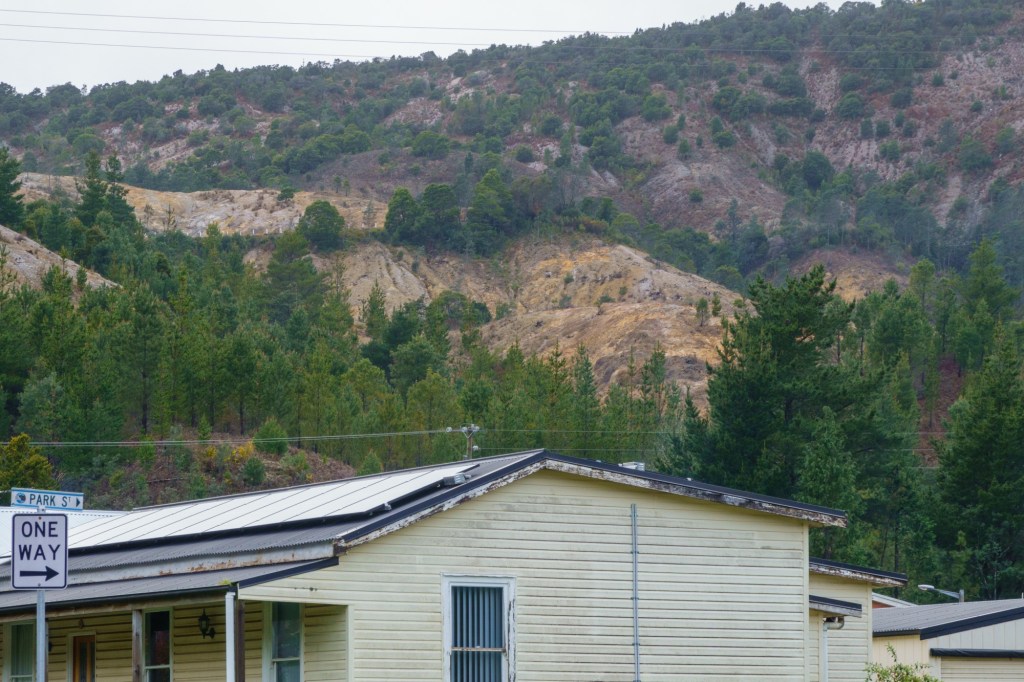
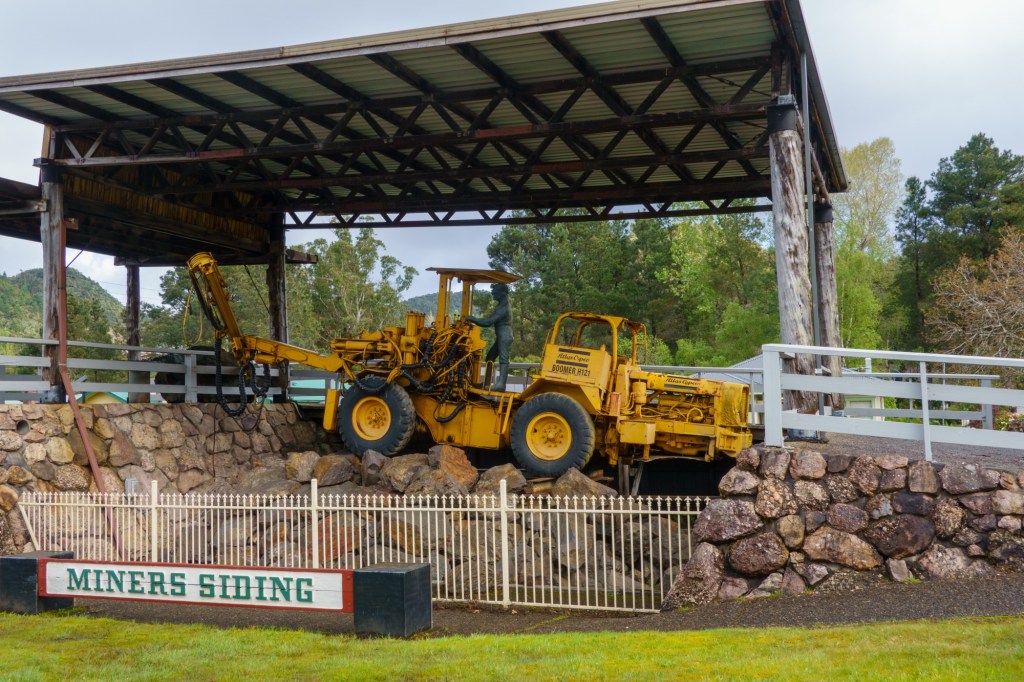
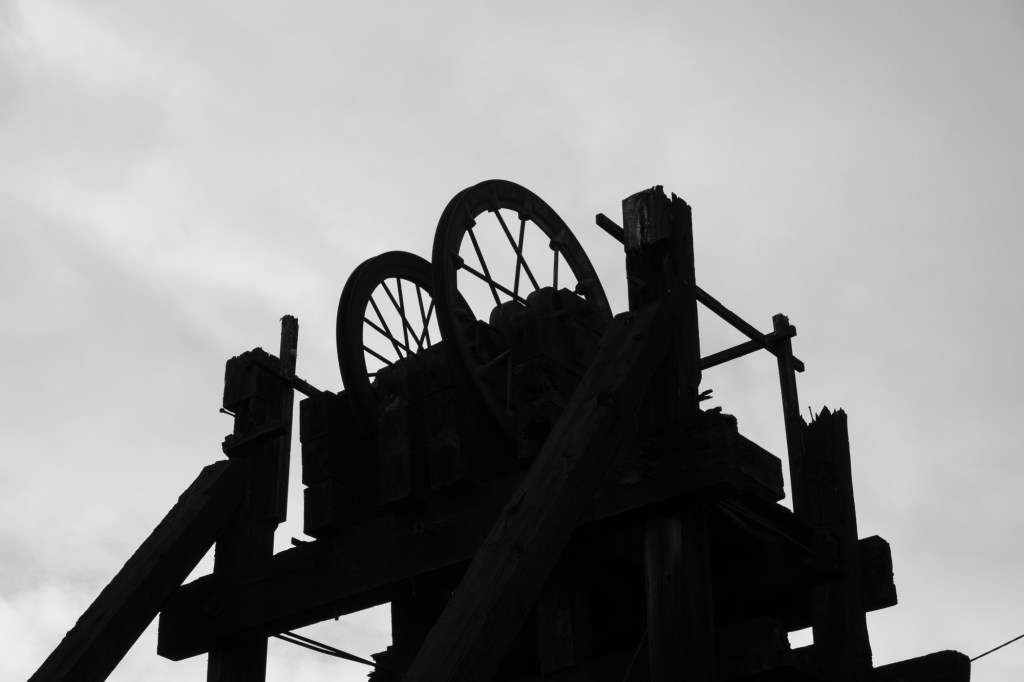
Sheltering from the rain in a road side info booth you learn about the Mount Lyell operations (the area is rich in copper, tin, lead, zinc and other minerals). In nearby Zeehan, the workers used their headlamps to see going home in daylight: yellow smog from the sulphur processes polluting the air, ground, lungs. 100 million tonnes of tailings (the left over bits from the processing of mineral ore) were dumped into the rivers.

A short 40 km ride (though hilly of course) takes us to the village of Strahan, a one horse one at that. The same owner runs the hotel, pub, cafe etc. Don’t fall out else you might not find anything to do!

Tomorrow we’re on that tourist railway.