D8 TransOceania Warrnambool – Port Campbell

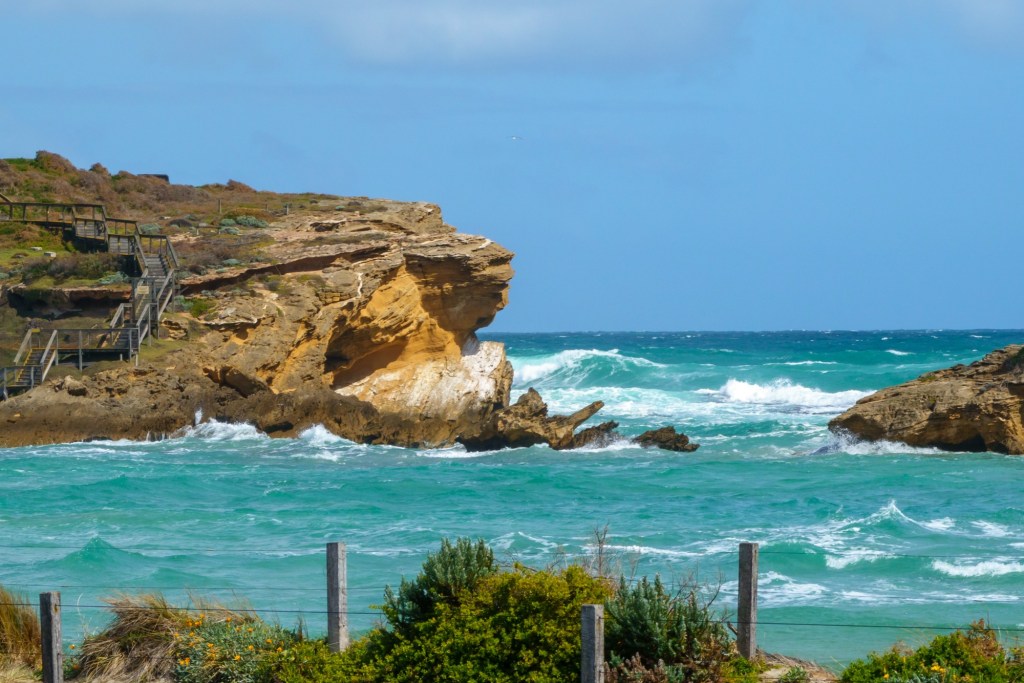
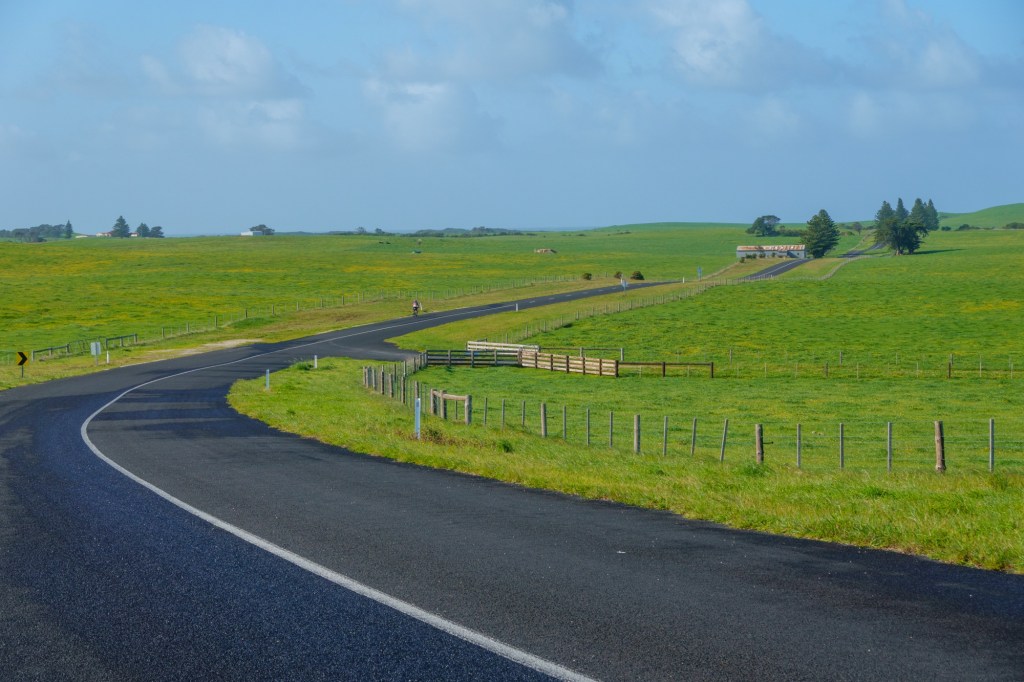
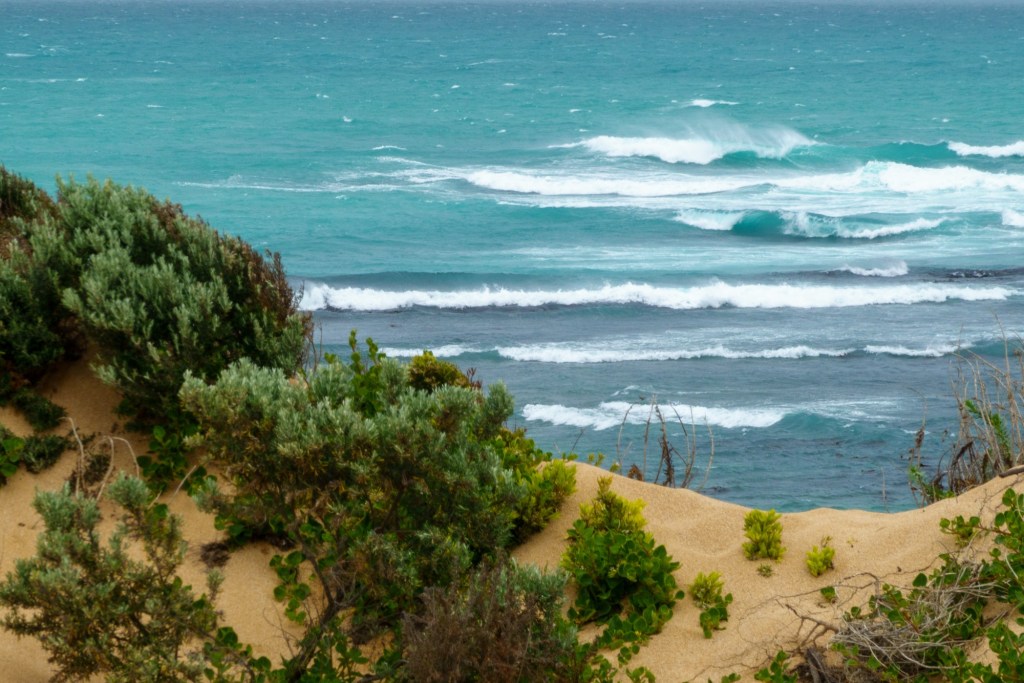
Almost like being in the UK on a typical Spring day. Stiff cold breeze, green fields of cattle and then to the sea. Crashing blue waves on a limestone coastline. The teasing rain which stays away. Few places to stop.
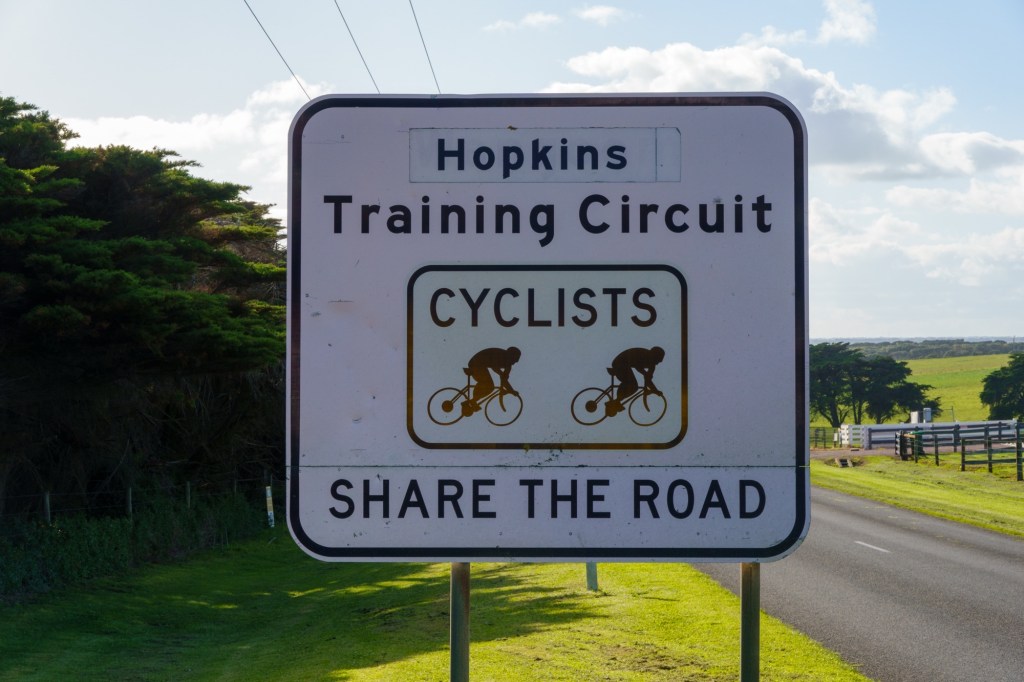
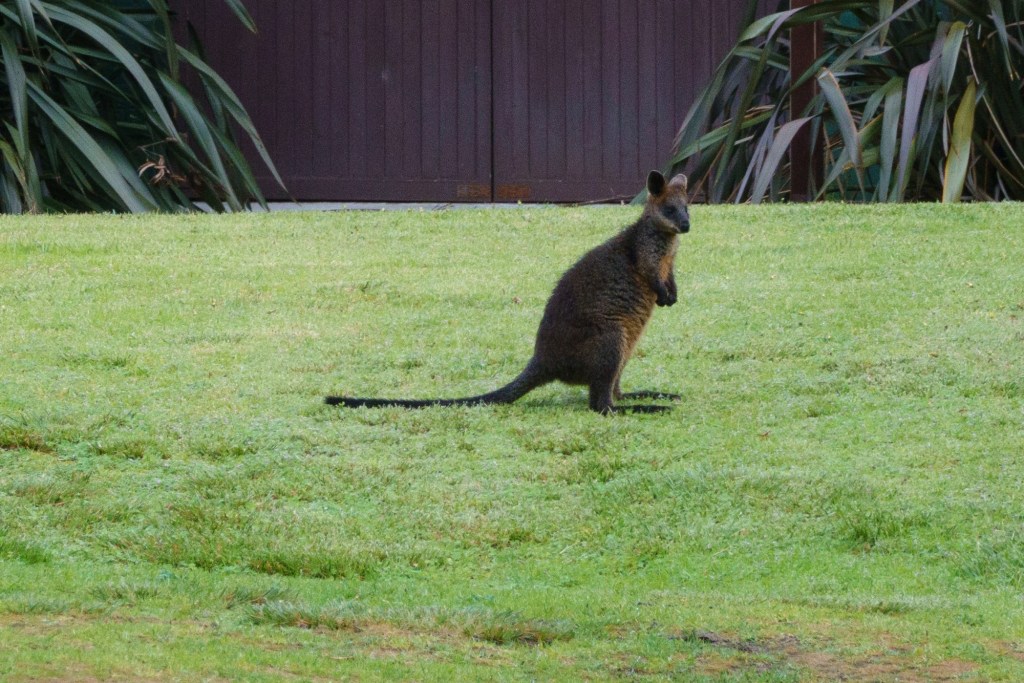
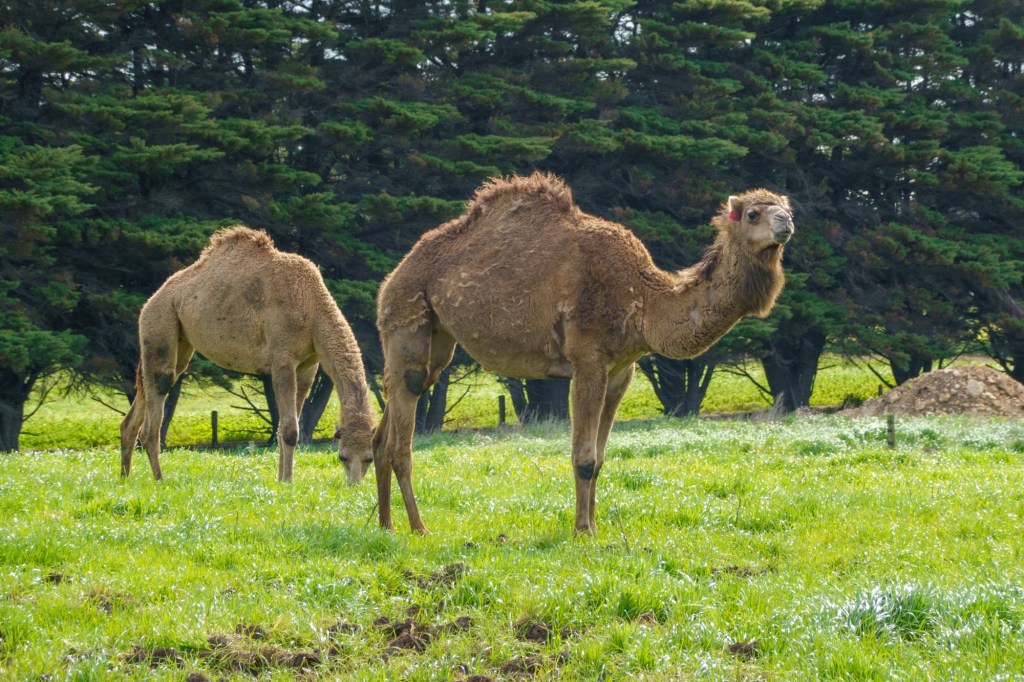
There were a few signs we are not in the UK. Not the suprising grazing camels (they looked surprised too it has to be said: where’s the sand) sharing a field with a lovely pig. Rather the different bird songs, kangaroo road kill (there must be a separate insurance clause, he ponders ruefully), clean quality public toilets, road signs in km. They started going metric with the currency in 1966 then measures from 1971. It keeps the brain alert multiplying x5 divide /8 to work out how long to a stop.

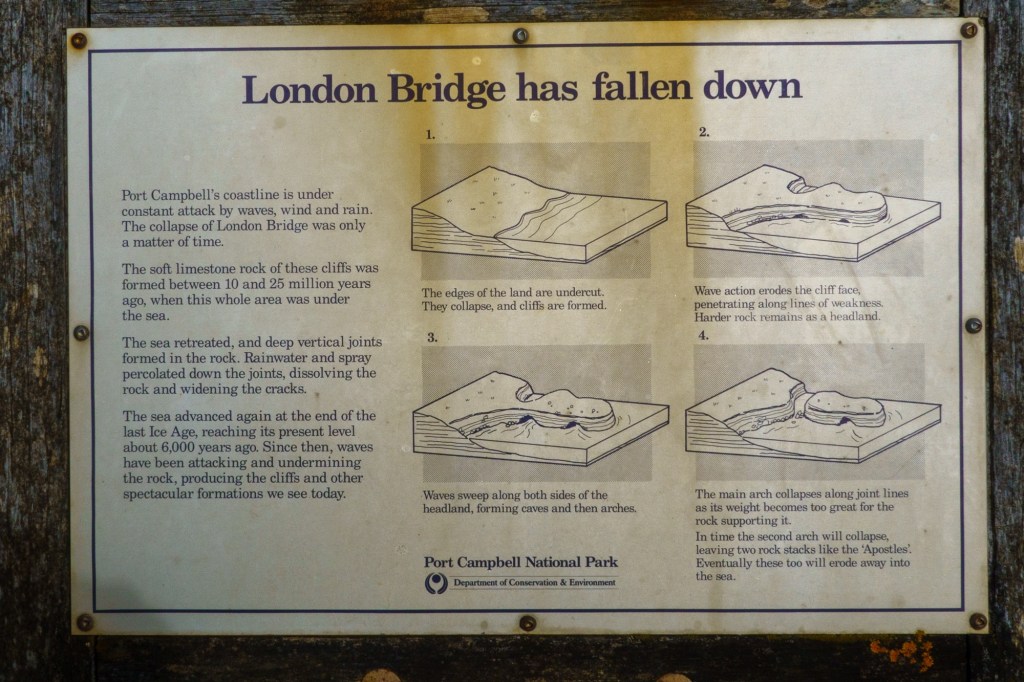
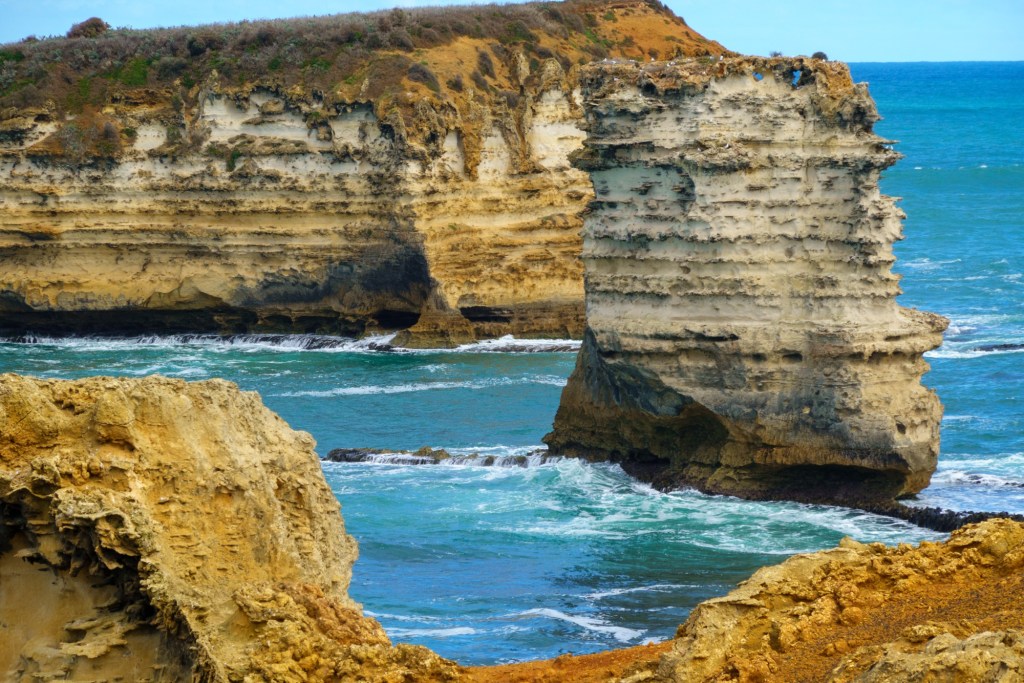
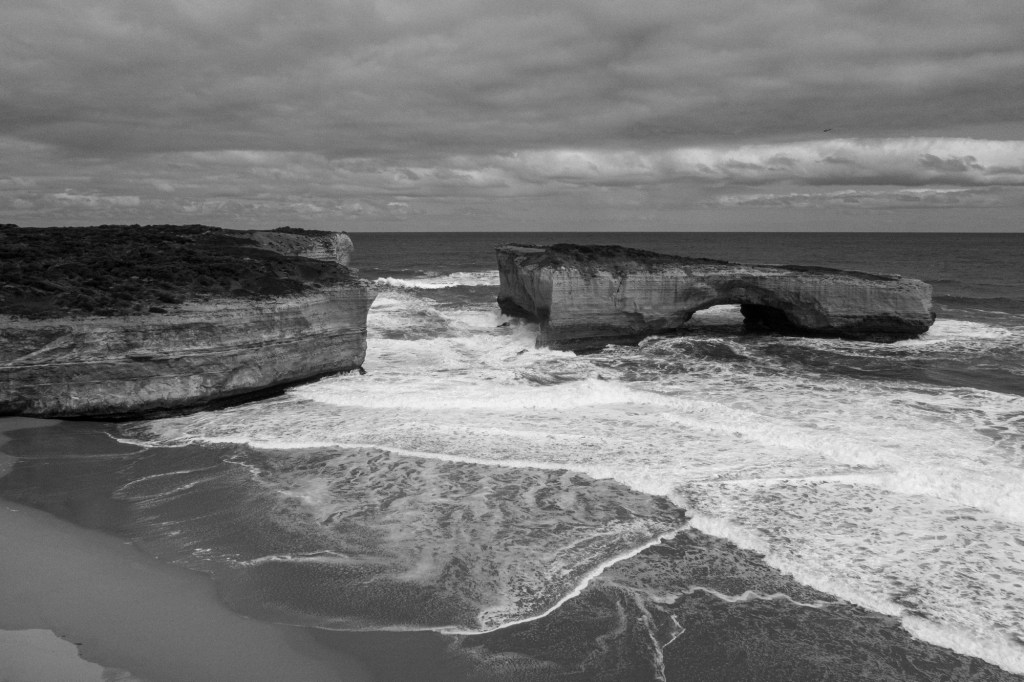
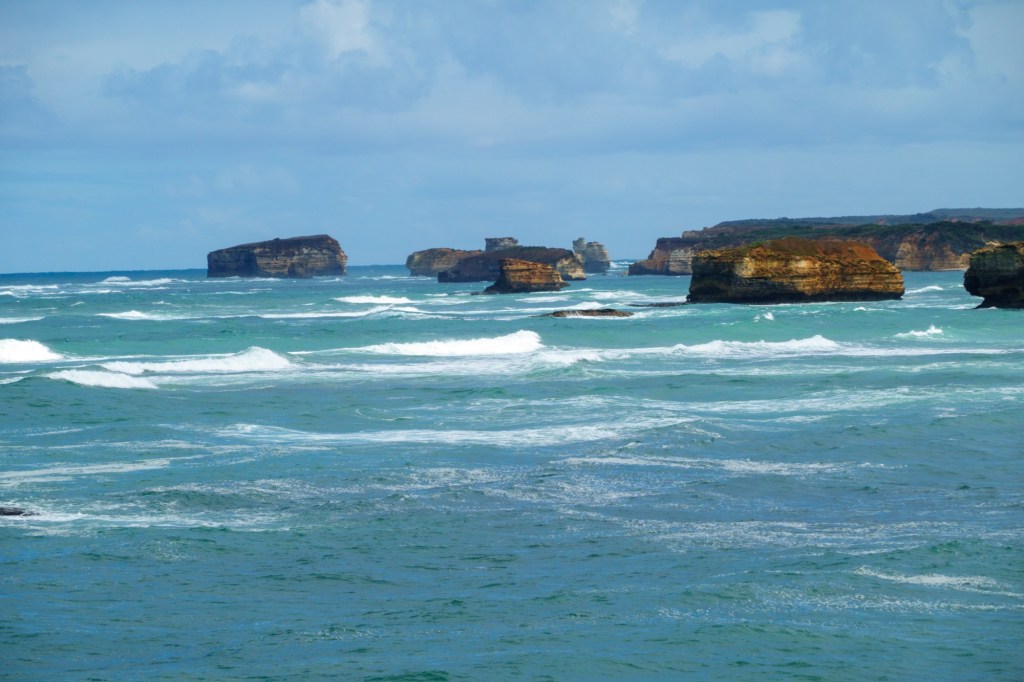
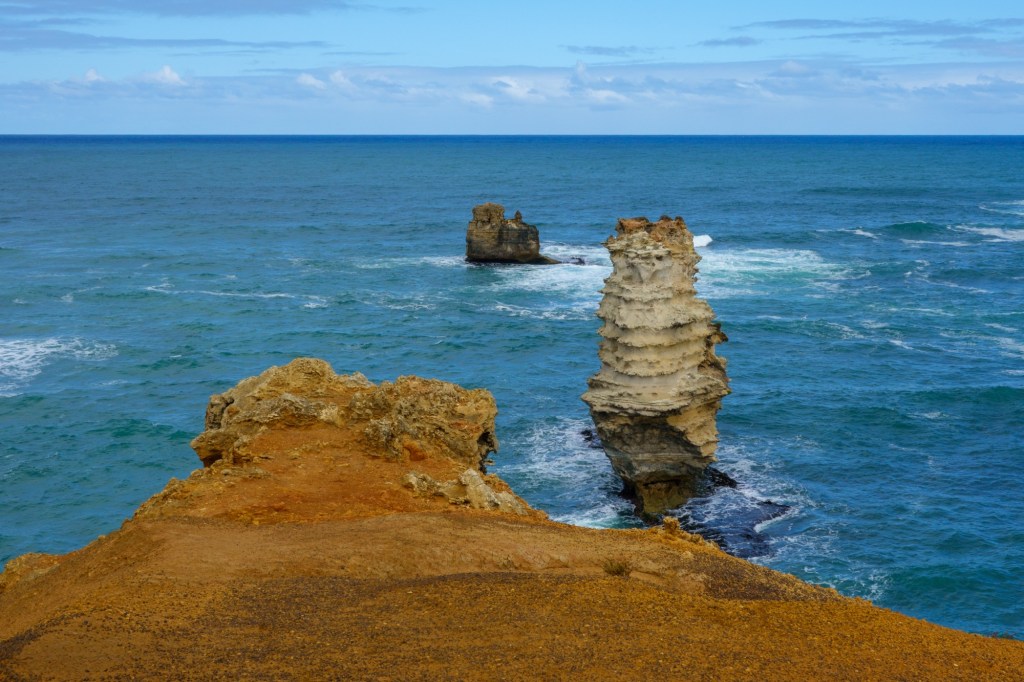
We are near the start of the Great Ocean Road a 238km tourist route to admire the coastal stacks. And they are admirable too. Today we stopped at Bay of Islands, Bay of Martyrs, Grotto and London Bridge. Which strangely is falling down. The geology is probably very complex: the simple version is the softer limestone gets washed away over time either from the surface down or by the sea undercutting. The harder rock erodes far slower and gets left standing: where it forms an arc this eventually collapses due to weight etc. Leaving stacks and other shapes.

Quite a few tourists: the attraction signs are in English and Chinese with lots of road signs saying “Drive on left”. Just a reflection – shouldn’t those signs be on the right hand side?

Rest day tomorrow in Port Campbell, which we walked around twice tonight and greeted each resident.

TransOceania D7 Portland – Warrnambool a hose down

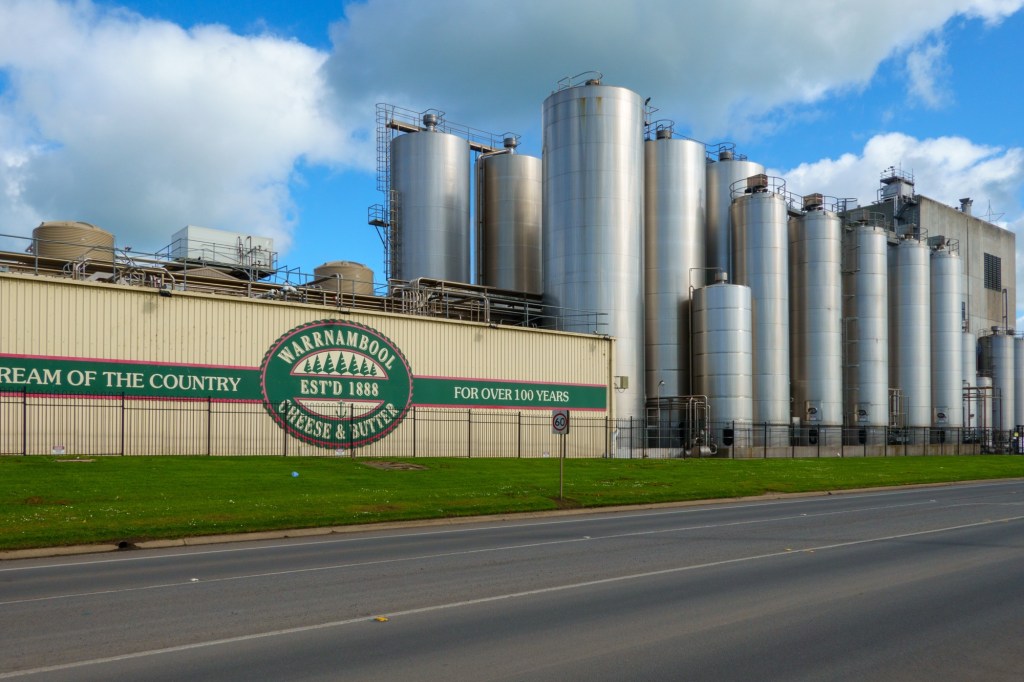
Saying Warrnambool is as hard as spelling it. On the western end of the Great Ocean Road, which is by the sea, it has (it says) a Mediterranean climate. This obviously includes torrents of rain, strong wind and cold. Which was the first half of today’s cycle. As it coincided with being on a relatively busy road with logging lorries lumbering, all was well. We enjoyed the extra spray from the oncoming ones and the suction of the passing ones. Kept you alert.
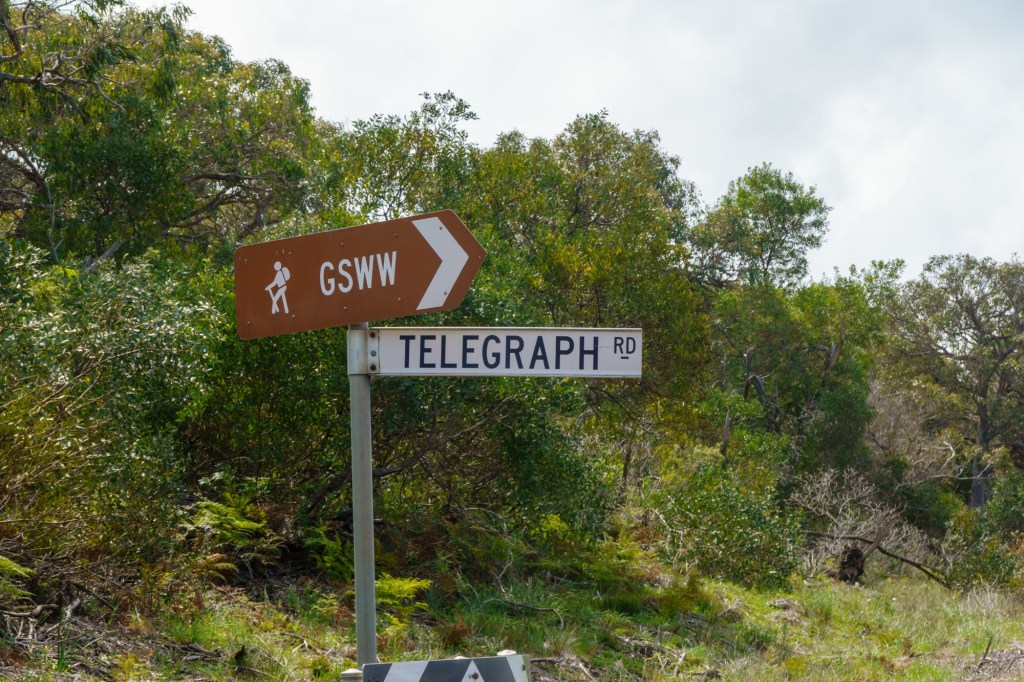
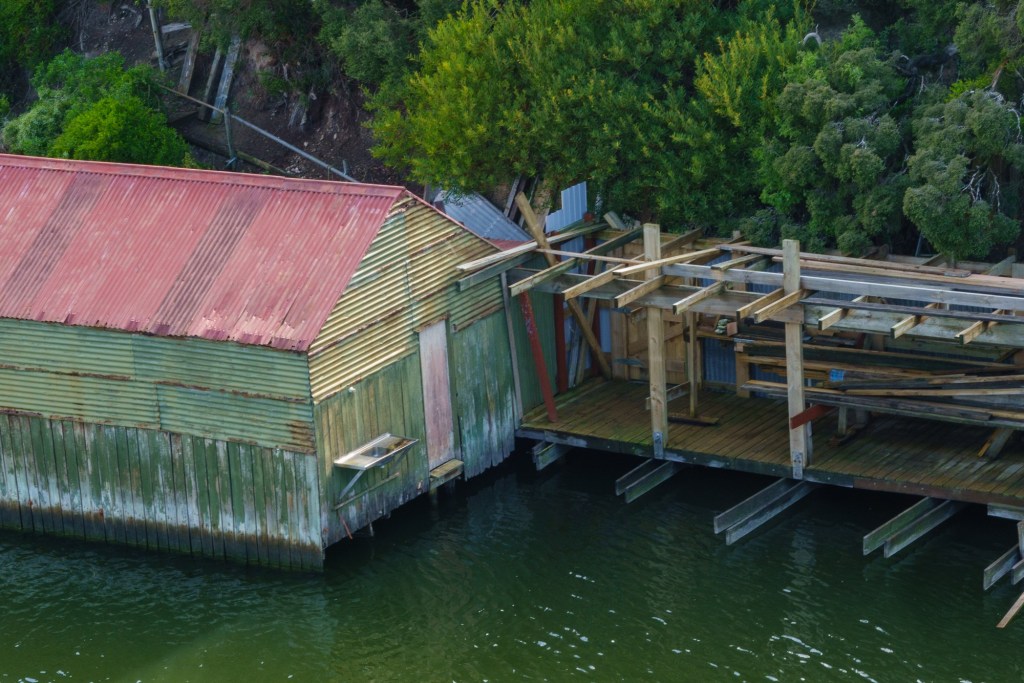
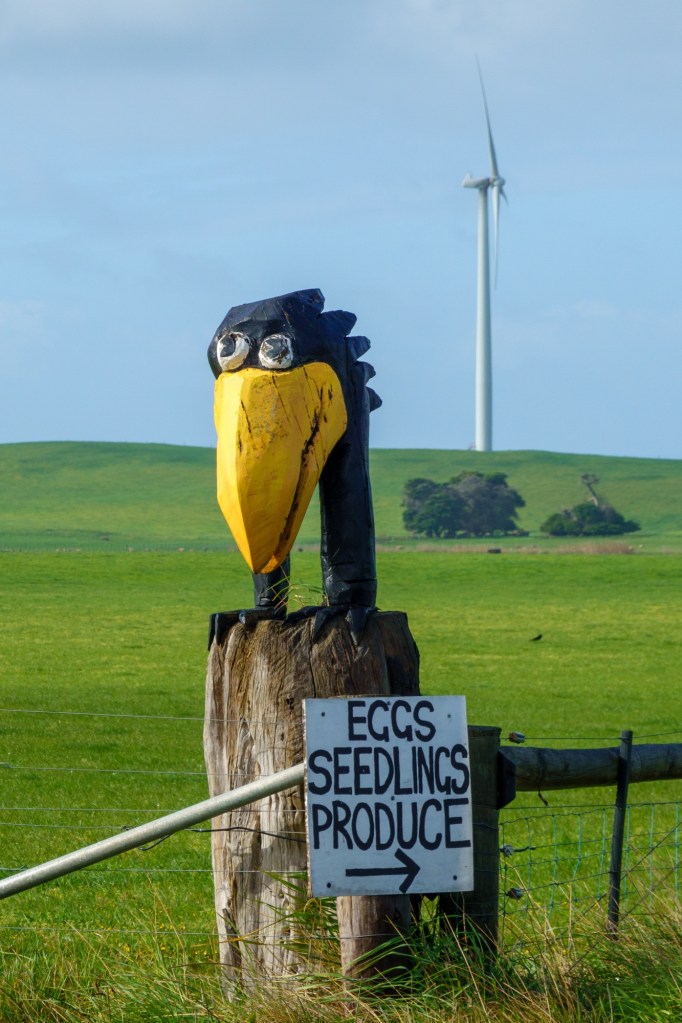
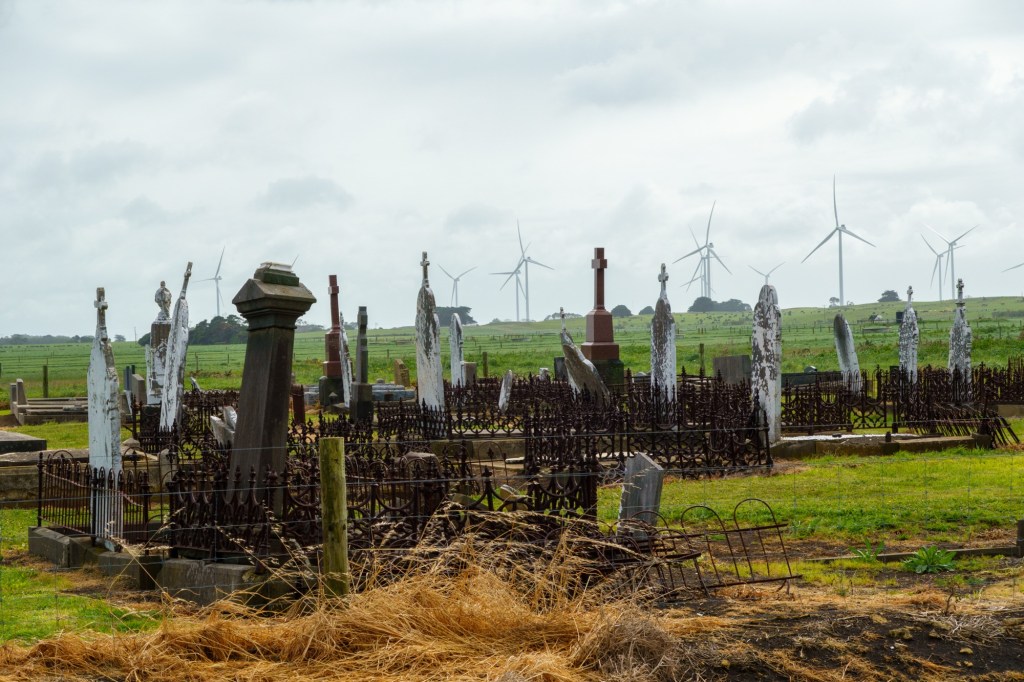
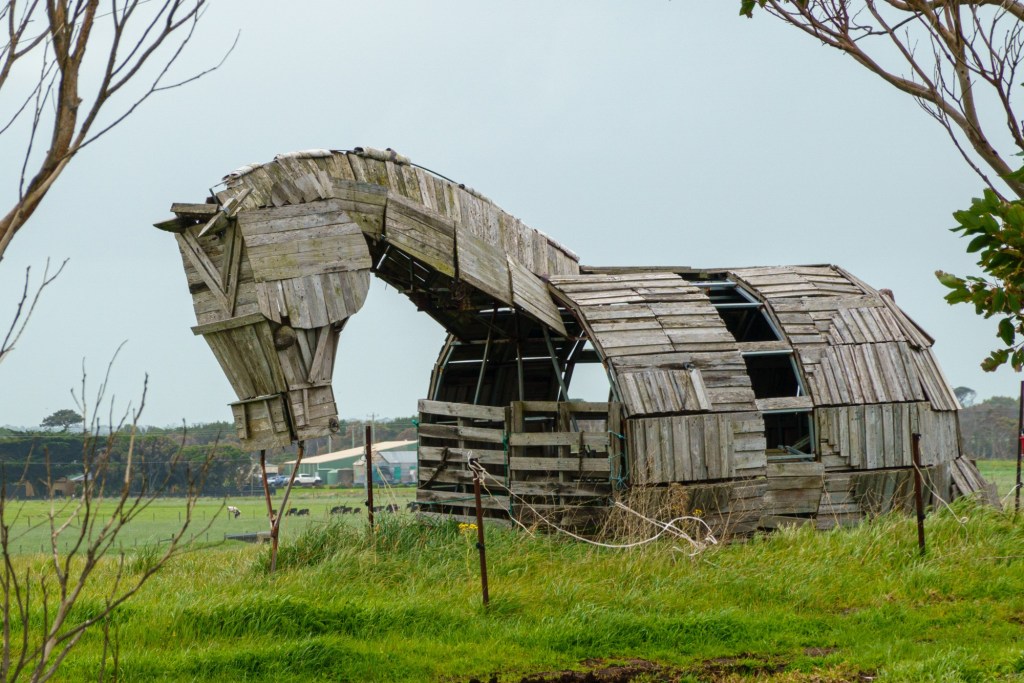
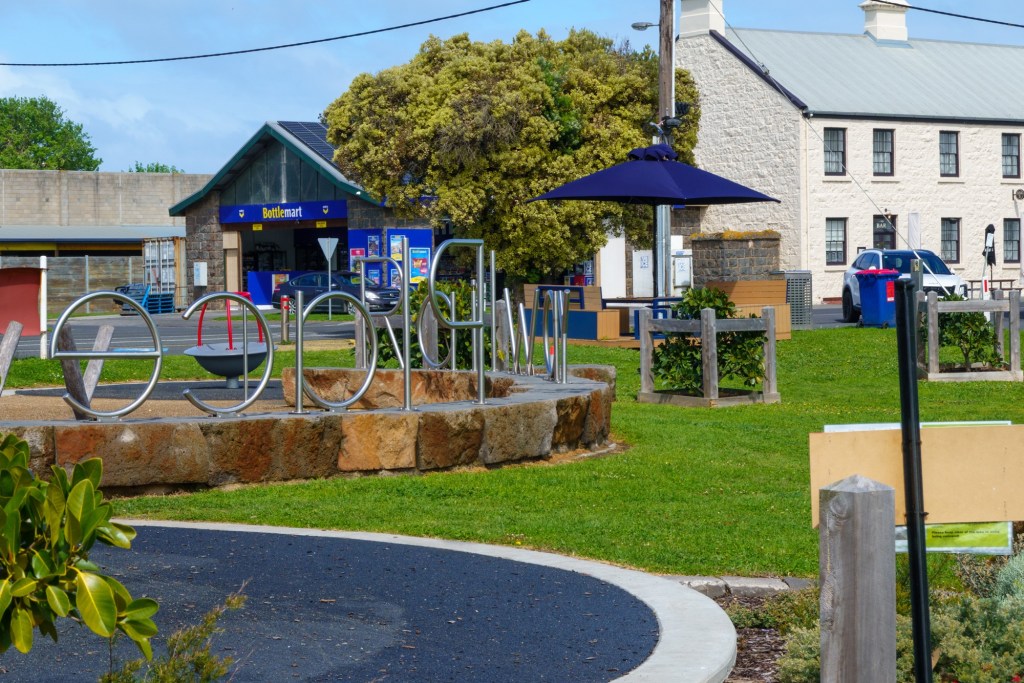
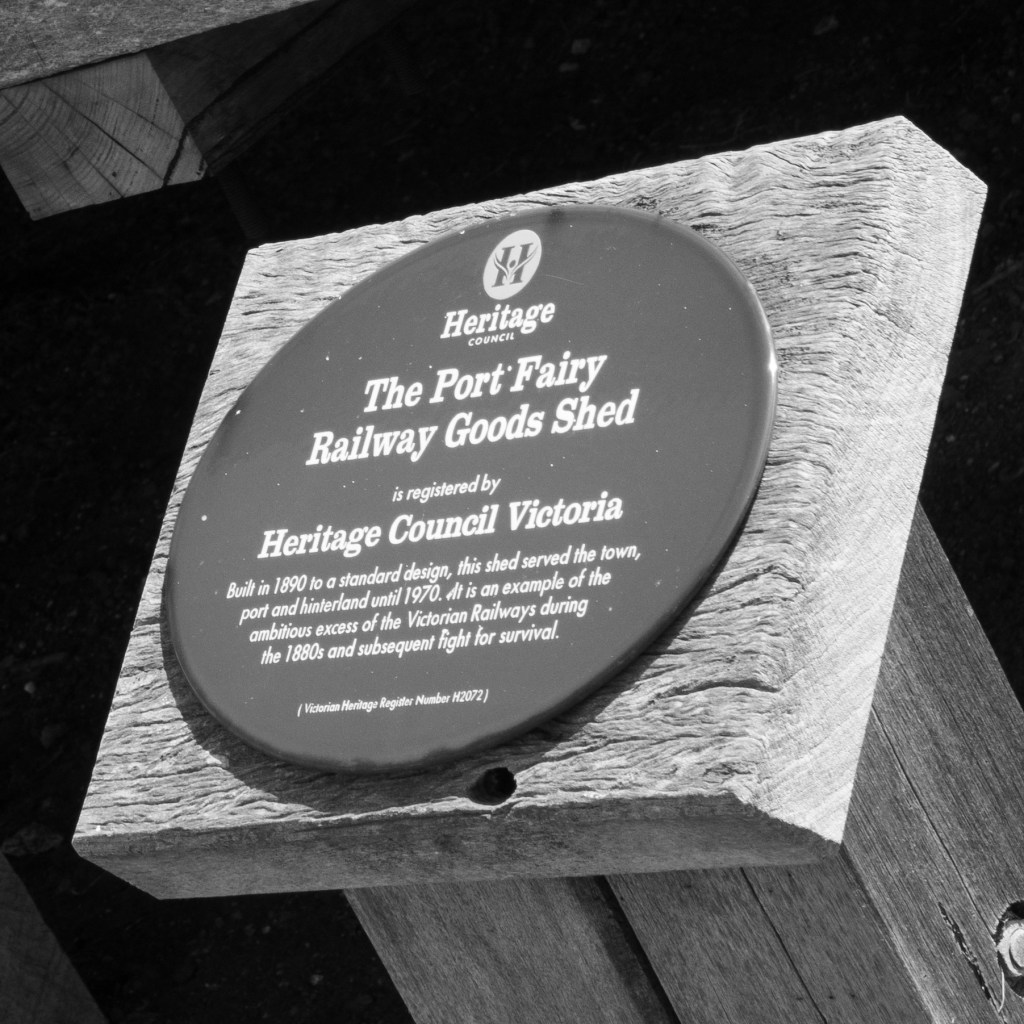
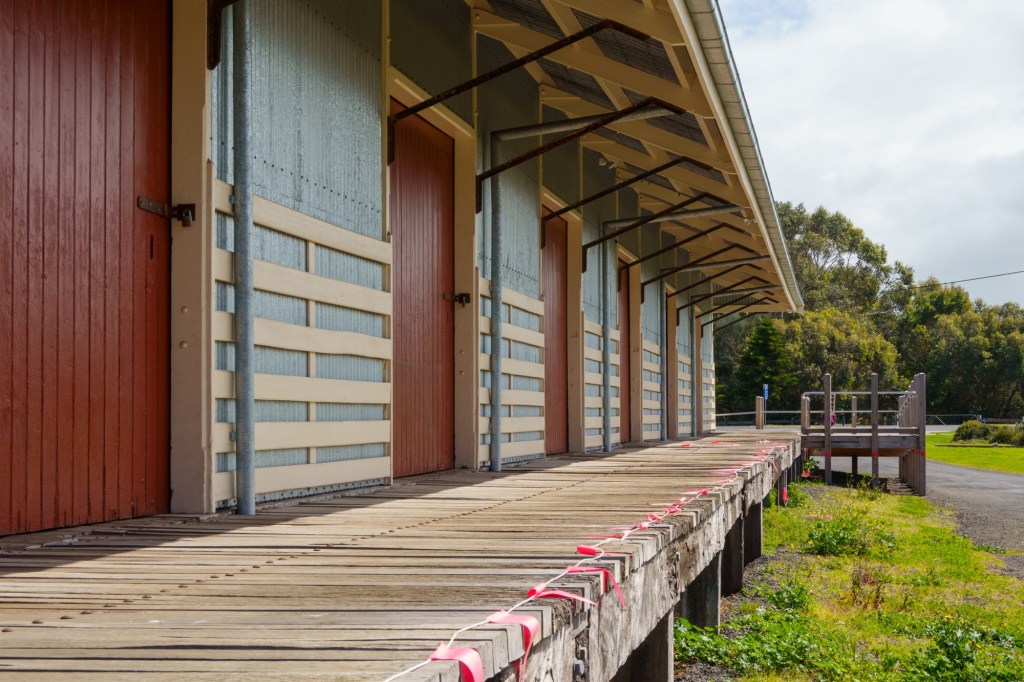
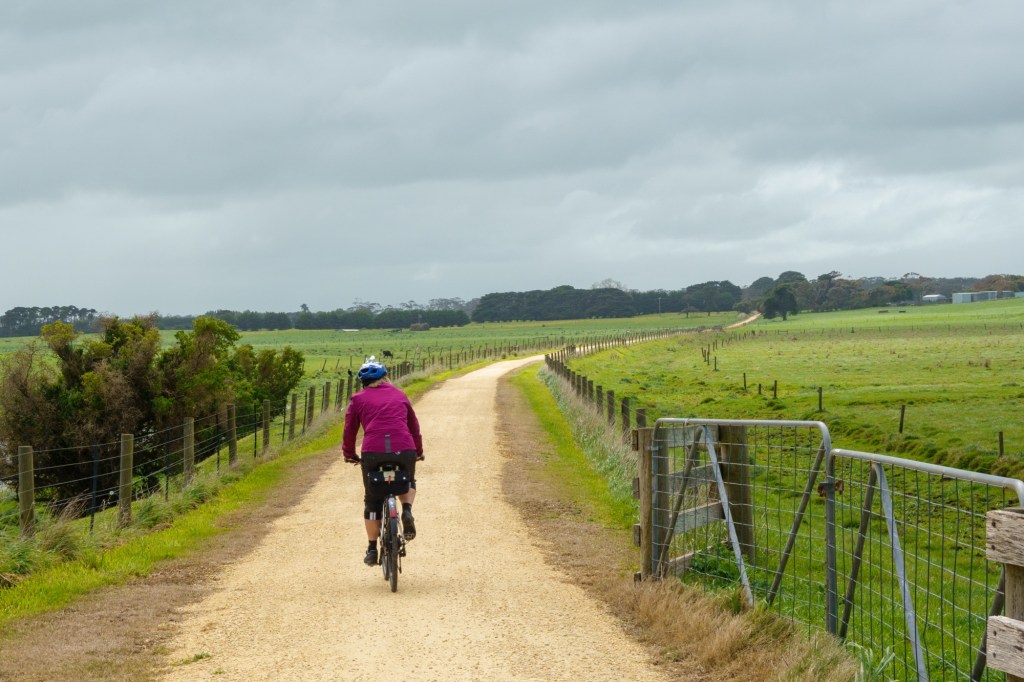
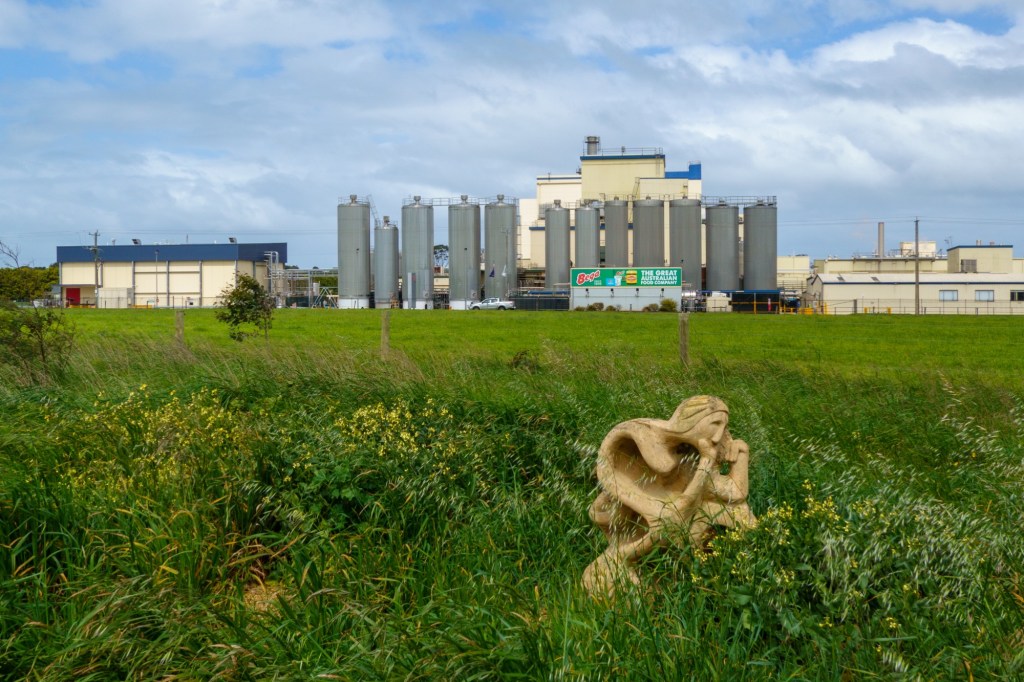
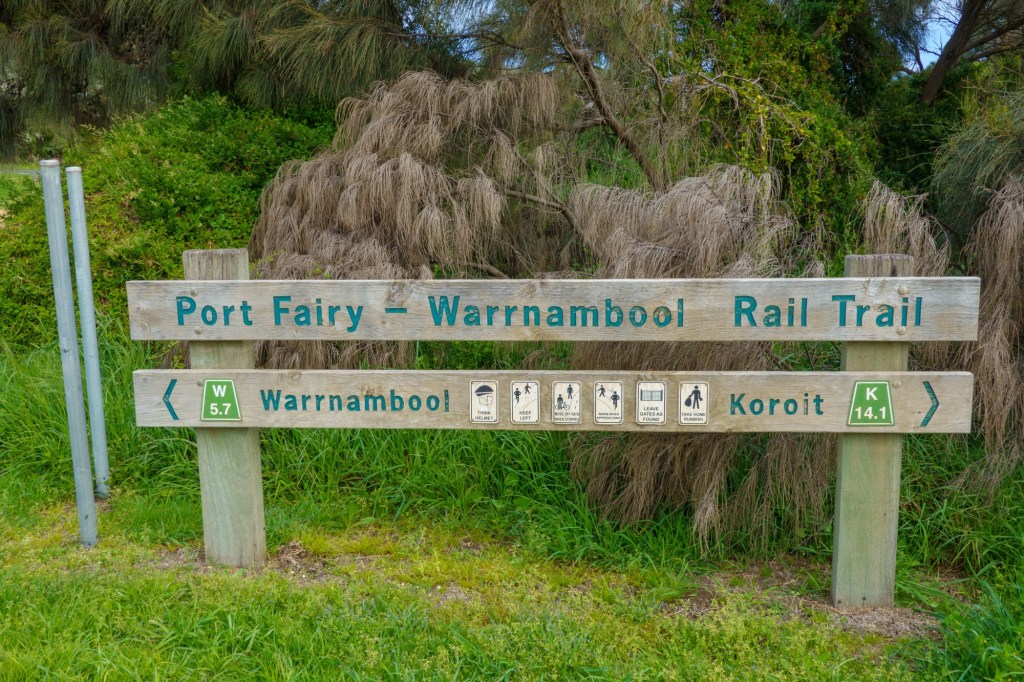
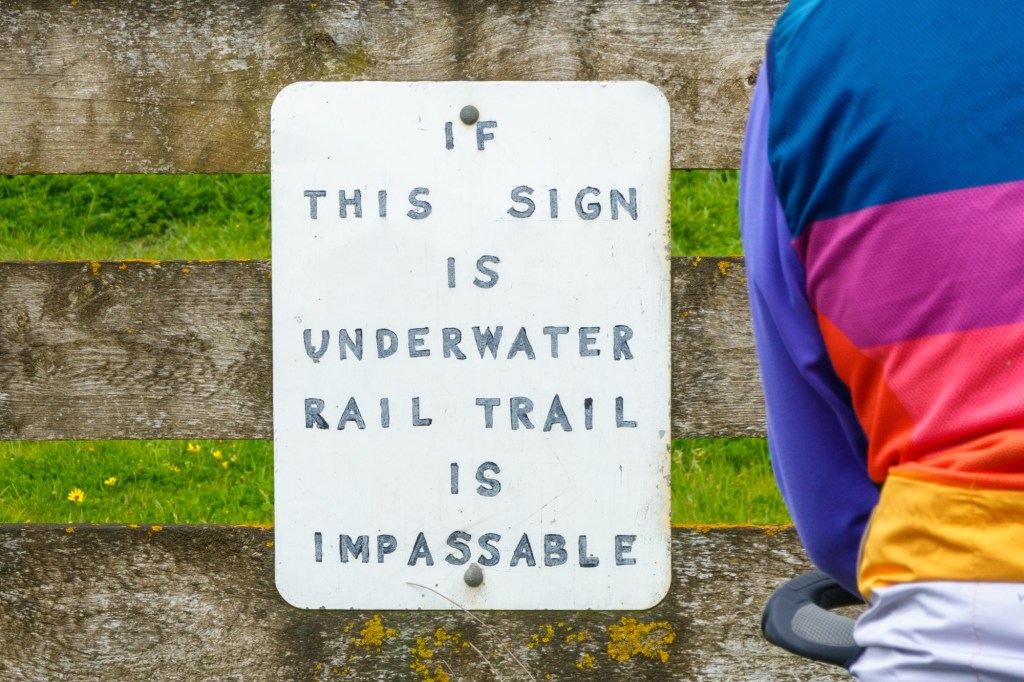
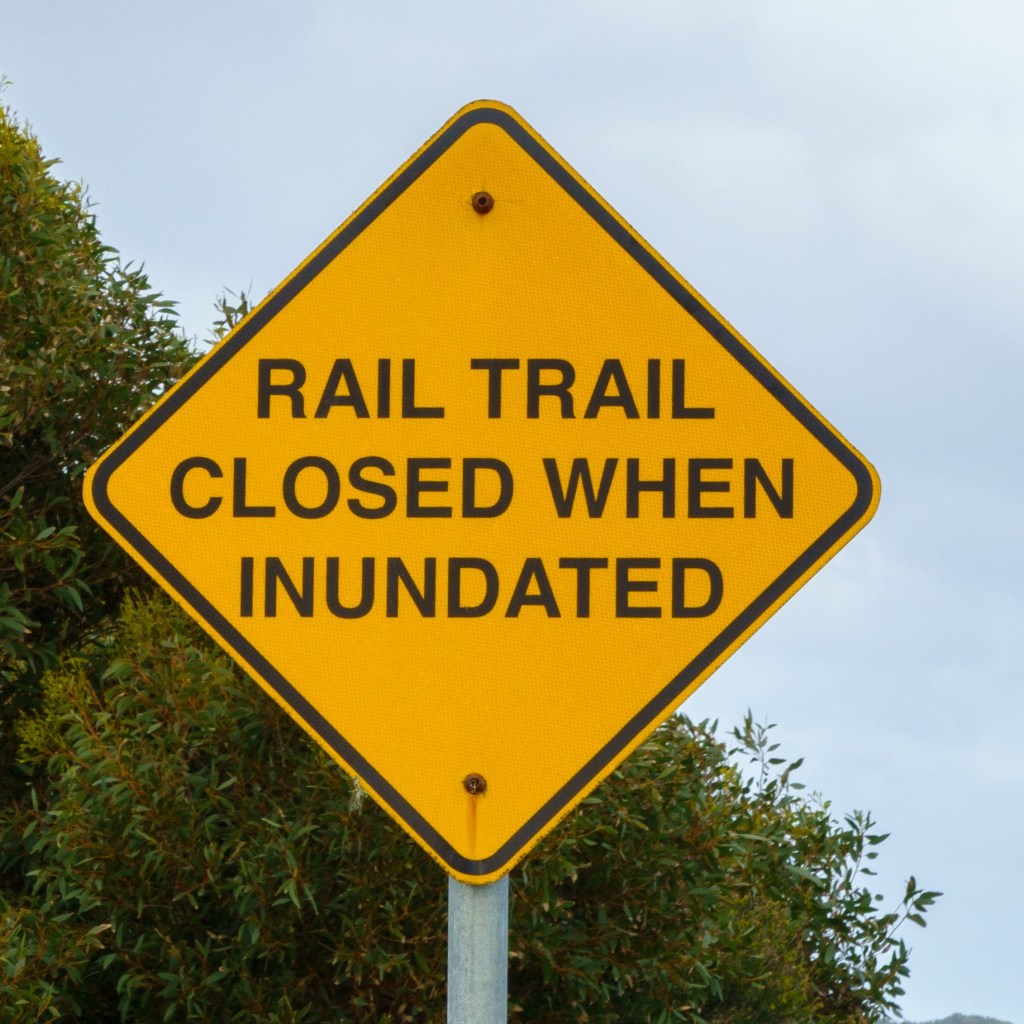
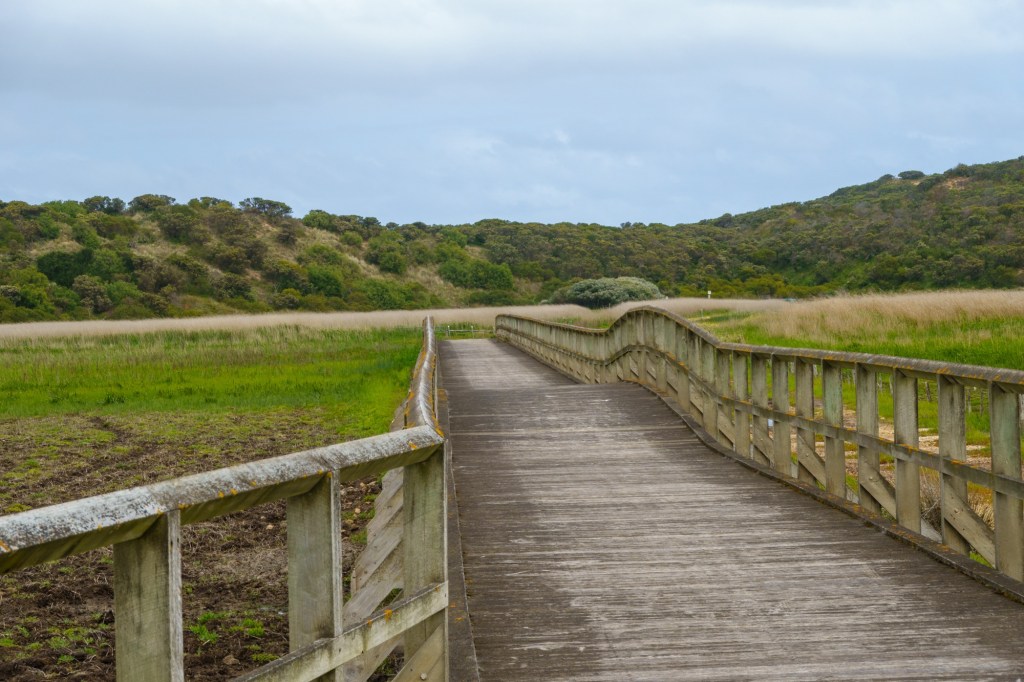
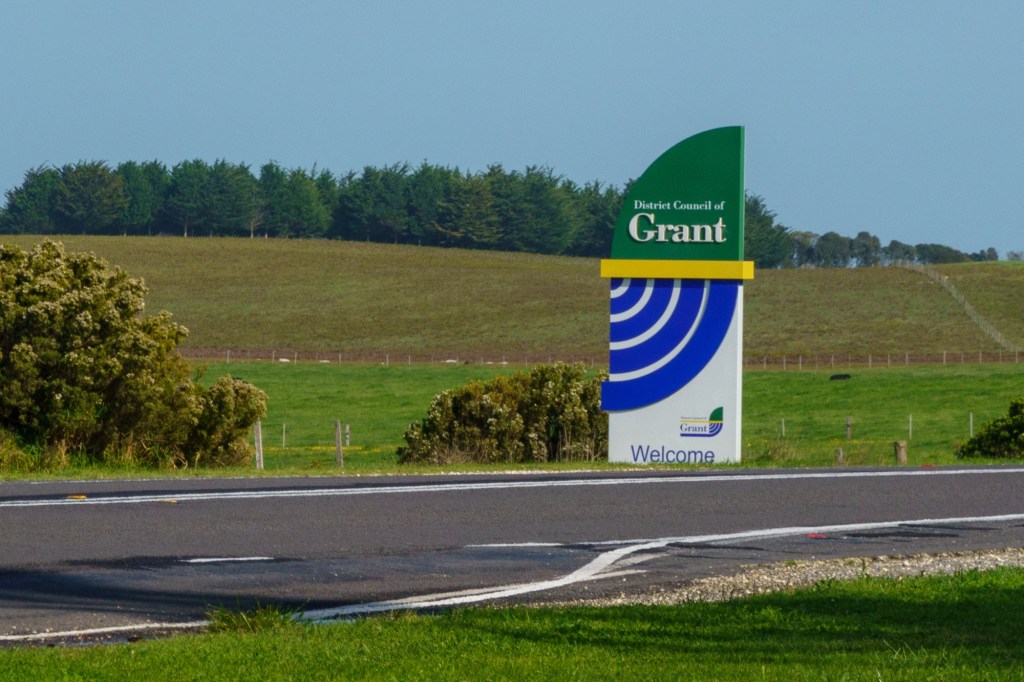
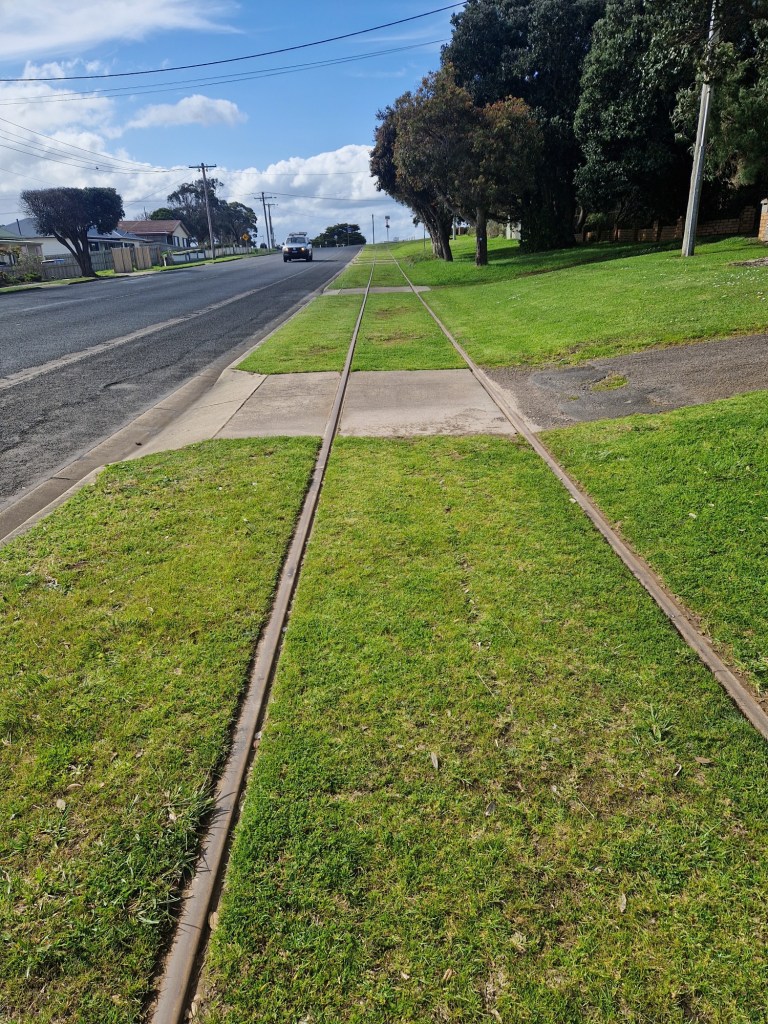
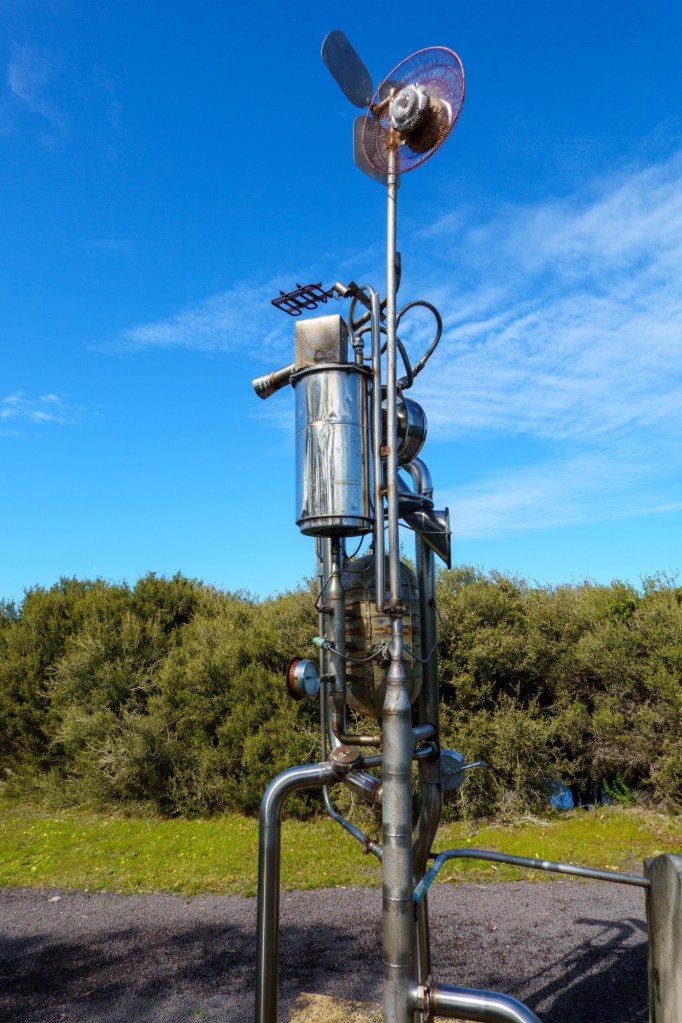
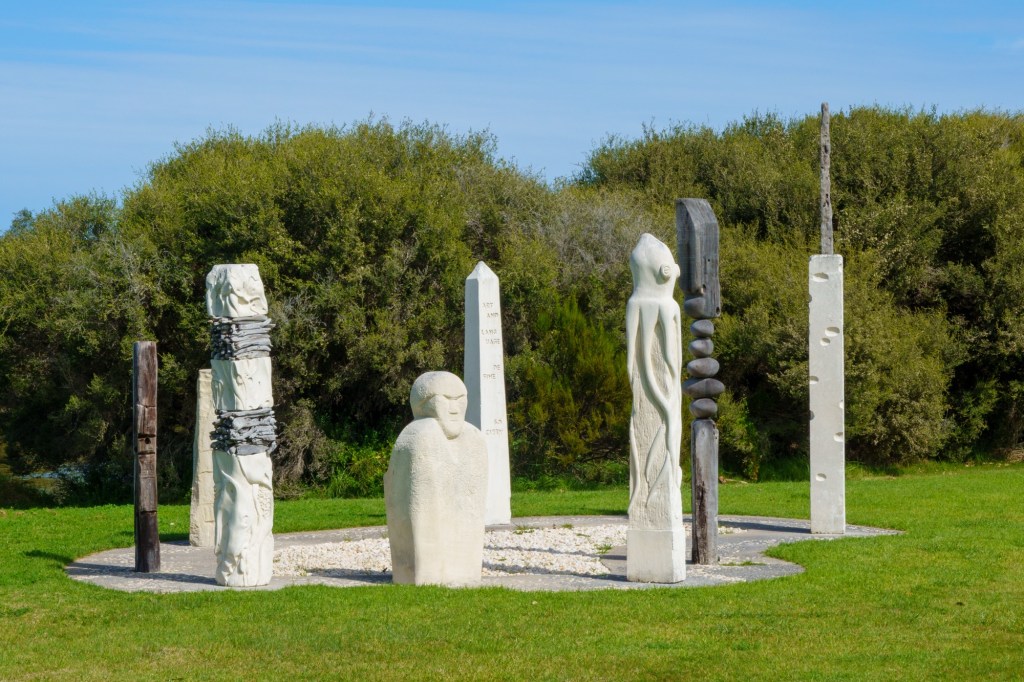
After lunch in pretty Port Fairy, we deviated from the prescribed route to take what turned out to be a delightful railtrail for the last 35km . Flat and then across a River estuary, it kept us entertained with art work and signs. As did the sign entering Port Fairy: welcome to the ancient (???) Port of Port Fairy. You’d never guess a town called Port Fairy on the coast would be a port. It could have said “named after HMS Fairy who berthed here in ancient times. ”

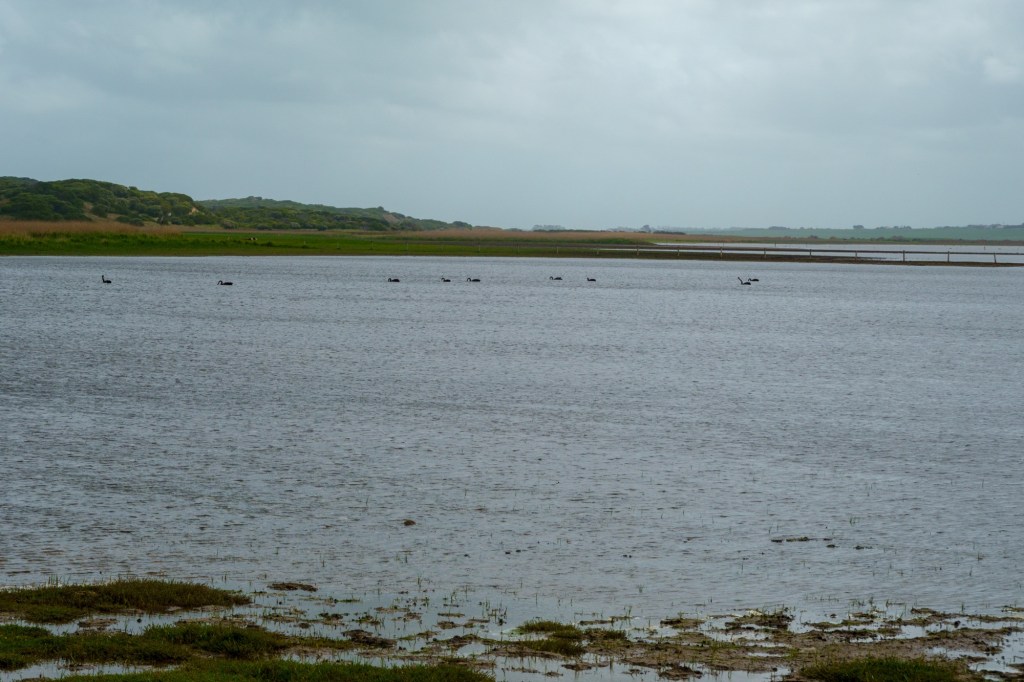
The sun broke out to show crashing blue waves as we approached the sea. Ocean rather. And the fair 36000 folk of Wbool, the abbreviation I’m using to avoid looking up the spelling again! One of them cycled with us for the last 8k and chatted as he illustrated what we were seeing. Good chap.

D6 Mount Gambier – Portland Koala Day

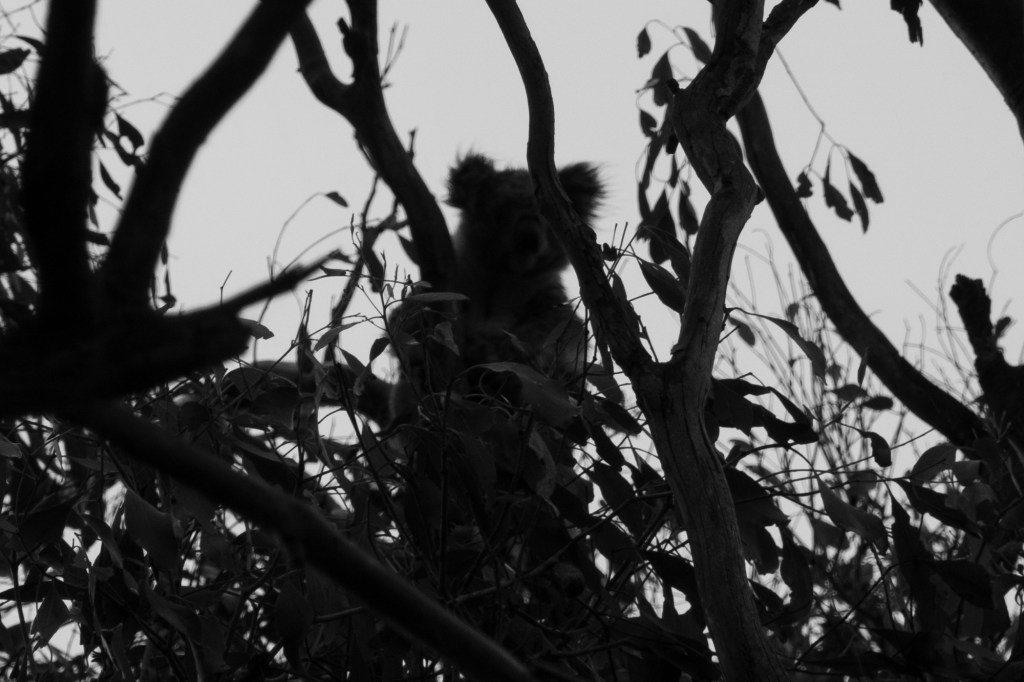
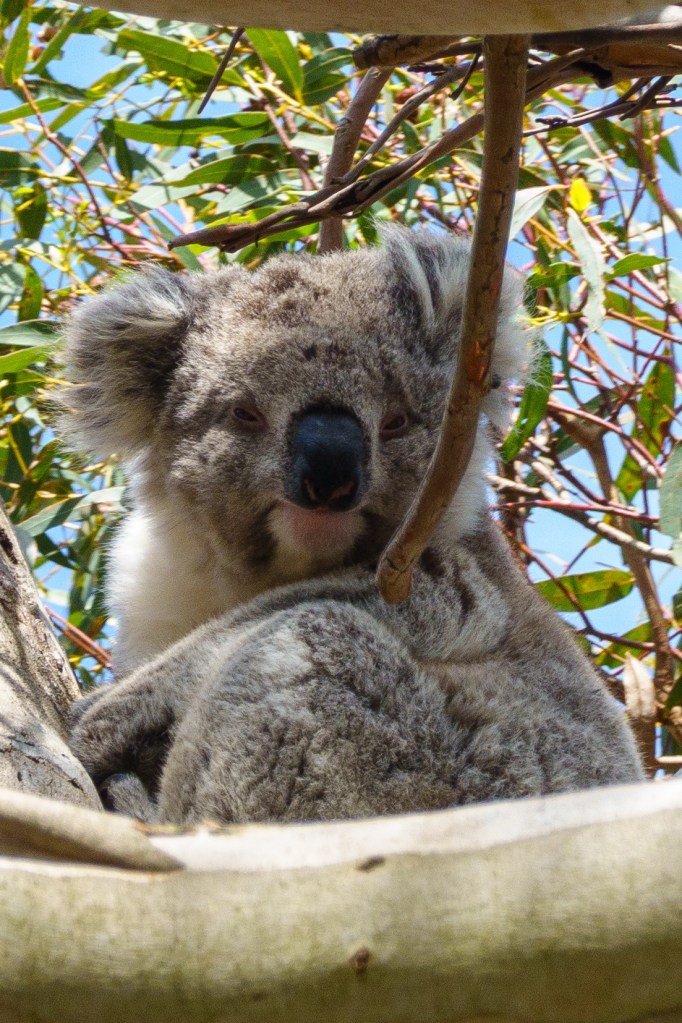
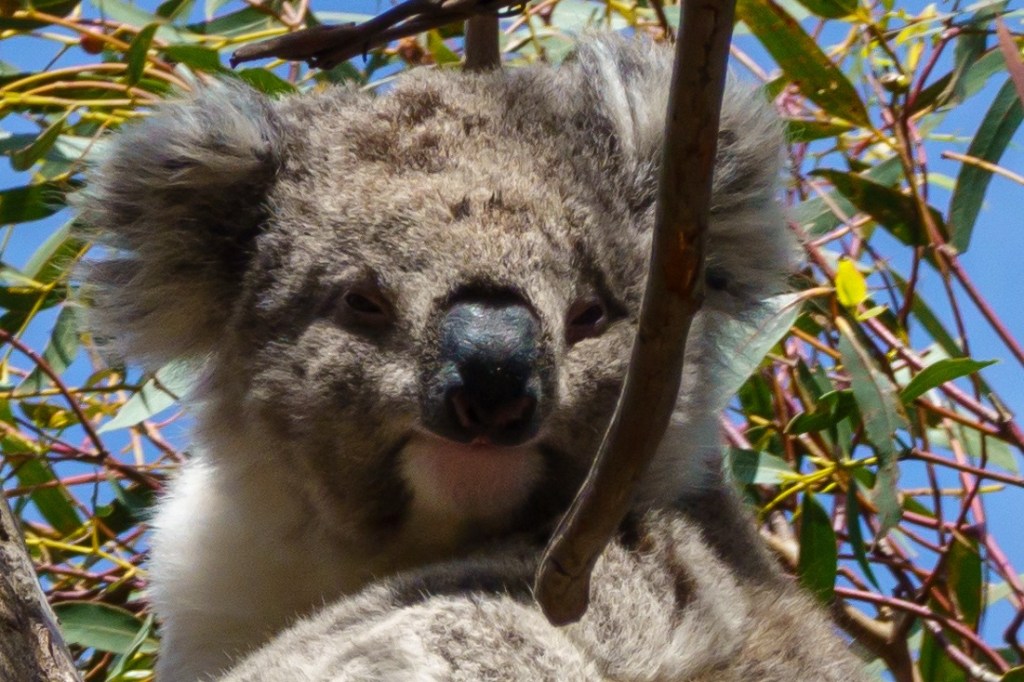
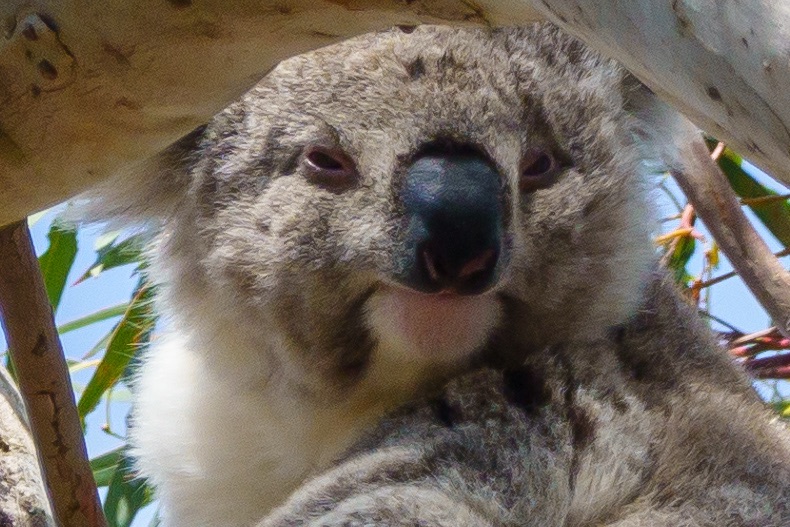
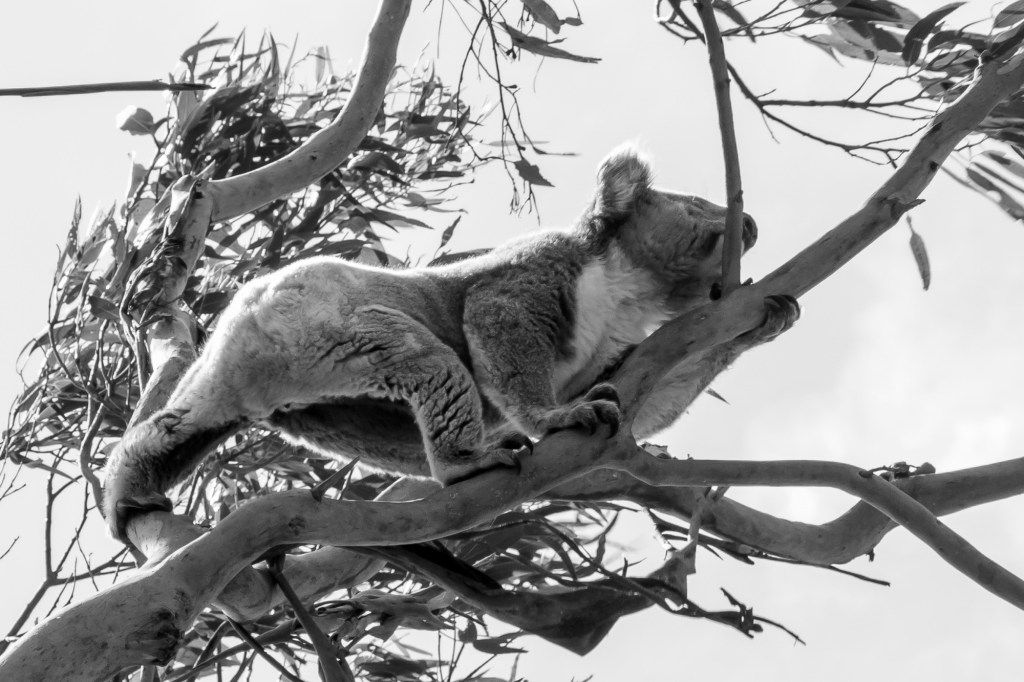
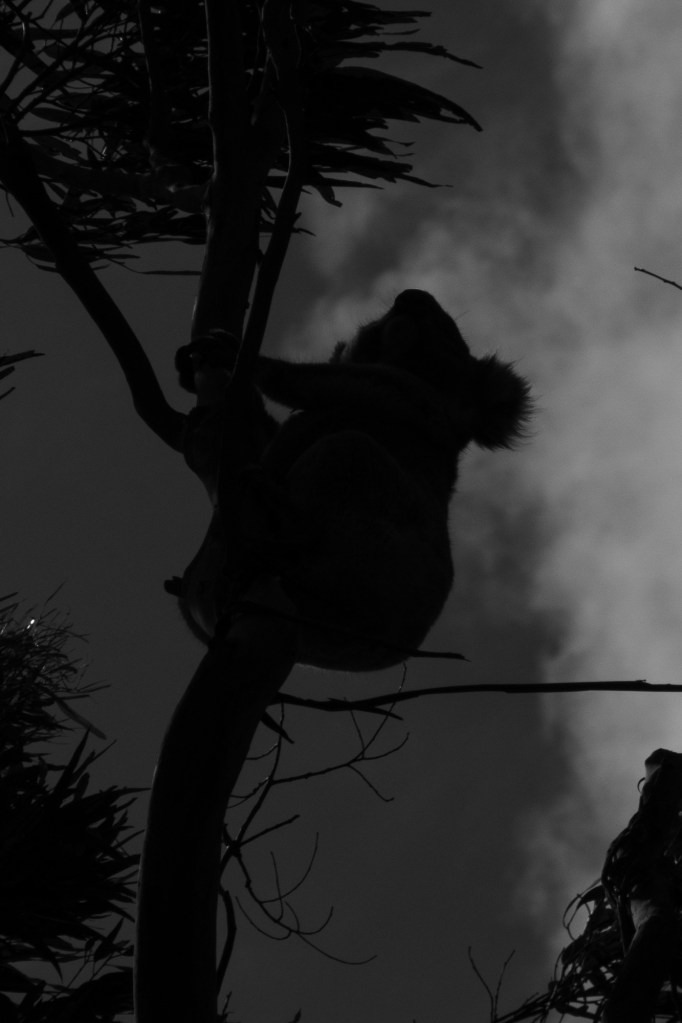
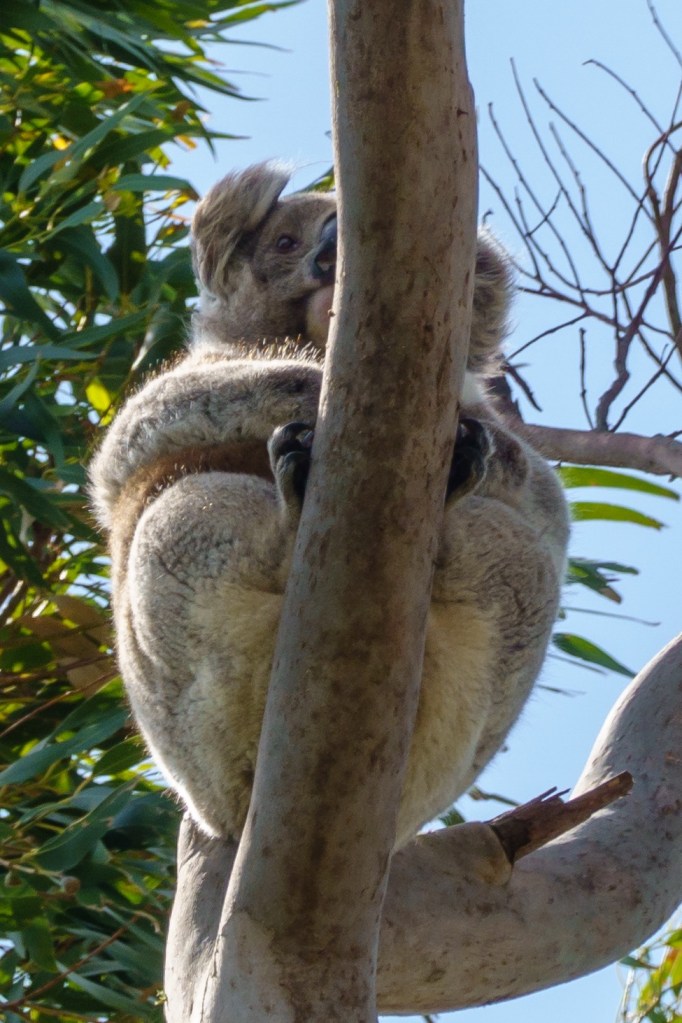
Zipping along with a keen, cold, tailwind. All the more amazing to see solitary koalas perched high up, swaying in the breeze as though it wasn’t there. Lovely ears, might be useful as ear muffs if it gets colder.

The other theme was time: who knows where the time goes? 1.5 hours gone: 1 to DST; the 0.5 at the border into Sydney time zone.

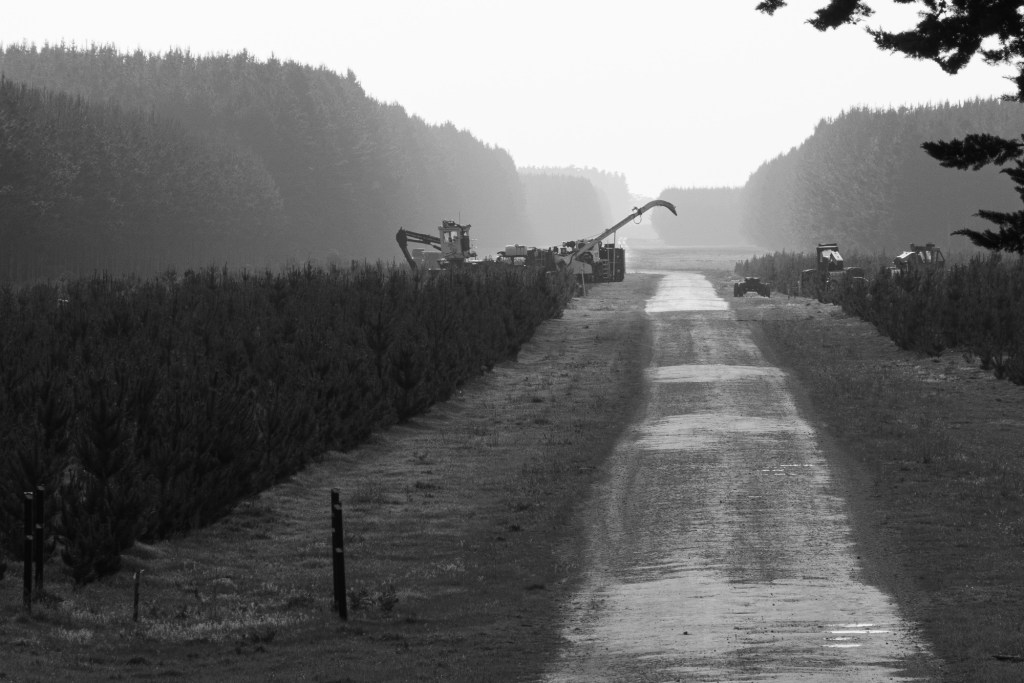
Lots of huge forest plantations which change to arable farming as we leave South Australia, heading into Victoria. With the vast size of this continent it feels incongruous to read about the mapping of the border (Wade and White 1847 – 50) and subsequent border disputes. Why?

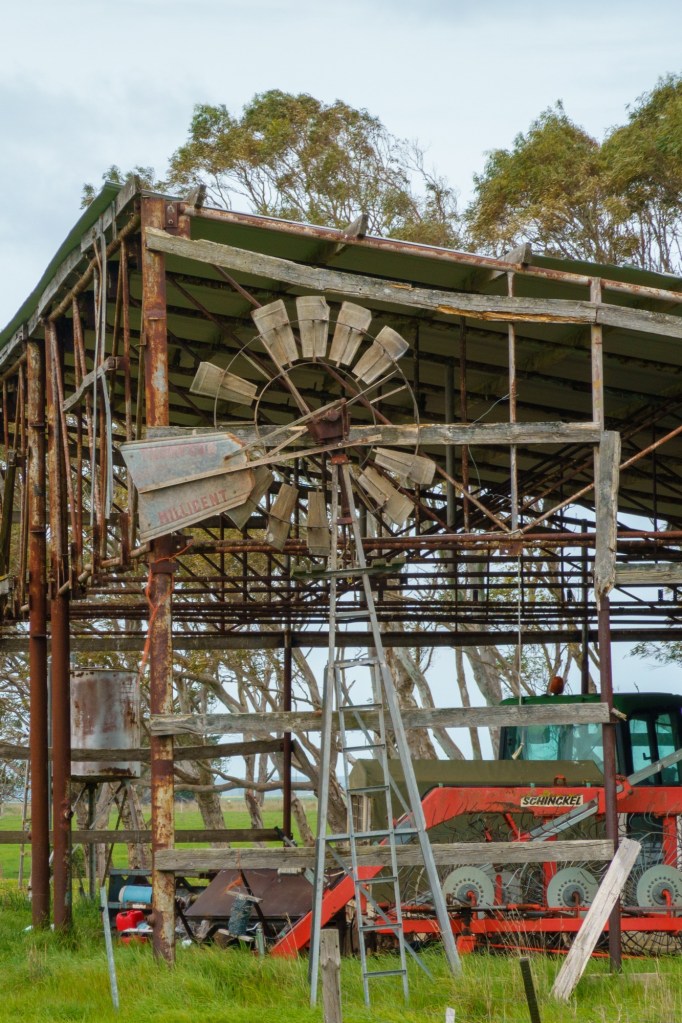
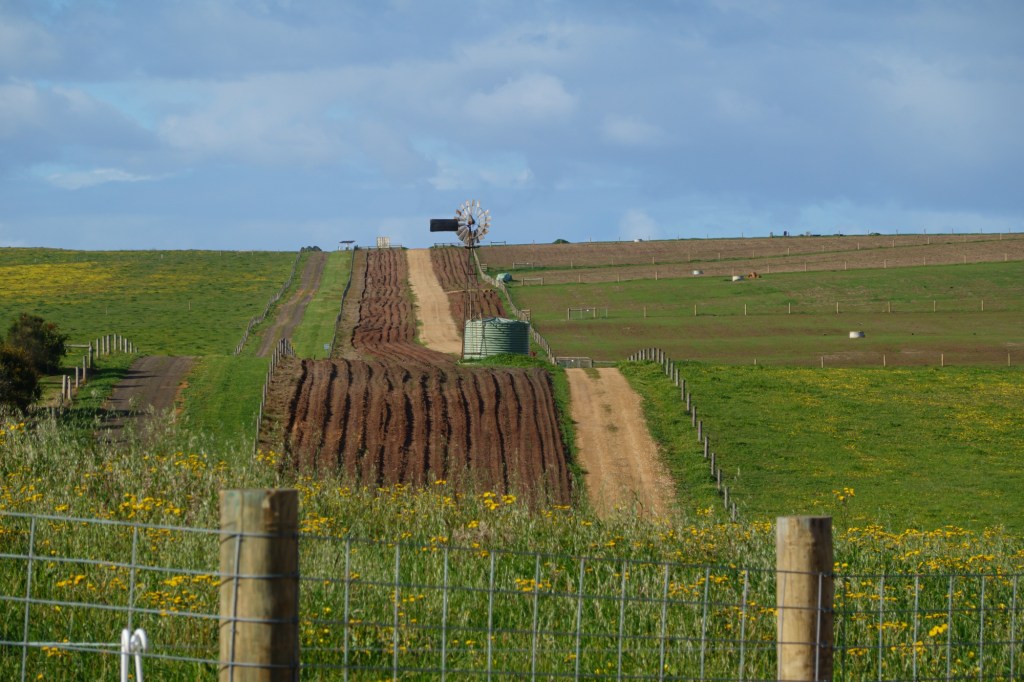
The forest is dotted with windmill water pumps and storage tanks to fight fires. Not clear it’d do much.

Tonight is in Portland, a small working town, the first European settlement in Victoria. Taxis stop at 7pm.

D5 Beachport to Mount Gambier

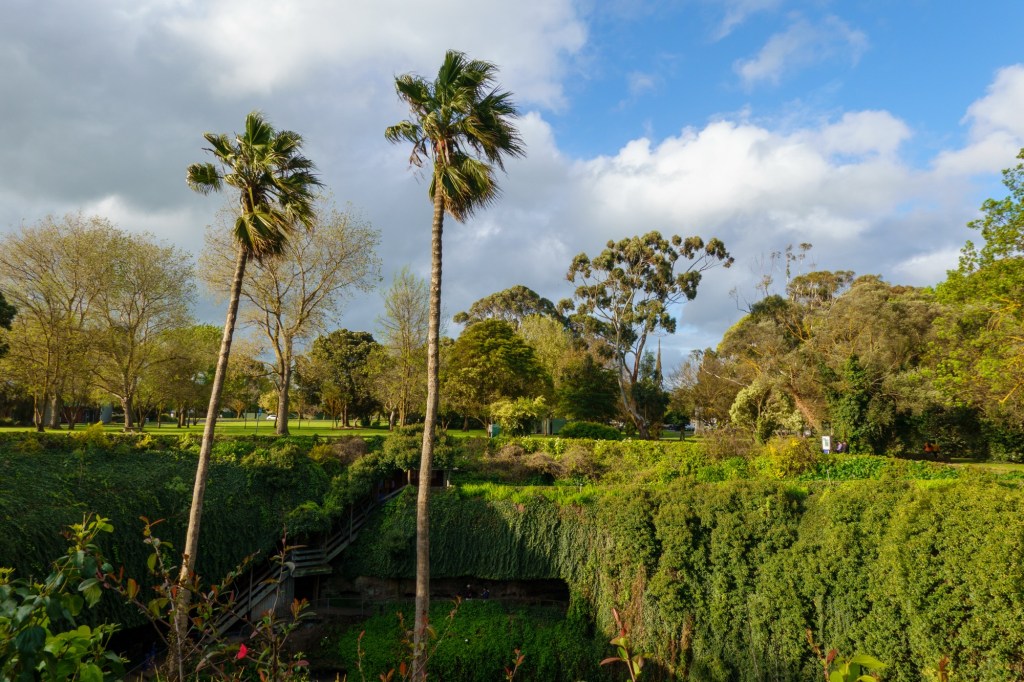
Mount Gambier – South Australia’s second most populous city, after Adelaide. Some 28000 people, surrounded by not a lot on the surface.

We saw a little under the surface as we passed through miles of forest on the way from Beachport: some native, the bulk planted conifers from Europe or North American. Of the latter it’s mainly softwood radiata pine, a native of California – used for paper and particle board. The plantations are valued at over 1.2billion Aus Dollars.

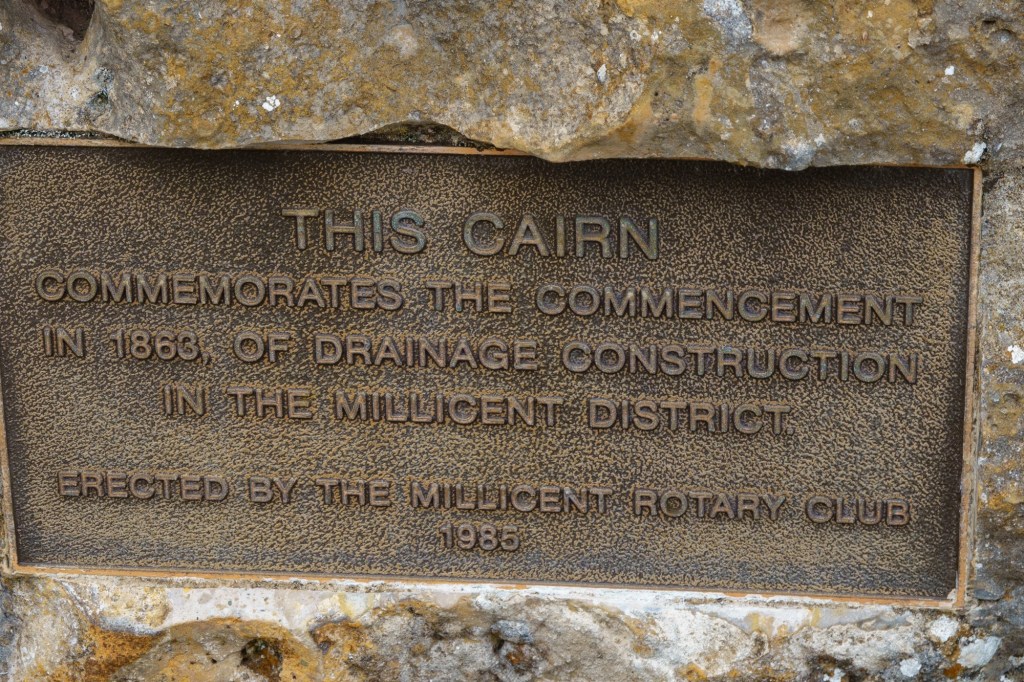
We’ve also seen a large number of farms for sale for whatever reason. A very pleasant rural landscape dotted with sheep and cattle – as well as the ubiquitous rape seed. A few small settlements including Millicent and Glencoe, a wee place – not even a one horse town.

Water is a predominant theme – either being pumped to the surface or drained.

One coffee/garage though gave a welcome warming spot from the cold wind. The lady there was keen to tell us convicts should be sent into a desert or distant place and left to fend for themselves. I had to quietly say “we tried that a few hundred years ago and you seem to have thrived”. I’m not sure it registered, maybe just as well.

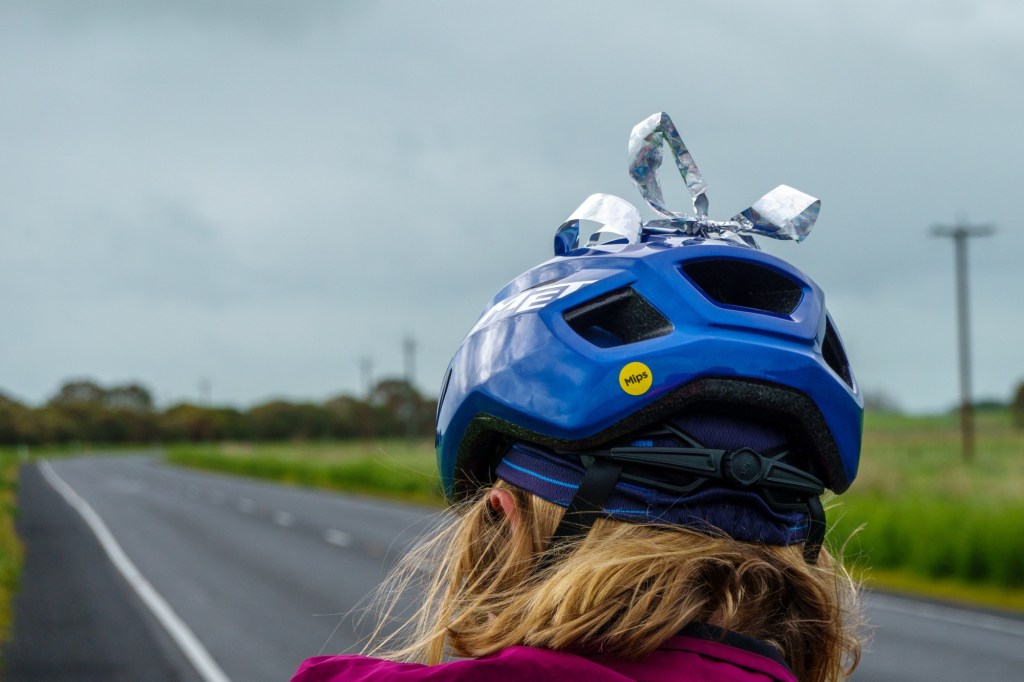
Today Barbara tried out some magpie swooping deterrent on her helmet. Very fetching and it might have worked. Certainly made a noise.

Great names of some roads: Agricultural Boundary Road; One Mile Hill Road. This was a clue how long the hill (a gentle 5% or so) lasted.

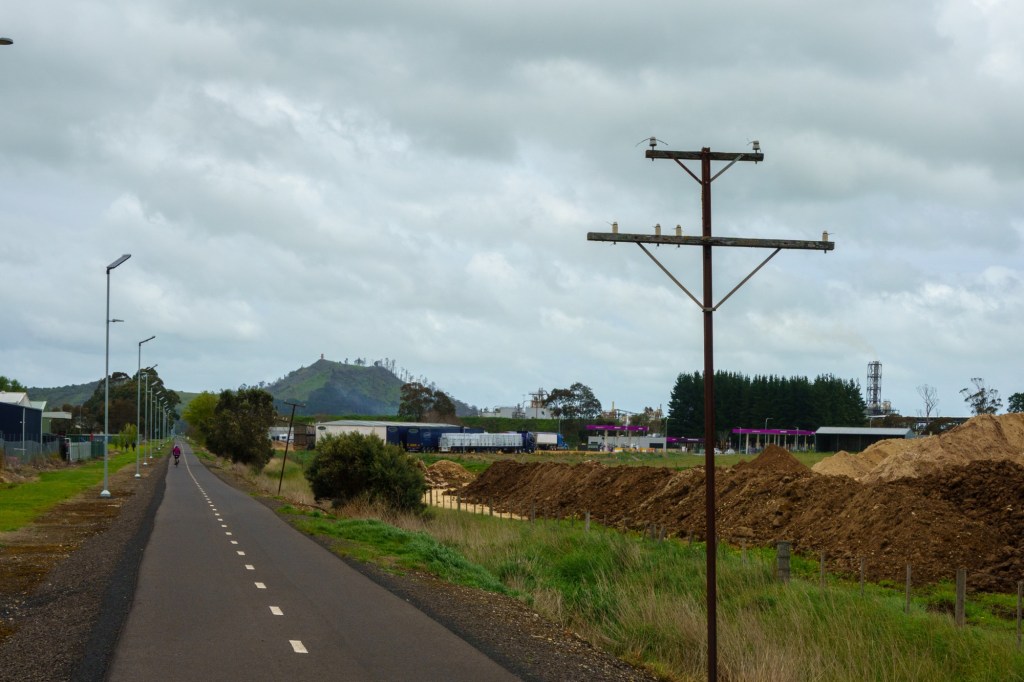
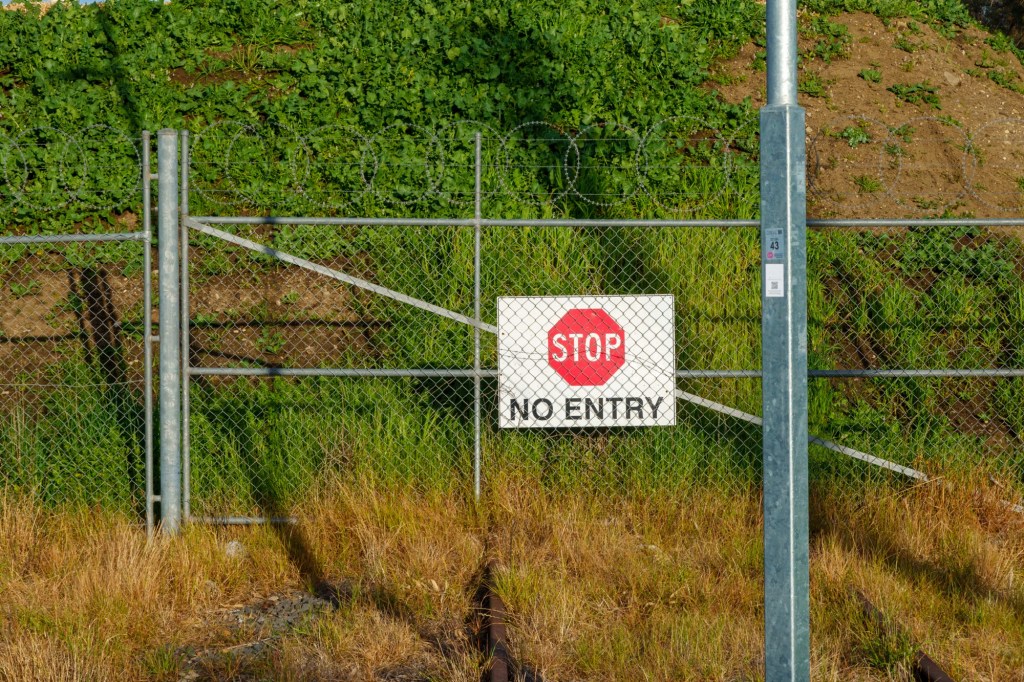
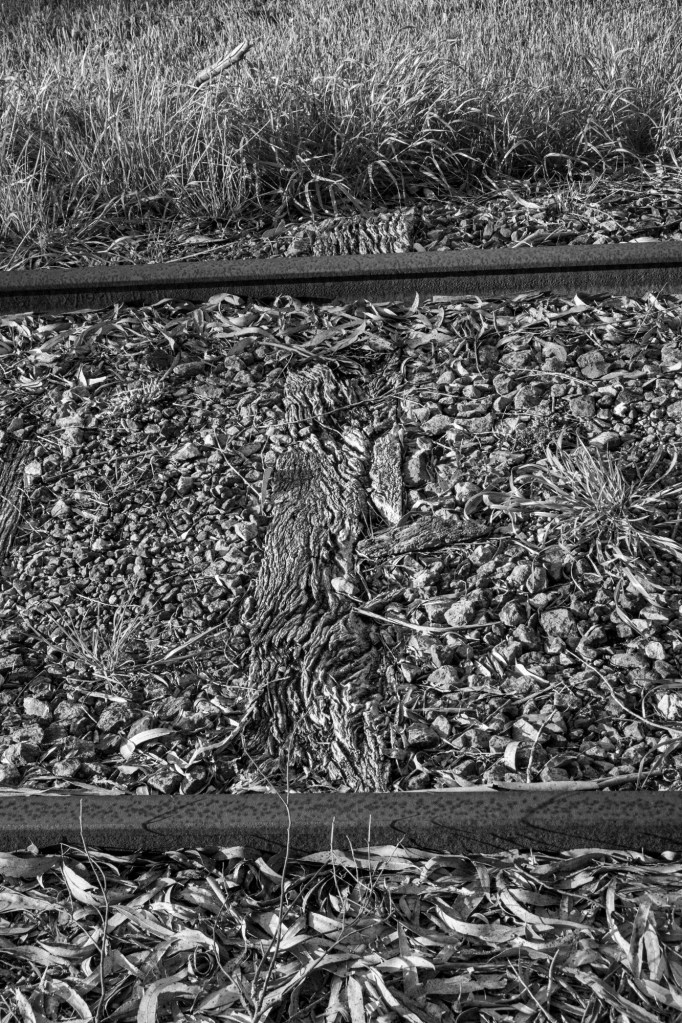
Arriving in Mount Gambier – a town on the boundary of an extinct (hopefully) volcano, on a lovely rail to trail path. Broad gauge if of interest with wooden sleepers.

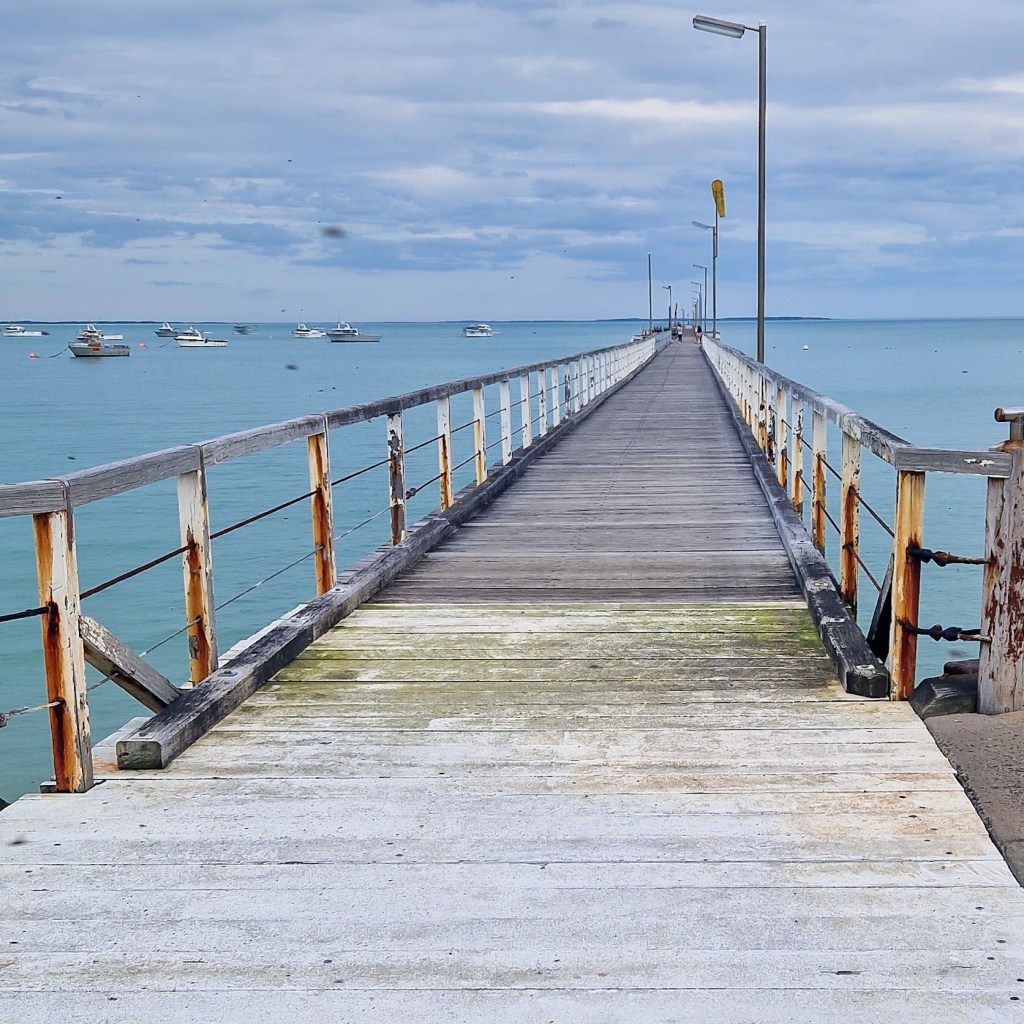
TransOceania Beachport Restday

A happy waitress from Manchester today, a mincing cheeky chappy waiter from Glasgow in Adelaide. A diverse country.

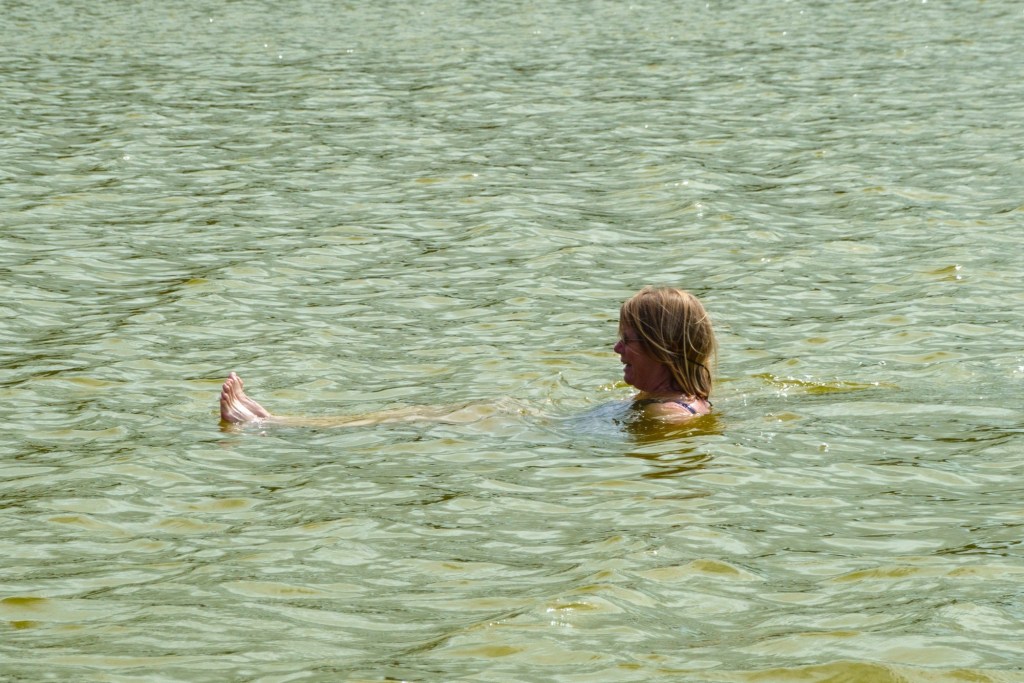
Good place for a rest – even Barbara exhausted the opportunities before too long. It did include the saline Siloam pool – 7x more salty than the sea. Washing – rinse, hang out to dry, second and third rinse in the sharp deluges which followed. What hair driers were invented for.

The weather thus far has been benign spring: coldish in the morning (10C or so), rising to a pleasant early 20C before a sharp decline as it gets dark. Which it does around 6pm, for the next day or so. When it’ll be spring forward an hour – when in UK it’ll be fall back soon.

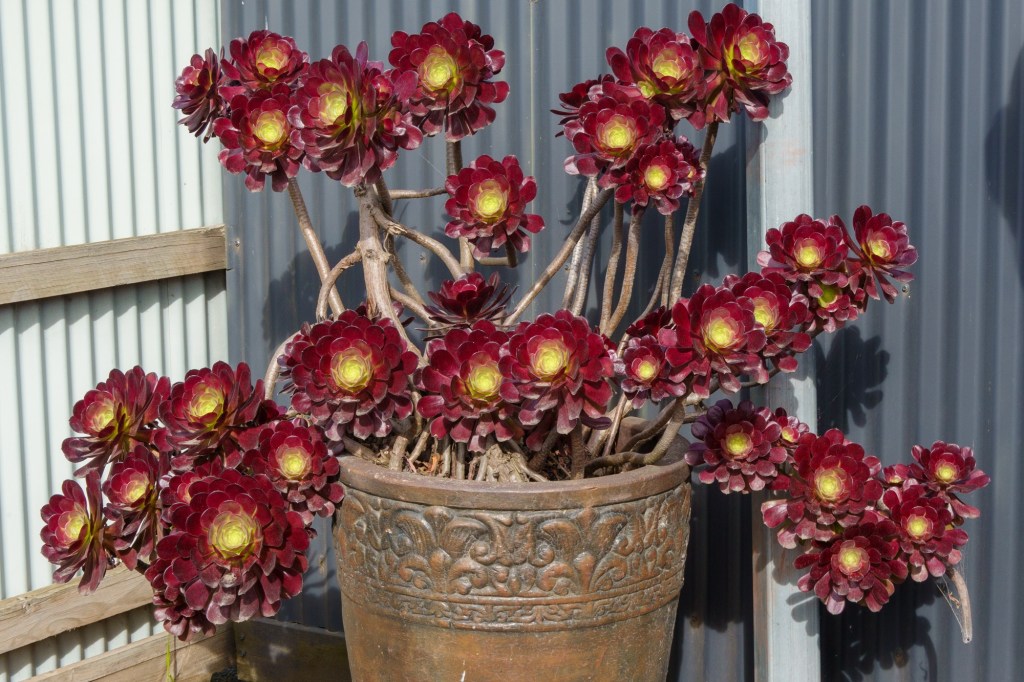
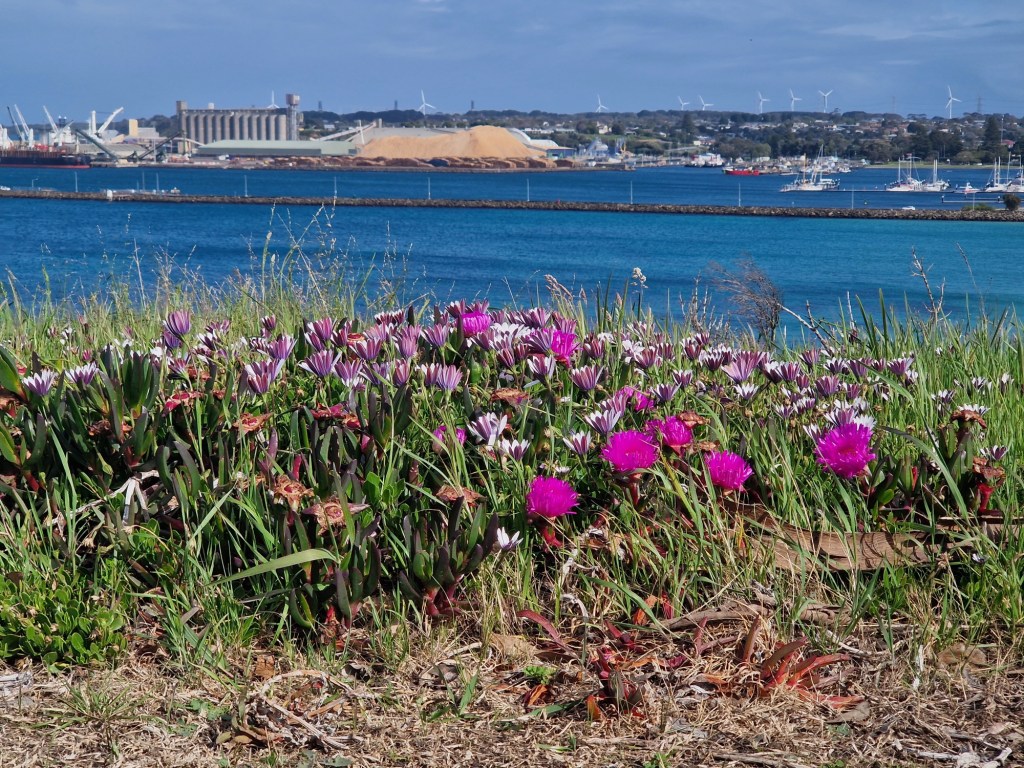
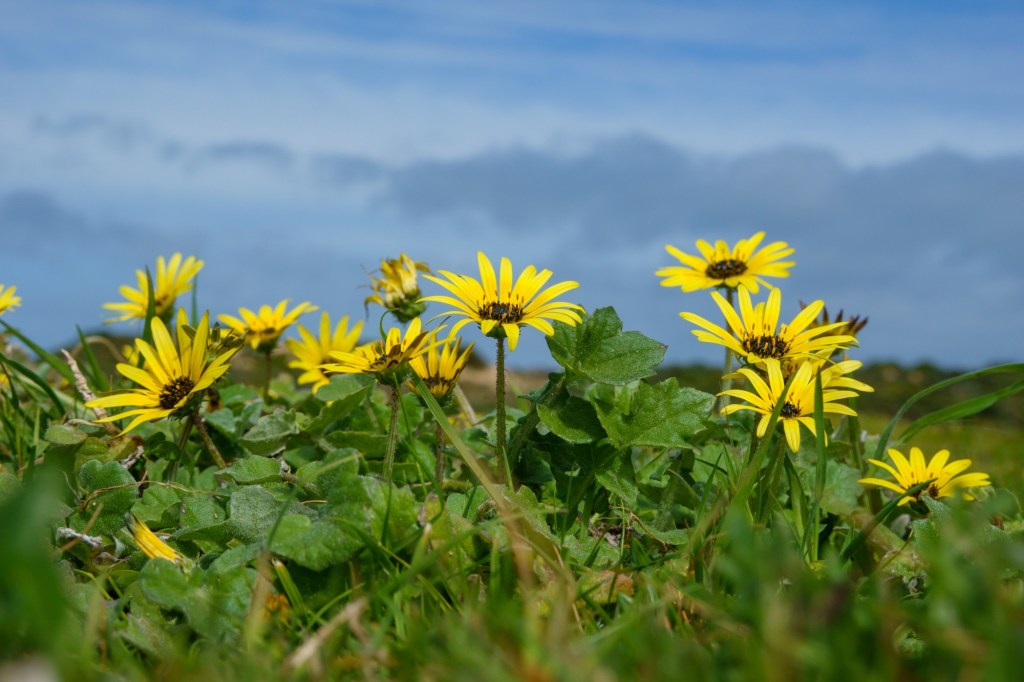
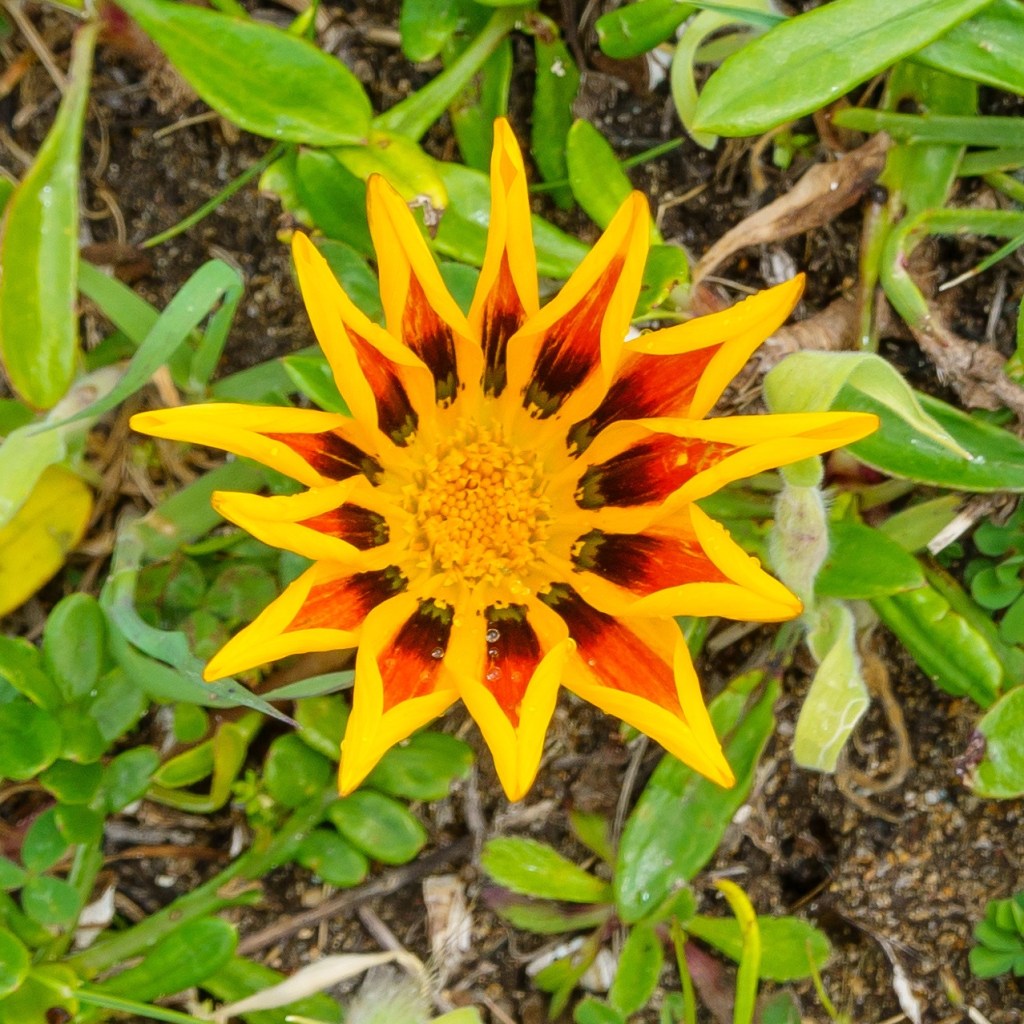
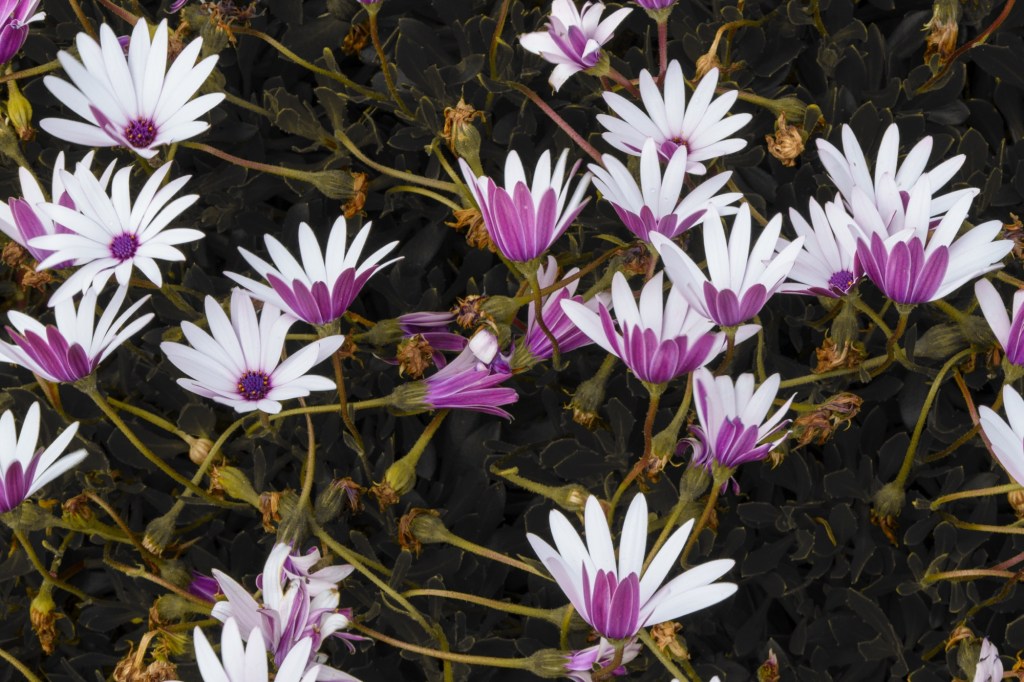
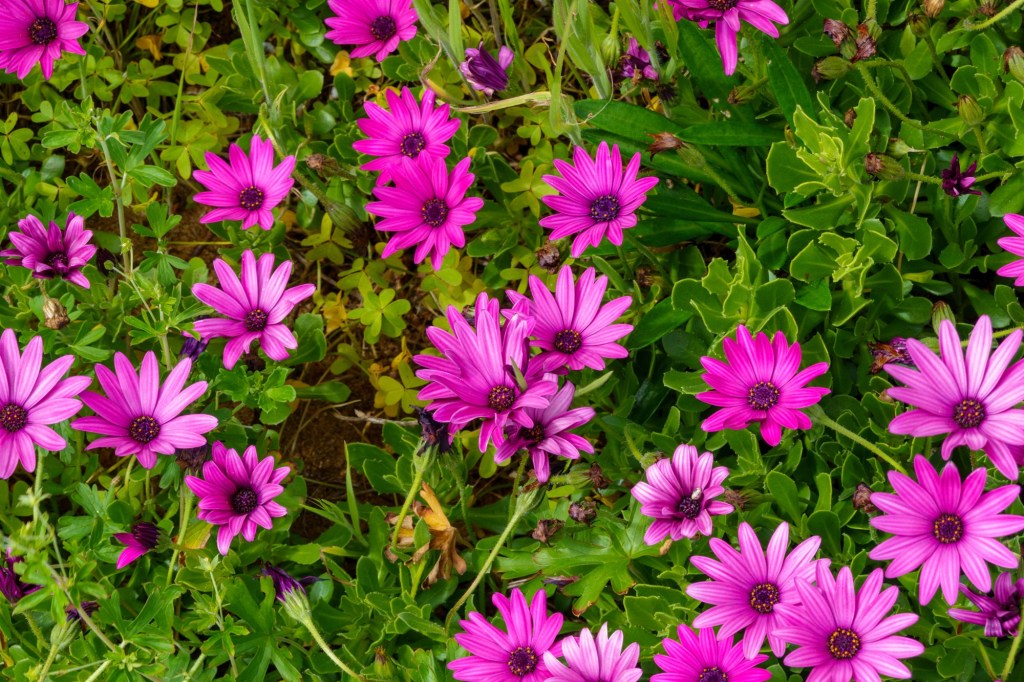
Lovely spring flowers abound – I’ve declined the offer of an app as I’d forget just as soom as I look away.

Great to see so many public amenities – like toilets, changing rooms and dog poo bags – well maintained. A reminder not to assume all is good – one of the group left his waterproof for a short while when he went to swim: only to spot a car stopping to take it away.

Tomorrow we start the next 4 day segment to Port Campbell, another bustling metropolis of 500 folks. I do like these wee places, though I suspect we’re seeing them on the quiet seasonal shoulder.