TransOceania St Helens Rest Day

As always it’s the hidden details which suprise. Anyone can Google history:

“The first European to sight the area was Captain Tobias Furneaux who, in 1772 when he was captain of the HMS Adventure and whilst accompanying Captain James Cook on his second voyage to the South Seas, was separated from the rest of the fleet and explored much of the eastern coast of Van Diemen’s Land. He sighted and the southern point of Georges Bay, St Helens Point after St Helens on the Isle of Wight, in 1773 and went on to name the Bay of Fires because he saw Aboriginal fires on the shores.”

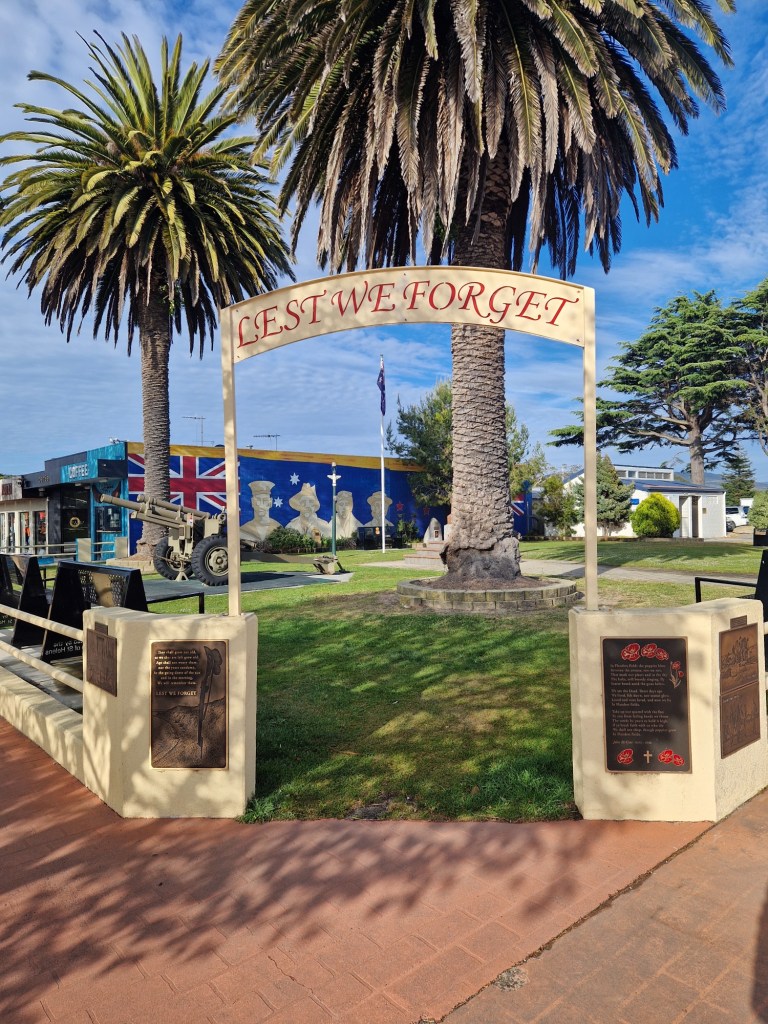
You need to be outside the Tourist Information reading the plaque on the steam traction engine (made in England, the engine that is) to learn it was used in the local timber mill. To make sleepers for the building of the Siberian Railway. Which (google) is some 12500km away. Antartica is closer (4500km).
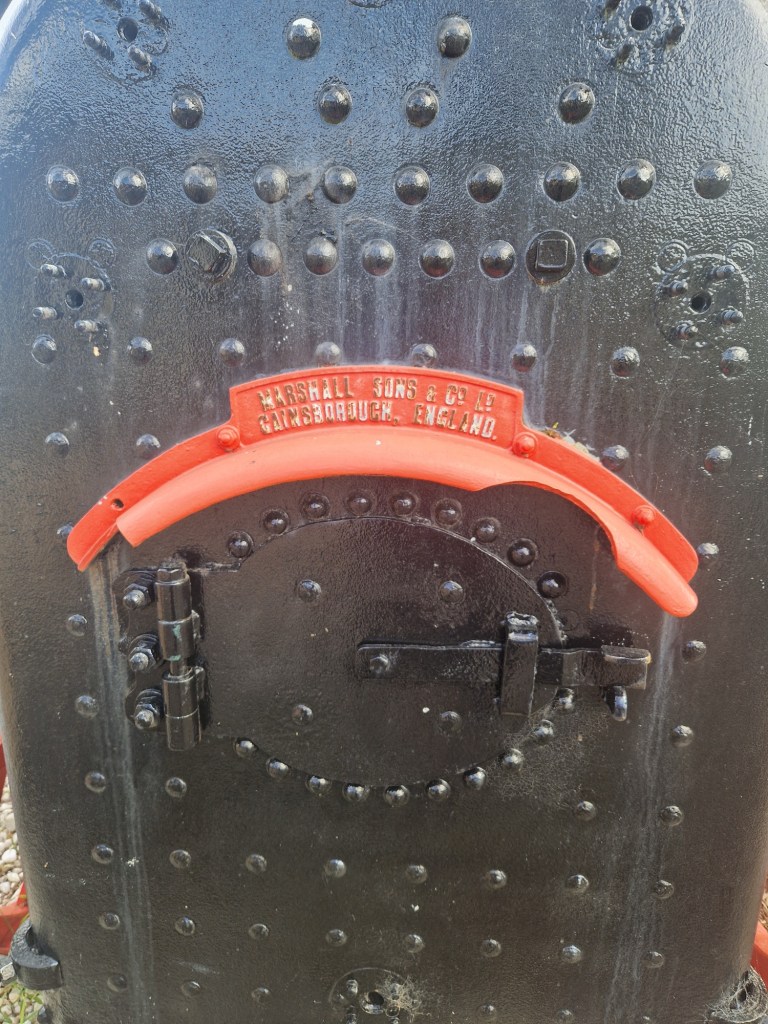
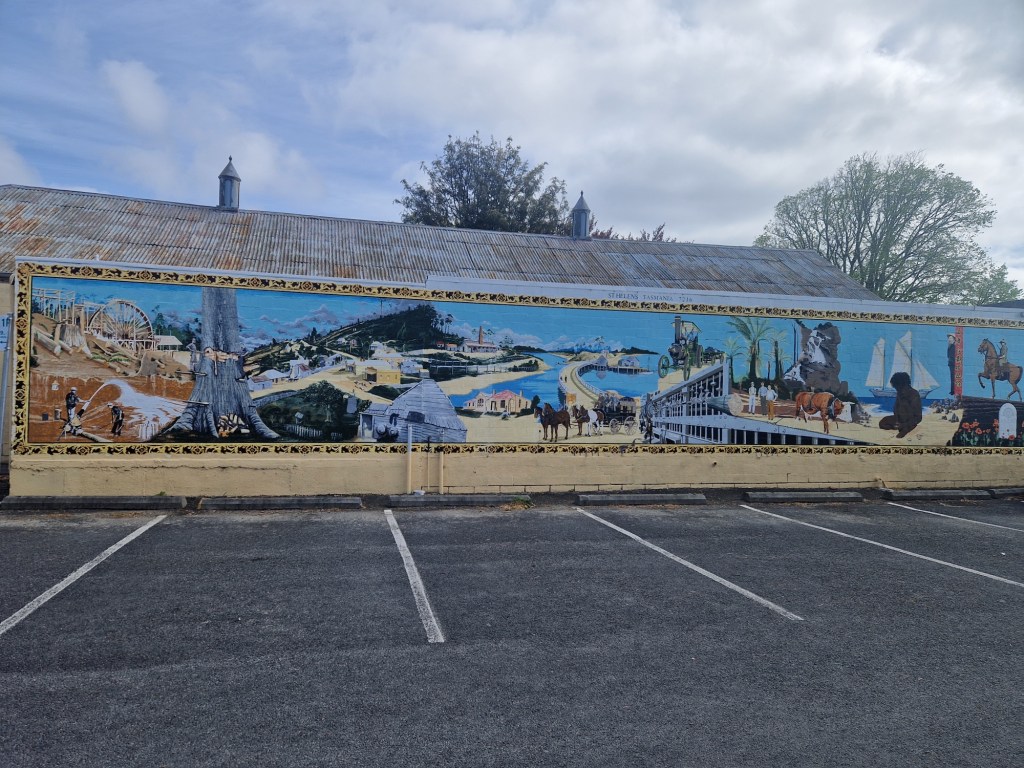
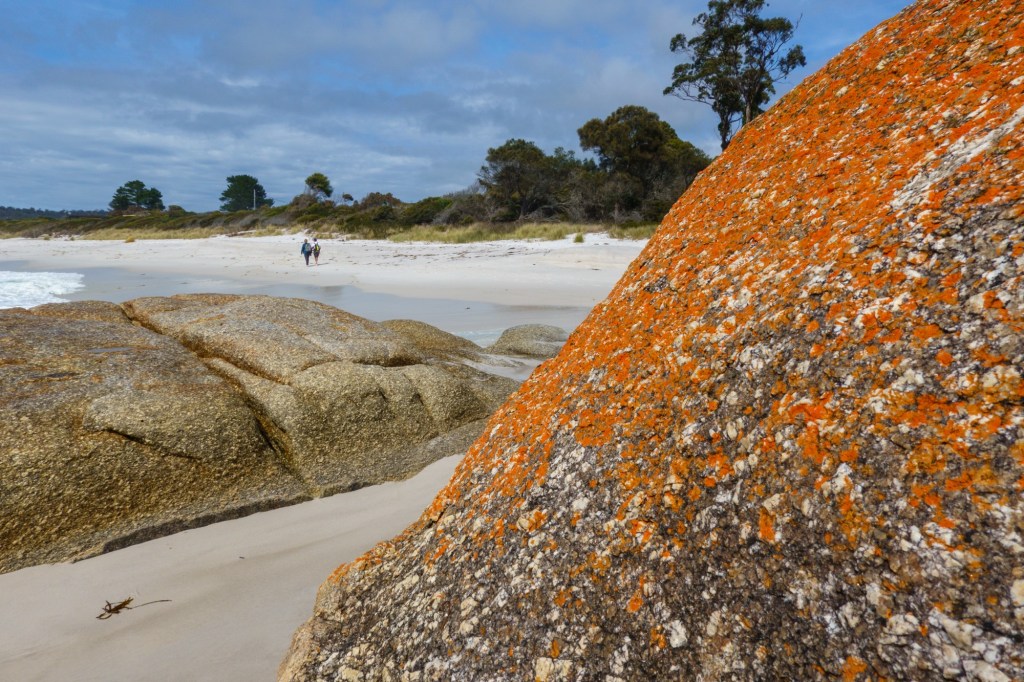
We went along to Binalong Bay on the Bay of Fires. Binalong to the Bay as it were. Stunning beach, wonderful white sand setting of the orange lichen decorated granite stones.
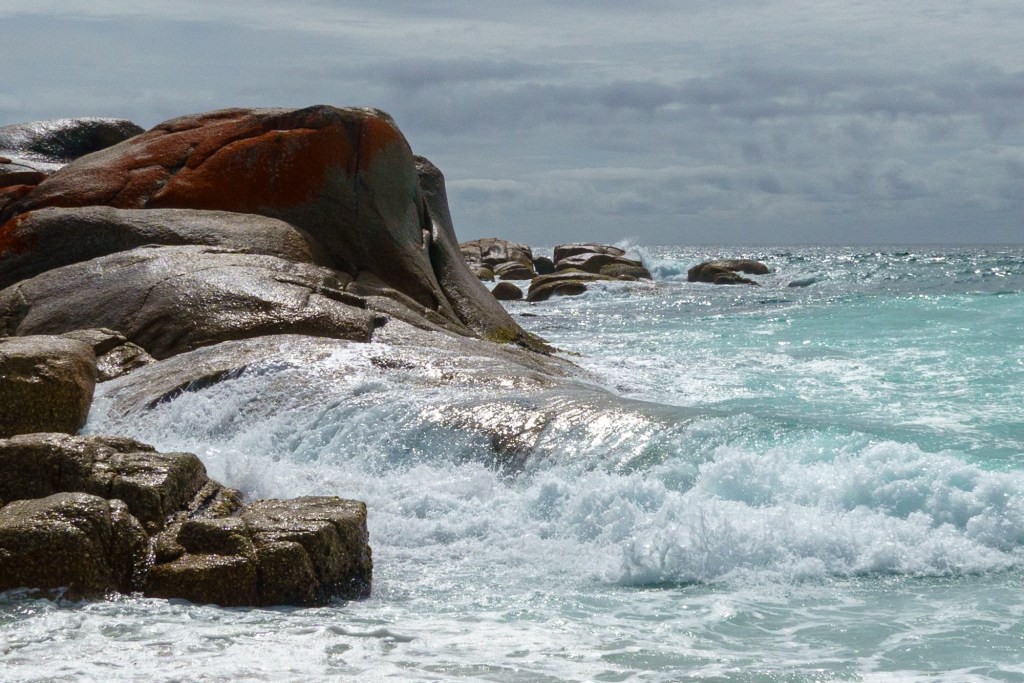
The sea birds were having a whale of a time, though we didn’t see any. Whales that is.

Then to start getting out the severe wet weather gear for tomorrow. Very apt as we’re cycling to Swansea.
D13 TransOceania Scottdale – St Helens

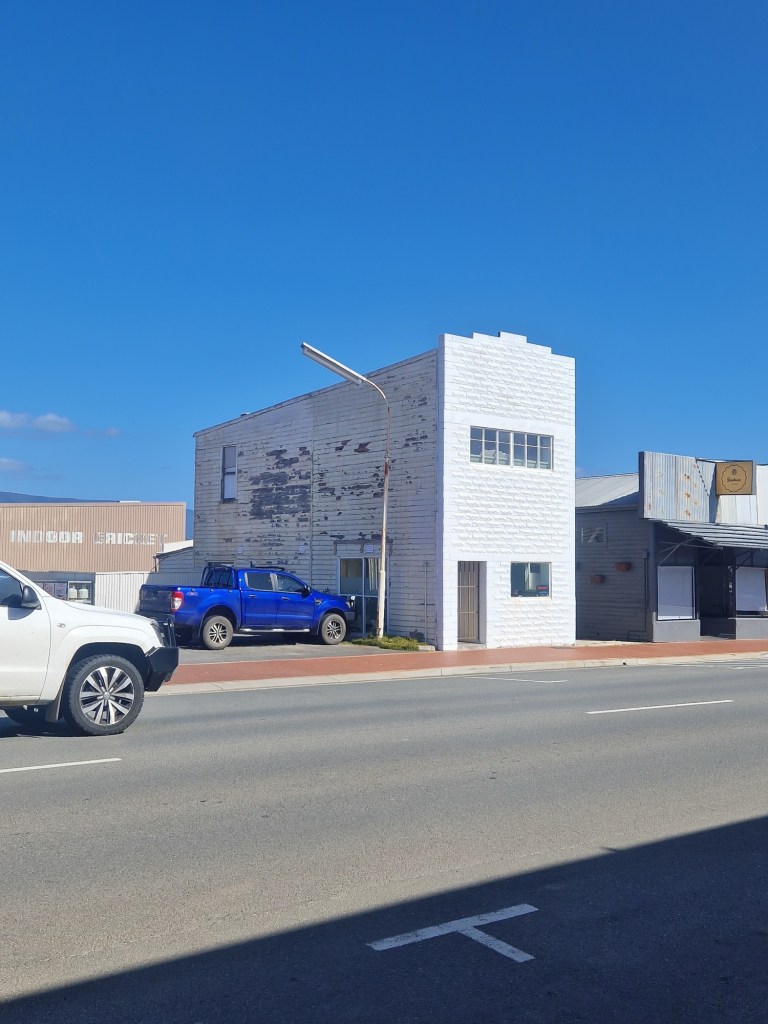
St Helens is named after St Helens, apparently of the Isle of Wight vintage. Left wondering who St Helen was and why places were named after her. She definitely wasn’t the patron saint of [fast] food. Everywhere bar one place was closed tonight so the 2600 residents of this former mining town, now fishing, have descended. 2hrs+ later something emerges from the overworked single cook.
Tin mining in this part of Tasmania from mid/late 1800s to middle 19C was a key economic driver. Derby (named after the UK Prime Minister but pronouced der nor dar) was a key hub with over 1000 Chinese workers. It then collapsed and has only recently started to recover thanks to mountain biking. Which meant there are lots of cafes to stop at, which we did – though only at one of them.

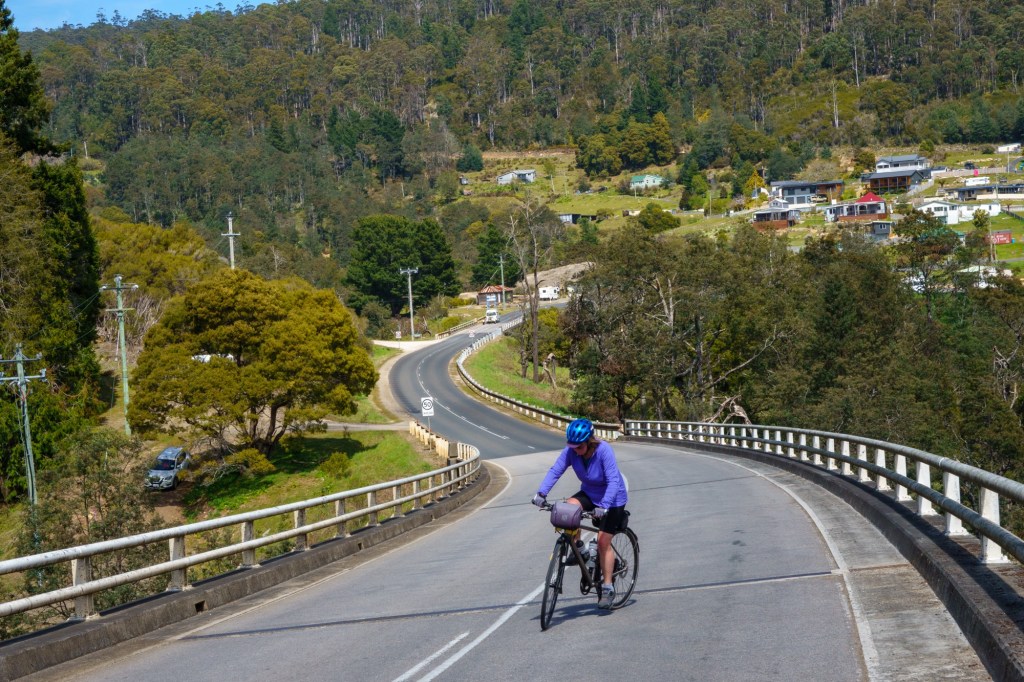
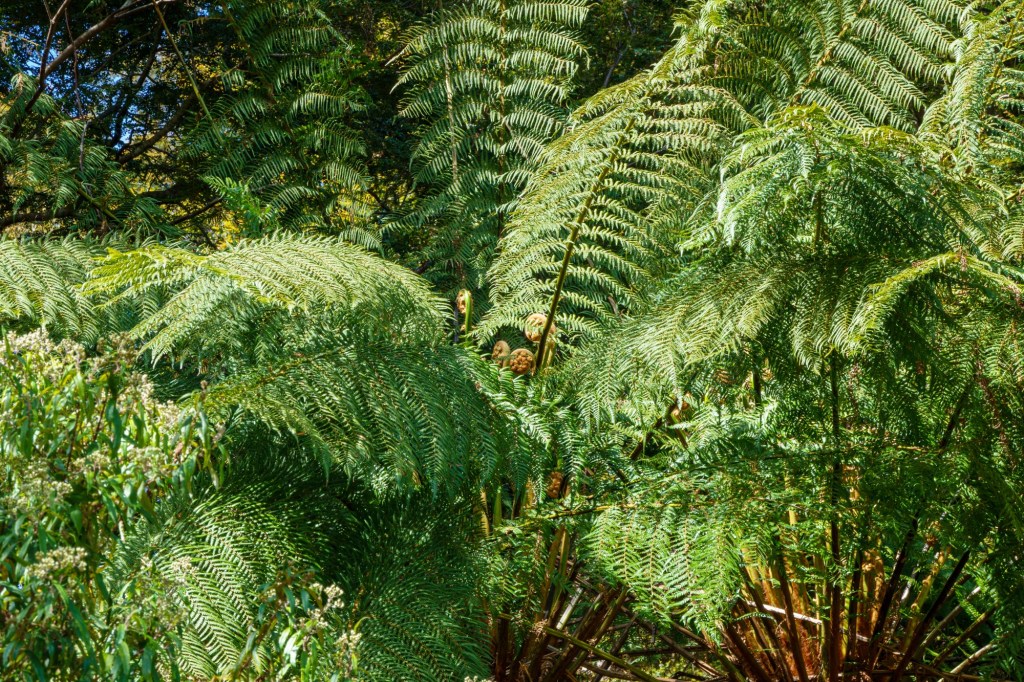
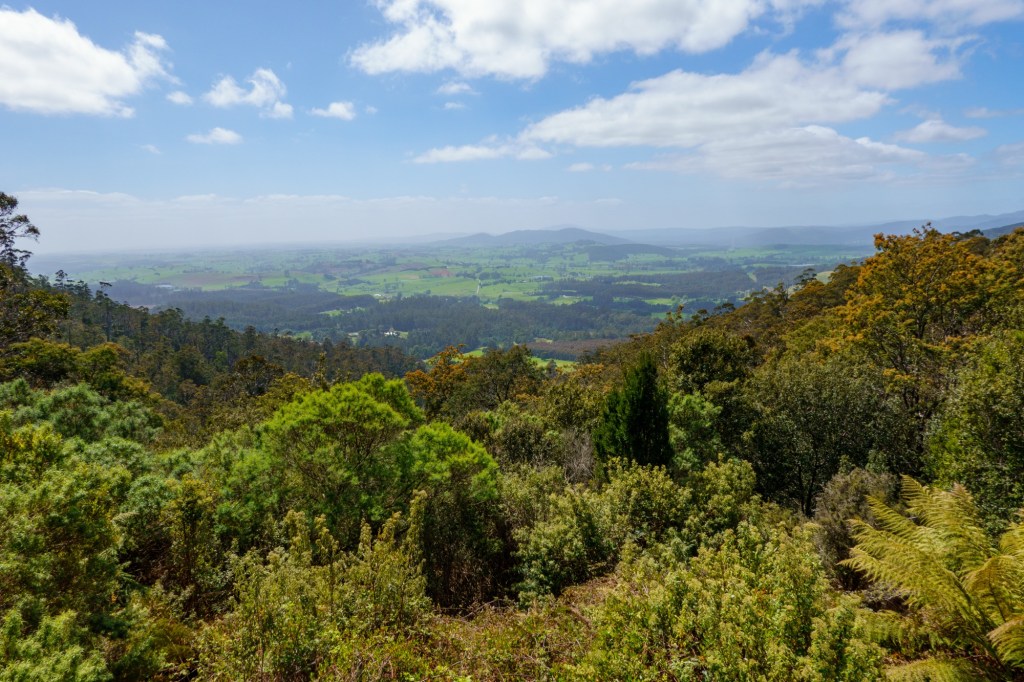
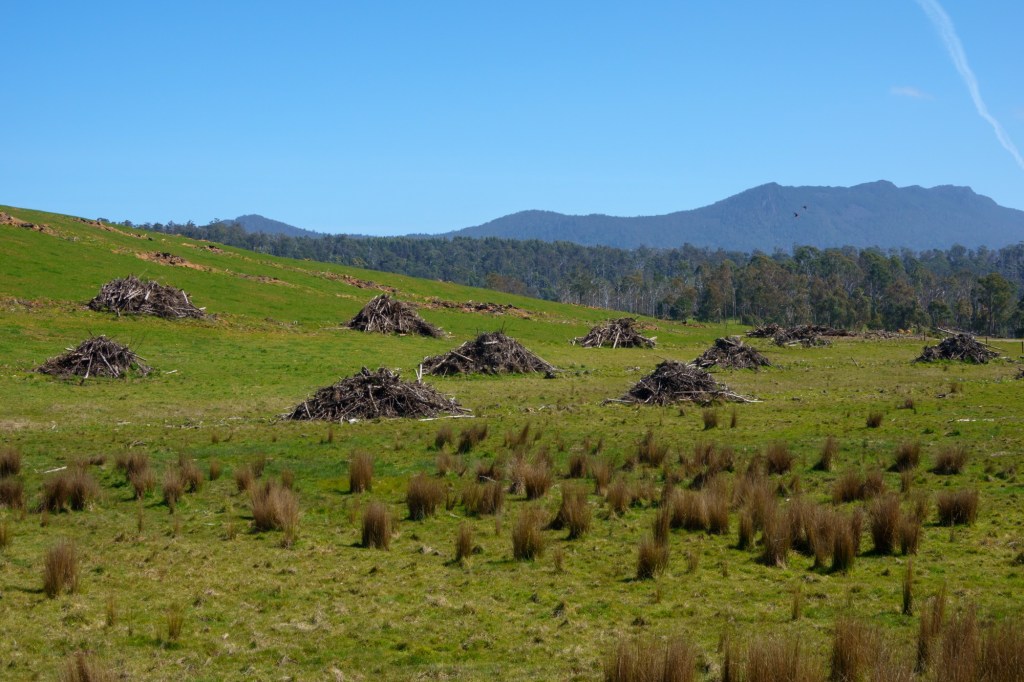
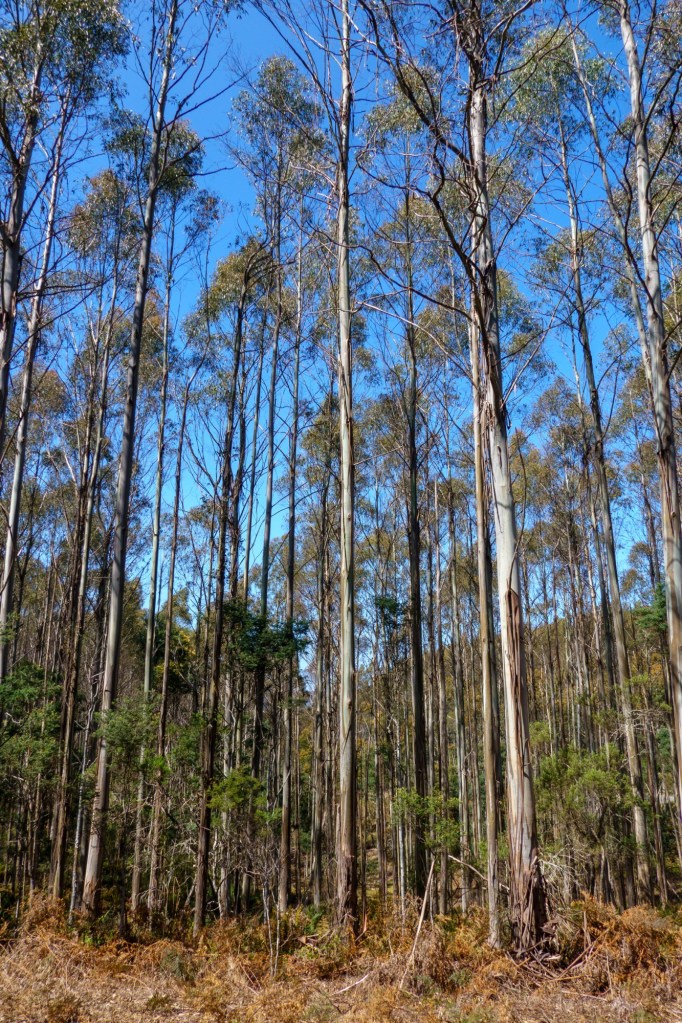
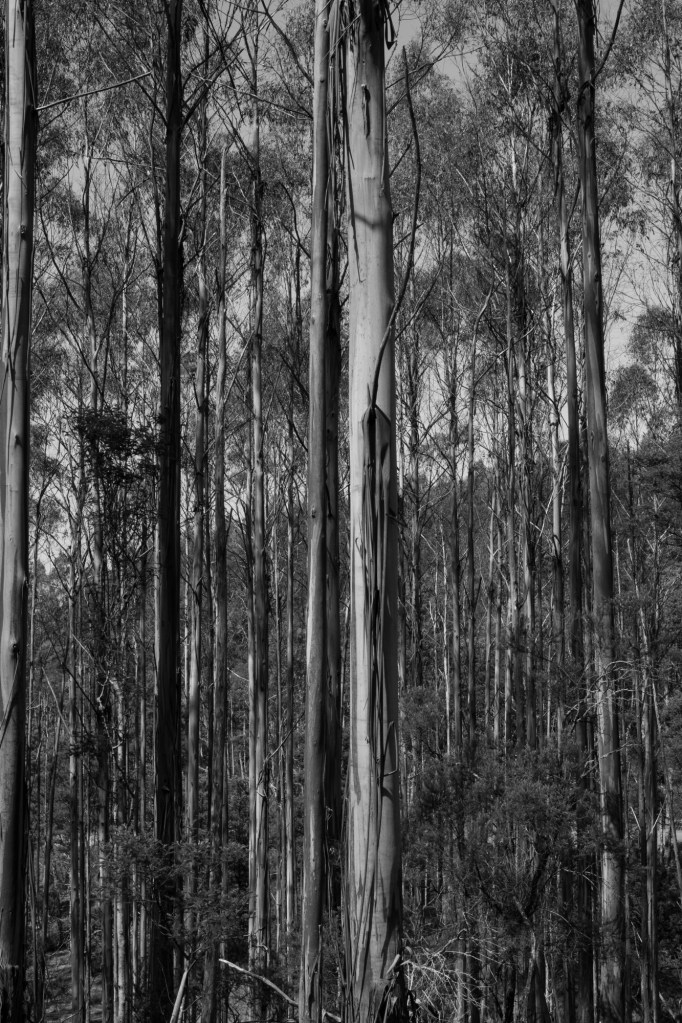
Lush forest, original plantations with tree ferns growing, was a dominant theme. It meant the gradients of the ups were often hidden in plain sight. Tremendous! As were the [considerate] huge timber lorries as they thundered by with their sweet smelling resin produce.

The one thing it is difficult to describe is the sounds which accompany us. Frogs, birds, insects, all compete for attention. The road kill smell gets that too!

Tomorrow another rest day to allow us to stew on the thought of the forthcoming rainstorm for our ride on Friday. As this is to Swansea, bad weather is nothing unusual.

D12 TransOceania Launceston – Scottsdale

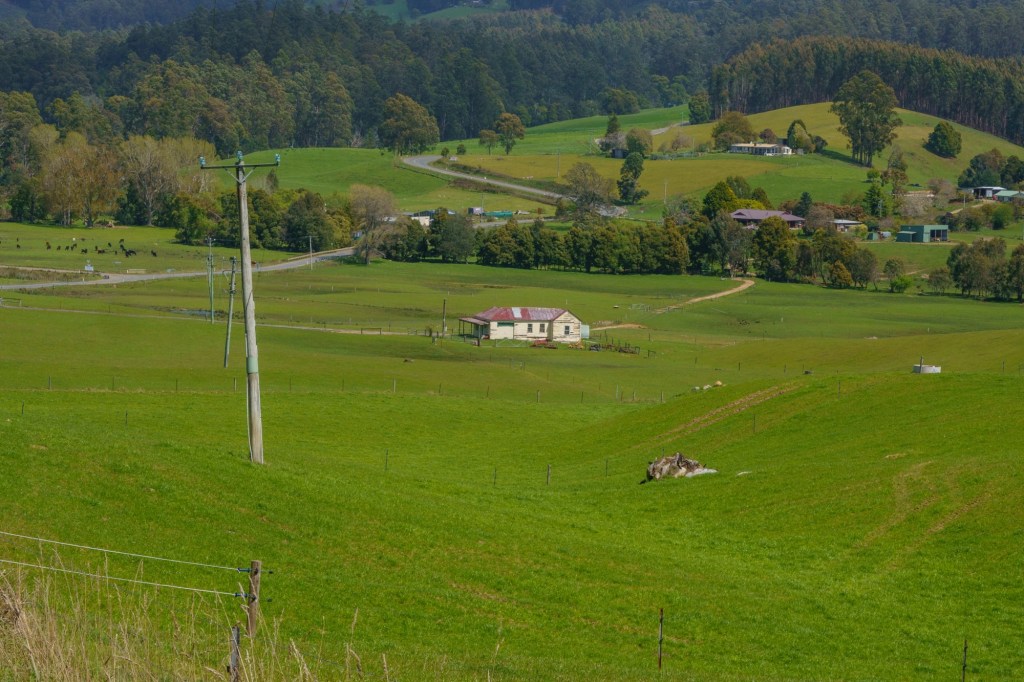
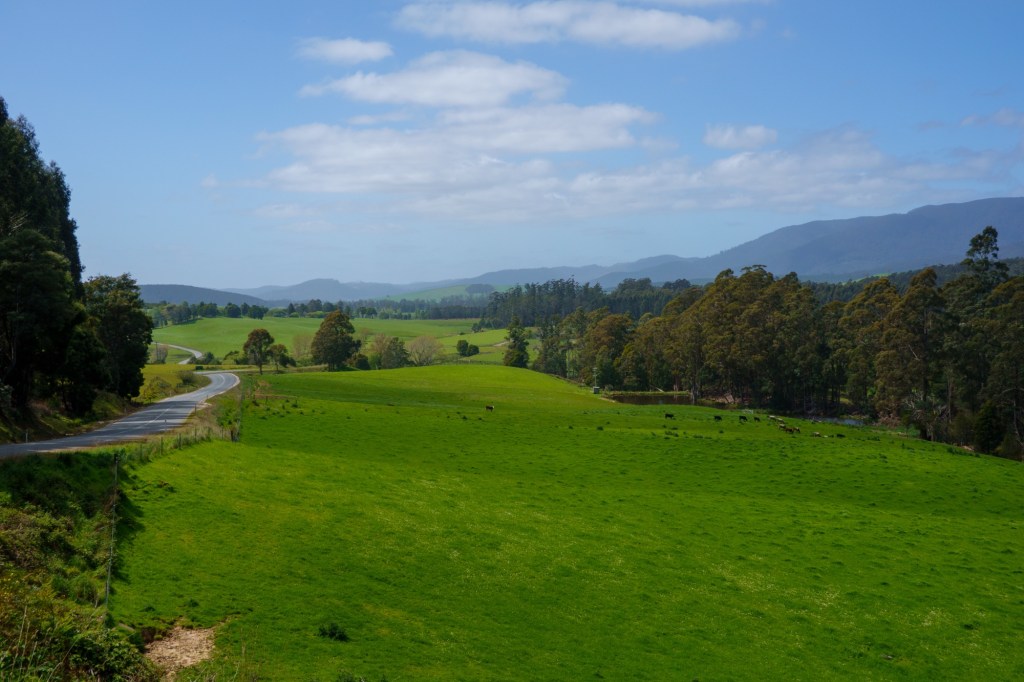
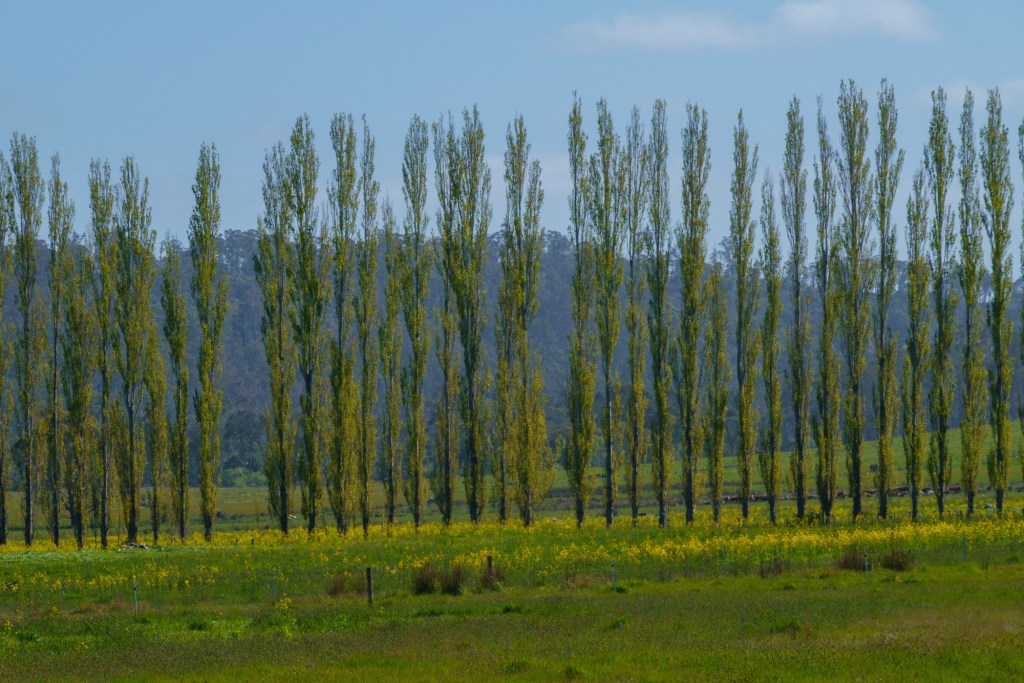
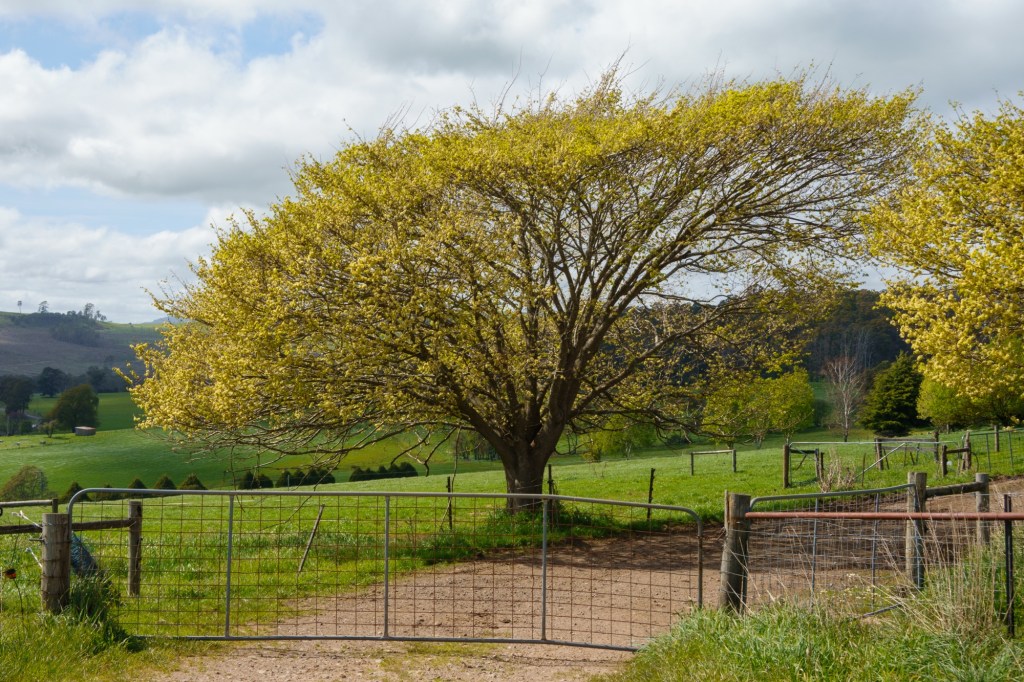
Expectations are sometimes exceeded. Spring in Tasmania is fresh (cold) and delightful. Varying landscapes, happy cattle.

We’ve ended up in Scottsdale, a small town in the North East of Tasmania, on the way to the coast. The theme will become obvious: named after John Scott the land surveyor who first (colonially) mapped it, 1855. It is also in the county of Dorset.

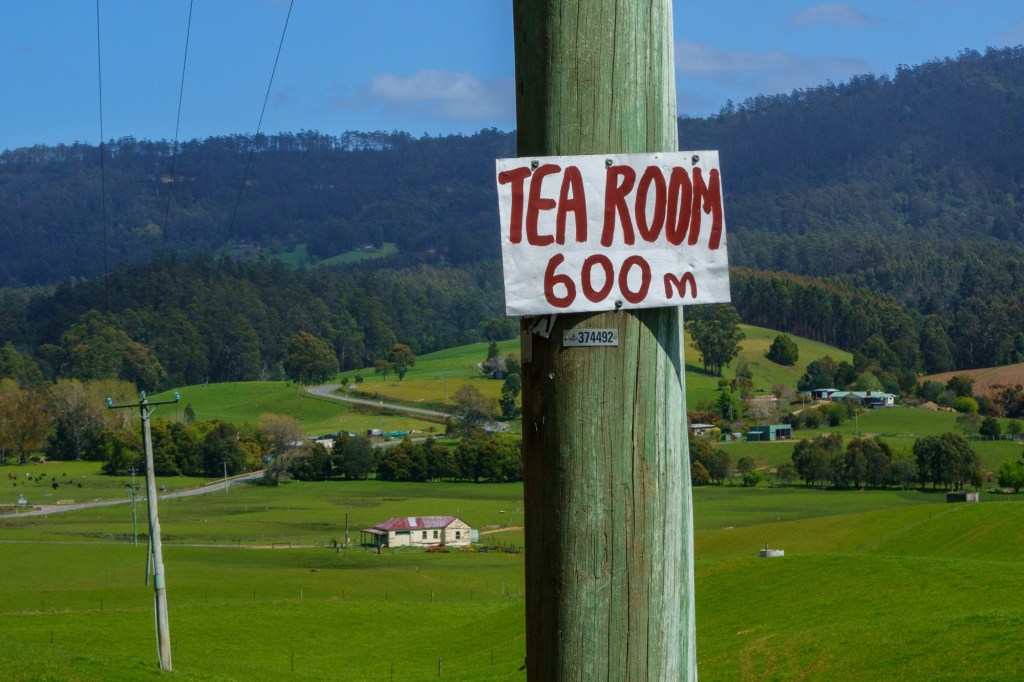
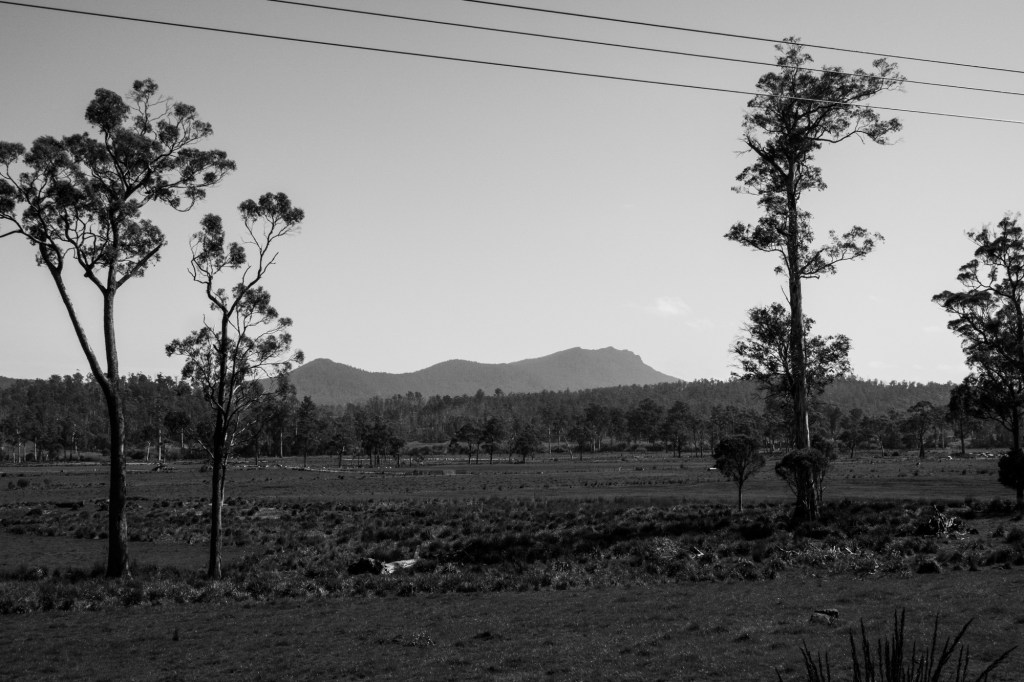
It didn’t take long to leave Launceston – after only 4k we’re in open country. The landscape opens up to lush green farms framed by the distant hills. Then a lovely ascent through an old established forest – this averts attention from the gradients. The descent was a joy and again we’re into small hold territory with local produce offered at the side of the road.

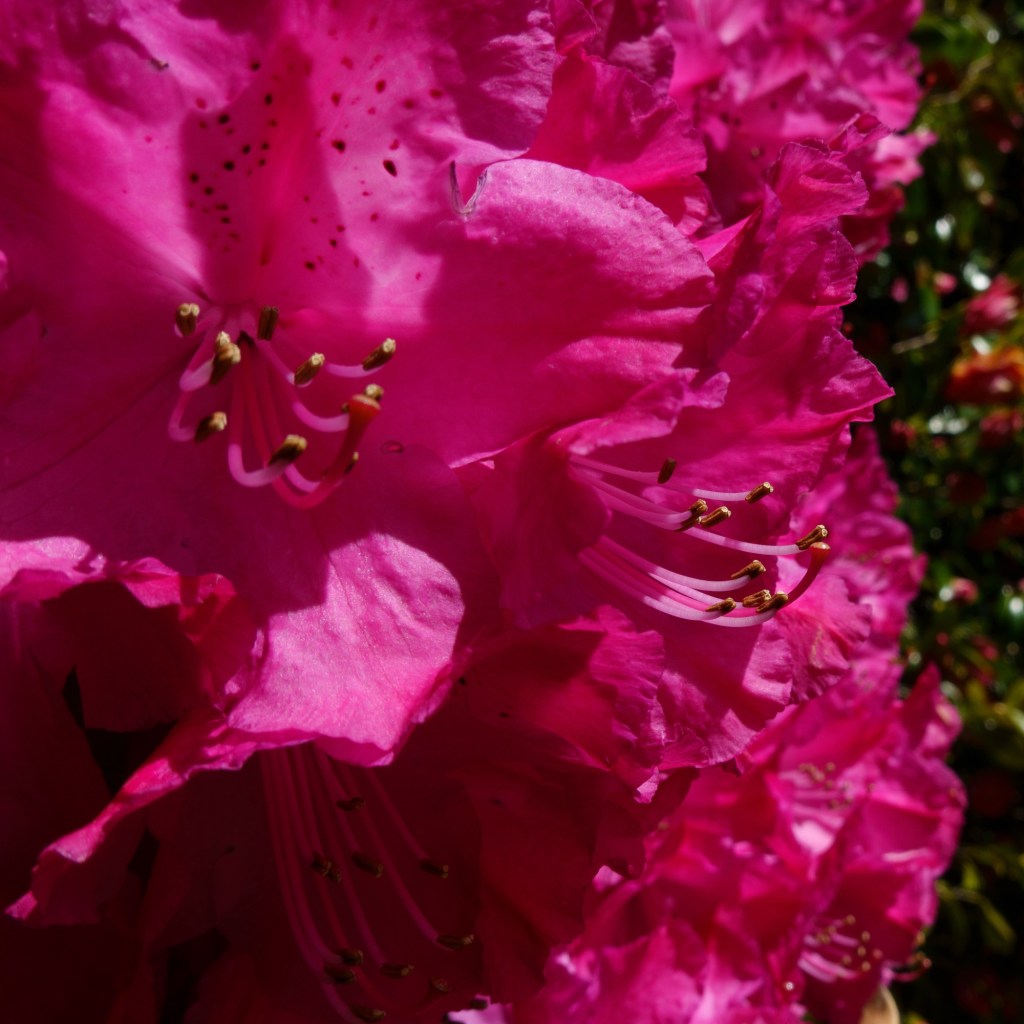
Scottsdale must be the regional town the scattered dwellings look to. It’s two streets have quite a few cafes, an indoor cricket pitch and swimming pool- all for its 2000 inhabitants. Even better, a Woolworths and a Salvation Army outlet. I hadn’t expected cherry blossom and flowering rhodedendron. Nor had I anticipated passing a local on the street who was walking his llama – it’s either a trend which has passed me by, a sign there’s not a lot to do around here or, inbreeding. Of the llama’s of course.

The undulations continue tomorrow. Temperature to increase from 6C this morning to 10C: things are hotting up.

TransOceania Launceston rest day

Named after the town in Corwall. Originally after Peterson, the military person who “founded it” he changed it to the home town of his superior. How’s that for sucking up to your boss?

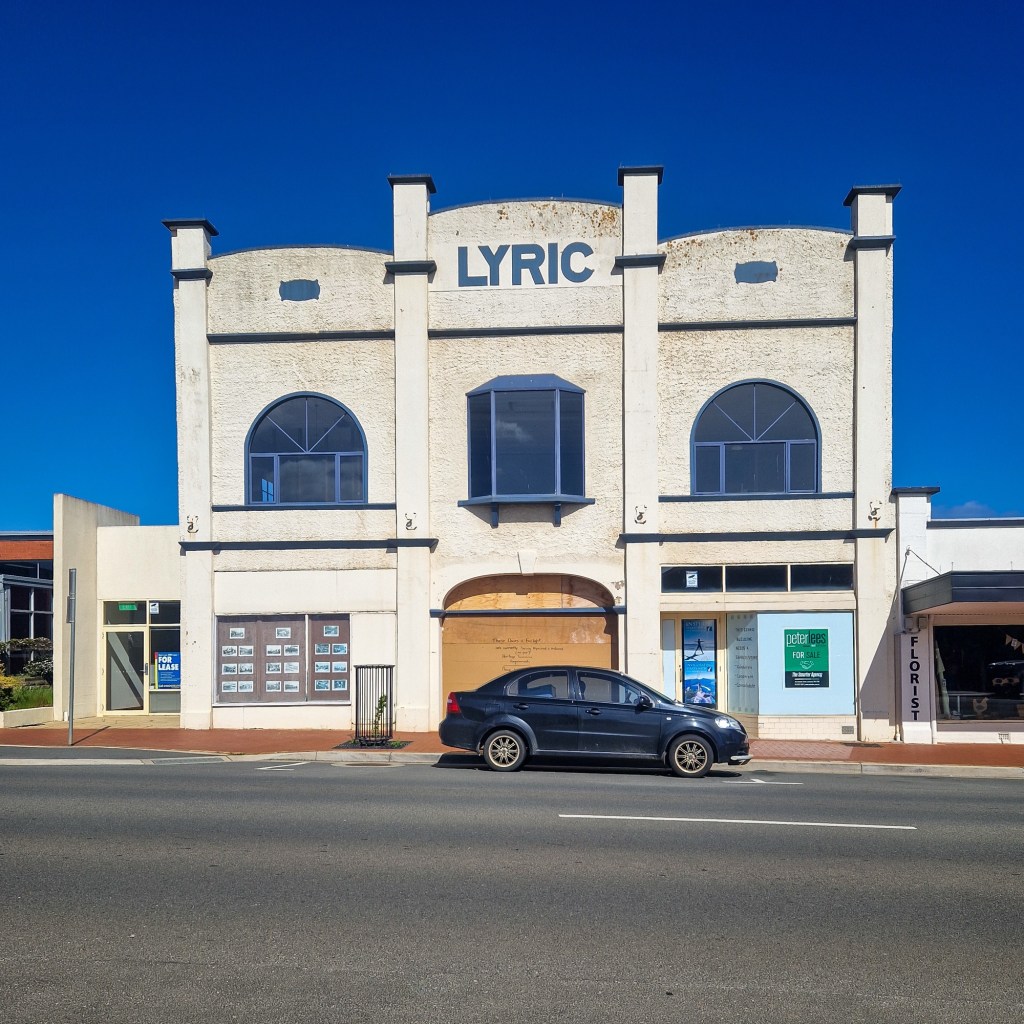
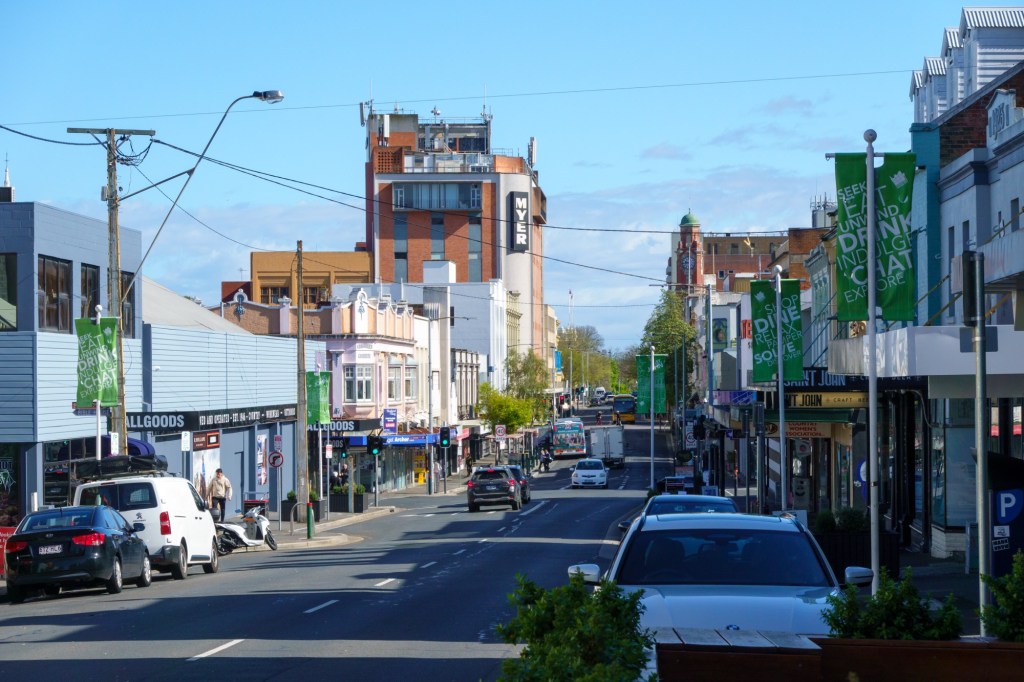
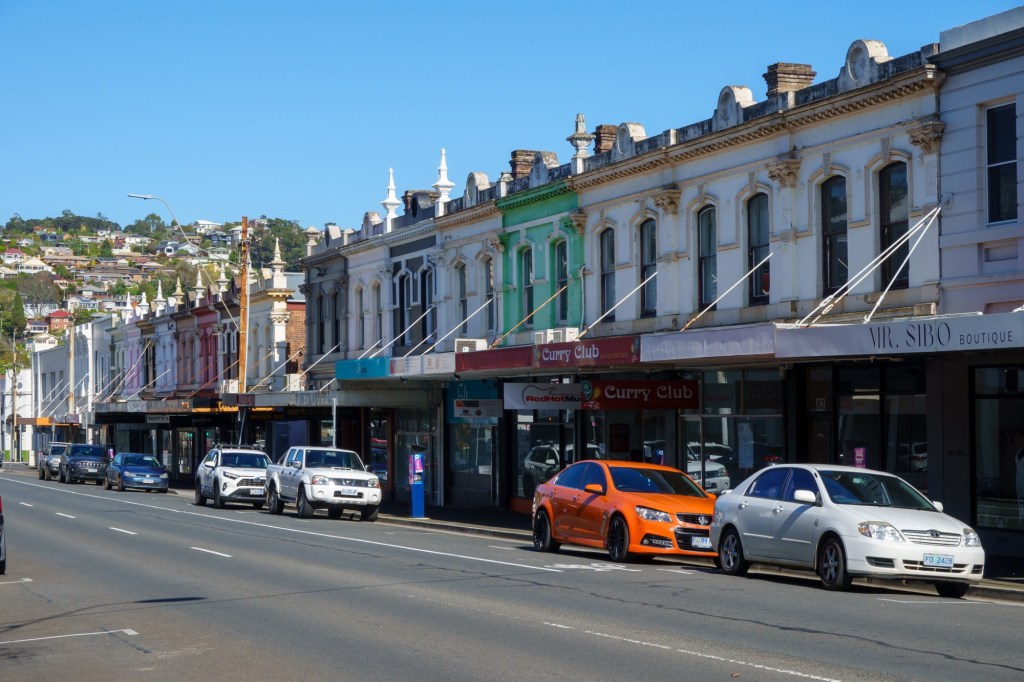
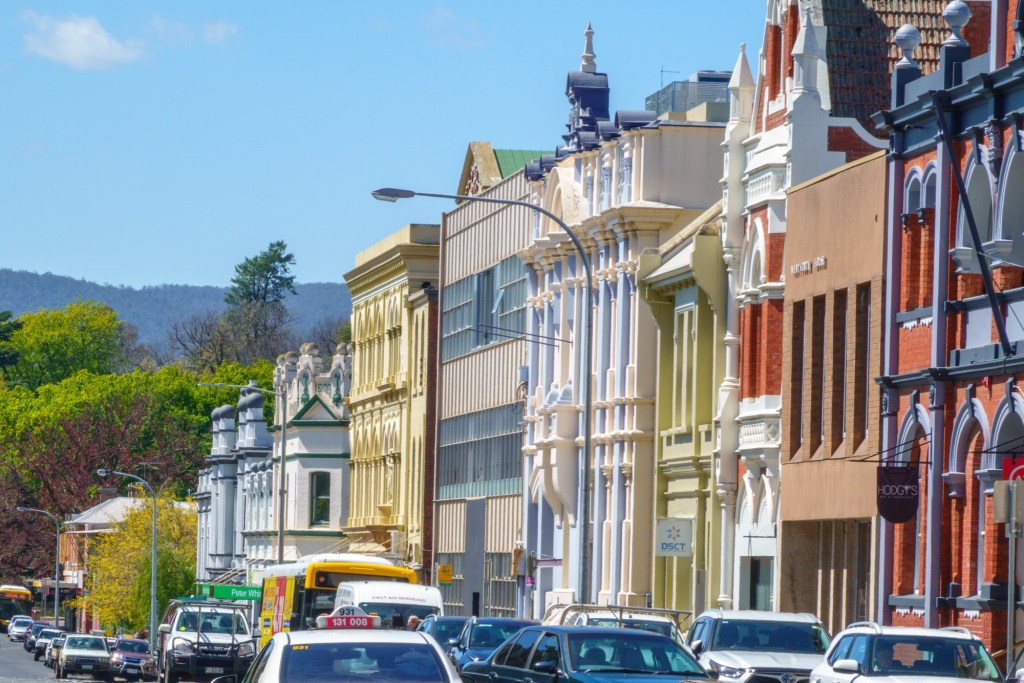
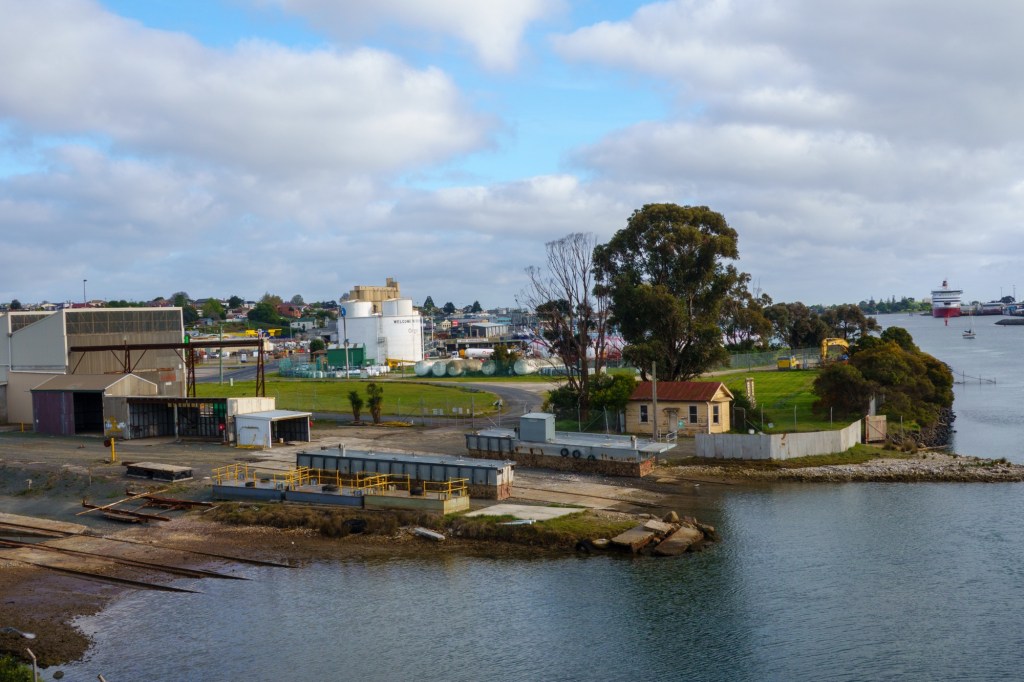
Now the bit we see and walk through is a mix of art noveau buildings, Victorian and dock regeneration – the latter much like you see anywhere. With the exception of the 1960s grain silos which have recently been transformed from 20 year dilapidation to a chique hotel.

Good eateries abound. A gastronomic centre it says.

Grainy hotel

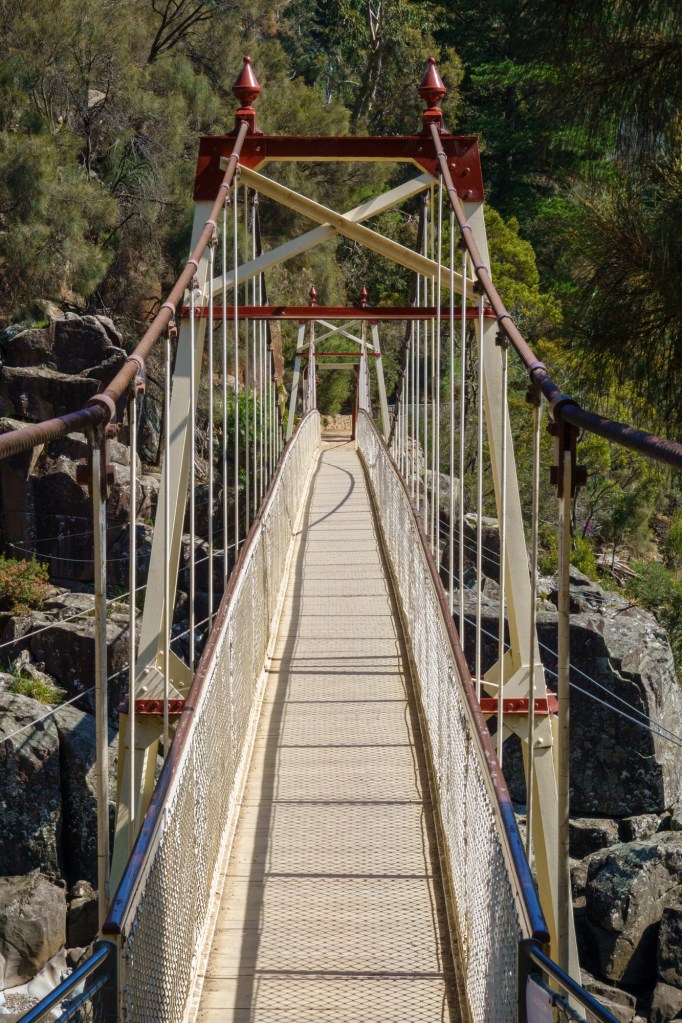
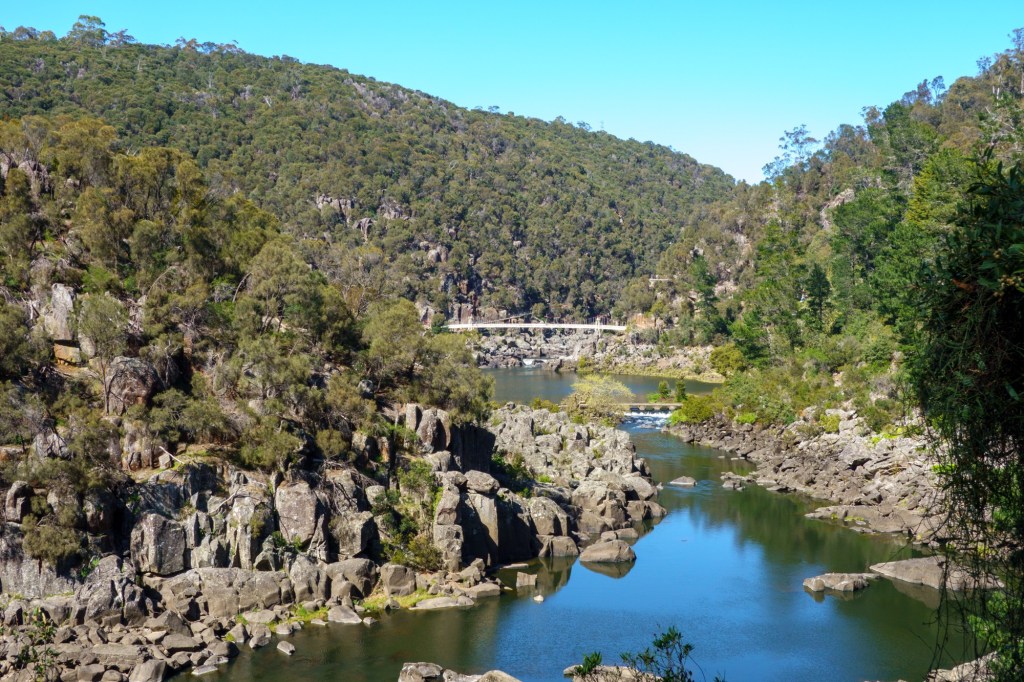
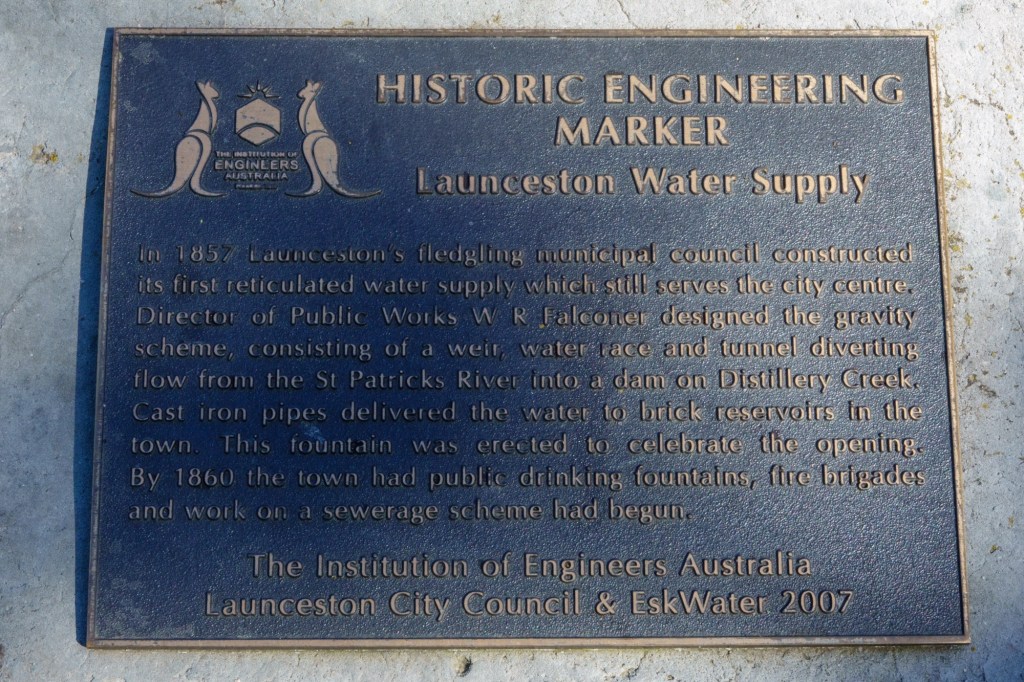
The Cataract Gorge is one of the main attractions, making for a pleasant stroll – much like they’ve done since the late 1800s. The fountain in the square marks the first water supply from 1857, still used today. Launceston was one of the first cities to have mains sewage, 1860. Speaks of the wealth or investment which must have been around.

As it is at the bottom of a valley, which we rode down, the only way is up tomorrow.

D11 TransOceania Devonport – Launceston

A bridge over the Mersey with Formby on one side and Torquay on the other. We past Rutherglen Rd, Bracknell etc. If you’d first settled here what would you name your town/street?.

Tasmania, named after Abel Tasman. About 26000 sq miles, population 600k: cf Wales, about 8000 sq miles, population 3.2 million.

“In 1642 Abel Janszoon Tasman named his ‘first sighted land’ after his Dutch superior Anthony Van Diemen. While Tasman missed meeting any Aborigines, they knew their land as ‘Trowunna’, ‘Trowenna’ or ‘Loetrouwitter’. Despite the official name of Van Diemen’s Land, usage of the alternative ‘Tasmania’ gradually grew” until officially adopted in 1855. Abel didn’t live long enough to enjoy his fame.

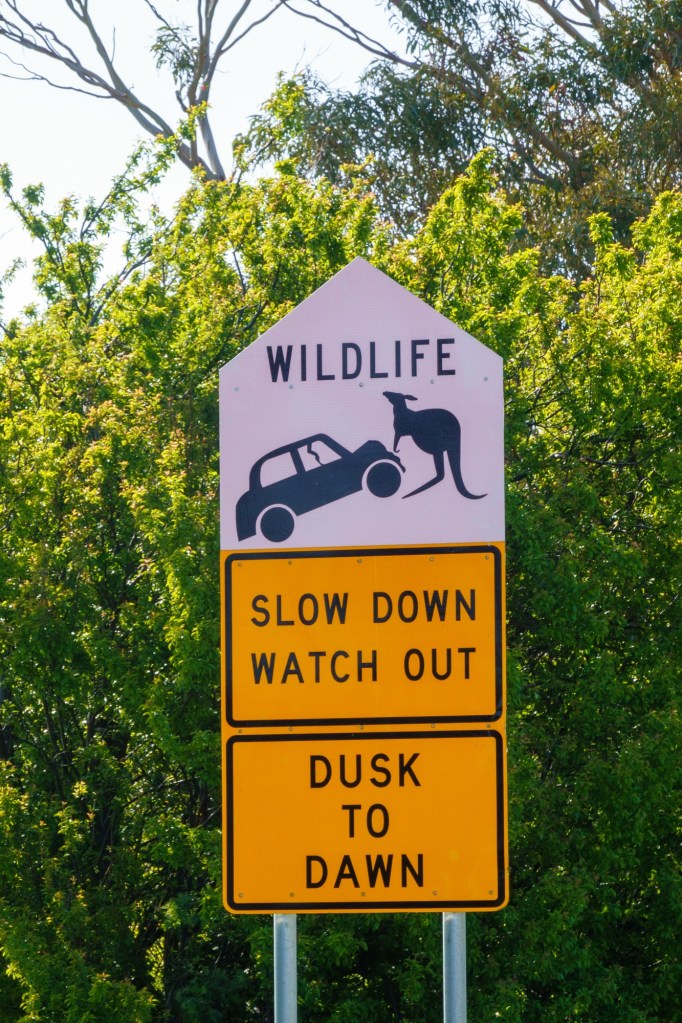
Immediately differences from the main land are apparent. No water turbines, rather water holes. More tended gardens with flowers. Kookaburra’s laughing in the trees, echidna’s spiky coats. Well maintained roads thus far. Not so many signs about danger of fire. It feels the equivalent of the Isle of Wight to mainland UK, about a generation slower (that’s not a bad thing). Weather extremes – mainly flooding sweeping away bridges. Hillier.

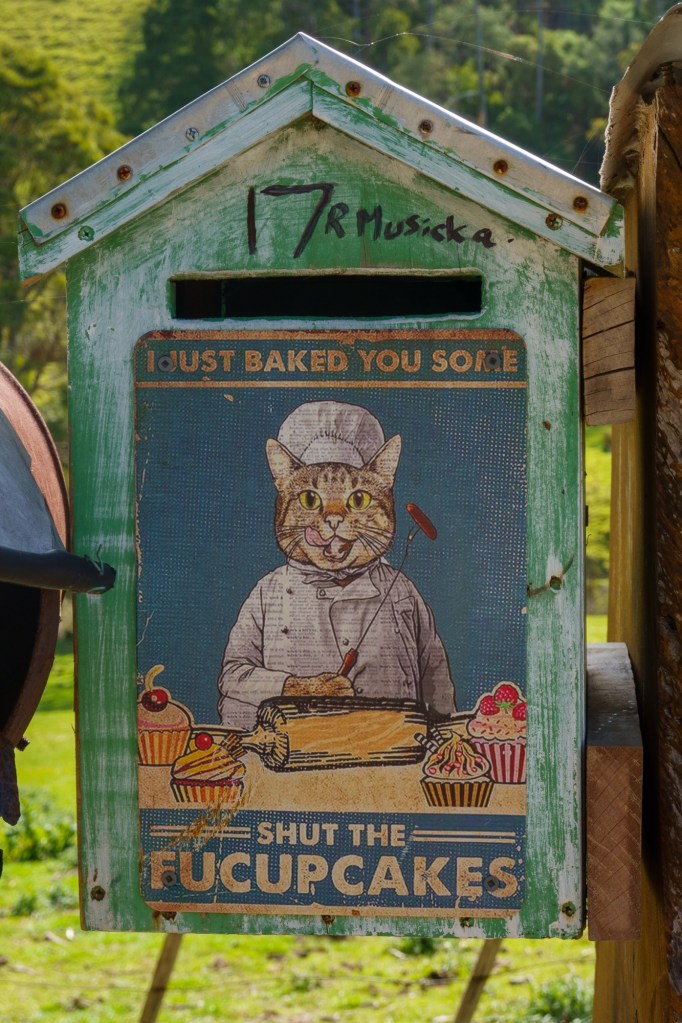
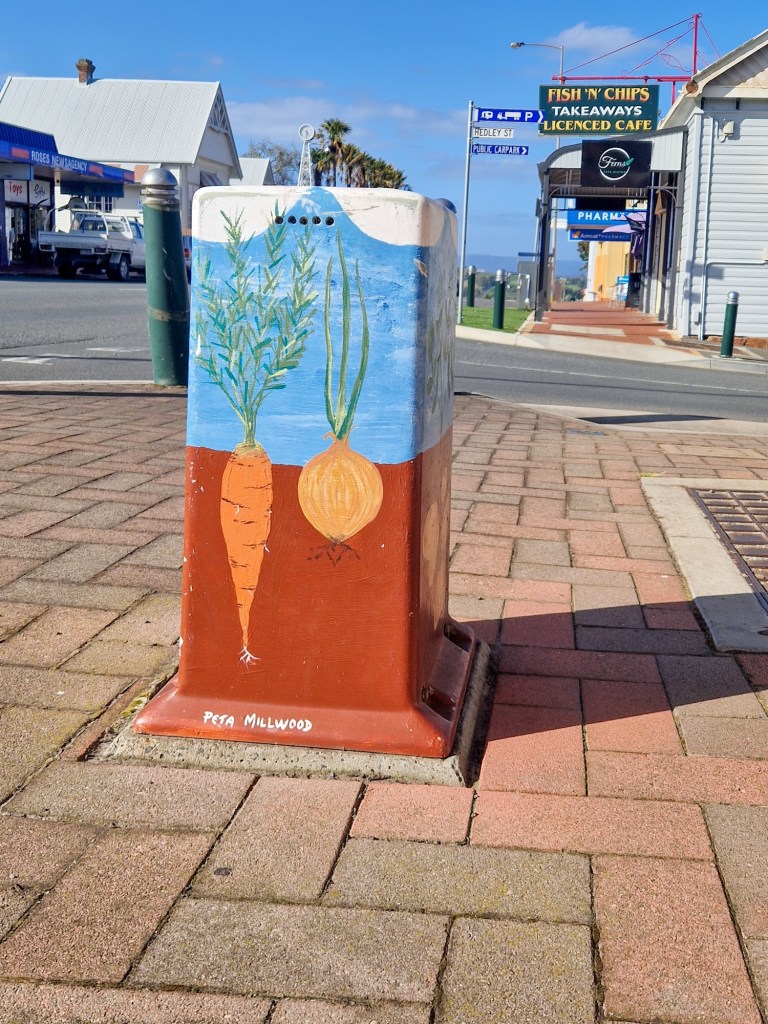
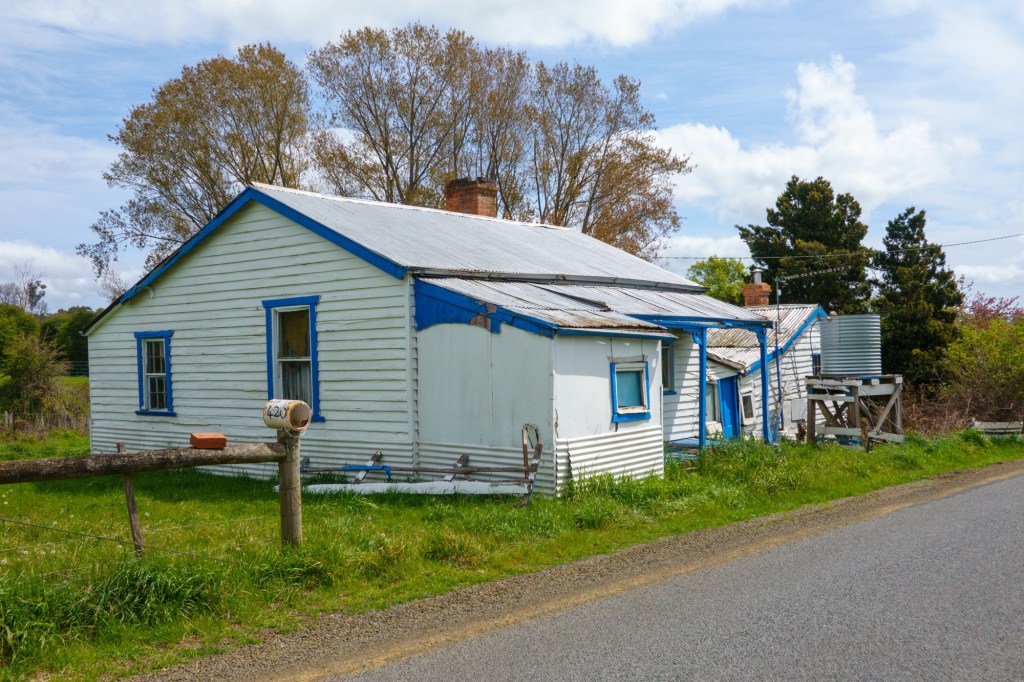
In common are the variants of customised post boxes. Bungalows and broad streets.

We spent the bulk of today wandering through Meander Valley. A lot going on here: according to the numerous signs the proposal to build a high security jail is not popular; nor the an application for a bauxite mine.

Launceston is a rest day tomorrow so a day of exploring it’s wide streets.