D21 TransOceania Tullah – Sheffield

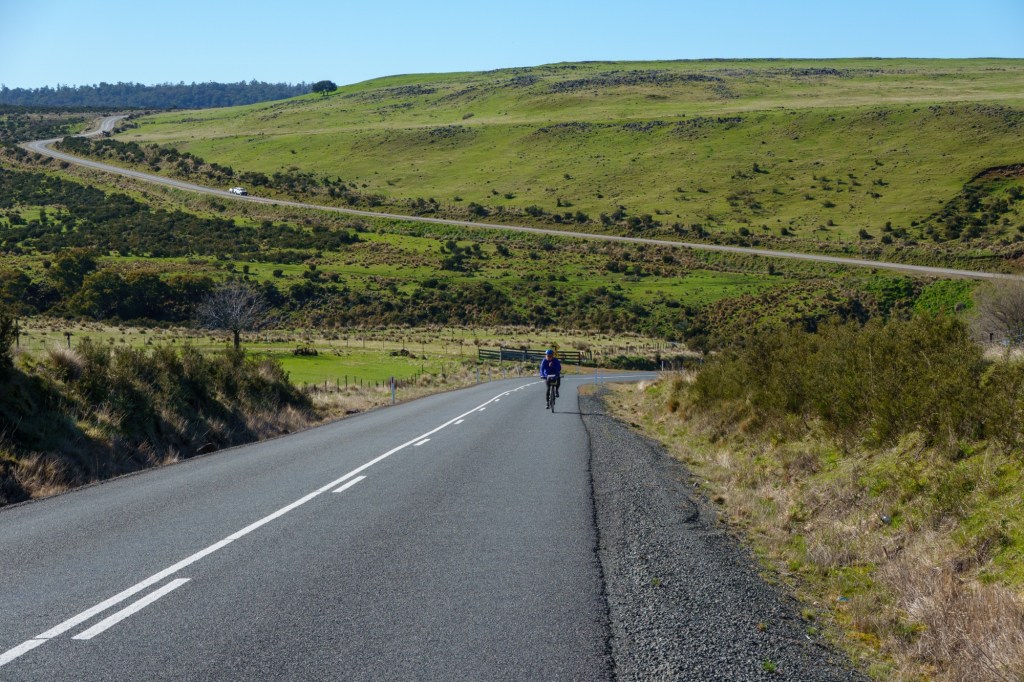
Our penultimate cycling day (with a short hop tomorrow) on Tasmania and it has kept some of its best until last.
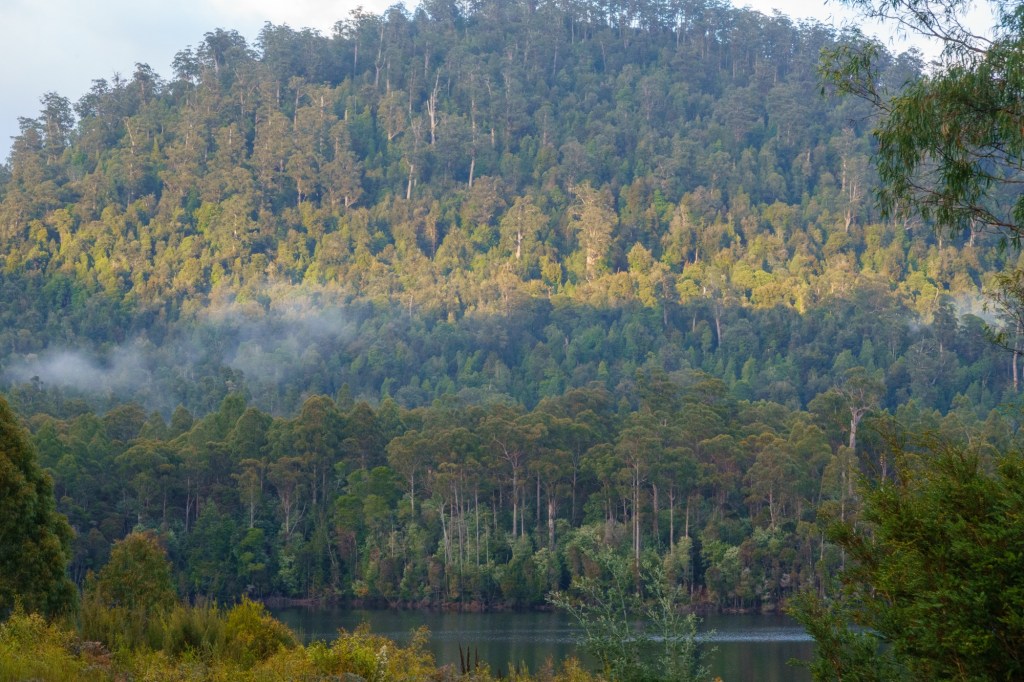
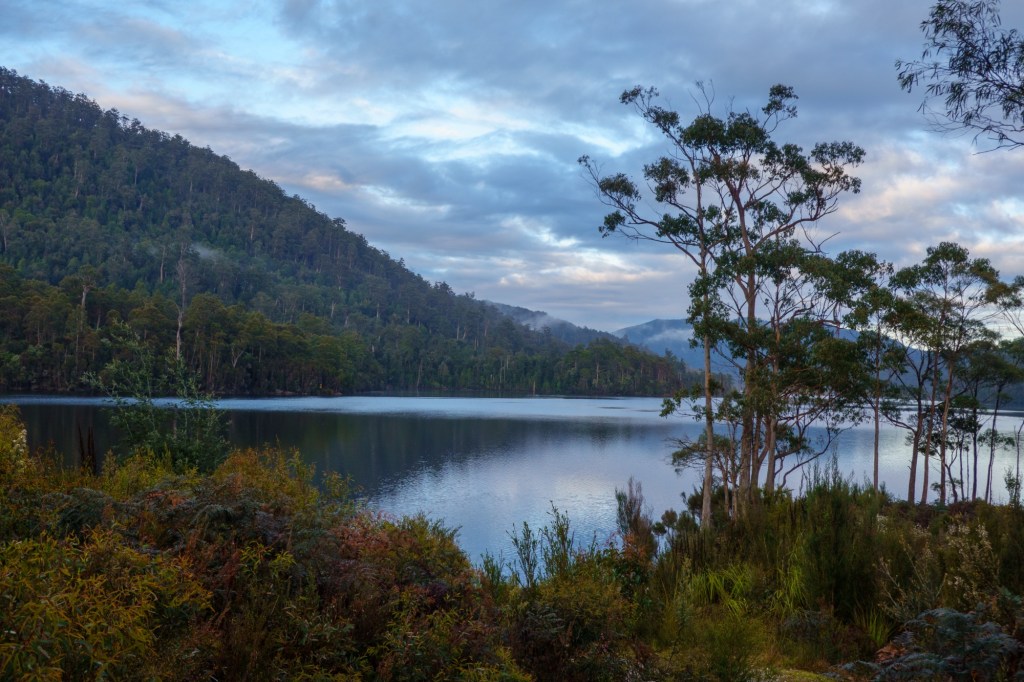
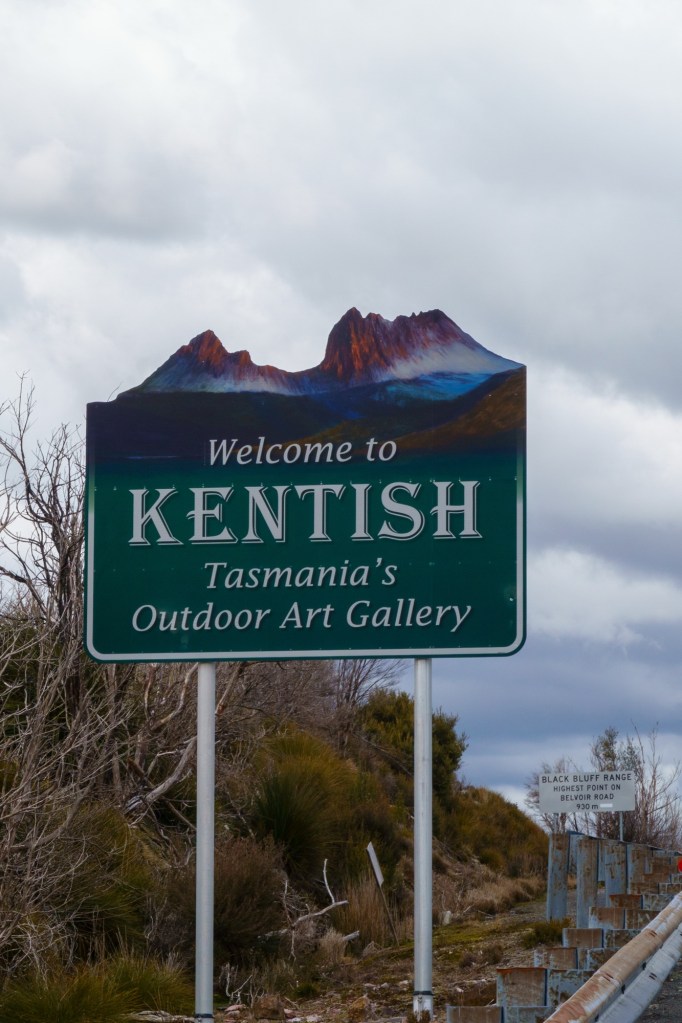
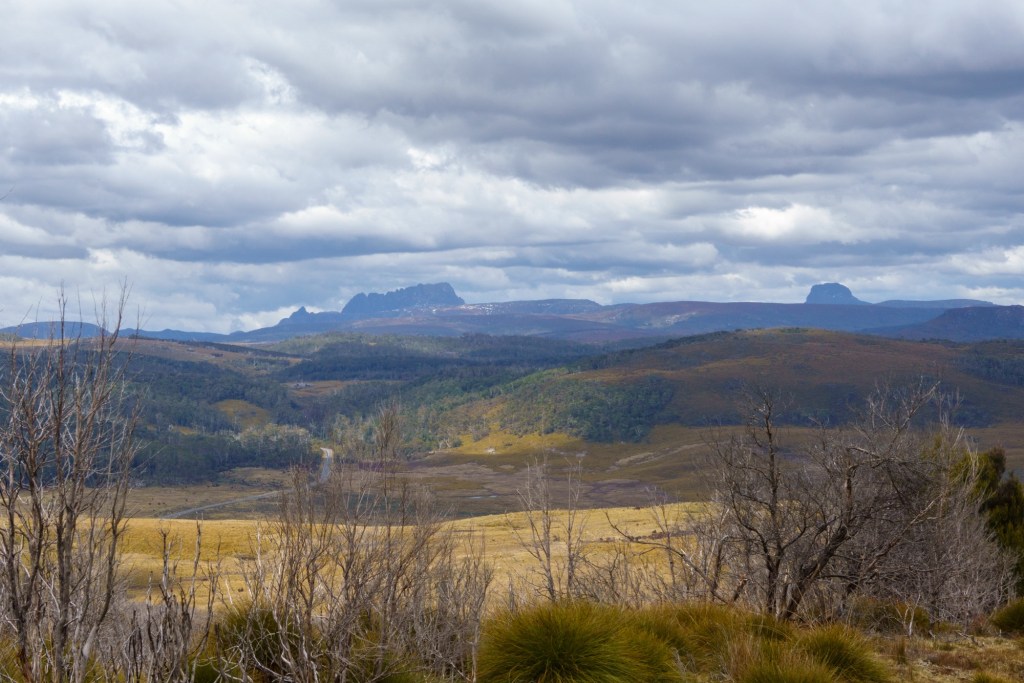
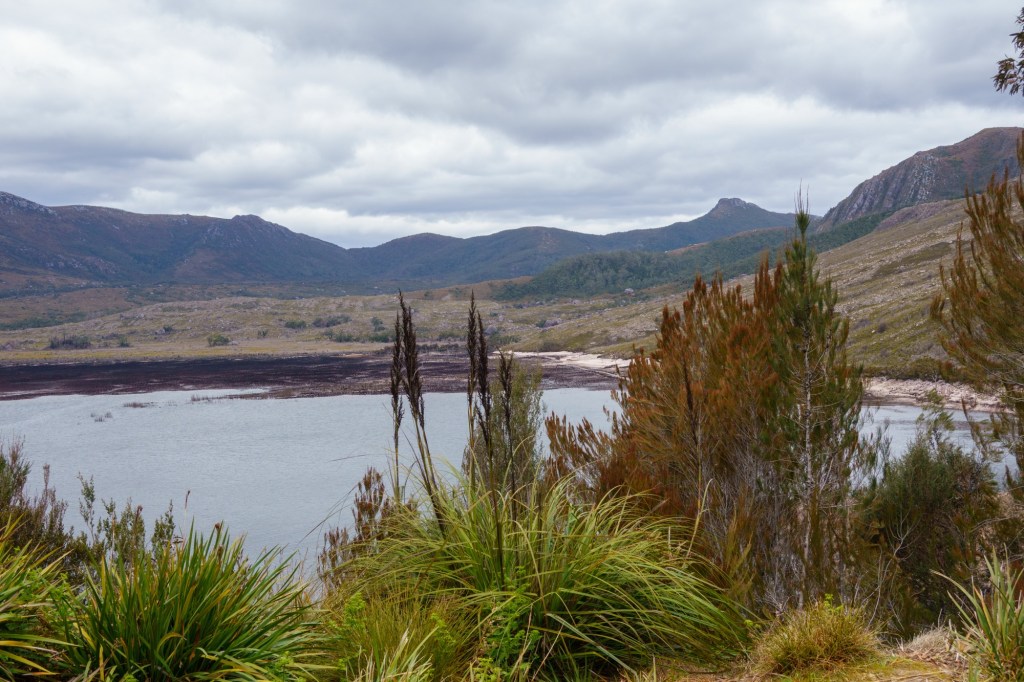
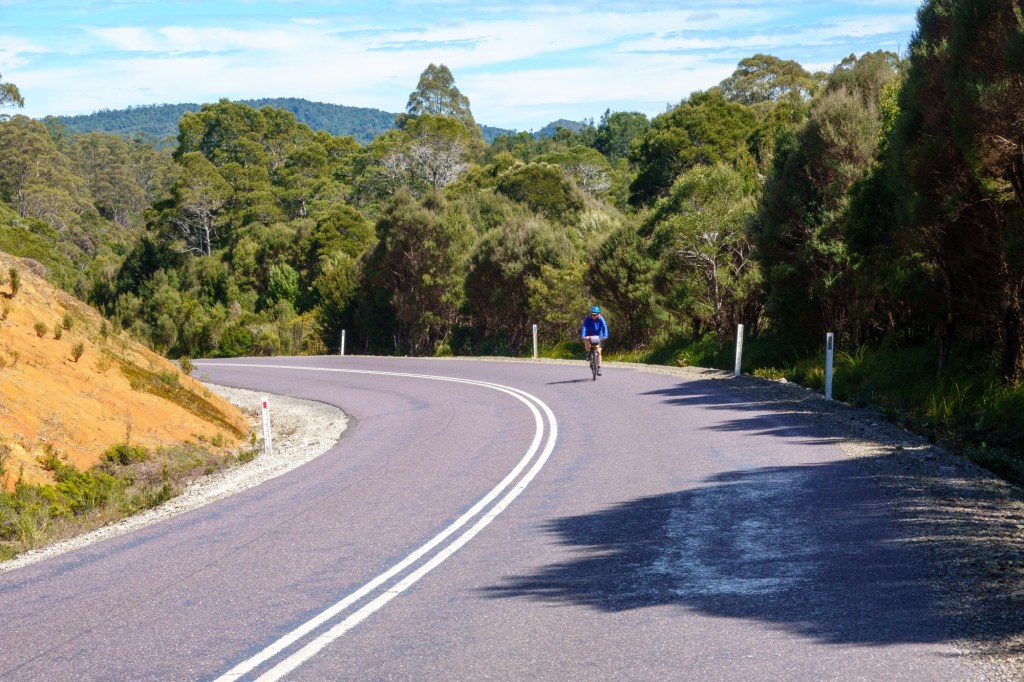
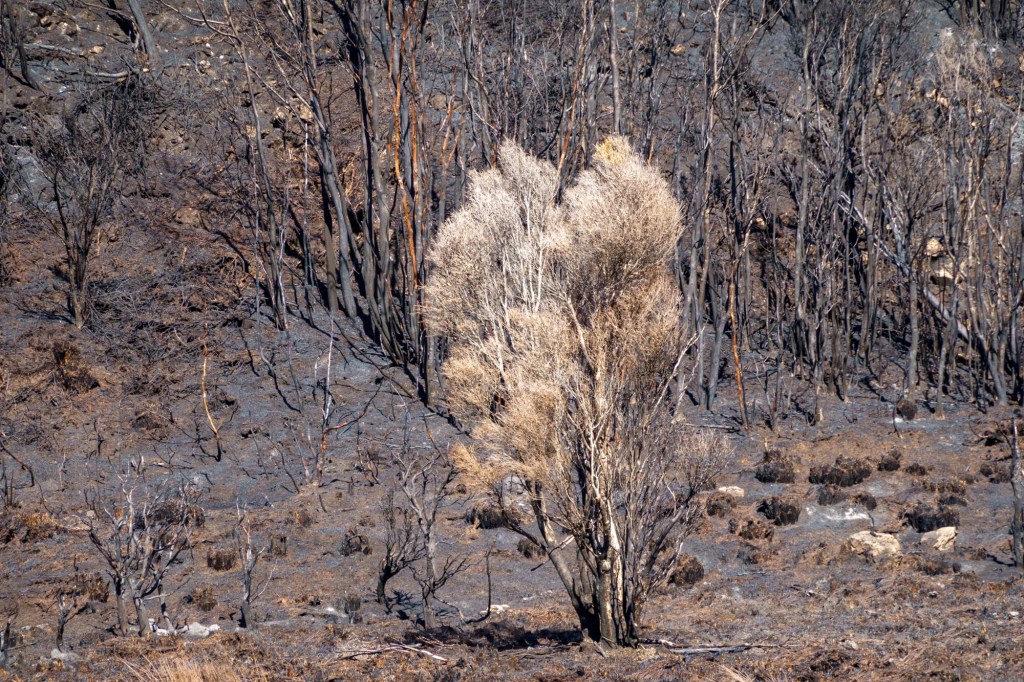
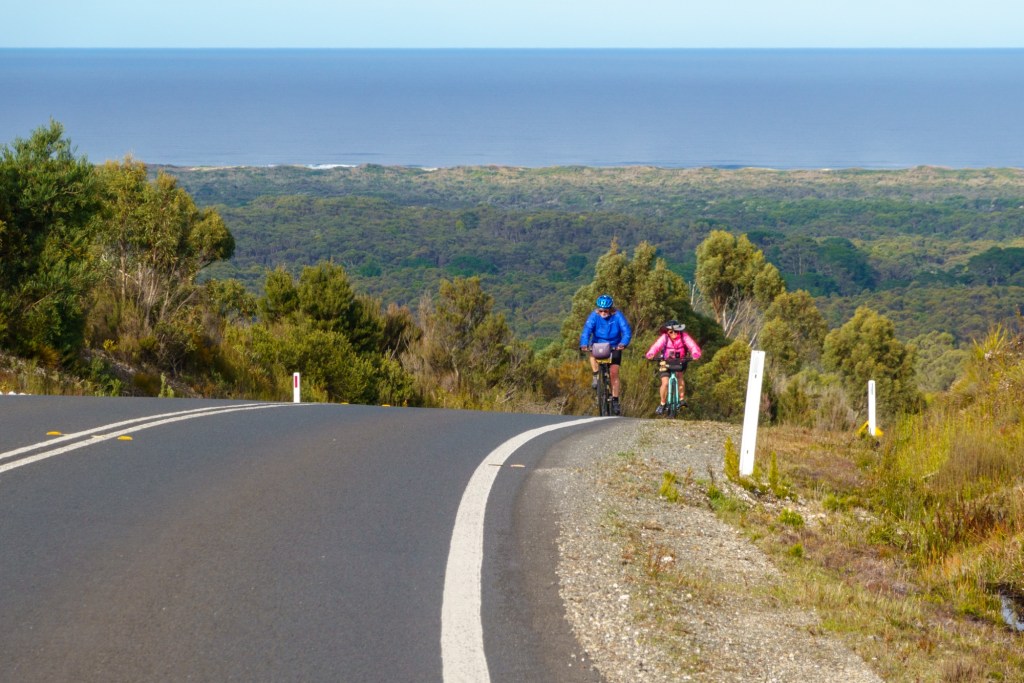
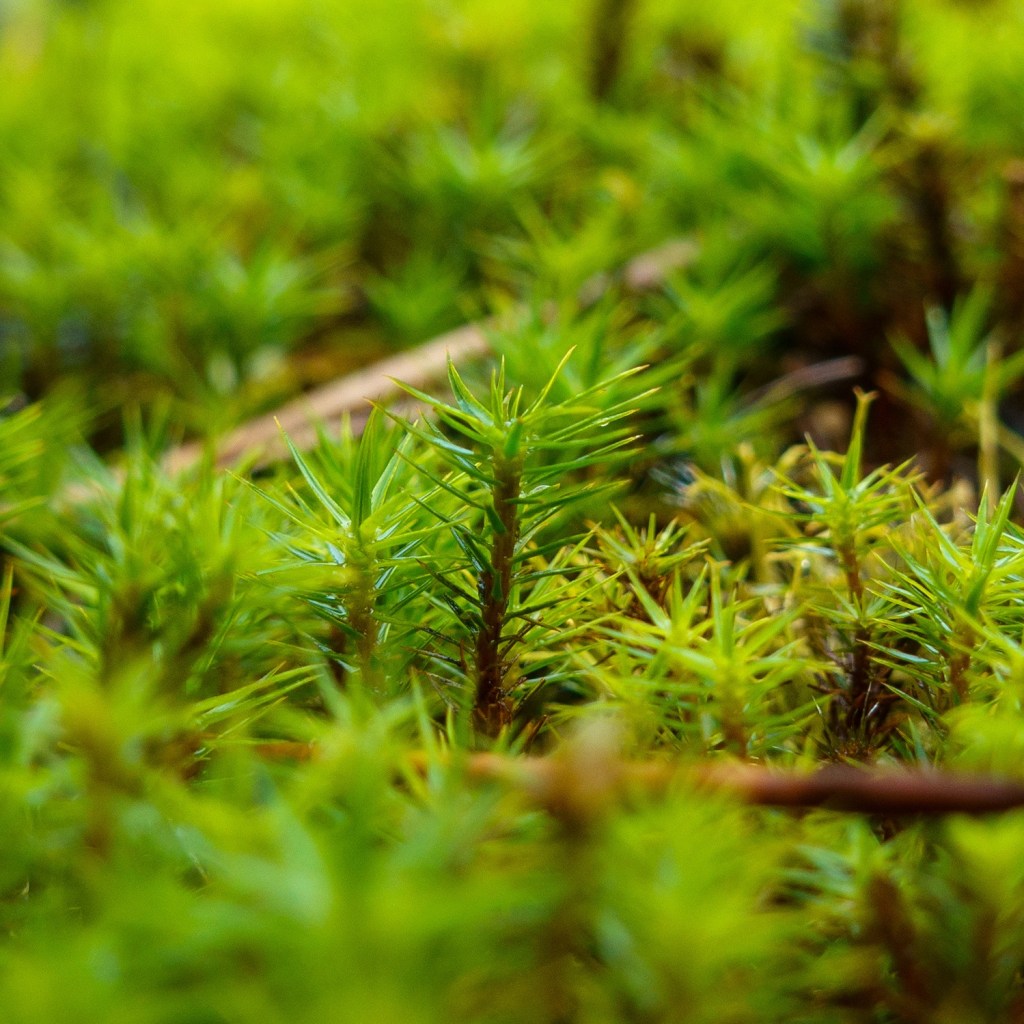
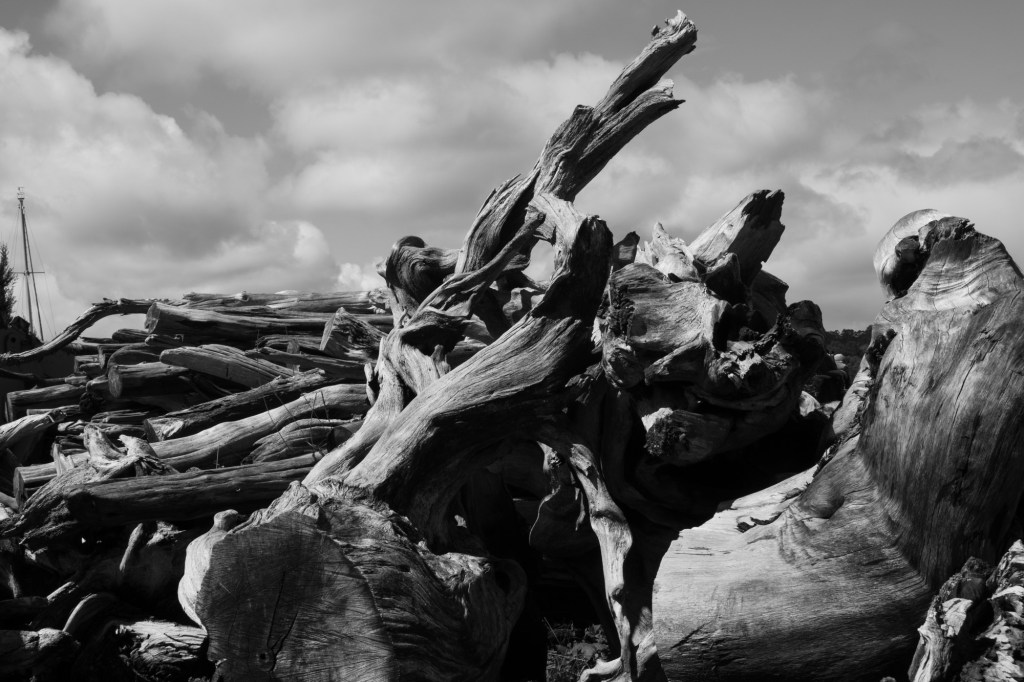
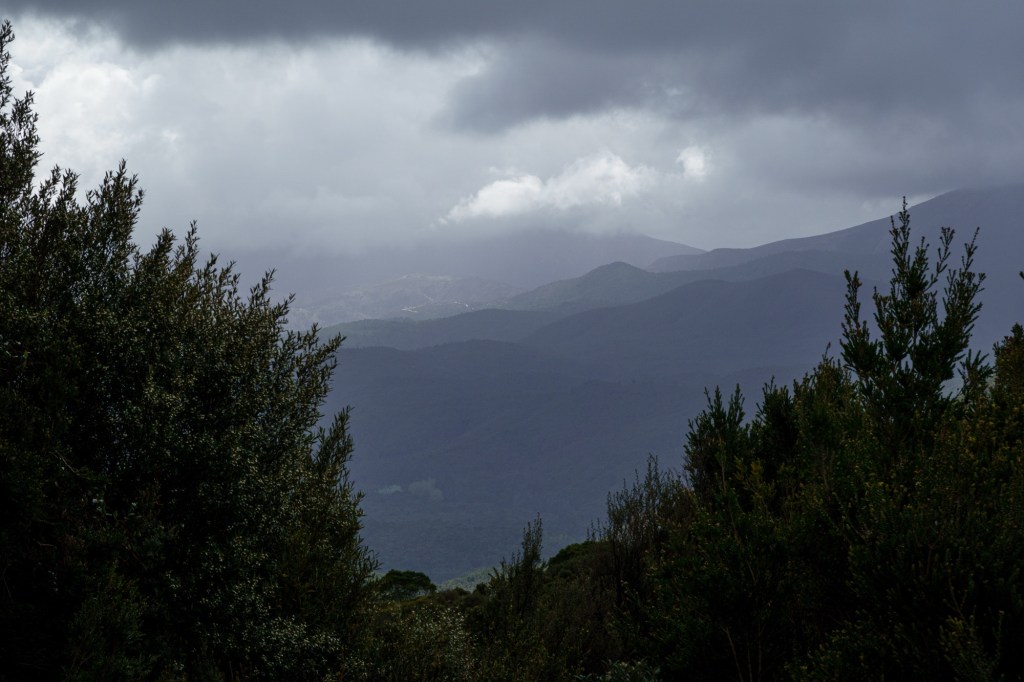
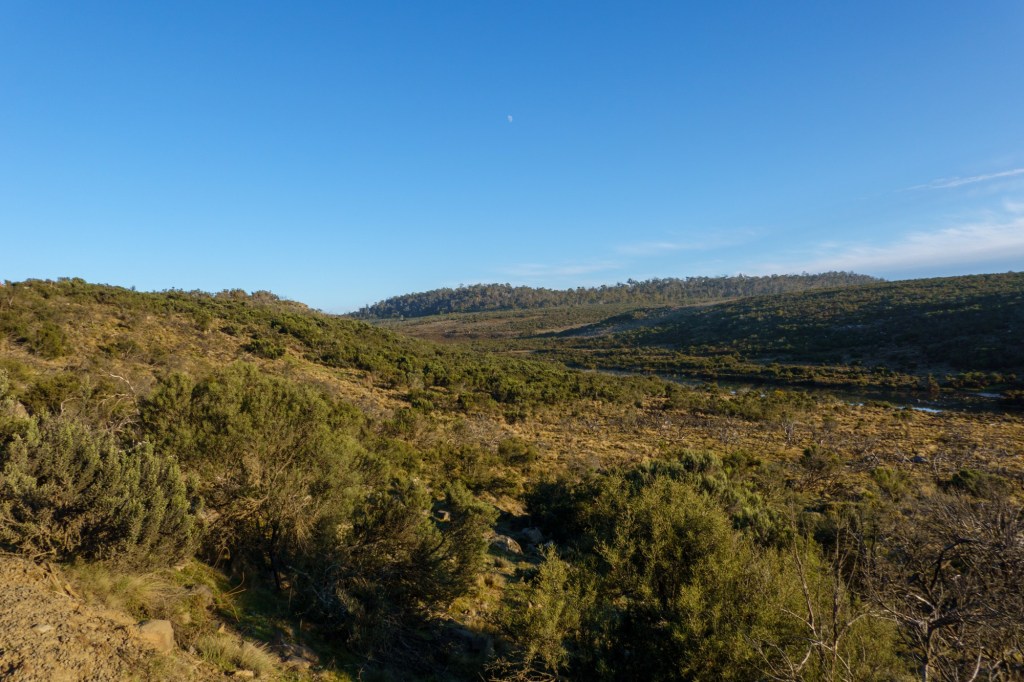
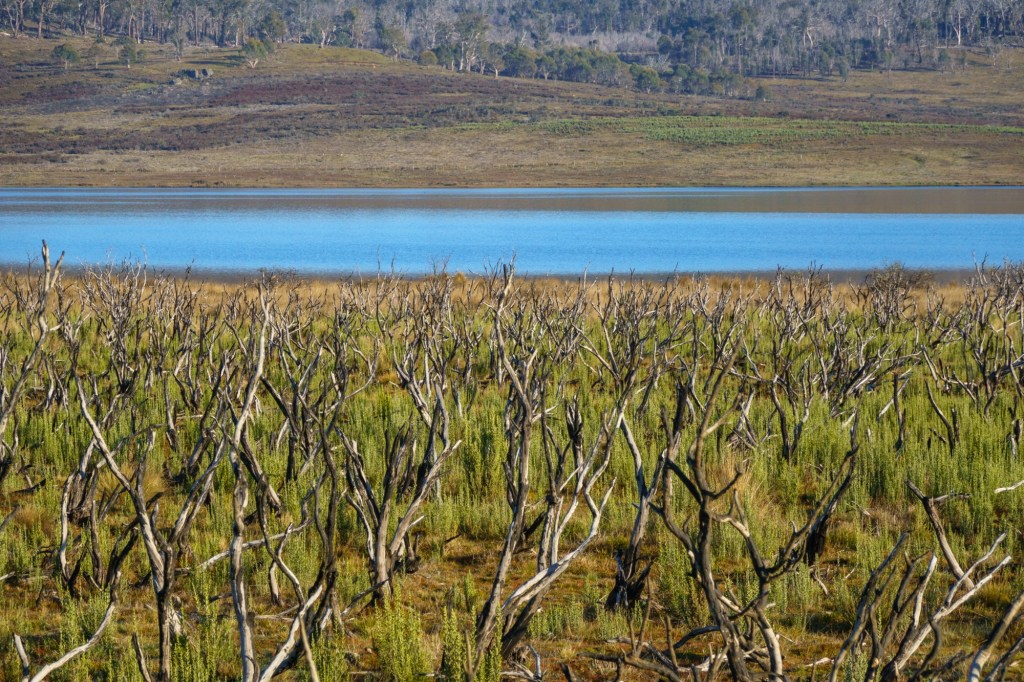
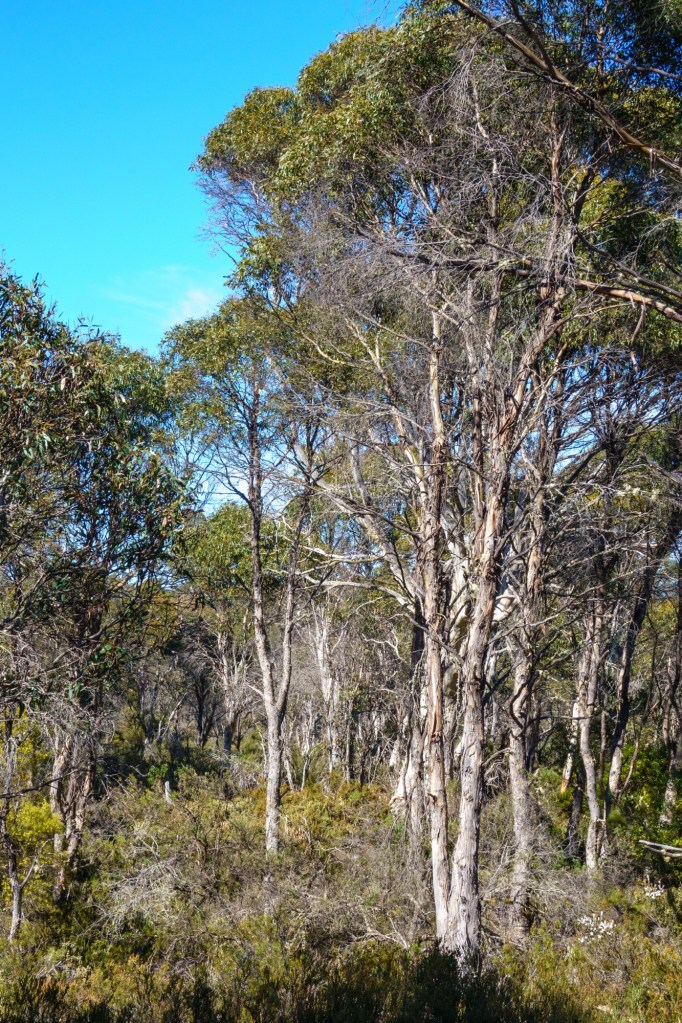
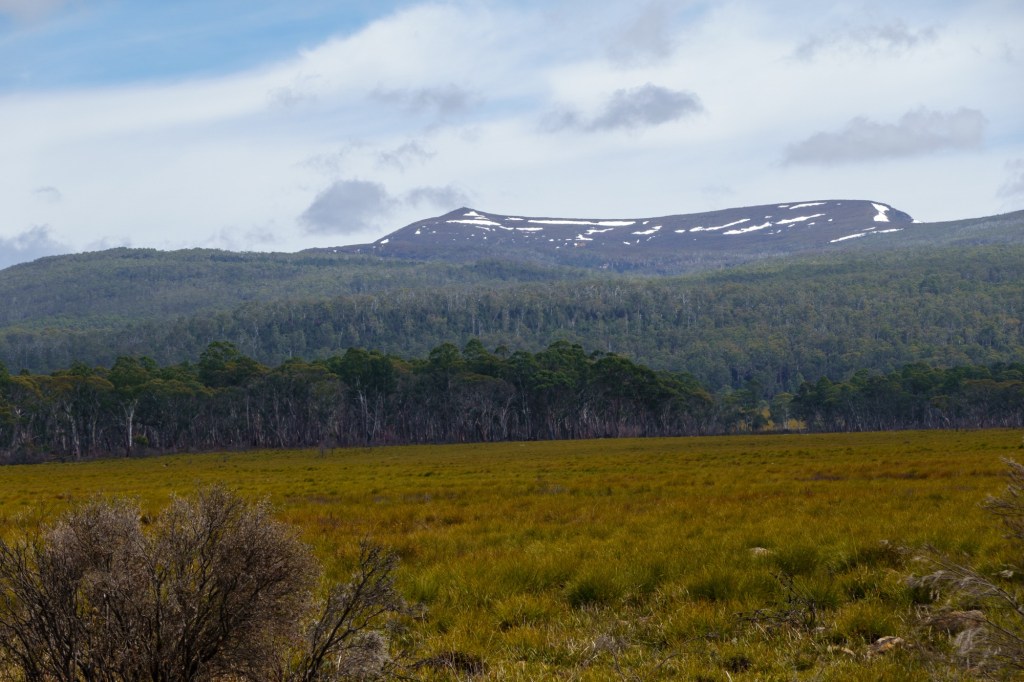
A day cyling around Mount Cradle, through dense forests which open to large vistas across prairie. Almost pristine, though obvious signs of logging. You get a feeling of why it’s called the Wild West.

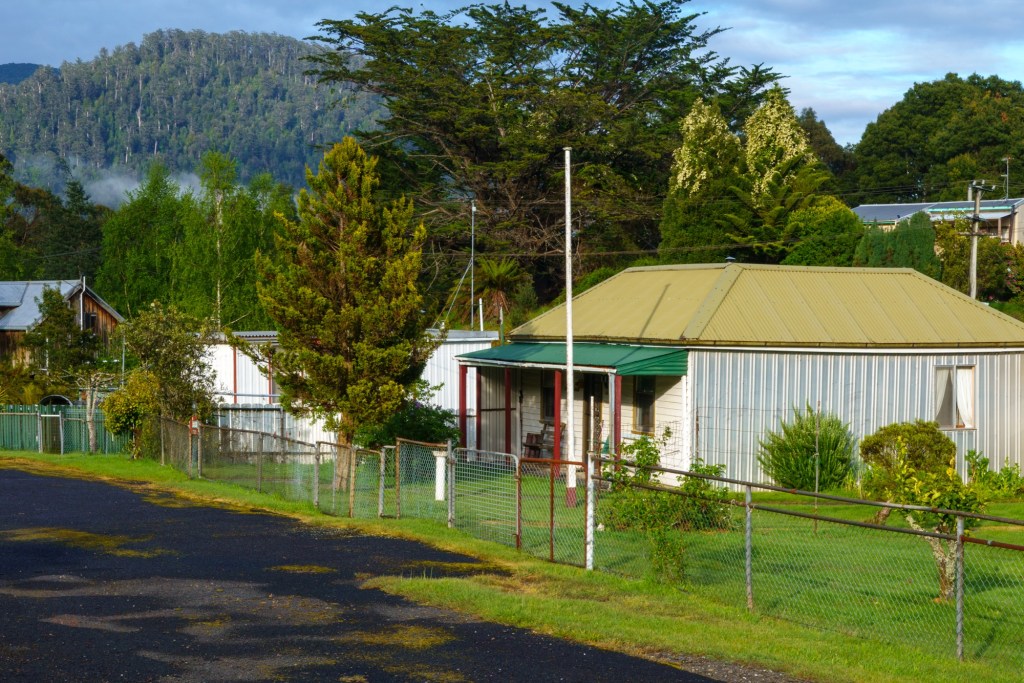
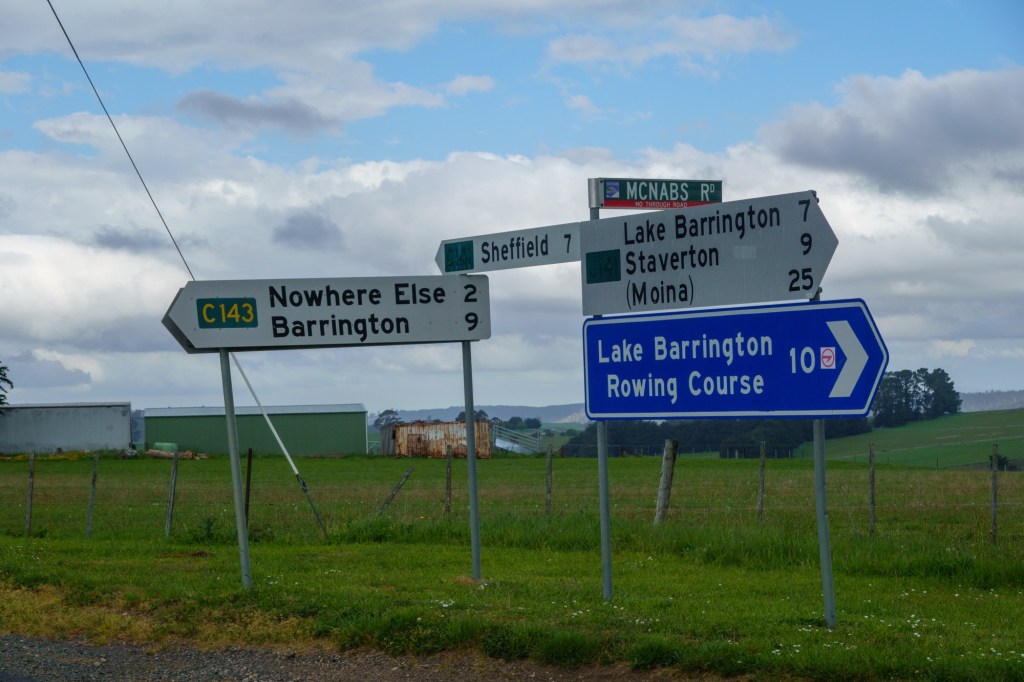
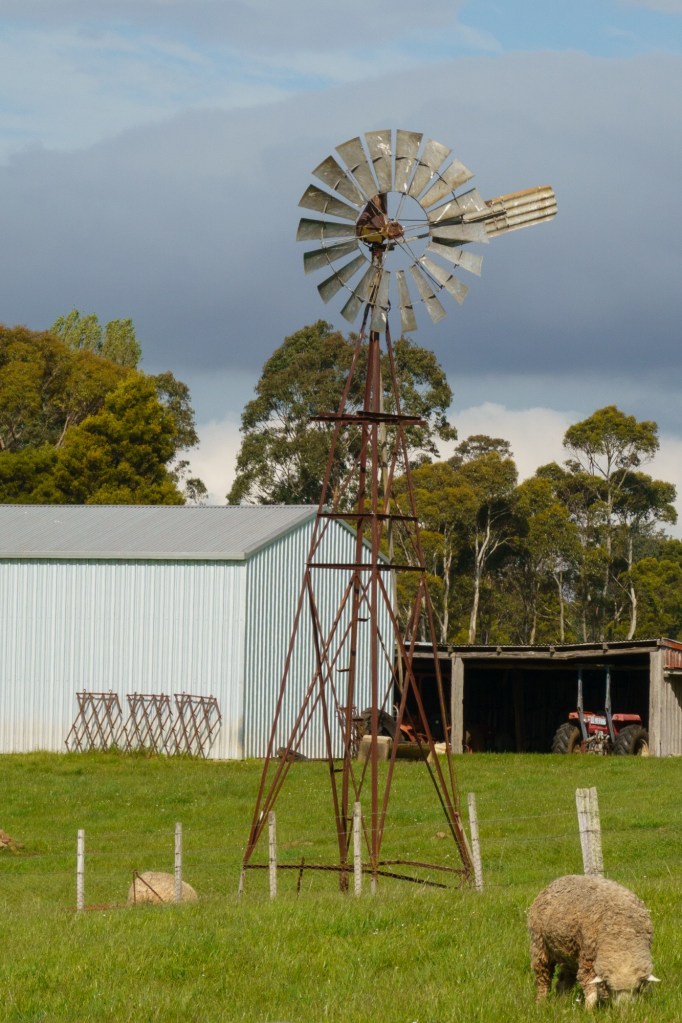
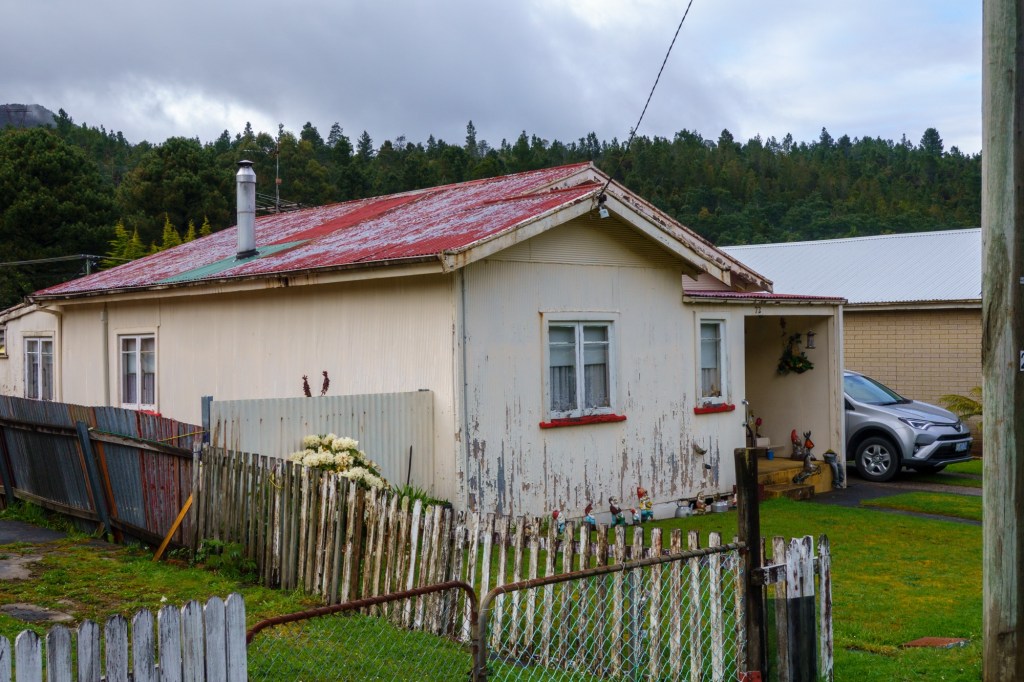
The last 20 km was back into rural pasteurs with cute calves wondering what we’re doing. The area we’re entering, Sheffield is renouned for it’s high quality butter fat production. Hence the cows I suppose.

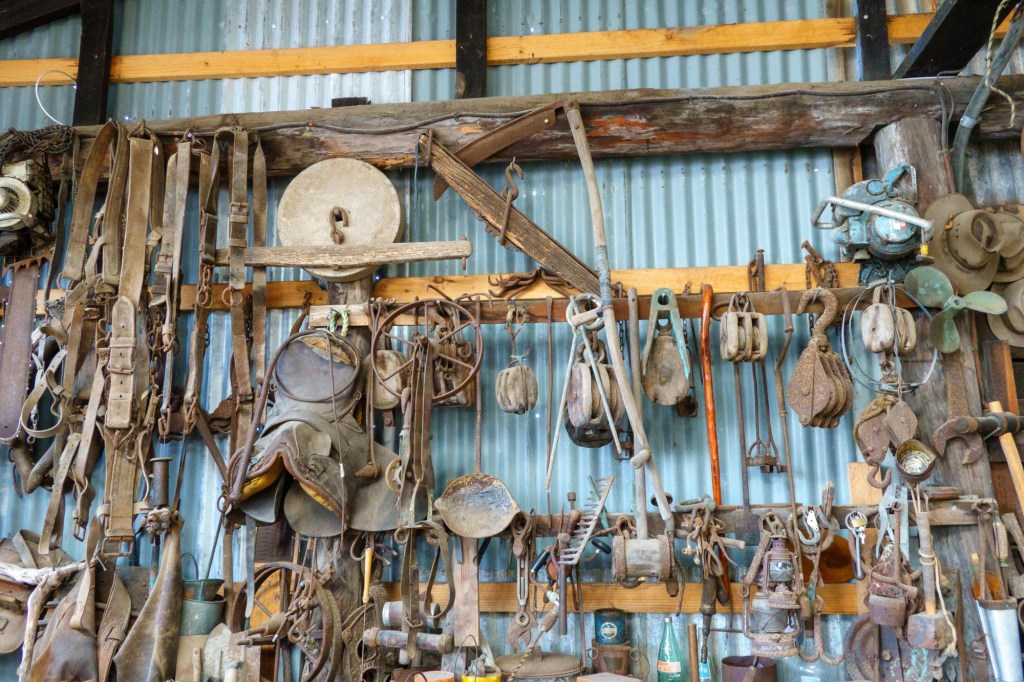
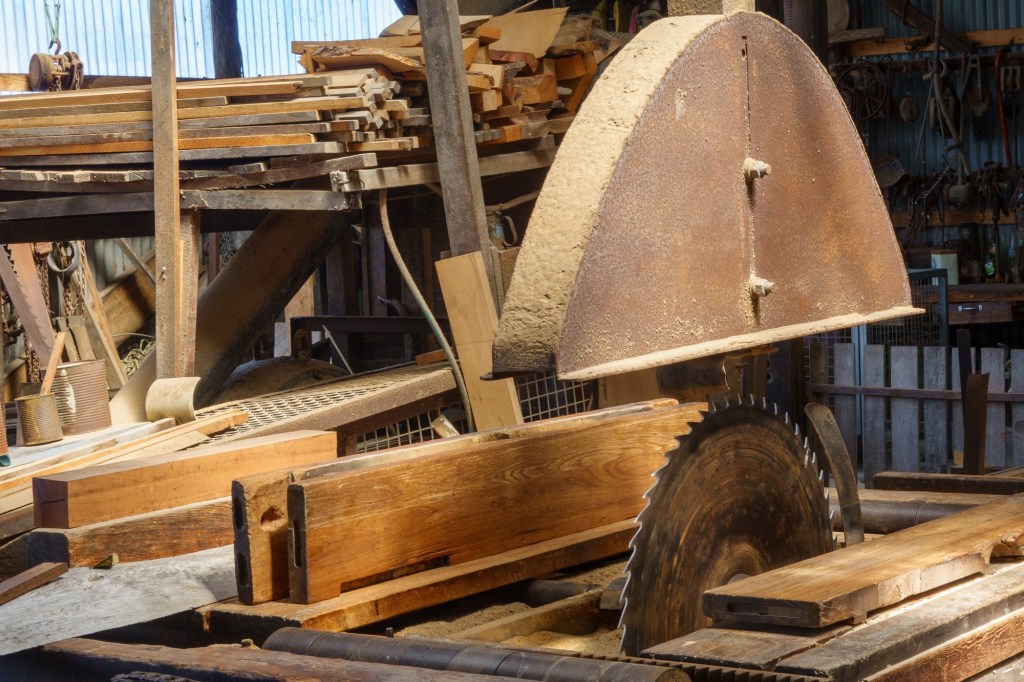
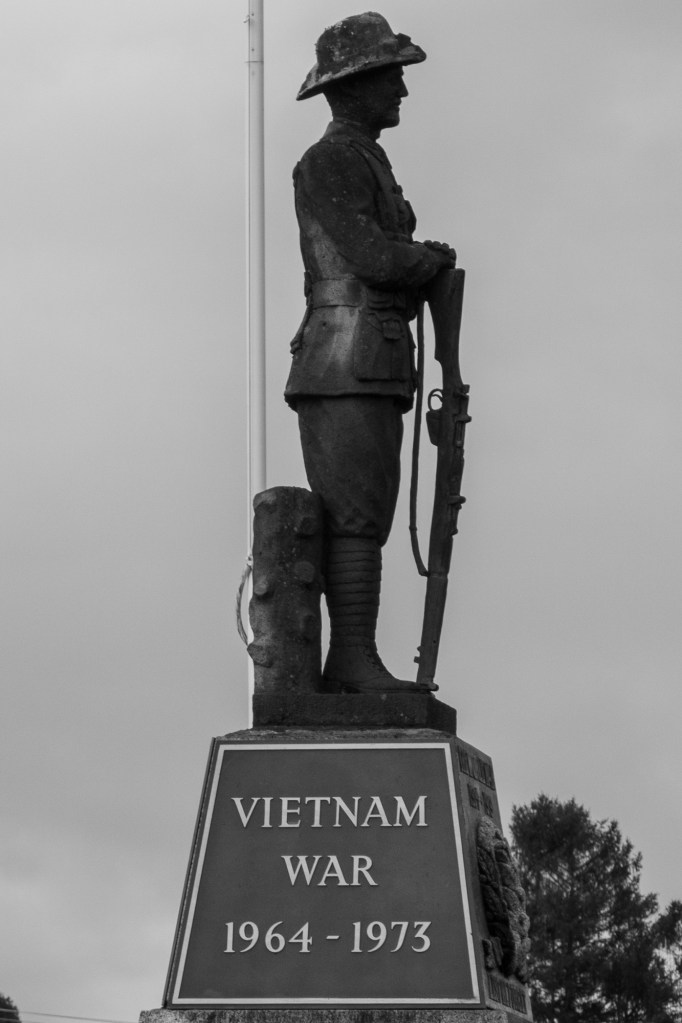
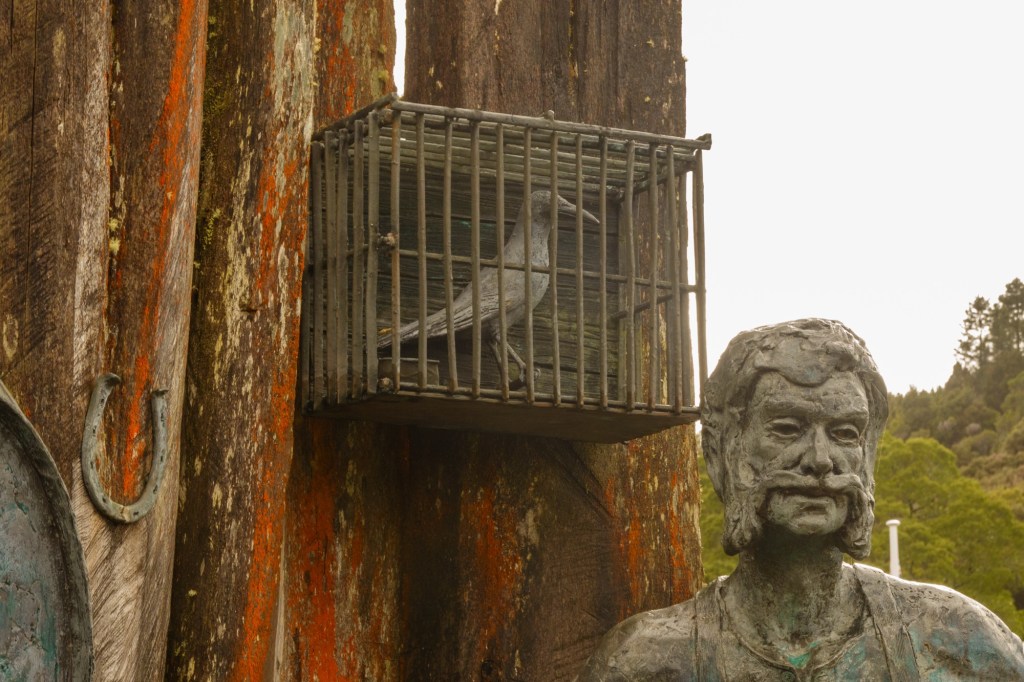
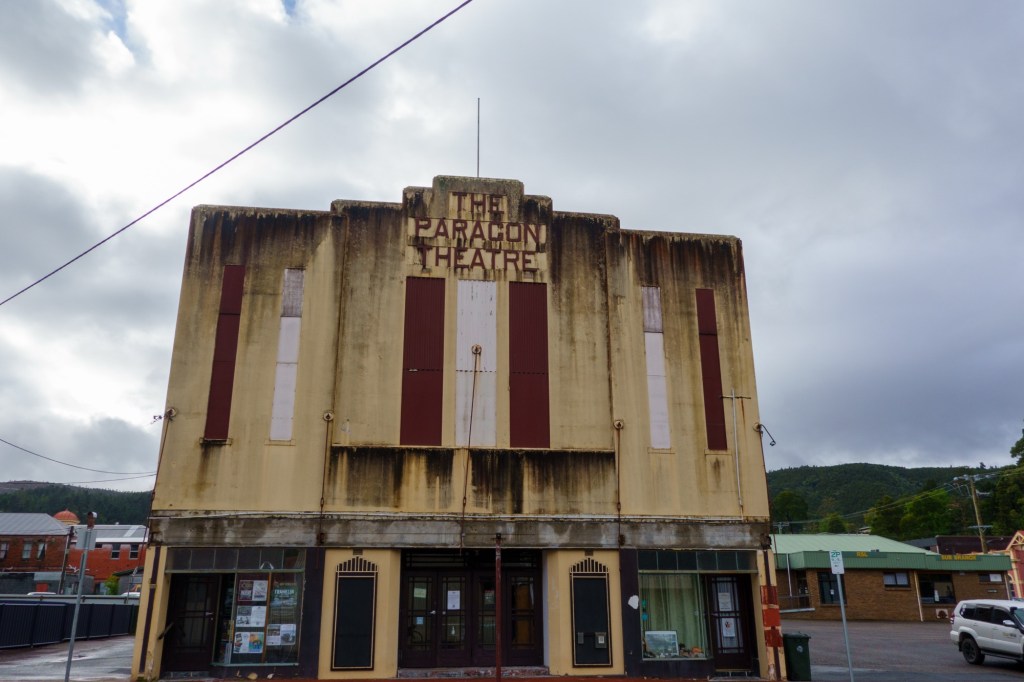
We end up in Sheffield proper, which markets itself and its 1602 residents as a mural town. Stand still and you are at risk of being street painted by numbers. This is part of a rebranding as a tourist town. It declined from its peak as a hub during the dam buildling project of the 60s and the completion of seven dams and seven power stations.

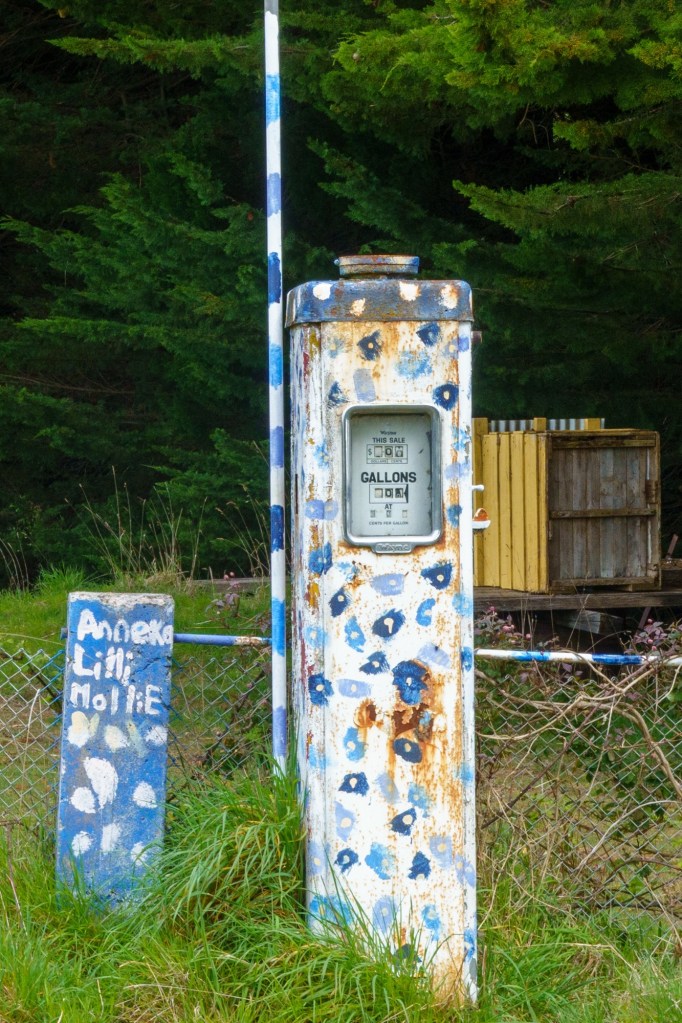
Wild west town too: the hotel / pub we eat in is in full local party mood: a good activity for a Sunday night. It’s OK we were coralled into a quiet corner.

Tomorrow we finish back in Devonport.
D20 TransOceania Strahan – Tullah

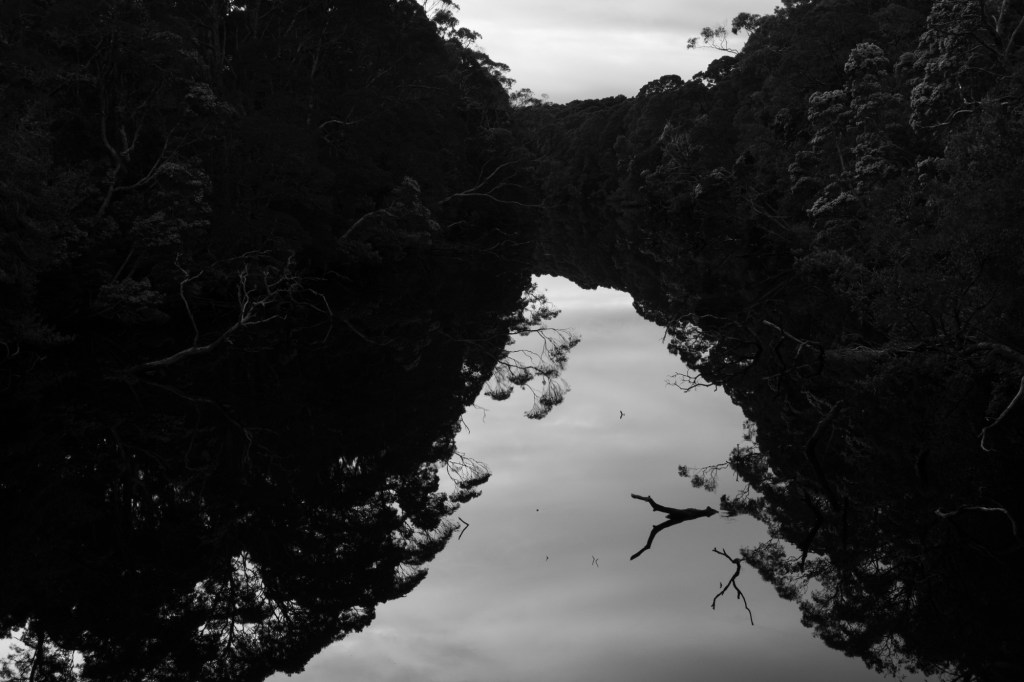
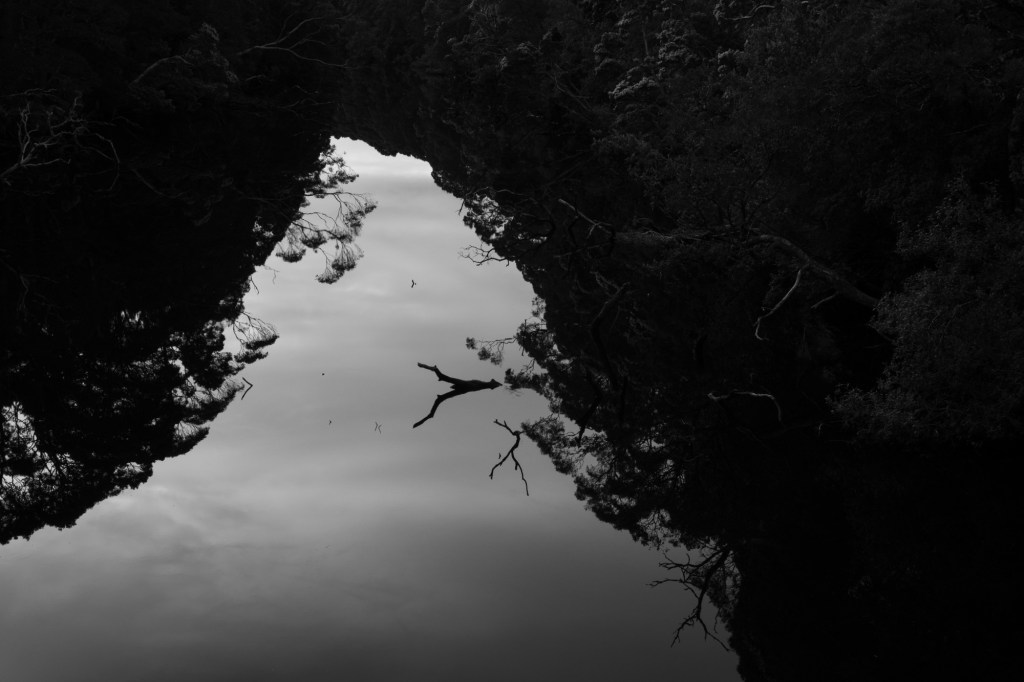
I love that it says Tullah has a population of approximately 202. The second 2 seems superfluous. It is on the edge of Lake Rosebery, a hydro reservoir, fed by the damned Mackintosh and Murchison rivers. Perhaps the latter is named after the Scottish geologist Roderick Murchison?

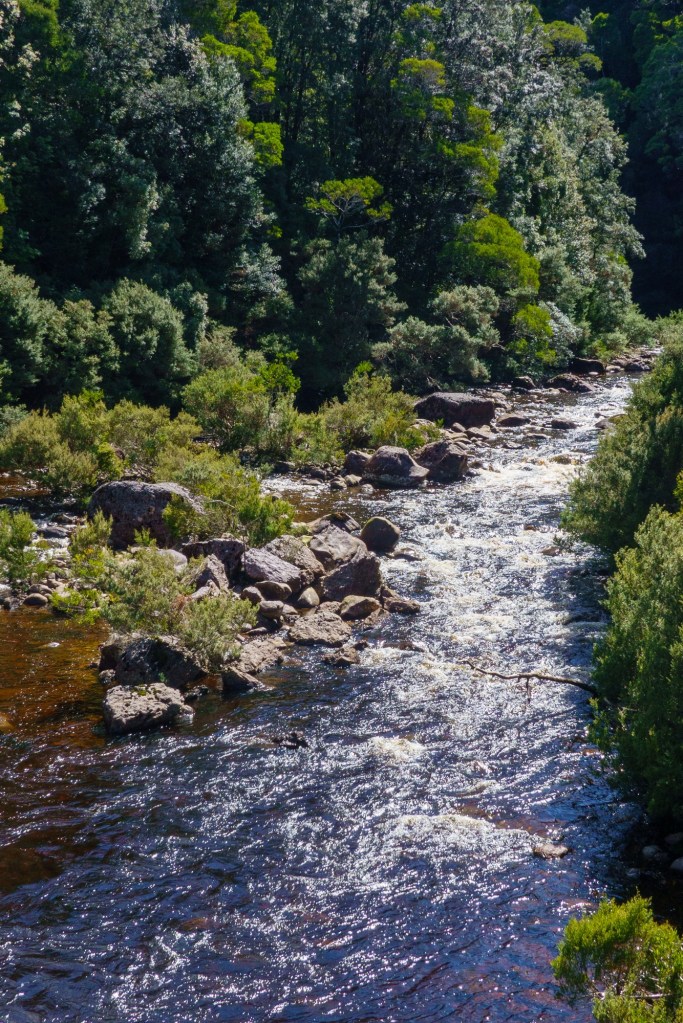
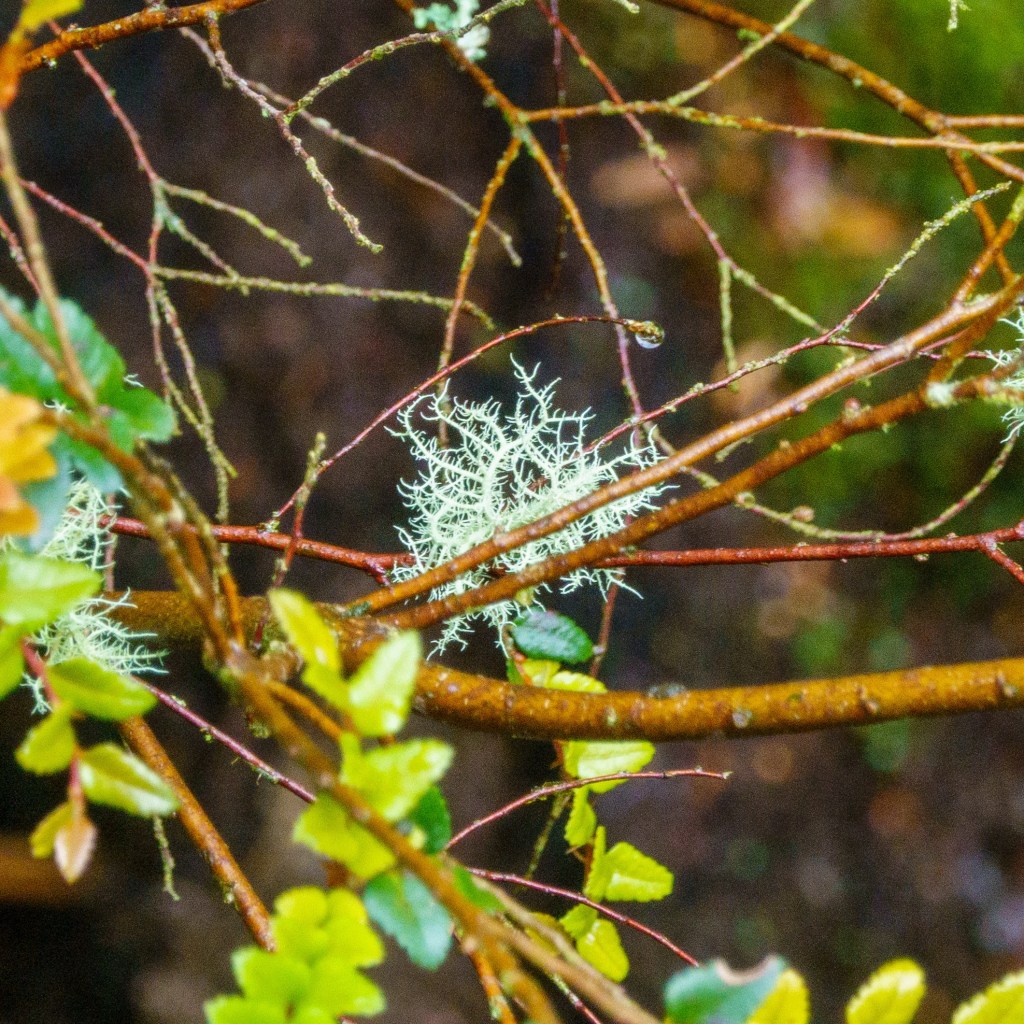
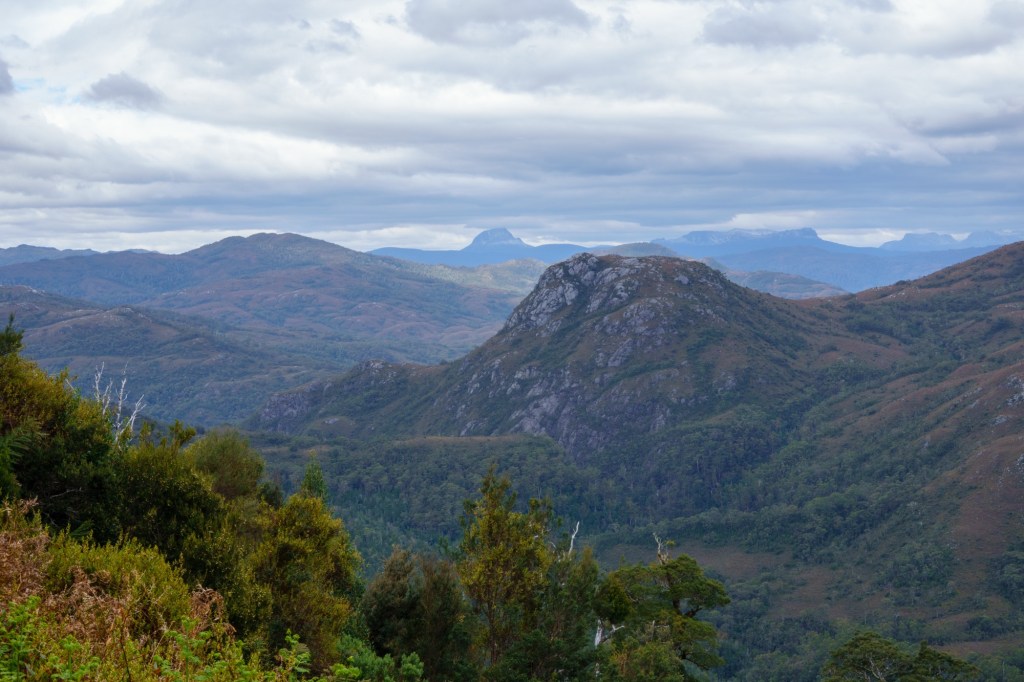
The landscape was very Scottish in looks for much of today. Craggy mountains dotted with scrub; changing rock seams; glacial erratics. Cold, green. Rivulets and creeks abound.

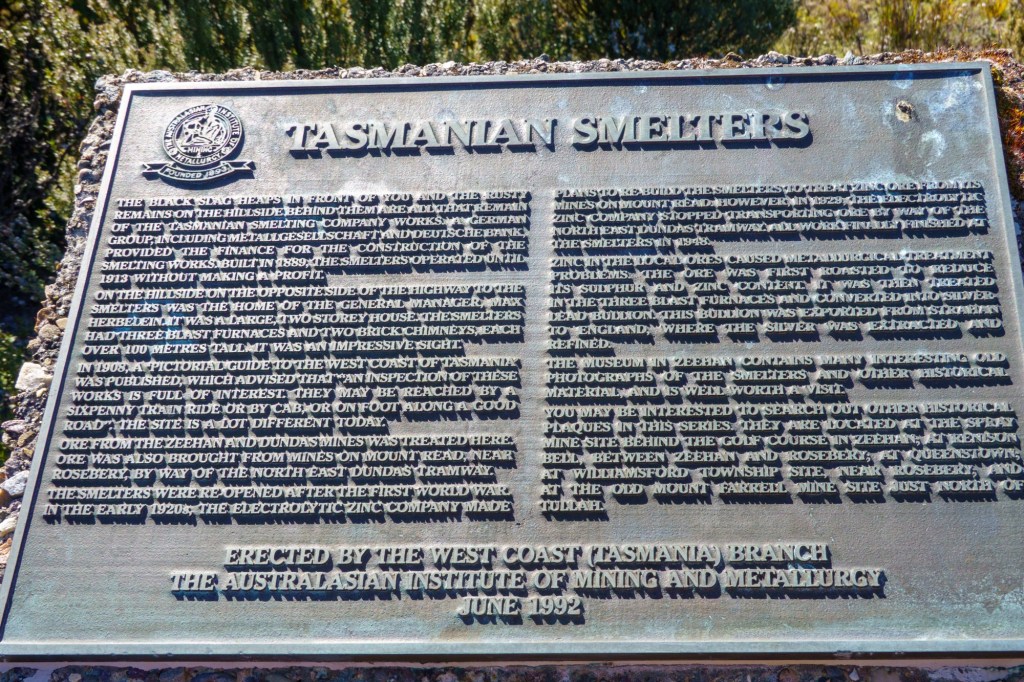
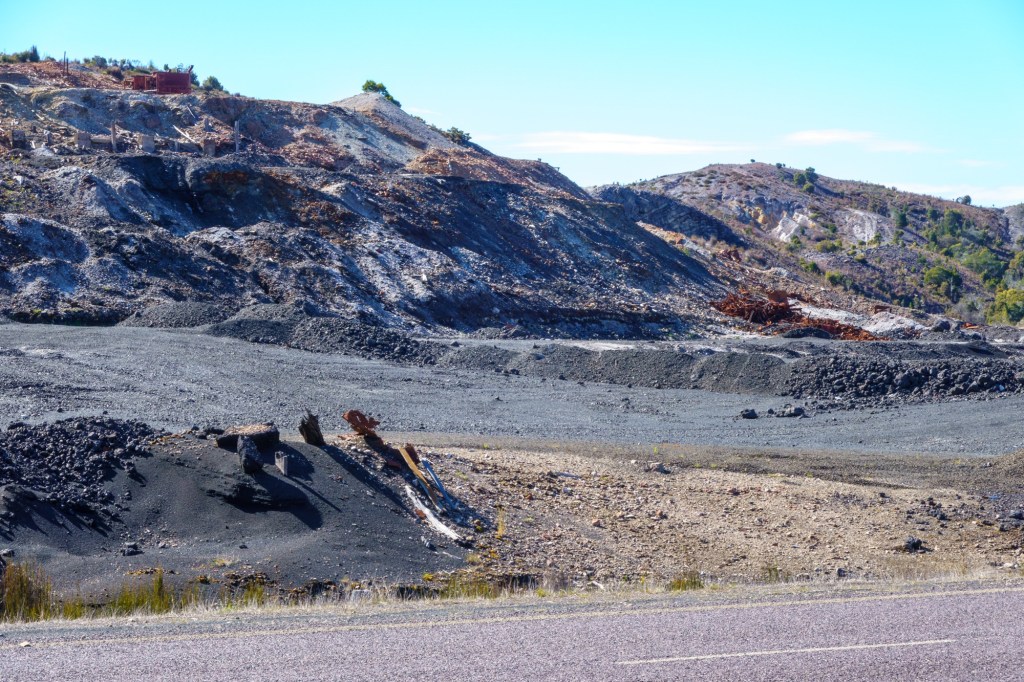
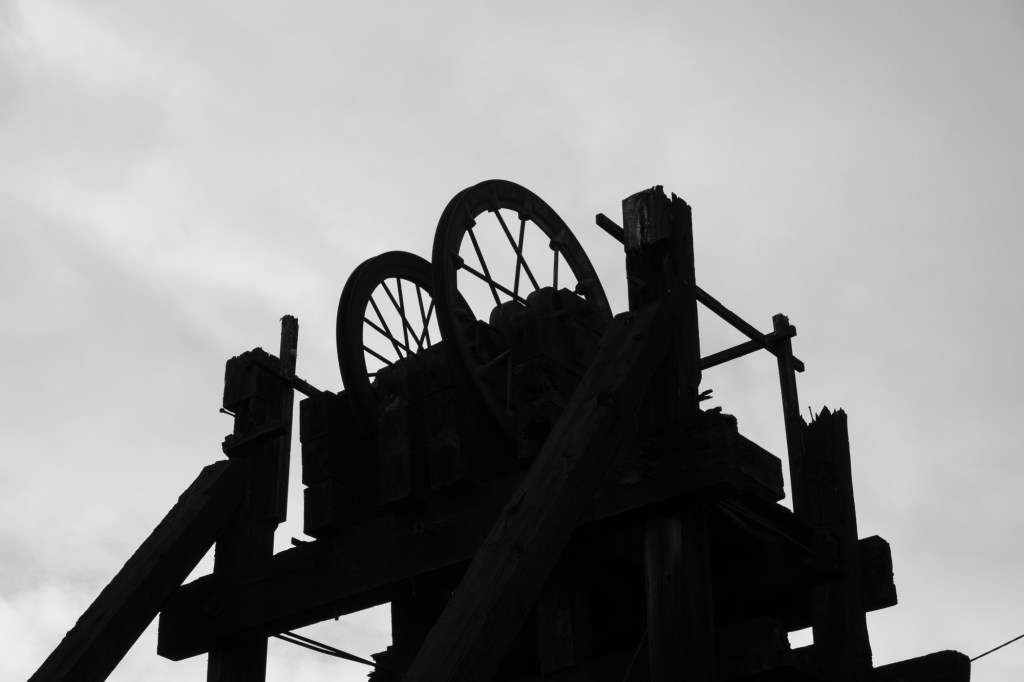
The harder industrial past is evident around Zeehan, with the scorched and rusty ruins of zinc smelters. Zeehan’s population peaked at 10000 in the early 1900s, 10x what it is today.

A lovely day!

TransOceania Strahan rest day

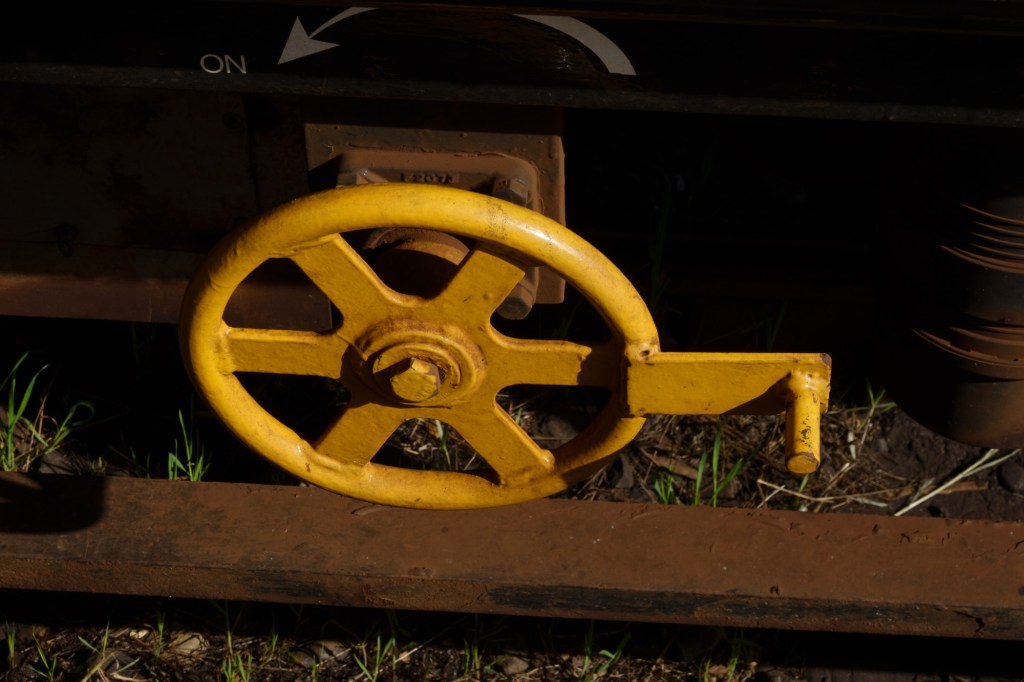
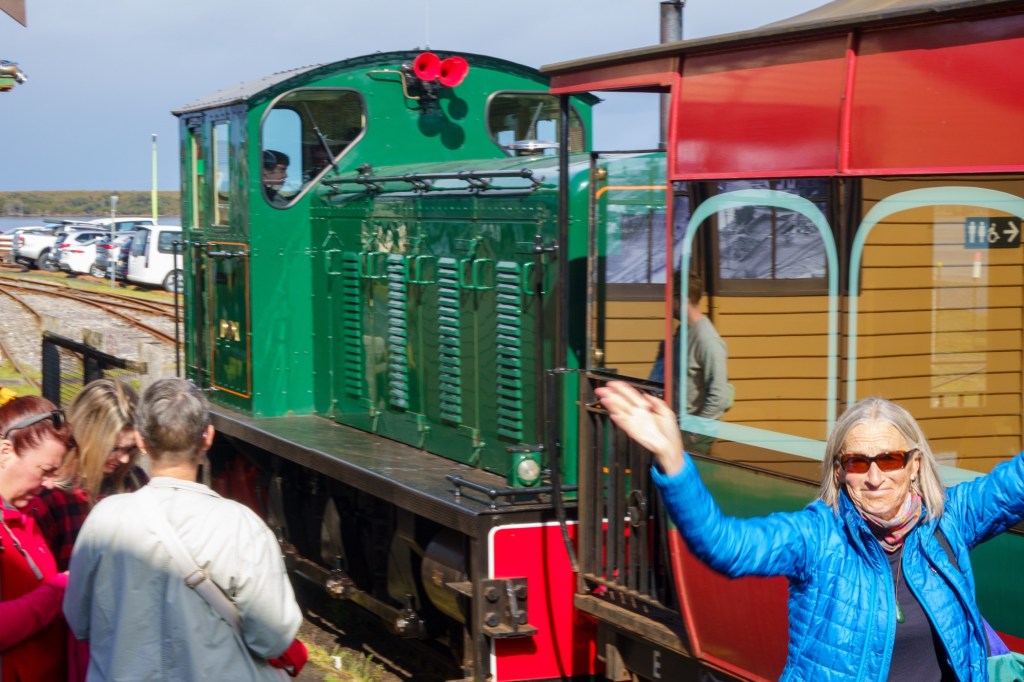
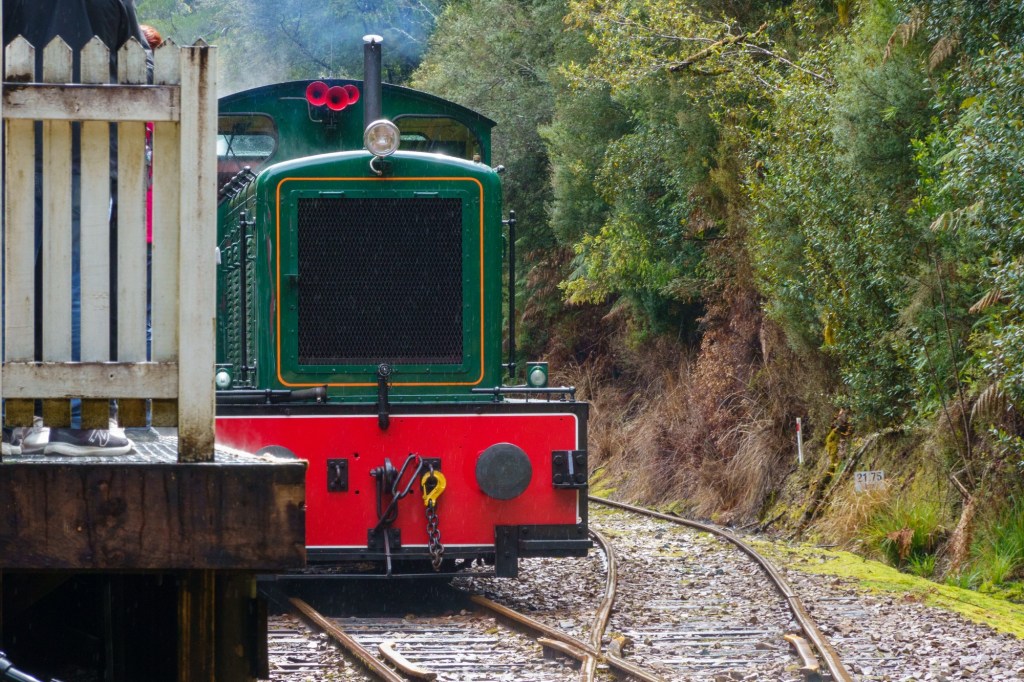
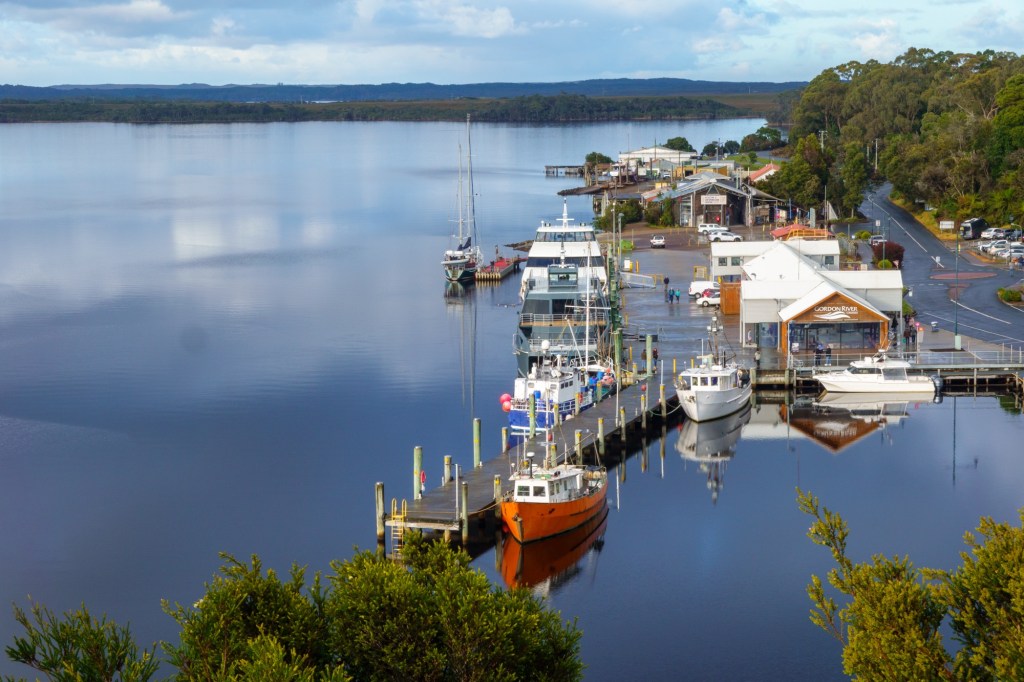
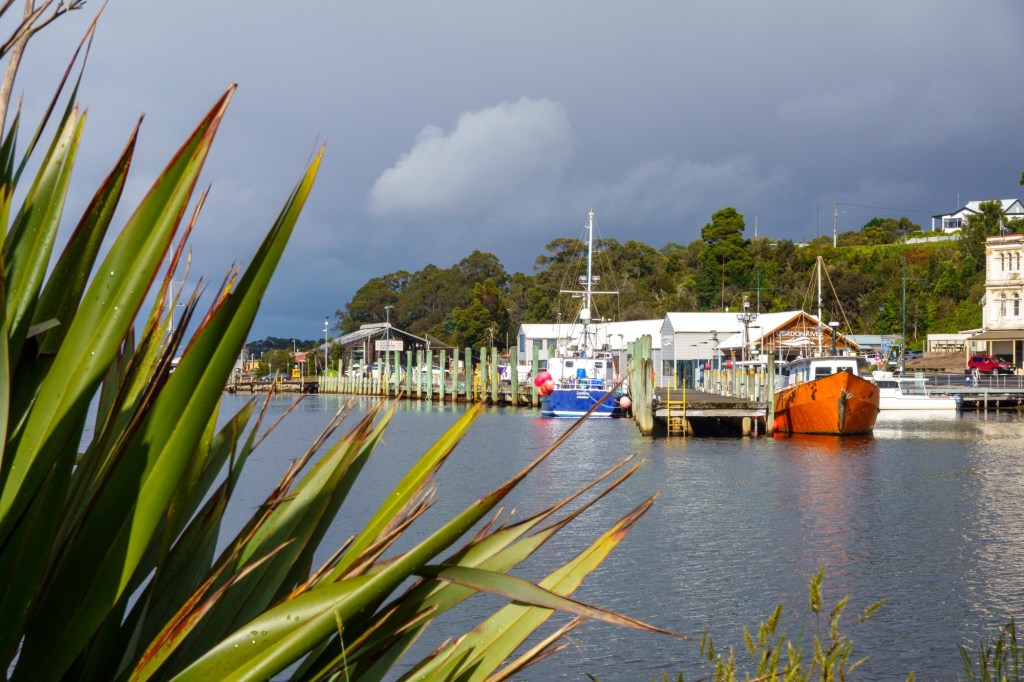
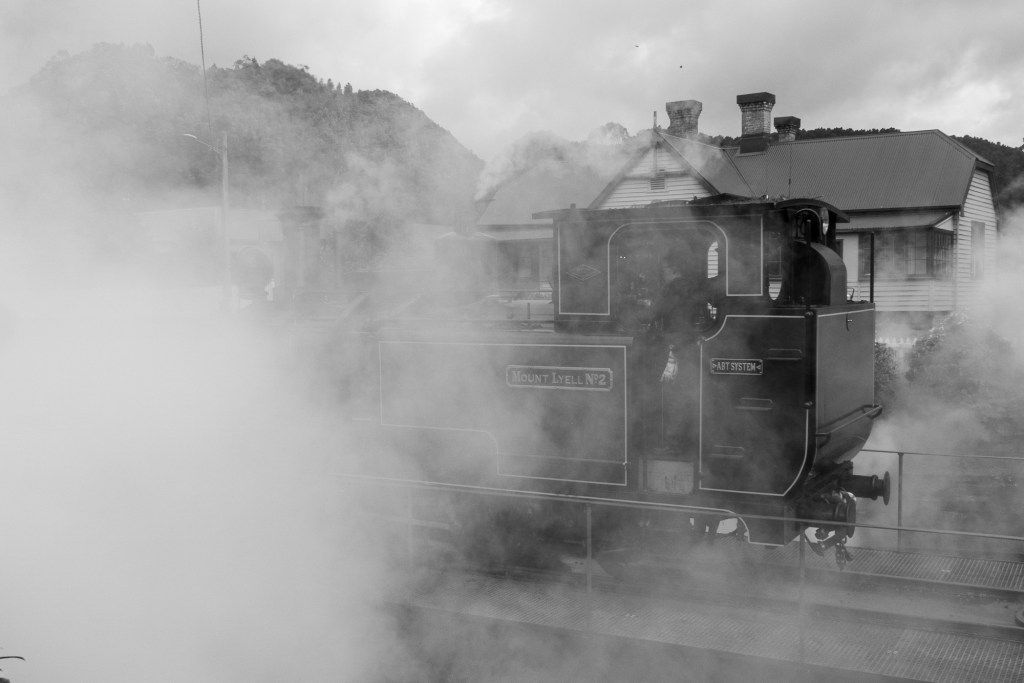
These governors obviously had it in their rewards packages to have places named after them. Strahan was a port for timber and coal, now tourism. The Mount Lyell mine developed a railway to bring the ore down. Closed in 1963, today we went on one leg of the reopened tourist route.

As we passed through dense rainforest, you had to admire the 500 workers employed to cut and lay the route through inhospitable terrain. They were paid 6/- per week for their labour out of which they had to pay for food, tools and accommodation. Plus ca change.

The route follows the still recovering King River for much of the way, crossing it in places. The only original bridge (iron) in use weighs 100 tons and was imported in bits from London. The only crane they had had a 20 ton limit: engineering ingenuity was used to get the reassembled bridge into place. The early days were dominated by floods: the record one had water 8ft higher than the iron bridge. Today the water is calmer thanks to hydrodams. So it’s still working.

The amazing huon pine (not a pine) was a crop, now protected. 3000 years lifespan, reaching sexual maturity at 600 years. And harvested at a stroke of an axe.

The various settlements disappeared with the closure of the railway, quickly reabsorbed by the forest.
Then back to the Macquarrie Bay.
An amazing landscape, shaped by nature and man.

D19 TransOceania Queenstown – Strahan

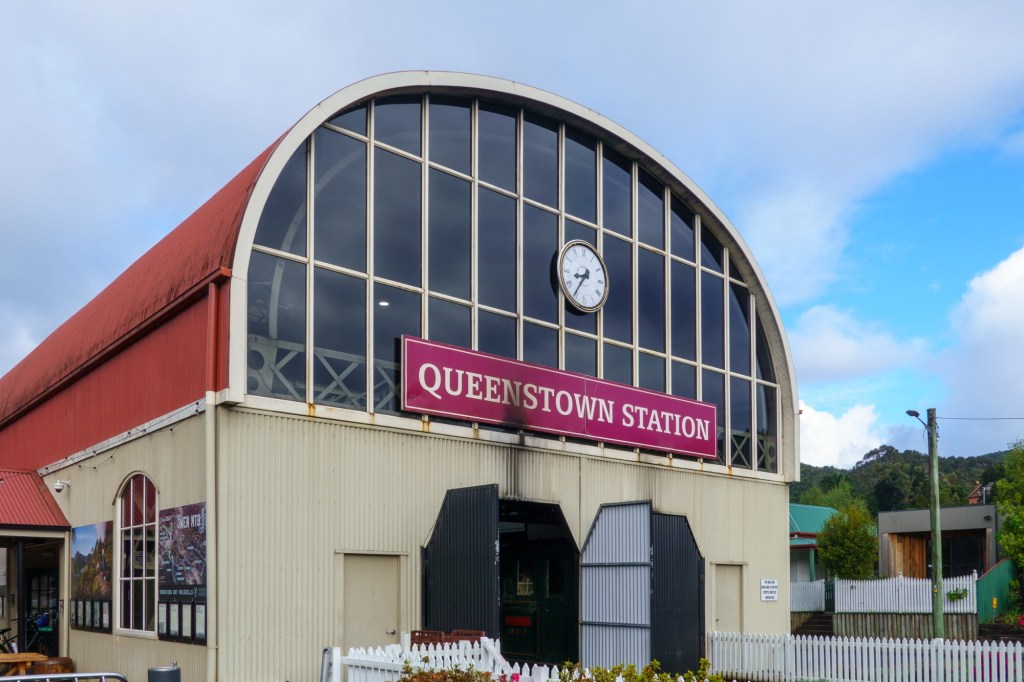
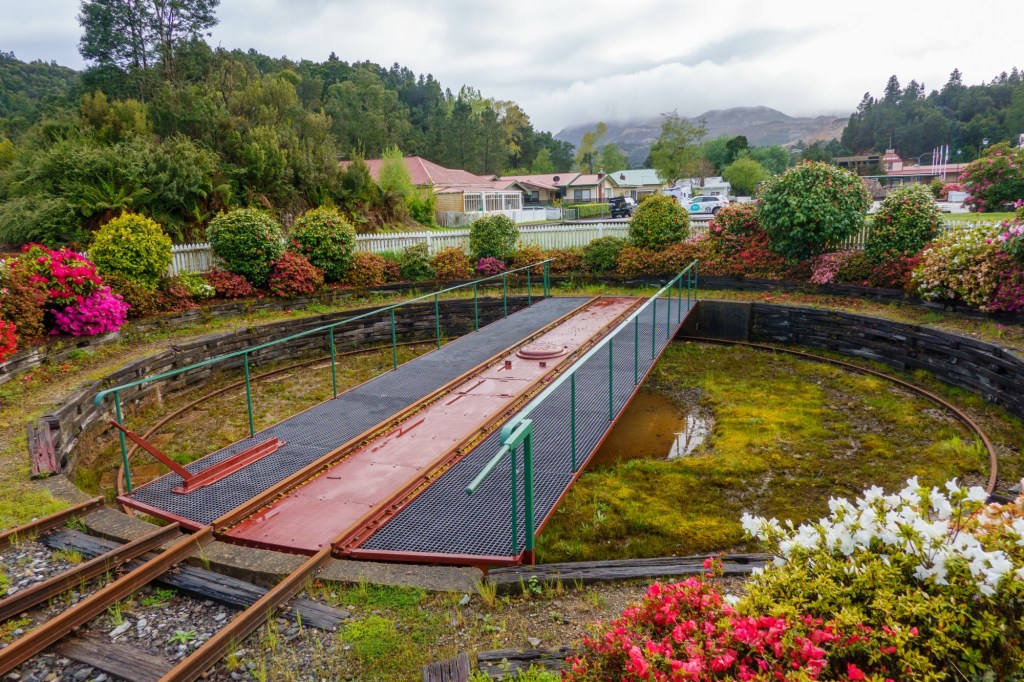
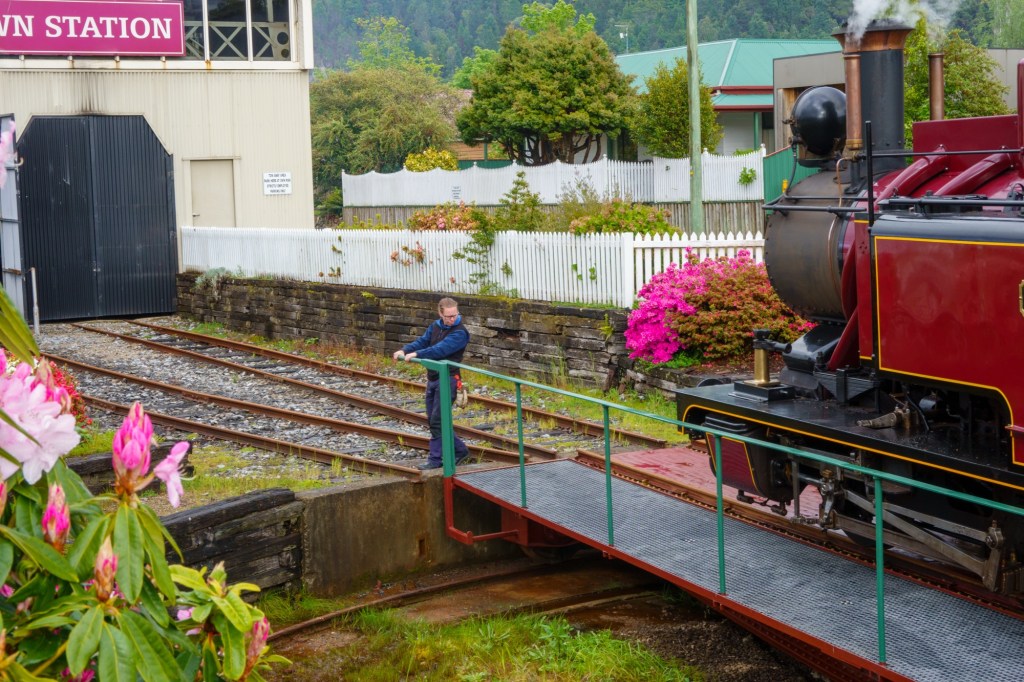
The road to Queenstown wasn’t built until 1932, relying on the railway. The Queenstown – Strahan line is still opertional today as a tourist attraction. Lovely to see the turning circle in Queenstown being used as we left, though a romantic image probably wasn’t on the thoughts of the residents when the mines and smelting were in full operation.

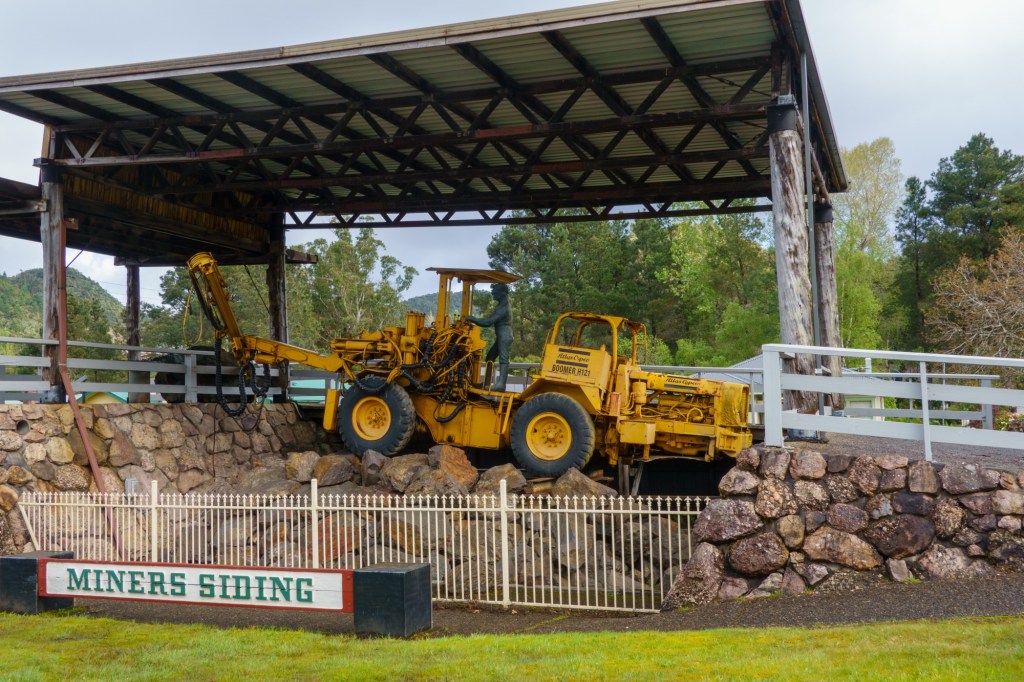
Sheltering from the rain in a road side info booth you learn about the Mount Lyell operations (the area is rich in copper, tin, lead, zinc and other minerals). In nearby Zeehan, the workers used their headlamps to see going home in daylight: yellow smog from the sulphur processes polluting the air, ground, lungs. 100 million tonnes of tailings (the left over bits from the processing of mineral ore) were dumped into the rivers.

A short 40 km ride (though hilly of course) takes us to the village of Strahan, a one horse one at that. The same owner runs the hotel, pub, cafe etc. Don’t fall out else you might not find anything to do!

Tomorrow we’re on that tourist railway.

D18 TransOceania Miena – Queenstown

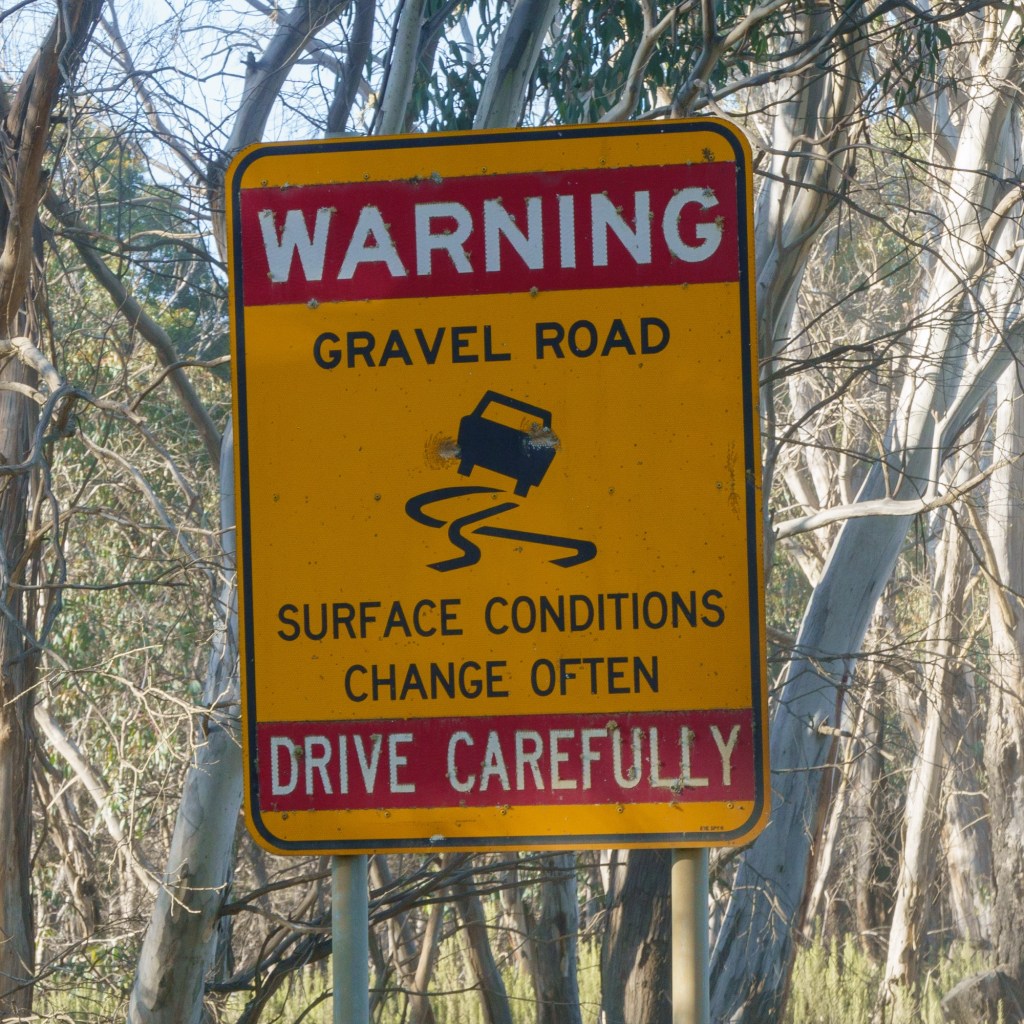
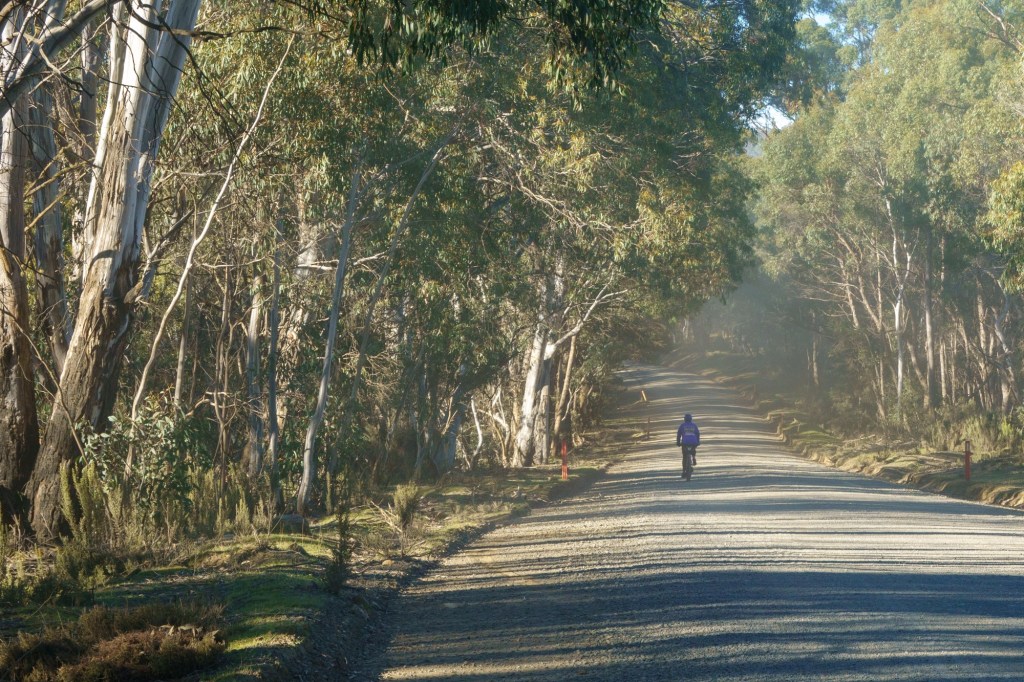
The start of today was 30km on a gravel surface, thankfully compressed. It was a bit like riding on a washboard and hoping for the best going downhill. How soft we must be considering what the Aborigines and settlers used. A desert scrub like landscape.

Crossing the East – West point, we’re near to the centre of Tasmania in Bronte. Must have been a favourite author of a settler. Different climates thanks to the hills (mountains) in the middle. “Annual means exceed 2000 mm over much of the exposed and elevated western half with a peak of about 3200 mm but range from about 500 mm to 700 mm throughout the midlands and in the drier parts of the south-east and east.” By comparison average annual precipitation in the UK typically ranges from approximately 800 mm to 1,400 mm.

It starts to rain as we enter West Coast Council. Another committee compromise? The landscape changes to rainforest and mountains. Like the rest of the middle there is very few settlements, mainly some huts. The world heritage Franklin-Gordon Wild Rivers national park, named after the two main river systems lying within the bounds of the park, is dissected by its only one road. Roughly twice the size of Snowdonia. And as wet.

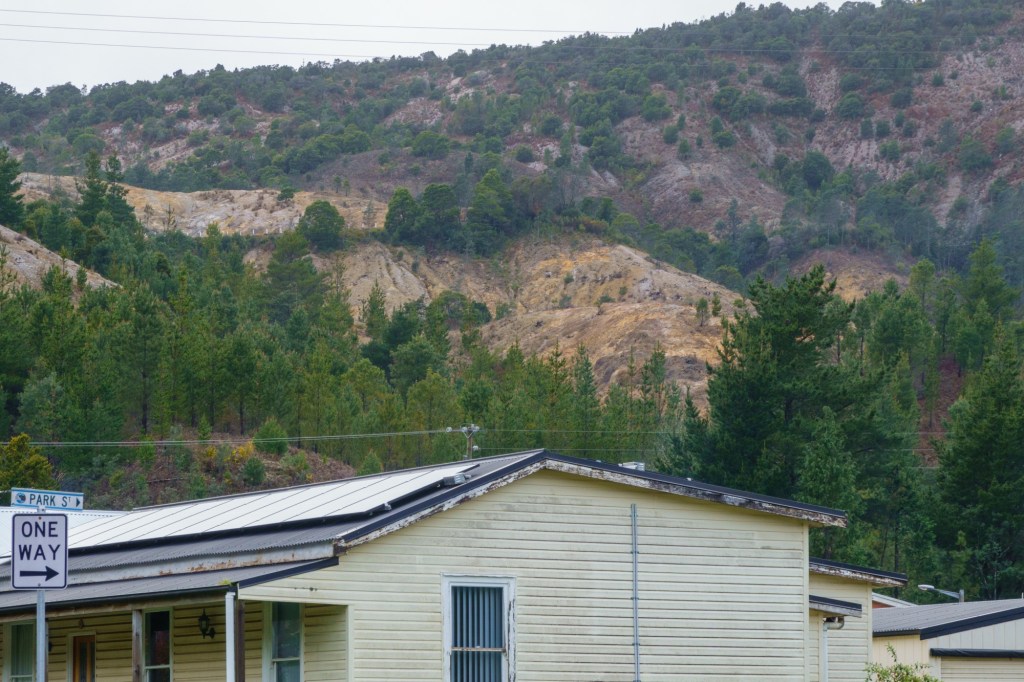
We enter Queenstown through the ghost town of Linda, marked by the ruins of the one remaining building the Royal Hotel. Though there is a hopeful cafe. A former mining town. The area has been mined for copper, tin and other ores since the 1850s with recent new developments. The mountain’s sides are bare rock compared to the lush forest of earlier. Trees cut down for mining props and fuel, rain washing off the poor thing layer of topsoil. It a harsh look framing the small town of Queenstown in Tasmania’s wild west. No photos yet: it was hosing down for the last 10miles or so.

Tomorrow a short hop to Strahan, an even smaller town on the coast. Forecast is colder than today: it started at a balmy 5C and got to over 10. Long Johns coming out…