1861 National Gallery of Victoria, Australia’s oldest and most visited art museum.
Seems like a period of development and the colonial establishment getting their priorities in order.
Outside artGLD art 1GLD art 2Working artWalking artReconstruction artNGV 2
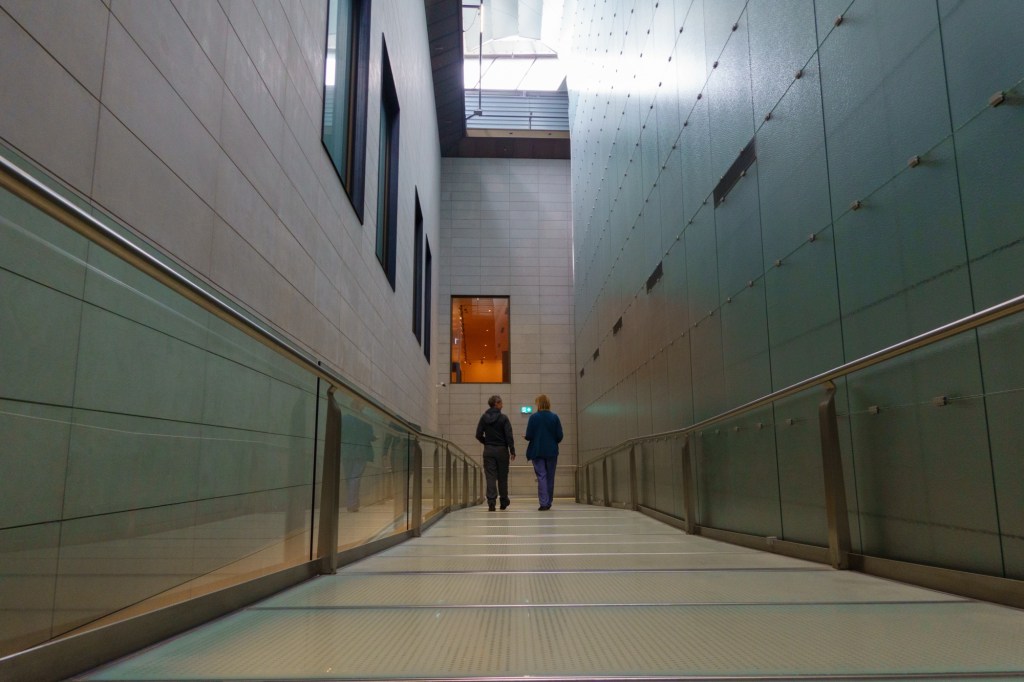
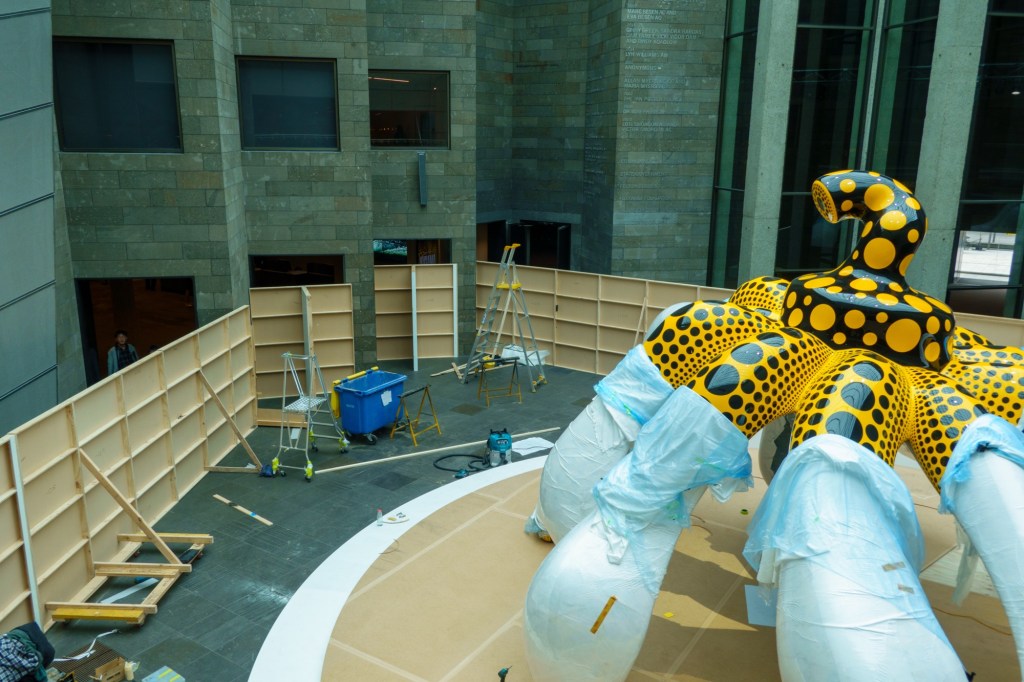
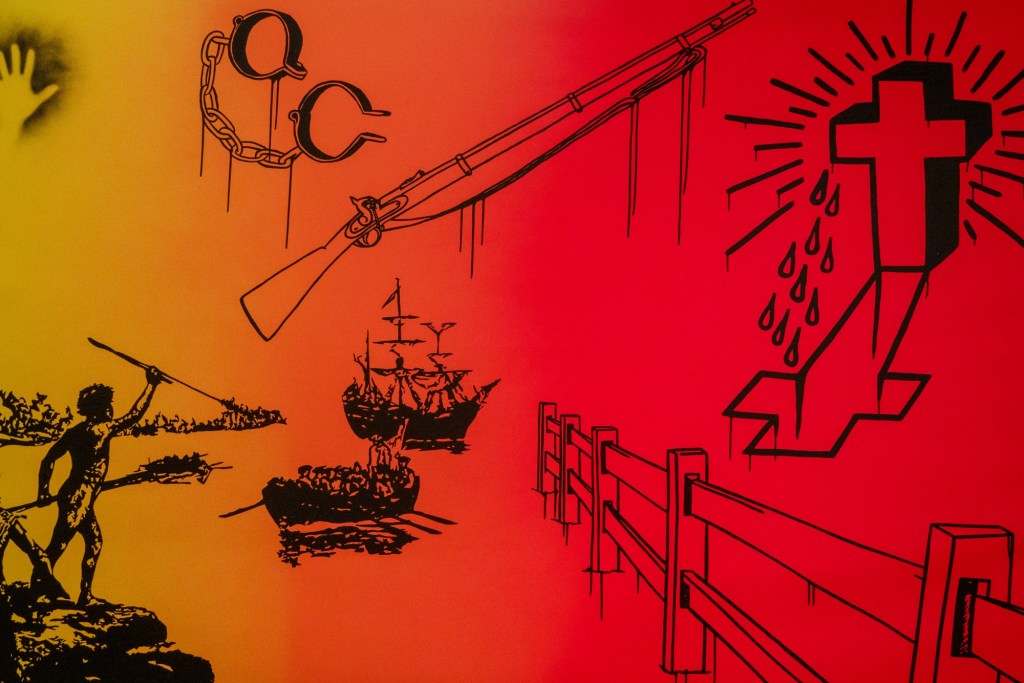
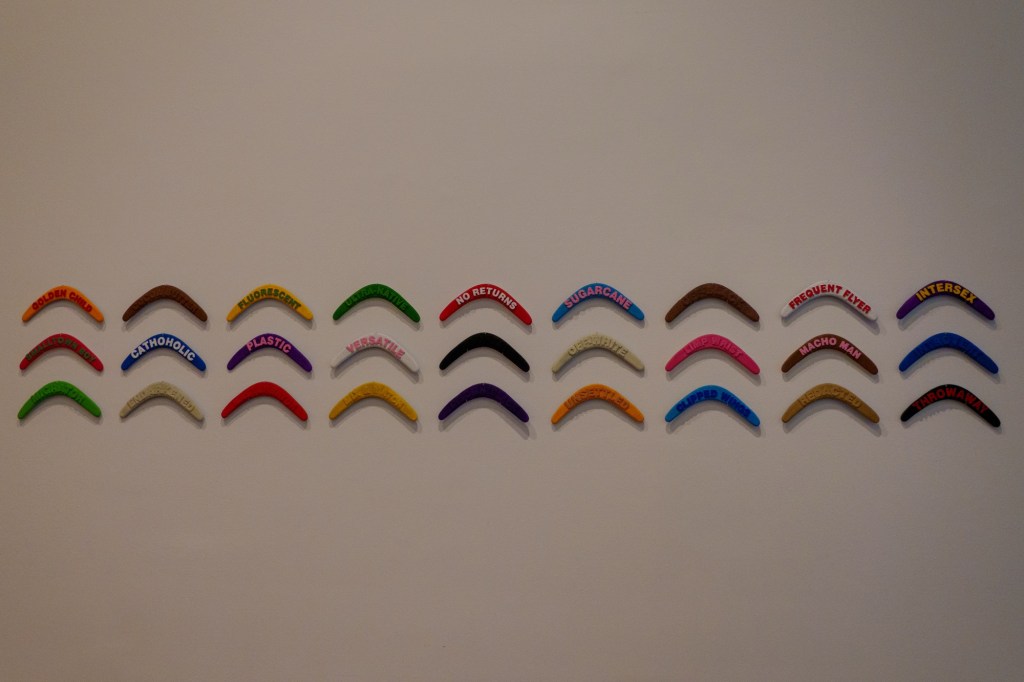
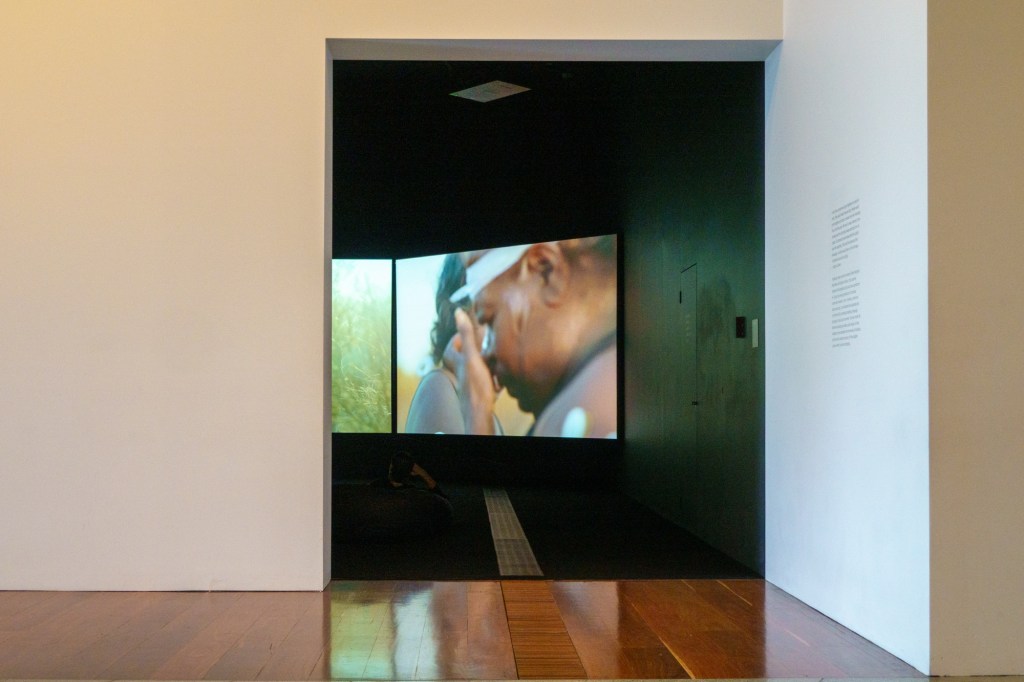
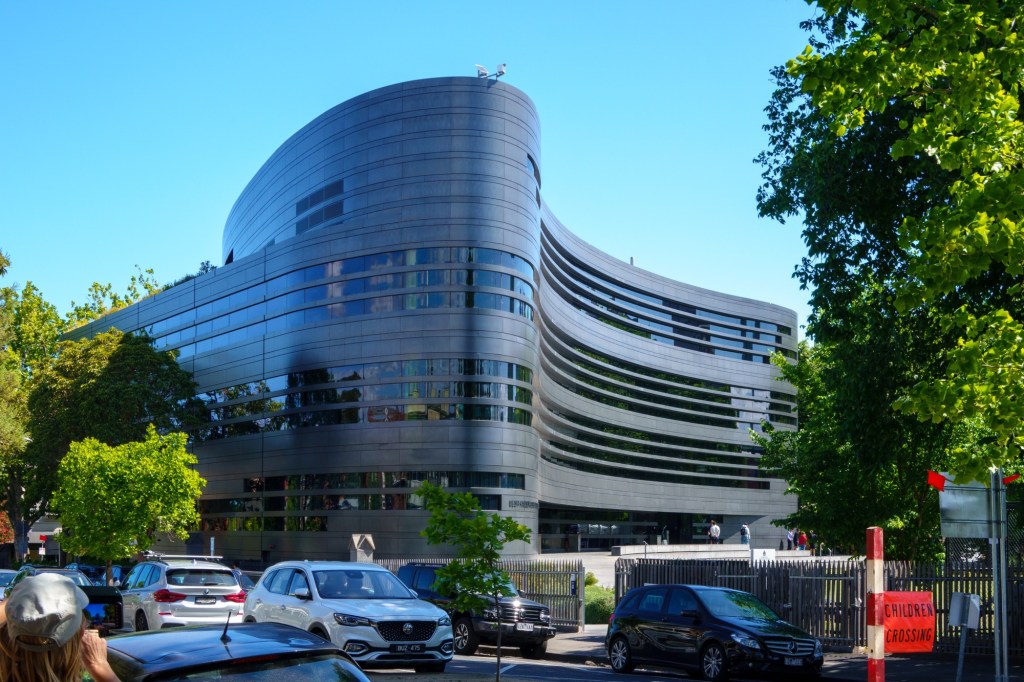
The Art Gallery is split over two sites as we were informed by a helpful fitter ( we weren’t where we wanted to be, as it was mainly British and European old art). The main sight has great modern Aboriginal Art, especially that of Reko Rennie.
NGV 2
The gardens are a well frequented and tranquil place, and like the art gallery, free.
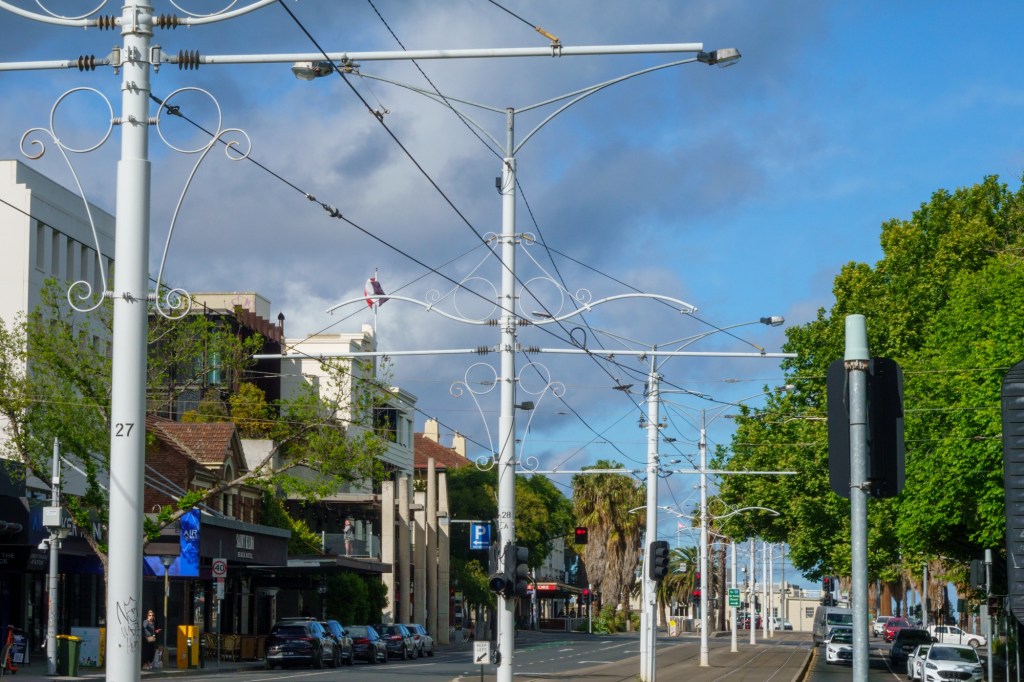
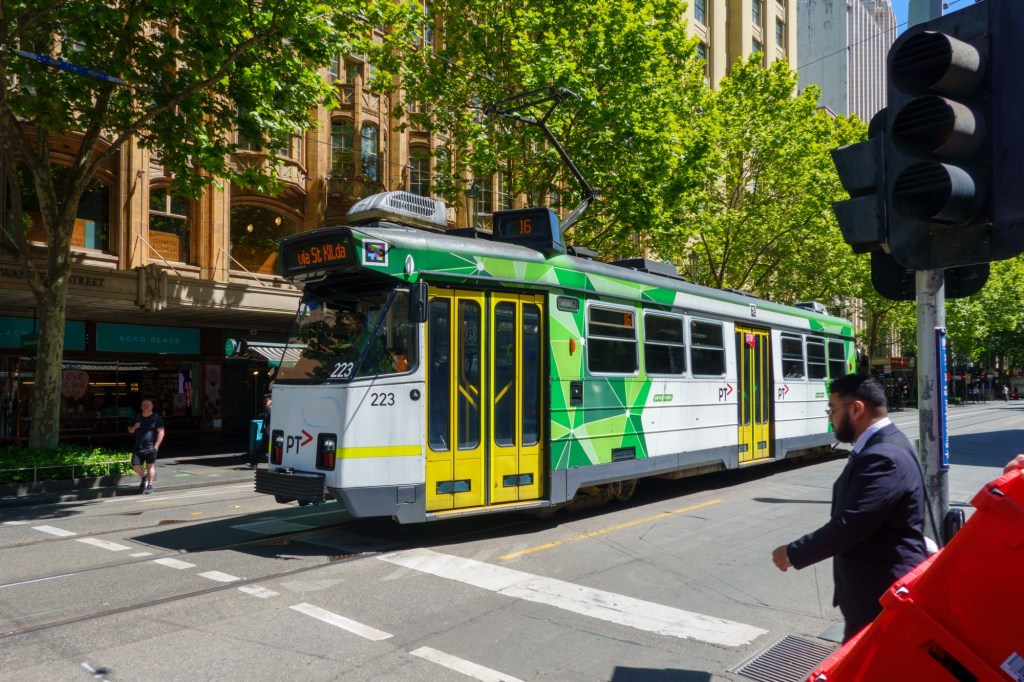
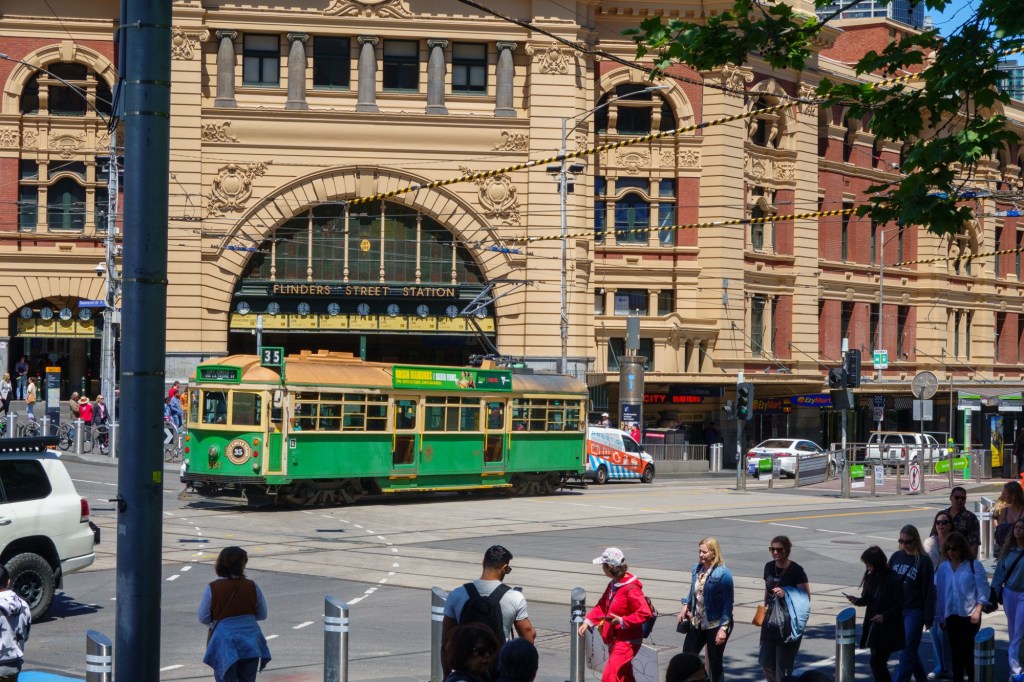
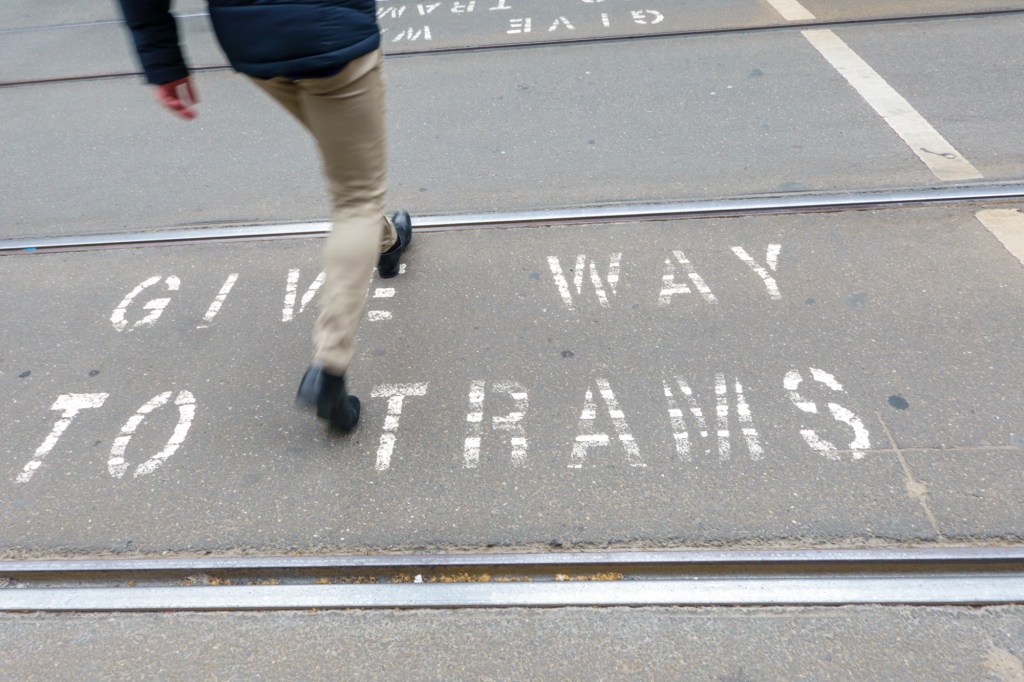
Easy to get around on a marvelous tram system, even if you go in the wrong direction. Makes you wonder why it is so difficult to build new tram systems. This one, the largest in the world with 47 miles of tracks dates from 1855. Rails and an overhead cable: what’s so complicated?
Tram wire artDon’t crossCrossTraffic bear
Melbourne started developing from 1850. The discovery of gold, a month after Queen Victoria had adjudicated in favour of the new state (“independent” of New South Wales) and hence the State’s name, gave it a boost.
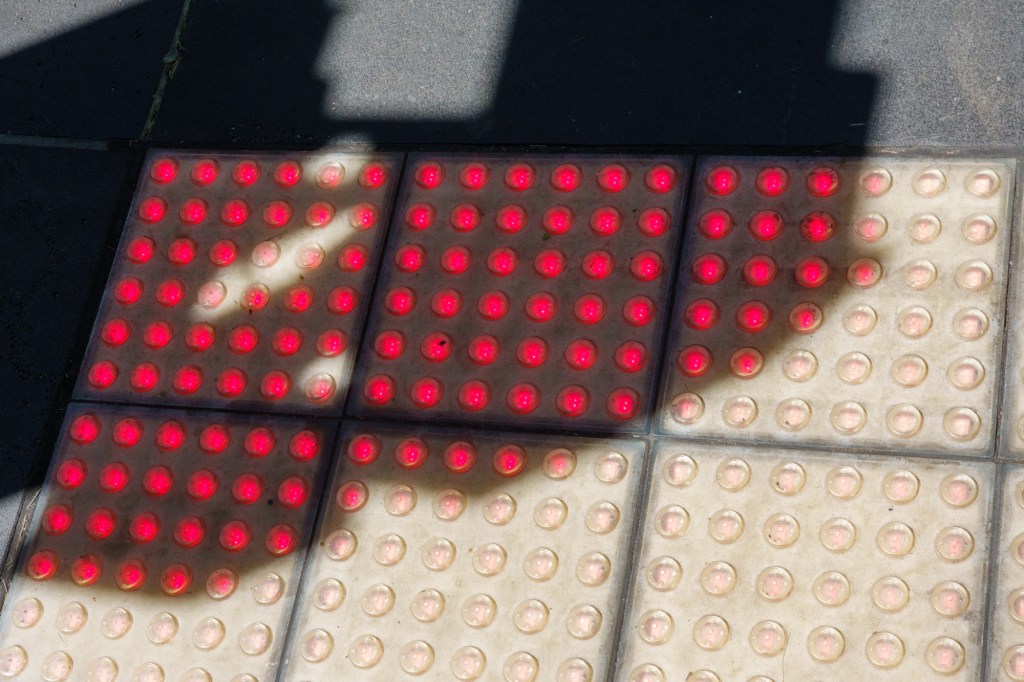
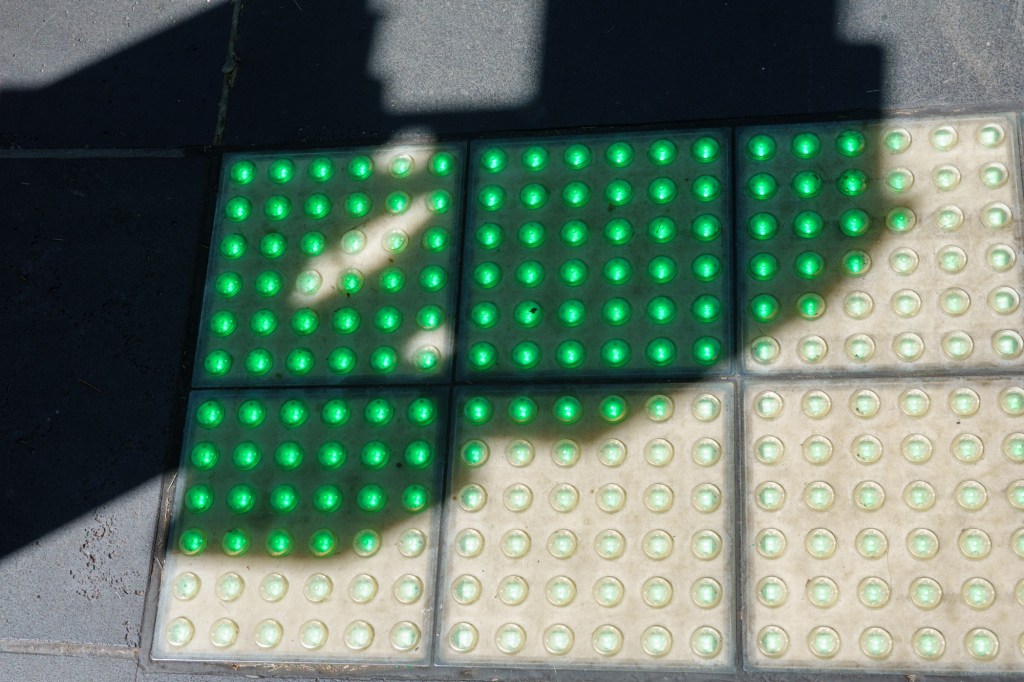
How long do I have to look at this light?State Capital Library
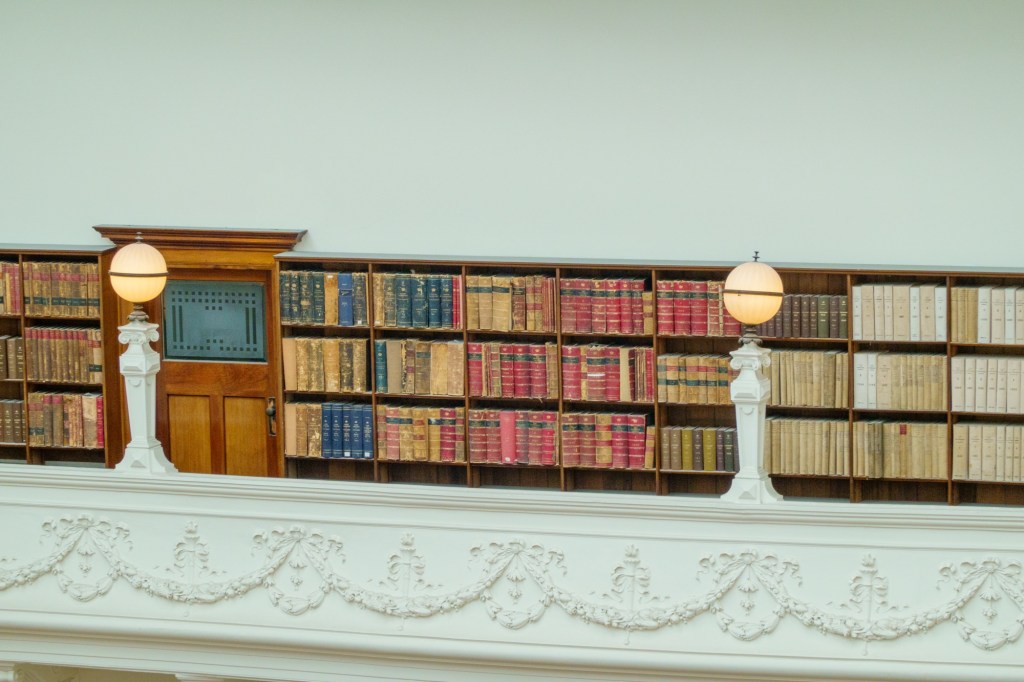
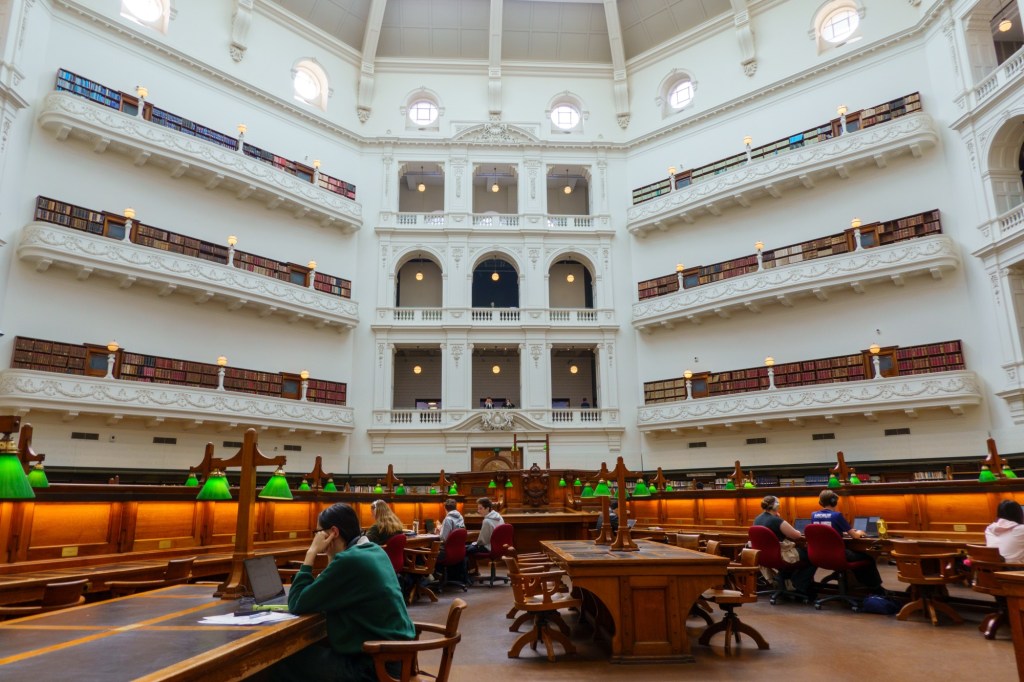
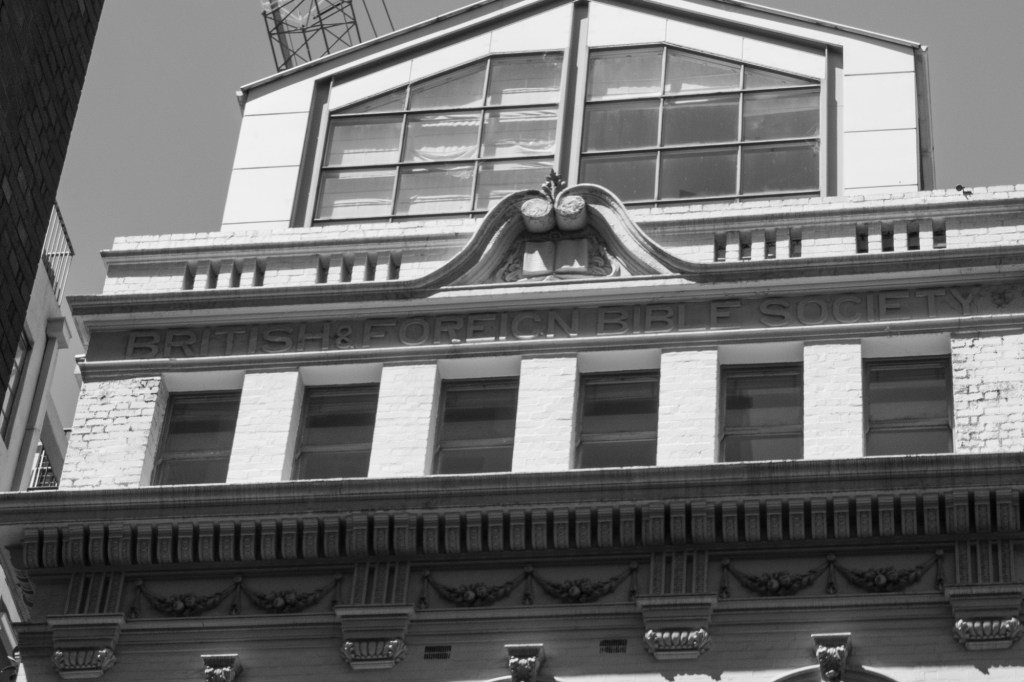
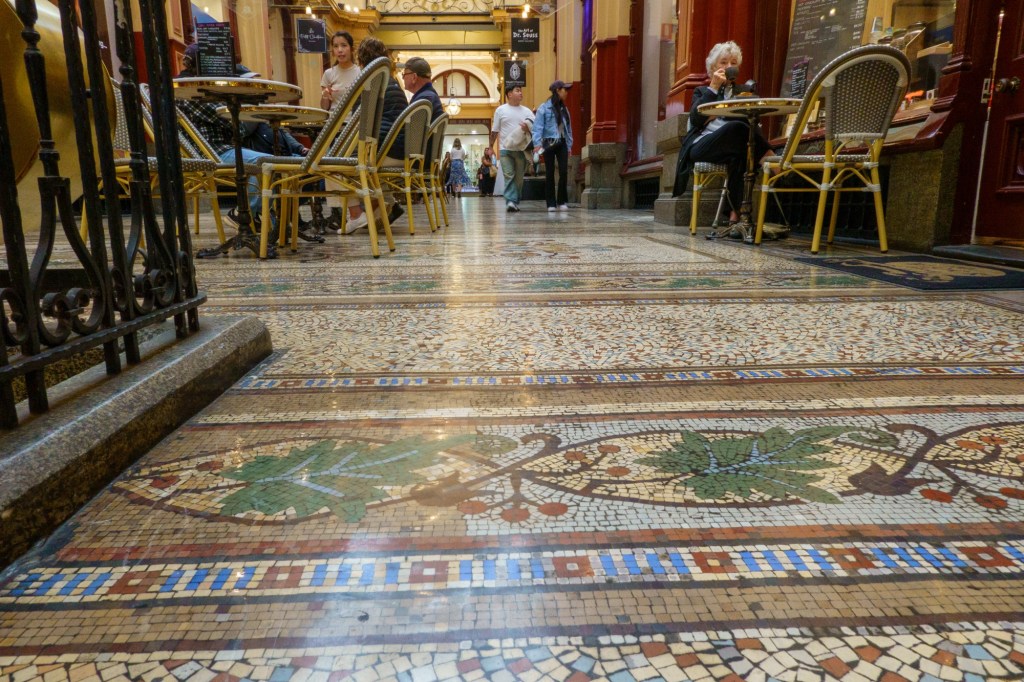
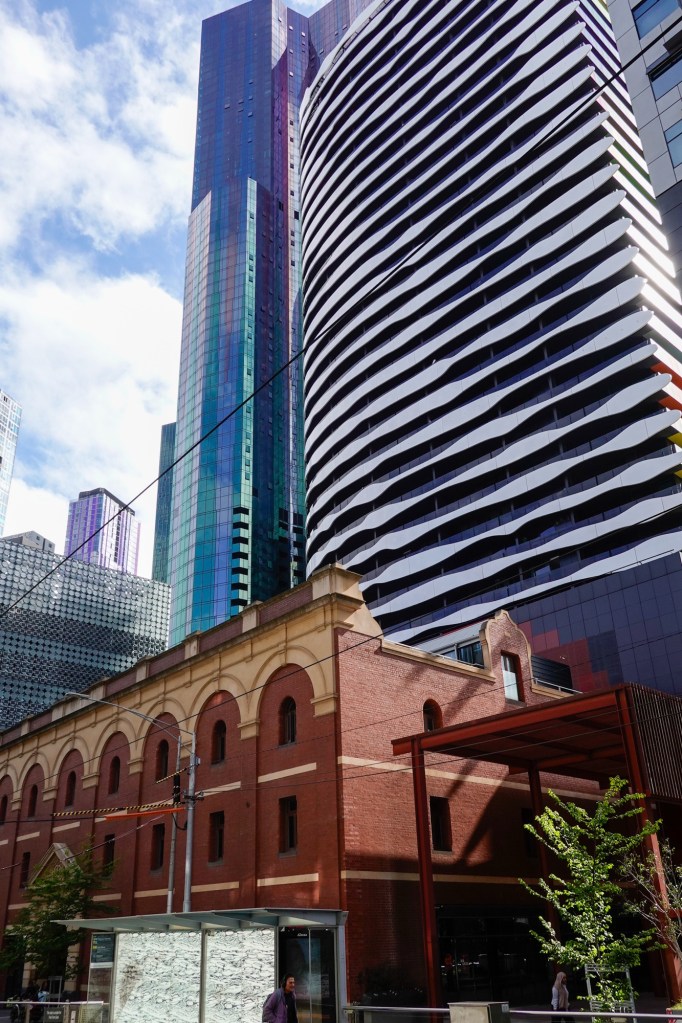
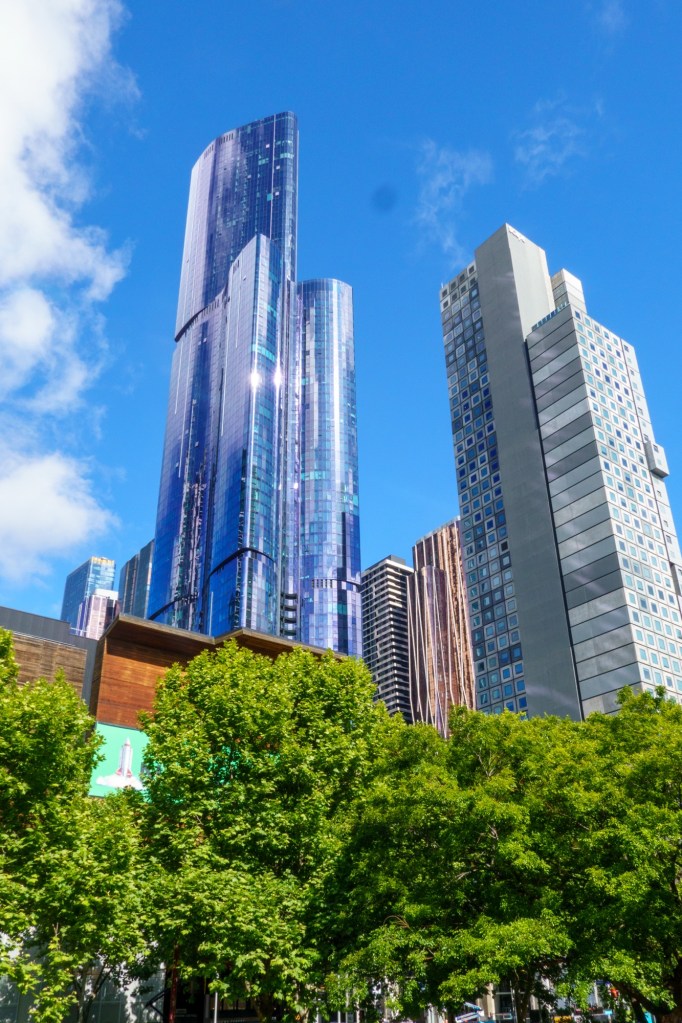
Institutions followed, such as the magnificent State Library. Arcades. Universities. Greeks (the largest population outside Greece and some 3.5% of the population). St Paul’s Cathedral: he must have a hard time getting round them all); dates from 1883 finished 50 yrs later. Today cranes and skyscrapers continue the development.
1900s arcadeSaved1890s arcade
Many other claims to fame, such as the 8hr working day: “On 21 April 1856 stonemasons in Melbourne downed tools and walked off the job in protest over their employers’ refusal to accept their demands for reduced working hours. This brought the employers to the negotiating table and led to an agreement whereby stonemasons worked no more than an eight-hour day.”
Who am I to quibble? In 1594, Philip II of Spain established an eight-hour work day for the construction workers in the American Viceroyalties by a royal edict. 19th century, Robert Owen in New Lanark in 1817 had formulated the goal of the eight-hour day and coined the slogan: “Eight hours’ labour, Eight hours’ recreation, Eight hours’ rest”.
Street scenes
Melbourne has a history of protest with strong Union and Student movements. Suffragettes; the messy story (hero or villain?) of Ned Kelly whose armour is on display in the Library (founded by the Judge in Kelly’s trial).
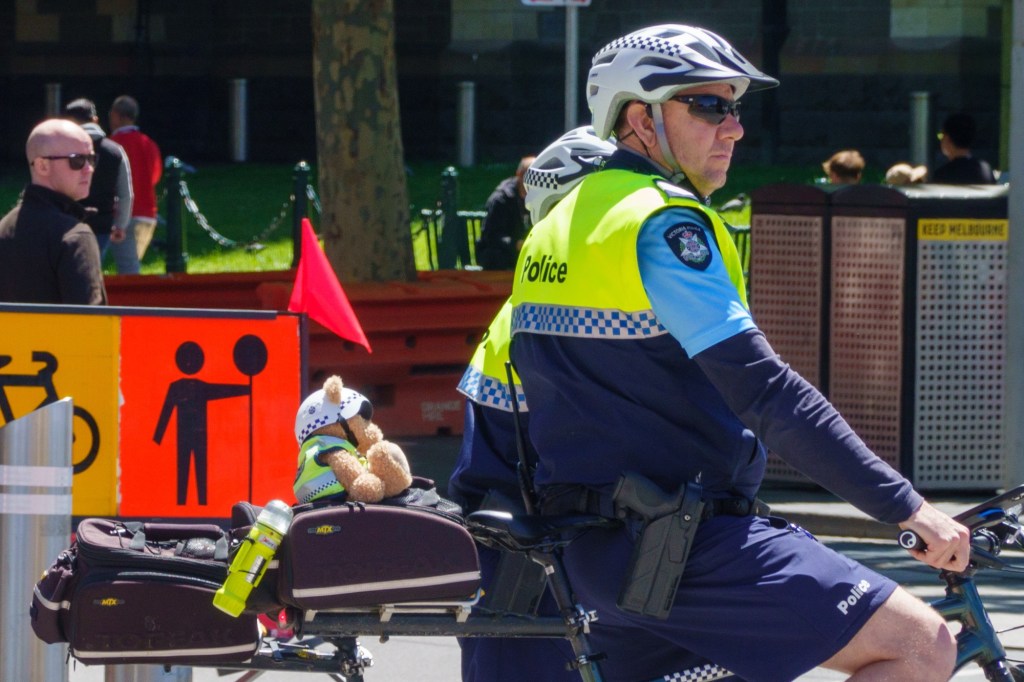
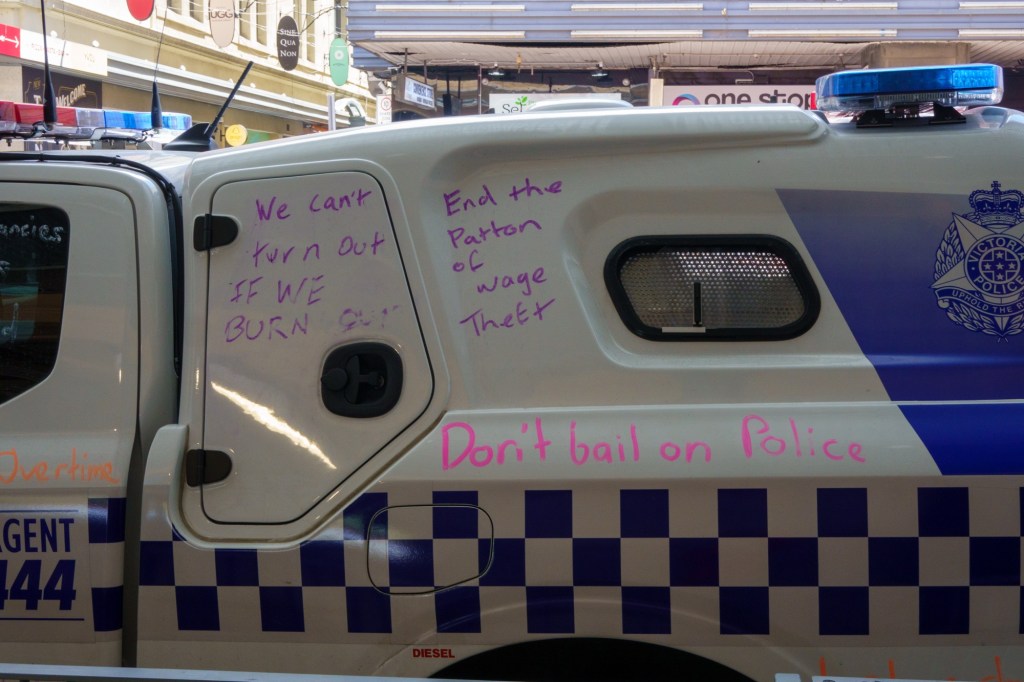
Today finds the police taking what industrial action they are allowed to in a pay dispute. Slogans on their vehicles.
Good seasickness tablets, slept through all the turbulence and it dulled the pain of closing a door with my finger in it.
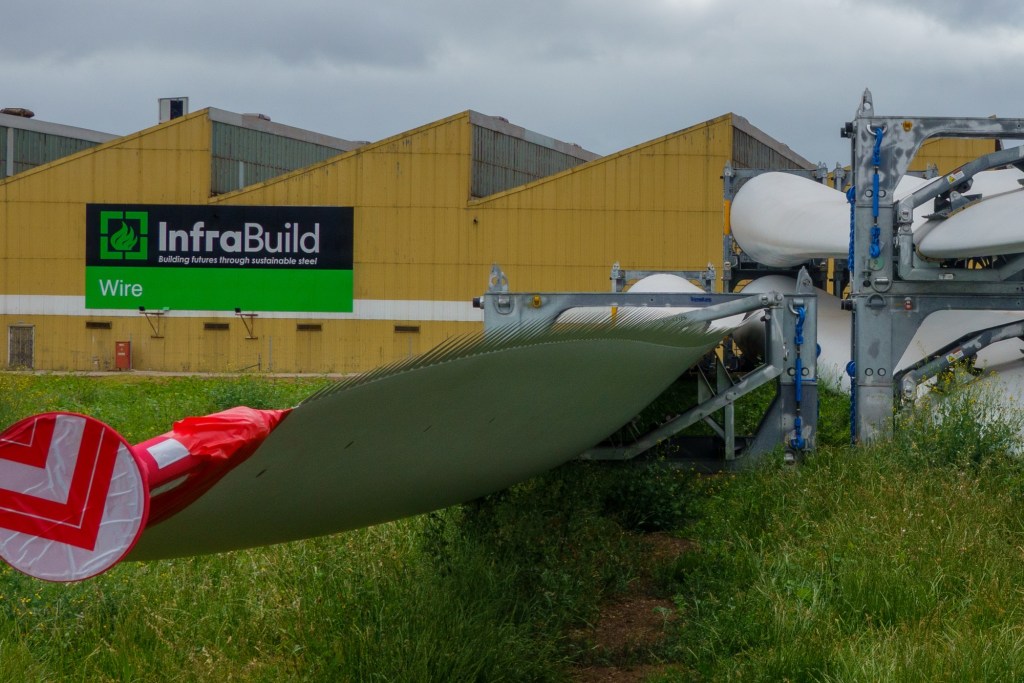
Wind turbine bladeLeaving Geelong
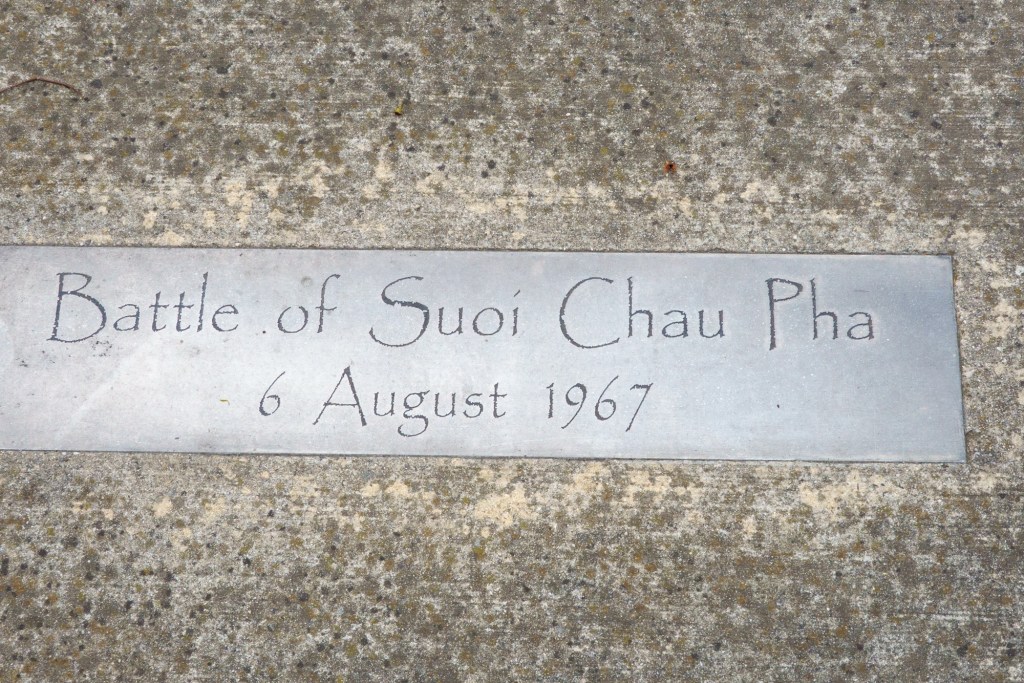
That we’ve left Tasmania is immediately apparent from departing the port. Busier highways, denser housing, people. The route took us out along a Vietnam Veterans avenue which commenerates the 600 Australians who died. I never realised Australia was involved, who knows what political favours were being sought.
Rare sight: stone wallFirst sight: MelbourneControlledUncontrolled
Flat, flat, flat. Soon we can see the high-rise of Melbourne 30 miles away. New housing spreading out that far too. After a while we joined excellent bike paths for miles. Skeleton creek (lined with look at me housing), then Hobson’s Bay Coastal trail.
Oil
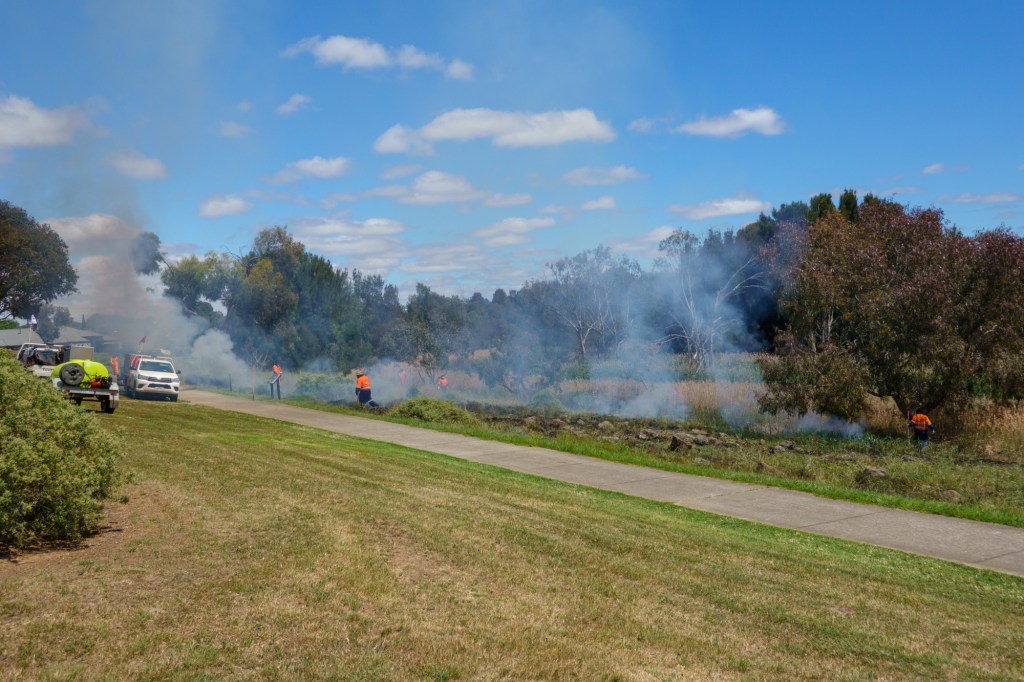
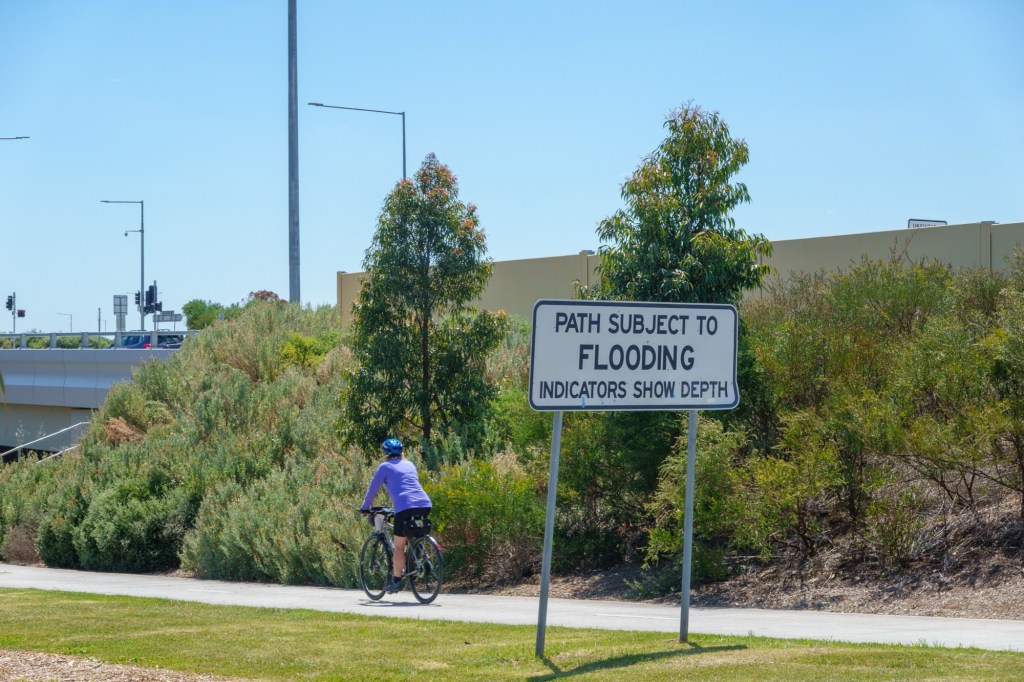
Creek is used often here, as is rivulet. With it being so flat on a coastal plain it mighty be flooding is an issue, never mind global warming and sea levels rising. The controlled burying we saw was to help native grasses germinate and re-establish themselves.
ArmstrongFine linesMartian’s arrivedWest Punt ferry
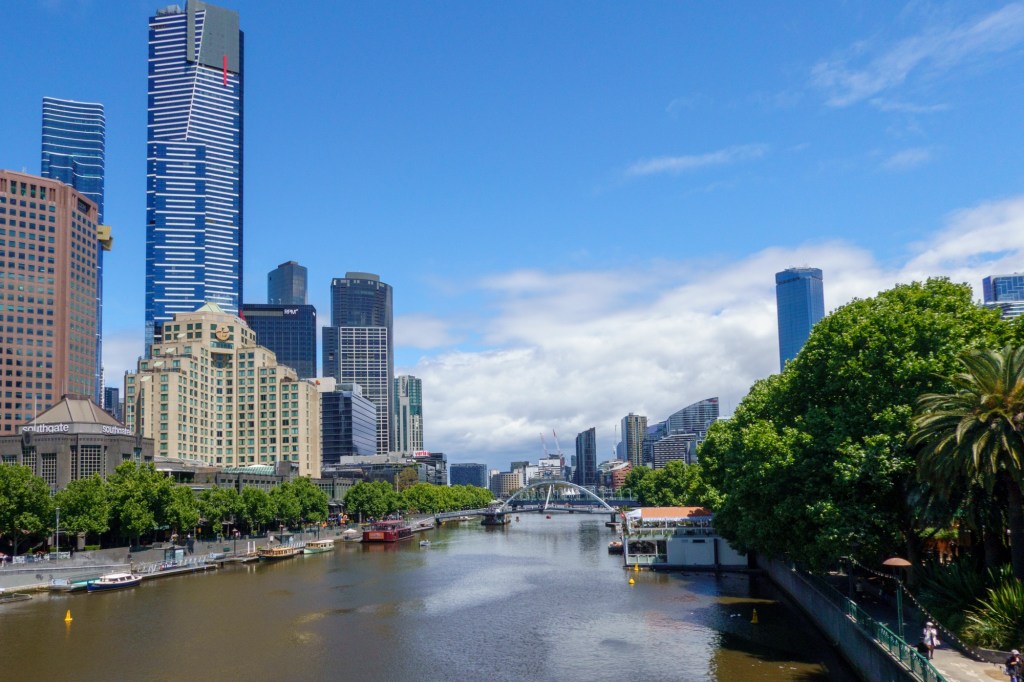
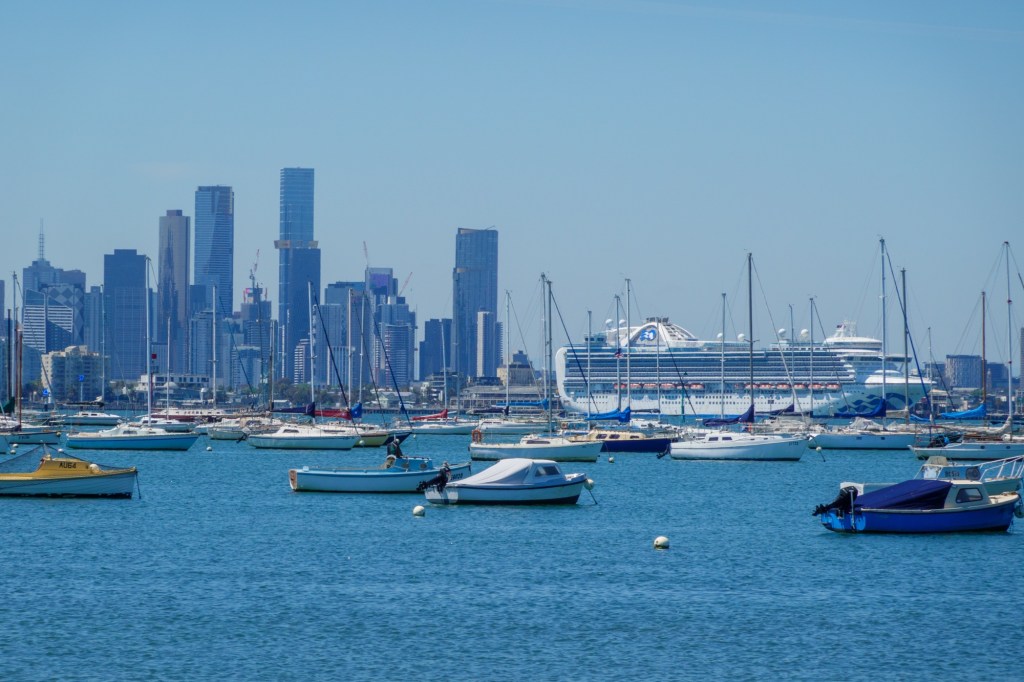
So from a State of 600000 to a city of 5 million. Industry, docks, beaches, trams. A bay protected by 1867 vintage artillery guns from Sir William Armstrong’s factory in the UK.
A two day stop here to stick a toe into Victoria’s state capital. Established in 1837 and named after the UK’s then Prime Minister. Thankfully this tradition has stopped and Johnson already exists: Truss, Sunak and Starmer will never get off the ground. A town called Truss?
Heading out to Tasmania Arboretum via an erratic taxi service was worthwhile. When said taxi didn’t appear to take us the 10 miles back, a friendly volunteer stepped in. He calls Devonport the Goldilocks area for weather: he retired here from Adelaide (a meteorologist) and looked for the best weather, escaping the Adelaide summer 40C. We also learned about the aging population as the younger people move to the mainland for higher pay.
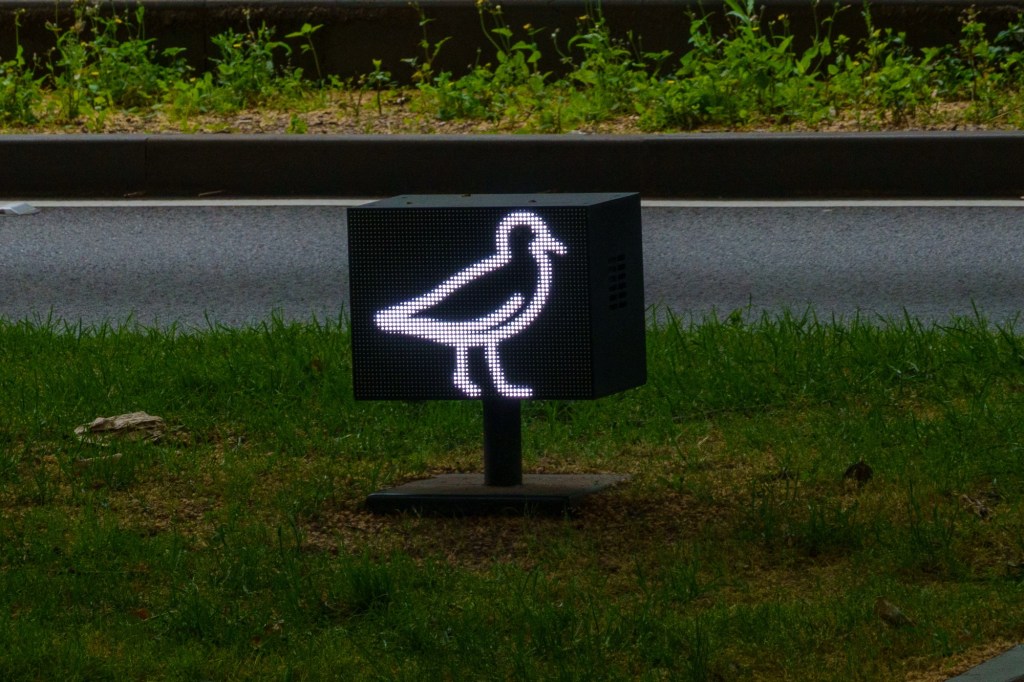
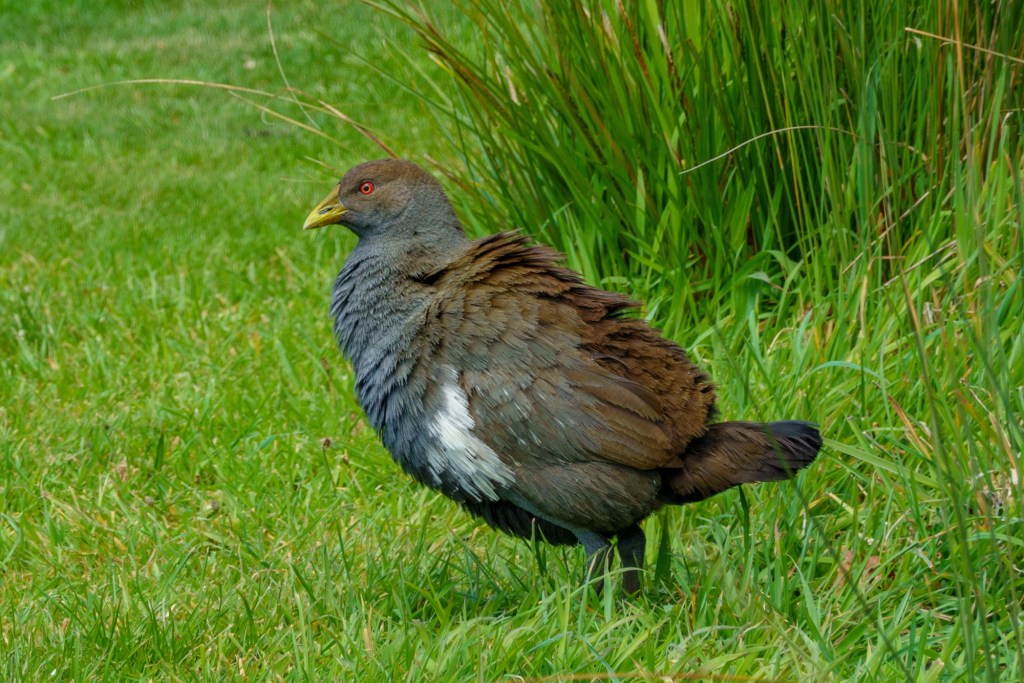
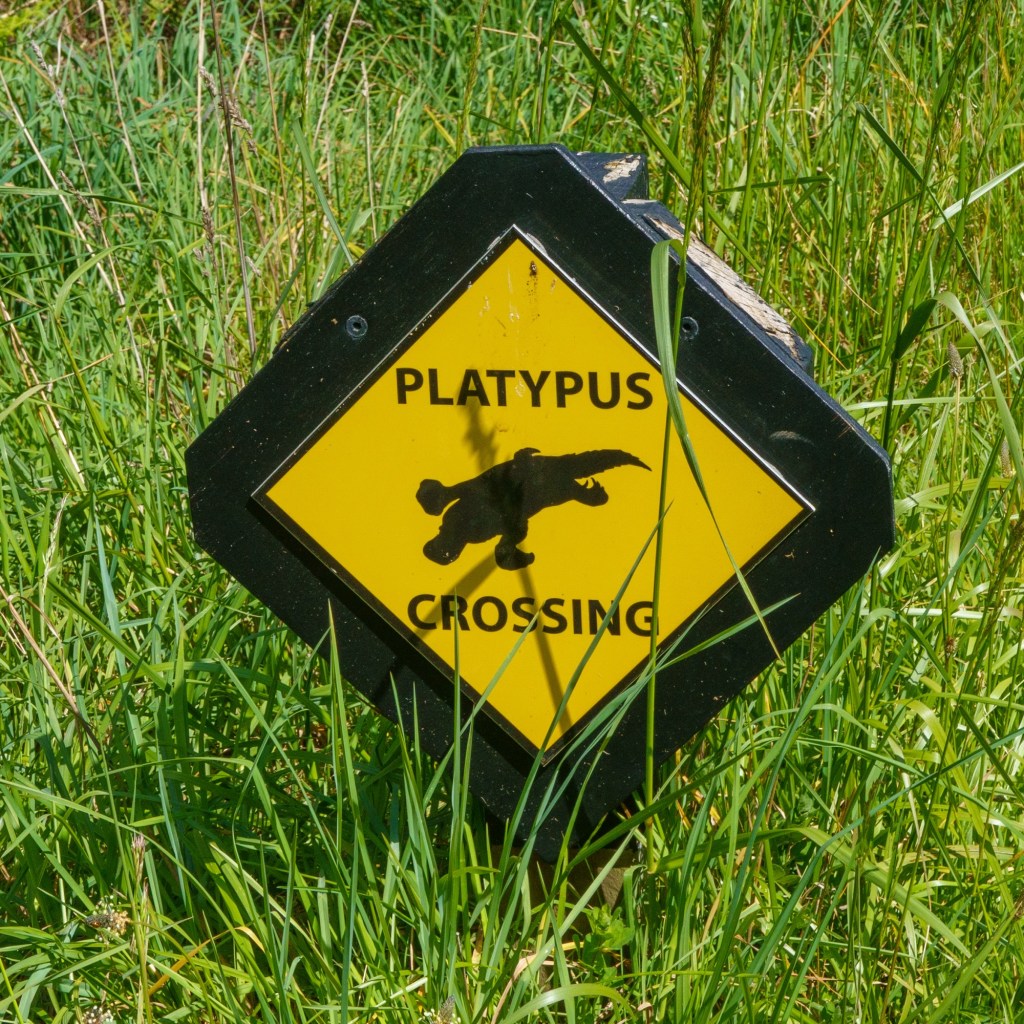
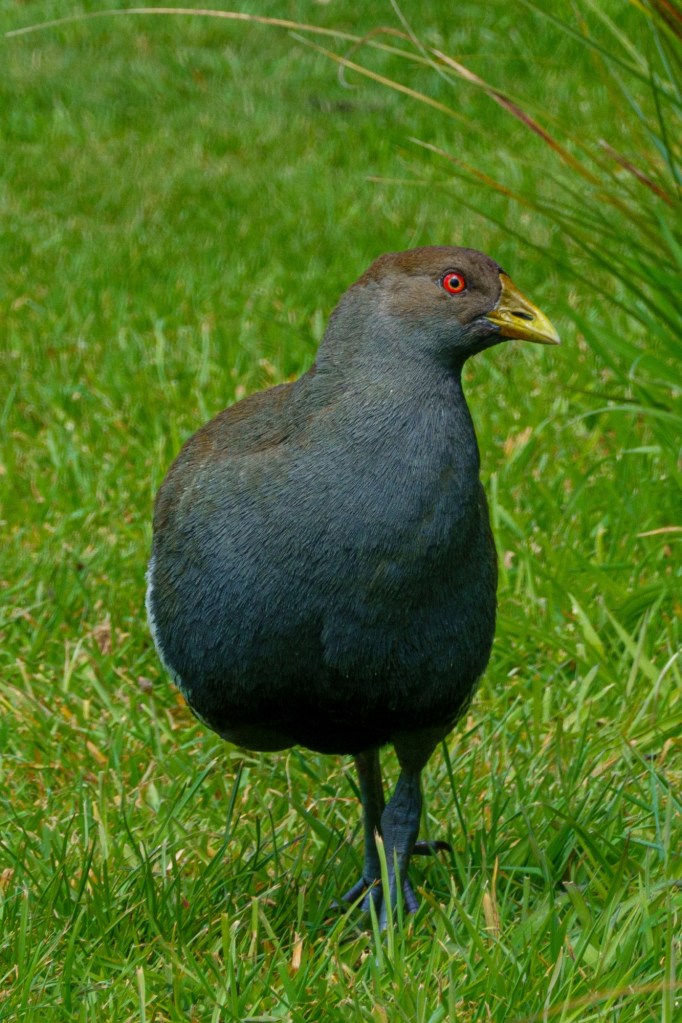
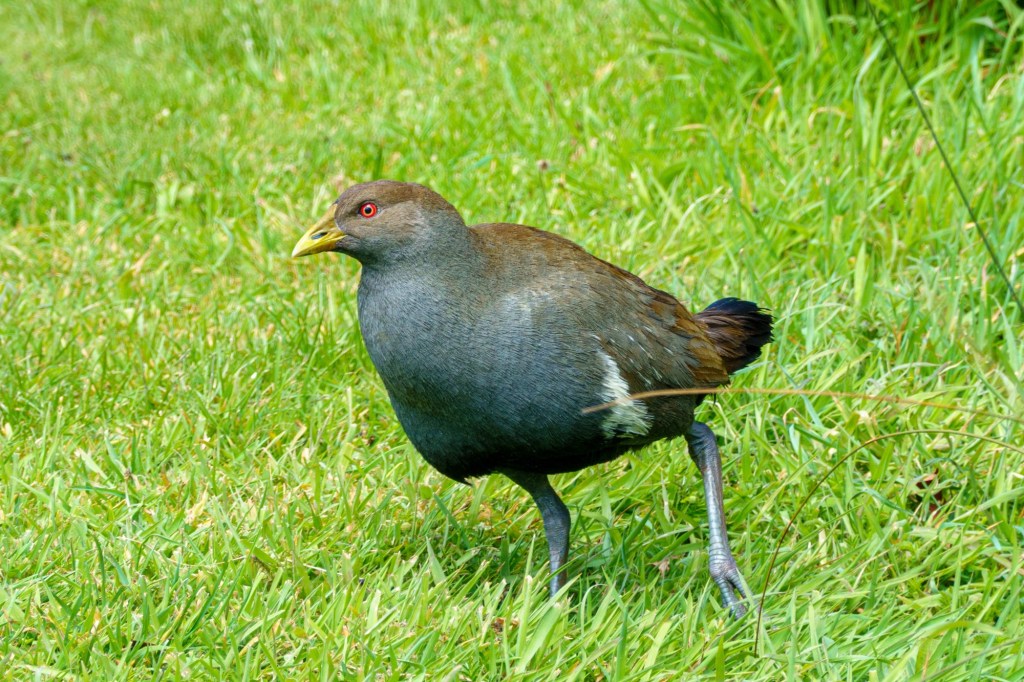
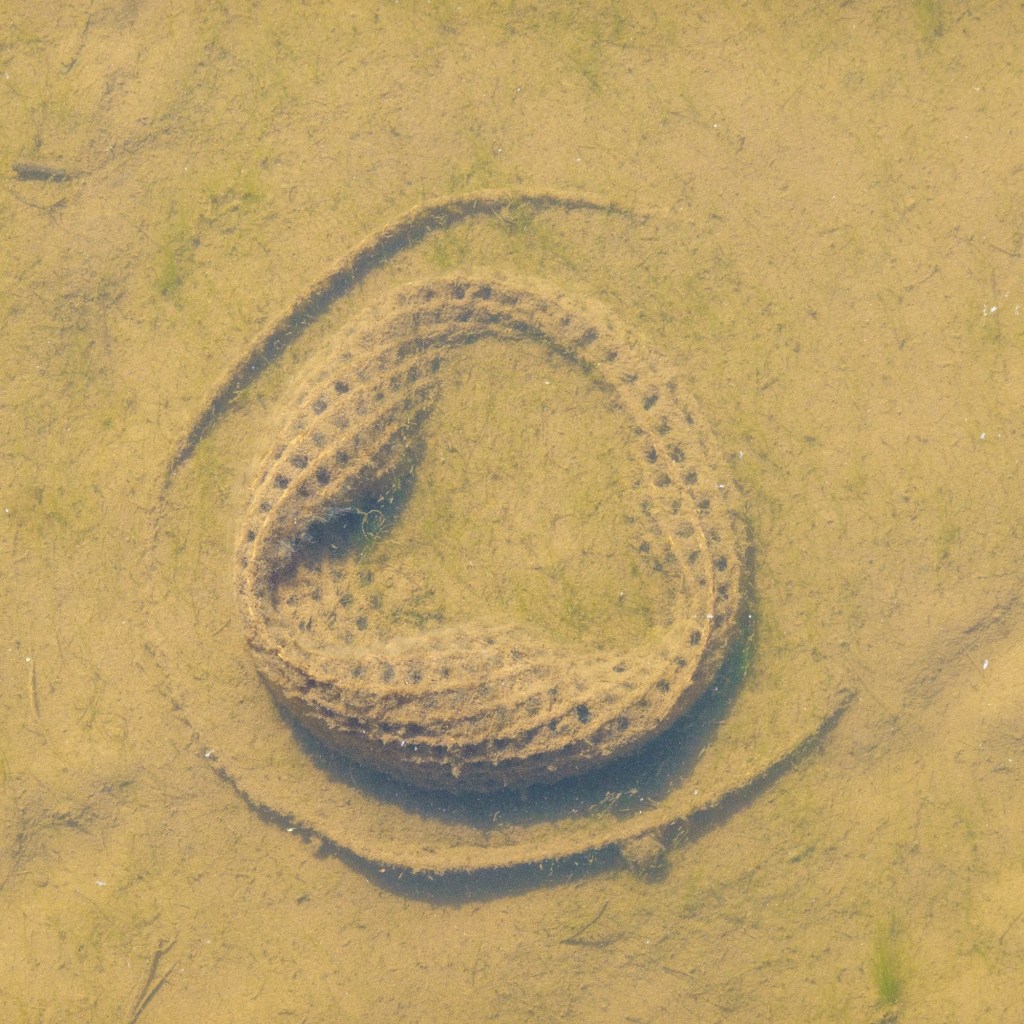
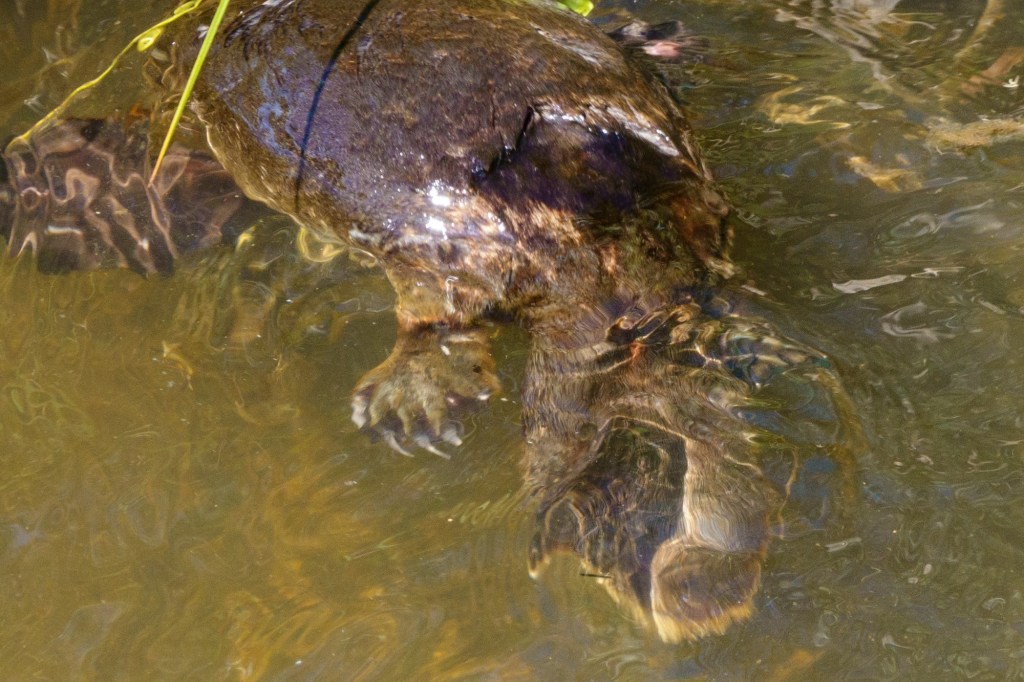
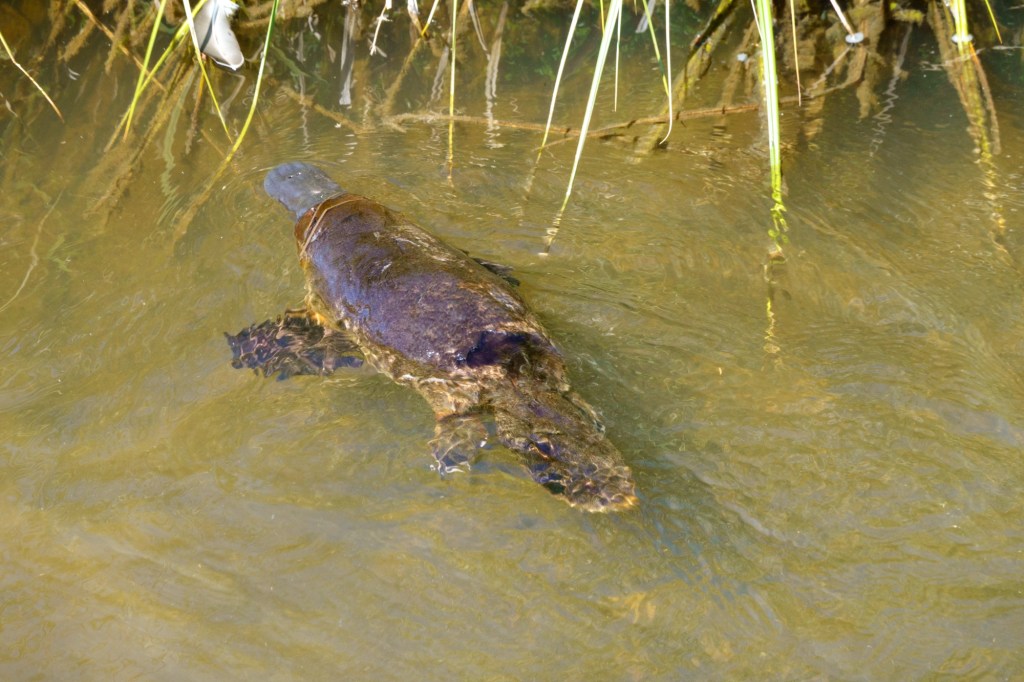
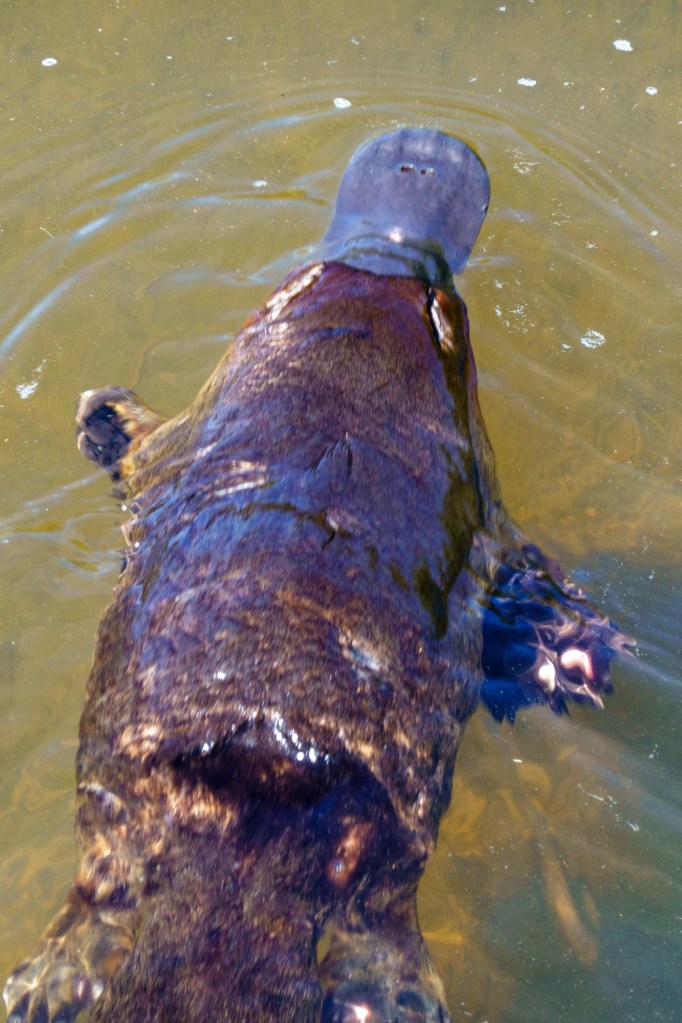
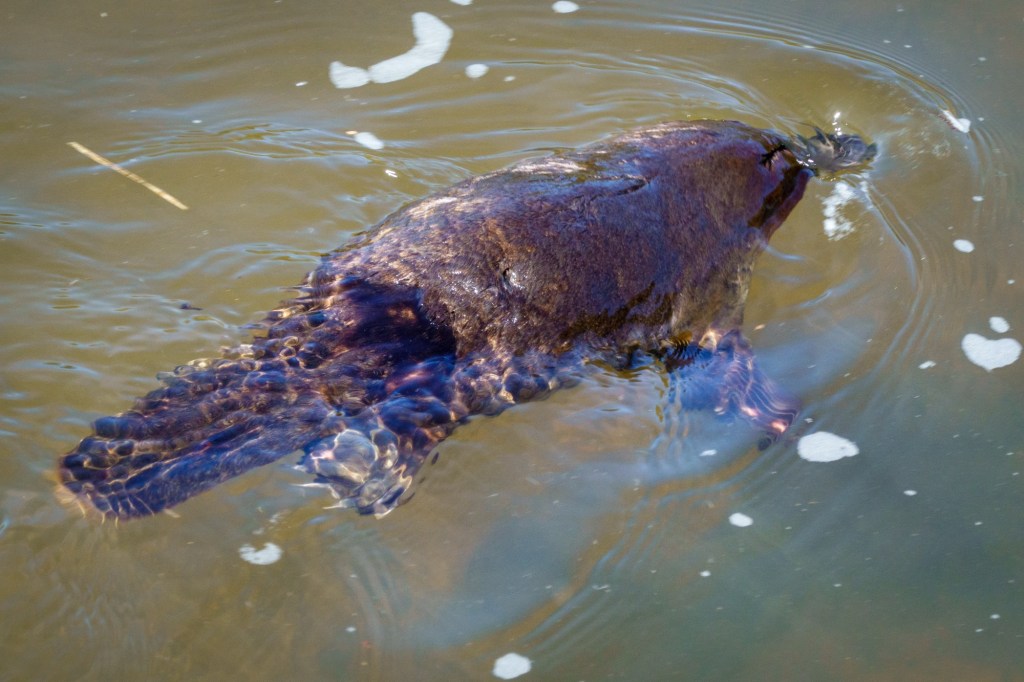
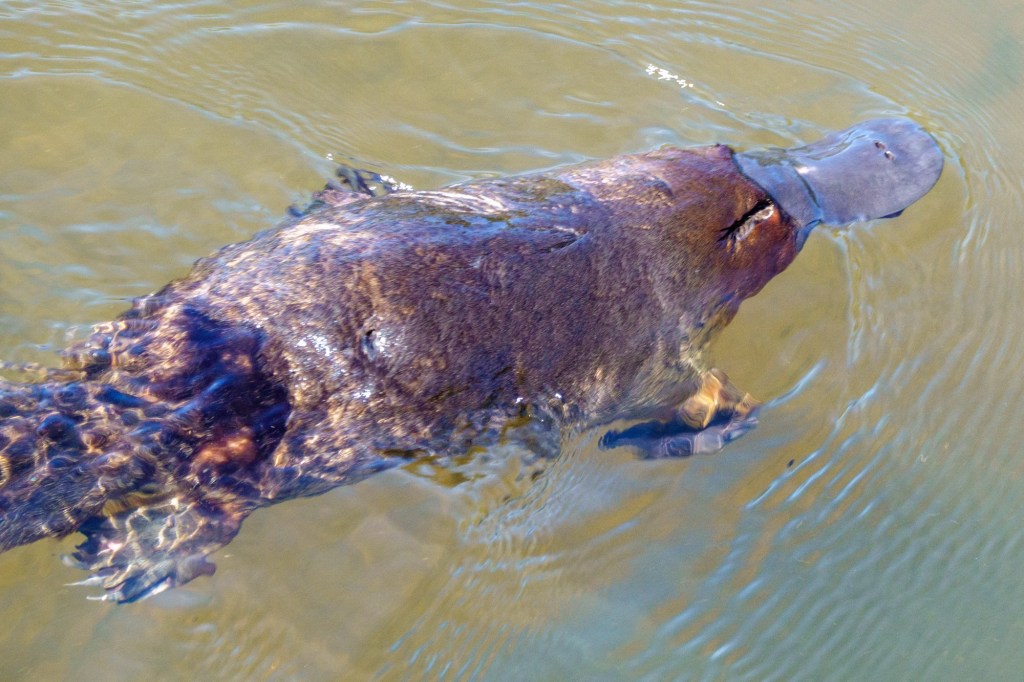
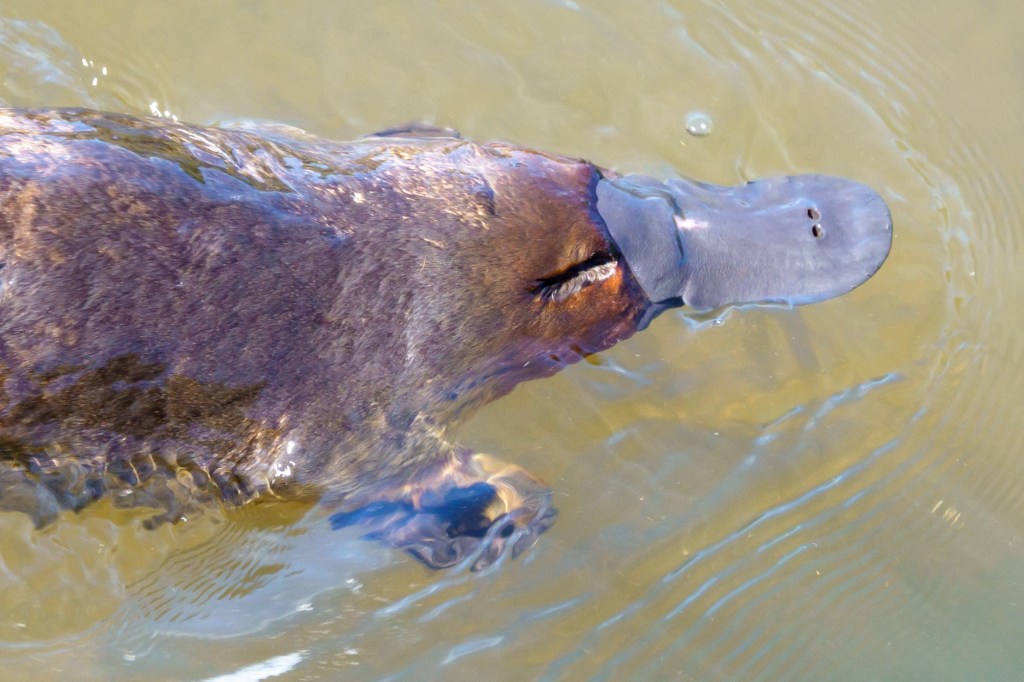
Platypus came out to wave: the Tasmanian Hen came to chase me from her chicks. Proud off her heritage as one of the few unique Tasmanian birds.
A lovely park.
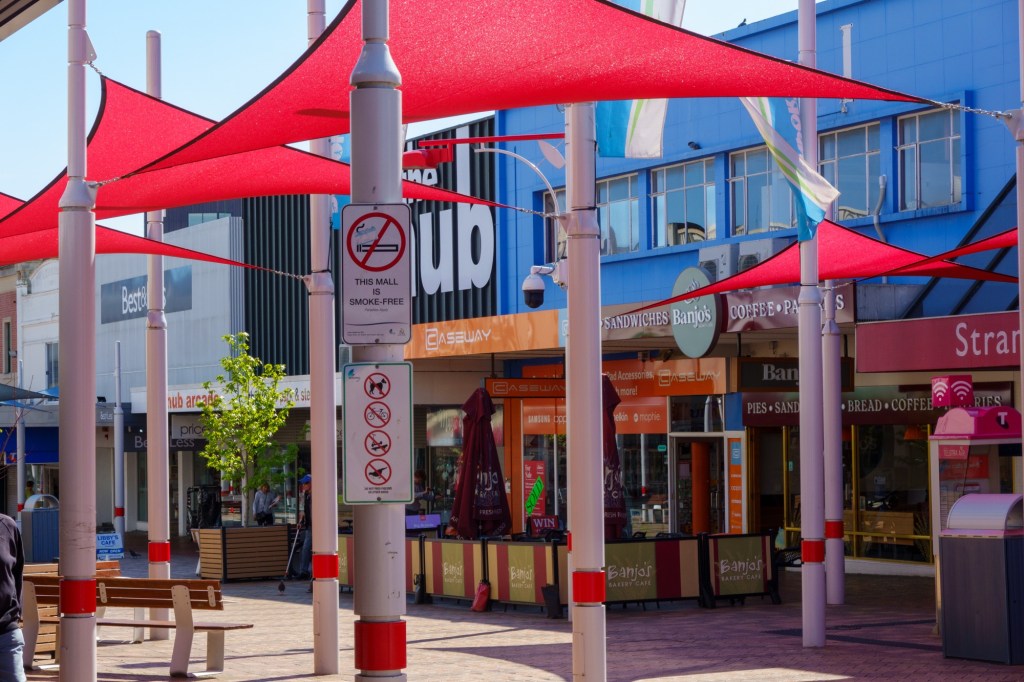
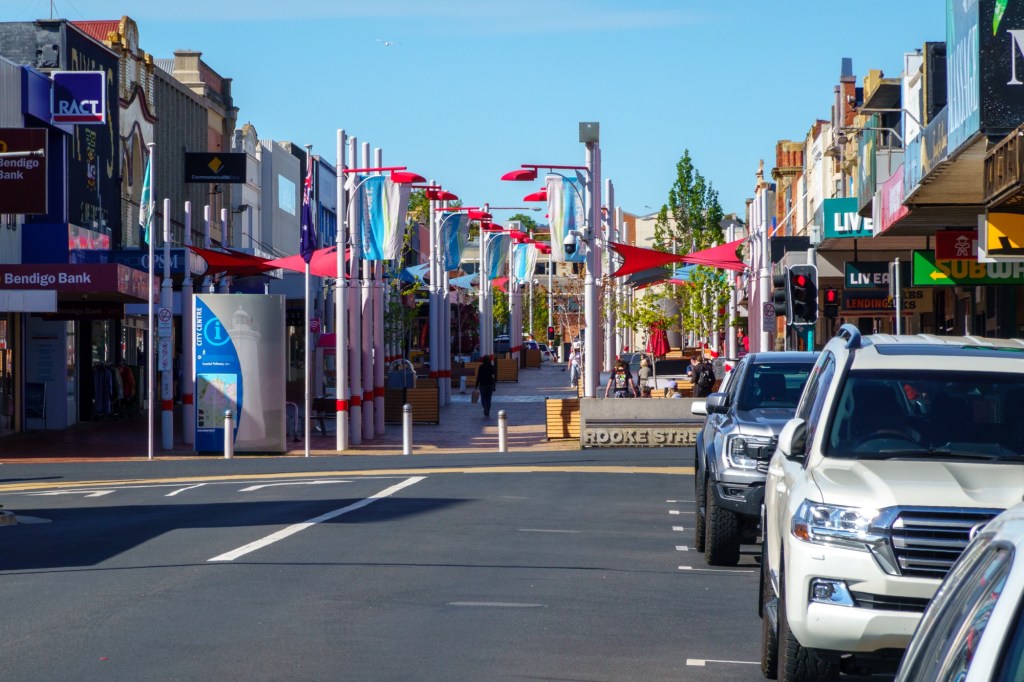
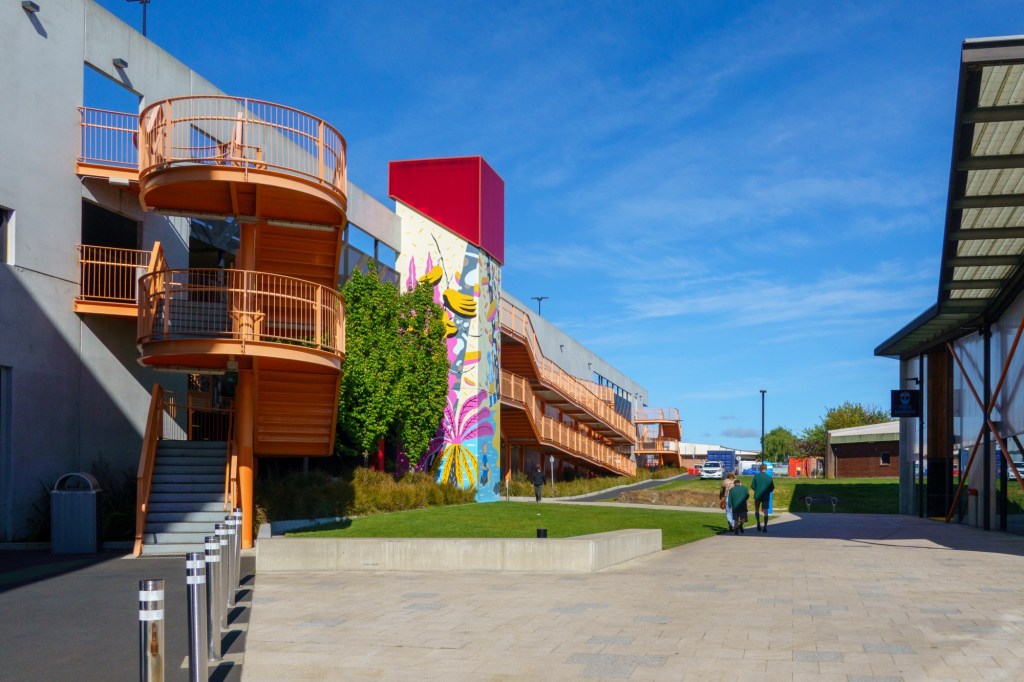
Devonport looked like it’s being redeveloped.
Tonight its hold tight for the Bass Strait crossing.
Full circle of this cycle tour around lovely Tasmania, roughly 1200 km (750) miles in real currency). The route on well maintained quiet roads with good drivers – which also means they assertively overtook vs staying politely a distance away and annoying following cars. Everyday varied and the industrial past of the west coast was a surprise (or rather showed our ignorance).
Cast in Sheffield.Missing the tumbleweedAheadLook leftLook right
As was the poppy farms – originating from a 1964 decision of Glaxo to focus production here after failed experiments in the UK and mainland Australia. Maybe security of the produce was a factor too, or am I being judgemental?
Cuties
The short 40km hop took us through more farms before hitting town. The straight to the Bass Strait Maritime Museum to pick up more (useful?) facts. The first telegraph between Tasmania and the mainland was in 1859 via a submarine cable. It was opposed by the southern community as it posed a threat to their independance. By way of contrast the first telegraph line between UK and Australia was laid in 1872, That’s a long way.
Decision makingDecisionDevonport
The discovery of the Bass Straits in the late 1700’s cut a week off the sailing time between Europe and India. Ahead of HS2 then.
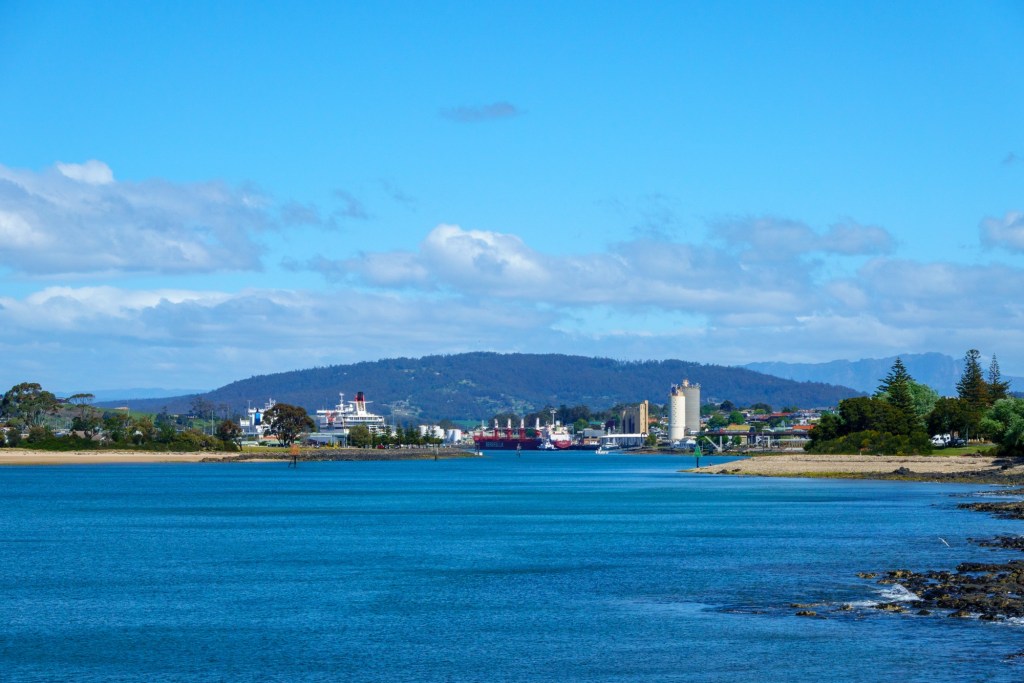
Tomorrow a mootch around before the overnight Spirit of Tasmania sailing. The new ships aren’t in use yet as they are too big for the berth in Devonport so a new berth has to be built – open circa 2027. So they may be stored in Glasgow or Leith. Tasmania boats twinned with CalMac shipbuilders it seems.

































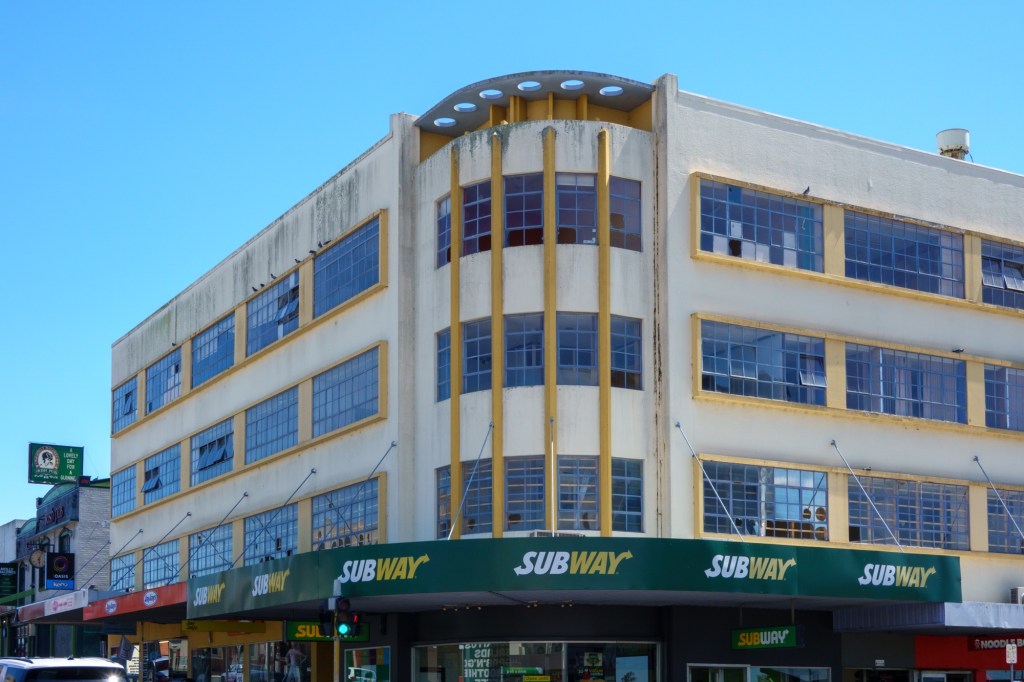
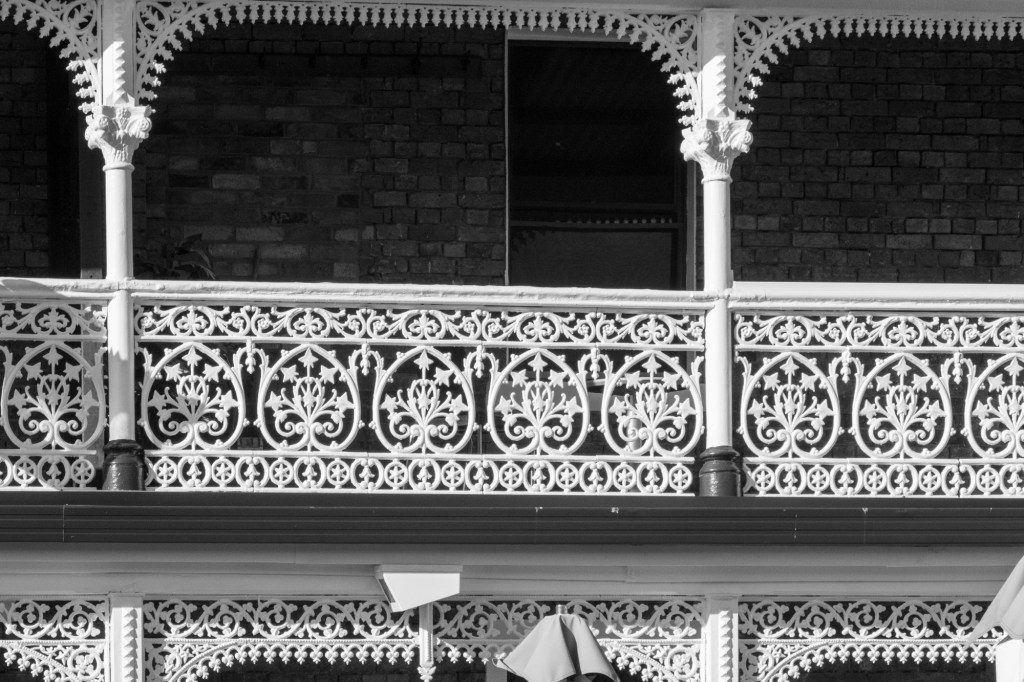
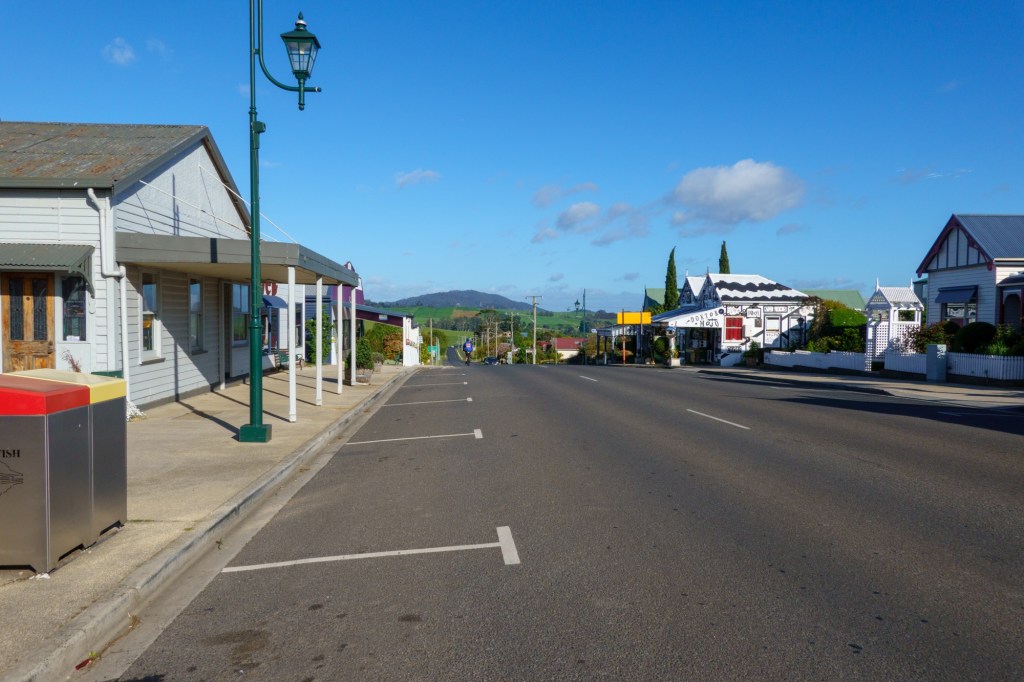

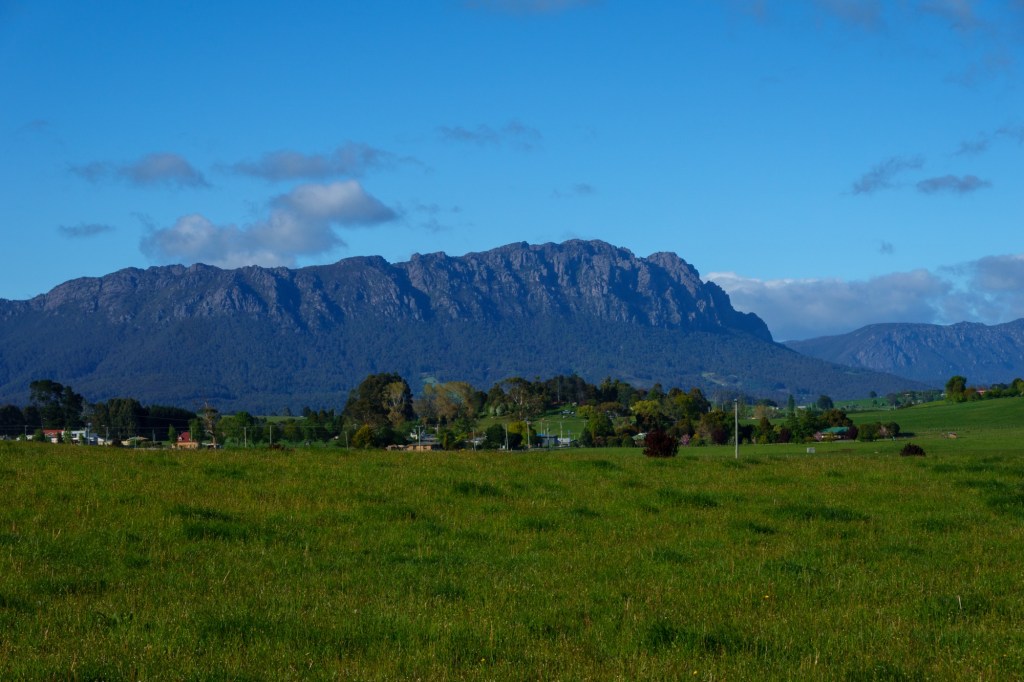


 Travelling reflections